
When people talk about buying an SUV, the first things that come to mind are comfort, engine strength, and reliability. Yet many car owners forget about one thing that affects their monthly expenses long after purchasing insurance.
It might not look like a big deal at first, but when renewal time comes and the premium figure jumps higher than expected, reality sets in quickly.
Insurance companies calculate their rates based on how safe, repairable, and theft-prone a car is. That is why two SUVs that look almost the same on the outside can have very different insurance bills.
Those who plan properly often enjoy lower rates simply because they chose the right vehicle. A model with strong safety ratings, affordable repair parts, and good reliability automatically attracts cheaper coverage.
Meanwhile, performance-heavy SUVs with expensive parts and high accident records usually bring painful insurance costs. For many buyers, this hidden factor determines long-term satisfaction more than the purchase price itself.
This guide looks at two sides of the story. The first section highlights five SUVs that help you keep insurance bills low without sacrificing comfort or performance. The second section exposes five models that, though stylish and powerful, tend to push premiums higher.
Whether you are planning your next SUV purchase or simply curious about what affects insurance rates, understanding these differences can save you serious money and frustration.
5 SUVs With Low Insurance Costs
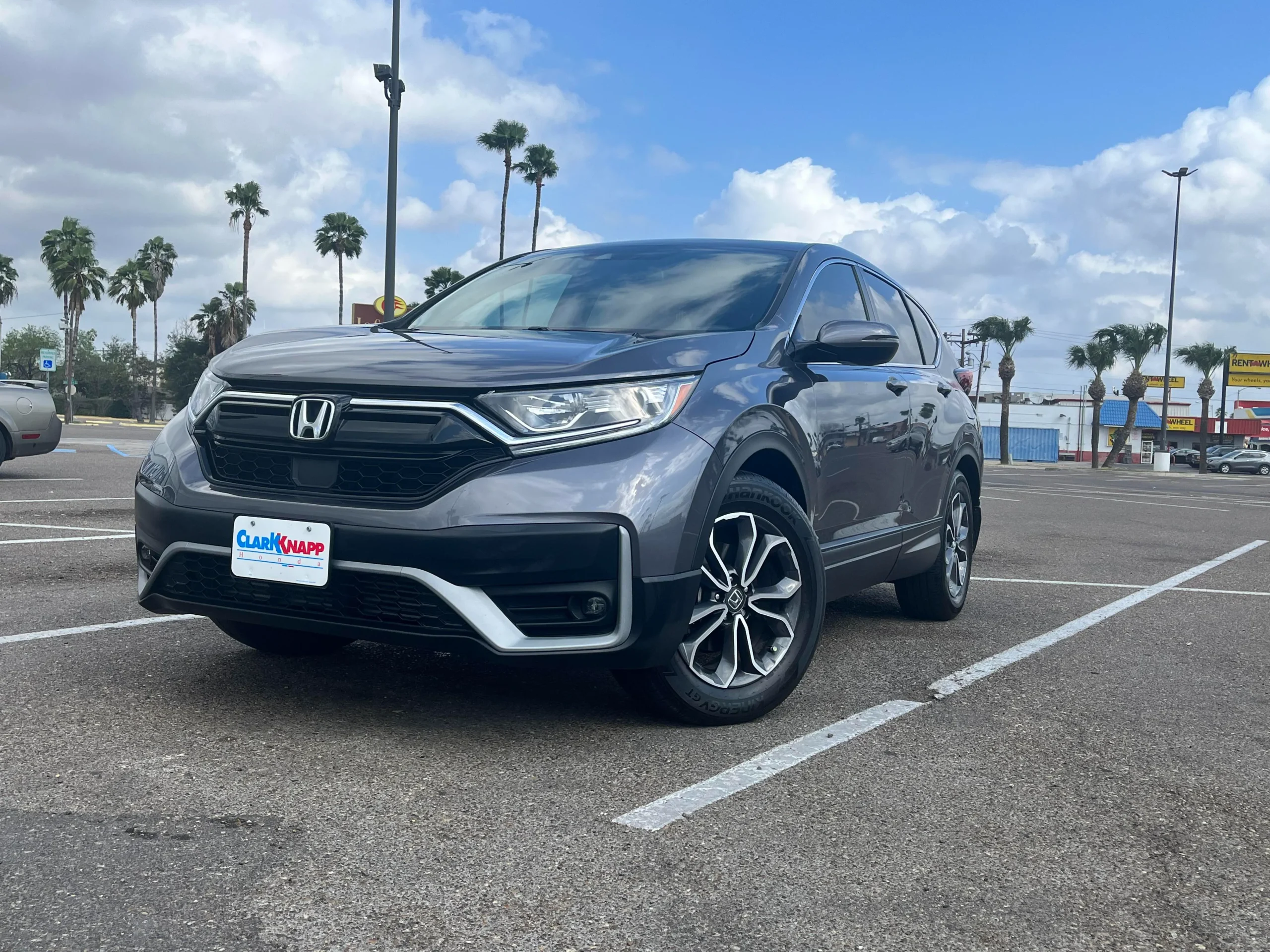
1. Honda CR-V EX-L (2021)
Honda’s CR-V has built a quiet reputation for being one of the easiest SUVs to insure, and it deserves every bit of that reputation. Insurance companies love vehicles that stay out of trouble, and the CR-V checks nearly every box in that area. It combines strong safety engineering with a calm driving personality that appeals to careful drivers.
Its design focuses on stability rather than speed. The body structure absorbs impact effectively, reducing damage in minor accidents, which translates into cheaper repair bills. That single quality alone helps insurers relax about risk. The CR-V’s parts are also widely available, which means when repairs are needed, costs remain moderate.
Another reason this SUV stays friendly with insurers is its theft resistance. Honda introduced updated keyless entry and anti-theft immobilisers that make it harder to steal. Many competitors still struggle with higher theft rates, but the CR-V remains a less common target.
Families appreciate the roomy cabin and calm ride, while insurers appreciate that owners rarely engage in risky driving behaviour.
In addition, Honda’s active safety systems, such as lane-keeping assist, automatic emergency braking, and adaptive cruise control, reduce the likelihood of accidents. These systems make it less likely for insurance companies to pay claims.
What makes the CR-V stand out is its balance of practicality and cost control. It’s not flashy, it’s not the fastest, but it quietly saves its owner money every year. That kind of quiet financial discipline often gets ignored, but it’s what makes this SUV such a smart choice for sensible drivers.
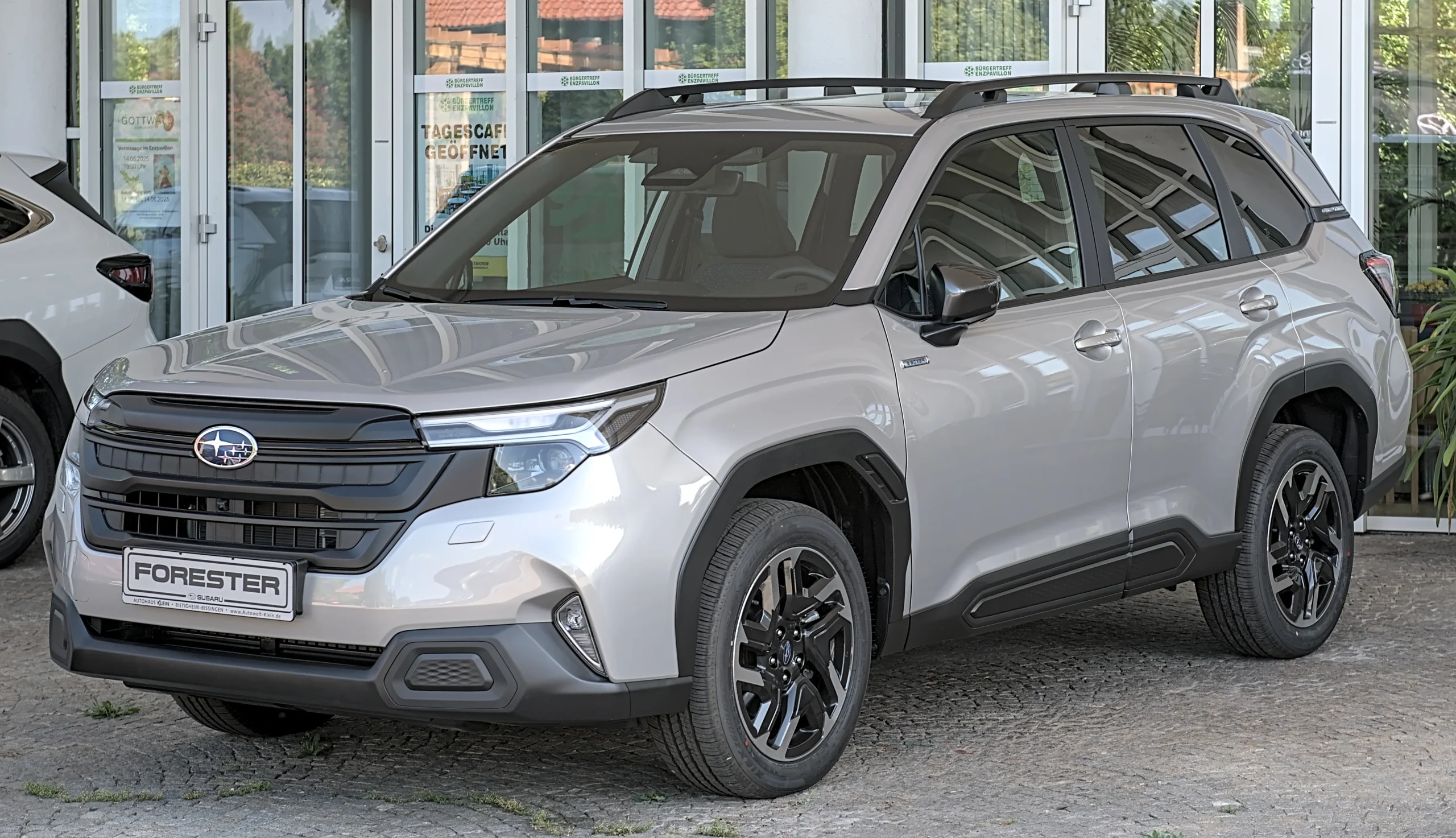
2. Subaru Forester Premium (2020)
Subaru has always been known for building safe, steady, and dependable vehicles. The Forester Premium is no different, and that reputation plays a big part in keeping insurance costs down.
Insurers love data, and the data consistently show Forester owners make fewer claims than many other SUV owners. That alone gives it a financial advantage.
Part of its low insurance rating comes from Subaru’s symmetrical all-wheel-drive system. It gives superior traction on wet or uneven roads, reducing accident risk. Less risk means lower premiums.
The high-strength steel frame also holds up remarkably well in crash tests, and when combined with Subaru’s EyeSight safety technology featuring adaptive cruise control and lane departure alerts it becomes even safer.
Repair expenses also remain fair because Subaru keeps parts simple and durable. Unlike luxury SUVs that use complicated electronics, the Forester uses straightforward mechanical systems that mechanics everywhere can service. Fewer complicated parts mean fewer expensive repairs, which insurers always notice.
Another hidden reason this SUV enjoys lower insurance rates is its driver demographic. The Forester attracts cautious, mature buyers who value safety over speed. Insurance companies price that behaviour into their premiums.
It’s also a quiet vehicle, offering great visibility and a comfortable interior for daily commuting. Everything about it communicates responsibility. That’s why both families and retirees find it appealing it delivers reliability without giving them anxiety about insurance renewals.
Also Read: 10 SUVs With the Lowest Insurance Costs for New Drivers
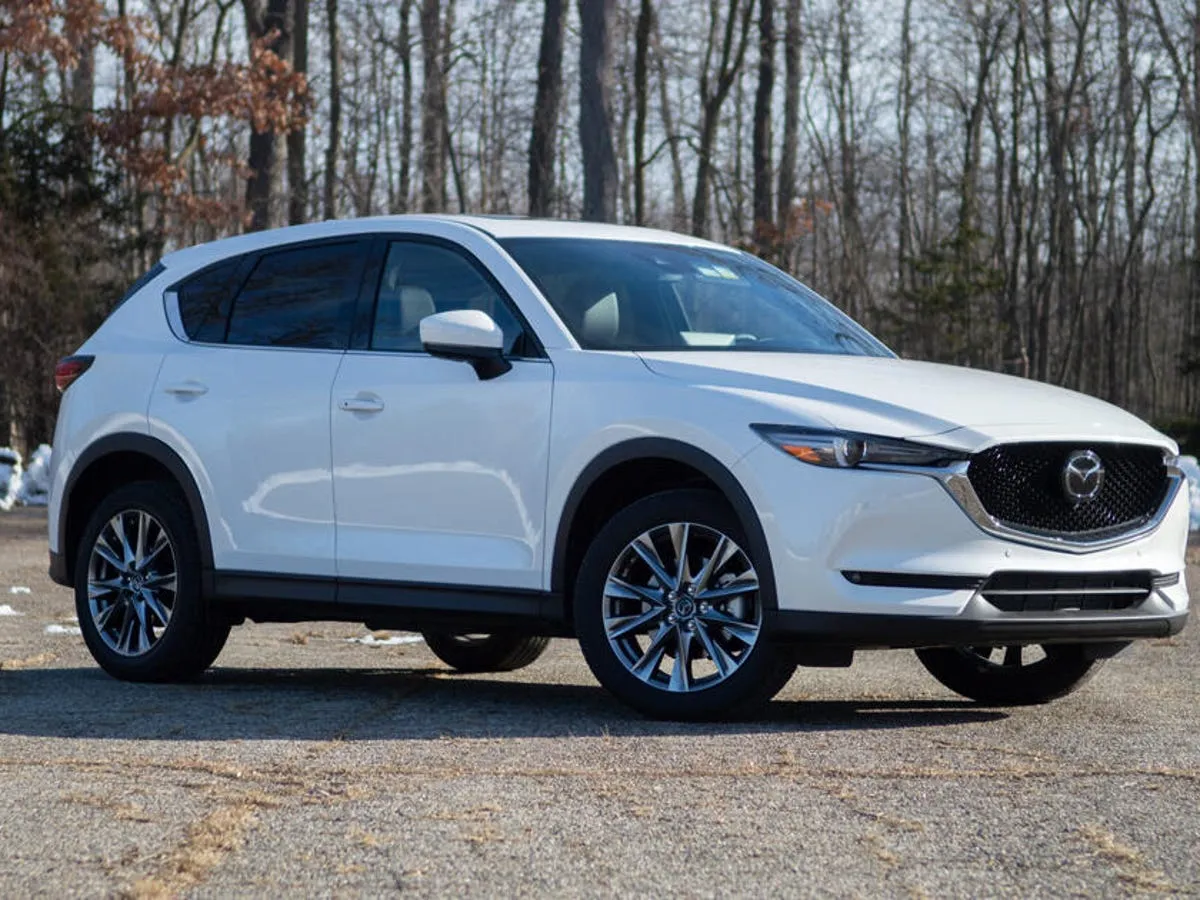
3. Mazda CX-5 Touring (2021)
Mazda’s CX-5 Touring is a stylish SUV that manages to keep insurance costs surprisingly modest. It shows that good design and low expense can actually go hand in hand. From its sleek bodywork to the quality of its materials, it looks premium but behaves like a practical daily driver when it comes to maintenance and safety.
The CX-5’s strong crash-test results give insurers confidence. Its body structure distributes impact force efficiently, and its advanced safety technology, like blind-spot monitoring and smart city braking, helps drivers avoid minor accidents. Insurance providers reward such vehicles because every avoided collision means less paperwork and payout.
Parts availability also works in the owner’s favour. Mazda has a reputation for using shared components across models, so replacements rarely cost more than average. That reliability reduces claim expenses for insurers and translates into cheaper annual premiums for owners.
Another point worth noting is driver behaviour. The CX-5’s engine tuning encourages smooth acceleration rather than aggressive speed. This reduces accident exposure, which again plays into insurance mathematics.
Many SUV buyers choose it for its premium interior and solid fuel economy, but they often discover later that its insurance bill is among the most manageable in its class. That combination of visual appeal and financial comfort makes it a quiet winner for budget-conscious families and working professionals alike.
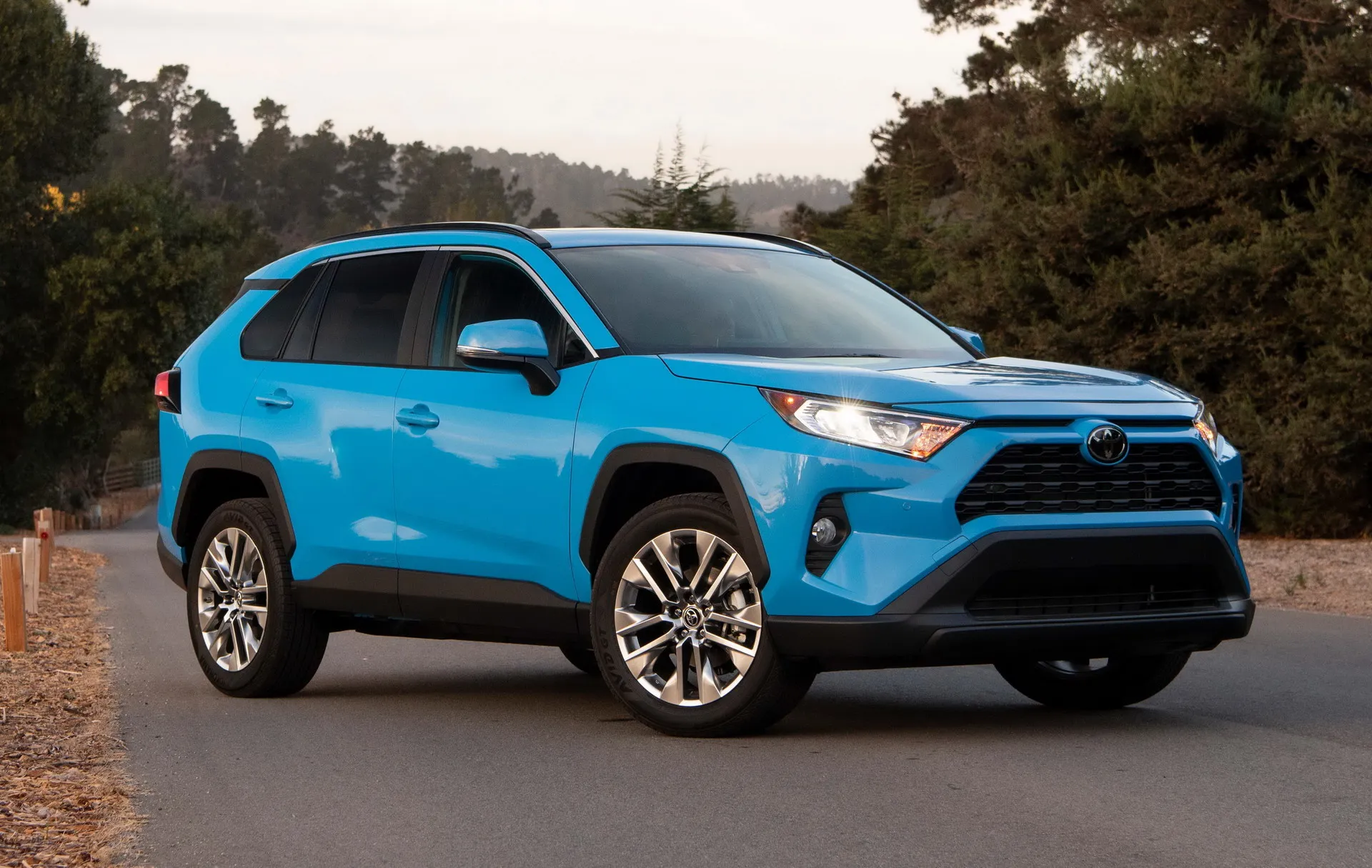
4. Toyota RAV4 XLE (2019)
The Toyota RAV4 XLE has earned a solid reputation as one of the most dependable SUVs when it comes to keeping insurance premiums affordable and avoiding frequent repair headaches.
Its strong safety ratings make it a favourite among families and cautious drivers alike, while the wide availability of parts in service centres across many regions ensures that repairs are straightforward and reasonably priced. These practical elements alone contribute heavily to its low insurance profile.
A major factor influencing insurance rates is Toyota’s legacy of reliability. Vehicles that seldom break down naturally present less risk to insurers. The RAV4’s powertrain, including its engine and transmission, is known to endure for hundreds of thousands of kilometres without major issues.
This reliability reassures insurance providers that claims for mechanical failures are unlikely, which in turn helps keep policy costs down for owners. Drivers benefit from this peace of mind, knowing their vehicle will remain dependable over the long term.
The RAV4 XLE is also equipped with advanced safety features that further reduce accident risk. Systems like pre-collision braking, pedestrian detection, and adaptive cruise control actively help prevent collisions.
Insurance companies consider these technologies when calculating premiums because they lower the probability of claims. Vehicles with such preventative measures often receive more favourable rates than SUVs without comparable safety aids.
Repair costs for the RAV4 remain moderate thanks to Toyota’s choice of durable, commonly available components. Panels, lights, bumpers, and other body parts are not only easy to source but also affordable, keeping post-accident expenses manageable. This practicality reinforces the low-risk perception that insurers rely on when setting premiums.
For families seeking a reliable, safe, and spacious SUV, the RAV4 XLE delivers on all fronts. Its low-risk profile, reinforced by proven reliability, accessible parts, and advanced safety features, makes it a favourite among insurance agents.
Drivers benefit directly from this favourable evaluation, paying smaller insurance premiums while enjoying the comfort, versatility, and confidence that come with owning a Toyota.
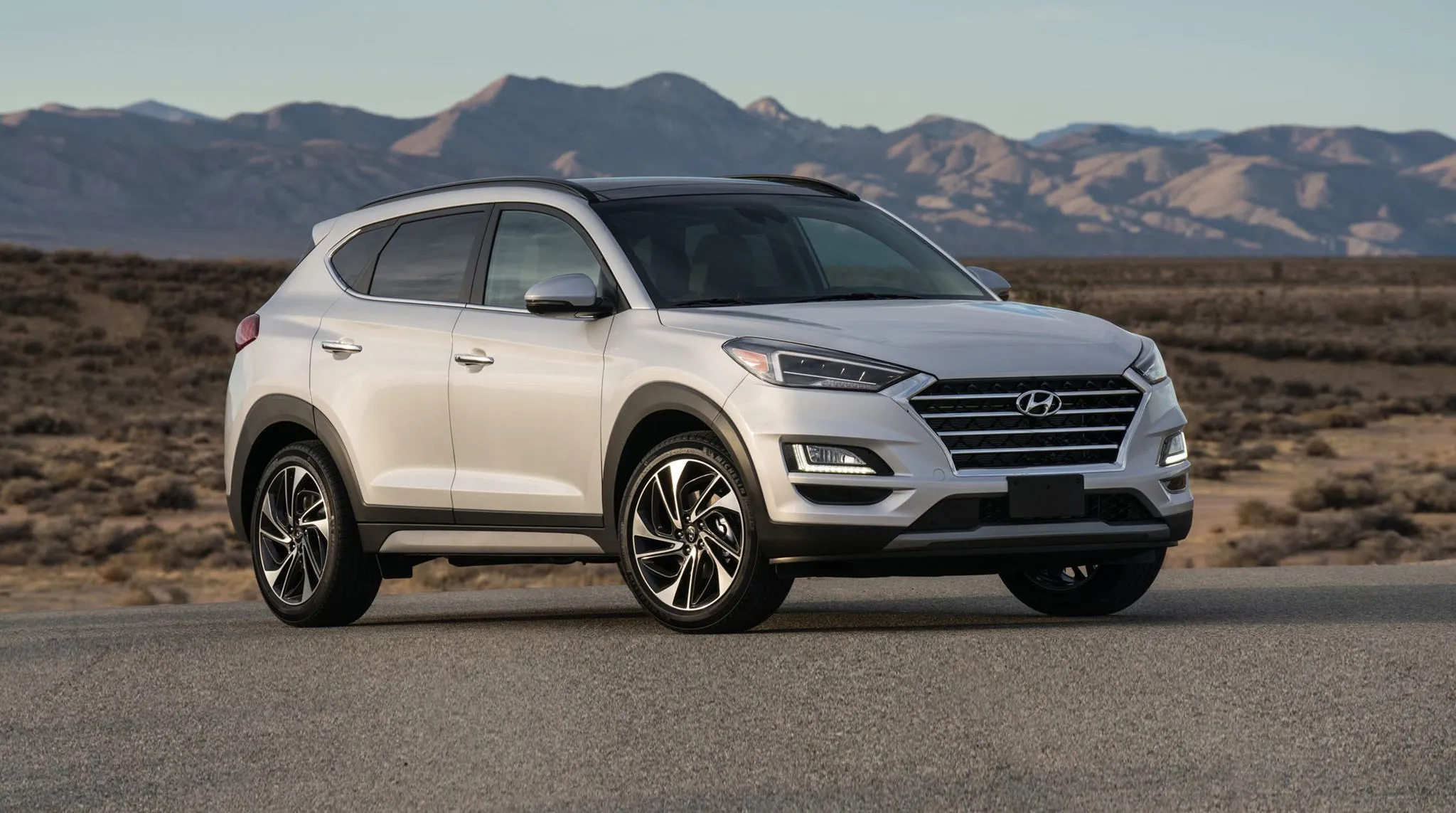
5. Hyundai Tucson SEL (2020)
Hyundai’s rise in reliability and value over the past decade is well represented by the Tucson SEL. This SUV combines modern design, practical technology, and a dependable build, all while keeping insurance costs comfortably low.
Buyers seeking a balance between safety, affordability, and comfort often find the Tucson SEL to be a sensible choice that doesn’t strain their wallets at renewal time.
A major reason insurers favour this model is the accessibility and affordability of parts. Hyundai has made spares easy to source, and replacement costs remain reasonable compared to luxury or high-performance SUVs.
This practical aspect means that repair bills after minor accidents rarely reach extreme levels, and insurers respond by offering lower premiums. Owners benefit from the reassurance that routine mishaps will not lead to unexpected expenses.
Safety also plays a crucial role in Tucson’s insurance friendliness. The model consistently scores highly in global crash tests, and active safety systems like forward collision warning, lane-keeping assist, and driver attention monitoring reduce the likelihood of accidents.
Insurers take notice of these features because they directly contribute to fewer claims, and Tucson’s strong safety record translates into tangible cost savings for owners. The SUV’s moderate power output further helps keep premiums down.
Its engine delivers enough performance for everyday driving without encouraging aggressive behaviour, which insurers often correlate with higher accident risk. The Tucson SEL is comfortable for both new and seasoned drivers, and its predictable handling contributes to safer driving experiences.
Structural integrity also influences insurance costs. Tucson’s strong frame and effective energy absorption in crashes mean that body damage tends to be less severe and easier to repair. Unlike some high-end SUVs requiring specialised labour, this vehicle can be restored without huge expense.
Additionally, Hyundai’s extended warranty adds another layer of reassurance for insurers. Mechanical issues are unlikely during the early years of ownership, which reduces potential claims.
Owners enjoy the combination of technology, comfort, and reliability, while the practical design and safety features ensure that insurance remains a manageable part of the ownership experience. This SUV provides not only convenience and style but also financial peace of mind year after year.
5 SUVs That Spike Premiums
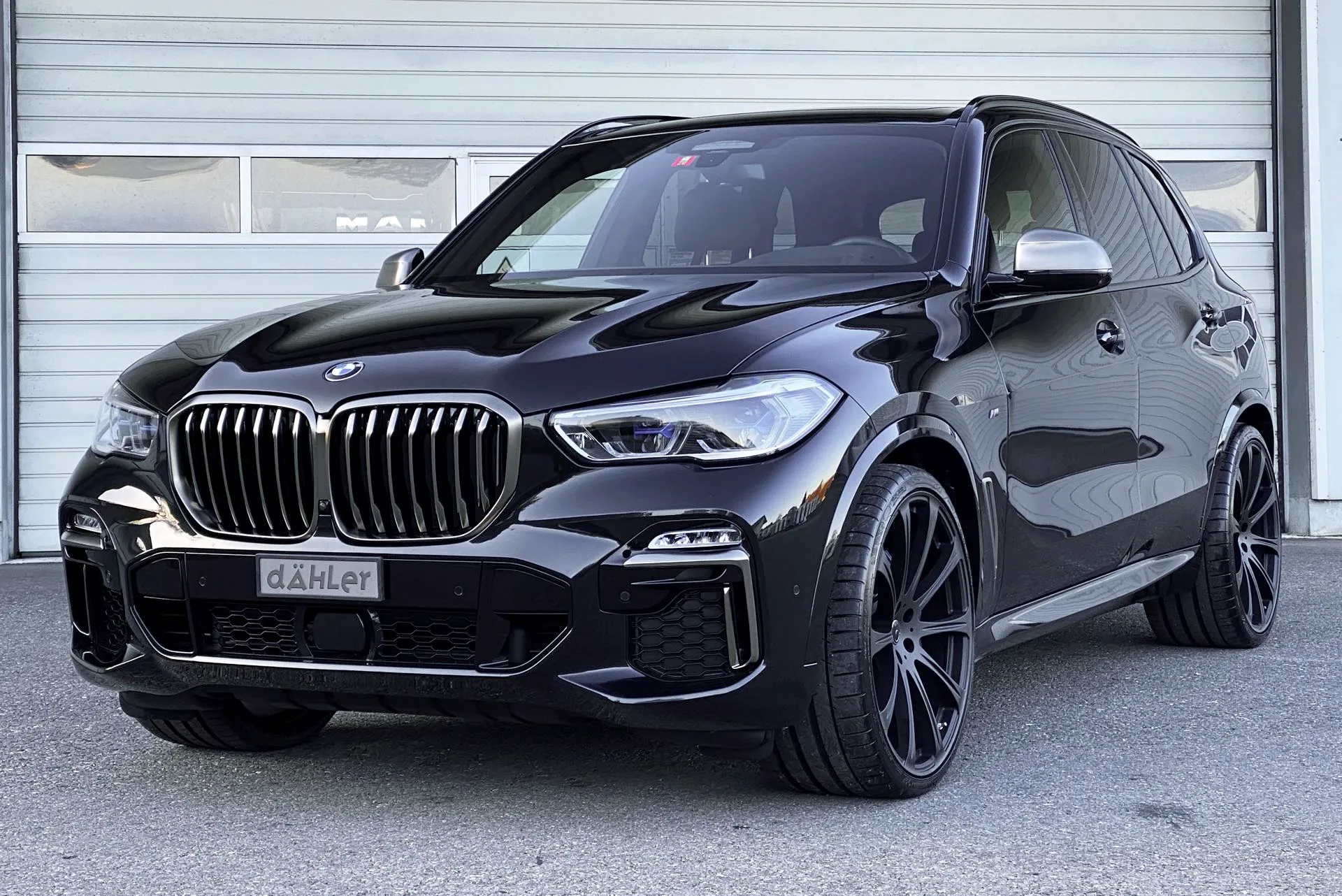
1. BMW X5 M50i (2021)
When an insurance agent sees the “M50i” badge on a BMW, they immediately picture power, cost, and risk rolled into one machine.
The BMW X5 M50i is the kind of SUV that brings joy on the road but worry when the insurance bill arrives. It is loaded with luxury and speed, but those same features push premiums through the roof. Owning it means paying extra for performance, style, and status.
Under its bonnet lies a mighty twin-turbocharged V8 engine that turns every drive into an event. It produces raw strength and instant response, but that kind of energy also draws higher risk classifications.
Vehicles with such speed potential are usually associated with costly repairs when accidents happen. Even a small bump can translate into thousands in damage because of how advanced the engineering is.
Parts for this SUV are anything but cheap. From adaptive air suspension to sophisticated electronic driver systems, everything inside the X5 M50i is premium-grade.
When repairs are needed, only specialised workshops with certified technicians can handle them. This automatically increases the claim size when something goes wrong, and insurance companies adjust premiums accordingly.
Another concern is theft. High-end BMWs are often prime targets for car thieves, especially those dealing with international black markets. Even advanced anti-theft systems do not eliminate the attraction. Insurers know this, so they raise rates to protect themselves from frequent loss payouts.
Drivers who own the X5 M50i rarely complain about its abilities. It handles beautifully, looks stunning, and delivers excitement daily. But when the time comes to renew the policy, the premium reminds them that luxury always carries a cost. This SUV rewards its owner with pride but demands a budget that can keep up with its image.
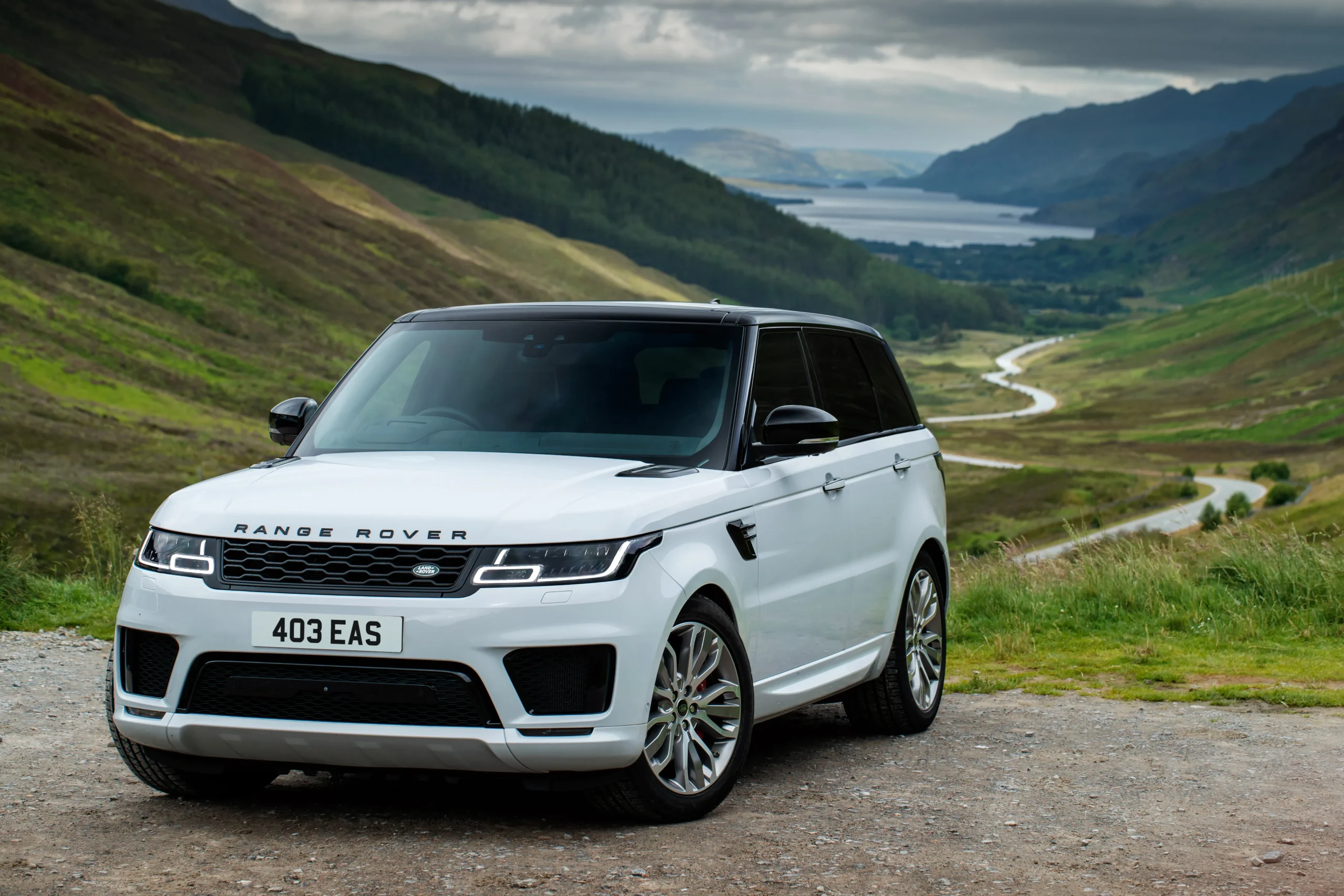
2. Land Rover Range Rover Sport HSE (2020)
Owning a Range Rover Sport HSE sends a message of class and achievement, but that same message makes insurers nervous. They see more than elegance; they see a vehicle that costs a small fortune to fix. Its advanced systems, refined comfort, and prestigious image create a mix that automatically pushes premiums upward.
This SUV is filled with luxury materials, electronics, and complicated technology. The air suspension, road response systems, and multiple cameras all contribute to a driving experience like no other. Yet these same systems make repairs complicated.
Even replacing a small electronic module can require dealership tools and software, pushing labour and part costs beyond average figures. Insurance providers calculate those expenses before setting premiums, so owners end up paying extra from the start.
Its repair expenses are not the only issue. Theft remains a major concern. Range Rovers often top car theft statistics in different regions because they are valuable and easy to sell in black markets.
Even when fitted with advanced security measures, professional thieves still find ways around them. That persistent risk alone is enough for insurers to add a heavy safety margin to policy pricing.
Performance also plays a role. The Range Rover Sport HSE moves fast for its size, and with that speed comes more severe accident damage when collisions occur. Its large body means higher repair bills for panels, lights, and suspension components.
Those who choose the Range Rover Sport HSE rarely regret it. It provides comfort, prestige, and driving confidence. But financially, it behaves like a luxury watch: wonderful to own but costly to maintain.
When it’s time to insure, the premium size reflects not just its brand value but the complicated reality of keeping such an advanced SUV protected.
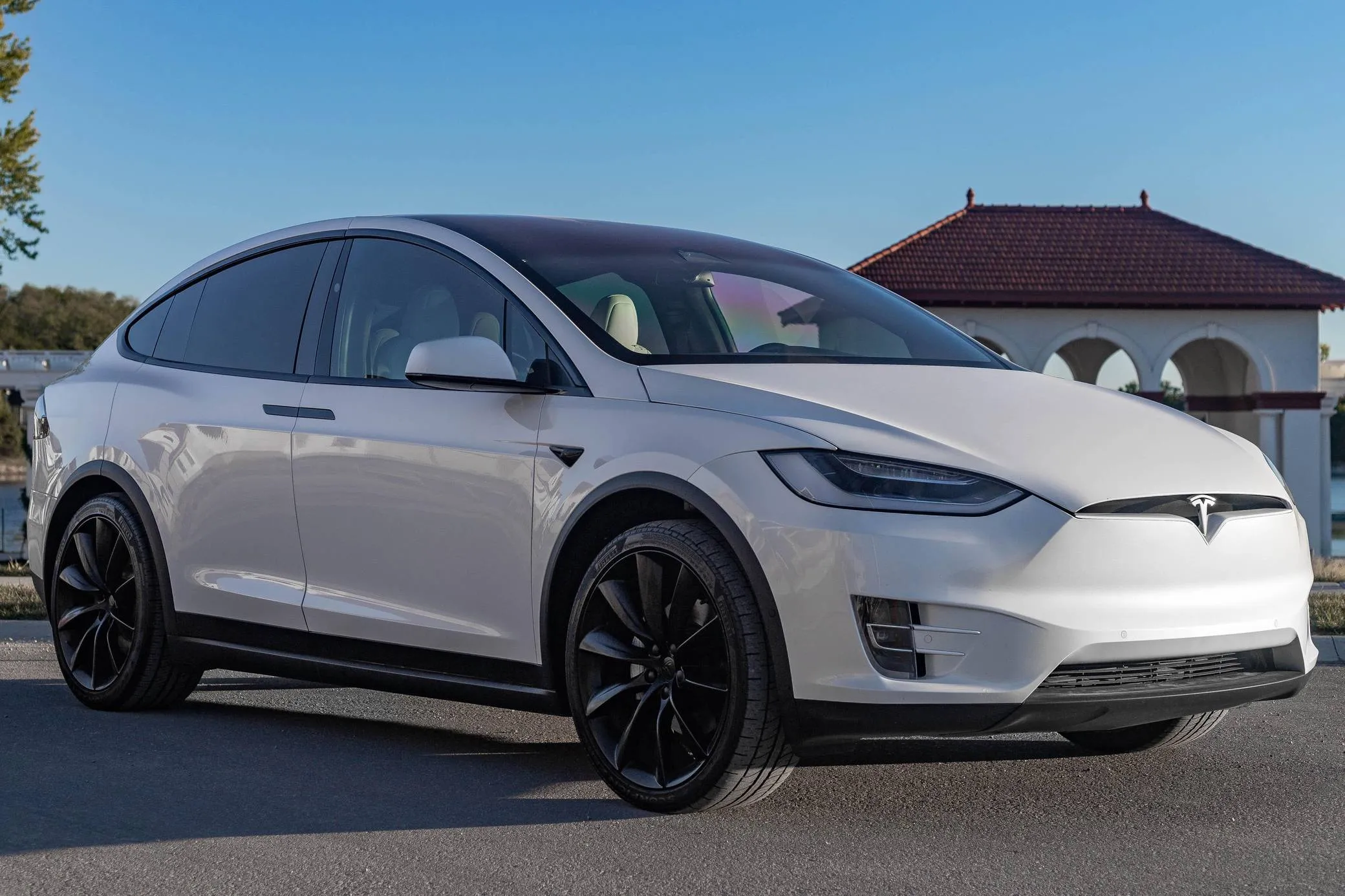
3. Tesla Model X Long Range (2021)
Electric cars may represent progress, but when insurers calculate risk, they often treat them cautiously. The Tesla Model X Long Range is a fine example. It’s sleek, quiet, and lightning-fast, yet it sits among vehicles that attract heavy insurance costs. The reason is simple: everything about it is expensive to fix and specialised in design.
The Model X has an aluminium structure that makes it lighter and more efficient, but repairing that structure is no small matter. Standard workshops cannot handle it, so Tesla-authorised centres take control of all repairs.
Their labour costs are higher, and parts are rarely available off the shelf. When a small accident happens, waiting for replacement panels or sensors can take weeks, adding storage and rental expenses that push claims even higher.
Electric components also make insurance providers cautious. A simple rear-end impact could affect the battery pack, which is the most expensive part of the car.
Even if only slightly damaged, that component might require full replacement for safety reasons, costing tens of thousands. Insurers know that every accident with a Model X can easily turn into a large claim.
The rapid acceleration of the Model X adds another layer of concern. With instant torque and near-silent speed, it tempts drivers to push harder. Such performance capability raises accident probability. Combining that with the car’s premium value, insurers charge high premiums to cover potential losses.
Though the Tesla Model X stands as a symbol of innovation and luxury, its insurance profile tells a different story. It costs dearly to keep covered, and anyone planning ownership must prepare for the financial side of advanced technology. The price of cutting-edge design extends beyond the showroom; it follows right into the insurance quote.
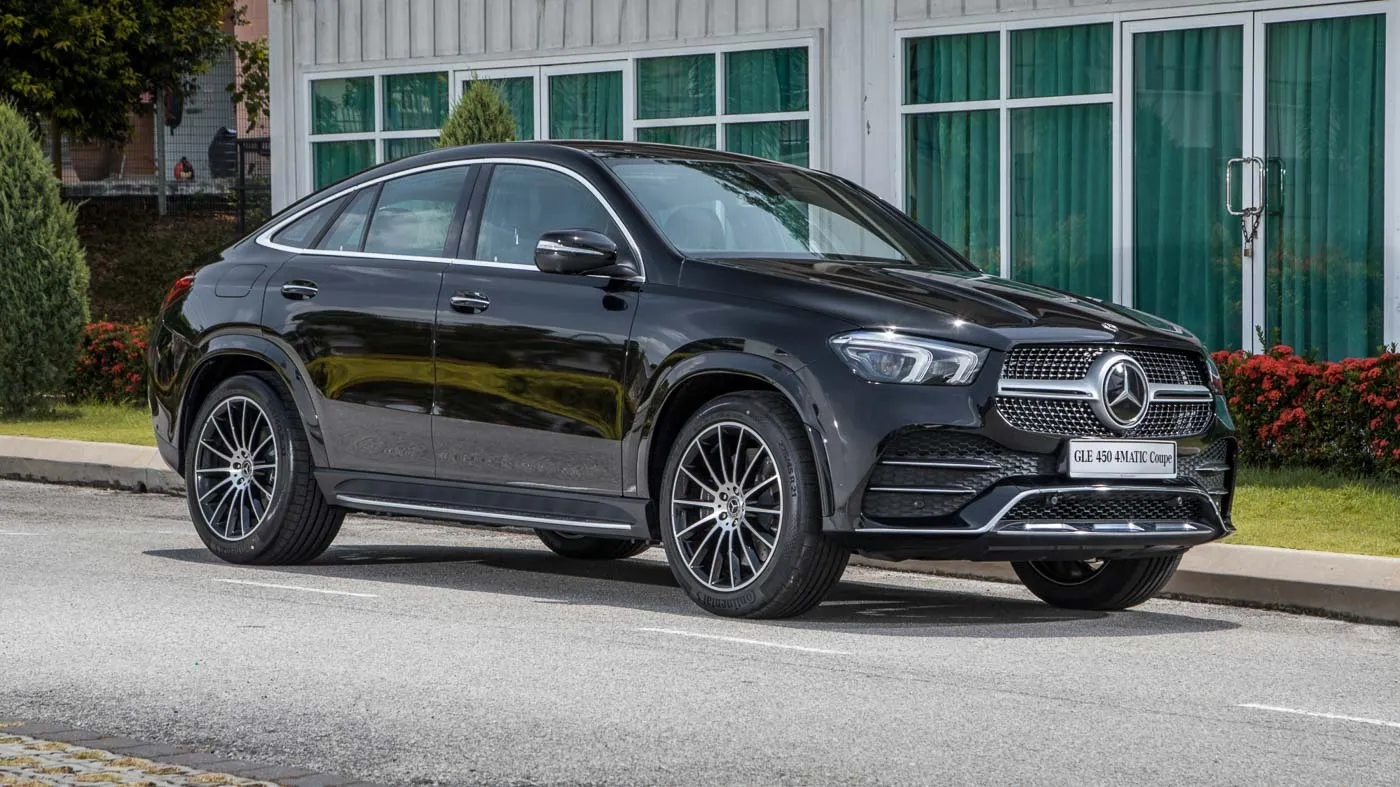
4. Mercedes-Benz GLE 450 4MATIC (2020)
The Mercedes-Benz GLE 450 4MATIC blends strength with elegance, a combination that delights owners but troubles insurers.
Every feature inside this SUV represents engineering precision and high-end technology, which together create one unavoidable result: expensive repairs. Insurers see it as a beautiful risk that requires premium-level protection.
Powering the GLE 450 is a turbocharged inline-six engine supported by an electric mild-hybrid system. This pairing gives it quick acceleration and smooth operation, but when mechanical or electrical parts fail, replacement costs soar.
The hybrid technology involves complicated sensors and control units that only trained technicians can handle. A single fault can run into thousands, pushing insurers to increase premium rates to balance risk.
Even its luxury touches add to the insurance challenge. Cameras, radar sensors, and electronic safety aids are integrated into nearly every corner of the body.
A small collision or scrape can damage several of these parts at once. That means a minor accident could result in a repair bill equivalent to a full rebuild on cheaper vehicles.
The GLE 450’s high retail value and refined performance also place it in a category prone to higher claim sizes. Luxury cars tend to be involved in more expensive incidents, not necessarily because of poor driving, but due to the high price of parts and specialist repair requirements.
Owners who drive this SUV appreciate the comfort, silence, and prestige it offers. However, every insurance renewal reminds them that owning a Mercedes is a commitment that extends far beyond fuel or service costs.
For those who can handle the expenses, it’s worth every cent. But for those seeking peace of mind with affordable coverage, the GLE 450 may prove to be a heavy financial companion.
Also Read: 10 Full-Size SUVs That Don’t Feel Like Boats
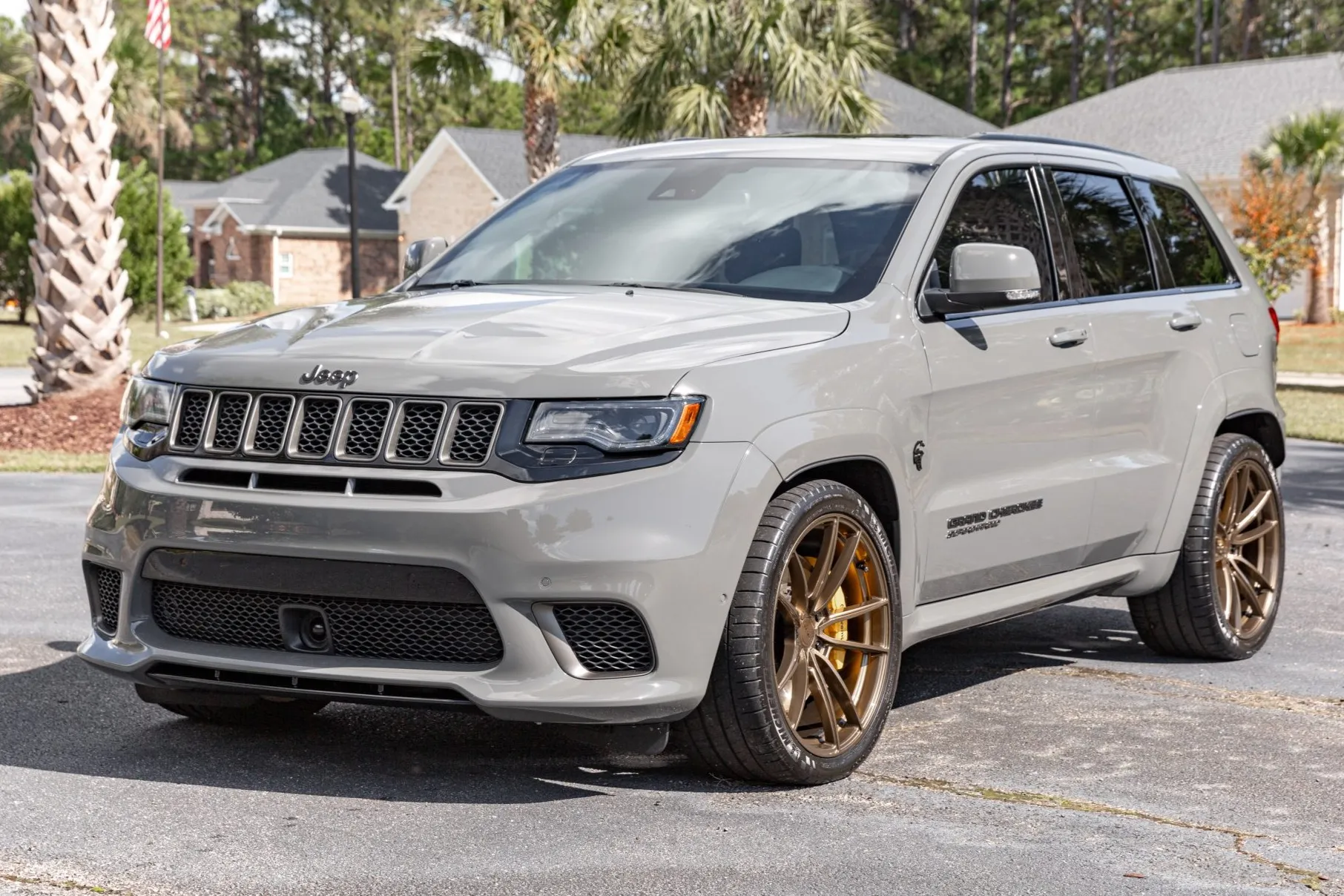
5. Jeep Grand Cherokee Trackhawk (2019)
Few SUVs command respect like the Jeep Grand Cherokee Trackhawk. With a supercharged V8 borrowed from Dodge’s muscle cars, it delivers explosive performance that leaves even sports cars behind. Yet this same raw power sends insurance premiums through the roof.
Insurers classify it as a high-risk performance SUV because of its 700-plus horsepower output and rapid acceleration. Vehicles capable of such speed often attract aggressive driving habits, and with that comes higher accident potential.
Repair costs also play a big role. The Trackhawk’s performance parts are unique, meaning they cannot be easily substituted. Its brakes, tyres, and suspension components are all built for extreme power, and replacing them costs far more than those of ordinary SUVs.
Fuel economy might not bother enthusiasts, but insurers consider everything that hints at risk, including the fact that this model invites spirited use. It also faces strong theft attraction, especially in regions where high-performance SUVs are rare.
Drivers who choose this vehicle accept that its insurance bill will always be higher than average. It’s part of the cost of owning something so powerful. The Trackhawk delivers excitement and adrenaline but leaves practicality behind when it comes to insurance.
Choosing an SUV should never be based only on looks or engine performance. Hidden costs like insurance determine long-term satisfaction. Some models keep your budget in balance because insurers trust their safety and reliability. Others may look appealing, but can quietly drain your wallet through high premiums.
Understanding what influences these prices repair costs, theft rate, driver behaviour, and part availability, helps every car buyer make wiser choices. Those who do their research before signing on the dotted line often enjoy smoother ownership, not only on the road but also in their monthly expenses.
