
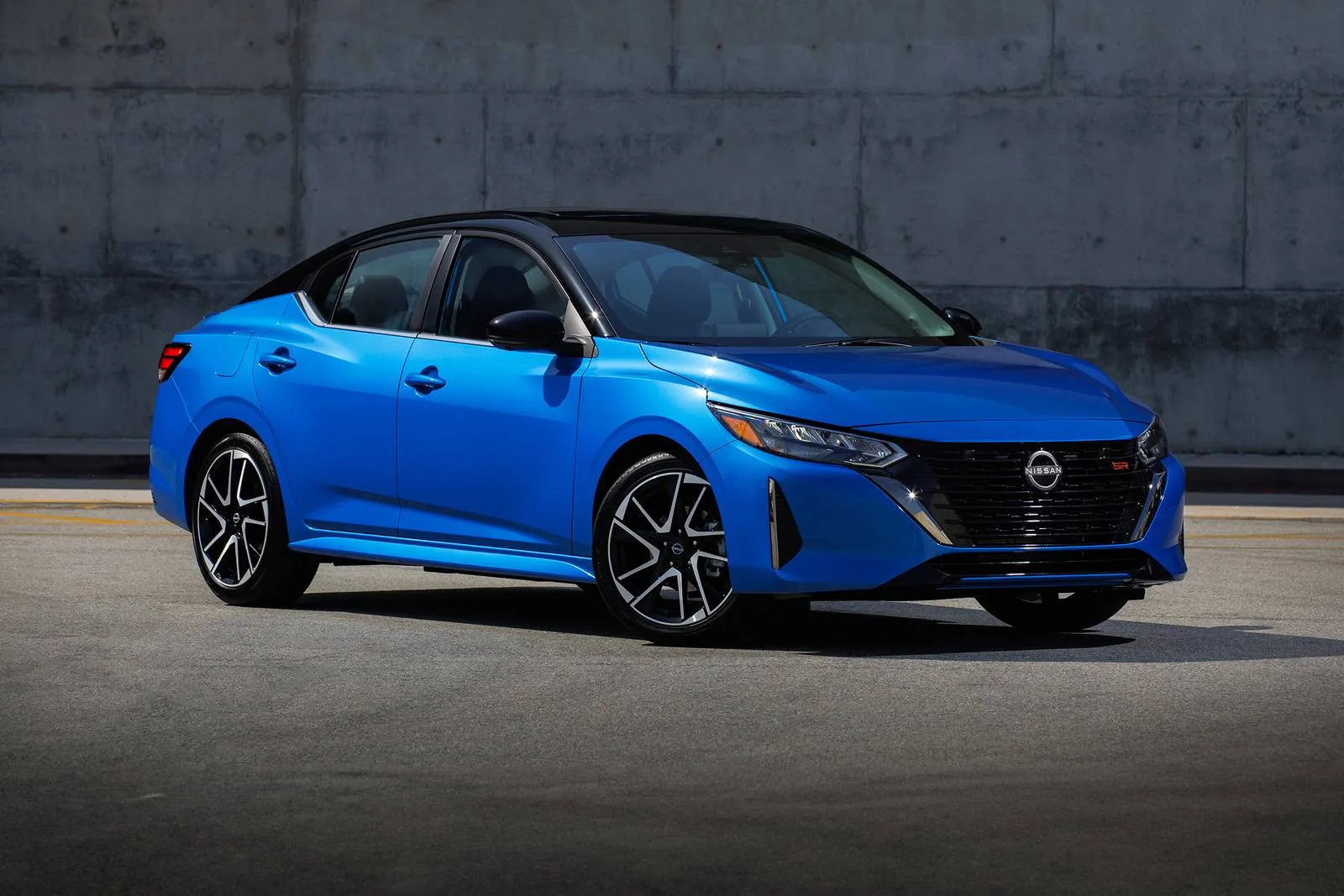
Owning a car is more than just driving; it is about peace of mind and knowing your engine will keep up without demanding huge bills. Timing service is one area where many drivers feel the pinch if they don’t choose carefully.
Engines rely on precise timing for pistons and valves to work together, and when this fails, the consequences can be severe. Some sedans come with simple, durable timing systems that need minimal attention, while others use complicated belts that require expensive replacement and careful handling.
Choosing the right sedan can save you time, stress, and money. Imagine driving without worrying about sudden engine repairs, without having to plan months for a costly workshop visit. Sedans with timing chains often offer this kind of carefree ownership, whereas belt-driven models require a vigilant approach to avoid catastrophic failures.
This guide highlights ten sedans: five that are easy on timing service, keeping costs low and simplicity high, and five that come with costly belt jobs, demanding attention, careful planning, and professional labour.
Whether you are a daily commuter, a family driver, or someone who simply enjoys smooth performance, this article will help you understand which models save you money and which ones need financial foresight.
TEvery car listed includes full details about its engine, timing system, and ownership realities, so you can make an informed choice without confusion.
5 Sedans With Simple Timing Service
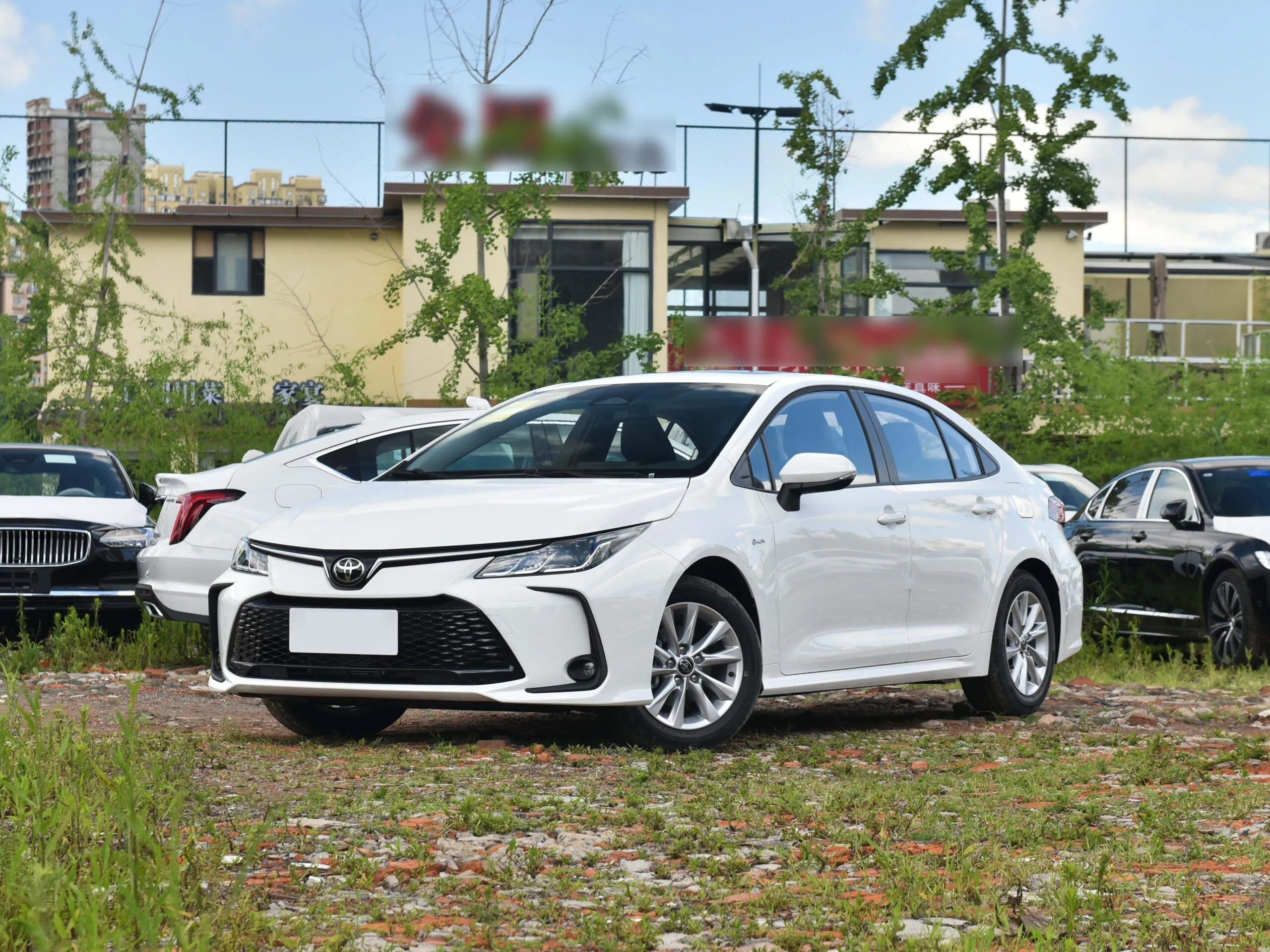
1. Toyota Corolla 1.8L (Simple Timing Service)
The Toyota Corolla 1.8L has been a household favourite for decades, and for good reasons. The engine uses a timing chain instead of a belt, which means that regular replacement is not part of the ownership experience.
Chains are designed to last for hundreds of thousands of kilometres, often outliving the rest of the engine components when properly maintained. Owners who stick to routine oil changes rarely face timing issues, which makes this sedan remarkably stress-free for everyday driving.
Mechanics appreciate the Corolla’s simplicity. The timing chain is easy to inspect and service without removing the engine or major components.
In the rare instance of a tensioner failure, the repair is straightforward and affordable. The accessibility of parts also ensures minimal downtime. For families who rely on their car for school runs or daily commuting, this is a big advantage.
The Corolla’s 1.8L engine also delivers smooth and reliable performance. Acceleration is steady, and the engine remains quiet even after years of heavy use. Fuel efficiency benefits from precise timing, which ensures optimal valve and piston operation. Many drivers report consistent mileage figures over long-term ownership, with no sudden drops caused by timing issues.
Toyota’s global presence means parts are widely available, from tensioners to chain guides. The affordability of these parts makes DIY or mechanic-assisted servicing simple.
Drivers enjoy a sedan that is comfortable, reliable, and inexpensive to maintain. The Corolla 1.8L is proof that Japanese engineering prioritises longevity and low-stress ownership without compromising on performance or comfort.
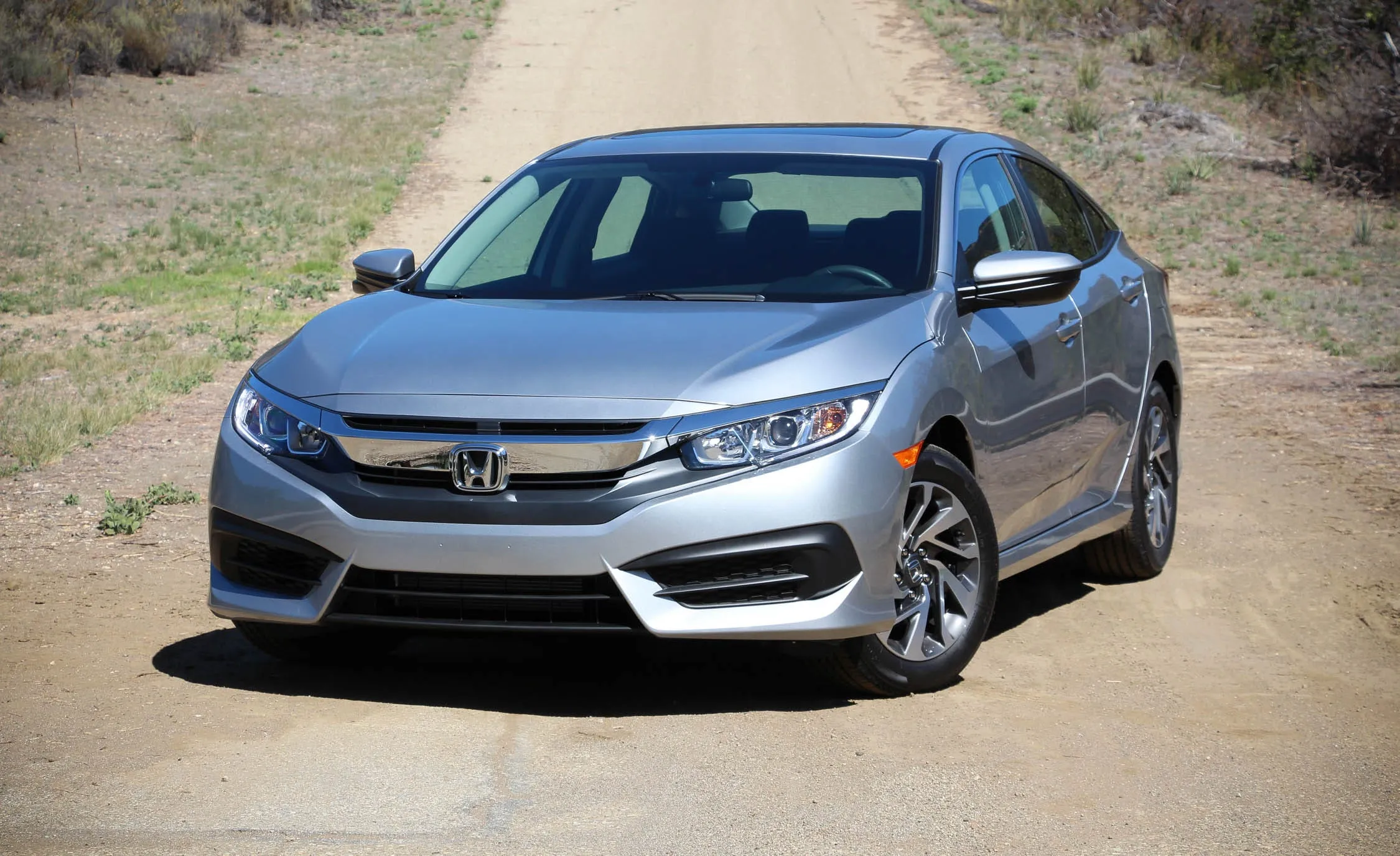
2. Honda Civic 2.0L (Simple Timing Service)
Honda Civic has always been synonymous with practical, efficient, and dependable sedans. The 2.0L engine, found in models from 2015 onwards, features a timing chain system that eliminates the need for expensive belt replacement.
Chains typically last the life of the engine if proper oil change schedules are followed. This means drivers can enjoy years of hassle-free service while focusing on performance and fuel efficiency. What sets the Civic apart is the compact engine layout, which allows mechanics to service the timing chain without dismantling major components.
This makes inspections, tensioner replacements, and minor servicing quicker and more affordable. Owners also enjoy quiet engine operation, thanks to the low-friction properties of timing chains, which do not stretch like rubber belts.
The Civic 2.0L also balances power and efficiency. Valve timing remains precise, which keeps the engine running smoothly and fuel consumption optimal.
Long-term owners often report minimal engine issues, making it ideal for daily commutes, long drives, and city traffic. In addition, replacement parts for tensioners and chain guides are affordable and widely available.
Even novice mechanics can tackle minor servicing tasks on the Civic 2.0L without risking engine damage. This level of accessibility is unusual for a modern sedan, especially compared to European models that hide timing components deep inside the engine bay.
For drivers seeking peace of mind, reliability, and long-term savings, the Civic 2.0L remains a top choice that balances engineering simplicity with everyday performance.
Also Read: 10 Compact Cars That Survive Winter Roads Like Champs
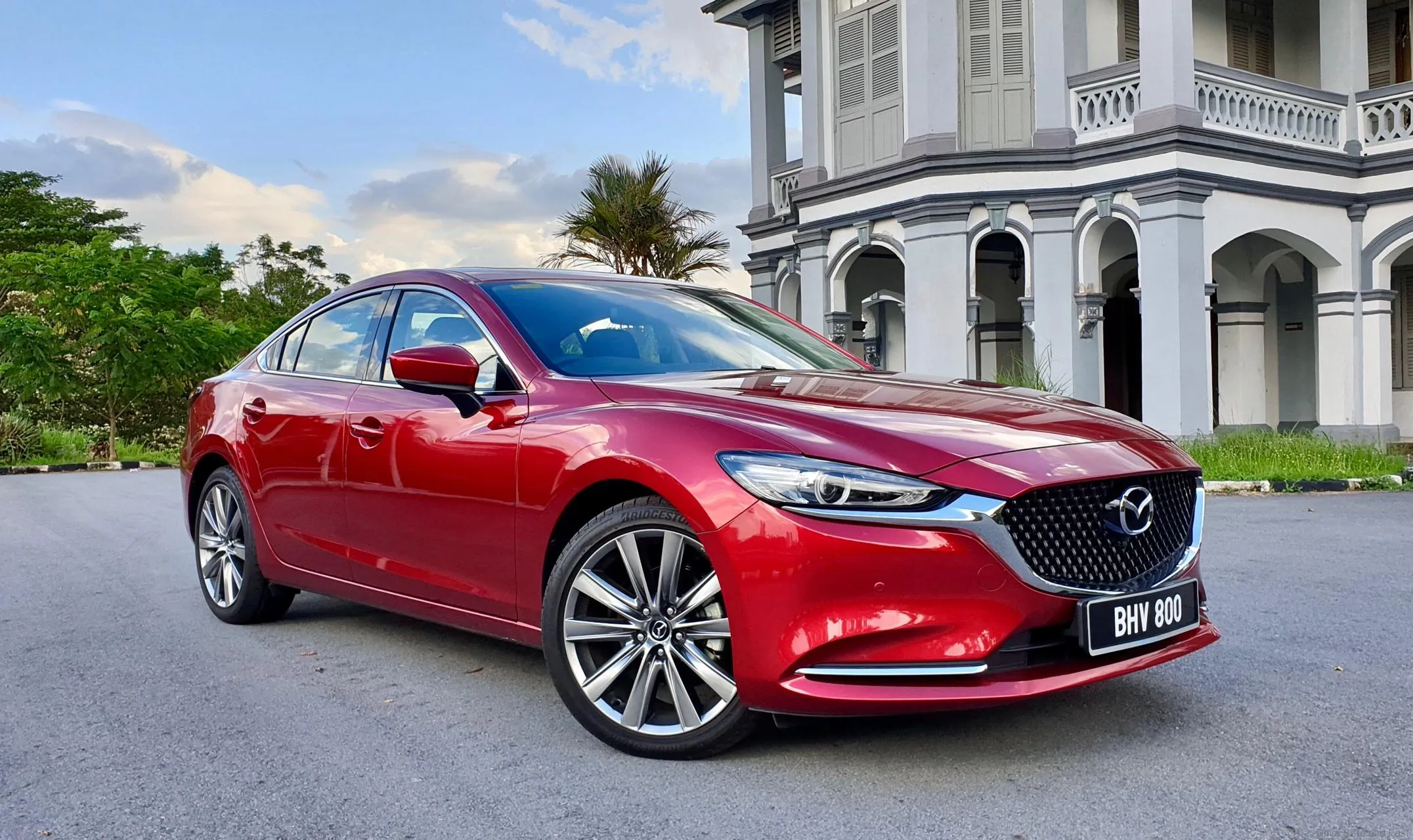
3. Mazda 6 2.5L (Simple Timing Service)
The Mazda 6 2.5L is often praised for blending elegance, performance, and practicality. Its timing chain system contributes to this reputation.
Unlike belt-driven engines that require replacement every 60,000 to 100,000 kilometres, the chain in the 2.5L engine is designed to last for the majority of the vehicle’s life. Minor servicing, such as tensioner replacement, is rarely needed, making long-term ownership cost-friendly.
Mazda’s engineering allows easy access to the timing chain, meaning mechanics can carry out inspections without dismantling the entire engine.
This is especially important in urban environments, where workshop time translates directly into cost. Owners report minimal engine noise, smooth acceleration, and steady power delivery, all thanks to the precise operation of the timing chain.
The 2.5L engine is robust, heat-resistant, and ideal for both city and highway driving. The chain resists stretching as time goes on, unlike rubber belts that weaken under high temperatures or prolonged use. This reliability reduces the risk of sudden mechanical failures, giving drivers confidence during long journeys or heavy traffic use.
Parts for the Mazda 6 are also affordable and widely stocked. Chains, tensioners, and guides can be sourced locally or online without the premium cost associated with some European sedans.
The combination of durable design, ease of servicing, and cost-effective parts ensures that the Mazda 6 remains an attractive choice for anyone looking for a sedan that is both stylish and practical.
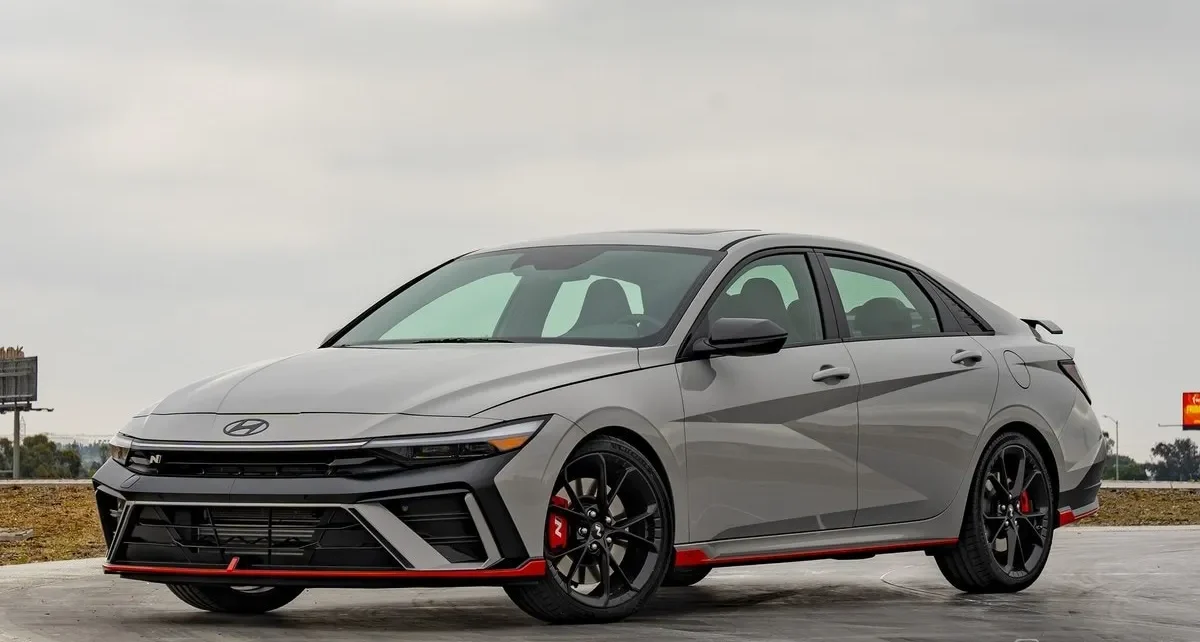
4. Hyundai Elantra 1.6L (Simple Timing Service)
Hyundai Elantra 1.6L is designed with everyday practicality in mind, offering a sedan that is dependable, efficient, and remarkably easy to maintain. One of its biggest advantages is the use of a timing chain instead of a traditional rubber belt.
This simple design choice eliminates the need for costly and frequent timing belt replacements, sparing drivers expense over the life of the vehicle.
With consistent oil changes and routine care, the chain can remain in excellent condition for hundreds of thousands of kilometres, giving owners peace of mind and fewer unexpected workshop visits.
Servicing the timing chain is straightforward. Mechanics appreciate the accessible layout of the engine, allowing them to inspect, adjust, or replace tensioners without dismantling the entire engine. This accessibility reduces labour time and entire service costs, making it one of the most budget-friendly sedans for timing maintenance.
Owners report minimal engine noise even after years of use, and the car starts reliably every time, reflecting the durability of its timing chain system. In terms of performance, the Elantra 1.6L engine is efficient and responsive. Precise valve timing ensures smooth combustion, contributing to steady power delivery and better fuel economy.
Its compact design makes the car ideal for urban commuting, with easy manoeuvrability in traffic, yet it is still capable of comfortable highway cruising. Long-term owners often highlight its reliability, noting very few issues related to timing over many years of use.
Replacement components such as tensioners, guides, and associated hardware are widely available and reasonably priced, which further reduces the cost and complication of servicing. DIY enthusiasts with basic tools can handle minor inspections and replacements, enhancing ownership convenience.
For daily commuters, families, or anyone seeking a cost-effective and worry-free driving experience, the Hyundai Elantra 1.6L strikes an ideal balance of smooth performance, reliability, and affordability. Its simple, durable timing system is a standout feature that demonstrates smart engineering designed for real-world ownership.
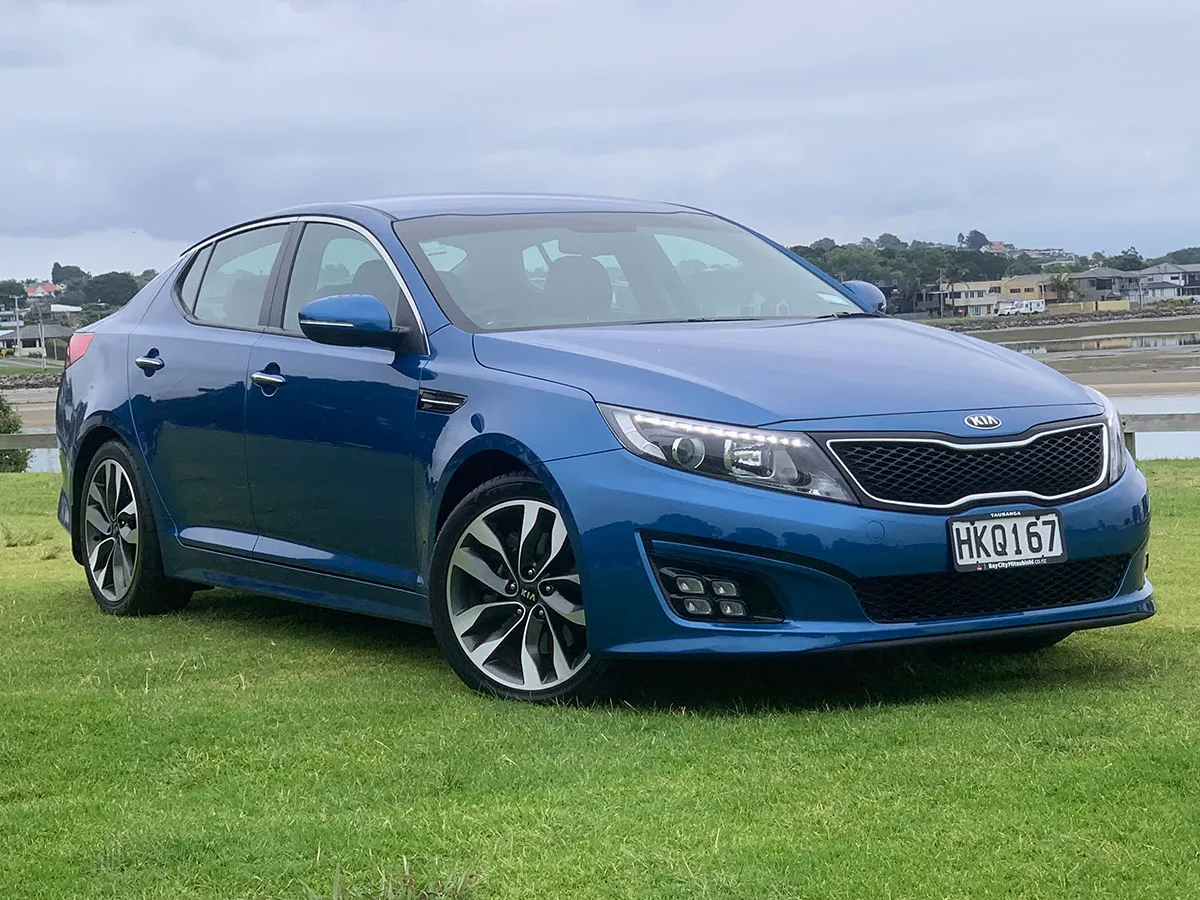
5. Kia Optima 2.4L (Simple Timing Service)
Kia Optima 2.4L is a midsize sedan that combines style, comfort, and practicality, while keeping ownership costs manageable thanks to its timing chain engine.
Unlike belt-driven sedans that demand frequent replacement, the timing chain is built to last for the life of the car with minimal maintenance. This gives drivers confidence in the reliability of the engine, allowing them to enjoy the smooth and quiet performance without worrying about expensive repairs.
The chain is durable, resists stretching, and rarely requires attention beyond minor servicing of tensioners. Mechanics praise the Optima’s engine layout for being accessible and user-friendly. Timing components can be serviced without full engine disassembly, which reduces labour costs and workshop time.
This feature is particularly important for drivers in regions where servicing costs can be high. Owners often highlight the smooth acceleration, quiet cabin, and dependable power delivery as benefits directly linked to the timing chain system.
The 2.4L engine also contributes to fuel efficiency, as precise valve timing ensures steady combustion and optimal performance.
Replacement parts like tensioners and guides are easy to source and cost-effective, further lowering the general maintenance burden. For those who value both style and practicality, the Optima 2.4L offers a combination of driving enjoyment and peace of mind that few belt-driven sedans can match.
Whether going through crowded city streets or cruising on long highways, the Optima delivers consistent performance and reliability. Its durable timing system, ease of servicing, and smooth operation make it an excellent choice for drivers who want elegance without the stress of frequent or costly maintenance.
The Kia Optima 2.4L demonstrates how smart engineering can make a sedan both refined and practical, allowing owners to focus on the joy of driving rather than worrying about complicated timing repairs.
5 Sedans With Costly Belt Jobs
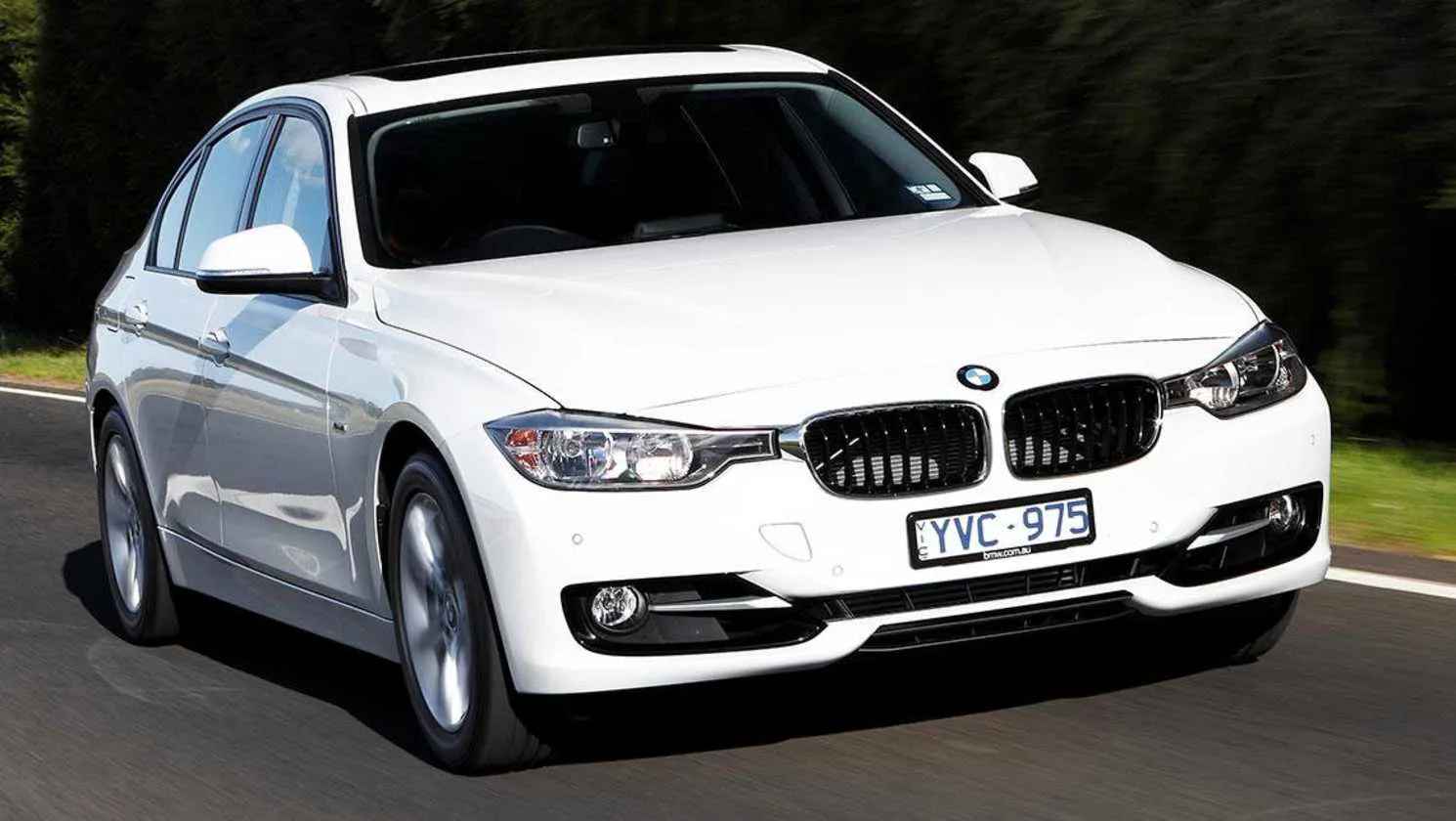
1. BMW 320i 2.0L
BMW 320i 2.0L is often admired for its sleek appearance, refined driving dynamics, and smooth handling, but the timing belt system in this sedan is something every potential owner must approach with caution.
Unlike vehicles fitted with timing chains that are designed to last for the life of the engine, the 320i relies on a rubber belt that needs replacement roughly every 70,000 to 100,000 kilometres. Failing to service the belt on time can lead to serious engine damage, which can cost thousands to repair.
The nature of the engine layout means that the belt is not easily accessible; mechanics often have to partially disassemble the engine, removing covers, accessories, and sometimes other components just to reach it. This is why labour costs are high and why owners cannot take this maintenance lightly.
Replacing the timing belt in a BMW 320i usually involves other critical components. Tensioners, pulleys, and sometimes even the water pump are replaced at the same time. This is a precautionary measure because failure of any of these parts can compromise the entire system.
BMW owners often remark that the replacement is not just about swapping a belt; it is a carefully orchestrated job that demands precision and experience. Delaying service, even by a few thousand kilometres, can result in catastrophic failure, including bent valves or a damaged engine block.
Parts are OEM-specific, meaning that generic alternatives are generally not recommended. This contributes to the premium nature of servicing the car. For those who consider purchasing the 320i, budgeting for these costs is essential; ignoring this could turn a dream driving experience into a financial headache.
Despite these challenges, the 320i remains popular because it delivers excellent handling, responsive acceleration, and an engaging driving experience. For owners, the lesson is clear: while the car offers luxury and performance, it comes with a maintenance commitment that cannot be ignored.
Regular inspections, timely replacement of the belt and associated components, and proper service at certified workshops ensure the engine remains reliable and that the driving experience continues without interruption.
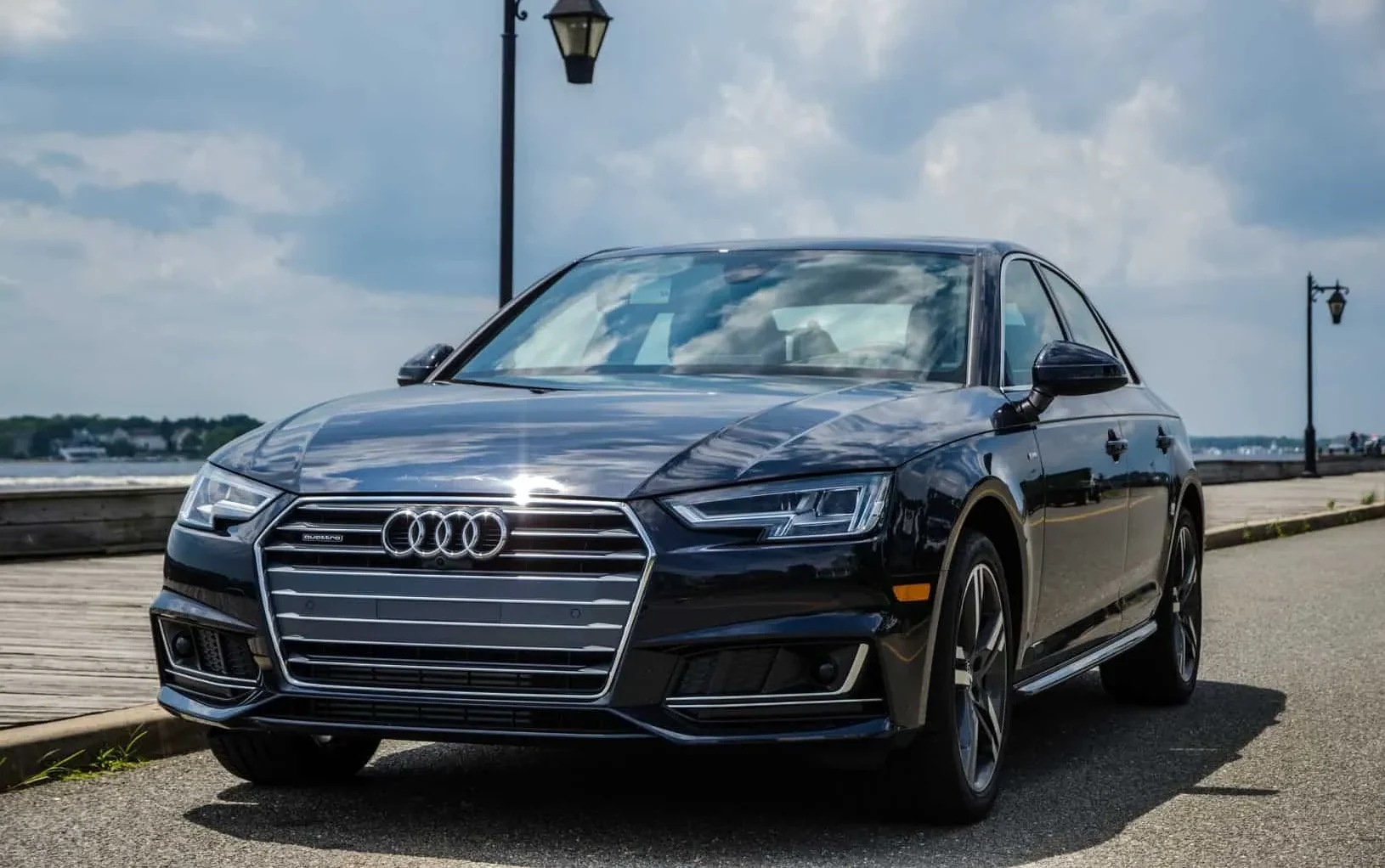
2. Audi A4 2.0T
The Audi A4 2.0T is celebrated for its elegant design, comfortable ride, and turbocharged engine performance, but underneath this European sophistication lies a timing belt system that requires careful attention and a sizeable maintenance budget.
Unlike chain-driven engines that can often go the life of the vehicle without intervention, the A4’s belt must be replaced at scheduled intervals, usually between 80,000 and 100,000 kilometres.
Failing to follow this schedule can lead to major engine damage, as the belt controls the precise coordination between pistons and valves. If it snaps, the results are usually catastrophic, with potential bent valves or even a ruined engine block.
Timing belt replacement in the A4 is not a minor task. Mechanics must remove several engine components to reach the belt safely, including covers, pulleys, and sometimes ancillary systems. In addition to the belt itself, tensioners, idlers, and occasionally the water pump are replaced simultaneously to prevent future issues.
All these parts are OEM, which contributes to the high cost of servicing. For owners, this is not a job that can be skipped or delayed. It requires professional handling and experienced mechanics, as a mistake can compromise the engine’s integrity and lead to even greater expenses.
Despite the high maintenance demands, the A4 remains one of the most sought-after sedans in its segment. Drivers are drawn to its responsive handling, smooth acceleration, and luxurious cabin features. The lesson for prospective owners is that performance and refinement do not come without responsibility.
Keeping up with timing belt service is a financial and logistical commitment, and planning ensures that the sedan continues to deliver the expected driving pleasure.
While the initial cost of parts and labour may seem steep, it is an investment in reliability, avoiding unexpected failures that could cost many times more. Audi’s precision engineering demands respect, and timing belt maintenance is a crucial part of owning this vehicle.
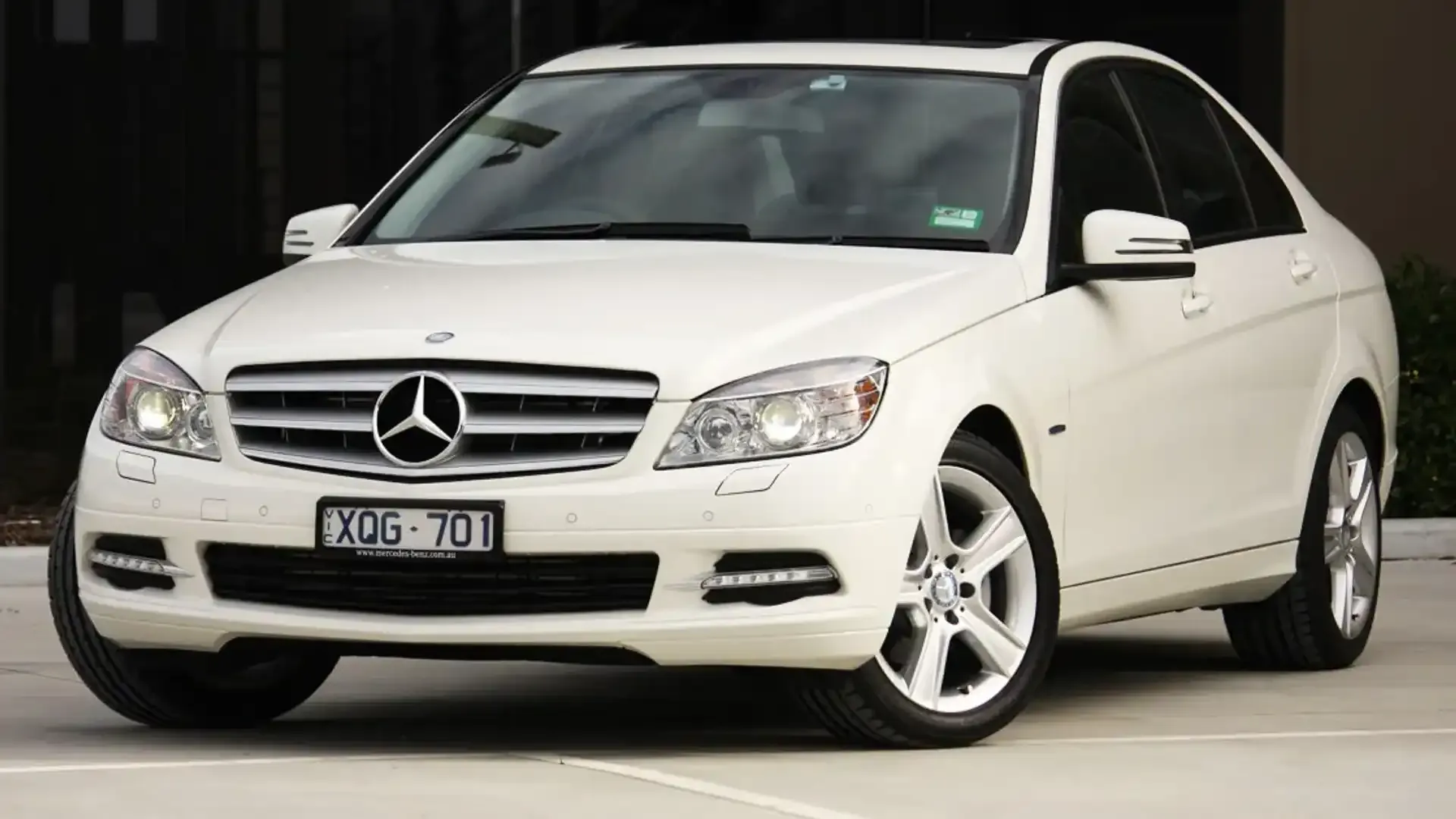
3. Mercedes-Benz C200 1.8 Turbo
Mercedes-Benz C200 1.8 Turbo offers an enviable mix of luxury, smooth driving, and modern technology, but the timing belt system in this sedan is an area where owners must exercise caution and diligence.
Unlike cars with timing chains that often last the life of the engine, the C200 relies on a rubber belt that must be replaced at regular intervals to prevent catastrophic engine damage.
The replacement process is labour-intensive due to the compact and intricate design of the engine. Mechanics must partially dismantle the engine, remove covers, and sometimes disconnect ancillary components to reach the belt safely. This makes the service costly and time-consuming.
Replacing the timing belt is rarely a standalone job. Mechanics usually replace tensioners, pulleys, and occasionally the water pump simultaneously. This ensures that all moving components operate in harmony and prevents the risk of future failures.
Owners report that skipping or delaying belt replacement is not an option because the consequences can be severe, including bent valves or extensive engine damage that could run into thousands of dollars. The parts themselves are OEM and only available through authorised dealers, which adds another layer of cost.
Despite these challenges, the C200 continues to attract buyers due to its balance of performance, comfort, and brand prestige. Its smooth turbocharged engine, refined suspension, and high-tech cabin features make it a pleasure to drive.
The key for owners is to plan financially and adhere strictly to service schedules. Experienced mechanics are essential, as improper handling during replacement could compromise the engine’s performance or reliability. The C200 is an excellent example of a premium sedan where luxury comes hand-in-hand with maintenance responsibility.
Proper care of the timing belt and associated components is critical for ensuring the vehicle remains reliable, safe, and enjoyable over the years. With diligent attention, the C200 continues to reward owners with a first-class driving experience, but it comes with a known cost that must be accounted for.

4. Volkswagen Passat 2.0 TDI
Volkswagen Passat 2.0 TDI is admired for its smooth diesel performance, comfort, and long-distance reliability, yet its timing belt system presents a maintenance challenge. Unlike timing chains, which are generally low-maintenance, the belt in this Passat requires replacement every 80,000 to 100,000 kilometres.
This service is labour-intensive because the engine layout is compact, meaning mechanics must remove covers, pulleys, and ancillary components just to access the belt. Failure to replace it on time can lead to severe engine damage, including bent valves or even a complete engine failure.
Timing belt service usually includes additional parts such as tensioners, idler pulleys, and the water pump. All these components are crucial for maintaining the engine’s precise timing, and OEM replacements are expensive.
Some owners note that sourcing genuine parts can be difficult in areas outside urban centres, which adds to planning requirements. Even a small delay in replacement can result in catastrophic damage, emphasizing the need for regular inspections and timely servicing.
Despite these maintenance considerations, the Passat 2.0 TDI remains popular among drivers who value efficiency, diesel torque, and highway reliability. Its smooth acceleration, consistent fuel economy, and quiet cabin make it an ideal long-distance vehicle.
However, the belt system is a financial and technical reality that owners must anticipate. Professional mechanics are required for this service, as even small mistakes during replacement can misalign the engine or damage other components.
For potential buyers, understanding the maintenance demands of the timing belt is as important as appreciating the car’s driving qualities.
Planning for belt replacement costs and adhering to schedules ensures the Passat remains reliable, responsive, and safe for years to come. While diesel efficiency and driving comfort are excellent, the belt service is an unavoidable expense that drivers must factor into their ownership experience.
Also Read: 10 Cheapest Cars That Can Beat a Supercar in a Drag Race
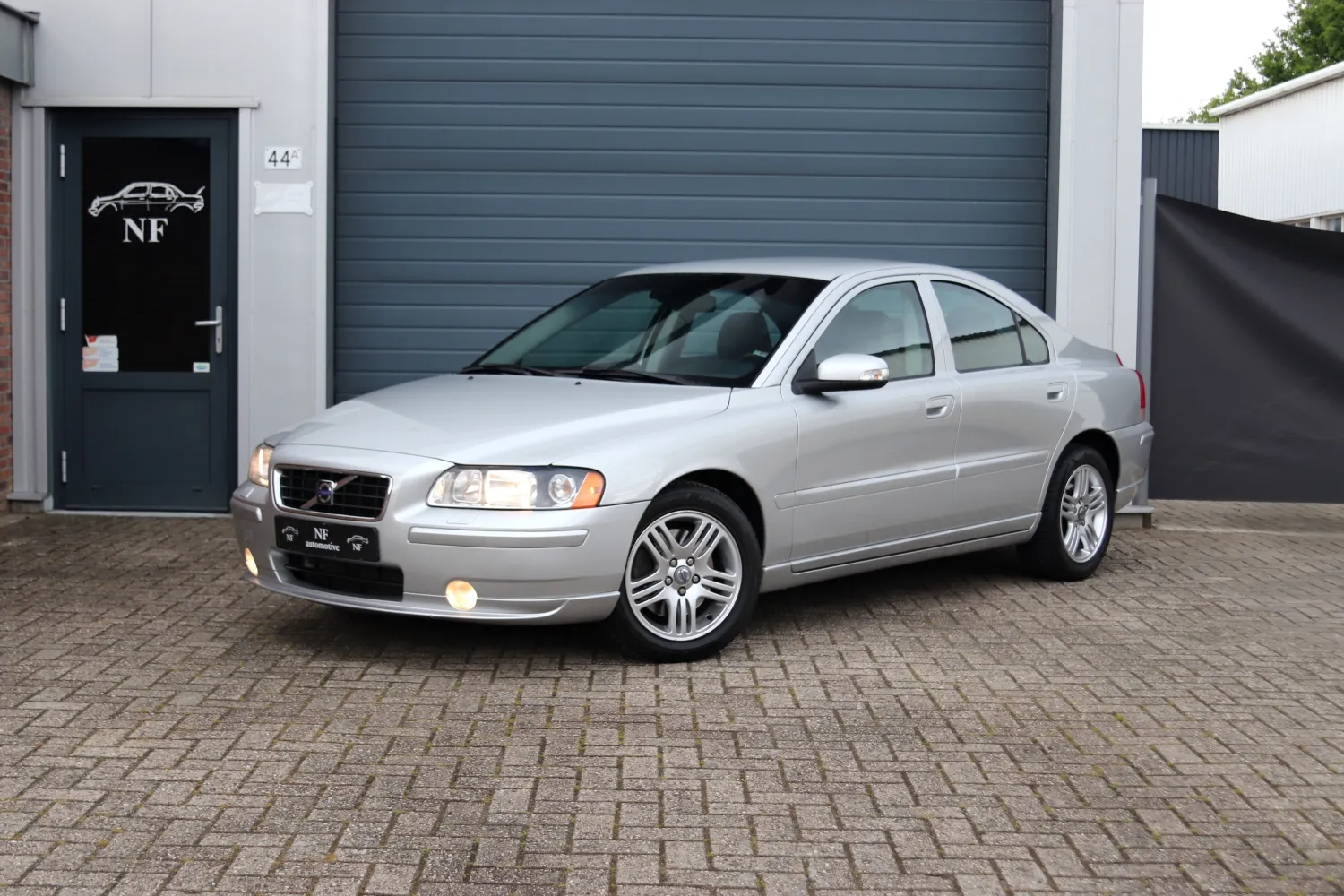
5. Volvo S60 2.5T
Volvo S60 2.5T is well-regarded for its safety features, Scandinavian design, and smooth driving experience, but the timing belt system in this sedan is an area that demands careful attention. Unlike vehicles equipped with timing chains, which often require minimal maintenance, the S60 relies on a rubber belt that must be replaced at scheduled intervals.
The process is a service task, requiring engine disassembly and the replacement of multiple associated components such as tensioners, pulleys, and the water pump. Neglecting this service can result in catastrophic engine damage, including bent valves or total engine failure.
Labour costs for the timing belt replacement are high due to the engine’s compact layout, and OEM parts are expensive. This makes the procedure a costly but necessary part of ownership. Many owners note that DIY servicing is not practical, given the precision required to ensure proper installation and alignment.
Delaying the service can compromise engine performance and reliability, turning what should be a smooth driving experience into a financial burden. Despite these challenges, the S60 remains popular because it delivers comfort, safety, and responsive performance.
Drivers enjoy the car’s smooth acceleration, quiet cabin, and high-quality interior. Volvo’s engineering philosophy prioritises safety and refinement, but maintenance simplicity takes a back seat. Owners must plan for the timing belt expense as part of long-term ownership.
Regular servicing of the timing belt, tensioners, and pulleys ensures that the engine remains reliable and efficient. By budgeting for these costs and following the replacement schedule strictly, drivers can enjoy all the benefits of the S60 without encountering unexpected failures.
This sedan demonstrates that high-quality engineering and premium safety can come with maintenance realities that require financial preparation and careful adherence to service intervals.
