
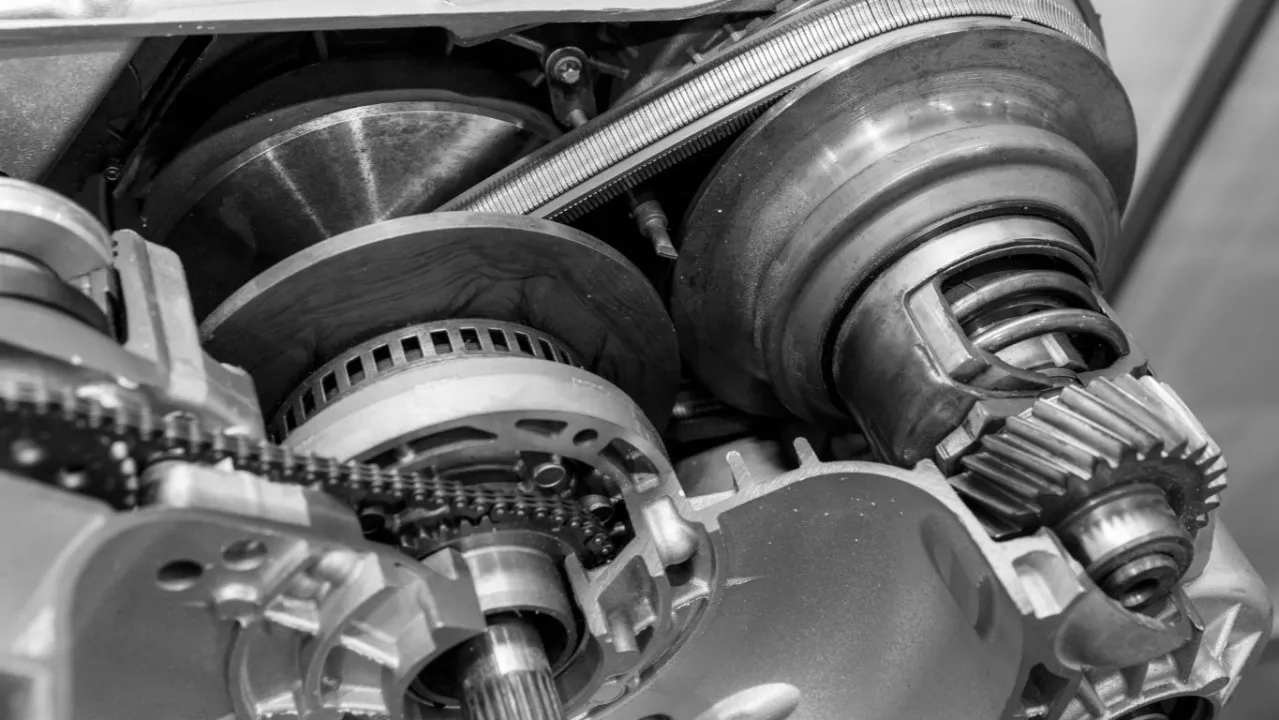
Anyone who has ever owned a car with a CVT gearbox will tell you that it is either a blessing or a headache, depending on the brand that built it. CVT, which stands for Continuously Variable Transmission, promises smoother driving and better fuel economy by removing traditional gear movements. In theory, it sounds perfect.
In practice, some CVTs deliver that comfort for years without trouble, while others fail just after the warranty expires, leaving drivers with repair bills that can make them regret their purchase. Many car makers have tried to perfect this technology, but only a few have truly succeeded.
Some CVTs are so reliable that taxi operators and long-distance commuters swear by them. They handle heat, heavy loads, and city traffic without skipping a beat. Others, unfortunately, are known for slipping belts, overheating, and early failure, especially when pushed too hard.
Knowing which CVT to trust can save you money and frustration. Whether you drive daily in heavy traffic, make long highway trips, or use your car for family errands, your transmission plays a huge role in how long the vehicle lasts. This article separates the strong from the weak.
You’ll see five CVTs that can be trusted for long-term reliability and five that you should stay away from unless you enjoy spending weekends at the mechanic’s workshop. Let’s talk about which automatic transmissions deserve your confidence and which ones deserve your caution.
5 Durable CVTs to Trust
1. Toyota Corolla – Aisin CVT
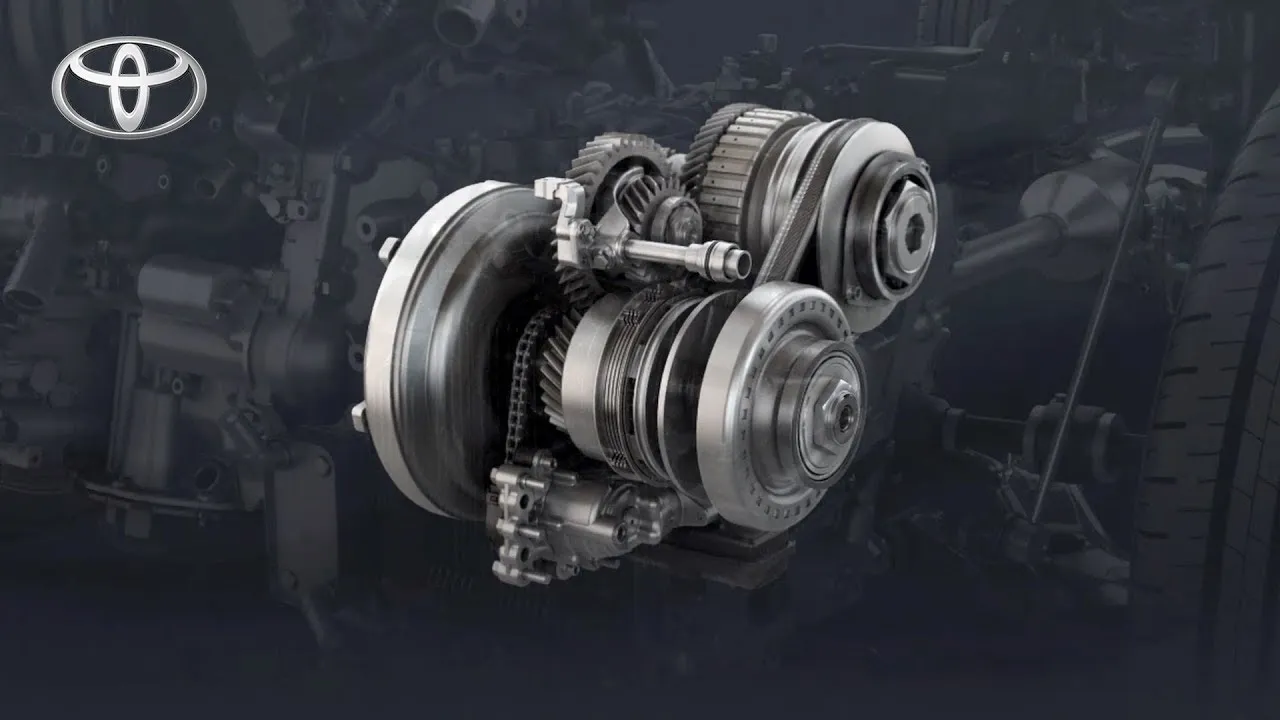
Toyota has long built a reputation for reliability, and the Aisin CVT found in the Toyota Corolla continues that tradition. This transmission is not flashy or experimental; it focuses on endurance.
Unlike other CVTs that depend entirely on a belt, Toyota’s design includes a physical first gear before the system transitions to the variable pulleys. This clever touch reduces stress on the belt during takeoff, which is often where most CVTs wear out quickly.
Drivers who use the Corolla daily appreciate how quietly and smoothly it operates. It doesn’t whine or feel lazy when accelerating, and even after many years of use, it keeps its calm personality. Taxi operators in many cities rely on this same CVT for high-mileage service, sometimes covering more than 250,000 kilometers before major servicing is needed.
Maintenance is straightforward. Regular fluid changes keep the system happy, and Toyota’s CVT fluid is affordable and easy to find. Unlike some rivals, the Corolla’s transmission doesn’t suffer from overheating under traffic jams or long-distance driving. The cooling system is well-designed, making the car suitable for both hot and cold climates.
Drivers who move gently and avoid aggressive driving usually enjoy many years of smooth performance. While no CVT is entirely bulletproof, Toyota’s engineering here makes this one among the most trustworthy. Whether you drive the Corolla 1.8L or the newer 2.0L versions, you’re looking at a gearbox that blends fuel efficiency and dependability almost perfectly.
2. Honda CR-V – Honda’s Earth Dreams CVT
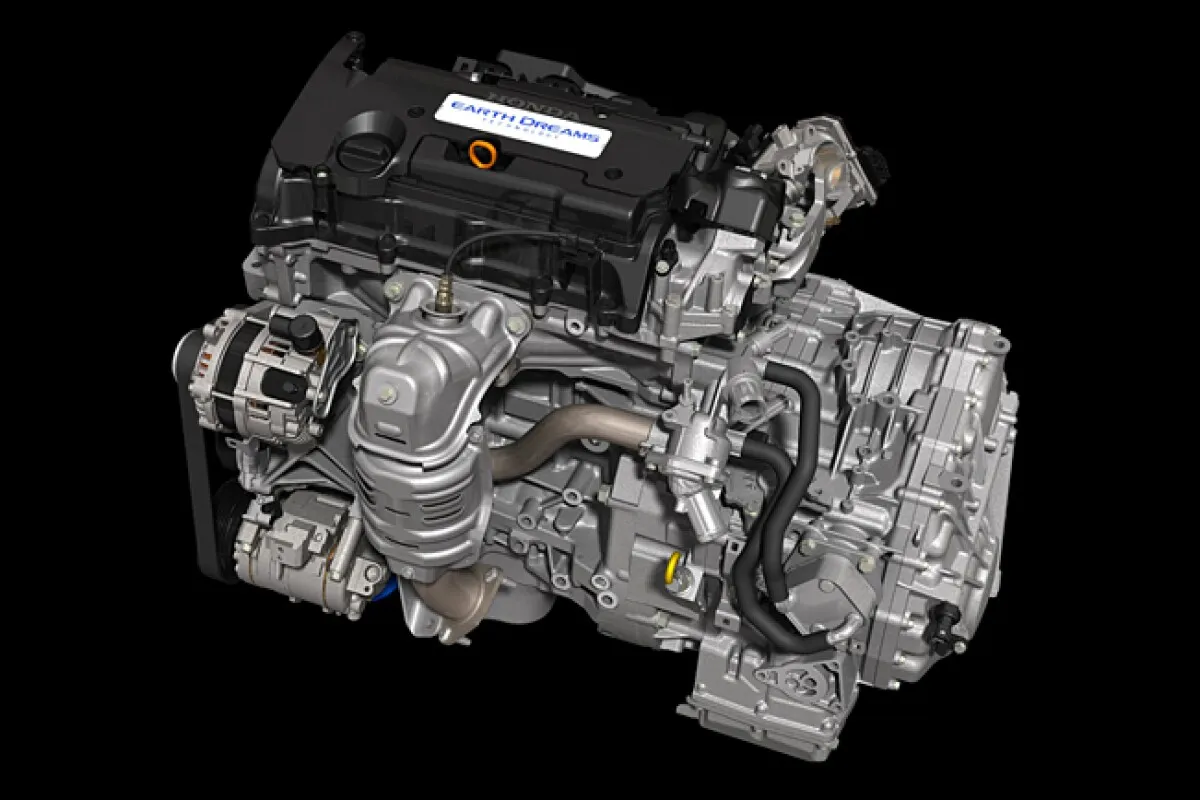
Honda’s “Earth Dreams” CVT used in the CR-V has proven itself durable when treated properly. Many owners feared it at first because CVTs had a poor reputation from earlier designs, but Honda refined its system. The result is a transmission that delivers smooth acceleration and solid reliability, especially when serviced on schedule.
This unit uses steel belts designed to handle high torque from Honda’s turbocharged engines. Unlike cheap CVTs that start jerking under pressure, Honda’s CVT keeps things steady even during hard acceleration. It pairs nicely with the 1.5-litre turbo engine, balancing power delivery and efficiency with minimal lag.
One reason for its durability lies in Honda’s smart heat management. The fluid cooler works effectively to prevent overheating, which is a common cause of failure in many CVTs. When serviced every 40,000 to 60,000 kilometers with proper Honda CVT fluid, these transmissions can easily cross 300,000 kilometers.
Drivers praise how it mimics traditional automatic gear changes during acceleration, reducing the rubber-band feeling many people dislike in CVTs. That mechanical confidence encourages long-term use.
When combined with Honda’s reputation for solid engine construction, the CR-V’s powertrain stands as one of the most balanced CVT systems available. Anyone who maintains it properly rarely complains.
Also Read: 5 SUVs With Convenient TPMS Sensors vs 5 That Always Blink
3. Subaru Forester – Lineartronic CVT
When Subaru introduced the Lineartronic CVT into the Forester, it wasn’t just another experiment. The brand’s engineers knew very well that Subaru drivers are adventurous people many travel through snow, mud, and long uphill roads. Because of that, they couldn’t use a fragile system that would break under pressure. This is why the Lineartronic CVT gained so much respect among drivers who value strength and reliability.
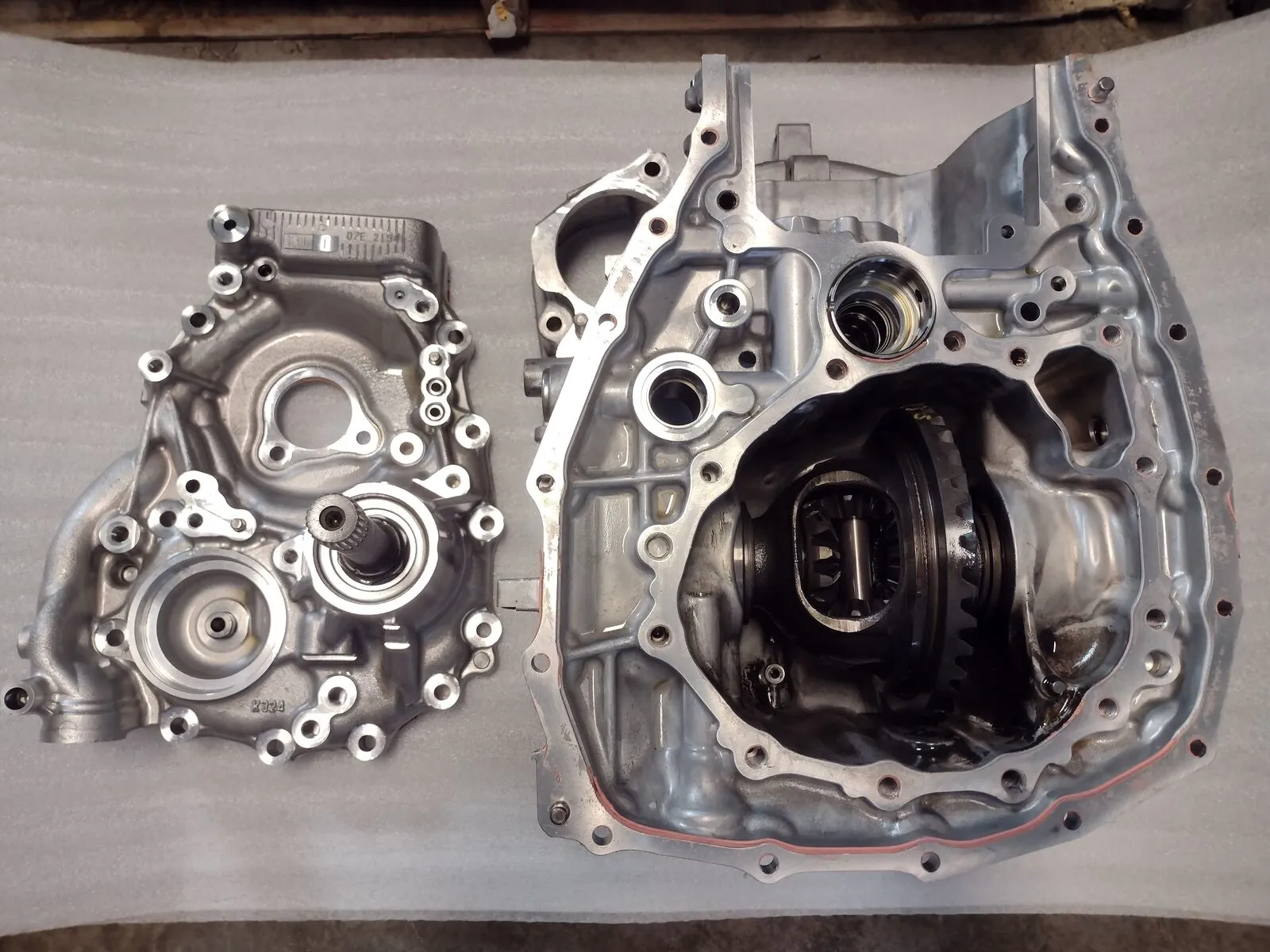
Instead of using the common rubber belt found in many other CVTs, Subaru went for a high-tensile steel chain. That small change made a massive difference. The chain handles more torque, stretches less, and delivers better power transfer from the engine to the wheels.
So even when the Forester faces tough terrain or long climbs, the transmission remains calm and consistent. It doesn’t whine, it doesn’t slip, and it doesn’t overheat easily. Maintenance is still important, though. Subaru has its own CVT fluid specially made for this system.
When owners replace it on time, the transmission stays clean and well-lubricated. Drivers who maintain theirs properly often reach over 250,000 kilometers without needing major repairs. Some even report that their CVT still performs like new after years of both city driving and countryside trips.
Another strong area is the way Subaru programmed this CVT. Unlike some competitors that make engines rev endlessly, the Lineartronic simulates gear steps, giving drivers a familiar feel when accelerating. This setup provides confidence when overtaking or going uphill because the response feels natural. It’s a clever mix of modern design and driver comfort.
Even though CVTs often get criticized for being dull, this one behaves differently. The Lineartronic CVT has shown that a transmission can be smooth yet strong at the same time. Subaru’s decision to invest in durability and smarter software control truly paid off, making the Forester one of the few CVT-equipped SUVs that drivers can buy with peace of mind.
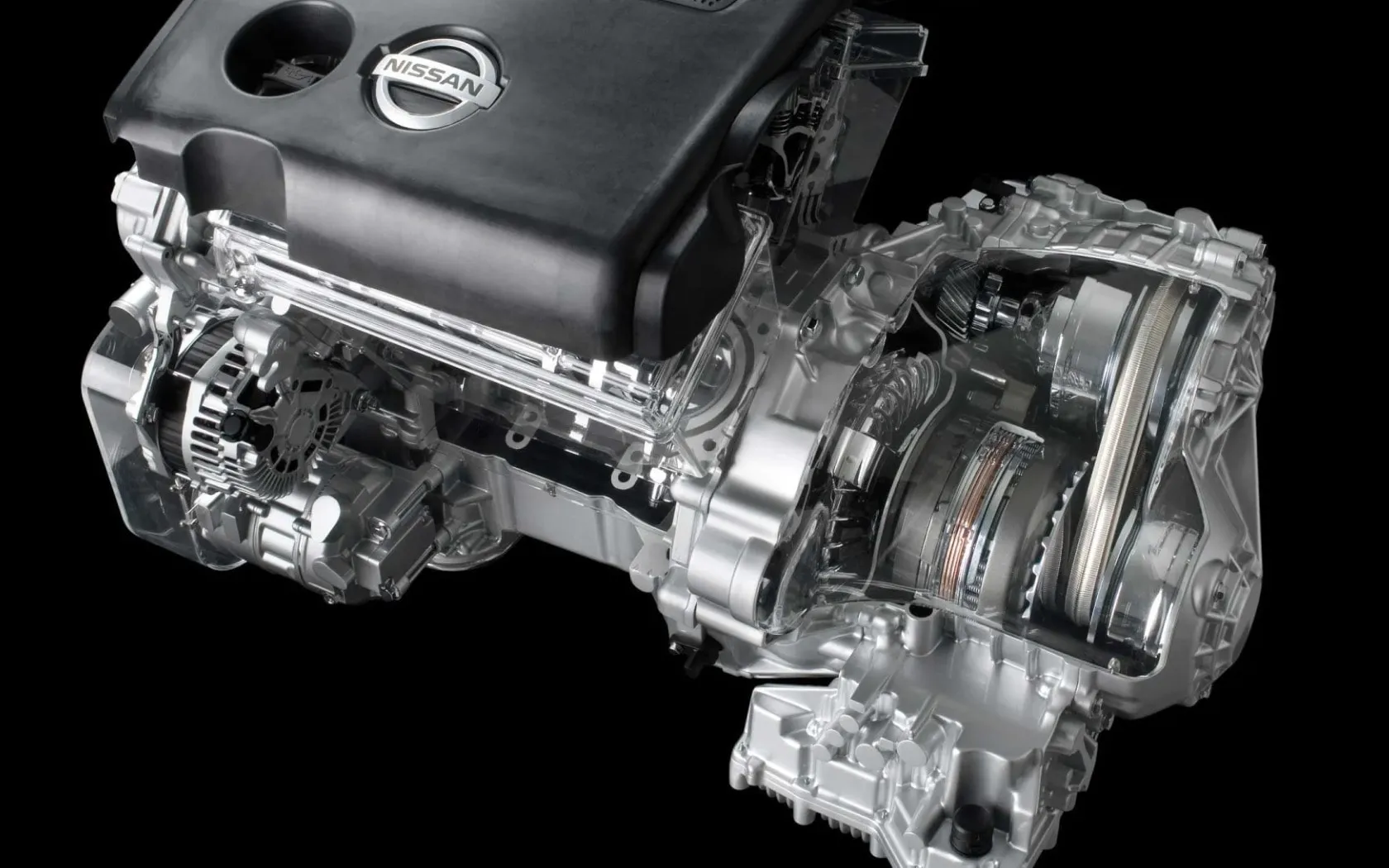
4. Nissan Altima – Nissan Xtronic (Post-2017 Models)
Many people still remember the trouble Nissan faced with their early Xtronic CVTs, but things took a major turn after 2017. The new-generation Altima came with a heavily reworked version of the Xtronic CVT, and this one has proven that Nissan actually learned from its mistakes.
They strengthened every weak point, starting with the pulleys, bearings, and cooling system, to create a transmission that performs quietly, smoothly, and efficiently. This updated CVT doesn’t behave like the older ones that made strange whining sounds or hesitated when drivers pressed the accelerator. The response now feels quicker and more direct.
When cruising on highways, the car stays calm, keeping the engine speed steady for better fuel economy. Around town, it moves seamlessly between speeds without those annoying jerks that used to frustrate owners.
Heat buildup used to be the main cause of CVT failures, but Nissan fixed that by improving fluid circulation. They also designed a stronger pulley surface that reduces internal friction, allowing the system to stay cooler even during long trips.
Drivers who stick to the recommended service intervals often enjoy long lifespans from this transmission many easily clock well over 200,000 kilometers without major problems. Another area of improvement lies in the belt material.
The older CVTs had belts that wore too fast, but the new ones use a stronger steel composition that resists stretching and slipping. Even the valve body was redesigned for smoother hydraulic control, reducing the delay that drivers once complained about. These refinements turned the Xtronic into a genuinely dependable option.
Today’s Altima feels far more refined, partly because Nissan took customer feedback seriously. The company didn’t just patch the old design; they rebuilt it. That’s why recent Altima models with the post-2017 Xtronic transmission now stand confidently among the reliable CVTs available. For those seeking comfort, quietness, and long-term durability, this newer Xtronic finally delivers what earlier generations failed to achieve.
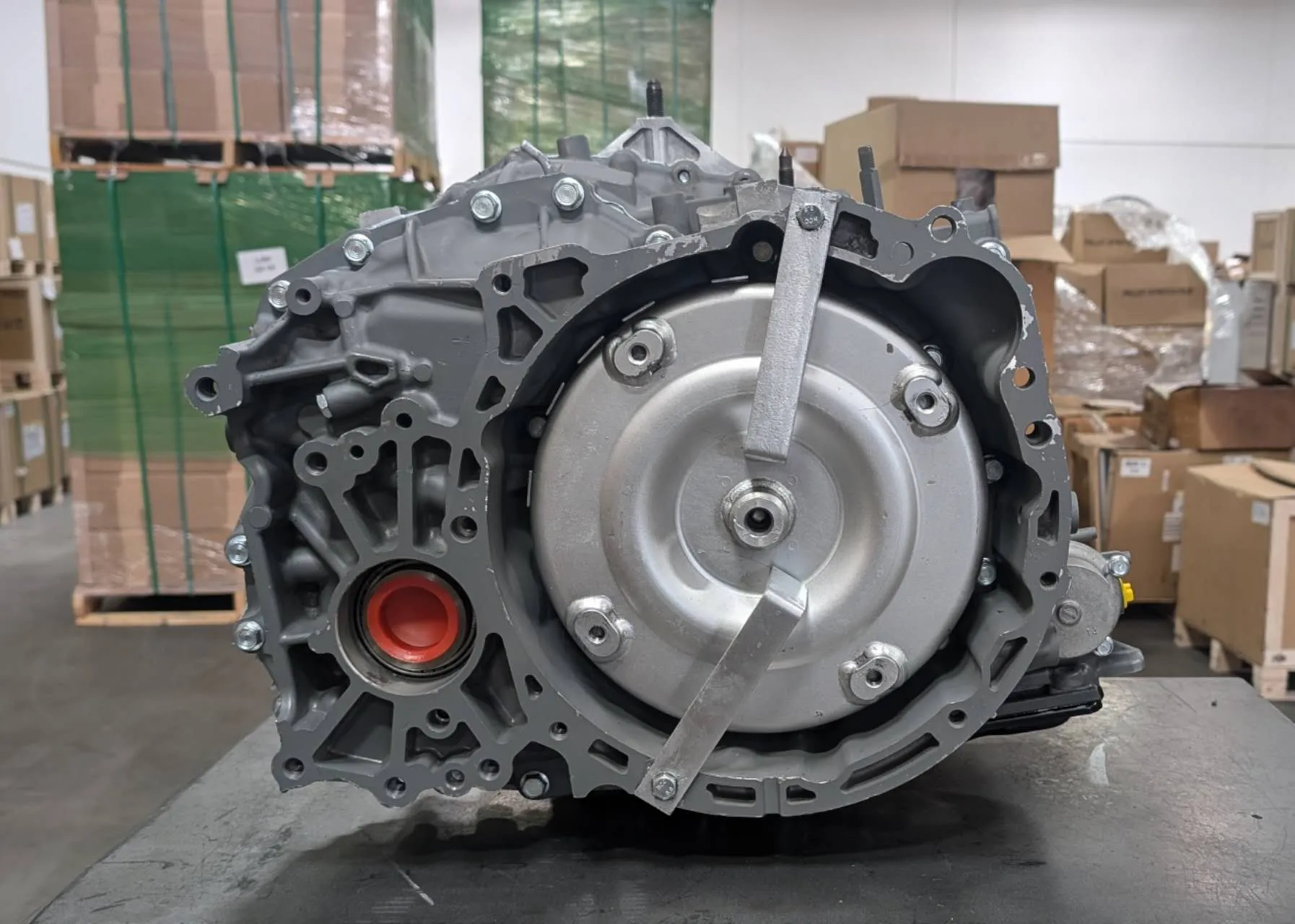
5. Mitsubishi Outlander – Jatco CVT8
For many years, Jatco CVTs were criticized for being weak, but the CVT8 inside the Mitsubishi Outlander has done a lot to change that story. Mitsubishi engineers reworked the design to handle real-world driving better, whether you’re cruising through traffic, taking long highway trips, or tackling hilly roads.
This newer transmission delivers smoother power delivery and fewer complaints from drivers who used to fear CVTs. One of its biggest strengths is how steadily it holds the engine’s speed during acceleration. It doesn’t keep hunting for the right ratio or cause sudden jerks.
When you press the pedal, power arrives in a controlled, steady way. Mitsubishi also installed an upgraded torque converter that helps the car respond faster during low-speed driving. It’s especially helpful in stop-and-go traffic or when climbing steep roads.
Durability largely depends on fluid quality. Mitsubishi insists on using only its J4 CVT fluid, and for good reason, it’s specially blended to handle heat and pressure in this system. When owners follow that advice and change the fluid regularly, the transmission stays smooth for many years. Most failures that appear come from using the wrong oil or skipping maintenance completely.
What also helps this CVT last long is its combination with Mitsubishi’s reliable petrol engines. The pairing feels balanced, with enough power for daily movement without putting excess strain on the gearbox.
Drivers often praise the calm behavior of the Outlander’s CVT8, even after years of use. Many report crossing 200,000 kilometers without any slipping, whining, or hesitation. This version of the Jatco CVT proves that careful engineering and the right servicing can change public opinion.
Mitsubishi’s improvements gave the Outlander a smooth and sturdy drivetrain that suits both family and business use. It’s now one of those rare CVTs that people actually recommend instead of fearing a strong return that shows lessons were learned and applied properly.
5 CVTs to Avoid
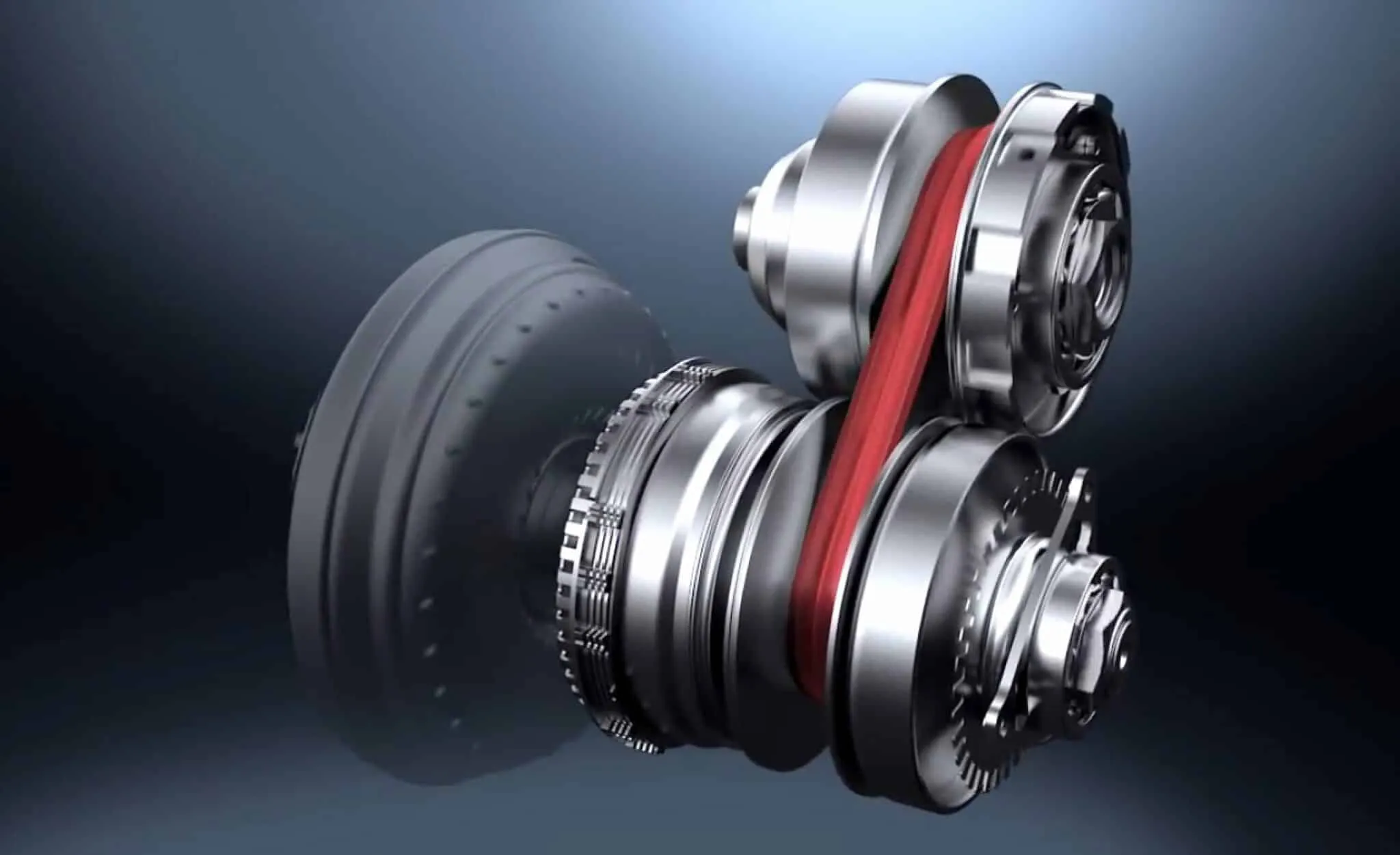
1. Nissan Rogue – Early Xtronic CVT (Pre-2016 Models)
Before 2016, the Nissan Rogue came fitted with an Xtronic CVT that created more problems than solutions. Many drivers discovered too late that the transmission, instead of being smooth, had a habit of whining loudly, jerking between speeds, or failing long before hitting 100,000 kilometers. For a vehicle marketed as family-friendly and fuel-efficient, these failures left owners frustrated and out of pocket.
The issue was not just careless maintenance; it was rooted in weak engineering. Nissan’s early Xtronic units struggled to control heat. The fluid inside would get too hot during long traffic jams or extended highway drives, which would damage the metal pulleys and belt.
Once that heat built up, the system started slipping, producing the familiar “rubber band” effect where the engine revved high, but the car moved slowly. Those who tried repairing theirs quickly realized that a replacement cost nearly as much as a used car.
Even changing the fluid early didn’t save many drivers. Mechanics discovered that the design itself had poor internal cooling paths and lightweight components. Nissan later tried to correct this problem through software patches, but that didn’t cure the deeper mechanical faults. These updates only delayed failure rather than preventing it.
Experts who know Nissan vehicles inside and out always advise potential buyers to treat pre-2016 Rogue models with suspicion. When shopping for used car, a test drive often tells the story. If you feel hesitation, hear a whine when accelerating, or notice the revs jumping without speed increase, walk away.
Although newer Rogues have better Xtronic units today, the older ones remain ticking time bombs waiting for the right moment to collapse.
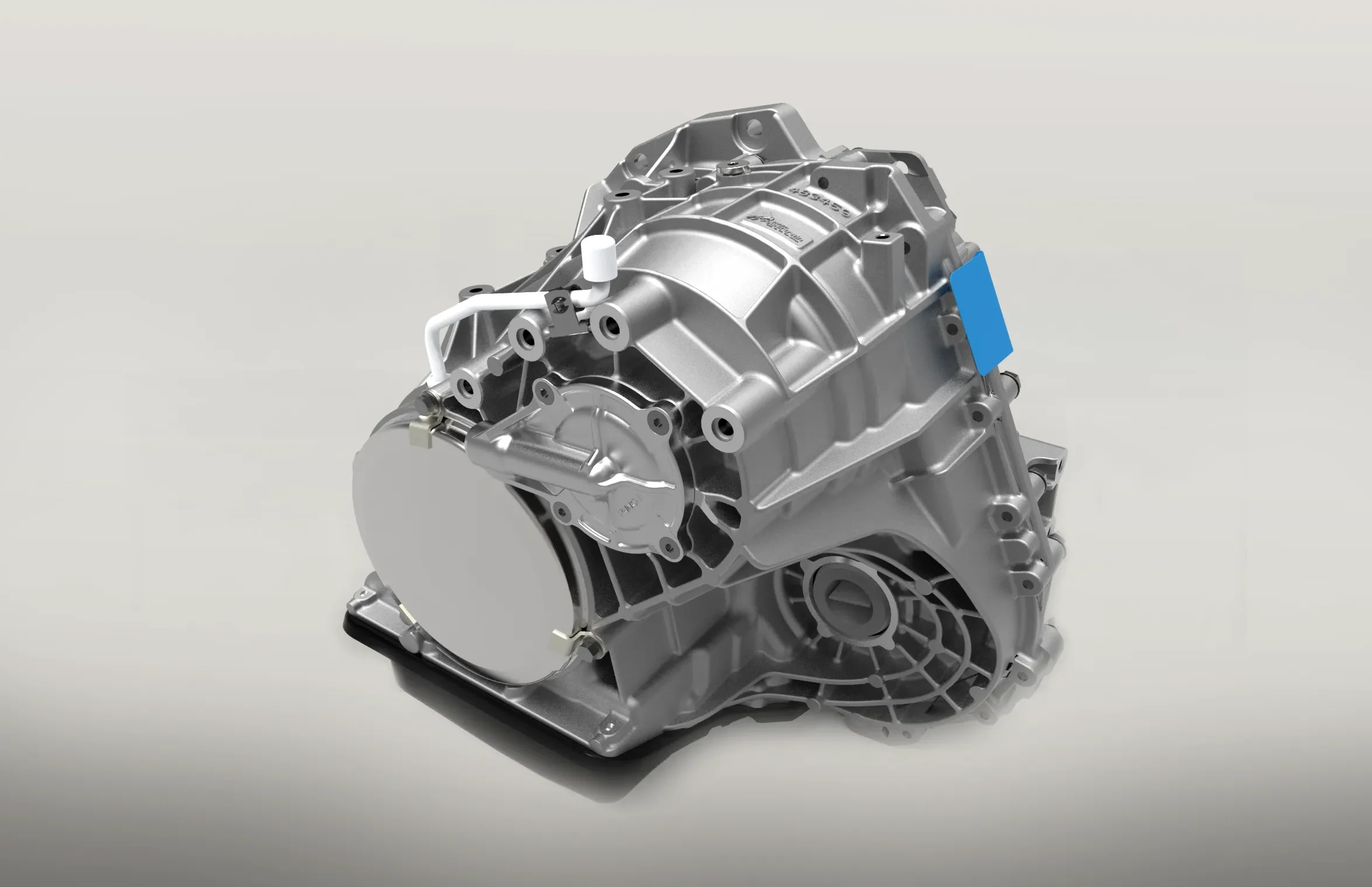
2. Jeep Compass – Punch CVT
Many people bought the Jeep Compass hoping for that “go-anywhere” feeling combined with comfort. Unfortunately, those that came with the Punch-supplied CVT did not deliver. This transmission was meant to make driving easier in city traffic, but what owners experienced was the exact opposite: unpredictable movements, jerky movements, and even sudden loss of power.
The Punch CVT simply cannot handle pressure. When loaded with passengers or driven up hilly roads, the belt system inside wears faster than expected. That wear brings about whining noises, vibration, and slippage.
As the condition worsens, acceleration feels lazy, and drivers find themselves pressing the pedal harder with no result. Replacing the belt or the entire unit costs heavily, and sadly, even new replacements sometimes begin to show symptoms again after a few months of use.
Heat buildup is another enemy. This CVT struggles when temperatures rise, whether from hot weather or extended drives. Once it overheats, it activates a “limp mode,” limiting engine power just to protect itself.
That means crawling speeds and embarrassment on highways. Even faithful servicing cannot save it because the real weakness lies in its construction. The internal materials and pulleys simply cannot tolerate sustained stress.
Experienced mechanics now tell customers to avoid any Compass equipped with this transmission. Instead, they suggest the six-speed automatic alternative, which gives smoother movements and longer service life. Before buying a Compass, check carefully if the car you are eyeing has a Punch CVT. It is better to walk away early than to spend months in the repair bay trying to keep it alive.
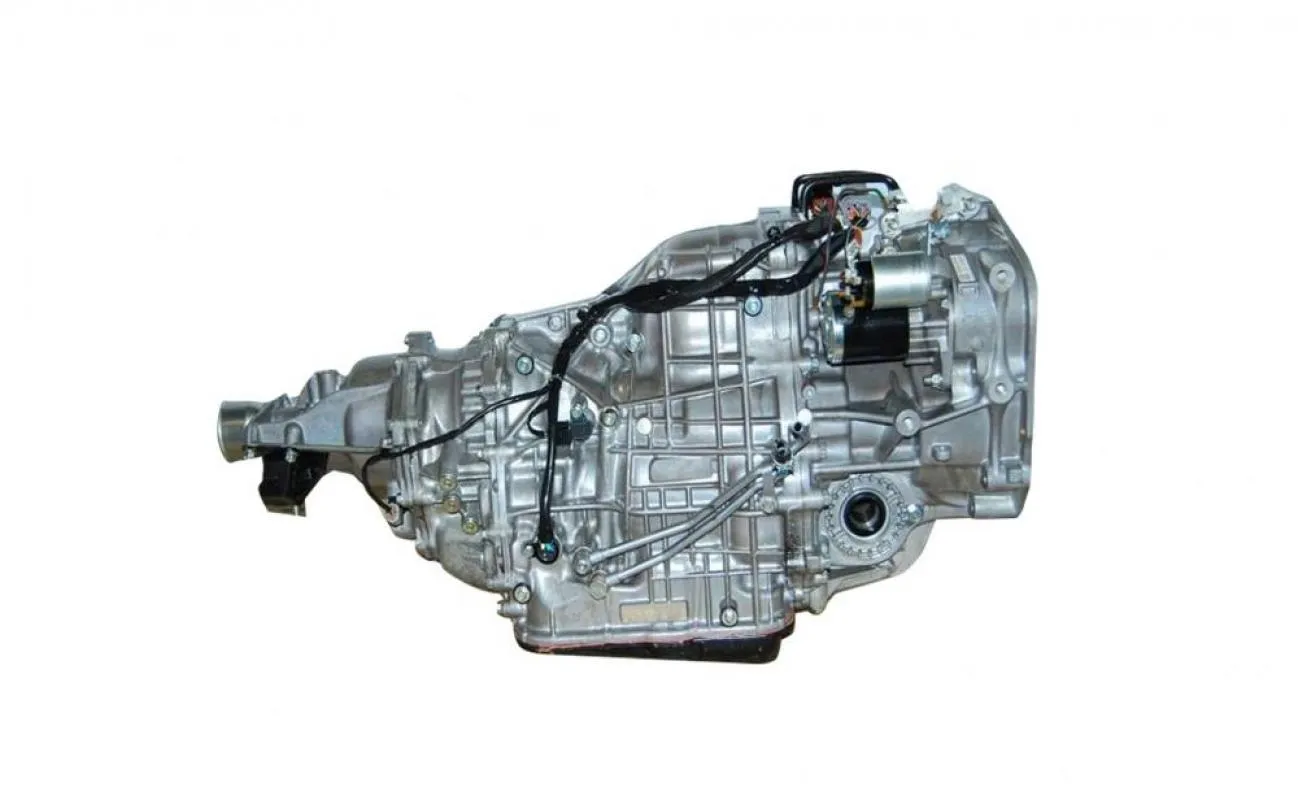
3. Subaru Outback – Early Lineartronic CVT (Pre-2014 Models)
Subaru’s name carries respect for dependability, but the early Lineartronic CVT used in the Outback before 2014 was a weak point that disappointed many loyal owners. These transmissions developed issues ranging from shuddering during acceleration to complete failure of internal pulleys. Drivers described the experience as rough and uneven, especially when climbing hills or driving in hot weather.
The problem traced back to poor heat control and fluid degradation. Once the transmission fluid became too hot, it lost its protective ability. The pulley chains then wore out and produced metal particles that circulated through the system, damaging other components.
Some drivers reported heavy vibrations, especially when starting from rest, while others experienced slipping during gear transitions. The fix was rarely simple because the design didn’t allow for easy internal repairs. Most workshops had to replace the entire unit, which was extremely expensive.
Subaru tried to calm owners by extending warranties in certain countries, yet even with that, reliability remained uncertain. Many mechanics noticed that the early CVTs also suffered from failing seals that allowed pressure to escape. When that happened, gear response slowed down, and fuel consumption increased. Those issues left many owners wishing they had bought the manual version instead.
Later versions of Subaru’s CVT have been re-engineered to last far longer. But if you’re shopping for an older Outback, inspect carefully. Request proof that the CVT has either been replaced or rebuilt using updated components. Without that assurance, owning an early model can turn into a constant source of mechanical stress and unexpected bills.
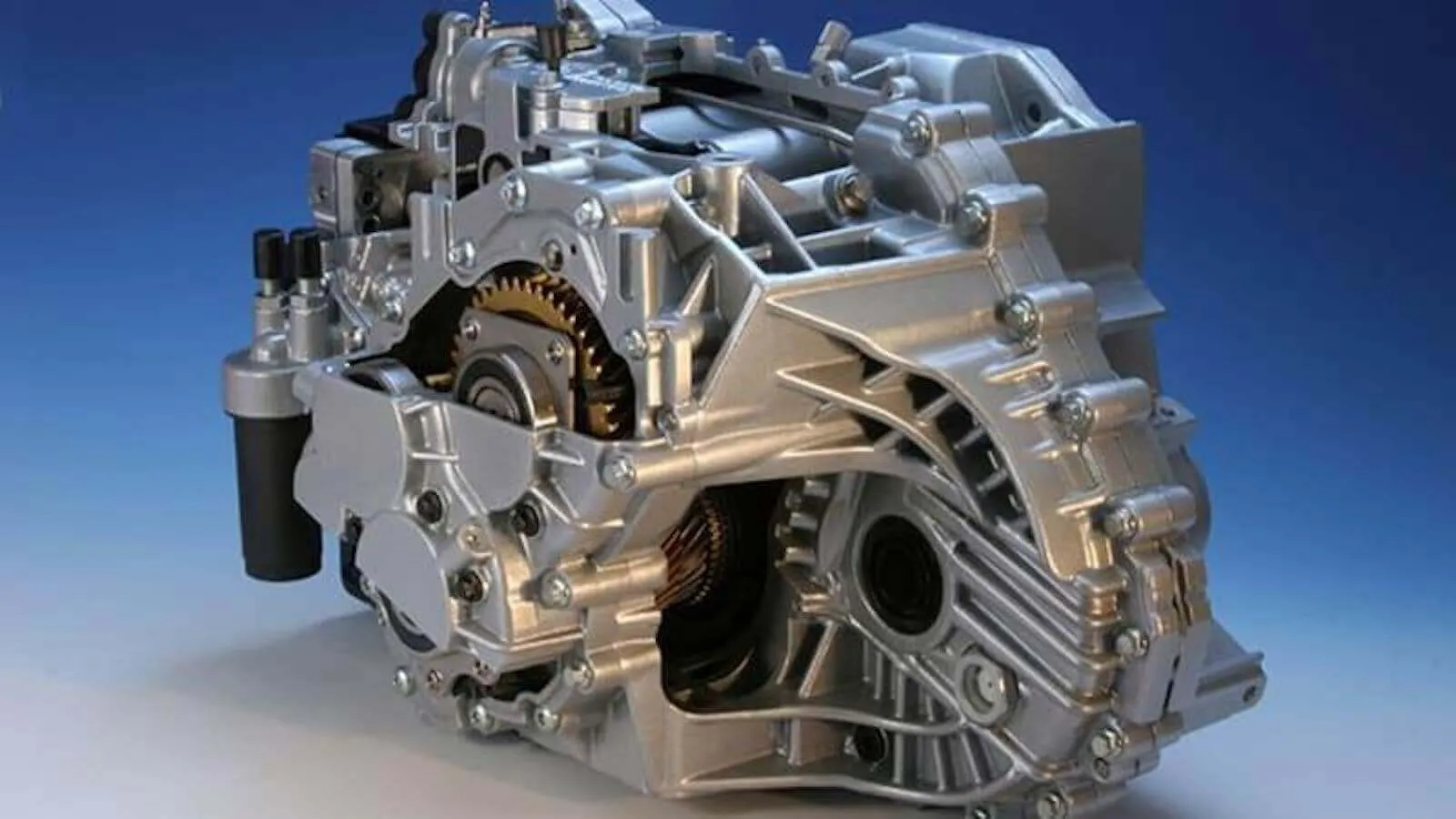
4. Ford Focus – PowerShift (DCT) Transmission
The Ford Focus PowerShift transmission earned a bad reputation almost everywhere it appeared. While technically a dual-clutch system rather than a pure CVT, it behaves similarly enough in daily driving that many car buyers confuse the two.
The problem is, it performed worse than most CVTs ever did. From its release between 2012 and 2016, countless drivers complained of shaking starts, grinding noises, and sluggish responses when changing speed. Ford intended for PowerShift to deliver the efficiency of a manual gearbox with the comfort of an automatic.
But the dry clutch design they used was a disaster in practice. Without fluid cooling, those clutches overheated quickly, especially in stop-and-go traffic. Overheating caused early wear, leading to erratic movements and eventual gearbox failure. Even when Ford issued multiple software updates, the underlying design still caused jerks and stalling in traffic.
Many owners found themselves returning to dealerships repeatedly, only to be told their cars were “operating normally.” Lawsuits followed in several markets because of how widespread the issue became.
Mechanics often describe this transmission as one of the hardest to fix properly. Once it starts slipping or jerking, replacement becomes the only true solution, and that repair can cost nearly as much as the vehicle’s value.
If you ever come across a Ford Focus or Fiesta equipped with PowerShift, think carefully. Smooth test drives may disguise problems for a short while, but once you start daily driving, the transmission’s weakness begins to show. Ford eventually abandoned this design for newer models, leaving PowerShift behind as a painful lesson for many car owners worldwide.
Also Read: 5 SUVs With Honest EPA MPG VS 5 That Miss By A Mile
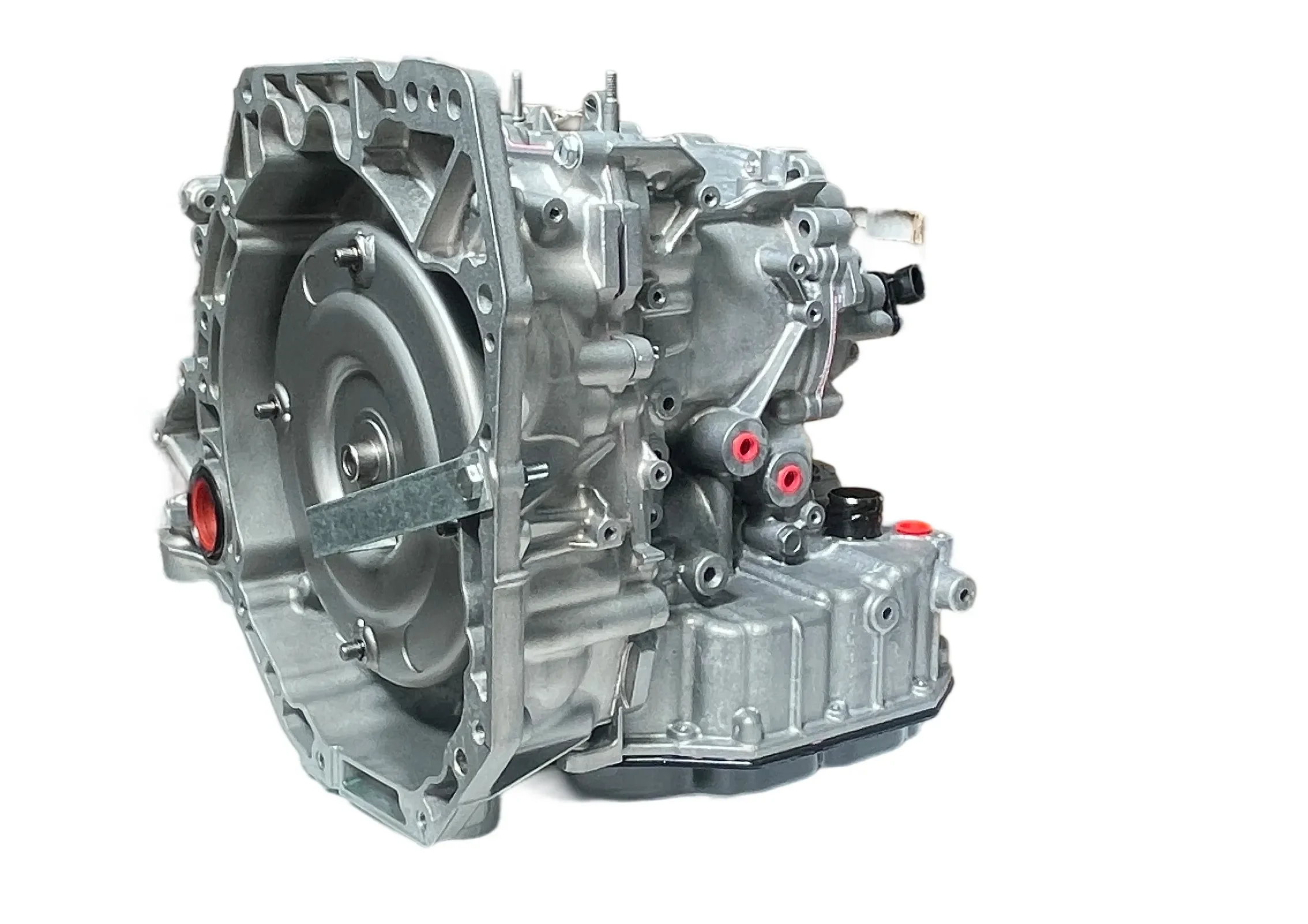
5. Mitsubishi Lancer – Early Jatco CVT7
The Mitsubishi Lancer with the early Jatco CVT7 was supposed to give drivers a light and efficient driving experience, but instead, it became known for stress and unreliability. Many owners report belt slippage, strange whining noises, and jerks when accelerating. In severe cases, the transmission stops working altogether without warning.
The CVT7 design was simply too fragile. Mitsubishi used it in engines that produced more torque than the gearbox could safely handle. That mismatch caused constant strain inside, wearing the metal belt and pulleys faster than expected.
When those parts began to slip, power delivery became inconsistent, and acceleration turned sluggish. Repairing or replacing the unit often costs thousands, yet there is no guarantee that a new one will last any longer.
Regular servicing helped slightly, but not enough to prevent failure. Using the correct transmission fluid was essential, yet even owners who followed every recommendation sometimes faced issues early. The main problem sat deep inside the CVT’s internal structure; the materials could not tolerate the combination of heat, friction, and torque.
Because of this, mechanics now advise avoiding early Lancers with this setup. When shopping used, listen carefully for whining under acceleration or jerky starts. These are early signs of trouble.
Mitsubishi’s later CVT8 models are much stronger, but that doesn’t change the poor history of the CVT7. Owning one can easily become a financial burden, making it wiser to look elsewhere if you want a car that brings peace rather than repair bills.
Transmission reliability makes or breaks a car’s reputation. CVTs can offer wonderful smoothness and fuel savings when built properly, but poor designs quickly destroy confidence. The Toyota Corolla, Honda CR-V, Subaru Forester, Nissan Altima (newer), and Mitsubishi Outlander have proven that CVTs can be dependable partners when engineered and maintained correctly.
Meanwhile, older Nissan Rogues, Jeep Compasses, early Subaru Outbacks, Ford Focus PowerShift models, and older Mitsubishi Lancers remind us that shortcuts in engineering rarely end well.
When considering your next car, pay attention not only to the brand but also to the exact transmission type and model year. Choosing wisely could mean years of peaceful driving instead of endless visits to the workshop.
