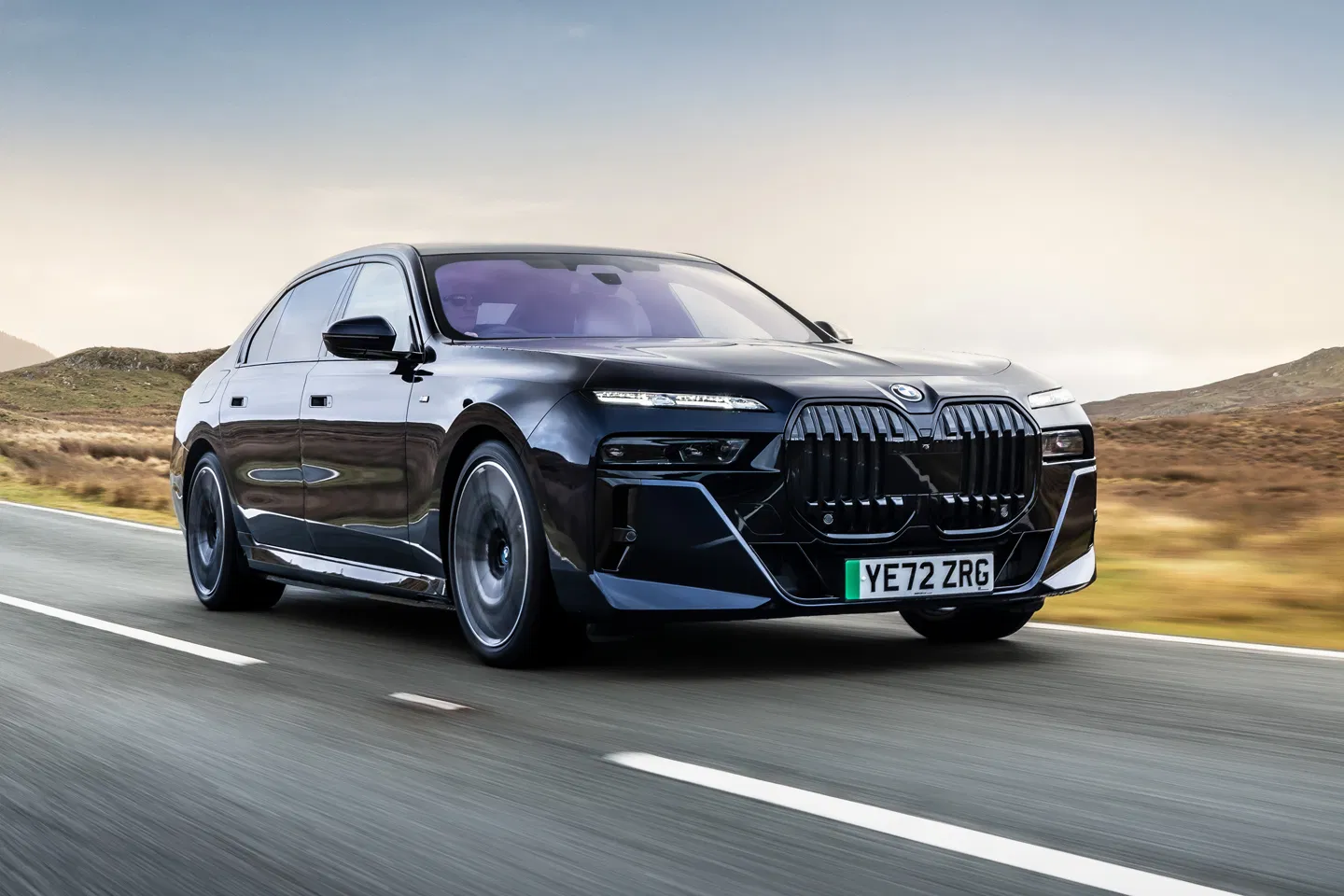
Crossovers are now the most popular type of family vehicle. They mix the space of an SUV with the comfort of a car. But when you’re on the highway for long trips, noise levels can make a big difference.
A quiet cabin means you can relax, talk easily, and enjoy music. On the other hand, some crossovers can get loud with wind noise, tire hum, or engine drone making long drives tiring. Let’s look at five crossovers that stay calm and peaceful at high speeds, and five that tend to get noisy.
Also read:5 Crossovers With Stain-Proof Seats vs 5 That Soak Everything
5 Crossovers That Stay Quiet at Highway Speeds
If you’ve ever driven a crossover on the highway and found yourself cranking up the volume to drown out road and wind noise, you’ll know that cabin quietness isn’t just a luxury, it’s a necessity.
Thankfully, some automakers have mastered the art of hush. Whether you’re commuting daily or embarking on a long road trip, a serene interior can make all the difference.
In this list, we spotlight five crossovers that remain impressively quiet at highway speeds, offering the kind of peace that allows conversations, podcasts, or solo reflection to take center stage. From premium models to budget-friendly options, here’s who’s leading the whisper-quiet revolution on the open road.
1) Toyota RAV4 Hybrid
The Toyota RAV4 Hybrid has earned a strong reputation for being one of the quietest and most comfortable crossovers on the road. It offers a great balance of power, fuel efficiency, and peace, especially during long highway drives.
The RAV4 Hybrid uses a smart combination of a gasoline engine and an electric motor. When driving at slow or steady speeds, the electric motor takes over, reducing engine noise. This makes city driving and highway cruising much quieter and smoother.
Toyota has also focused on improving sound insulation throughout the cabin. The doors, floor, and windows are designed to block out wind and road noise. As a result, passengers can talk comfortably or enjoy music without raising their voices.
The hybrid system not only keeps things quiet but also helps save fuel. The RAV4 Hybrid delivers excellent mileage compared to many other crossovers. Its efficient powertrain switches seamlessly between electric and gasoline power, giving both strong performance and low fuel consumption.
Inside, the RAV4 Hybrid feels solid and refined. Soft-touch materials, a well-insulated dashboard, and quality assembly add to the calm experience. Even at high speeds, the cabin remains composed, and vibrations are kept to a minimum.
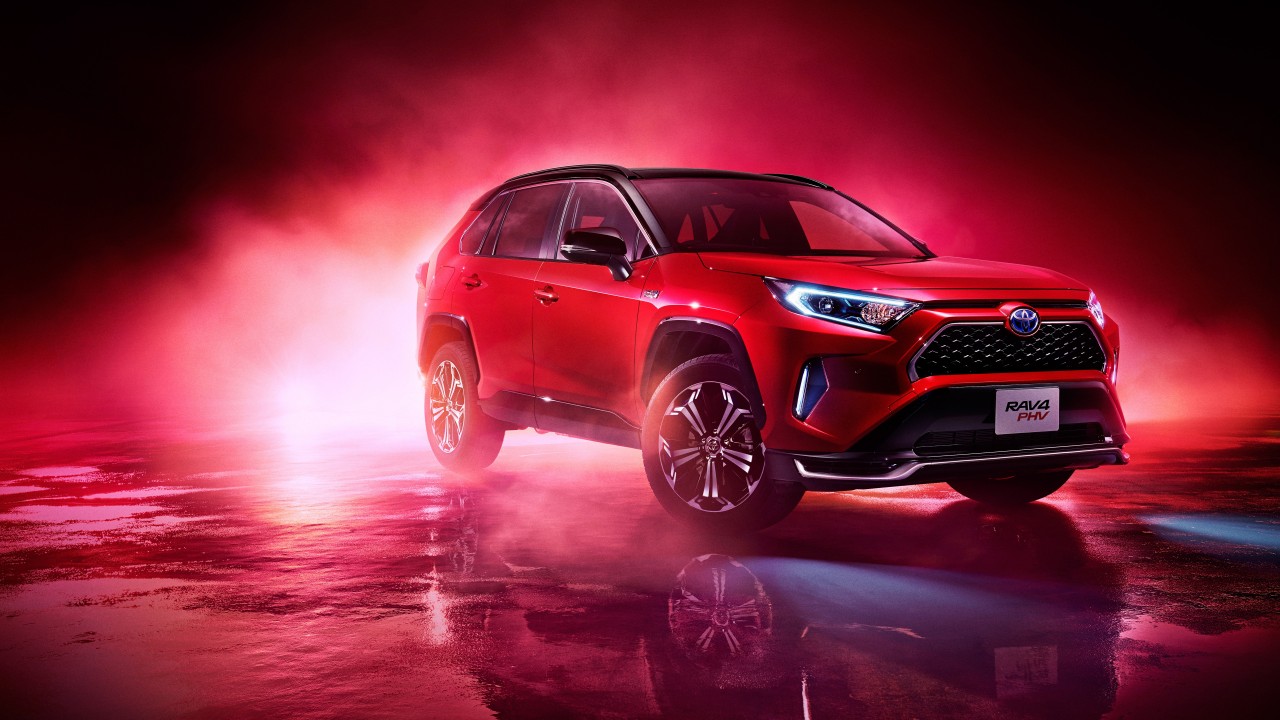
The suspension system also plays a big role in keeping the RAV4 Hybrid peaceful. It absorbs bumps and rough patches with ease, preventing the rattles or harshness you might feel in other vehicles. This makes long trips far more comfortable.
Drivers appreciate how steady and confident the RAV4 Hybrid feels on highways. Its steering is smooth and well-weighted, and the car stays stable even in strong crosswinds. The aerodynamic design helps reduce wind resistance and noise further.
Safety and technology also add to the sense of comfort. Toyota’s advanced driver-assistance features, like adaptive cruise control and lane keeping, make highway driving stress-free. These systems work quietly in the background, enhancing the smooth experience.
2) Honda CR-V
The Honda CR-V has long been one of the most popular compact crossovers in the world. Known for its reliability, space, and comfort, the latest CR-V models also impress with their quiet and composed highway performance, offering a calm driving experience.
Honda engineers have worked hard to make the CR-V quieter than ever before. They added extra sound insulation throughout the cabin and used thicker acoustic glass for the windshield and front windows. This helps block outside noise, especially at high speeds.
The suspension system plays an important role in comfort. The CR-V absorbs bumps and uneven surfaces gracefully, preventing vibrations from reaching the cabin. This makes it one of the most relaxing compact SUVs for long-distance travel.
Honda also paid attention to aerodynamics. The CR-V’s sleek design reduces air resistance, so wind noise stays low even when driving at high speeds. The smooth body lines and carefully shaped mirrors contribute to its quiet highway behavior.
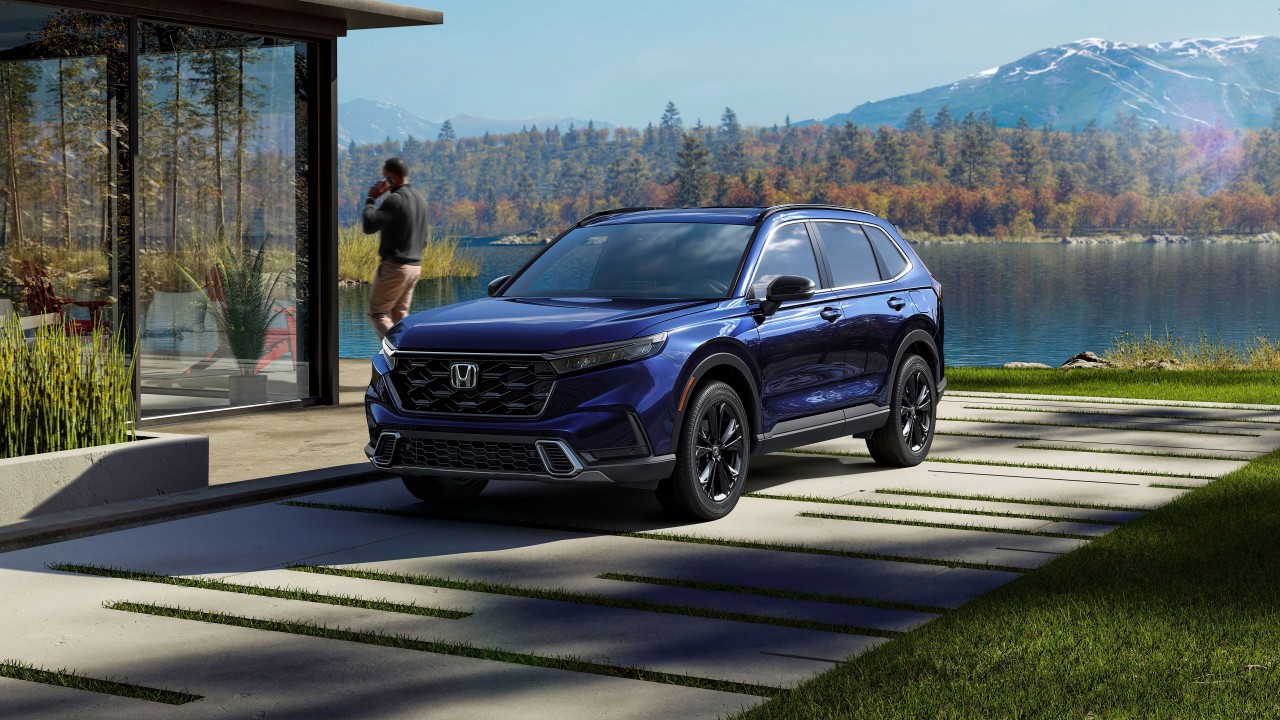
The seats are supportive and designed for long hours of driving. Combined with the quiet cabin, this makes the CR-V perfect for family trips or daily commutes. You arrive at your destination less tired and more refreshed.
Technology also enhances the experience. Features like adaptive cruise control, lane keeping assist, and active noise cancellation make highway driving smooth and stress-free. The car feels steady, composed, and secure, even during long journeys.
3) Mazda CX-5
The Mazda CX-5 has built a strong reputation for being one of the most refined compact crossovers in its class. It combines stylish design, a smooth drive, and a surprisingly quiet cabin that feels far more luxurious than its price suggests.
Mazda engineers focused heavily on sound insulation and cabin quality while developing the CX-5. Every part of the vehicle, from the doors to the floor panels, was carefully designed to reduce unwanted noise. The result is a calm and comfortable driving experience.
The doors of the CX-5 seal tightly, keeping wind and traffic noise out. Even at high speeds, the cabin remains hushed, allowing passengers to enjoy music or conversation easily. It feels stable and quiet, even during long highway journeys.
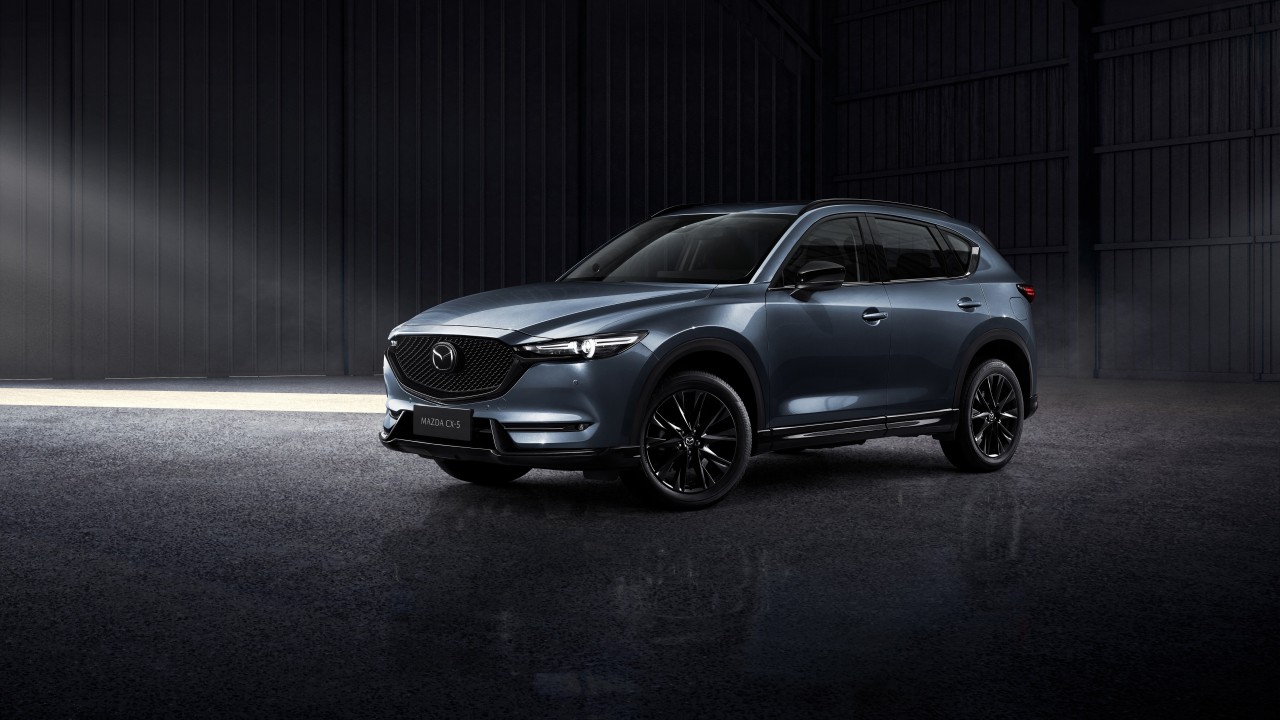
The suspension system also plays a big part in this refinement. Mazda tuned it to absorb bumps and vibrations smoothly without making the car feel soft or floaty. It gives a balanced ride comfortable yet responsive making the CX-5 ideal for daily commutes or road trips.
Inside, the CX-5 feels closer to a premium car than a typical compact crossover. The materials used are soft to the touch, and the interior layout is simple but elegant. Every detail adds to the sense of calm and quality inside the cabin.
Mazda also paid attention to how the vehicle sounds and feels from the driver’s seat. The engine note is refined, and when you accelerate, it produces a clean, smooth tone instead of a harsh drone. The result is a more pleasant driving experience.
4) Hyundai Tucson
The Hyundai Tucson has grown into one of the most refined and comfortable crossovers in its class. Known for its sleek design, solid build quality, and impressive quietness, the Tucson delivers a driving experience that feels calm and confident at any speed.
Hyundai engineers focused on reducing cabin noise and improving ride comfort in recent models. They added extra sound-deadening materials to the doors, floor, and engine bay. The result is a hushed cabin that stays peaceful, even during long highway journeys.
The Tucson’s aerodynamic design also helps keep wind noise low. Its smooth body lines, sleek mirrors, and well-shaped roof work together to minimize air resistance. This gives it a quiet and stable feel at higher speeds, even in windy conditions.
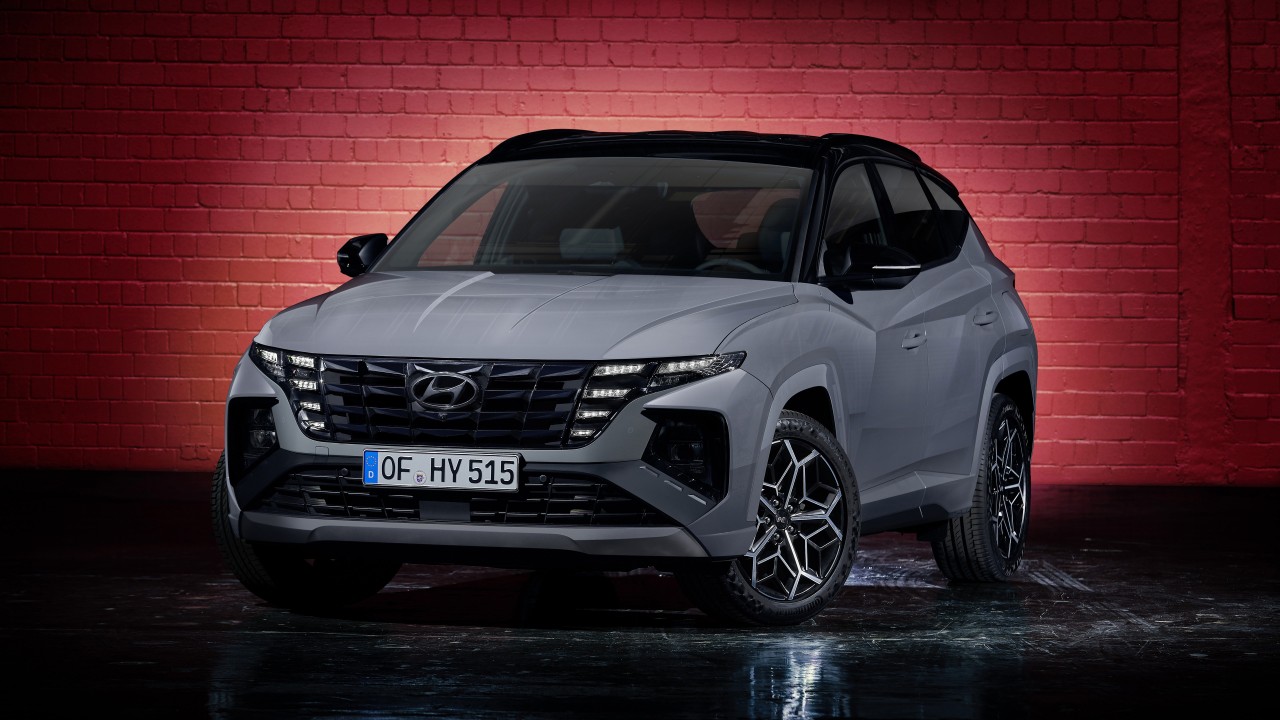
Inside, the Tucson feels surprisingly premium for its price. Soft-touch materials, clean dashboard design, and tight panel fitting create an upscale atmosphere. Everything feels solidly built, adding to the impression of quality and quiet refinement.
The suspension system is tuned for comfort without losing control. It absorbs bumps and road imperfections smoothly, keeping the ride gentle and composed. Whether on city streets or highways, the Tucson maintains its calm personality.
The powertrain also contributes to its quiet performance. Hyundai’s latest engines are smoother and more efficient, while the automatic transmission shifts seamlessly. The engine noise stays low during acceleration, and at cruising speeds, it’s barely noticeable inside the cabin.
Passengers enjoy a comfortable and serene environment thanks to supportive seats and generous cabin space. The rear seats offer good legroom, and the sound insulation ensures that road and tire noises don’t interrupt conversations or music.
5) Subaru Forester
The Subaru Forester has always been known for its practicality and all-weather capability. But in recent years, it has also become one of the quietest and most refined compact crossovers on the market, offering a calm and confident ride on any surface.
Subaru engineers made significant improvements to the Forester’s sound insulation. Thicker glass, better door seals, and added sound-absorbing materials around the cabin keep wind and road noise to a minimum. The result is a peaceful interior, even at highway speeds.
Its signature all-wheel-drive system adds stability without adding noise. Unlike older systems that created vibration, Subaru’s latest setup operates quietly and smoothly, maintaining traction while keeping the cabin calm and composed on long drives.
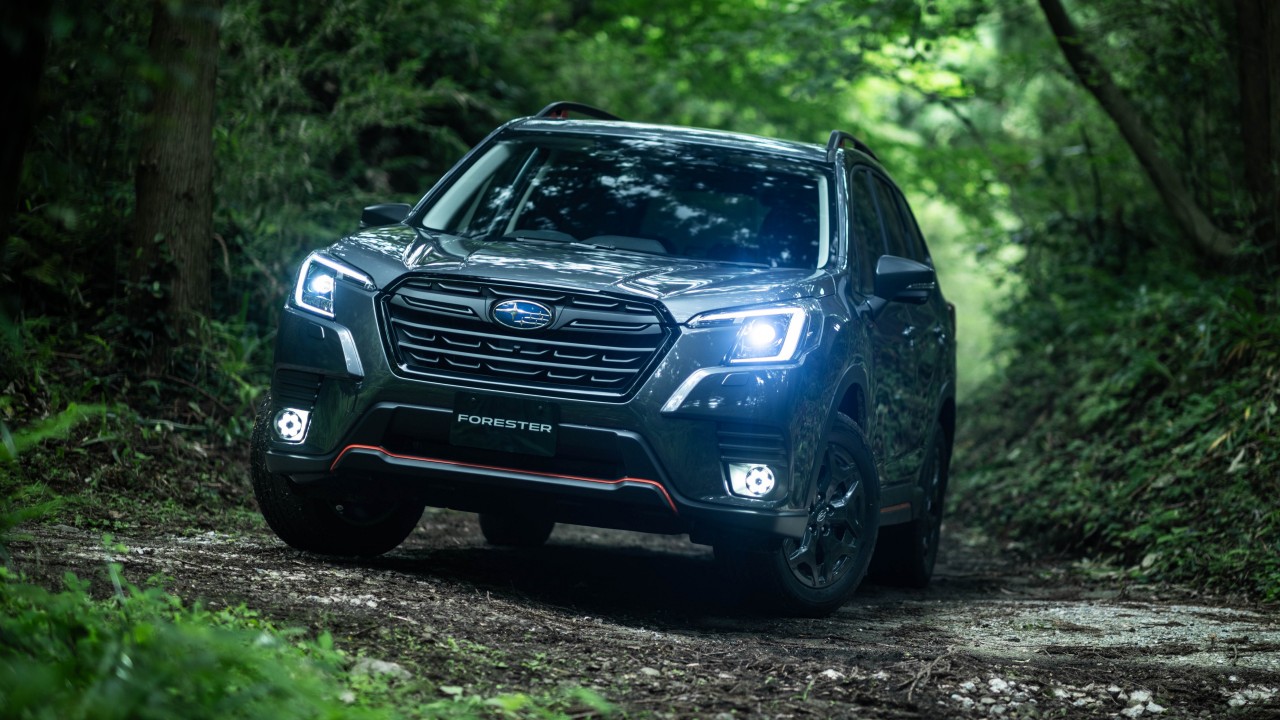
The suspension is tuned for comfort and control. It absorbs bumps and rough patches with ease, keeping passengers steady and relaxed. Even when driving on gravel or uneven roads, the Forester maintains its quiet, well-balanced ride quality.
Inside, the cabin feels more upscale than before. The seats are supportive, the materials soft, and the layout simple yet elegant. Subaru has worked hard to create a space that feels both functional and soothing for drivers and passengers alike.
The Forester’s engine is another reason behind its quiet personality. The 2.5-liter Boxer engine runs smoothly and stays quiet at cruising speeds. Paired with a refined continuously variable transmission (CVT), it delivers power efficiently without producing harsh engine noise.
Aerodynamics also play a role in the Forester’s peaceful driving experience. Subaru shaped the body to cut through the air efficiently, reducing wind resistance. Even at higher speeds, wind noise remains surprisingly low compared to older models.
Also read:5 Compact Cars With Reliable Start-Stop Systems vs 5 That Shudder and Die
5 Crossovers That Drone and Rattle
Not all crossovers deliver the calm, composed ride that buyers expect, especially when you hit the highway. While many models remain hushed at high speeds, others rattle, drone, and buzz their way down the road, turning what should be a peaceful drive into a noisy chore.
Whether it’s unrefined powertrains, poorly insulated cabins, or aging platforms, some crossovers simply miss the mark when it comes to NVH (noise, vibration, and harshness) control. In this list, we take a closer look at five crossovers that tend to drone and rattle at highway speeds, reminding drivers that quiet comfort isn’t guaranteed in every segment.
1) Jeep Compass
The Jeep Compass is known for its rugged looks and off-road capability, but when it comes to highway refinement, it doesn’t perform as quietly as some of its rivals. At high speeds, noise levels inside the cabin can become quite noticeable.
One of the main reasons for the Compass’s cabin noise is its engine. During acceleration, especially when merging onto highways or overtaking, the engine tends to hum loudly. This can make long drives less peaceful for both the driver and passengers.
The Compass uses a naturally aspirated four-cylinder engine in most versions, which, while reliable, often needs to work harder at higher speeds. The result is a droning sound that seeps into the cabin, particularly when climbing hills or maintaining highway pace.
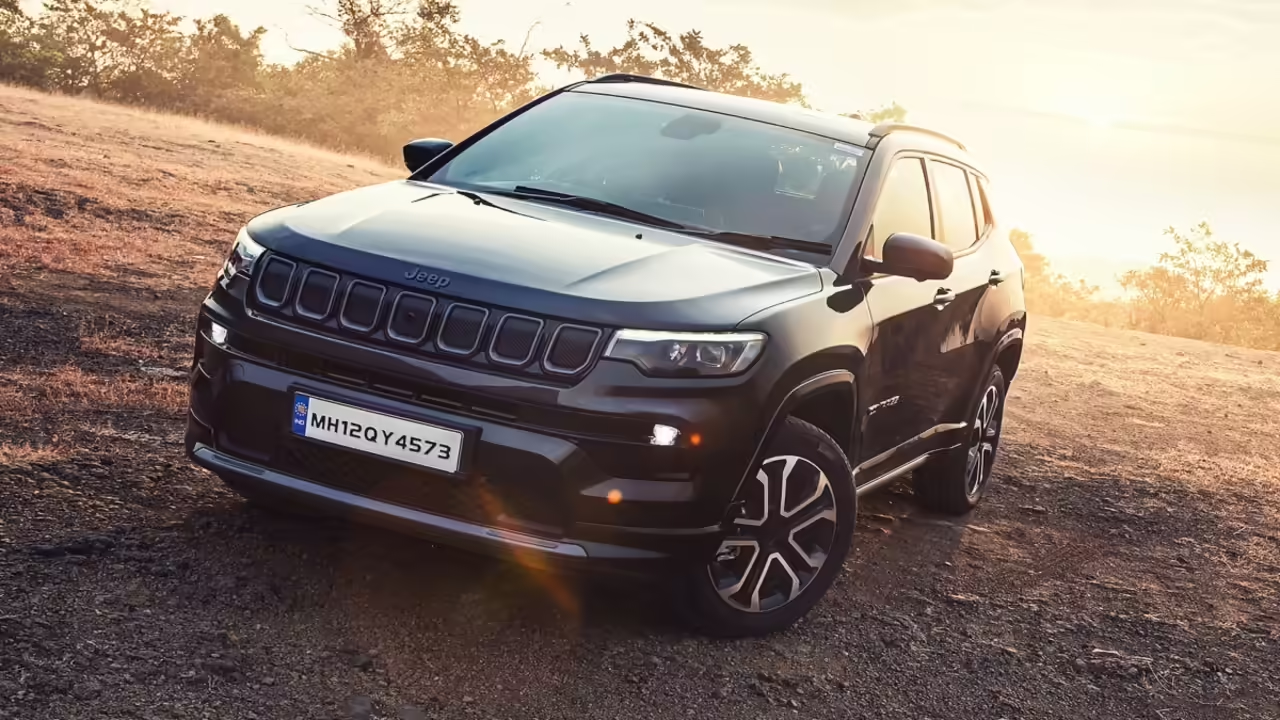
Its boxy and upright design, while adding to its tough and adventurous appearance, also makes it more prone to wind noise. As air moves around the sharp edges of the body, it creates extra turbulence that can be heard inside the vehicle.
The sound insulation in the Compass is decent for city driving, but at highway speeds, it doesn’t block noise as effectively. Wind rushing past the mirrors and roof rails, along with tire noise, becomes more apparent as speed increases.
The suspension system is firm to handle off-road terrain, which is great for rough paths but less ideal for highway comfort. Over small bumps or rough patches, vibrations can enter the cabin, adding to the feeling of noise and movement.
2) Nissan Rogue Sport
The Nissan Rogue Sport is a compact crossover that offers good looks, practicality, and efficiency. It’s easy to drive and well-suited for city use, but when it comes to highway refinement, it struggles with noticeable engine and road noise.
One of the main issues lies in its continuously variable transmission (CVT). While this transmission helps improve fuel economy, it often keeps the engine running at higher revs when climbing hills or accelerating. This creates a droning sound that enters the cabin.
The 2.0-liter four-cylinder engine itself is reliable but not particularly quiet. When pushed hard, it sounds strained, especially during highway merges or uphill driving. The lack of a traditional gear-shifting feel makes the engine noise more constant and tiring.
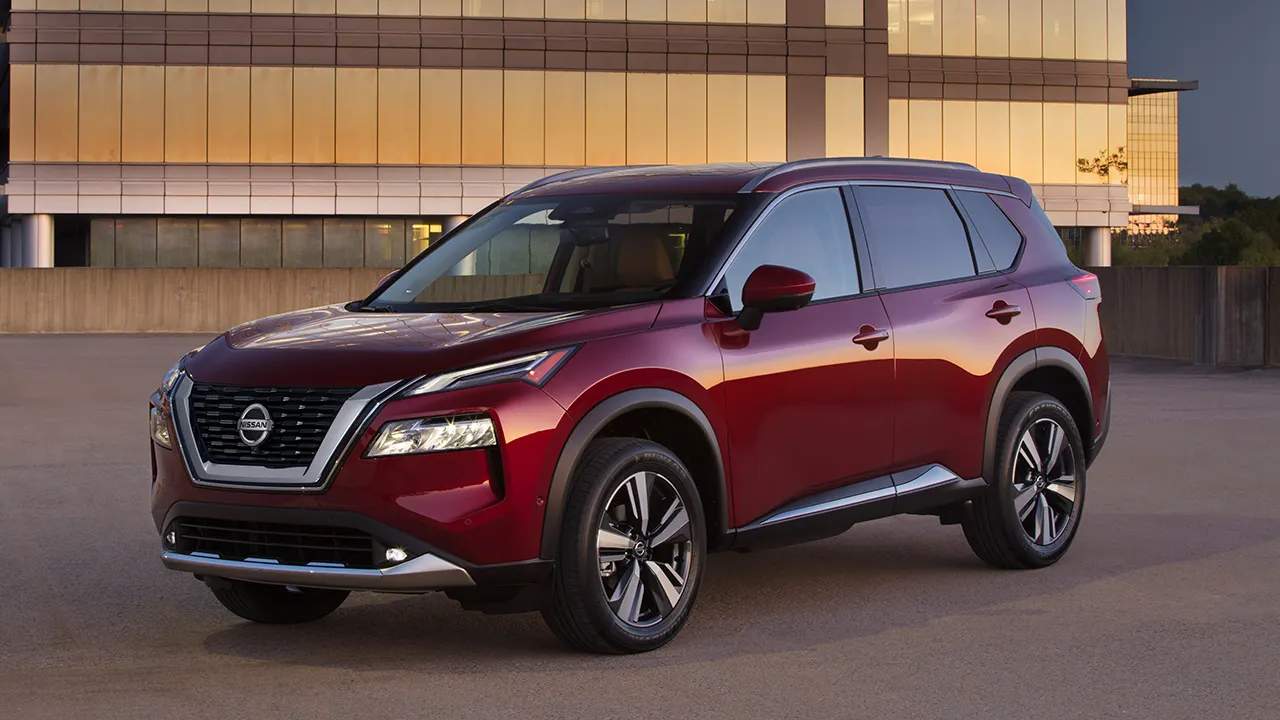
Sound insulation in the Rogue Sport is thinner than in many of its competitors. As a result, tire and wind noise easily make their way inside the cabin, particularly when driving on rough or coarse pavement. This affects the comfort on longer drives.
At city speeds, the Rogue Sport feels calmer, and the noise is less noticeable. It’s well-suited for short commutes, errands, and daily use. However, at higher speeds, the constant hum of the engine and tires can become distracting.
The boxy design and large mirrors also contribute to wind noise. Around 90–100 km/h, air rushing past the body creates a noticeable sound, especially near the doors and windows. The effect grows stronger as speed increases.
Inside, the materials used are practical but basic. Hard plastic panels and limited soundproofing make it easier for vibrations and noise to enter the cabin. While it feels solidly built, it doesn’t have the refinement of pricier competitors.
3) Chevrolet Trax
The Chevrolet Trax is a small crossover designed for city life. It’s compact, easy to park, and efficient, making it perfect for urban commutes. However, when taken onto highways, the Trax reveals its weaker side noticeable cabin noise and limited refinement.
The Trax uses a small turbocharged engine that performs well in stop-and-go traffic but becomes noisy under pressure. During highway acceleration or steep climbs, the engine revs loudly, and the sound easily seeps into the cabin, making long drives less relaxing.
Its six-speed automatic transmission shifts smoothly in the city but struggles to keep noise levels down at higher speeds. When overtaking or merging, the engine hums constantly, creating a droning tone that becomes tiring after a while.
Wind noise is also an issue at faster speeds. The Trax’s tall body and upright mirrors catch more air, and that rushing sound becomes noticeable around the doors and windshield once you reach 90–100 km/h on the highway.
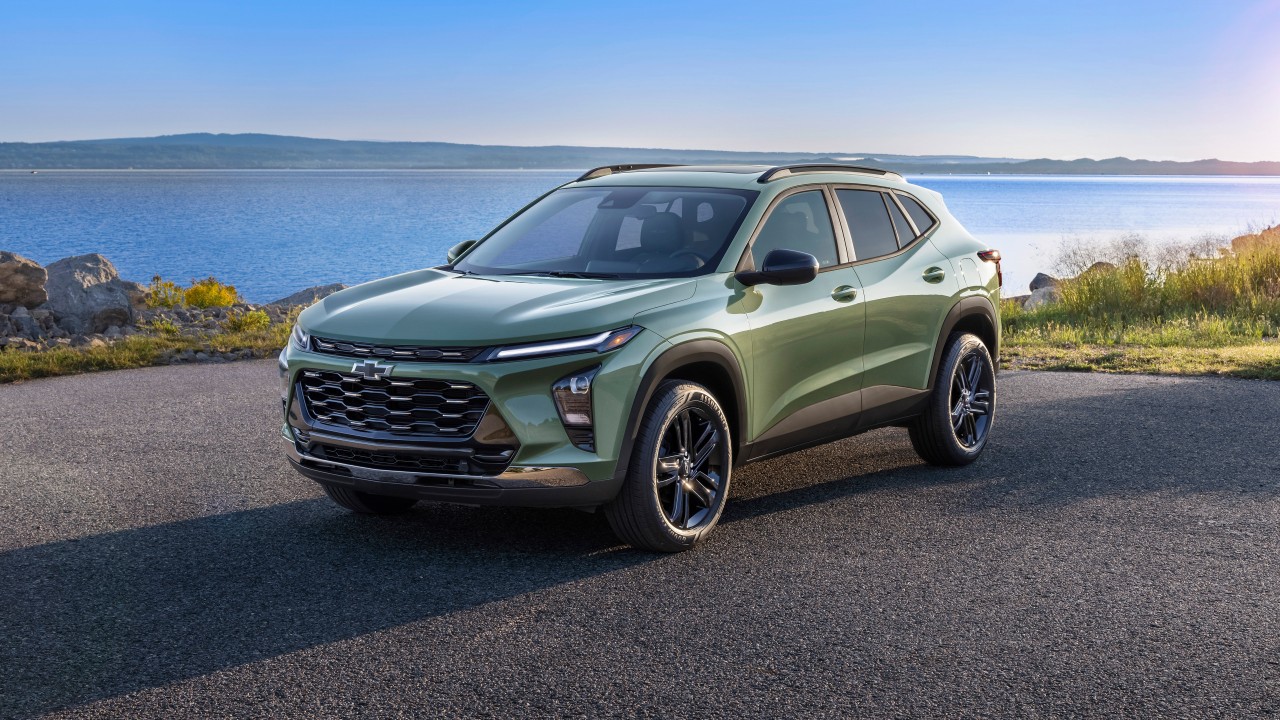
Tire noise adds to the mix. The compact size of the Trax means less insulation under the floor, and on coarse road surfaces, you can clearly hear the tires humming. It’s fine for short trips, but not ideal for long-distance travel.
Inside, the cabin is functional but not heavily padded. Hard plastic panels and light materials don’t block sound very effectively. While the build quality is solid, the lack of soft-touch surfaces contributes to the noisier driving experience.
4) Mitsubishi Outlander Sport
The Mitsubishi Outlander Sport, also known as the ASX in some markets, is a compact crossover that promises durability and affordability. While it performs well for everyday driving, its cabin noise and roughness at higher speeds make it less refined than many rivals.
The Outlander Sport’s 2.0-liter engine is dependable but not particularly smooth. When accelerating or climbing hills, it becomes loud and coarse. The continuously variable transmission (CVT) keeps the revs high, adding a constant drone that echoes through the cabin.
At highway speeds, this engine noise combines with wind and tire sounds, making the interior noticeably louder. The insulation is limited, and drivers often need to turn up the music or speak louder to have a normal conversation.
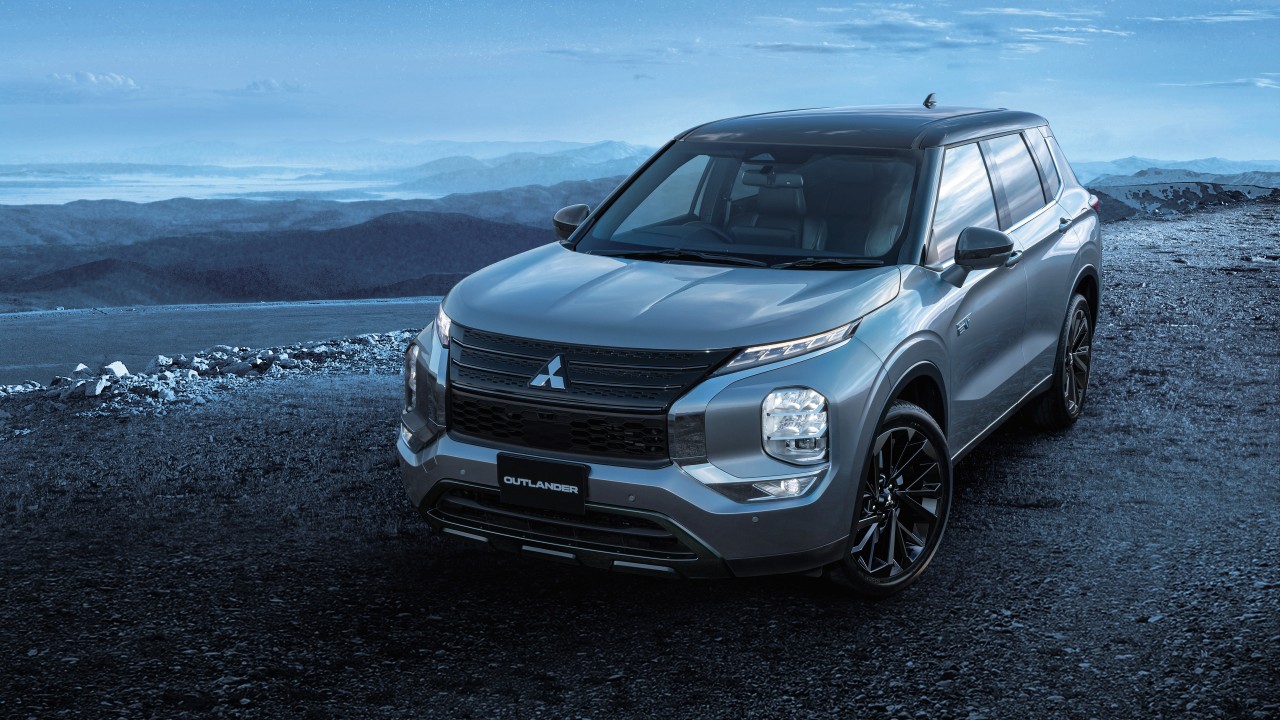
The body design of the Outlander Sport hasn’t changed much over the years, and it shows in aerodynamics. The upright stance and simple shape create wind turbulence around the mirrors and roof, increasing the whooshing sounds at higher speeds.
Inside, the cabin is practical but lacks the refinement of newer competitors. Hard plastics dominate the interior, and minimal padding means more vibrations are heard and felt. Over time, small rattles can develop, especially on rough or uneven roads.
The suspension, while good for handling city potholes, can feel firm on highways. This firmness transmits more vibrations through the cabin, making longer drives less comfortable compared to smoother crossovers like the Honda CR-V or Hyundai Tucson.
5) Ford EcoSport
The Ford EcoSport is one of the most compact SUVs on the market, offering city-friendly size, nimble handling, and sporty looks. However, despite its strengths in convenience and practicality, it struggles to deliver a quiet and refined experience on the highway.
The EcoSport’s small engines, especially the three-cylinder versions, are energetic but can sound rough when pushed. During acceleration or hill climbs, the engine becomes noisy, producing a high-pitched buzz that easily enters the cabin through thin insulation.
At highway speeds, the noise doesn’t go away. Wind, road, and tire sounds all mix together, making the cabin louder than most rivals. The tall, upright design of the EcoSport catches more air, leading to steady wind noise around the windshield and doors.
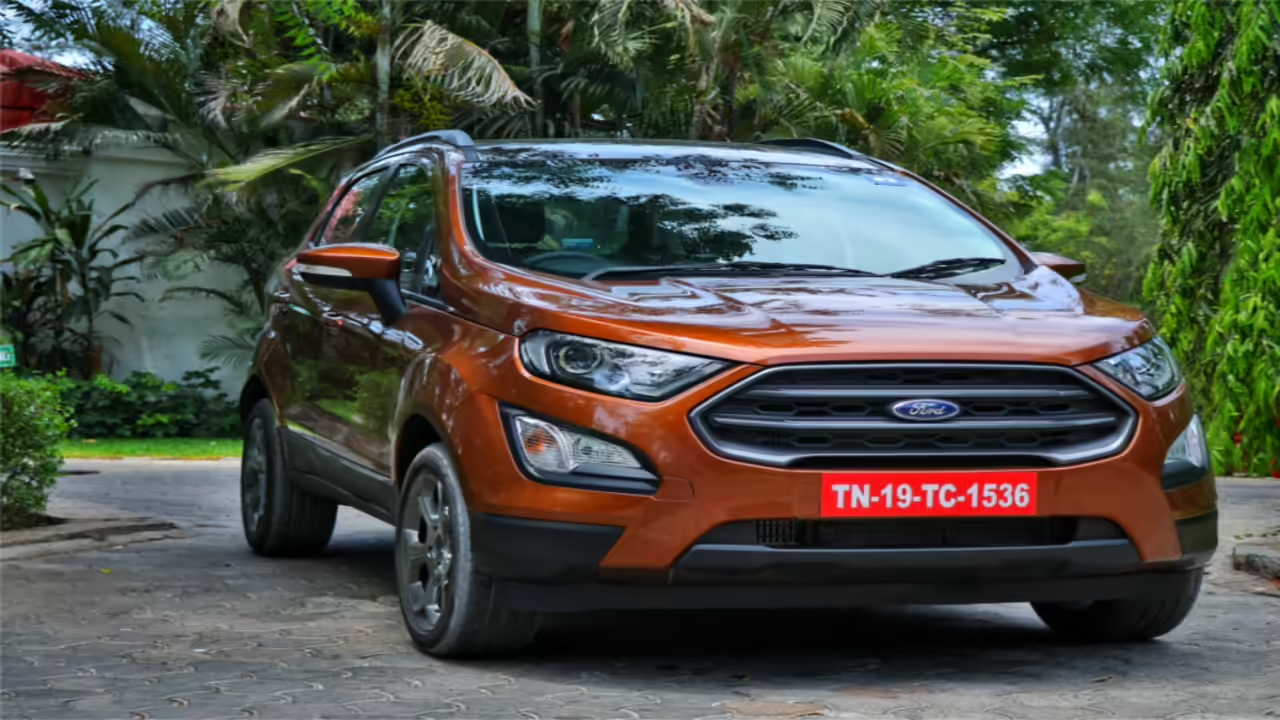
The compact size also means less space for heavy soundproofing materials. The floor and door panels let more vibrations pass through, especially on coarse or uneven pavement. This makes long trips less relaxing compared to quieter crossovers like the Toyota RAV4 or Mazda CX-5.
Inside, the cabin layout is smart and functional, but the materials are simple and mostly hard plastic. These panels can creak slightly over bumps or during hot weather, adding to the overall sense of noise and movement inside the car.
The suspension setup focuses on agility, which helps in city traffic and tight corners. However, on highways, it can feel a bit firm, allowing bumps and road textures to be heard and felt. The result is a ride that’s lively but not particularly calm.
Also read:5 Hybrids With Seamless Engine Handoff vs 5 That Shudder at Low Speeds