
Visibility is one of the most critical yet often overlooked aspects of safe driving. A vehicle designed with clear sightlines, low obstructions, and well-positioned mirrors allows drivers to assess their surroundings confidently, react quickly to unexpected hazards, and execute maneuvers like lane changes and parking with ease.
Some SUVs excel in this area, offering elevated seating, wide windows, and thoughtfully placed pillars that minimize blind spots, making daily driving safer and less stressful. Conversely, certain vehicles prioritize style, compact design, or performance over visibility, resulting in significant blind spots that can make even routine driving more challenging.
This contrast highlights the importance of evaluating how a vehicle’s design affects driver awareness, demonstrating that the right SUV can enhance confidence and safety on the road, while some vehicles require extra vigilance and reliance on driver-assist technology.
5 SUVs With Excellent Visibility
1. Subaru Forester: Visibility and Practicality
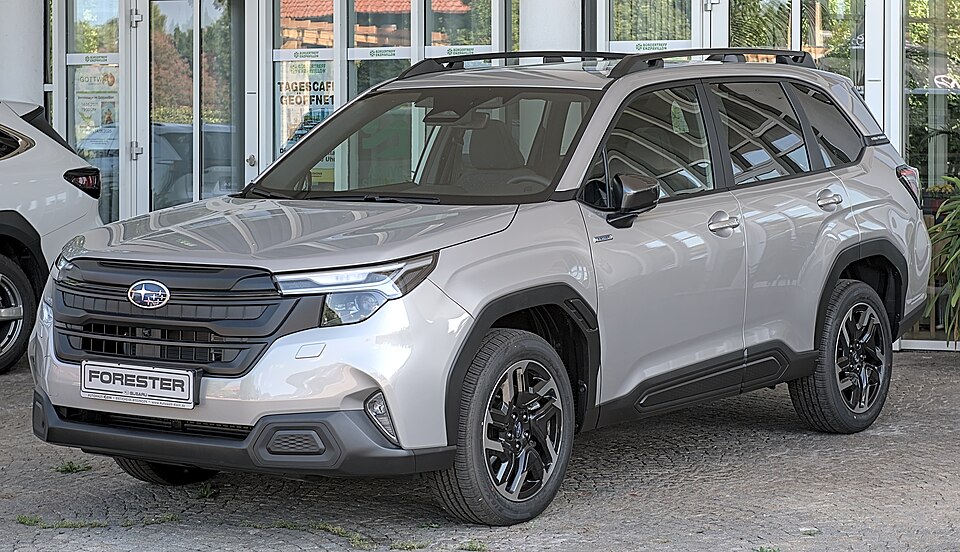
The Subaru Forester is one of the most visibility-friendly SUVs on the market. Its large windshield, low dashboard, and upright stance create a clear, expansive view that helps drivers feel confident in urban traffic and poor weather. Slim A-pillars, well-positioned side mirrors, and tall side windows reduce blind spots and make lane changes safer.
Rear visibility is enhanced by an upright tailgate, low rear window, and foldable headrests. The seating height provides a good balance between awareness and maneuverability, allowing drivers to judge corners without feeling elevated too high.
Performance is a weakness for the Forester. The 2.5-liter four-cylinder engine produces 180 horsepower but struggles with acceleration, taking 9.2 seconds to reach 60 mph. The ride can feel busy and unsophisticated, while adaptive cruise control and lane-centering systems do not respond as smoothly as expected.
Handling and braking provide decent grip and stopping power, and off-road capability remains strong, though competitors are offering similar features. The Forester prioritizes safety and practicality rather than sporty performance.
Entering and exiting the Forester is simple due to wide door openings and a practical seat height. Passenger space is typical for its class, with excellent headroom. Front seats are supportive and well-padded, suitable for a range of body types. The cabin includes an 11.6-inch tablet-style display with clear graphics, easy-to-use physical controls, and generally low road and engine noise. Wind noise is acceptable for a boxy SUV.
The technology is functional but not modern, with slower response times and basic graphics. A Harman Kardon audio system and USB ports improve usability, and wireless phone mirroring works reliably. Storage for small items is limited, but rear cargo space is generous, easily accommodating luggage or outdoor gear. Towing capacity is 1,500 pounds.
Standard all-wheel drive and a capable interior give the Forester reasonable value. Fuel economy is slightly lower than EPA estimates, with real-world numbers around 25 mpg, while the hybrid version reaches 35 mpg combined.
The Forester appeals to buyers who value reliability, safety, and off-road readiness. Its boxy design and standard all-wheel drive suit adventurous or winter-weather drivers, but the driving experience and technology feel dated compared to newer, more refined competitors.
2. Honda CR-V: Visibility and Practical Design
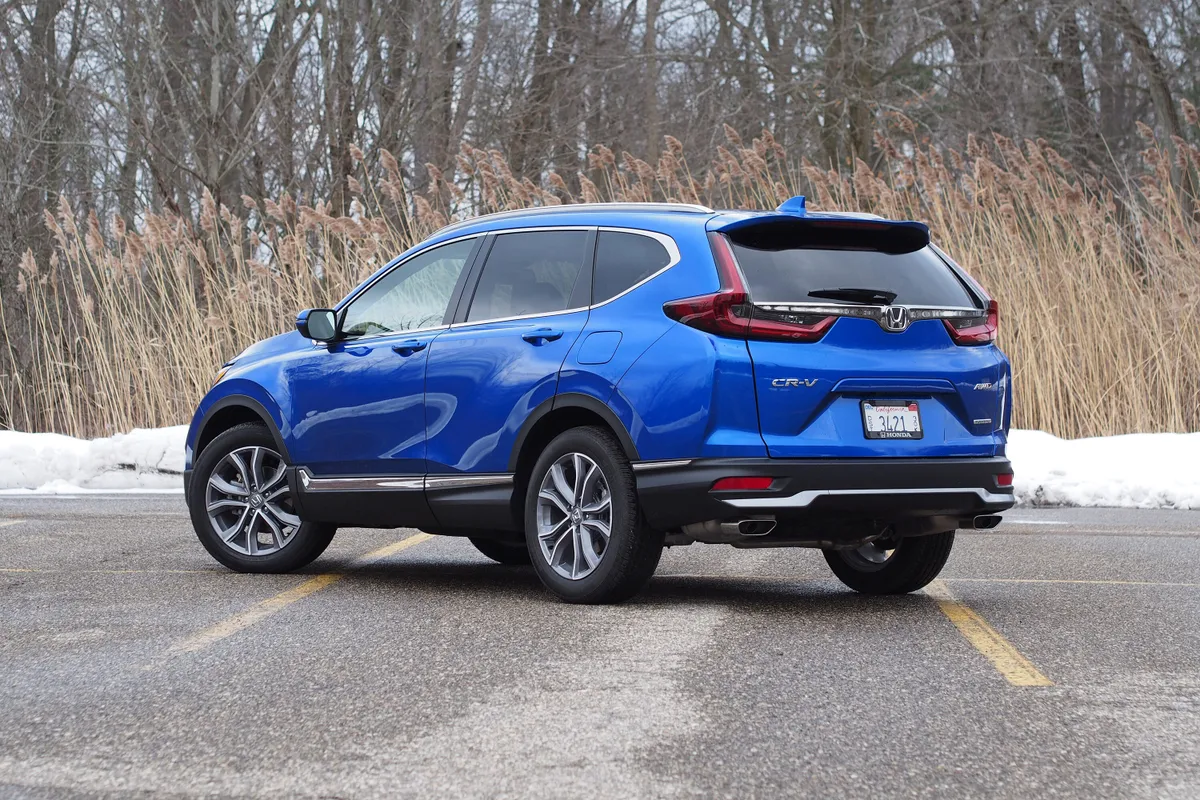
The Honda CR-V is designed as a practical family SUV, prioritizing visibility and usability over flashy styling. Its wide, tall windshield and low dashboard allow drivers to scan the road ahead comfortably, reducing strain during long drives.
Side mirrors are mounted on the doors rather than the A-pillars, with a small triangle of glass improving peripheral visibility near intersections. Slim A-pillars and wide, consistent side windows allow for better over-the-shoulder glances, while the flat roofline and square rear window enhance rear visibility.
The adjustable driver’s seat and low beltline help drivers of different heights maintain a clear view, contributing to a calm and confident driving experience.
The CR-V is not a performance SUV, but it feels responsive and composed compared with other small SUVs. The hybrid Sport Touring model accelerates from 0 to 60 mph in 8.0 seconds, and braking performance is reliable.
Steering is responsive, and the vehicle remains controlled around corners. Ride quality is smooth, and the hybrid system operates quietly, though climbing steep grades requires a heavier throttle. Advanced driver-assist features are effective, but some rivals offer more comprehensive systems.
The CR-V offers spacious, well-designed interiors with comfortable front seats and above-average rear legroom. Large windows enhance the sense of openness, and seating height makes entry and exit easy. Controls are intuitive and reachable, and the physical climate controls can be operated without looking.
The infotainment system is user-friendly with wireless Apple CarPlay, Android Auto, and wireless charging, though the standard 9-inch screen is smaller than some competitors. Cargo space is generous for the class, though hybrids have slightly less room and no spare tire. Interior storage is functional, with adequate cupholders, phone storage, and under-armrest compartments.
The CR-V is solidly built, smooth, and quiet, but slightly more expensive than competitors. Warranty coverage is average, and fuel economy for non-hybrids is 30 mpg combined, while the hybrid delivers up to 40 mpg, but averaged 33.3 mpg in real-world testing.
The CR-V blends practicality with restrained styling. It appeals to drivers seeking usability, comfort, and reliable handling rather than standout looks. Responsive steering, smooth ride quality, and good visibility make it a confident choice for families and daily commuting.
3. Toyota Highlander: Visibility and Practicality
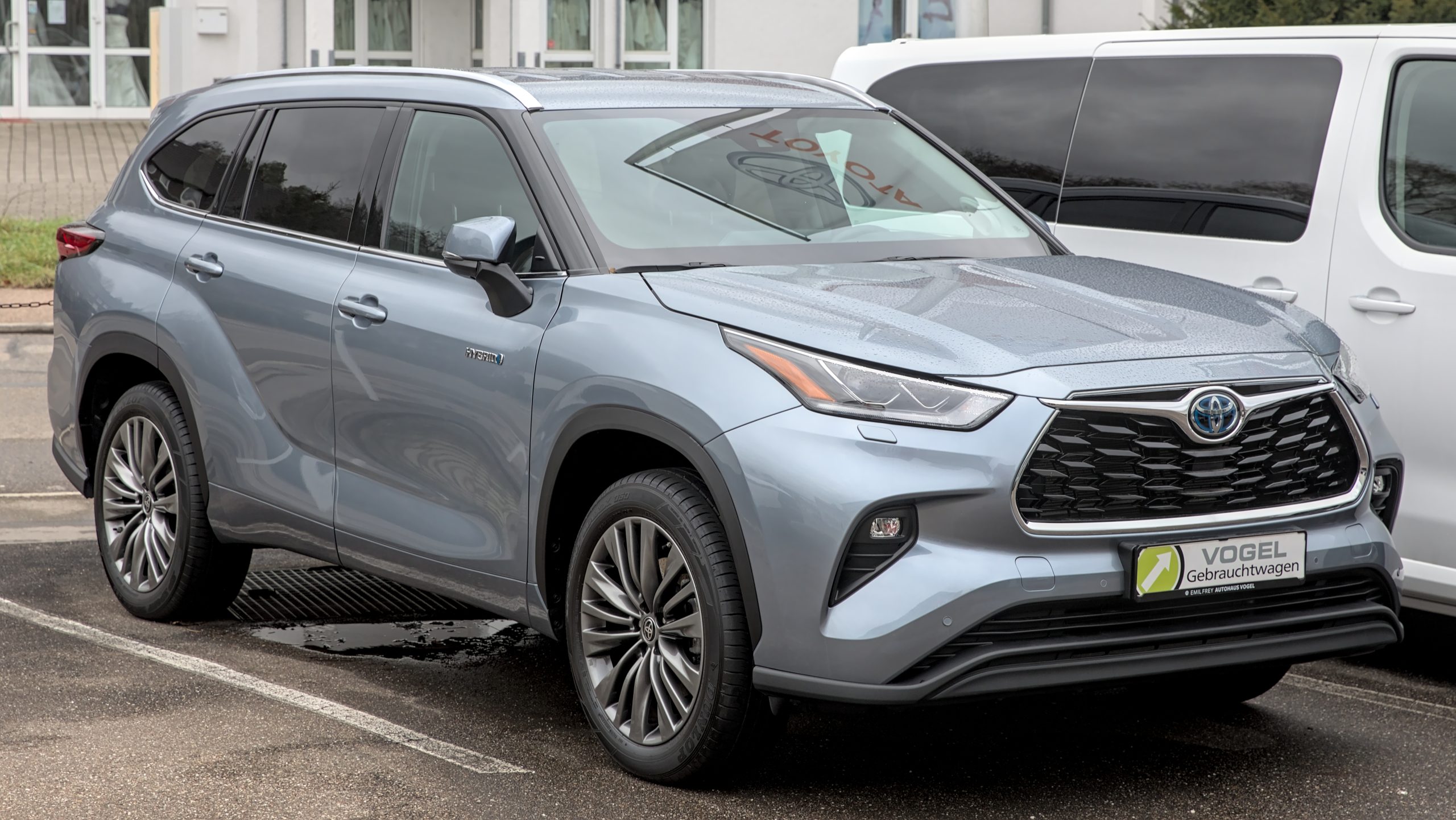
The Toyota Highlander offers strong visibility for a three-row midsize SUV, balancing practicality and comfort. Its broad, angled windshield provides an unobstructed front view for drivers of all heights. Front pillars are reasonably sized, and the dashboard stays low, reducing blind spots. Side visibility is aided by long windows that extend to the third row, avoiding excess interior padding.
Large, door-mounted mirrors provide a clear view of the surroundings. Rear visibility is solid thanks to a flat rear design, foldable low headrests, and generously sized rear glass, making parking and reversing less stressful. The elevated driving position provides good awareness without disconnecting the driver from the road.
The Highlander delivers a responsive and composed driving experience. The four-cylinder all-wheel-drive model accelerates from 0 to 60 mph in 7.4 seconds, faster than many V6 competitors. Ride quality is smooth, with the suspension absorbing bumps without feeling floaty.
Handling is controlled through turns, and the available torque-vectoring AWD enhances stability in curves and slippery conditions. Braking is confident, and thin front roof pillars improve corner visibility. Advanced driver-assist systems, including adaptive cruise control, work well, though lane departure alerts can be overly sensitive in standard mode.
Seating is comfortable for front and second-row passengers, with ample room for long drives. Second-row captain’s chairs offer flexibility, but third-row seats are narrow, low, and best suited for children. Climate control is effective, with a tri-zone system managing heating and cooling efficiently. Road and wind noise are minimal, and the interior feels solidly constructed.
The optional 12.3-inch touchscreen is responsive and modern, while an 8-inch screen is standard. USB charging ports are available for the first two rows. Cargo space behind the third row is 16 cubic feet, expanding to 48.4 cubic feet behind the second row. Both rows fold flat for larger loads, and cabin storage is functional with well-designed compartments.
The Highlander is well-built and offers good value, especially with standard Toyota reliability. Fuel economy is competitive, with the AWD four-cylinder achieving 26.6 mpg in real-world testing, while the hybrid model reaches 36 mpg combined. Warranty coverage includes three years/36,000 miles bumper-to-bumper and five years/60,000 miles for the powertrain, with the first two years of scheduled maintenance free.
The Highlander combines sporty styling with practical performance. It handles twists better than most midsize three-row SUVs, providing a confident, comfortable, and well-rounded experience for families.
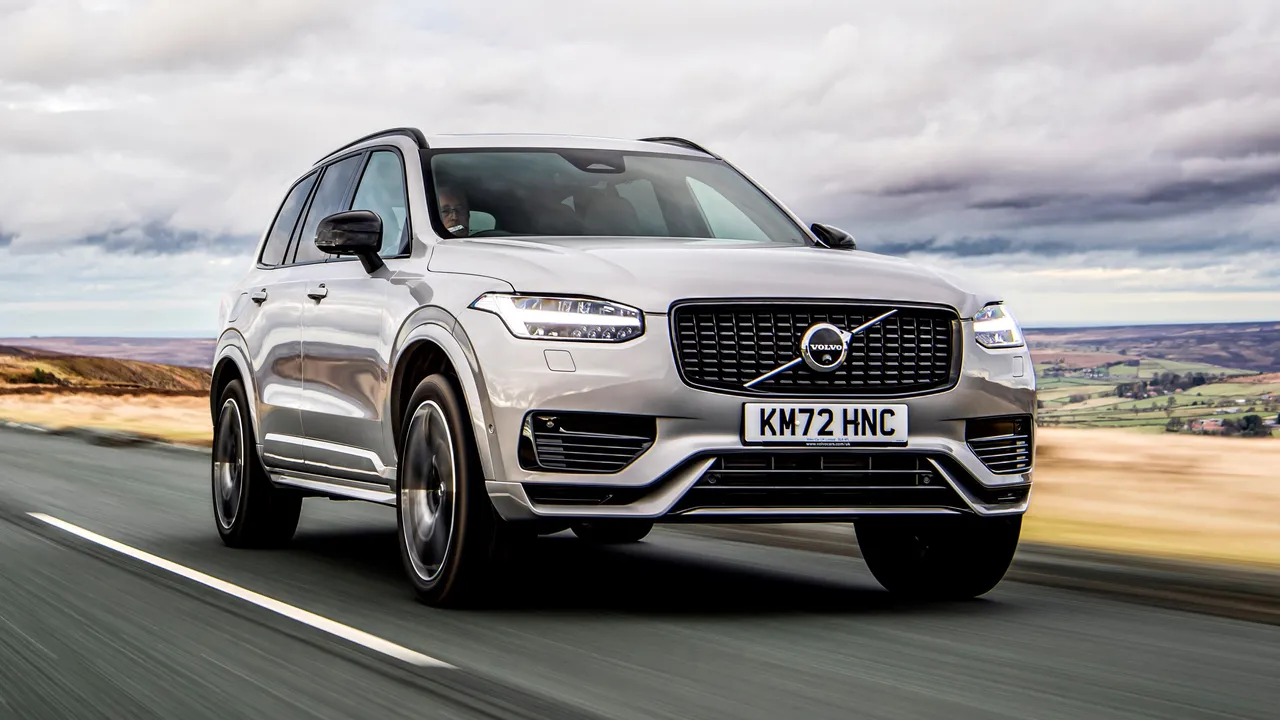
4. Volvo XC90: Visibility and Safety
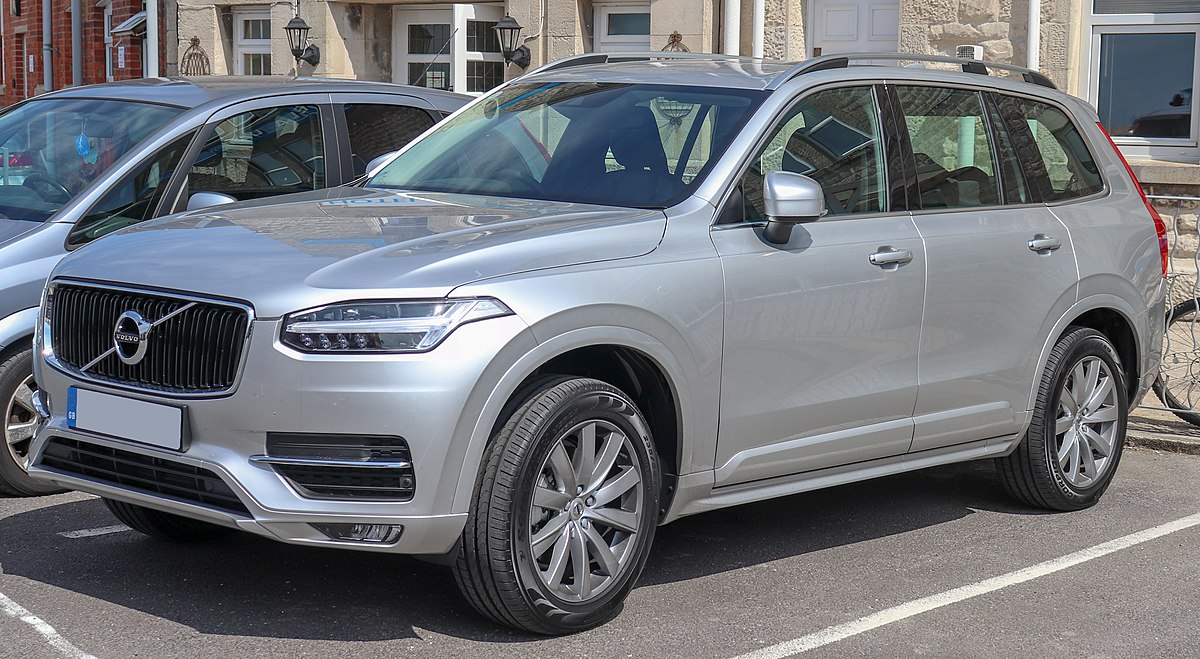
The Volvo XC90 emphasizes safety through excellent visibility. Its expansive, steeply raked windshield provides a wide, unobstructed front view, while a low dashboard prevents obstruction of the line of sight. Thin A-pillars reduce blind spots at intersections, and tall, consistent side windows allow for smooth lane changes and highway merging.
Large, well-positioned side mirrors enhance awareness of the surroundings. Rear visibility is strong thanks to a wide rear window and low, foldable headrests, minimizing obstruction. The upright driving posture adds to clarity, helping the driver feel connected to the road.
The XC90 delivers strong straight-line performance for a midsize three-row SUV. The T8 plug-in hybrid produces 455 horsepower and 563 lb-ft of torque, reaching 0-60 mph in 5.2 seconds despite a 5,110-pound curb weight. The powertrain transitions smoothly between electric and hybrid modes, and the eight-speed automatic shifts quietly.
Handling is competent, though the optional air suspension and Pirelli Scorpion tires limit high-speed cornering performance. Braking performance is weaker than some rivals, requiring longer distances to stop. Advanced safety systems and large windows help the driver judge space in tight areas, even if camera resolution is modest.
Front and second-row seats offer excellent adjustability and support. Third-row seats are cramped and harder to access. The XC90’s low ride height makes entry and exit easier, and storage is ample throughout the cabin. Road and wind noise are minimal, but many settings must be adjusted through the touchscreen, which can be less convenient.
The 11.2-inch central touchscreen is high-resolution but sometimes slow. A 12.3-inch digital cluster is included, though graphics feel outdated. Apple CarPlay and Android Auto require wired connections. Cargo space is a highlight, with second and third rows folding flat for up to 85.7 cubic feet. The air suspension assists with loading large items, and smaller storage compartments are plentiful. Towing capacity is 5,000 pounds.
The XC90 is a luxury SUV with a premium price but comes with many features, including a Harman Kardon audio system, 360-degree cameras, and a head-up display. Fuel economy averaged 21.2 mpg in testing, below the EPA estimate of 27 mpg. Electric-only range is limited to 32 miles.
The XC90 blends luxury and practicality with thoughtful materials such as fabric dashboards, wooden trim, and metal accents. Its cabin feels upscale and well-crafted, offering a refined environment despite some tech and performance limitations.
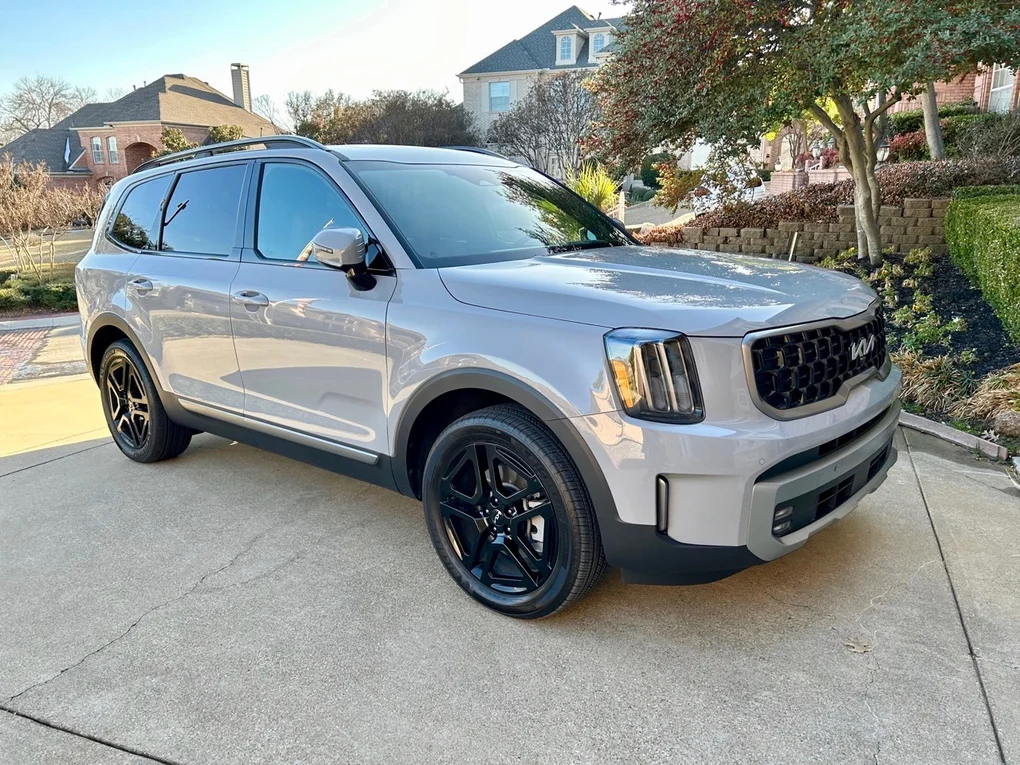
5. Kia Telluride: Visibility and Design
The Kia Telluride excels in visibility thanks to its boxy, squared-off design. Its nearly vertical windshield provides a clear view of the road ahead, helping drivers feel confident in traffic, on hills, or on winding roads.
Tall side windows maintain consistent size from front to rear, preventing tunnel vision and giving both passengers and the driver a better sense of surrounding lanes. Wide, well-placed side mirrors further improve sightlines, and the available surround-view camera system enhances awareness in tight spaces.
The Telluride delivers a satisfying driving experience. Its V6 engine provides responsive power, though acceleration is average for a three-row SUV. Brakes are strong and easy to control, and the suspension is well-tuned, offering a smooth ride even in off-road-oriented X-Pro models. Steering is light at low speeds and firms up naturally in turns.
Transmission shifts can feel rough under heavy acceleration, and the vehicle sometimes hunts for the right gear on inclines, but these issues do not significantly affect comfort or drivability. Adaptive cruise control and other safety systems function well, including automated lane changes when prompted.
The cabin is quiet and comfortable. Seats are supportive and well-contoured, with pillow-like headrests. Entry and exit are easy, aided by low step-in height and movable second-row captain’s chairs that help with third-row access.
The interior is spacious enough for car seats, though third-row LATCH anchors are limited. Climate controls are easy to use and regulate temperature effectively across all three rows. Physical buttons make adjustments simple and intuitive.
The infotainment system is functional but slightly dated, lacking wireless Apple CarPlay and Android Auto. Higher trims include multiple USB ports and a wireless charging pad. Cargo space is generous, with 21 cubic feet behind the third row and 87 cubic feet with rear seats folded. The hatch opening is wide, and an underfloor compartment adds versatility. Towing capacity reaches 5,500 pounds. Small-item storage is limited.
The Telluride delivers strong value for its class, offering comfort, features, and a near-luxury experience at a competitive price. Fuel economy is 20 mpg combined for AWD models, with real-world performance slightly higher at 23 mpg. The V6 runs on regular gas, and Kia provides a year or 60,000 miles basic warranty and 10 years or 100,000 miles powertrain coverage.
The Telluride combines practicality and luxury-like features, offering roomy space, confident driving, and thoughtful design without feeling like a copy of premium SUVs. It is a compelling choice for families seeking comfort, capability, and reliability.
Also Read: 5 Cars With Quiet Highway NVH Under $30k vs 5 Buzzy at 70 MPH
5 Blind-Spot Nightmares
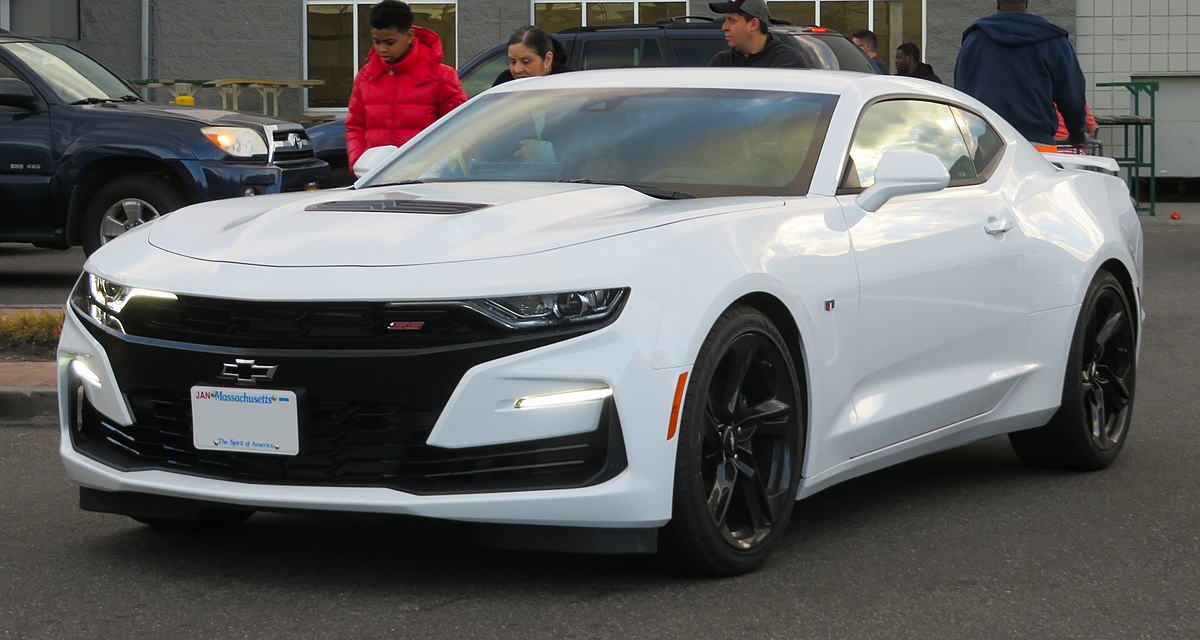
1. Chevrolet Camaro: Visibility Challenges
The Chevrolet Camaro emphasizes aggressive styling over visibility, which creates significant blind spots for drivers. The Insurance Institute for Highway Safety ranks the Camaro’s visibility among the worst, particularly when making left turns, where pedestrians can easily vanish from view.
Its design combines small windows, a high beltline, thick A-pillars, a low roof, and a high trunk, all of which limit sightlines. A small rear window and a tall dashboard further contribute to a confined feeling, making it difficult to judge objects around the vehicle.
The small windows reduce the driver’s field of vision, while the high beltline blocks objects near the sides. Thick roof pillars create large blind spots at the front and rear corners, and the low roof and high trunk further restrict rearward visibility. The tall dashboard adds to the sense of enclosure, making it harder to see over the hood.
Drivers can address these challenges by adjusting mirrors to show the lanes beside the car rather than the vehicle itself. Using the built-in rearview camera helps when backing up, and adding small blind spot mirrors can improve awareness.
Developing a strategy to learn the Camaro’s blind spots and relying on multiple visual cues also enhances safety. The Camaro offers striking style and performance but requires extra care due to its limited visibility.
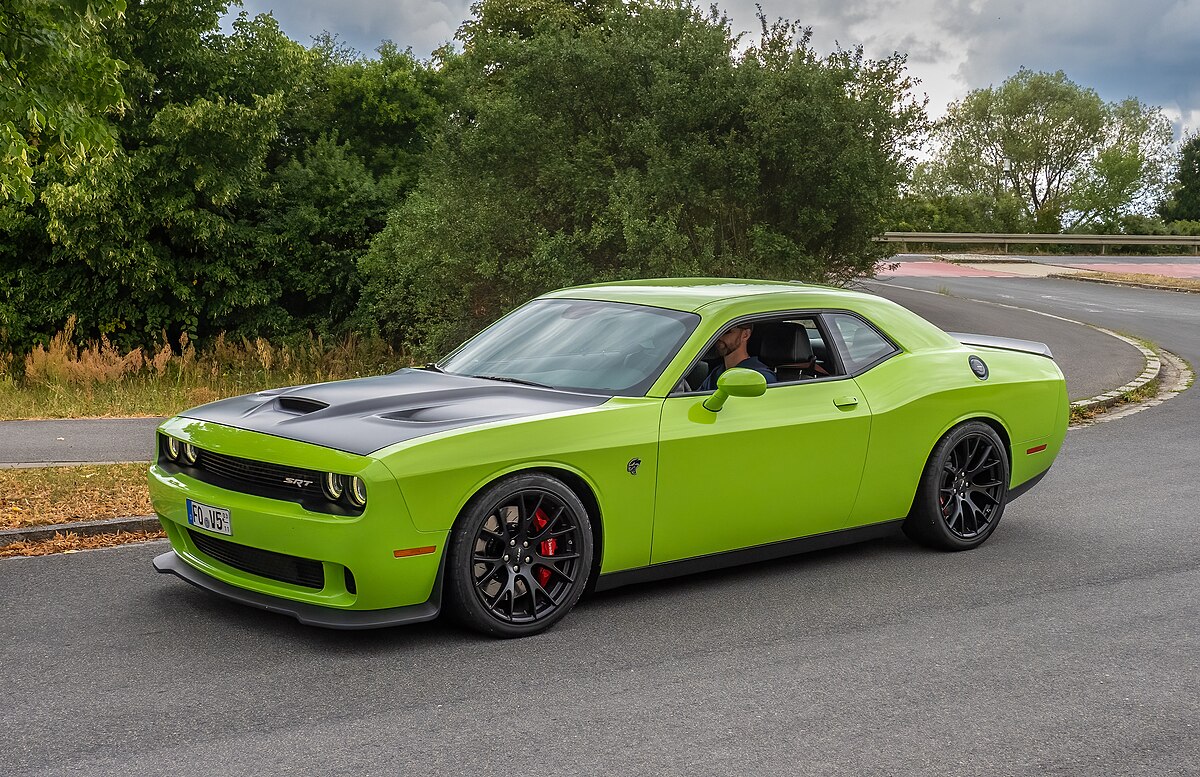
2. Dodge Challenger: Blind Spot Concerns
The Dodge Challenger’s retro-inspired design prioritizes classic muscle car aesthetics, but it creates significant visibility challenges. Narrow window openings, thick roof pillars, and a large rear end make it difficult to see surrounding vehicles, especially when merging lanes or reversing.
The car’s long hood and wide body further contribute to blind spots, making it harder to detect motorcycles or smaller cars. While the available blind spot monitoring system helps, many drivers still find the physical blind spots concerning, particularly when the system is not present.
Several factors contribute to these visibility issues. The Challenger’s large size and heavy build make it harder to judge distances and spot vehicles in adjacent lanes.
Thick roof pillars, particularly the C-pillar, block much of the rearward view, and the design of the long, bulky rear end further limits what the driver can see. The vehicle’s styling prioritizes a classic muscle car look over maximizing sightlines, which increases the risk of unseen hazards.
Drivers can take steps to reduce blind-spot risks. Using the available Blind Spot Monitoring system, which employs rear bumper sensors, can alert the driver to vehicles in adjacent lanes. Ensuring the sensors are clear of debris such as snow, ice, or mud is essential for proper function.
Proper mirror adjustment helps minimize blind spots, although it cannot fully eliminate them. Additionally, caution when reversing and being mindful of vehicle speeds relative to other cars can enhance safety, as the system has limits on alerting vehicles approaching too quickly.
The Dodge Challenger delivers iconic muscle car style and performance, but drivers must remain vigilant due to its inherent visibility limitations.
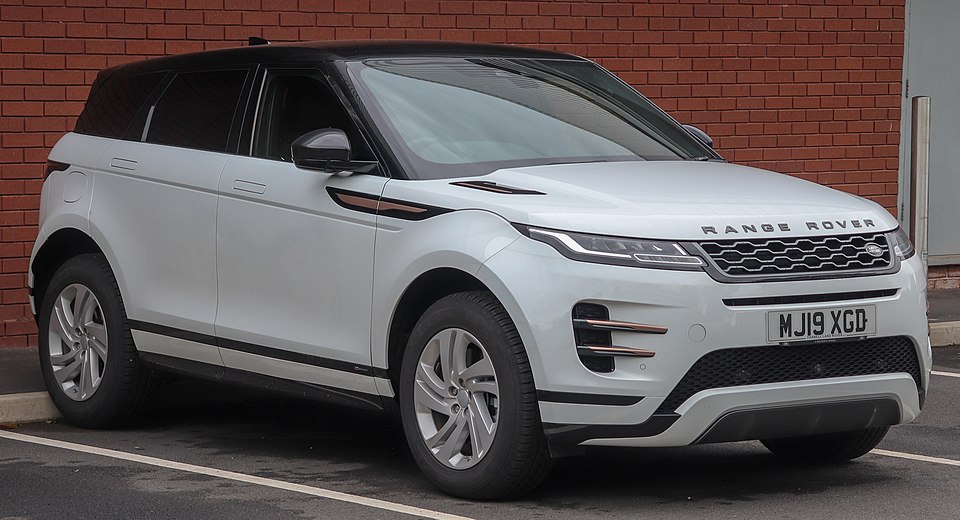
3. Range Rover Evoque: Visibility Limitations
The Range Rover Evoque combines luxury and style, but its sleek design creates significant visibility challenges. The sloping roofline, small windows, and thick pillars restrict sightlines, making it difficult to see surrounding vehicles and judge distances, particularly when reversing.
The rear window is only 10.5 inches tall, forcing drivers to rely heavily on sensors or camera systems to back up safely. Thick A- and B-pillars block forward and side views, while even the wing mirrors can obstruct portions of the field of vision.
The Evoque addresses these issues with technology. Blind-spot monitoring alerts the driver to vehicles in adjacent lanes, while the Clearsight rear-view mirror provides a camera-based view behind the vehicle, bypassing the constraints of the small rear window. Rear traffic monitoring assists when backing out of parking spaces, giving additional guidance in tight areas.
Drivers can further improve visibility by properly adjusting the seat and mirrors to maximize the elevated driving position. Ensuring that all driver-assist systems are activated enhances safety, but caution is still necessary. Lane changes and turns at intersections require careful attention due to the vehicle’s inherent blind spots.
While the Evoque delivers a stylish, premium driving experience, its design comes at the cost of visibility. Using available technology and developing awareness of the car’s blind spots are essential for safe driving. Despite its modern features, drivers must remain vigilant to compensate for the limitations created by its aesthetic-focused architecture.
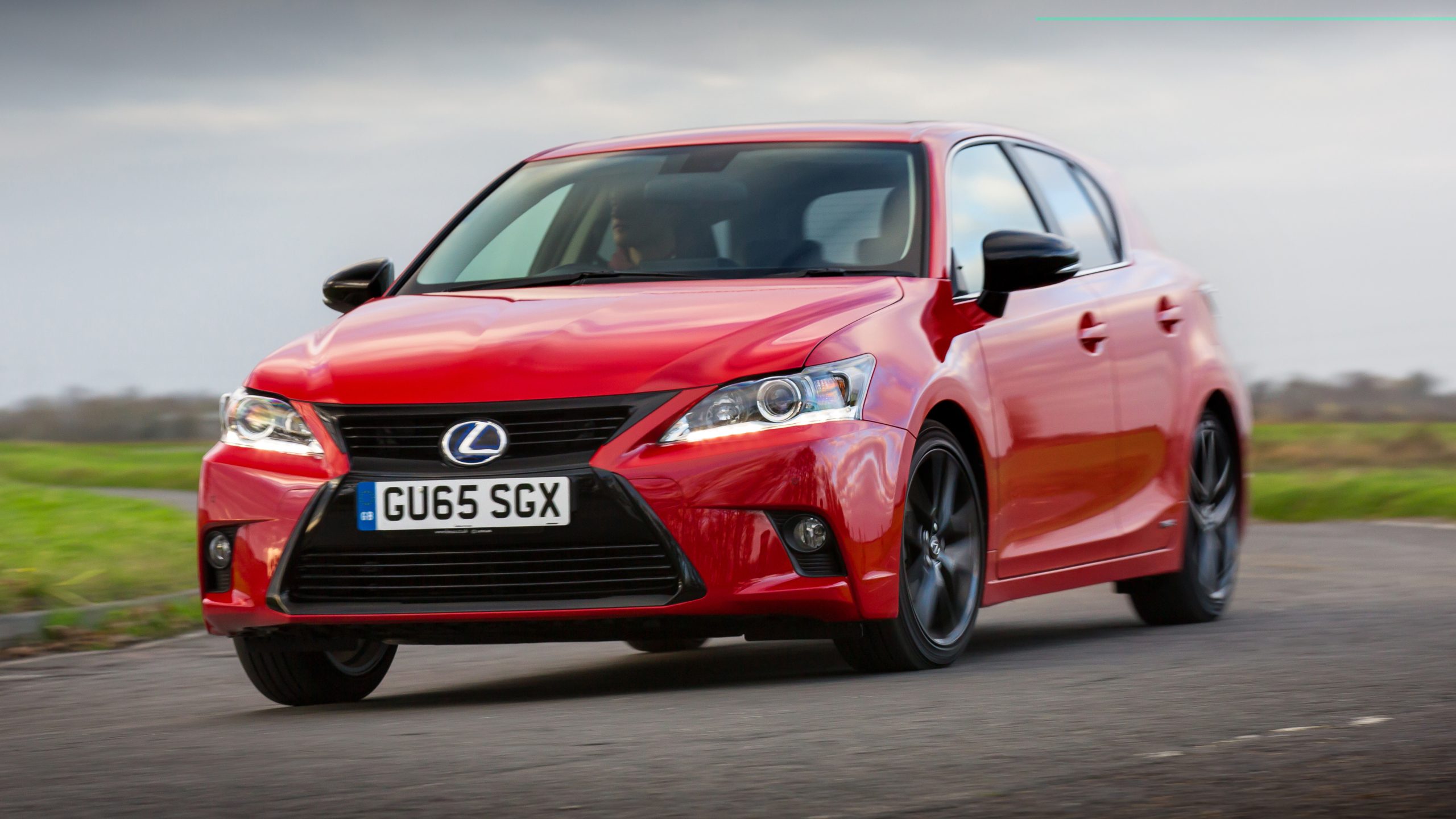
4. Lexus CT200h: Blind Spot Challenges
The Lexus CT200h is designed with fuel efficiency in mind, appealing to eco-conscious drivers, but its aerodynamic styling comes at the cost of visibility. Wide door frames and oddly positioned side windows create blind zones that make lane changes and parking more challenging.
The vehicle’s compact size, combined with its design, can cause natural limitations in sightlines, contributing to what some drivers experience as blind spot difficulties.
A significant factor behind blind spot issues is the vehicle’s blind-spot monitoring system, which can be unreliable if sensors are misaligned, unplugged, or affected by aftermarket parts. Even when the hardware is functioning, software or electronic glitches may trigger false alerts or cause the system to fail.
Drivers using aftermarket mirrors or components may encounter additional challenges if these parts are not calibrated with the vehicle’s monitoring system. In many cases, what is perceived as a “blind spot nightmare” is actually a consequence of the CT200h’s compact design and natural sightline restrictions.
To mitigate these challenges, it is important to have the vehicle scanned and calibrated by a qualified technician to clear fault codes and ensure sensors are properly aligned. Consulting an independent mechanic or a dealership can help resolve issues efficiently.
Drivers should rely on traditional methods as well, including proper mirror adjustment and shoulder checks, to ensure safety during lane changes and turns. Being aware of the vehicle’s design limitations and adjusting driving habits accordingly can also reduce risk.
While the Lexus CT200h offers impressive fuel efficiency and a premium compact driving experience, its design and sensor limitations require extra vigilance. Utilizing available technology alongside careful observation is essential for maintaining safety and reducing the impact of blind spots in daily driving.
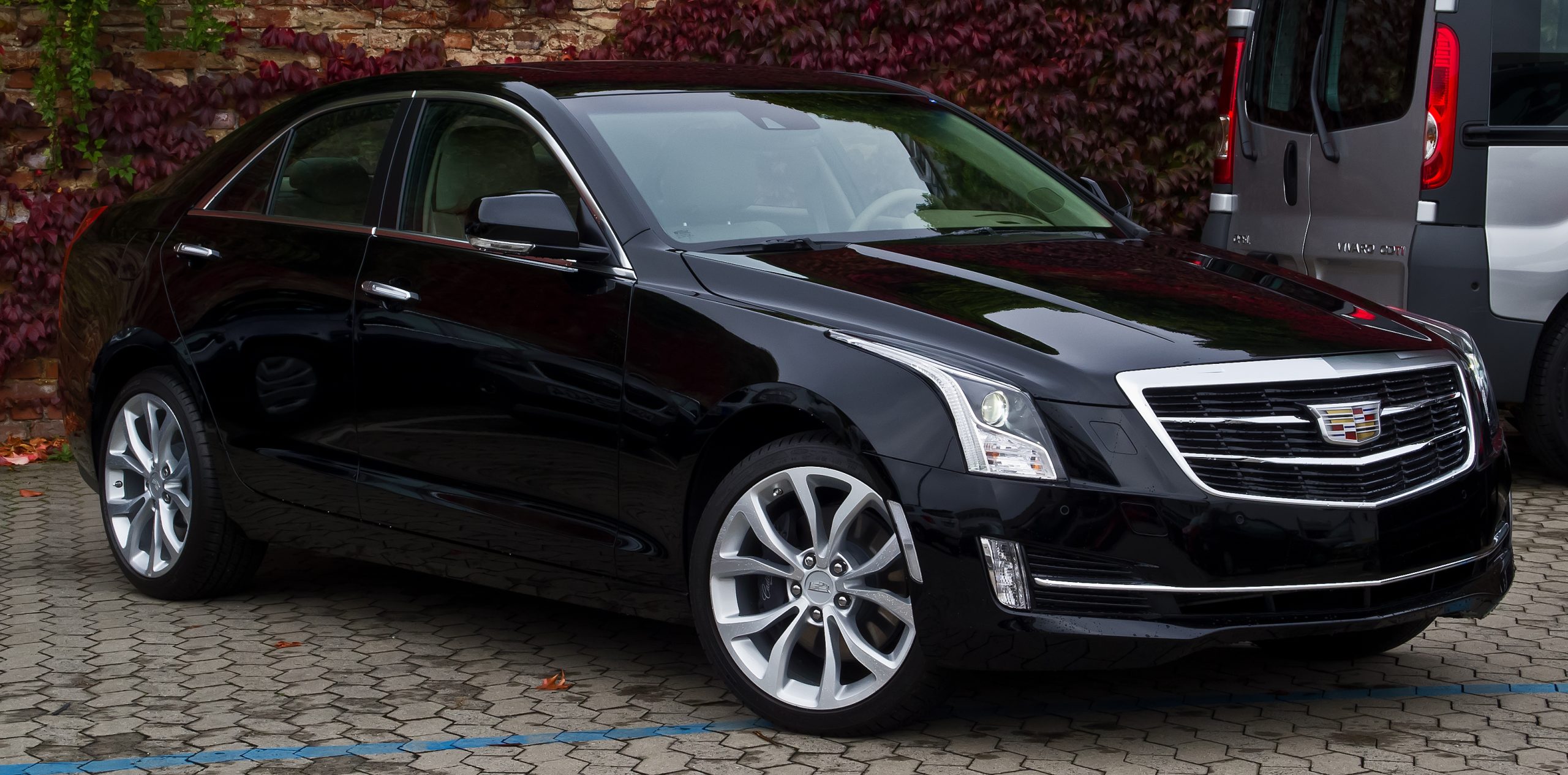
5. Cadillac ATS Coupe: Visibility Limitations
The Cadillac ATS Coupe prioritizes sporty styling over practicality, resulting in significant blind-spot challenges. Narrow side windows and thick C-pillars make shoulder checking difficult, forcing drivers to rely heavily on electronic blind-spot monitoring systems for safety.
Its raked roofline and aggressive design create large areas that are difficult to see, particularly when changing lanes or maneuvering in tight spaces. Small side mirrors further reduce the driver’s field of vision, compounding the issue and limiting the effectiveness of traditional mirror checks.
The vehicle’s blind spots are largely a product of its design. The thick C-pillars obstruct rearward and side views, while the low, sloping roofline and small mirrors contribute to limited visibility.
Drivers frequently report that these blind spots make everyday driving, such as lane changes or reversing, more stressful compared to vehicles with more open sightlines. Unlike sedans or SUVs with broader glass areas, the ATS Coupe’s aggressive styling forces drivers to adapt their approach and rely on technology to enhance awareness.
To mitigate these visibility issues, it is essential to use the available Lane Change Alert with Side Blind Zone Alert, which provides visual cues in the side mirrors when vehicles are present in adjacent lanes. Adjusting mirrors to extend the field of view can also help, though it may reduce the area directly visible in the mirror.
Drivers should physically turn their heads to check blind spots and maintain defensive driving habits, particularly in heavy traffic or crowded roads. The Cadillac ATS Coupe delivers sharp styling and performance but requires vigilance due to its inherent visibility limitations.
Clear visibility significantly impacts driving comfort and safety, influencing how easily drivers can monitor traffic and respond to hazards. SUVs with thoughtfully designed sightlines reduce blind spots and allow for a more relaxed, confident experience behind the wheel.
On the other hand, vehicles that prioritize aesthetics or performance over practicality can create hidden dangers, requiring constant attention and careful maneuvering. Understanding the differences between visibility-focused designs and those with inherent blind-spot challenges emphasizes the value of considering sightlines when choosing a vehicle.
Prioritizing visibility not only improves safety but also enhances daily driving enjoyment, making it a crucial factor alongside performance, comfort, and technology in any vehicle selection.
Also Read: 10 Cars With Seats That Save Your Back on Road Trips
