
Fuel economy is one of the most important factors for SUV buyers today. With rising fuel prices and increasing environmental awareness, many drivers pay close attention to EPA-rated mileage when selecting a vehicle.
However, not all SUVs deliver what their ratings promise. Some consistently meet or even exceed their EPA numbers, while others fall short, frustrating drivers and increasing fuel costs.
SUVs with honest EPA MPG are engineered for efficiency without compromising power or comfort. Manufacturers carefully calibrate engines, transmissions, and aerodynamics, ensuring that real-world performance aligns closely with tested EPA ratings.
These vehicles often include features like smart fuel management, lightweight components, and optimized drivetrain systems that reduce fuel consumption across city and highway driving.
Conversely, some SUVs miss their EPA ratings by a significant margin. Even under normal driving conditions, these vehicles can fall short due to engine tuning, weight, aerodynamics, or other design factors.
Drivers of these SUVs often experience higher fuel costs and must adjust expectations regarding efficiency, which can affect overall ownership satisfaction.
This article explores both sides of the spectrum. We will first highlight five SUVs that reliably meet or exceed their EPA-rated fuel economy, demonstrating thoughtful engineering and consistency.
Following that, we will examine five SUVs that are known to underperform compared to their EPA estimates, identifying common issues and providing insights for potential buyers.
Understanding which SUVs deliver honest fuel efficiency is essential for long-term cost management and environmental impact.
By comparing reliable performers with those that overpromise, drivers can make informed decisions, maximize savings at the pump, and enjoy a smoother ownership experience.
Also Read: 5 Hatchbacks With Real Cargo Space vs 5 That Fake the Numbers
5 SUVs With Honest EPA MPG
In today’s SUV market, fuel economy has become a crucial factor for buyers. While many vehicles boast impressive EPA numbers, not all deliver in real-world driving.
SUVs that consistently meet or exceed their EPA ratings demonstrate careful engineering, optimized powertrains, and thoughtful aerodynamics, ensuring drivers get predictable fuel efficiency without sacrificing performance or comfort.
Vehicles with honest EPA MPG often combine efficient engines with precise transmission calibrations. Turbocharging, hybrid systems, and advanced fuel management technologies allow these SUVs to extract maximum mileage from every drop of fuel.
Lightweight materials and aerodynamic design further enhance efficiency, reducing the gap between tested and real-world performance.
For drivers, the benefits go beyond savings at the pump. Honest MPG ratings provide reliability in planning long trips, estimating fuel costs, and understanding a vehicle’s environmental impact. Owners can drive confidently, knowing their SUV performs as advertised, without the frustration of unexpected fuel expenses.
In this section, we highlight five SUVs that consistently deliver on their EPA ratings. Each model has earned praise for aligning advertised fuel economy with everyday driving experiences.
By examining these vehicles, buyers can identify SUVs that combine efficiency, reliability, and enjoyable driving dynamics, ensuring both economic and practical satisfaction.
Understanding the design features and engineering principles behind honest MPG helps drivers make informed decisions. These vehicles serve as benchmarks for fuel efficiency in the SUV segment, proving that manufacturers can deliver on promises while maintaining performance, comfort, and versatility.
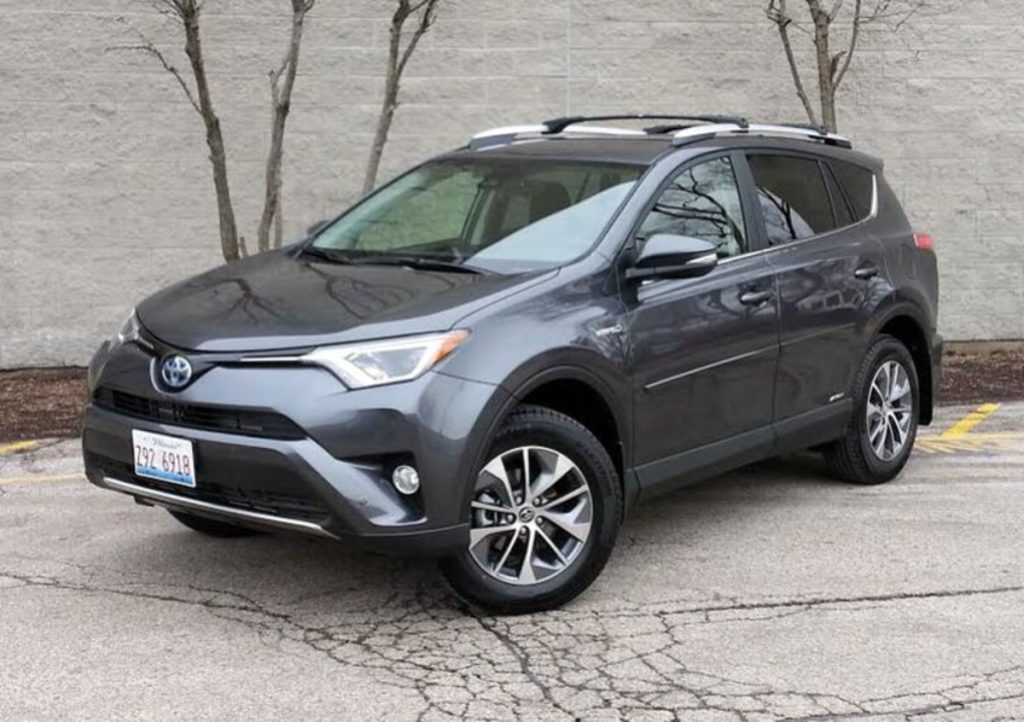
1. Toyota RAV4 Hybrid (XA50)
The Toyota RAV4 Hybrid XA50 is widely recognized for its fuel efficiency and ability to deliver on EPA-rated MPG. Its combination of a 2.5-liter Atkinson-cycle engine and electric motors provides smooth acceleration while maintaining excellent mileage, typically achieving 41 mpg city and 38 mpg highway.
One reason for its consistency is Toyota’s hybrid system, which seamlessly balances gasoline and electric power. The continuously variable transmission (CVT) optimizes engine output, minimizing fuel wastage during acceleration or cruising. Additionally, regenerative braking recovers energy, improving overall efficiency without driver intervention.
Aerodynamics also play a role. The XA50 RAV4 features subtle design enhancements that reduce drag, while lightweight components lower overall vehicle weight. These factors help the hybrid system operate more efficiently, even under real-world driving conditions.
Drivers benefit from predictable fuel economy across city streets, highways, and mixed routes. Unlike some SUVs that overpromise and underdeliver, the RAV4 Hybrid rarely falls short of EPA estimates, making it a reliable choice for cost-conscious buyers.
Maintenance and long-term reliability further contribute to its efficiency. Toyota’s proven engineering ensures the hybrid components remain durable, and the fuel system consistently performs as expected. This combination of efficiency, dependability, and utility makes the RAV4 Hybrid a benchmark for honest EPA MPG in the SUV segment.
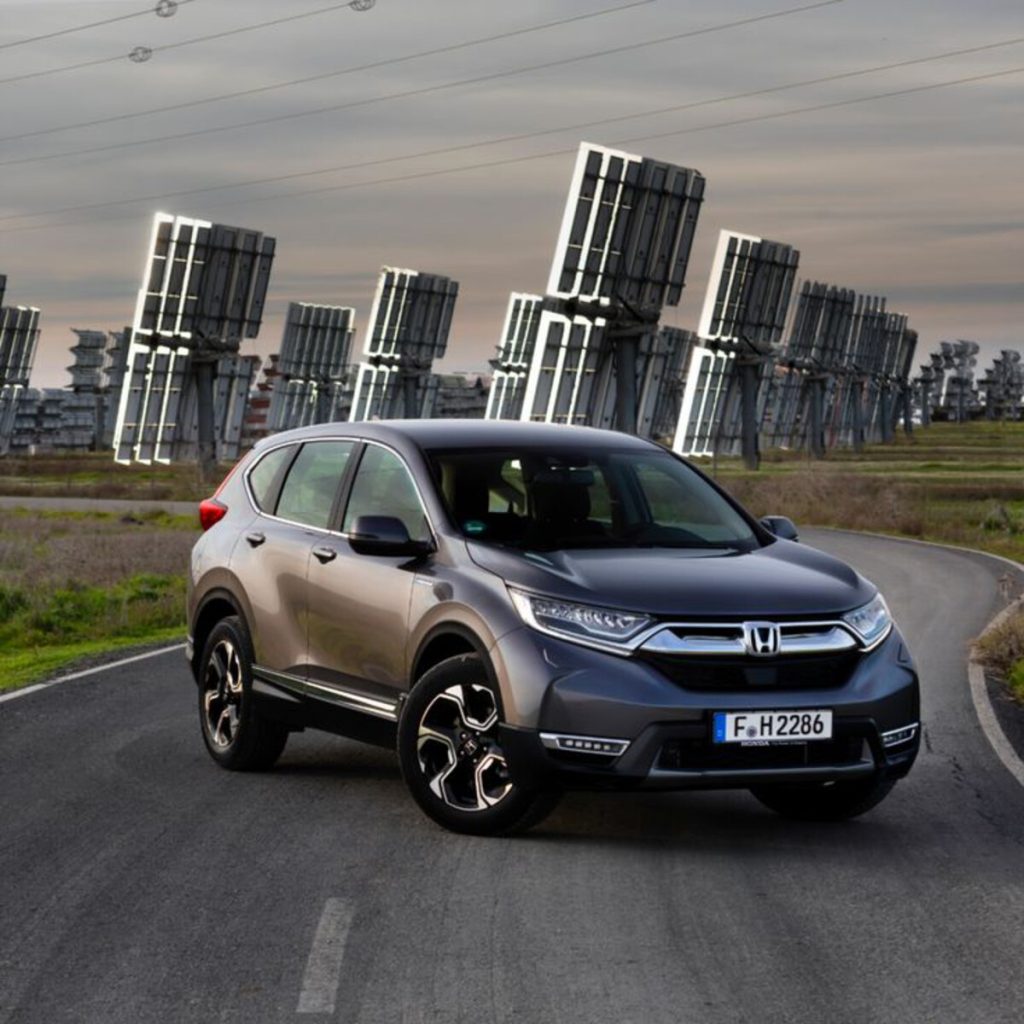
2. Honda CR-V Hybrid (RW)
The Honda CR-V Hybrid RW is another SUV known for delivering honest EPA MPG figures. Equipped with a 2.0-liter Atkinson-cycle engine paired with Honda’s two-motor hybrid system, it achieves approximately 40 mpg city and 35 mpg highway, closely matching real-world results.
Honda’s hybrid system intelligently blends gasoline and electric power. During city driving, the electric motor handles low-speed movement efficiently, while the gasoline engine provides extra power during acceleration or highway cruising.
The continuously variable transmission (CVT) further ensures minimal energy loss and smooth power delivery.
The CR-V Hybrid also benefits from aerodynamic design and weight optimization. A low drag coefficient and strategically placed spoilers reduce air resistance, while lightweight materials lower the energy required to move the vehicle. These features help maintain efficiency even on longer trips or hilly terrain.
Owners report consistent mileage across mixed driving conditions. Unlike many SUVs that overpromise, the CR-V Hybrid’s fuel economy rarely falls short, providing predictable costs at the pump and a stress-free ownership experience.
In addition to efficiency, reliability enhances the vehicle’s value. Honda’s hybrid components are engineered for long-term durability, ensuring that MPG performance remains consistent for years of use.
Regenerative braking and intelligent energy management systems further support efficiency, maximizing fuel savings without compromising comfort or performance.
Overall, the Honda CR-V Hybrid RW demonstrates that a compact SUV can offer strong utility, smooth driving dynamics, and real-world fuel efficiency that lives up to advertised EPA numbers.
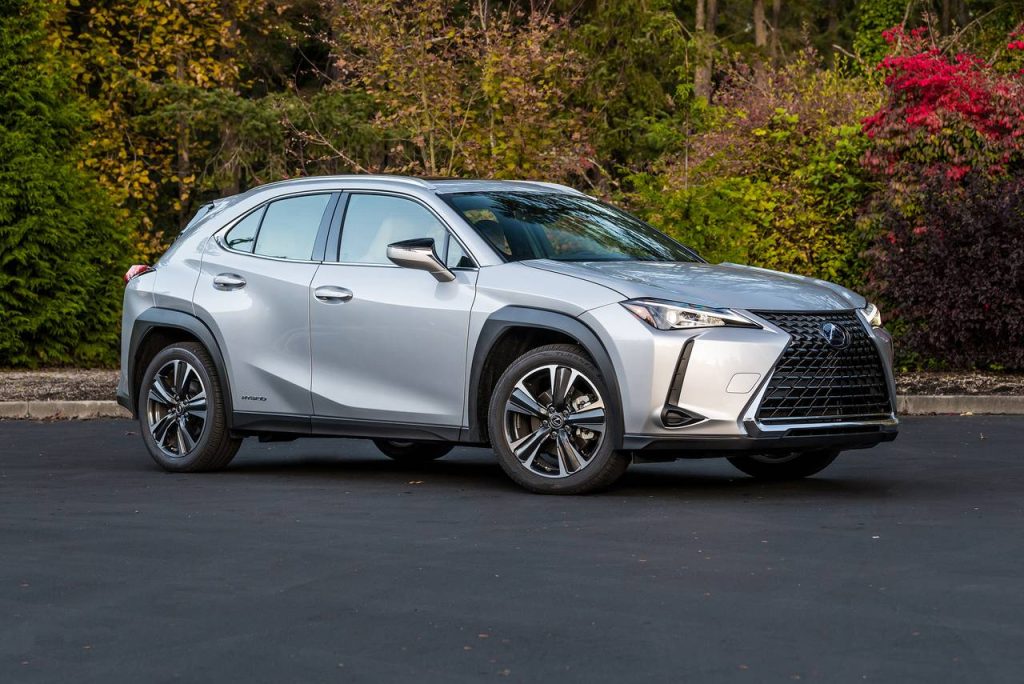
3. Lexus UX 250h
The Lexus UX 250h is a luxury compact crossover that excels in fuel efficiency, consistently delivering on EPA estimates. Its hybrid system, combining a 2.0-liter gasoline engine with an electric motor, achieves around 41 mpg city and 38 mpg highway, closely reflecting real-world driving.
Lexus engineering ensures seamless power transitions between the gasoline engine and electric motor. The eCVT transmission optimizes energy use, while regenerative braking recovers energy during deceleration, enhancing overall efficiency. Drivers benefit from smooth, quiet operation without sacrificing performance.
Aerodynamic design contributes significantly to the UX 250h’s efficiency. Low drag surfaces, underbody panels, and active grille shutters reduce airflow resistance, improving highway fuel economy. Lightweight materials in the chassis and body further reduce energy consumption.
Owners consistently report that the UX 250h meets or slightly exceeds EPA ratings, making it a dependable choice for those prioritizing fuel savings in a luxury package. Unlike vehicles that disappoint in real-world conditions, the UX 250h’s MPG reliability allows drivers to plan trips and fuel costs accurately.
Long-term durability is another advantage. Lexus hybrid components are designed for longevity, ensuring consistent performance over time. The combination of hybrid efficiency, solid build quality, and luxury comfort makes the UX 250h a benchmark for honest EPA MPG in its class.
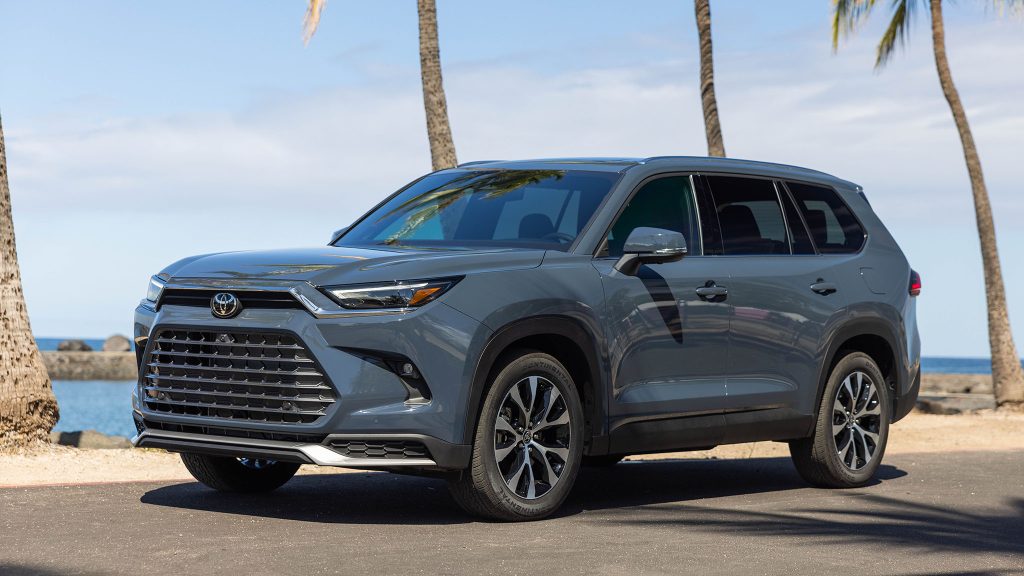
4. Toyota Highlander Hybrid (XU70)
The Toyota Highlander Hybrid XU70 is a midsize SUV that consistently delivers on EPA-rated fuel economy. Its 3.5-liter V6 hybrid engine combined with electric motors produces a balanced mix of power and efficiency, achieving approximately 36 mpg city and 35 mpg highway.
One of the key reasons for its accuracy is Toyota’s hybrid synergy drive, which optimizes power delivery between gasoline and electric components. The system switches seamlessly, providing power when needed while maximizing efficiency during steady cruising or stop-and-go traffic.
Aerodynamics also play a role. The Highlander Hybrid has a sleek, modern body with optimized airflow, reducing drag and improving highway efficiency. Lightweight materials in the frame and body help reduce energy demand, supporting consistent fuel economy across various driving conditions.
Owners frequently report that the XU70 delivers MPG numbers very close to the EPA estimates, even under mixed driving conditions. This predictability enhances planning for fuel costs and long trips, giving drivers confidence in the vehicle’s real-world performance.
Additionally, Toyota’s proven reliability ensures that the hybrid components remain efficient over time. Regular maintenance keeps the system performing optimally, preventing the decline in fuel efficiency that can affect lesser-engineered hybrids.
In summary, the Highlander Hybrid XU70 is a versatile SUV that combines family-friendly space, strong performance, and fuel efficiency that lives up to its advertised EPA numbers.
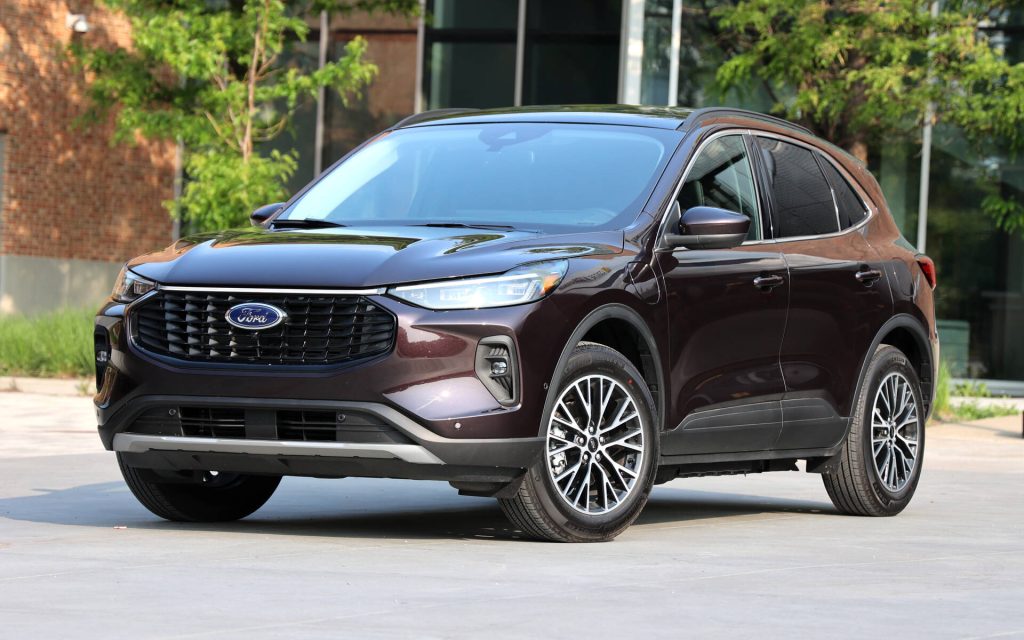
5. Ford Escape Hybrid (MK4)
The Ford Escape Hybrid MK4 is a compact SUV recognized for its real-world fuel efficiency. With a 2.5-liter Atkinson-cycle engine paired with an electric motor, it achieves approximately 44 mpg city and 37 mpg highway, aligning closely with EPA ratings.
Ford’s hybrid system intelligently manages power flow between the engine and electric motor. The continuously variable transmission (CVT) ensures smooth transitions and minimizes energy loss, while regenerative braking recovers energy to improve efficiency during city driving.
Aerodynamic design and lightweight components further support the Escape Hybrid’s MPG performance. Low drag elements, underbody panels, and strategic airflow management reduce energy demands at higher speeds, while careful weight distribution helps the vehicle maintain efficiency across varied driving conditions.
Owners consistently report that the Escape Hybrid meets or slightly exceeds EPA estimates, providing predictable fuel consumption for daily commuting and long trips. Unlike some SUVs that overpromise MPG, the Escape Hybrid offers real-world reliability and savings at the pump.
Durability and low-maintenance hybrid components ensure consistent performance over time. The combination of intelligent power management, aerodynamic efficiency, and lightweight design makes the MK4 Escape Hybrid a standout example of an SUV with honest, reliable fuel economy.
5 SUVs That Miss By A Mile
While some SUVs deliver exactly what their EPA ratings promise, others fall short, leaving drivers frustrated with higher fuel costs and inconsistent mileage. SUVs that miss their advertised MPG often do so due to a combination of engine tuning, weight, aerodynamics, or transmission inefficiencies.
These vehicles may perform well in controlled test environments, but real-world driving city streets, highways, or hilly terrain can reveal gaps between EPA estimates and actual consumption. Drivers frequently notice lower-than-expected miles per gallon, especially in stop-and-go traffic or when carrying passengers and cargo.
The consequences extend beyond fuel costs. Falling short of EPA numbers can reduce the predictability of long trips, increase ownership expenses, and affect the vehicle’s perceived reliability and efficiency. Owners may also experience frustration when planning fuel stops or budgeting for daily commuting.
This section examines five SUVs that have a reputation for underperforming compared to their EPA-rated fuel economy. Each of these vehicles highlights common reasons for discrepancies, such as engine load management, excessive weight, aerodynamic drag, or hybrid system inefficiencies.
By understanding these factors, prospective buyers can make informed decisions and avoid unpleasant surprises at the pump.
Identifying which SUVs frequently miss their MPG helps drivers set realistic expectations and prioritize fuel efficiency when selecting a vehicle.
It also underscores the importance of looking beyond advertised ratings, taking into account real-world driving conditions, and considering the vehicle’s weight, drivetrain, and aerodynamics.
By comparing honest performers with those that overpromise, this article provides a complete perspective on SUV fuel efficiency.
Understanding which models consistently underdeliver enables drivers to choose vehicles that align with their needs, minimizing fuel costs and maximizing satisfaction over the life of their SUV.
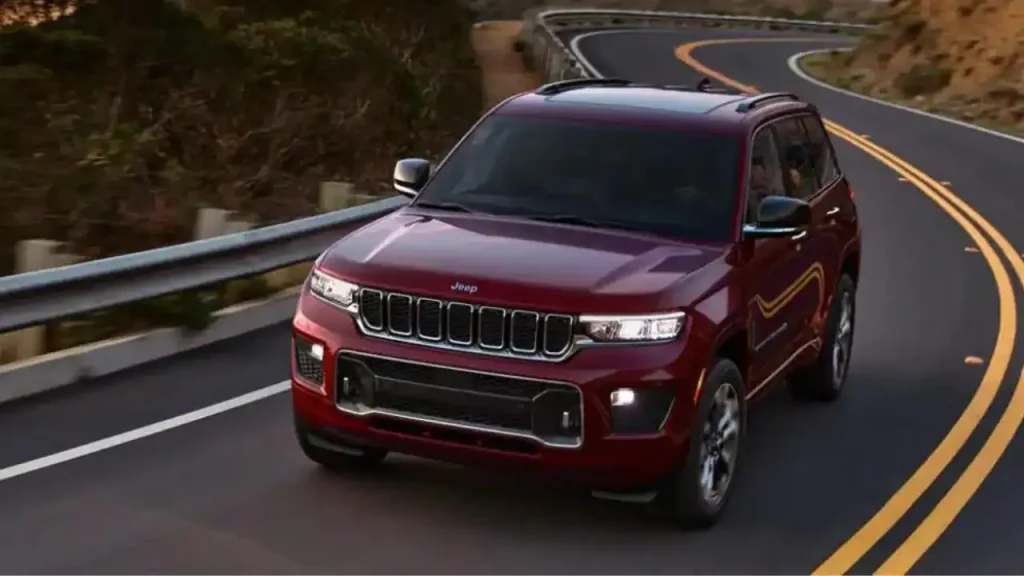
1. H2 Jeep Grand Cherokee (WL)
The Jeep Grand Cherokee WL is a midsize SUV known for its off-road capabilities and strong performance, but it often underperforms compared to its EPA-rated fuel economy.
While advertised at around 19 mpg city and 26 mpg highway, real-world driving frequently yields lower numbers, particularly in urban settings or during towing.
Several factors contribute to the discrepancy. The Grand Cherokee is a relatively heavy vehicle, and its large V6 or V8 engines demand significant fuel under load. Aerodynamics also play a role; the boxy shape increases drag at higher speeds, reducing highway efficiency.
Engine tuning prioritizes power and torque for performance and off-road capability, sometimes at the expense of fuel economy. Additionally, the eight-speed automatic transmission, while smooth, may not always optimize fuel use during stop-and-go driving or aggressive acceleration.
Drivers often notice the MPG shortfall when commuting in city traffic, climbing hills, or towing trailers. Even moderate highway driving can yield numbers below the EPA rating, particularly when the vehicle is fully loaded. This leads to higher fuel costs and the frustration of falling short of expectations.
Jeep has made efforts to improve efficiency through mild-hybrid systems and optional four-cylinder engines, but the WL Grand Cherokee remains more likely to underdeliver in real-world fuel economy than smaller or more aerodynamically optimized SUVs.
In summary, the Grand Cherokee WL demonstrates that performance-oriented SUVs often prioritize power and capability over strict adherence to EPA MPG.
Buyers seeking predictable fuel economy should be aware that advertised numbers may be optimistic, particularly for heavier trims, off-road packages, or spirited driving. Understanding these limitations helps set realistic expectations and plan for fuel costs accordingly.
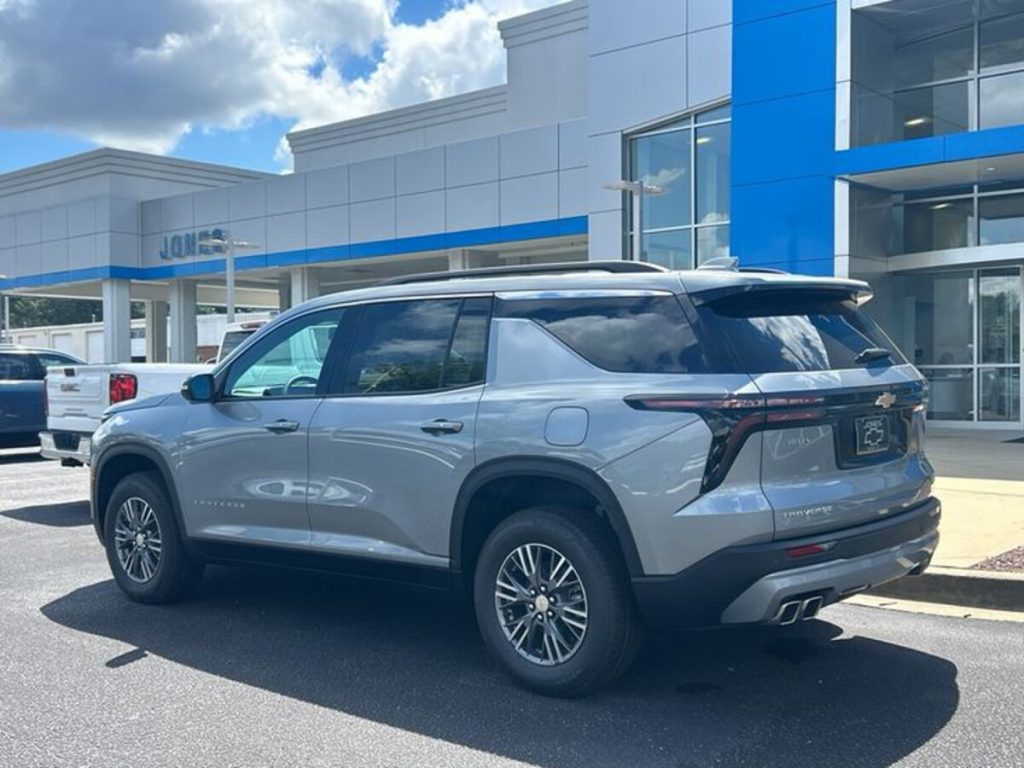
2. Chevrolet Traverse (T1U)
The Chevrolet Traverse T1U is a large three-row SUV, but it frequently underperforms compared to its EPA-rated fuel economy. While advertised at approximately 18 mpg city and 27 mpg highway, many owners report real-world figures several miles per gallon lower, especially when carrying passengers or cargo.
Several factors contribute to this shortfall. The Traverse has a hefty curb weight due to its size and construction, which increases engine demand and fuel consumption. Its V6 engine, while smooth and powerful, consumes more fuel during acceleration and highway cruising than smaller, lighter alternatives.
Aerodynamics also play a role. The tall, boxy design of the Traverse creates more drag at highway speeds, reducing fuel efficiency compared to more streamlined SUVs. Stop-and-go urban driving, towing, and hilly terrain exacerbate these issues, leading to noticeable deviations from EPA numbers.
Drivers often notice that highway MPG is closer to the advertised figure, but city driving typically produces a significant shortfall. This can increase fuel costs and affect ownership satisfaction, especially for families using the Traverse for daily commuting and road trips.
While Chevrolet has implemented features like cylinder deactivation and a well-calibrated 9-speed automatic transmission to improve efficiency, the Traverse still struggles to meet EPA expectations consistently.
Prospective buyers should understand that real-world driving conditions, vehicle load, and driving style will likely produce lower MPG than advertised.
In short, the Traverse T1U illustrates that larger, heavier SUVs often miss EPA fuel economy targets. Awareness of this discrepancy allows drivers to plan fuel costs more realistically and choose driving habits or trim levels that help minimize the gap between advertised and actual efficiency.
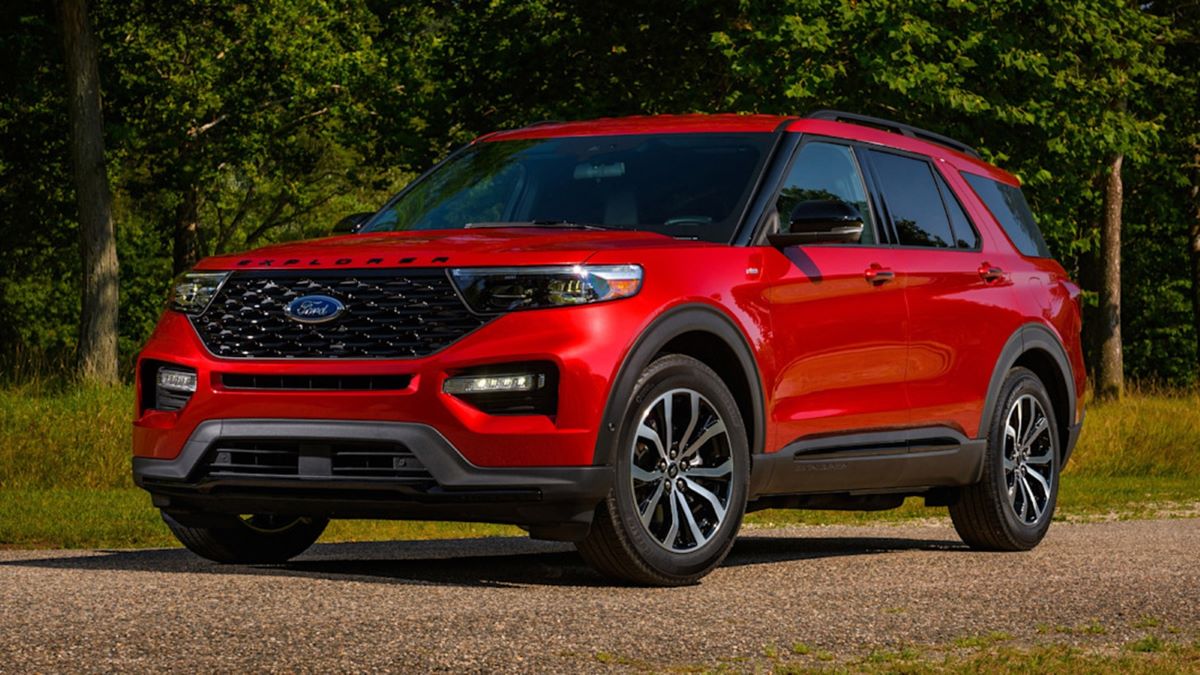
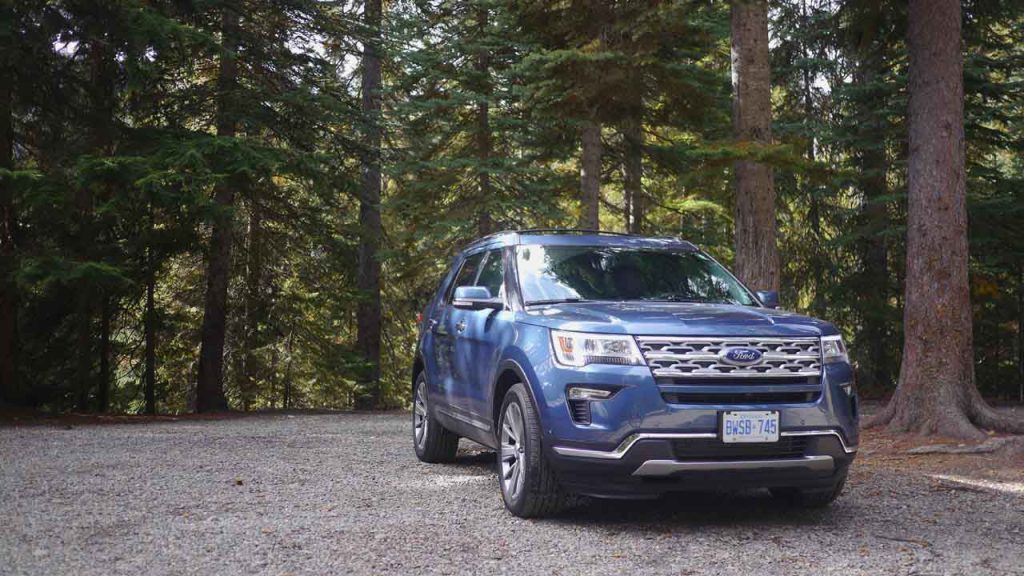
3. Ford Explorer (U706)
The Ford Explorer U706 is a versatile midsize SUV, but it is notorious for underperforming compared to its EPA-rated MPG. While advertised around 20 mpg city and 27 mpg highway with the base engine, many drivers experience lower mileage in real-world driving, particularly in urban conditions or when towing.
One primary reason is the vehicle’s weight. The Explorer is relatively heavy for a midsize SUV, and its turbocharged engines demand significant fuel under load. Aerodynamics also play a role; the upright stance increases drag, particularly at highway speeds.
Engine tuning prioritizes power and acceleration for performance and towing capability, sometimes at the expense of fuel efficiency. The 10-speed automatic transmission is efficient on highways but less optimized for city driving, contributing to lower real-world MPG.
Drivers frequently report that mileage falls several miles per gallon short of EPA ratings, especially during stop-and-go traffic or hilly terrain. This leads to higher fuel costs and affects long-term ownership satisfaction, particularly for daily commuters.
Ford has incorporated features such as auto start-stop and intelligent drive modes to improve efficiency, but the U706 Explorer still tends to underdeliver in practical driving conditions compared to smaller or lighter competitors.
In summary, the Ford Explorer U706 demonstrates that vehicles prioritizing power, towing, and versatility may struggle to meet advertised fuel economy. Understanding this gap helps buyers set realistic expectations, plan fuel costs, and make informed decisions based on their typical driving conditions.
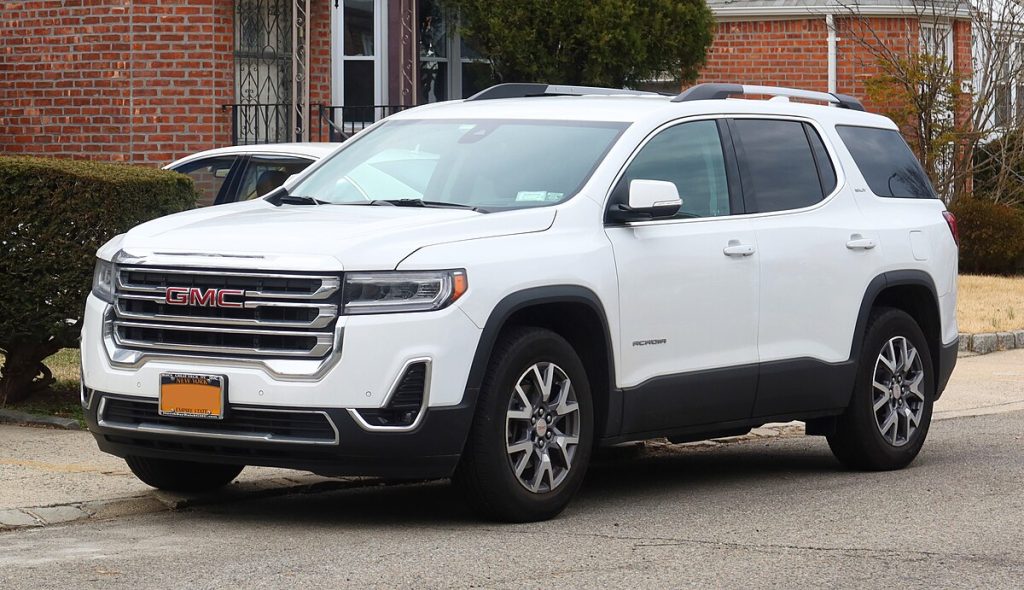
4. GMC Acadia (T1U)
The GMC Acadia T1U is a three-row midsize SUV that often underperforms compared to its EPA-rated fuel economy. While advertised at approximately 19 mpg city and 26 mpg highway, many owners report lower real-world figures, especially when the vehicle is carrying passengers or cargo.
Several factors contribute to this discrepancy. The Acadia’s weight and size increase engine demand, particularly during acceleration or on hilly terrain. Its V6 engine, while powerful, consumes more fuel than smaller engines, making city driving particularly challenging for maintaining EPA targets.
Aerodynamics also play a role. The taller, boxy design of the Acadia increases drag at highway speeds, further lowering efficiency. Stop-and-go urban driving or long trips with full occupancy can amplify this effect, resulting in lower-than-expected fuel economy.
The transmission, a nine-speed automatic, optimizes performance and comfort but cannot fully compensate for the vehicle’s weight and engine load. Drivers often notice the MPG shortfall on daily commutes or long drives, which can lead to increased fuel costs and reduced ownership satisfaction.
GMC has incorporated features like cylinder deactivation to improve efficiency, but the T1U Acadia still tends to underdeliver compared to smaller or more streamlined SUVs. Prospective buyers should be aware that real-world MPG may fall short of EPA estimates, especially under normal driving conditions.
In summary, the GMC Acadia T1U illustrates that larger, family-oriented SUVs often struggle to achieve advertised fuel economy. Understanding this helps buyers set realistic expectations, plan fuel expenses, and make informed decisions when prioritizing efficiency alongside space and capability.
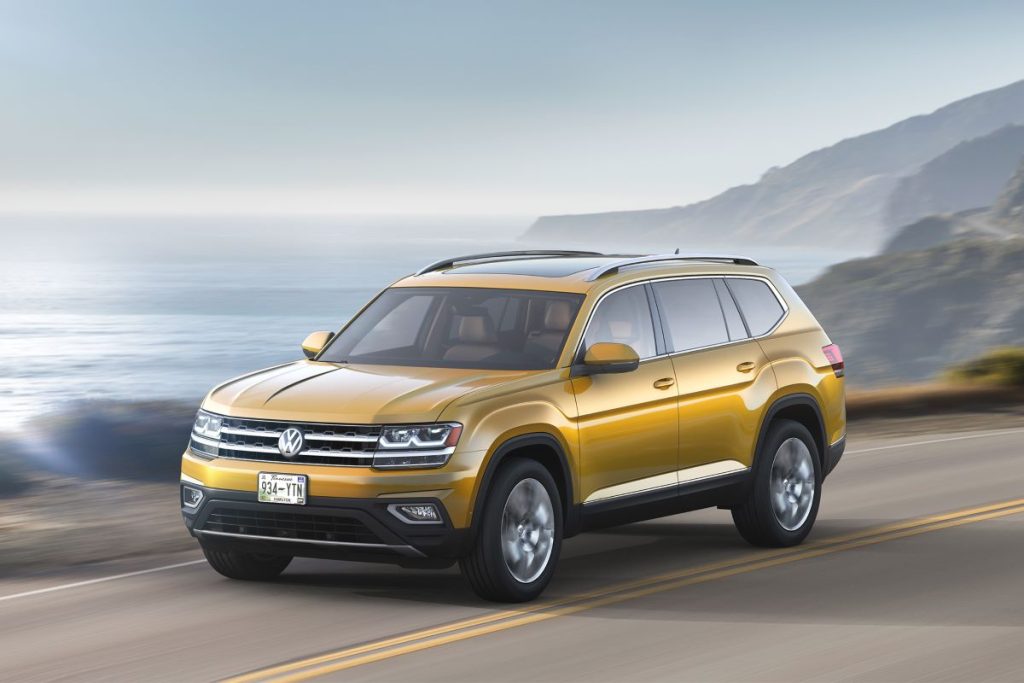
5. Volkswagen Atlas (MQB)
The Volkswagen Atlas MQB is a spacious three-row SUV that often misses its EPA-rated fuel economy. While the 2.0-liter turbocharged engine is advertised at around 22 mpg city and 24 mpg highway, many owners find real-world mileage several miles lower, particularly in city or mixed driving.
Several factors contribute to this shortfall. The Atlas is a large and heavy SUV, requiring more energy to accelerate and maintain highway speeds. Its boxy, upright design increases aerodynamic drag, reducing highway efficiency.
Engine tuning prioritizes performance and responsiveness, which can increase fuel consumption during spirited driving. The eight-speed automatic transmission performs well for smoothness but does not always optimize fuel use in stop-and-go traffic.
Drivers often notice that carrying passengers or cargo further decreases efficiency. In urban commuting or hilly terrain, real-world MPG can fall well below advertised EPA ratings, affecting fuel costs and ownership satisfaction.
While Volkswagen offers mild-hybrid and turbocharged options to improve efficiency, the Atlas still struggles to meet EPA targets consistently. Buyers seeking reliable fuel economy should understand that real-world numbers may be lower than advertised, particularly for a vehicle of this size and class.
In summary, the Volkswagen Atlas MQB demonstrates that larger SUVs with performance-oriented tuning can underdeliver on MPG. Awareness of real-world fuel efficiency helps buyers plan fuel costs realistically and choose vehicles that best suit their driving needs.
Also Read: 5 Sedans With Simple Timing Service vs 5 With Costly Belt Jobs
