
Crossovers are among the most popular vehicles today, blending practicality, comfort, and versatility.
However, one aspect that often affects long-term satisfaction is body rigidity and the ability to resist rattles, especially on gravel roads or uneven surfaces. Even minor noises can be irritating, eroding the perception of quality and making drives less enjoyable.
Some crossovers are engineered with exceptional structural integrity. High-quality materials, precise assembly, and reinforced panels allow these vehicles to absorb road vibrations without producing rattles or squeaks.
Drivers benefit from a quieter, more refined cabin, improved ride confidence, and the feeling that their vehicle is built to last.
On the other hand, many crossovers struggle with looseness or rattling over time. This can be due to panel flex, loosely fitted components, or insufficient soundproofing.
Gravel roads, potholes, and daily wear can amplify these issues, leading to creaks, squeaks, and overall cabin noise that distracts from the driving experience. Some vehicles even develop rattles after a few years, requiring repairs or adjustments.
This article explores both ends of the spectrum. We will first highlight five crossovers renowned for their ability to resist gravel rattles, demonstrating thoughtful engineering, robust construction, and long-term reliability.
Following that, we will examine five crossovers that are more prone to looseness, detailing common problem areas and the implications for ownership.
Understanding these differences is important for buyers, as vehicle noise and build quality significantly impact comfort, perception of reliability, and resale value.
By comparing the most solid and the most rattle-prone crossovers, drivers can make informed choices about which vehicles will provide a quieter, more satisfying experience over the long term, and which may require extra care to maintain a refined feel.
Also Read: 5 Used Cars That Hold Value Vs 5 That Nosedive In Depreciation
5 Crossovers That Resist Gravel Rattles
A quiet, solid-feeling crossover is a joy to drive, especially on gravel roads, uneven streets, or long highway journeys. Crossovers that resist rattles combine strong structural design, high-quality panel materials, and precise assembly.
These vehicles maintain a sense of rigidity even after years of use, providing drivers with confidence, comfort, and a premium feel.
Gravel and rough roads can amplify weaknesses in a vehicle’s body, suspension, and interior trim. Well-engineered crossovers absorb vibrations effectively, preventing noise from escaping into the cabin. Reinforced panels, soundproofing materials, and tight-fitting components all play a role in keeping rattles at bay.
Owners of these vehicles benefit in multiple ways. First, a quieter cabin enhances comfort, reducing fatigue during long trips. Second, it reflects long-term durability vehicles that maintain structural integrity are less likely to experience loosened trim, misaligned panels, or squeaks over time.
Finally, resale value often remains higher for crossovers that have maintained a solid, rattle-free cabin, signaling build quality to prospective buyers.
In this section, we highlight five crossovers known for their ability to resist gravel-induced rattles.
Each has been praised for combining structural rigidity, noise reduction, and long-term reliability, ensuring that drivers enjoy a quieter and more refined experience, even on rough or poorly maintained roads.
By understanding the engineering choices and materials that contribute to a rattle-resistant build, buyers can prioritize vehicles that provide lasting comfort and satisfaction.
1. Subaru Outback (BS)
The Subaru Outback BS is renowned for its durability and solid build, which makes it exceptionally resistant to gravel rattles. Its unibody construction uses high-strength steel reinforced in critical areas, preventing panel flex and minimizing noise transmission into the cabin.
Subaru also focuses on precise assembly and quality trim fitment. Even after years of driving on rough or gravel roads, owners rarely report squeaks or rattles. Interior panels, door trims, and cargo areas remain firmly in place, maintaining a premium, quiet feel.
Another factor contributing to the Outback’s rattle resistance is its suspension design. The MacPherson struts and rear multi-link system absorb road vibrations effectively, preventing the transmission of bumps and irregularities into the cabin.
Combined with thick soundproofing materials under the floor and in the doors, this ensures a smooth and quiet ride.
Drivers benefit not only from comfort but also from perceived build quality. The Outback’s quiet cabin makes long trips less fatiguing and enhances the feeling of safety and reliability. Components stay secure even under heavy use, preventing long-term looseness or rattling, which is common in lesser-built crossovers.
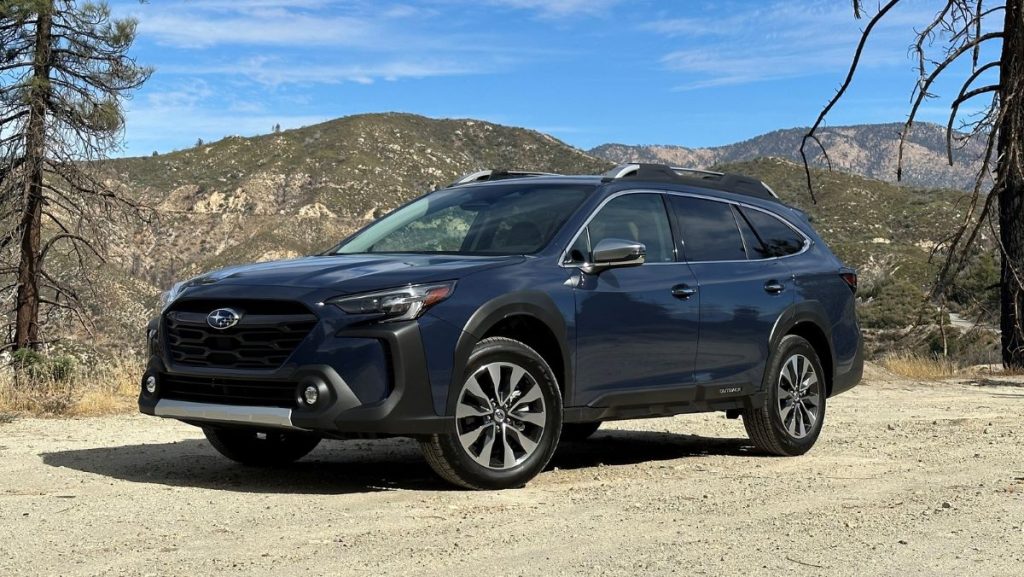
Finally, the Outback demonstrates that a well-engineered crossover can combine versatility, ruggedness, and refinement. Whether navigating gravel backroads or city streets, the BS Outback maintains a solid, rattle-free experience that continues to impress owners and reviewers alike.
2. Mazda CX-5 (KF)
The Mazda CX-5 KF is widely praised for its solid construction and attention to detail, making it highly resistant to gravel rattles. Its unibody structure incorporates high-tensile steel in key areas, which reduces flex and prevents panel vibrations from translating into the cabin.
Mazda pays careful attention to trim fitment and assembly tolerances. Doors, panels, and interior components fit snugly, minimizing the chances of squeaks or loose pieces over time. Even after years of driving on uneven gravel roads, the cabin remains quiet and refined.
The suspension system also contributes to the CX-5’s noise resistance. MacPherson struts up front and a multi-link rear setup absorb shocks efficiently, reducing the transfer of vibrations to the cabin. Thick insulation in the floor, wheel wells, and doors further dampens noise from gravel, keeping the driving experience comfortable and calm.
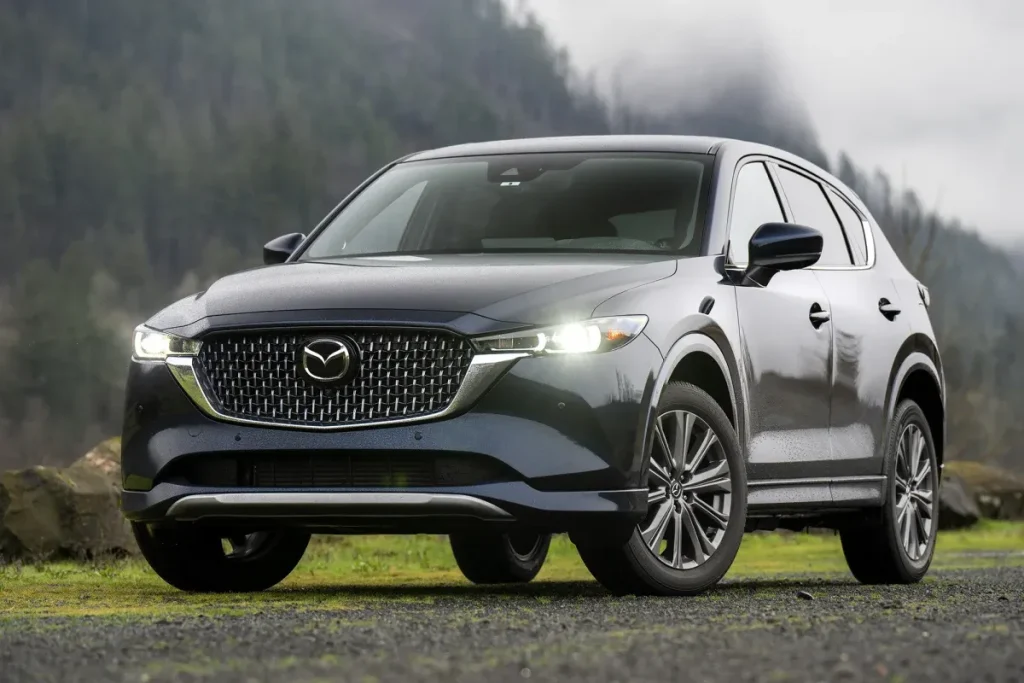
Owners benefit from a cabin that feels premium and solid, even in challenging conditions. Long trips are less fatiguing, and the reduced cabin noise enhances the perception of vehicle durability. The CX-5’s combination of engineering precision, robust materials, and effective soundproofing sets it apart from many competitors in its class.
Overall, the Mazda CX-5 KF demonstrates that a well-built crossover can remain quiet and solid over time, delivering long-term comfort, reduced maintenance of interior components, and a more satisfying driving experience.
3. Toyota RAV4 (XA50)
The Toyota RAV4 XA50 is another crossover known for its resistance to gravel rattles. Its unibody construction uses strategically reinforced steel, ensuring minimal flex in the chassis and reducing vibrations that might otherwise cause rattles.
Toyota engineers focus on tight panel gaps and precise assembly. Door panels, dashboard components, and cargo trims are secured to avoid movement even under repeated stress from rough or gravel roads. The result is a cabin that feels solid and quiet.
The suspension system plays a significant role in noise reduction. Front MacPherson struts and a rear double-wishbone setup absorb impacts effectively, preventing the transmission of road imperfections to the interior. Sound-deadening materials in the floor and wheel arches further reduce noise from gravel or uneven surfaces.
Owners experience a refined ride with minimal fatigue, even on long journeys over gravel or poorly maintained roads. The RAV4’s ability to maintain a quiet, rattle-free interior enhances perceived quality and longevity, preventing long-term loosening of interior components.
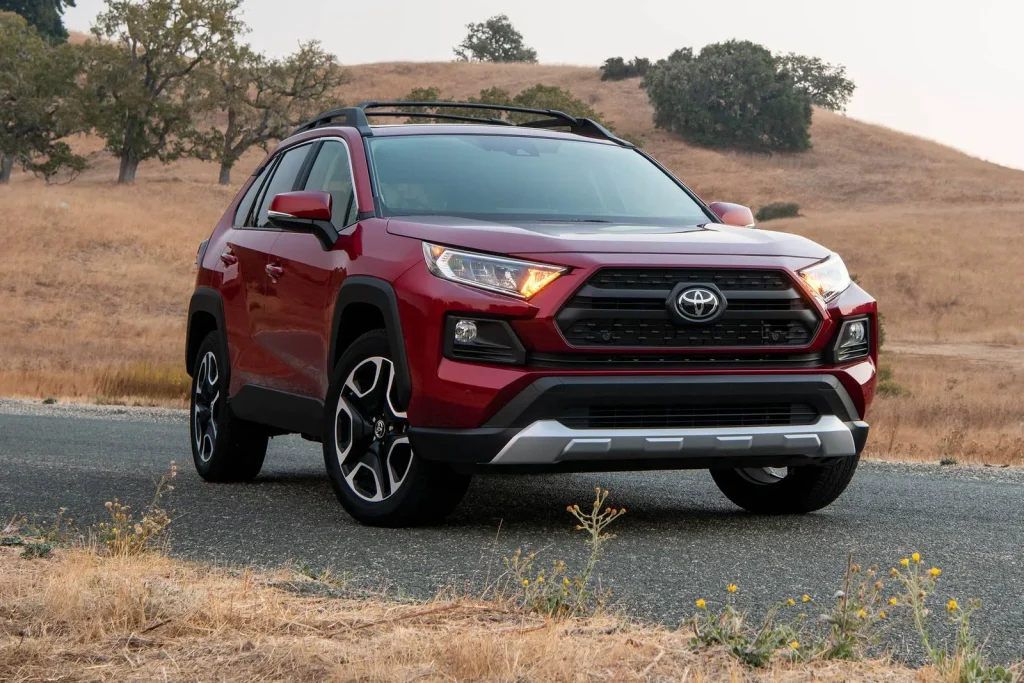
The XA50 demonstrates that durability, thoughtful engineering, and noise management can coexist with a versatile, practical crossover design. Drivers can enjoy comfort, confidence, and cabin refinement without worrying about annoying rattles over time.
4. Honda CR-V (RW)
The Honda CR-V RW is renowned for its solid build quality, which contributes significantly to its resistance to gravel-induced rattles. The unibody frame uses reinforced steel in key stress points, maintaining rigidity even under rough-road conditions.
Interior assembly is precise, with door panels, trim, and cargo components tightly secured. This attention to detail prevents squeaks, rattles, and loose panels, even after years of urban and gravel driving. The result is a quiet, refined cabin that enhances comfort and perceived quality.
The CR-V’s suspension system absorbs bumps efficiently. MacPherson struts at the front and a multi-link rear suspension help dampen vibrations from gravel roads, reducing the amount of noise and vibration transferred to the cabin. Additionally, sound-deadening materials in the floor, wheel arches, and dashboard further suppress rattle-inducing vibrations.
For drivers, this translates into a smooth and quiet ride. Long trips over rough terrain remain comfortable, and interior components retain their fitment and integrity over time. The CR-V’s resistance to rattles reinforces the perception of durability and reduces long-term maintenance issues related to loose panels or trim.
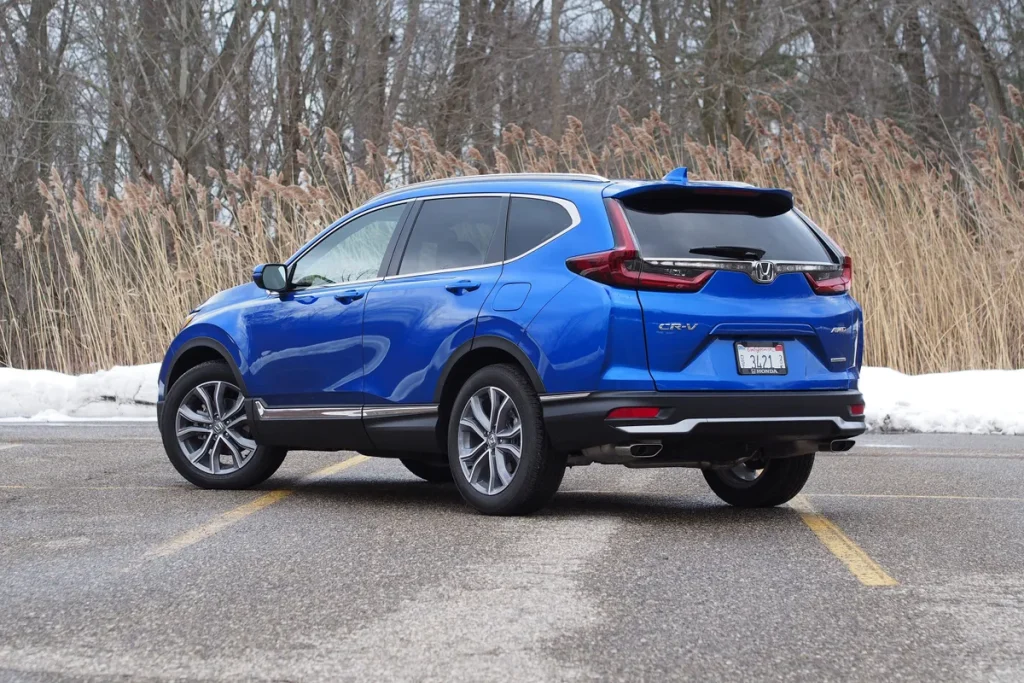
Overall, the RW CR-V exemplifies how engineering, material choice, and assembly precision can create a crossover that feels solid, quiet, and reliable even on uneven or gravel-filled roads.
5. Volkswagen Tiguan (MQB)
The Volkswagen Tiguan MQB is a midsize crossover that excels in structural rigidity, which helps it resist gravel rattles effectively. Its unibody platform incorporates high-strength steel and reinforced mounting points, minimizing panel flex and vibration transfer.
Interior components are fitted with tight tolerances. Door panels, trim, and cargo areas stay secure, preventing rattles or squeaks even under repeated stress from rough or gravel surfaces. This ensures the cabin maintains a premium, solid feel over time.
The Tiguan’s suspension system also plays a crucial role. Front MacPherson struts and a rear multi-link setup absorb road shocks efficiently, reducing vibrations from gravel and uneven roads. Sound-deadening materials throughout the floor, wheel wells, and firewall enhance cabin quietness.
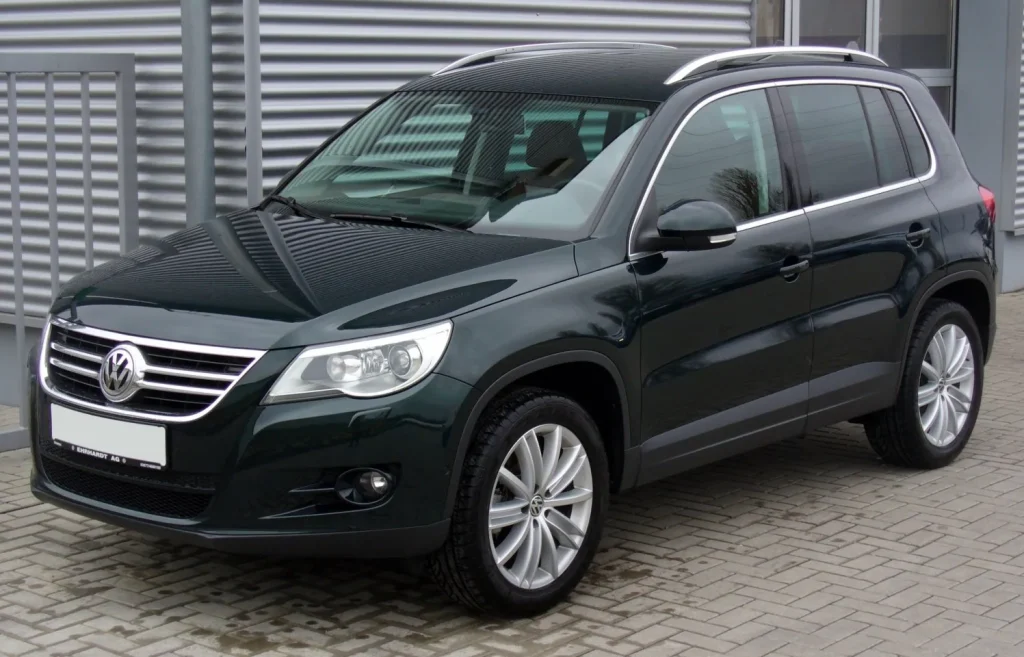
Drivers benefit from a refined ride, minimal fatigue, and a quiet cabin that reinforces the vehicle’s perceived quality. The Tiguan MQB’s engineering ensures that rattles and looseness remain minimal even after years of use, making it a reliable and comfortable option for daily commuting or long trips.
In essence, the MQB Tiguan demonstrates that strong structural engineering, careful assembly, and effective noise management can combine to deliver a crossover that remains solid and rattle-free, even in challenging road conditions.
5 Crossovers That Loosen Up
Not all crossovers maintain their structural integrity over time, especially when exposed to gravel roads, potholes, or regular driving on uneven surfaces. Some vehicles are more prone to panel flex, squeaks, and rattles, which can make the cabin feel less refined and reduce long-term satisfaction.
Crossovers that loosen up typically suffer from a combination of weaker materials, less precise assembly, or insufficient reinforcement in critical areas.
Over time, this can cause interior trim pieces, door panels, and cargo components to become loose, producing rattles and squeaks that distract from the driving experience. Even small vibrations from gravel or bumps can amplify these issues.
The effects of looseness extend beyond cabin noise. Rattling panels can lead to accelerated wear of mounting points, faster deterioration of clips and fasteners, and potential misalignment of doors or trim.
Drivers may also notice that the vehicle feels less solid, reducing confidence and comfort, particularly during long trips or at higher speeds.
In this section, we explore five crossovers known for their tendency to loosen up over time. Each of these vehicles has been reported by owners and reviewers to develop rattles, squeaks, or minor panel movement under normal driving conditions.
Understanding these tendencies is crucial for prospective buyers who value cabin refinement, long-term durability, and quiet operation.
By highlighting the most common issues and design weaknesses, this section aims to inform drivers about potential pitfalls.
Awareness of which crossovers are prone to looseness allows owners to take preventative measures, such as careful driving on gravel roads, regular inspections, and timely maintenance. It also underscores the importance of structural rigidity and quality assembly in achieving a solid, rattle-free cabin that lasts.
1. Ford Escape (MK3)
The Ford Escape MK3 is a popular compact crossover, but it has a reputation for developing rattles and looseness over time. Owners frequently report squeaks from interior panels, rattling cargo trims, and minor door panel movement, especially after driving on gravel or uneven roads.
The issues stem from a combination of assembly tolerances and material choices. Certain trim pieces and door panels use lightweight plastics that can flex under stress. Over time, repeated vibrations from potholes, gravel, or rough pavement can loosen clips and mounting points, creating audible rattles inside the cabin.
The suspension, while tuned for comfort, transfers enough vibrations from rough surfaces to amplify these minor weaknesses. Even moderate urban or suburban driving can gradually loosen interior components, leading to increased cabin noise and a less solid feel.
Owners often notice that the dashboard, center console, or door panels develop small movements after years of use. While these do not affect safety, they reduce the perception of quality and can become irritating on long drives or at higher speeds.
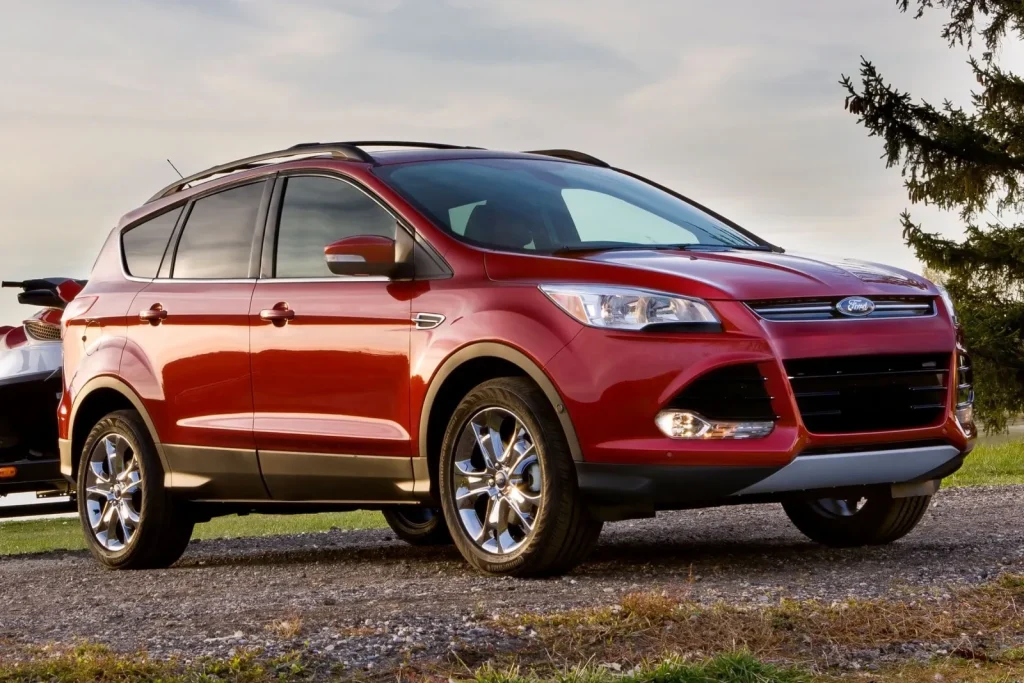
Maintenance and preventative measures, such as tightening loose clips or using additional insulation in the cabin, can mitigate some of these issues. However, the underlying design makes the Escape more susceptible to looseness than sturdier competitors.
Despite these minor annoyances, the Escape remains a versatile and comfortable crossover for everyday driving. Awareness of potential rattles and careful handling on gravel or uneven roads can reduce the likelihood of excessive looseness, helping maintain a quieter and more refined cabin over time.
In summary, the MK3 Ford Escape demonstrates that even popular, well-rounded crossovers can develop rattles and panel movement when materials and assembly are less robust, emphasizing the importance of structural rigidity and trim fitment in long-term cabin refinement.
2. Nissan Rogue (T32)
The Nissan Rogue T32 is a popular midsize crossover, but many owners report that it tends to loosen up over time, particularly on gravel roads or uneven surfaces. Interior trim panels, door components, and cargo area covers can develop rattles after extended use.
These issues often originate from assembly tolerances and the use of lightweight plastics for interior panels. Repeated vibrations from rough roads or potholes can cause clips to loosen, resulting in minor squeaks and rattles that are noticeable during everyday driving.
The Rogue’s suspension, while comfortable, allows enough vibration transfer from the road to amplify these interior weaknesses. Drivers may hear rattles coming from the dashboard, doors, or cargo area, especially when driving over gravel or uneven streets.
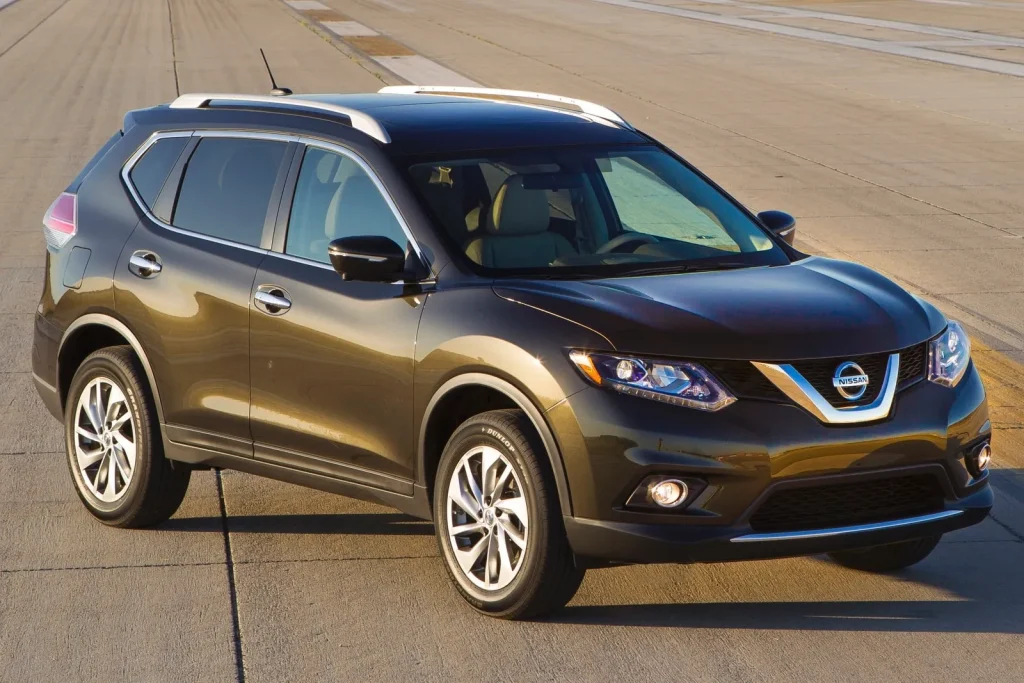
The looseness does not typically affect steering, handling, or safety, but it does reduce the perception of build quality. Long-term exposure can also lead to accelerated wear on panel fasteners, making future repairs or adjustments more frequent.
Owners often resort to tightening clips or adding foam padding to reduce noise, but the fundamental design remains prone to movement under stress. Despite this, the Rogue offers comfort, versatility, and utility, making it a popular choice for families.
In essence, the T32 Nissan Rogue shows that even a well-rounded crossover can develop minor interior issues over time if materials and assembly are not optimized for long-term durability. Awareness and preventative measures can help maintain a quieter cabin and preserve the sense of solidity.
3. Chevrolet Equinox (KL)
The Chevrolet Equinox KL is a widely used crossover, but it has been reported to develop looseness and rattles after prolonged use. Drivers often notice squeaks from interior panels, rattling trim, and minor dashboard movement on gravel or rough roads.
The source of these issues is primarily lightweight interior materials and moderately loose assembly tolerances. While the Equinox is designed for comfort, repeated road vibrations can gradually loosen clips and mounts, creating audible rattles in the cabin.
Its suspension, optimized for smoothness, does transmit some road vibrations into the body, which can amplify interior looseness. Gravel roads, potholes, and daily commuting accelerate this effect, causing minor panel flex and rattling noises over time.
Owners may need to adjust or secure panels periodically to minimize rattles, but the Equinox remains susceptible due to its materials and design. These noises do not affect safety or drivability but can detract from perceived quality, especially during long trips.
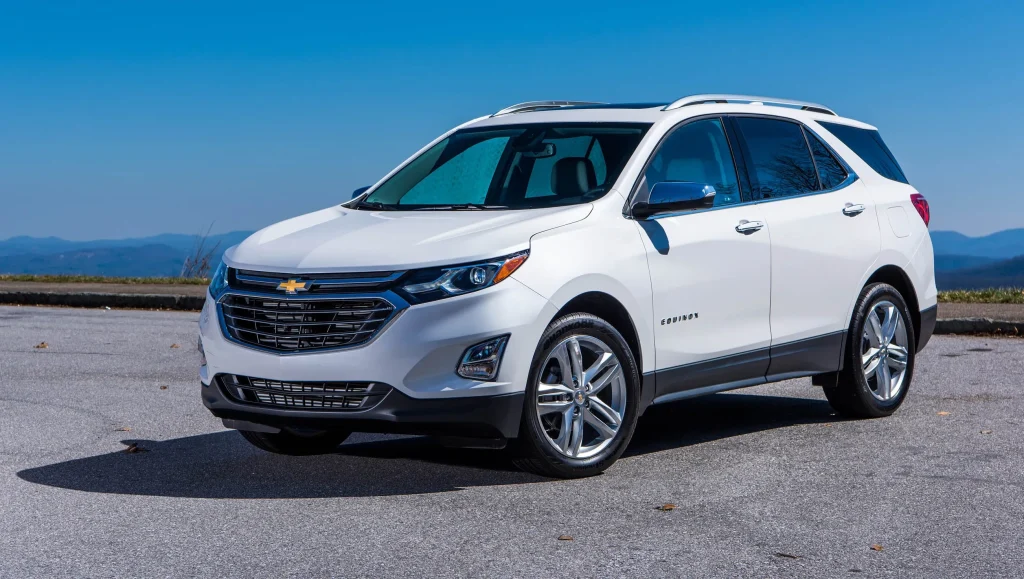
Despite these issues, the KL Equinox remains a practical and comfortable crossover. Awareness of potential rattles and careful attention to panel integrity can help maintain a quieter, more refined cabin.
In summary, the Equinox KL illustrates that crossovers can lose cabin solidity over time, emphasizing the importance of high-quality materials and precise assembly to prevent long-term looseness and rattling.
4. Hyundai Tucson (NX4)
The Hyundai Tucson NX4 is a modern compact crossover, but it has a tendency to develop rattles and looseness over time, especially when driven on gravel or uneven roads. Owners often report squeaks from interior panels, rattling trim, and minor movement of dashboard components.
These issues are mostly due to lightweight interior materials and moderate assembly tolerances. Repeated vibrations from potholes or rough surfaces can gradually loosen clips, mounts, and panel attachments, producing audible rattles in the cabin.
The Tucson’s suspension, tuned for comfort, allows some vibration to reach the cabin. While this improves ride smoothness, it can amplify minor looseness in interior components. Drivers may notice noises during acceleration, braking, or turning, particularly on gravel roads.
Although the rattles do not affect safety, they reduce the sense of solidity and refinement. Over time, repeated flexing can accelerate wear on fasteners and panel mounts, leading to more frequent maintenance or adjustments.
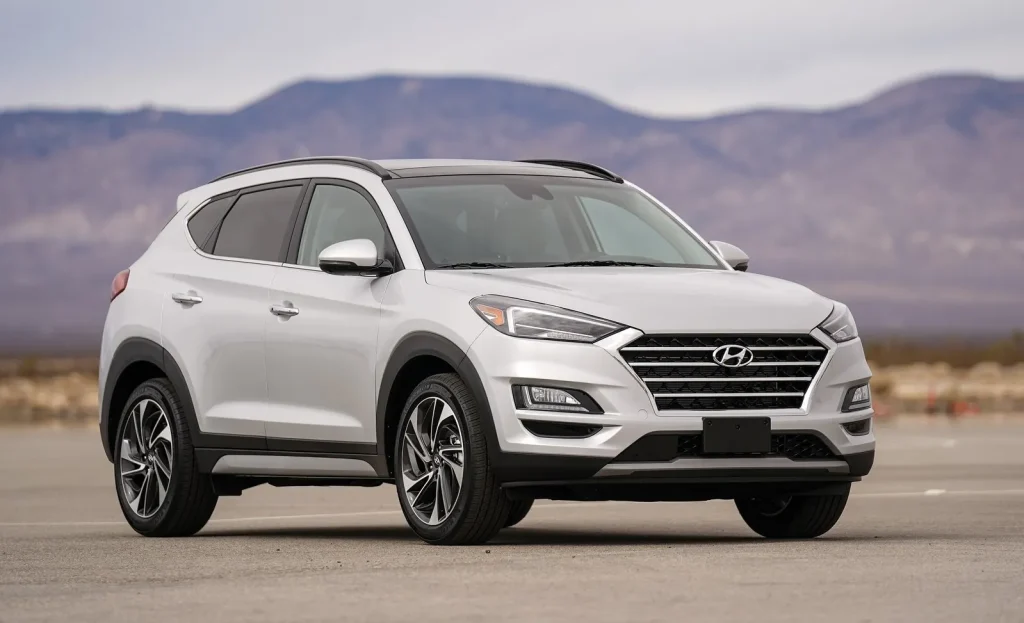
Owners can mitigate these issues by inspecting clips, tightening panels, or using minor padding adjustments, but the root cause remains the materials and assembly. Despite this, the NX4 Tucson offers a comfortable, versatile driving experience, and awareness of potential rattles can help preserve cabin quietness.
In short, the Hyundai Tucson demonstrates that even new-generation crossovers can experience looseness if interior design and assembly are not fully optimized for long-term durability, making preventative care important for maintaining a refined cabin feel.
5. Kia Sportage (NQ5)
The Kia Sportage NQ5 is a compact crossover known for value and versatility, but it is also prone to rattles and looseness over time. Owners frequently report squeaks from doors, dashboard panels, and cargo area trims, particularly after driving on gravel or uneven surfaces.
The root cause is lightweight interior plastics, moderate assembly tolerances, and panel mounts that can loosen over time. Vibrations from gravel roads, potholes, or daily urban driving can cause clips and fasteners to shift, producing audible rattles inside the cabin.
The Sportage’s suspension absorbs most bumps comfortably, but some vibrations still transmit to the body, accentuating minor interior looseness. Drivers may notice rattles during braking, cornering, or over uneven surfaces, which can reduce the perceived quality of the vehicle.
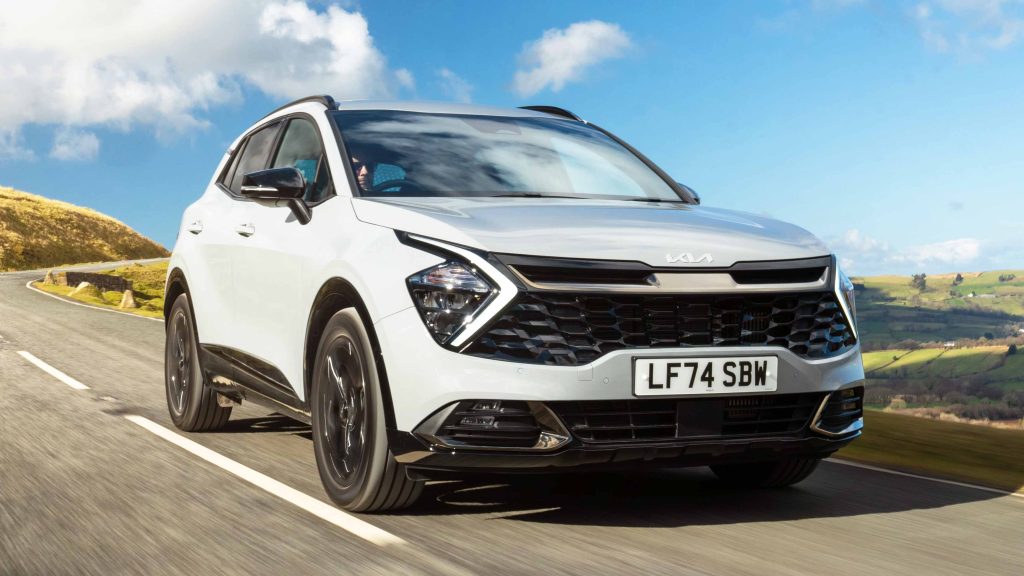
These noises do not impact driving safety but can become irritating over long trips. Preventative maintenance, such as checking and tightening clips or applying padding, can help, but the NQ5 Sportage remains more prone to cabin looseness than sturdier competitors.
Overall, the Sportage NQ5 illustrates that even well-rounded crossovers can develop rattles over time if interior design and assembly are not fully robust. Awareness, careful driving, and minor preventative measures can preserve a quieter, more solid-feeling cabin, enhancing comfort and long-term ownership satisfaction.
Also Read: 5 Hatchbacks With Real Cargo Space vs 5 That Fake the Numbers