
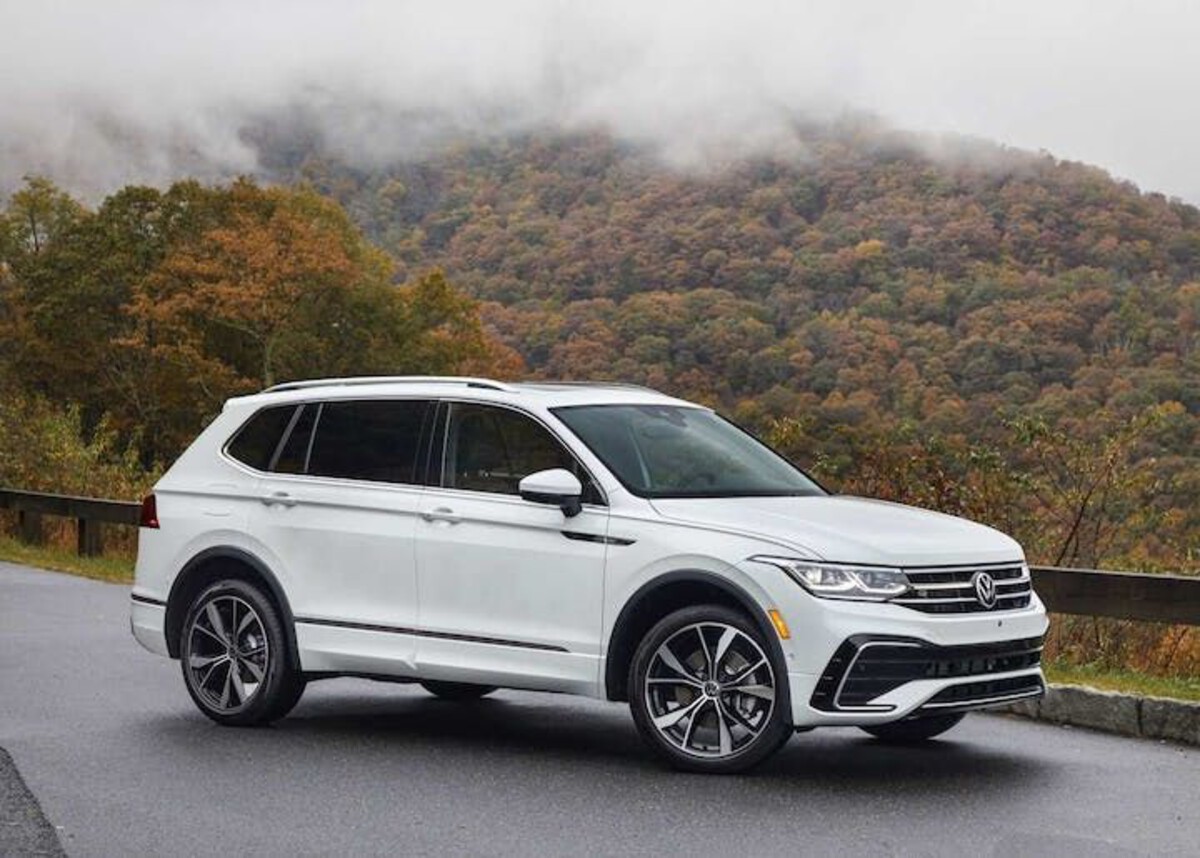
Family SUVs play a major role in daily life because they serve as the main vehicle for school runs, weekend trips, and long drives with children. One of the most important features for families is how easily a child seat fits into the cabin.
Some SUVs provide wide rear benches, generous spacing, accessible ISOFIX points, and door openings that allow parents to install a seat without bending awkwardly.
These models make everyday routines smoother and reduce the stress that comes with securing a child safely. They also help parents with multiple seats because good cabin design can make the entire process fast and predictable.
However, not every SUV offers this ease of use. Some models have tighter rear spaces, higher seat bolsters, or awkwardly placed anchor points. These tight squeezes create frustration every time parents try to install or remove a seat.
In some cases, the rear doors do not open wide enough. In others, the roofline slopes too sharply and restricts headroom, making loading difficult.
These problems become even more noticeable when using larger child seats or when placing two seats side by side. Families with growing children quickly feel the limitations of such designs.
Comparing the best and worst SUVs in terms of child seat friendliness helps buyers understand which vehicles will support their daily routine and which ones might make life harder.
Space on paper does not always translate into real world convenience. Practical design, thoughtful placement, and cabin geometry matter more than simply measuring legroom.
This article takes a close look at five SUVs that excel in fitting child seats with ease and five SUVs that make the task more difficult. The goal is to highlight how design decisions shape the experience of everyday family use. This sets the foundation for the detailed sections to follow.
Also Read: 5 SUV Models Easy to Clean Inside vs 5 SUV Dust Magnets
5 Family SUVs That Fit Car Child Seats Easily
Families rely on SUVs not just for space but for convenience, and one of the biggest tests of real world practicality is how easily a child seat fits in the back.
A good family SUV should allow quick installation, clear access to ISOFIX points, and enough room to place a child securely without twisting or forcing the seat into position.
When an SUV is designed with wide rear benches, supportive cushions, and thoughtful anchor placements, everyday routines become much easier. Parents do not have to fight the seat or squeeze their hands into tight gaps. Instead, the process feels quick and comfortable.
The SUVs chosen in this section excel because they offer real world usability. They support large child seats, multiple seats, and even rear facing seats without compromising comfort.
These models show how good cabin engineering can make a major difference in daily life. They also provide wide door openings that allow parents to lift the seat in smoothly. This matters for families who regularly install or adjust seats as children grow.
These family friendly SUVs also provide strong safety systems that work well with child seats. The structure of the cabin, the layout of the seats, and the stability of ISOFIX mounting points all contribute to a secure setup. Parents value these traits because they want predictable safety for their children on every journey.
Each model included here has earned a reputation for being easy to use with child seats. They do not require special techniques or awkward adjustments.
Instead, they offer straightforward installation that helps families save time. In the detailed sections ahead, we explore why each SUV performs so well and how their design focuses on making life easier for parents and young passengers.
1. Honda CR V
The Honda CR V is one of the most family friendly SUVs because it offers generous rear space and simple access to child seat mounting points. The wide rear bench allows parents to place large seats without squeezing or adjusting constantly.
The cabin layout gives plenty of legroom, which helps when installing rear facing seats that need extra distance from the front row.
The ISOFIX anchors are clearly marked and easily visible. There is no need to dig between cushions or search for hidden slots.
This makes installation quicker for parents who use child seats daily. The rear doors open wide, giving enough space to lift the seat in at a comfortable angle. This reduces strain on the back during repeated use.
The low floor height also helps. Parents can place a heavy child seat without lifting it too high. This makes the CR V convenient for grandparents and babysitters as well. The rear bench is almost flat, so the seat rests securely without tilting. This stability is helpful when installing multiple seats at the same time.
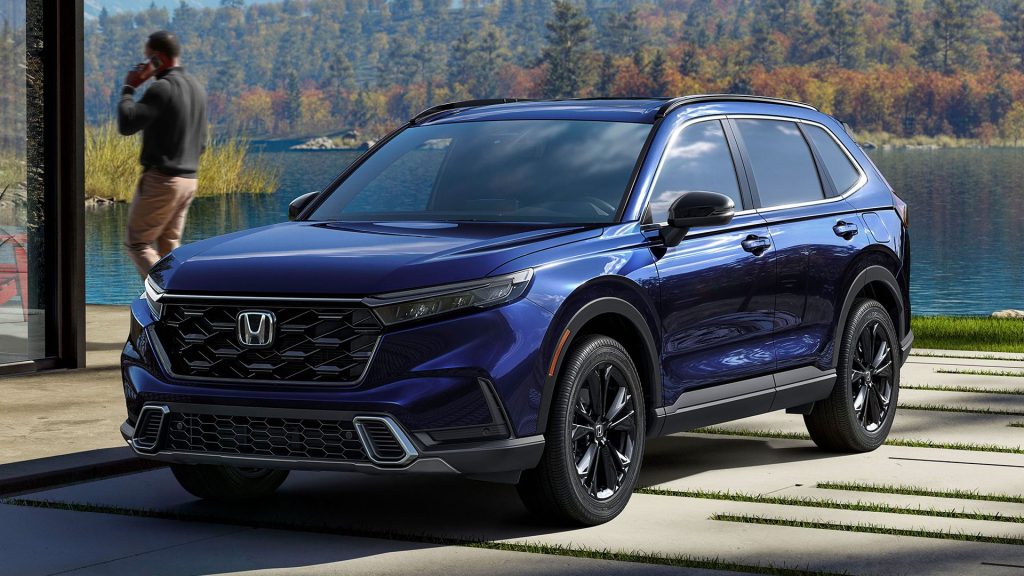
The main reason this SUV is included is its strong practicality. Families appreciate vehicles that do not complicate simple tasks. The CR V offers a predictable and user friendly experience that supports busy daily routines. Its interior feels ready for family life, and the thoughtful layout shows attention to real world needs.
2. Toyota Highlander
The Toyota Highlander is well known for its spacious interior, which makes fitting child seats easy and convenient. The second row has enough width to hold two large child seats without pressing against the doors. The third row can also be used for older children, giving families flexible seating options as kids grow.
The ISOFIX points are positioned so parents can access them with no difficulty. They sit close to the surface of the seat, making attachment quick and clean. The long rear doors provide wide openings, allowing parents to load bulky seats without twisting into awkward positions.
The Highlander excels with rear facing seats. The deep cabin means the front passengers still have good legroom even with a large seat installed behind them. This helps taller parents who need space while driving. The seat cushions are firm enough to support child seats properly, preventing wobbling during installation.
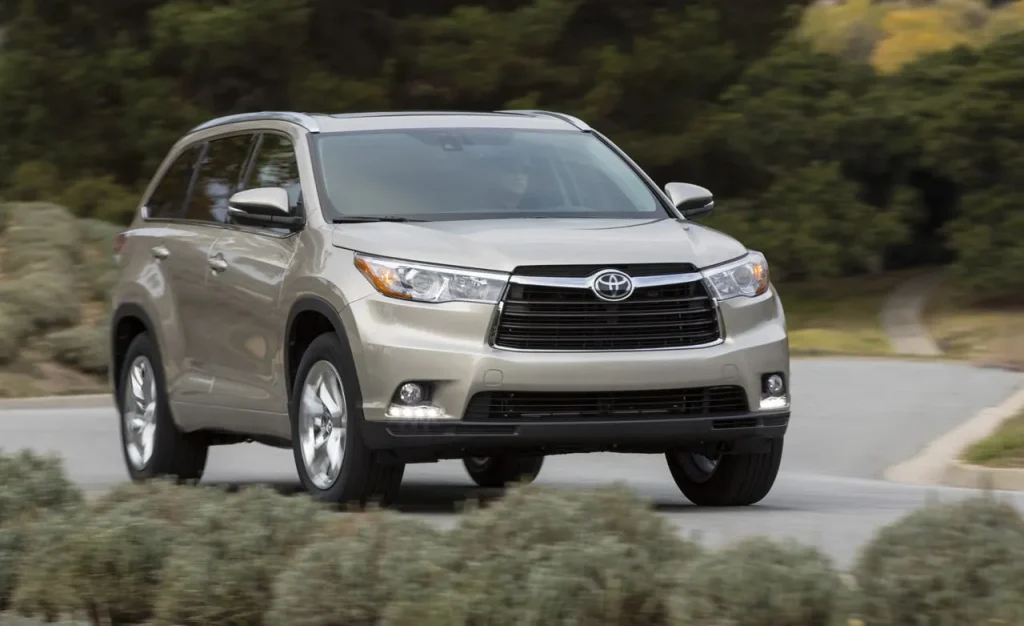
Families choose this SUV because it blends space, comfort, and practicality. The cabin design feels purpose built for families with multiple young children.
Everything from anchor accessibility to door angles supports daily use. For parents who install and remove seats often, the Highlander provides a smooth and stress free experience.
3. Subaru Forester
The Subaru Forester is included because of its tall cabin, wide openings, and simple child seat installation. The upright body design gives excellent headroom, making it easier to lift a seat inside without bumping the roof. The rear doors open almost ninety degrees, giving parents plenty of space to work.
The ISOFIX anchors are straightforward to reach. They sit in shallow slots that do not require pushing fingers deep into the cushions. This reduces frustration and shortens installation time. The rear bench is flat and supportive, keeping child seats level and stable.
The Forester also accommodates rear facing seats comfortably. The long seat rails mean the front row can remain spacious even when using large infant carriers. This is important for families who travel often and need comfort for both parents and children.
Safety is another strength. Subaru’s structure is known for protecting occupants well, and the stable seat mountings add confidence. Families value the predictable layout because it supports daily travel without unnecessary complications.
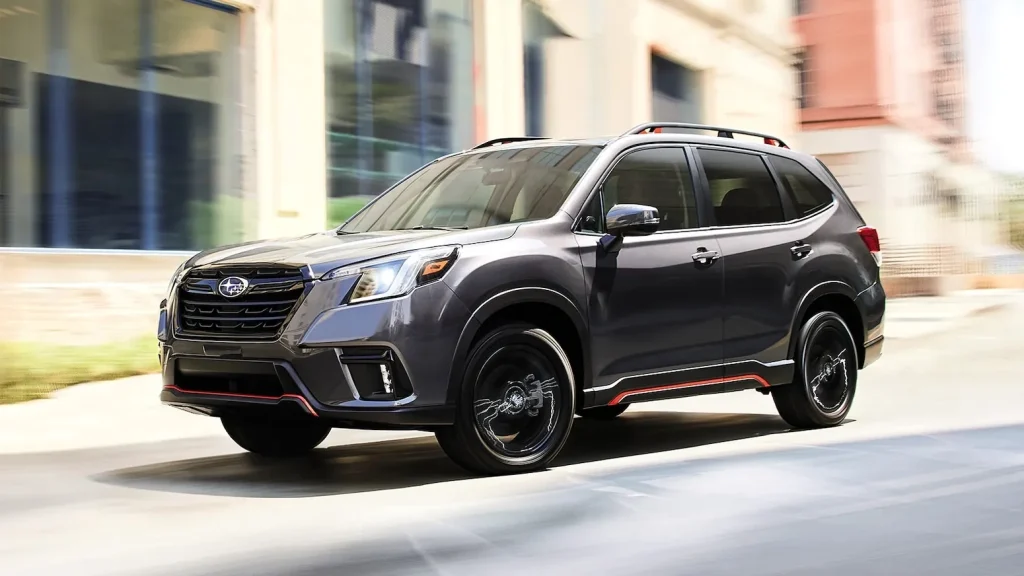
The Forester earns its place because it makes child seat installation simple. The combination of tall space, wide doors, and easy anchor access creates a convenient experience for families. It is one of the most user friendly compact SUVs for parents.
4. Kia Sorento
The Kia Sorento stands out because it offers three rows and multiple usable seating configurations. The second row has wide cushions that support large child seats without pressing against the doors. The ISOFIX mounts are openly accessible, so parents can attach seats in seconds.
The third row is surprisingly useful for older children. Families with multiple kids appreciate this flexibility because it allows siblings to spread out during long trips. The second row’s sliding feature makes it easier to adjust space around bulky rear facing seats.
The Sorento also provides excellent access through its wide rear doors. Lifting a seat into place feels natural and smooth. Parents do not need to twist their body or force the seat around tight angles. This is especially helpful for heavier newborn carriers.
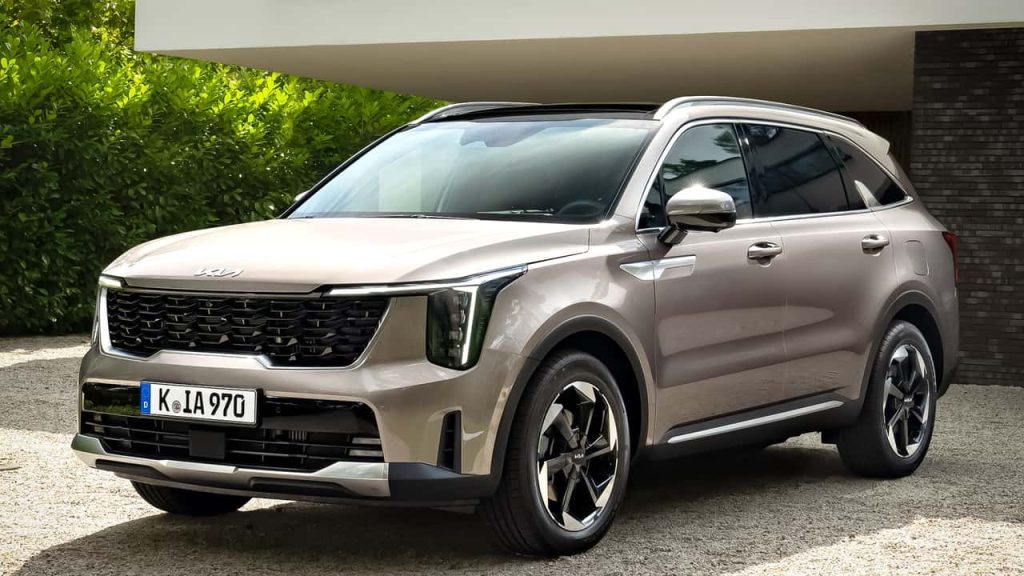
The strong cabin structure and consistent cushioning help the child seat rest securely. Even with two seats installed, the Sorento maintains good comfort for remaining passengers.
This SUV is included because it offers space and practicality without making child seat tasks difficult. The thoughtful interior layout makes daily routines smoother for busy families. It shows how good design can support both comfort and safety.
5. Volkswagen Atlas
The Volkswagen Atlas is one of the most spacious midsize SUVs for families needing easy child seat installation. Its second row can hold three large child seats across, something rare in this class. This makes it ideal for families with multiple young children who need secure seating.
The ISOFIX and top tether points are clearly marked and extremely accessible. Parents can complete installation quickly without struggling between cushions. The wide and tall rear doors allow seats to be lifted straight in without hitting the frame.
Rear facing seats also fit effortlessly because the Atlas offers generous legroom. Even tall parents can keep the front seats comfortable while supporting large infant carriers in the rear. The seats are firm and wide, giving excellent stability for every type of child seat.
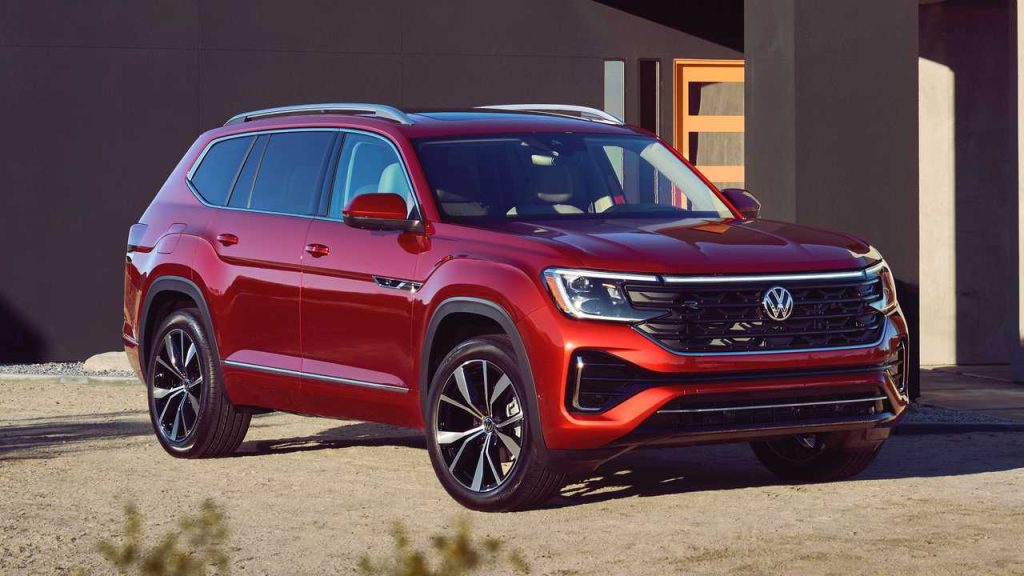
The Atlas earns its place because of its unmatched practicality. Families appreciate the stress free installation process and the ability to manage several seats at once. The interior feels truly designed for real family life, where convenience matters every day.
5 Tight Squeezes
Not every SUV makes child seat installation simple. Some models look spacious on paper, but their actual cabin geometry makes fitting a seat far more difficult than families expect.
These SUVs create daily frustration by offering tight rear benches, narrow door openings, or awkward ISOFIX anchor placements.
Parents often struggle to position the child seat correctly, and even after installation, the seat may press into surrounding surfaces or limit front row legroom. These design limitations turn a basic routine into a tiring task.
Rear facing seats highlight the biggest weaknesses in these models. They demand extra space, and when that space is not available, the front seats must be pushed forward.
This reduces comfort for the adults in the front row and restricts driver ergonomics. Many of the SUVs in this list also use sculpted cushions that tilt child seats at odd angles, making proper installation time consuming.
Some models hide their ISOFIX anchors deep inside tight slots. Parents must push their hands between stiff cushions to reach the metal points. This makes installation slow, especially when dealing with larger or heavier seats.
When two child seats are installed side by side, the problems increase. The limited width makes it nearly impossible to fit additional passengers or to secure both seats without fighting with the interior layout.
These SUVs are included because they serve as examples of how design choices can reduce family friendliness. Even though they may offer good performance, stylish cabins, or modern technology, they fail the simple practicality test that matters to parents.
Understanding the challenges in these models helps families avoid inconvenience and choose vehicles that make everyday life easier. The detailed sections ahead explore the specific issues that place these SUVs among the tight squeezes.
1. Ford Focus (2012–2018) – Weak Link: PowerShift DCT Transmission
The 2012–2018 Ford Focus could have been a segment winner with its sharp steering, efficient engines, and practical cabin. Instead, the car became infamous for one of the most problematic dual-clutch transmissions ever fitted to a mainstream compact car.
The dry-clutch PowerShift DCT, while theoretically designed to deliver manual-like efficiency and quick shifts, struggles heavily in real-world conditions. Heat, stop-go driving, and low-speed crawling expose its flaws: shuddering take-off, jerky engagement, unpredictable gear hunts, and clutch pack failures.
Owners routinely report hesitation that feels dangerous when merging or turning, and many face repeated dealer visits for software flashes and mechanical replacements. The clutch seals also leak, contaminating friction material and accelerating wear.
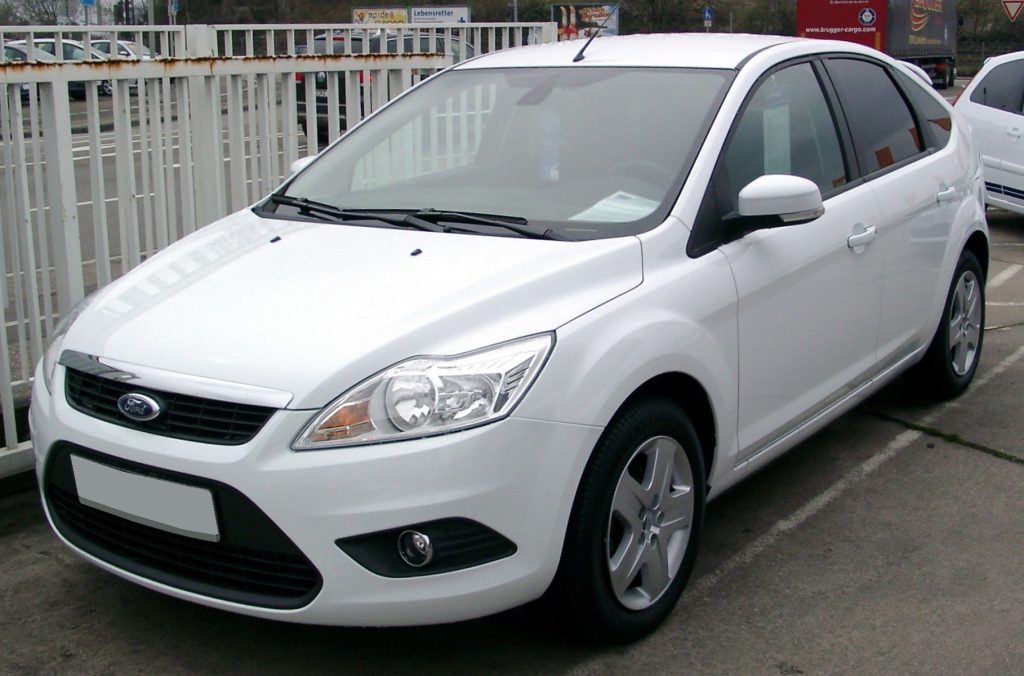
Even cars with low mileage experience degradation because the root issue lies in the engineering logic of the gearbox itself.
The rest of the Focus is genuinely solid comfortable seats, decent interior quality, and responsive handling but the transmission undermines long-term ownership confidence. The weak link is so severe that it overshadows the car’s strengths.
2. Volkswagen Tiguan (2009–2016) – Weak Link: Timing Chain Tensioner
The first-generation Tiguan delivers premium feel, smooth ride quality, and a refined turbocharged engine. Yet, the 2.0 TSI engine from this era carries a notorious weak point: the early-design timing chain tensioner.
This tensioner can fail without warning, releasing chain tension and allowing the chain to skip teeth or even jump entirely often resulting in catastrophic engine damage. Unlike a belt that wears gradually, a chain tensioner failure gives minimal auditory cues before the engine grinds itself into an expensive rebuild.
Many owners only discover the risk when cold-start rattles grow louder, but that’s often too late. The failure mode also occurs at surprisingly low mileage, sometimes under 60,000 miles, meaning routine maintenance doesn’t protect you.
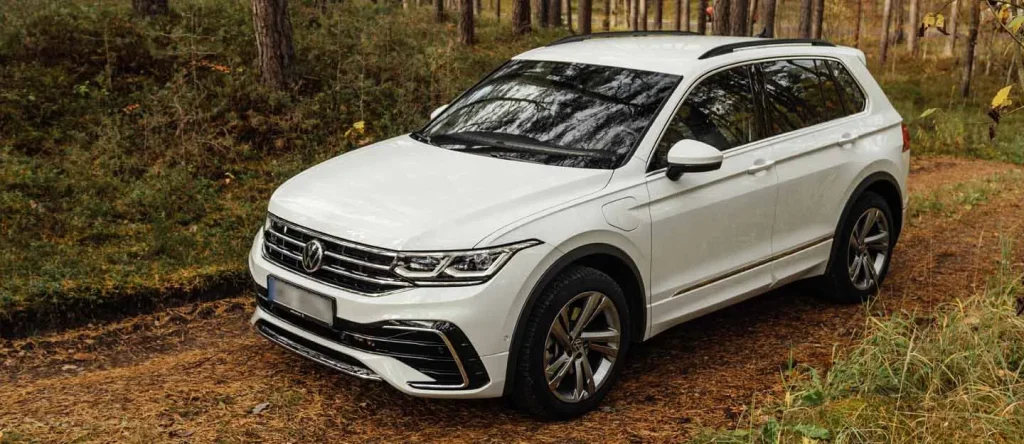
Everything else about the Tiguan is well-balanced: comfortable suspension, tight steering feel, and upscale cabin design. But the chain tensioner issue is so critical and unpredictable that it defines the model’s long-term reliability reputation.
Volkswagen revised the part eventually, but many early models still carry the original, failure-prone tensioner a classic example of a hidden weak link with major consequences.
3. Subaru WRX (2015–2020) – Weak Link: High-Pressure Fuel Pump & Ringland Fragility
The 2015–2020 WRX brings rally-bred excitement to daily life quick acceleration, sharp turn-in, and all-wheel-drive grip that works in any weather. However, the FA20DIT engine has two recurring weak links: high-pressure fuel pump noise/failure and piston ringland vulnerability.
The HPFP can develop a distinctive “chirping” or “squeaking” sound, and in more serious cases, suffer internal wear that affects fuel delivery and drivability. More concerning is the ringland issue, where the edges of the pistons become prone to cracking under high cylinder pressures.
This happens more frequently on hard-driven or lightly modified cars, but even stock vehicles have reported failures. Once ringlands crack, compression drops, misfires increase, and the engine can suffer major damage.
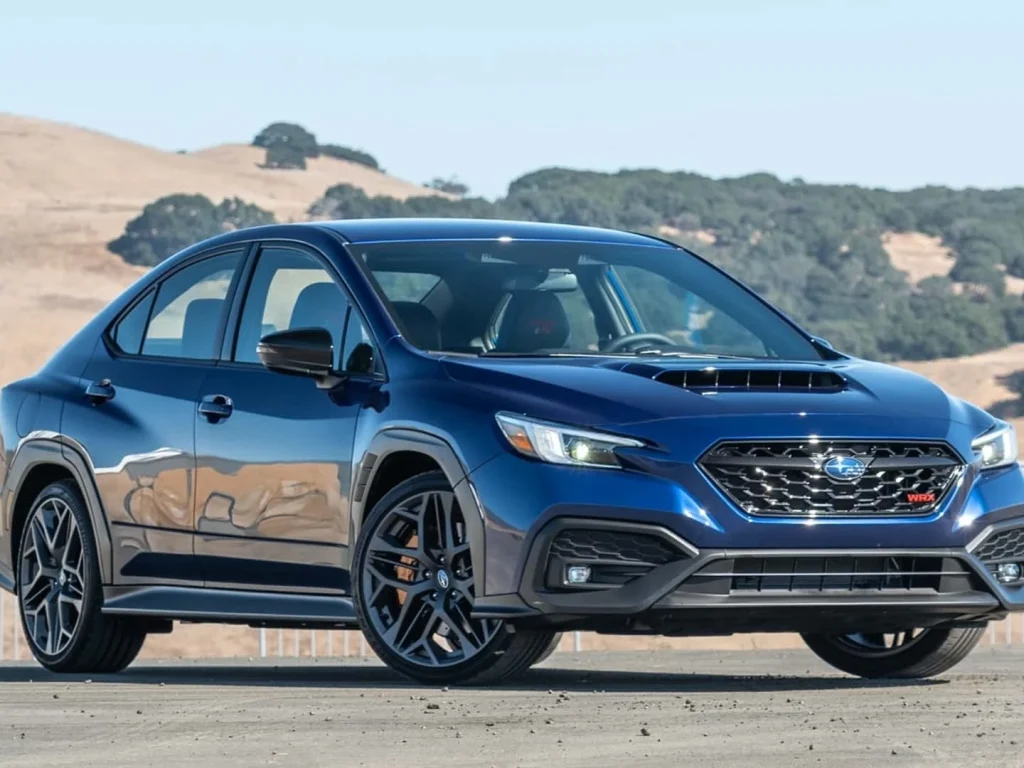
The WRX otherwise offers tons of value practical cabin, strong tuning potential, and a lively chassis but these weak points create long-term anxiety. They don’t affect every car, but when they do, repairs are costly and often require full engine rebuilds. It’s a classic case where performance potential exposes inherent engineering limits.
4. BMW X5 (2011–2016, F15) – Weak Link: Plastic Cooling System Components
The BMW X5 delivers luxury, handling precision, and highway poise rare for an SUV. Yet, beneath the refined exterior lies a consistent BMW weak link: a cooling system that relies heavily on plastic components.
Expansion tanks, water pump housings, thermostat assemblies, and connector flanges all use polymer materials to reduce weight and manufacturing cost.
Over time often between 70,000 and 100,000 miles, these parts become brittle from heat cycles and crack without warning. Coolant leaks develop slowly at first, then worsen rapidly, leading to overheating if not addressed immediately.

The turbocharged engines used in this generation run hot, further accelerating wear. On an SUV where engine access is already tight, cooling repairs become expensive and labor-intensive.
Everything else about the X5 is premium: solid cabin, excellent driving dynamics, and strong engines. But the cooling system’s fragility means owners must either proactively overhaul components or risk sudden temperature spikes. It’s a classic BMW weak point that defines long-term reliability expectations.
5. Jeep Cherokee (2014–2019) – Weak Link: 9-Speed ZF Transmission Calibration
The Jeep Cherokee blends comfort, off-road capability, and modern styling, but its 9-speed ZF automatic gearbox is its Achilles heel. While mechanically sound, the transmission suffers from chronic calibration issues.
Early software maps produce harsh shifts, gear hunting, hesitations when accelerating, and occasional failure to downshift promptly during passing maneuvers. Because the gearbox has so many ratios, the control unit struggles to select the correct one quickly, leading to unpredictable behavior in both city and highway driving.
Numerous software updates were issued, but even after reflashes, some vehicles never achieve consistently smooth performance. In extreme cases, valve body wear develops from repeated harsh shifts, leading to expensive long-term repairs.
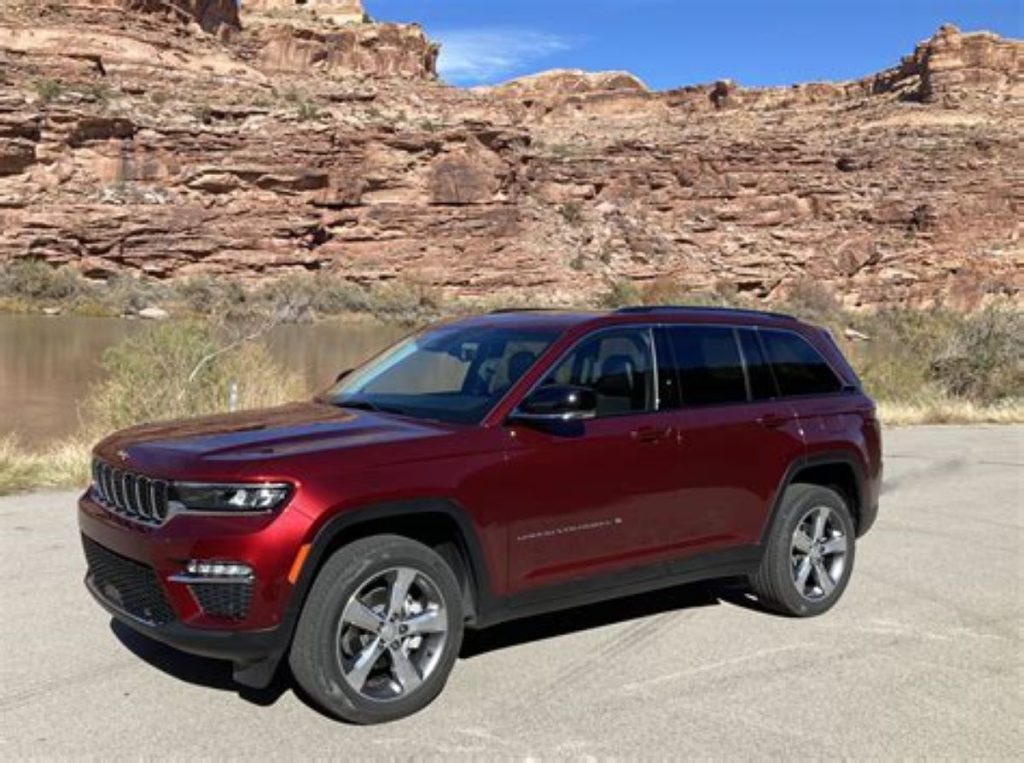
The rest of the Cherokee is competent, supportive seats, modern infotainment, and respectable off-road trims like the Trailhawk. But the 9-speed’s behavior creates ongoing frustration for many owners.
The weak link isn’t catastrophic like an engine failure, but it directly affects everyday drivability, making the SUV feel less refined than competitors.
Across these five vehicles, a clear pattern emerges: each one delivers genuine strengths in design, comfort, performance, or engineering innovation, yet each is held back by a single vulnerable component that shapes long-term ownership experiences.
The Ford Focus (2012–2018) illustrates this perfectly a fun, efficient compact car whose entire reputation was overshadowed by the troublesome PowerShift DCT transmission.
The gearbox’s shuddering, slipping, and unpredictable behavior turned what could have been a class leader into a cautionary tale.
Similarly, the first-generation Volkswagen Tiguan (2009–2016) paired upscale comfort with one of the most critical weak links possible: a defective timing chain tensioner capable of causing catastrophic engine damage without warning.
The 2015–2020 Subaru WRX shows how performance-oriented engineering can push components to their limits. Its FA20DIT engine brings quick acceleration and tuning potential, yet the high-pressure fuel pump and piston ringland fragility create risks that are expensive to fix once they appear.
The BMW X5 (2011–2016) continues the long-standing BMW trend of using plastic cooling-system components vulnerable to heat cycling. Despite its luxury and handling strengths, a cracked expansion tank or water pump housing can quickly turn into a major overheating event.
Finally, the Jeep Cherokee (2014–2019) demonstrates how software can undermine good mechanical hardware. Its 9-speed ZF transmission is capable on paper, but poor calibration, slow logic, and rough shifting resulted in widespread owner dissatisfaction. Even though updates helped, many vehicles still never shift consistently smoothly.
All five vehicles show how a single design decision a gearbox type, a timing component, a fuel system, material choice, or software tuning, can define long-term ownership. Their weak links vary, but the lesson is the same: durability often depends not on the whole car, but on one critical part.
Also Read: 5 Road-Trip MVPs with Huge Cupholders vs 5 Spill Makers
