
The compact car segment has always attracted drivers who want practicality, affordability, and efficiency without sacrificing dependability. These vehicles serve millions of people every day, which makes their long term durability especially important.
Some compact cars earn a reputation for engines that seem nearly unbreakable. They run for hundreds of thousands of kilometers with only routine maintenance.
Their engineering focuses on simplicity, reliability, and strong internal components. These bulletproof engines become the reason owners stay loyal to the brand for many years.
On the other side, some compact cars struggle with engines that develop problems too early. These weak link models may suffer from design flaws, poor material quality, or complicated systems that fail sooner than expected.
Owners often face repeated repairs or expensive fixes. Understanding which models fall into this category helps buyers avoid trouble and plan their choices wisely. Weak engines do not always mean the entire car is bad, but they do create challenges for long term ownership.
Comparing these two groups highlights how very different engineering philosophies shape real world reliability. Bulletproof engines often rely on proven designs and sturdy construction.
Weak engines tend to push technology without enough durability testing. Some introduce turbocharging or lightweight components before perfecting the formula. Others suffer from cooling issues, oil consumption, or timing system failures. These problems reflect deeper decisions made during development.
This article examines five compact cars known for dependable, long lasting engines and five compact cars that gained a reputation for mechanical fragility. The goal is to give readers a clear understanding of what makes some engines thrive and others struggle.
By reviewing these models side by side, we see how good engineering builds trust while poor execution creates frustration. This sets the stage for the detailed sections that follow.
Also Read: 5 SUVs Landlords Won’t Mind in Tight Garages vs 5 SUVs That Are Too Wide
5 Compact Cars With Bulletproof Engines
Compact cars with bulletproof engines stand out because they deliver reliability without demanding constant attention from the owner. These engines are built with strong internal parts, simple layouts, and engineering decisions that favor longevity over complexity.
Many of these models prove their worth by running smoothly for years with only basic maintenance. Drivers appreciate engines that start every morning without hesitation, even after long periods of use. This confidence builds trust and creates long lasting reputations for these vehicles.
In this section, we focus on five compact cars known for engines that rarely fail. These models represent different eras and different design philosophies, but they all share the same core strength. Their engines resist overheating, excessive wear, oil consumption, and internal breakdowns.
They maintain performance without losing reliability. Some use naturally aspirated setups with fewer parts to break. Others rely on well proven materials and conservative engineering. These choices reduce risk and keep the engines functioning reliably far beyond typical expectations.
Drivers of these vehicles often report high mileage numbers without major repairs. This durability keeps ownership costs low. Owners can travel long distances with peace of mind because the engine remains predictable.
For many people, including commuters and families, a trustworthy engine is one of the most valuable qualities a car can offer. It is not about speed or excitement. It is about dependability in daily life.
The reason these cars are included is not because they are the fastest or most advanced. They appear here because their engines stand the test of time. Each of the five chosen models offers an example of how thoughtful engineering can create long lasting strength.
As we move forward into the detailed descriptions, the goal is to show exactly why these engines became known as bulletproof and why they continue to earn respect from drivers around the world.
1. Toyota Corolla 1.8L 2ZR FE
The Toyota Corolla with the 1.8L 2ZR FE engine is one of the most trusted compact cars ever built. This engine is known for running smoothly long after many cars begin to wear out.
Its simple design, strong internal components, and proven mechanical layout make it extremely resistant to failure. Owners regularly report high mileage without major repairs.
The engine uses a timing chain instead of a belt, which eliminates one of the most common maintenance headaches. It also avoids complicated turbocharging systems.
This reduces stress on the engine and keeps temperatures stable during daily driving. The power output is modest, but the focus has always been on durability rather than performance.
What makes the 2ZR FE special is its consistency. It handles long trips, city driving, and extreme weather without showing signs of weakness. The cooling system is reliable, and the oil consumption issues seen in some older Toyota engines were fixed in this generation. This gives the Corolla a reputation for predictable behavior throughout its life.
Maintenance costs remain very low. Routine oil changes and basic servicing are usually enough to keep the engine healthy. Mechanics often comment on how clean the internal components stay over time. This is one of the reasons the Corolla remains popular among drivers who want dependable transportation without surprise expenses.
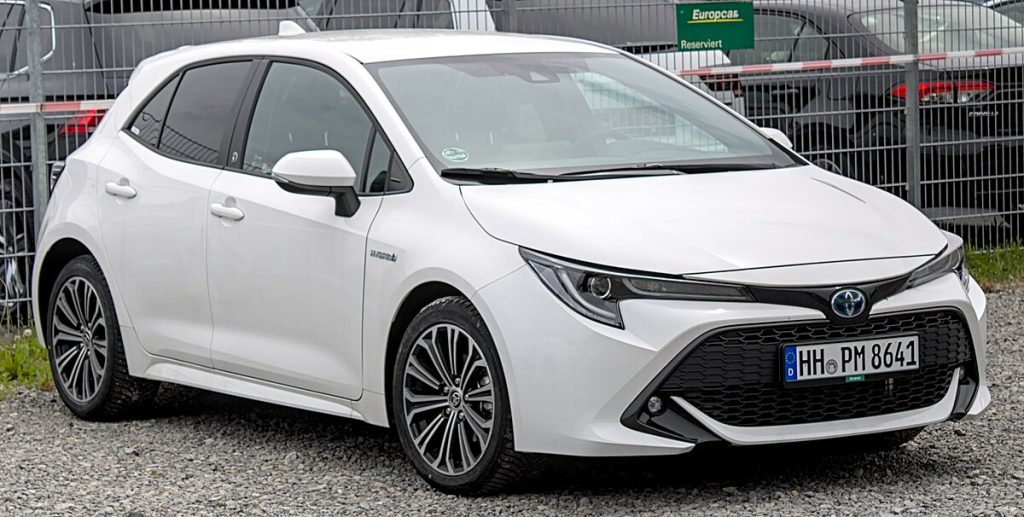
The Corolla earns its place in this list because it represents simplicity done right. The 1.8L engine is not thrilling, but it is nearly impossible to kill. It remains one of the most dependable engines ever placed in a compact car.
2. Honda Civic 1.8L R18A
The Honda Civic with the R18A engine is widely respected for its long lasting strength. This motor has a smooth, efficient design that stands up well to years of use.
It features Honda’s well known reliability approach, which favors clean engineering and stable performance. The R18A is known for quiet operation, low vibrations, and impressive internal durability.
This engine uses a timing chain, reducing maintenance needs. It avoids turbocharging and sticks to a naturally aspirated layout. This lowers stress on the components and helps the engine stay cool.
Owners often report extremely high mileage with little more than oil and filter changes. The R18A does not suffer from the oil consumption issues that affected some earlier Honda engines.
What sets this engine apart is its tolerance for daily abuse. Commuters who drive in heavy traffic appreciate how smoothly it handles stop and go movement. Long distance drivers value its ability to maintain steady performance on highways. The engine rarely shows signs of strain even after years of demanding use.
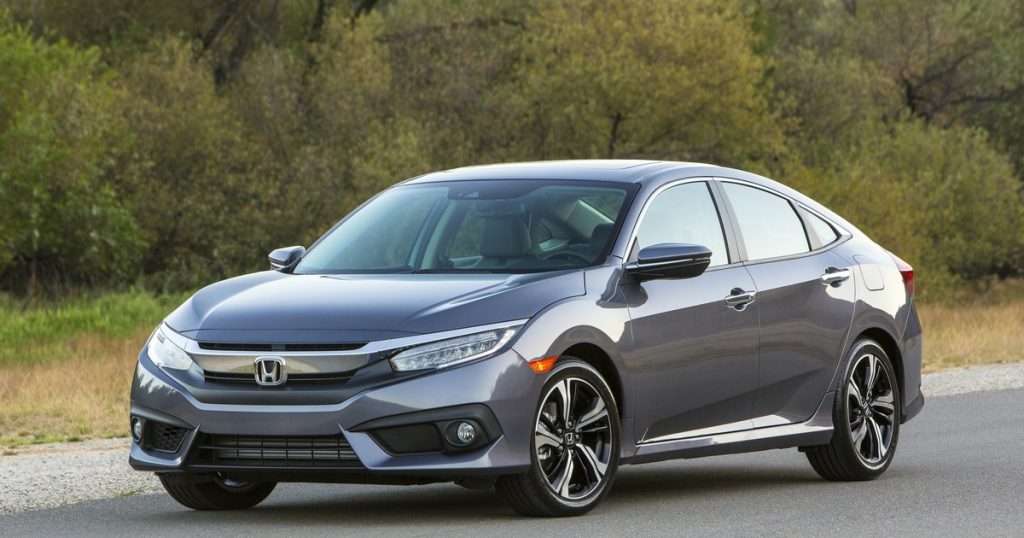
Inside workshops, mechanics often describe the R18A as one of the least troublesome engines. It does not develop common failures related to timing components, head gaskets, or overheating. This makes it popular with people who want reliability above everything else.
The Civic earns its place here because the R18A delivers lasting dependability in real world use. It proves that compact cars do not need complexity to achieve high performance in durability. This engine remains one of Honda’s most trusted creations.
3. Mazda 3 2.0L SkyActiv G
The Mazda 3 equipped with the 2.0L SkyActiv G engine stands out for its combination of efficiency and longevity.
Mazda engineered this motor with a focus on strong combustion control and high thermal efficiency. These choices reduce strain on internal parts and create a clean running engine that lasts longer than many rivals.
The SkyActiv G uses a high compression ratio, but Mazda designed it carefully to avoid knocking or overheating. This engineering helps the engine produce good power while staying reliable. The internal components are built with strong materials and tight tolerances. This makes wear and tear much slower over time.
Drivers appreciate how consistent the engine feels. It responds smoothly, whether in city traffic or on long highway stretches.
It also stays cooler than expected because of Mazda’s optimized cooling passages. This helps prevent temperature-related failures that affect other compact engines. Oil consumption is also minimal, which keeps maintenance simple.
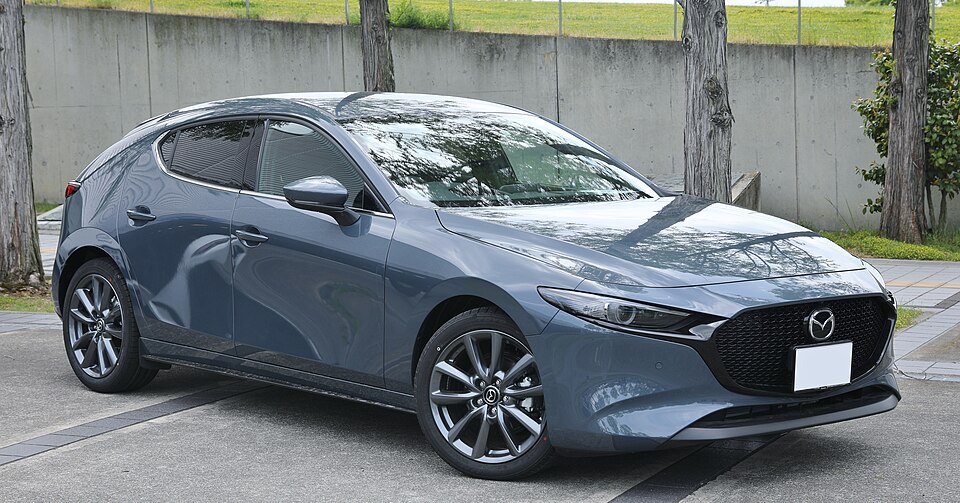
Mechanics often note how clean these engines remain even after many miles. The combustion process burns fuel efficiently, leaving fewer deposits inside the cylinders. This improves long term reliability. The timing chain design also reduces major maintenance needs.
The reason the Mazda 3 appears on this list is that the SkyActiv G combines modern engineering with long lasting dependability. It feels energetic while also resisting common mechanical failures. Drivers who want reliability with good driving dynamics find this engine especially appealing.
The SkyActiv G shows how thoughtful engineering can create a compact car engine that performs well without sacrificing long term strength.
4. Hyundai Elantra 1.8L Nu Engine
The Hyundai Elantra with the 1.8L Nu engine earned a strong reputation for long term dependability. This motor is simple, efficient, and free from the common issues found in more complex turbocharged engines. Hyundai focused on creating an engine that delivers smooth daily operation without needing constant attention.
The Nu engine uses lightweight materials but still maintains durability. Its internal design reduces friction, helping it last longer. It does not struggle with overheating or timing failures, which makes it reliable for long commutes and heavy city driving. The naturally aspirated setup also lowers mechanical stress.
One of the strengths of this engine is its steady behavior at high mileage. Many owners report that the engine continues to run smoothly without developing noise or vibration. Oil consumption stays low, and the cooling system holds up well over time. These qualities make it dependable in the long run.
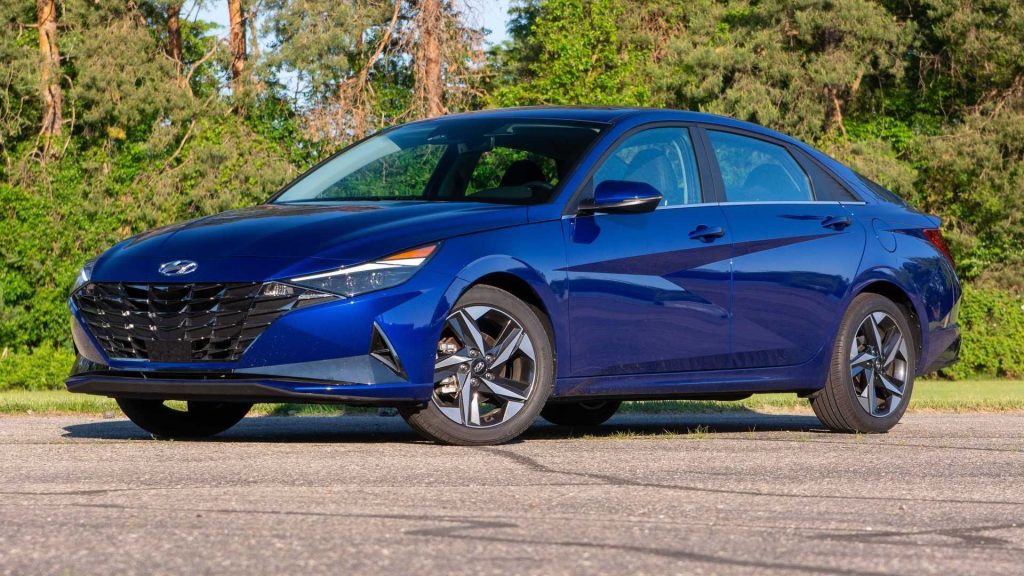
Mechanics appreciate how accessible and straightforward the engine is. Repairs are simple, and major failures are rare. Parts are affordable, which helps owners maintain the vehicle without financial strain. This stability is one of the reasons the Elantra continues to be a trustworthy daily car.
The Elantra appears in this list because the Nu engine offers a blend of simplicity and resilience. It may not be the most powerful, but it is extremely reliable when maintained properly. The engine shows how careful engineering can create a compact car that remains dependable for many years.
5. Volkswagen Golf 2.5L Inline Five
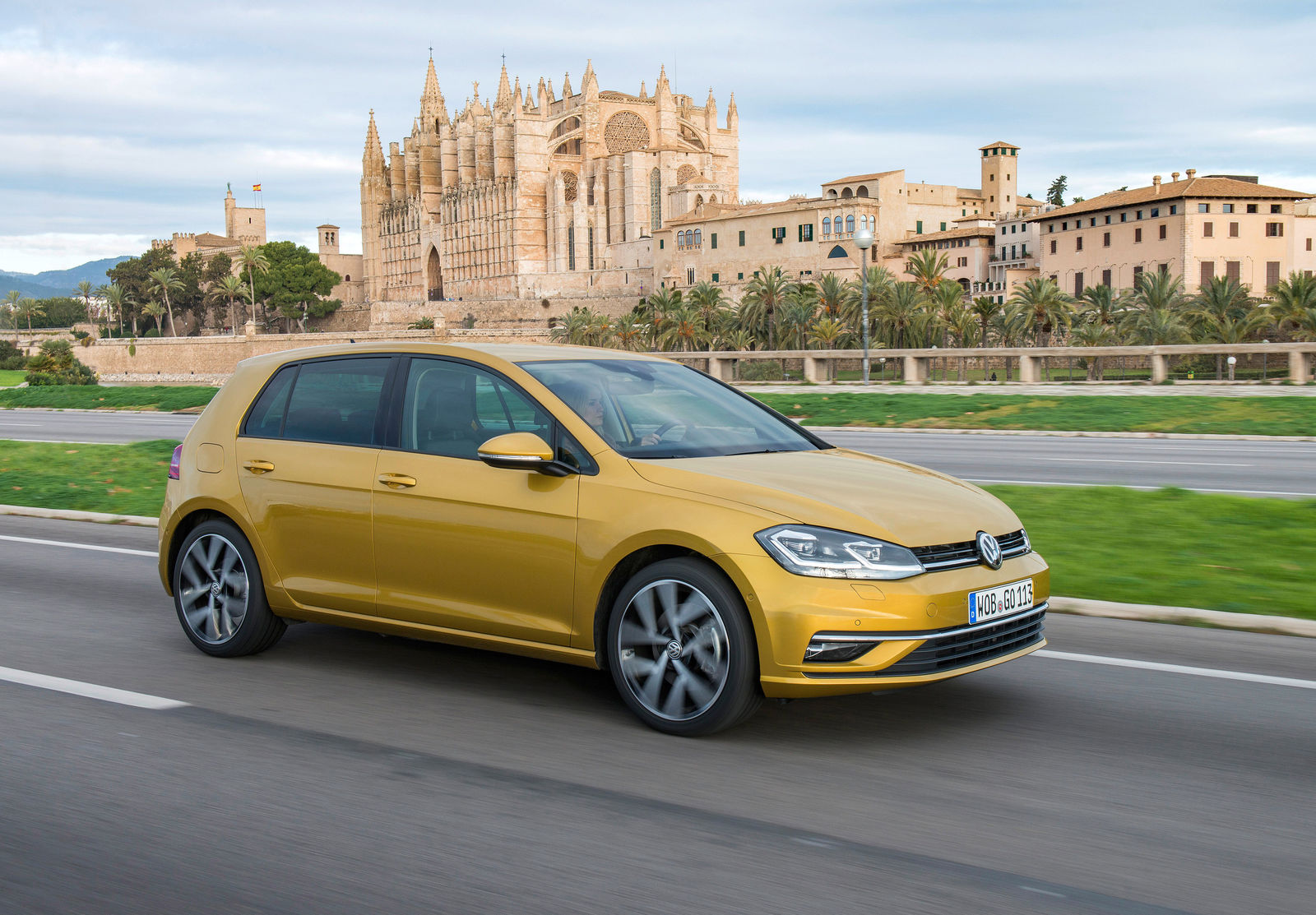
The Volkswagen Golf equipped with the 2.5L inline five engine is known for being one of the most durable motors VW ever produced. It is simple, strong, and capable of running for very long distances with minimal issues. Many drivers consider it the most reliable engine Volkswagen has put in a compact car.
The 2.5L engine uses a naturally aspirated layout with large displacement for the compact segment. This means it does not rely on complex turbocharging. The internal components are strong, and the engine is built to withstand heavy use. It is known for thick cylinder walls, robust pistons, and sturdy timing components.
Drivers appreciate how steady and predictable the engine feels. It does not struggle with carbon buildup or high heat the way some smaller turbo engines do. It continues delivering smooth power even at high mileage. Many owners report crossing very high mileage numbers with only regular oil changes and basic maintenance.
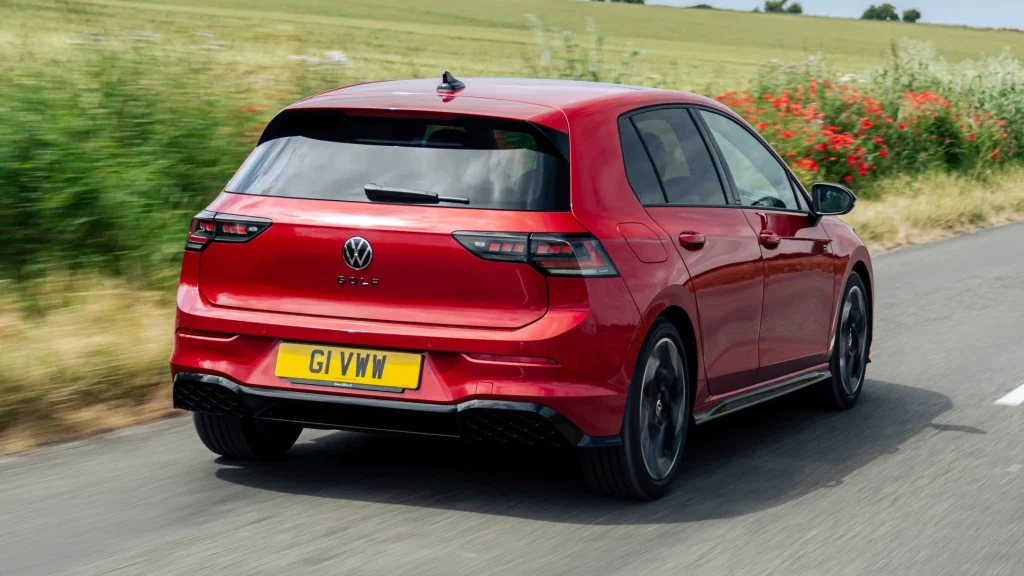
Mechanics view this engine as one of the least problematic in the VW lineup. It avoids the common failures seen in other models, such as timing chain tensioner issues or oil pressure loss. The design emphasizes durability rather than cutting weight, which helps it last.
The Golf appears in this list because the 2.5L inline five proves that solid engineering can create an engine that resists wear for decades. It is a strong example of a compact car engine that is dependable, predictable, and nearly impossible to break when maintained correctly.
5 Weak Links
Not every compact car earns a reputation for long lasting strength. Some models struggle with engines that develop problems far earlier than owners expect.
These engines may offer good power, modern technology, or strong fuel efficiency on paper, but they fall short when tested in the real world. This section focuses on the compact cars that became known for mechanical weaknesses.
These weaknesses create unexpected repair bills, reliability concerns, and long term frustration for buyers who depend on their cars every day.
Many of these engines suffer because they were designed with new ideas that were not fully tested. Others use lightweight components that wear quickly. Some rely on complex timing systems that fail more often than they should.
Others face chronic oil consumption, overheating, or premature internal damage. These problems do not always appear immediately. They show up as the kilometers add up, turning what should be a dependable car into one that constantly demands attention.
The goal of this section is not to criticize the entire vehicle, because many of these compact cars offer good handling, comfort, or technology. Instead, the focus is on the engines that became known as weak links.
Understanding these problems helps future buyers avoid models that may bring unnecessary trouble. It also helps owners prepare for issues before they become serious.
Each of the five cars included here represents a different type of engineering flaw. Some engines were rushed to market. Others tried to introduce new features without proper durability testing.
These choices show how one weak decision in design can affect the entire ownership experience. By exploring these models in detail, this section provides insight into how engine weaknesses develop and why certain compact cars earn reputations that follow them for years.
1. Ford Focus 1.0 EcoBoost
The Ford Focus equipped with the 1.0 EcoBoost engine gained early praise for its performance and efficiency. However, the engine later became known for several reliability issues that affected long term ownership.
Many drivers reported coolant system failures that caused the engine to overheat quickly. This problem often led to head gasket damage or complete engine failure if not detected in time.
The timing belt design also contributed to its reputation as a weak link. The belt runs in an oil bath, and as it deteriorates, debris can clog the oil pickup. This reduces oil flow and accelerates internal wear. Owners face expensive repairs that often cost more than the value of the car, especially as the model ages.
The compact design of the engine makes maintenance more difficult. Routine tasks take longer and cost more. This adds to the frustration of dealing with repeated mechanical problems. Although the EcoBoost concept aimed to deliver big power from a small engine, the long term durability did not match expectations for many drivers.
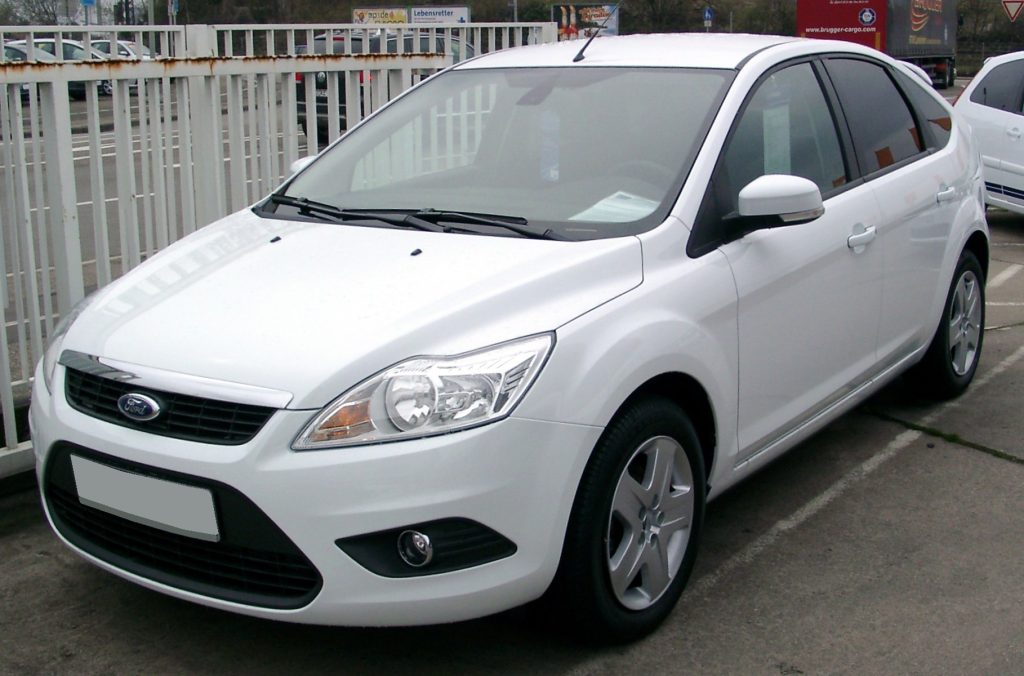
The reason this car appears on the list is clear. It highlights how pushing technology too far without enough testing can create reliability risks. The engine performs well when new, but as mileage increases, the weaknesses become noticeable.
High repair costs and the potential for serious failures make the 1.0 EcoBoost Focus one of the more problematic compact cars for long term ownership.
2. Hyundai Elantra 1.8 Nu Engine
The Hyundai Elantra with the 1.8 Nu engine was designed to offer smooth performance and good fuel economy. However, over time, the engine developed a reputation for excessive oil consumption.
Many owners reported the need to top up oil frequently between scheduled services. This issue often appeared as the engine aged, creating concern for drivers who expected long term dependability.
The oil control rings are the main source of trouble. When they fail to seal properly, oil enters the combustion chamber and burns.
This leads to carbon buildup, reduced power, and increased emissions. If left unattended, the engine can suffer from internal damage due to low oil levels. Some units eventually require full rebuilds or replacements, which makes ownership costly.
Another concern is the tendency for the engine to run hot under certain conditions. High temperatures accelerate oil breakdown and increase wear. This combination of heat and oil issues shortens engine life and creates uncertainty for owners who rely on daily transportation.
This model is included because it shows how a small flaw in engine design can affect an otherwise capable car.
The Elantra offers comfort and practicality, but the engine does not consistently deliver the durability that many drivers expect. For long term users, the ongoing oil related problems make it a weak link in the compact segment.
3. Volkswagen Jetta 1.4 TSI Early Versions
The early versions of the Volkswagen Jetta with the 1.4 TSI engine initially impressed buyers with strong power and impressive efficiency. However, this engine soon became known for reliability issues that affected long term satisfaction.
One of the major concerns was the timing chain tensioner. When it failed, the chain could skip or break, leading to catastrophic engine damage.
Another weakness was the high pressure fuel system. Faulty injectors and pumps caused misfires, rough idling, and expensive repairs. These problems often appeared without warning, making the engine unpredictable for owners who expected German engineering to provide durability.
Oil consumption was also a common issue. As the engine aged, many units began burning oil at rates much higher than normal. Drivers would discover the problem only after serious wear had already occurred. This added risk and made the engine more difficult to maintain consistently.
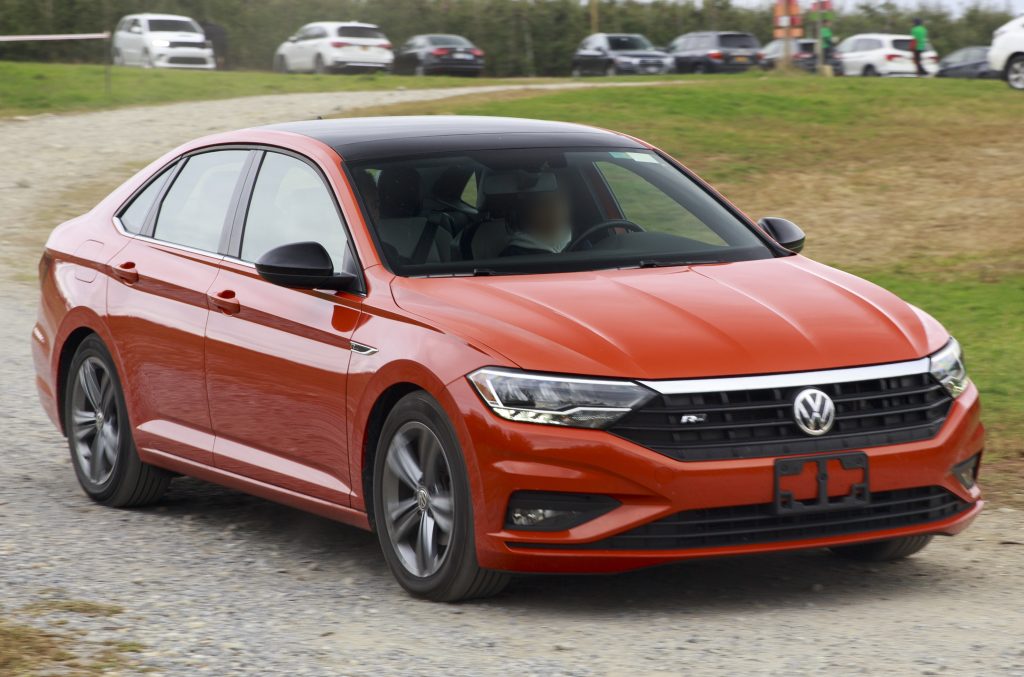
The reason this model appears on the list is due to the combination of fragile components and repair costs. The Jetta remains a comfortable and refined compact car, but the early 1.4 TSI engines create financial stress for long term owners.
These engines demonstrate how advanced technology can backfire when early versions lack durability improvements seen in later revisions.
4. Nissan Sentra 1.8 Engine (B17)
The Nissan Sentra equipped with the B17 generation 1.8 engine seemed simple and reliable at first. However, many owners discovered that the engine suffered from persistent performance and longevity issues. One of the biggest concerns was the tendency for the engine to lose power over time due to carbon buildup and airflow restrictions.
The Sentra’s continuously variable transmission adds further stress to the engine. While the CVT itself is a separate component, its operating characteristics often force the engine to run at higher RPMs for longer periods. This strain accelerates wear and exposes underlying weaknesses in the design.
Another issue is the inconsistent durability of the cooling system. When the cooling components begin to fail, the engine is more likely to overheat. Even minor temperature spikes can reduce engine life, especially in hot climates or urban traffic. This makes the long term reliability unpredictable.
This car is included because it reflects how small mechanical weaknesses become serious problems when combined with other design limitations.
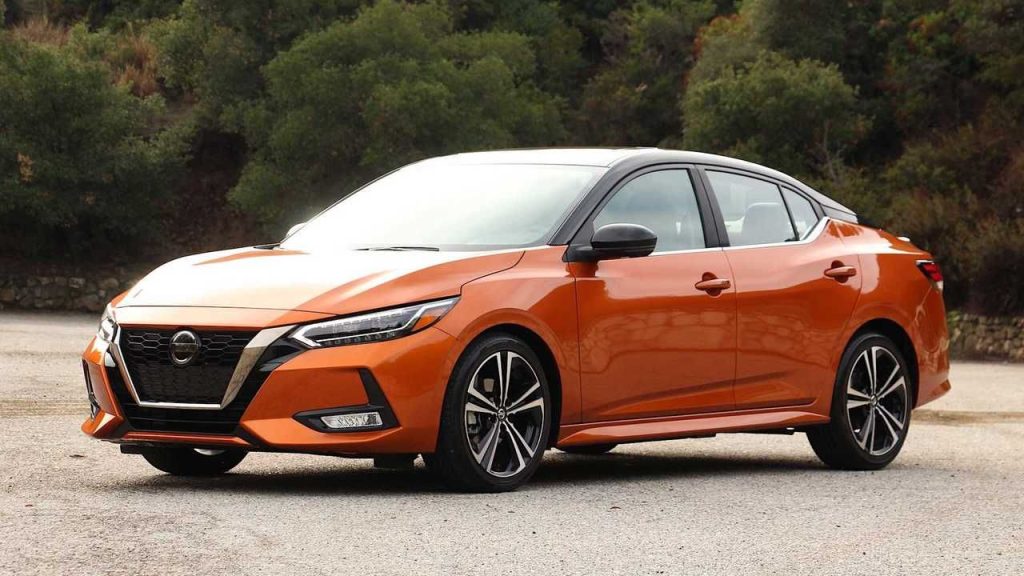
The Sentra is comfortable and fuel efficient, but the engine does not consistently deliver the durability that compact car buyers expect. Over time, many drivers face increasing repair needs that make the model a weak link in this category.
5. Chevrolet Cruze 1.4 Turbo
The Chevrolet Cruze equipped with the 1.4 turbo engine gained attention for offering power and efficiency at an affordable price. However, long term owners soon discovered multiple issues that affected reliability.
One of the most common problems is the failure of the turbocharger. The components wear out faster than expected, causing loss of power and costly repairs.
Coolant leaks are another major concern. The Cruze uses plastic fittings and connectors that degrade with heat and age. When they crack, the engine loses coolant quickly and risks overheating. This creates a cycle of repeated repairs that many owners find frustrating.
The engine is also known for carbon buildup in the intake system. This affects performance and fuel economy while creating rough idling and misfires. Cleaning the buildup is expensive and needs to be repeated as the engine ages. Combined with potential head gasket issues, the Cruze becomes difficult to maintain affordably.
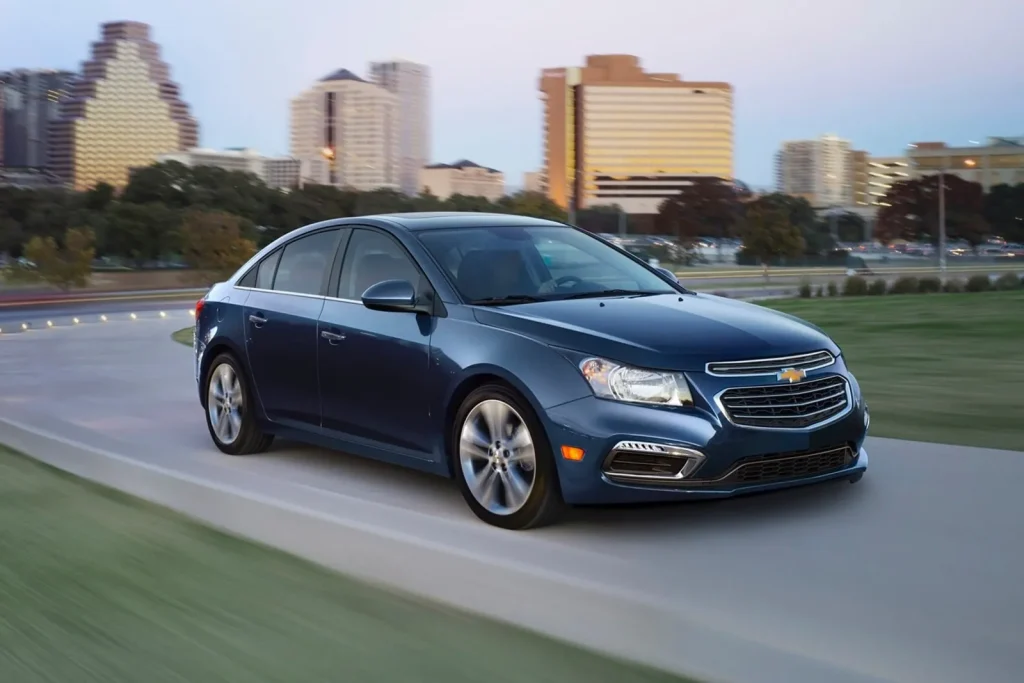
This engine is included because it represents how multiple small weaknesses can accumulate into a major problem. The Cruze offers comfort and good driving qualities, but the long list of engine related failures makes it an unreliable option for long term use.
Drivers who depend on consistent performance often find the upkeep too unpredictable compared to more durable compact cars.
Compact cars play an important role in daily transportation, so understanding which engines last and which fail early helps buyers make better choices.
Some compact models earn strong reputations for durability because their engines are designed with simplicity, solid materials, and long term reliability in mind.
These bulletproof engines prove themselves over many years of real world use. They handle heat, city driving, and high mileage without developing major problems. Their strength comes from conservative engineering that avoids unnecessary complexity.
On the other side, several compact cars suffer from engines that are far less dependable. These weak link models experience issues like oil consumption, cooling failures, timing system faults, and premature internal wear.
Many of these engines introduced new technology or lightweight components without enough durability testing. As a result, they perform well when new but begin to struggle as mileage increases. This creates unexpected repair costs and uncertainty for owners who rely on their cars every day.
Reviewing both groups together shows how different engineering decisions influence long term performance. Bulletproof engines come from proven designs that prioritize durability over innovation.
Weak engines often come from ambitious ideas that were not perfected before production. Buyers benefit from knowing which compact cars fall into each category because it helps them avoid long term mechanical trouble.
The models with reliable engines deliver a stable ownership experience and keep maintenance costs predictable. The models with weak engines highlight why dependability matters so much in the compact segment.
This comparison provides clear insight into how strengths and weaknesses develop in engine design. By understanding these differences, drivers can choose cars that offer many years of dependable service without unwanted surprises.
Also Read: 5 Sedans That Feel Luxurious on the Cheap vs 5 That Don’t Deliver
