
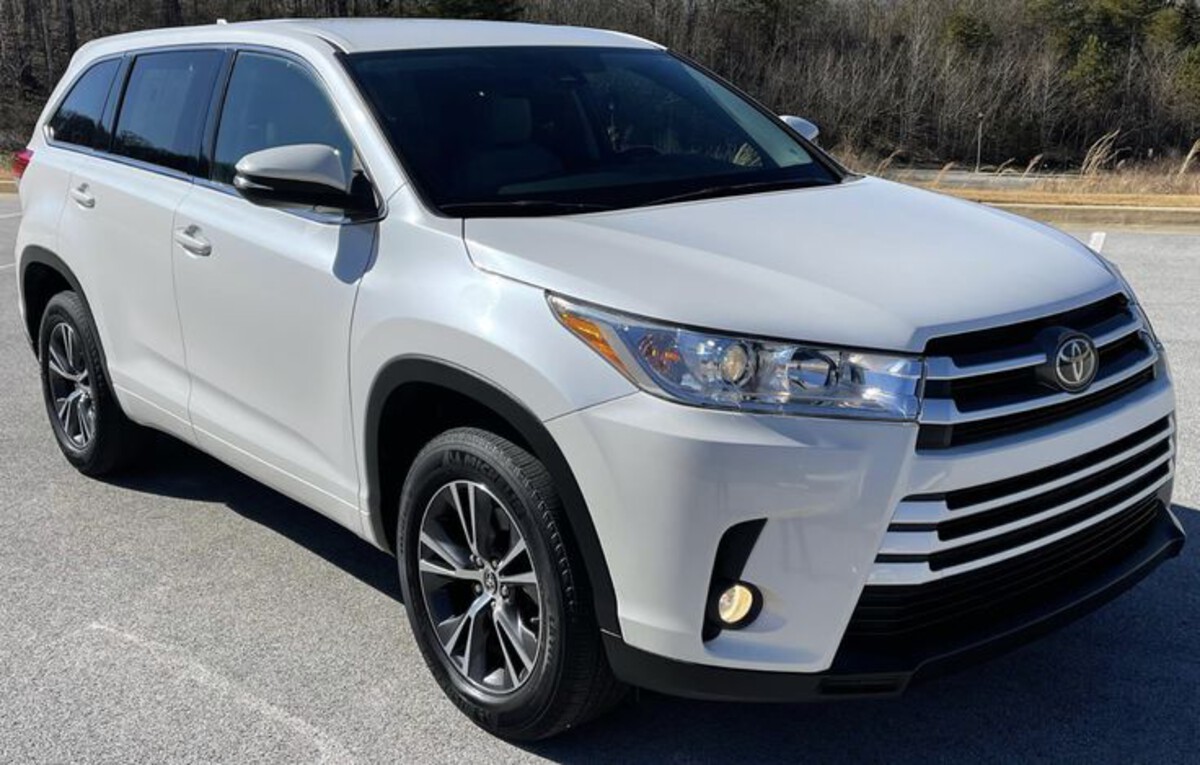
Understanding how an SUV behaves on the road is one of the most important factors for anyone choosing a vehicle today. Even though modern SUVs are safer and more capable than ever, their handling manners still vary a lot from model to model.
Some feel planted and predictable, making every lane change and every curve feel controlled. Others lean heavily, sway in corners, and make the driver constantly adjust the steering to keep the vehicle on line. This difference becomes very obvious when the same road is driven in two different SUVs.
Predictable handling matters because it creates confidence. When an SUV responds consistently to steering input, the driver feels in control even at highway speeds or on winding roads.
Families appreciate this stability because a calm, settled chassis reduces motion sickness. Commuters benefit because the ride feels cleaner and more composed. Even people who rarely push their vehicle appreciate knowing that it will behave safely during sudden maneuvers.
On the other hand, some SUVs become known for body roll. These vehicles lean significantly during cornering, which can unsettle passengers and force the driver to slow down more than expected. Excessive roll can also make the vehicle feel top heavy.
While body roll does not always mean unsafe engineering, it does reveal compromises in suspension tuning or chassis stiffness. In some cases the priority is comfort, but in many models the softness goes too far.
That is why this comparison matters. It helps drivers understand which SUVs provide a strong foundation of predictable handling and which ones need more deliberate driving.
By studying these two categories side by side, readers can see how different designs influence real world behavior. This overview sets the stage for a closer examination of ten SUVs that span the opposite ends of the handling spectrum.
Also Read: 5 Family Cars That Keep Cabin Tech Working for a Decade vs 5 That Glitch Constantly
5 SUVs With Predictable Handling
Predictable handling is one of the most valuable traits an SUV can offer. It is what makes a vehicle feel trustworthy, stable, and easy to guide even when road conditions are not ideal. When an SUV stays composed through gentle curves, sudden lane shifts, or uneven surfaces, the driver feels more relaxed behind the wheel.
This calm behavior is the result of well engineered suspension tuning, a rigid structure, and steering that delivers a clear sense of connection to the road. These elements work together to make the vehicle react exactly as the driver expects.
In this section, we focus on five SUVs that have earned a reputation for their stability and consistency. These models do not surprise the driver with sudden body movement or vague steering. Instead, they behave in a balanced and predictable way.
Each of the chosen SUVs offers different strengths, but all share a commitment to confident control. Some use sport oriented chassis designs, while others refine their behavior through advanced electronic systems. The variety highlights how different engineering choices can lead to the same positive outcome.
Predictable handling also improves passenger comfort. When an SUV does not wobble or lean suddenly, people inside experience smoother motion. Families appreciate this during long trips, and daily drivers notice it in city traffic.
Even those who rarely take corners at high speeds benefit, as a stable chassis also aids in emergency braking or quick avoidance manoeuvres. Predictability is not about driving fast. It is about confidence at every speed.
These five SUVs were chosen not because they are the most famous or the most expensive, but because they demonstrate clarity and control in their movement.
Each one provides a driving experience that feels natural, safe, and reassuring. In the next sections, we explore why these models stand out and why their stable nature matters to many drivers.
1. Mazda CX 5
The Mazda CX 5 has become a favorite among drivers who value control and clarity. Its handling feels almost like a well tuned car rather than a tall SUV, which makes it easy to guide through curves and busy traffic.
The chassis is engineered to stay calm even when the road surface becomes uneven. This creates a feeling of precision that many competitors struggle to match. The steering response is direct without being too sharp. Drivers know exactly how the vehicle will react when they turn the wheel.
Mazda developed a system called G Vectoring Control that subtly shifts engine torque to improve stability. It is not something a driver notices directly, but they feel its effect. The CX 5 enters corners smoothly and leaves them without unwanted movement.
This makes the SUV feel planted during both slow city turns and faster highway transitions. Many owners appreciate that the vehicle never feels floaty. The suspension is firm enough to maintain composure but still comfortable for daily use.
One reason this model is included is its reputation for consistency. Some SUVs feel predictable only on freshly paved roads, but the CX 5 maintains its behavior across different conditions.
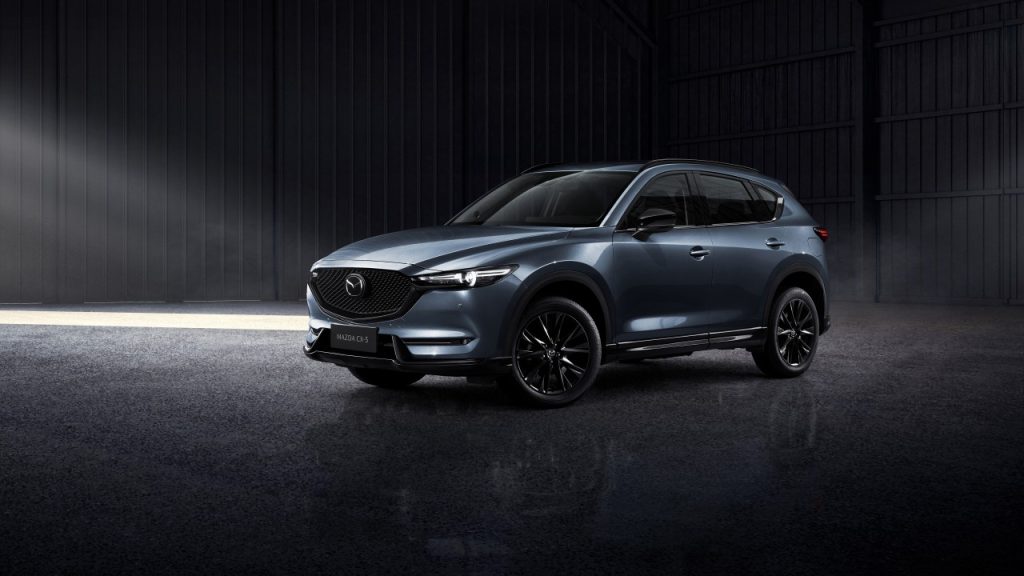
It does not surprise the driver with strange body motions. This predictability is especially helpful for families because passengers remain steady inside the cabin. Since the vehicle does not pitch or sway excessively, long trips feel easier.
The CX 5 also stands out because its predictable nature builds driver confidence. A new driver or someone switching from a sedan feels comfortable within minutes.
The SUV communicates what it is doing through the steering and suspension, which reduces stress. This clarity is the reason it belongs on the list. It shows how thoughtful engineering can make a mainstream SUV feel stable and controlled every day.
2. BMW X3
The BMW X3 delivers handling that feels secure and structured. It is tuned to behave with the balance expected from a premium SUV. Many drivers choose the X3 because it provides a clear connection to the road.
The steering has a firm, reassuring weight that makes every movement deliberate. When the driver turns in, the vehicle follows the intended line without hesitation. This creates a feeling of confidence at both low speeds and higher speeds.
The chassis design is one of the strongest reasons the X3 appears on this list. It uses a combination of stiff structural points and carefully tuned suspension components that limit unwanted body motion.
Even through tighter corners, the X3 remains composed. It does not lean dramatically or wobble from side to side. The result is an SUV that feels predictable in a wide range of driving conditions. This is especially noticeable on long highway sections where stability becomes crucial.
BMW includes advanced stability systems that further improve predictability. These systems monitor grip, driver input, and body movement to maintain consistent handling.
The driver does not feel electronics interfering. Instead, they feel a secure platform that remains calm when the road becomes challenging. This kind of behavior is why many consider the X3 the benchmark for balanced SUV handling.
Passengers benefit from this stability as well. The X3 does not toss people around during lane changes or rough sections of road. Families appreciate the smoothness because it reduces fatigue. This stable nature also helps during sudden maneuvers. Drivers feel supported rather than surprised.
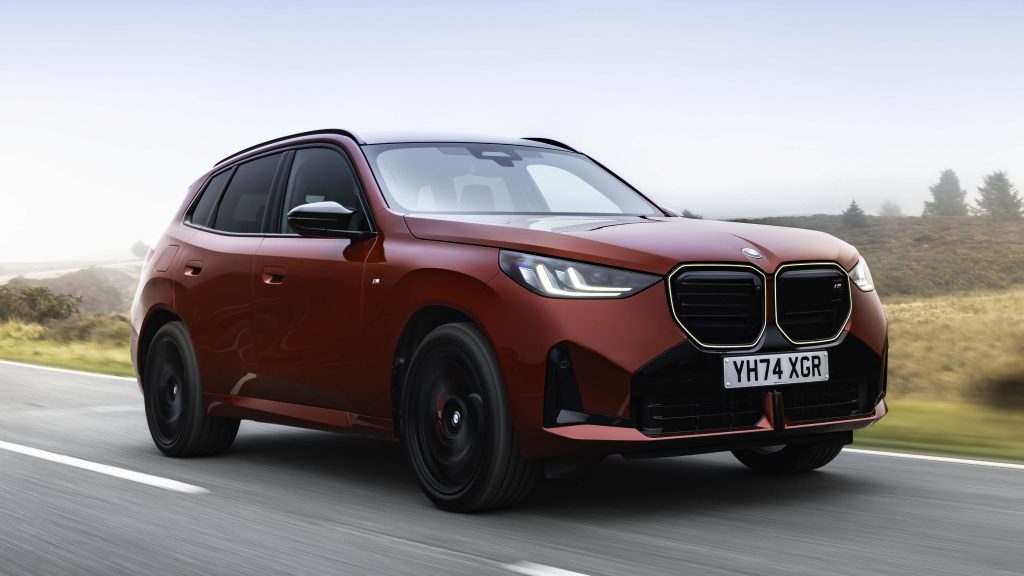
The BMW X3 earns its place on this list because of its disciplined structure. It behaves exactly how the driver expects, even during rapid movement. That level of predictability is what many premium SUVs promise but few deliver as consistently as the X3.
3. Toyota RAV4 Prime
The Toyota RAV4 Prime combines electric assist power with a well balanced chassis. This blend creates a stable and predictable driving experience that stands out among compact SUVs. The low mounted battery helps lower the center of gravity.
As a result, the SUV stays more grounded during turns. The handling feels solid and consistent whether the vehicle is running in hybrid mode or fully electric mode.
Toyota tuned the suspension to control body movement without making the ride harsh. The RAV4 Prime takes curves with calmness. It does not lean excessively or bounce over imperfections.
This predictability helps the driver maintain control through different types of roads. Even during quick lane changes, the SUV stays planted. This is one reason the model is included here. The combination of weight distribution and suspension tuning gives it a steady personality.
Steering feel is another strength. It delivers clear feedback without being too heavy. Drivers know what the front wheels are doing, which improves confidence. This matters during rainy weather or when navigating narrow roads.
The RAV4 Prime responds consistently, making each action feel natural. That sense of control reduces stress, especially during long commutes.
Passengers also enjoy the stability. The SUV does not toss people from side to side. Instead, it keeps the cabin settled.
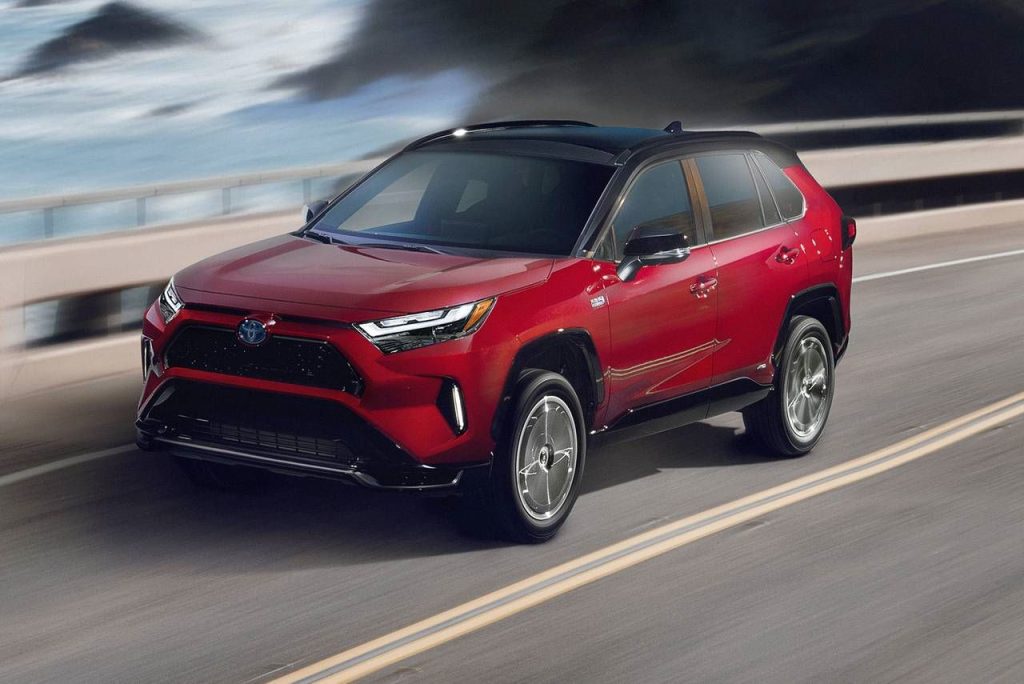
Families appreciate this because it helps prevent motion discomfort. The smooth handling makes the RAV4 Prime a good choice for road trips. Everyone stays comfortable even when the journey involves curvy sections or uneven pavement.
The reason this vehicle appears on the list is its overall harmony. It does not rely on aggressive tuning or sporty stiffness. Instead, it focuses on providing predictable and confident behavior for everyday driving. That is what makes the RAV4 Prime one of the most trustworthy handling SUVs in its class.
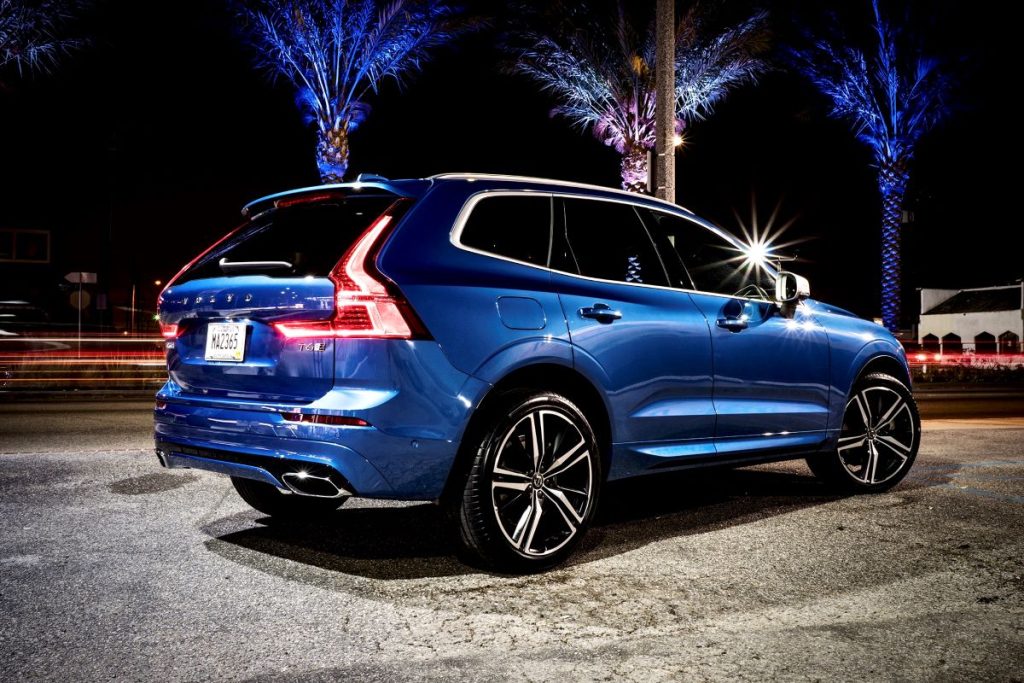
4. Volvo XC60
The Volvo XC60 offers a stable and predictable driving character that aligns with the brand’s focus on safety and refinement. It feels composed in a way that supports calm, confident driving.
The suspension tuning strikes a balance between comfort and control. The XC60 remains steady during turns without leaning excessively. Drivers feel supported by a chassis that reacts smoothly to every input.
Steering feel in the XC60 is precise. It does not aim to be sporty. Instead, it aims to be accurate. The wheel movements match the vehicle’s body response without delay. This predictability makes city driving and highway cruising easier.
The SUV follows the intended path without drift or nervousness. This makes the XC60 especially helpful for drivers who value stability over sharpness.
The platform itself is well engineered. Volvo uses a rigid structure that reduces flex. This contributes to consistent behavior during different driving situations.
Even when roads become uneven, the SUV remains calm. The suspension absorbs imperfections without losing composure. This is one of the reasons the XC60 is included. It maintains predictable movement in environments that challenge other SUVs.
Passengers benefit from the smoothness as well. They experience minimal side motion because the body remains level. Long trips feel more relaxing. Families appreciate this level of comfort because it reduces fatigue and keeps children more settled during travel.
Another reason this model appears in the list is its blend of technology and stability. Volvo includes systems that monitor traction and adjust handling characteristics subtly. These electronic aids work quietly.
They support the driver without making the vehicle feel artificial. The end result is a well controlled SUV that behaves consistently at all speeds. This predictability is what makes the XC60 a dependable choice for drivers seeking confident handling.
5. Honda Passport
The Honda Passport delivers straightforward and predictable handling that appeals to drivers who want stability without complexity. It is built on a strong platform shared with larger Honda models.
This gives it a solid foundation that resists unwanted movement. The SUV feels planted in corners and stays composed even when carrying passengers and cargo. The tuning focuses on control rather than softness.
Steering is light yet accurate. The Passport responds quickly but not abruptly. This makes it easy to guide in city traffic and on curvy roads. Drivers appreciate the clarity of movement. The SUV does not suffer from vague or wandering behavior. Instead, it tracks securely in the direction the driver chooses.
The suspension plays a major role in its predictable nature. It limits body roll effectively while still providing comfort. Uneven roads do not cause excessive bounce. The vehicle settles quickly after bumps. This stability makes highway driving particularly pleasant. Long distances feel less tiring because the SUV maintains a calm posture throughout the trip.
Honda also includes traction systems that improve confidence. These aids intervene gently when necessary. The Passport keeps its balance during sudden avoidance maneuvers or wet conditions. This control is why the model earns a spot in this list. It behaves consistently without demanding extra attention from the driver.
Passengers enjoy the stability as well. The cabin experiences minimal sway or tilt. Families appreciate the smooth ride because it keeps everyone comfortable. The predictable behavior also helps during towing or carrying gear for outdoor trips.
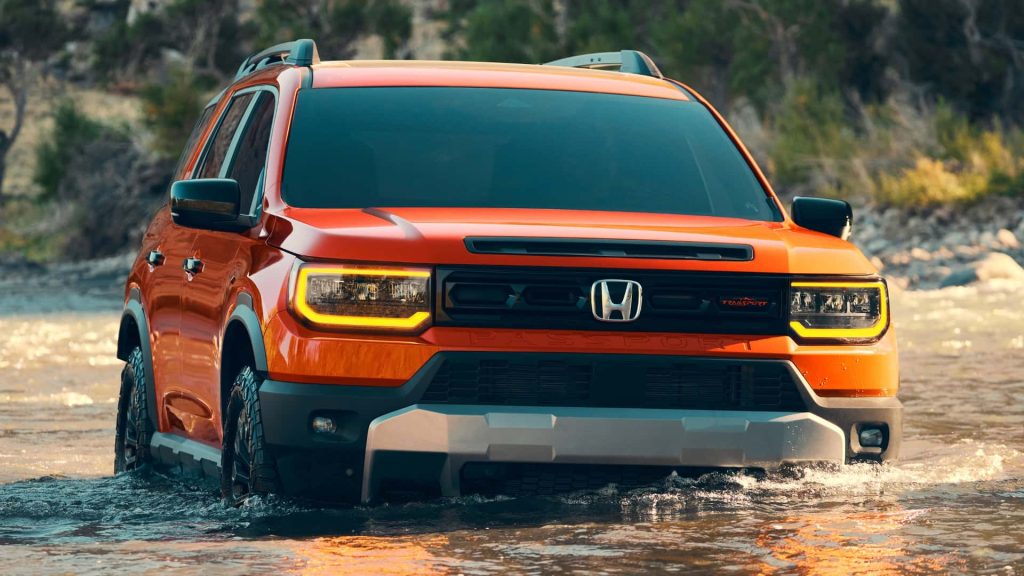
The Honda Passport appears here because it delivers honest, controlled handling that inspires trust. It does not attempt to be sporty. It focuses on clarity and stability. These traits make it one of the most dependable handling SUVs available in its segment.
5 Body Roll Champs
Body roll is one of the most noticeable traits in an SUV that struggles with handling balance. While many models aim to stay composed and predictable, some lean heavily when cornering or changing lanes.
This leaning motion creates a swaying sensation that affects both driver confidence and passenger comfort. Body roll itself is not always a flaw. Some SUVs purposely use a softer suspension to deliver plush ride quality.
But when softness goes too far, it makes the vehicle feel less controlled, especially during quick movements. This is where certain models earn the label of being body roll champs.
Drivers often notice body roll the moment they take a turn at moderate speed. Instead of staying level, the SUV tilts, sometimes more than expected. The motion continues as the body takes time to settle.
This delay can surprise drivers who are used to tighter, more disciplined chassis setups. For families, this extra movement can lead to discomfort on long journeys. For daily commuters, it can make highway entrances, exits, and city roundabouts feel more demanding.
In this section, we explore five SUVs known for pronounced body roll. These models are not unsafe, but they require more deliberate driving. Their suspension setups favor comfort, cost saving, or utility, leading to extra movement during turns.
Each choice on this list demonstrates how different engineering priorities can affect real world behavior. Some models feel top heavy because of tall design. Others have soft springs that allow more lean than typical. Some rely on older platforms that lack the structural stiffness of newer rivals.
Understanding which SUVs tend toward heavy roll helps drivers choose vehicles wisely. It identifies models that need gentler cornering and slower transitions.
These examples show how the gap between comfort and control can widen depending on design decisions. In the next section, we begin examining five SUVs that stand out for their noticeable body roll.
1. Nissan Armada
The Nissan Armada is known for its large size and comfortable tuning, but those same qualities contribute to significant body roll. The SUV rides on a body on frame platform that prioritizes durability and smoothness over sharp handling.
When the driver turns into a corner, the tall and heavy body leans more than many expect. This motion can be felt even at moderate speeds. The suspension is soft enough that the SUV takes a moment to settle after each turn.
This softness makes the Armada pleasant on straight highways. The ride quality is cushioned, and bumps are absorbed with ease. However, when the road begins to curve, the relaxed suspension reveals its limitations.
The steering feel is light, which adds to the sensation of floating movement. Drivers sometimes have to correct the wheel slightly to keep the SUV on the intended line.
The reason the Armada appears on this list is its emphasis on comfort above control. It is designed to carry families and tow heavy loads, not carve corners.
The high center of gravity combined with plush springs makes body roll an unavoidable part of the experience. People who are used to more disciplined SUVs sometimes find the movement surprising.
Passengers also feel the sway. During longer trips on winding roads, the side to side motion becomes more noticeable. Families who travel with children may find that the extra movement affects comfort. This does not make the Armada unsafe, but it does mean drivers must slow down earlier when approaching bends.
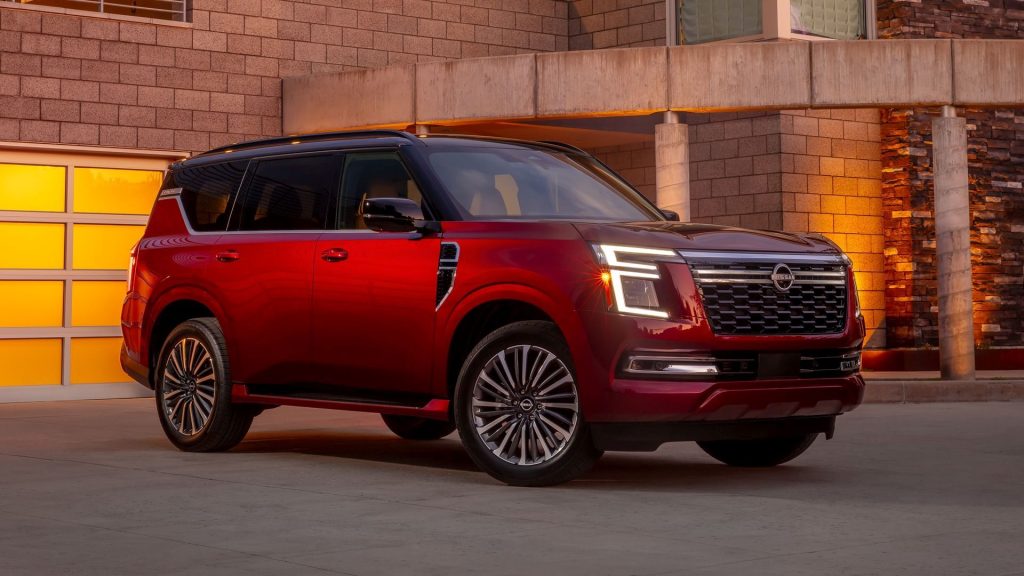
The Armada earns its place because it demonstrates how big SUVs can favor comfort over handling precision. It remains popular for its power and interior space, but its body roll reminds drivers that heavy and soft designs behave very differently from more modern, tighter-tuned platforms.
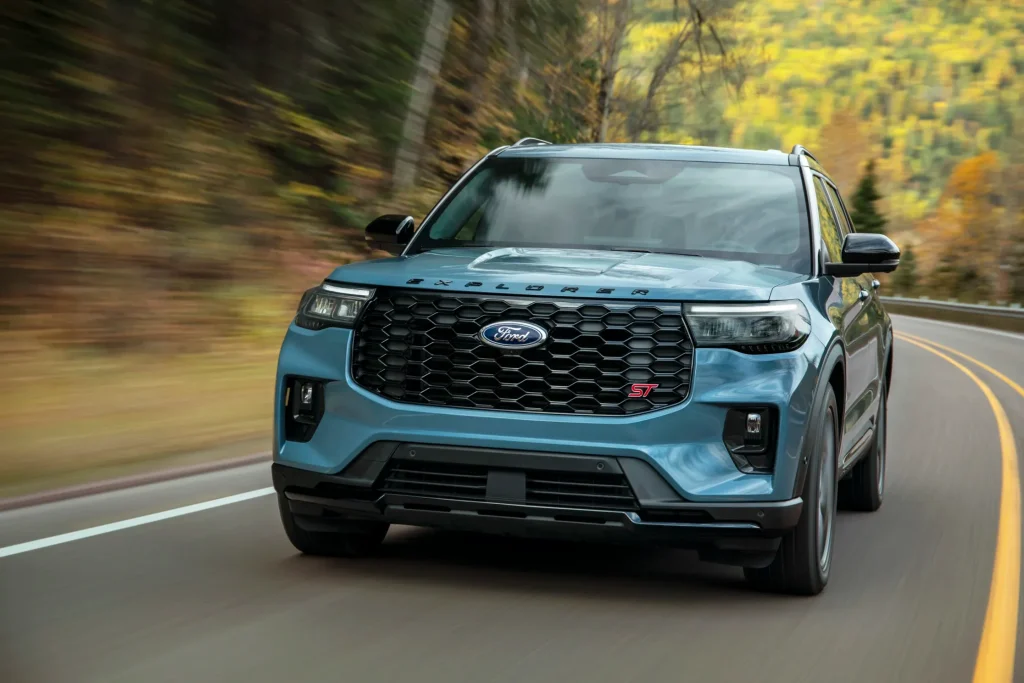
2. Ford Explorer (Older Generation)
The older generation Ford Explorer is remembered for its noticeable body roll, especially before its platform update. Built on a truck based design, it used a softer suspension setup that prioritized ride plushness.
When drivers took corners at even moderate speeds, the SUV leaned significantly. This leaning created a sense of top heaviness that required extra attention to steering and speed control.
The suspension tuning was influenced by consumer expectation at the time. Many buyers wanted a smooth ride for long trips and family use. While the Explorer delivered this comfort, it came with a trade off in stability during turns.
The body took extra time to settle after directional changes. This motion could be felt by passengers immediately, especially in the rear seats.
Steering feel also contributed to the sensation of roll. The system was light and somewhat vague. Drivers sometimes had to make additional corrections because the SUV did not respond tightly.
This added to the perception of sway. On curvy roads or roundabouts, the combination of body movement and loose steering made the vehicle feel less precise.
The reason this generation of Explorer appears here is to highlight how older SUV designs often carried more roll due to different engineering priorities.
Safety standards, stiffness levels, and suspension technology have advanced since then. The older Explorer shows how previous platforms leaned more heavily, both literally and figuratively, toward softness.
Passengers frequently noticed the motion too. Side to side sway on uneven or curving roads could cause discomfort. Families who preferred smoother handling often looked to newer models once they were released.
This model earns a place on the list because it clearly demonstrates how body roll becomes part of the driving experience when an SUV relies on a soft, tall, and less rigid design. It remains an important example of how tuning influences real world handling.
3. Mitsubishi Pajero Sport
The Mitsubishi Pajero Sport is known for its off road capability, but on pavement it shows a different personality. Its ladder frame design and high ride height make it excellent for rugged terrain.
However, these same characteristics cause noticeable body roll during everyday driving. When entering turns or changing lanes, the tall body leans more than most modern crossover based SUVs.
The suspension is tuned for articulation rather than tight handling. On trails, this flexibility helps maintain traction.
On city streets or highways, though, it allows more movement than expected. Each corner introduces a slow, sweeping lean that requires drivers to reduce speed earlier. This does not affect straight line stability, but it affects confidence on winding roads.
Steering feedback also plays a role. It is not very direct on pavement, which contributes to the feeling of looseness. The SUV responds safely but not sharply.
This is part of its rugged character. Mitsubishi designed the vehicle to prioritize off road comfort. On uneven dirt paths, this tuning makes the Pajero Sport feel capable and controlled. On smooth asphalt, the same softness increases roll.
Passengers feel the movement too. In the second and third rows, the lean becomes even more pronounced. This can create discomfort during long drives that involve many curves. Families who use the Pajero Sport mainly for highway trips sometimes notice this behavior more than owners who take advantage of its off road strengths.
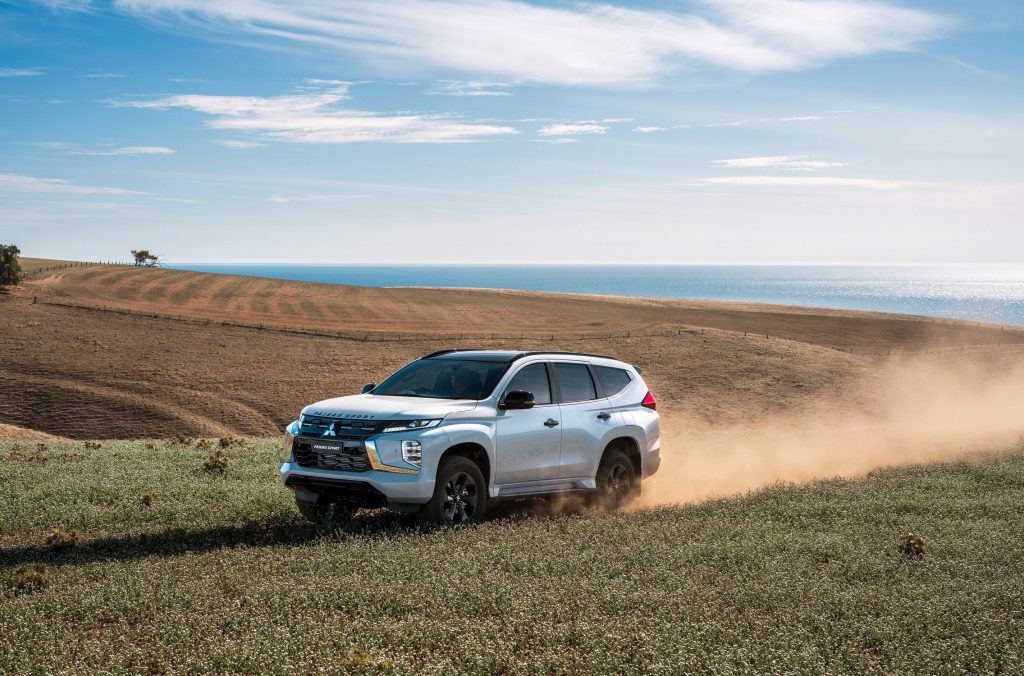
The reason this model appears on the list is that it represents a clear example of an SUV that excels in one environment but shows compromise in another.
The Pajero Sport leans noticeably during turns because its suspension and chassis are designed around versatility rather than cornering precision. It stands out as a body roll champ due to the nature of its engineering priorities.
4. Chevrolet Suburban
The Chevrolet Suburban is one of the longest and heaviest SUVs available, and its size contributes directly to its body roll.
While it offers comfort, space, and towing ability, it also behaves like a large vehicle during turns. The high center of gravity combined with its extended wheelbase creates a slow leaning motion that becomes clear during cornering.
The suspension is tuned to provide a cushioned ride for families. This softness works well on long highway drives. However, when the driver guides the Suburban into a curve, the body shifts noticeably.
The weight of the vehicle takes time to settle. Drivers often compensate by taking turns slower and making smoother steering inputs. This keeps the movement controlled but still obvious.
Steering feel adds to this sensation. It is light and relaxed, which makes the vehicle easy to move in straight lines but less sharp during quick maneuvers. The tall body and soft springs amplify lean. On winding roads, the Suburban requires deliberate speed management to maintain comfort and stability.
Passengers feel the sway as well. The large interior magnifies the rolling sensation because people sit farther from the vehicle’s center of gravity.
Families sometimes experience more side motion in the third row, especially on uneven roads. This is one reason the Suburban earns a place here. Its size and tuning naturally produce more body roll than smaller, stiffer SUVs.
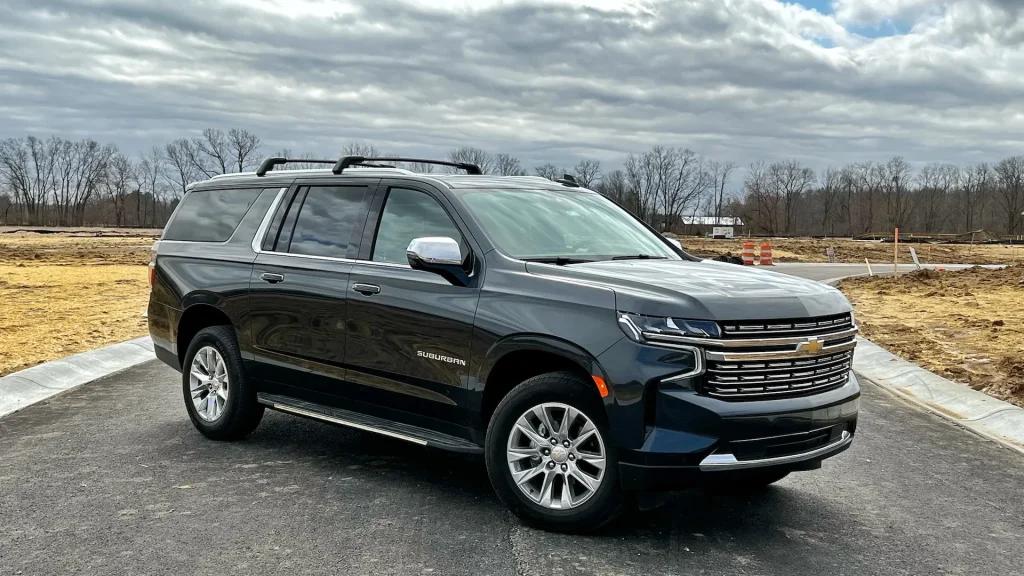
The Suburban is included because it highlights how large body on frame designs create different handling dynamics. It remains a trusted vehicle for large families and heavy hauling, but its cornering behavior reflects its priorities.
It favors comfort and capacity rather than sharpness. The result is predictable but noticeable roll that drivers must account for in daily use.
5. Jeep Wrangler Unlimited
The Jeep Wrangler Unlimited is built for off road strength rather than on road precision. Its design includes a tall stance, solid axles, and a flexible suspension.
These features make it excellent on rough trails but contribute to significant body roll on pavement. When turning, the Wrangler leans more than typical crossovers. This is expected because of its off road first design.
The suspension is tuned to allow articulation over rocks and uneven surfaces. This softness means that on smooth roads, the body shifts more dramatically during corners. Drivers feel the SUV rise and fall as weight transfers from one side to the other. Although it remains safe, the movement becomes pronounced at moderate speeds.
Steering also affects the sensation. The system is not as direct as those in road focused SUVs. Combined with the high center of gravity, each turn feels slower and more deliberate. The Wrangler responds predictably, but the lean is unavoidable. This is part of its character and one of the trade offs of its rugged design.
Passengers experience the movement too. The tall cabin sways slightly even during lane changes. On winding roads, people in the rear seats feel the roll even more. Families who choose the Wrangler for lifestyle reasons are usually aware of this trait, but it remains a key reason the vehicle appears in this list.

The Wrangler Unlimited earns its place because it is a clear example of body roll linked to a specific purpose. It is engineered for challenging terrain, not tight handling on pavement. The pronounced lean during corners reflects this focus.
Its design shows how engineering choices aimed at off-road performance affect on-road behaviour. The Wrangler remains iconic, but it is undeniably one of the most noticeable body roll champs in the SUV world.
Also Read: 5 Used Cars That Feel Modern vs. 5 That Feel Dated
