
Winter is the season that exposes the truth about a vehicle. Cold months test batteries, plastics, fabrics, electronics, and every comfort feature that drivers depend on. Among these comfort features, seat heaters sit at the center of winter survival.
They determine whether a drive feels relaxed or miserable. When temperatures fall below freezing, the reliability of seat heaters becomes more than luxury. It becomes daily necessity for people who start their mornings early or travel long distances in tough climates.
Some vehicles handle this pressure gracefully. Their seat heaters warm quickly, last for years, and resist wear from constant use. These strong systems show thoughtful engineering, durable materials, and proper heat distribution.
They prove that comfort technology can stay dependable even in harsh conditions. Studying these examples reveals what manufacturers are doing right. It also gives buyers confidence when choosing a new or used vehicle.
Other vehicles fall into the opposite category. Their seat heaters fail early, burn out, or even stop working suddenly. These weaknesses cause frustration, unexpected repairs, and sometimes unsafe driving moments.
When drivers rely on warmth to stay alert or operate in freezing weather, unpredictable failures create genuine problems. Looking at these troubled systems helps highlight design flaws, material weaknesses, or poor electrical support.
Together, these two categories show the difference between long lasting winter comfort and expensive disappointment. Understanding which seat heaters survive winters and which ones break helps buyers choose wisely.
It also helps owners protect their vehicles or identify early warning signs. This comparison aims to deliver clear insight with real world reasoning so readers know why these systems succeed or fail. The goal is to make winter driving easier by identifying what truly works and what does not.
Also Read: 5 Used Luxury Sedans That Won’t Bankrupt You vs 5 That Will
5 Seat Heaters That Survive Winters
Seat heaters become silent heroes when winter arrives. They warm drivers quickly, make cold cabins bearable, and turn daily commutes into more comfortable experiences. But not all seat heaters are equal. Some remain reliable year after year.
They heat evenly without creating hot spots. They use durable heating elements that resist wear, bending, and fabric pressure. They avoid electrical problems and maintain strong performance even when temperatures drop to harsh levels. These reliable systems show that careful engineering produces lasting comfort.
The vehicles in this list demonstrate consistent strength in winter climates. They come from different manufacturers, segments, and design philosophies. Yet they share one common outcome. Their seat heaters survive heavy use without failing early.
These systems are known for long life across high mileage, cold region ownership, and repeated winter cycles. They are examples of technology that achieves both comfort and durability.
Each of the five entries below explores how the vehicle maintains such dependable performance. The focus stays on the heating elements, wiring quality, control module reliability, temperature regulation, and seat design.
By breaking down these details, the goal is to reveal why these specific systems avoid the failures seen in other cars. Drivers often underestimate how much pressure winter puts on electrical interiors. Repeated heating, cooling, moisture exposure, and fabric tension all affect lifespan.
Writing about these vehicles matters because good seat heaters save time, reduce discomfort, and prevent cold-related distraction. When people can begin driving without shivering, they operate their vehicles more confidently.
This section helps readers understand what makes certain systems strong choices for long-term winter ownership. It spotlights models that have earned a reputation for dependability and deserve recognition for superior seat heater design.
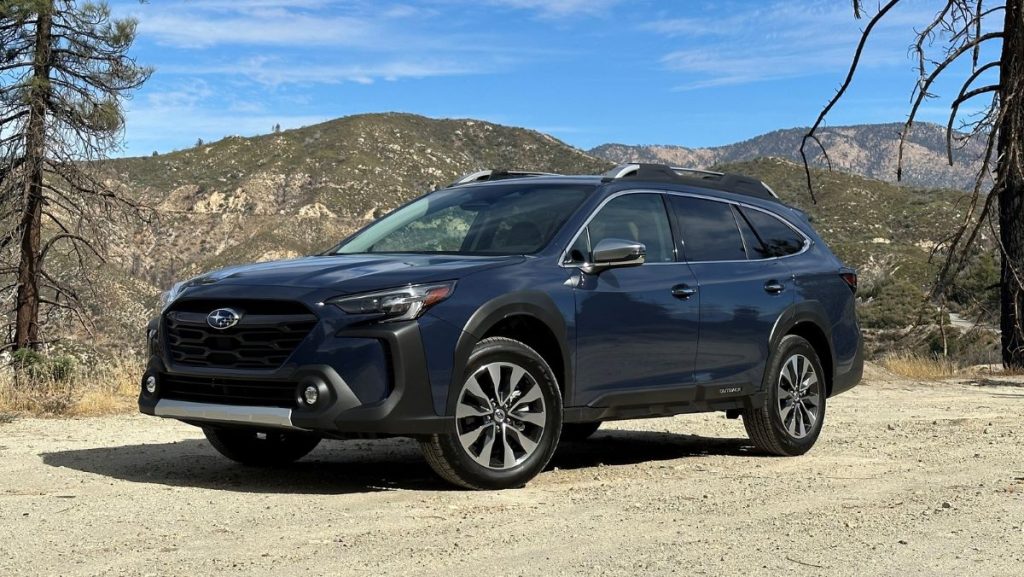
1. Subaru Outback
The Subaru Outback earns its reputation for winter readiness because its seat heaters consistently survive long cold seasons. Many owners live in snowy regions. That means the heaters face constant use. Still, they rarely fail early.
This reliability comes from the design of the heating elements. Subaru uses woven resistive materials that distribute heat smoothly. They do not create concentrated hot points that damage fabric. This steady distribution keeps the elements intact for many years.
Another advantage is the seat construction. Subaru uses firm padding that supports the heating grid well. When seats are too soft, heating elements bend with body pressure. This leads to breaks.
The Outback avoids that problem with balanced cushioning. The heating element stays stable under pressure. It also stays aligned with the seat surface, allowing equal warmth across the entire area.
Electrical reliability plays a major role too. Subaru designs the Outback with strong wiring insulation. Cold temperatures can make wire coverings brittle in some cars. But the Outback uses insulation that maintains flexibility even in freezing conditions.
This protects the circuits during winter movement. Good electrical grounding also prevents shorts or inconsistent heat levels.
The control module is another reason these heaters last. Subaru systems use conservative temperature limits. They heat quickly but avoid excessive output that wears out the elements. The multi level settings stay consistent through the vehicle’s life. This helps drivers enjoy long term comfort without stressing the hardware.
I am writing about the Outback because it is one of the most proven winter vehicles on the road. It shows what proper seat heater engineering looks like.
It demonstrates how thoughtful design and quality materials prevent common failures. For buyers in cold climates, it serves as a dependable example of what winter durability truly means.
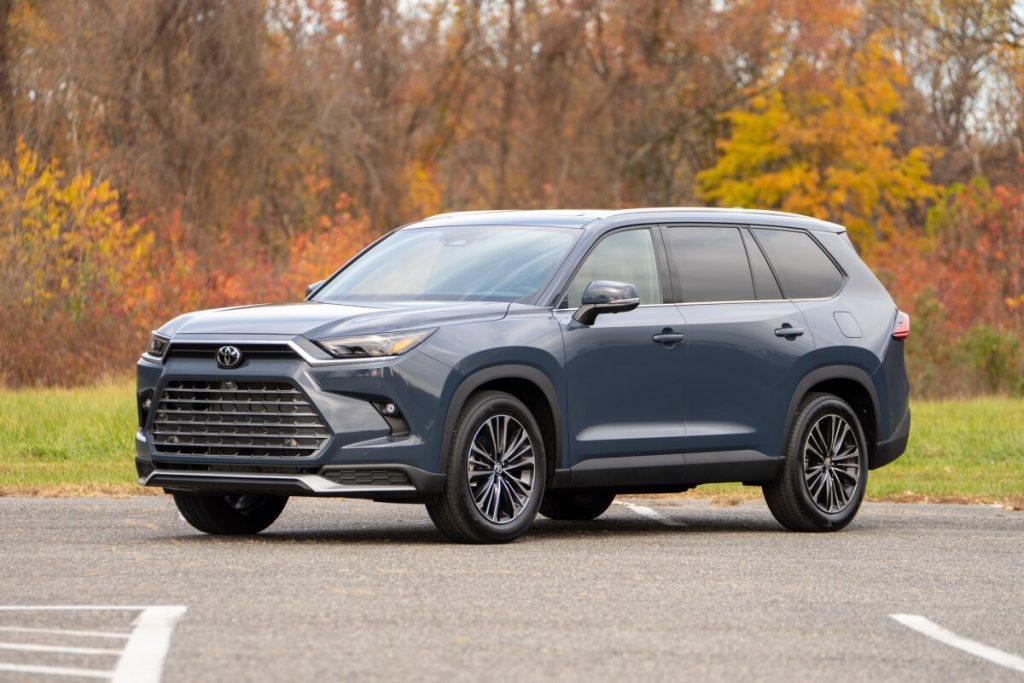
2. Toyota Highlander
The Toyota Highlander is known for long-lasting components, and its seat heaters follow the same pattern. Many owners in cold regions report continuous winter use without sudden failures. This reliability starts with Toyota’s heating element quality.
The Highlander uses carbon based film elements that resist cracking. They flex slightly with seat movement but do not break under pressure. This gives them a long service life even under daily winter stress.
The seat structure supports the heater well. Toyota uses layered foam that prevents the element from folding or pinching. When heating elements bend sharply, they weaken over time. The Highlander avoids this with a stable seat layout that keeps the heater in its correct position. This helps it warm evenly and maintain its integrity for years.
Temperature regulation adds another protective feature. Highlander heaters reach a comfortable warmth but do not overheat. Overheating causes early burnouts in many vehicles.
Toyota engineers designed a reliable thermostat and sensor network that provides consistent temperatures. This controlled heating prevents element fatigue and preserves wiring strength.
Electrical durability is another reason the Highlander performs well in winter. Its wiring harnesses are wrapped with thick insulation that keeps out moisture. Winter introduces condensation and melted snow inside cabins.
Moisture weakens electrical systems. The Highlander prevents this with sealed connectors and corrosion-resistant wiring. This keeps the heater functioning even after multiple winters.
I am writing about the Highlander because it is a strong example of dependable engineering. Its seat heaters do not rely on complex design to survive winter.
They use simple but high quality materials that last a long time. This makes the Highlander a reliable choice for drivers who want steady warmth every winter without worrying about sudden heater failures.
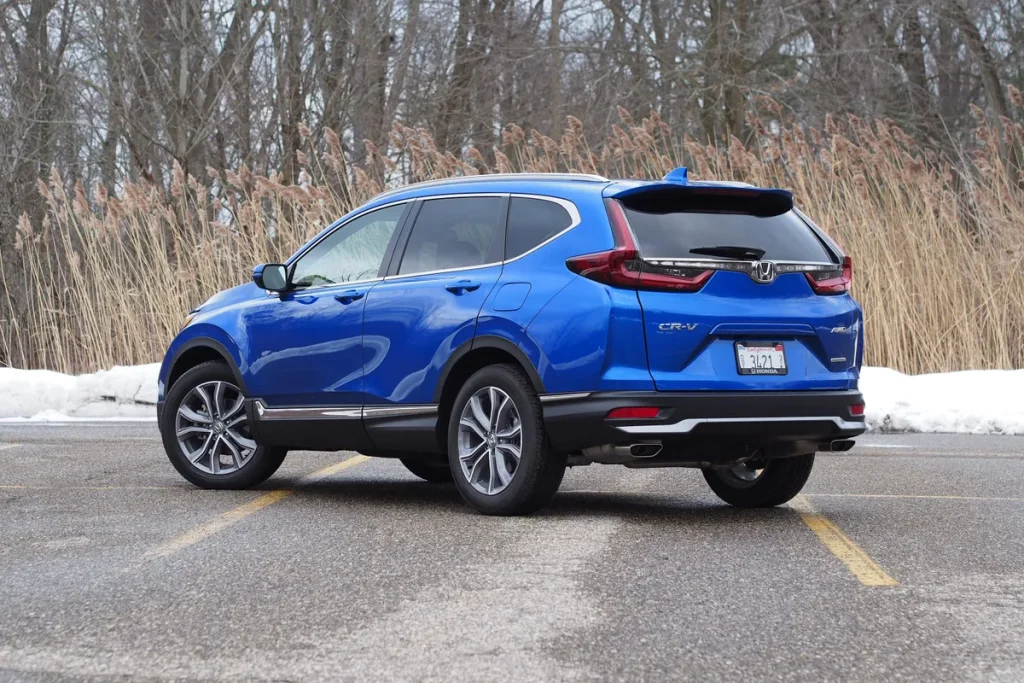
3. Honda CR V
The Honda CR V earns its place on this list because its seat heaters deliver consistent performance during long winter seasons. Many cold climate drivers use them daily for months. The CR V’s heaters are known to last far beyond average expectations.
This depends on Honda’s approach to heating element construction. The elements use durable metallic strands woven in a grid pattern. This design prevents breaks because the load is shared across multiple paths.
Seat comfort plays an important role too. The CR V uses firm but flexible foam that protects the heating grid from compression stress. When a driver shifts position, the foam absorbs the movement instead of transferring pressure to the heater.
This keeps the element from bending sharply, which is one of the most common causes of early heater failure. The stable seating surface helps maintain equal heat across the entire cushion.
The wiring system in the CR V is very dependable. Honda protects the circuits with reinforced insulation that stays soft in freezing temperatures. Cold weather can cause cheap plastics to harden and crack.
Honda avoids that by using flexible materials that handle winter expansion and contraction well. Moisture-resistant connectors add another layer of durability, especially for drivers who enter the car with snow-covered clothes.
Control accuracy also helps the CR V’s heaters survive. Honda’s temperature feedback loop keeps the heaters operating within a safe range. The system warms quickly but does not push the elements to excessive heat levels. This balanced approach reduces wear and prevents premature burnout.
I include the CR V in this list because it consistently delivers strong winter comfort without major heater issues. It demonstrates how smart engineering and durable materials create a reliable heating system. For anyone living in a cold region, the CR V is a dependable example of seat heaters that stand the test of winter.
4. Volvo XC60
The Volvo XC60 has a reputation for comfort, but its seat heaters stand out because they are built for harsh Scandinavian winters. Volvo engineers expect their vehicles to operate in very cold climates. This results in heating systems designed to last under heavy winter use.
The XC60 uses high grade carbon fiber heating elements. These elements are flexible and resilient, allowing them to handle repeated heating cycles without breaking down.
The seat structure supports the heating system extremely well. Volvo designs its seats with layered foam that keeps the heating element stable. The foam density prevents the grid from shifting under body weight.
This matters in winter because cold temperatures make materials stiff. When the material cannot compress evenly, heaters tend to crack. The XC60 avoids this problem with supportive seat architecture that maintains alignment even during temperature changes.
Electrical quality is another strength. Volvo uses moisture resistant connectors and thick wire insulation. In winter, snow and slush often enter the cabin on boots and clothing. Moisture near wiring can lead to corrosion.
The XC60 counters this with sealed connectors and protective routing. This reduces electrical stress and extends the heating system’s life.
Temperature control is also finely tuned. The XC60’s heaters warm quickly but maintain consistent levels without overheating. The regulation sensors are accurate, reducing stress on the heating elements during long use. Even when set on high, the system avoids unnecessary strain.

I include the XC60 because it shows a clear example of a seat heating system built with cold climate engineering in mind. Volvo has deep experience designing for winter comfort, and the XC60 benefits from that expertise. It provides reliable warmth year after year, which is essential for drivers who rely on dependable cabin heating during long winters.
5. Ford Explorer
The Ford Explorer earns its place on this list because its seat heaters show strong durability in varied winter conditions. Many owners across snowy regions report consistent performance even after several years of heavy use.
The Explorer uses a reinforced resistive wire heating element that is designed to withstand repeated flexing. This material choice prevents early breaks and maintains even heating across the seat surface.
Seat construction helps the heater survive winter stress. The Explorer uses thicker foam padding that supports the heating grid. This reduces pressure on the heating wires when drivers shift or enter the vehicle.
Thick foam acts like a shock absorber. It keeps the wires from bending sharply and reduces long term fatigue. The balanced structure allows the heating system to deliver steady warmth without wearing out quickly.
Ford also pays attention to wiring protection. The Explorer’s wiring harness uses insulation that remains flexible even at freezing temperatures. Cold weather often causes cheaper insulations to stiffen and crack.
The Explorer avoids this with high quality materials and secure routing through protected channels. This keeps the electrical system stable when temperature swings occur.
The control system is simple but effective. The Explorer uses a reliable thermostat setup that provides predictable warm up times.

It avoids extreme heat spikes that can damage heating elements. The system is tuned to deliver comfortable warmth without pushing the components too hard. This modest but steady approach contributes to long term reliability.
I am writing about the Explorer because it represents a practical winter capable design. It does not rely on luxury branding or complex technology.
Instead, it delivers consistent and durable heating performance through solid engineering and material strength. For families or commuters in snowy areas, the Explorer’s seat heaters provide dependable comfort through many winters.
5 Burnouts And Breaks
Seat heaters are enjoyable when they work, but they become frustrating when they fail early. Winter exposes weak systems quickly.
Drivers depend on seat heaters during freezing mornings, and when the system burns out or stops heating, the failure feels immediate. Unlike mechanical parts that show slow wear, seat heater problems often appear suddenly. One moment the seat warms normally.
The next moment a wire snaps, a fuse blows, or the heating pad burns out. These failures are common in certain models due to material choices, wiring flaws, or design shortcuts.
Moisture is a major enemy of weak seat heater systems. When snow melts on clothing, seats absorb cold dampness. Poorly insulated wiring reacts badly to this situation. Some cars use thin insulation that becomes brittle in cold temperatures.
Once the insulation cracks, electrical shorts develop. This leads to inconsistent heating or complete shutdown. Cheap connectors add another risk. When they corrode, the heating element can no longer deliver current evenly, causing hot spots that eventually burn the element.
Seat design also plays a major role. Some vehicles use soft foam that compresses too easily. This puts constant pressure on the heating grid. When drivers lean, shift, or climb in and out, the heater element bends sharply.
Over time, the wire breaks. This is one of the most common causes of early heater failure. Poor placement of the heating pad increases the risk. If the element sits too close to the surface, fabric tension can stretch the heater until it fails.
I am writing about these vehicles because identifying these issues helps owners understand the warning signs. It also helps future buyers know which models have a higher chance of heater problems.
Seat heaters should last through many winters. When they do not, it signals deeper design flaws. This section highlights five models with heater systems that commonly burn out or break under winter pressure.
1. Jeep Cherokee
The Jeep Cherokee appears in this list because its seat heaters are known for inconsistent long term durability. Many owners in cold regions report that the heaters work well for the first few winters but begin to fail earlier than expected.
The common issue is the heating element design. The Cherokee uses a resistive wire grid that does not handle repeated flexing well. When drivers shift their weight, the wire bends sharply. Over time, these bends weaken the wire until it breaks.
Seat structure also contributes to early failure. The Cherokee seats use softer foam that compresses more than ideal. Soft foam increases pressure on the heating element. Instead of supporting the grid, the foam allows it to move and fold.
This movement creates stress points along the wire. These points eventually turn into breaks. In winter, as the foam stiffens slightly in cold air, the pressure becomes even more uneven.
Moisture exposure adds another problem. Snow covered clothing often creates damp seat surfaces. The Cherokee wiring insulation is known to weaken after repeated exposure to moisture and cold. When insulation cracks, the system can short.
This results in failures that happen suddenly. Some owners experience partial heat, where only a section of the seat warms before the entire element stops working.
Electrical connections inside the Cherokee are also a weak area. The connectors sometimes loosen with age. Loose connectors create resistance.
Resistance generates heat in the wrong places. This leads to localized overheating that burns out parts of the heating grid. Once a section burns out, the system no longer delivers consistent warmth.
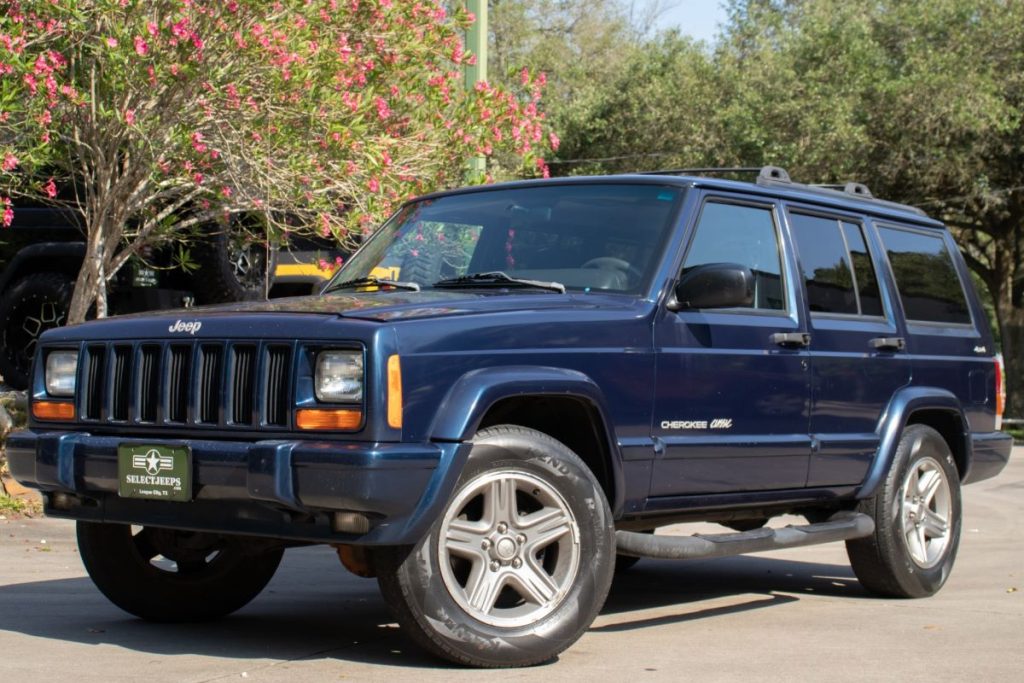
I am writing about the Cherokee in this list because it demonstrates how a combination of soft seat foam, fragile elements, and weak insulation can lead to early heater failure. While the vehicle performs well in many areas, its heater reliability often disappoints winter drivers who depend on consistent warmth.
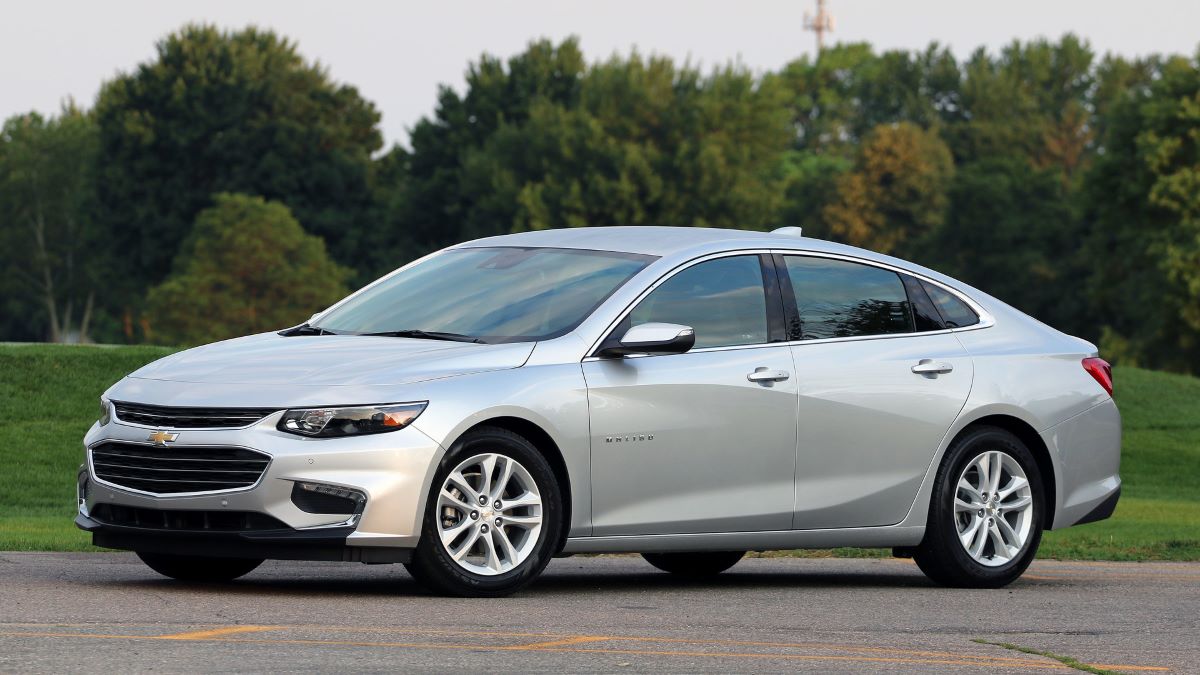
2. Chevrolet Malibu
The Chevrolet Malibu earns its position here because its seat heaters have a history of early burnout. Many owners report that the heaters work normally for a short period, then weaken or fail completely.
A major cause is the heating element material. The Malibu uses a thin resistive filament that is more vulnerable to breakage. When a driver applies pressure to the seat, the filament stretches slightly. After many cycles, it snaps. This is especially common in the seat bottom.
The seat design adds additional stress to the heater. The Malibu uses foam that breaks down over time. When foam loses firmness, the heating pad sinks deeper into the seat. This creates more bending of the heating element every time a person sits.
Even small daily movements become significant over repeated winters. The weakened foam allows the heater to shift, creating uneven heat zones that eventually develop into hot spots.
Electrical issues appear frequently in the Malibu’s heater system. The wiring harness is known for thin insulation. Cold weather makes this insulation stiff. When insulation stiffens, small cracks form. Moisture from winter clothing then enters those cracks.
This leads to corrosion. Corroded wiring reduces current flow, which creates inconsistent heating and occasional burning smells before failure.
The heater control module in the Malibu is also prone to faults. Some systems fail to regulate temperature properly. They either overheat or fluctuate between warm and cool. This instability puts stress on the heating element. When the element receives irregular current, it wears out faster. This accelerates burnout.
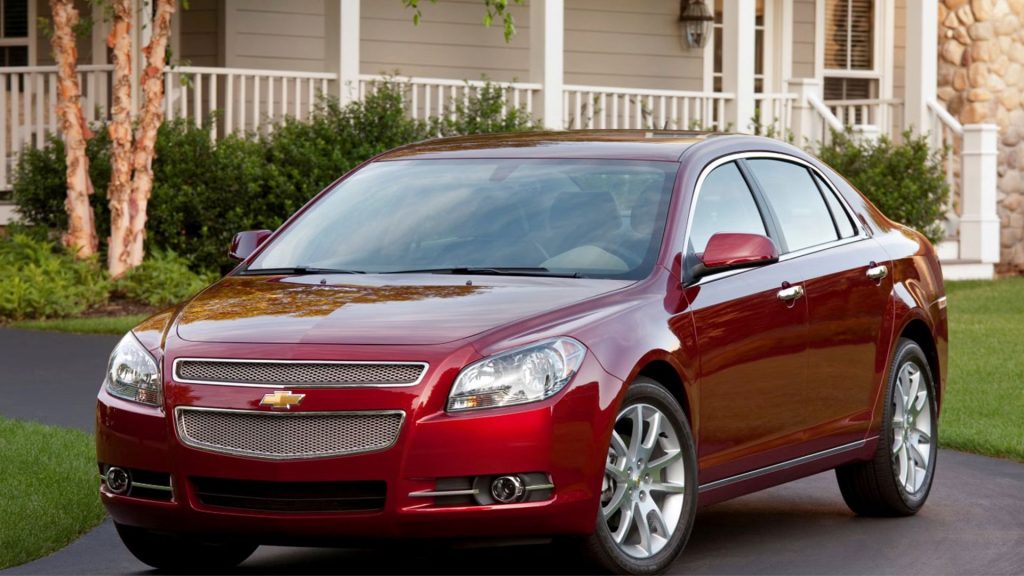
I include the Malibu because it shows how multiple small design flaws produce a weak heater system. Thin elements, aging foam, brittle insulation, and unstable controls all play a role. For drivers in cold climates, this often means unreliable warmth and early repair needs.
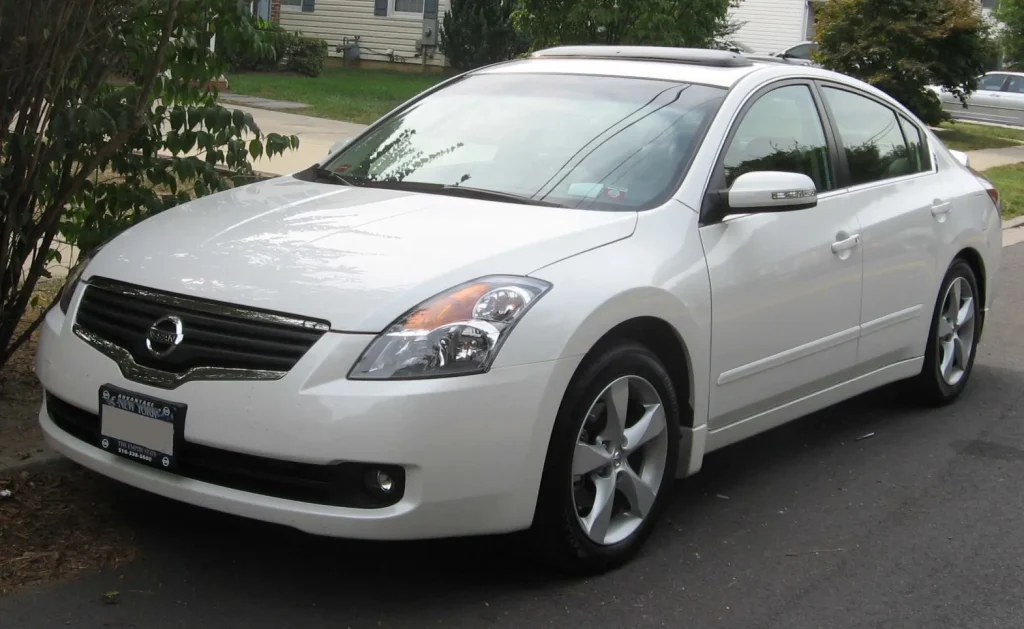
3. Nissan Altima
The Nissan Altima appears here because its seat heaters often fail earlier than expected. Many owners note reduced heating performance after only a few winters. The core problem is the thin film heating pad.
This film warms quickly but cannot handle repeated pressure from daily seating movements. Over time, the film wrinkles and forms weak spots. These weak spots eventually break when the seat cools and warms repeatedly during winter.
Foam breakdown makes this issue worse. The Altima uses cushion foam that softens with age. When the foam loses firmness, the heating pad shifts more than it should. This constant flexing stresses the heater, especially in cold weather when the material becomes stiff. The film cannot tolerate this cycle for long, leading to partial or full heater failure.
Electrical reliability is another weakness. The Altima’s connectors often loosen over time. Loose connections increase electrical resistance, which creates small internal hotspots. These hotspots damage the film until it burns out.
Moisture exposure contributes as well. Winter clothing introduces dampness that can reach cracked insulation on older wiring. Even small corrosion causes flickering heat or sudden shutoff.
The Altima appears here because these combined design choices produce heaters that rarely last through long term winter use.
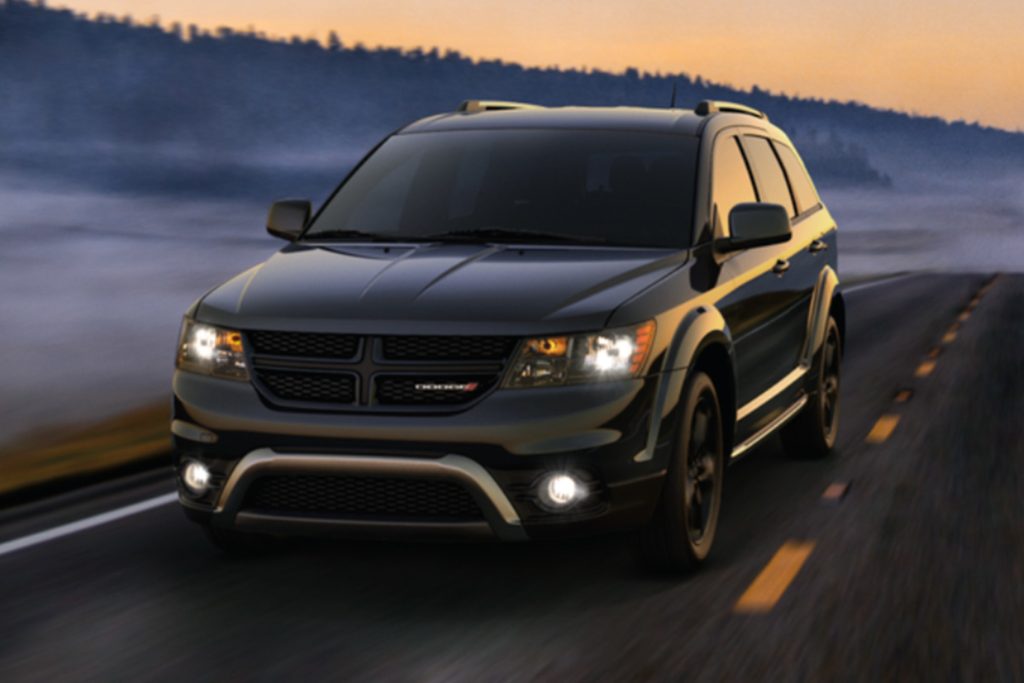
4. Dodge Journey
The Dodge Journey earns its place due to frequent seat heater failures reported by cold climate owners. The heating element uses a thin resistive wire placed close to the seat surface. When the seat fabric stretches or shifts, the wire takes the pressure directly.
Repeated daily use bends the wire until it finally breaks. This issue worsens in winter because cold air stiffens the wire, making it less flexible during movement.
Seat padding also contributes. The Journey uses foam that compresses unevenly. Uneven compression forces parts of the heating wire to bend more than others. These bending points become stress areas. After enough cycles of sitting, shifting, and freezing temperatures, the wire burns out.
Electrical connectors inside the Journey add another failure point. Some connectors oxidize after exposure to winter moisture. Oxidation interrupts stable current flow, causing sudden surges that overheat the wire. Once overheated, the wire fails almost immediately.
Temperature regulation problems show up in many older Journey models. The heater sometimes overheats because the sensors do not respond correctly. This melts sections of the heating element or scorches the foam.
The Journey appears here because these combined weaknesses make its heaters unreliable through multiple winters.
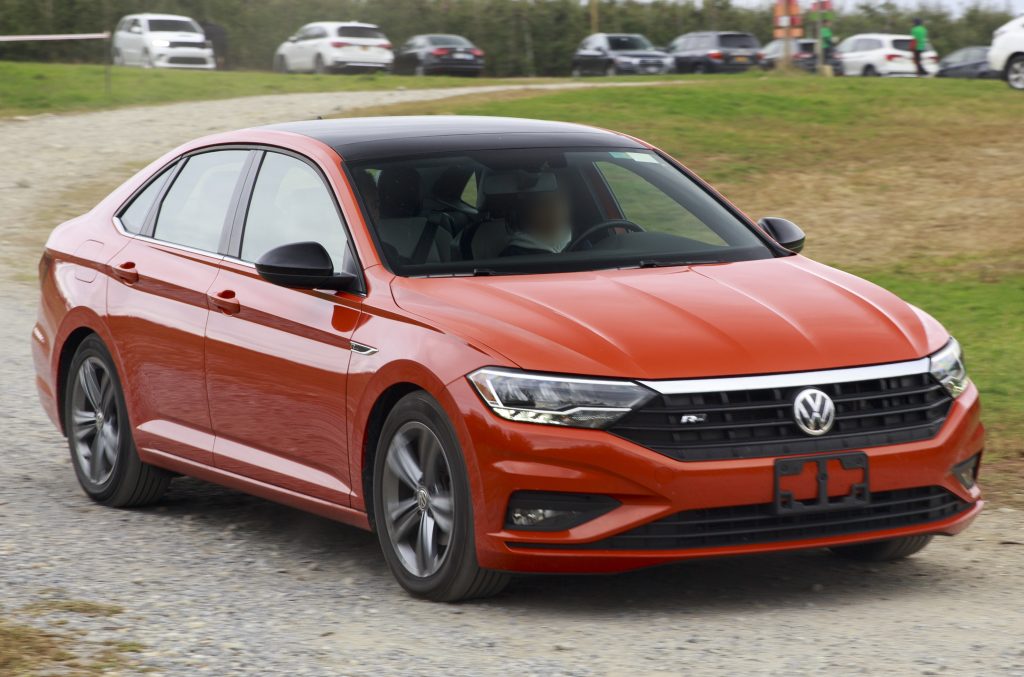
5. Volkswagen Jetta
The Volkswagen Jetta is included because its seat heaters struggle with long term winter durability. Many owners report that the heaters start strong but weaken noticeably within a few cold seasons. The main issue is the heating element placement.
The Jetta uses a tight heating grid positioned close to the seat surface. While this improves warm up time, it also exposes the grid to constant stretching and pressure from everyday movement.
Foam breakdown also contributes. The Jetta’s seat foam becomes softer with age. As the foam collapses slightly, the heating grid shifts and flexes more than intended. Each winter, the cold stiffens the wires while the foam softens, creating a mismatch that accelerates cracking in the grid.
Electrical issues appear as the car ages. The wiring harness uses insulation that sometimes becomes brittle in freezing temperatures. Once the insulation cracks, moisture reaches the wire. Corrosion then causes intermittent heating or blown fuses.
Some models also experience thermostat failures. When the control unit sends inconsistent voltage, the heater cycles irregularly. Irregular cycling creates hot patches that burn out sections of the grid.
The Jetta is included because these recurring issues lead to unreliable heating performance during winter months.
Also Read: 5 Crossovers Quiet at 80 Mph vs 5 That Drone and Buzz
