
Some drivers hear the letters CVT and immediately worry. Many past versions created a dull feeling, loud droning sound and a strange delay when trying to accelerate. That reputation still sticks in people’s minds, even though several companies have made huge progress in recent years.
A smooth CVT can actually make daily driving easier. Instead of shifting through steps, it keeps the engine in a comfortable range. That means fewer sudden jerks and a more relaxed flow of motion. City traffic and long highway stretches feel more peaceful because the car avoids constant gear changes.
The goal is simple. The transmission should stay out of the driver’s attention. A good CVT allows the engine to stay quiet when cruising. It also reacts quickly enough when the driver needs more speed. Older designs sometimes failed here.
They made the engine rev loudly without much movement at first. The best modern designs fix that issue so the response feels natural.
Some CVTs include artificial shift points. These help create a familiar sensation without ruining efficiency. Others rely on better programming to smooth out power delivery. Sound insulation and better mounting points also help reduce noise inside the cabin.
Fuel saving is one of the strongest reasons for using a CVT. Drivers enjoy fewer trips to the fuel station. Hybrid cars especially benefit from a CVT because it works well with both engine and electric power. Comfort, quietness and efficiency come together for everyday use.
The following cars show that a CVT does not have to be disappointing. These models prove that this type of transmission can be smooth and pleasant. They handle daily life without fuss while still giving strong reliability. Anyone who avoids CVTs because of old memories may feel differently once they try one from this group.
Also Read: 10 Cars With Simple Controls for Winter Gloves
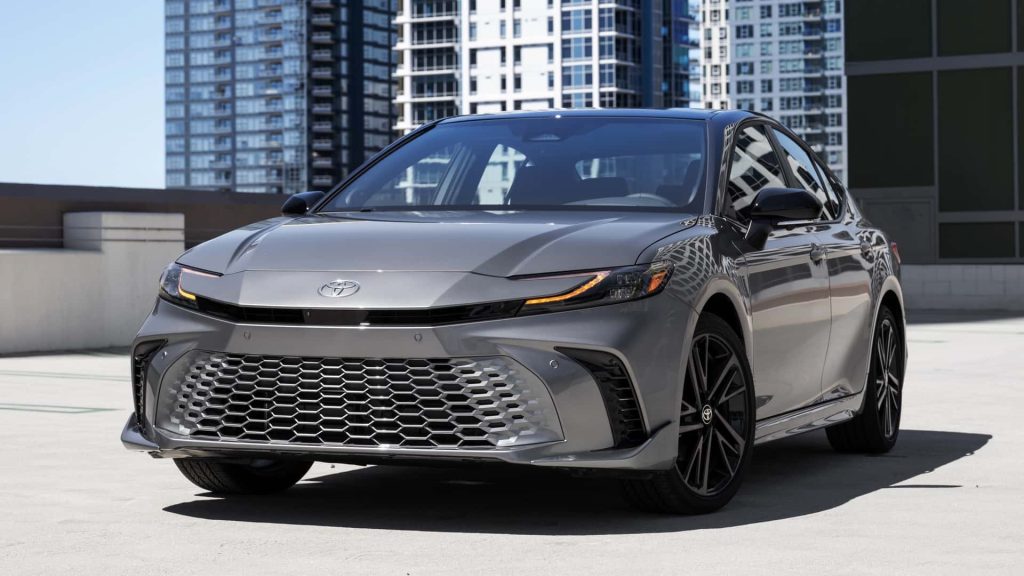
1. Toyota Camry Hybrid
The Toyota Camry Hybrid often surprises people with how smooth it feels. The CVT works closely with the electric motor, so the car can move forward gently from a stop without making the engine strain or sound loud. This creates a calm beginning to every drive, which many owners appreciate during traffic.
When the driver asks for more power, the system blends electric and gasoline energy without hesitation. There is no harsh shift or delayed response. Everything feels like one continuous flow. The CVT keeps the engine in a quiet and efficient range, which also helps fuel savings stay strong.
Inside the cabin, passengers enjoy a peaceful atmosphere. Noise from the transmission stays controlled, even during strong acceleration. The suspension and seats add to the comfort, supporting long journeys without fatigue.
Toyota’s reliability reputation gives confidence as well. A CVT can worry some drivers, but this brand has years of experience creating durable hybrid parts. The Camry Hybrid shows that worry does not need to exist here.
Artificial shift sensations are tuned carefully to make the driving experience feel familiar for people used to stepped transmissions. It never becomes fake or clumsy. The car simply adapts to different driving styles.
The Camry Hybrid proves that everyday driving should feel smooth and relaxing. It does not try to be sporty. Instead, it focuses on the simple joy of a quiet and steady ride. Many families choose it because they want comfort, fuel savings and peace of mind. With its modern CVT, those strengths come together perfectly.
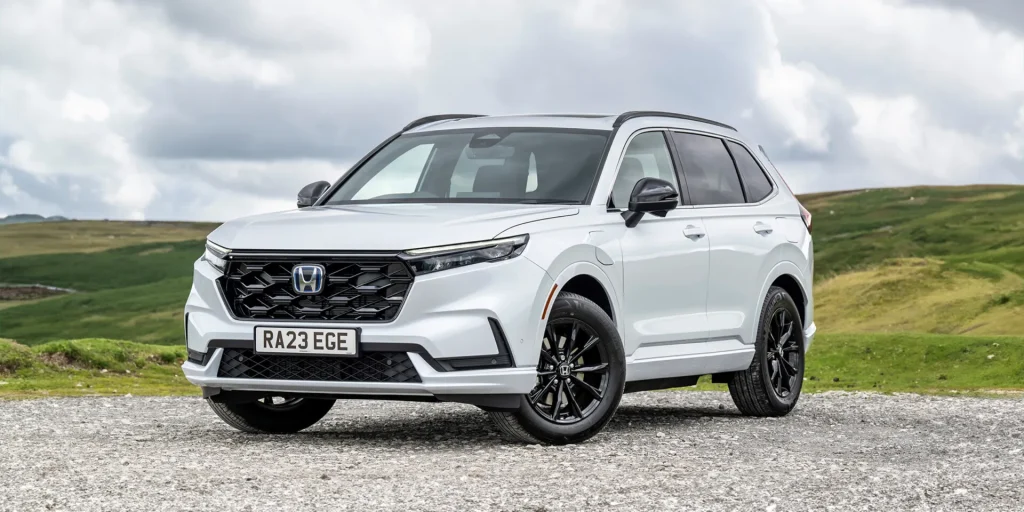
2. Honda CR-V
The Honda CR V has become a favorite among families because it mixes practicality with comfort. Its CVT helps create that pleasant feeling by removing sudden gear changes that might shake the cabin. The result is gentle acceleration, whether leaving home or merging onto a busy road.
Honda tuned its CVT to respond quickly when the driver presses the pedal. There is no big delay before the car moves. The power delivery feels smooth and consistent. Engine noise remains controlled during city driving, which keeps a calm atmosphere for passengers.
On highways, the transmission keeps the engine at lower revs. This supports fuel savings and reduces noise. Long trips feel easier, especially when traveling with kids who prefer quiet rides.
Honda uses programmed step sensations during stronger acceleration. This keeps the engine from sitting at one loud note for too long. It also gives drivers a more familiar feeling if they are used to traditional automatics.
Inside the cabin, everything feels roomy and comfortable. Supportive seating helps the experience, especially during hours of travel. The transmission contributes to this comfort by acting invisibly in the background.
Honda is known for dependable engineering. The CVT in the CR V is designed to last with proper care. Owners appreciate the confidence that comes with that reputation.
The CR V shows how a modern CVT can improve a popular daily vehicle. It does not draw attention to itself. It simply works quietly and efficiently, helping families enjoy each trip without stress. For many drivers, this makes the CR V one of the most pleasant crossovers available today.
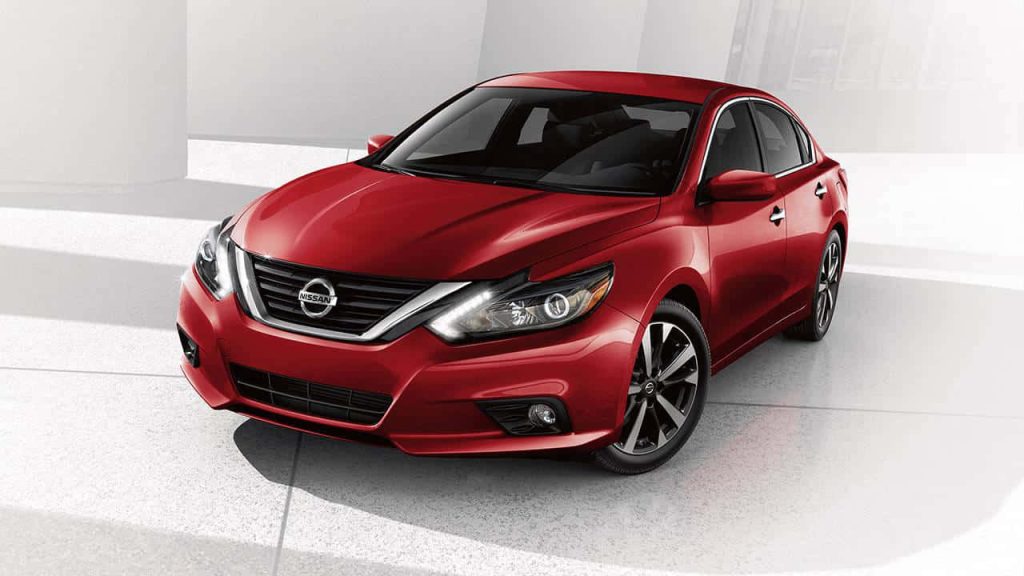
3. Nissan Altima
The Nissan Altima remains one of the most common vehicles on the road, and its CVT plays a big part in that popularity. Nissan has more experience with CVTs than most brands, and the Altima benefits from years of tuning and refinement. Drivers notice smooth power delivery right away, especially during daily city driving.
Starting from a stop feels gradual and calm. There is no sudden jump or jolt. The engine sound stays controlled because the CVT adjusts the ratio instead of hunting for gears. This helps give the Altima a peaceful personality around town.
When merging or passing, the transmission reacts quickly. Nissan uses simulated shift points during harder acceleration. This makes the engine noise feel more natural and prevents the constant loud humming tone that older CVTs struggled with. It responds without hesitation, giving enough push to feel confident in traffic.
Highway driving becomes one of its strongest areas. The CVT keeps the revs low for long periods of time, which reduces noise and supports good fuel efficiency. Many owners enjoy this quiet cruising nature because it creates less stress during long trips.
Inside, comfortable seats and a well dampened cabin help enhance that smooth character. The Altima does not try to behave like a performance car. It focuses on relaxed travel, and the transmission plays a major role in achieving that.
Nissan’s investment in improving CVT durability has also reduced the fear some people once had about this technology. The company’s latest design has better cooling and stronger internal components. For most buyers, that means confidence in choosing one of the smoothest CVT cars available.
The Altima shows that the right engineering can turn a transmission type many disliked into something enjoyable. Families, commuters and ride share drivers appreciate how well it suits everyday driving needs. It simply keeps life easier on the road.
4. Subaru Forester
The Subaru Forester offers a steady and comfortable driving experience, and its CVT is a major reason why.
The transmission works together with the flat four engine to provide smooth movement without harsh shifts. Many owners notice how calm the car feels in city traffic because the engine never jumps suddenly from one gear to another.
Subaru’s all wheel drive system pairs well with the CVT. Power flows evenly to all four wheels, especially helpful during rain or rough weather. The lack of shifting keeps traction steady when roads become slippery. Drivers can focus on steering rather than worrying about jerky acceleration.
During light throttle use, the transmission keeps revs low to save fuel. Noise levels stay pleasant inside the cabin, which improves comfort for passengers. For families who travel often, this gentle operation makes a big difference in stress levels.
When stronger acceleration is needed, the CVT provides a quick response. Subaru added artificial shift points to create a more familiar sensation. This prevents the engine from staying at one loud note for too long. The car feels more in tune with the driver’s expectations.
The Forester cabin emphasizes comfort and visibility. With large windows and supportive seats, the transmission’s smoothness fits perfectly with the relaxed nature of the vehicle. Even on longer drives, the experience feels friendly and controlled.
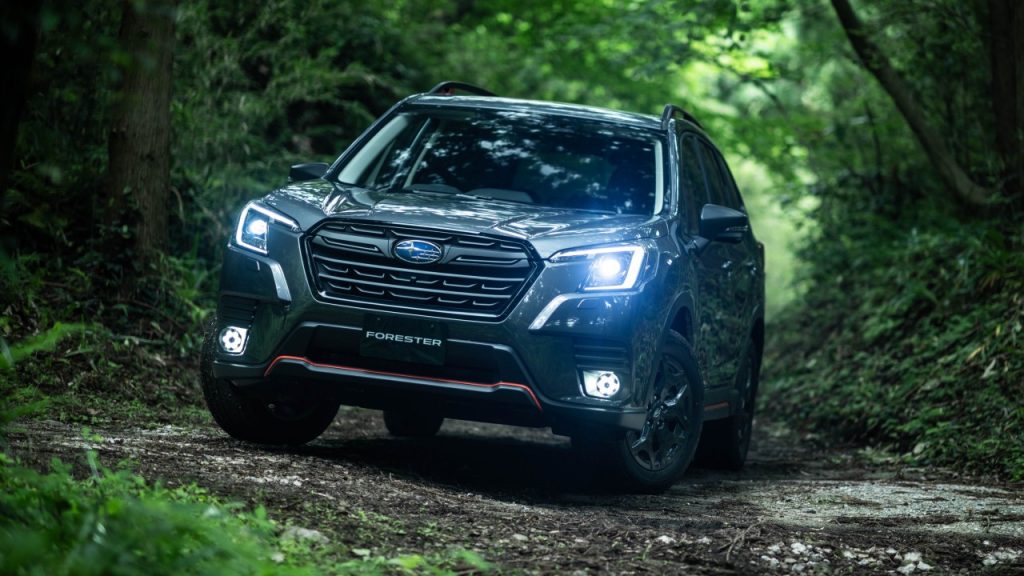
Durability matters, especially with all wheel drive included. Subaru designed the CVT to handle varied conditions and long distances. Proper maintenance helps ensure long life, which eases concerns for many buyers.
The Forester proves that a CVT can enhance a practical crossover. It does not draw attention. It simply does its job quietly and efficiently.
People who choose this vehicle often care most about safety, comfort and confidence in different weather. The transmission supports all those goals with a calm attitude that drivers quickly appreciate.
5. Honda Accord
The Honda Accord has long been recognized for its balance of reliability, comfort, and efficiency. Its modern CVT contributes significantly to this reputation by smoothing out daily driving in ways that older automatic transmissions could not.
The transmission works seamlessly with the naturally aspirated or turbocharged engines, providing a continuous flow of power without noticeable shifts.
From a stop, the CVT feels gradual yet responsive. There is no jolt or hesitation. Drivers quickly notice how quietly the engine accelerates, even under moderate throttle input. This creates a calm atmosphere, particularly in city traffic, where frequent stopping and starting can make older vehicles feel jerky.
Highway driving highlights the CVT’s efficiency. The engine remains in an optimal power range, minimizing unnecessary revving while maximizing fuel economy.
Unlike older CVTs that often drone at a fixed pitch, the Accord’s transmission adapts to driving demands naturally. Artificial shift points simulate gear changes during faster acceleration, making the experience feel familiar without adding harshness.
Inside, the cabin is comfortable and well-insulated. Passengers enjoy a smooth ride complemented by soft seats and quiet road handling. Even longer trips are more relaxing because the transmission keeps its operation subtle, allowing the focus to remain on comfort rather than mechanical noise.
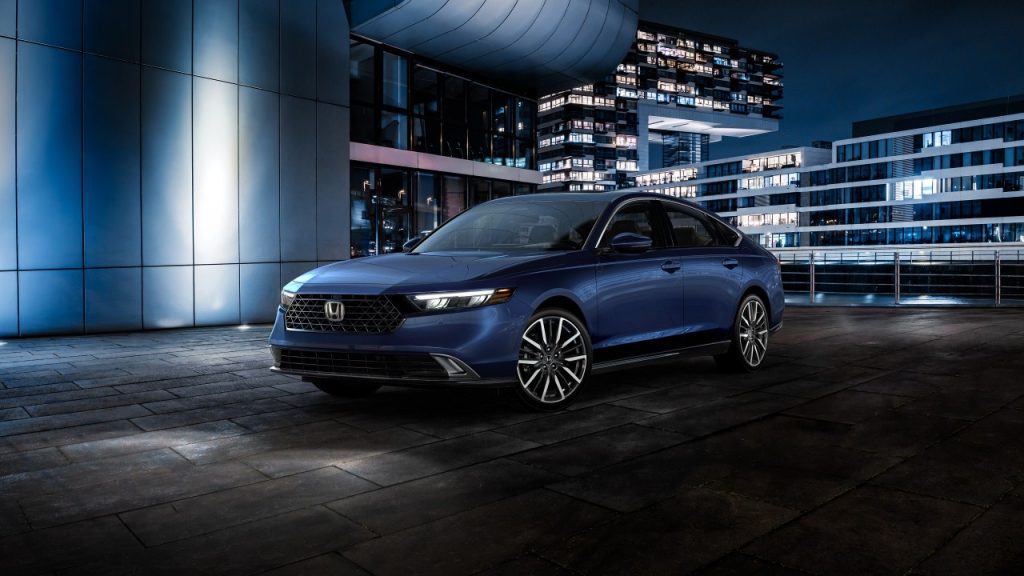
Honda’s reputation for reliability extends to the CVT, which is designed for long-term durability. Proper maintenance ensures consistent performance for years. Many drivers who were once skeptical about CVTs find the Accord a convincing example of why the technology has improved.
The Accord demonstrates that a modern CVT can enhance everyday usability without sacrificing comfort or performance. Its balance of quiet operation, smooth acceleration, and fuel efficiency makes it one of the most pleasant midsize sedans to drive today.
6. Toyota Corolla Cross
The Toyota Corolla Cross pairs the well-known Corolla reliability with a modern CVT that makes daily driving exceptionally smooth. The CVT contributes to a calm and composed ride, ideal for city streets, suburban commutes, or light highway travel.
Starting from a stop, the transmission responds gently yet confidently. The engine does not spike or create a harsh droning sound. Instead, acceleration is linear and controlled, giving drivers a comfortable first impression of the vehicle’s capabilities.
When more speed is required, the CVT blends engine power smoothly, maintaining quiet operation while providing enough push for highway merges or overtakes.
Toyota’s careful tuning ensures the response feels immediate without being abrupt. Artificially simulated shift points help provide a sense of familiarity for those used to conventional automatic gear changes.
Inside, the cabin reinforces the smooth driving experience. Seats are supportive, and the sound insulation reduces road and engine noise.
Long drives remain calm and fatigue-free, while passengers enjoy a stable and quiet environment. The CVT acts as an invisible partner, handling shifts behind the scenes so the driver can focus on steering and comfort.
Fuel efficiency is another advantage. The CVT keeps the engine operating in its most efficient range, reducing fuel consumption during stop-and-go traffic and longer trips. It also supports hybrid systems in other Toyota models, proving the technology’s versatility and reliability.
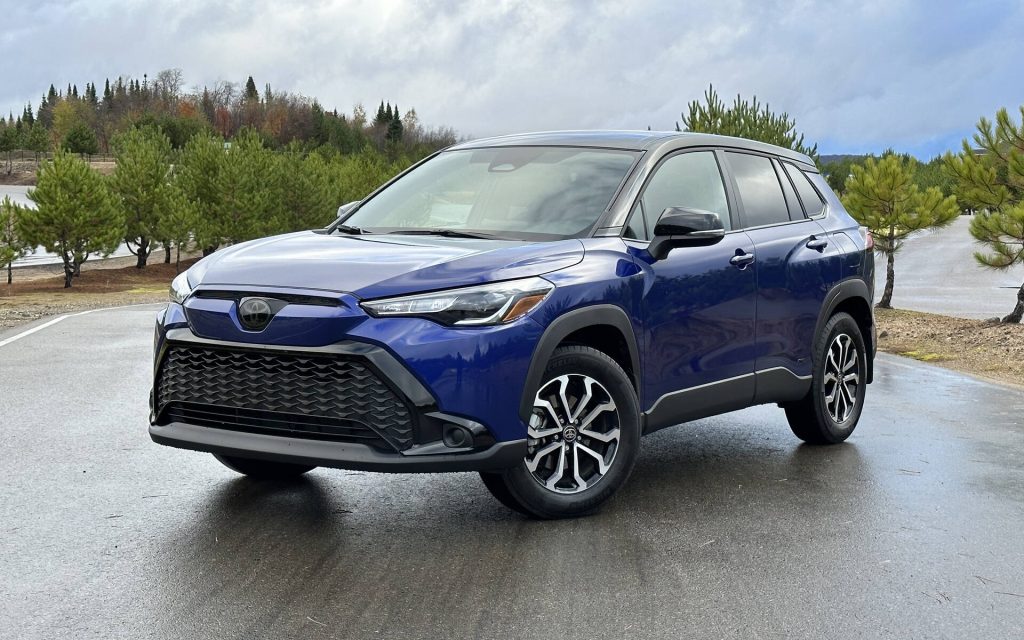
Toyota’s attention to durability means the CVT is engineered for longevity. Many owners report minimal issues even after years of daily use. For drivers hesitant about CVTs, the Corolla Cross serves as an accessible demonstration of how smooth and reliable these transmissions can be.
By combining quiet operation, consistent acceleration, and efficiency, the Corolla Cross shows that CVTs no longer need to be a compromise. It is practical, comfortable, and trustworthy a vehicle that delivers an easy-driving experience every day.
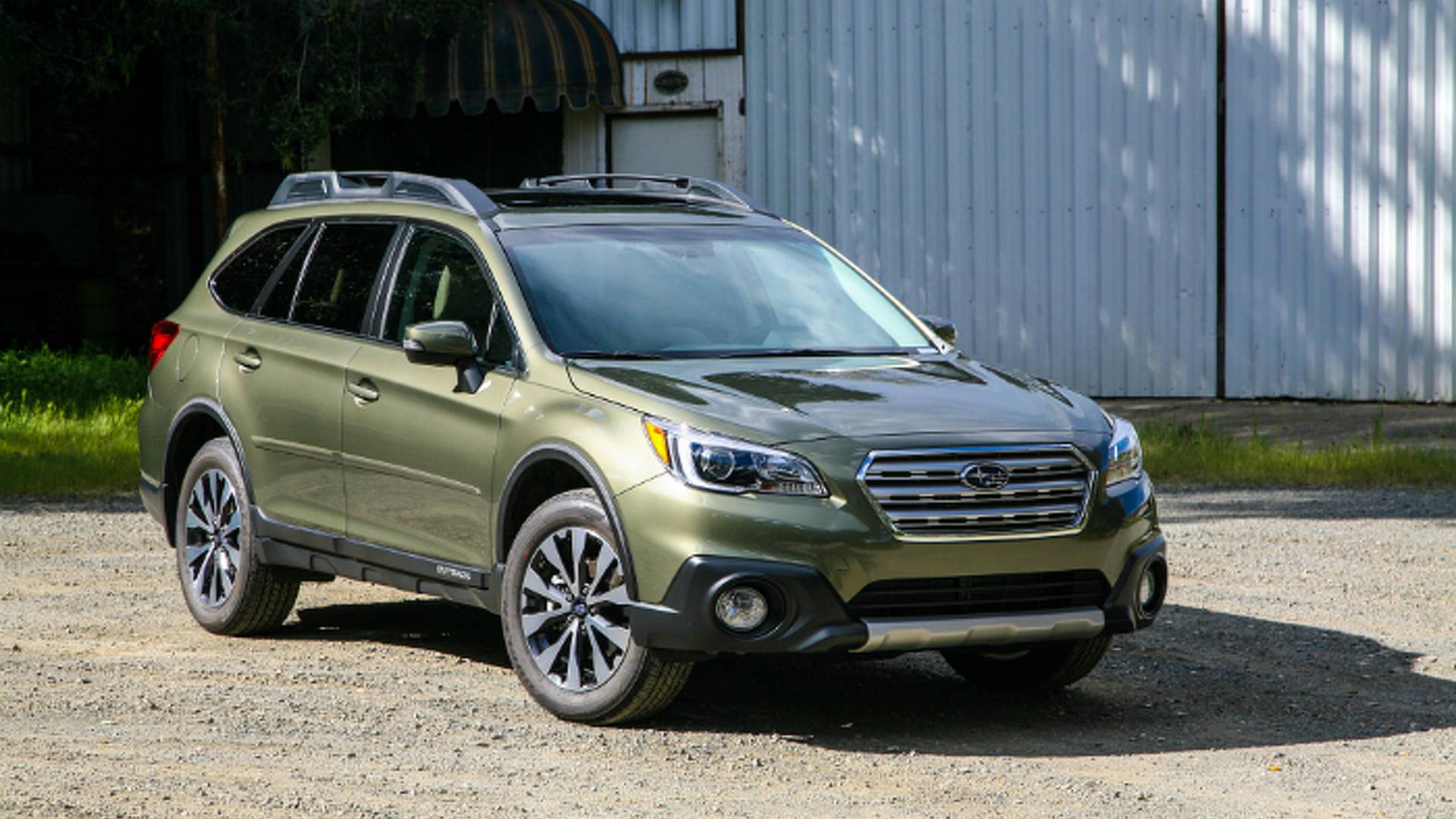
7. Subaru Outback
The Subaru Outback combines practicality with smooth CVT operation to create a crossover that is easy to live with every day. Its CVT helps maintain calm and steady acceleration, which is especially helpful in stop-and-go traffic or on long drives across varied terrain.
From a standstill, the transmission responds in a gentle, controlled way. There is no sudden jolt or delay, and the engine operates quietly, keeping cabin noise low. This is particularly noticeable when carrying passengers or groceries, as the ride feels steady and composed.
When more power is required, the CVT delivers without hesitation. Subaru’s lineartronic system ensures a smooth flow of energy, maintaining traction through the all wheel drive system. The vehicle feels stable and controlled during merges or quick highway acceleration.
Inside, the cabin is spacious and quiet. The seats provide long-trip support, while the combination of insulation and CVT smoothness keeps road and engine noise to a minimum. The Outback creates a relaxed environment for both driver and passengers, even on long trips or rough surfaces.
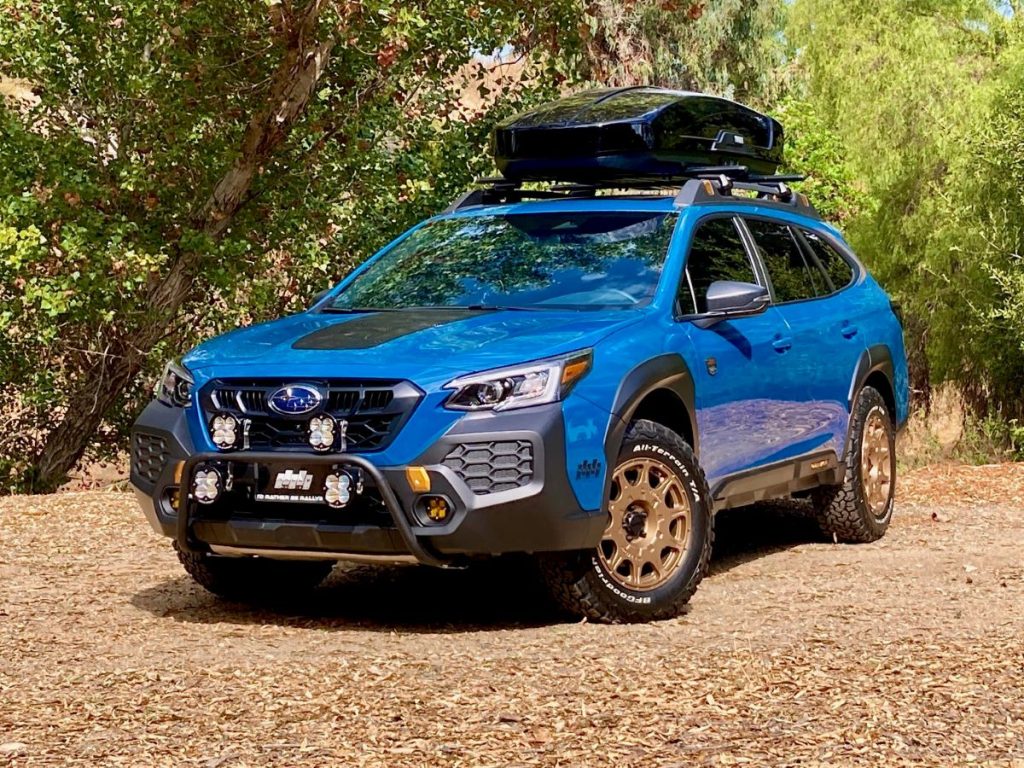
Fuel efficiency benefits from the CVT’s ability to keep the engine in its optimal range. The linear operation reduces unnecessary revving and helps maximize every drop of fuel, making the Outback economical for daily commuting and weekend adventures.
Subaru has engineered the CVT for reliability under various conditions. Proper maintenance ensures consistent performance and durability. Owners often report that the transmission remains smooth and quiet well beyond typical ownership milestones.
The Outback proves that a CVT does not have to feel artificial or annoying. It enhances comfort, supports efficiency, and complements the vehicle’s reputation for practicality. Drivers looking for a capable crossover with a calm, easy-driving nature will find the Outback an excellent choice.
8. Nissan Rogue
The Nissan Rogue uses a refined CVT to create a smooth, stress-free driving experience that appeals to daily commuters and small families. The transmission provides seamless acceleration, removing the jolt and shift lag found in older automatic models.
From a stop, the CVT responds gently and predictably. The engine sound is kept low, avoiding the high-pitched drone that many drivers associate with early CVTs. This makes city driving less tiring and helps passengers feel more relaxed during short trips or school runs.
When extra power is needed for passing or merging, the Rogue’s CVT delivers quickly and smoothly. Nissan uses programmed shift points to give the sensation of traditional gears, making the response feel natural without sacrificing smoothness. The result is a vehicle that feels confident in traffic without feeling abrupt.
Inside, the cabin reinforces the smooth driving character. Seats are supportive, and road noise is minimized, allowing the CVT to operate largely unnoticed. The transmission’s quiet, linear behavior complements the Rogue’s comfortable interior, making even longer drives less stressful.
Fuel economy benefits from the CVT keeping the engine in its optimal efficiency range. Drivers notice better gas mileage compared with conventional automatic transmissions, which makes it ideal for daily commuting or weekend trips.
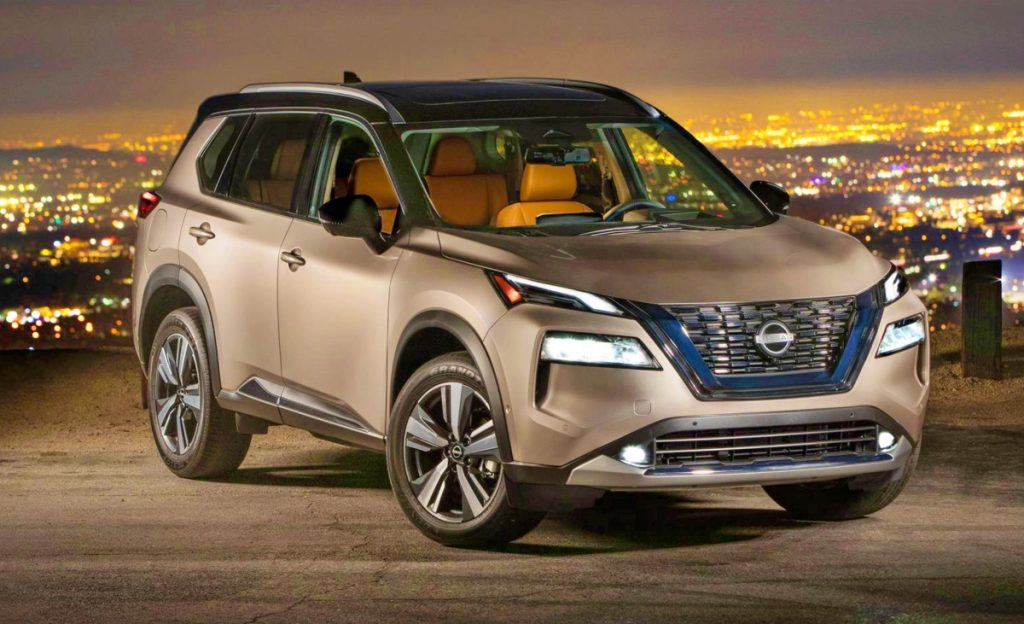
Nissan has improved CVT durability over the years, focusing on stronger internal components and better cooling. Owners can rely on the transmission for extended use, reducing concerns about long-term reliability.
The Rogue demonstrates that CVTs can work exceptionally well in popular crossover vehicles. It delivers calm, consistent acceleration, good efficiency, and quiet operation. For anyone who previously avoided CVTs due to past experiences, the Rogue shows how far the technology has come.
Modern continuously variable transmissions (CVTs) have come a long way from the early designs that many drivers disliked. Today, a properly tuned CVT can enhance comfort, reduce fatigue, and even improve fuel efficiency without drawing attention to itself.
The eight cars featured in this article highlight how manufacturers have refined the technology to suit everyday drivers while maintaining reliability and usability.
The Toyota Camry Hybrid sets the standard for smooth CVT performance in a midsize sedan. Its hybrid system blends electric and gasoline power seamlessly, allowing gentle acceleration from a stop while still delivering enough thrust for highway merging.
Passengers notice the quiet operation, and drivers appreciate the linear response without the harsh droning of older CVTs. The Camry Hybrid demonstrates that fuel efficiency and smoothness can coexist without compromise.
Similarly, the Honda CR-V uses its CVT to improve comfort and drivability. Acceleration is steady and predictable, with programmed shift points providing a familiar feel for drivers accustomed to traditional automatic transmissions.
Noise levels remain low even in city traffic, creating a relaxing environment for passengers. The combination of all-wheel drive and CVT smoothness allows the CR-V to handle light off-road conditions or slippery roads without unsettling the driver.
The Nissan Altima and Subaru Forester show how CVTs can enhance both sedans and crossovers. The Altima’s CVT responds naturally to throttle input and adapts quickly to changing driving conditions.
Its smooth power delivery and quiet operation make daily commuting stress-free. The Forester’s CVT, paired with Subaru’s all-wheel-drive system, provides stability and control on varied surfaces while keeping engine noise low. Both vehicles illustrate that CVTs are versatile and effective across different types of cars.
The Honda Accord and Toyota Corolla Cross further demonstrate the benefits of modern CVTs. The Accord’s CVT creates seamless acceleration, supports fuel efficiency, and integrates artificial shift points to maintain a natural feel.
The Corolla Cross applies the same principles in a compact crossover, delivering predictable power, low noise, and comfort for families. Both vehicles show that CVTs no longer feel mechanical or artificial; they work quietly in the background to enhance the driving experience.
Finally, the Subaru Outback and Nissan Rogue highlight CVTs in popular crossover models. The Outback’s lineartronic CVT delivers smooth acceleration, maintains traction through all-wheel drive, and keeps the cabin calm over long trips.
The Rogue uses a refined CVT to provide stress-free city driving, responsive power when needed, and improved fuel economy. Both vehicles emphasize the importance of reliability and comfort, showing that CVTs can meet the demands of daily life while remaining durable.
Overall, these eight vehicles prove that CVTs can overcome their earlier reputation for poor responsiveness, droning noise, and awkward feel. Today’s designs focus on smooth, controlled acceleration, quiet operation, and durability.
Drivers can enjoy a relaxing ride without worrying about harsh shifts, noisy revs, or frequent maintenance. Whether in sedans, crossovers, or hybrid models, modern CVTs enhance efficiency and comfort, making them a practical choice for drivers who value ease of use, smooth performance, and reliability.
These cars exemplify how far CVT technology has advanced and why it deserves consideration for daily driving.
Also Read: 5 Trucks With Alternators That Last Forever vs 5 That Die on Road Trips
