
Brake pad longevity is an important yet often overlooked aspect of vehicle ownership. Some cars are designed to maximize durability, using lightweight construction, regenerative braking, and carefully calibrated components to extend pad life.
These vehicles allow owners to drive tens of thousands of miles before replacements are needed, reducing maintenance costs and providing peace of mind. In contrast, high-performance cars built for speed, acceleration, and aggressive handling place immense stress on their braking systems.
Frequent high-speed stops, spirited cornering, and heavier vehicle weights generate extreme heat that accelerates pad wear, making frequent replacement necessary.
Understanding the difference between vehicles engineered for long-lasting brakes and those focused on performance helps drivers balance convenience, cost, and driving excitement. Considering brake durability alongside other features gives a clearer picture of how a car performs in daily use and spirited driving situations.
5 Models With Long Brake Life
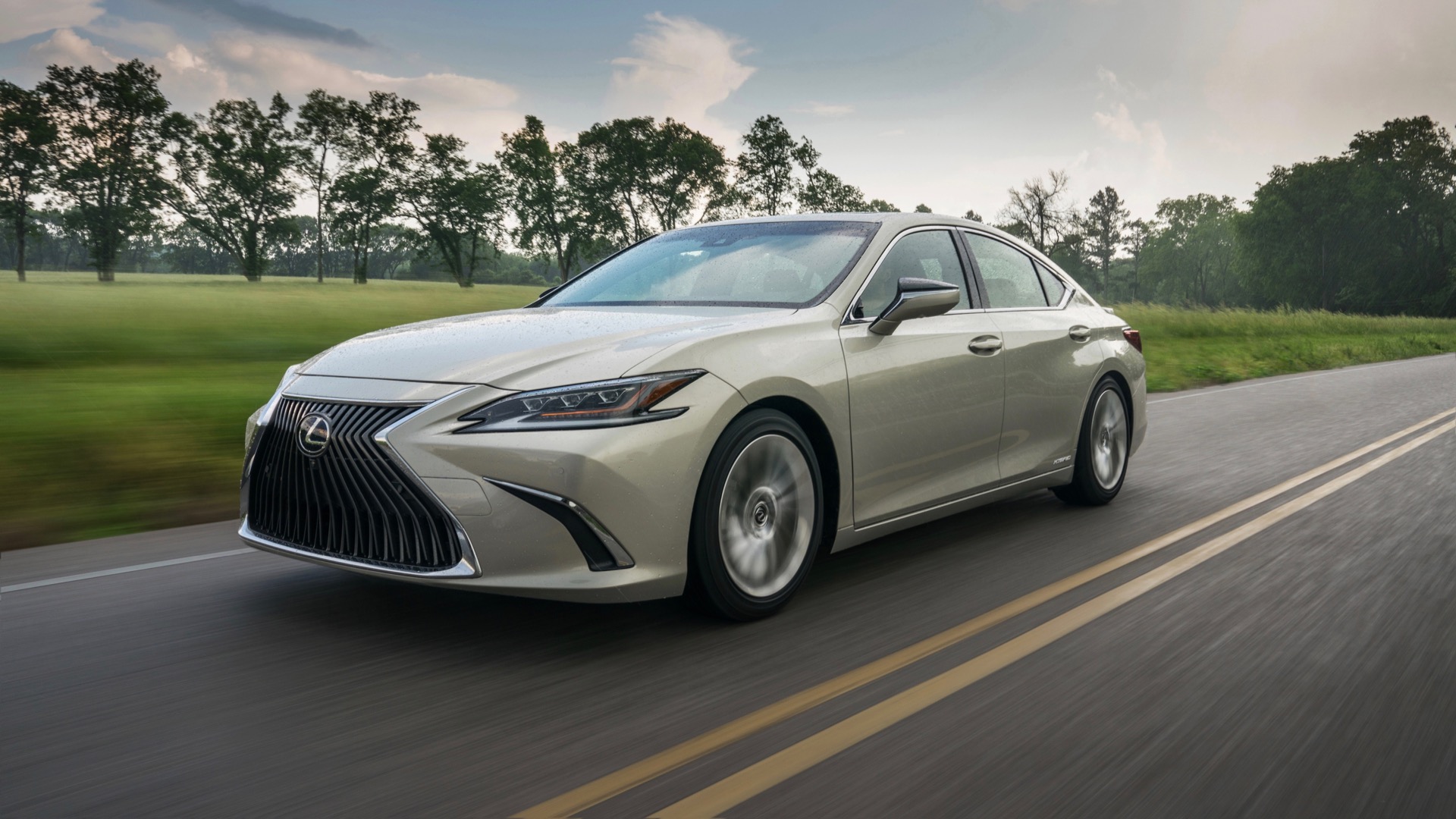
1. Lexus ES 300h: Luxury, Efficiency, and Brake Durability
The Lexus ES 300h demonstrates how luxury engineering can enhance both comfort and brake lifespan. Like its Toyota hybrid relatives, it employs a regenerative braking system that reduces reliance on conventional brake pads.
Lexus adds an adaptive variable suspension and electronic brake force distribution, ensuring even braking and preventing front-heavy pad wear. Premium ceramic-composite pads resist heat degradation, while ECO mode increases regenerative braking, promoting smoother deceleration.
The Brake Hold feature minimizes wear in stop-and-go traffic. Many owners complete entire lease terms without needing brake service, with pad life typically ranging from 70,000 to 90,000 miles, which contributes to strong resale value and low total ownership costs.
The ES 300h delivers smooth, effortless acceleration and well-weighted steering. While it is not the fastest car in its class, it handles corners better than expected for a luxury-focused sedan.
City driving is serene, with seamless gear changes and quiet operation. Standard driver aids, including lane keeping, blind-spot monitoring, and adaptive cruise control, function reliably, even though some of the latest advanced safety tech is missing.
Comfort is a defining trait of the ES 300h. The cabin is well-insulated, with minimal road, tire, or engine noise. Front seats are supportive without excessive bolstering, while rear seating provides good comfort for extended trips, though the cushions are somewhat flat.
The F Sport variant features sportier seats with firmer bolsters. Wind noise becomes slightly noticeable at highway speeds, but the cabin remains peaceful and relaxing.
The ES includes a 12.3-inch infotainment display with responsive touch controls and voice commands, along with wireless Apple CarPlay and Android Auto. Its trunk offers 13.9 cubic feet of space, suitable for luggage or golf clubs, although the rear seats do not fold down. Interior storage is sufficient, with functional cupholders and compartments for small items.
The ES 300h delivers a luxurious experience at a reasonable price, with high-quality materials, refined design, and meticulous attention to detail. EPA fuel economy is rated at 25 mpg combined, while real-world testing averages around 21.5 mpg. Its serene cabin and refined comfort make it a strong contender in the luxury hybrid segment.
The ES 300h excels in tranquility, build quality, and driving refinement, providing a relaxing, high-end experience that feels more expensive than its price suggests.
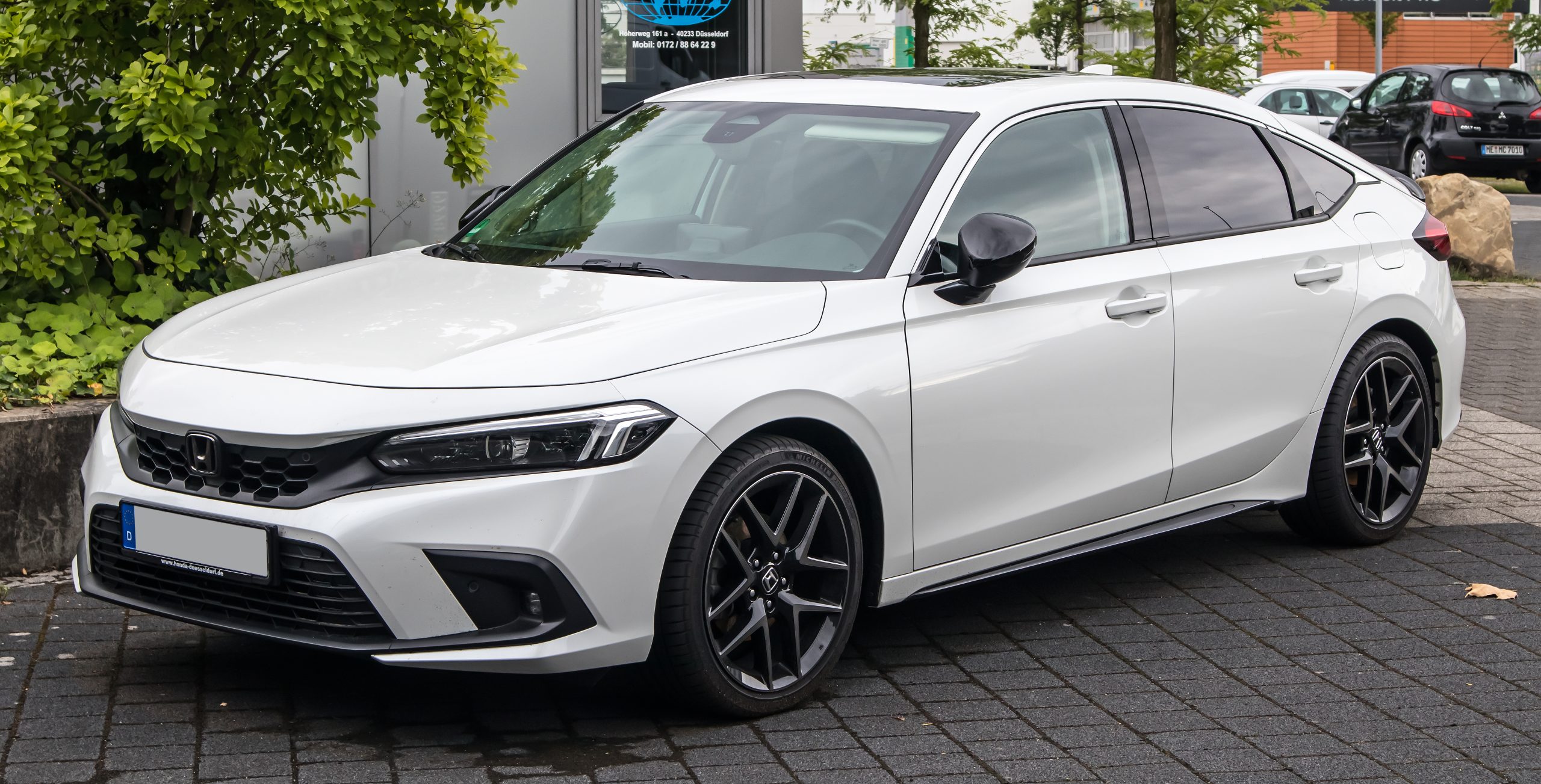
2. Honda Civic: Reliable, Efficient, and Engaging
The Honda Civic, particularly in non-performance trims, is recognized for its brake pad durability. Standard models typically achieve 60,000 to 80,000 miles on original pads, exceeding many competitors in the compact segment. This longevity comes from a combination of light curb weight (around 2,800 pounds), a well-designed braking system, and high-quality components.
Electronic brake force distribution maintains balanced pressure between front and rear wheels, preventing excessive wear on front pads. Semi-metallic brake pads with a progressive friction coefficient provide responsive braking while avoiding accelerated wear.
Suspension geometry ensures efficient transmission of braking forces, while proper handling reduces the tendency to “ride the brakes.” Regular maintenance, including brake fluid replacement every 30,000 miles, further extends pad life, helping Civics surpass competitors by 15,000–20,000 miles.
The Civic hybrid delivers sharp and engaging performance, with 0–60 mph acceleration in just 6.6 seconds. Steering is precise, and handling feels taut yet balanced, making the Civic enjoyable in city traffic and on winding roads.
Outward visibility benefits from narrow front pillars and door-mounted mirrors, though the sloping roofline requires extra attention when checking rear views. Standard driver-assistance features operate reliably and enhance safety.
The Civic’s cabin combines practicality with refinement. Front seats are supportive, while rear seating provides adequate legroom and shoulder space, though taller passengers may find headroom limited. Climate controls are intuitive, and the cabin remains relatively quiet, with minimal wind noise. Rear air vents are absent, which slightly reduces comfort for back-seat passengers.
Tech offerings include a 9-inch touchscreen with Google Built-In software on higher trims, while all models feature Apple CarPlay and Android Auto. Storage is strong for a compact sedan: the trunk holds 14.8 cubic feet, and the hatchback variant expands cargo space to 24.5 cubic feet with fold-flat rear seats.
The Civic hybrid is priced slightly higher than rivals like the Hyundai Elantra and Toyota Corolla, but it offers stronger performance, a refined interior, and excellent fuel economy, achieving up to 49 mpg combined in testing. Warranty coverage is standard for the segment.
The Civic hybrid stands out as a fun, practical daily driver. Quick acceleration, precise steering, and solid build quality make it an engaging alternative to ordinary compact cars, proving Honda’s enduring ability to create a well-rounded, efficient, and enjoyable vehicle.
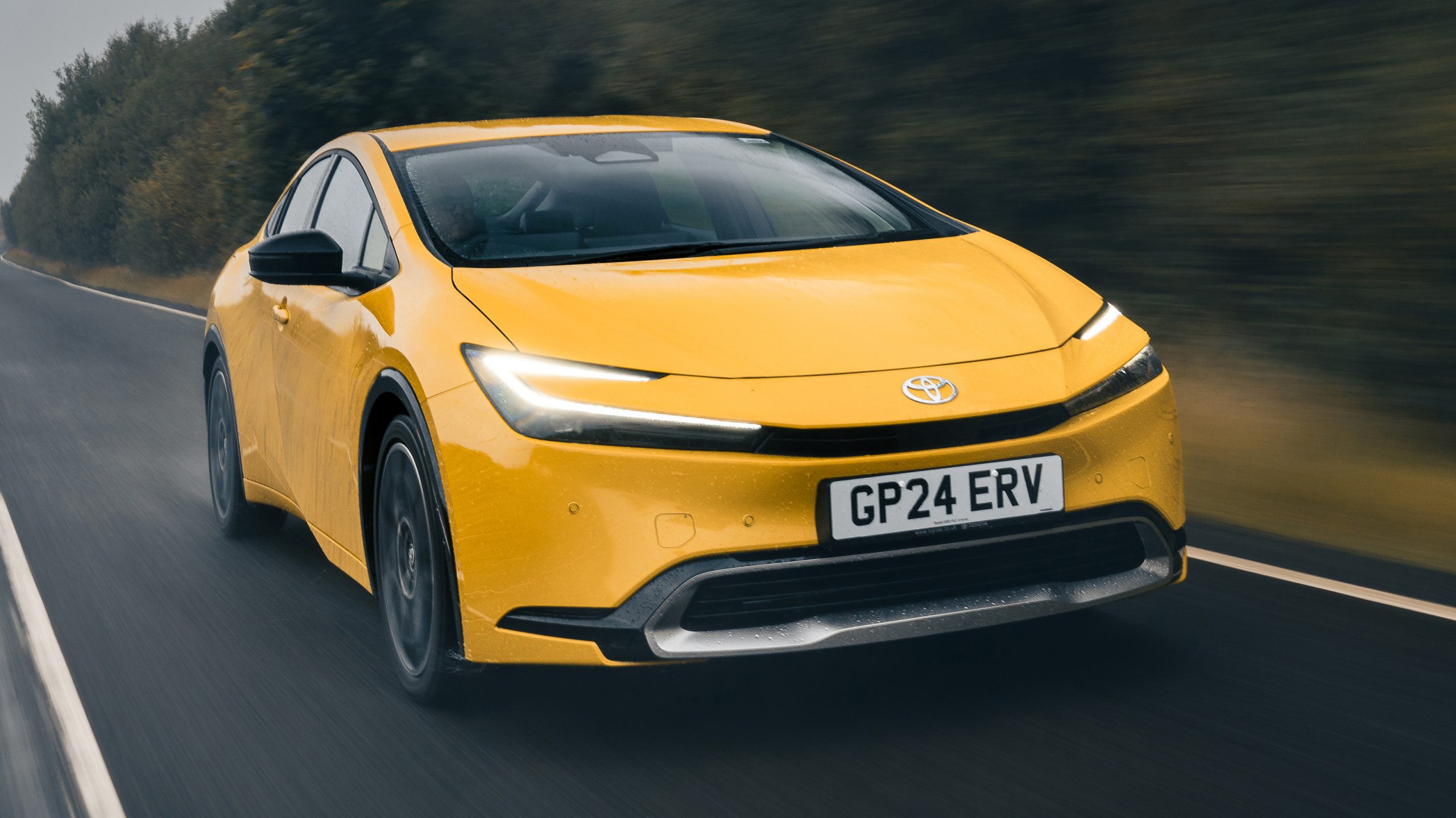
3. Toyota Prius: Efficient, Comfortable, and Technologically Savvy
The Toyota Prius is renowned for its fuel efficiency and unusually long-lasting brake pads. Its regenerative braking system converts kinetic energy into electricity, reducing reliance on conventional friction brakes. This system handles 60–80% of routine deceleration, extending brake pad life beyond 75,000 miles, with some drivers surpassing 100,000 miles.
Lightweight construction, aerodynamic design, and high-quality ceramic brake pads further reduce wear. Intelligent brake force distribution ensures friction brakes engage only when necessary, minimizing maintenance costs compared to conventional vehicles.
The Prius delivers smooth and predictable handling. Its 0–60 mph acceleration is 7.7 seconds, placing it between the Kia Niro and Honda Civic Hybrid. The ride is comfortable over bumps, with seamless transitions between electric and gasoline power.
While economy-focused tires limit grip, stability around corners remains solid. Lane keeping, adaptive cruise control, and Proactive Driving Assist enhance safety, subtly guiding drivers without being intrusive. Rear visibility is limited due to the window and pillar design.
Front seats offer adequate support for long trips, though rear access is cramped, and taller passengers may struggle with headroom. Single-zone climate control is standard, with heated and ventilated front seats available on higher trims. Interior materials have improved, but hard plastics remain. The digital instrument cluster can be blocked by the steering wheel, and its cluttered layout may overwhelm some drivers.
The Prius Limited offers a 12.3-inch touchscreen with responsive Google-powered navigation. Wireless Apple CarPlay and Android Auto come standard, alongside a wireless charging pad (though it can overheat). Storage includes 20.3 cubic feet of rear cargo space, a deep center console, and a rubberized dash tray for small items.
While higher trims and all-wheel-drive options increase cost, the Prius provides excellent long-term savings through fuel efficiency and low maintenance. EPA estimates range from 52–57 mpg combined, aligning closely with real-world results. Toyota warranties and complimentary maintenance enhance ownership value.
Sleek styling, strong fuel economy, and reliable hybrid performance make the Prius a standout compact car, appealing to drivers who prioritize efficiency without sacrificing comfort and technology.
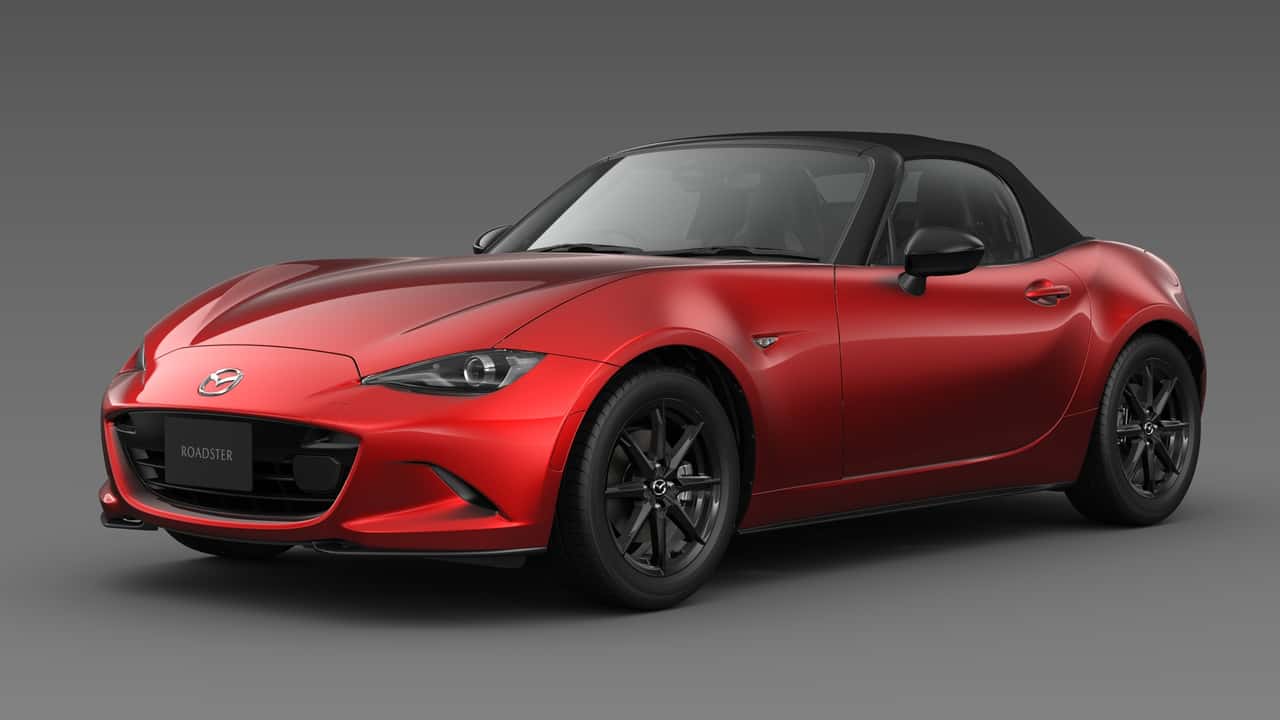
4. Mazda MX-5 Miata: Lightweight Fun with Long-Lasting Brakes
The Mazda MX-5 Miata demonstrates that sports cars can balance performance with brake pad durability. Owners report brake pad lifespans of 60,000 to 75,000 miles, thanks to careful weight management, engineering precision, and balanced driving dynamics.
At just 2,400 pounds, the Miata’s lightweight design reduces the force required for stopping, minimizing pad wear. Brake components are appropriately sized for the car’s weight, with semi-metallic pads engineered for spirited street driving rather than racetrack extremes.
A 50:50 weight distribution and low center of gravity ensure even deceleration, while the responsive manual transmission and engine braking allow drivers to slow the car without overusing the brakes.
The Miata is nimble, precise, and engaging. Its manual-equipped model accelerates from 0 to 60 mph in 6.4 seconds, and braking from 60 mph occurs in just 113 feet. Balanced weight transfer, direct steering, and responsive handling allow drivers to navigate corners with confidence. The car leans under aggressive driving but remains predictable, rewarding attentive driving on both twisty back roads and open stretches.
As a small two-seat roadster, the Miata offers a surprisingly comfortable cabin for daily use. Front seats are supportive, and seat heaters provide warmth in cooler weather.
Wind noise is pronounced with the top up, but retracting the soft top quickly alleviates this issue. Interior space is limited, with tight headroom and legroom, a small trunk of 4.6 cubic feet, and minimal storage options, though the cabin layout prioritizes driver engagement.
Standard technology includes Android Auto and Apple CarPlay, two USB ports, and a suite of driver-assist features such as blind-spot warning. The optional nine-speaker Bose system competes well with ambient road and wind noise. Navigation and voice controls are functional but basic, maintaining a focus on driving purity.
The Miata provides a solid value for a lightweight sports car. Fuel economy reaches 29 mpg combined with the manual transmission. Build quality is strong, with upscale materials and solid-feeling controls. Mazda’s warranty coverage is three years/36,000 miles for the bumper-to-bumper and five years/60,000 miles for the powertrain, offering reasonable protection for the segment.
The MX-5 Miata combines lightweight agility, engaging driving dynamics, and surprisingly long brake life, making it an appealing choice for enthusiasts who want a fun, reliable, and efficient sports car.
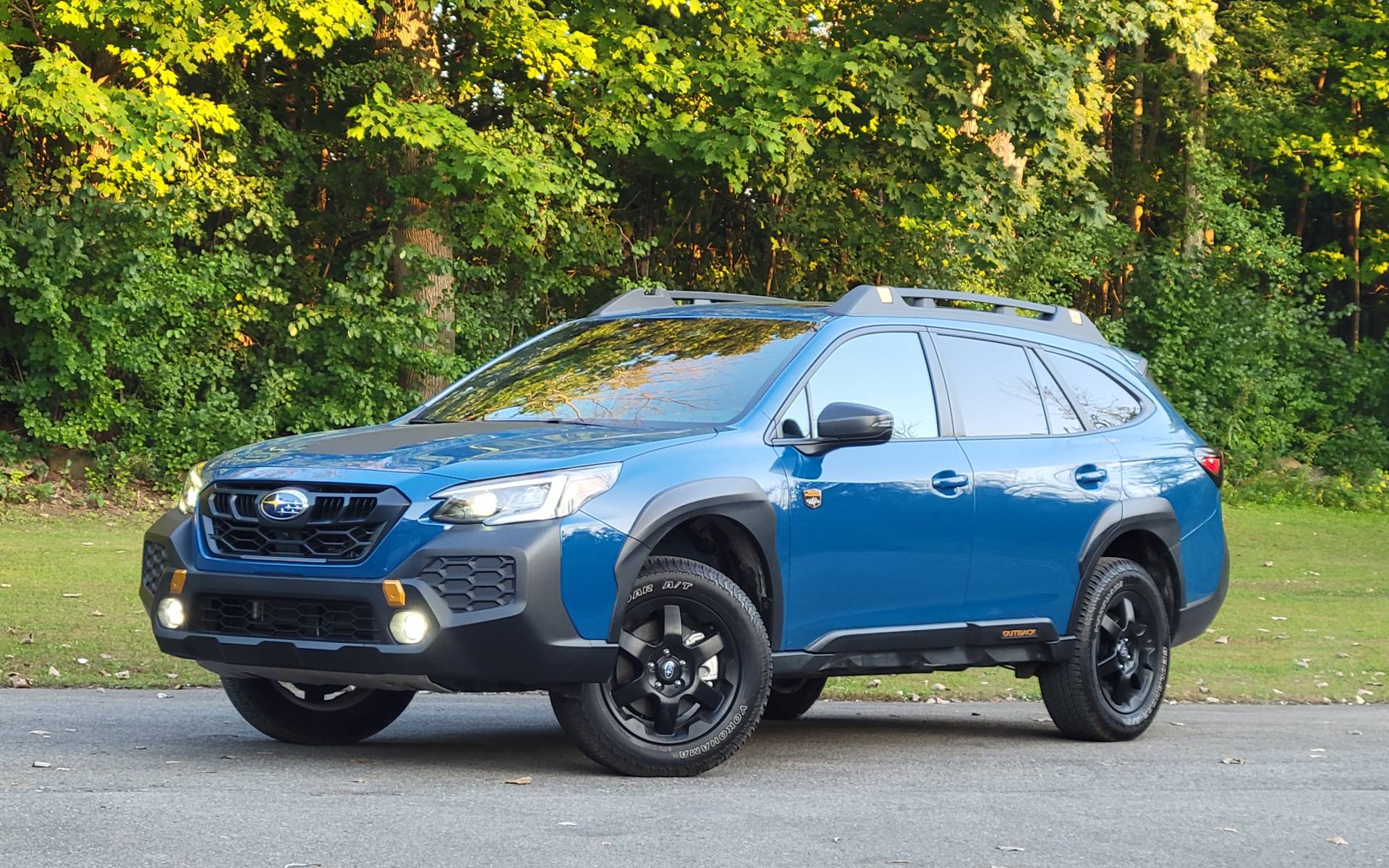
5. Subaru Outback: Durable Brakes and Off-Road Versatility
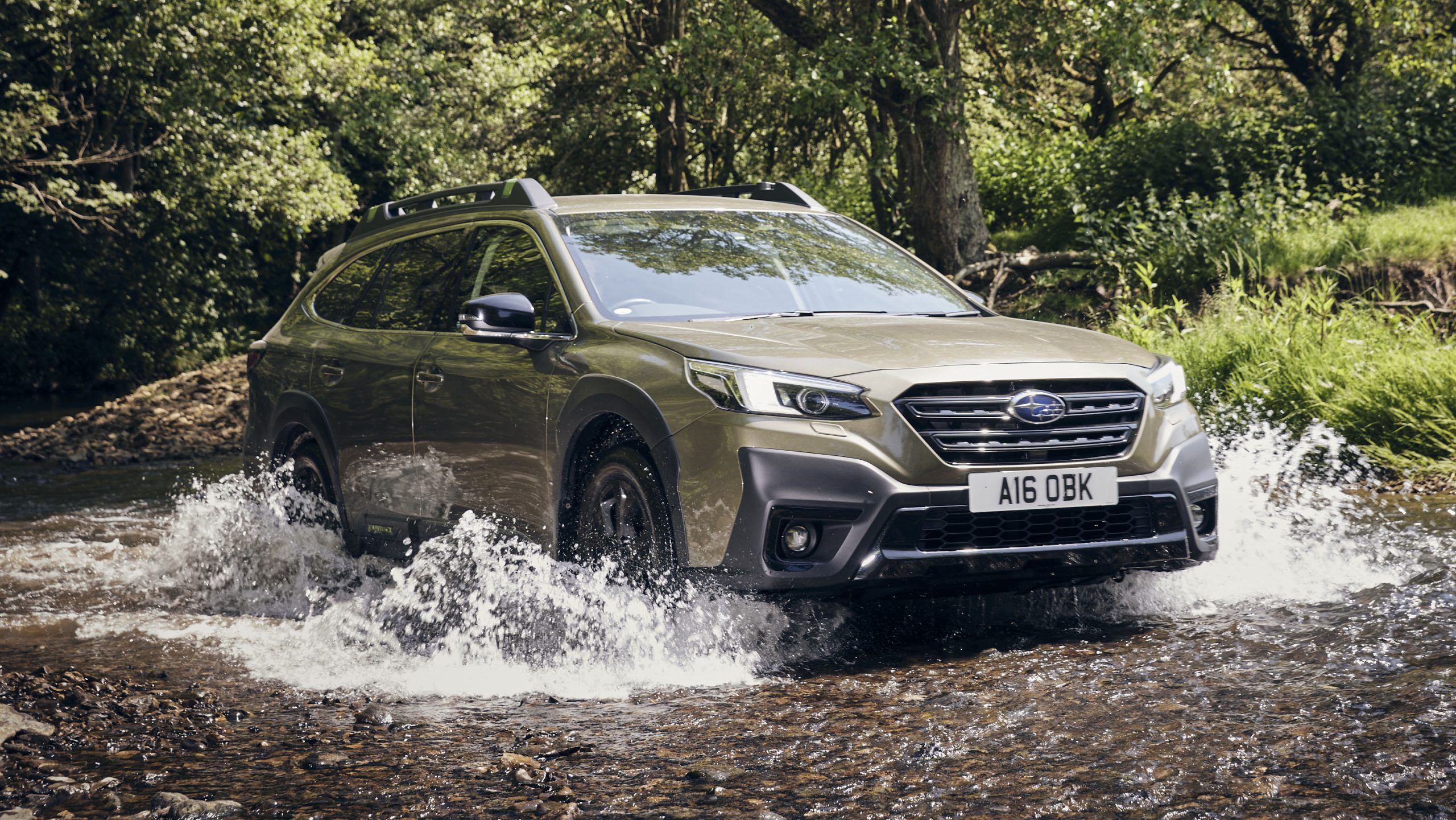
The Subaru Outback delivers surprising brake pad durability for an all-wheel-drive vehicle, achieving lifespans of 65,000 to 85,000 miles under typical driving conditions. Its symmetrical all-wheel-drive system continuously distributes power to all four wheels, allowing engine braking to assist deceleration and reducing stress on friction brakes.
The low center of gravity from the boxer engine stabilizes braking dynamics, while oversized rotors improve heat dissipation and slow pad wear. Ceramic-composite brake pads with high silicon content provide consistent friction and thermal resistance, complemented by progressive wear indicators for easy monitoring.
Suspension design ensures consistent tire contact, transferring braking forces efficiently, and X-Mode with hill descent control manages steep or slippery terrain without heavy brake application. These features allow the Outback to maintain brake longevity even in challenging off-road or mountainous conditions.
The Outback, particularly with the turbo engine, accelerates from 0 to 60 mph in 6.5 seconds. It handles most situations well, though noticeable body roll and slow steering reduce agility compared with other midsize SUVs.
Eight-point-seven inches of ground clearance and standard AWD enable confident off-road performance. Subaru’s safety systems, while comprehensive, can be intrusive, with lane keeping, driver attention alerts, and automatic emergency braking sometimes overreacting.
The Outback provides a smooth, compliant ride, absorbing potholes and uneven terrain with ease. Front seats are supportive and comfortable for long drives, and climate control performs well, though touchscreen responsiveness can be slow. Interior space is generous, with easy-to-access seating and user-friendly child seat installation.
Most controls are routed through a touchscreen that can lag, making adjustments distracting. Apple CarPlay and Android Auto are included, but you may experience delays. Cabin storage is functional but limited, while the low, flat cargo floor and roof rails enhance practicality for outdoor gear.
The Outback offers decent value, with standard practicality and off-road capability at a competitive price. Turbo models are closer in cost to traditional SUVs. EPA fuel economy for the 2.4-liter turbo is 25 mpg combined, achievable in real-world driving.
The Outback’s strengths lie in its off-road versatility and reliable braking under demanding conditions. It is well-suited for drivers seeking a practical, adventure-ready vehicle, despite some dated tech and intrusive driver aids.
Also Read: 5 Cars Whose Door Seals Stay Supple VS 5 That Need Annual Replacement
5 Pad-Eaters
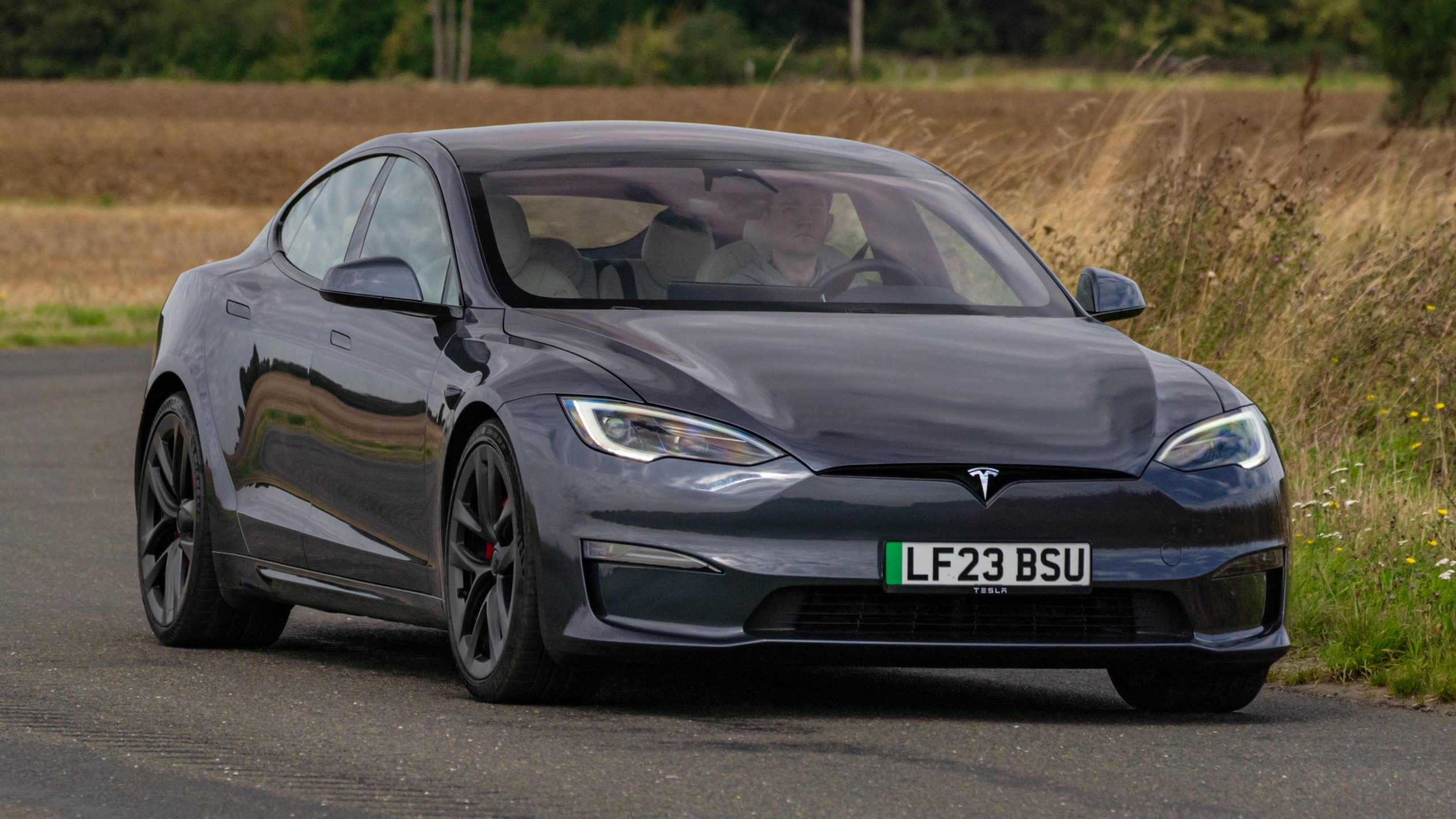
1. Tesla Model S Plaid: Balancing Extreme Acceleration with Brake Wear
The Tesla Model S Plaid delivers hypercar-level acceleration in a practical sedan, but its high-performance capability impacts brake pad life. Owners typically replace pads every 25,000 to 35,000 miles, which is relatively short despite the benefits of regenerative braking.
Weighing approximately 4,800 pounds due to its large battery and electric drivetrain, the Model S Plaid generates enormous kinetic energy during acceleration. While regenerative braking handles routine deceleration, aggressive driving or emergency stops still rely heavily on friction brakes.
This leads to extreme thermal loading, accelerating pad wear. Tesla equips the Plaid with large 390mm front rotors and 6-piston Brembo calipers, yet even these robust components face challenges when repeatedly slowing the vehicle from high speeds.
Frequent cooling between brake applications causes thermal cycling, where pads rapidly heat from ambient temperature to several hundred degrees. This shock pattern further accelerates material degradation. Plaid Mode and spirited driving naturally encourage frequent high-speed stops, producing high brake temperatures despite limited use in normal driving.
Tesla offers an optional Carbon Ceramic Brake Kit for track and high-performance use, providing better temperature stability but not fully eliminating pad wear under aggressive conditions. Regular brake inspections, cleaning calipers, and monitoring for uneven wear are critical for maintaining longevity.
Adjusting driving habits, such as braking earlier and less aggressively, can also extend pad life. Many owners consider aftermarket or upgraded brake kits to better handle the vehicle’s immense power and speed.
The Model S Plaid demonstrates the physics challenge of extreme electric performance. Even with regenerative braking, its heavy weight, high acceleration, and spirited driving demands lead to faster brake pad wear. Owners must combine careful maintenance, mindful driving, and optional upgrades to manage longevity while enjoying the Plaid’s extraordinary performance.
2. BMW M3/M4: Performance at the Cost of Brake Longevity
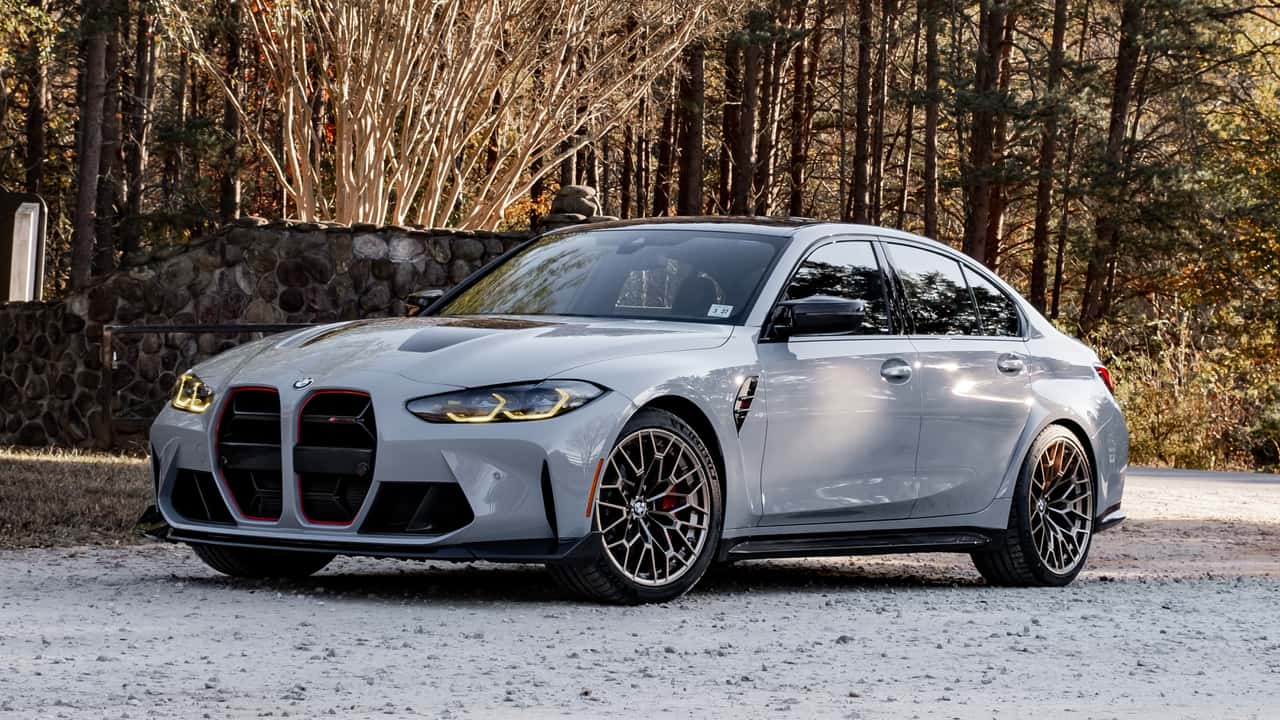
The BMW M3 and M4 prioritize performance over component longevity, with brake pads typically needing replacement every 20,000 to 30,000 miles, and sooner under spirited driving.
At roughly 3,800 pounds and equipped with turbocharged six-cylinder engines producing over 500 horsepower in Competition models, these vehicles demand substantial braking force. High kinetic energy during aggressive driving generates extreme thermal loads, accelerating pad wear.
BMW equips M3/M4 models with high-friction brake compounds designed for immediate bite and fade resistance rather than long life. M-specific brake calibration and performance-oriented driving modes, such as Sport or Sport Plus, encourage aggressive acceleration and braking.
Limited-slip differentials and stability control systems further facilitate dynamic driving, increasing brake use. Electronic systems like auto-hold and automatic start-stop also engage brakes frequently, contributing to faster wear.
Enthusiast owners often exploit the car’s performance on winding roads, highway accelerations, and track days. Aggressive cornering and high-speed stops increase stress on both front and rear brakes, while track use with stability systems turned off accelerates wear even more.
Soft brake compounds maximize stopping power but reduce lifespan. High-performance or carbon-ceramic options, particularly for track use, can wear out extremely quickly. Uneven wear can result from seized caliper pins or slides, causing pads to drag on rotors.
BMW recognizes brake pads as wear items, similar to tires, with pad wear sensors alerting owners when replacement is needed.
Drivers can extend pad life by avoiding sudden braking, monitoring calipers for uneven wear, and considering aftermarket performance pads suited to aggressive street use. Proper understanding of the vehicles’ systems and driving behavior helps balance high performance with reasonable brake service intervals.
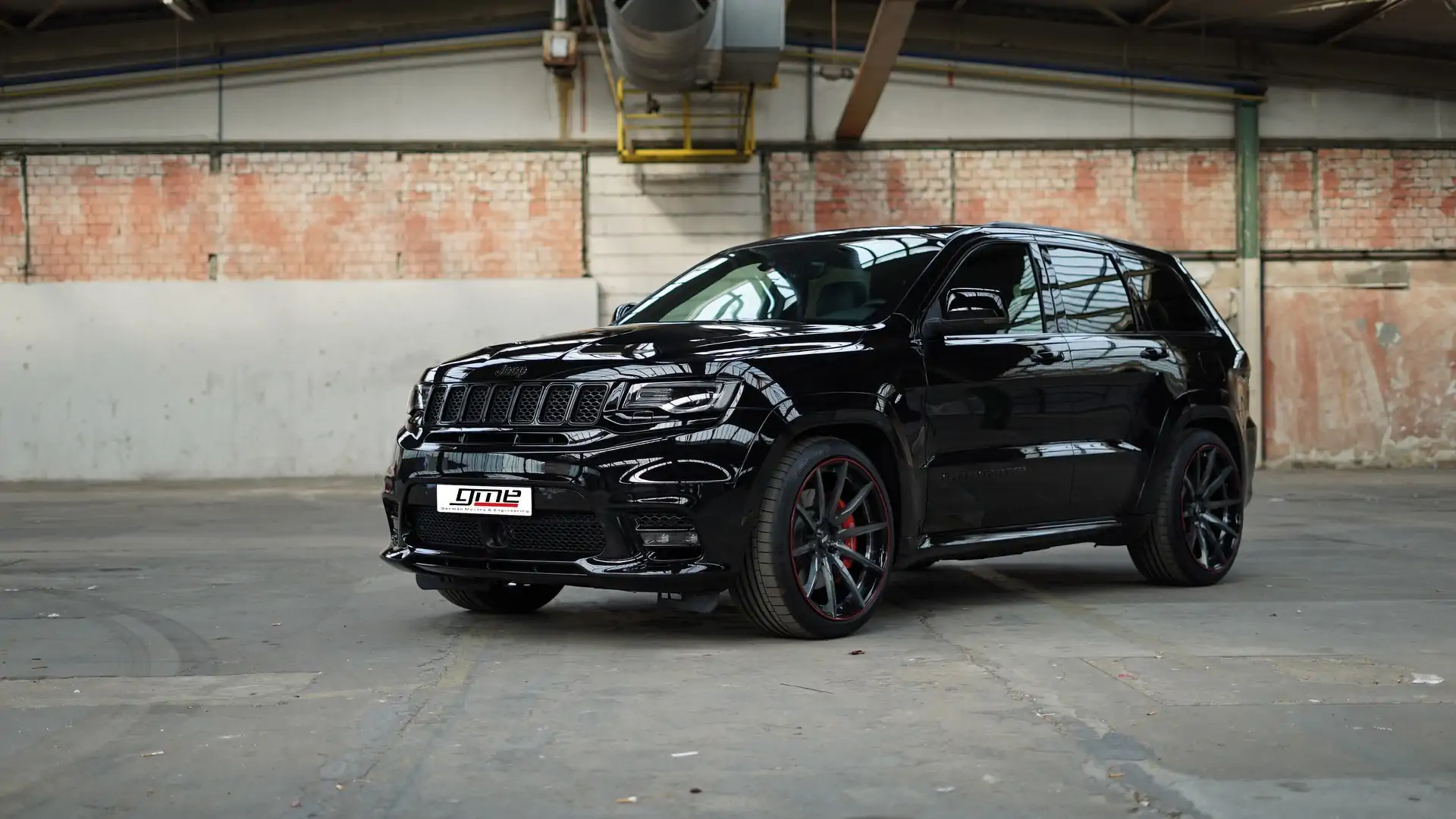
3. Jeep Grand Cherokee SRT/Trackhawk: Muscle SUV with Demanding Brakes
The Jeep Grand Cherokee SRT and Trackhawk push the limits of performance in an SUV package, resulting in brake pads that typically last 20,000 to 30,000 miles, with shorter lifespans under aggressive driving.
Weighing over 5,000 pounds and capable of extreme acceleration, especially the Trackhawk with its 707-horsepower supercharged V8, these vehicles generate enormous kinetic energy that must be dissipated during braking. This produces temperatures exceeding 1,000°F and accelerates pad wear.
Jeep equips SRT and Trackhawk models with massive Brembo braking systems featuring 15.75-inch front rotors clamped by six-piston calipers. High-temperature brake pad compounds resist fade under extreme conditions but sacrifice longevity for performance.
The performance-oriented suspension, designed to reduce body roll and improve stability, increases weight transfer to the front axle, where approximately 70 percent of stopping duty falls, further accelerating front pad wear.
Owners frequently exploit these SUVs’ combination of straight-line acceleration, all-weather capability, and aggressive street performance. This includes spirited driving on back roads, drag strip events, and rapid urban accelerations and stops. Such usage intensifies thermal cycling and front-biased wear, making brake replacement more frequent than in standard Grand Cherokee models.
Jeep addresses the high-performance brake demands with shorter recommended inspection intervals. Onboard diagnostics include pad wear sensors and brake temperature monitoring that alert owners when replacement is necessary. Even with advanced braking components, the extreme acceleration and heavy mass of these SUVs ensure that brake service is a predictable and regular requirement.
The Grand Cherokee SRT and Trackhawk combine SUV practicality with muscle car performance, but their aggressive capabilities create a high-stress environment for brake components. Massive rotors, multi-piston calipers, and high-temperature pads maintain safety and performance, yet frequent replacement remains an expected aspect of ownership for these extreme-performance SUVs.
4. Mercedes-AMG GT: High-Performance Brakes for a Supercar Experience
The Mercedes-AMG GT delivers supercar-level acceleration and handling, but its performance comes at the cost of brake pad longevity. Brake pads typically need replacement every 15,000 to 25,000 miles, with intervals shortening under spirited driving. This rapid wear results from the vehicle’s extreme power and performance-focused engineering.
The AMG GT is powered by a hand-assembled 4.0-liter biturbo V8 producing between 469 and 720 horsepower. This allows 0-60 mph times as low as 3.1 seconds and top speeds near 200 mph. To match this capability, Mercedes equips the car with large ventilated and perforated rotors clamped by multi-piston fixed calipers.
The high-friction pad compounds are designed to perform optimally at elevated temperatures, but during normal driving, they wear faster than standard pads. Optional ceramic composite brakes improve rotor longevity but do not significantly extend pad life.
Owners tend to drive the AMG GT aggressively, participating in track days, spirited road drives, and high-speed maneuvers. Frequent hard braking, high-speed cornering, and short stop-and-go trips all increase thermal loads on the pads. Adaptive cruise control can also contribute to brake usage in urban driving.
Mercedes provides advanced brake monitoring systems that track pad thickness and issue early replacement warnings. Consistent maintenance, including inspecting rotors and slide pins, helps ensure optimal pad life. Conservative driving and mindful use of adaptive systems can also reduce wear.
The AMG GT balances thrilling acceleration and precise handling with brake pads that wear quickly under high-performance conditions. Its advanced braking system provides exceptional stopping power and fade resistance, but rapid pad replacement is an inherent aspect of ownership. Drivers seeking maximum performance should expect regular inspections and timely replacements to maintain safety and performance.

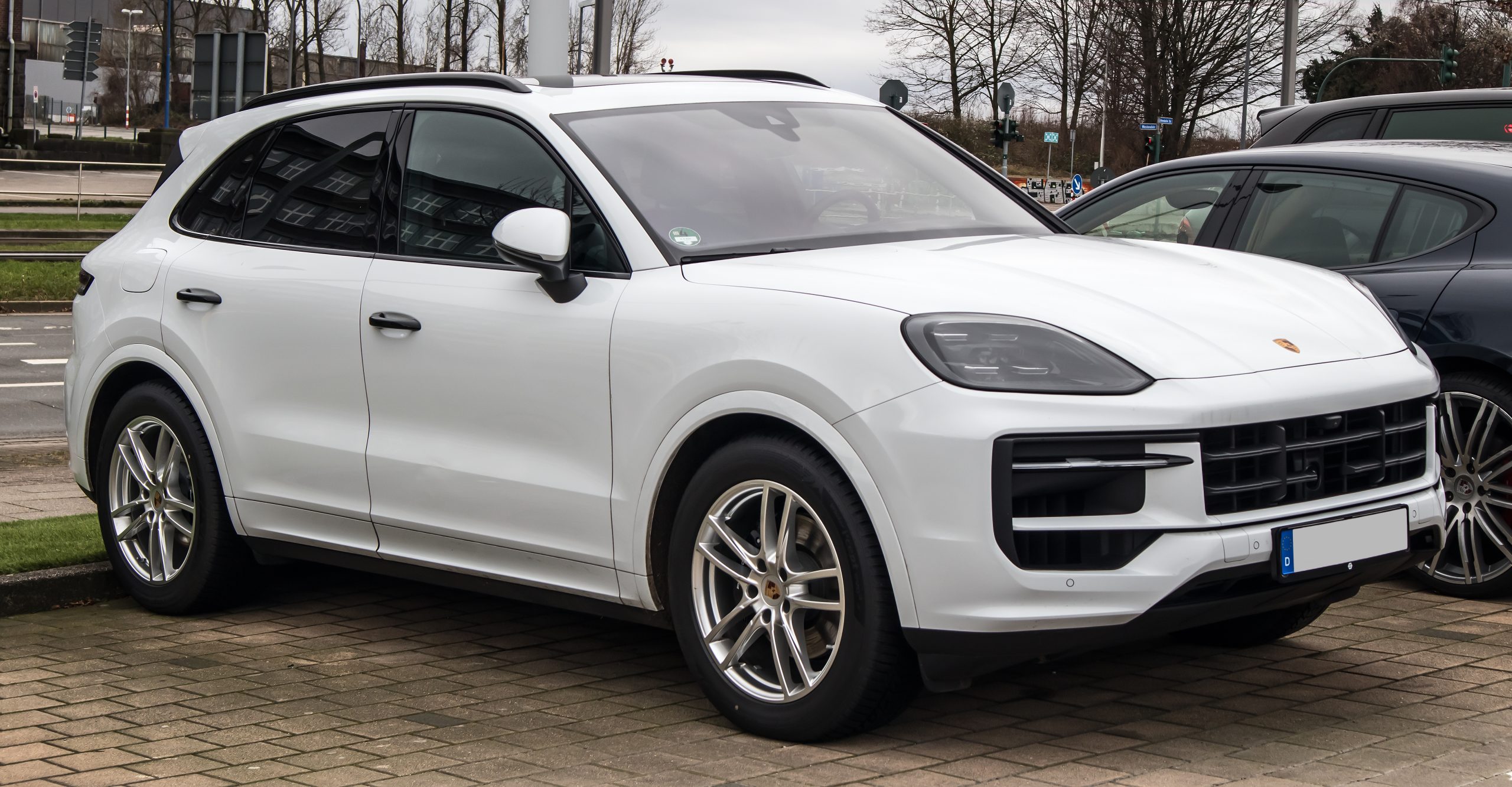
5. Porsche Cayenne: Performance SUV with High Brake Demands
The Porsche Cayenne combines sports car dynamics with SUV mass, resulting in brake pads that typically last 25,000 to 35,000 miles, and less under spirited driving. With curb weights exceeding 4,500 pounds, rapid acceleration, and outputs over 500 horsepower in Turbo and GTS variants, the Cayenne generates significant kinetic energy that must be dissipated during braking, producing extreme heat that accelerates pad wear.
To manage this challenge, Porsche equips the Cayenne with oversized front rotors up to 415mm on higher-performance models and multi-piston fixed calipers (up to 10 pistons). These features enhance thermal capacity, clamping force distribution, and pedal feel.
High-performance pad compounds prioritize fade resistance and initial bite over longevity, ensuring consistent braking performance despite accelerated wear. The optional Ceramic Composite Brake (PCCB) system improves heat resistance and prolongs rotor life, but does not significantly extend pad lifespan due to required compound properties.
Owners frequently exploit the Cayenne’s performance for rapid acceleration, aggressive cornering, towing, or tackling hilly terrain. Stop-and-go traffic, frequent hard braking, and riding the brakes all increase thermal cycling, stressing the pads and accelerating wear.
Porsche Torque Vectoring (PTV) can intensify inner rear pad wear during corners. Hybrid models relying less on regenerative braking may place even greater demand on physical brake components.
Uneven or accelerated wear can result from seized calipers or guide pins, poorly maintained brake systems, or improper lubrication of caliper slides. High vehicle mass and added loads from passengers or cargo further exacerbate brake stress.
While the Cayenne delivers SUV practicality with Porsche-grade performance, its brake system endures substantial stress due to vehicle weight, high-speed capability, and aggressive driving.
Oversized rotors and multi-piston calipers ensure reliable braking, but pads remain a wear item requiring frequent replacement. Drivers can moderate wear through careful driving habits and proper maintenance, balancing the vehicle’s dynamic abilities with service intervals.
Brake longevity highlights the trade-off between everyday practicality and high-performance driving. Cars engineered for durability demonstrate that careful design, weight management, and advanced braking technologies can significantly reduce maintenance needs while delivering smooth, predictable stopping power.
Performance-focused vehicles show that speed and aggressive handling inevitably lead to faster pad wear, even with high-quality materials and oversized components. Drivers who push their vehicles to the limits should expect frequent brake maintenance as part of normal ownership.
Awareness of how driving style, vehicle weight, and brake design affect pad life helps owners make informed choices that match their priorities. By balancing performance with durability, drivers can enjoy both safety and driving satisfaction while managing costs, making brake longevity an essential factor when evaluating any vehicle.
Also Read: 10 Cars With Seats That Save Your Back on Road Trips
