When buying a car, reliability and maintenance needs are just as important as performance or style. Some vehicles are built to be dependable, low-maintenance companions that go about their business without frequent trips to the shop. These cars offer peace of mind, simpler repairs, and lower long-term costs, making them ideal for drivers who value convenience and practicality.
On the other hand, certain vehicles, often packed with advanced technology, luxury features, or complex powertrains, can demand constant attention. Early reliability issues, software glitches, and specialized repair needs can turn ownership into a time-consuming and costly endeavor.
Understanding the difference between cars that require minimal upkeep and those that are high-maintenance helps buyers make informed decisions, balancing convenience, cost, and driving enjoyment.
5 Cars That Last with Minimal Maintenance
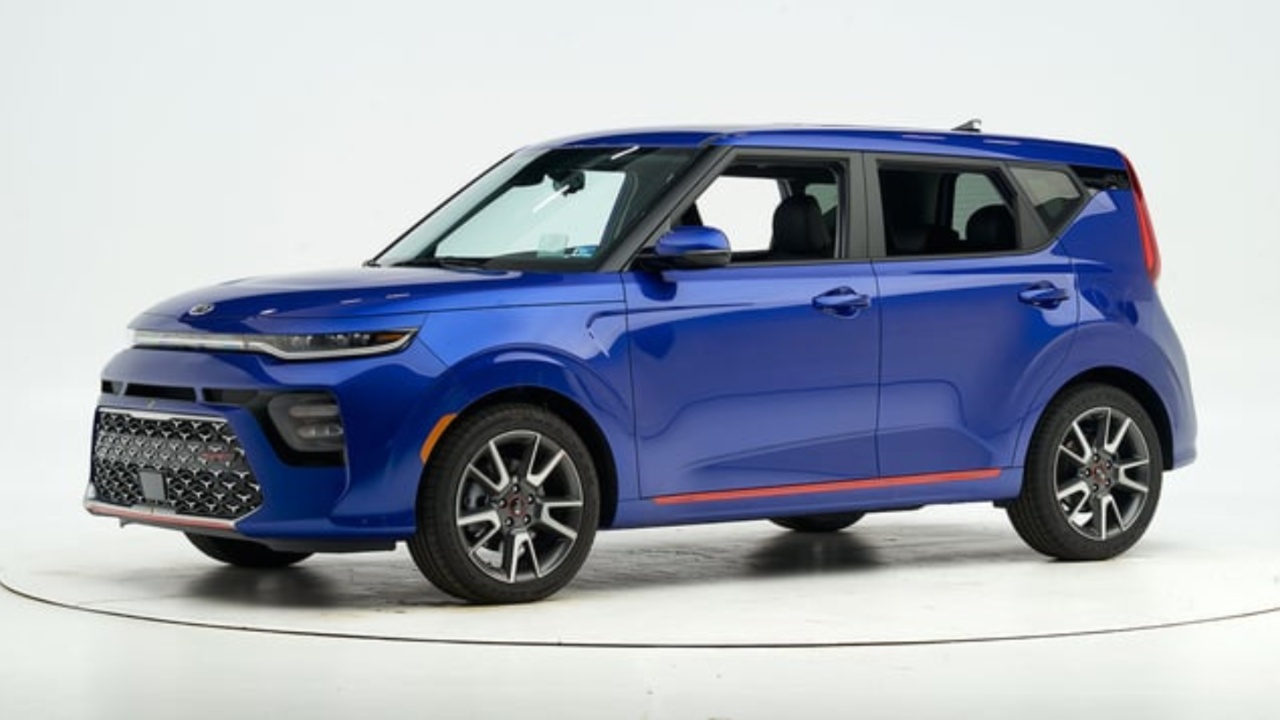
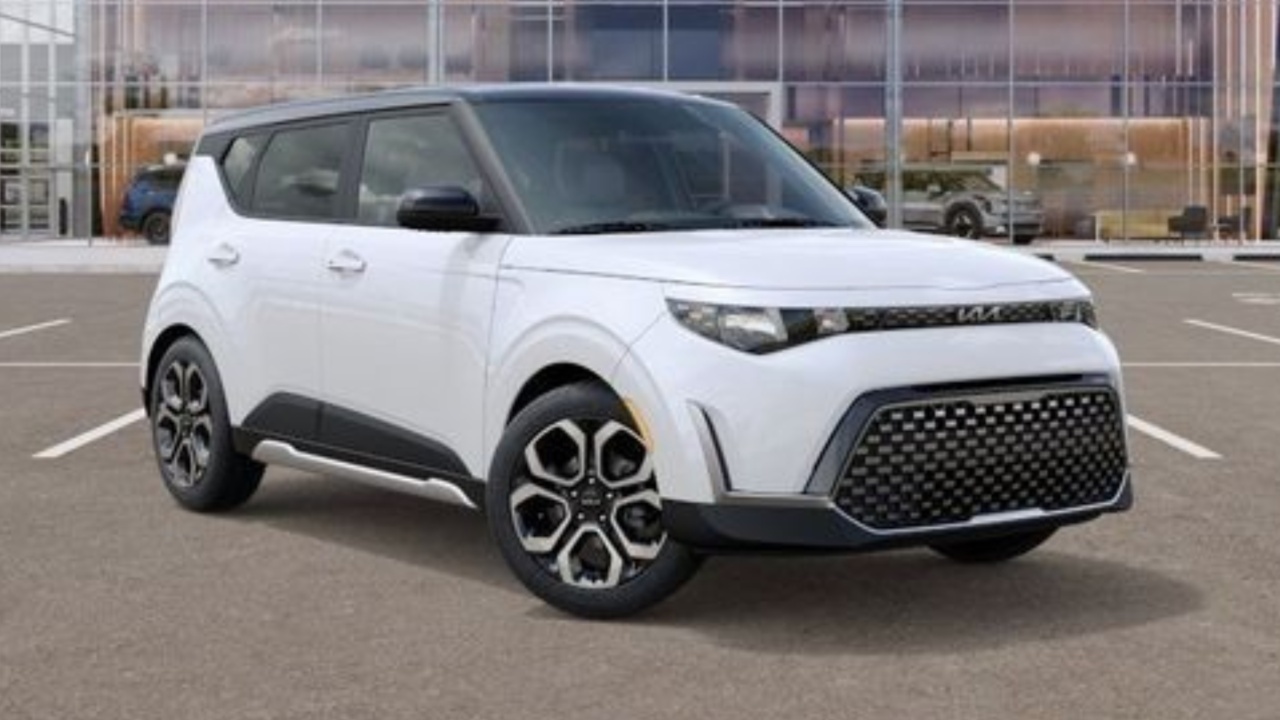
1. 2025 Kia Soul: Budget-Friendly Boxy SUV with Surprising Practicality
The 2025 Kia Soul stands out in the subcompact SUV segment because of its roomy interior, strong value, and pleasing driving dynamics. With a starting price of $20,490, it remains one of the most affordable new vehicles in the country.
While it lacks all-wheel drive and uses a modest 2.0-liter four-cylinder engine, these features make it simple to maintain and suitable for new drivers or DIY mechanics. The Soul also delivers solid fuel economy, reaching 29 mpg in the city and 35 mpg on the highway with the EX trim.
The Soul feels light and agile on the road. Its 8.5-second 0 to 60 mph time is average for the category, yet the steering is natural and the handling rivals sportier models such as the Mazda CX-30. The ride remains firm but controlled, and bumps are absorbed without fuss.
The brake pedal is touchy at low speeds but becomes predictable with use. Tall windows create excellent visibility, which helps compensate for the lack of a surround-view camera.
Inside the cabin, the Soul provides generous headroom and legroom in both rows, helped by its tall roofline and boxy shape. Wide door openings make getting in and out simple. The front seats remain comfortable on long trips, and the ergonomic layout is easy to navigate.
The fixed rear seatback is set at a comfortable angle, though installing child seats can be difficult because of recessed anchors. Wind and tire noise rise at highway speeds but stay manageable.
Most trims include a 10.25-inch touchscreen with Apple CarPlay, Android Auto, and available wireless charging. The system works well, although the navigation display looks somewhat dated. The optional Harman Kardon audio system adds strong sound quality and bass response.
A deep cargo well provides 24.2 cubic feet of space behind the rear seats, making the Soul one of the roomiest options in its class. A noticeable hump forms when the seats are folded, which limits flat loading. Interior materials are simple yet sturdy, and thoughtful touches like synthetic leather accents enhance the cabin. Even fully equipped, the Soul stays under $26,000, delivering impressive value for the price.
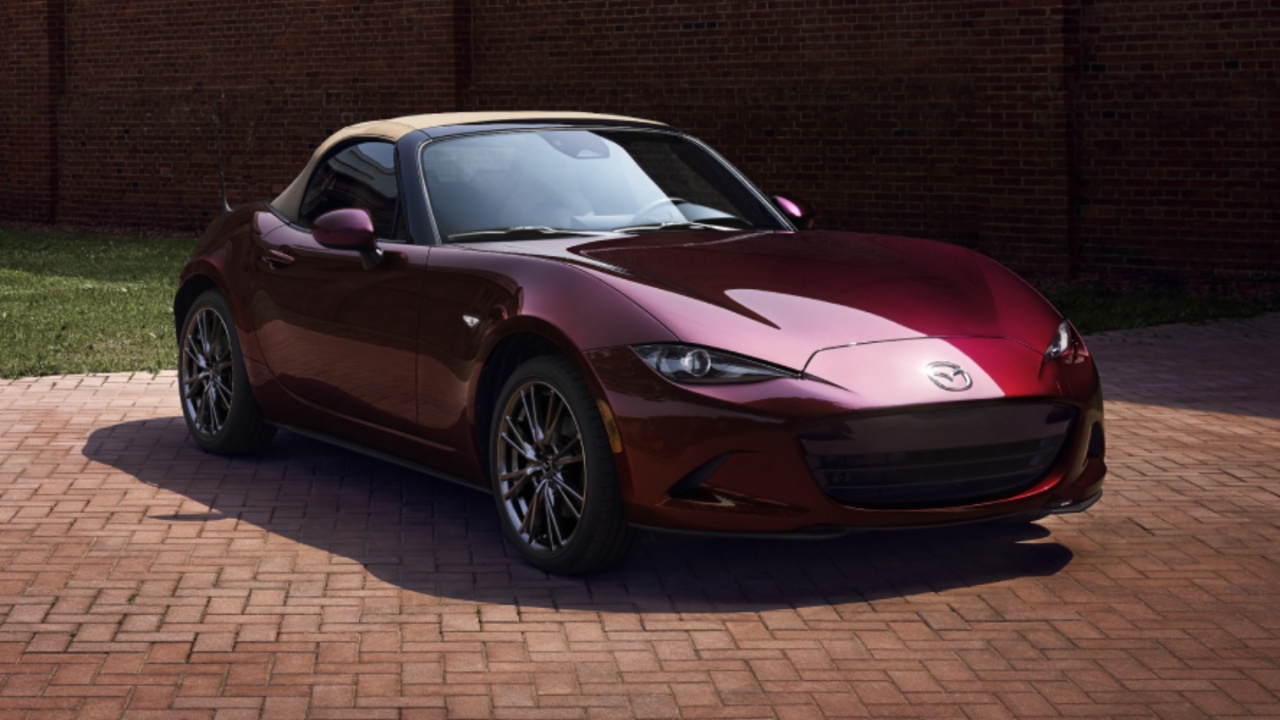
2. 2025 Mazda MX-5 Miata: Lightweight Roadster Designed for Pure Driving Joy
The 2025 Mazda MX-5 Miata remains one of the most engaging driver’s cars available, combining mechanical simplicity with genuine performance. Priced at $29,530, it is also the most affordable true sports car on the market.
Its rear-wheel-drive layout, longitudinally mounted engine, large engine bay, and naturally aspirated four-cylinder make it very approachable for at-home mechanics. A manual transmission comes standard, and its popularity ensures strong aftermarket support. Buyers can choose between a manual cloth convertible top or an electric targa-style roof, with the cloth top being the most practical for DIY ownership.
The MX-5 is known for nimble handling and excellent driver feedback. Its 0 to 60 mph time of 6.4 seconds is lively, even if slightly slower than rivals such as the Subaru BRZ. Braking is confident with a 113-foot stop from 60 mph.
The Miata offers predictable cornering behavior, reacting quickly to inputs and providing clear communication about available grip. Body roll appears during aggressive driving, but it does not interfere with road feel or enjoyment unless the car is pushed on a racetrack.
Two-seat convertibles rarely prioritize comfort, but the Miata manages daily driving reasonably well. Larger bumps can feel harsh, although smaller imperfections are softened effectively.
The seats offer good support, and heated seat options work well in colder weather. Some testers found the padding unusual, yet comfort levels remain strong for most drivers. Wind noise is significant, especially with the top up at highway speeds. Many owners prefer driving with the top down and windows raised to reduce turbulence.
The cabin layout is clean and functional, with controls placed close together due to the small space. The infotainment control knob can feel awkward, but touchscreen redundancy helps. Cupholders and storage solutions are limited. Taller drivers may struggle with headroom and legroom, and the passenger footwell is particularly short. The manual top is very quick and easy to operate.
Standard tech includes Android Auto, Apple CarPlay, two USB ports, and several driver assistance features. Blind spot monitoring is especially helpful with the top-up. The nine-speaker Bose audio system performs well against road and wind noise. Navigation works adequately, but is basic in presentation.
Cargo capacity sits at 4.6 cubic feet, which limits packing for longer trips. Interior storage is restricted to a small center bin in place of a glovebox. The Miata’s build quality is reassuring, featuring soft plastics and synthetic leather for an upscale feel. Mazda’s warranty coverage is average for the segment, and pricing remains reasonable as long as options are kept in check.
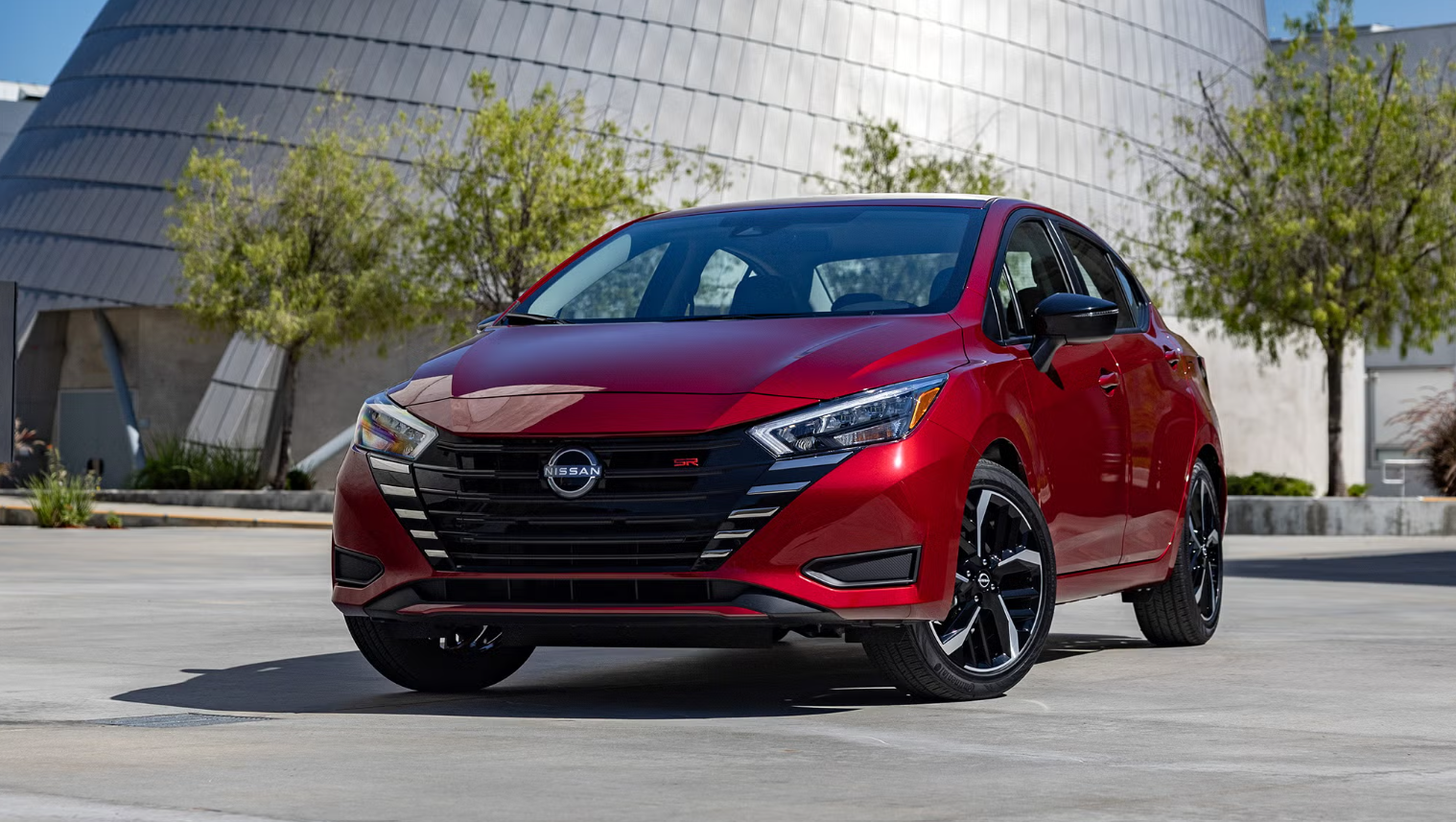
3. 2025 Nissan Versa: America’s Cheapest New Car with Classic Subcompact Practicality
The 2025 Nissan Versa preserves traditional subcompact sedan values in a market where such cars have nearly disappeared. With a starting price of $17,190, it is the most affordable new car in America. Its simple mechanical setup, including a naturally aspirated four-cylinder engine and a standard five-speed manual transmission, makes it inexpensive to run and easy to maintain.
While its 122-horsepower output is modest and its ride quality is unrefined at times, the Versa delivers strong value for drivers who prioritize cost and basic functionality.
The Versa focuses more on efficiency and daily usability than speed. Its 0 to 60 mph time of 10.4 seconds places it among the slowest cars tested recently, and acceleration can feel strained during highway merges or passing maneuvers. For typical city driving, however, the engine performs adequately.
Handling is a pleasant surprise, with the suspension keeping the car composed through turns. Steering can feel heavy and lacks road feedback, yet the Versa responds reliably. The brakes are smooth in everyday driving and capable in emergency situations.
Inside, the seats offer firm support and comfortable cloth upholstery, although the upper seatback feels narrow, and lumbar support is limited on long trips. Rear passengers experience similar firmness with acceptable comfort. The ride remains smooth over most surfaces, but rough roads introduce bounce and noticeable noise. Climate controls use traditional knobs and buttons, which are simple and well placed.
The cabin design earns high marks for ease of use. Wide windows, a short hood, and upright seating provide excellent visibility. The cabin feels surprisingly spacious, offering good headroom even at higher seat positions, though very tall passengers may brush the headliner. The touchscreen is responsive, and the steering wheel and center stack controls are intuitive.
Upper trims include an 8-inch touchscreen, six speakers, smartphone integration, and wireless charging. Driver aids function smoothly, with gentle alerts, though the backup collision mitigation system can be overly sensitive. The rearview camera’s low resolution is a drawback.
With 15 cubic feet of trunk space, the Versa outperforms many competitors. Folding rear seats add flexibility, though small-item storage inside the cabin is limited. Child seat installation is fairly easy due to accessible anchor points.
Fuel economy is a highlight, achieving 35 mpg combined and even better in real-world tests. The Versa feels solidly built for its price, offers modern tech and safety features, and remains an appealing value despite average warranty coverage.
4. 2025 Nissan Frontier: Traditional Body-on-Frame Pickup with Strong V6 Power
The 2025 Nissan Frontier appeals to buyers seeking a classic, rugged truck experience rather than the increasingly car-like feel of many modern midsize pickups. It features hydraulic power steering, a rarity in today’s market, along with a 310-horsepower 3.8-liter V6 that provides strong performance without turbocharging.
The Frontier retains a body-on-frame design for durability, towing strength, and off-road resilience. Rear-wheel-drive models offer the simplest mechanical layout for maintenance, while the part-time four-wheel-drive system in 4×4 trims is robust and straightforward for challenging terrain.
In testing, the Frontier Pro-4X accelerated from 0 to 60 mph in 7.8 seconds, a competitive result for its class. The V6 delivers excellent midrange power, and the transmission shifts smoothly under all conditions.
Braking is confident and easy to modulate in city traffic. Handling is composed even with all-terrain tires, and the ride quality stays compliant without feeling overly stiff. The hydraulic steering, while offering a traditional truck feel, demands noticeably more effort at low speeds, making tight parking maneuvers harder.
Off-road capability is solid, though still short of class leaders like the Toyota Tacoma. Driver assists are a weak point due to missing features and low-resolution camera systems.
Interior comfort lags behind rivals. Front seats feel firm and flat with limited adjustability, making long drives less pleasant. Rear legroom is tight for adults. Despite these drawbacks, the Frontier benefits from Nissan’s updated interior styling.
The infotainment touchscreen is large and clear, and physical controls are generous in size, though some buttons and menu layouts lack logical placement. Wind noise becomes noticeable at highway speeds.
The Frontier includes a standard 8-inch touchscreen and an optional 12.3-inch unit. Features such as wireless charging and a 10-speaker Fender audio system are available, though the subwoofer reduces underseat storage. Competing trucks offer cleaner graphics and more intuitive menu structures.
Cabin storage is plentiful, with large trays, cupholders, and a roomy center console. Rear seats lift for additional space, though they do not fold flat. The Frontier is priced competitively within the midsize segment, and the build quality is strong. Warranty coverage and roadside assistance are average and fall short of some competitors.
The Frontier offers 1,480 pounds of payload and 7,040 pounds of towing capacity, enough for small to midsize trailers. Fuel economy for 4WD models lands at 19 mpg combined, matching EPA estimates in real-world testing. The 2025 Frontier remains a good fit for drivers who appreciate durability, simplicity, and a truck that does not blend into the crowd.
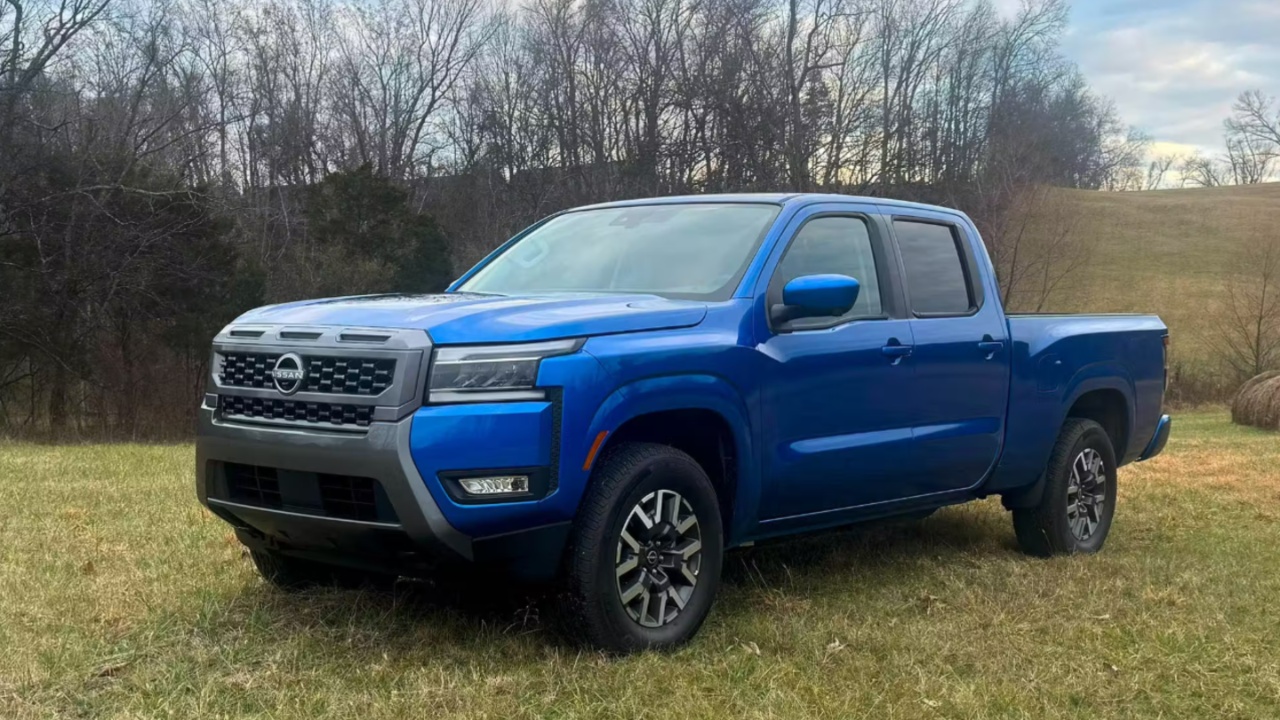
5. 2024 Chevrolet Camaro: Classic Muscle Platform with Strong Performance and DIY-Friendly Design
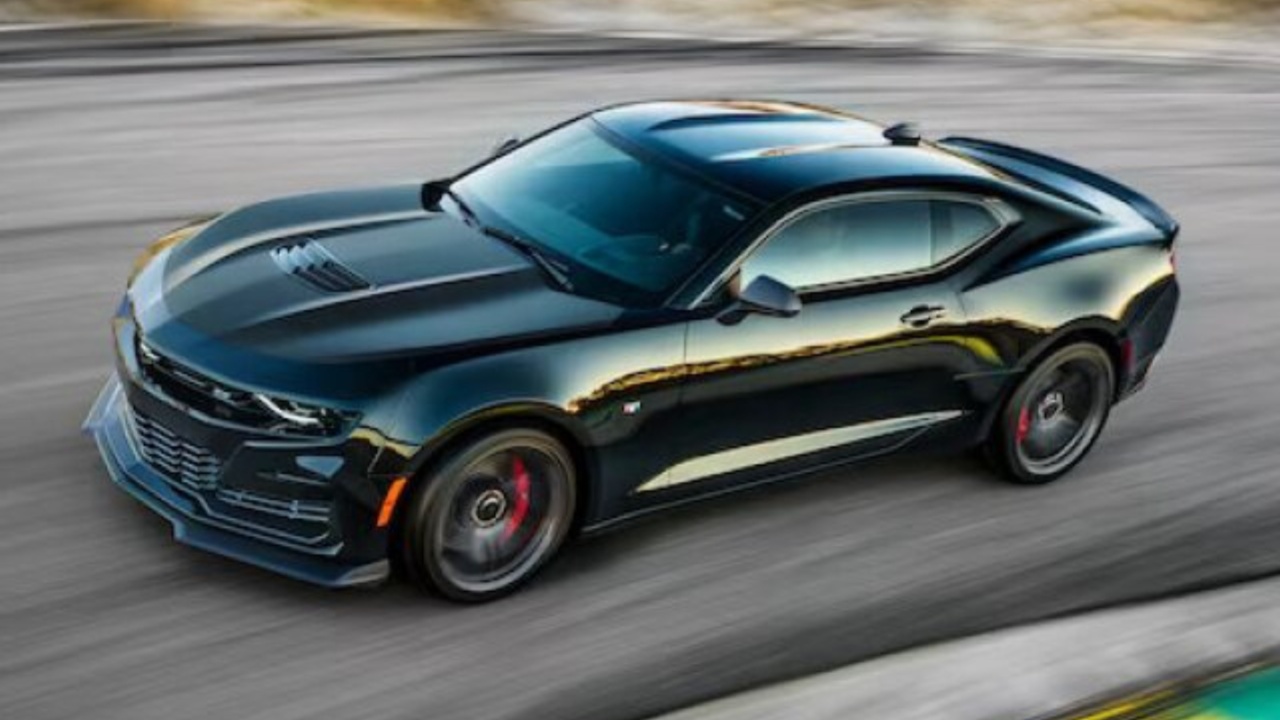
The 2024 Chevrolet Camaro stands out as a traditional American muscle car, offering big power, rear-wheel drive, and a layout that appeals to hands-on owners. Its V6 and V8 engines sit in a spacious longitudinal engine bay that simplifies access, and the manual transmission offered on most trims reduces driveline complexity.
The predicted reliability score is high, and a massive aftermarket supports everything from mild upgrades to full track builds. The ZL1’s supercharged 650-horsepower V8 is the wildest option, though its tight packaging makes it less ideal for casual wrenching.
The car combines straight-line muscle with precision handling in a way earlier generations never achieved. The V8 delivers the most authentic experience, yet the V6 and turbo four-cylinder remain genuinely quick.
Most trims edge out similar Mustang models in acceleration, and braking performance is equally confidence-inspiring. Lighter engine configurations feel more nimble, while V8 models offer higher handling limits thanks to wider, stickier tires. The manual gearbox features excellent shift feel and rev-matching for smooth downshifts.
Ride quality is impressive for a performance coupe. The base suspension is compliant, and the optional Magnetic Ride Control system enhances comfort and control on varied pavement. All engines are quiet at steady speeds, with the V8 delivering the most satisfying soundtrack under throttle.
Front seats provide secure lateral support, though the lower cushion may feel narrow for some drivers. Rear seating remains extremely cramped and is best suited for children. Climate vents positioned near the shifter can direct heat or cold air onto the driver’s hand, which may feel awkward during long drives.
The interior design looks modern but presents significant visibility problems. Forward and side sightlines are limited, making tight roads and parking situations difficult. Controls are arranged in an unconventional layout, but become easy to use once learned.
The infotainment system responds quickly, and higher trims offer a larger screen and essential driver aids like blind-spot monitoring. Lower trims lack these features, which is noticeable given the car’s poor rear visibility.
Storage is a weak point, with a 9.1 cubic foot trunk that suffers from a small opening and high liftover. Interior pockets offer little space, though the rear seat can serve as overflow cargo room. Fuel economy aligns with expectations for muscle cars, ranging from 20 to 25 mpg combined, depending on engine choice.
The Camaro delivers excellent performance value, matching Mustang pricing while offering superior driving dynamics. Build quality is solid, and despite some inexpensive interior materials, the car remains one of the most rewarding driver’s cars in its segment.
Also Read: 10 Cars With Seats That Save Your Back on Road Trips
5 Needy Machines
1. 2025 Lincoln Nautilus: Luxurious and Comfortable SUV with Early Reliability Concerns
The Nautilus’ predicted reliability score of 69/100 highlights potential concerns, mainly related to early-stage technology and build quality. Common issues include glitches with the SYNC infotainment system, occasional malfunctions in the BlueCruise driver-assist system, and squeaks or rattles in the interior.
Some owners have also reported air suspension leaks and minor mechanical issues. While recalls exist, some dealership services have struggled to fully resolve certain problems.
Regular maintenance and preventative service are key to long-term ownership. Following recommended schedules for components such as spark plugs, transmission fluid, brakes, and suspension can prevent premature wear and maintain performance.
The 2025 Lincoln Nautilus delivers luxury, technology, and comfort in an attractive SUV package. Buyers should remain aware of potential early reliability issues and ensure careful inspection and proper maintenance to enjoy a smooth and dependable ownership experience.
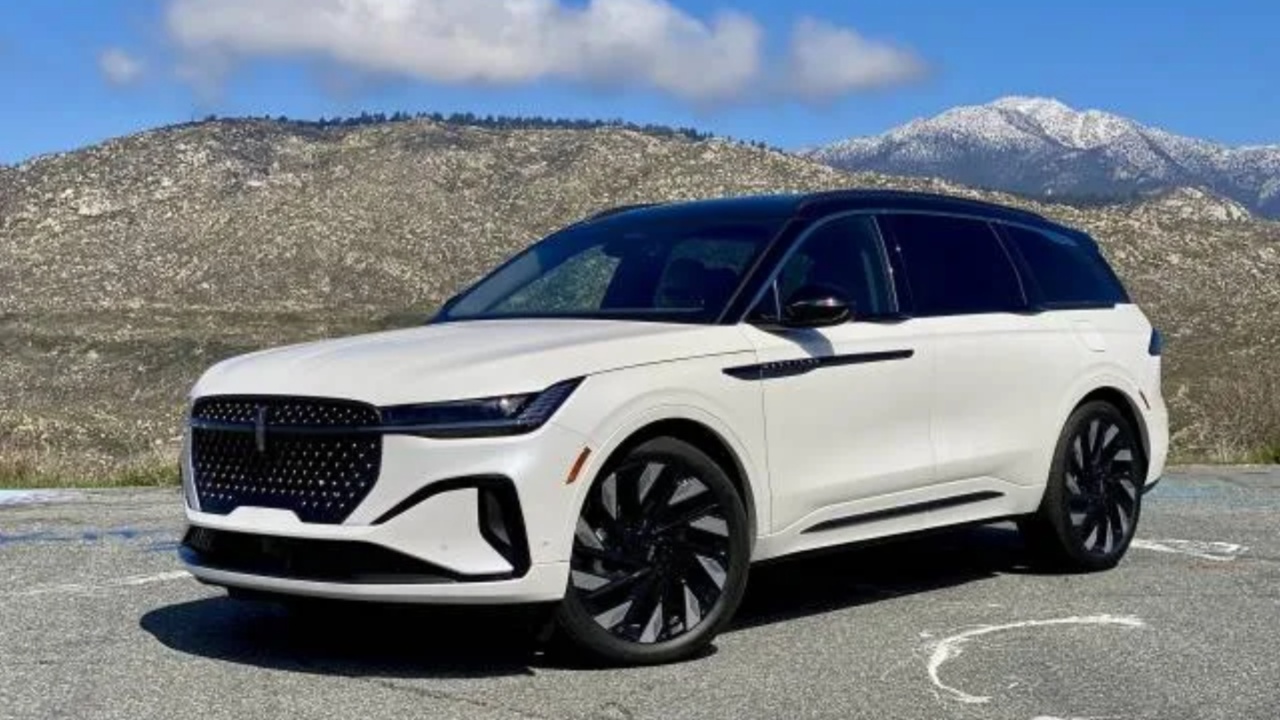
2. 2025 Tesla Model Y: High Value EV with Strong Performance but Notable Reliability Concerns
The 2025 Tesla Model Y remains one of the most popular vehicles in the country thanks to its impressive performance, long driving range, and excellent practicality. With 337 miles of maximum range, quick acceleration, and confident handling, it delivers an engaging driving experience.
Its spacious cabin and generous cargo capacity make it appealing for families and commuters alike. The Model Y also earns a strong value score of 10/10, reflecting low operating costs, high efficiency, and competitive pricing within the electric SUV segment.
The Model Y’s predicted reliability score of 69/100 is its biggest drawback. While the electric powertrain requires less routine maintenance than a gas vehicle, several design and quality issues contribute to the perception that it “always needs repairs.”
One major factor is Tesla’s giga-cast rear structure, which can transform a moderate rear-end collision into an expensive repair because large structural sections must be replaced rather than patched. Interior component failures are another common complaint, with some owners noting issues involving trim pieces, door handles, and switches that fail prematurely.
Build quality inconsistencies also play a role. Reports of misaligned panels, loose headliners, and wrinkled seats point to manufacturing defects rather than everyday wear.
Software remains central to the Model Y’s functionality, and while updates add features, they can also introduce glitches affecting infotainment performance or startup reliability. Brake wear may occur faster than expected due to regenerative braking behavior, especially in stop-and-go environments, and neglected charging ports can accumulate debris that slows charging or causes damage.
Despite these concerns, ownership costs remain manageable, with average annual repair expenses close to $590. Some limitations, such as reduced range in cold weather and occasional windshield issues, can frustrate drivers but are not uncommon among EVs.
Thorough pre-delivery inspections, extended warranty options, and a growing network of third-party Tesla repair shops can help mitigate long-term concerns. Consumer Reports expects the 2025 Model Y to offer average reliability, indicating ongoing improvements across newer builds.
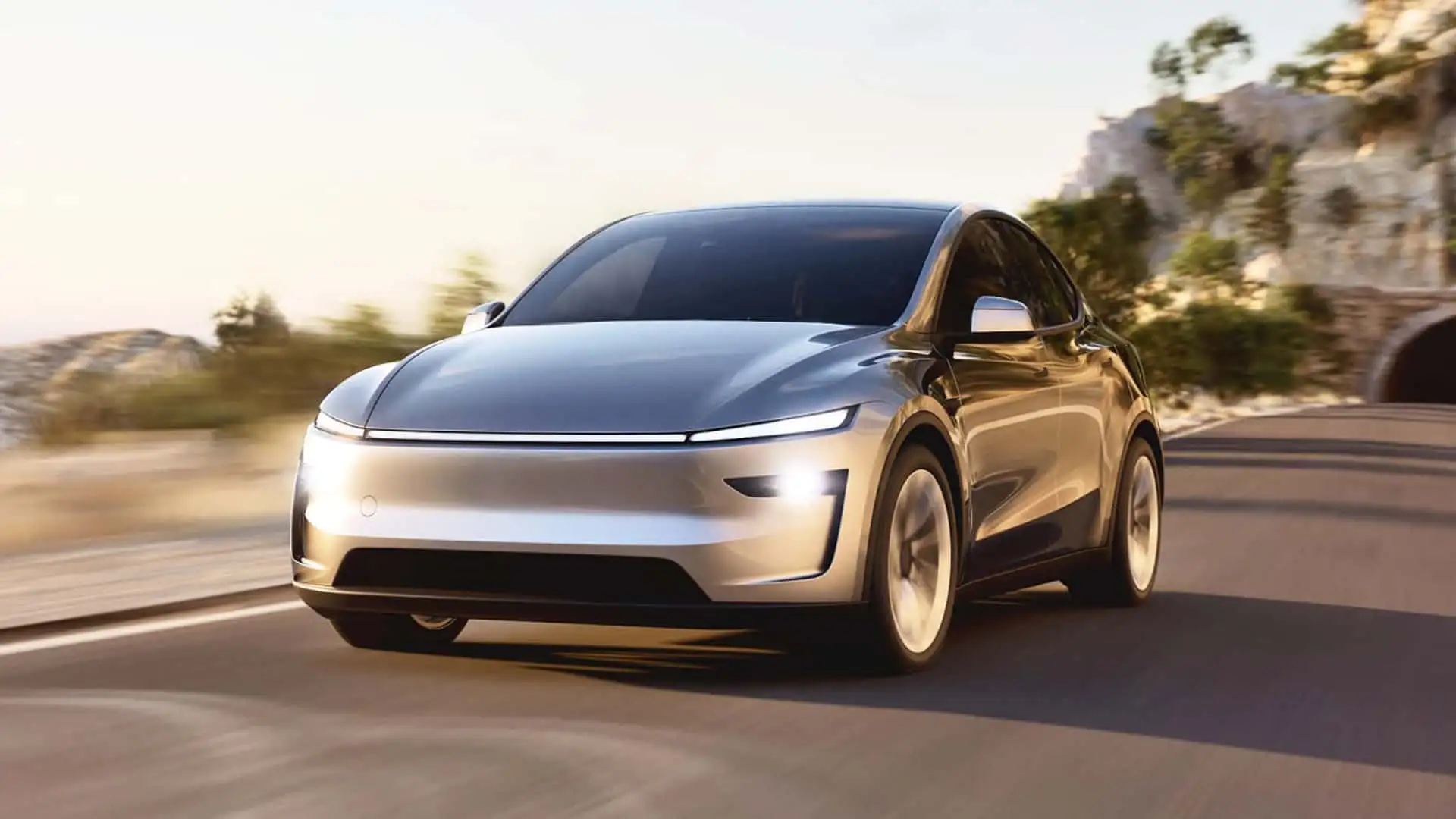
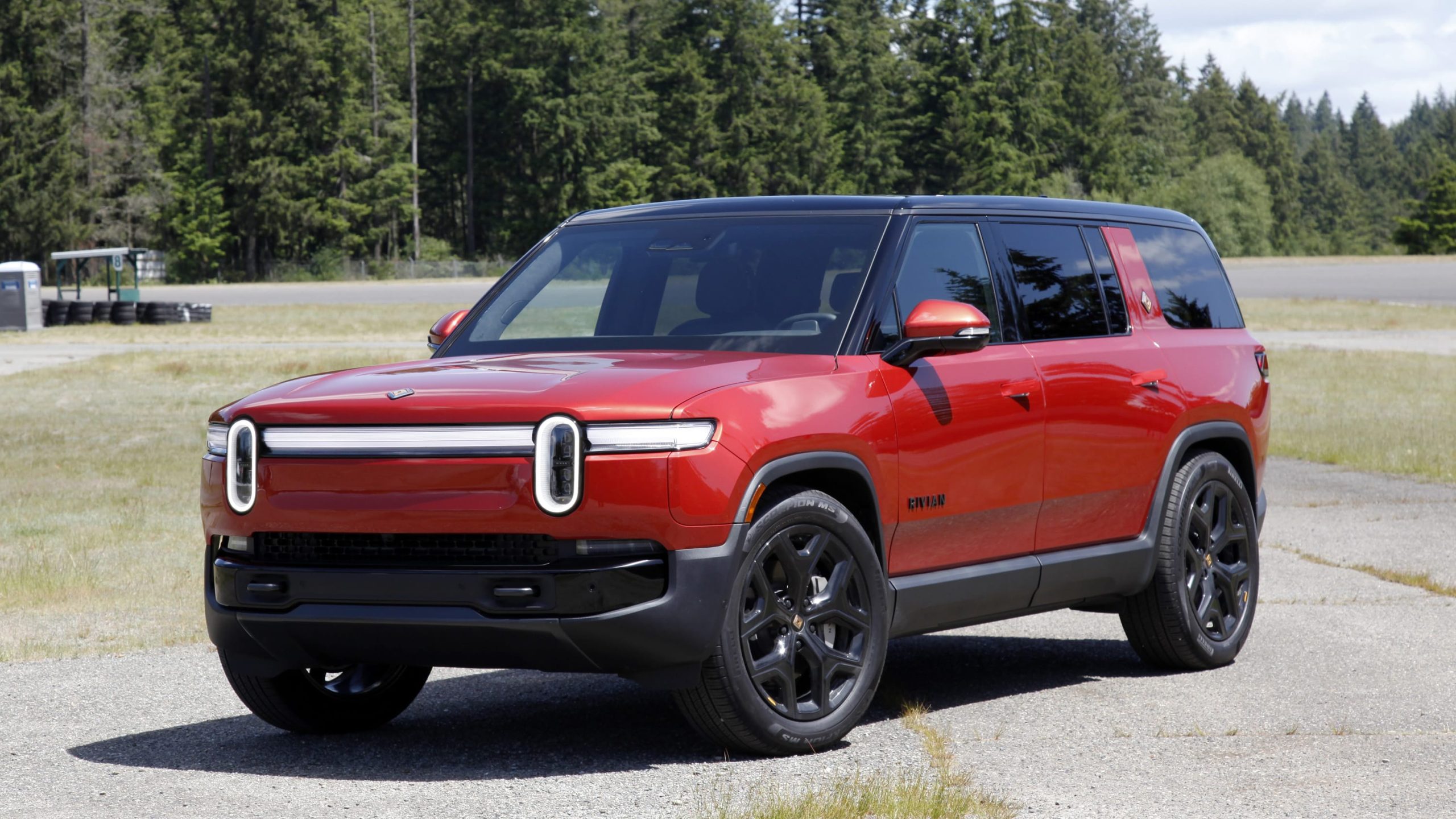
3. 2025 Rivian R1T: Innovative Electric Truck with Strong Performance but Ongoing Reliability Hurdles
The 2025 Rivian R1T delivers standout performance and unique utility features, positioning it as one of the most advanced electric pickup trucks available. With a maximum range of 420 miles, rapid acceleration, and a smoother ride than most traditional trucks, it appeals to drivers seeking comfort, capability, and cutting-edge EV engineering.
Its frunk, versatile Gear Tunnel, and clever storage solutions add meaningful practicality for road trips, camping, and daily hauling. The R1T also earns a strong value score of 8.5/10, reflecting its performance and feature set.
Despite these strengths, the R1T’s predicted reliability score of 69/100 limits its appeal among buyers seeking a dependable workhorse. As a relatively new automaker, Rivian continues to work through early-production growing pains that affect long-term ownership confidence.
Many owners report software glitches, ranging from infotainment freezes to system reboot loops. Electrical problems, including 12-volt battery failures, are another common issue and can immobilize the truck entirely.
The R1T has also been affected by several recalls, contributing to the perception that it frequently needs repairs. Build-quality complaints, such as rattling interior pieces, misaligned body panels, and premature component failures, are more prevalent than in trucks from established brands.
These issues can be frustrating on their own, but are worsened by Rivian’s limited service network. Long wait times for appointments and slow repair turnaround mean even minor problems can sideline the truck for extended periods.
The lack of Apple CarPlay and Android Auto is another drawback, though the updated 2025 infotainment system does improve usability. Some competitors also offer larger truck beds, which may matter to buyers prioritizing traditional pickup practicality.
The R1T remains one of the most impressive electric trucks to drive, but ongoing reliability challenges and slow service support create the impression that it “always needs repairs,” making it best suited for buyers willing to trade early-adopter quirks for innovative performance.
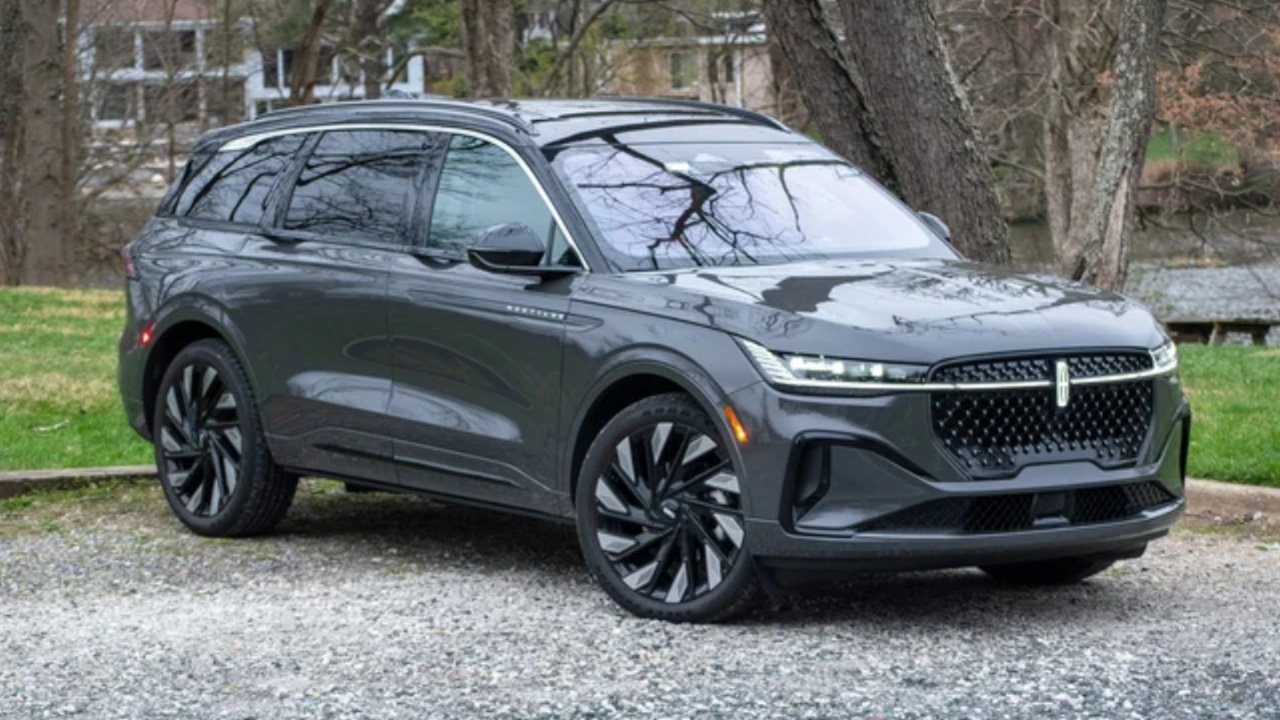
4. 2025 Lincoln Nautilus: Luxurious and Comfortable SUV with Early Reliability Concerns
The 2025 Lincoln Nautilus offers a sleek exterior, a refined cabin, and a comfortable ride, making it a strong contender in the luxury midsize SUV segment. Its five-seat interior is spacious and quiet, enhanced by active noise cancellation and soft, supportive seating.
High-tech features include hands-free driving capability via BlueCruise and a 48-inch panoramic display. Standard all-wheel drive, competent handling, and decent fuel economy further strengthen the Nautilus’ appeal. With a value score of 8.3/10, it delivers luxury features for a reasonable price compared with competitors.
Performance is smooth and refined, though the Nautilus is not without flaws. Some owners report engine noise and spongy brakes, which can reduce the sense of refinement. The SUV’s weight and power may also cause faster brake wear compared to smaller vehicles. The ride remains cushioned and ideal for highway cruising or city driving.
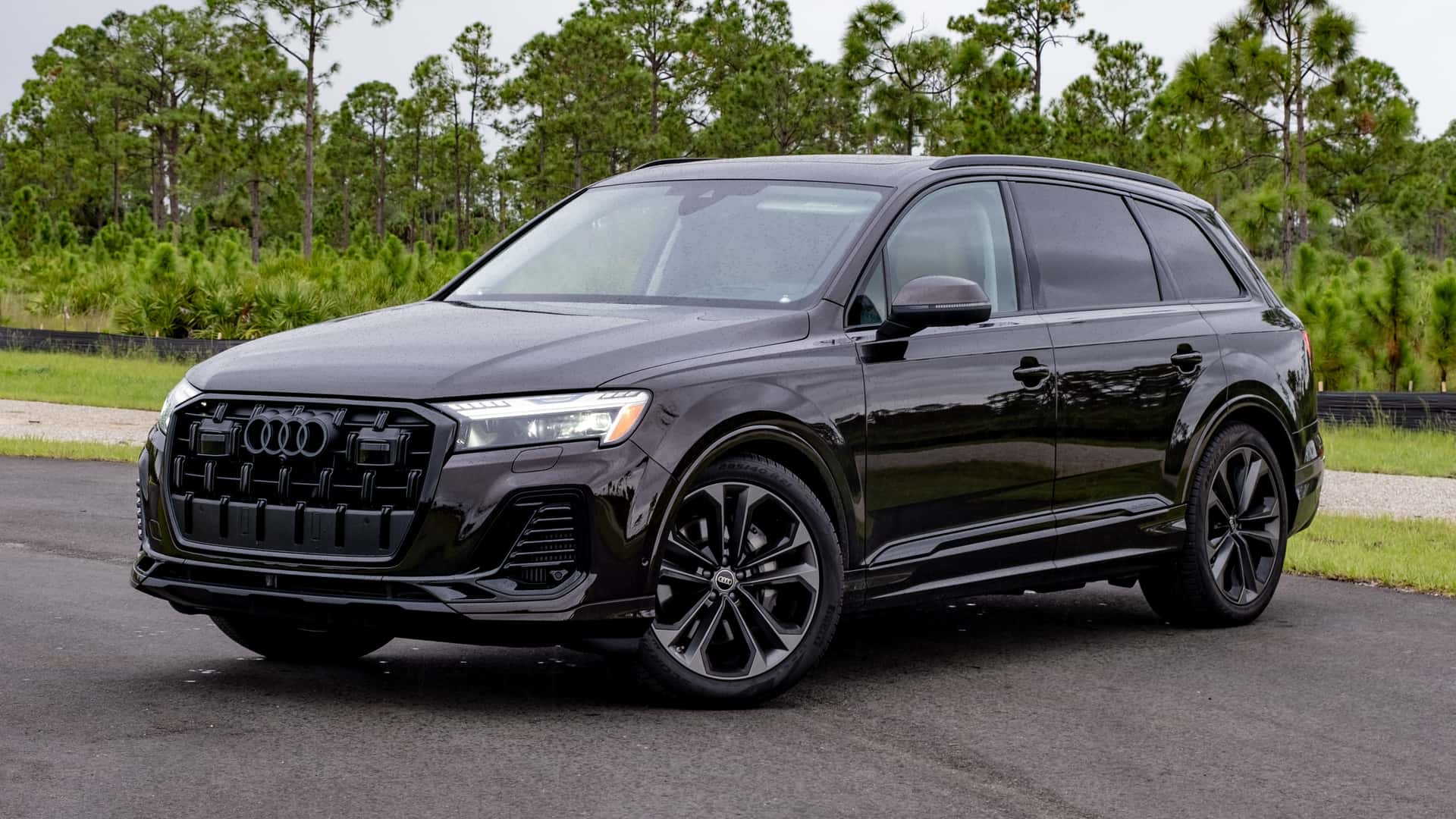
5. 2025 Audi Q7: Stylish Three-Row SUV with Strong Performance but Early Reliability Concerns
The 2025 Audi Q7 is a luxury three-row SUV that combines style, comfort, and engaging driving dynamics. Its refreshed exterior and updated infotainment system enhance the 2025 model, while standard all-wheel drive and a choice of two potent engines make it a capable performer.
The cabin features a serene ride and nimble handling, ensuring a pleasant experience for drivers and passengers alike. With a value score of 7.8/10, the Q7 delivers a premium package, though at a higher cost than many mainstream SUVs.
Despite being marketed as a seven-passenger vehicle, the third row is best suited for children, and cargo space is limited, which may be a drawback for families needing flexible storage. More concerning is the Q7’s predicted reliability score of 68/100, which highlights early ownership issues that can affect long-term satisfaction.
Technology and software problems are common early in ownership. The infotainment system, while advanced, can experience glitches, slow responses, or crashes. Some issues, such as a check engine light or malfunctioning warning sensors, may require software updates that are not immediately available. Devices may need to be re-paired after resets, adding minor frustration for drivers.
Mechanical and component concerns include recalls, such as faulty alternators, tire pressure sensor warnings, coolant leaks, and premature tire wear. These issues, though not universal, reflect a higher incidence compared to non-luxury SUVs.
Ownership costs for the Q7 tend to be higher due to the need for specialized parts, frequent scheduled maintenance, and premium dealership labor rates. Even minor repairs can be costly, and long-term upkeep requires careful attention to service schedules.
The 2025 Audi Q7 offers a refined driving experience, a stylish interior, and strong performance, but early reliability issues, software quirks, and high maintenance costs make it more suited for buyers who prioritize luxury and driving dynamics over low-cost ownership.
Choosing the right car involves more than just speed, tech, or aesthetics. It is also about how much care the vehicle will need over time. Low-maintenance cars show that durability and simplicity can provide years of reliable driving without frequent repairs or complicated servicing.
Conversely, more complex or high-tech vehicles often come with higher ownership demands, including increased repair costs and time spent managing software or mechanical issues. Recognizing this distinction allows buyers to align their choice with their lifestyle and priorities, ensuring a more satisfying ownership experience, whether they focus on convenience, performance, or advanced features.
Also Read: 5 Cars Whose Door Seals Stay Supple VS 5 That Need Annual Replacement