Learning to drive a manual car is one of the most rewarding experiences for any automotive enthusiast. It gives a level of control, engagement, and driving enjoyment that automatic transmissions rarely offer.
However, not every stick-shift vehicle is worth the effort. Some cars provide precise gearboxes, strong performance, and practical usability, making them ideal for learning and enjoying manual driving.
Others, while visually appealing or sporty, suffer from unreliable transmissions, finicky clutches, or costly maintenance that can turn the experience into a headache. In this guide, we highlight five manual-transmission cars worth learning stick on, including off-road legends like the Jeep Wrangler and sporty sedans like the Subaru WRX.
We also cover five manual cars to avoid, such as certain Golfs, Fords, and Camaros that are prone to mechanical problems. This comparison will help drivers choose vehicles that deliver the most rewarding and reliable stick-shift experience.
5 Manual-Trans Cars Worth Learning Stick On
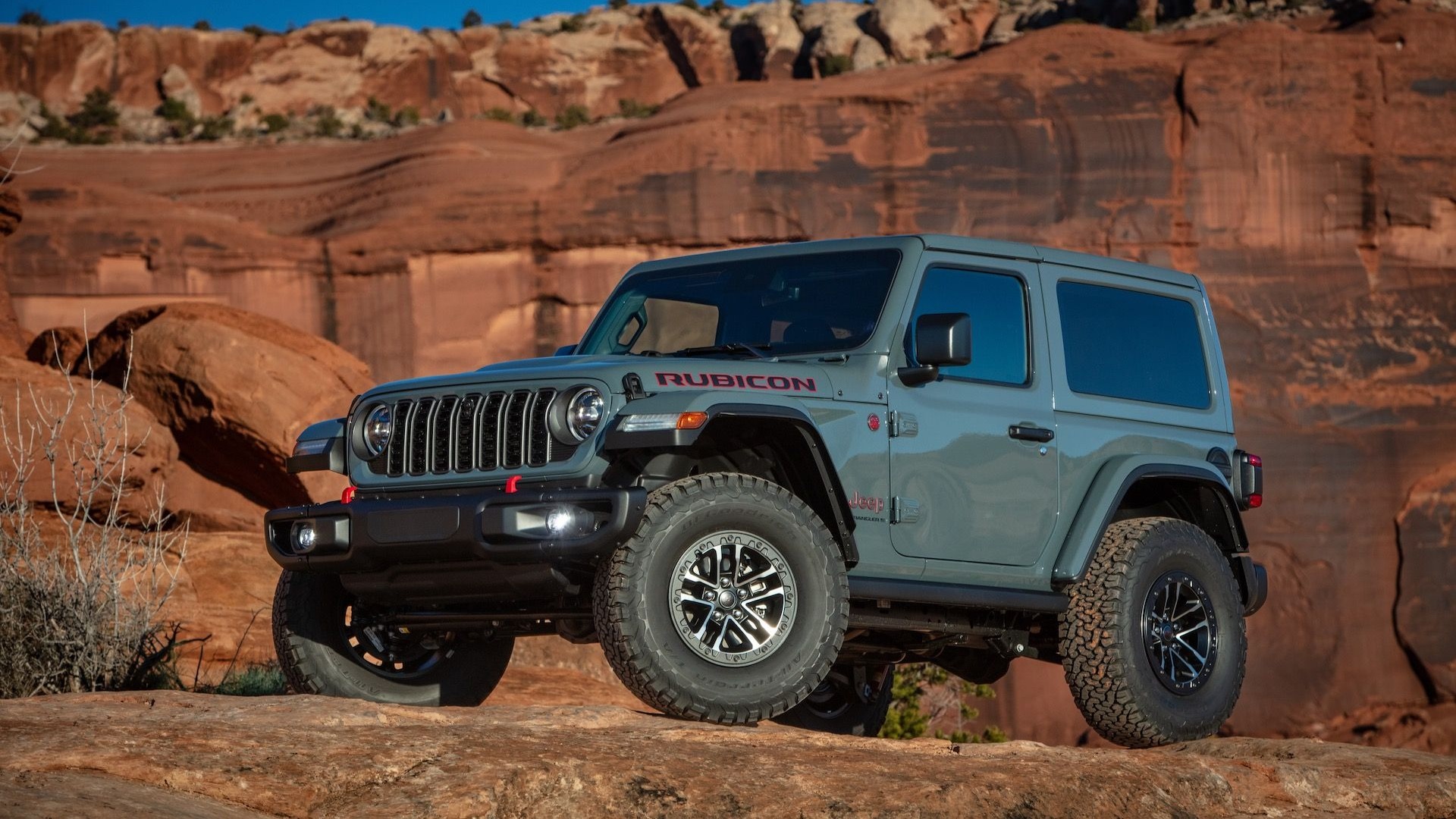
1. 2025 Jeep Wrangler: Rugged Off-Road Icon
The 2025 Jeep Wrangler remains a standout in the off-road SUV segment. It is known for removable doors, a fold-down windshield, and iconic styling. While it is less refined than road-focused SUVs, its rugged charm and heritage continue to attract enthusiasts. The Wrangler receives a score of 8.0 out of 10, with a performance rating of 6.5 out of 10.
The standard 3.6-liter V6 is paired only with a six-speed manual transmission. It produces 285 horsepower and delivers 17 mpg in the city and 23 mpg on the highway. Automatic transmissions are available only with the turbo-four and V8 models.
Off-road capability is exceptional, especially in the Rubicon trim with the optional Xtreme off-road package, which includes 37-inch tires and extra ground clearance. On paved roads, the ride is firm but manageable, although steering can feel vague and acceleration is slow.
Emergency braking distances are long. Driver-assist technology is limited to basic features such as blind-spot monitoring and adaptive cruise control, and most of these are optional.
The Wrangler focuses on function rather than luxury. Front seats are flat and firm, making long drives tiring, and cabin noise from wind and tires is pronounced. The high seating position can make entry difficult for shorter drivers. Despite the narrow interior, the Wrangler offers a commanding driving position, intuitive controls, and sufficient space for child safety seats in the four-door Unlimited model.
The center touchscreen is large, responsive, and easy to read. Wireless CarPlay and Android Auto come standard. Several off-road apps enhance trail experiences. Cargo space is reasonable due to the boxy design, although front storage is limited. The Wrangler can tow up to 5,000 pounds and can be flat-towed behind a motorhome.
The Wrangler has a wide price range, from basic Sport models to fully loaded Rubicon 392 trims. Interior materials are tactile and visually appealing. Fuel economy is typical for off-road SUVs, with the four-door four-cylinder reaching around 21 mpg combined.
Few vehicles have the Wrangler’s unique identity. Competitors such as the Ford Bronco, G-Class, and Land Rover Defender exist, but none match the Wrangler’s combination of heritage, distinctive design, and passionate community. It remains a defining off-road SUV for enthusiasts everywhere.
2. 2025 Subaru WRX: Practical Fun in a Compact Sports Sedan
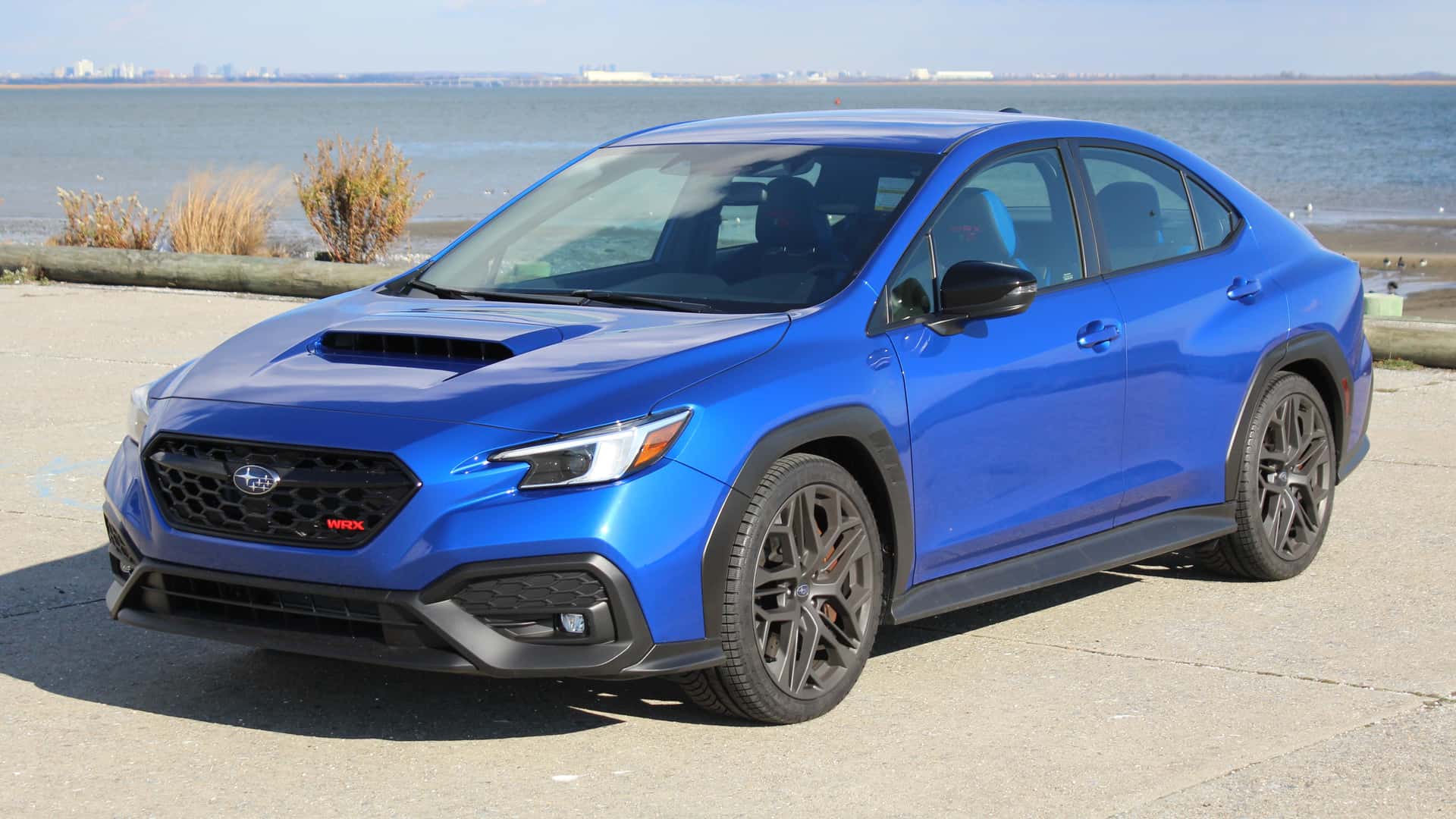
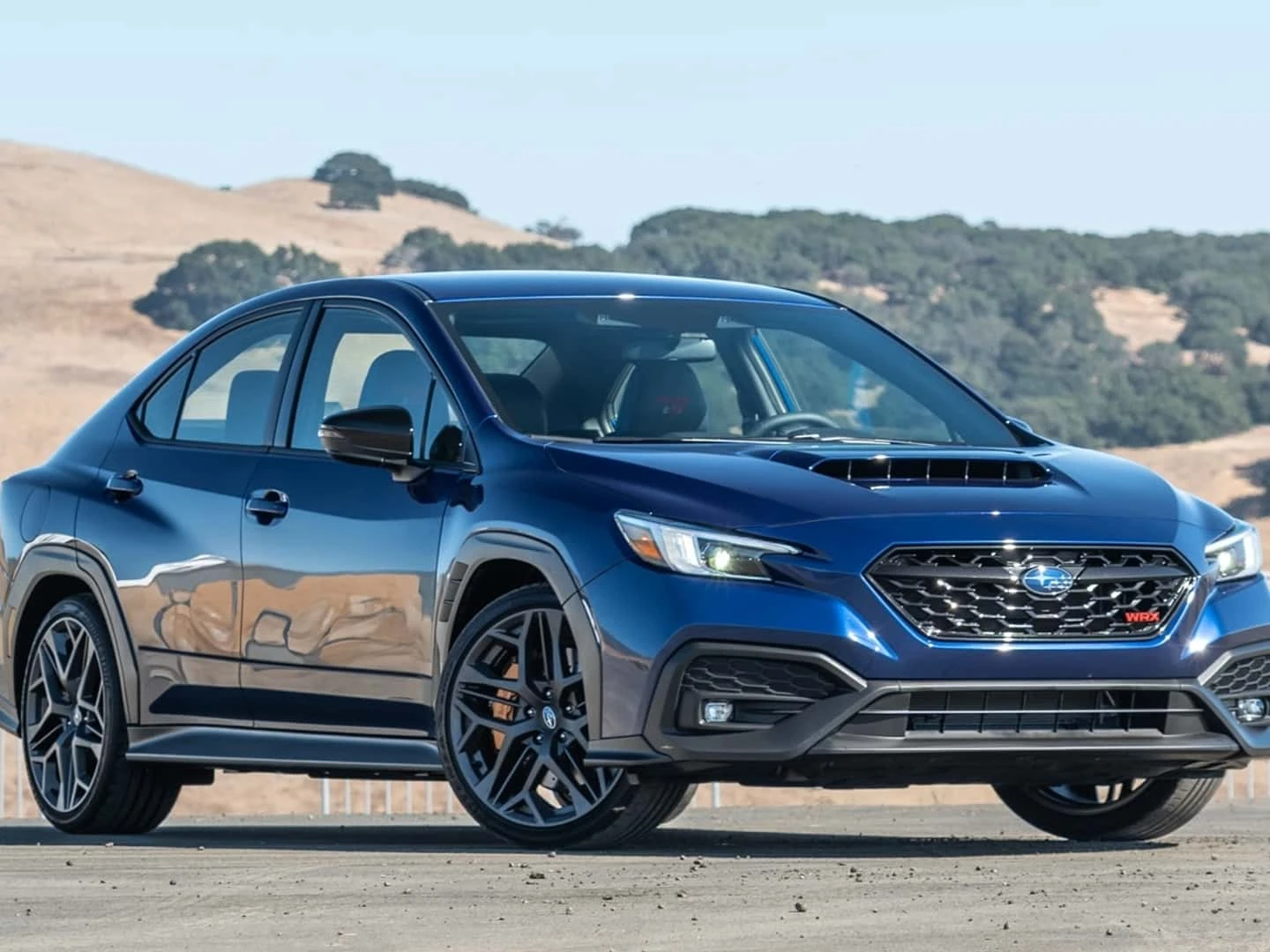
The 2025 Subaru WRX is a compact sports sedan that blends practicality with spirited performance. It features standard all-wheel drive for year-round traction and competent handling, though interior and cargo space is limited.
The WRX earns a score of 8.1 out of 10, with a performance rating of 7.3 out of 10. For 2025, the WRX Premium becomes the base model, and a new STI-tuned tS trim replaces the WRX TR, offering upgraded brakes, suspension, seats, and interior accents.
The WRX is powered by a 2.4-liter turbocharged flat-four engine producing 271 horsepower, paired with a six-speed manual transmission as standard. While acceleration is not the quickest in the class, a manual-equipped WRX can reach 0-60 mph in about six seconds, though this requires a high-rpm launch due to noticeable turbo lag below 3,000 rpm.
On curvy roads, the WRX excels with strong midrange power, precise steering, and composed suspension. Braking performance is adequate, stopping from 60 mph in roughly 110 feet, but the brake pedal feels soft and less confident than expected for a sporty sedan.
The WRX delivers top-tier seating comfort for its class, with supportive front seats that hold occupants well during cornering. Noise levels are higher than some rivals, with engine rumble and wind noise noticeable at highway speeds.
The cabin is roomy up front with adjustable seating and steering, while rear legroom is tight, particularly with the transmission tunnel in the center. Wide doors and large windows make entry and forward visibility easy, though rear visibility is somewhat limited by the high trunk line.
The 11.6-inch center touchscreen is responsive with clear graphics and supports smartphone integration. Optional Harman Kardon audio offers high-quality sound, and available driver aids such as blind-spot warning and lane-keeping assist work well. Some advanced features like adaptive cruise control and forward collision mitigation are missing in lower trims.
The WRX offers 12.5 cubic feet of trunk space, smaller than some rivals, but the rear seats fold down for longer items. Small-item storage is adequate, and child seats fit reasonably well in the back.
EPA estimates put the manual WRX at 22 mpg combined, while real-world testing averages around 24 mpg. Build quality is excellent with soft-touch materials, though fuel economy lags behind competitors. Warranty coverage is average, with three years/36,000 miles basic and five years/60,000 miles powertrain protection.
The 2025 WRX remains a practical yet engaging compact sports sedan for drivers who prioritize handling and all-weather capability.
3. 2025 Volkswagen Jetta GLI: Comfortable and Capable Sport Sedan
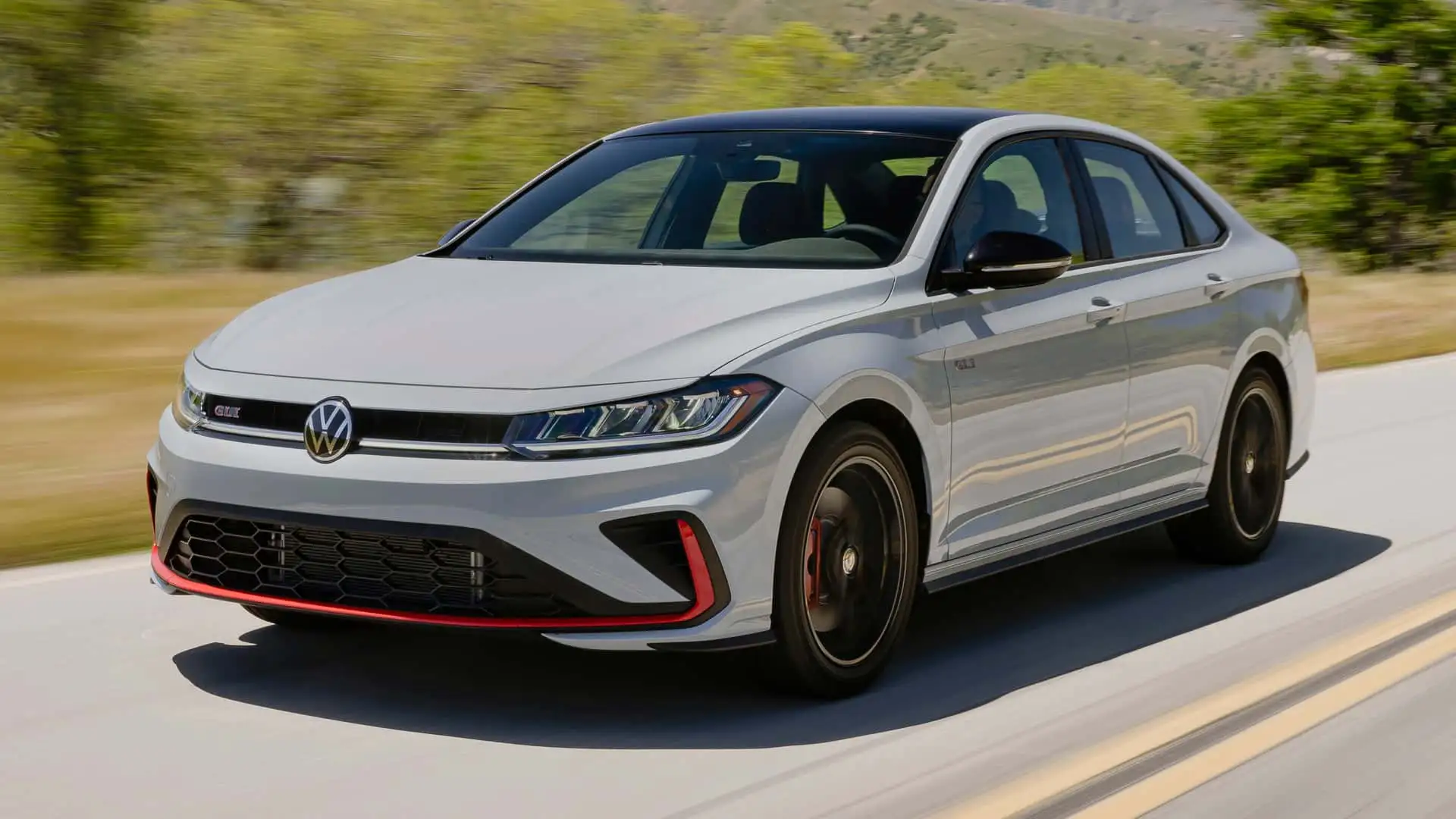
The 2025 Volkswagen Jetta GLI is a compact sport sedan that balances comfort, capability, and practicality. Unlike most Jetta models that have dropped manual transmissions, the GLI retains a six-speed manual as standard. All GLIs use a 2.0-liter turbocharged four-cylinder engine producing 228 horsepower and are front-wheel drive.
The cabin is spacious, though some interior materials feel a bit cheap. Volkswagen equips the GLI with modern features including a fully digital instrument cluster, an 8-inch touchscreen with Apple CarPlay and Android Auto, and options like a panoramic sunroof and Beats audio system.
The Jetta GLI is less powerful than sportier rivals such as the Hyundai Elantra N or Subaru WRX. Our test model had the dual-clutch automatic transmission and accelerated from 0 to 60 mph in 7.1 seconds, which is modest for the segment. The transmission can hesitate when downshifting for passing, making paddle shifts necessary.
Braking performance is adequate but requires more effort, and the standard all-season tires limit handling and grip. Adaptive dampers help control body roll, but the tires reach their limits before the chassis does. Steering is quick and well-weighted, but feedback is light.
The GLI is among the more refined compact sport sedans, with adaptive dampers and well-padded seats providing comfort on long drives. It is quiet on the road, with only mild wind noise and a restrained exhaust note.
The front seats are supportive with sporty bolstering, while rear seating is spacious enough for adults in the outboard positions. The driving position is comfortable and functional, offering good visibility and adjustable seating and steering.
The 8-inch touchscreen is responsive, and wireless connectivity for Apple CarPlay and Android Auto comes standard. A Beats audio system provides crisp, powerful sound. Cargo space measures 14.1 cubic feet, with a 60/40 split-folding rear seat for added versatility. Interior storage includes functional door pockets and a front wireless charging pad.
EPA estimates are 29 mpg combined, and real-world testing yielded 33.4 mpg with the automatic. Pricing is competitive, with generous standard features and a four-year/50,000-mile warranty, plus three years of roadside assistance and two years of scheduled maintenance.
The 2025 Jetta GLI is a well-rounded compact sport sedan, offering comfort, modern technology, and practical usability without sacrificing the fun-to-drive character.
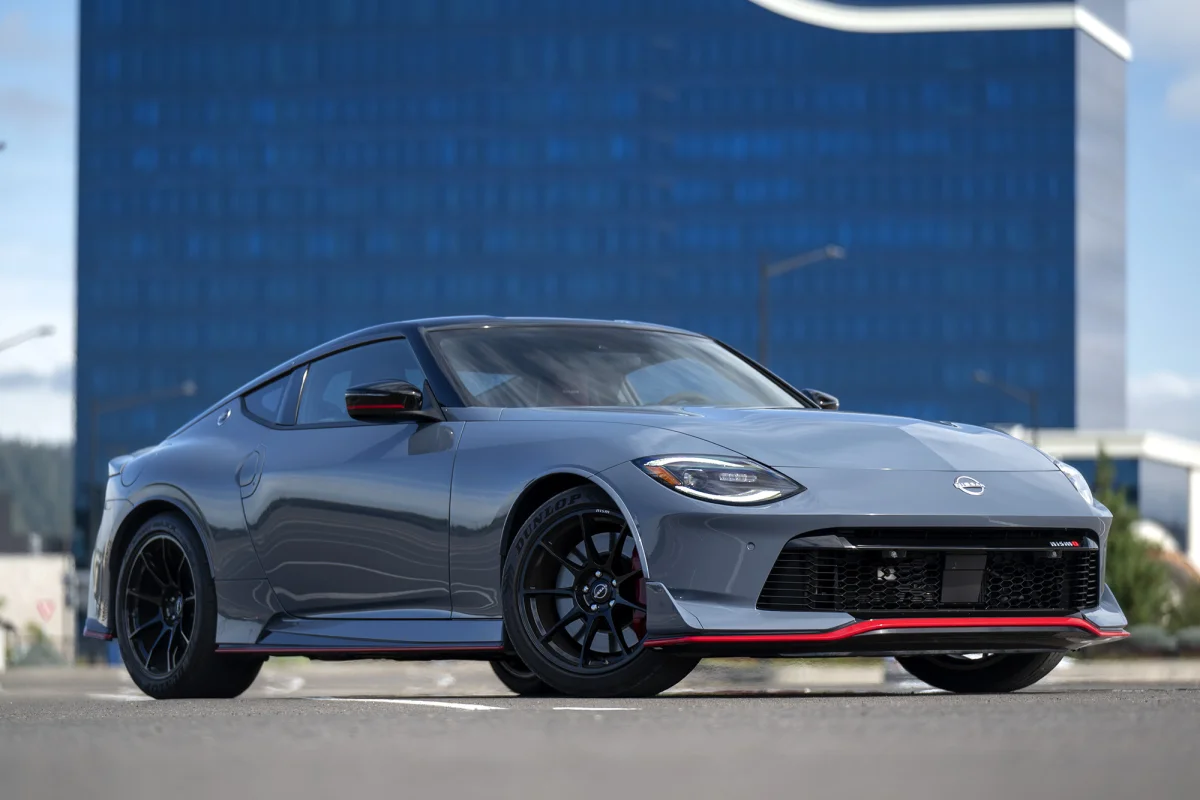
4. 2025 Nissan Z: Stylish and Comfortable Sports Coupe
The 2025 Nissan Z is a two-seat sports coupe combining sharp styling, a potent twin-turbocharged V6 engine, and rear-wheel drive. The 400-horsepower engine comes paired with a six-speed manual transmission as standard, while the automatic-only Nismo model provides additional power.
The Z balances strong acceleration with everyday comfort, earning a score of 8.4 out of 10, matched by its performance rating. Its cabin features a 12.3-inch digital instrument cluster, a 9-inch touchscreen, wired Apple CarPlay and Android Auto, and a moderate suite of driver assistance technology.
The manual-equipped Z accelerates from 0 to 60 mph in 5 seconds and covers the quarter mile in 13.6 seconds. While respectable, these figures trail competitors such as the Toyota GR Supra. Launching the car aggressively highlights turbo lag below 3,000 rpm, and the gearbox, while featuring rev-matching, feels less precise than some rivals.
Handling is sharp but not exceptional near the car’s limits, with 0.98 g of lateral grip on the skidpad and a 60-mph stopping distance of 112 feet. Steering and braking feedback could be improved, making the Z best suited to enjoying its torque and smooth acceleration rather than pushing it to extremes. The Nismo’s upgraded suspension and handling cater more to performance enthusiasts.
The Z offers one of the more comfortable rides in the sports coupe segment. Heated seats are supportive, and the suspension absorbs larger bumps well, though low-profile tires transmit some sharp impacts. Cabin materials are solid, and visibility is acceptable, although blind spots and low seating can challenge drivers on twisty roads. Entry and exit are easier than expected for a low-slung car.
The 9-inch touchscreen is responsive, but menu layout and some features, like voice control, could be improved. The Bose audio system is adequate but not exceptional. Cargo space is limited at 6.9 cubic feet, and larger storage areas are difficult to access due to the low rear seat design.
EPA estimates for the six-speed manual Z are 20 mpg combined, while real-world testing achieved 24–26 mpg. The automatic returns slightly better efficiency. Build quality is solid, with standard warranties including three years/36,000 miles bumper-to-bumper and five years/60,000 miles powertrain coverage.
The 2025 Nissan Z is best for drivers seeking a stylish, comfortable, and engaging sports coupe that emphasizes everyday usability alongside sporty character.
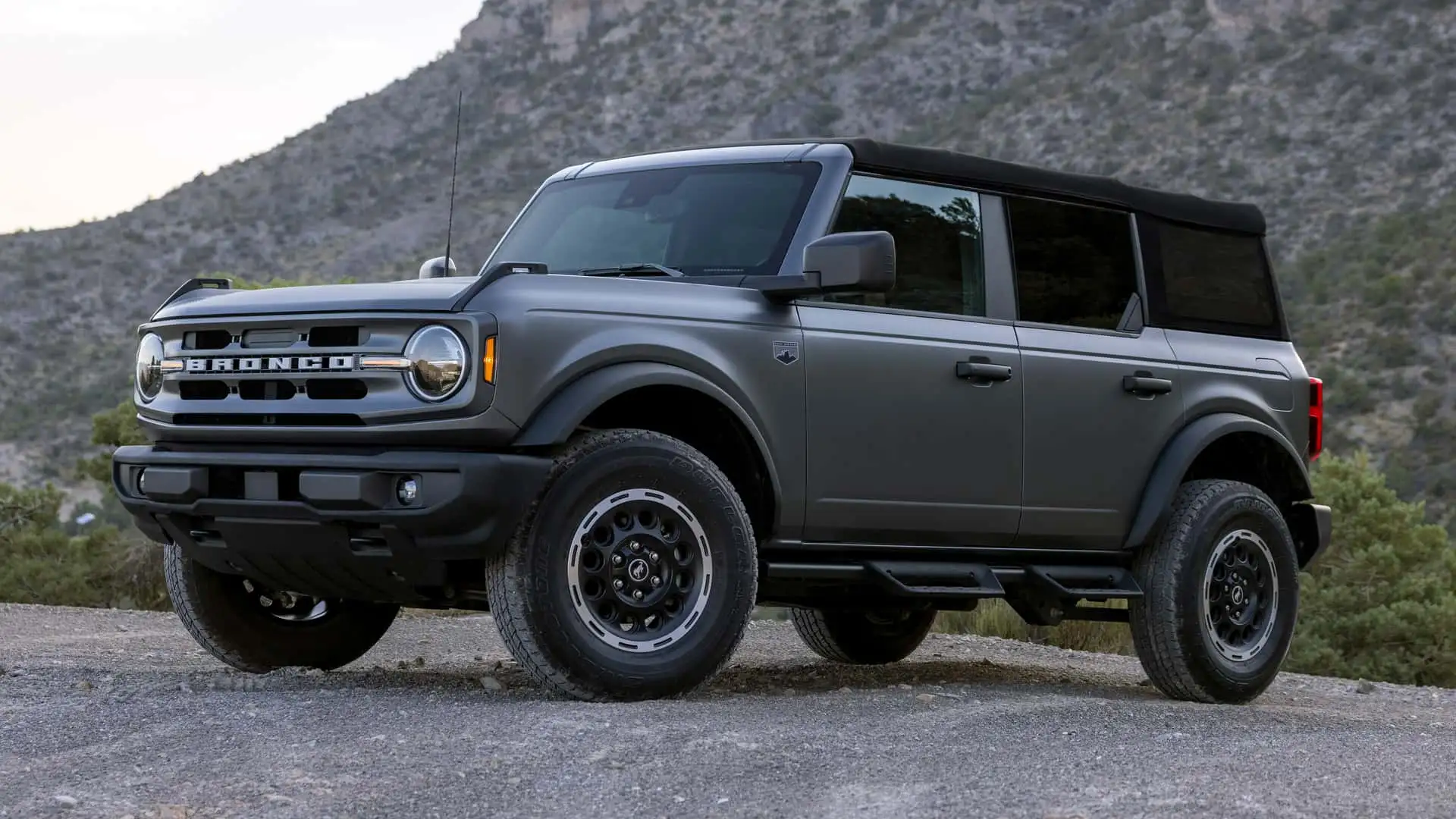
5. 2025 Ford Bronco: Rugged SUV with On- and Off-Road Versatility
The 2025 Ford Bronco is a rugged, go-anywhere SUV designed to compete directly with the Jeep Wrangler. It offers a choice of a 2.3-liter turbo four-cylinder or a turbo V6, with the four-cylinder paired with a seven-speed manual transmission featuring a dedicated crawl gear for slow off-road maneuvers.
All Broncos come standard with four-wheel drive and multiple drive modes, removable doors, and a removable hard or soft top. The Bronco earns a score of 8.6 out of 10 and a performance rating of 7.1 out of 10.
The Bronco delivers smooth and sufficient power for daily driving, with 0-60 mph times ranging from 8.4 seconds for the four-cylinder manual four-door to 7 seconds for the V6 automatic two-door. Braking performance is less impressive, with panic stops from 60 mph taking 146 feet due in part to all-terrain tires.
Independent front suspension gives the Bronco stable and confident steering at highway speeds. While truck-based construction makes the ride firmer and bouncier than some SUVs, it remains comfortable enough for daily use.
The Bronco is more comfortable on the road than the Jeep Wrangler, with better front-seat support and sufficient adjustment for long drives. Rear seating is spacious enough for child seats without compromise. The removable hardtop and soft top increase wind noise, and rattles can appear during off-road use, but climate controls and fast-heating front seats improve daily usability.
The Sync 4 infotainment system is easy to navigate despite occasional lag, and it includes six USB ports, wireless Apple CarPlay and Android Auto, and unique off-road trail maps. Cargo space is generous for its class, with a rear swing gate and foldable rear glass, while interior storage is adequate for personal items. Most Broncos tow up to 3,500 pounds.
Non-Raptor Broncos achieve 18–20 mpg combined, depending on configuration. Some interior materials feel cheap, but they enhance durability for outdoor use. Pricing offers access to serious off-road capability at lower cost than competitors like the Toyota 4Runner, with average warranty coverage.
The Bronco’s charisma is undeniable, combining off-road prowess, removable roof and doors, and a crawler gear for serious trail adventures. Its balance of capability, style, and on-road comfort makes it a standout choice for outdoor enthusiasts.
Also Read: 5 Cars That Last with Minimal Maintenance vs 5 Needy Machines
5 To Avoid
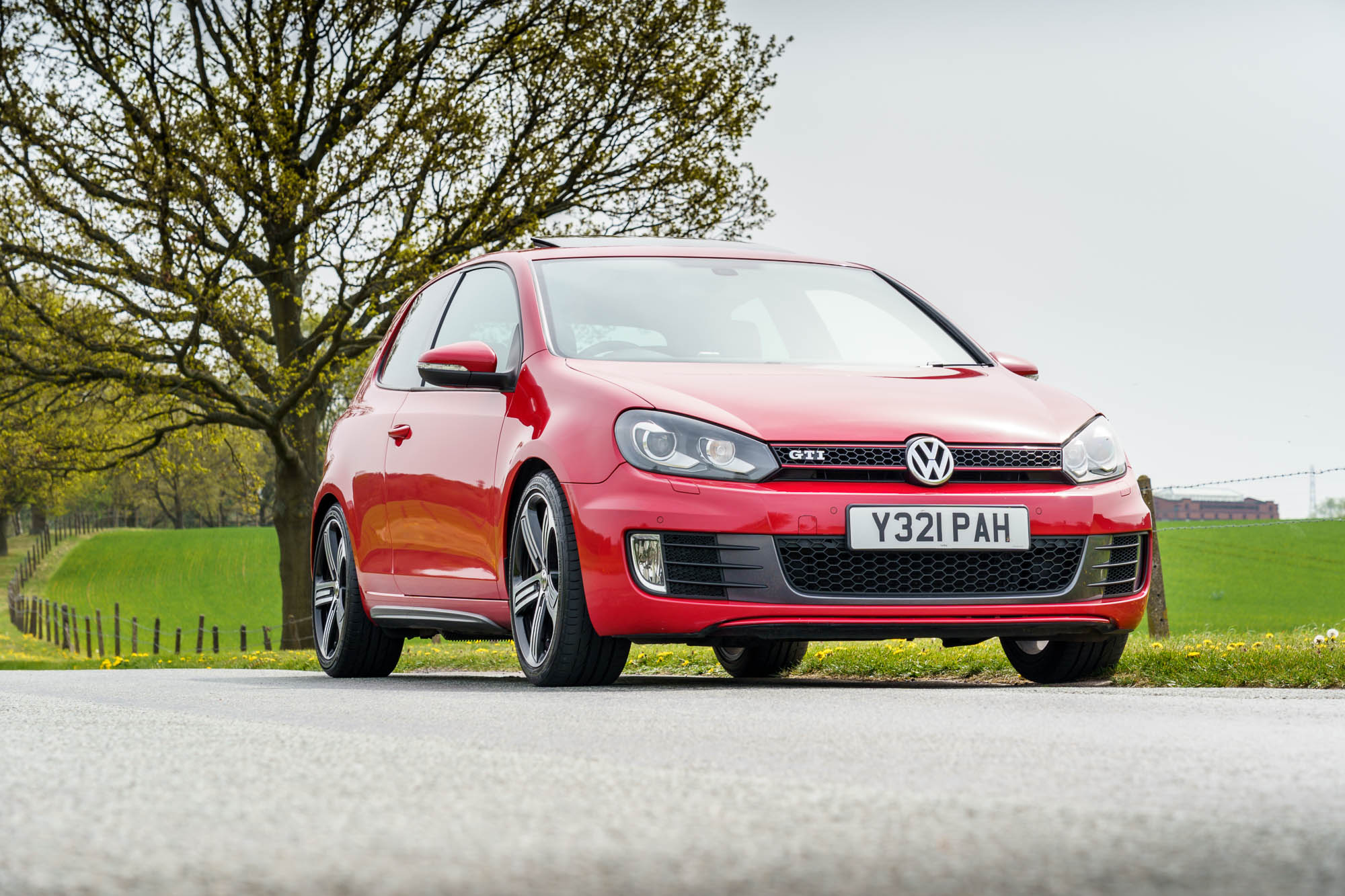
1. Volkswagen Golf GTI Mk6: Hot Hatch with Mechanical Caveats
The Volkswagen Golf GTI Mk6, launched in 2009, looked like a hot hatch hero but has notable flaws, especially in the manual version. While it promised a spirited driving experience, the clutch feels mushy and the shifter is awkwardly heavy, making gear changes less satisfying. Enthusiasts seeking a true manual masterpiece may find themselves wishing for alternatives like the Honda Civic Si.
The Mk6 GTI is prone to several engine issues that can compromise reliability. Premature timing chain tensioner failure is common, particularly on early 1.4- and 2.0-liter TSI engines, which can result in severe engine damage. High-pressure fuel pumps and their associated cam lobes can wear out, with preventative replacement recommended every 30,000 to 50,000 miles.
Direct-injection engines are susceptible to carbon buildup on intake valves, causing rough idle, misfires, and power loss. Cleaning these requires removing the intake manifold. Other recurring problems include failing PCV valves and early-revision diverter valves, which can lead to loss of turbo boost.
The Mk6 GTI can develop leaks in the engine bay and face electronic glitches, such as faulty window regulators. Routine wear on suspension bushings, ball joints, and brakes should also be inspected on any performance-oriented car.
While the Golf GTI Mk6 remains visually appealing and capable on paper, its combination of drivetrain dissatisfaction and potential engine failures makes it a model that requires careful consideration and thorough pre-purchase inspection.
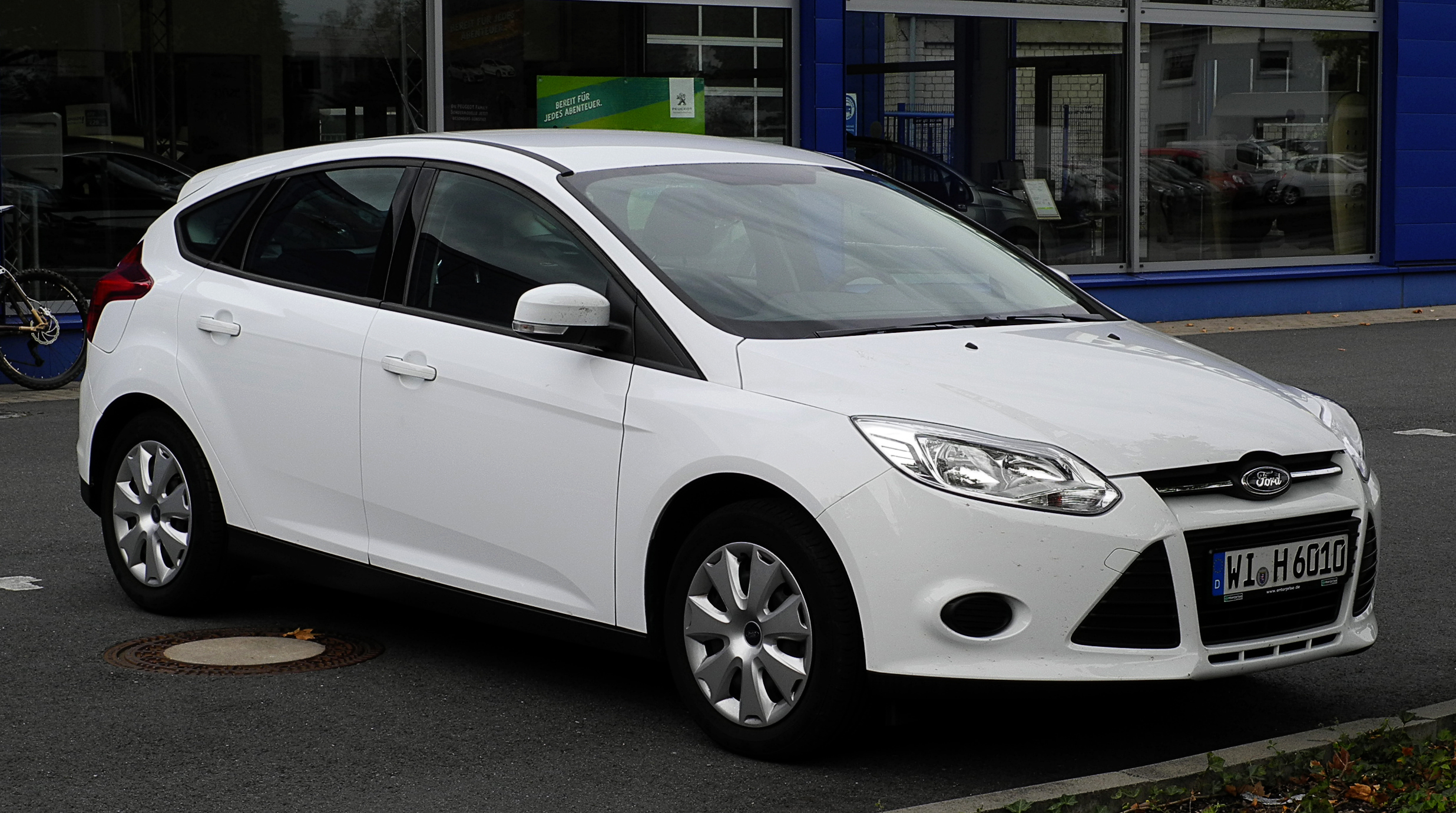
2. Ford Focus (Third Generation): Manual Model with Reliability Concerns
The third-generation Ford Focus, produced between 2012 and 2018, aimed to offer efficiency and practicality but developed a reputation for frustration, even in manual models. Shifter cables in the manual transmission wore out quickly, sometimes detaching mid-drive, leaving drivers stranded.
Despite being more reliable than automatic versions, manual Focus models still face serious transmission issues, including clutch fractures and axle shaft seal leaks, which can lead to costly repairs.
The six-speed manual is prone to clutch failures that may damage the entire assembly. Axle shaft seal leaks are another common problem, and repair costs can be significant. These issues contributed to over 400,000 recalls across the Focus lineup.
Third-generation Focus models have also experienced power steering issues, particularly with the electric power-assisted steering system, and steering recalls have been issued. Fuel system problems, such as a faulty purge valve, can cause stalling after refueling, rough running, and check-engine lights.
Some gasoline engines are noisy when cold, and the high-pressure fuel pump may produce knocking sounds. Additionally, build quality is uneven, with interior components prone to premature wear.
While the Focus remains a practical compact car on paper, the manual version requires careful inspection due to persistent transmission and drivetrain concerns, making it a model best approached with caution.
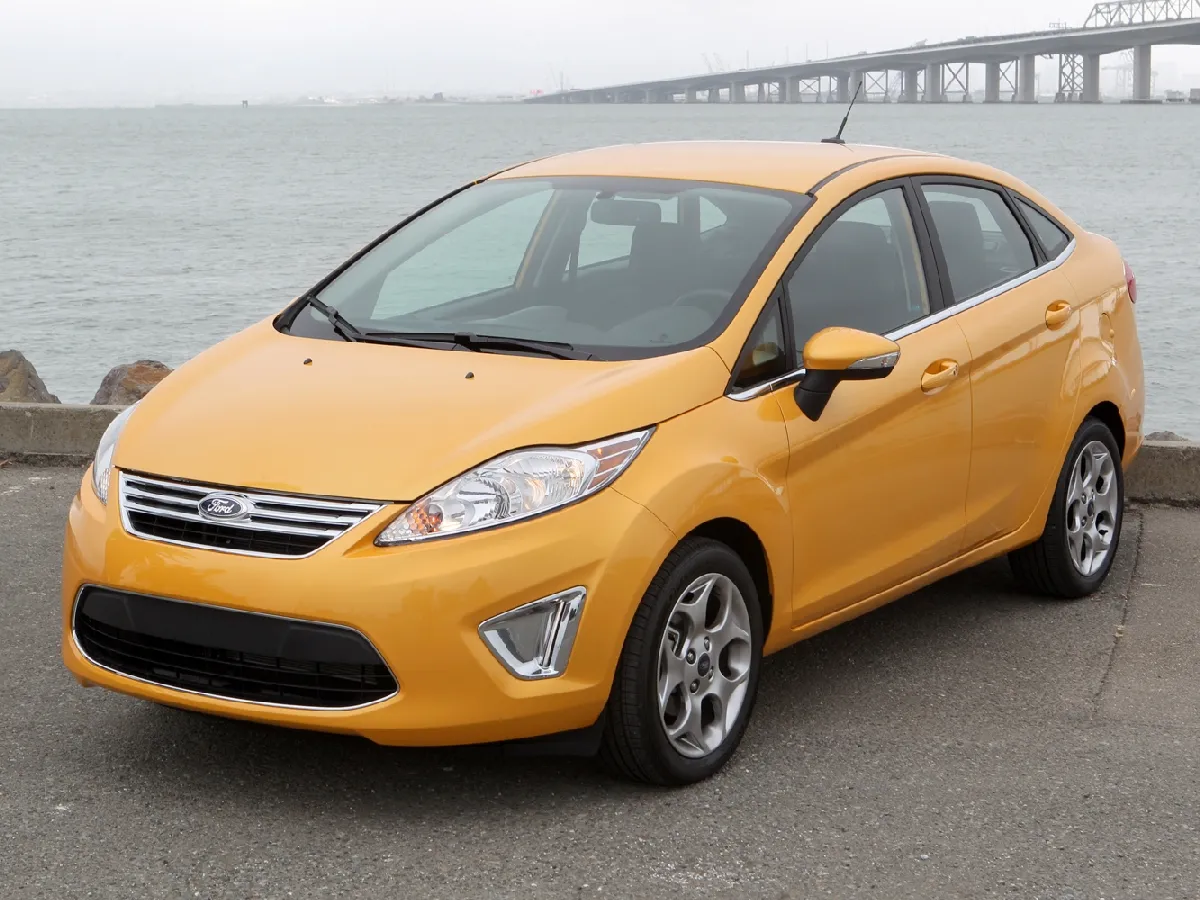
3. Ford Fiesta (2011–2015): Manual Models Offer Reliability Over Automatic
The 2011–2015 Ford Fiesta gained popularity as a small, fun-to-drive commuter car, but its reputation was marred by mechanical issues, particularly with the automatic PowerShift transmission.
Manual versions of these Fiestas avoid the widespread automatic defects, making them a safer choice for those seeking a budget-friendly hatchback. However, manual Fiestas are not entirely free from concerns, as typical wear-and-tear issues can affect the clutch and other components over time.
The primary reason to avoid automatic Fiestas from this period is the problematic PowerShift dual-clutch transmission. Owners report premature failures, shuddering, jerking, and harsh engagement, making the automatic difficult to trust for long-term reliability. In contrast, manual versions do not suffer from these defects.
While manual Fiestas are generally more dependable, clutch wear is a normal issue in high-mileage vehicles. Signs of clutch problems include a burning smell, difficulty shifting, or a shaky pedal. These issues are typical of any manual car and generally less severe than the automatic transmission defects.
Beyond the transmission, manual Fiestas may encounter some minor problems. Faulty door latches, occasional engine stalling, and suspension wear have been reported, though these issues are not unique to the manual models. Careful inspection and maintenance can mitigate most of these concerns.
Manual Fiestas retain the fun, zippy driving experience that the model promised, without the high-risk transmission failures of the automatic PowerShift. Buyers should be aware of clutch wear, especially on older or high-mileage examples, and perform routine checks of brakes, suspension, and engine components.
While the 2011–2015 Ford Fiesta has its quirks, manual models are far more reliable than their automatic counterparts. They offer a practical, engaging, and budget-conscious option for drivers who want a small hatchback without the headaches associated with the PowerShift transmission. With proper maintenance, a manual Fiesta can remain a dependable and enjoyable daily driver.
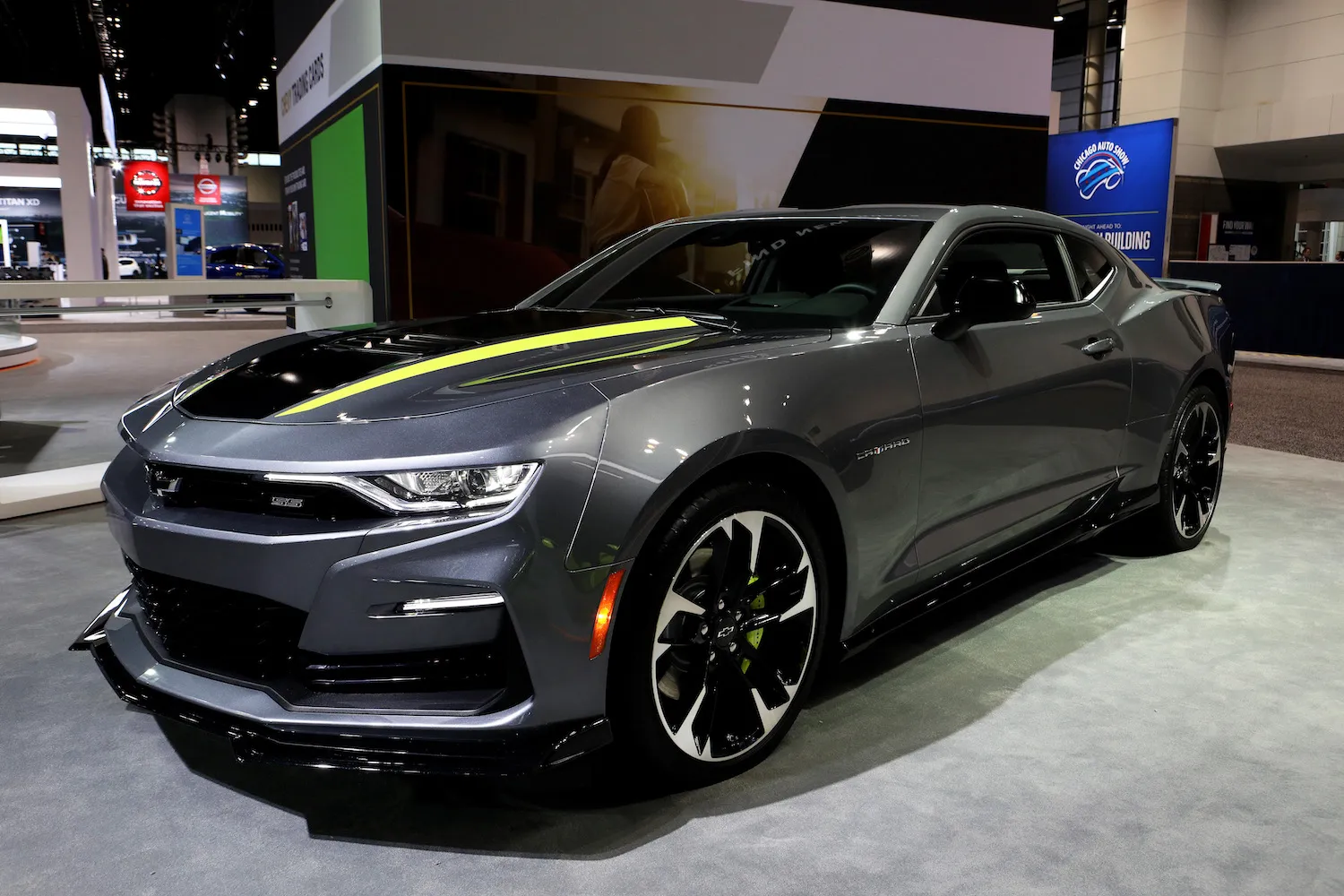
4. Chevrolet Camaro (2020–2022): Manual Models Safer, But Caveats Remain
The 2020–2022 Chevrolet Camaro delivers classic muscle car excitement, with up to 455 horsepower available. However, manual transmission models face their own minor concerns, while automatic-equipped vehicles carry a notable safety recall.
Manual Camaros provide a traditional six-speed driving experience, but some drivers report issues with clutch feel and shifter smoothness, which can make aggressive driving less precise.
While manual Camaros are not subject to widespread safety recalls, the 10-speed automatic transmission in some 2020–2022 Camaros was recalled due to a worn transmission control valve that could cause fluid leaks and momentary wheel lock-up.
This issue presents a significant safety risk, as sudden loss of control could increase the likelihood of a crash. Affected vehicles can receive a free software update and necessary repairs at Chevrolet dealerships to prevent this problem.
Regardless of transmission type, Camaro owners may encounter limited storage space and poor outward visibility, which can impact daily usability and safety. Some electronic components, including the infotainment system, body control module, and turn signal lights, have shown intermittent problems. For manual models, clutch wear and a mushy or inconsistent shifter are the primary concerns.
Prospective buyers should carefully inspect any Camaro, especially those with the 10-speed automatic, and take it on a thorough test drive. Owners should check for any recalls using their Vehicle Identification Number (VIN) on the NHTSA website and schedule repairs if needed. Manual Camaros generally avoid the most serious transmission recall but still warrant attention to clutch and shifter condition.
The 2020–2022 Chevrolet Camaro remains a powerful and appealing sports car, but both manual and automatic models carry potential issues that require careful consideration for safe and reliable ownership.
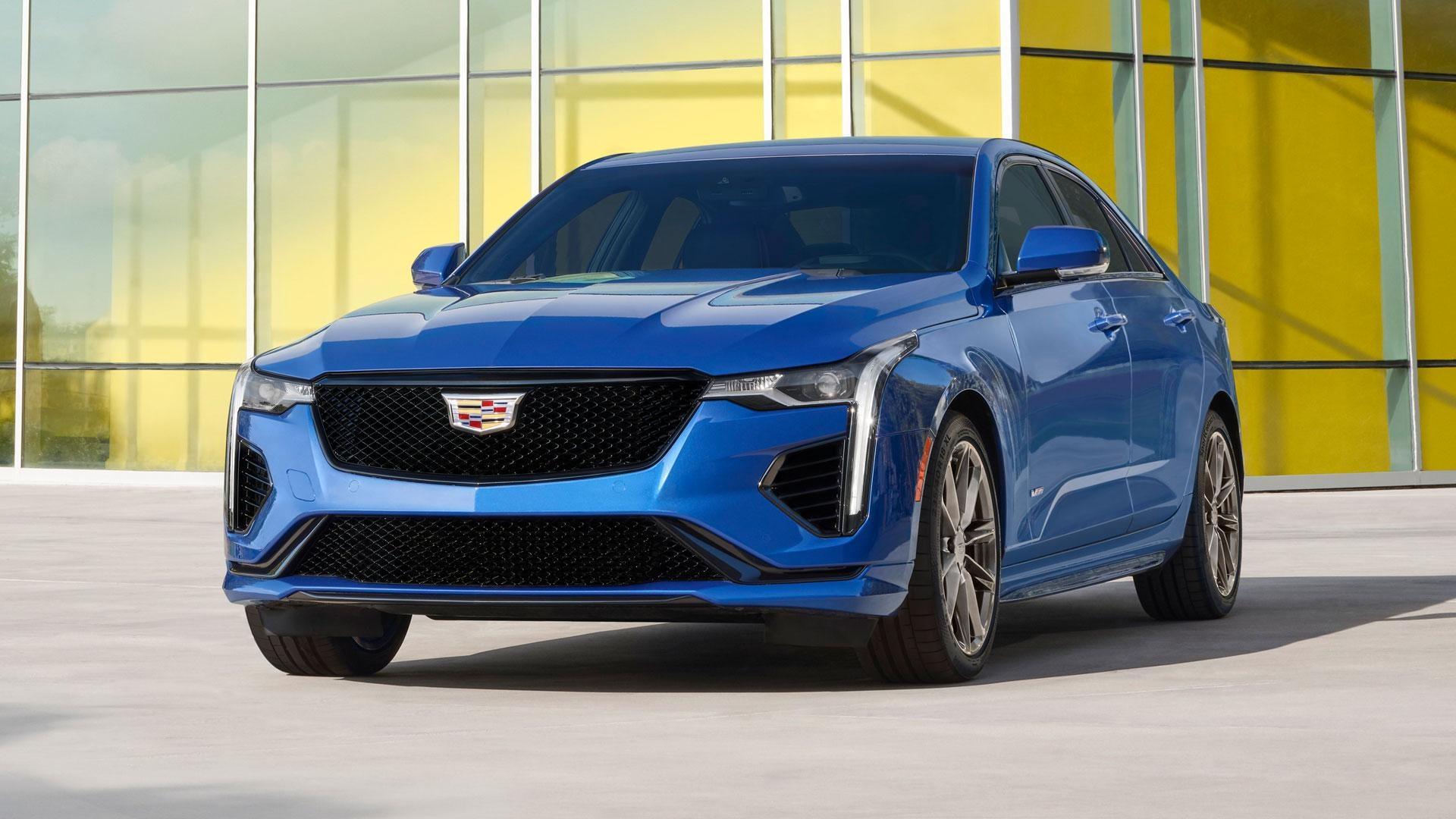
5. Cadillac CT4 (2020–2021): Manual Models Avoid Major Transmission Issues
The 2020–2021 Cadillac CT4 aimed to deliver luxury and sporty driving, but the manual transmission models have received mixed feedback. Drivers report a twitchy gearbox and unexpected downshifts, which can make spirited driving less smooth than expected for a premium sports sedan.
Despite this, manual CT4s avoid the major transmission problems affecting the 10-speed automatic models, including wheel lock-up concerns and widespread complaints.
Some 2020–2021 CT4s, regardless of transmission type, are subject to an airbag recall. Rust particles in the driver’s airbag inflator housing could prevent deployment in a frontal collision, posing a safety risk. Buyers should check their Vehicle Identification Number (VIN) on the NHTSA website and ensure any necessary recall remedies have been completed.
While the manual transmission itself shows no widely reported failures, owners may still encounter general CT4 issues such as minor electrical glitches or inconsistent interior material quality. Clutch feel and shifting smoothness can also vary, especially in earlier examples.
Prospective buyers should verify recall status, inspect the transmission during a test drive, and be aware of potential non-transmission-related concerns. Manual CT4s remain relatively reliable compared to their automatic counterparts but require careful evaluation to ensure a satisfying driving experience.
Choosing a manual car should focus on both enjoyment and reliability. The five recommended vehicles offer engaging gearboxes, solid performance, and practical usability, making them perfect for learning or refining stick-shifting skills.
The five cars to avoid highlight common problems such as mushy clutches, finicky transmissions, and recurring engine or drivetrain issues that can frustrate even experienced drivers.
By considering both lists, enthusiasts can select cars that provide excitement and control without unnecessary headaches. Learning to drive manual is a skill worth developing, but it is most enjoyable in vehicles that respond well to the driver and deliver a dependable driving experience.
Also Read: 5 Cars That Last with Minimal Maintenance vs 5 Needy Machines