Advanced driver-assistance systems (ADAS) have become a major selling point for modern SUVs in the United States.
Among them, lane-keep assist (LKA) and lane-centering technology stand out as features Americans increasingly rely on during highway travel.
With long commutes, diverse road conditions, and crowded interstates, a stable, predictable lane-keep system can reduce fatigue and increase confidence behind the wheel. But not all systems deliver the same experience.
Some SUVs offer remarkably smooth, subtle corrections that hold the vehicle in place without drama, while others create a disjointed “ping-pong” effect bouncing from one painted line to the other and undermining the sense of control.
This comparison breaks down five SUVs known for stable, trustworthy lane-keeping performance and five that too commonly exhibit a wandering, ping-pong feel based on widespread owner impressions, expert testing, and system behavior trends.
The goal is to help U.S. buyers understand which vehicles make highway driving calmer and which may demand more of your attention than expected.
SUVs With Stable Lane-Keep Assist
In today’s crowded SUV market, advanced driver-assistance systems have moved from luxury perks to near-essential safety features. Among these, lane-keep assist has become a cornerstone technology, helping drivers stay centered in their lanes and reducing the risk of accidental drifts on highways and city streets.
But not all lane-keep systems are created equal, some can feel twitchy, overcorrecting at every slight bend, while others deliver a smooth, steady guiding hand that builds confidence on long drives. This article highlights SUVs with stable, reliable lane-keep assist, showing which models combine practicality, comfort, and truly dependable lane guidance.
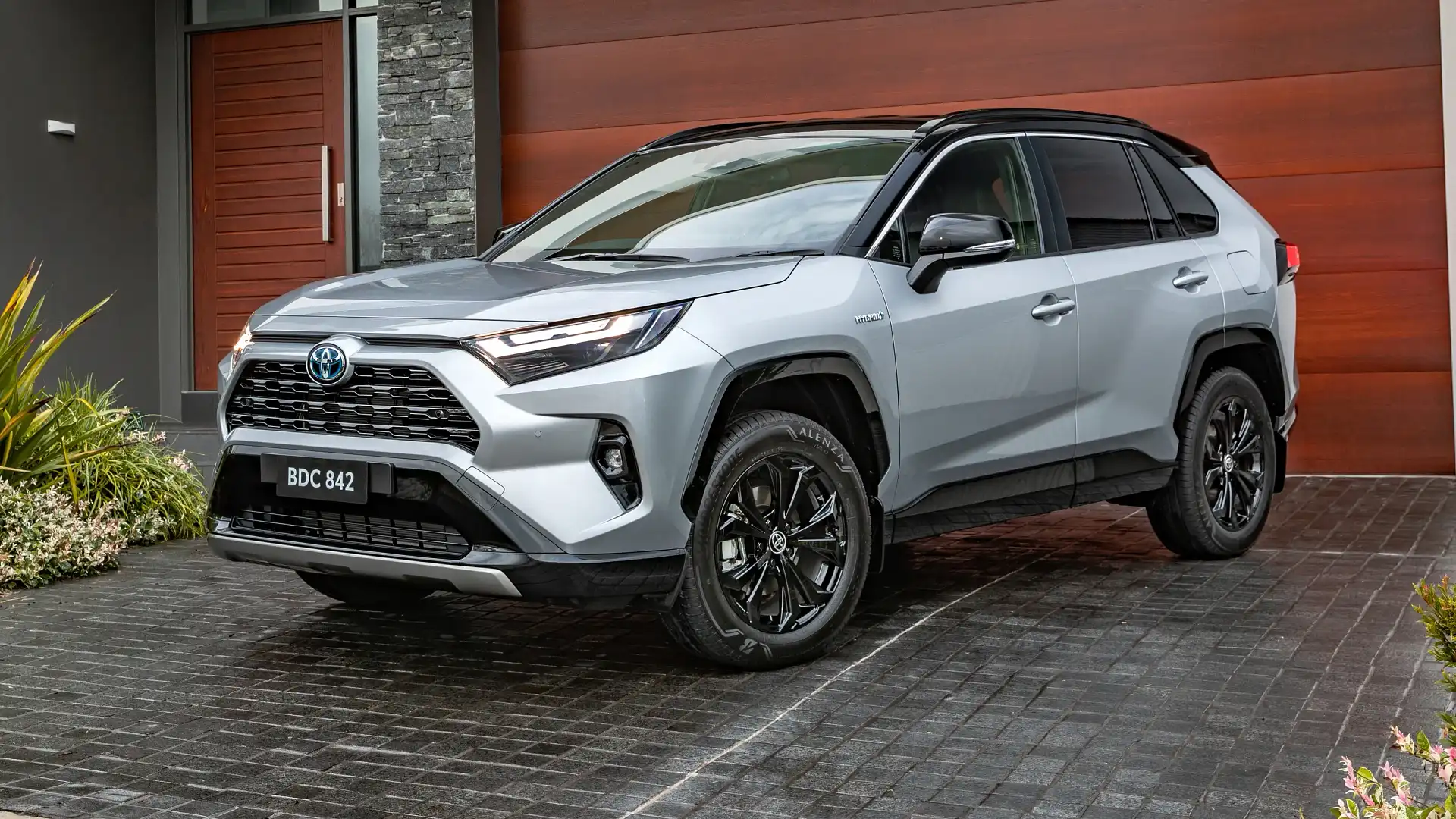
1. Toyota RAV4
Toyota’s Safety Sense suite has steadily improved over the years, and the latest RAV4 benefits from a more refined lane-tracing assist system that’s impressively consistent.
On straight interstates, the RAV4 makes micro-corrections gently rather than waiting until the vehicle drifts near a line. The result feels more like an attentive co-driver than a machine fighting back.
The camera-based tracking stays reliable even in midday glare or evening shadows two conditions that typically trip up lesser systems.
Combined with Toyota’s relatively conservative tuning, the RAV4 gives drivers a stable, non-intrusive sense of centeredness during long highway hauls.
Toyota has combined its decades of expertise in hybrid technology with its best-selling SUV to create the 2020 RAV4 Hybrid.
This electrified version of the RAV4 retains the practical and spacious cabin of the standard model while offering a range of trims from affordable value options to higher-end near-luxury variants, though the hybrid system does add a price premium.
Hybrid powertrains are only recently gaining traction in the compact-SUV segment, and the RAV4 Hybrid is leading the way alongside hybrid versions of the Honda CR-V, Ford Escape, and Mitsubishi Outlander.
While Toyota’s styling may not appeal to everyone and other compact SUVs may provide more driving enjoyment, the RAV4 Hybrid clearly outperforms its nonhybrid counterpart in fuel economy.
For 2020, the RAV4 Hybrid sees minimal changes, as the model was new for 2019. The mid-range XLE trim now includes a powered driver’s seat, and heated front seats have moved from the Convenience package to the Weather package. Android Auto is now standard, joining SiriusXM satellite radio, and a plug-in hybrid version is expected to join the lineup for 2021.
Pricing for the 2020 RAV4 Hybrid starts at $29,470 for the LE Hybrid and goes up to $38,000 for the top-tier Limited Hybrid. The XLE Hybrid stands out as the best value, offering more standard features than the base LE without a substantial increase in price.
This trim comes with conveniences such as passive keyless entry, a power-adjustable driver’s seat, LED projector headlamps with automatic high beams, heated exterior mirrors, blind-spot monitoring, and front fog lamps.
Under the hood, the RAV4 Hybrid is powered by a 2.5-liter four-cylinder engine paired with three electric motors for a combined output of 219 horsepower.
Standard all-wheel drive uses one electric motor to power the rear wheels while the others assist the gasoline engine at the front, and a continuously variable automatic transmission (CVT) handles gear changes.
The hybrid is not only more efficient than the gas-only model but also slightly quicker, hitting 60 mph in 7.4 seconds compared with 8.0 seconds for the nonhybrid version.
Drivers will notice the immediate torque from the electric motor, especially around town, giving the RAV4 Hybrid a responsive, lively feel off the line. As with the standard RAV4, the hybrid offers competent handling and a comfortable ride, though it is not designed for aggressive cornering.
Also Read: 5 Compact Cars With Reliable Start-Stop Systems vs 5 That Shudder and Die
2. Honda CR-V
Honda’s latest CR-V continues the brand’s tradition of balanced, natural-feel driver assists. Its Lane Keeping Assist System doesn’t overreact when the driver’s hands shift lightly or when the road curves.
Instead of jerking the wheel, the CR-V applies subtle torque that guides the SUV to an ideal centerline position. In addition, Honda’s wider camera field helps the CR-V track faded lane markings better than many rivals.
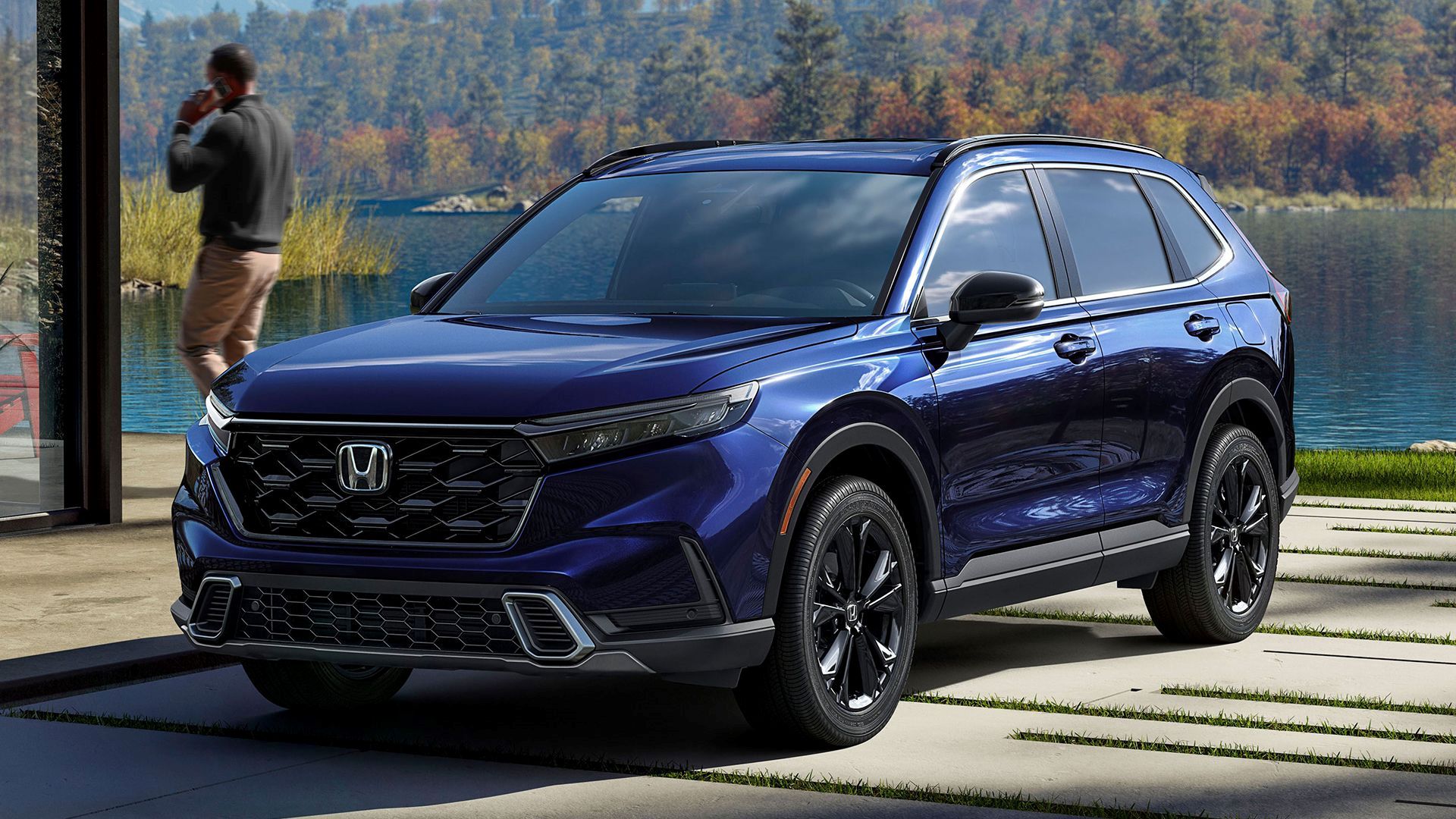
For U.S. drivers who split time between city freeways and rural interstates, this level of reliability makes the CR-V a trustworthy partner for everyday commuting and long trips alike.
3. Subaru Outback
Subaru’s EyeSight system has long been one of the most consistent ADAS packages sold in the U.S., and the Outback often stands out as the model where it performs best.
Lane centering in the Outback tends to feel linear and intuitive, even at higher speeds or on gently winding highways.
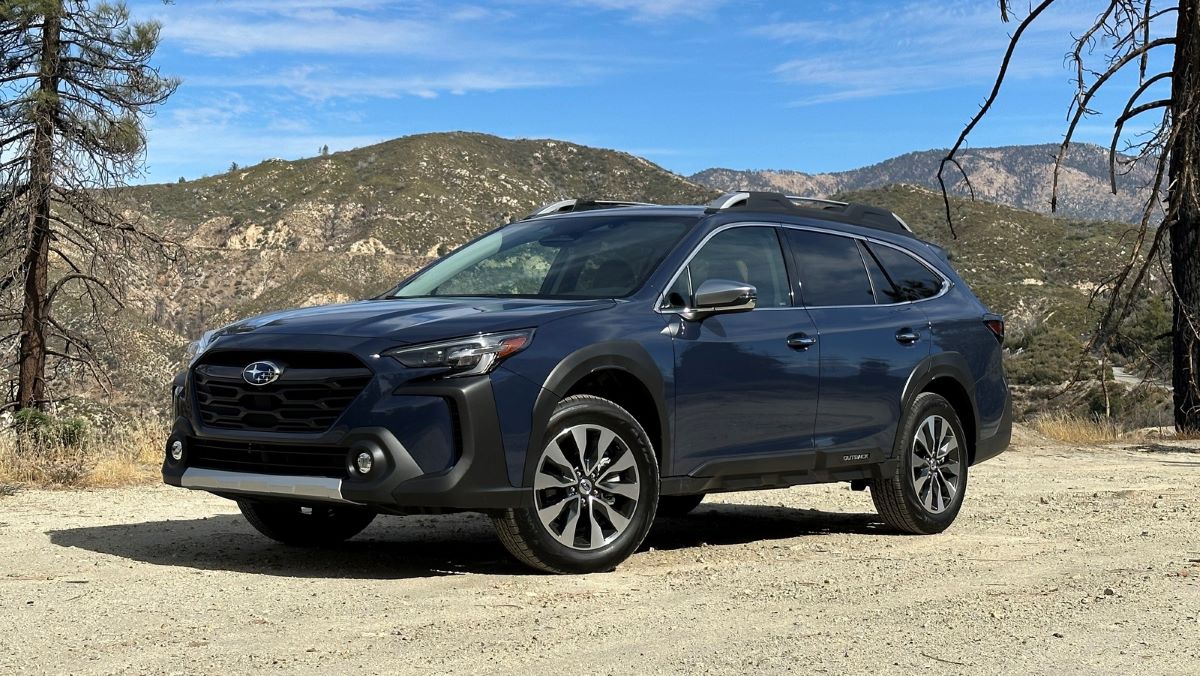
The vehicle doesn’t wait until it’s close to leaving the lane before correcting; instead, EyeSight gradually holds the Outback in a natural, relaxed position.
The system remains dependable even when weather reduces contrast on the pavement. For drivers in snowbelt states, few SUVs offer more confidence.
4. Lexus RX
The Lexus RX brings the refinement expected from a luxury SUV straight into its lane-keep behavior. Its Lane Tracing Assist uses a combination of high-resolution cameras and radar mapping to deliver steady, well-damped steering support.
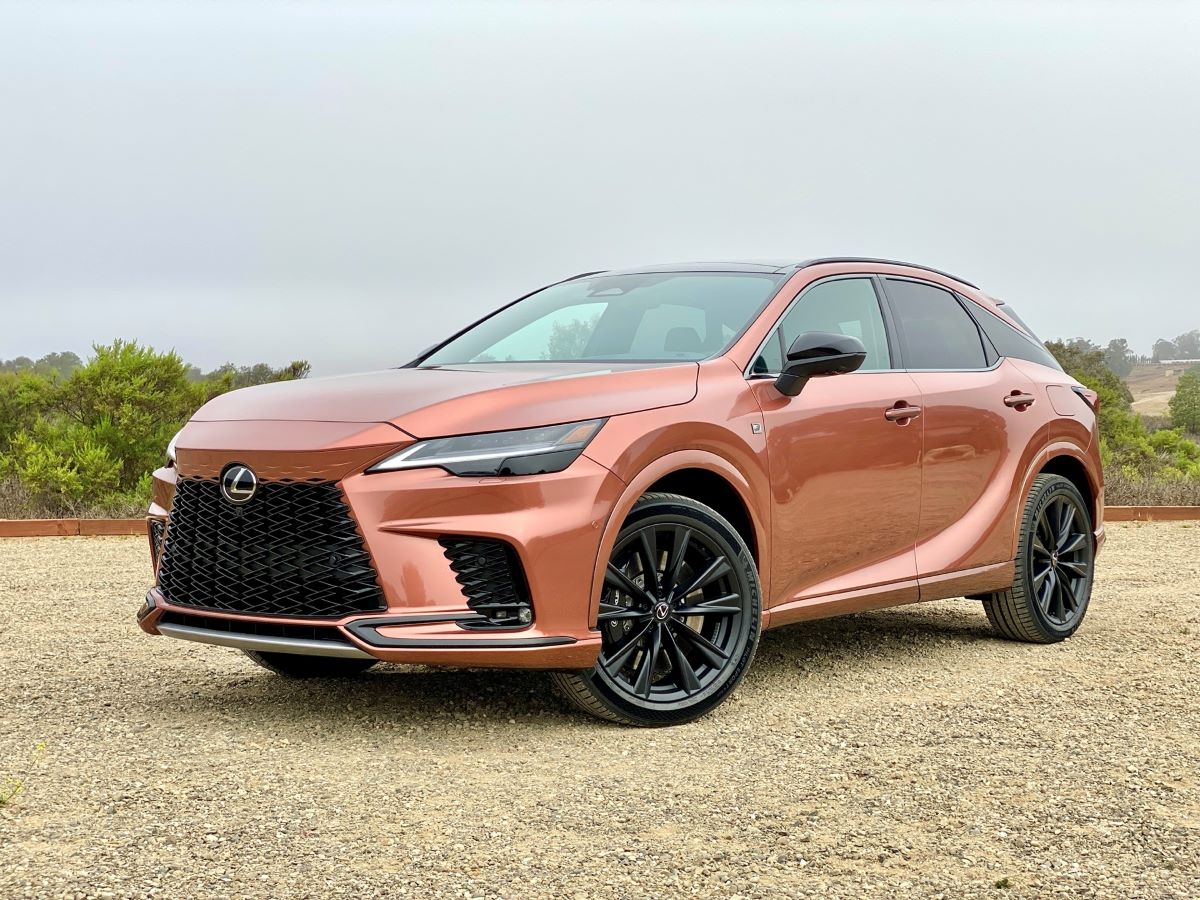
Unlike some luxury competitors that rely heavily on aggressive lane-centering to simulate autonomy, the RX stays smooth and composed.
Drivers report very little vibration or tugging at the wheel, which helps reduce fatigue on multi-hour interstate runs. For families wanting a comfortable, drama-free ride, the RX exemplifies how polished LKA should feel.
Debuting alongside the 2023 Lexus RX is its electrified counterpart, the RX Hybrid, which blends the popular SUV’s plush ride and relaxed road manners with updated styling and refreshed powertrains.
The RX350h comes with a 246-hp hybrid powertrain paired with a continuously variable automatic transmission (CVT), while the range-topping RX500h F Sport swaps in a turbocharged hybrid setup producing 366 horsepower and uses a six-speed automatic transmission; all-wheel drive is standard across the lineup.
The RX500h F Sport delivers livelier acceleration, but it doesn’t improve the RX’s cornering performance. Comfortable cruising remains the RX Hybrid’s forte, with a spacious, quiet cabin trimmed with premium materials.
For 2023, the RX Hybrid has been redesigned with modernized styling while retaining signature elements such as the floating roof and an evolved spindle grille. Only the RX350h and RX500h F Sport trims are offered this year, with a plug-in hybrid RX450h+ scheduled to debut in 2024.
Pricing for the 2023 RX Hybrid starts at $51,545 for the RX350h and reaches $64,145 for the RX500h F Sport Performance. While the RX500h F Sport is the most energetic variant, its high price may deter casual buyers.
For most drivers, the midrange RX350h Premium Plus offers a balanced package with added luxury features such as a 14.0-inch infotainment display, leather upholstery, ambient interior lighting, and other amenities.
Under the hood, the RX350h combines electric motors with a 2.4-liter four-cylinder engine for a total of 246 horsepower, paired with a CVT and all-wheel drive. On our initial test drive, this setup felt somewhat sluggish, likely providing slightly slower acceleration than the 2022 model.
Stepping up to the RX500h F Sport Performance unlocks a punchier turbocharged 2.4-liter hybrid setup generating 366 horsepower, also routed to all four wheels.
While the RX500h could have been tuned as a sportier performer, Lexus engineers retained the soft, luxury-focused suspension, maintaining the smooth ride that RX buyers expect but offering little to satisfy driving enthusiasts.
Also Read: Top 10 Pickups That Rarely Need Engine Swaps
5. Hyundai Tucson
Hyundai’s rapid improvement in driver-assist tuning is most evident in the Tucson. The SUV’s Highway Driving Assist, when paired with lane-keep and lane-centering, keeps the vehicle well anchored within its lane without jittery overcorrections.
The Tucson especially shines in long-distance comfort: it holds a steady middle position and doesn’t sway toward pavement seams or reflectors.
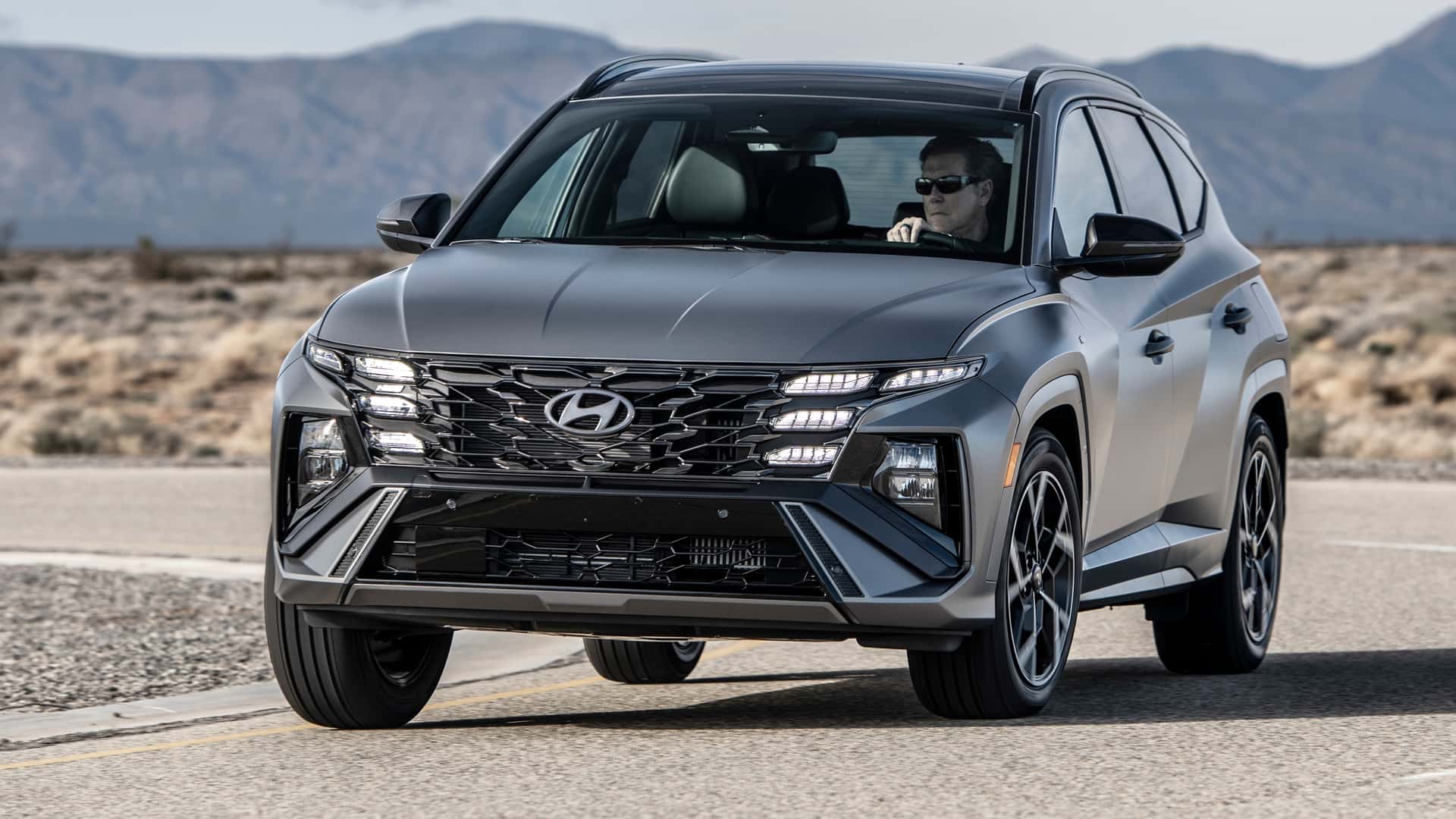
Hyundai uses a combination of camera feedback and steering logic that anticipates lane curvature, reducing the last-second scrambling some systems fall into.
For buyers wanting affordable tech that works like something in a higher price class, the Tucson delivers.
SUVs That Ping-Pong or Wander in the Lane
On the road, lane-keep assist should feel like a helpful co-pilot, calmly nudging you back into place, not playing tug-of-war with the steering wheel. Unfortunately, not all SUVs offer that kind of confidence.
Some systems overcorrect, undercorrect, or drift in unpredictable ways, leaving drivers feeling like they’re constantly wrestling the wheel. In this article, we call out SUVs That Ping-Pong or Wander in the Lane, those whose lane-keep assist systems may be more irritating than reassuring when you’re cruising on the highway.
1. Jeep Compass
The Jeep Compass offers lane-keep assist, but its tuning often feels reactive rather than predictive. Many drivers report that the system allows the SUV to drift too close to the lane edges before applying a sharp correction, giving the sensation of bouncing between boundaries.
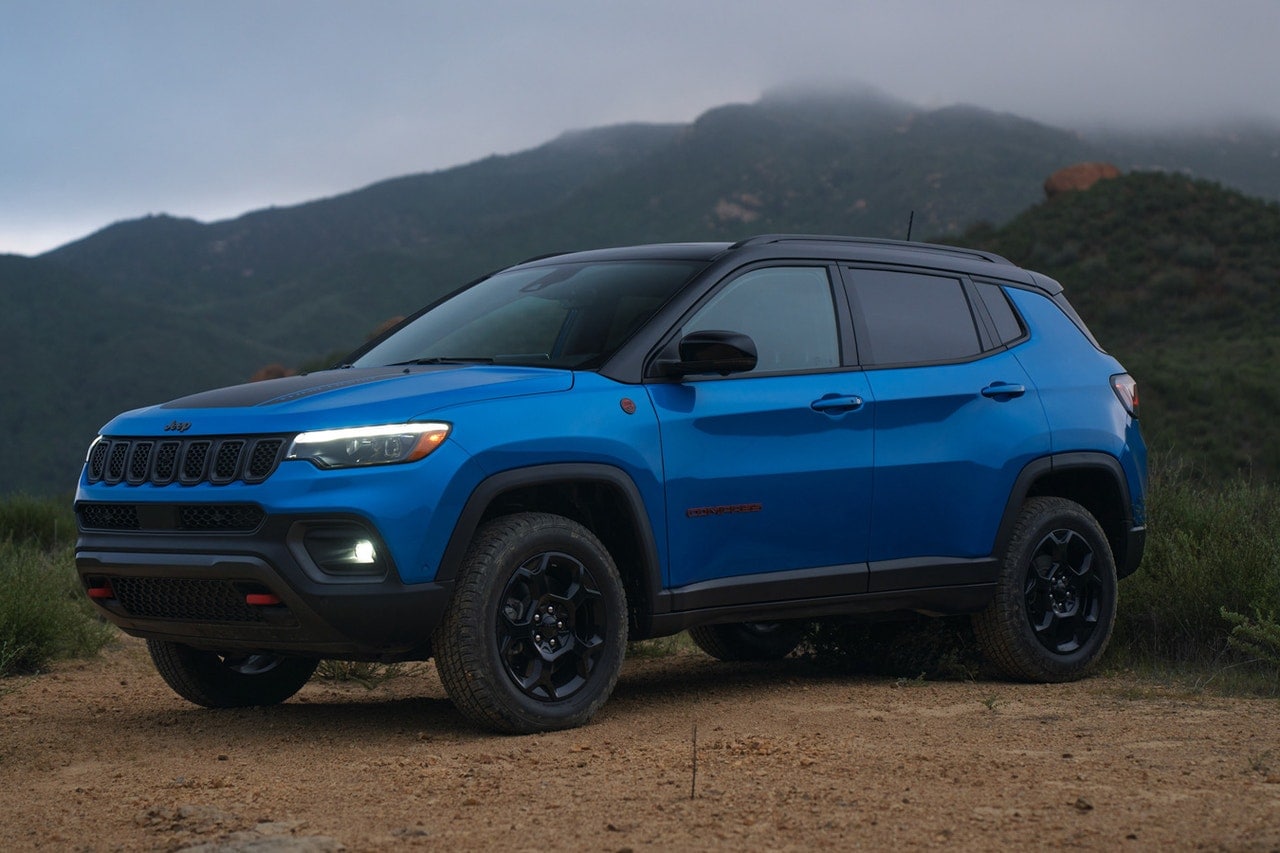
On highways with inconsistent markings common across many U.S. states the Compass struggles to maintain a centered position.
While the vehicle excels in off-road capability for its class, its lane management leaves something to be desired for daily commuters.
In recent years, the Jeep Compass has struggled to compete in the subcompact SUV segment, largely due to its underpowered engine and slow-reacting nine-speed automatic transmission.
Ride quality has also drawn criticism, as uneven pavement often feels harsh beneath the Compass. On a positive note, the new interior is a marked improvement, bringing the cabin up to a level closer to that of the new Grand Cherokee.
Jeep claims the nine-speed automatic has been retuned for smoother shifts and quicker acceleration, but the 2.4-liter powertrain remains underwhelming. While updates to the steering and suspension could have enhanced the Compass’ handling, in practice the ride and road manners feel only mediocre.
Despite these shortcomings on pavement, off-road capability continues to be a strong point. Every AWD Compass we’ve tested has performed admirably off the beaten path, and for those planning regular rugged excursions, the Compass Trailhawk remains the go-to choice.
Under the hood, the 2.4-liter inline four-cylinder engine remains the sole option for 2022, producing 177 horsepower and 172 lb-ft of torque, slightly down from 180 hp and 175 lb-ft in 2021.
A six-speed automatic is standard on FWD Sport and Latitude trims, while the nine-speed automatic comes standard on all AWD models. Fuel economy is rated at 22/31 mpg city/highway for FWD versions and 22/30 mpg with AWD.
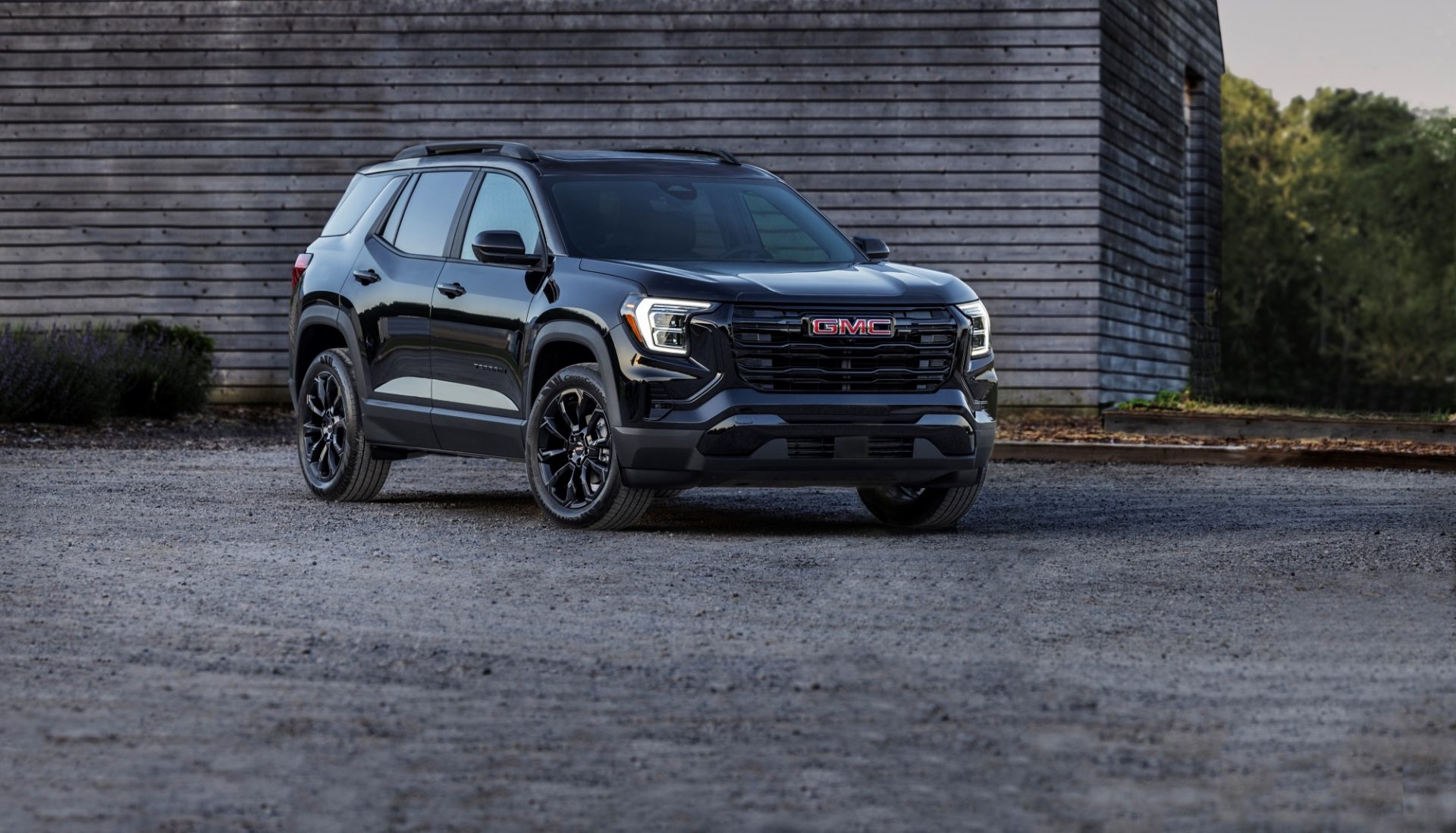
2. GMC Terrain
The GMC Terrain’s lane-keep assist tends to activate late and somewhat abruptly, especially on straighter highways where the system doesn’t seem to acknowledge minor drifts until the last moment.
This frequently creates a ping-pong sensation as the Terrain nudges itself away from one line and drifts toward the opposite edge.
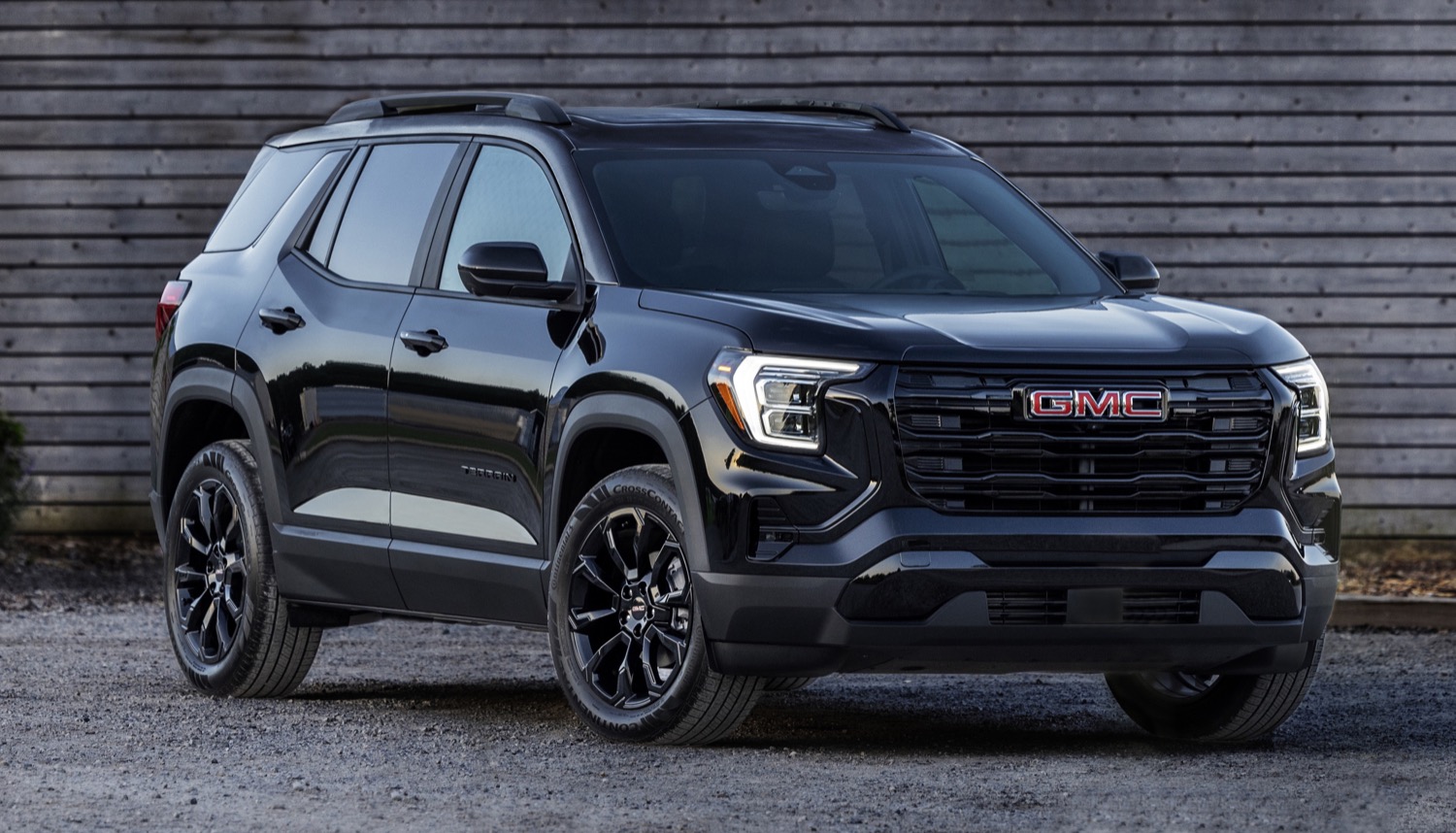
The corrections feel more like warnings than assistance, making the driver feel less supported.
While GMC excels in comfort and practicality, its LKA tuning still ranks behind many competitors when it comes to smoothness and precision.
3. Ford Explorer
Ford packs the Explorer with robust safety tech, but the lane-keep assist often applies firmer steering interventions than expected.
Instead of lightly guiding the vehicle into place, the system’s stronger nudges can send the SUV toward the opposite boundary, especially if the driver isn’t holding the wheel firmly.
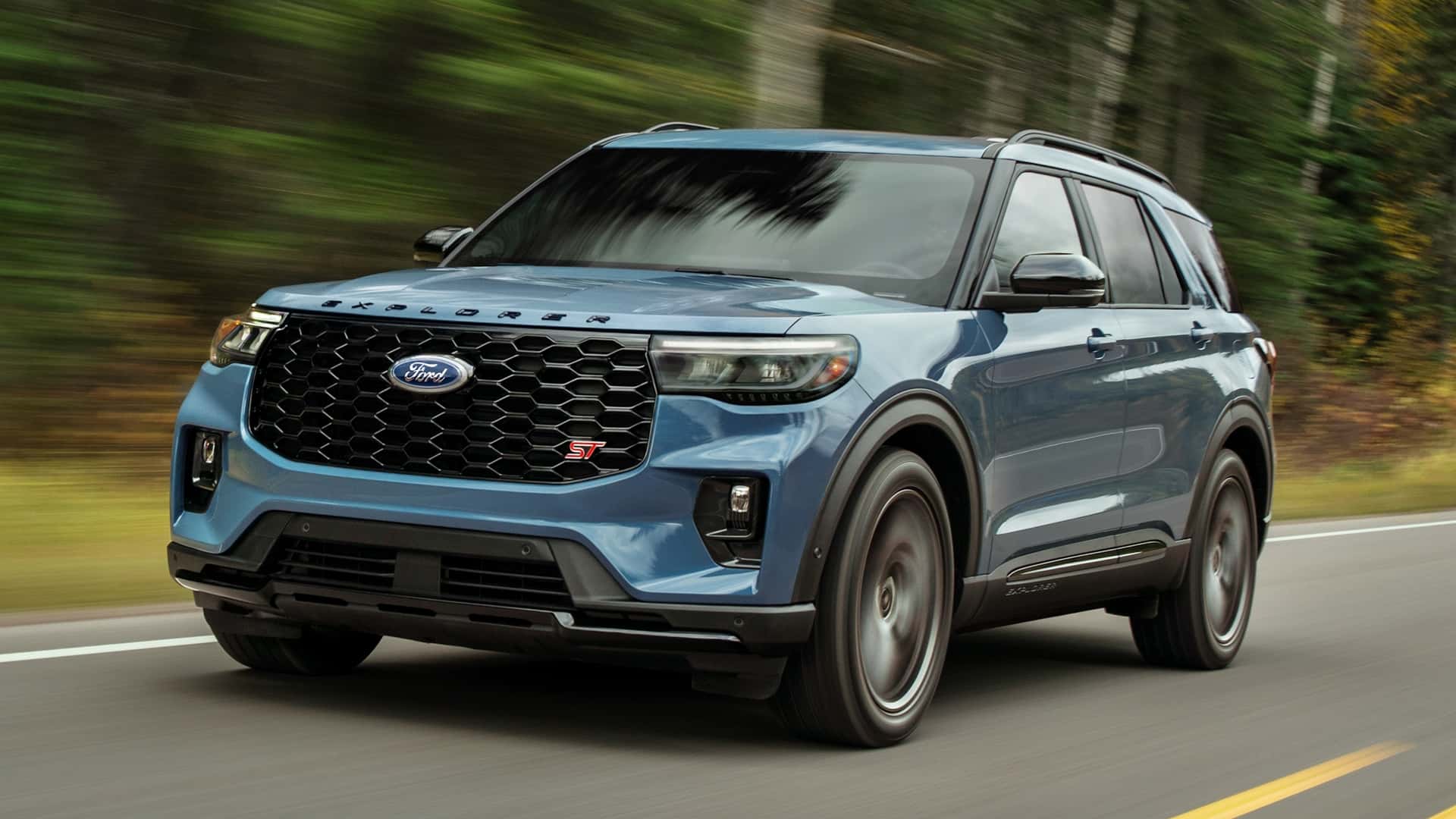
This behavior is more noticeable at highway speeds, where even slight overcorrections feel amplified.
While the Explorer’s adaptive cruise and other ADAS components are strong performers, lane stability is an area where Ford’s big three-row still needs refinement.
The Ford Explorer has long been a defining SUV, helping establish the popularity of sport-utility vehicles over its more than three decades of production. Now in its sixth generation, the Explorer has transitioned from a front-wheel-drive, transverse-engine layout to a rear-wheel-drive, longitudinal-engine unibody platform.
This three-row midsize SUV sits above the Edge and below the Expedition in Ford’s lineup. For 2022, several updates have been introduced across the range. The sporty ST-Line trim now slots between the XLT and Limited trims, while the Explorer ST comes standard with rear-wheel drive, with all-wheel drive available as an option.
The Timberline trim now offers a second-row bench option, and the XLT Sport Appearance package features new seat trim with Ebony bolsters and Light Slate inserts. Two new exterior colors, Stone Blue and Burgundy Velvet, are also available.
Visually, the sixth-generation Explorer is appealing, with a more upright greenhouse and well-proportioned body that reflects an evolution of Ford’s design language. Interiors are well-equipped, though fit and finish lag behind competitors, with cheap plastics and lower-quality leather marring the otherwise feature-packed cabin.
Across the lineup, the three available powertrains deliver a solid combination of capability, performance, and efficiency. The 2022 Explorer Timberline impressed with its updated styling and improved ride quality; however, in our three-row SUV comparison, the Explorer ranked eighth, as many rivals offer a more refined experience.
All 2022 Explorers feature a 10-speed automatic transmission. Base, XLT, ST-Line, Limited, and Timberline trims come with a 2.3-liter turbo-four producing 300 hp and 310 lb-ft of torque, achieving 0-60 mph in 6.8 seconds and fuel economy of 20-21/27-28 mpg (city/highway).
The Limited Hybrid combines a 3.3-liter V-6 with an electric motor to produce 318 hp and 322 lb-ft, reaching 0-60 mph in 7.7 seconds with 23-27/26-28 mpg efficiency. The ST, Platinum, and King Ranch trims feature a 3.0-liter turbo V-6 generating 400 hp and 415 lb-ft, achieving 0-60 mph in 5.3 seconds and an EPA-estimated 18/24 mpg.
The Explorer continues to offer a versatile three-row SUV experience, blending performance, comfort, and utility, though refinement from rivals remains a point of differentiation.
4. Nissan Rogue (Earlier Models)
Newer Nissan Rogues have improved considerably, but many earlier models still widely sold in the U.S. used market exhibit inconsistency in lane-keeping.
The system tends to wander near the edges, particularly on rolling or curved sections of highway. Instead of maintaining a true centerline position, the Rogue may weave slightly, forcing the driver to compensate.
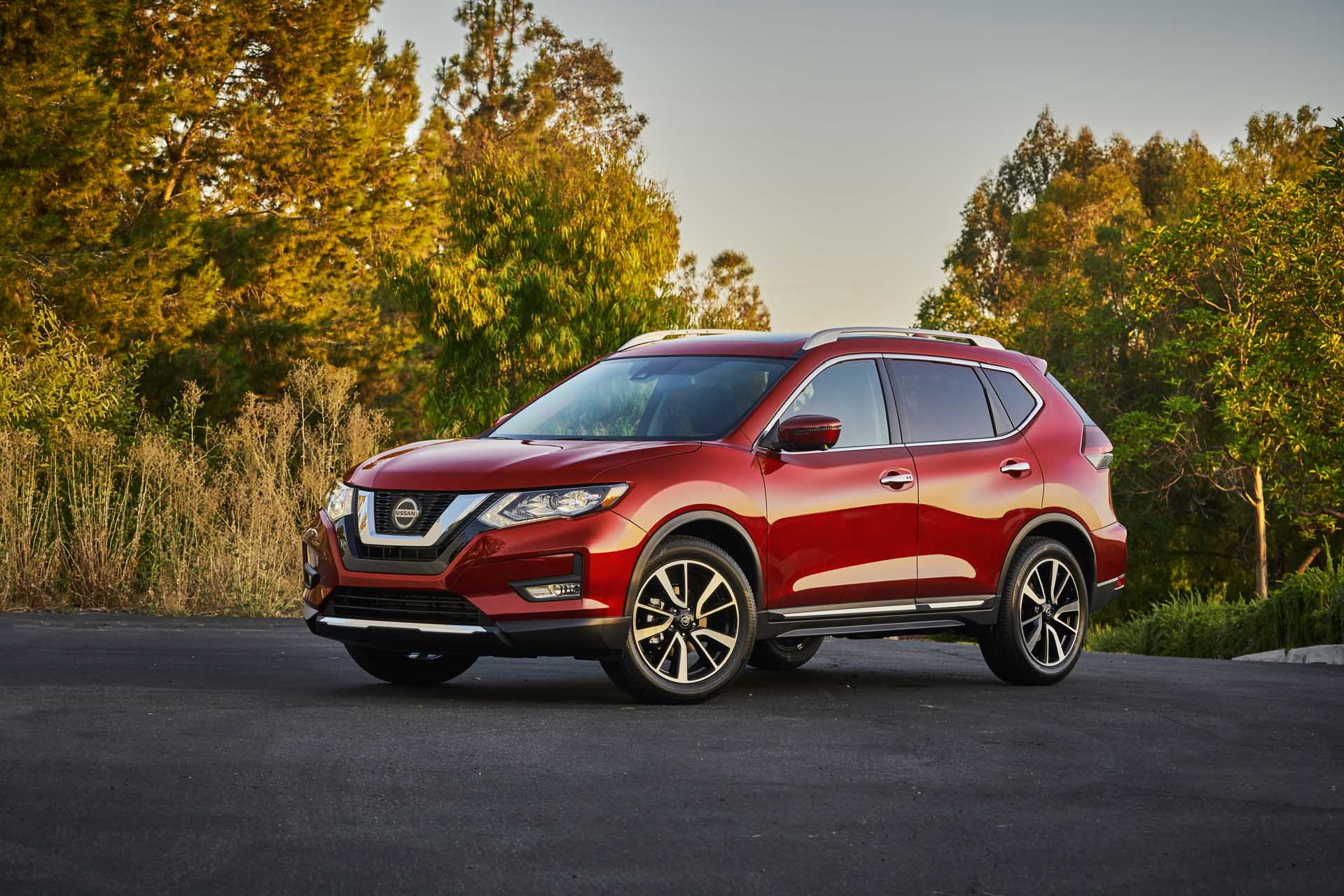
Weather sensitivity also plays a role; lightly faded or wet lines can cause the Rogue to disengage or track poorly. For buyers considering older used models, it’s an important trait to be aware of.
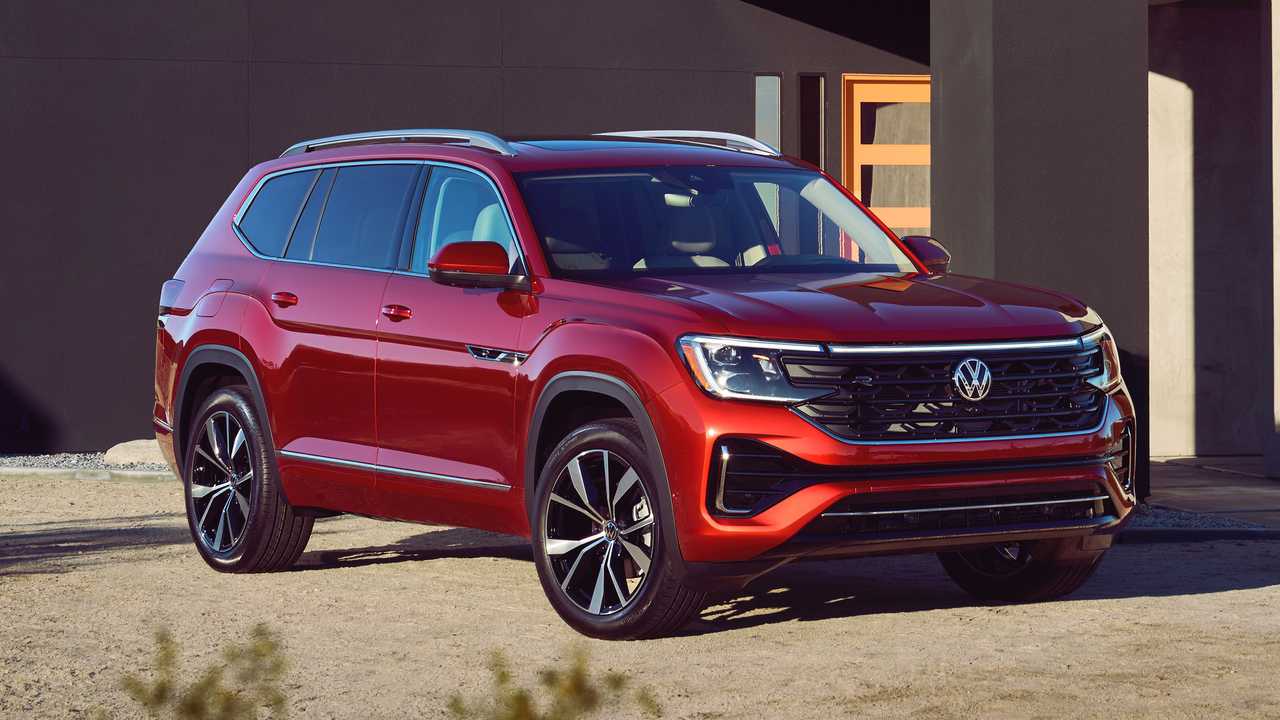
5. Volkswagen Atlas
The Volkswagen Atlas delivers a comfortable ride and roomy cabin, but its lane assist system often applies extremely light steering torque so light that the SUV may begin to drift before responding noticeably.
This creates a cycle where the Atlas moves toward a lane boundary, lightly corrects, then repeats the pattern, producing a wandering sensation.
While some drivers may appreciate that the system doesn’t feel intrusive, the limited steering authority tends to create the classic ping-pong effect that defeats the purpose of lane-centering technology.
The 2022 Volkswagen Atlas is a sizable three-row SUV that illustrates both the strengths and shortcomings of big, boxy midsize SUVs. While its unassuming exterior may not turn heads, the Atlas shines as a family hauler, offering expansive cargo space and seating that can comfortably accommodate adults in the third row, a feat not all midsize SUVs manage.
Volkswagen outfits the Atlas with a strong suite of driver-assistance features and desirable standard equipment, particularly in the mid-level trims, which enhances its overall value.
Buyers can choose between a standard turbocharged four-cylinder engine or a robust V-6, both available with front- or all-wheel drive. Although the Atlas is not particularly engaging to drive, it delivers confident road manners.
Its interior, however, lacks flair, and the ride can feel rough over uneven surfaces, preventing the cabin from feeling as polished as some competitors. Despite these drawbacks, the Atlas remains an excellent option for those seeking a spacious SUV.
For 2022, Volkswagen restructured the Atlas lineup, eliminating the base S model and making the SE the new entry-level trim. This change results in a slightly higher starting price compared to the previous model year, but the SE actually sees a price reduction and comes with attractive standard features, including a digital gauge cluster.
Pricing for the 2022 Atlas ranges from $35,630 for the 2.0T SE up to $52,800 for the 3.6L V6 SEL Premium R-Line. We recommend the V-6-powered SE with the Technology package, bringing the price just above $40,000, with the option to add 4Motion all-wheel drive for $1,900.
This configuration includes an 8.0-inch touchscreen infotainment system, adaptive cruise control, three-zone climate control, remote start, and second-row captain’s chairs.
Under the hood, the Atlas offers a choice of a 235-hp turbocharged four-cylinder or a 276-hp V-6, both mated to an eight-speed automatic transmission and available in front- or all-wheel drive. The V-6 is notably smooth and refined, transmitting minimal vibration into the cabin.
While acceleration from either engine is unremarkable, the Atlas rarely feels underpowered in everyday driving. It handles city streets and highways with composure, responding predictably to steering inputs.
The ride quality is generally smooth, absorbing most road imperfections, though the harshest potholes are still noticeable. Overall, the Atlas excels as a roomy, capable, and practical family SUV.
Lane-keep assist is one of the most misunderstood and varied ADAS features in today’s SUV market.
Some systems feel almost invisible, smoothly keeping the vehicle centered as if the driver has an extra steadying hand. Others feel reactive, jittery, or overly forceful, requiring drivers to remain on edge even when the system is supposedly “helping.”
For U.S. buyers who spend significant time on interstates, the difference between a stable lane-keeping system and a ping-pong-prone one can dramatically change the driving experience.
Models like the Toyota RAV4, Honda CR-V, Subaru Outback, Lexus RX, and Hyundai Tucson offer dependable, confidence-inspiring support.
Meanwhile, SUVs like the Jeep Compass, GMC Terrain, Ford Explorer, older Nissan Rogues, and VW Atlas may require more vigilance to stay smoothly centered.
Understanding these distinctions helps shoppers choose an SUV that not only checks the feature box but enhances safety and comfort in real-world use.