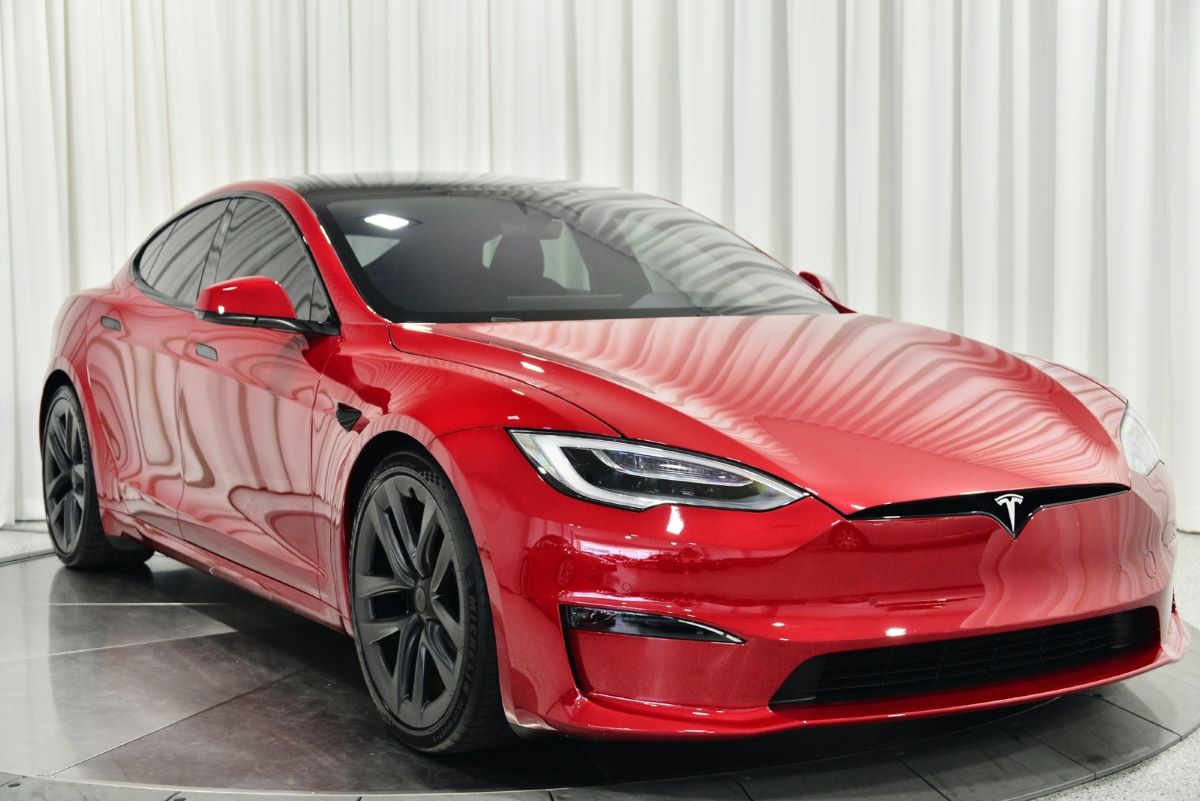
As electric vehicles continue to gain traction across the United States, winter usability has become one of the most important features buyers evaluate.
Cold weather can reduce battery efficiency, cut range, and make stepping into a frozen cabin in the morning uncomfortable at best and potentially dangerous if windows stay fogged or iced over.
To counter this, automakers equip EVs with pre-heating or “preconditioning” systems that warm the cabin before driving. But not all EVs allow this feature to operate the same way.
Some vehicles can pre-heat entirely off-grid using their own battery power, while others require being plugged in for effective preconditioning.
Below is a detailed breakdown of five EVs that excel at off-grid cabin pre-heating and five EVs that function best when hooked to a charger, along with context for U.S. drivers navigating winter conditions.
EVs That Pre-Heat Off-Grid
Electric vehicles are increasingly leaving the garage as practical options for drivers who want convenience and efficiency without relying on gasoline. But for EV owners in colder climates, one challenge persists: keeping the cabin warm without draining precious battery power.
That’s where off-grid pre-heating comes in. EVs with this capability can warm the cabin or battery while the car is still plugged into a limited power source, like solar panels or a small home battery system, so drivers step into comfort without sacrificing range.
In this article, we go into the EVs that excel at off-grid pre-heating, highlighting which models combine efficiency, technology, and smart thermal management to make winter mornings far more pleasant.
1. Model 3
The Tesla Model 3 is one of the strongest off-grid pre-heaters among mainstream EVs. Its heat-pump-based thermal system efficiently warms the cabin even when the vehicle is unplugged.
This is especially useful for city drivers who rely on street parking and don’t always have access to home charging.
Because the Model 3 can pre-condition its interior and battery from its own pack, owners in colder states can still enjoy warm starts on winter mornings without needing a charging cable nearby.
Although the 2019 Tesla Model 3 was initially pitched as an electric car for the masses, it has evolved into more of an all-electric alternative to compact luxury sedans.
The once-promised $35,000 Model 3 is now only available by special order, with the lowest-priced version starting at $41,100, placing it in the same price bracket as the BMW 3 Series and Mercedes-Benz C-Class.
Driving range varies depending on the battery, with the base Standard Range Plus offering 240 miles and the Long Range Battery model extending up to 310 miles.
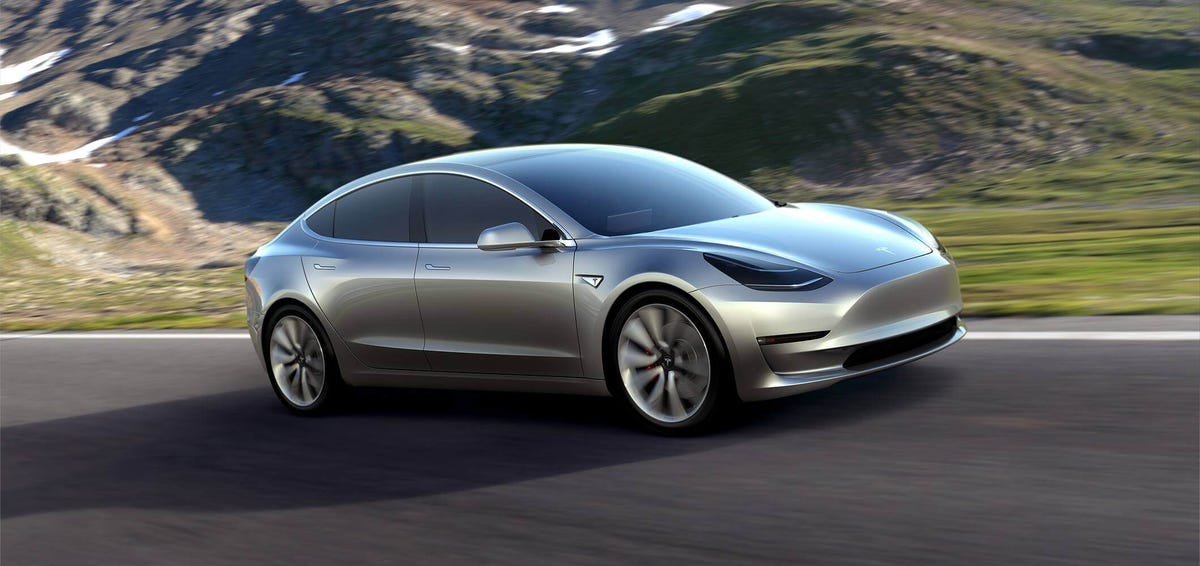
For 2019, Tesla enhanced the Model 3’s value by making its semi-autonomous Autopilot system standard across all trims. The Performance model now includes the previously optional Performance Upgrade package, featuring 20-inch wheels with summer tires, upgraded brakes, a carbon-fiber spoiler, lowered suspension, and a 10-mph higher top speed of 155 mph.
Pricing for the 2019 Model 3 ranges from $36,200 for the Standard Range to $58,190 for the Performance model. The Standard Range Plus Battery trim stands out as the best value, delivering 240 miles of driving range, heated front seats, and navigation, enough for most drivers’ daily needs.
On the road, the Model 3 exemplifies the strengths of EVs: smooth, near-silent acceleration and crisp handling. The rear-wheel-drive Long Range model reaches 60 mph in 5.1 seconds, while the Performance variant does it in just 3.5 seconds, outpacing even the larger and pricier Model S 100D.
With its battery mounted under the floor, the Model 3 maintains a low center of gravity, contributing to a stable, planted feel in corners.
Steering is precise and well-weighted, with three adjustable effort settings, while the ride remains firm but controlled. However, without an internal combustion engine to mask noise, tire sounds and road textures are more noticeable inside the cabin.
2. Model Y
Like the Model 3, the Tesla Model Y uses an advanced heat pump and a highly efficient thermal architecture that enables full cabin pre-heat from battery power.
This makes the Model Y particularly friendly to outdoor parkers, apartment dwellers, and anyone who travels to areas without charging infrastructure.
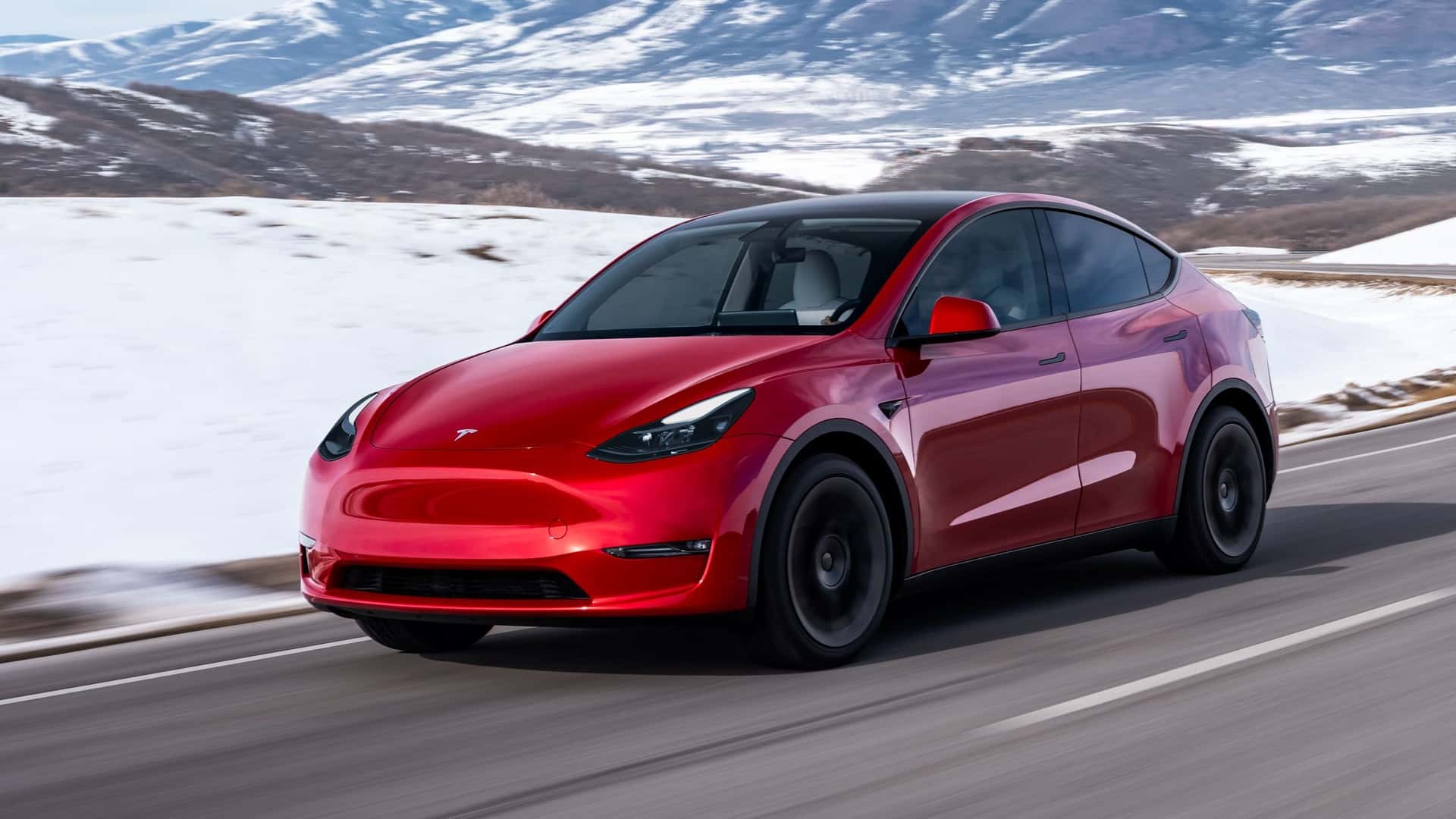
Even in single-digit temperatures, the Model Y can pre-warm its interior without excessive battery drain, making it one of the most winter-capable EVs sold in the U.S.
3. Polestar 2
The Polestar 2 may not be as common as Tesla models on U.S. roads, but its climate capabilities make it an excellent winter EV.
The heat pump option allows owners to pre-heat the interior off-grid without significantly compromising range.
While warming the battery itself is more effective when plugged in, the Polestar 2 reliably heats its cabin from battery power alone.
This makes it suitable for commuters who don’t have a home charger or frequently park in public lots without access to electricity.
The 2022 Polestar 2 is many things: a four-door hatchback with sedan-like proportions, crossover ride height, and, most importantly, a fully electric powertrain. Polestar, Volvo’s performance sub-brand, now signals both pure-electric and plug-in-hybrid models.
While the 2’s styling may not win beauty contests, its practical hatchback layout and significantly lower price make it a more attainable option. Inside, the cabin is well-appointed, with high-quality materials and an intuitive infotainment system. Buyers can choose between single- or dual-motor setups.
The single-motor variant is front-wheel drive with an estimated 270-mile range, while the dual-motor model trades some range for all-wheel drive and considerably more power, resulting in quicker acceleration.
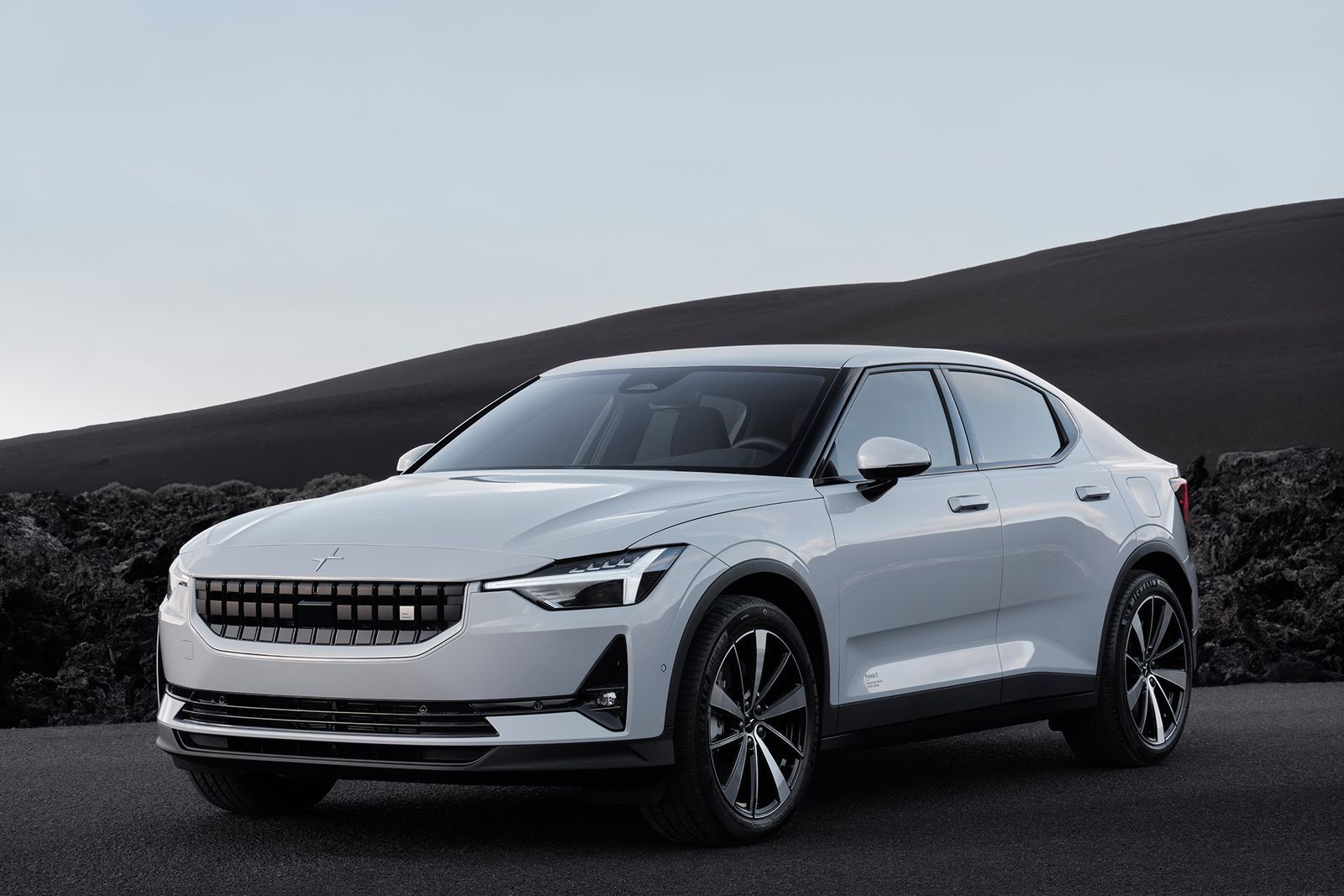
For 2022, Polestar introduces a new front-wheel-drive option and has dramatically reduced prices across the lineup. The single-motor variant now achieves an EPA-rated 270 miles, and the dual-motor’s range rises from 233 to 249 miles.
Buyers can now pick specific packages individually rather than in pre-set bundles. Opting for the loaded Plus package adds numerous luxury amenities and a mechanical heat pump that Polestar says can boost the hatchback’s range by up to 10 percent.
An over-the-air software update further enhances the dual-motor Polestar 2, increasing horsepower from 408 to 476 and torque from 487 to 502 lb-ft.
Power and performance differ significantly between the two configurations. The single-motor, front-wheel-drive Polestar 2 produces 231 hp and managed a 0–60 mph time of 6.8 seconds in our testing. The dual-motor, all-wheel-drive version places an electric motor on each axle for a combined output of 408 hp, reaching 60 mph in just 4.1 seconds.
Our dual-motor test car, equipped with the Performance package, benefited from 20-inch wheels, summer tires, stiffer suspension components, Öhlins adjustable dampers, and upgraded Brembo front brakes.
This setup achieved 0.90 g of cornering grip and a 157-foot stopping distance from 70 mph. Polestar also offers three levels of regenerative braking, with the strongest able to bring the car to a complete stop without touching the brake pedal.
4. Model S
The latest Tesla Model S continues Tesla’s reputation for effective off-grid preconditioning.
While luxury EVs often depend on plugged-in power due to their large cabins and energy demands, the Model S balances its robust heating system with a large battery pack and sophisticated heat-pump management.
For long-distance travelers in northern states especially those who stay at hotels or cabins without guaranteed charging the ability to pre-heat purely from the battery is a major advantage.
Tesla operates unlike most automakers, particularly in how it approaches model years and updates. Rather than adhering to traditional model-year rollouts, Tesla continuously updates vehicles via over-the-air software updates and periodically revises powertrain options.
Recently, Tesla phased out the base 60 kWh and 90 kWh powertrains, replacing them with the current base 75 kWh and the range-topping 100 kWh variants.
The Model S stands as Tesla’s flagship and one of the most popular EVs globally, positioned above the smaller Model 3 sedan. It has a slightly lower starting price than the Model X crossover, yet delivers longer range and quicker acceleration. In the third quarter of 2017, Tesla also reduced prices for the 100 kWh models.
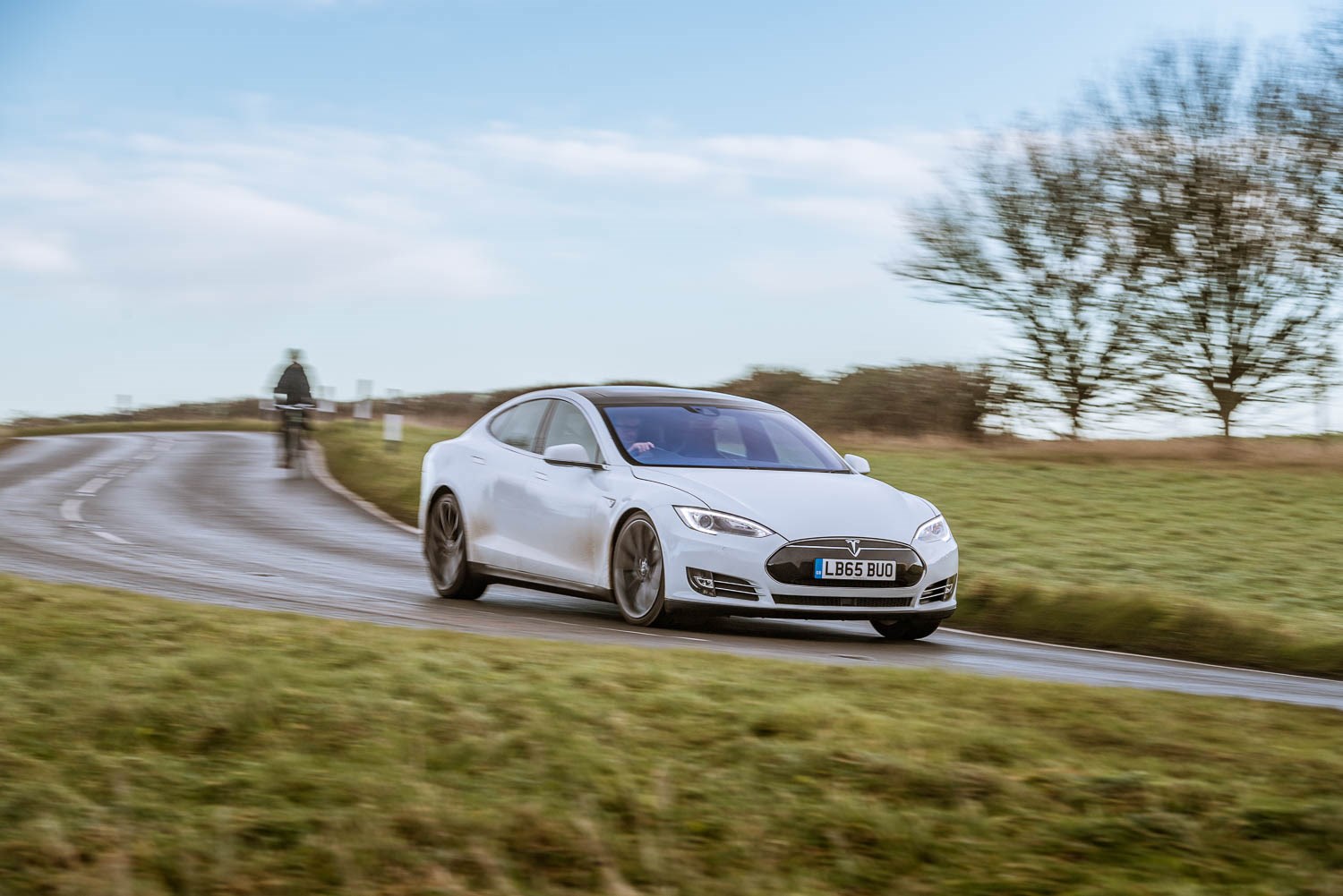
The base Model S 75D uses a 75 kWh battery to power front and rear electric motors for all-wheel drive, producing a combined 518 hp with an EPA-rated range of 259 miles (2017).
The mid-level 100D, powered by a 100 kWh battery with front and rear motors, offers a 335-mile range, the longest of any electric vehicle at the time.
At the top of the range, the P100D leverages the same 100 kWh battery but with enhanced front and rear motors generating 680 hp and 791 lb-ft of torque, achieving a 315-mile range. All versions utilize a one-speed transmission.
Charging times vary based on power source. A 75 kWh home wall charger adds 100 miles of range in about three hours, while a 100 kWh home charger requires roughly two hours.
Using a Tesla Supercharger, 100 miles of range can be added in just 15 minutes. For a full 300 miles of range (available only with the 100 kWh battery), the Supercharger takes about an hour, whereas a 75 kWh home charger would need roughly nine hours.
5. Model X
The Model X shares the same strengths as the Model S, with the added challenge of heating a larger interior space. Even so, its heat pump enables efficient off-grid pre-heating while minimizing range loss.
Families who regularly park outdoors in winter climates like Colorado, Montana, or Michigan can count on the Model X to warm the cabin quickly, even when charging isn’t available. Its ability to operate climate features remotely also adds convenience.
Currently, the Tesla Model X, like the Model S, is offered in three variants: the 75D, 100D, and the range-topping P100D, with the 75 and 90 kWh versions no longer available. Tesla has recently lowered the starting price of the Model X, making it more accessible despite its higher entry cost compared with the Model S sedan.
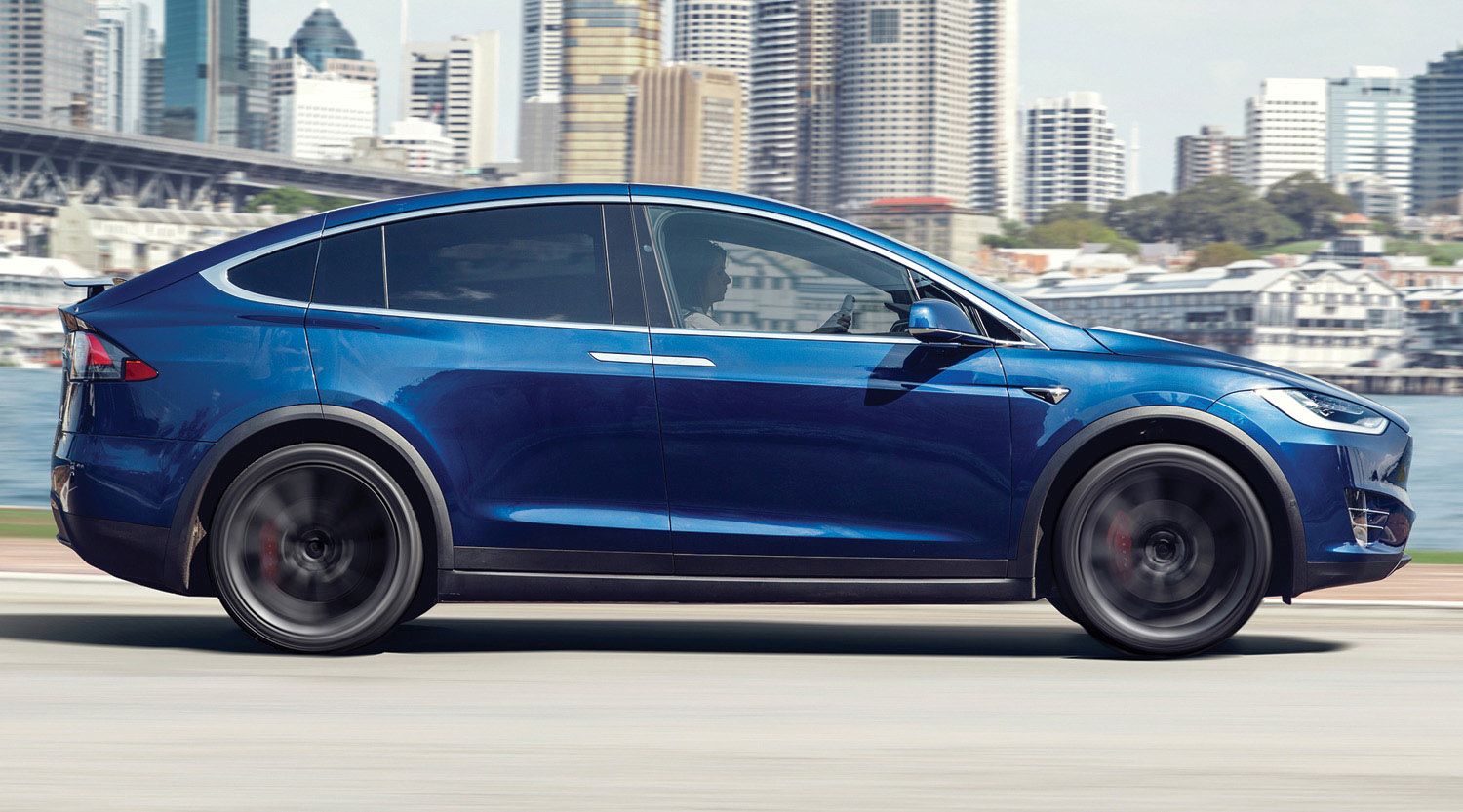
The Model X is Tesla’s only full-size crossover at present, with the more compact Model Y expected to join the lineup. The base 75D comes with a 75 kWh battery powering front and rear electric motors for all-wheel drive, producing a combined 518 hp and offering an EPA-rated range of 238 miles (2017 figures).
The 100D increases the battery to 100 kWh and boosts the output of its front and rear motors, providing 295 miles of driving range. The P100D shares the same 100 kWh battery but delivers 680 hp and 791 lb-ft of torque, with a slightly reduced range of 289 miles. All Model X variants use a one-speed transmission.
Charging times vary: a 75 kWh home wall charger adds 150 miles of range in about five hours, while the 100 kWh home charger accomplishes the same in roughly three hours. A Tesla Supercharger can provide 150 miles of range in just 30 minutes.
EVs That Require Plug-In Pre-Heat for Best Results
Charging an EV in freezing weather poses a unique challenge: not only does the cold slow down boiling lithium ions, but cabin systems demand energy too. Some EVs truly come alive in the cold, but only if they’re already plugged in.
These models rely on plug-in pre-heating to optimize both battery performance and comfort, making off-grid or unplanned cold starts far less effective. In this article, we dive into EVs That Require Plug‑In Pre‑Heat for Best Results, highlighting which cars need to be warmed up while charging to deliver their full potential when the mercury drops.
1. Ford Mustang Mach-E
The Mach-E can technically run its climate system while unplugged, but its thermal strategy is clearly optimized for being connected to a charger.
When unplugged in cold weather, the cabin can take longer to heat up and may draw significant battery power, cutting early-morning range considerably.
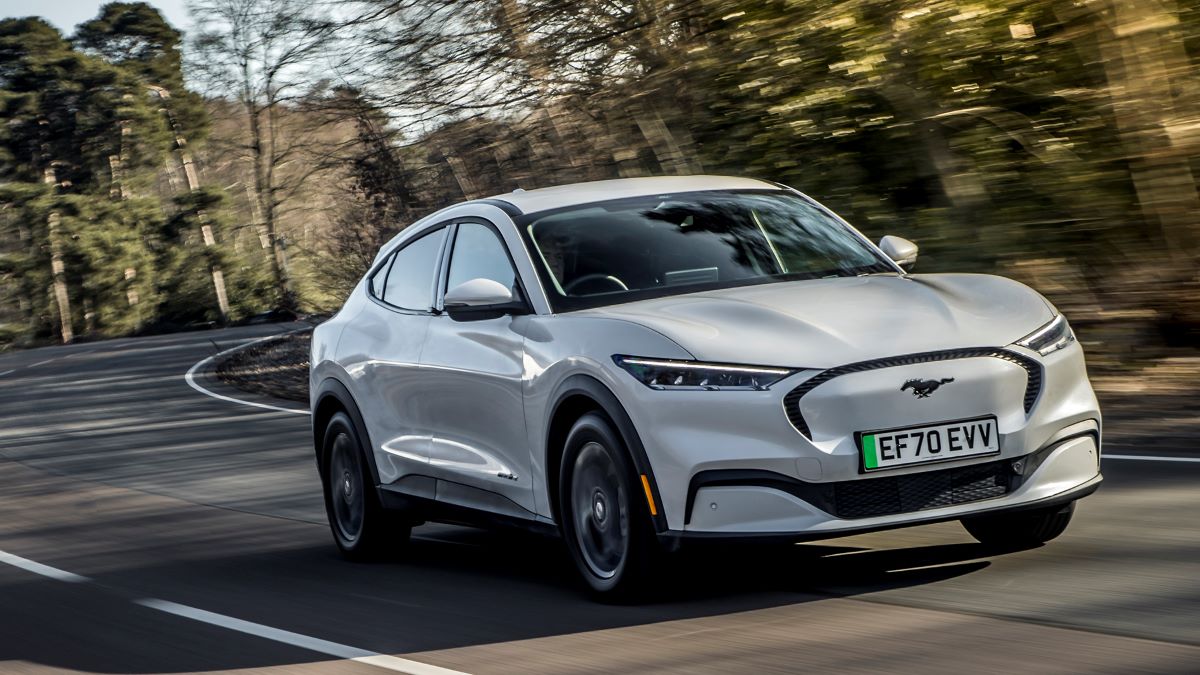
Ford designed the car to pre-heat the battery and interior together when plugged in, making a home Level 2 charger almost essential for drivers in northern states.
2. Hyundai Ioniq 5
The Hyundai Ioniq 5 features a heat pump on many trims, but its software prioritizes plug-in preconditioning for both cabin comfort and battery warming.
Off-grid cabin heating works, but efficiency suffers, and owners often report notable early-morning range loss when using it unplugged.
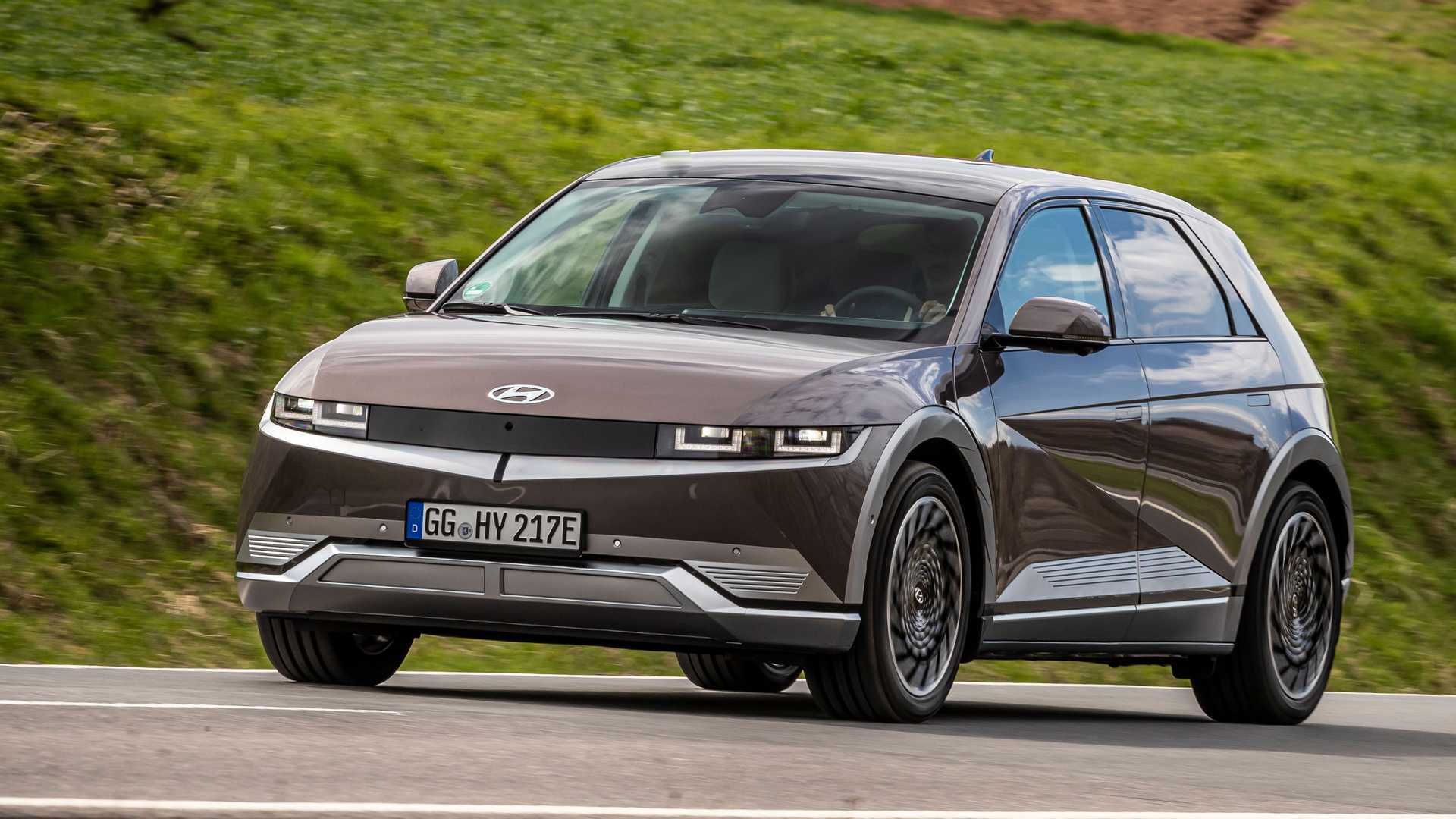
The Ioniq 5 is excellent for drivers with a consistent home-charging routine, but less ideal for those who rely heavily on street or public parking.
The 2023 Hyundai Ioniq 5 stands out as a solid choice for a used electric SUV. It delivers a balanced package of competent (if not exhilarating) driving dynamics, impressive efficiency, and generous passenger and cargo space, making it appealing to a broad spectrum of buyers.
The Ioniq 5 also offers a range of zippy powertrains to suit different driving preferences. While its minimalist interior design divides opinion and its five-year projected ownership costs are slightly above average, the SUV is largely free of major drawbacks.
Sharing a platform with the Ioniq 5, the EV6 features a more understated interior and slightly less cargo room. Both vehicles have similar depreciation and projected ownership costs, so a test drive of each is recommended to determine the best fit.
Buyers prioritizing sportier performance may look to the Ford Mustang Mach-E, which offers more powerful powertrains, sharper handling, an easier-to-use infotainment system, and a more premium interior. However, the Mustang Mach-E comes with lower efficiency, higher ownership costs, and less favorable depreciation compared with the Ioniq 5.
3. Kia EV6
The Kia EV6 shares most of its technology with the Ioniq 5, including the focus on plug-in pre-conditioning. While the EV6 is extremely efficient on the road, its off-grid cabin pre-heating is relatively energy-intensive compared to Tesla and Polestar models.
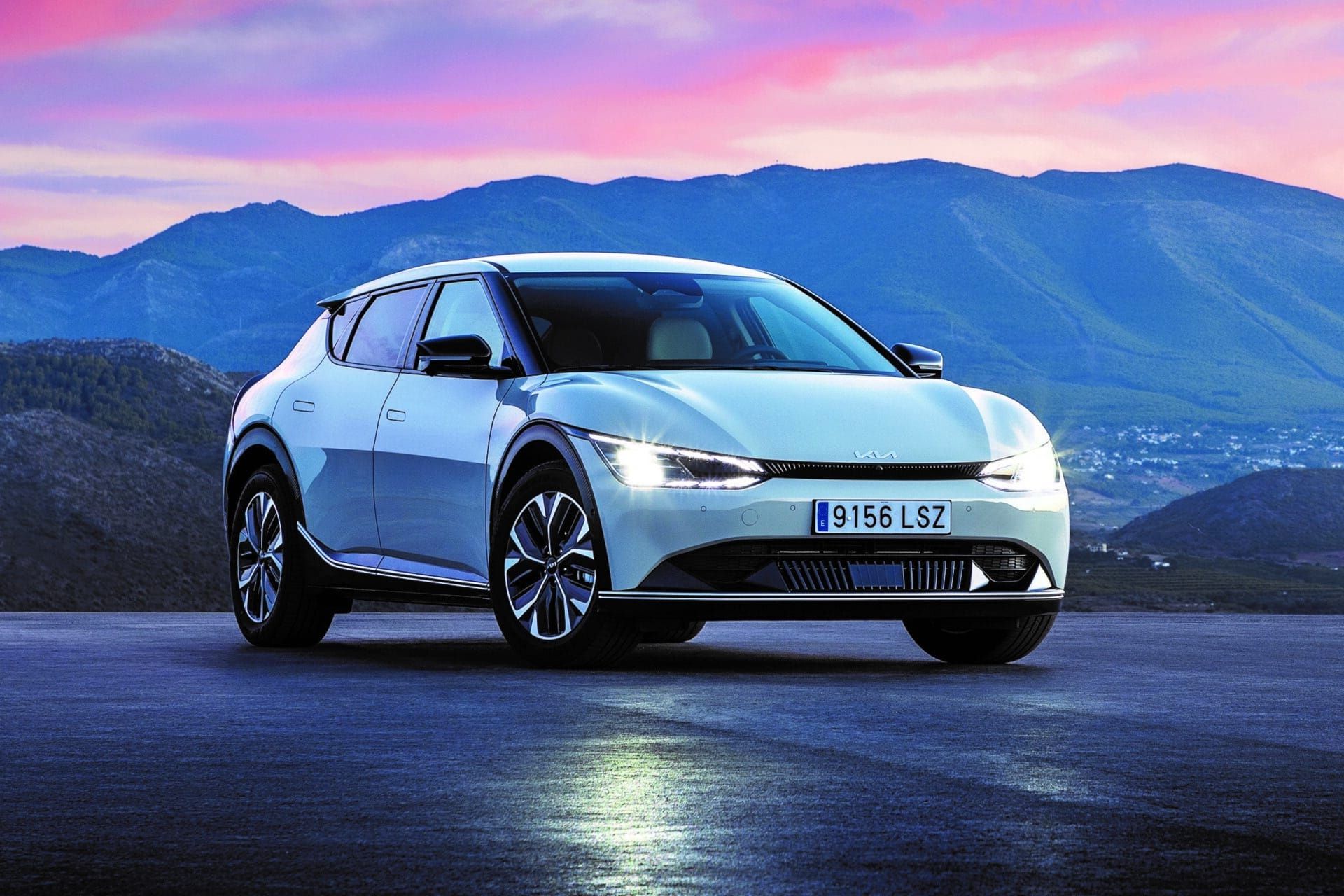
Drivers in cold states quickly learn that setting a scheduled departure time while plugged in is the best way to preserve range and ensure a warm interior.
4. Audi e-tron / Q8 e-tron
Audi’s e-tron lineup features a sophisticated thermal management system, but its most efficient pre-heating performance occurs when the vehicle is plugged into Level 2 charging.
While the vehicle can still activate climate controls when unplugged, Audi engineered the system to pull grid power for warming whenever possible.
Luxury EV buyers often have home charging setups, so this design suits many U.S. households, but it does limit off-grid flexibility.
The 2022 Audi e-tron GT is a striking electric sedan that shares deep engineering DNA with the Porsche Taycan. Both vehicles were developed in tandem, utilizing an advanced 800-volt architecture that enables faster charging while maintaining consistent performance.
The e-tron GT’s dual electric motors produce between 522 and 637 horsepower depending on the model, and an innovative two-speed transmission helps deliver breathtaking acceleration.
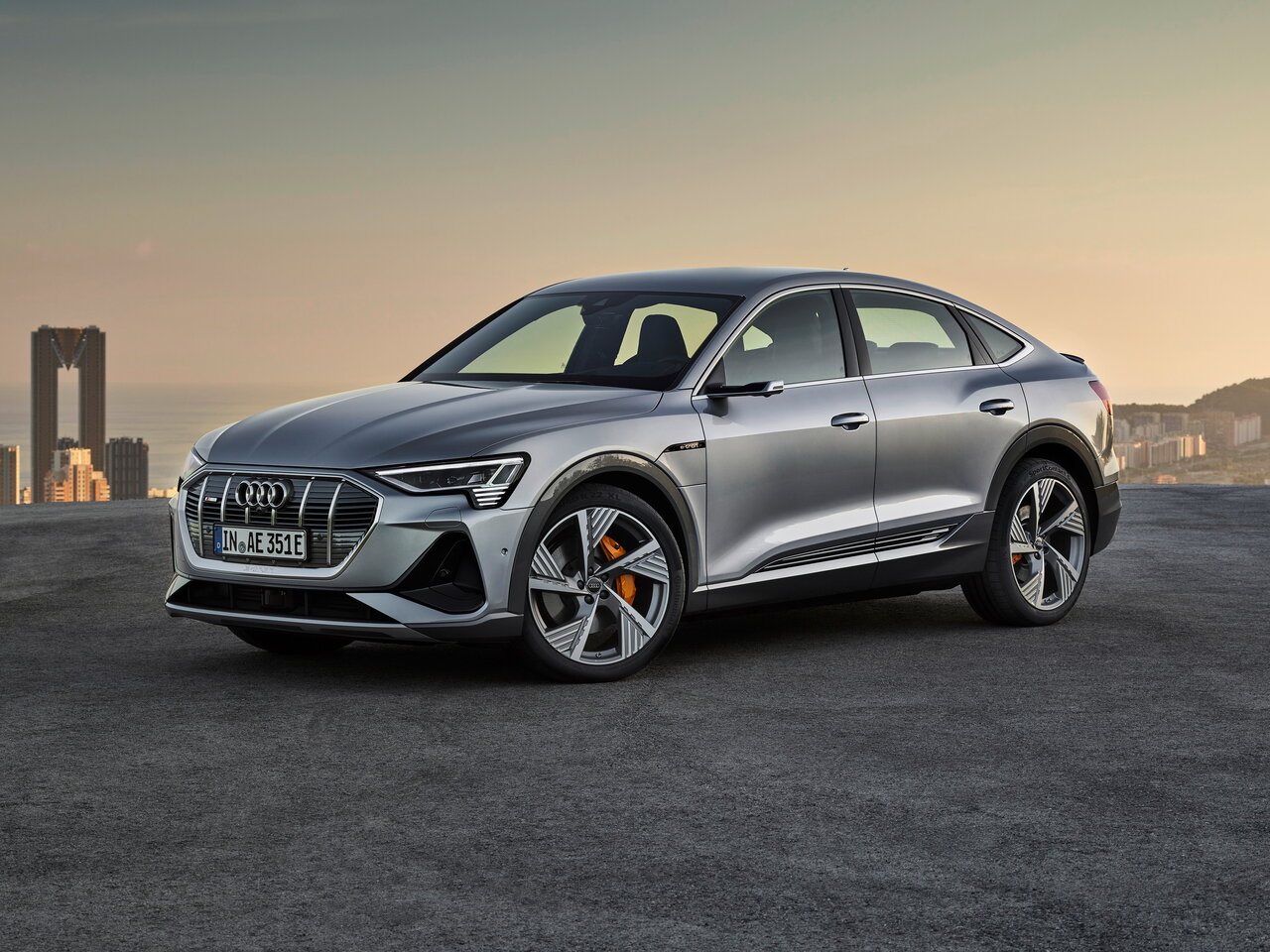
While the Taycan emphasizes smooth curves, the Audi distinguishes itself with more chiseled bodywork and a busier front fascia. Inside, the e-tron GT impresses with a blend of refined materials and cutting-edge technology, making it a compelling alternative to the Tesla Model S.
All-new for 2022, the e-tron GT joins Audi’s EV lineup alongside the e-tron SUV and Sportback, with the Q4 e-tron SUV set to follow. Pricing ranges from $103,895 for the Premium Plus trim to $143,895 for the high-powered RS model.
Although the RS is the most thrilling with up to 637 horsepower, the mid-level Prestige trim strikes a strong balance of features and value.
Under the hood, the e-tron GT’s pair of electric motors power an electrified Quattro all-wheel-drive system. The standard e-tron GT produces up to 522 horsepower, while the RS variant reaches 637 horsepower.
Its two-speed transmission optimizes both launches and efficiency, and a sophisticated cooling system ensures the battery maintains performance under repeated hard driving.
Unlike some EVs, the e-tron GT avoids a one-pedal driving setup, favoring a more natural driving feel. Available options include all-wheel steering, adjustable air suspension, and wheels ranging from 19 to 21 inches.
In testing, the RS version accelerated from 0–60 mph in just 2.9 seconds, while the standard e-tron GT accomplished the same sprint in 3.6 seconds. The RS also impressed with its smooth ride, stable handling, and selectable regenerative braking controlled via steering-wheel paddles.
5. Older EVs Without Heat Pumps (Nissan Leaf, Chevy Bolt, BMW i3 Earlier Years)
Many earlier electric vehicles and even some modern budget-focused models rely on resistive cabin heaters instead of heat pumps.
These heaters draw a large amount of energy when used off-grid, dramatically reducing range in cold weather.
While they can pre-heat without being plugged in, doing so is often impractical. Models like the early Nissan Leaf, first-generation Chevy Bolt, and older BMW i3 versions function far better when pre-conditioned while plugged into household power.
Pre-heating might seem like a luxury, but in many climates it’s a daily necessity.
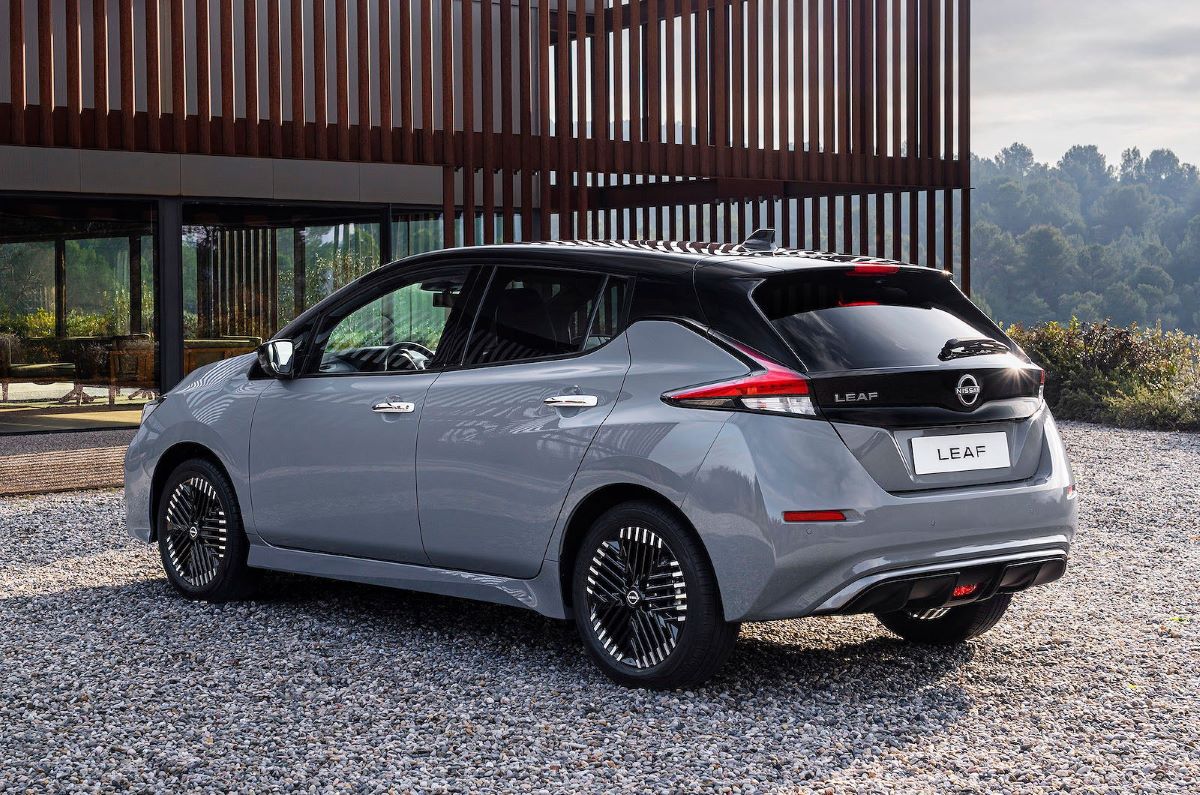
The 2026 Nissan LEAF is arriving as a major upgrade over its predecessor, promising over 300 miles of range, a new crossover-inspired design, and compatibility with Tesla Superchargers via an NACS port.
Nissan claims it now has the lowest starting MSRP of any new EV in the U.S., with a base price of just $29,990, cheaper than the first-generation 2011 LEAF and even more affordable than the 2025 model, which started at $34,230.
Despite the excitement, getting one may prove difficult. Production plans for the LEAF have been slashed by more than half between September and November due to a battery shortage at Nissan’s Tochigi plant in Japan, where the U.S.-bound and domestic LEAFs are built.
The batteries, supplied by AESC, a company in which Nissan still holds a partial stake, are in short supply, leading to “particularly steep reductions” in output for September and October.
This production bottleneck could significantly impact sales at a critical time for Nissan, which has struggled to maintain its footing amid rising competition. The automaker recently dropped out of the top 10 global automakers in the first half of 2025, facing challenges from Tesla and lower-cost Chinese EVs like BYD.
Honda has also entered the market with its N-ONE e, competing directly with Nissan’s Sakura, Japan’s best-selling EV. Nissan’s sales fell 6% to 1.61 million vehicles in the first half of 2025, the lowest in 16 years, and production delays for the new LEAF could make its recovery even more difficult.
For EV owners in northern and midwestern states, where temperatures frequently drop into the teens or lower, stepping into a freezing car isn’t just uncomfortable it can be unsafe if windows frost internally or visibility is limited.
An EV that can pre-heat efficiently off-grid gives owners flexibility when charging access is inconsistent.
On the other hand, EVs that depend on plug-in pre-heating provide the best experience for drivers who have home charging every night.
Using grid power avoids draining the battery, preserves morning range, and ensures the battery is warm enough for strong acceleration and regenerative braking. For most suburban households, this workflow fits seamlessly into daily life.
Understanding how each EV behaves in winter is key to choosing the right vehicle especially as more Americans evaluate whether an electric vehicle fits their needs.
While heat pumps and advanced thermal systems are becoming standard on newer models, there remains a clear divide between EVs that thrive off-grid and those designed around plug-in preconditioning.