As families increasingly prioritize efficiency and sustainability without sacrificing space, the three-row hybrid and plug-in hybrid (PHEV) segment has seen a surge of options.
Parents and road-trippers want roomy cabins, smooth rides, and the reassurance that their vehicle won’t leave them stranded or face costly repairs. Yet not all electrified SUVs are created equal.
While some three-row hybrids offer reliability, decent fuel savings, and a comfortable driving experience, certain three-row PHEVs fall short in real-world practicality, often compromising cargo space, range, or long-term durability.
Below, we break down five trustworthy three-row hybrids that consistently deliver and five compromised three-row PHEVs that may underperform in daily use.
This guide is particularly useful for American drivers balancing family needs, commuting efficiency, and vehicle longevity.
Trustworthy 3-Row Hybrids
Looking for a three-row SUV that’s easy on the wallet at the pump without compromising on space or comfort? Three-row hybrids offer the perfect balance of efficiency, versatility, and family-friendly practicality. These vehicles provide the extra seats you need for kids, friends, or cargo, all while helping you save on fuel and reduce your carbon footprint.
From well-known mainstream options to more luxurious offerings, today’s three-row hybrids prove that you don’t have to sacrifice reliability, performance, or daily drivability to go green. This guide highlights the most trustworthy three-row hybrids that combine efficiency with the utility your family demands.
1. Toyota Highlander Hybrid
The Toyota Highlander Hybrid has long been a staple in the U.S. market for families needing three rows. Its 3.5-liter V6 hybrid system offers smooth acceleration, excellent fuel economy (up to 36 mpg combined in FWD models), and Toyota’s renowned reliability.
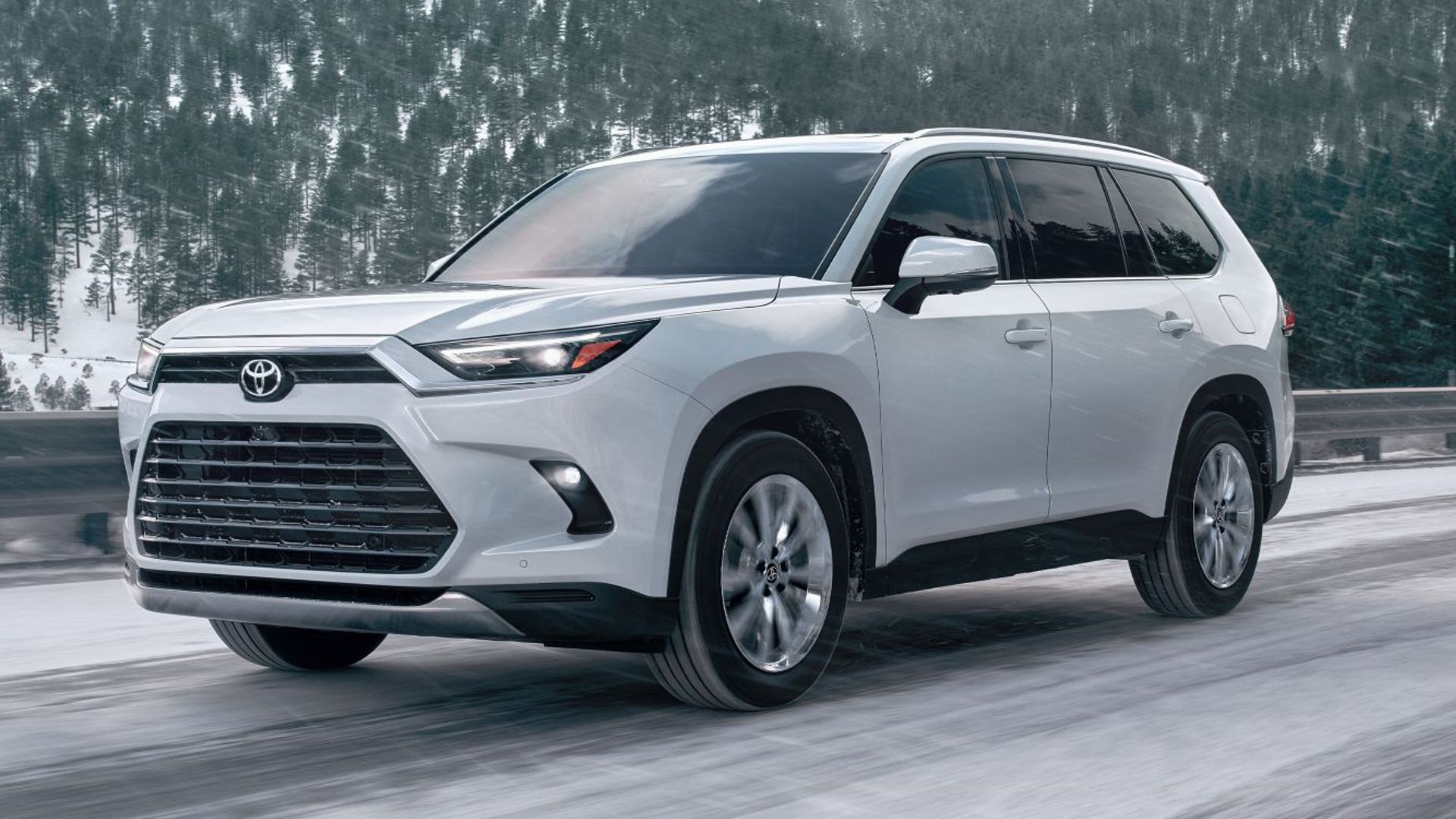
The Highlander’s cabin is quiet, seats are supportive, and third-row access is manageable for children. Resale value remains strong, making it a wise long-term investment.
Unlike some PHEVs, there’s no compromise in cargo space, and hybrid components have proven longevity in multiple generations.
Also Read: 10 EVs With the Best Highway Charging Curves
2. Kia Sorento Hybrid
The 2025 Kia Sorento Hybrid brings a stylish design, competitive fuel efficiency, and a roomy three-row layout at a relatively affordable price point.
The 1.6-liter turbo hybrid engine paired with a six-speed automatic offers about 37 mpg combined, which is impressive for a three-row vehicle.
Its infotainment system is intuitive, and driver-assistance tech is robust. Reliability is strong, thanks to Kia’s extended warranty, and the Sorento Hybrid doesn’t sacrifice third-row space for battery placement.
A three-row crossover faces the daily grind of family life and long road trips, and the 2025 Kia Sorento Hybrid handles those demands while keeping fuel consumption in check.
Buyers can choose between two variants, a conventional hybrid and a plug-in hybrid (PHEV), both offering sufficient acceleration and the option of all-wheel drive. The plug-in variant is the more potent option, delivering 261 horsepower and up to 32 miles of electric-only range.
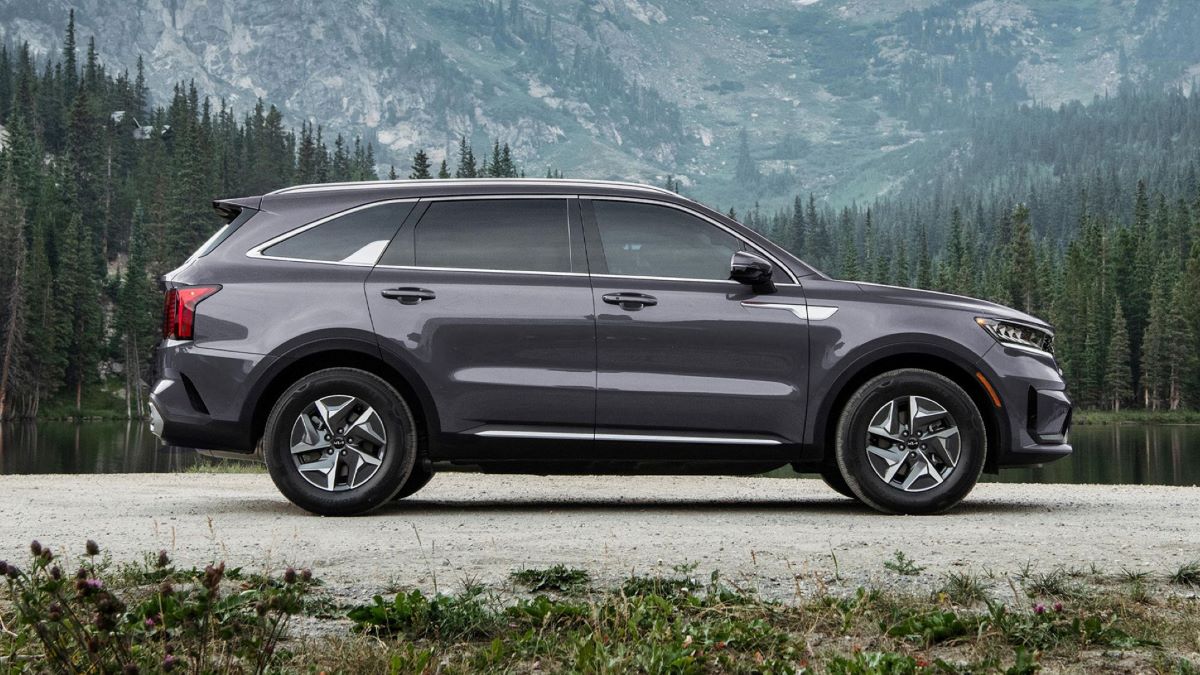
On longer trips, when the PHEV’s battery is depleted, the standard hybrid proves more efficient, returning 31 mpg in our 200-mile highway fuel-economy test. While this is slightly below its EPA rating, it still ranks highly among three-row SUVs and outperforms the PHEV by 6 mpg in the same test.
Inside, the Sorento Hybrid provides a practical and spacious cabin for the first two rows, though the third row is best suited for children. Technology is abundant across the lineup, with connectivity options and driver-assistance features standard on every model.
The Sorento Hybrid combines a turbocharged 1.6-liter four-cylinder engine with an electric motor to deliver a total of 227 horsepower. Front-wheel drive and a six-speed automatic transmission are standard, with all-wheel drive available as an option.
The plug-in hybrid uses the same architecture but adds a stronger electric motor, boosting combined output to 261 horsepower and standardizing all-wheel drive.
On the road, the Sorento Hybrid feels composed, if slightly uninspired, but acceleration is noticeably livelier than the base nonhybrid model. In front-wheel-drive versions, heavy throttle application can produce some torque steer as the tires struggle to maintain grip.
3. Honda Pilot Hybrid (Upcoming / Rumored)
Honda has historically built durable family SUVs, and while a full hybrid Pilot is just emerging, early prototypes suggest the vehicle will balance efficiency with reliability.
Honda hybrids typically emphasize simplicity over gimmicks, minimizing potential battery issues or complicated plug-in systems. The Pilot’s three rows are spacious enough for teens or adults, and Honda’s track record for long-lasting engines makes it a safe bet.
Honda says the upcoming hybrid setup will combine a V-6 engine (displacement not yet revealed) with up to three electric motors, with the third motor powering the rear axle on all-wheel-drive variants. Naturally, these new e-motors will be paired with a battery pack, though capacity details have not been disclosed.
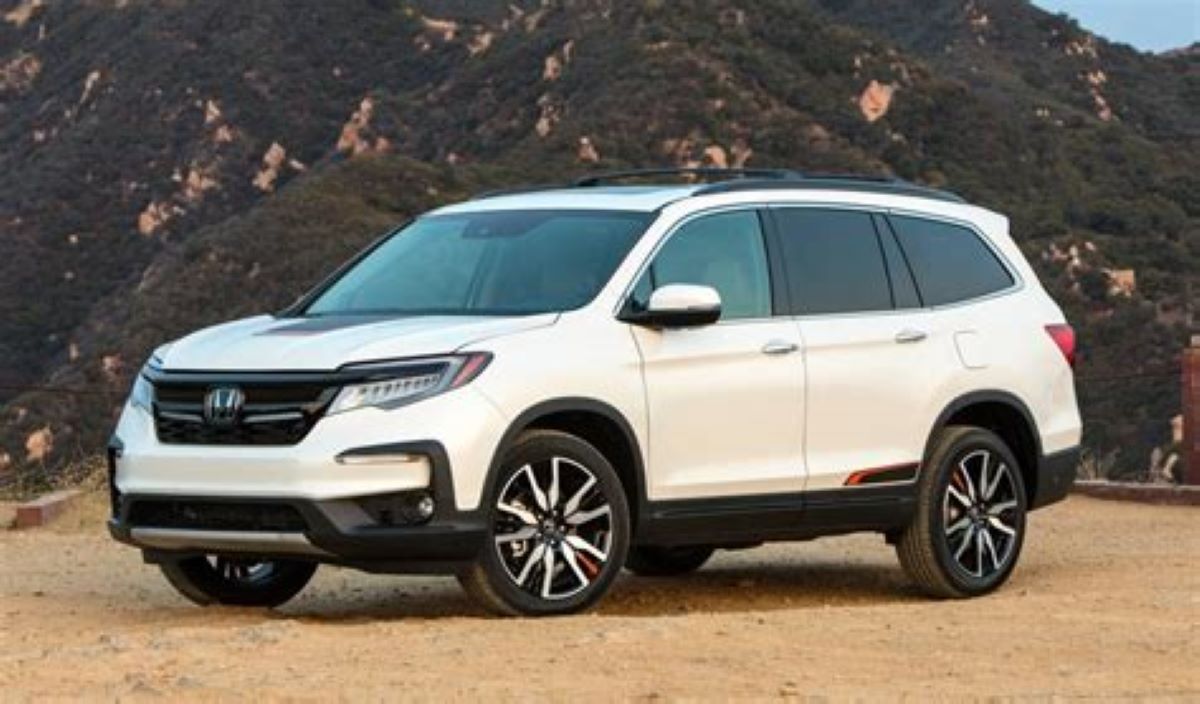
While many technical specifics are still under wraps, Honda has teased that its forthcoming V-6 hybrid system is targeting more than 30 percent improved fuel efficiency compared with the current gas-only engines. Performance is expected to benefit as well, with Honda aiming to boost acceleration by more than 10 percent.
To put this in perspective, the last Pilot we tested had a 285-hp V-6 with all-wheel drive; a hybrid replacement could theoretically achieve around 26 mpg combined while hitting 60 mph in roughly 6.2 seconds. Honda attributes these gains to the combined efficiency of the battery assist, the gas engine, and the electric motors.
Currently, the Odyssey and Ridgeline share an aging platform and the same dated 3.5-liter V-6, whereas the Pilot and two-row Passport feature nearly new platforms paired with modernized versions of that V-6.
While Honda hasn’t confirmed which model will receive the hybrid V-6 first, it will be one of these four. Additionally, an Acura MDX hybrid is likely to follow, as Honda has announced plans to launch 13 new hybrid models globally over four years starting in 2027.
4. Toyota Sienna
While technically a minivan, the Toyota Sienna Hybrid is an undeniable leader in the three-row hybrid market. Standard all-wheel drive, 36 mpg combined, and Toyota’s reliability pedigree make it a favorite for U.S. families.
Unlike most PHEVs, the Sienna doesn’t force drivers to think about charging infrastructure; it’s fully self-sufficient on gasoline-electric power, and it maintains nearly the same cargo and passenger volume as its gas-only predecessor.
For those prioritizing longevity and low maintenance, the Sienna is hard to beat.
The season of road trips is here, and the 2025 Toyota Sienna Platinum minivan makes a compelling case for carrying your family and gear.
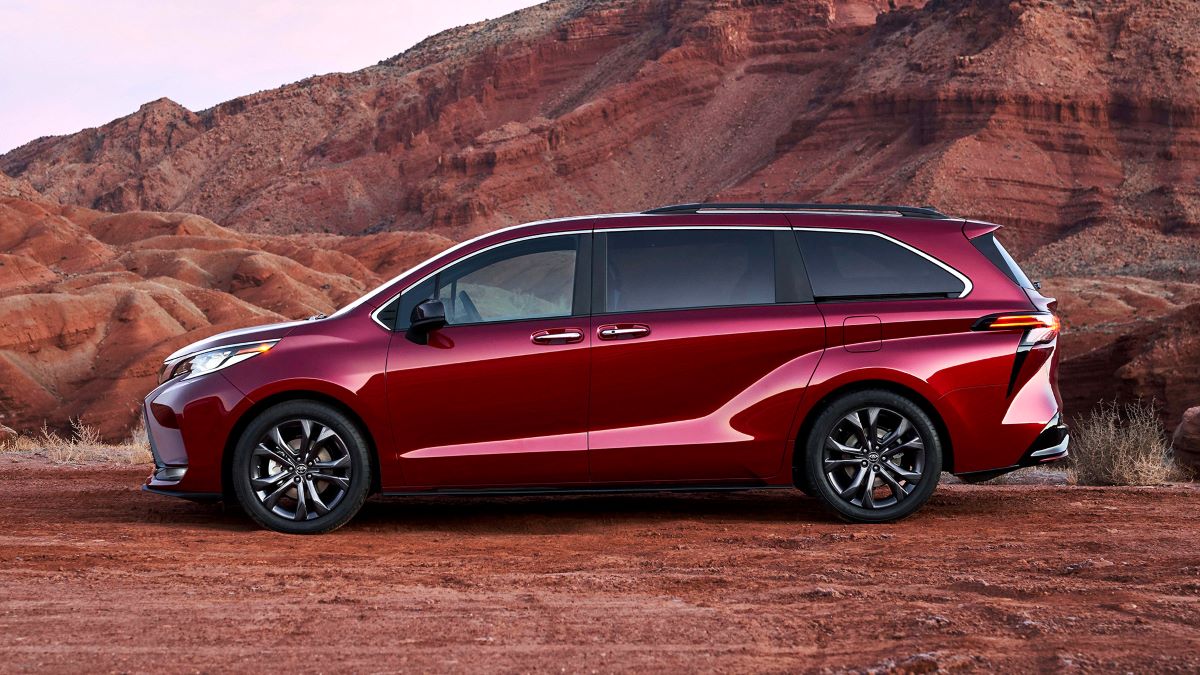
Its combination of spaciousness, practicality, and fuel efficiency is hard to beat, especially when compared with the ever-popular three-row crossovers. And with the Sienna’s built-in fridge and vacuum cleaner, neighbors driving a Grand Highlander might find themselves envying your setup.
These convenience features are part of the refreshed 2025 Sienna. Both the vacuum and fridge are optional on the Limited trim but come standard on the top-tier Platinum model we tested. Unfortunately, we couldn’t test how well the vacuum handles Cheerios or pet hair, the hose was missing before the test vehicle arrived, and a replacement didn’t reach us in time.
Still, the vacuum’s power unit, dustbin, and controls are seamlessly integrated into the center console just ahead of the second-row seats, a far more convenient location than the rear-mounted setups in the Honda Odyssey and Chrysler Pacifica.
The fridge, on the other hand, is ideally placed atop the center console for easy reach. It can accommodate six standard soda cans and offers two cooling levels. In our informal test, setting the fridge to its low temperature reduced room-temperature Spindrift cans from 70 degrees Fahrenheit to a refreshing 55 degrees in roughly 2.5 hours.
Also Read: 5 Manual-Trans Cars Worth Learning Stick On vs 5 To Avoid
5. Ford Explorer Hybrid
The Ford Explorer Hybrid combines the traditional appeal of a full-size American SUV with hybrid efficiency. Its turbocharged 3.3-liter V6 and electric motor deliver around 27–28 mpg combined, respectable for a vehicle of its size.
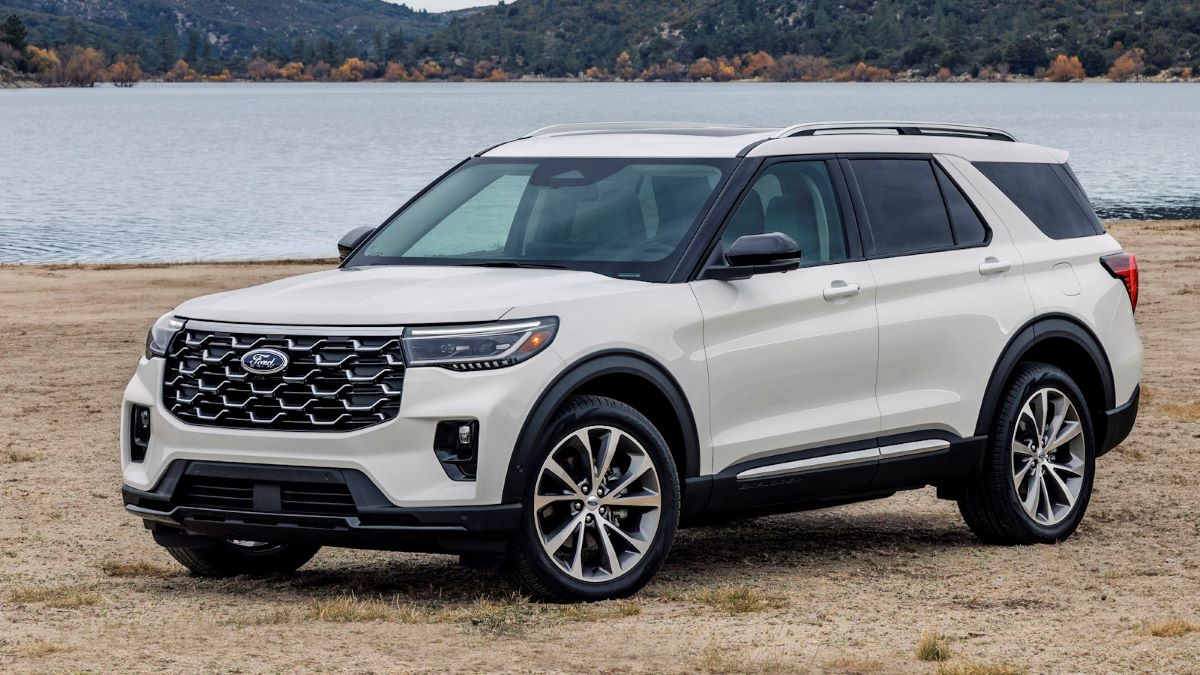
The Explorer Hybrid maintains solid towing capacity and provides a user-friendly infotainment system. Ford’s hybrid components have matured over recent years, reducing previous concerns about complexity and battery longevity.
Its three-row comfort makes it ideal for family adventures without the PHEV compromises of reduced cargo space.
Compromised 3-Row PHEVs
Three-row plug-in hybrid SUVs promise a lot: a spacious interior for the family, the ability to drive short distances on electric power, and a gasoline backup for longer trips. But not all of them deliver on every front.
Some PHEVs compromise too much, sacrificing electric range, cargo space, or power in pursuit of efficiency. In this article, we explore Compromised 3‑Row PHEVs, models that may sound ideal on paper but fall short when it comes to usability, practicality, or performance.
1. Chrysler Pacifica PHEV
The Chrysler Pacifica PHEV offers impressive electric-only range (about 32 miles) for a minivan, but the benefits come at a cost.
The battery pack consumes substantial underfloor space, reducing cargo volume compared to the standard Sienna Hybrid or even gas minivans.
Owners report slightly heavier steering and diminished handling agility due to the extra battery weight. While EPA numbers look good, real-world fuel savings are often less impressive for families taking longer trips or hauling passengers.
The 2024 Chrysler Pacifica isn’t just the brand’s versatile minivan, it’s now the sole model in Chrysler’s lineup following the discontinuation of the 300 sedan. While a single-vehicle lineup may be a challenge for dealers, the Pacifica still offers plenty of appeal.
It’s available with all-wheel drive and comes in a plug-in hybrid (PHEV) version capable of driving about 32 miles on electric power alone. This makes it the only 2024 minivan with a plug-in setup that can meaningfully cut gas consumption for those who frequently charge.
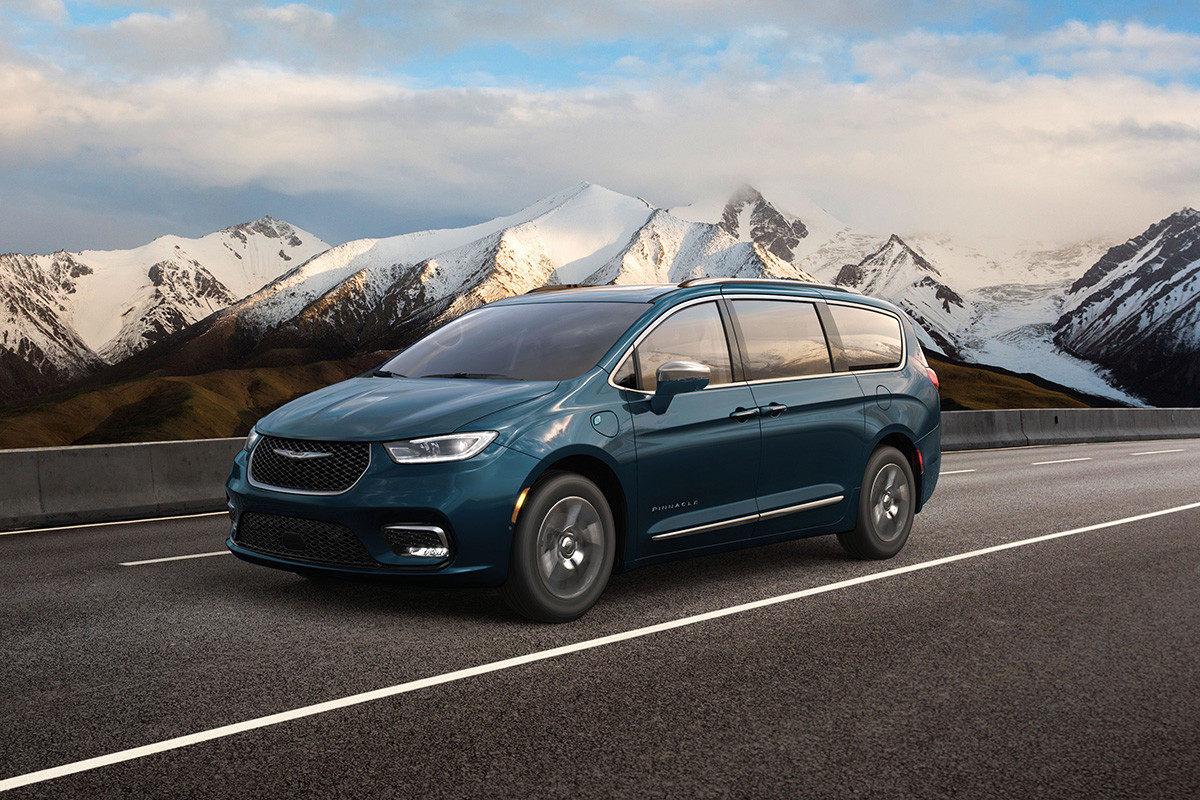
Meanwhile, non-hybrid Pacifica models retain the clever Stow ’n Go seating, letting the second-row seats disappear into the floor to open the cabin for nearly any cargo you can fit inside.
The PHEV model automatically switches to gasoline once the battery runs low, and charging takes roughly two hours with a 240-volt home outlet. While federal EV credits don’t apply, local rebates may still offer some savings.
Monthly driving costs for the Pacifica are estimated at $127, compared with $197 for the average minivan in New Jersey. Of course, EV ownership is most convenient for those who can charge at home; installing a compatible 240V outlet typically costs around $1,616.
Inside, the 2024 Pacifica seats seven as standard, or up to eight with the optional second-row bench on Touring L trims. Storage is plentiful, with cubbies, trays, and other well-thought-out solutions throughout the cabin. For the Stow ’n Go system, the middle-row seats fold into floor wells that double as hidden cargo compartments.
Where the Pacifica truly shines is cargo hauling: on non-hybrid models, both the second and third rows fold flat into the floor, opening up 140.5 cubic feet of space without the need to wrestle heavy seats out of the van. This feature makes the Pacifica an excellent choice for anyone who regularly needs to transport larger loads.
2. Volvo XC90 Recharge
Volvo’s XC90 Recharge is a luxury PHEV with Scandinavian design appeal, but its practical compromises are notable. The plug-in hybrid powertrain adds weight, which reduces efficiency in non-electric modes.
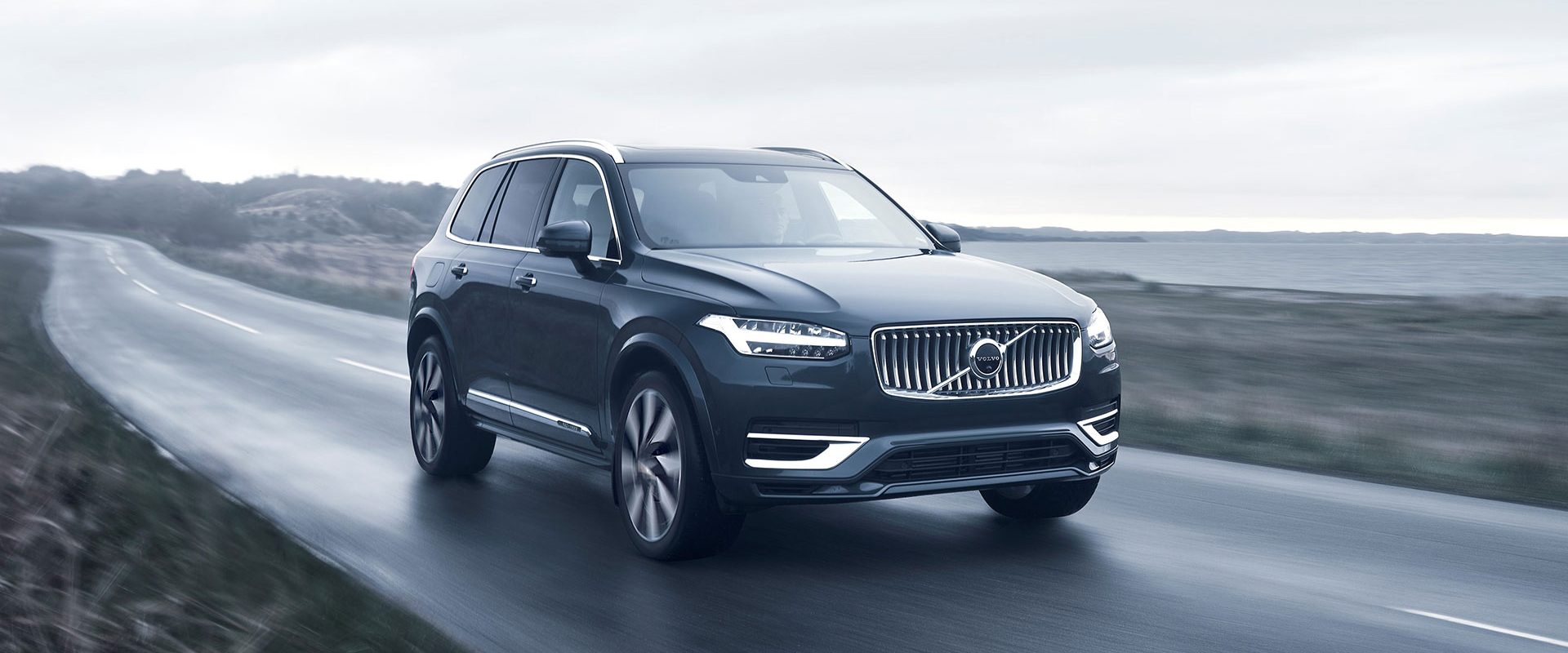
Third-row seating is tight for adults, and cargo space suffers compared to the non-PHEV XC90. Maintenance costs for the hybrid system are also higher, with early adopter reports suggesting occasional glitches in battery management systems.
The 2024 Volvo XC90 Recharge is a three-row family SUV designed more for comfort and stability than high-octane thrills. While it isn’t a performance-focused vehicle, it feels composed through corners and handles confidently for its size.
The steering is responsive, the suspension absorbs a fair amount of road imperfections, and the brakes provide strong stopping power. That said, there is noticeable body lean in sharper turns, and the ride can feel a bit harsher when equipped with the larger 21-inch wheels.
Under the hood, the XC90 Recharge pairs a turbocharged 2.0-liter four-cylinder engine with an electric motor and a 14.7-kWh battery, producing a combined 455 horsepower and 523 pound-feet of torque.
This hybrid powertrain delivers smooth and capable acceleration from a standstill and makes highway merging effortless. The standard eight-speed automatic transmission shifts seamlessly, and all-wheel drive comes standard to help maintain traction and stability in a variety of driving conditions.
3. Toyota Venza (3-Row Concept / Limited Market)
While the standard Venza is a two-row hybrid, concept or experimental three-row plug-in variants highlight the common PHEV problem: reduced space for passengers and cargo.
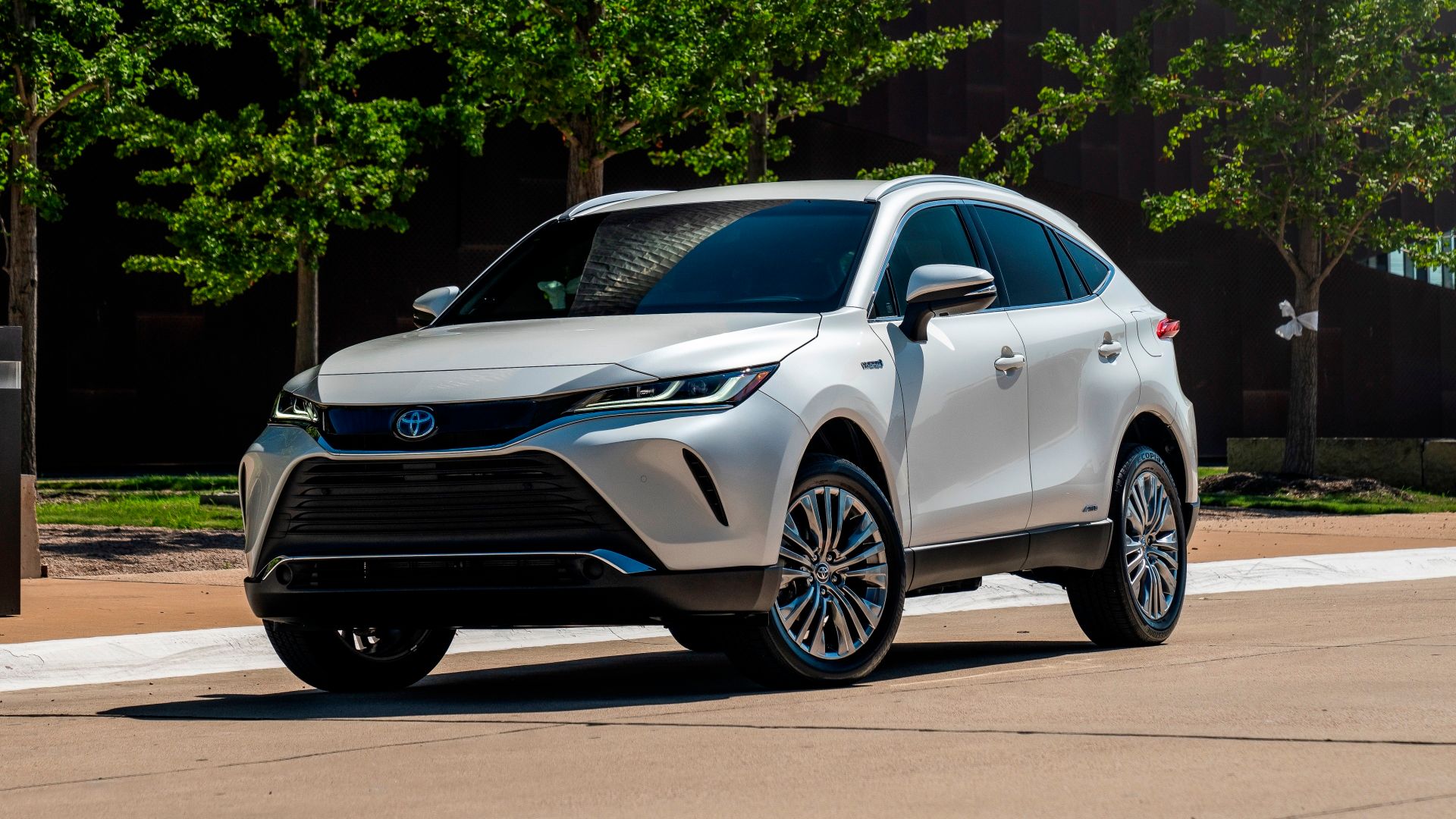
Batteries often eat into rear legroom, and the added complexity can introduce long-term reliability questions. For buyers who value three-row practicality, these PHEV variants often fall short in day-to-day usability.
The 2024 Toyota Venza is straightforward to drive, offering steering that is reasonably responsive and well-weighted, though it doesn’t provide much excitement behind the wheel. The ride stays fairly smooth over rough pavement, but the brakes can feel a little soft under pressure.
Powering the Venza is a 2.5-liter four-cylinder engine paired with two electric motors, producing a combined 219 horsepower. A continuously variable automatic transmission (CVT) and all-wheel drive are standard.
This hybrid setup provides sufficient power for confident city and highway driving. The CVT performs competently overall, though it can become noisy when the system is under heavy load.
4. Mitsubishi Outlander PHEV
The Mitsubishi Outlander PHEV is marketed as a family SUV with electric range, but the reality is more nuanced. In three-row configurations (available in select markets), the third row is cramped, and the combined weight of passengers and batteries impacts fuel efficiency and handling.
Charging infrastructure becomes a consideration, and drivers report that hybrid-only range is limited under load, reducing the “green” benefits during real-world family trips.
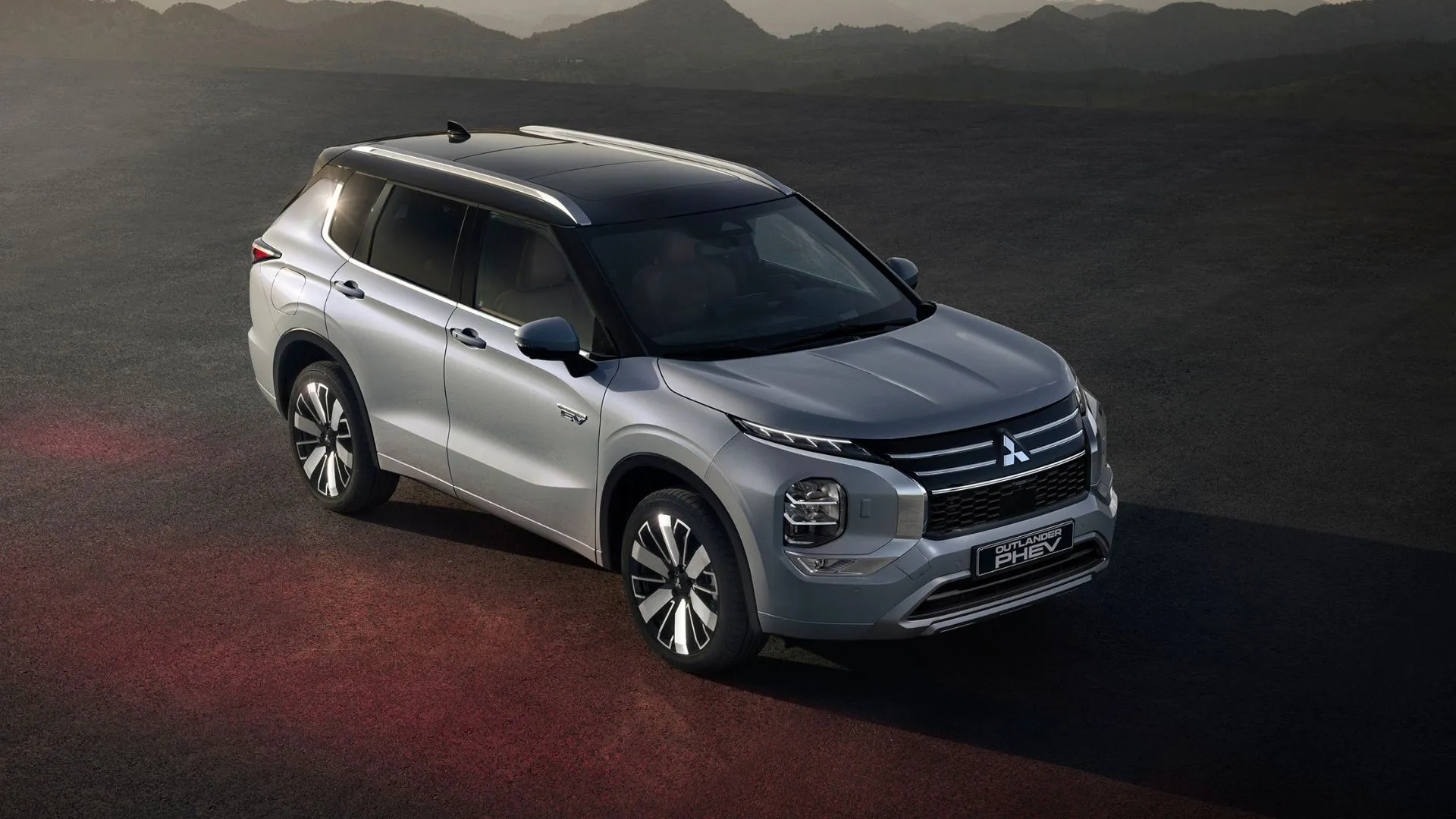
Mitsubishi has raised its game with the new-generation Outlander Hybrid, introducing a fresh platform and a more appealing design. This is a welcome update, especially considering that back in 2018, when the previous Outlander Hybrid debuted, few plug-in hybrid SUVs were available.
Today, however, the segment is crowded, with the Outlander Hybrid facing stiff competition from models like the Hyundai Tucson Hybrid and the Toyota RAV4 Prime, and more hybrid and plug-in hybrid rivals are on the horizon.
The Outlander Hybrid pairs a 2.4-liter four-cylinder engine with two electric motors to deliver a combined 248 horsepower. All-wheel drive comes standard, and the onboard battery provides up to 38 miles of electric-only driving according to the EPA.
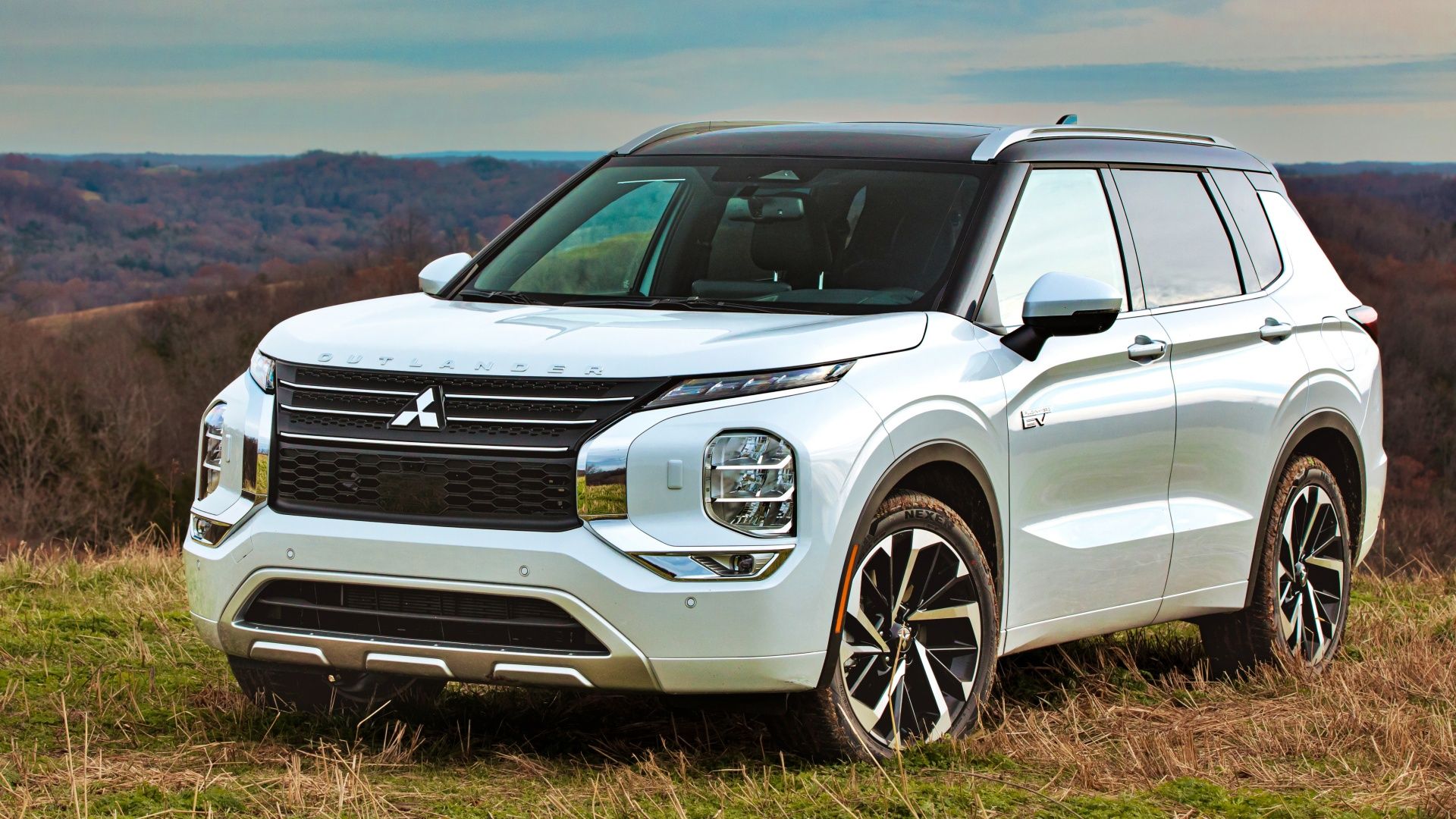
The cabin mirrors the nonhybrid Outlander’s interior quality, offering spacious accommodations in the first two rows, while the third row is best suited for children.
Driving the Outlander Hybrid is a calm experience rather than a thrilling one. Its ride is smooth and comfortable, though cornering is tame, and braking feel is a little soft. Enthusiastic drivers may prefer sportier competitors like the Mazda CX-50 or Dodge Hornet Hybrid, but for casual drivers, the Outlander Hybrid delivers a composed, agreeable ride.
Paddles on the steering column let you adjust the level of regenerative braking, with the highest setting allowing nearly one-pedal driving, reducing reliance on the slightly spongy brake pedal.
The 2023 Mitsubishi Outlander Hybrid delivers a practical, comfortable, and efficient plug-in hybrid option in a segment that has become increasingly competitive. While it may not thrill behind the wheel, it offers the features, space, and EV capability many families and casual drivers value.
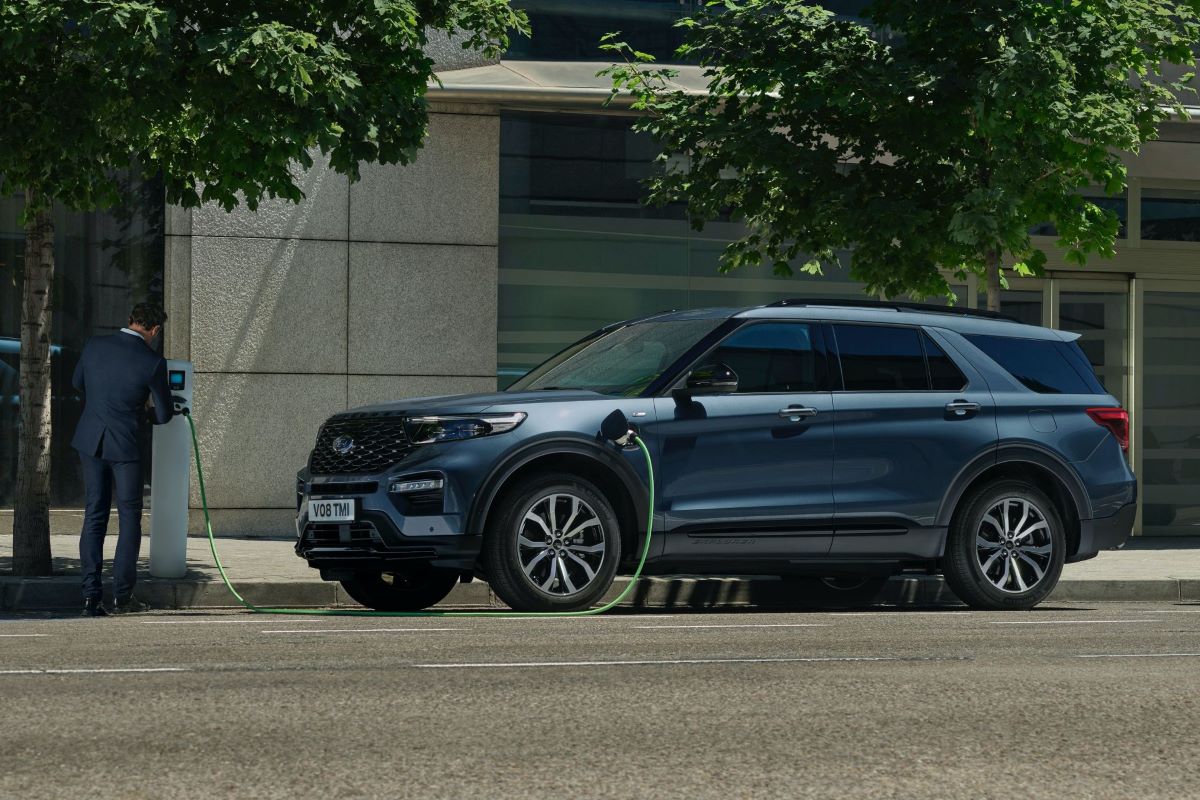
5. Ford Explorer Limited PHEV (Prototype/Restricted Availability)
Ford’s PHEV iteration of the Explorer promises electric-only driving, but early tests show compromised towing, lower cargo space, and reduced third-row comfort.
The added battery weight pushes fuel economy down once electric range is depleted, creating a “worst-of-both-worlds” scenario: not fully electric and less efficient than non-PHEV hybrids in practical family usage.
Families looking for three-row electrified SUVs face a choice: prioritize practicality and proven reliability with full hybrids, or gamble on PHEVs that may seem appealing on paper but compromise cargo space, passenger comfort, or long-term durability.
The Ford Explorer has long carried almost as much brand prestige as the Mustang in the Blue Oval’s lineup, and the sixth-generation redesign included a hybrid model to broaden its appeal. This version uses a six-cylinder hybrid powertrain, giving it higher output and towing capacity than most three-row hybrids, though its fuel economy isn’t class-leading.
With the 2020 redesign, many hoped the Explorer Hybrid would receive a midcycle refresh for 2024, adding a larger infotainment screen, updated styling, and the latest driver-assistance technologies. Instead, the Explorer Hybrid has been discontinued.
While the hybrid Explorer is no longer available to the public, its electrified powertrain lives on in the updated Police Interceptor Utility, soon to appear at precincts nationwide.
The Explorer Hybrid combines a 3.3-liter naturally aspirated V6 with an electric motor to produce a total of 318 horsepower. Power is delivered through a 10-speed automatic transmission to either rear- or all-wheel drive.
In testing, the Explorer Hybrid accelerated from 0 to 60 mph in 7.7 seconds, making it quicker than competitors like the Kia Sorento Hybrid and Toyota Highlander Hybrid.
However, this performance comes with a fuel economy trade-off: the hybrid returns 23–27 mpg city and 24–28 mpg highway, with the rear-wheel-drive Limited models offering the highest numbers. AWD variants achieve an estimated combined range of about 450 miles, giving drivers a commute or two more than many non-hybrid Explorers.
The 2021 Explorer Hybrid received a five-star overall rating from the NHTSA, though newer models have not yet been rated.
Ford has also made a full suite of Co-Pilot360 driver-assistance features standard from 2020 through 2023. These include automatic emergency braking, blind-spot monitoring, automatic high beams, rear cross-traffic alert, lane-keeping assist, adaptive cruise control, and a 360-degree camera system.
Interior dimensions remain largely unchanged with a midcycle refresh, and the Explorer is competitive with segment peers such as the Toyota Highlander and Kia Sorento. The hybrid system doesn’t compromise cabin space, so passengers and cargo enjoy full three-row utility.
The sixth-generation Explorer came standard with a 10.1-inch touchscreen for infotainment. Apple CarPlay and Android Auto are standard across trims, while navigation is included on ST-Line and higher models. Enthusiasts hope that a 2024 refresh might bring larger 12.3- or 15.5-inch screens for a more modern interface.
Of the Explorer Hybrid’s two trims, Limited and Platinum, the Limited is our pick. While the Platinum adds flashy wheels and perforated leather upholstery, the Limited comes well-equipped with all standard driver assists, premium audio, and heated/ventilated front seats, making it a compelling balance of value and features.
For U.S. buyers, these compromises are particularly relevant when considering trips across states, road trips, or daily commuting with multiple passengers.
Trustworthy hybrids like the Toyota Highlander Hybrid, Sienna Hybrid, and Kia Sorento Hybrid offer consistent performance, strong resale value, and minimal compromise in space or comfort.
Compromised PHEVs may deliver impressive electric-only numbers, but real-world limitations third-row squeeze, reduced cargo space, and higher maintenance complexity often outweigh the benefits.
For families who want peace of mind, longevity, and a vehicle that simply works without constant attention to charging infrastructure, reliable three-row hybrids remain the safer and more practical choice.
Meanwhile, PHEVs are better suited for smaller families or second vehicles where electric range can be fully utilized without sacrificing everyday practicality.