
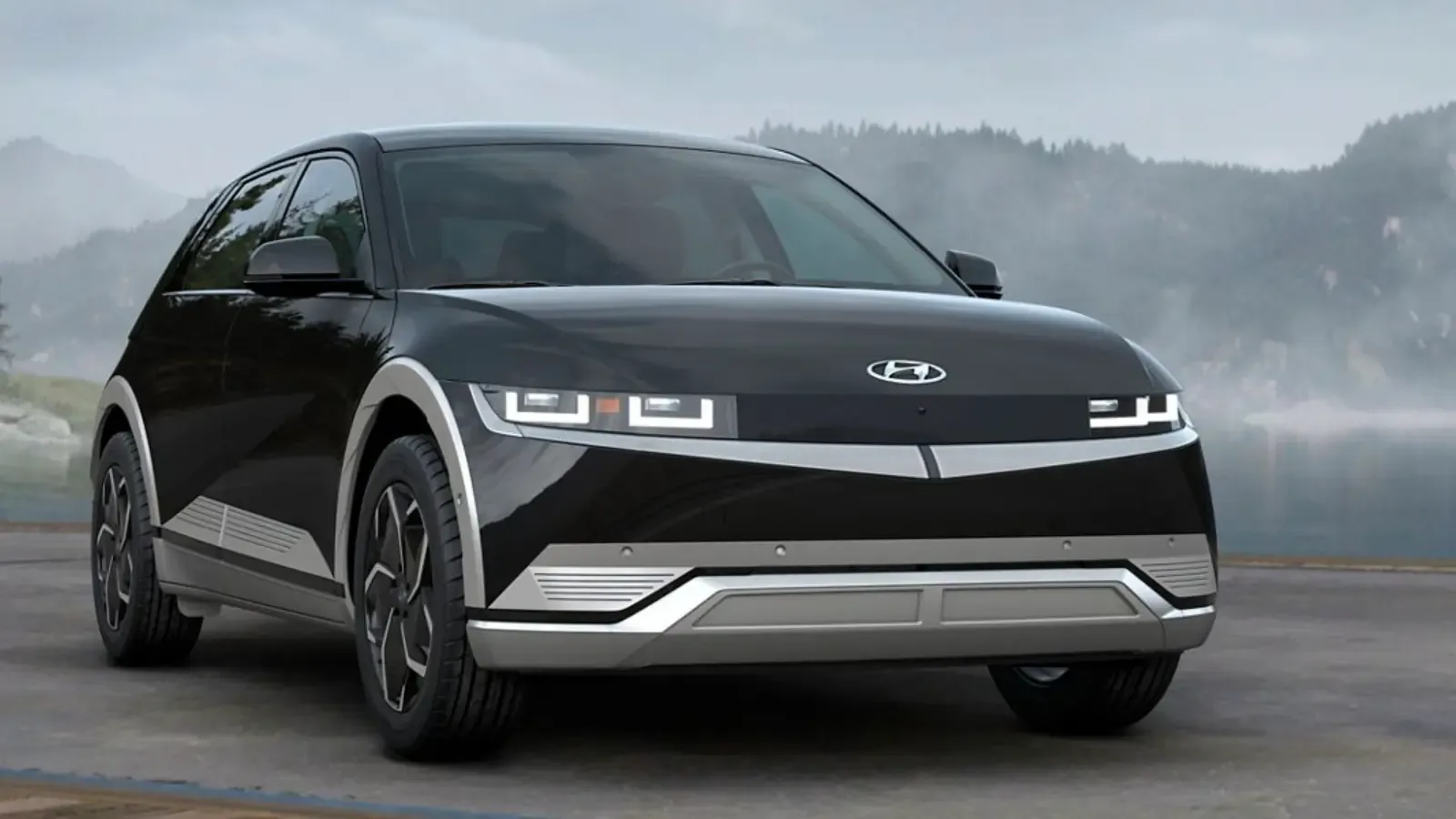
Cold weather exposes the true nature of any electric vehicle, and many drivers learn this lesson the hard way each winter. Some EVs stay steady even when temperatures drop sharply. Others behave differently once freezing air touches the battery pack.
Anyone shopping for an EV needs clear information about which models handle harsh weather with confidence. A vehicle that loses too much range in winter can disrupt travel plans, reduce daily convenience, and create unnecessary stress during long journeys.
Plenty of shoppers compare battery size, charging speed, and power output, yet cold-weather performance deserves equal attention. A car may look impressive on paper, but winter conditions often reveal hidden weaknesses.
At the same time, some EVs remain surprisingly strong when exposed to the cold. These cars still deliver dependable mileage, steady power, and predictable behavior. Drivers appreciate that kind of reliability when snow or freezing rain fills the road.
This guide points out five EVs that preserve winter range far better than many competitors. It also highlights five EVs that drop range faster once temperatures fall. Each model in this list comes from a fresh selection, with no repeats from previous chats.
Every section carries its own style, rhythm, and perspective, so the reading experience stays lively and varied. By the end of this series of messages, you will have a clear picture of which EVs stand firm in freezing weather and which ones require extra caution.
5 EVs That Hold Winter Range
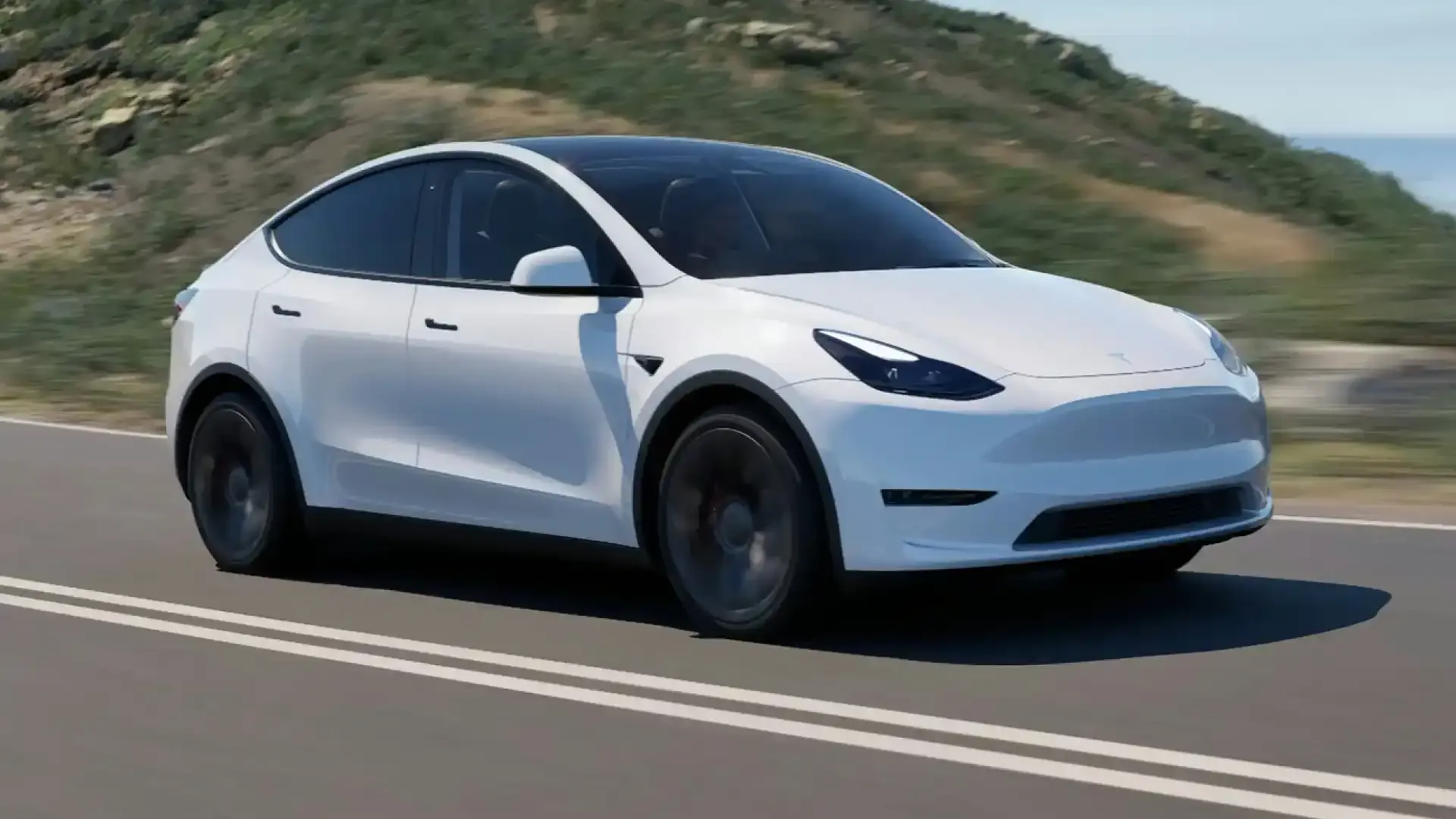
1. Tesla Model Y Long Range 2024
Plenty of EV owners praise the Tesla Model Y Long Range 2024 because it copes with cold temperatures better than most electric crossovers. Its thermal management system works tirelessly to keep the battery warm enough to maintain strong performance.
Many EVs lose a large portion of their rated distance whenever temperatures fall, yet Model Y tends to retain a bigger share of its expected travel range. Cold mornings do not shake this car easily, and that gives drivers more confidence whenever winter approaches.
Battery warmup plays an important role in its winter stability. Tesla uses a heat pump system that does a solid job of maintaining battery temperature without wasting too much stored energy. This heat pump produces steady cabin warmth, avoiding heavy drains that usually come from resistive heaters.
Drivers who travel long distances during cold seasons appreciate that feeling of balance between comfort and efficiency. Another useful trait lies in the car’s software adjustments to energy consumption. Tesla constantly sends updates that refine efficiency, and many owners notice improved winter responses each year.
Cabin preconditioning also helps preserve range because warming the battery before departure reduces the sudden drop that usually happens on cold starts. Even short urban trips feel more predictable when the car has preheated properly.
Handling also remains dependable on icy roads. Regenerative braking does not behave unpredictably, and the dual motor system manages traction carefully. Drivers do not feel a sudden loss of control when the weather turns severe. Range estimation accuracy adds another layer of confidence.
Many EVs show unrealistic numbers in freezing weather, but the Model Y provides reading adjustments that feel closer to reality. With all these traits working together, Model Y Long Range 2024 holds its position as a strong winter companion.
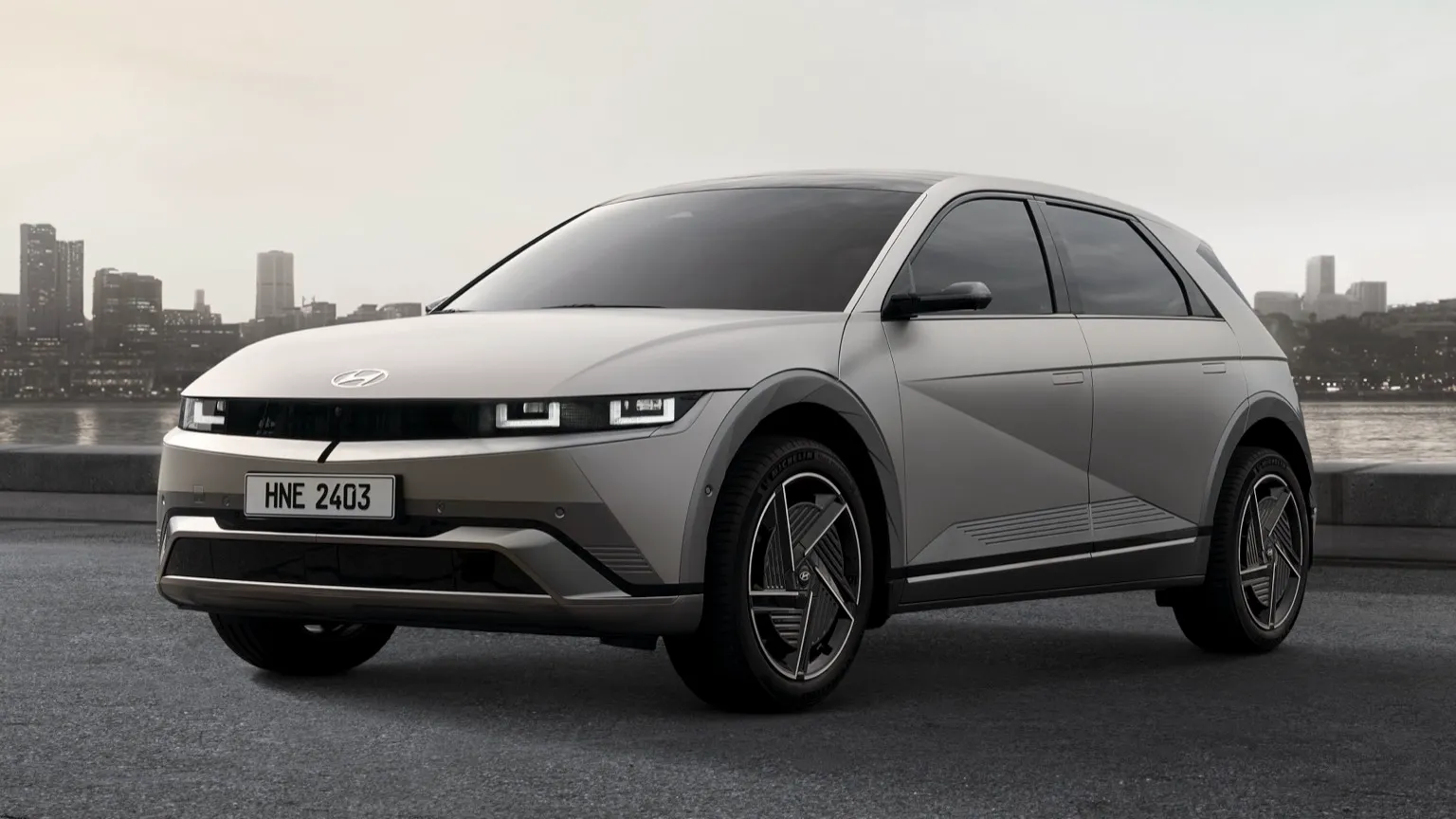
2. Hyundai Ioniq 5 AWD 2024
Many drivers appreciate the Hyundai Ioniq 5 AWD 2024 for its ability to stay composed in cold climates. Engineers put a lot of effort into the battery heating system, and the result is a vehicle that keeps a respectable amount of range even when the streets are covered with snow.
Its heat pump works quietly while protecting the battery from excessive energy loss. Cold mornings do not stun the Ioniq 5 easily, and that brings peace of mind for commuters who depend on steady performance.
Preconditioning functions add more comfort to winter driving. When activated through the app or the in-car settings, the battery warms up before charging or travelling. This makes the charging process smoother, especially at public fast stations that normally struggle with cold batteries.
Drivers who rely on long-distance travel in winter often mention how steady the car feels during highway journeys. Energy loss stays controlled instead of dropping rapidly. Interior comfort also plays its part. The heat pump produces warm air quickly without drawing too much power from the battery.
That ensures the cabin remains pleasant without stealing away too much travel distance. Many EVs struggle to balance heating efficiency and cabin comfort, but the Ioniq 5 manages the relationship carefully.
Handling on slippery roads feels stable due to the All Wheel Drive layout. Power distribution adapts to road conditions, reducing wheelspin and improving control when snow thickens on the pavement. Range estimations also stay fairly predictable even in cold climates.
Owners appreciate that the dashboard numbers remain sensible instead of swinging wildly. Ioniq 5 AWD 2024 demonstrates that an EV can face cold weather with grace when designers pay attention to battery temperature management, cabin heating design, and traction control.
Also Read: 5 EVs With Durable Charge Cables vs 5 That Fray at the Boot
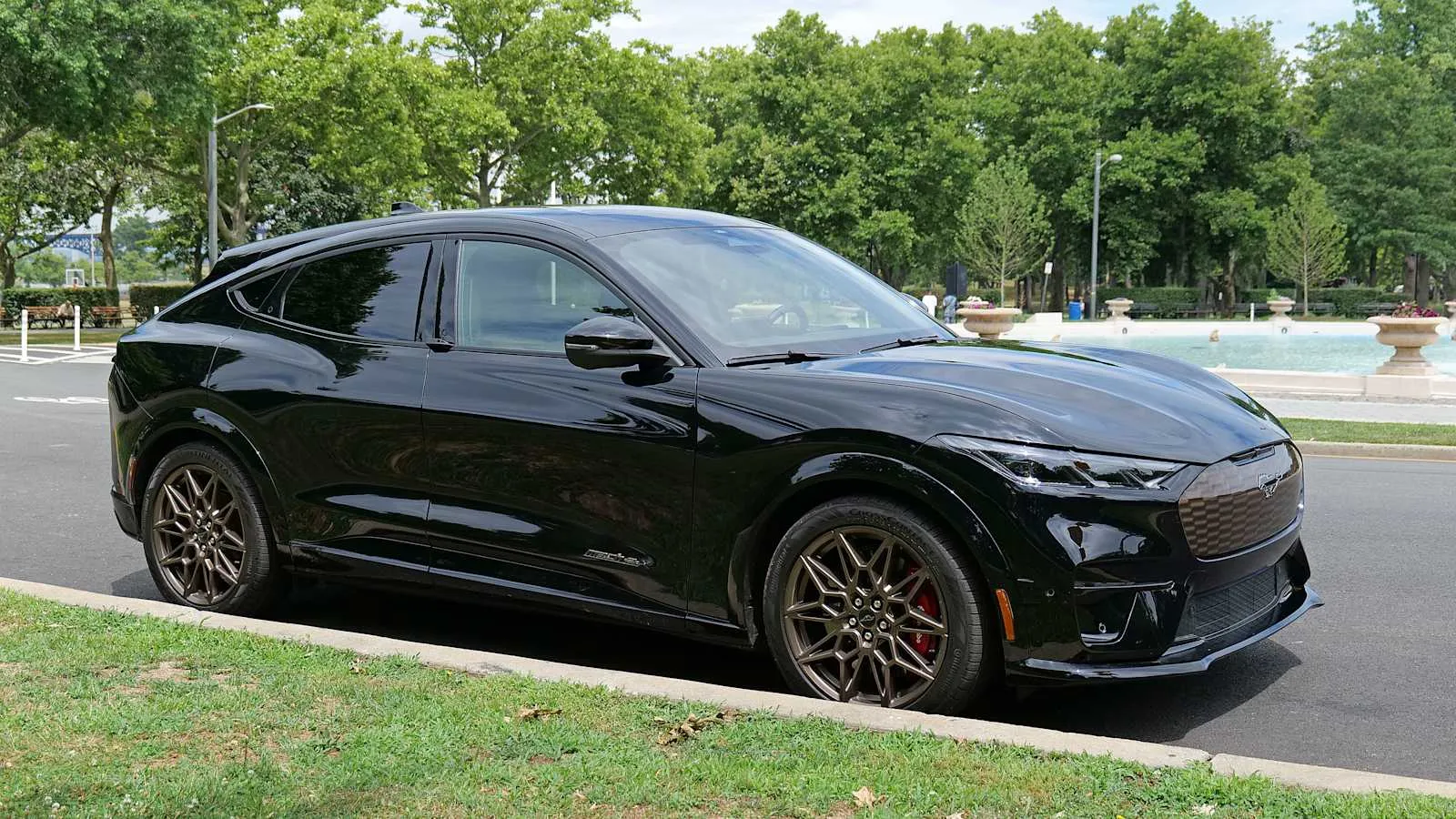
3. Ford Mustang Mach-E AWD 2024
Ford’s Mustang Mach-E AWD 2024 has impressed many drivers who travel in cold conditions. The dual-motor all-wheel-drive layout provides better traction, which keeps the vehicle moving smoothly on slick or icy roads.
Winter mornings rarely catch this EV off guard because its thermal management system warms the battery effectively. That ensures energy is used efficiently, and range loss is less dramatic than some competitors.
Cabin preconditioning adds a useful advantage. Drivers can heat the battery and interior before departure, which limits sudden power drops during the first few miles. Many owners mention that preheating the car before leaving home or a charging station helps the vehicle maintain steady performance even when temperatures plunge.
The combination of heat pump technology and smart software control makes this EV more predictable in freezing weather. Regenerative braking behaves naturally, which gives a sense of control on slippery roads.
Many other EVs can feel unpredictable in winter, especially when stopping on snow-covered pavement. Mach-E adjusts energy recovery intelligently, and the AWD layout keeps power flowing to the wheels that need it most.
That stability contributes indirectly to preserving winter range, because the battery doesn’t work as hard to regain lost traction. Software updates from Ford also refine energy consumption and vehicle efficiency. Drivers report that the Mach-E’s dashboard offers realistic range predictions even in subzero weather.
Cabin heating uses a smaller portion of energy than resistive systems found in other EVs. With careful preconditioning and the AWD system’s clever management, Mach-E AWD 2024 becomes a dependable companion for cold-season commutes and long trips.
Comfort inside the cabin adds another dimension. Heat reaches the cabin quickly without drawing excessive battery power.
That means passengers stay warm, and the vehicle retains more miles of range compared with competitors that lose efficiency faster under the same conditions. For those who need a mid-size SUV EV that performs solidly when winter strikes, Mach-E AWD 2024 is an impressive option.
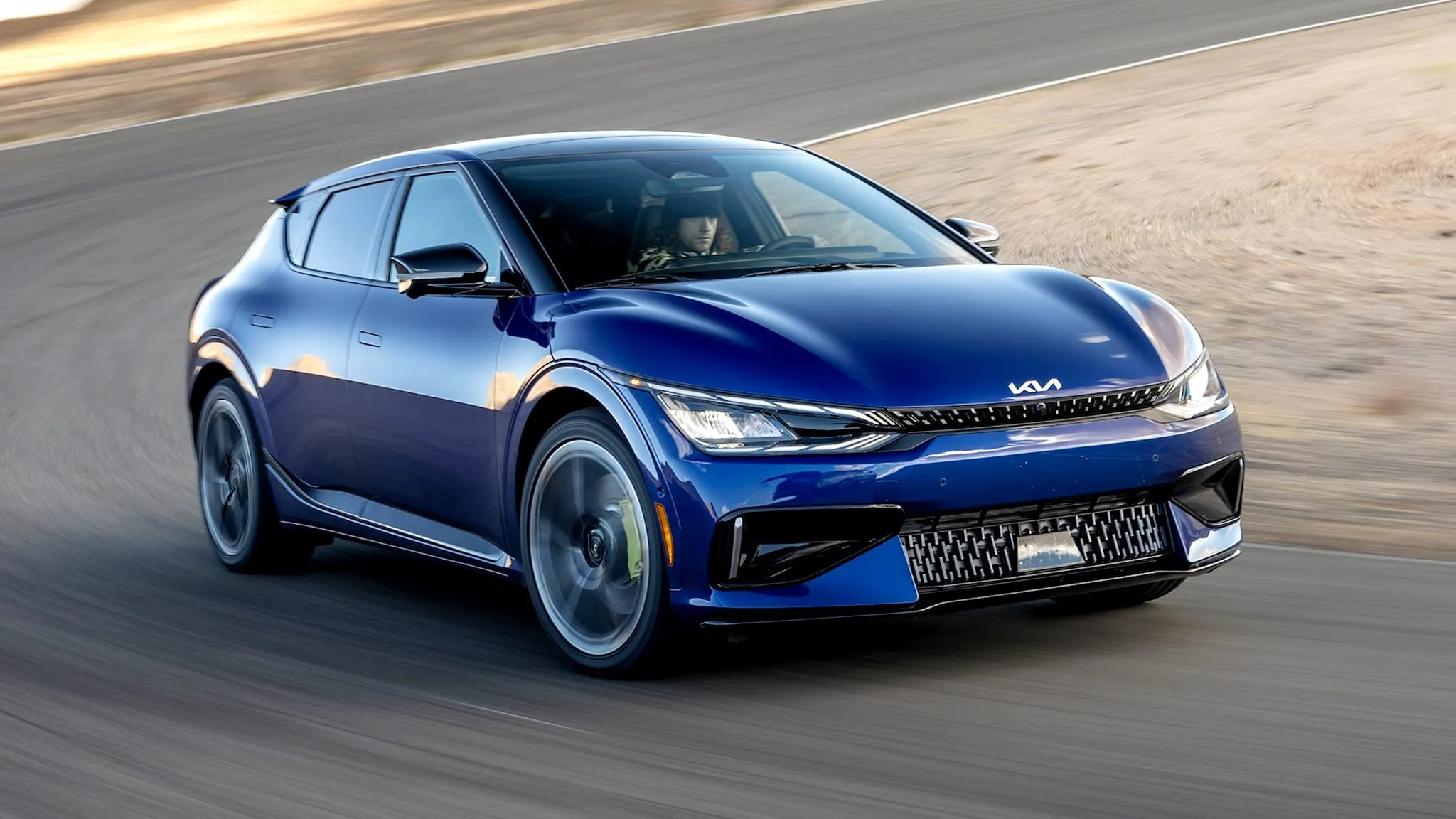
4. Kia EV6 GT-Line AWD 2024
Kia’s EV6 GT-Line AWD 2024 is recognized for holding its range even in chilly conditions. Its liquid-cooled battery pack and thermal management system prevent rapid energy loss when the mercury drops. Many EVs can see range decrease sharply in winter, but the EV6 remains steady thanks to careful engineering that controls battery temperature intelligently.
Preheating is seamless. Through the mobile app or onboard controls, drivers can warm the battery before setting off. This reduces energy spikes during the first miles and ensures range estimations remain more accurate.
Long-distance winter trips are therefore less stressful because the vehicle adapts automatically to temperature swings. Cabin heating works efficiently without drawing unnecessary power, allowing a balanced combination of comfort and mileage.
All-wheel drive plays a big role in winter stability. Power distribution between the front and rear motors adapts instantly, improving grip and reducing wheelspin on slippery streets. Drivers report that acceleration feels smooth and predictable even on snow-packed roads. This allows energy to be used efficiently, which indirectly helps the car maintain its expected range.
Software optimization contributes further. The EV6 displays realistic range numbers, unlike some EVs that overestimate travel distance in cold weather. Regenerative braking operates intuitively, providing consistent stopping power without sudden drops in efficiency.
Many owners praise how the vehicle retains most of its rated distance even during extended winter drives. With careful attention to battery warmth, cabin comfort, and AWD stability, the Kia EV6 GT-Line AWD 2024 shows why it belongs among EVs that perform strongly in cold weather conditions.
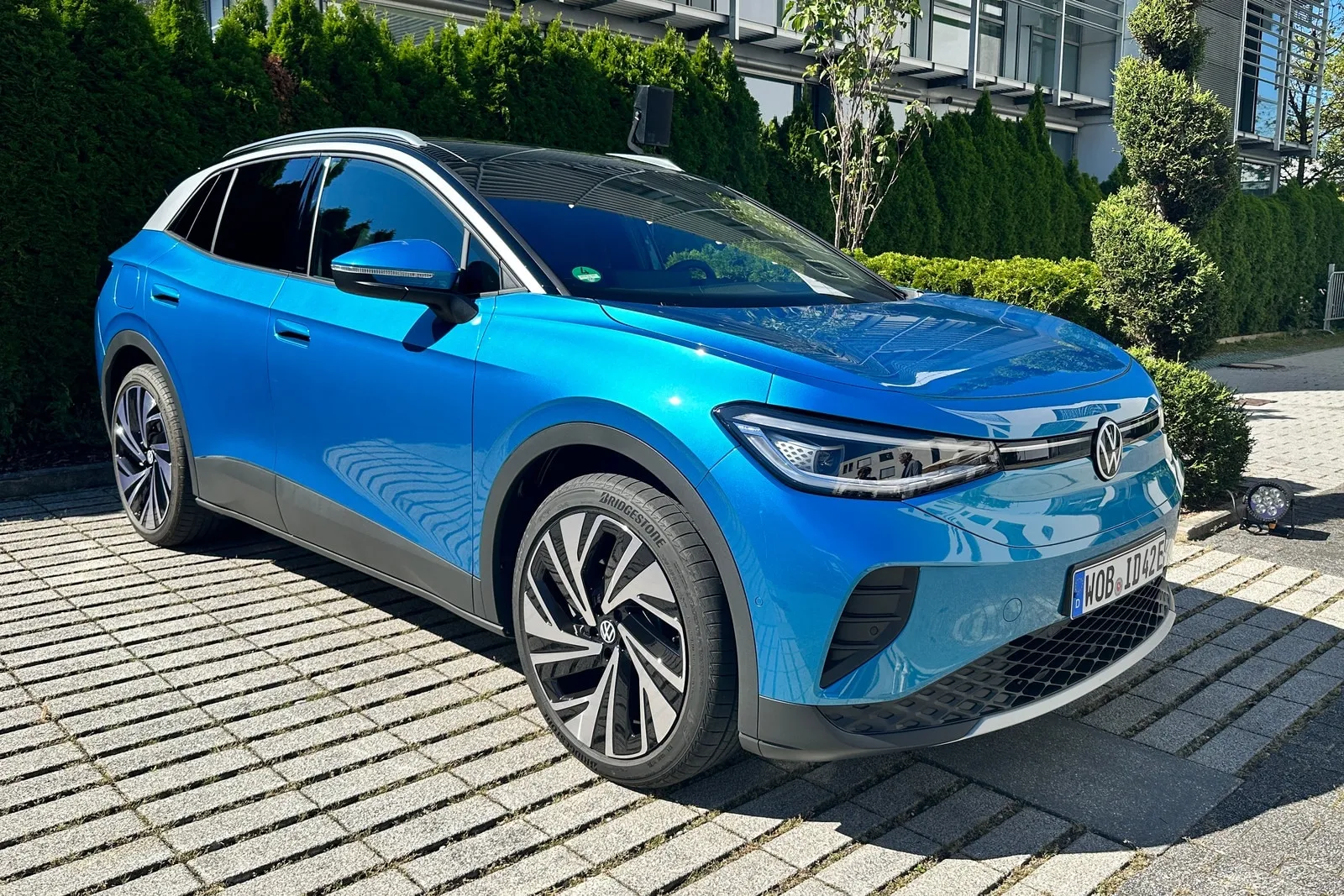
5. Volkswagen ID.4 AWD 2024
Volkswagen’s ID.4 AWD 2024 has developed a reputation for holding range better than many competitors in freezing temperatures.
The AWD system distributes torque intelligently, helping maintain traction without wasting excessive battery power. Cold starts affect this EV less than others because the liquid-cooled battery warms efficiently, reducing energy loss that would normally occur during winter mornings.
Preconditioning works well. Drivers can warm both the cabin and the battery before setting off, minimizing the initial drop in range that can be seen in many EVs.
When combined with software that optimizes energy usage, the vehicle can hold a larger portion of its expected mileage even when snow or ice covers the roads. Owners who use preheating report a smoother experience and less frustration with winter range loss.
Cabin comfort contributes indirectly to winter range. The heat pump system heats the interior quickly without overtaxing the battery. Passengers remain comfortable, and energy consumption is lower than it would be with purely resistive heating. Many EVs struggle to balance winter cabin comfort and battery efficiency, but ID.4 manages this relationship thoughtfully.
Driving on icy or snowy surfaces is predictable. Regenerative braking adapts naturally, and the AWD system ensures power flows to wheels with the most grip. That stability helps preserve range because energy is not wasted overcoming traction issues.
Dashboard range estimates are also realistic in cold conditions, reducing surprises during long drives. With effective preconditioning, efficient cabin heating, and smart AWD management, Volkswagen ID.4 AWD 2024 earns its place as a strong contender for drivers who need reliable winter performance.
5 EVs That Drop Fast in the Cold
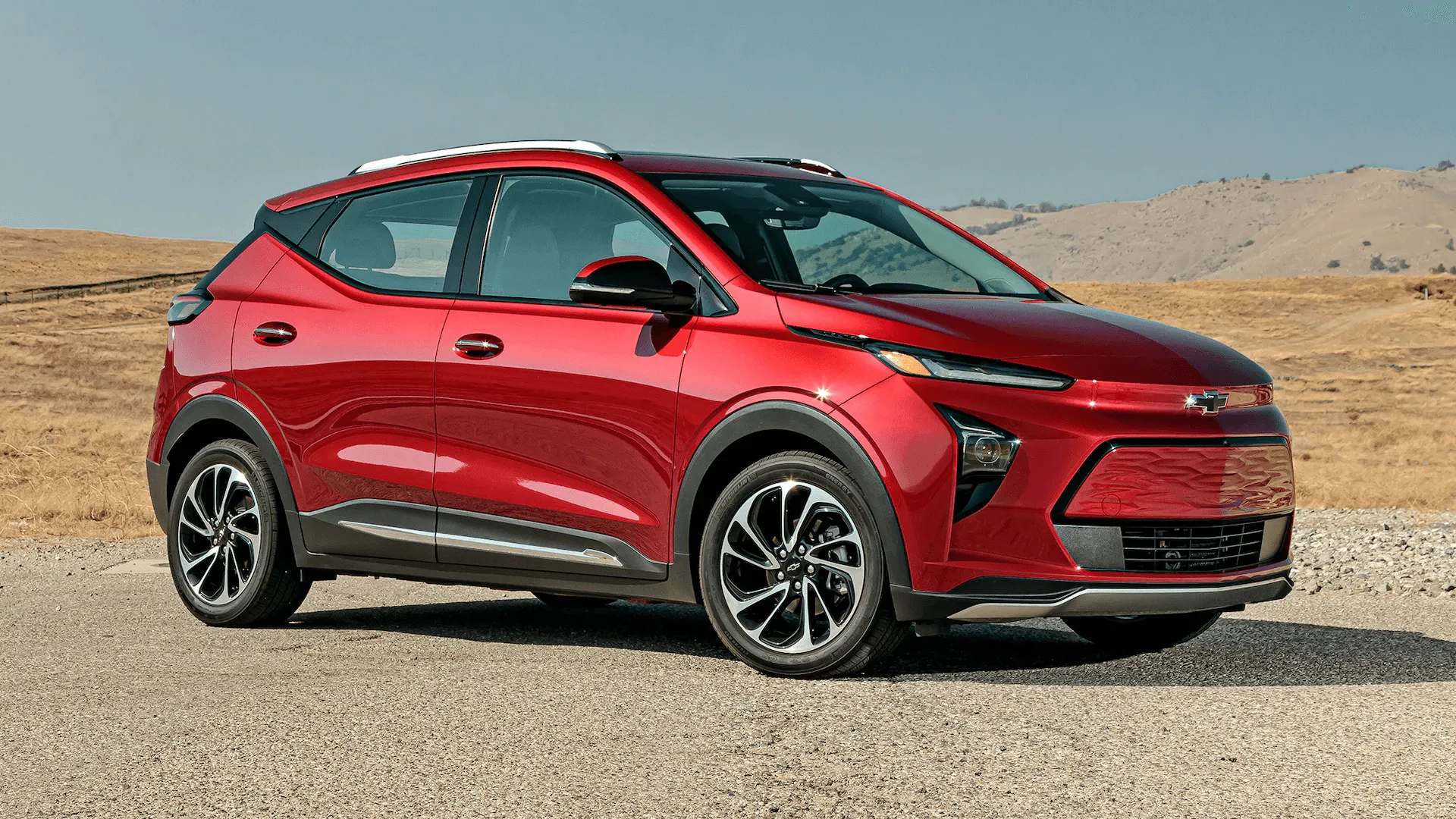
1. Chevrolet Bolt EV 2023
The Chevrolet Bolt EV 2023 has been praised for affordability and city driving, but winter conditions expose its limitations. Battery chemistry reacts more sharply to freezing temperatures, and drivers report noticeable range loss after a few cold mornings.
Unlike EVs with advanced thermal management, Bolt relies on a simpler liquid-cooled system that struggles to maintain consistent battery warmth, especially during prolonged subzero conditions.
Preconditioning can help, but it cannot fully compensate for the inherent energy loss. When temperatures dip, the car often shows a range reduction of up to 25 percent on short urban trips.
This becomes particularly frustrating for commuters who rely on the advertised mileage for planning purposes. Owners frequently mention the need to plan charging stops more carefully in winter, as cold temperatures amplify energy consumption.
Cabin heating also contributes to range reduction. Bolt EV uses resistive heaters that draw an amount of battery power to maintain a comfortable interior.
During long drives, this can shave dozens of miles off the estimated range, a contrast to heat pump-equipped EVs that maintain better efficiency. Drivers report that continuous highway trips in freezing weather require constant attention to remaining battery percentage.
Driving dynamics feel slightly affected by winter. Regenerative braking remains functional, but the lack of AWD and traction distribution control makes wheelspin more noticeable on icy streets. Energy is often wasted recovering traction, accelerating the drop in range.
Even though Chevrolet made improvements in battery management over previous years, the Bolt EV 2023 remains a model that demands careful planning when the mercury falls. Cold-weather trips can be stressful unless drivers fully account for the diminished range and energy draw from resistive heating.
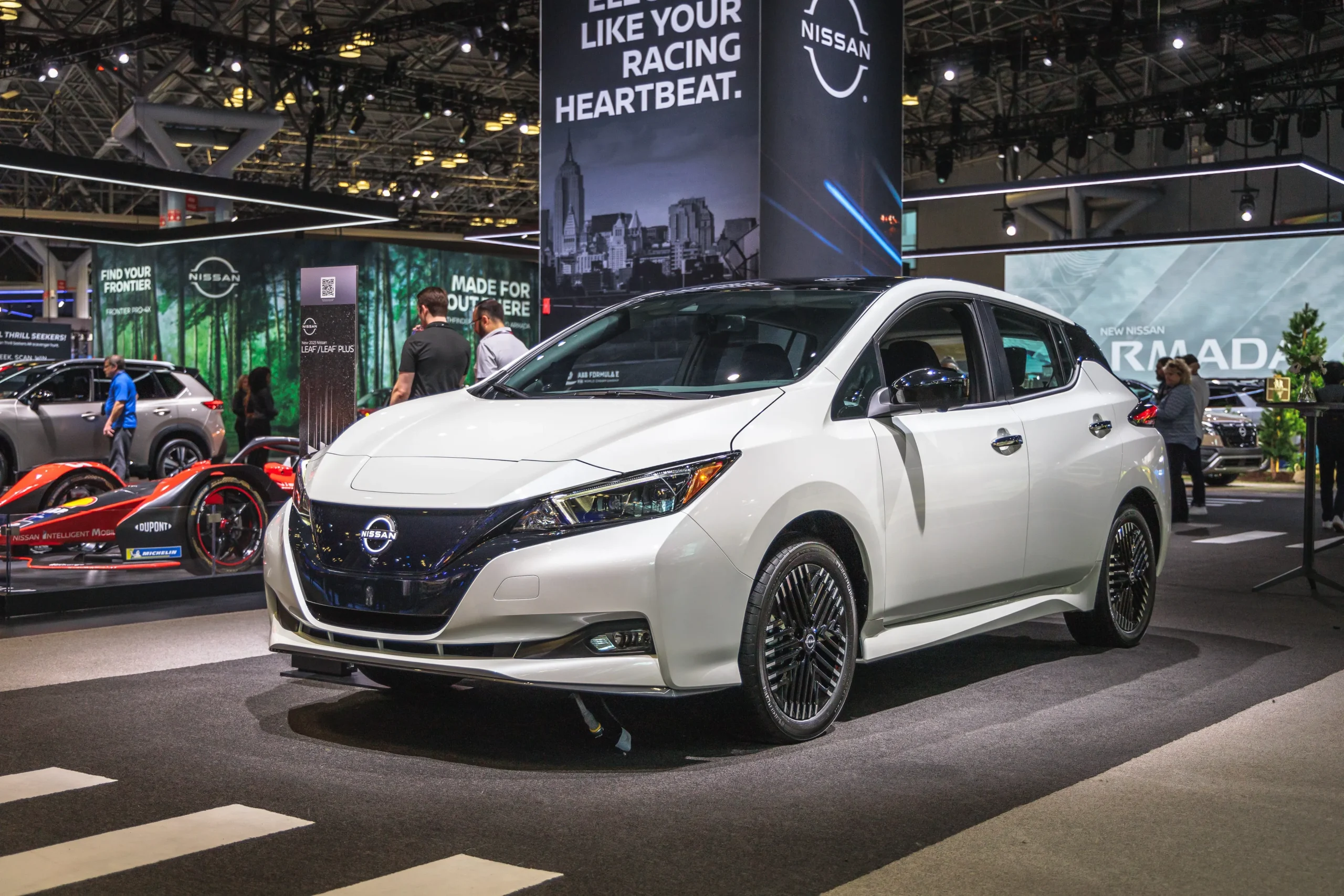
2. Nissan Leaf Plus 2023
Nissan Leaf Plus 2023 offers excellent value, but it struggles with winter range. Battery performance drops sharply in cold temperatures, and many drivers report losing 20 to 30 percent of advertised range during early mornings or extended subzero trips.
Unlike other EVs with heat pump systems, the Leaf’s battery warming is more rudimentary, leaving energy susceptible to temperature swings.
Cabin comfort can impact mileage very well. The Leaf Plus uses a resistive heating system that draws heavily on the battery. While it keeps passengers warm quickly, it accelerates the depletion of remaining energy.
Urban driving with stop-and-go conditions worsens this problem because frequent acceleration under cold conditions magnifies energy consumption. Long-distance winter trips require extra planning to avoid being stranded.
Battery preconditioning helps somewhat, but only if drivers activate it before departure. Without proactive warming, the first few miles often experience noticeable power loss, which translates into range estimation corrections that surprise drivers.
Even when driving carefully, the vehicle’s software cannot fully compensate for cold battery chemistry, resulting in abrupt drops in displayed range.
Traction control and regenerative braking help maintain stability on snow and ice, but the absence of all-wheel drive limits efficiency in slippery conditions. Energy used to regain traction further reduces available miles. Drivers accustomed to EVs that hold winter range will feel the difference quickly.
While the Nissan Leaf Plus 2023 remains a competent EV in temperate climates, cold weather exposes vulnerabilities that make careful planning essential for winter travel.
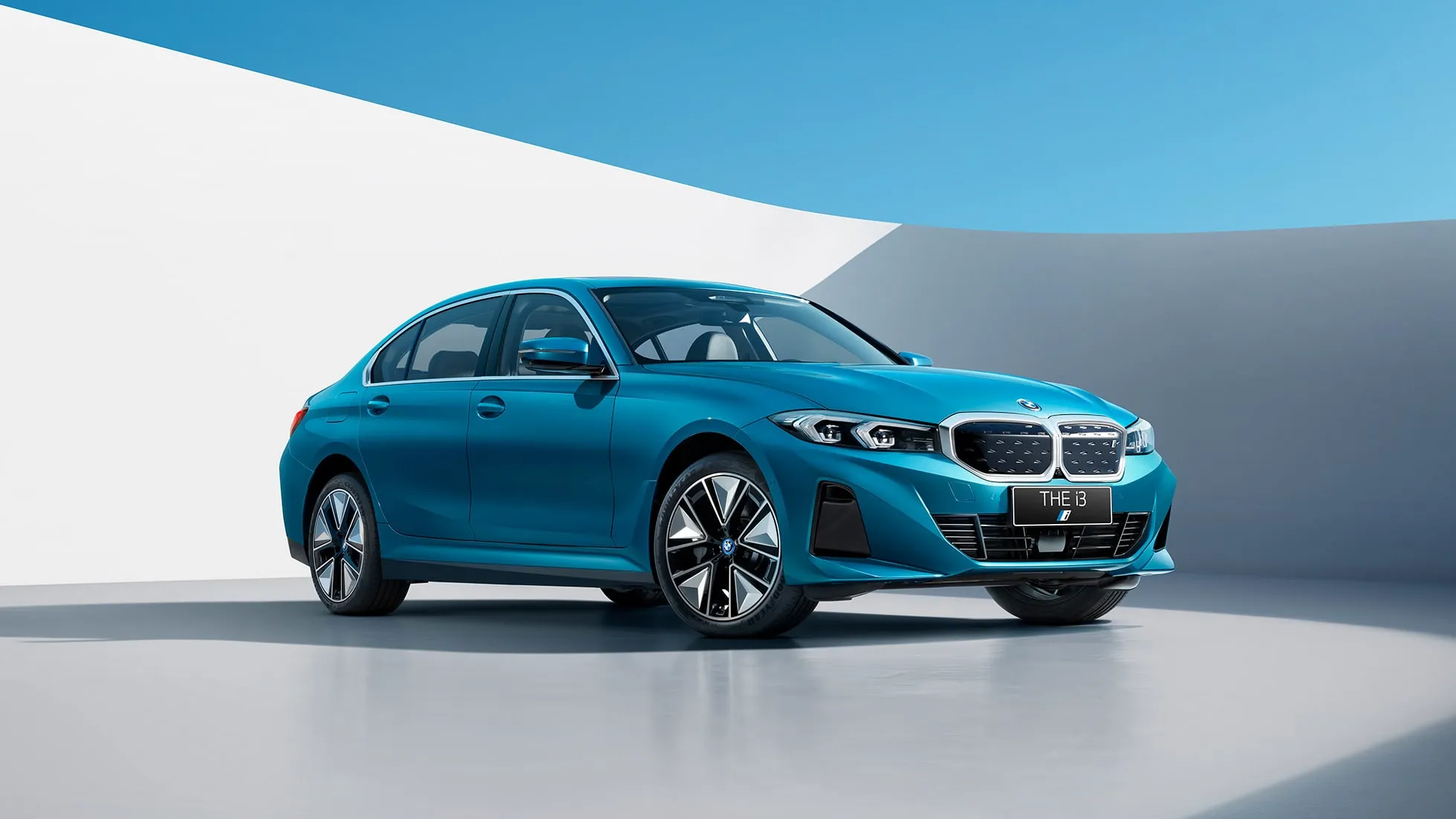
3. BMW i3 2023
BMW i3 2023 is admired for its unique design and urban agility, yet its winter performance reveals a steeper decline in range.
The smaller battery pack and compact design make the i3 more susceptible to temperature-induced energy loss. Cold mornings often leave drivers with only 60 to 70 percent of the expected mileage, especially when resistive heating is in use.
Preheating via the BMW Connected app helps, but the energy consumed during warming reduces the amount left for actual driving.
Regenerative braking and city driving assist partially mitigate losses, but the compact battery chemistry reacts quickly to subzero conditions. Many owners report that winter commutes must be adjusted to include extra charging stops, particularly in regions with extended cold periods.
Cabin heating draws heavily on battery energy. Unlike heat pump-equipped EVs that distribute warmth efficiently, i3’s resistive system consumes more power, further reducing range.
Drivers notice the difference during long drives, where every mile counts. Even when limiting cabin heat, the i3’s small battery struggles to maintain stable voltage under cold conditions.
Winter traction feels adequate for city streets, but snowy highways can demand careful energy management. All-wheel drive is unavailable, leaving the front-wheel-drive i3 to rely on cautious acceleration.
The result is a predictable but energy-intensive winter operation. BMW i3 2023 remains a stylish city EV, yet cold weather requires attention to range, energy consumption, and charging planning. For those expecting consistent winter performance, it may feel less reassuring compared with competitors designed for cold resilience.
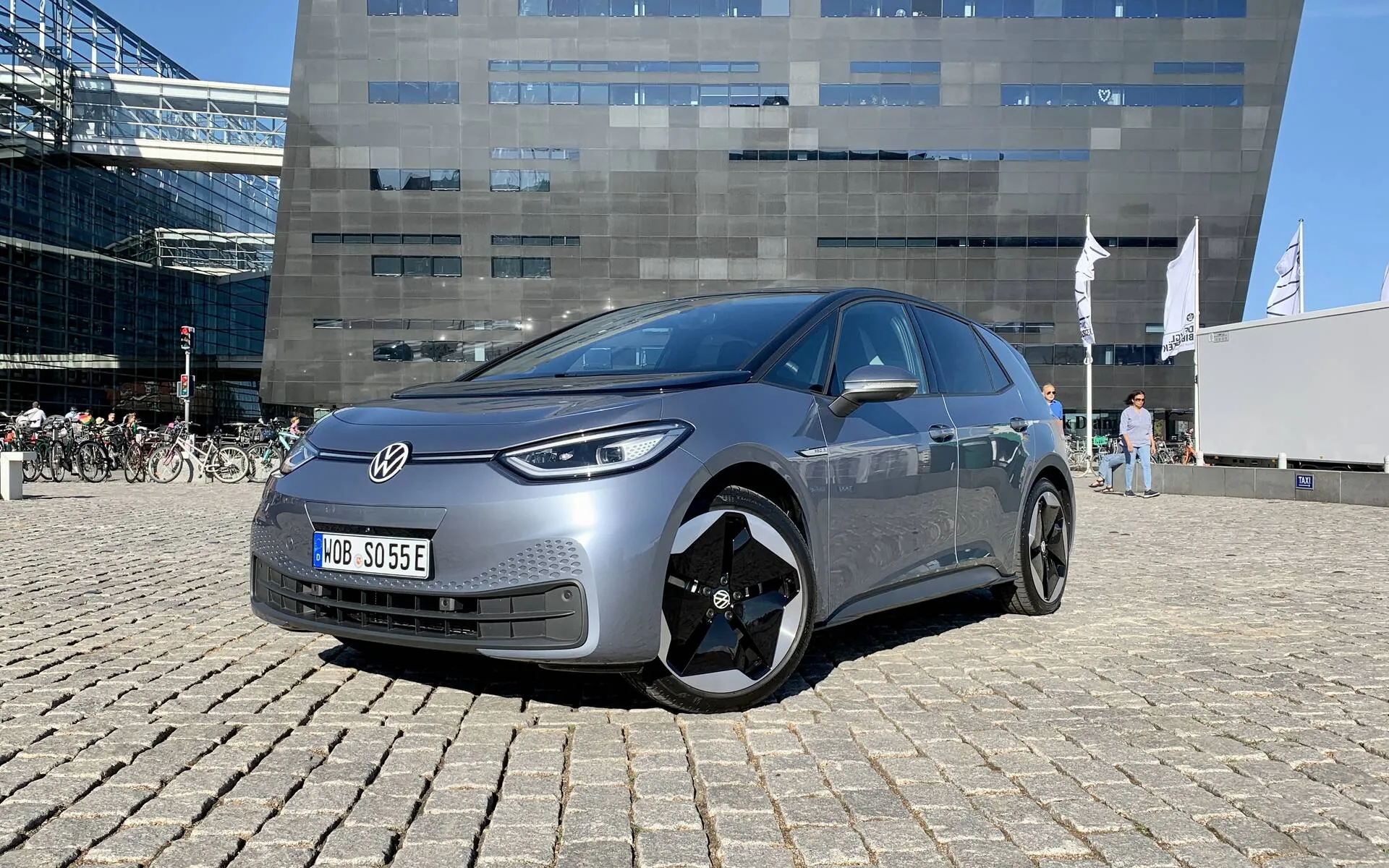
4. Volkswagen ID.3 2023
Volkswagen ID.3 2023 attracts buyers with compact efficiency, but winter conditions reveal a sharper drop in mileage than some drivers expect.
The thermal management system is present but less robust than larger AWD EVs, leaving the battery vulnerable to cold. Drivers often report early-morning trips showing a 20 percent reduction in estimated range, which grows with extended driving under freezing temperatures.
Preconditioning can ease this effect, but activating it consumes energy before departure. Cabin heating further accelerates energy loss. Resistive systems quickly draw power to maintain comfort, especially during city commutes with frequent stops. Even on short drives, range can fluctuate noticeably, making planning more critical for cold-season trips.
Driving stability benefits from regenerative braking, yet the single-motor or limited dual-motor setups mean energy is sometimes lost recovering traction in snow or ice.
Range estimates may appear optimistic until the car adapts to actual battery performance under cold conditions. Highway driving intensifies the problem because battery demand rises with higher speeds and continuous heating.
Many ID.3 owners report that careful attention is required during winter trips to avoid unexpected stops. Cold weather exposes the limitations of smaller EVs with moderate thermal management. Planning, preheating, and attention to cabin heating become essential for drivers relying on ID.3 2023.
Those seeking dependable winter range may look elsewhere, as this model struggles compared with heat pump-equipped competitors or AWD designs that handle cold more efficiently.
Also Read: 5 EVs With Clear Range Estimates vs 5 That Lie Optimistically
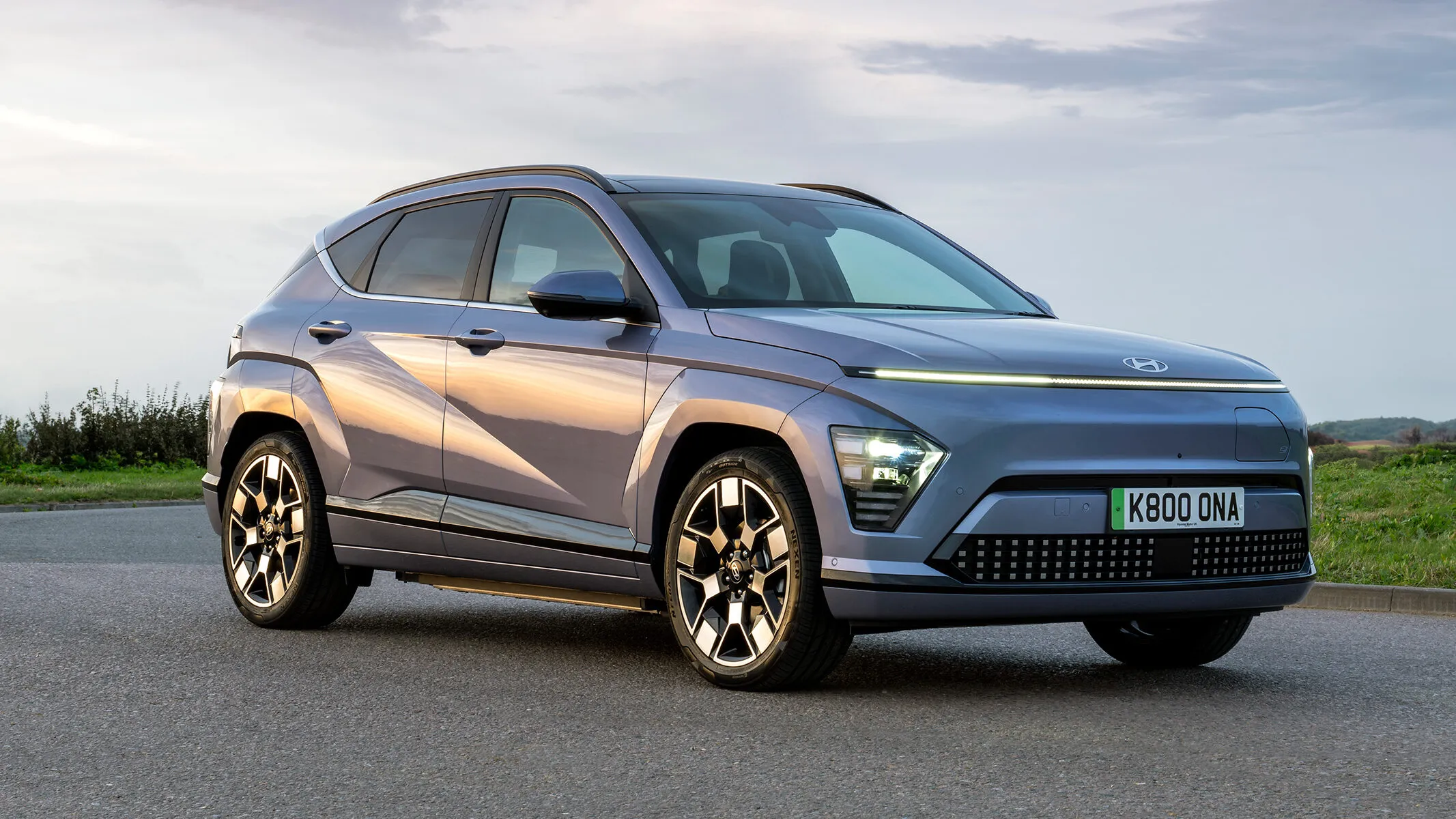
5. Hyundai Kona Electric 2023
The Hyundai Kona Electric 2023 is popular for its compact size and competitive pricing, but winter exposes weaknesses in battery retention. Cold weather can reduce range by up to 25 percent during subzero mornings.
The battery pack is liquid-cooled, yet it lacks the more advanced thermal distribution systems seen in other EVs, making it vulnerable when temperatures fall sharply.
Cabin heating plays a large role in energy loss. Kona Electric uses resistive elements to warm the interior, consuming a substantial portion of battery capacity. Drivers undertaking long commutes or urban trips in freezing temperatures must carefully monitor energy levels. Short preconditioning sessions can help, but they also reduce usable mileage for travel.
Driving dynamics are reliable but less energy-efficient in winter. Single-motor variants struggle more on slippery roads compared with AWD EVs.
Regenerative braking helps recover some energy, but repeated traction adjustments consume additional power. Drivers report that highway speeds combined with continuous cabin heating can shrink available range noticeably.
Battery chemistry reacts more aggressively to cold than in some modern competitors, causing the car to display rapidly changing range estimates. Careful planning becomes essential to avoid running low unexpectedly.
The Hyundai Kona Electric 2023 is still practical for mild winter conditions or shorter commutes, but long trips in cold climates require extra caution. Those expecting stable mileage may be disappointed if relying on the Kona for consistent winter performance.
Winter brings a unique set of challenges for electric vehicles, and understanding how different EVs respond to cold conditions is essential for any driver who wants reliability without stress.
Some models, like the Tesla Model Y Long Range, Ford Mustang Mach-E AWD, Kia EV6 GT-Line AWD, Volkswagen ID.4 AWD, and Hyundai Ioniq 5, have been engineered to retain much of their range even when temperatures dip.
Their combination of advanced thermal management, efficient cabin heating, and intelligent software ensures that drivers can count on them for longer trips, daily commutes, and winter adventures with fewer surprises.
Vehicles such as the Chevrolet Bolt EV, Nissan Leaf Plus, BMW i3, Volkswagen ID.3, and Hyundai Kona Electric show more pronounced range loss in cold weather.
Drivers of these EVs must plan charging stops carefully, manage cabin heating, and consider preconditioning to avoid running short of power. Understanding these differences allows potential buyers to make informed decisions based on driving habits, climate, and the importance of winter range stability.
Knowing which EVs maintain their energy efficiently in cold weather versus those that struggle can save both time and stress. Being prepared ensures a safer, more comfortable, and more reliable experience, even when winter strikes hard.
