
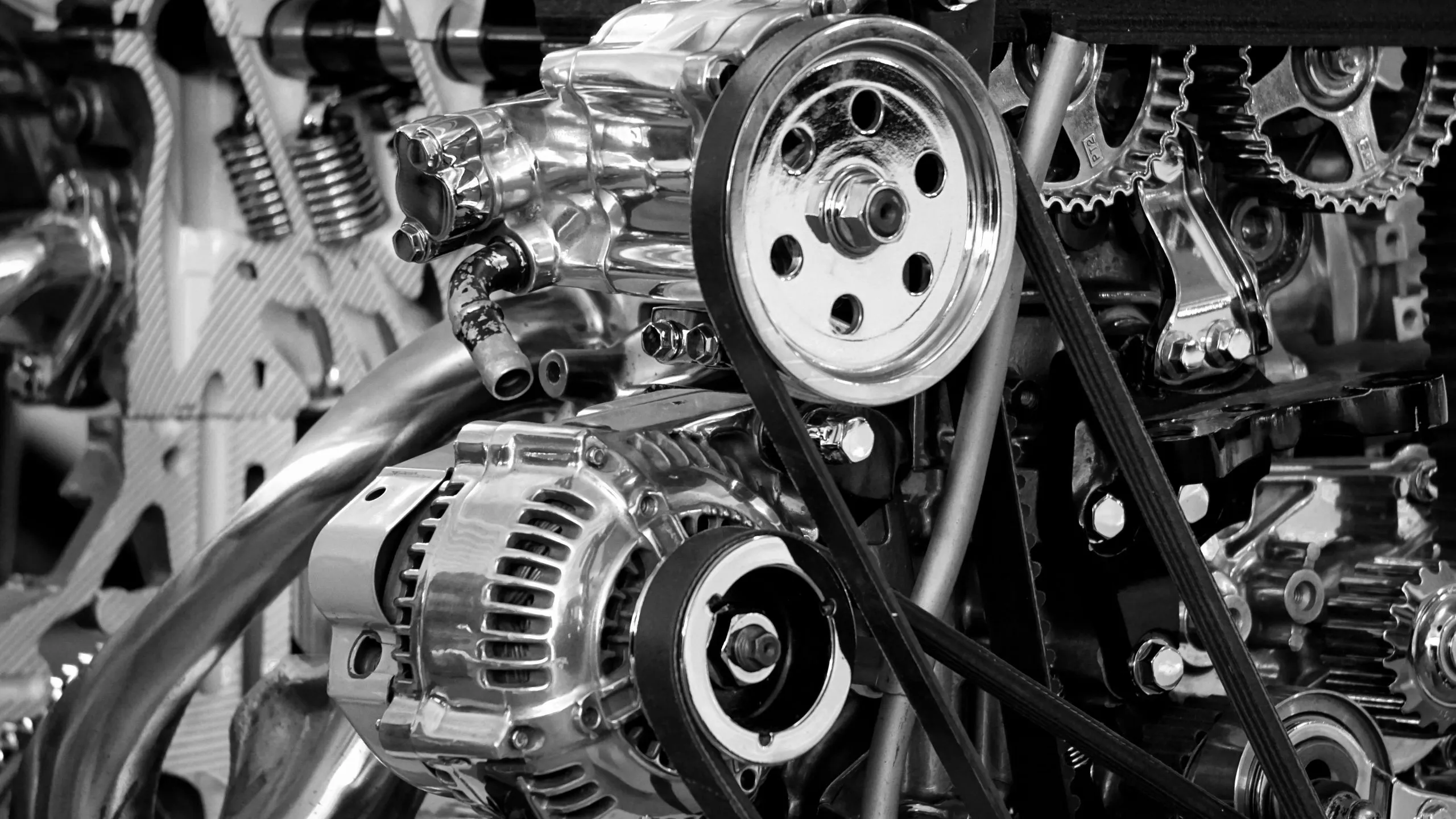
Many drivers appreciate engines that remain steady for years without losing their character or asking for too much attention. Vehicles that carry such engines usually earn a calm respect from owners because they hold their strength through many journeys.
People who depend on their cars daily always look for that type of reliability, especially when budgets or responsibilities leave little room for mechanical issues. In several communities, long-lasting engines grow into quiet legends among motorists because they stand firm even when the roads are not always friendly.
Some engines keep this strong reputation because they respond well to simple care practices. They do not surprise owners with sudden breakdowns or costly repairs.
Instead, they age gracefully and continue to deliver steady performance. For many drivers, this type of experience brings comfort, especially during long drives or repeated trips throughout the week.
There is another side to the story. Certain engines carry timing chain arrangements that give owners sleepless nights. These chains are intended to stay in place for long periods, yet some of them stretch or wear out earlier than expected.
When that happens, repair bills rise quickly. Timing chain failure can even cause internal damage if left unattended, which is why many owners approach these engines with caution.
We will set out two groups of engines. The first group contains engines that have earned strong praise for their long-lasting nature. The second group highlights engines that tend to give drivers timing chain concerns. Each section presents different models and engines, offering a clear picture of what many drivers experience with these machines.
5 Engines Famous for Longevity
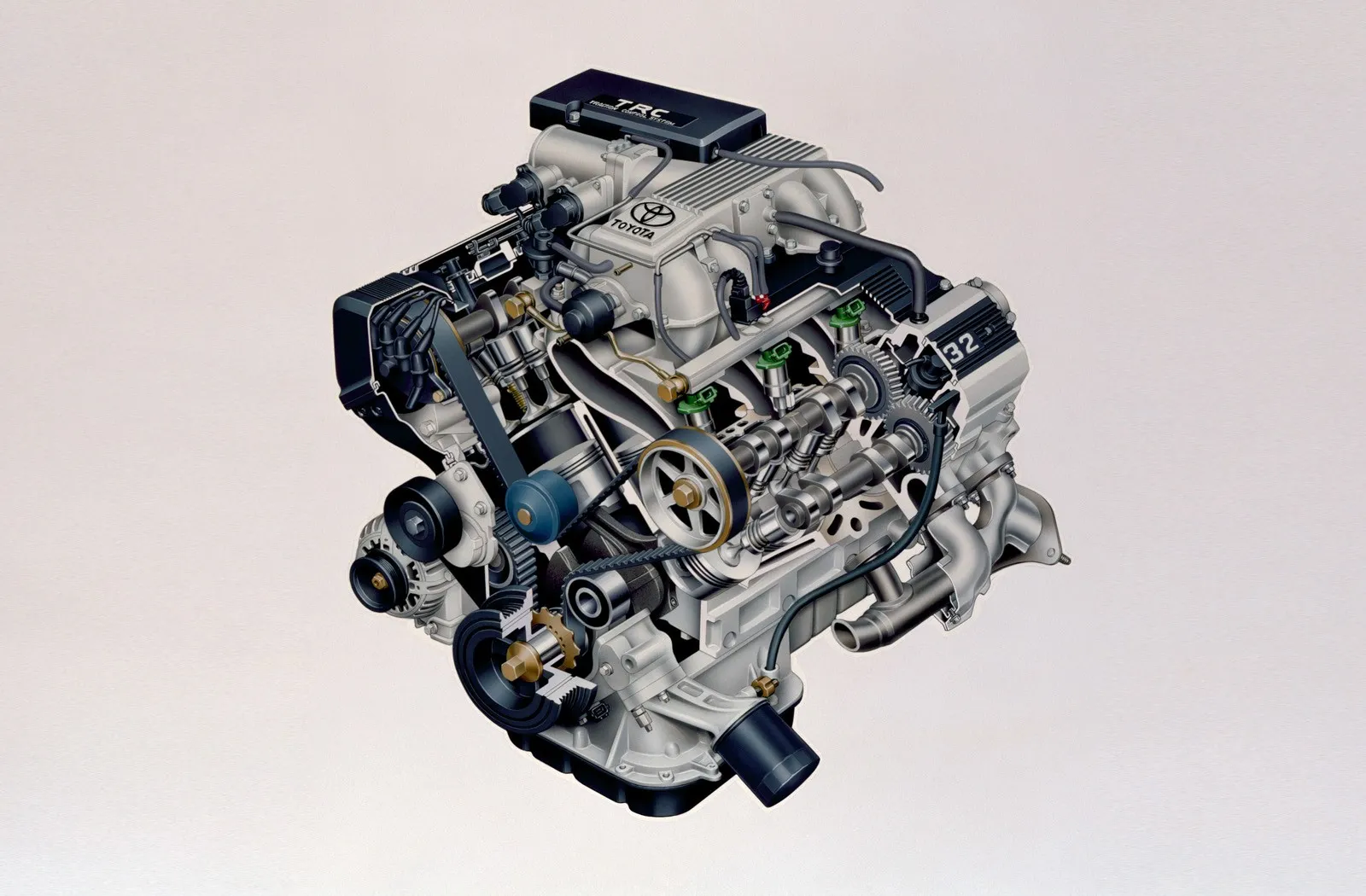
1. Toyota 1UZ FE V8
Durability remains the reason many enthusiasts speak fondly of the Toyota 1UZ FE V8. Built with an aluminium block, strong internals, and calm running behaviour, this engine has gained a quiet reputation for lasting far beyond common mileage expectations. Drivers like its stable power delivery and its ability to maintain temperature balance even during long daily commutes.
The 1UZ FE V8 also manages to keep its sound smooth, which contributes to a comfortable driving experience for people who value refinement as much as strength. Many owners appreciate that this engine rarely develops internal mechanical strain when given standard oil changes. Even after many years on the road, the 1UZ FE V8 tends to keep its tight structure.
Its timing belt setup, instead of a chain, allows easier replacements without the common concerns associated with chain stretching. Mechanics enjoy working on it because the engineering layout feels straightforward and does not present unnecessary complications.
Drivers often recall stories of this engine reaching more than 400,000 kilometres without opening the block. That type of performance gives confidence to people searching for a dependable option. Another benefit is the way the 1UZ FE V8 handles heat.
Harsh weather conditions do not disturb it easily, and when combined with proper cooling system care, the engine performs reliably for many years. This engine appeared in vehicles such as the Lexus LS400 and Toyota Celsior, where owners often describe peaceful, long-term ownership.
It carries itself with grace, and its stable operation makes it appealing for drivers seeking many years of confident motoring. With a solid design and gentle aging behaviour, the Toyota 1UZ FE V8 stays strong in conversations about engines that offer enduring service.
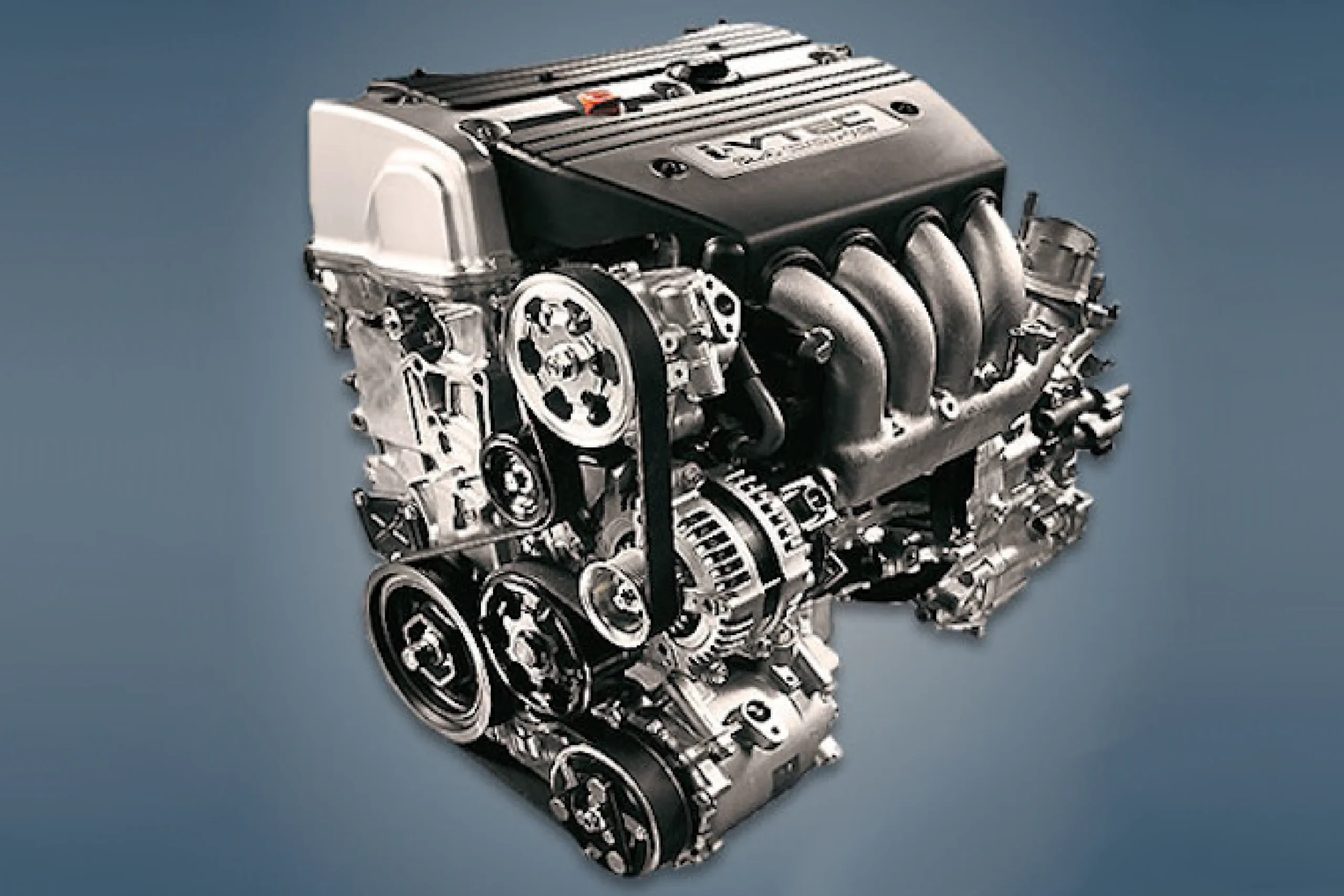
2. Honda K24A Inline 4
A different type of dependability sits within the Honda K24A Inline 4. This engine brings a blend of endurance and daily usability that many compact and midsize car owners appreciate.
Known for handling high kilometre counts without internal wear becoming a persistent issue, the K24A has made its place among engines that keep running without giving unnecessary trouble.
Its structure allows clean airflow and steady power, which helps the engine stay responsive for many years. People who drive vehicles with this engine often remark about how it keeps its calm behaviour even with regular city driving. Stop-and-go situations stress many engines, but the K24A remains composed.
Proper lubrication practices allow its internal parts to maintain strength. The valve timing arrangement in this engine works efficiently and does not commonly fall out of alignment when serviced correctly.
Another strength lies in the way this engine resists overheating. The cooling system layout supports temperature control, and owners who take care of the radiator and hoses rarely face heat-related engine wear.
Mechanics also value the design because it allows simple access to frequently serviced parts, reducing labour time and preventing unnecessary complications.
Vehicles like the Honda Accord, Honda CR V and Honda Element keep this engine alive in long-term ownership stories. Many drivers share experiences of the K24A surpassing 350,000 kilometres while still keeping a smooth idle and balanced fuel use.
For those who seek a reliable daily companion that does not demand excessive care, the Honda K24A Inline 4 stands as a strong option.
Also Read: 5 Engines That Don’t Leak A Drop VS 5 With Common Gasket Seepage
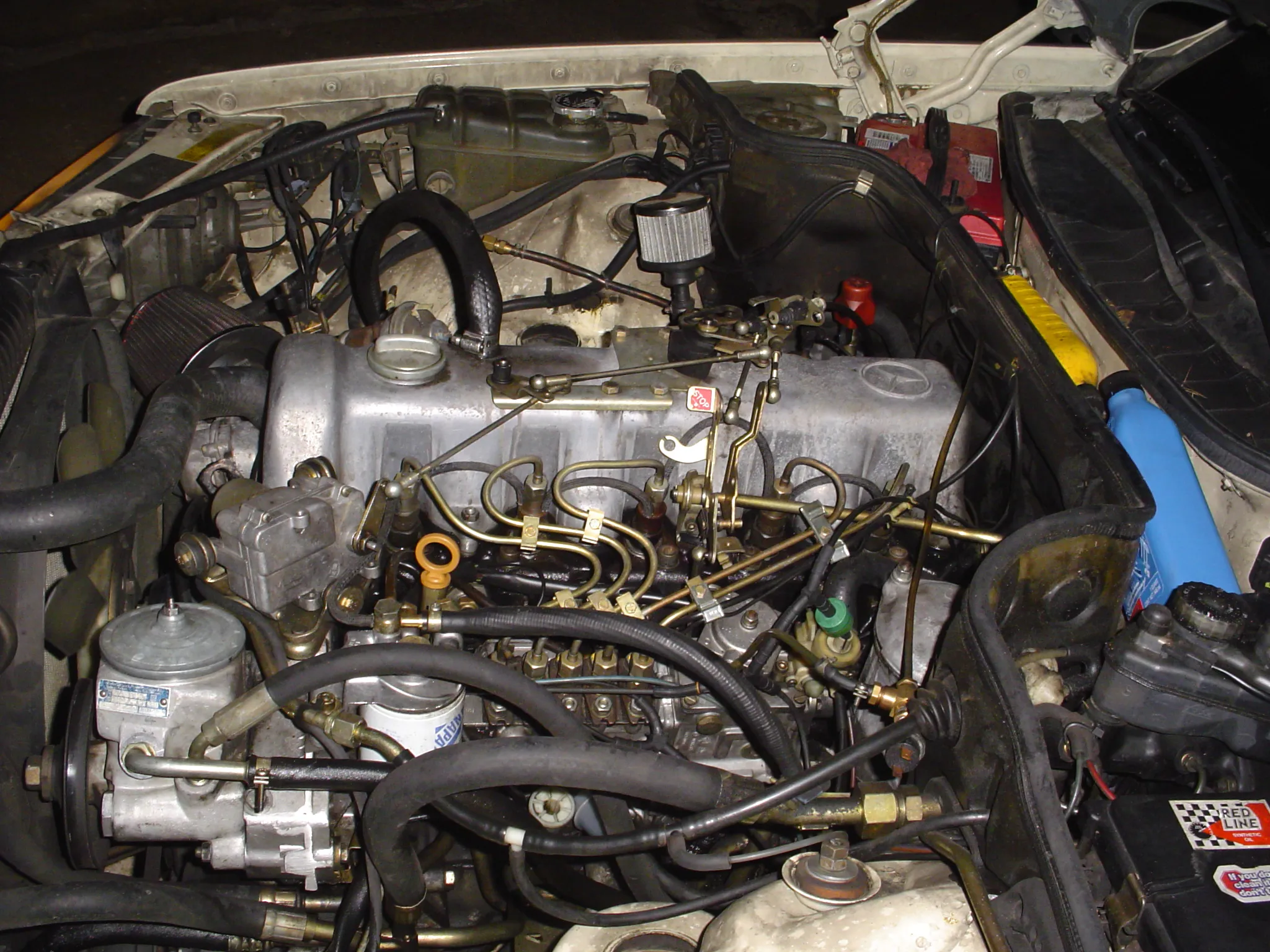
3. Mercedes-Benz OM617 Diesel Engine
There is a special place in automotive history for the Mercedes-Benz OM617 diesel engine. It is often remembered for its strong build quality, rugged reliability, and ability to keep running even when subjected to tough driving conditions.
Many long-time owners speak warmly of this engine because it manages to last through decades of use. The OM617 uses a cast iron block and head combination, giving it a firm foundation that resists thermal expansion issues.
This engine is known for its slow and steady character. It may not be the fastest option on the road, but its calm manner and dependable torque output allow vehicles to climb hills and handle long-distance trips without strain.
Its mechanical fuel injection system also adds to its durability, keeping electronic challenges out of the equation. Drivers who value engines that can run through harsh conditions without falling apart often find comfort in the OM617.
Its cooling system helps support its longevity, keeping temperatures regulated even in busy traffic. Routine care, such as consistent oil changes and fuel filter replacements, is all it usually requires to remain strong. Even after several hundred thousand kilometres, these engines often show little internal wear.
Many versions of the Mercedes-Benz W123 and W126 carried this engine. Stories exist of OM617 units crossing one million kilometres while continuing to run with minimal internal rebuilding. For people seeking a diesel engine that has proven its staying power across different regions and climates, the OM617 remains a respected and familiar name.
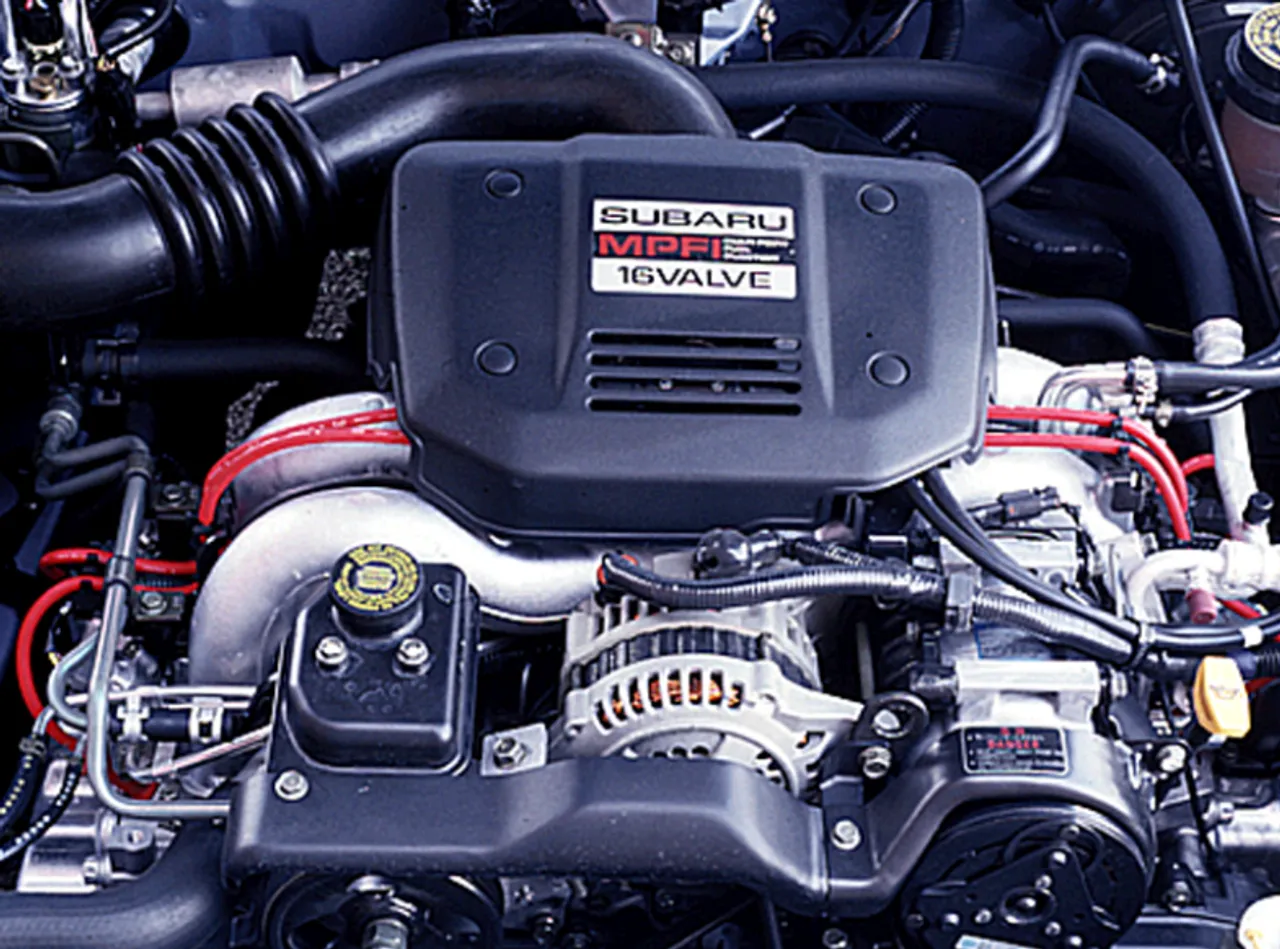
4. Subaru EJ22 Non Turbo Engine
Reliability takes a different form with the Subaru EJ22 non-turbo engine. Known for its strong block construction and dependable behaviour, this engine has impressed many drivers who prefer simple mechanical layouts that stand firm through years of use.
While Subaru engines sometimes carry concerns about head gaskets, the EJ22 non-turbo version gained a better record thanks to design improvements that strengthened its sealing ability. The EJ22 brings a balanced approach to performance.
It delivers enough power for everyday driving while maintaining stable fuel use. Owners appreciate how this engine stays smooth even when mileage begins to climb. Many drivers who invest in regular servicing find the EJ22 reaching high kilometre counts without internal failures.
This engine handles temperature changes well because its cooling system design remains robust. The block construction helps maintain structural integrity even when driven on long highway trips. Many mechanics describe the EJ22 as one of Subaru’s most forgiving engines, as it tolerates moderate neglect better than other engines in the company’s lineup.
Vehicles like the Subaru Legacy, Subaru Impreza, and Subaru Outback carried this engine. Long-term owners frequently share personal experiences where the EJ22 runs beyond 400,000 kilometres while keeping stable compression.
For individuals seeking a patient and dependable option that does not demand constant attention, the Subaru EJ22 non-turbo engine presents a strong record built on simple engineering.

5. Ford 4.9L Inline 6 (300 I6)
A different form of longevity appears in the Ford 4.9L Inline 6, commonly known as the Ford 300 I6. This engine earned a steady following among truck owners because of its strong low-end torque, uncomplicated mechanical design, and ability to keep running even under heavy loads. It uses a cast-iron block and head combination that responds well to tough conditions.
The 300 I6 became popular in work environments because it does not complain easily. Even when saddled with heavy towing tasks, it maintains consistent operation. The long stroke layout supports reliable torque output, making it suitable for trucks that need strength rather than high-speed performance.
This engine benefits greatly from basic servicing. People who keep up with regular oil changes often see these engines surpass several hundred thousand kilometres with little loss in power. The carbureted versions are simple to maintain, while the later fuel-injected models offer smoother running without sacrificing reliability.
Owners of vehicles like the Ford F150 and Ford E Series vans often speak about the calm reliability of the 4.9L Inline 6.
Many older units still serve faithfully in rural areas and commercial settings, demonstrating the durable character of the engine. Anyone searching for a strong, long-lasting engine with minimal mechanical drama will likely appreciate the Ford 300 I6.
5 Engines With Timing Chain Headaches

1. Nissan VQ35DE V6
Timing chain concerns often appear in discussions about the Nissan VQ35DE V6. This engine delivers impressive power and smooth throttle response, yet many owners have reported chain-related troubles as mileage increases.
The chain guides and tensioners in particular tend to weaken earlier than expected when oil change intervals become irregular. Once these parts begin to degrade, the chain may produce a rattling sound during start-up, which signals the need for repair.
This issue becomes more stressful because accessing the timing components requires considerable labour. Mechanics must remove several parts before reaching the chain assembly, which increases repair costs.
Drivers who ignore early warning sounds may face more serious internal wear because the timing chain helps synchronize essential engine functions.
Vehicles that use the VQ35DE include the Nissan Altima 3.5, Nissan Maxima, Nissan Murano, and Infiniti G35. Many drivers enjoy the strong acceleration the engine provides, but timing chain challenges continue to affect its long-term reputation.
The engine is capable of reaching high kilometre counts, yet this depends heavily on consistent lubrication and proper service schedules.
Some owners try to manage the issue by using high-quality oil and following strict servicing routines. While this reduces the chances of premature chain stretching, it does not completely remove the risk.
People who purchase used vehicles with this engine often perform early inspections to check for chain noise. Without proactive care, the Nissan VQ35DE V6 may introduce avoidable expenses linked to its timing chain setup.
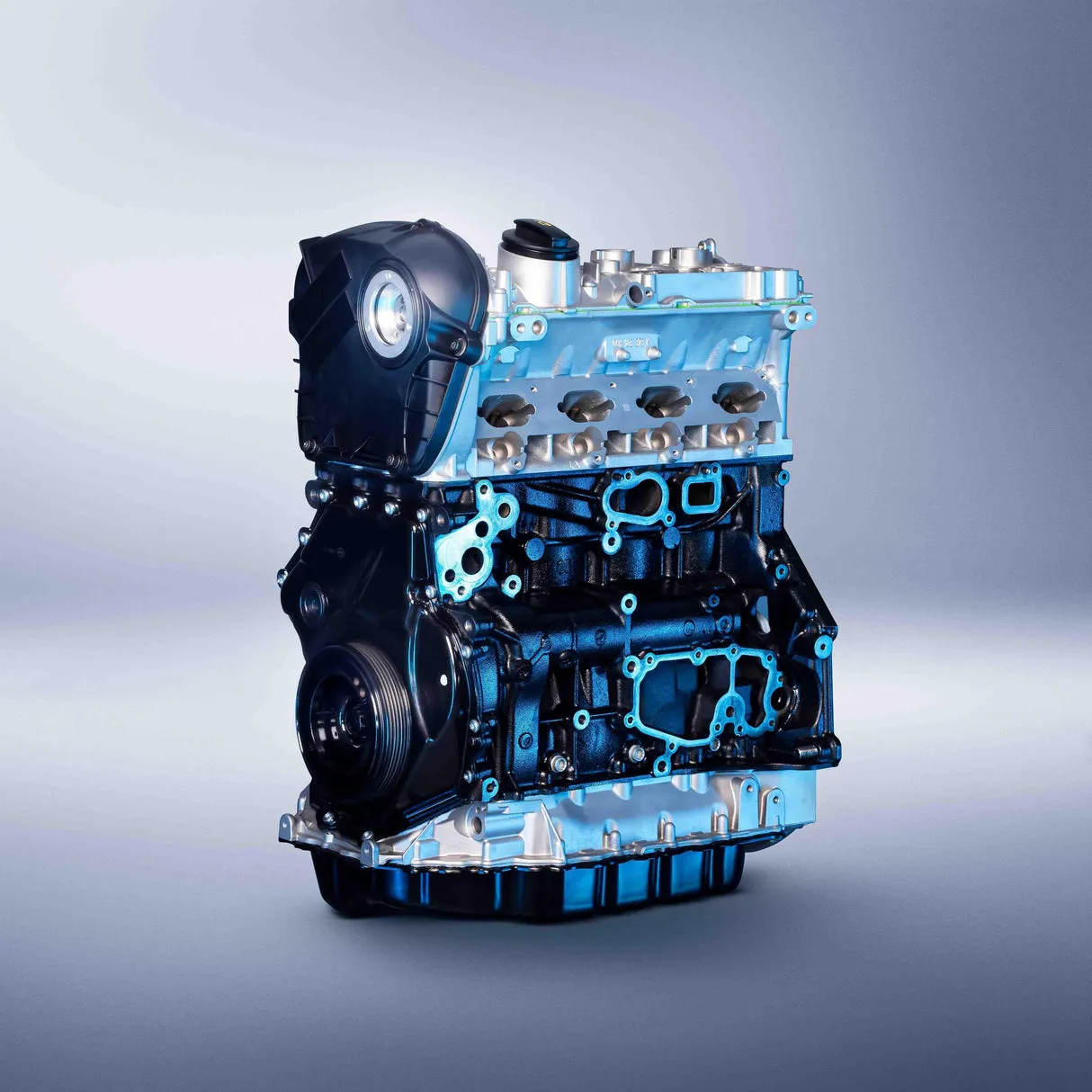
2. Volkswagen EA888 Gen 2 2.0 TSI
Drivers who have owned vehicles with the Volkswagen EA888 Gen 2 2.0 TSI engine often speak about timing chain tensioner concerns. The tensioner design used in earlier versions struggled to maintain stable pressure on the chain.
When oil pressure drops or tensioners begin to fail, the chain can slacken slightly, leading to a metallic sound that becomes difficult to ignore. If the issue continues without repair, timing misalignment may occur, which can cause further engine trouble.
This engine delivers strong performance and refined acceleration, but its timing chain arrangement has caused worry for many long-term owners. Repairs related to this system tend to be costly due to the labour involved. Many mechanics recommend early upgrades to the newer tensioner design to reduce the risk of chain slip.
Vehicles such as the Volkswagen Passat, Volkswagen CC, Audi A4 B8, and Audi A5 used this engine. Owners who keep up with oil changes and run the engine with high-quality lubricants may experience fewer issues, yet the tensioner weakness remains a known challenge.
Cold start rattle is often the first sign that something within the timing chain area requires attention. The EA888 Gen 2 can operate smoothly when maintained properly, but the sensitive nature of the timing components makes it essential for drivers to stay alert.
Those who rely on this engine for daily commuting often find themselves checking for early symptoms, especially when temperatures change. Without timely intervention, the EA888 Gen 2 2.0 TSI becomes one of the engines associated with chain-related headaches.
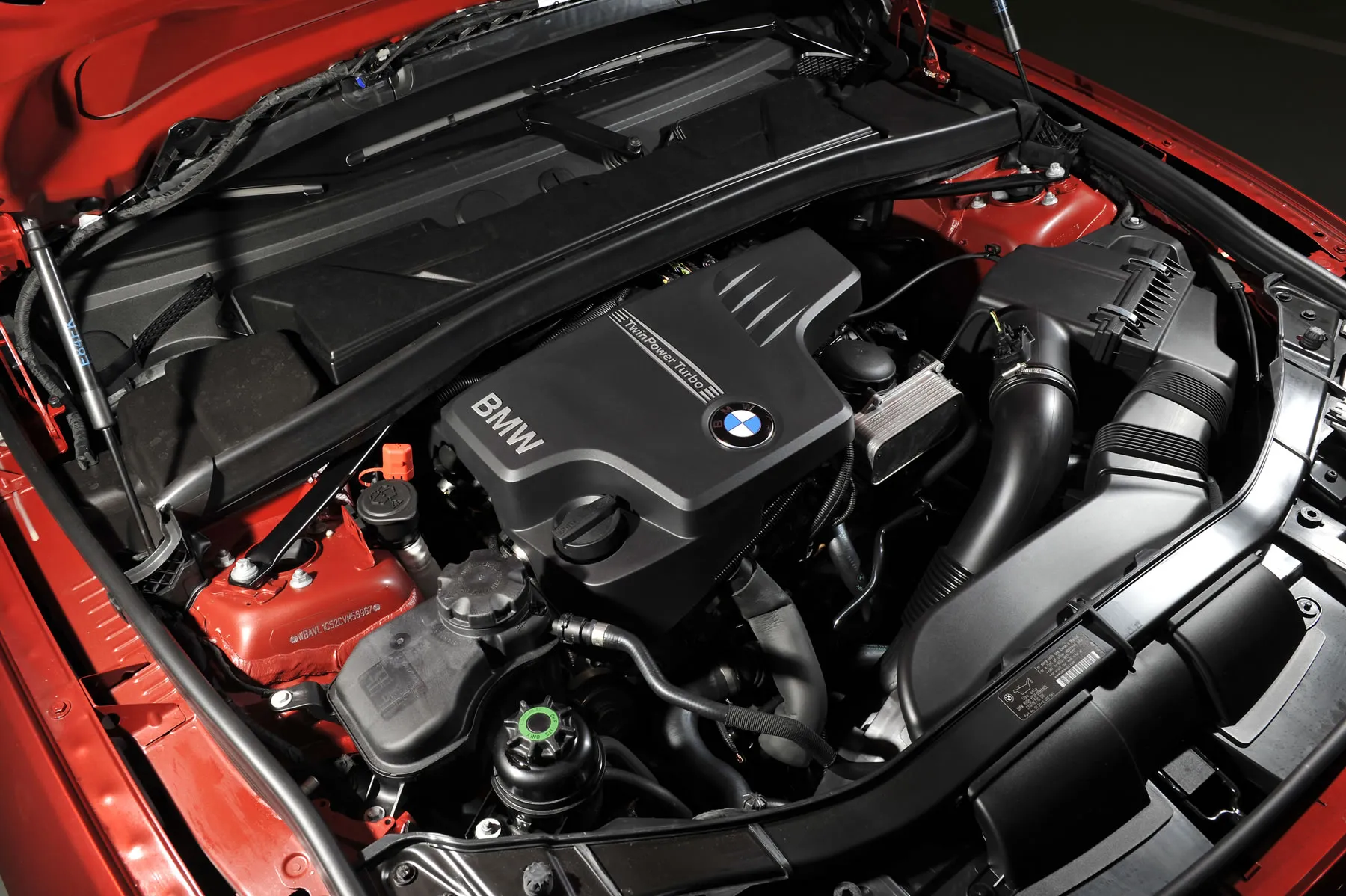
3. BMW N20 Turbocharged 4 Cylinder
The BMW N20 turbocharged 4-cylinder engine gained attention for its efficient performance, yet it also brought timing chain troubles that affected many owners. The chain sits at the rear of the engine, making repairs both time-consuming and expensive.
Failures usually begin with worn chain guides that lose their structural strength, allowing the chain to stretch or rub against parts it should not touch. Once this happens, rattling noises during idle become more frequent.
Drivers often describe a sudden loss of confidence when these noises start appearing. If the chain skips a tooth, the engine may suffer internal damage.
BMW later updated the chain guides, but many early N20 engines still experience these issues as they age. People who drive frequently in heavy traffic conditions sometimes encounter the problem earlier because of repeated stop-and-start cycles.
Vehicles like the BMW X3, BMW 328i, BMW 320i, and BMW 528i carried the N20 engine. The power delivery remains appealing, yet the chain setup continues to affect its long-term reputation. This issue has caused some owners to spend huge amounts on repairs, especially when early symptoms were ignored.
Those who use high-quality oil and follow strict maintenance intervals may reduce the risk, though not completely. Regular inspections help detect early signs of guide wear.
Many drivers who own N20-powered vehicles approach long trips cautiously, ensuring that the engine does not produce unusual sounds during operation. Because of this ongoing challenge, the BMW N20 remains widely discussed among engines with chain-related concerns.
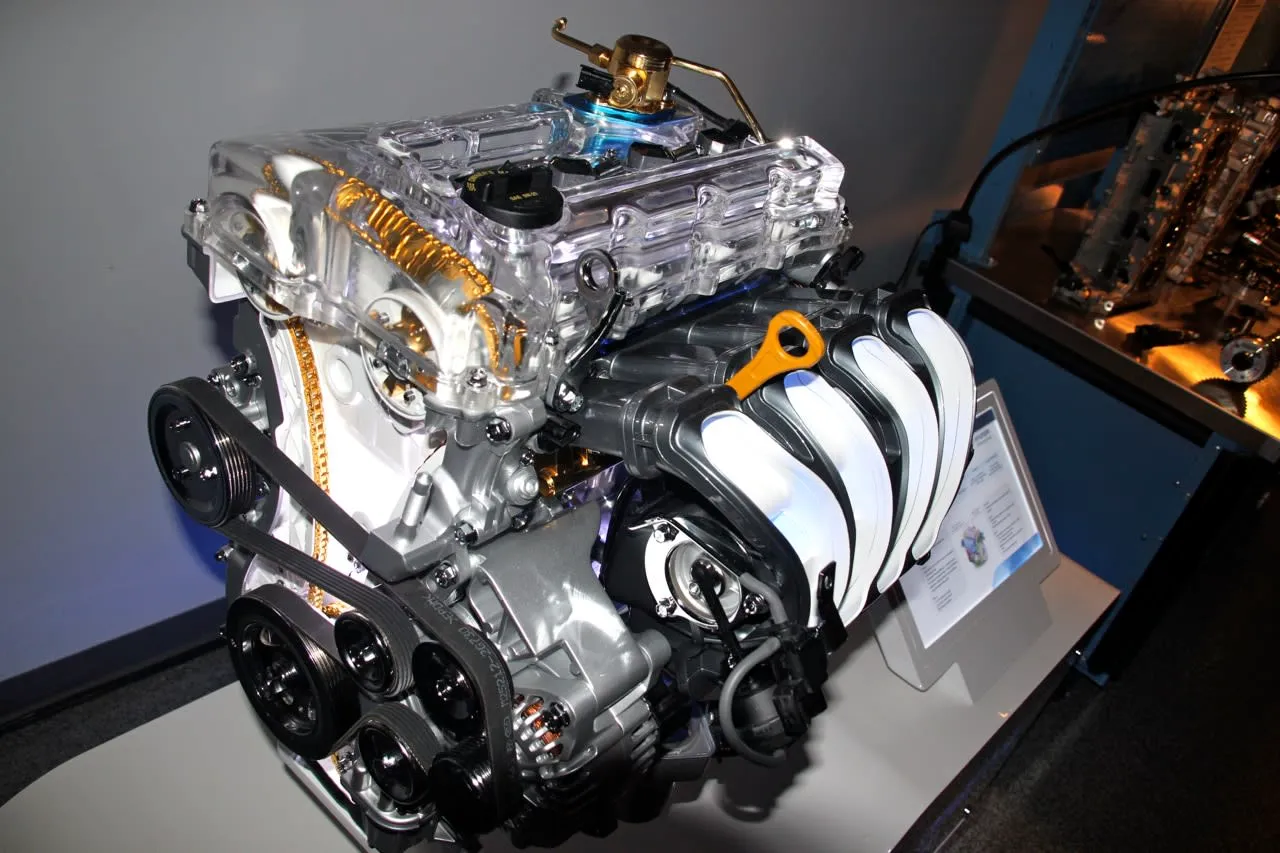
4. Hyundai 2.4L GDI Theta II Engine
Another engine that has gained attention for timing chain challenges is the Hyundai 2.4L GDI Theta II. While the engine provides decent performance, its chain system tends to show early signs of wear when oil quality drops.
The direct injection design generates more heat in the combustion chamber, which sometimes affects the lubrication system. If the chain does not receive adequate oil flow, it begins to stretch or produce noise.
Drivers who own vehicles with this engine often notice ticking or rattling sounds during cold start. This noise usually indicates tensioner wear or partial chain slack. If the issue continues, the chain may lose proper alignment. Repairs can be costly because the system requires detailed work to restore the timing components.
Vehicles such as the Hyundai Sonata, Hyundai Santa Fe, Kia Optima, and Kia Sorento used this engine. While many owners appreciate its performance and fuel behaviour, the chain-related concerns have caused apprehension for long-term users.
Mechanics frequently advise drivers to avoid extended oil change intervals because the chain system reacts poorly to degraded lubricants.
Some drivers attempt to prevent trouble by using synthetic oil and performing early inspections. This does help prolong the life of the chain, but the engine’s reputation still carries a shadow due to previous incidents.
Many used car buyers who encounter the Theta II engine often request service records to check whether any timing work was done. Because this engine may develop chain-related issues earlier than expected, it remains a common topic among owners dealing with chain worries.
Also Read: 5 Engines With Reliable Water Pumps VS 5 With Early Bearing Failures
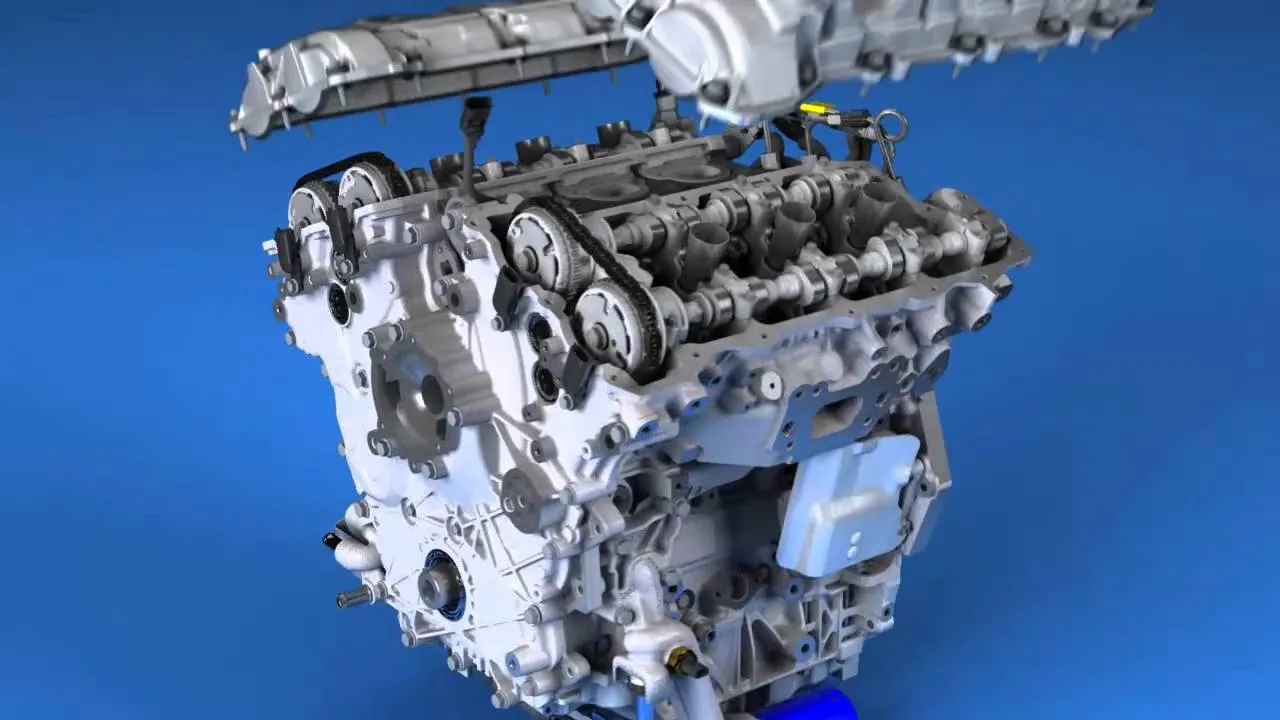
5. Cadillac 3.6L High Feature V6 (LY7)
The Cadillac 3.6L High Feature V6 LY7 engine offers impressive performance, yet it has faced timing chain challenges across different models. The chain system tends to suffer when oil change intervals are extended, leading to tensioner strain and chain stretch.
Once the chain loses precise alignment, it begins to produce a distinct noise that many owners find alarming. If the problem continues without repair, the chain may skip, causing more severe internal trouble. This engine uses advanced features that depend heavily on clean lubrication.
When poor oil quality circulates through the engine, sludge may form around the tensioners. This reduces their ability to keep the chain tight. Many owners report that long idling periods or infrequent servicing accelerate the issue.
Vehicles that carry the LY7 engine include the Cadillac CTS, Cadillac SRX, Chevrolet Traverse, GMC Acadia, and Saturn Outlook. Drivers enjoy the strong acceleration and smooth cruising capability of the engine, but chain issues often introduce stress, especially for people who rely on their vehicles for daily journeys.
Regular servicing helps reduce the problem, yet it does not completely remove the risk. Mechanics sometimes recommend early timing chain inspection for vehicles that frequently operate in stop-and-start situations. Because the LY7 features multiple chains working together, repairs tend to be more involved compared to simpler systems.
Many owners learn to recognize early symptoms such as reduced performance and unusual idle sounds. Once these signs appear, prompt attention becomes necessary. Without such care, the Cadillac 3.6L High Feature V6 can turn into a demanding engine due to its chain-related behaviour.
Engines that maintain their strength for many years tend to earn the trust of drivers who depend on their cars for daily movement. When an engine shows that it can handle long distances, busy urban conditions, and repeated use without losing its stable character, owners feel more at ease behind the wheel.
The engines presented in the first group demonstrate how thoughtful designs, strong internal parts, and straightforward maintenance routines can produce machines that remain dependable for a large part of their lifespan.
People who choose these engines often speak calmly about their ownership experience because the engines do not introduce unnecessary stress.
The second group represents engines that can perform well yet require closer attention because of their timing chain behaviour. These engines are capable of delivering good power and smooth driving, but their chain arrangements sometimes demand early inspections or repairs.
Drivers who use them must stay attentive to unusual sounds or performance changes, especially during cold starts or heavy traffic situations. When chain issues appear, repair work can become demanding, which is why timely servicing becomes so important.
Having a clear understanding of both categories helps drivers make wiser choices. It becomes easier to select a vehicle that suits long-term needs when the strengths and possible concerns of the engine are already known.
People looking for a calm ownership experience may prefer engines with a long-lasting record, while others may be comfortable with engines that require more frequent monitoring. With this awareness, drivers can approach vehicle decisions with greater confidence and fewer unknowns.
