
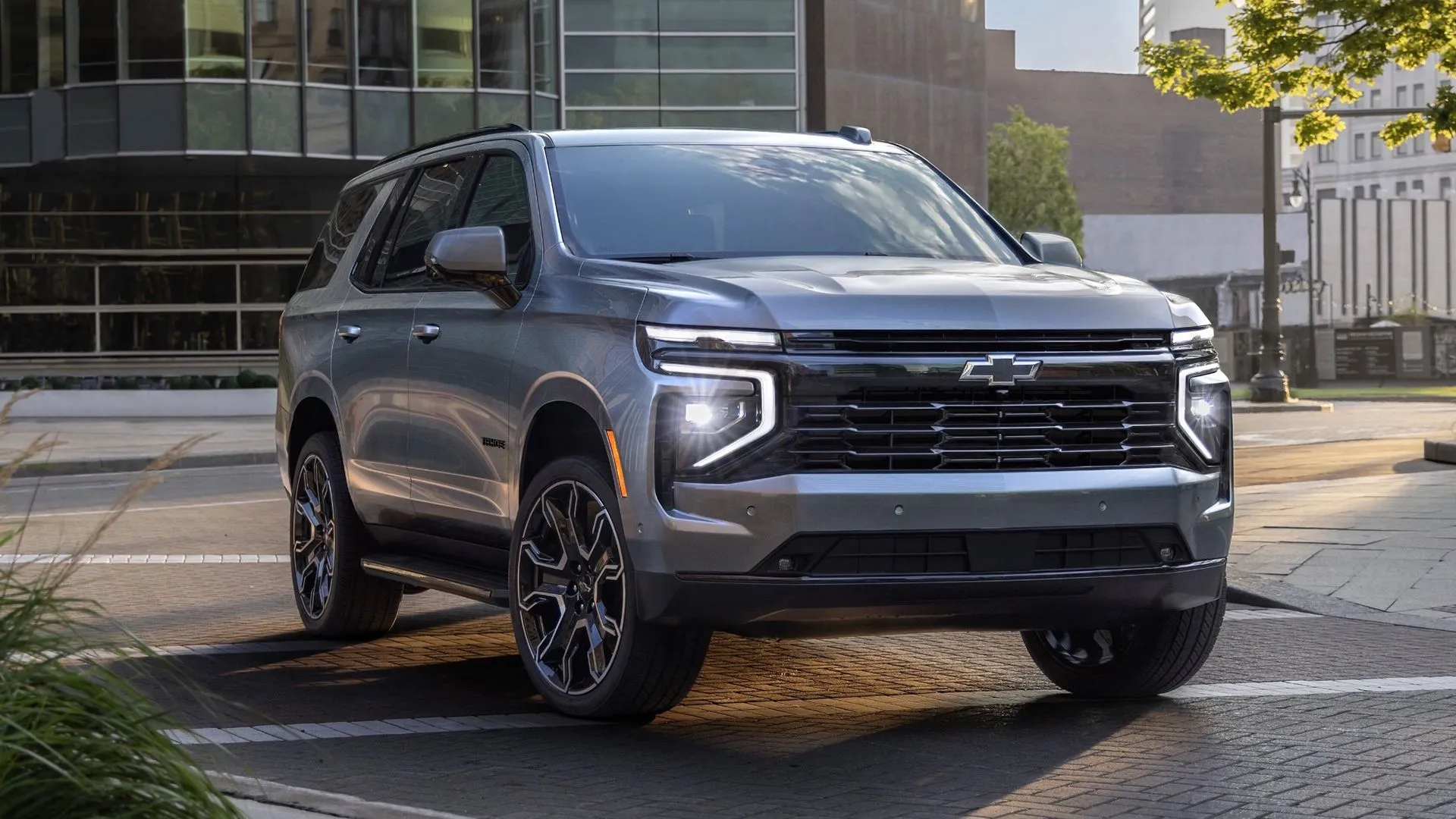
SUVs have become more than just vehicles for transporting people; they are companions for daily commutes, weekend adventures, and long family trips. For many drivers, durability is as important as style or comfort.
After all, nobody wants to spend a fortune fixing a car that barely lasts a few years. That is why some SUVs earn a reputation for going the distance, easily reaching 300,000 miles or beyond, while others struggle to make it past 120,000 miles before problems start piling up.
Understanding which models are built to endure and which ones are more fragile can save time, money, and frustration. Longevity comes down to factors like engine design, transmission robustness, build quality, and even the way suspension handles constant use.
Certain SUVs manage to keep running smoothly for decades with simple upkeep, while others show weaknesses in critical areas like drivetrain or electronics, leading to expensive repairs early on.
We will go ahead and break down ten SUVs into two clear groups. The first group highlights five models known to consistently reach 300,000 miles, showing reliability, strong engineering, and resilience.
The second group covers five SUVs that tend to struggle beyond 120,000 miles, highlighting recurring issues and areas of weakness. By the time you finish reading, you will have a clearer idea of which SUVs to trust if you want a vehicle that will serve for years without emptying your wallet.
5 SUVs That Run 300,000 Miles
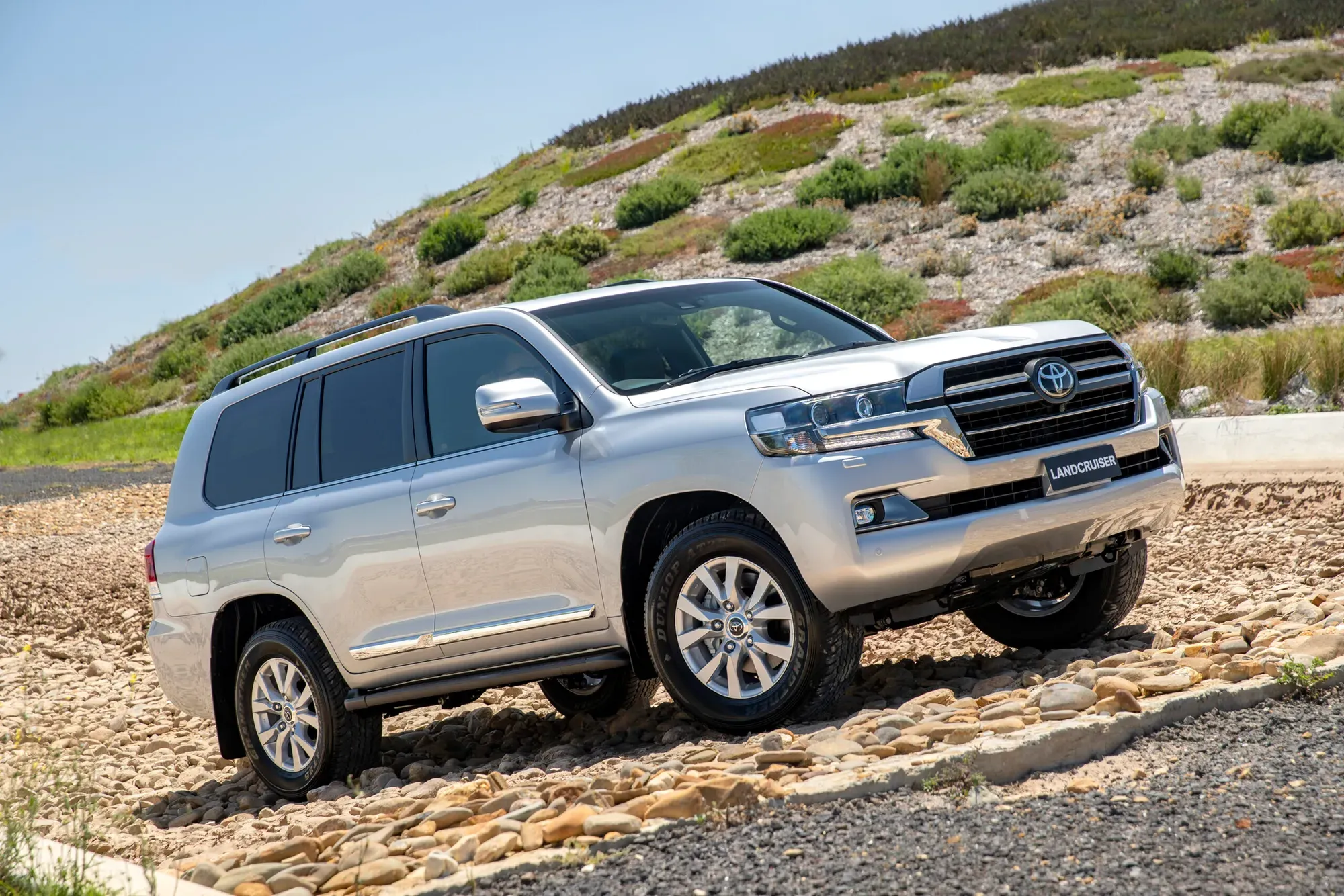
1. Toyota Land Cruiser 200 Series
The Toyota Land Cruiser 200 Series has a long-standing reputation as one of the most reliable full-size SUVs ever built. Its 4.5-liter V8 diesel engine is engineered to endure long drives, heavy loads, and rugged conditions, and many owners report surpassing 300,000 miles with routine maintenance.
The engine delivers consistent torque and maintains dependable performance even when the SUV is fully loaded or going through rough paths. Owners value its straightforward engineering, which minimizes potential failures and makes repairs more predictable and manageable.
Paired with the engine, the automatic transmission handles towing, steep inclines, and off-road conditions without struggling. Components of the four-wheel-drive system are built to endure frequent use, resisting wear even under demanding driving or challenging terrain.
The suspension setup, featuring coil springs and heavy-duty shock absorbers, provides long-lasting stability. It smooths out bumps and rough surfaces for passengers while reducing stress on the chassis and drivetrain. This combination of durable mechanics ensures that the Land Cruiser can maintain reliable operation for many years when basic servicing and care are followed.
Inside, Toyota prioritizes longevity and practicality. Seats, door panels, and dashboard materials are designed to withstand heavy use and remain intact as time goes on. Electronics are simple, which minimizes failures, and controls are intuitive, making them easy to repair if needed. Despite being a large SUV, the cabin maintains comfort and space without sacrificing durability.
Owners frequently highlight the Land Cruiser’s combination of strength and reliability. Routine oil changes, brake checks, and tire rotations keep the SUV operating efficiently, and occasional inspections of suspension and drivetrain components prevent wear from accumulating.
Whether used for family trips, heavy-duty hauling, or off-road adventures, this SUV delivers dependable performance for hundreds of thousands of miles. The Toyota Land Cruiser 200 Series demonstrates that careful engineering, simplicity, and quality materials can create a vehicle capable of lasting for decades without losing capability or comfort.
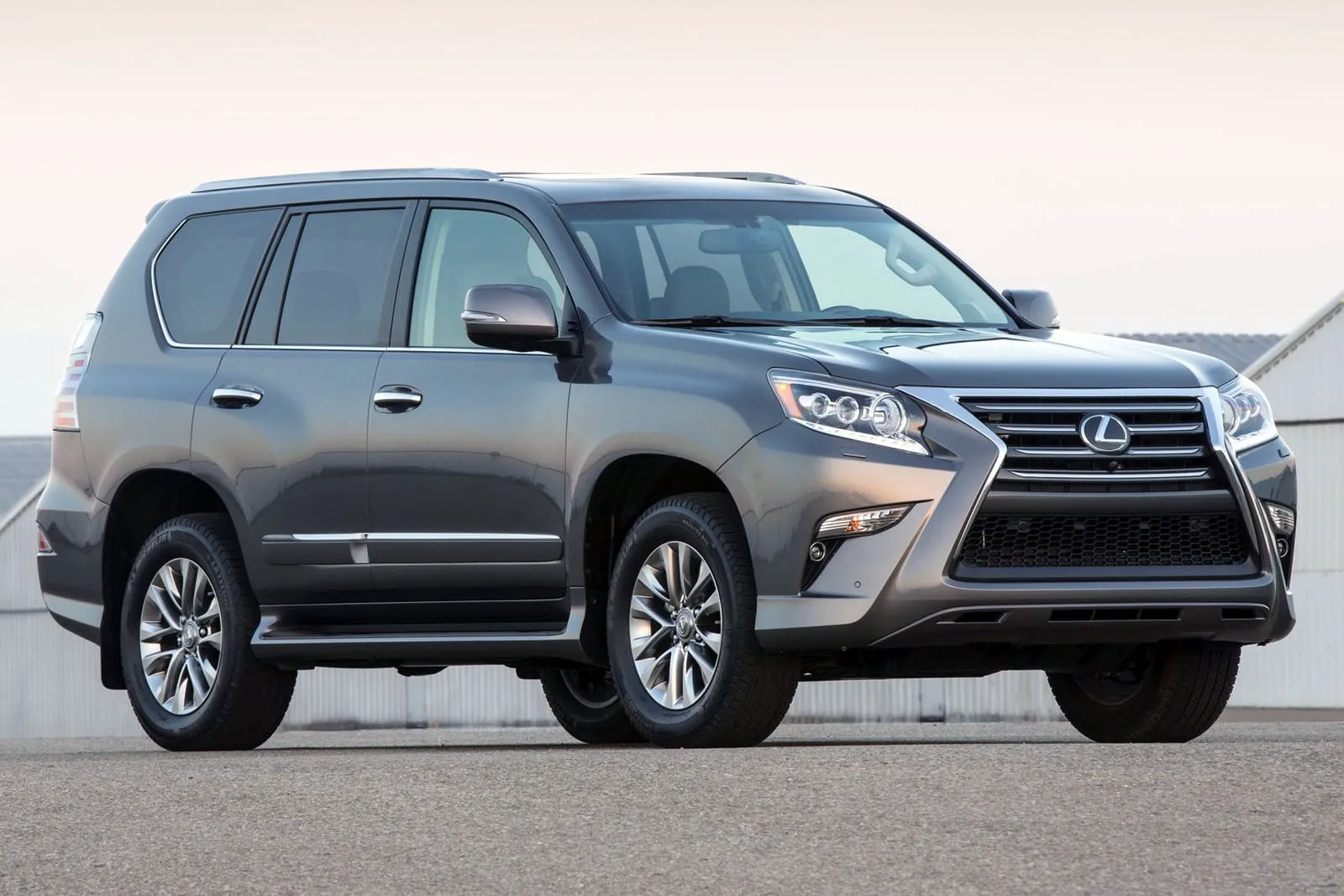
2. Lexus GX 460
The Lexus GX 460 is a luxury SUV that manages to blend refinement with exceptional durability. Built on the same platform as the Toyota Land Cruiser Prado, it inherits strong engineering while offering a smoother, more comfortable cabin. Its 4.6-liter V8 gasoline engine delivers reliable power, with many owners surpassing 300,000 miles without major issues. The engine maintains consistent performance under load and is known for longevity when standard maintenance is followed.
The four-wheel-drive system enhances the GX 460’s durability. It features full-time 4WD, low-range gearing, and reinforced axles that reduce stress under off-road and heavy-duty driving conditions.
Suspension elements are designed to absorb road shocks and minimize strain on the chassis, while regular inspection of bushings and mounts keeps the ride smooth. These features allow the GX 460 to handle both city streets and rural paths without compromising longevity.
Inside, Lexus balances luxury with durability. Leather seating, sturdy trim, and simple infotainment controls reduce the likelihood of failures common in high-tech SUVs. Electronics are reliable, and the interior materials resist wear, which keeps the cabin looking fresh for years. Service intervals are manageable, and parts are widely available, which makes repairs and maintenance more accessible.
Owners frequently praise the GX 460 for its quiet cabin, smooth ride, and mechanical resilience. The combination of Toyota’s engineering heritage and Lexus comfort allows it to function as both a luxurious daily driver and a capable off-road SUV.
Whether commuting in the city or going through remote areas, the GX 460 demonstrates that a luxury SUV can endure hundreds of thousands of miles with proper care. Its design proves that performance and refinement can coexist with longevity, making it a reliable choice for those seeking both comfort and endurance.
Also Read: 5 SUVs That Last 300k Miles Vs 5 That Tap Out Early
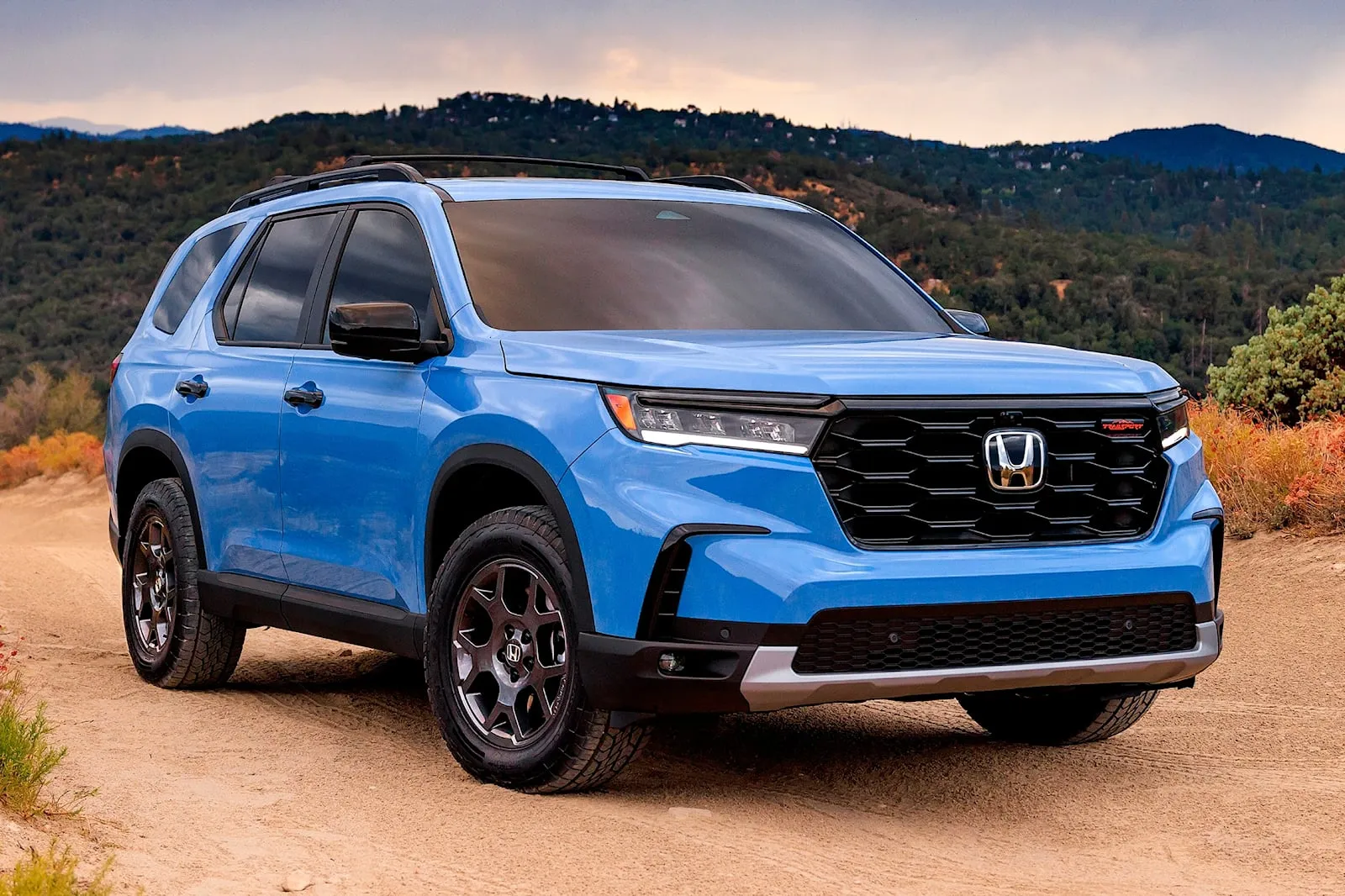
3. Honda Pilot
The Honda Pilot stands out as a mid-size SUV that offers practicality while delivering remarkable reliability. Its 3.5-liter V6 engine is built for longevity, with many examples exceeding 300,000 miles when maintenance schedules are followed.
This engine performs consistently across city streets, highways, and rougher routes, and it does so without demanding expensive repairs. The Pilot appeals to drivers looking for a combination of endurance, comfort, and everyday usability.
The six-speed automatic transmission shifts smoothly under varied driving conditions and resists overheating, a problem that affects some competitors. Suspension components, including MacPherson struts at the front and a multi-link rear setup, remain resilient even after years of daily use on uneven roads.
The all-wheel-drive system adds durability by distributing power efficiently, which reduces wear on individual mechanical parts and enhances vehicle longevity. Inside the cabin, Honda focuses on materials that withstand repeated use. Seats, dashboard, and door panels are robust, while electronics are simple, reducing the likelihood of malfunctions.
The HVAC system and audio controls are straightforward, making minor repairs easy without requiring costly dealer interventions. This approach ensures that the Pilot remains comfortable and functional for families or work-related tasks over extended periods.
Owners often comment on the Pilot’s combination of versatility and endurance. Regular oil changes, brake servicing, and periodic checks of the timing belt and suspension help the vehicle maintain reliability even after extensive mileage. Its capacity to handle both daily commuting and weekend excursions makes it highly adaptable.
The Honda Pilot demonstrates that a mid-size SUV can combine practical interior design, dependable engineering, and a lifespan that easily exceeds 300,000 miles, making it a strong choice for drivers who prioritize long-term value and low maintenance hassle.
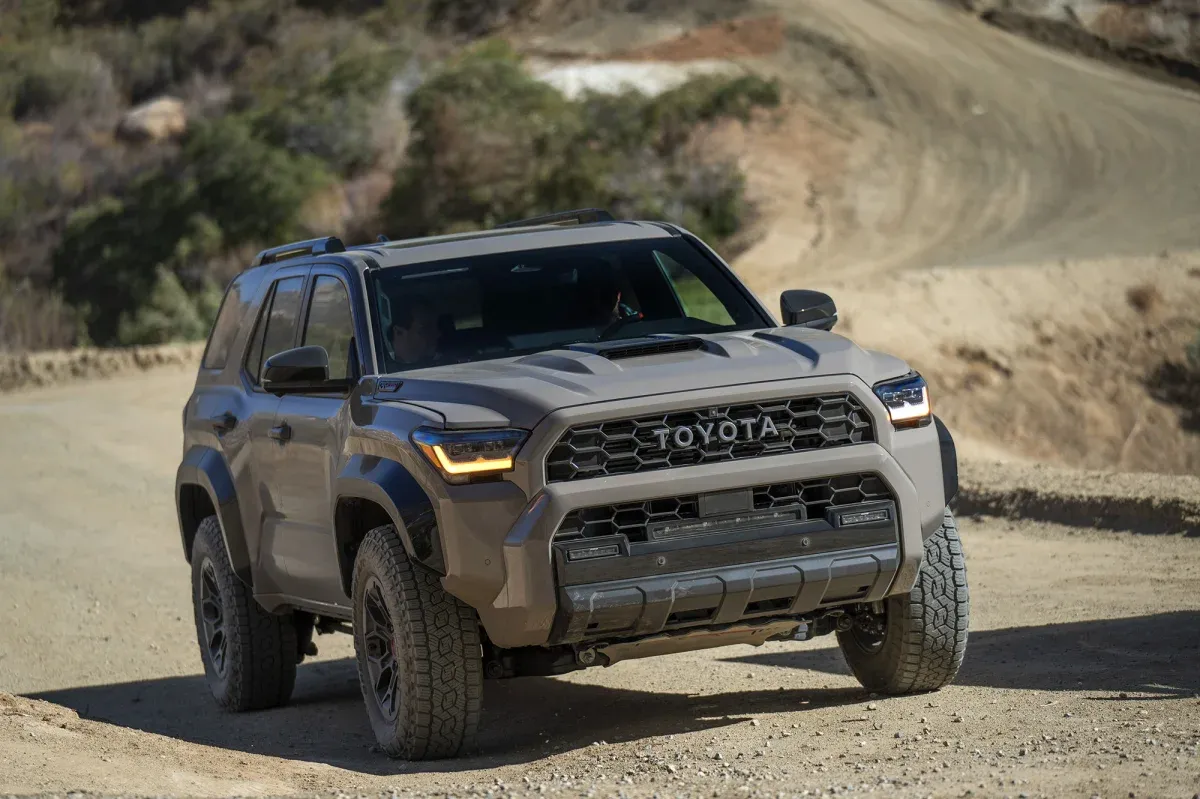
4. Toyota 4Runner
The Toyota 4Runner has earned a solid reputation as a durable and dependable SUV, built to endure years of challenging driving conditions. Its body-on-frame construction sets it apart from most crossover SUVs, giving it a toughness that handles off-road trails, pothole-filled streets, and heavy loads with ease.
The 4.0-liter V6 engine is simple in design yet highly reliable, allowing many vehicles to surpass 300,000 miles when owners keep up with routine maintenance. Drivers often share stories of their 4Runners continuing strong through decades of use without major mechanical issues.
Transmission reliability adds to the 4Runner’s appeal. Its automatic gearbox manages heavy torque and maintains smooth operation even when towing or climbing steep terrain. The four-wheel-drive system is engineered for serious off-road activity, including reinforced differentials and strong transfer cases that resist wear as time goes on.
Suspension components such as coil springs and multi-link rear systems absorb shocks efficiently, reducing stress on the chassis and other mechanical parts. This combination allows the SUV to maintain solid performance through years of rigorous driving.
Interior durability also plays a big role in its longevity. Seats, dashboard panels, and door trim are crafted to withstand repeated use without showing early signs of wear. Infotainment systems and electronics remain uncomplicated, reducing the chance of component failures that often affect modern SUVs with overly complicated technology.
Owners and automotive communities often praise the 4Runner for its longevity. Regular oil changes, brake inspections, and occasional suspension checks help the vehicle stay in excellent condition for hundreds of thousands of miles. The wide availability of aftermarket parts and straightforward design ensures that repairs are manageable and affordable.
With dependable engine performance, a strong transmission, and a tough chassis, the Toyota 4Runner continues to be a top choice for those seeking a vehicle that can endure decades of hard use while maintaining comfort, safety, and versatility.
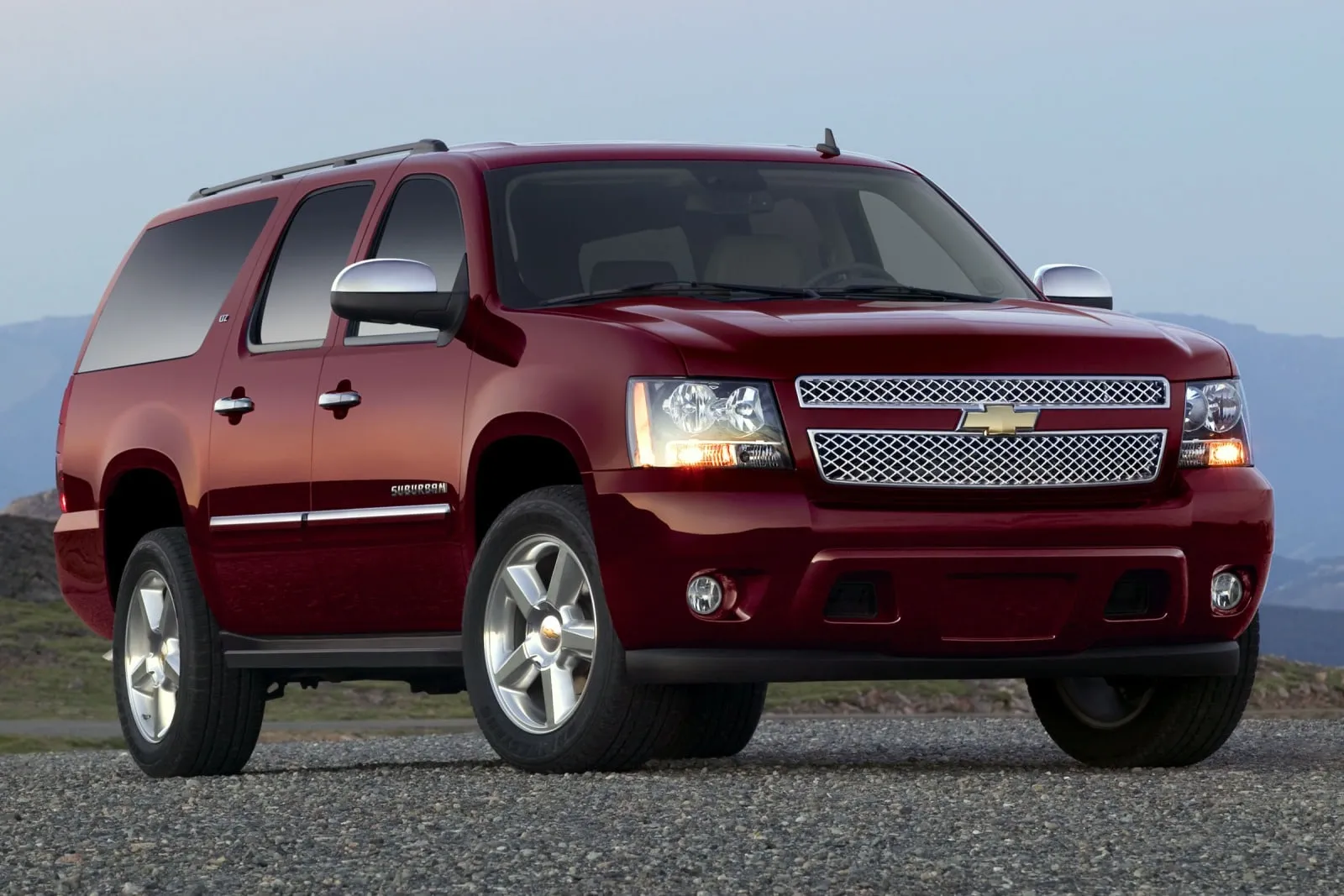
5. Chevrolet Suburban 1500
The Chevrolet Suburban 1500 is a large SUV that has built a reputation for toughness and long-term reliability. Equipped with engines like the 5.3-liter V8, it offers substantial power while demonstrating endurance even under heavy loads and extended use.
Many Suburban owners report surpassing 300,000 miles with consistent attention to servicing, which makes this SUV ideal for families, fleets, and anyone requiring a capable vehicle for long-distance travel or heavy towing.
Its automatic transmission, usually a six-speed setup, handles high mileage without the slipping or overheating issues that can plague other full-size SUVs. The body-on-frame construction provides extra durability, allowing the Suburban to survive years of rough roads, frequent hauling, and demanding driving conditions.
This rugged foundation supports both mechanical longevity and occupant safety as time goes on. Inside, the Suburban balances resilience and comfort. Seats, dashboard surfaces, and cargo areas are designed for everyday use, maintaining their integrity even with frequent loading and passenger turnover.
Electronics are simple and repairable, avoiding the costly failures that sometimes affect high-tech luxury SUVs. The interior remains comfortable for long drives, while being robust enough to resist wear from repeated heavy use.
Suspension and braking components contribute to the vehicle’s long life. Heavy-duty shocks, reinforced control arms, and durable brake systems work together to maintain smooth performance even after years of service. Regular inspections of these systems prevent minor issues from turning into expensive repairs, allowing the SUV to remain safe and dependable.
The Chevrolet Suburban 1500 demonstrates that careful engineering, strong mechanical components, and a practical interior can create a vehicle capable of hundreds of thousands of miles, making it one of the most enduring large SUVs available today.
5 SUVs That Run 300,000 Miles
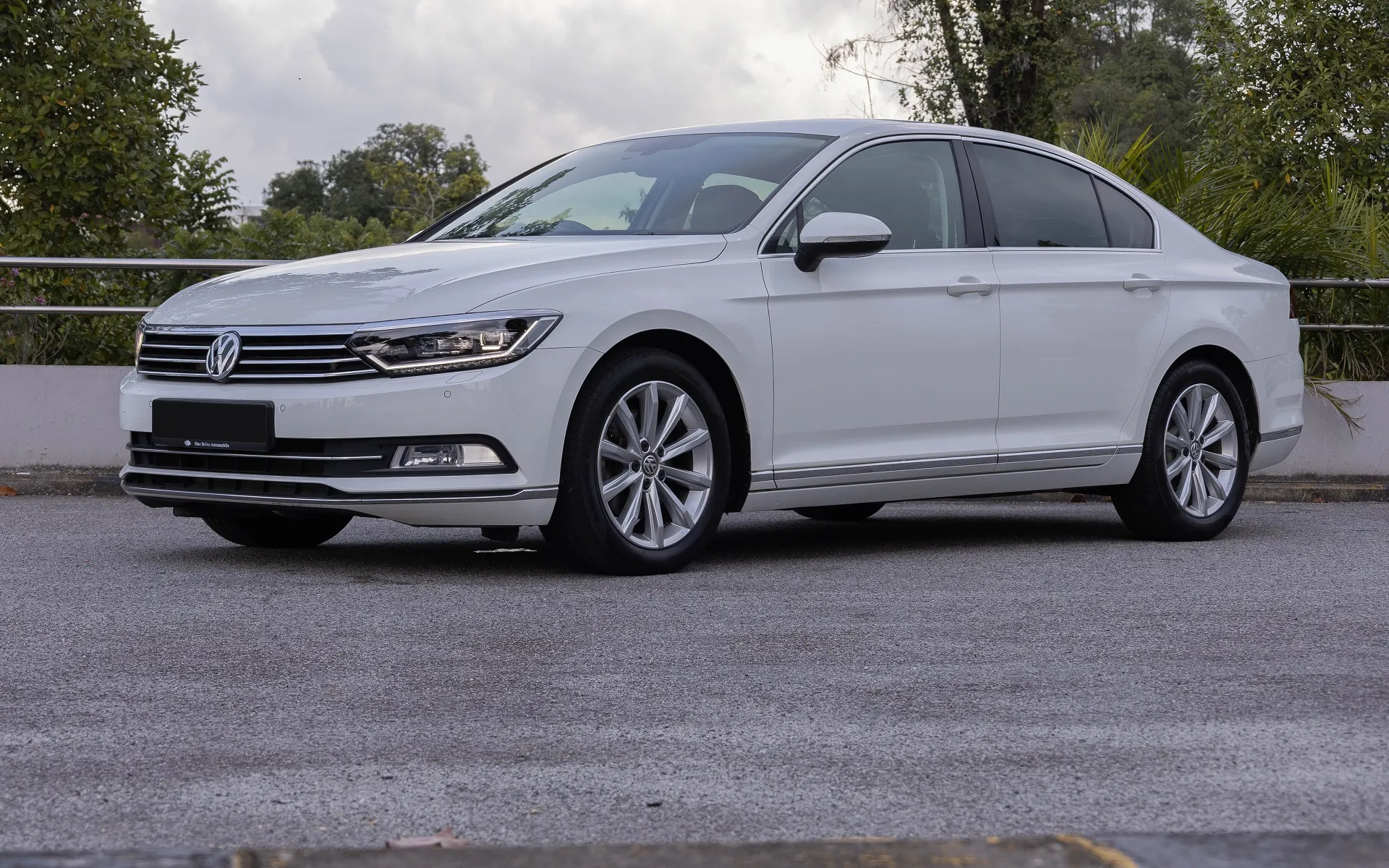
1. Volkswagen Passat 1.8 TSI
Plenty of drivers have learned a sharp lesson once their Volkswagen Passat 1.8 TSI crosses the 120,000-mile mark, because this engine begins to show behaviours that drain patience and pocket at the same time. During its younger days, the Passat moves with confidence, giving smooth acceleration and polite fuel consumption that keeps drivers smiling.
Everything feels proper until the odometer begins to climb past that sensitive point where old age starts revealing hidden attitudes. Once the car passes that long-distance mark, the small turbocharged engine develops oil thirst that irritates even the most patient owner.
Drivers begin noticing that the oil level drops faster than before, sometimes disappearing so quietly that the engine starts giving a rough sound before anyone checks. This pattern forces owners to carry engine oil in the trunk like a daily companion. The turbo itself can also grow weak around this stage.
Instead of spinning freely and giving a sharp response, it begins to hesitate, and sometimes it produces a whistle that was not there years before. The PCV system also likes to misbehave once mileage grows, allowing unwanted pressure into places where it should not be.
Once that pressure imbalance begins, the engine may idle roughly during traffic lights, or it may shake lightly when slowing down. Ignition coils also show their age past this point, causing misfires that make the car feel as if it is dragging one heavy leg behind. For owners who do not prepare financially, this season of life for the Passat becomes tough.
Workshop trips increase, bills rise, and confidence drops. Cabin comfort stays fine, but mechanical issues overshadow everything. That is why many mechanics advise people who admire this model to think carefully if the car has already crossed the 120,000 line, because the 1.8 TSI begins a chapter of life that can stretch patience.
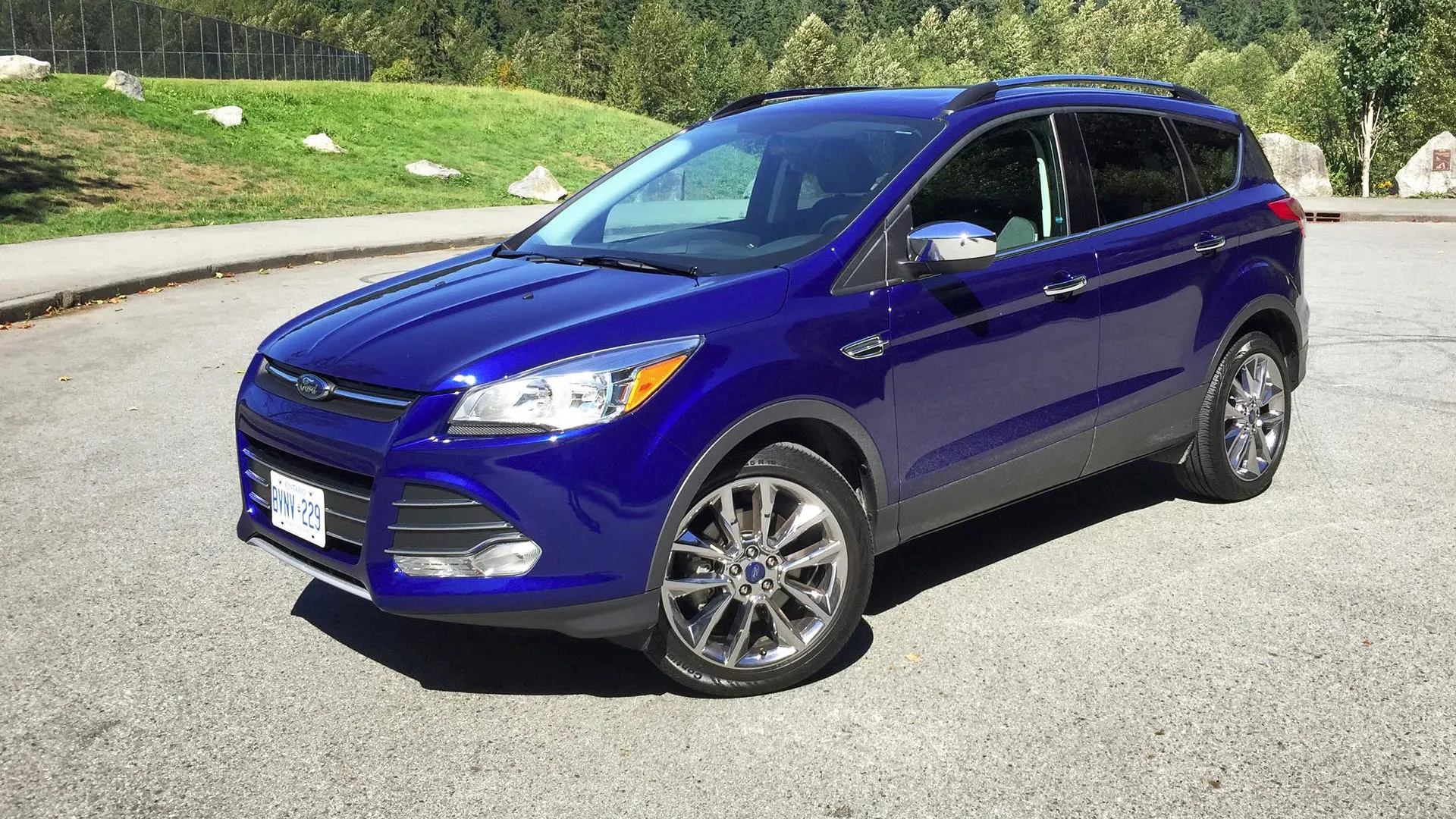
2. Ford Escape 1.6 EcoBoost
Plenty of Ford Escape 1.6 EcoBoost owners discover a new lifestyle once the mileage rises past 120,000 miles, and that lifestyle often involves learning workshop routes very well. During the early years, this SUV behaves gently, carrying families and commuters with smooth acceleration and friendly fuel habits.
It performs city duties without stress and gives drivers that sweet feeling of easy handling. Once the odometer climbs higher, new challenges begin appearing quietly. Cooling system trouble becomes a common visitor. Radiators may leak, hoses can soften, and the water pump sometimes ages faster than expected.
When any of these parts weaken, heat rises sharply inside the engine, creating a risky environment for the small turbo motor. Oil also finds unusual paths during this stage, sneaking into places where it can cause gasket stains or small smoke trails. Some drivers report that once the engine gets hot, it may idle roughly or lose grip during hard acceleration.
Turbo response becomes slower as the internal parts age, reducing the lively feeling the car had during its younger days. Ignition components also behave poorly at this stage. Coils may fail without warning, spark plugs can foul early, and sensors sometimes lose accuracy, creating jerky driving behaviour that feels embarrassing in traffic.
Cabin electronics may also show fatigue around this mileage, from glitching radio units to faulty sensors that trigger warning lights without real danger. Many Escape 1.6 EcoBoost owners describe this stage as a juggling season, because once one repair finishes, another problem follows behind.
It becomes expensive and frustrating, especially for drivers who rely on the car for daily movement. Workshops often advise strong monitoring of heat behaviour once the car crosses 120,000 miles, because this engine dislikes high temperatures. For anyone planning long-distance ownership, the Escape 1.6 EcoBoost demands strong budget strength past this mileage mark.
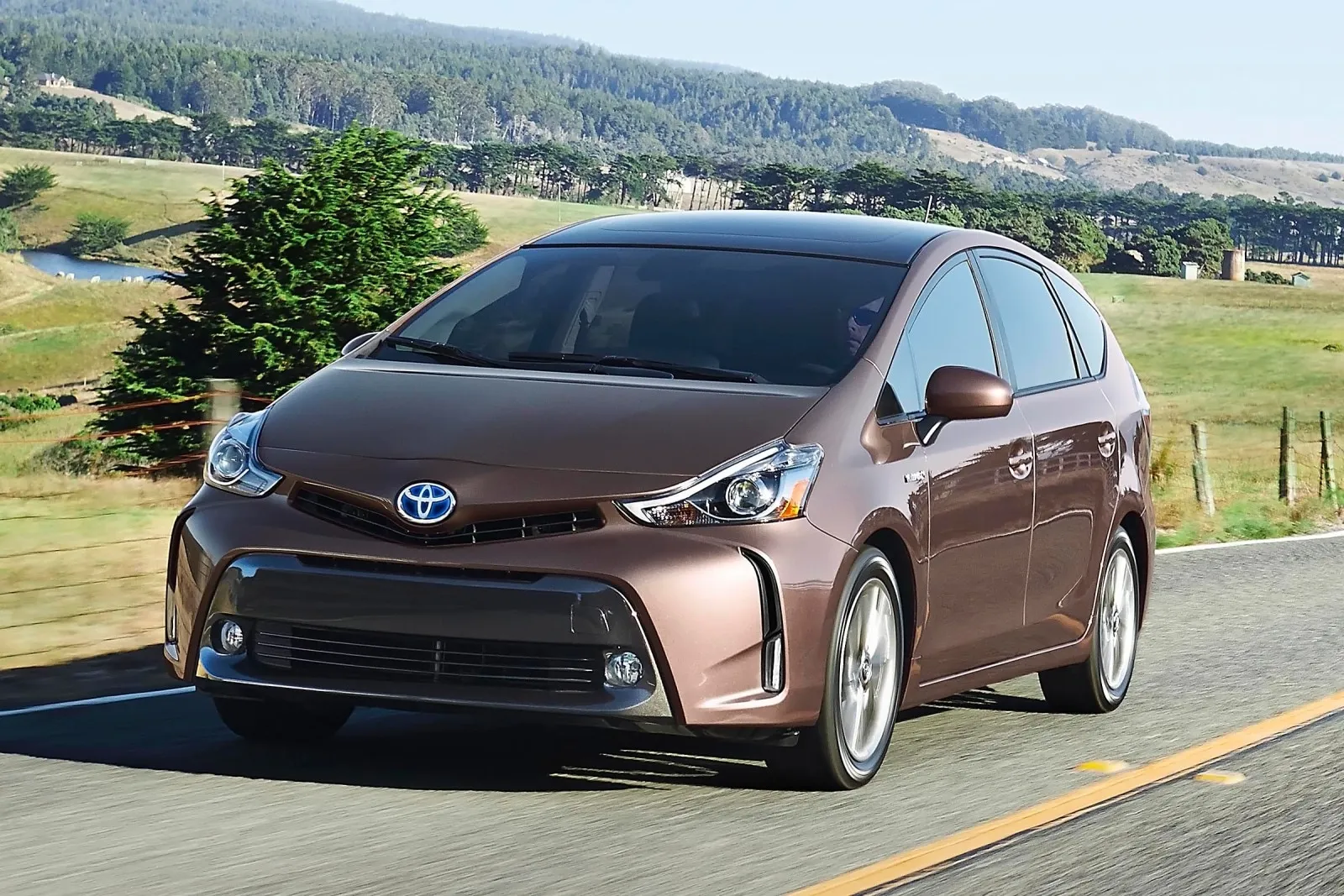
3. Toyota Prius v 1.8 Hybrid
Surprising as it may sound to people who trust Toyota’s long reputation, the Prius v 1.8 Hybrid starts a new chapter once it crosses 120,000 miles, and that chapter requires patience. While many Toyota hybrids stay strong for very long periods, this particular model has a habit of developing small battery behaviour changes that grow bigger with distance.
During the first hundred thousand miles, the car behaves gracefully. Drivers enjoy quiet movement, light steering, and smooth energy transitions between fuel and electric power. Once mileage increases, battery cells inside the hybrid pack may lose even strength.
When that happens, the car begins producing warning lights related to the hybrid system. At first, drivers may ignore it because the car still moves normally, but the lights return again and again. Some owners notice a heavy drop in electric support when climbing hills, forcing the petrol engine to work harder.
Fuel usage also grows slightly because the electric side cannot carry its usual share. Cooling fans inside the battery compartment may run louder than before, signalling that the pack is heating faster. Interior pieces sometimes begin making small noises as age catches up, especially around the door handles and dashboard corners.
Although the engine itself stays strong, the hybrid pack becomes the main challenge at this age. Mechanics often perform cell balancing or replacement, but once the pack reaches this point, repairs grow frequent. A full pack change becomes expensive, especially for people managing their finances carefully.
Drivers who depend on electric support for city driving sometimes feel disappointed because the car no longer glides quietly the way it did during the earlier years. Anyone thinking of buying a used Prius v must check the battery history carefully, because once the pack crosses this mileage zone, it starts showing an attitude that demands money and time.
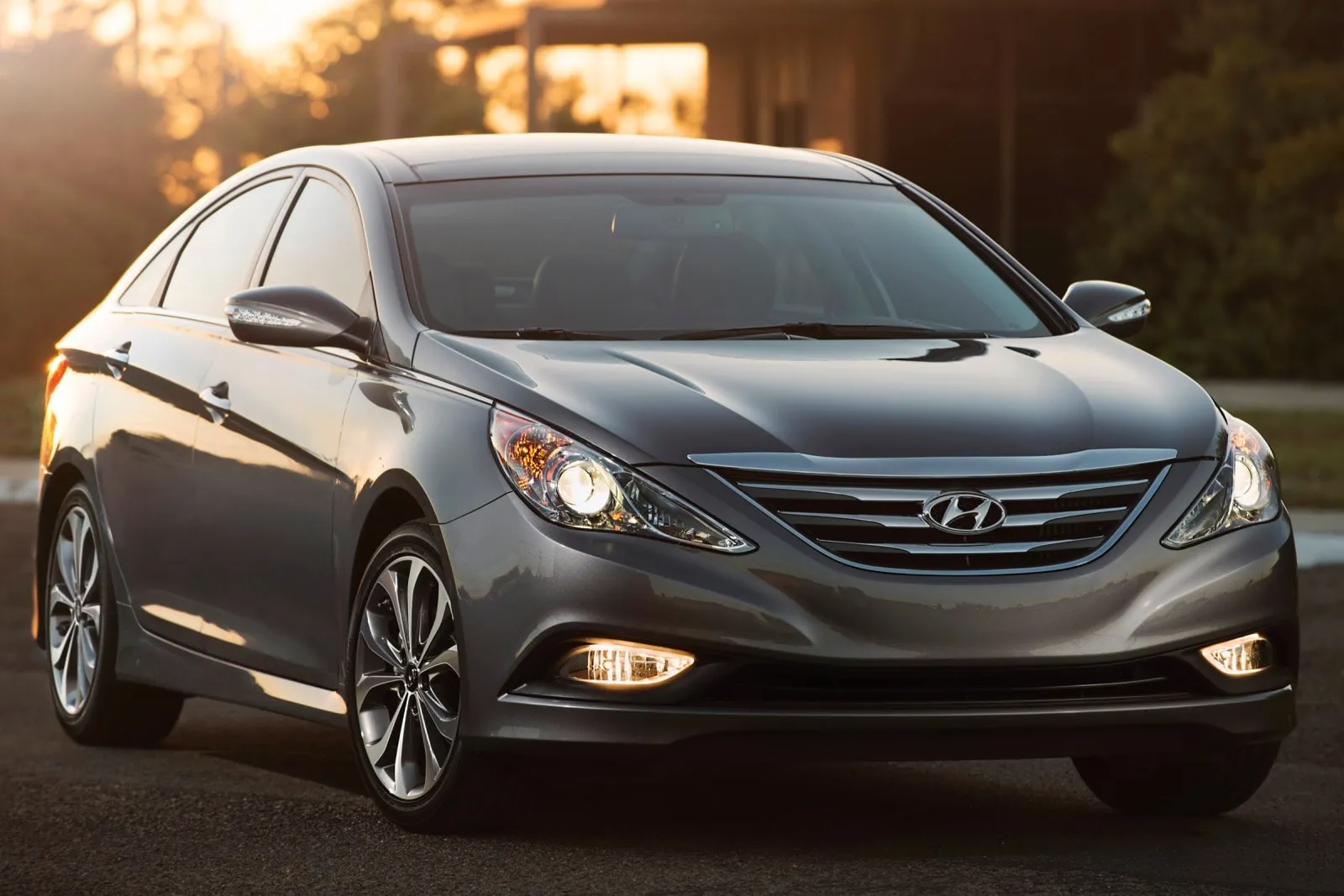
4. Hyundai Sonata Hybrid 2.0 GDi
Plenty of Hyundai Sonata Hybrid 2.0 GDi owners begin facing new challenges once the car moves beyond 120,000 miles. This sedan behaves politely when young. It offers gentle fuel usage, soft suspension, and a comfortable cabin that gives long journeys a peaceful mood.
Once mileage rises, the hybrid system begins to reveal small behaviour patterns that need attention. Some drivers hear strange humming sounds from the battery cooling fan, especially during hot days. That sound often signals that the hybrid battery is working harder than before.
Power delivery sometimes grows uneven, as if the engine and electric motor cannot agree on timing. This creates an unusual vibration when accelerating from a slow roll. Transmission behaviour also changes in this period.
Instead of smooth transitions between electric and petrol modes, the car may jerk lightly, especially when climbing uphill or entering heavy traffic. Mechanics often trace these issues to ageing battery cells or weak sensors inside the hybrid system.
Battery temperature rises more quickly after 120,000 miles, and once the temperature becomes too high, the system reduces electric support for protection, placing extra load on the petrol engine. Fuel usage then rises beyond what drivers expect. Interior durability also reveals small weaknesses.
Some panels loosen under heat, giving a small rattle on uneven ground. Electrical features such as touchscreen units may freeze randomly, leading to frustration during long drives. Repair costs increase because hybrid systems require specialised handling.
Many owners report that once one battery-related repair is done, another system fault appears within months. This creates a financial burden for those who planned a simple ownership experience.
Anyone considering a used Sonata Hybrid 2.0 GDi should check battery temperature history, software records, and sensor replacements carefully. This car performs well during its first long stretch, but once it crosses that 120,000-mile milestone, the hybrid parts begin a tiring routine.
Also Read: 5 SUVs With Stable Lane-Keep Assist vs 5 That Ping-Pong
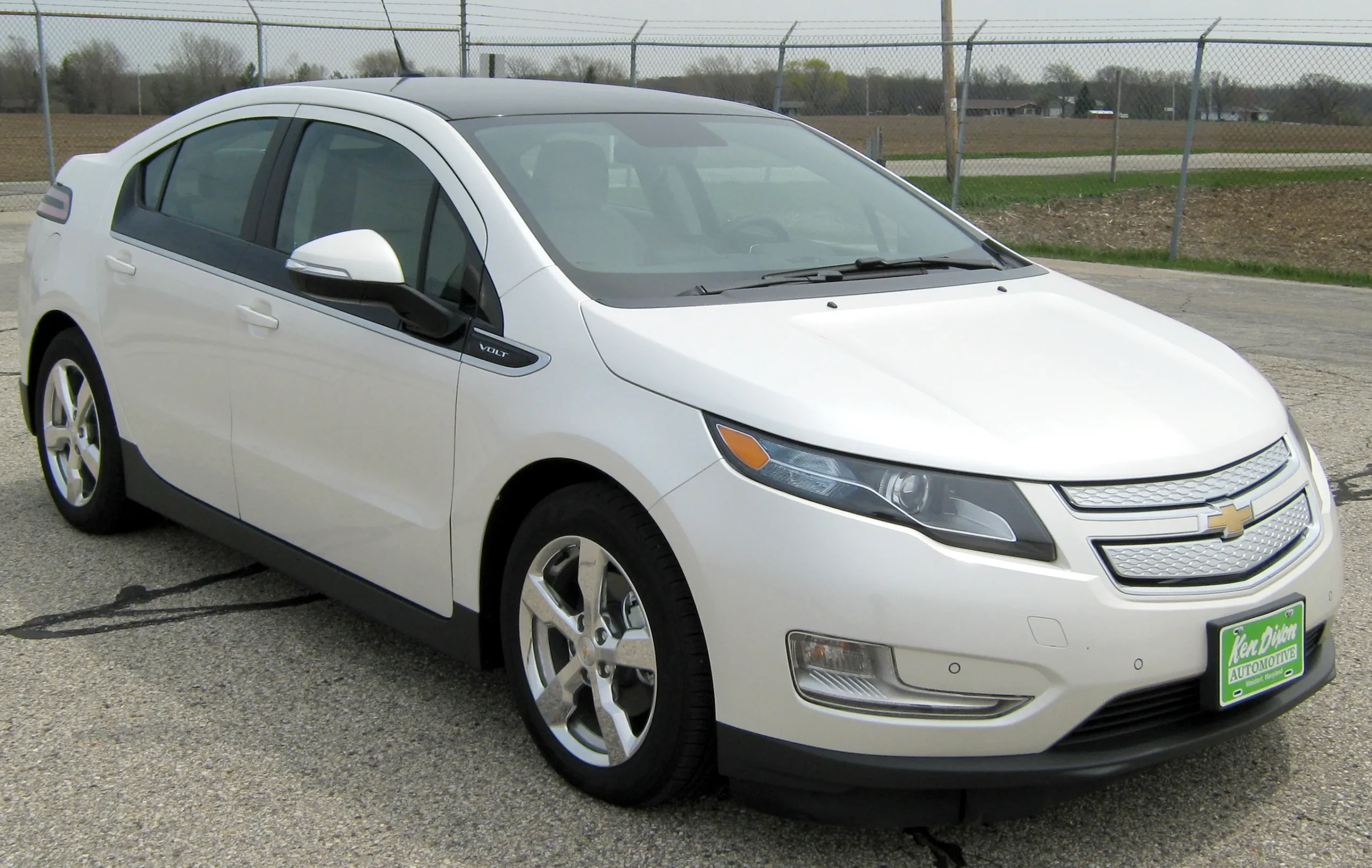
5. Chevrolet Volt 1.5 Range Extender Hybrid
Few cars divide opinions as much as the Chevrolet Volt 1.5 Range Extender Hybrid once it travels past 120,000 miles. During its early life, this model earns praise for smooth electric travel, light fuel habits, and quiet acceleration.
Many owners feel proud to glide through traffic using only battery power, while the petrol engine serves as a backup. Once mileage passes that long threshold, the battery pack begins to reveal its age in ways that demand financial discipline. Some drivers notice that the electric range drops sharply.
What once carried them through long commutes may now cover half the earlier distance. Charging time may increase as the battery struggles to store energy efficiently. Cooling components inside the battery compartment sometimes produce loud fan noise as the system fights rising temperatures.
Error messages may flash on the dashboard, urging drivers to service the hybrid system. Ignition behaviour also changes because the petrol engine starts more often than before, placing extra strain on parts that were previously used lightly. This engine responds well during the early years but starts producing small vibrations and louder sound after the 120,000 mark.
Cabin electronics may also display fatigue, with the center screen freezing or the hybrid menu lagging. Repairs for this model become expensive because battery technology inside the Volt requires specialised handling. A pack replacement costs more than many owners expect.
Some workshops attempt cell repair, but the success rate depends on the level of degradation. Many used Volt buyers face disappointment when they realise the electric range is far below factory numbers.
Long-term ownership becomes stressful unless the driver has strong financial preparation. The Volt remains a clever machine, but once the battery enters its old age, the car demands steady money and frequent attention.
