
The automotive performance, there’s a special thrill in discovering hidden potential. While supercars grab headlines with their factory specifications, some unassuming vehicles harbor untapped power waiting to be unleashed.
These sleeper cars often dismissed as ordinary commuters or modest sports cars can transform into genuine performance machines with remarkably simple modifications.
The beauty of these vehicles lies in their conservative factory tuning. Manufacturers often detune engines to meet warranty requirements, appeal to broader markets, ensure reliability across varying fuel qualities, and maintain comfortable daily drivability.
This leaves significant headroom for enthusiasts willing to explore their car’s true capabilities. Modern engine management systems have made performance tuning more accessible than ever.
A simple ECU remap or piggyback module can unlock horsepower and torque that would have required extensive mechanical modifications just decades ago.
Turbocharged engines, in particular, respond extraordinarily well to tuning, as boost pressure increases translate directly into substantial power gains.
What makes these eight cars particularly special is their combination of factory-installed performance hardware, robust engine internals, and conservative stock tuning.
They don’t require rebuilt transmissions, forged pistons, or upgraded turbos to achieve impressive numbers. Instead, a quality tune sometimes combined with a simple intake or exhaust upgrade can deliver transformations that fundamentally change the driving experience.
These are the cars that make you wonder why the manufacturer didn’t unleash this performance from the factory, and they prove that thrilling speed doesn’t always require a six-figure budget.
1. Volkswagen Golf GTI (Mk7/Mk7.5)
The Volkswagen Golf GTI has long been the benchmark for hot hatches, but its factory tune barely scratches the surface of what the EA888 turbocharged four-cylinder engine can deliver.
From the factory, the Mk7 and Mk7.5 generations produce between 210 and 228 horsepower depending on the model year, with 258 lb-ft of torque. These numbers are respectable for daily driving, but VW’s engineers left considerable margin for owners seeking more excitement.
What makes the Golf GTI particularly responsive to tuning is its robust engine architecture and sophisticated direct injection system. The EA888 Gen 3 engine features a cast-iron block, forged connecting rods, and a turbocharger designed to handle significantly more boost than stock settings demand.
This overbuilt foundation means the engine can safely accommodate substantial power increases without requiring internal modifications. The factory internals can reliably handle up to 350-400 horsepower with proper tuning and supporting modifications.
A Stage 1 tune alone which involves only an ECU remap without any hardware changes typically delivers 280-290 horsepower and 320-340 lb-ft of torque.
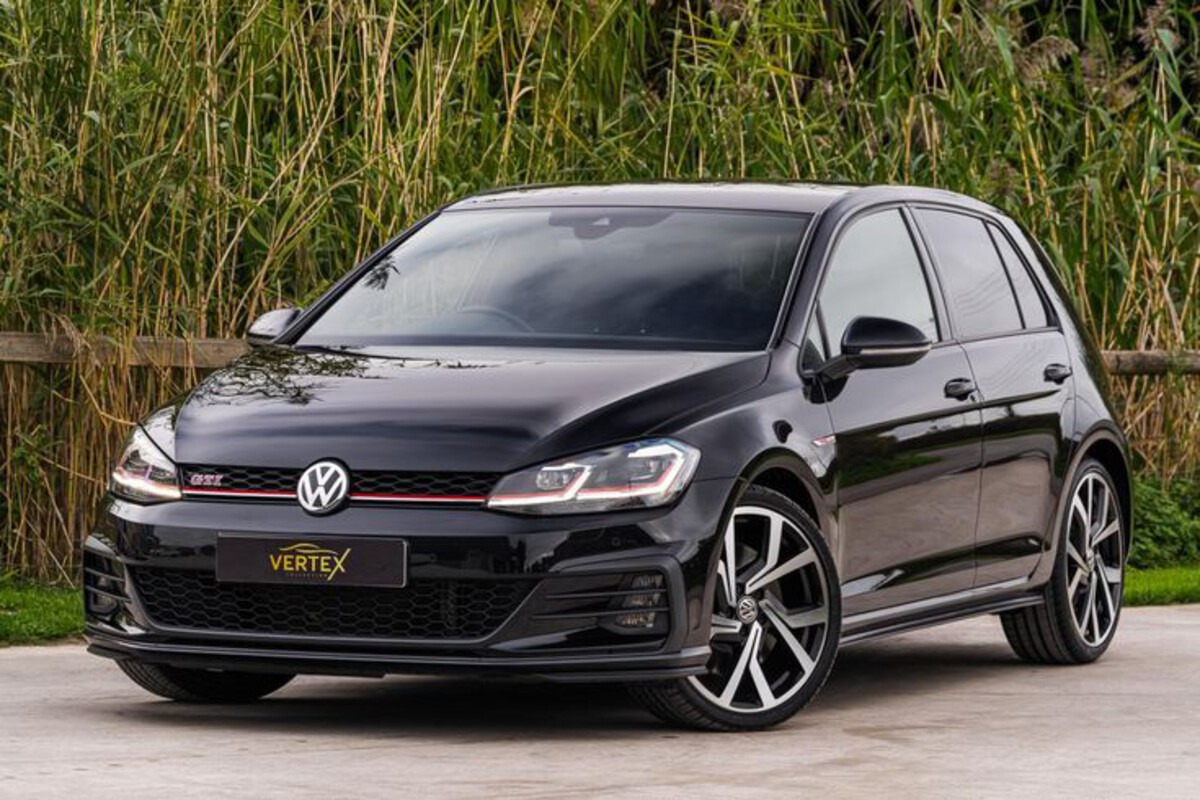
This represents a gain of approximately 70 horsepower and 80 lb-ft of torque, achieved simply by optimizing ignition timing, fuel delivery, and boost pressure.
The transformation is immediately noticeable, with the GTI pulling harder throughout the rev range and delivering genuine hot hatch performance that rivals cars costing significantly more.
The real-world impact of this tune is dramatic. The stock GTI reaches 60 mph in roughly 5.9 seconds, a respectable time but not breathtaking.
After a Stage 1 tune, that time drops to approximately 5.2 seconds, placing it in territory once reserved for serious performance cars. The mid-range punch becomes particularly addictive, with the increased torque providing effortless overtaking power and making highway merges feel like launching from a slingshot.
For those willing to add a few bolt-on modifications, the gains escalate further. A high-flow downpipe, upgraded intercooler, and performance intake can push a Stage 2 tune to 330-350 horsepower, transforming the friendly Golf into a genuine giant-killer that embarrasses far more expensive machinery at stoplights.
The combination of practical hatchback versatility with tire-shredding performance makes the tuned GTI one of the most complete performance packages available.
2. BMW 335i/340i (F30 Generation)
BMW’s 3 Series has always represented the pinnacle of sporty sedans, but the turbocharged six-cylinder models from the F30 generation (2012-2019) possess shocking potential.
The N55 and B58 engines powering the 335i and 340i respectively came from the factory with conservative tunes that prioritized smoothness and reliability over outright performance.
In stock form, the 335i produces 300 horsepower while the later 340i delivers 320 horsepower, both with 300 lb-ft of torque. These figures already provide brisk acceleration, but they represent merely a starting point.
BMW’s turbocharged inline-six engines are legendary for their robust construction and tuning potential. The N55, introduced in 2009, features a single twin-scroll turbocharger, direct injection, and Valvetronic variable valve timing. Its successor, the B58, refined this formula with improved efficiency and a more advanced cooling system.
Both engines share a critical characteristic: they’re massively over-engineered for their stock power outputs. BMW built these engines with significant safety margins, knowing they’d need to withstand everything from Arctic cold starts to Autobahn sustained high-speed cruising.
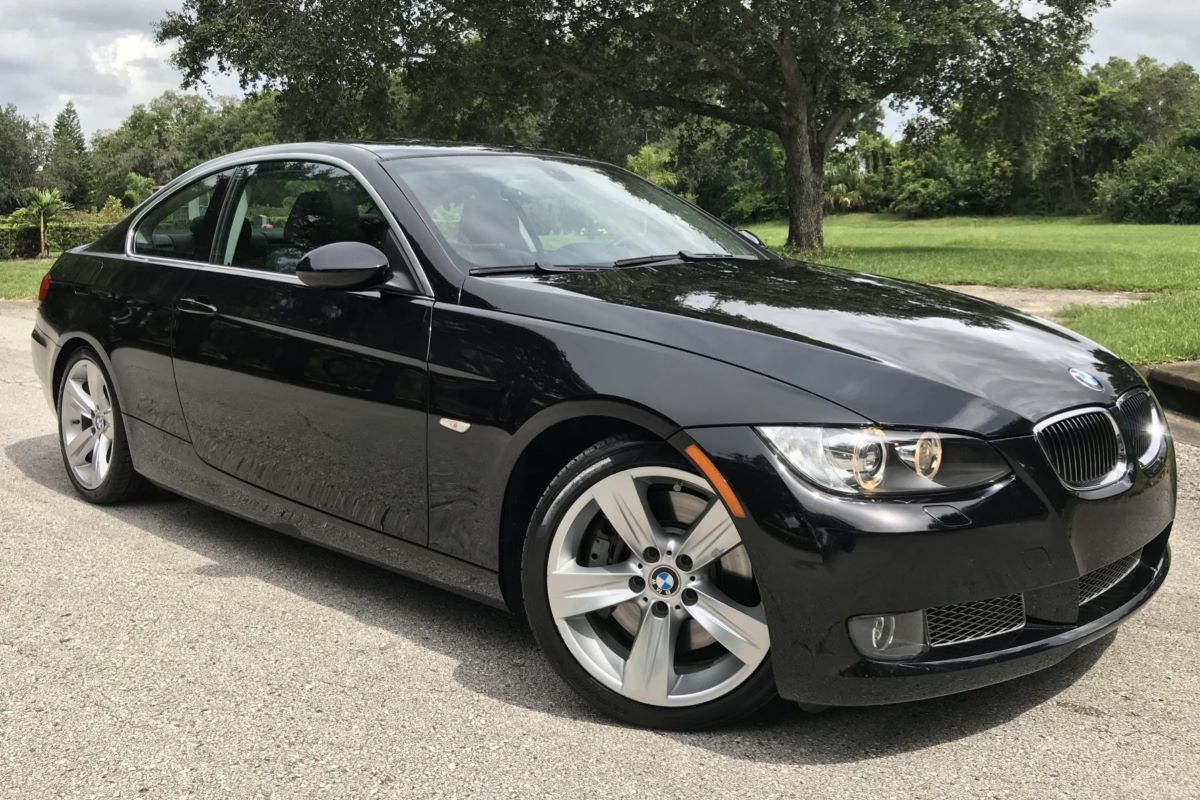
A Stage 1 tune for the 335i typically produces 380-400 horsepower and 400-420 lb-ft of torque gains of 80-100 horsepower and 100-120 lb-ft of torque from ECU optimization alone.
The 340i’s B58 responds even more dramatically, achieving 400-430 horsepower with similar torque figures. These aren’t peak numbers that exist only at the top of the rev range; the increased boost pressure creates a wave of torque across the entire powerband that fundamentally transforms how the car accelerates.
The performance transformation is nothing short of spectacular. A stock 335i reaches 60 mph in approximately 5.0 seconds, already quick by most standards.
After a Stage 1 tune, this drops to around 4.2 seconds, suddenly placing the sedan in supercar territory for straight-line acceleration. The 340i becomes even quicker, achieving 0-60 times in the high 3-second range with the right conditions and driver skill.
More importantly, the real-world usable power increases dramatically, making passing maneuvers effortless and transforming highway on-ramps into opportunities for childlike grin-inducing acceleration.
The inline-six configuration also provides benefits beyond raw numbers. The engine remains exceptionally smooth even with increased boost, maintaining BMW’s characteristic refinement.
The added power doesn’t come with intrusive turbo lag or peaky delivery; instead, you get a linear, progressive surge that feels natural and controllable.
Fuel economy takes a modest hit only when you exercise the additional power, remaining reasonable during normal driving. For enthusiasts seeking the M3 experience without the M3 price tag and running costs, a tuned 335i or 340i delivers remarkably similar real-world performance in a more understated package.
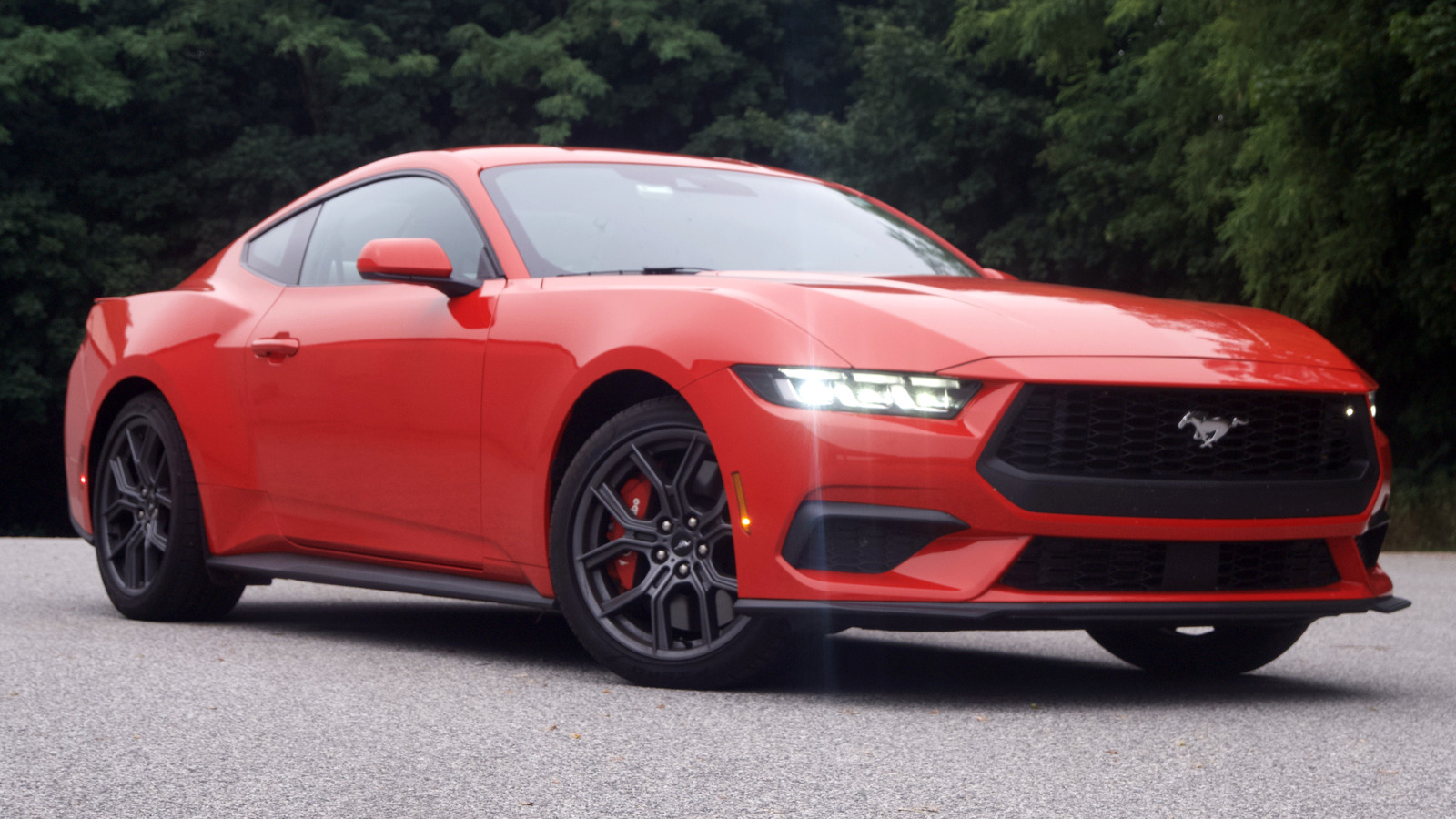
3. Ford Mustang EcoBoost
When Ford introduced the four-cylinder EcoBoost Mustang for the 2015 model year, purists scoffed at the idea of a turbocharged four-banger in America’s quintessential muscle car.
However, Ford’s 2.3-liter EcoBoost engine the same basic unit used in the Focus RS proved that modern forced induction could deliver genuine performance.
From the factory, the EcoBoost Mustang produces 310 horsepower and 350 lb-ft of torque in recent iterations, providing respectable acceleration and excellent fuel efficiency. Yet these numbers barely hint at what this compact powerplant can achieve with minimal modifications.
The 2.3-liter EcoBoost engine shares its fundamental architecture with some of Ford’s most performance-focused applications. It features a robust iron block, forged steel crankshaft, and a twin-scroll turbocharger designed for quick response and significant overhead.
Ford intentionally detuned the Mustang version compared to its Focus RS application to differentiate the model lines and ensure long-term reliability for a wider customer base. This conservative factory approach created enormous tuning potential for enthusiasts willing to explore the engine’s capabilities.
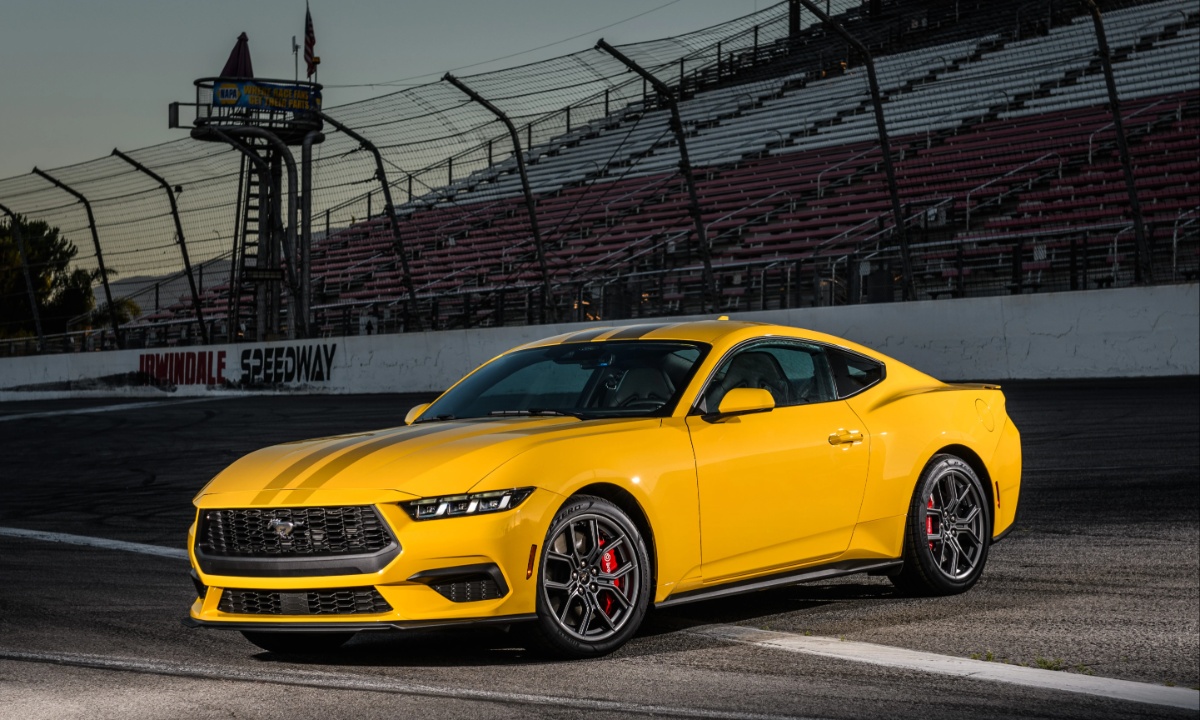
A Stage 1 tune for the EcoBoost Mustang typically unlocks 350-370 horsepower and 400-420 lb-ft of torque gains of approximately 50 horsepower and 60 lb-ft of torque from software optimization alone.
These increases come from raising boost pressure, optimizing ignition timing across the rev range, and adjusting fuel delivery to match the increased air flow.
The factory turbocharger handles this additional boost without complaint, and the stock fuel system provides adequate supply for Stage 1 power levels.
The transformation from stock to tuned is immediately apparent from the driver’s seat. The EcoBoost Mustang’s character shifts from competent to compelling, with the enhanced mid-range torque providing tire-shredding acceleration in second and third gears.
The stock car reaches 60 mph in approximately 5.1 seconds; after tuning, this drops into the mid-4-second range, suddenly placing the “entry-level” Mustang remarkably close to its V8 GT sibling in straight-line performance. Quarter-mile times similarly improve from the low 14s to the high 12s, representing genuinely quick performance by any measure.
The aftermarket support for the EcoBoost Mustang is exceptional, with numerous tuning companies offering comprehensive solutions.
Adding a few bolt-on modifications, particularly an upgraded downpipe and intercooler, enables Stage 2 and Stage 3 tunes that push power into the 400-450 horsepower range.
At these levels, the EcoBoost Mustang becomes a genuine performance bargain, delivering supercar-embarrassing acceleration while maintaining reasonable fuel economy when driven conservatively.
The manual transmission option provides additional engagement, though the ten-speed automatic in recent models is remarkably good at managing power delivery.
For those seeking maximum performance per dollar, the tuned EcoBoost Mustang represents one of the automotive world’s best-kept secrets.
4. Subaru WRX (VA Generation)
The Subaru WRX has cultivated a devoted following among enthusiasts who appreciate its rally-bred all-wheel-drive system, turbocharged boxer engine, and distinctive exhaust note.
The VA generation (2015-2021) arrived with the FA20DIT engine, producing 268 horsepower and 258 lb-ft of torque from the factory.
While these numbers provide entertaining performance, Subaru’s conservative tuning approach left substantial power on the table, particularly when compared to the more aggressive STI variant and considering the engine’s robust construction.
The FA20DIT represents Subaru’s first direct-injection turbocharged engine in the WRX lineup, replacing the older EJ-series engines. This motor features a twin-scroll turbocharger, forged pistons, an oil-spray cooling system for the pistons, and a sophisticated engine management system.
Subaru built this engine with significant safety margins, knowing it would face everything from harsh winter conditions to enthusiastic driving on twisty backroads.
The factory tune prioritizes reliability and broad usability across different fuel qualities and altitudes, leaving considerable performance potential untapped.
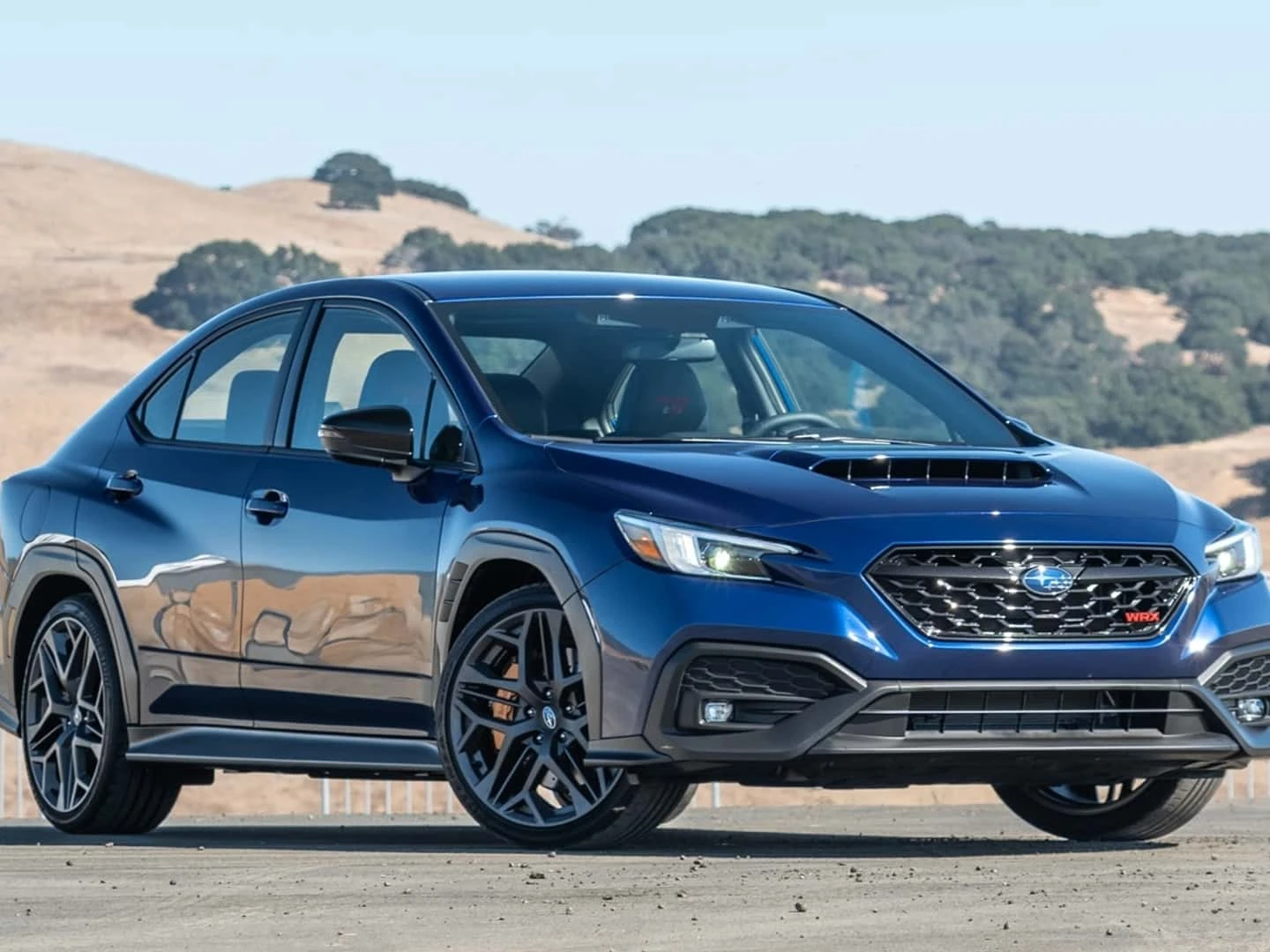
A Stage 1 tune for the VA WRX typically delivers 300-320 horsepower and 320-350 lb-ft of torque, representing gains of approximately 40-50 horsepower and 70-90 lb-ft of torque from ECU recalibration alone.
These increases come primarily from optimized boost control, revised ignition timing, and improved fuel mapping. The factory turbocharger easily handles the increased boost pressure, and the direct injection system provides precise fuel delivery to support the additional power.
Most importantly, the torque curve becomes significantly fatter across the mid-range, transforming the car’s daily drivability and in-gear acceleration.
The WRX community has developed extensive tuning knowledge, making professional support readily available. Most tuners recommend premium fuel for Stage 1 maps, though some offer multiple maps for different fuel grades.
The Subaru responds particularly well to additional modifications; adding an upgraded intake, downpipe, and boost control solenoid enables Stage 2 tunes producing 330-350 horsepower.
These modifications remain relatively affordable and bolt-on, requiring no engine disassembly or complex fabrication. For those seeking even more performance, upgraded turbos can push power well into the 400+ horsepower range, though at that level additional supporting modifications become necessary.
The tuned WRX represents exceptional value for enthusiasts seeking all-weather performance, rally-inspired character, and strong aftermarket support.
Also Read: 9 Cars With the Best Steering Feel Under $30,000
5. Audi S3/S4 (B9 Generation)
Audi’s S-line vehicles occupy an interesting position in the performance hierarchy, positioned above the standard models but below the full RS variants.
The B9-generation S3 and S4 models (2017-2023) came equipped with EA888 turbocharged engines producing 288-292 horsepower in the S3 and 349 horsepower in the S4, paired with Audi’s legendary Quattro all-wheel-drive system.
These figures provide strong acceleration wrapped in luxurious, understated packaging, but Audi’s engineers left significant performance margin to differentiate these models from their more expensive RS siblings.
The EA888 engine in these Audis shares its fundamental design with the Volkswagen GTI’s powerplant but features enhanced components to handle higher power outputs and more demanding use cases.
Both the 2.0-liter in the S3 and the 3.0-liter TFSI V6 in the S4 feature forged internals, sophisticated cooling systems, and turbochargers sized with considerable overhead capacity.
Audi’s approach to factory tuning prioritizes linear delivery, refinement, and guaranteed performance across varying fuel qualities and environmental conditions worldwide. This conservative calibration creates excellent tuning potential for owners in markets with high-quality fuel.
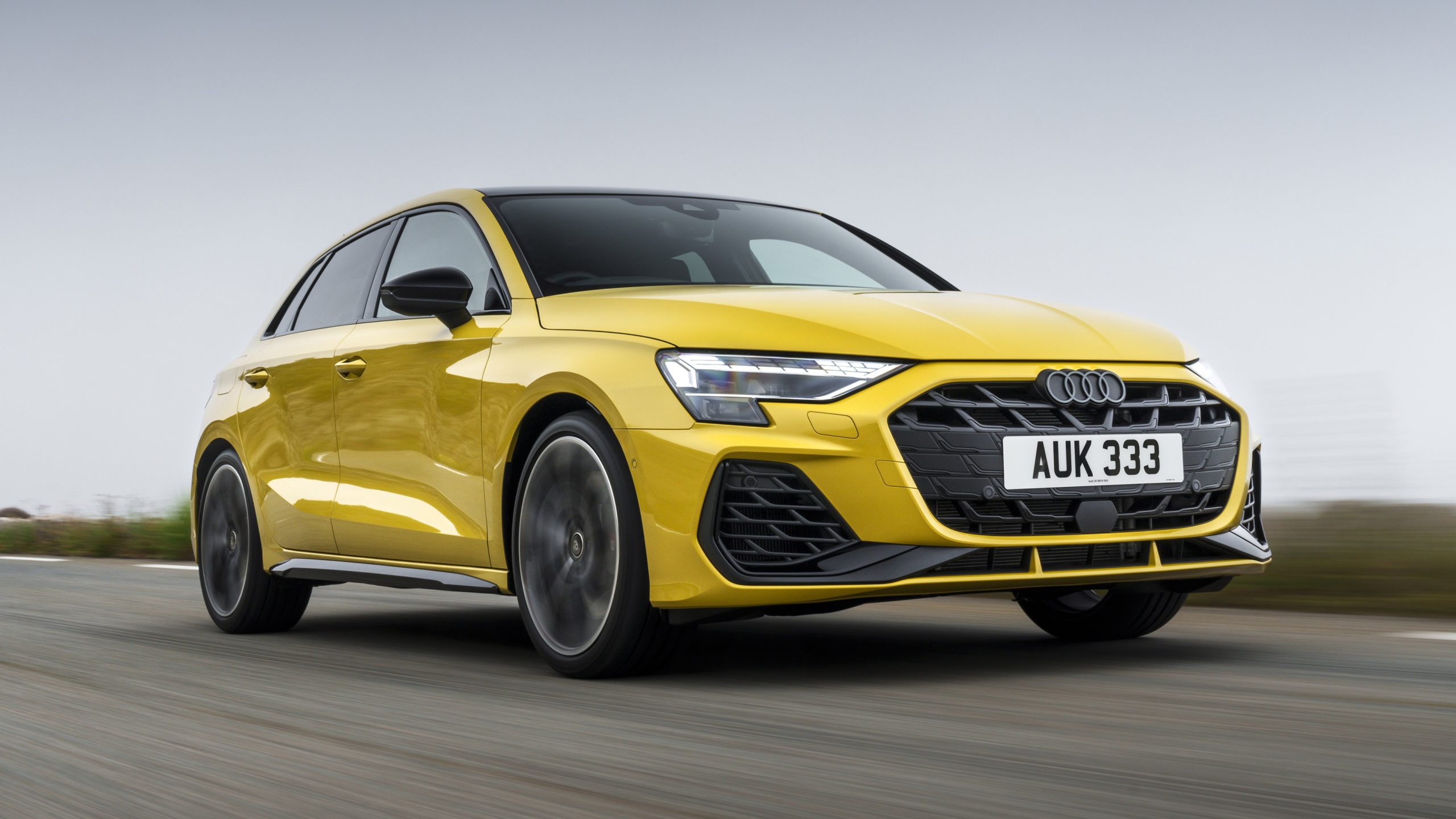
A Stage 1 tune for the S3 typically produces 360-380 horsepower and 380-400 lb-ft of torque gains of approximately 80 horsepower and 100 lb-ft of torque from an ECU remap alone.
The S4’s larger V6 responds with 420-440 horsepower and 450-470 lb-ft of torque, representing even more dramatic absolute gains. These increases come from optimized boost pressure, revised timing maps, and enhanced fuel delivery calibration.
The factory hardware handles these power levels comfortably, with no reliability concerns when using quality tuning solutions and maintaining the vehicle properly.
What makes tuning these Audis particularly appealing is the preservation of their luxury characteristics. Interior refinement remains unchanged, with the same high-quality materials, technology features, and comfort that attracted buyers initially.
Fuel economy during conservative driving remains reasonable, as the additional power manifests only when demanded. The cars maintain their dual-personality nature comfortable daily drivers that transform into performance weapons when you desire excitement.
For enthusiasts seeking maximum performance in a package suitable for business meetings and school runs alike, the tuned S3 or S4 represents an nearly perfect solution.
Adding a few bolt-on modifications enables Stage 2 tunes producing 400+ horsepower in the S3 and 470+ horsepower in the S4, creating vehicles that rival dedicated sports cars while maintaining their practical, luxurious daily driver capabilities.
6. Honda Civic Si/Type R (FK Generation)
Honda has long been synonymous with high-revving naturally aspirated engines that rewarded skilled driving, but the company’s shift to turbocharged powerplants opened new tuning possibilities.
The FK-generation Civic Si (2017-2021) and Type R (2017-2021) utilize variations of Honda’s L15B7 and K20C1 turbocharged engines, respectively, marking Honda’s embrace of forced induction in its performance models.
The Civic Si produces 205 horsepower while the Type R delivers 306 horsepower from the factory. Both engines, particularly the Type R’s powerplant, demonstrate Honda’s characteristic engineering excellence with surprising tuning potential hidden beneath conservative factory calibrations.
The K20C1 engine in the Civic Type R deserves particular attention for its impressive factory specification and even more impressive tuning potential.
Honda built this engine with track use in mind, featuring a robust block, forged internals, and a sophisticated cooling system designed to maintain performance during extended high-speed driving.
The factory turbocharger is generously sized, and the engine management system is highly sophisticated. Honda’s conservative factory tune ensures reliability and consistent performance in all conditions, but leaves substantial power available for enthusiasts willing to optimize the calibration for premium fuel and more aggressive boost levels.
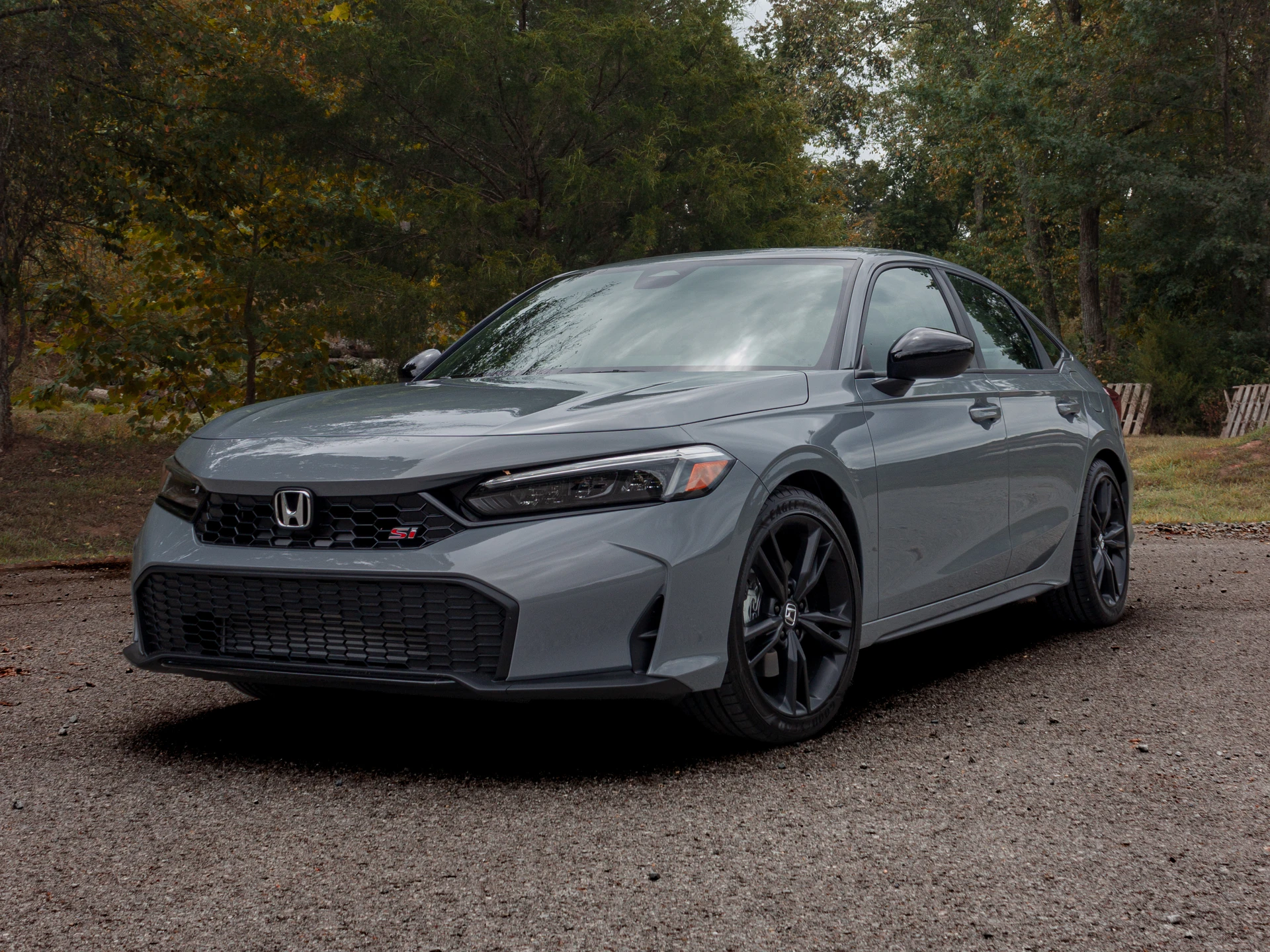
A Stage 1 tune for the Civic Type R typically produces 350-370 horsepower and 350-370 lb-ft of torque gains of approximately 50 horsepower and 50 lb-ft of torque from ECU optimization alone.
These increases come from raised boost pressure, optimized ignition timing, and enhanced fuel delivery mapping. The factory hardware handles these power levels without issue, maintaining Honda’s legendary reliability when proper maintenance schedules are followed.
The Civic Si, while less dramatic in absolute terms, gains proportionally similar increases, typically reaching 250-270 horsepower with Stage 1 tuning.
The performance impact of tuning is immediately noticeable, particularly in the Type R. The stock car reaches 60 mph in approximately 4.9 seconds and completes the quarter-mile in the low 13-second range already impressive numbers.
After a Stage 1 tune, 0-60 times drop into the 4.3-4.5 second range, with quarter-mile times improving to the high 12-second range. More importantly, the enhanced mid-range torque transforms the driving experience, making the car feel considerably more responsive throughout its rev range.
The Type R’s already sharp throttle response becomes even more immediate, and the engine pulls harder from lower RPMs. Both models benefit from strong aftermarket support, with numerous companies offering comprehensive tuning solutions.
Adding bolt-on modifications like upgraded downpipes, intercoolers, and intakes enables Stage 2 and Stage 3 tunes producing 380-420 horsepower in the Type R, creating a front-wheel-drive hot hatch that rivals all-wheel-drive performance cars costing significantly more.
The tuned Civic Type R or Si represents Honda performance engineering at its finest, high-revving character enhanced by modern forced induction, wrapped in practical hatchback packaging.
7. Dodge Charger/Challenger R/T (Hemi V8)
While most entries on this list feature turbocharged engines, Dodge’s 5.7-liter Hemi V8 proves that naturally aspirated engines can benefit significantly from tuning as well.
The R/T trim of the Charger and Challenger produces 370 horsepower and 395 lb-ft of torque from this modern interpretation of classic American muscle.
These numbers provide strong acceleration and a satisfying V8 soundtrack, but the engine’s conservative factory tune leaves power untapped.
Unlike the manufacturer’s supercharged Hellcat variants, the naturally aspirated Hemi represents an affordable entry point into V8 performance that responds surprisingly well to optimization.
The 5.7-liter Hemi engine features variable valve timing, cylinder deactivation for fuel economy, and modern engine management systems that control every aspect of combustion.
Dodge tuned this engine to run reliably on regular unleaded fuel, operate smoothly in stop-and-go traffic with cylinder deactivation active, and meet stringent emissions requirements across all 50 states.
These requirements meant conservative timing curves, moderate compression ratios for the displacement, and calibration that prioritizes flexibility over maximum output. For enthusiasts willing to run premium fuel and accept slightly reduced fuel economy, substantial gains become available.
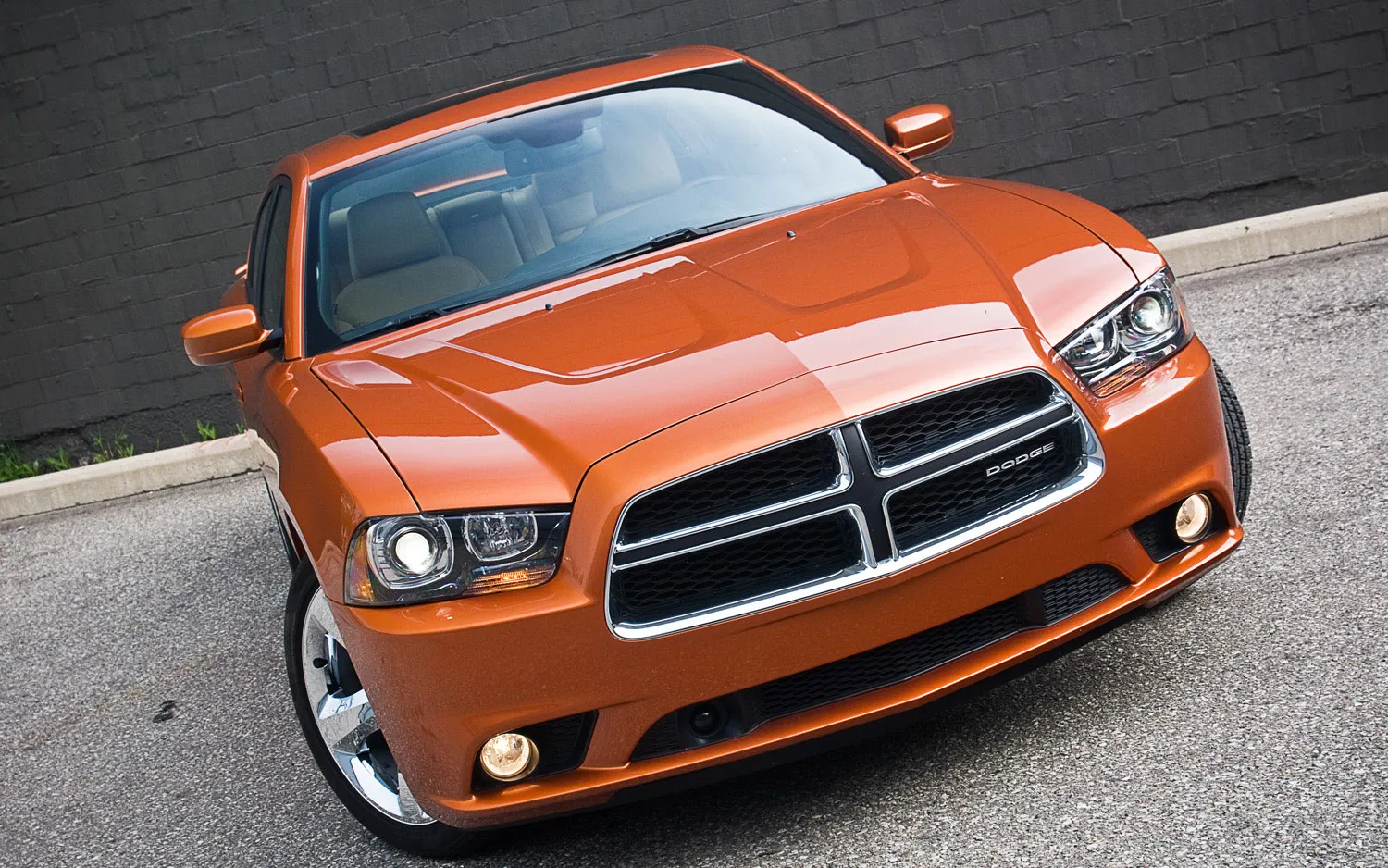
A Stage 1 tune for the 5.7 Hemi typically produces 400-420 horsepower and 420-440 lb-ft of torque gains of approximately 40 horsepower and 40 lb-ft of torque from ECU calibration alone.
These increases come primarily from optimized ignition timing curves, revised fuel maps, and enhanced throttle response. Some tunes also adjust the transmission shift points and firmness, improving how quickly the eight-speed automatic delivers power.
While these gains are more modest than turbocharged engines achieve, they’re significant for a naturally aspirated motor and dramatically improve the driving experience.
The real-world impact extends beyond peak numbers. The stock R/T reaches 60 mph in approximately 5.1 seconds, respectable for a large sedan or coupe.
After tuning, this improves to around 4.7-4.9 seconds, making the car feel noticeably quicker in everyday driving. More importantly, the enhanced torque curve fills in the mid-range, making the engine feel more responsive and eager throughout the rev range.
The Hemi’s characteristic V8 rumble is accompanied by stronger acceleration, creating a more satisfying muscle car experience.
The aftermarket support for the 5.7 Hemi is extensive, with companies offering everything from simple handheld tuners to custom dyno tuning solutions.
Adding a cold air intake, long-tube headers, and a cat-back exhaust system enables more aggressive tunes that can push power toward 450 horsepower, approaching stock Scat Pack levels while maintaining the R/T’s lower insurance costs and initial purchase price.
The combination of affordable entry price, strong modification potential, and classic V8 character makes the tuned R/T an appealing choice for enthusiasts seeking traditional American muscle performance without Hellcat-level costs.
8. Hyundai Veloster N
Hyundai’s entry into the performance market surprised many enthusiasts, but the Veloster N quickly earned respect for its impressive capabilities and value proposition.
From the factory, the Veloster N produces 275 horsepower (or 250 in earlier models without the performance package) from its 2.0-liter turbocharged four-cylinder engine.
These figures already provide entertaining performance, but Hyundai’s conservative approach to boost pressure and timing left substantial power available for those willing to optimize the ECU calibration.
The Veloster N represents one of the newest entries in the hot hatch segment, yet it’s already established itself as highly responsive to tuning.
The Theta II 2.0-liter turbocharged engine in the Veloster N benefits from lessons Hyundai learned developing engines for motorsports applications.
It features a robust iron block, forged internals in key locations, and a sophisticated cooling system designed to maintain performance during track driving.
The factory turbocharger is generously sized for the stock power output, suggesting Hyundai designed the system with overhead capacity for future higher-performance variants or simply to ensure long-term reliability.
The engine management system is modern and sophisticated, allowing tuners to make precise adjustments across the entire operating range.
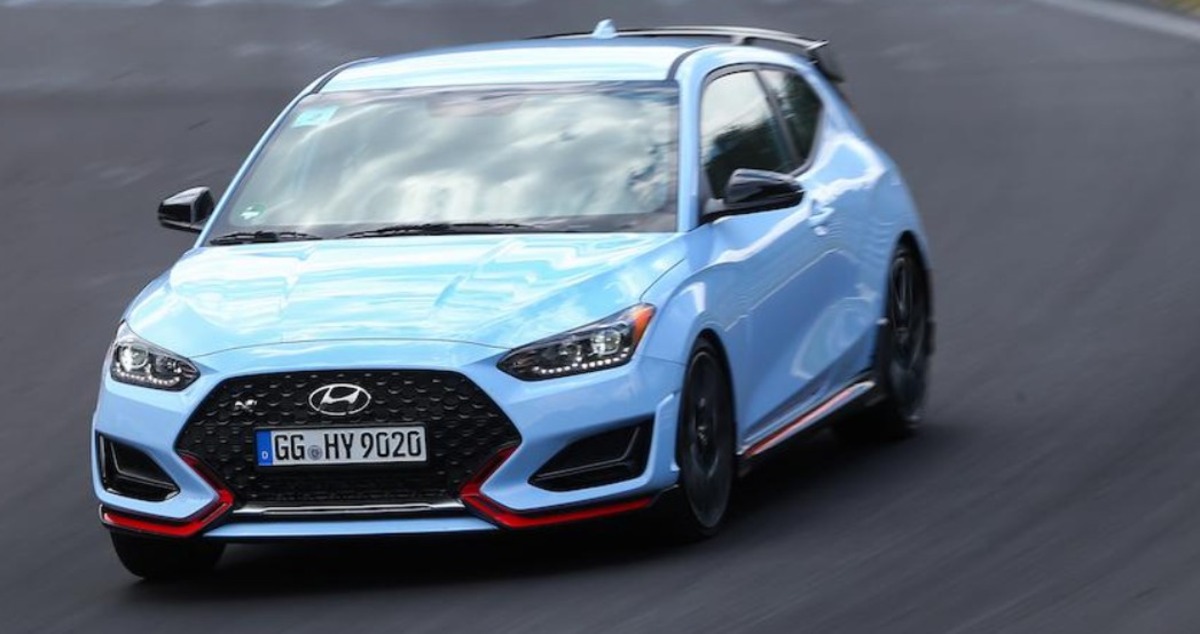
A Stage 1 tune for the Veloster N typically produces 320-340 horsepower and 350-370 lb-ft of torque gains of approximately 50-65 horsepower and 75-95 lb-ft of torque from software optimization alone.
These increases result from raised boost pressure, optimized ignition timing, and enhanced fuel delivery. The factory hardware handles these power levels comfortably, with no reliability concerns when using reputable tuning solutions.
The torque gains are particularly significant, transforming the car’s mid-range punch and making acceleration feel considerably more urgent throughout the rev range.
The Veloster N also benefits from an exceptional value proposition. It costs significantly less than competitors like the Golf GTI or Civic Type R when new, yet after tuning, it matches or exceeds their performance.
The car includes features like launch control, multiple driving modes, and track-focused cooling systems as standard equipment items that often require expensive option packages on competitors.
Adding a few bolt-on modifications like an upgraded intercooler and downpipe enables Stage 2 tunes producing 350-380 horsepower, creating a front-wheel-drive rocket that punches well above its price point.
The combination of strong tuning potential, excellent factory hardware, and aggressive pricing makes the Veloster N one of the performance automotive world’s best-kept secrets.
For enthusiasts seeking maximum entertainment value per dollar, a tuned Veloster N represents an exceptional choice that delivers genuine thrills without breaking the bank.
