
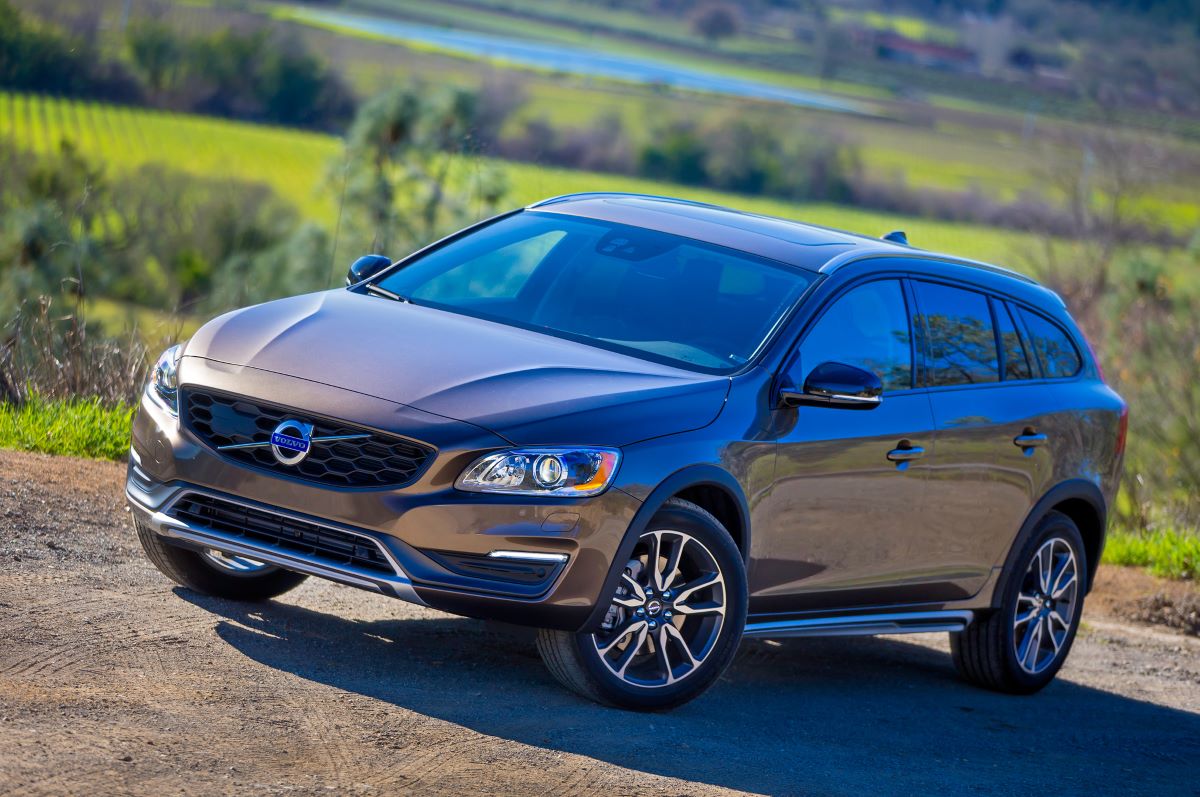
Roof rails have evolved from purely aesthetic additions to genuinely functional features that expand a vehicle’s carrying capacity and versatility. While many cars sport decorative roof rails that serve little purpose beyond visual appeal, certain manufacturers have engineered robust, practical systems that transform how owners use their vehicles.
These factory-installed rails aren’t just for show they’re designed to handle real-world cargo, from kayaks and bikes to rooftop cargo boxes and camping gear.
The best factory roof rails combine strength, versatility, and smart integration with the vehicle’s design. They’re positioned to optimize weight distribution, engineered to handle substantial loads without compromising safety, and designed to work seamlessly with aftermarket accessories.
Whether you’re an outdoor enthusiast needing to transport adventure equipment, a family requiring extra storage for road trips, or someone who occasionally needs to haul oversized items, the right roof rail system makes all the difference.
This list focuses on vehicles where roof rails genuinely enhance functionality rather than merely checking a styling box. We’ve selected cars across various segments from compact SUVs to full-size wagons where the factory roof rails demonstrate superior build quality, meaningful weight capacity, and practical mounting solutions.
These are vehicles where the roof rails actually help owners accomplish real tasks, making them worthy investments for anyone who values utility alongside everyday drivability. Let’s explore which cars get it right.
1. Subaru Outback
The Subaru Outback has built its reputation on practical outdoor capability, and its factory roof rails exemplify this philosophy perfectly. These rails aren’t decorative afterthoughts but integral components designed for serious cargo hauling.
Subaru equips the Outback with rails capable of supporting up to 220 pounds of dynamic weight (while driving) and even more when stationary, making them suitable for everything from rooftop tents to multiple bike carriers.
What sets the Outback’s roof rails apart is their thoughtful engineering. The rails feature multiple integrated crossbar mounting points with Subaru’s proprietary attachment system, allowing owners to easily add Subaru-branded or third-party crossbars without drilling or complex installation.
The rails sit high enough to accommodate various carrier systems while maintaining a low enough profile to avoid excessive wind noise or fuel economy penalties when unloaded.
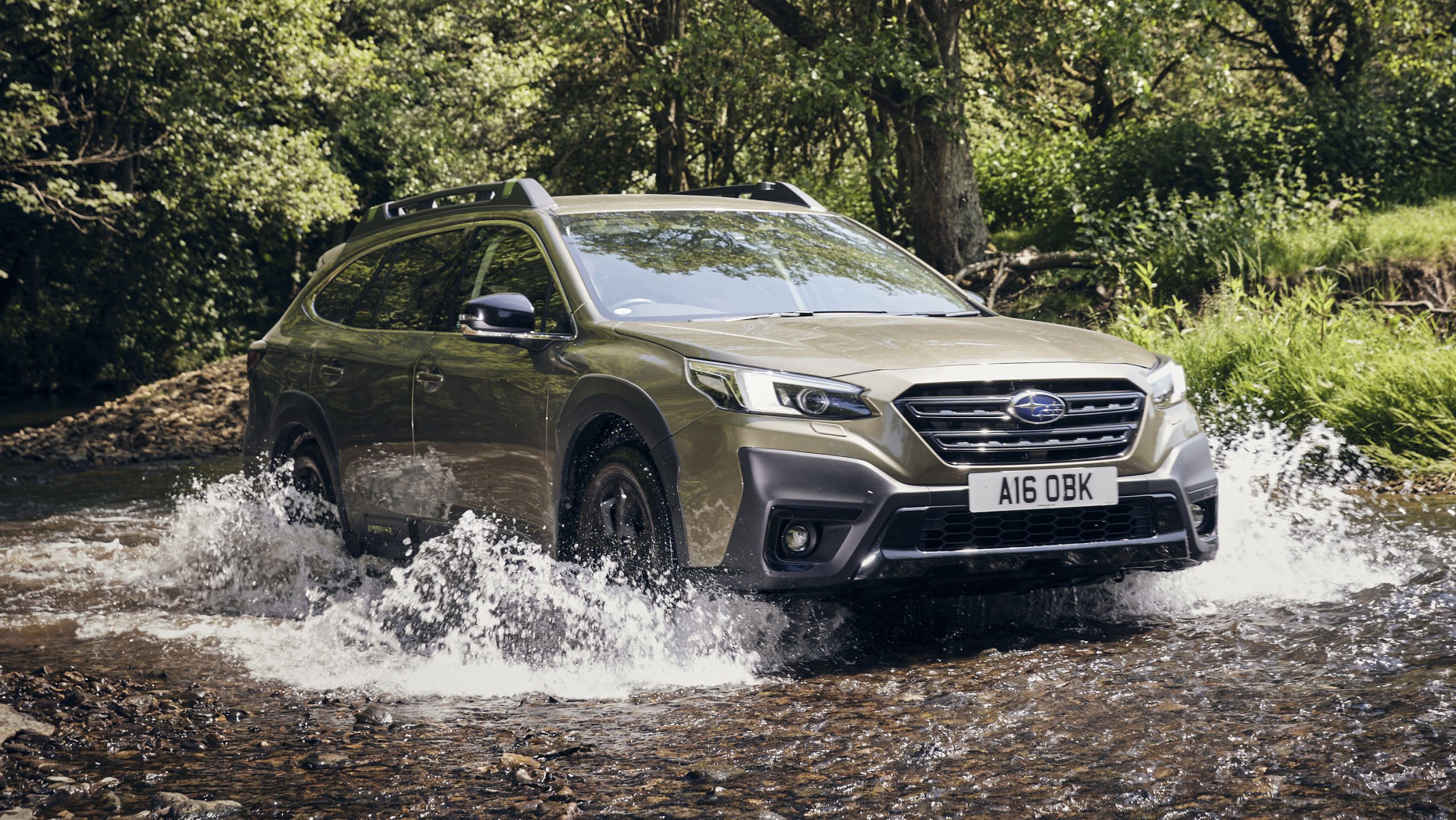
The spacing and positioning of the Outback’s rails have been optimized for common outdoor equipment. Kayak carriers, ski racks, and cargo boxes mount securely with minimal wobble, thanks to the rails’ solid aluminum construction.
Subaru has also ensured that the rails integrate aesthetically with the vehicle’s adventurous design language, using a satin-black finish that resists corrosion even in harsh winter conditions where road salt is prevalent.
Owners particularly appreciate how the rails maintain their functionality across all trim levels, from the base model to the fully-loaded Touring XT.
Unlike some competitors that reserve functional roof rails for premium trims, Subaru recognizes that Outback buyers across all price points value utility.
The rails also work harmoniously with the Outback’s other practical features, like its generous ground clearance and spacious interior, creating a complete package for active lifestyles.
Whether you’re heading to the mountains for a ski trip or the coast for kayaking, the Outback’s roof rails transform cargo-carrying from a challenge into a simple, reliable solution that actually delivers on its promise.
2. Volvo V60 Cross Country
Volvo’s commitment to Scandinavian practicality shines through in the V60 Cross Country’s roof rail system, which combines elegant design with genuine utility.
These flush-mounted rails exemplify Swedish engineering philosophy, understated yet highly functional. The V60’s rails are crafted from high-strength aluminum alloys and finished with a brushed metal appearance that complements the wagon’s sophisticated styling while resisting weathering and corrosion.
The V60 Cross Country’s roof rails support up to 220 pounds when properly equipped with Volvo’s genuine crossbars, and the company offers an extensive range of compatible accessories specifically engineered for these rails.
From ski boxes to bike carriers, Volvo’s accessory catalog demonstrates that these rails were designed with real-world use in mind. The rails feature Volvo’s proprietary T-track system, which allows tool-free installation of compatible crossbars that lock securely into place with an audible click.
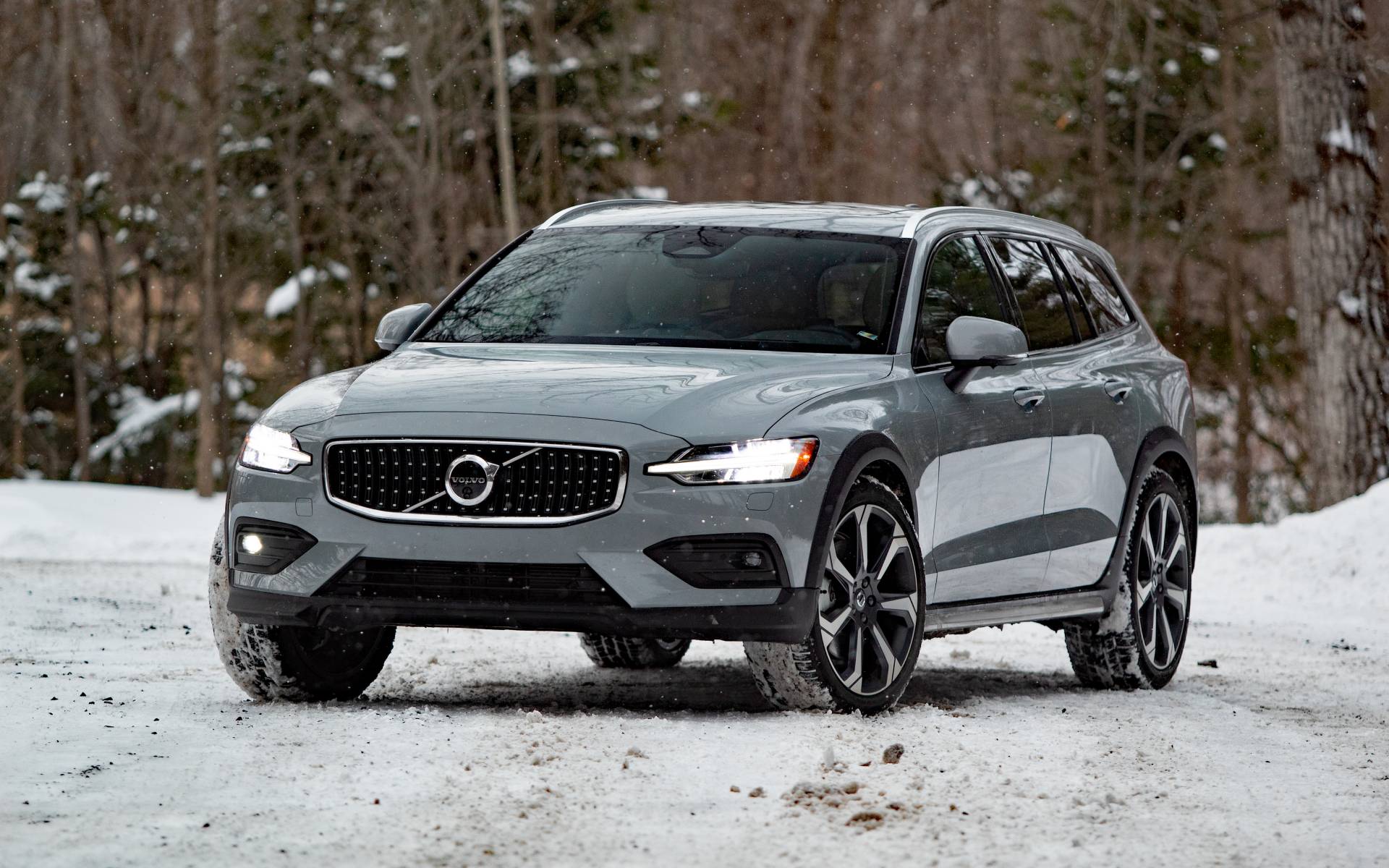
What distinguishes the V60’s approach is how the rails integrate with the vehicle’s safety systems. Volvo has engineered these rails to maintain the car’s low center of gravity despite added rooftop cargo, and the vehicle’s stability control systems account for additional weight and altered aerodynamics.
The rails are also positioned to preserve the V60’s sleek roofline, contributing to the wagon’s 0.29 drag coefficient, impressive for a vehicle with full roof rail capability.
Owners praise how the rails maintain the V60’s premium character while adding versatility. Unlike aftermarket solutions that can look clunky, Volvo’s factory rails appear intentional and refined.
The rails extend nearly the full length of the roof, providing excellent flexibility for positioning cargo and maximizing usable space. They’re particularly popular among active families who appreciate combining luxury interior appointments with genuine outdoor capability, proving that practicality and sophistication aren’t mutually exclusive in modern vehicle design.
3. Toyota 4Runner
The Toyota 4Runner takes roof rails seriously, treating them as essential equipment for a true off-road SUV rather than optional accessories.
The 4Runner’s factory roof rails are engineered with exceptional strength, supporting up to 700 pounds of static weight, crucial for overlanders who mount rooftop tents and heavy-duty cargo systems.
The dynamic weight capacity of 220 pounds ensures safe transport of bikes, kayaks, and cargo boxes on even the roughest terrain. Built from powder-coated steel rather than lighter aluminum, the 4Runner’s rails prioritize durability over weight savings.
This construction choice reflects Toyota’s understanding of their customer base people who genuinely use these vehicles for adventure and need equipment that won’t fail when miles from civilization.
The rails feature a chunky, aggressive design that matches the 4Runner’s rugged aesthetic while providing substantial mounting surfaces for various accessory types.
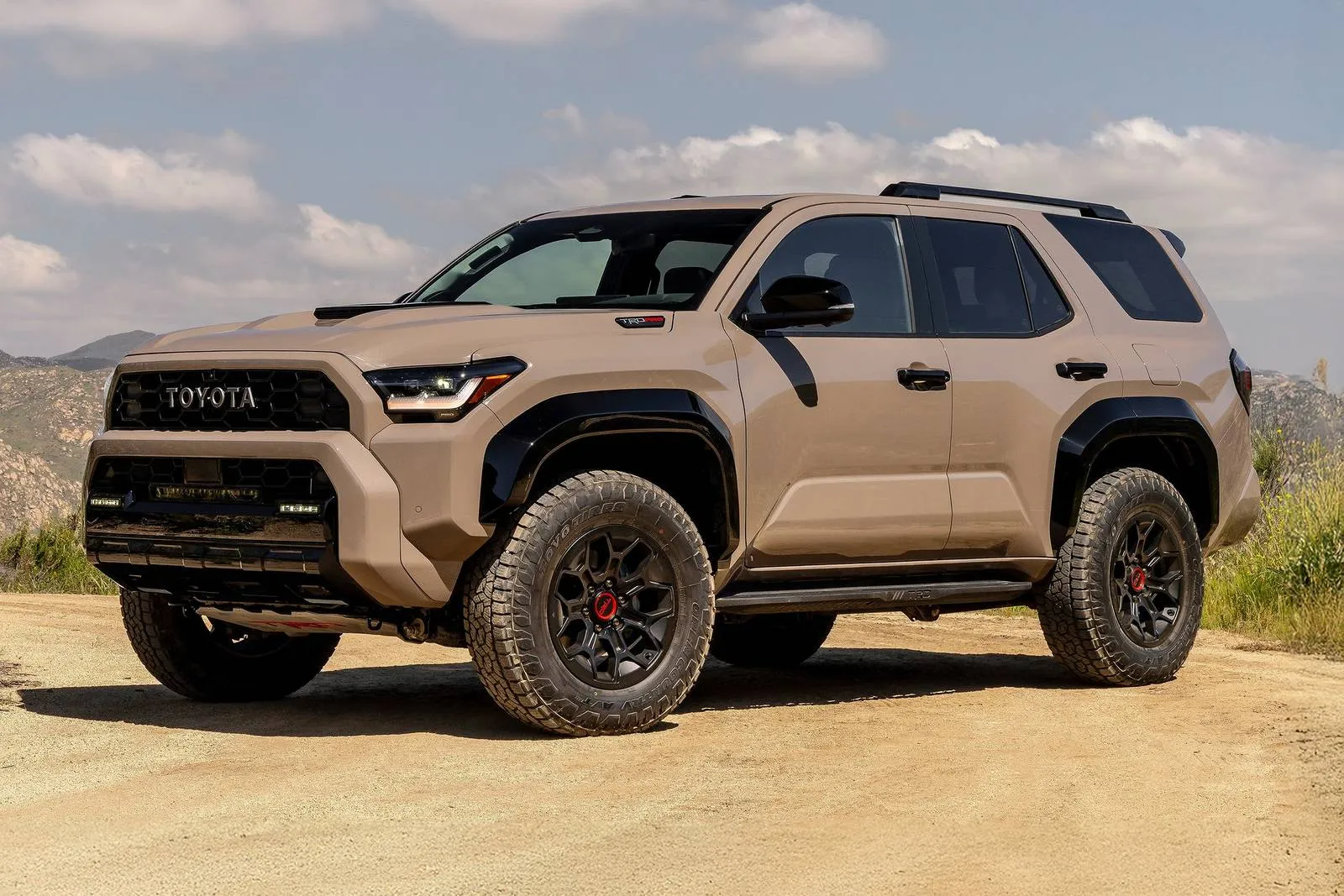
Toyota spaces the rails wide apart and positions them strategically to work with the 4Runner’s tall roofline, creating a massive cargo platform ideal for expedition gear.
The rails integrate with Toyota’s accessory ecosystem, including heavy-duty crossbars specifically engineered to handle demanding loads.
Many 4Runner owners eventually add full roof racks that mount to these factory rails, appreciating the solid foundation Toyota provides straight from the assembly line.
The rails’ design also considers the 4Runner’s off-road mission. They’re positioned to avoid interfering with roof-mounted accessories like light bars or communications antennas, and their robust mounting points won’t loosen despite constant vibration on washboard roads.
The powder-coating resists chips and scratches better than painted alternatives, maintaining appearance despite harsh use. For serious outdoor enthusiasts and overlanding fans, the 4Runner’s roof rails represent exactly what factory equipment should be genuinely capable, thoughtfully designed, and ready for real adventure without requiring immediate aftermarket upgrades.
4. Honda CR-V
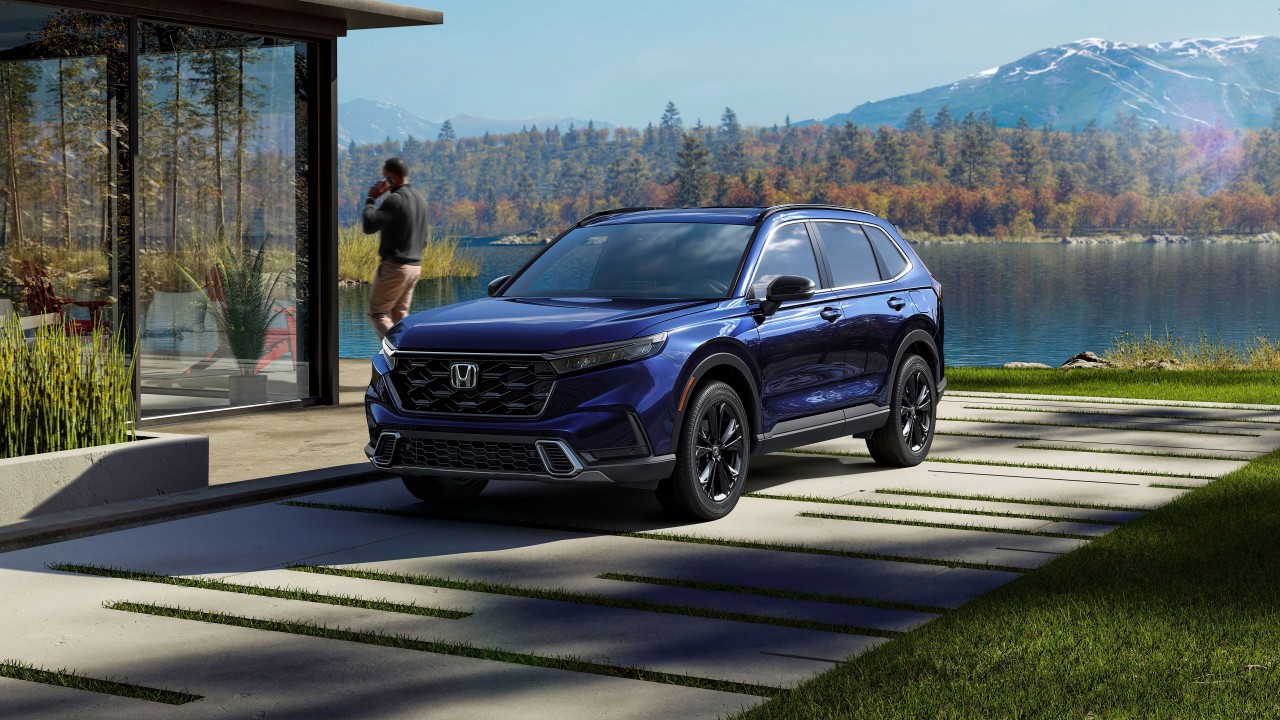
Honda designed the CR-V’s roof rails to serve the practical needs of families and active individuals without unnecessary complexity or cost.
Available across multiple trim levels, these rails strike an excellent balance between capability and everyday usability. The CR-V’s rails support up to 165 pounds of dynamic weight, sufficient for most families’ needs including bike racks, cargo boxes, and kayak carriers.
The rails feature Honda’s clean, integrated design language, sitting flush against the roofline to minimize wind noise and aerodynamic drag when not in use.
Honda engineers positioned the rails to optimize the CR-V’s already impressive fuel economy, understanding that most owners won’t constantly load the roof but appreciate having the capability when needed.
The rails are constructed from lightweight yet durable aluminum with a corrosion-resistant finish that maintains its appearance through years of varied weather exposure.
What makes the CR-V’s roof rails particularly helpful is their accessibility. The CR-V’s moderate ride height means adults can easily reach the rails to secure cargo without needing step stools or excessive stretching.
This practical consideration reflects Honda’s user-centered design philosophy features should enhance usability, not create new challenges.
The rails work seamlessly with Honda’s genuine accessory crossbars, which install without tools using a clever sliding mechanism that locks firmly into place.
Honda also considered long-term ownership in the rail design. The mounting points resist rust and corrosion even in harsh climates, and replacement parts remain reasonably priced and widely available. The rails contribute to the CR-V’s reputation for reliability, rarely requiring maintenance beyond occasional cleaning.
For suburban families who need occasional cargo capacity for camping trips, sporting equipment, or bulky store purchases, the CR-V’s roof rails provide exactly the right level of functionality capable enough for real use but not over-engineered or unnecessarily expensive, embodying Honda’s practical approach to automotive design.
Also Read: 9 Cars That Stay Cool Parked in the Sun
5. Jeep Grand Cherokee
The Jeep Grand Cherokee offers roof rails that respect its heritage as a capable off-roader while accommodating its evolution into a refined daily driver.
These rails demonstrate impressive versatility, supporting up to 200 pounds of dynamic weight across most trim levels, with some configurations handling even more.
Jeep engineered these rails to complement the Grand Cherokee’s adventure-ready character while maintaining the vehicle’s premium appearance.
The Grand Cherokee’s rails feature a low-profile design that reduces wind resistance and noise, yet they’re substantial enough to handle serious cargo demands.
Constructed from high-grade aluminum with a durable finish, the rails resist the elements whether you’re traversing desert terrain or going through the salty winter roads.
Jeep positions the rails with sufficient spacing to accommodate wide cargo boxes and multiple bike carriers, recognizing that Grand Cherokee owners often travel with families and extensive gear.
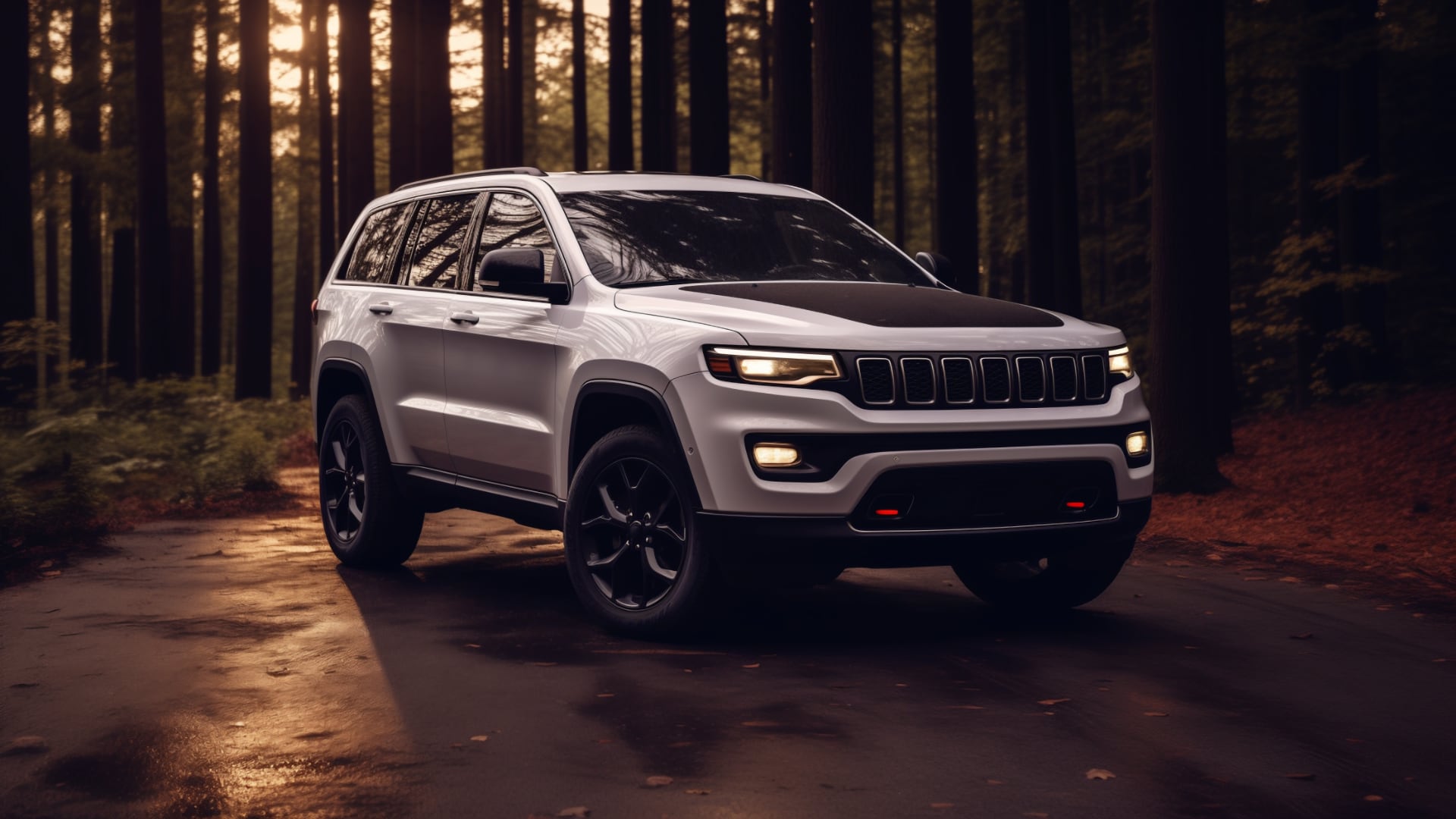
One particularly thoughtful aspect is how Jeep integrates the rails across the model range. From the base Laredo to the luxurious Summit and high-performance Trackhawk, roof rails maintain consistent functionality while adapting aesthetically to each trim’s character.
The rails work with Jeep’s extensive Mopar accessory catalog, including crossbars, cargo baskets, and specialized carriers engineered specifically for Grand Cherokee mounting points.
The rails also demonstrate Jeep’s attention to real-world usability. The mounting system accommodates both Jeep-branded and quality third-party accessories, giving owners flexibility in selecting cargo solutions that fit their budgets and specific needs.
The rails maintain their structural integrity even during spirited driving or off-road excursions, with secure mounting that won’t loosen despite rough terrain vibrations.
For buyers seeking a vehicle that transitions seamlessly from school runs to weekend adventures, the Grand Cherokee’s roof rails provide genuine utility without compromising the vehicle’s sophisticated character or performance capabilities.
6. Mercedes-Benz E-Class Wagon
Mercedes-Benz proves that luxury and utility aren’t contradictory with the E-Class Wagon’s exceptionally refined roof rail system. These rails represent German engineering at its finest, meticulously designed, flawlessly executed, and genuinely functional.
The E-Class Wagon’s rails support up to 220 pounds of cargo capacity and integrate so seamlessly with the vehicle’s design that they enhance rather than compromise the wagon’s elegant proportions.
Mercedes crafts these rails from premium materials with multiple finish options, including brushed aluminum and high-gloss black, allowing buyers to customizethe appearance according to personal preference.
The rails feature Mercedes’ proprietary mounting system that works exclusively with their genuine accessories, ensuring perfect fitment and maintaining warranty coverage.
While this closed ecosystem limits third-party options, Mercedes’ accessory range is comprehensive, including aerodynamic cargo boxes, bike carriers, and ski racks, all engineered to Mercedes’ exacting standards.
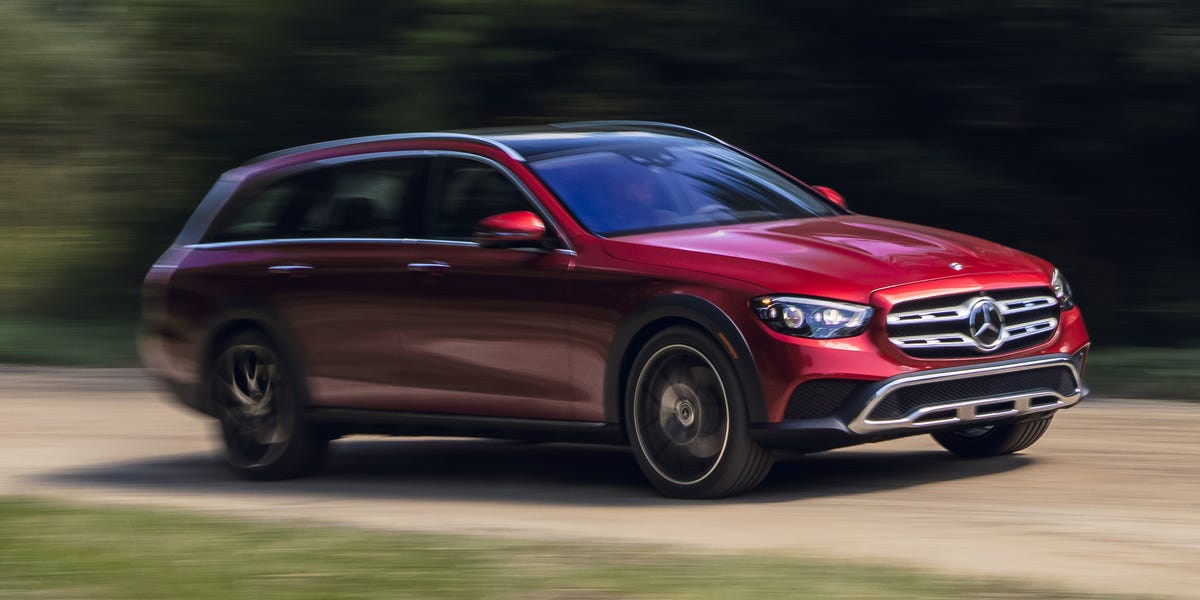
The rails exemplify Mercedes’ attention to detail in ways that become apparent through use. The mounting points incorporate subtle rubber inserts that prevent metal-to-metal contact, eliminating squeaks and rattles.
The rails’ profile has been optimized in wind tunnel testing to minimize aerodynamic noise, allowing the E-Class Wagon to maintain its library-quiet cabin even with roof cargo.
Mercedes even designed the rails to complement the wagon’s sophisticated lighting design, ensuring they don’t cast awkward shadows or interfere with the vehicle’s distinctive appearance.
What truly sets these rails apart is how they maintain the E-Class character. Adding a ski box doesn’t transform the vehicle into a utilitarian hauler it remains an elegant Mercedes that happens to carry extra cargo.
The rails attract buyers who refuse to choose between luxury and practicality, who want a vehicle that performs flawlessly whether commuting to the office or heading to mountain resorts.
The E-Class Wagon’s roof rails prove that thoughtful engineering can deliver serious functionality without sacrificing sophistication or premium character.
7. Volkswagen Atlas
Volkswagen designed the Atlas with American families in mind, and the roof rails reflect this focus on practical versatility. These robust rails support up to 220 pounds of dynamic weight, providing genuine utility for a three-row SUV often tasked with transporting people and gear simultaneously.
VW positioned the rails to maximize usable roof space on the Atlas’s expansive body, creating an impressive cargo platform that can accommodate multiple bikes, large cargo boxes, or even rooftop cargo baskets.
The Atlas’s rails feature VW’s typical German engineering precision; they’re precisely spaced, solidly constructed, and finished with corrosion-resistant coatings that maintain appearance across various climates.
Volkswagen offers these rails across most trim levels, recognizing that families choosing the Atlas often need the extra carrying capacity regardless of price point.
The rails integrate cleanly with the Atlas’s design, using a low-profile approach that doesn’t add unnecessary visual bulk to the already substantial SUV.
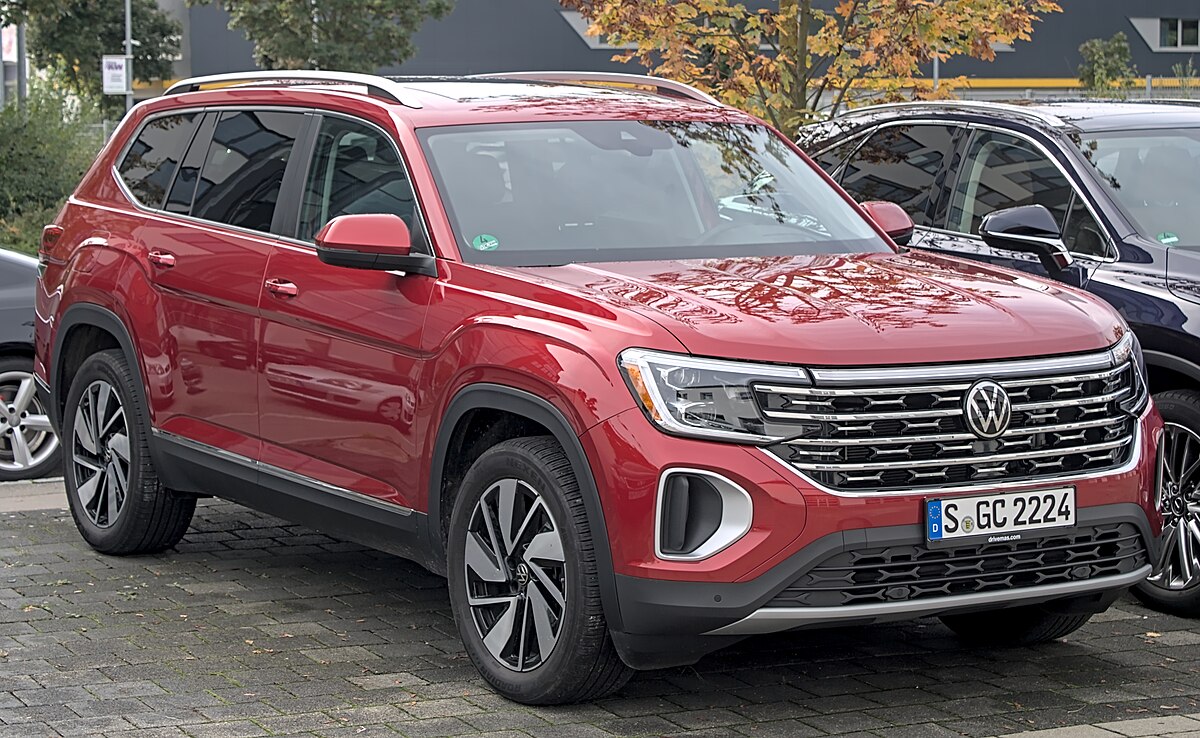
Installation of crossbars and accessories proves straightforward thanks to VW’s thoughtful mounting system. The rails accommodate both Volkswagen’s genuine accessory line and quality aftermarket options, giving owners flexibility in outfitting their vehicles.
The mounting points are clearly marked and easily accessible, allowing installation without frustration or special tools. Volkswagen also ensured the rails position cargo high enough to clear the rear liftgate when opened, preventing interference during loading and unloading.
For families stretching the Atlas’s seating capacity, the roof rails become essential rather than optional. They transform the vehicle from people-carrier to true adventure mobile, enabling trips where seven passengers travel with bikes, camping gear, or luggage that wouldn’t fit internally.
The rails maintain their integrity even when fully loaded, without flexing or generating concerning noises. The Atlas demonstrates Volkswagen’s understanding of the American market families need space, and roof rails that actually work provide crucial additional capacity for active lifestyles.
8. Audi Allroad
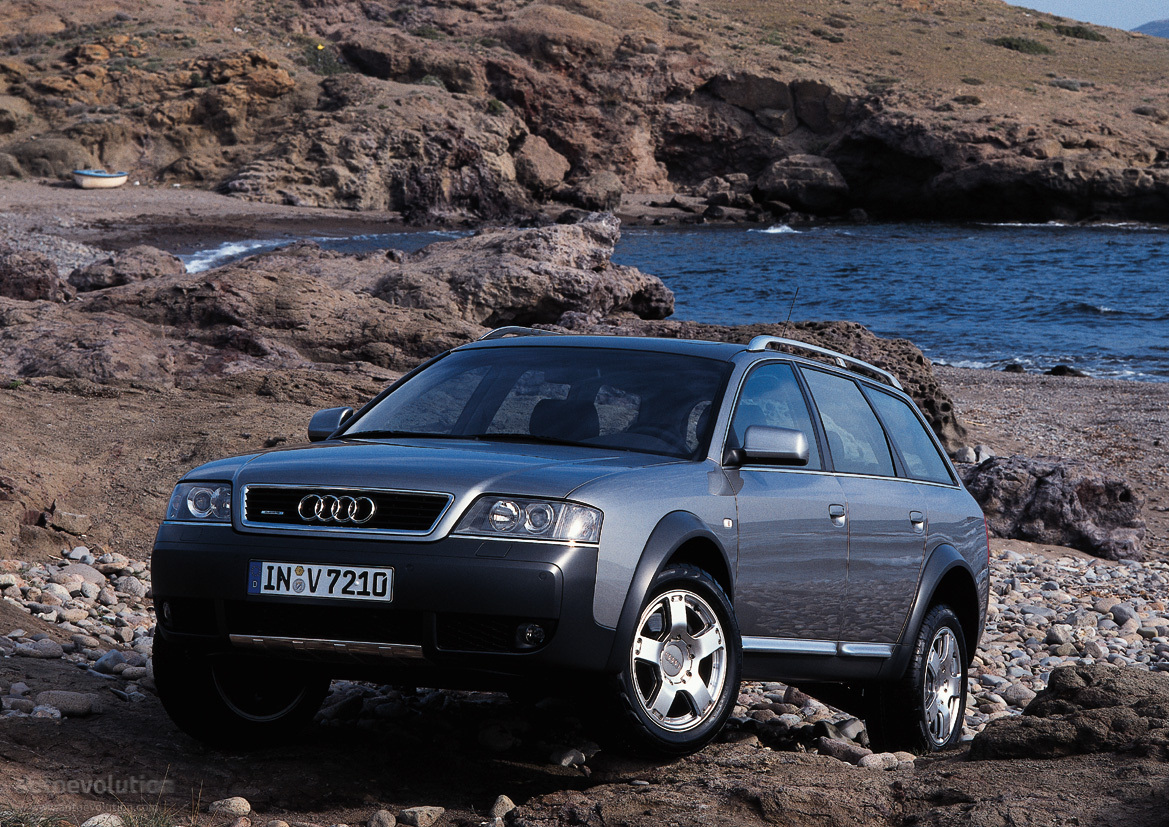
The Audi Allroad resurrects the classic wagon formula with modern technology and genuinely useful roof rails that enhance the vehicle’s adventure-ready character.
These flush-mounted rails combine Audi’s signature attention to design detail with real-world functionality, supporting up to 200 pounds of cargo.
Audi crafts the rails from premium aluminum finished in complementary metallic tones that enhance the Allroad’s sophisticated aesthetic while providing corrosion resistance for long-term durability.
Audi’s approach emphasizes integration the rails appear as intentional design elements rather than aftermarket additions. They flow naturally along the roofline, maintaining the Allroad’s sleek profile while providing substantial mounting capability.
The rails work with Audi’s comprehensive accessory catalog, including aerodynamically optimized cargo boxes and elegantly designed bike carriers that maintain the vehicle’s premium appearance even when loaded.
What distinguishes the Allroad’s rails is their attention to the ownership experience. Audi designed the mounting system for tool-free installation of genuine accessories, with intuitive locks that secure audibly and visibly.
The rails incorporate subtle grooves that guide proper crossbar placement, ensuring optimal weight distribution and preventing installation errors.
Audi also positioned the rails to maintain the Allroad’s low center of gravity even with rooftop cargo, preserving the vehicle’s renowned handling characteristics. The rails reflect Audi’s broader philosophy with the Allroad creating vehicles that refuse to compromise.
Owners can enjoy quattro all-wheel drive performance, luxurious interior appointments, and genuine cargo-carrying capability without sacrificing any attribute.
The rails enable weekend adventures without transforming the Allroad into something utilitarian or crude. They’re particularly appreciated by buyers who want one vehicle that excels at daily commuting and weekend exploring equally, proving that thoughtful engineering can deliver multiple capabilities without diluting any single strength.
9. Ford Expedition
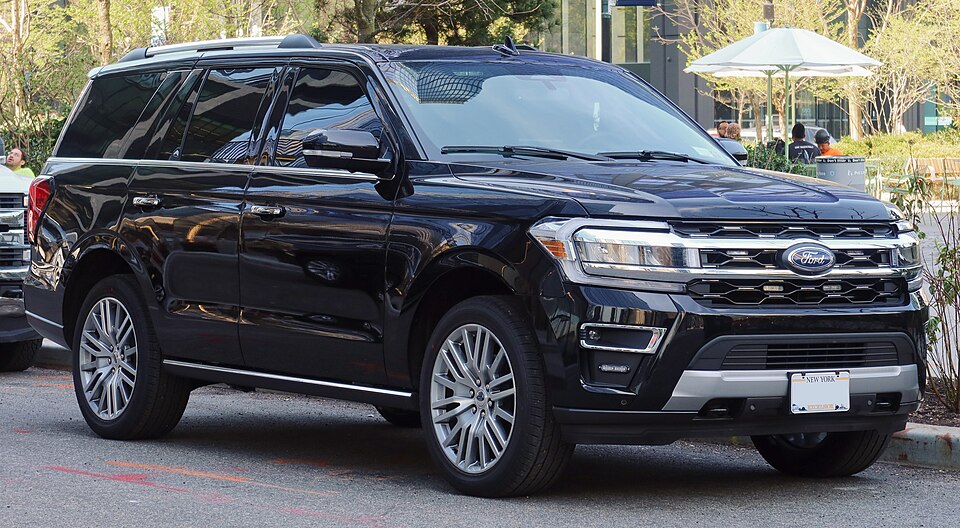
Ford engineered the Expedition’s roof rails for genuine heavy-duty use, reflecting the vehicle’s capability as a full-size SUV built for serious family adventures.
These rails support impressive weight capacities up to 600 pounds when stationary and 200 pounds dynamic making them suitable for rooftop tents, large cargo boxes, and multiple accessory combinations.
Ford constructed the rails from heavy-gauge steel with durable powder-coating that resists corrosion even in harsh environments. The Expedition’s substantial size translates to extensive roof rail length, creating a massive platform for cargo. Ford spaces the rails wide apart, optimizing stability for large loads and providing flexibility in positioning various carrier types.
The rails integrate with Ford’s accessory ecosystem, including heavy-duty crossbars specifically engineered to complement the Expedition’s capabilities. The mounting system uses robust attachment points that won’t loosen despite the vibrations inherent in such a large vehicle.
Ford’s design considers the Expedition’s typical use cases. Families choosing this SUV often need maximum people and cargo capacity simultaneously the roof rails provide crucial additional space when all three rows are occupied.
The rails maintain functionality whether you’re towing a boat and need roof space for additional gear or loading the family for a cross-country road trip. Ford positioned the rails to clear the massive panoramic sunroof available on higher trims, ensuring both features function without interference.
The rails’ robust construction means they’re genuinely ready for adventure rather than merely suggesting capability. Expedition owners regularly load these rails heavily for camping trips, overlanding adventures, and extended family vacations, and the rails consistently perform without complaint.
They represent Ford’s understanding that full-size SUV buyers expect genuine capability these rails actually help owners accomplish their goals rather than serving as styling elements. For families needing maximum versatility from their vehicle, the Expedition’s roof rails deliver exactly the robust, practical functionality required.
10. Mazda CX-5
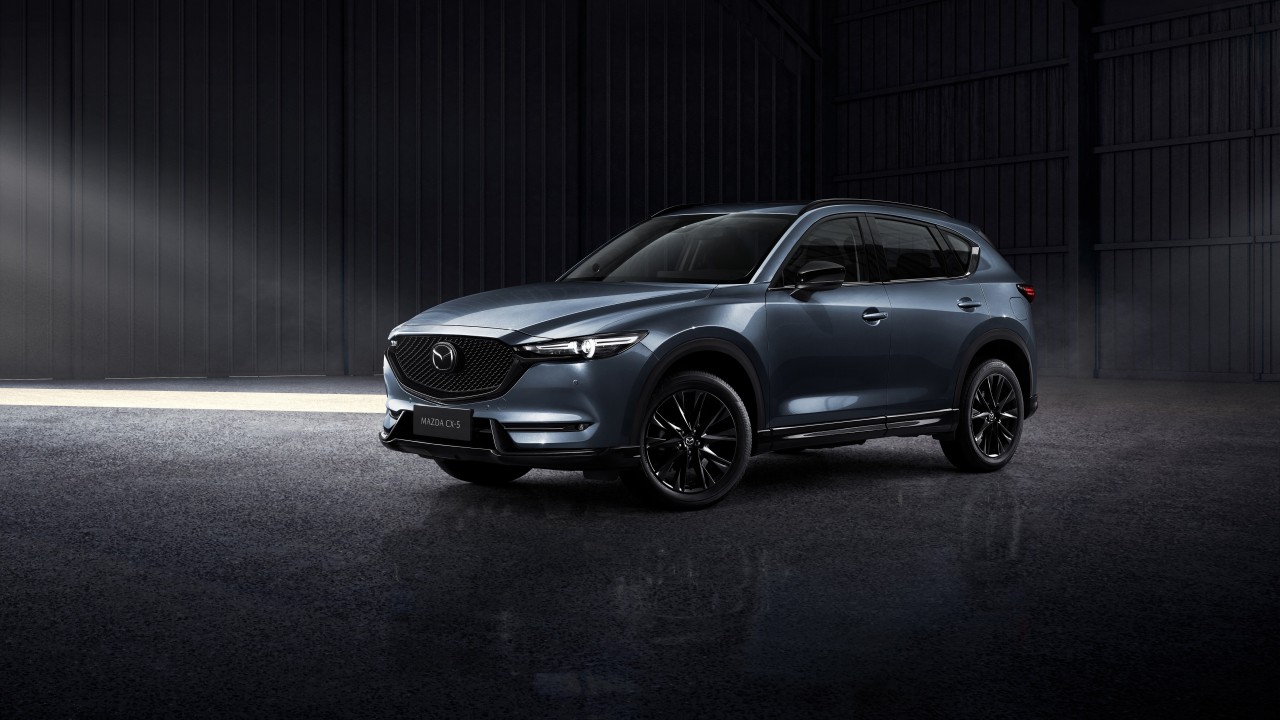
Mazda proves that thoughtful design can make even basic features exceptional with the CX-5’s intelligently engineered roof rails. Available across most trim levels, these rails balance Mazda’s “Kodo” design philosophy with practical functionality.
The rails support up to 176 pounds of dynamic weight, adequate for most recreational need,s including bikes, cargo boxes, and sporting equipment while maintaining the CX-5’s sporty, refined appearance.
Mazda’s engineers focused on integration, creating rails that enhance rather than interrupt the CX-5’s flowing lines. The rails feature a low-profile design with a sophisticated satin finish that complements the vehicle’s premium positioning in the compact SUV segment.
Despite their sleek appearance, the rails are constructed from durable aluminum that resists weathering and maintains structural integrity across years of use.
What makes the CX-5’s roof rails particularly effective is Mazda’s attention to the complete user experience. The rails sit at a height that remains accessible for average-height adults, acknowledging that cargo loading shouldn’t require gymnastics.
Mazda designed the mounting system to accommodate both their genuine crossbars and quality third-party options, providing owners flexibility in outfitting their vehicles according to budget and specific needs.
The mounting points incorporate weather sealing that prevents water intrusion, avoiding the leaks that plague some aftermarket installations.
The rails also demonstrate Mazda’s commitment to driving dynamics. Even with rooftop cargo, the CX-5 maintains its engaging handling characteristics thanks to careful weight distribution engineering.
Mazda tested the rails extensively to minimize wind noise, ensuring the quiet cabin that buyers expect from the brand. For buyers seeking a compact SUV that combines style, driving enjoyment, and genuine utility, the CX-5’s roof rails provide exactly the right balance capable enough for regular use but refined enough to maintain the vehicle’s premium character across all driving situations.
