For parents, pet owners, and anyone juggling life’s daily cargo, a roomy trunk can make all the difference. From strollers and grocery hauls to sports gear and weekend luggage, the right SUV or crossover transforms errands into effortless outings.
The market today offers a wealth of vehicles designed with generous cargo capacity, clever storage solutions, and versatile interiors.
Some are massive full-size SUVs like the Chevrolet Suburban and Toyota Sequoia, capable of swallowing entire families’ worth of gear, while others, like the Honda CR-V or Nissan Rogue, prove that compact and midsize SUVs can pack plenty of space without overwhelming city streets.
Beyond sheer volume, these vehicles focus on usability: fold-flat seats, sliding third rows, underfloor compartments, and configurable cargo systems ensure you can organize everything efficiently. Whether prioritizing comfort, tech, towing capacity, or off-road ability, these ten cars excel at making room for life’s essentials.
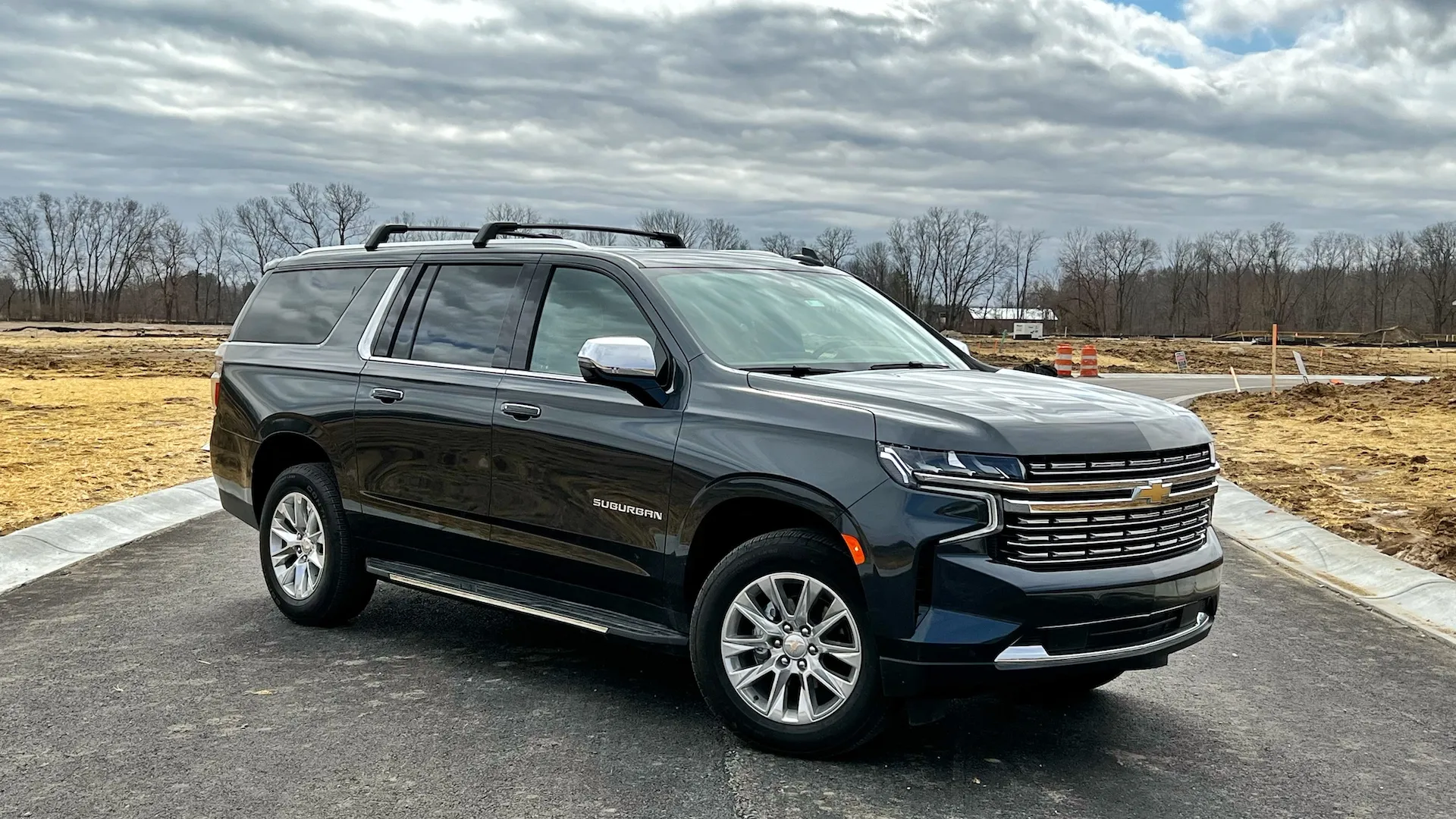
1. Chevrolet Suburban: Full-Size SUV Dominance
The Chevrolet Suburban is a benchmark for full-size SUVs, offering 41.5 cubic feet of cargo space behind the third row. Fold all seats flat, and the total space expands to a class-leading 144.7 cubic feet, making it ideal for heavy hauling or family trips.
While cargo capacity is exceptional, in-cabin storage is less impressive, with small cupholders and a center console that feels underwhelming for a vehicle of this size. The SUV also provides towing capacity up to 8,300 pounds, though advanced towing aids are optional and pricey.
Equipped with an optional 6.2-liter V8 engine paired with a 10-speed automatic, the Suburban accelerates from 0 to 60 mph in 6.7 seconds. It rides smoothly thanks to available Magnetic Ride Control and adaptive air suspension, which cushion bumps effectively.
Handling is composed, though steering feedback is limited, favoring straight-line stability, especially useful when towing. Safety features like adaptive cruise control and lane-keeping assist enhance confidence, though some controls require a learning curve.
The Suburban’s interior is vast, with generous headroom and legroom across all three rows. Leather front seats are soft but can feel flat and unsupportive, while the high ground clearance makes entry challenging without power running boards.
Rear doors open wide, and the third row can accommodate adults comfortably, though seating positions may feel rigid. Child seat installation is straightforward, though large rear entertainment screens may obstruct bulky seats.
Chevy’s updated infotainment system features large, bright displays and an intuitive app-like interface, supporting wireless Apple CarPlay and Android Auto. However, occasional glitches may require a hard reset. Fuel economy is surprisingly strong for a V8 SUV, with 18.7 mpg observed during mixed driving, aided by cylinder deactivation technology, though premium fuel is required.
The Suburban provides strong value at base trims, with warranties including 3 years/36,000 miles basic and 5 years/60,000 miles powertrain coverage. High-end trims can become pricey despite so-so interior materials.
The Suburban is defined by size: a powerful, cavernous, and capable SUV that excels in family adventures and heavy-duty hauling, though its sheer bulk demands acceptance of its limitations on the road.
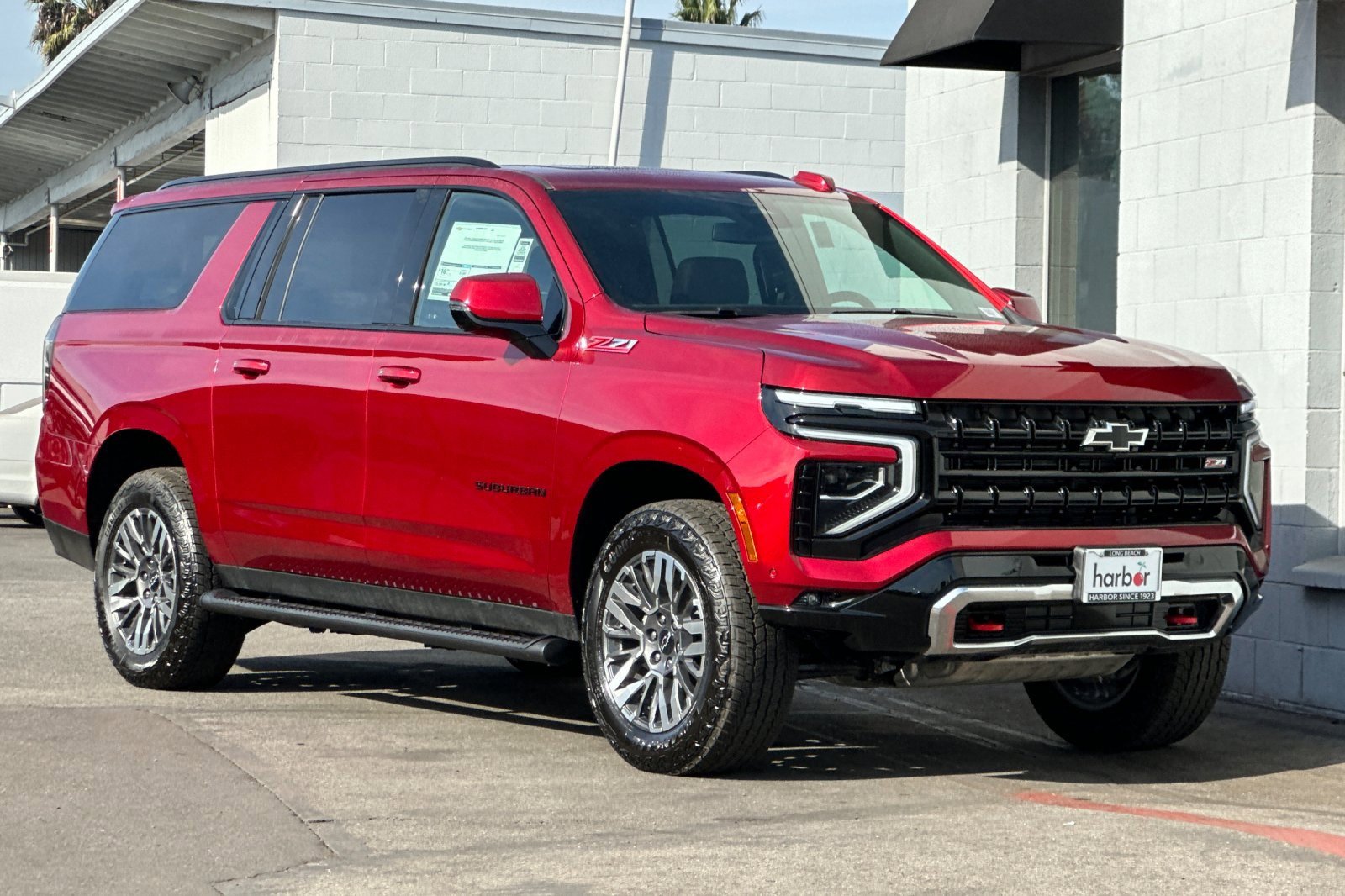
2. Honda CR-V: Practical and Composed Compact SUV
The Honda CR-V leads the compact SUV segment with up to 76.5 cubic feet of cargo space. A low-load floor and wide opening make it easy to carry bulky items such as strollers or large shopping hauls.
The hybrid model offers slightly less cargo space and does not include a spare tire, while the gas variants maintain generous room. Interior storage is functional, featuring a large under-armrest bin, phone storage areas, decent door pockets, and practical cupholders, although some competitors provide more advanced solutions.
The CR-V delivers a smooth and composed ride. The hybrid Sport Touring model accelerates from 0 to 60 mph in 8.0 seconds, and the standard 1.5-liter engine provides similar performance. Braking is confident, and the hybrid system operates smoothly.
Steering is responsive and offers enough feedback to feel connected to the road, and the vehicle remains stable around corners. Long uphill drives require a heavier foot, but handling stays controlled. Visibility is mixed with excellent front views and limited rear visibility, which is assisted by parking cameras. Advanced driver-assist features work well, though competitors may offer more extensive options.
The CR-V cabin is spacious and thoughtfully designed. Front seats are comfortable and adjustable, and rear seats provide above-average legroom, making it easy to install child seats. Large windows create a sense of openness, and wide door openings with practical seat heights allow easy entry and exit. Controls are easy to reach and use, and physical climate controls can be operated without looking.
The CR-V offers an intuitive infotainment system with wireless Apple CarPlay, Android Auto, and a wireless charging pad. The 9-inch touchscreen is functional but smaller than some rival systems. USB ports are plentiful except in the base trim.
The CR-V is well built, smooth, and quiet on the road. Hard plastics are softened with design elements and soft-touch surfaces. Pricing is slightly higher than some competitors, but the quality and performance justify it.
Warranty coverage is average for the segment, with less extensive rust protection or complimentary maintenance than some rivals. The Honda CR-V is a practical, comfortable, and reliable compact SUV with spacious cargo capacity, capable driving dynamics, and a thoughtful interior layout.
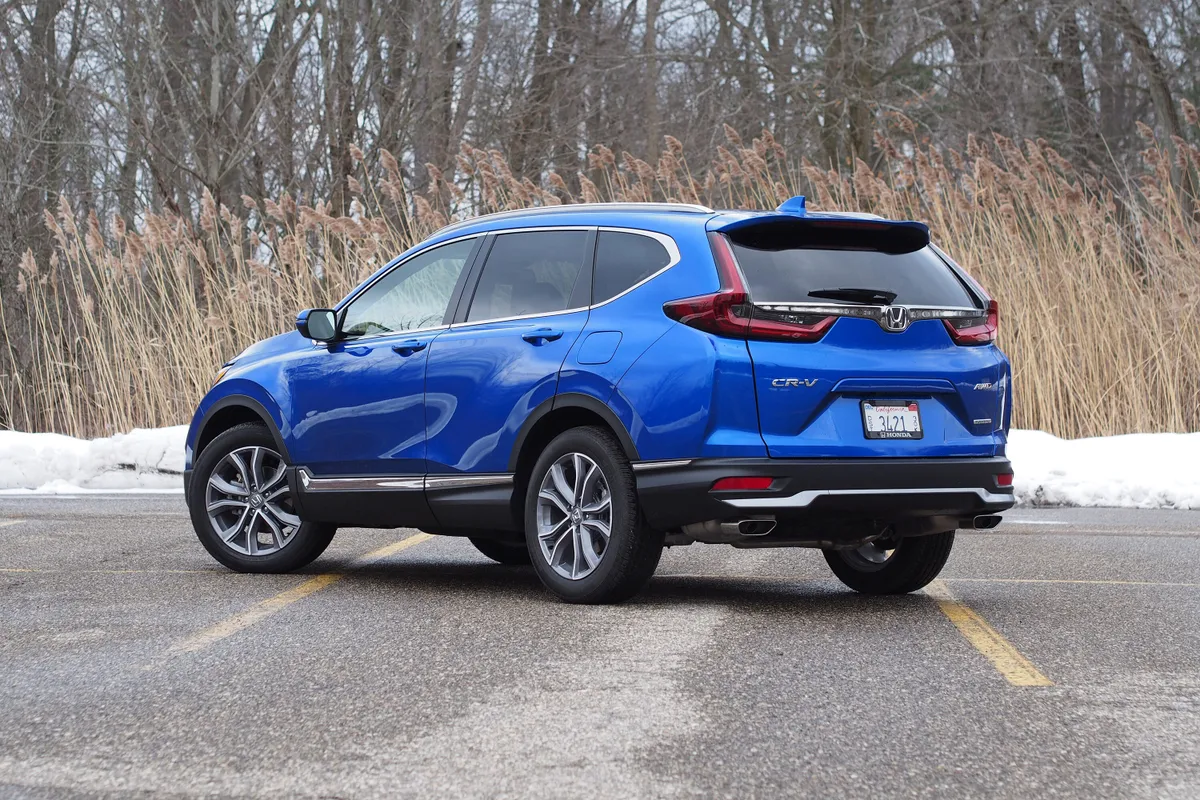
3. Toyota RAV4: Practical and Reliable Compact SUV
The Toyota RAV4 provides 69.8 cubic feet of cargo space with the rear seats folded down, making it practical for city and suburban driving. A flat-load floor and optional hands-free liftgate make loading and unloading easier. Front cabin storage is functional with multiple bins and shelves to hold small items, though towing capacity is limited to 1,500 pounds, which is modest for the class.
The RAV4 offers a comfortable and composed ride, with good visibility and easy handling in daily driving. Acceleration is modest, with a 0-60 mph time of 9.1 seconds, which is slower than many competitors. Steering is light and lacks feel around the center, which can make precise maneuvers more challenging.
The upgraded all-wheel-drive system available on the Limited trim includes rear-axle torque vectoring and hill descent control, giving the RAV4 above-average off-road capability for a small SUV. Standard driver-assistance features include adaptive cruise control, lane-keeping assistance, and automatic emergency braking, though competitors provide more extensive safety options.
The cabin is spacious and user-friendly. Driver and passenger seats offer good adjustment, though the front passenger seat sits high and cannot be lowered on most trims. Rear seats provide ample space for child seats, with easy-to-find LATCH anchors.
The control layout is intuitive, with large, easy-to-read knobs for climate and audio systems. The touchscreen can feel far from the driver, but other controls are well-positioned and accessible.
The RAV4 comes with an 8-inch touchscreen on most trims and a 10.5-inch unit on the Limited trim. Both provide a responsive and easy-to-navigate interface with wireless Apple CarPlay and Android Auto standard.
Wireless charging is optional on higher trims. Fuel economy is strong, with EPA estimates ranging from 28 to 30 mpg combined, depending on trim and powertrain. Real-world testing shows averages around 28.6 mpg.
The RAV4 features solid construction, attractive layered materials, and thoughtful tactile touches in the cabin. Higher trims include soft synthetic leather upholstery with precise stitching.
Warranty coverage is average, but two years or 25,000 miles of complimentary scheduled maintenance is included. The Toyota RAV4 is a practical, reliable, and comfortable small SUV that handles daily driving with ease and offers generous cargo space for its segment.
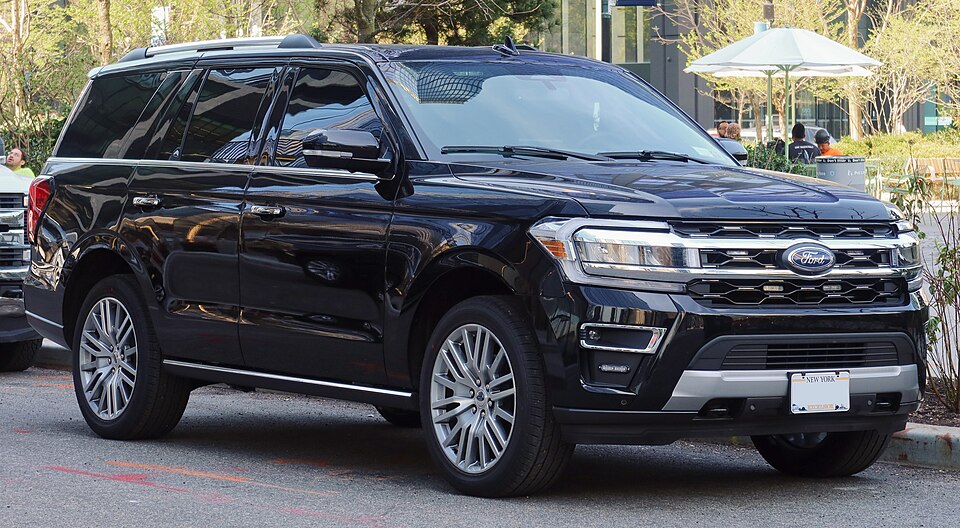
4. Ford Expedition: Spacious and Capable Full-Size SUV
The Ford Expedition excels in cargo capacity and versatility. Behind the third row, it offers 22.9 cubic feet, expanding to 69.9 cubic feet behind the second row and up to 108.5 cubic feet with all rear seats folded. The independent rear suspension lowers the load floor, making it easier to load heavy or bulky items.
Interior storage is practical, with a large center console that slides to reveal a hidden compartment for smaller items. Properly equipped, the Expedition can tow up to 9,600 pounds, making it capable for trailers, campers, or other recreational gear.
The Expedition is surprisingly quick for a large SUV, reaching 0 to 60 mph in just 5.5 seconds in the Platinum trim. It remains stable and composed around corners, although the steering is slow at low speeds, requiring more effort in tight spaces. Ride quality is smooth across various road surfaces.
Standard driver-assistance features include lane-keeping aid and blind-spot monitoring. Optional BlueCruise provides hands-free highway driving, one of the most effective systems available, giving it a technological edge over most competitors.
The Expedition’s greatest strength is space, with comfortable seating in all three rows. Leather upholstery feels soft and premium, and the cabin is quieter than expected for a truck-based SUV. Air conditioning is highly effective, and ventilated front seats add comfort on hot days. The SUV sits high, which may make entry more challenging, and all climate controls are on the touchscreen, which can be distracting while driving.
Ford’s new dual-screen layout is practical and easy to read. A large main screen displays navigation, speed, and other key information, while a secondary screen below controls widgets, vehicle settings, and smartphone integration via Apple CarPlay and Android Auto.
Multiple USB ports keep devices charged. Fuel economy is modest, with EPA estimates of 19 mpg combined for rear-wheel drive and 18 mpg for all-wheel drive, similar to other large SUVs.
The Expedition offers significant value for families seeking space and capability. Loaded models approach luxury SUV territory while retaining practicality. Standard warranties include three years or 36,000 miles for basic coverage and five years or 60,000 miles for the powertrain. The Expedition delivers a blend of comfort, tech, and performance, making it a full-size SUV that is both practical and enjoyable to drive.
5. Kia Telluride: Spacious, Comfortable, and Well-Equipped Midsize SUV for Families
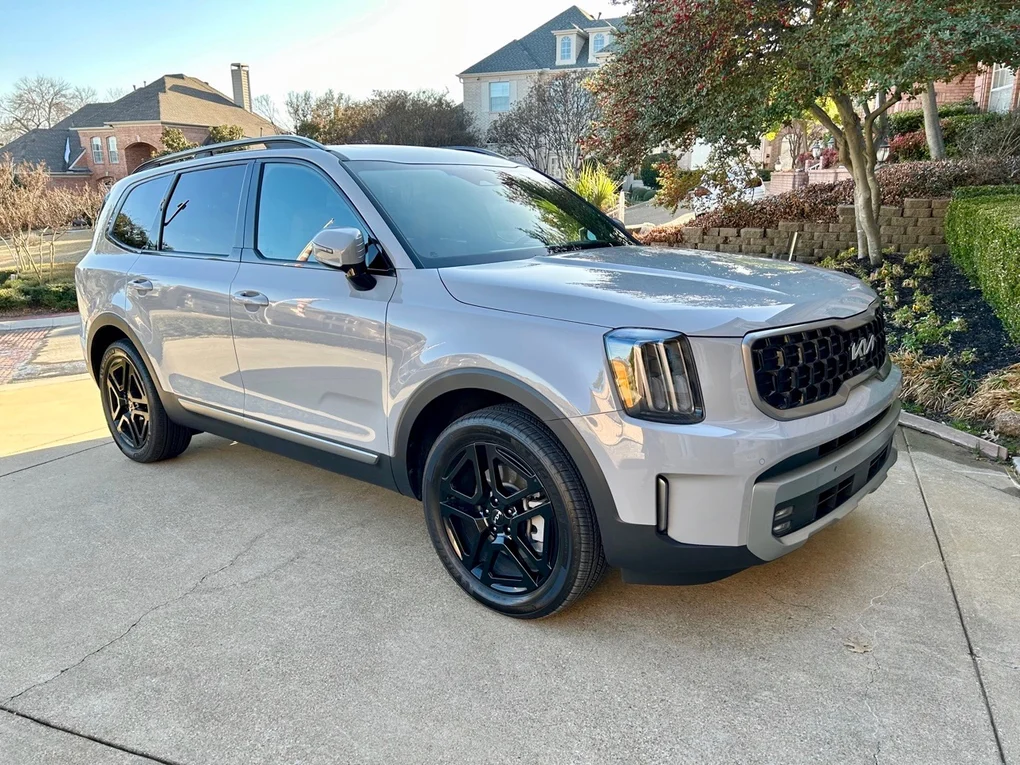
The Kia Telluride offers 87 cubic feet of cargo space with both rear rows folded and 21 cubic feet behind the third row. Hidden underfloor compartments and one-touch second-row folding seats add practical convenience. The wide hatch opening makes loading large items easy.
Towing capacity reaches 5,500 pounds, keeping it competitive in the midsize SUV class. Small-item storage is more limited, with fewer compartments for personal belongings than some rivals, but larger storage areas like the center console and glovebox are functional.
The Telluride delivers a smooth and confident driving experience. Its V6 engine is responsive, although acceleration is average for a three-row SUV. Brakes are strong and predictable, and steering is light at low speeds while weighing naturally during turns.
The transmission can occasionally hesitate under hard acceleration or uphill driving, but the well-tuned suspension ensures a comfortable ride, even on off-road-oriented trims. Visibility is good for a vehicle of this size, and optional surround-view cameras further enhance safety. Adaptive cruise control can assist with lane changes when prompted, and other standard safety systems perform reliably.
The cabin is quiet and refined, with supportive, contoured seats and pillow-like headrests. Entry is easy thanks to a low step-in height and sliding second-row captain’s chairs.
The interior accommodates car seats well, though third-row LATCH anchors are limited. Climate controls are simple to use and maintain a consistent temperature across all rows. Heating and ventilation are available for first- and second-row seats, while physical controls make adjustments straightforward.
The infotainment system is functional but shows its age. Wireless Apple CarPlay and Android Auto are absent on the tested model, and the primary data USB port is USB-A only, though higher trims offer multiple Type-C ports and a wireless charging pad.
The Telluride provides strong value with upscale materials, thoughtful features, and Kia’s five-year/60,000-mile basic and 10-year/100,000-mile powertrain warranties. Fuel economy is reasonable, averaging 23 mpg in real-world testing.
The Kia Telluride combines spaciousness, comfort, and smart design. Its near-luxury interior, thoughtful tech, and capable driving experience make it a standout choice among midsize three-row SUVs.
Also Read: 5 Cars Whose Door Seals Stay Supple VS 5 That Need Annual Replacement
6. Subaru Outback: Versatile Wagon with SUV-Like Capability and Practical Features
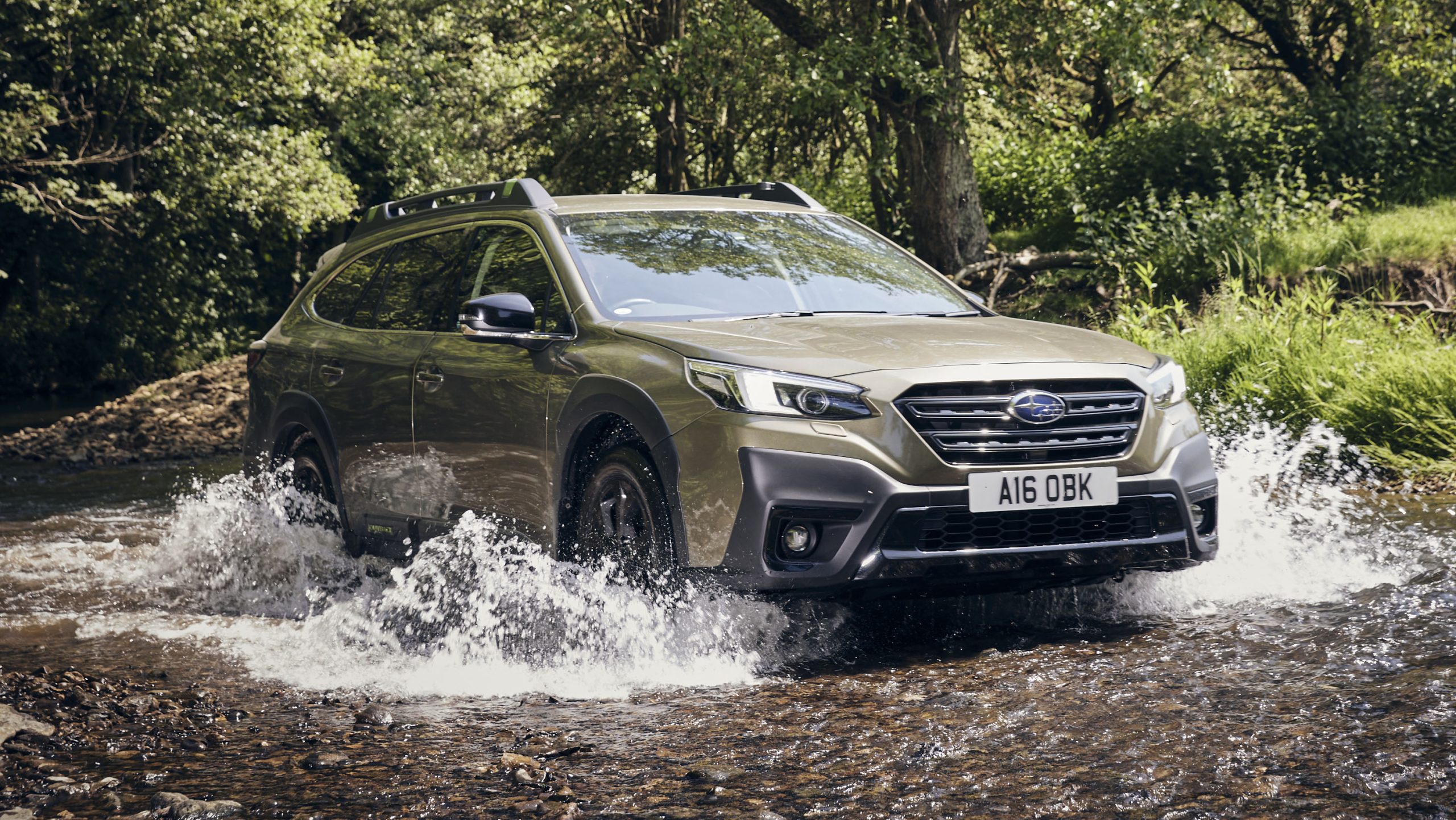
The Subaru Outback offers 32.6 cubic feet of cargo space behind the second row, expanding to 75.6 cubic feet with the rear seats folded. Its practical design includes standard roof rails and a durable interior, making it ideal for outdoor adventures and gear-heavy trips. The wide cargo area can easily accommodate bicycles, camping equipment, or luggage for extended trips.
The Outback handles competently with smooth rides over most road surfaces. Standard models come with a 2.5-liter flat four-cylinder engine producing 182 horsepower, while upper trims and the Wilderness edition feature a 2.4-liter turbocharged flat-four with 260 horsepower.
All models have all-wheel drive and a continuously variable transmission (CVT). The base engine can feel underpowered, but the turbo-four provides more spirited acceleration, though some turbo lag is present. Steering is balanced but lacks strong feedback, and the CVT can feel unrefined at higher speeds.
The cabin seats five passengers comfortably, with supportive front seats and sufficient rear space for adults. Interior materials are practical and durable, though the design is relatively plain. Climate controls are simple to operate, and the cabin maintains a quiet, comfortable environment even on highways. The Outback provides a good balance of space and comfort for both daily driving and outdoor adventures.
Base trims include two 7-inch touchscreens, lane-keeping assist, and forward automatic emergency braking. Higher trims add larger screens, heated seats, premium audio systems, and synthetic or genuine leather upholstery.
Child seat installation is simplified by versatile LATCH connectors, earning Good+ ratings from IIHS. Standard driver-assistance features include adaptive cruise control, forward collision warning, and lane-keeping aid.
The Outback offers strong value in the wagon segment, with starting prices from $28,895 and a range of features for its cost. Fuel economy is above average for the class, with EPA estimates of 26/32 mpg for the base engine and 21–29 mpg for turbo-equipped models. Reliability predictions are solid, with a J.D. Power score of 81 out of 100.
The Subaru Outback is a practical, versatile wagon with SUV-like capability. Its combination of cargo space, comfort, all-wheel-drive utility, and strong safety features makes it ideal for outdoor enthusiasts seeking a dependable daily driver.
7. Toyota Sequoia: Powerful Full-Size SUV with Impressive Towing and Versatility
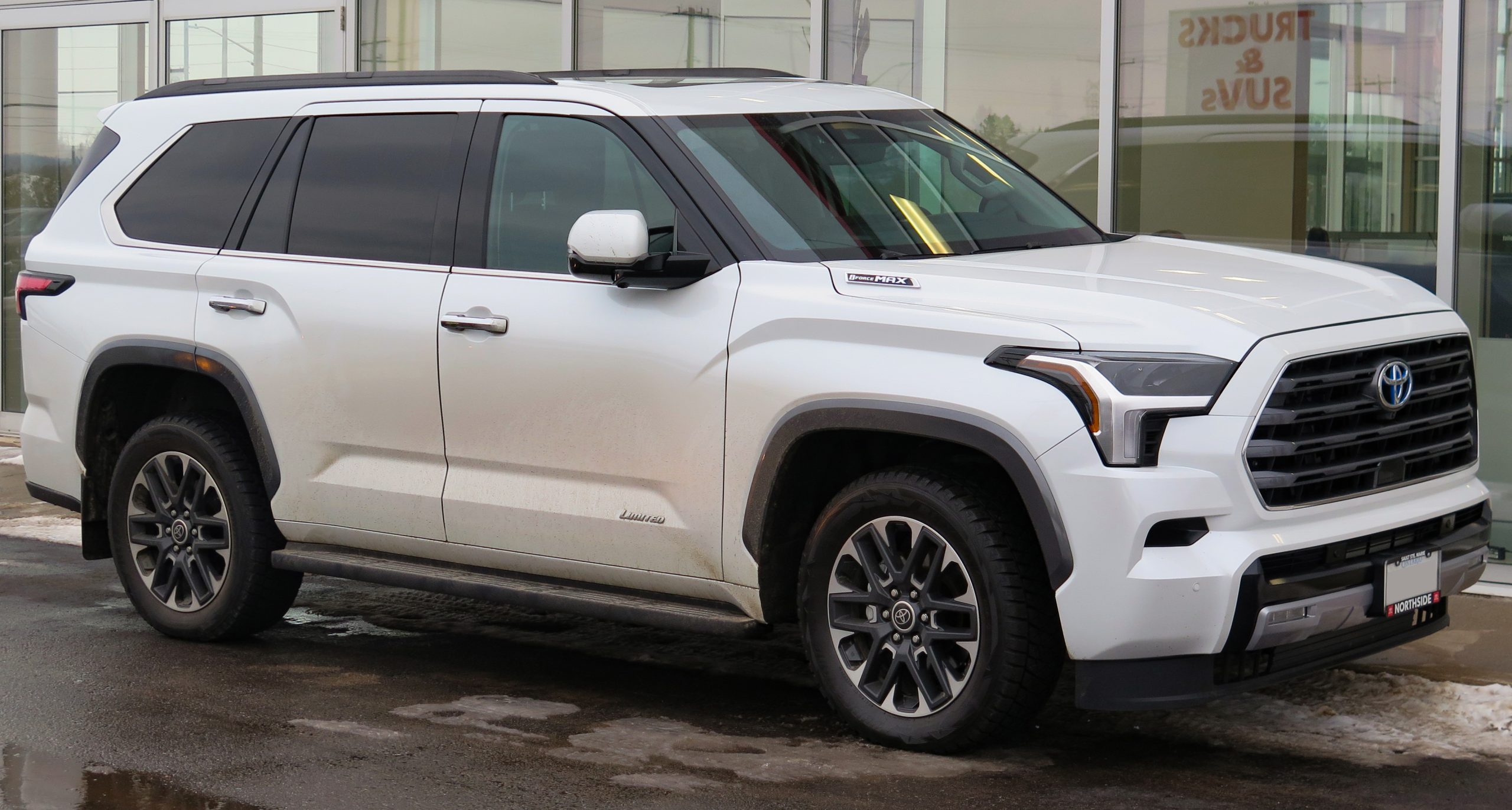
The Toyota Sequoia offers up to 86.9 cubic feet of cargo space, with a sliding third-row seat providing unique configuration options. Behind the third row, cargo space measures 22.3 cubic feet, though the hybrid battery prevents the seats from folding completely flat, slightly limiting utility.
Interior storage is functional but somewhat small, with sliding trays and nooks offering limited benefit. The Sequoia’s strong towing capacity of 9,520 pounds makes it capable for trailers, boats, and recreational equipment.
Equipped with a turbocharged V6 hybrid powertrain, the Sequoia is one of the quickest full-size SUVs, accelerating from 0 to 60 mph in just six seconds. Braking is smooth and confident, while the solid rear-axle suspension excels at towing and off-road stability but produces a bumpier ride on city streets.
Steering is adequate, and visibility is enhanced by surround-view cameras. Standard driver aids, including adaptive cruise control and lane-keeping assistance, operate effectively, though the SUV does not feature the latest advanced safety tech.
The Sequoia’s cabin is durable and functional, with supportive front seats featuring heating and ventilation. Rear seat cushions sit low, which may be less comfortable for taller passengers, and cabin noise is noticeable from the road and powertrain under acceleration.
Step rails and large door openings make entry easy for passengers of all ages, while second-row captain’s chairs facilitate third-row access. The driver’s seat offers a good range of adjustments for comfort.
The 14-inch central touchscreen is modern but has occasional connectivity issues, and Apple CarPlay may experience intermittent problems. The audio system is adequate, and the cabin includes five USB ports, a household-style outlet, and a wireless charging pad.
Warranty coverage is average, with three years/36,000 miles basic, five years/60,000 miles powertrain, and extended hybrid component coverage. Fuel economy is estimated at 20 mpg combined, which is competitive for a large hybrid SUV.
The Toyota Sequoia combines striking style, powerful hybrid performance, and strong towing capabilities. While cabin refinement and tech features are modest, its versatility, cargo flexibility, and muscular driving experience make it a compelling choice for full-size SUV buyers seeking capability and presence.
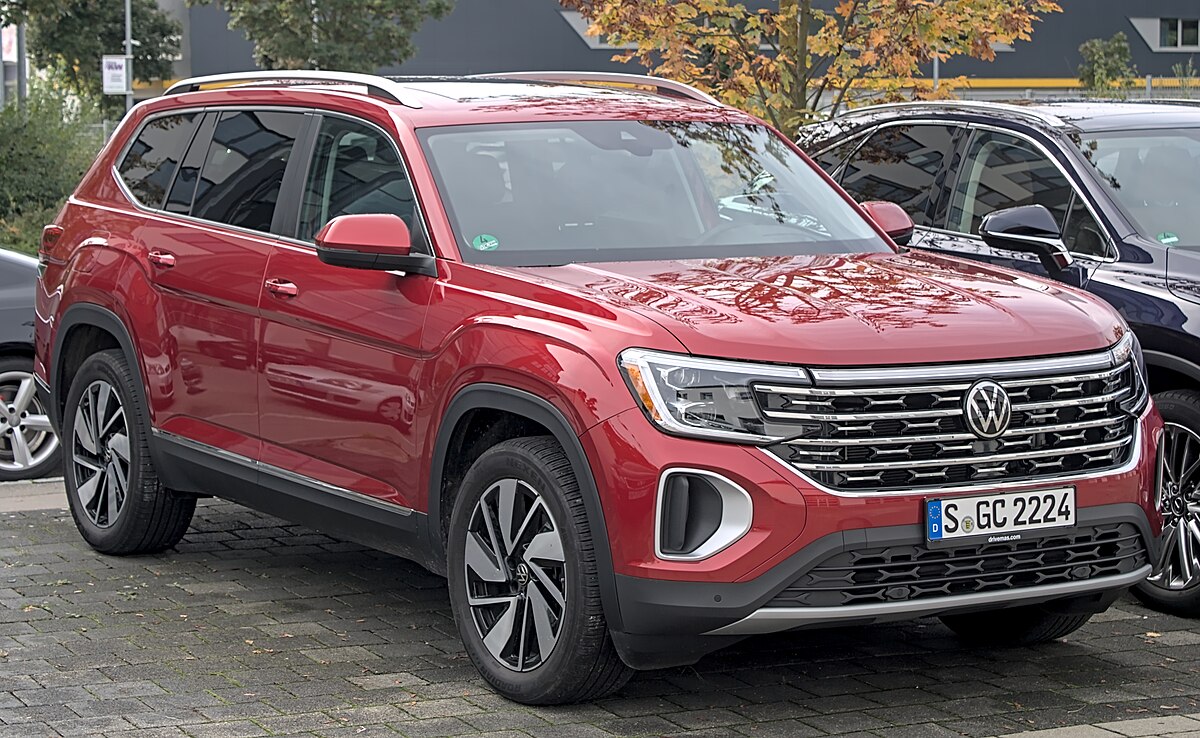
8. Volkswagen Atlas: Spacious Midsize SUV Prioritizing Comfort and Practicality
The Volkswagen Atlas offers impressive cargo space, with 20.6 cubic feet behind the third row and a massive 96.6 cubic feet with both the second and third rows folded flat. The near-vertical tailgate and fold-flat seats make loading and unloading easy.
While the second and third rows do not fold automatically, they provide van-like storage capacity. In-cabin storage is well thought out, with numerous compartments and door pockets, though second-row cubbies are limited. The Atlas can tow up to 5,000 pounds when properly equipped, which is average for midsize SUVs.
The Atlas comes with a four-cylinder engine that struggles to deliver smooth power at low speeds. It accelerates sufficiently for highway driving, and the automatic transmission shifts smoothly. Braking is strong, and steering is precise, though body lean is noticeable around corners.
Ride quality is cushy, balancing comfort with on-road stability. Standard driver aids, including adaptive cruise control and lane-keeping assistance, work well and are easy to operate, making highway driving less stressful.
The Atlas is one of the roomiest vehicles in its class, with tall adults able to fit comfortably in the third row. Front seats are supportive, while second-row seats are flat, and third-row headrests can hit the upper backs of taller passengers. Entry and exit are made easy by sliding and tilting the second-row seats.
Noise insulation is good, and three-zone climate control keeps all passengers comfortable. Heated and ventilated front seats are standard, but touch-sensitive sliders for climate and audio controls can be distracting, especially at night.
The Atlas offers a 12-inch center touchscreen, wireless Apple CarPlay and Android Auto, a wireless charging pad, and numerous USB-C ports. Onboard navigation is less reliable than smartphone apps.
Pricing is competitive with other midsize SUVs, and build quality is solid, though interiors feel less upscale than rivals like the Kia Telluride. VW provides four years/50,000 miles of basic and powertrain coverage, plus two complimentary maintenance services over two years.
The Volkswagen Atlas shines for families seeking comfort, space, and practical usability. While its engine lacks excitement, it excels as a roomy, functional three-row SUV capable of carrying up to seven people with ease.
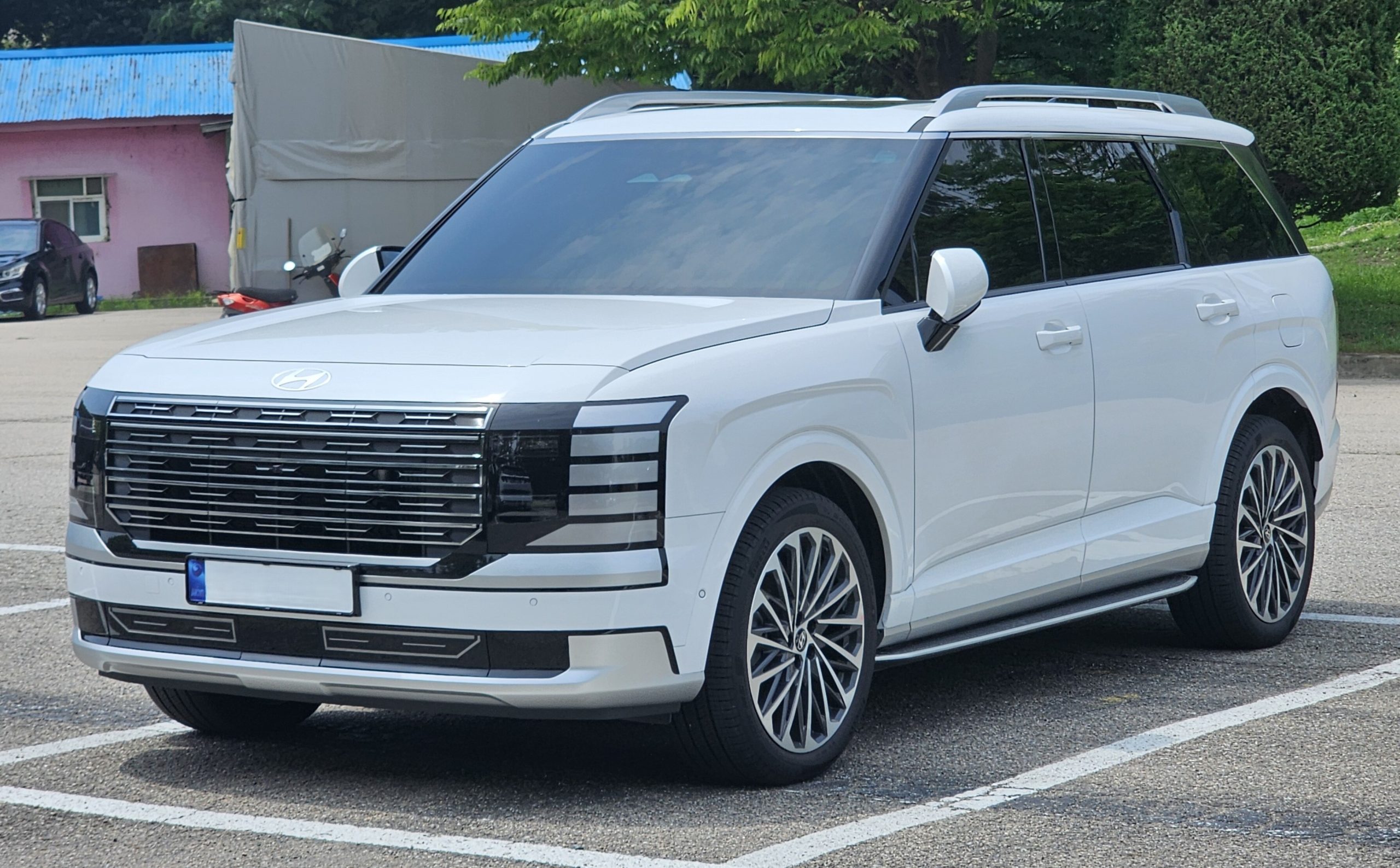
9. Hyundai Palisade: Spacious Family SUV Combining Comfort, Technology, and Style
The Hyundai Palisade offers 86.4 cubic feet of cargo space with clever storage solutions that enhance family convenience. Power-folding second and third rows simplify reconfiguring the cabin, while underfloor bins provide hidden storage for smaller items.
Cargo volumes range from 19.1 cubic feet behind the third row to 86.7 cubic feet behind the front seats. Interior storage is abundant, with large front compartments, a roomy underarm bin, and door pockets capable of holding essential items.
The Palisade’s 3.8-liter V6 provides adequate power, though acceleration is sluggish for its class, with a 0-60 mph time of 8.8 seconds in our test vehicle. The transmission can be slow to downshift, especially under heavy acceleration.
Despite this, the Palisade delivers a smooth, refined ride, gliding over rough surfaces without transmitting harshness into the cabin. Visibility is excellent, aided by large windows and optional 360-degree cameras. Standard driver-assistance features work well, though lane-centering can cause excessive bouncing between lane markers.
Front seats are adjustable and comfortable, and the cabin offers generous headroom and legroom. Third-row access is made easier with low step-in height and sliding captain’s chairs.
LATCH anchors are well positioned for car seat installation, and optional power-adjustable third-row seats enhance passenger comfort. Climate control is intuitive and efficient, maintaining a quiet and serene interior even at highway speeds.
The Palisade features a large touchscreen with logical menus, wireless Apple CarPlay and Android Auto, seven USB ports, a wireless charging pad, and front and rear dash cams in higher trims.
Cabin materials are premium, with soft-touch surfaces, leather, aluminum, and textile detailing. While it is one of the more expensive three-row SUVs, Hyundai provides excellent standard features and industry-leading warranties: five years/60,000 miles basic and 10 years/100,000 miles powertrain coverage.
The all-wheel-drive Palisade achieves an EPA-estimated 20 mpg combined, on par with rivals such as the Kia Telluride and Honda Pilot. The upcoming hybrid variant promises improved efficiency.
The Hyundai Palisade stands out for its thoughtful design, quiet cabin, and family-friendly features. It combines style, practicality, and comfort, making it an appealing choice for those who want a well-equipped three-row SUV with smart storage solutions.
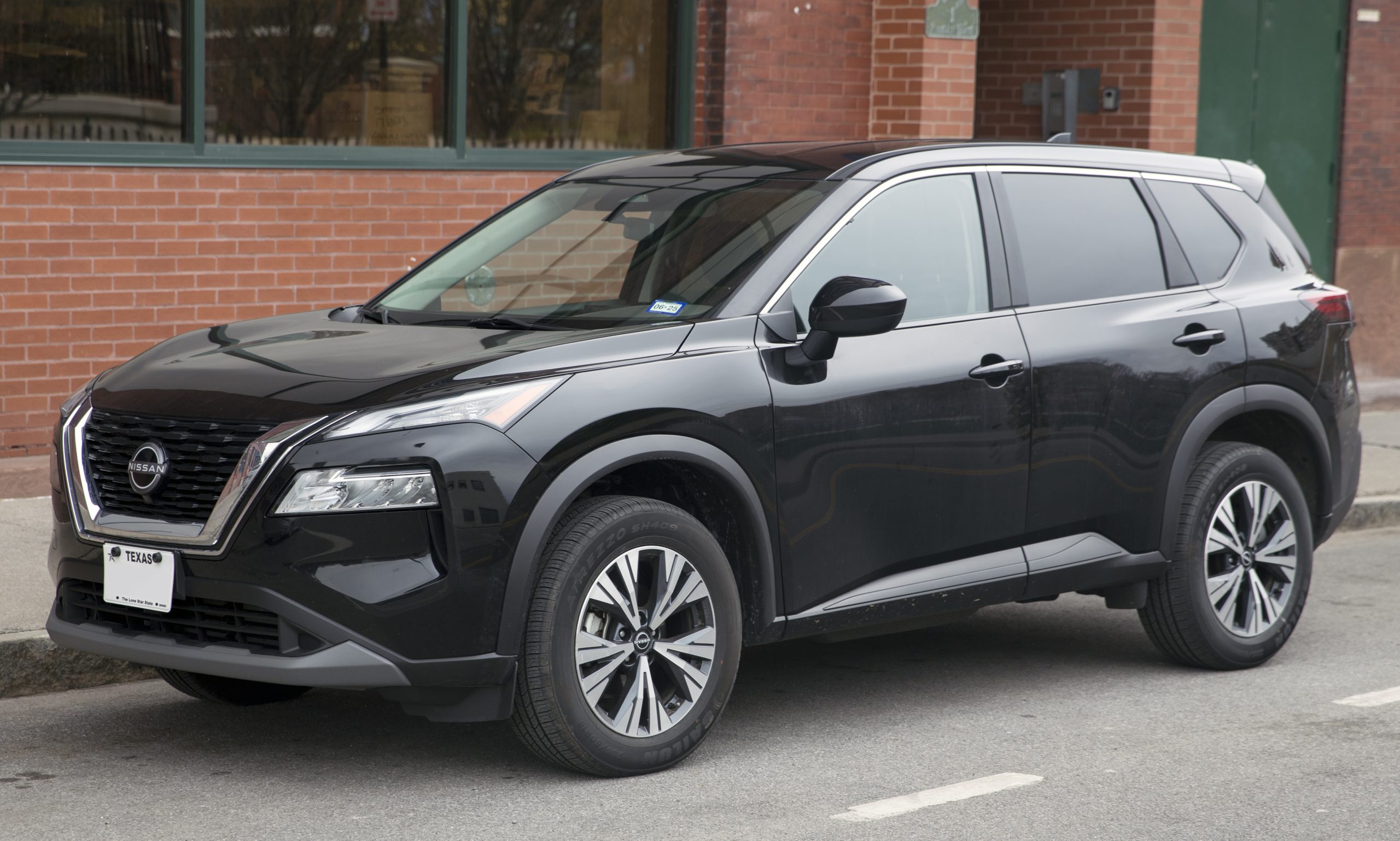
10. Nissan Rogue: Compact SUV Combining Practical Cargo, Comfort, and Advanced Features
The Nissan Rogue impresses with its practical cargo solutions, offering up to 74.1 cubic feet of space. Its Divide-N-Hide system adds configurable panels that allow users to organize groceries, luggage, or other items efficiently.
In-cabin storage is versatile, with multiple trays and compartments for both front and rear passengers. While the Rogue is capable of towing up to 1,500 pounds, it is best suited for light hauling rather than heavy-duty trailers.
The Rogue’s turbocharged engine provides sufficient power, but acceleration is modest, with 0-60 mph times exceeding eight seconds. Steering can feel loose around the center, and the ride can be rough on uneven roads, with noticeable side-to-side body motion.
Brakes are responsive for everyday driving, though the antilock system can be noisy under emergency stops. Advanced driver-assistance features include adaptive cruise control, lane-centering, and optional hands-off highway driving aids. These systems work well in free-flowing traffic but can be jerky in stop-and-go situations.
Front seats are soft and supportive, ideal for long drives, though taller drivers may find headrest positioning slightly awkward. Rear seat legroom is limited compared to competitors, but car seat installation is straightforward thanks to easily accessible LATCH anchors and wide-opening rear doors. Cabin noise is noticeable at highway speeds, but simple physical controls for climate and other essential functions improve usability.
Higher trims feature a large touchscreen, digital gauge cluster, and head-up display. Wireless Apple CarPlay is included, though the interface can feel dated and less intuitive than some rivals. Despite this, the infotainment system provides adequate functionality for everyday use.
Lower trims deliver excellent value with abundant standard tech, driver aids, and an efficient gasoline engine. Front-wheel-drive models achieve an EPA-estimated 33 mpg combined, while all-wheel-drive versions manage around 31 mpg. Warranty coverage is typical for the class, with three years/36,000 miles for bumper-to-bumper and five years/60,000 miles for the powertrain, plus two years/24,000 miles of maintenance.
The Nissan Rogue stands out for its cargo flexibility, family-friendly interior, and fuel efficiency, though refinement, ride quality, and high-end trim appeal may lag behind competitors.
From the cavernous Chevrolet Suburban to the clever, space-savvy Nissan Rogue, each of the ten vehicles highlighted proves that cargo capacity and practical design go hand in hand.
Families, outdoor enthusiasts, and daily commuters alike will appreciate features such as power-folding seats, underfloor storage bins, and wide, low-load floors that make strollers, groceries, and luggage a breeze to stow.
While some models prioritize sheer size and towing prowess, others excel in comfort, fuel efficiency, and thoughtful interior layouts. Across compact, midsize, and full-size categories, these SUVs and crossovers combine versatility, safety, and convenience, showing that a well-designed trunk can truly redefine your daily routine.
Choosing any of these ten vehicles ensures that whether you’re loading up for a road trip, a weekend adventure, or a quick grocery run, there’s always plenty of space to carry everything life throws your way.
Also Read: 10 Cars Mechanics Secretly Love Owning Over Decades