
When it comes to buying a vehicle, durability and long-term reliability are just as important as performance and style. One factor that is often overlooked, yet critically affects a car’s lifespan, is rust protection.
Corrosion can compromise structural integrity, reduce resale value, and lead to costly repairs, especially in regions with harsh winters, road salt, or coastal climates. For drivers who prioritize longevity and low maintenance, factory-applied rust protection is a major advantage.
From compact sedans to midsize SUVs and luxury crossovers, manufacturers have invested heavily in galvanization, anti-corrosion coatings, and seam-sealing techniques to ensure vehicles remain resilient over time.
Our list of “10 Cars With the Best Factory Rust Protection” highlights models that combine reliability, performance, and advanced corrosion defenses. These vehicles are engineered to withstand moisture, salt, and everyday wear, offering owners peace of mind and confidence that their investment will remain strong year after year.
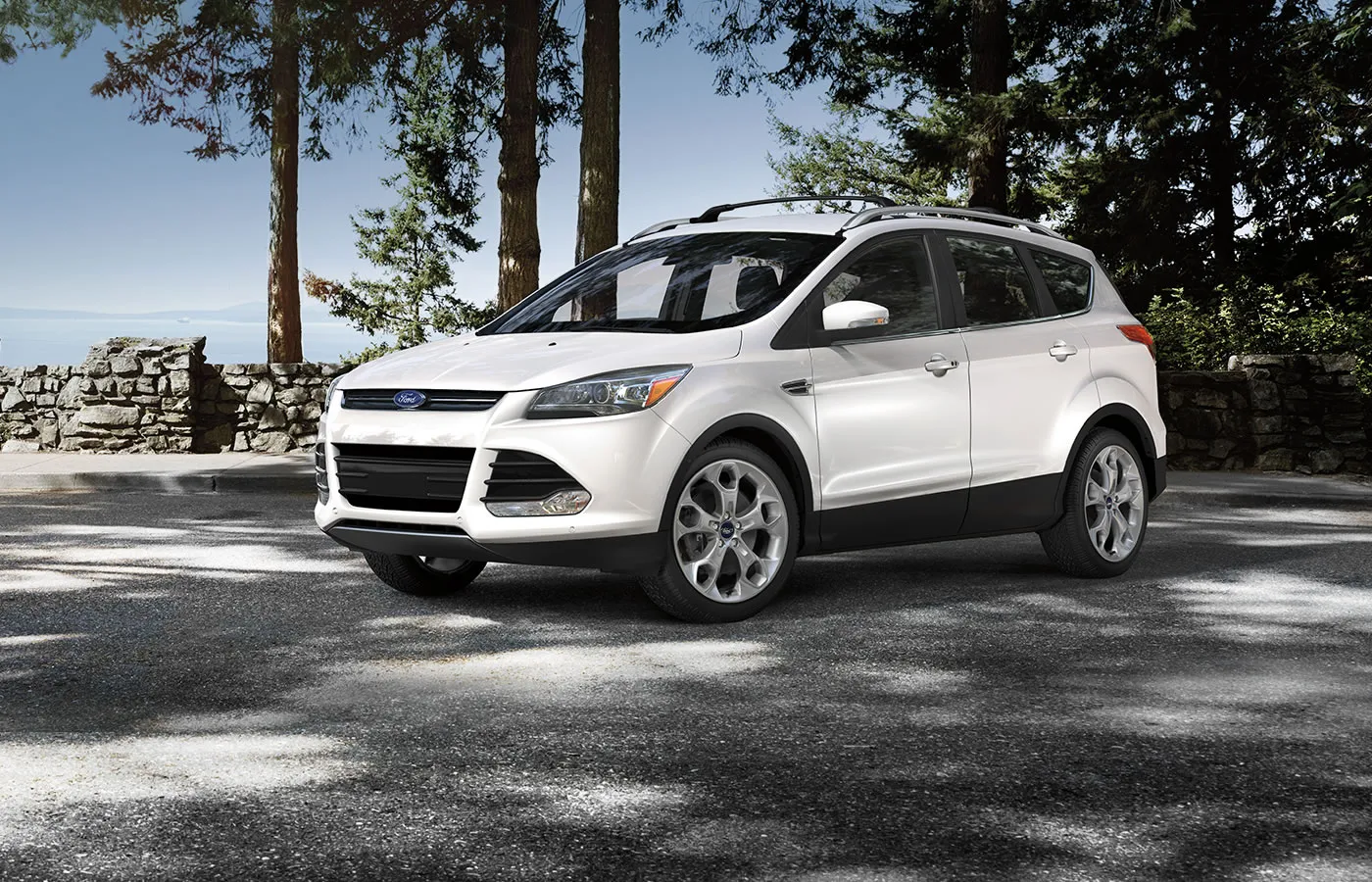
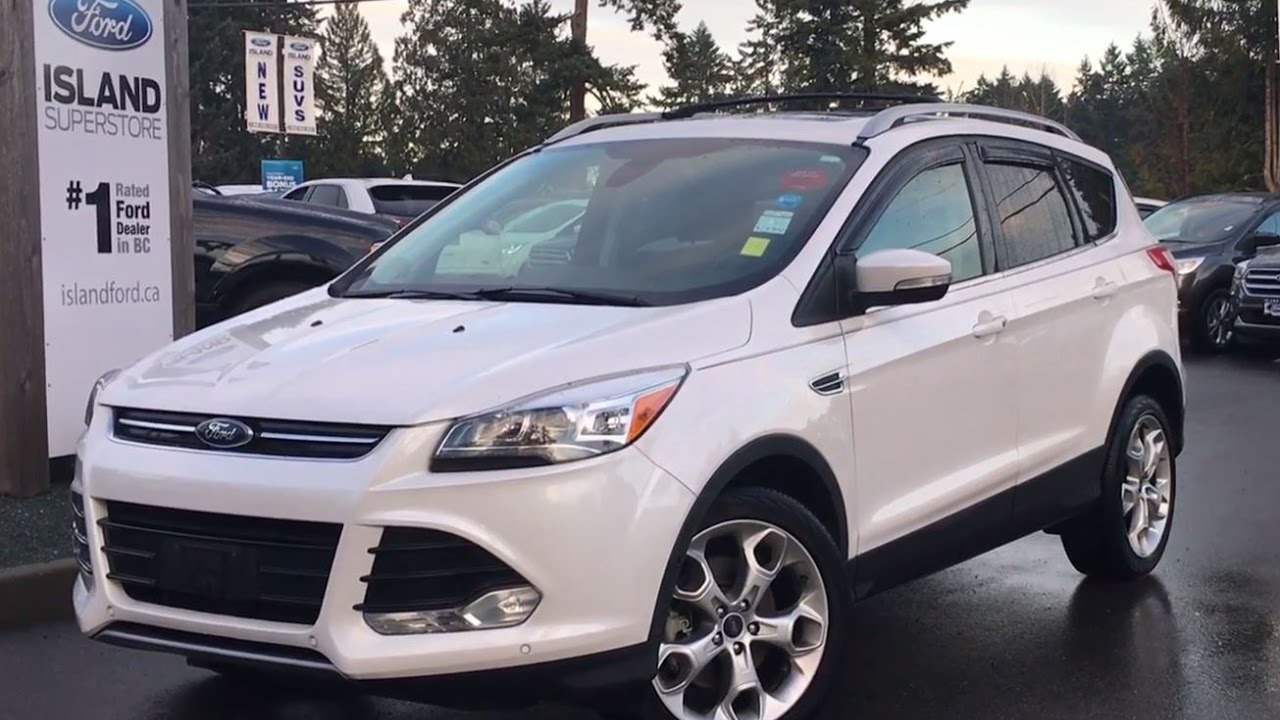
1. Ford Escape 2014–2016: A Rust-Resistant and Capable Compact SUV
The 2014–2016 Ford Escape is a strong choice for drivers who need a dependable compact SUV that stands up well to winter conditions and frequent exposure to road salt. Ford placed significant emphasis on corrosion resistance during these model years, using galvanized steel body panels and protective factory coatings that help prevent rust formation when properly maintained.
This makes the Escape particularly appealing to drivers in regions with harsh climates who want peace of mind along with everyday practicality. The vehicle also provides a comfortable interior, accessible technology, and All Wheel Drive availability that enhances stability on snow-covered roads.
Performance options are varied and allow buyers to choose the level of power that suits their needs. The S trim uses a 2.5-liter four-cylinder engine that produces 168 horsepower and 167 pound-feet of torque.
The SE and Titanium trims include a turbocharged 1.6-liter engine with 178 horsepower and 184 pound-feet of torque, while an optional turbocharged 2.0-liter engine delivers a more spirited 240 horsepower and 270 pound-feet.
All trims feature a six-speed automatic transmission. Every model except the S offers the choice of front wheel or all wheel drive, providing flexibility for different driving environments. When tested, the All Wheel Drive Escape with the 2.0 liter engine reached 60 miles per hour in seven seconds, and the same engine allows the SUV to tow up to 3500 pounds when properly equipped.
Fuel economy varies depending on configuration, with the 1.6-liter turbocharged engine in Front Wheel Drive form offering the most efficient rating of 26 miles per gallon combined.
Safety features are strong for this class of vehicle. Standard equipment includes antilock disc brakes, stability and traction control, a driver knee airbag, front seat side airbags, and full-length curtain airbags.
MyKey, a rearview camera, and blind spot mirrors are also included. Higher trims add features such as rear parking sensors and the option of a blind spot warning system with cross traffic alert. The Escape earned four stars in government crash testing and received top Good ratings in major Insurance Institute for Highway Safety categories.
Inside, the Escape offers generous headroom and legroom along with supportive seating. Cargo space measures 34.3 cubic feet with the rear seats upright and increases to 68.1 cubic feet when they are folded.
The cabin uses attractive materials and maintains a sporty feel, although the placement of the climate controls and the learning curve of the optional MyFord Touch system may require some adjustment for new users.
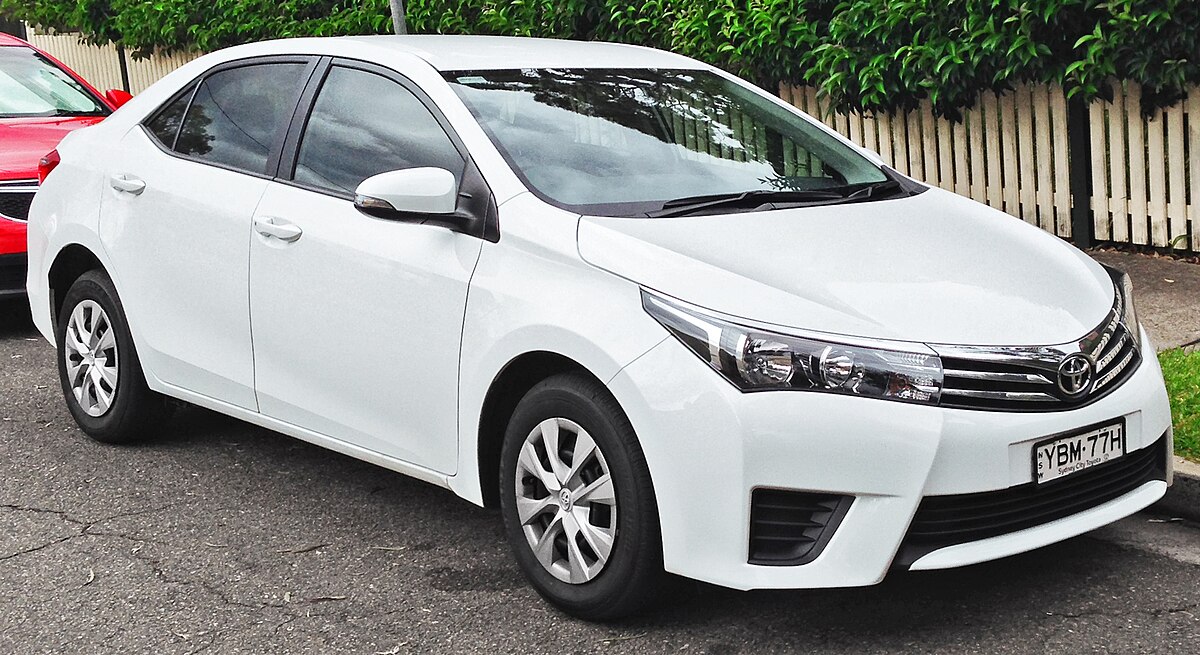
2. Toyota Corolla 2014–2017: A Reliable and Rust-Resistant Winter Companion
The 2014–2017 Toyota Corolla is a dependable compact sedan known for reliability and strong resistance to rust. Toyota’s advanced anti-corrosion treatments help protect the body and frame from road salt, making the Corolla a smart option for winter driving.
Its compact size allows confident handling on icy roads, while excellent fuel economy helps reduce operating costs during colder months. With low maintenance requirements and long-lasting durability, it remains a popular choice in regions that experience harsh seasonal conditions.
All trims in this generation use a 1.8-liter four-cylinder engine. Most models produce 132 horsepower and 128 pound-feet of torque, while the LE Eco trim uses a specially tuned version with 140 horsepower and 126 pound-feet.
Transmission choices include a six-speed manual available on the L and S trims, a four-speed automatic optional on the L, and a continuously variable transmission that is standard on the LE and LE Eco and optional on the S. The CVT on the S model includes paddle shifters and a Sport mode that provides quicker responses during more active driving.
Fuel efficiency is one of the Corolla’s strongest qualities. Models with the manual and four-speed automatic achieve 31 miles per gallon combined. CVT-equipped versions reach 32 miles per gallon combined, depending on the trim. The LE Eco leads the lineup with an estimated 35 miles per gallon combined and up to 42 miles per gallon on the highway.
Standard safety equipment includes stability and traction control, antilock brakes, multiple airbags positioned throughout the cabin, and a rearview camera on every trim except the base L.
The Corolla earned five stars in government crash testing, performing well in frontal and side impact tests and receiving four stars in rollover testing. The Insurance Institute for Highway Safety rated it Good in moderate overlap front impacts, side impacts, roof strength, and head restraint tests, with a Moderate rating in the small overlap front test.
Driving impressions show a vehicle that emphasizes comfort and predictability. The steering is accurate but muted, and the suspension delivers a smooth ride without feeling overly cushioned. The engine performs dependably in everyday situations, though it can feel taxed during steep climbs or aggressive passing.
The cabin favors practical design with straightforward controls, large knobs for climate settings, and a clear touchscreen on upgraded trims. Seating is soft and comfortable, and rear legroom is generous at 41.4 inches. The trunk offers 13 cubic feet of space, and the split folding rear seats add flexibility for larger items.
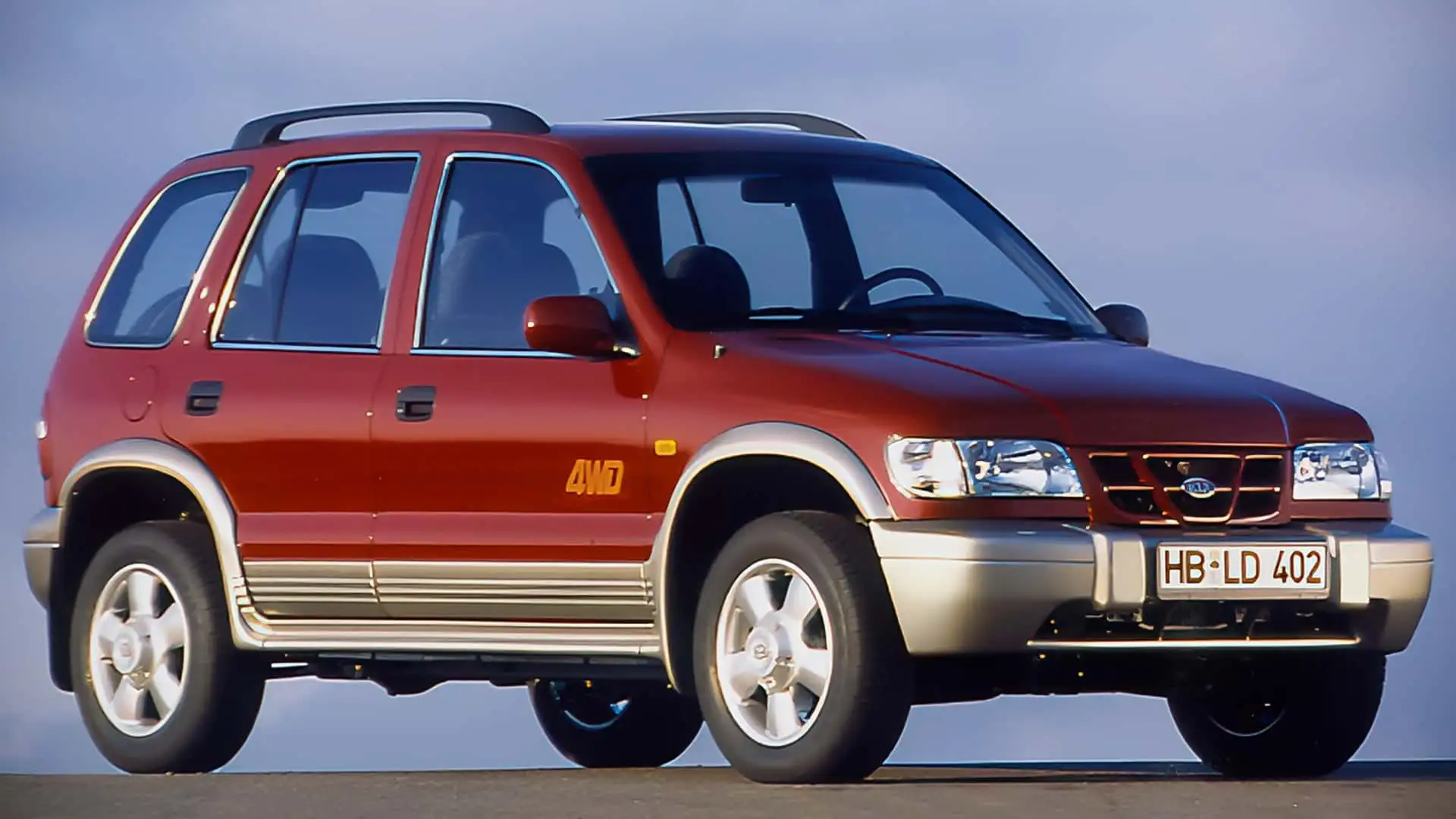
4. Kia Sportage First-Generation: Early Promise Undone by Severe Rust Issues
The first-generation Kia Sportage arrived as one of the brand’s earliest SUVs in global markets and quickly gained attention for its affordable pricing, collaboration with well-known automotive partners, and rugged styling. However, its reputation was significantly affected by severe corrosion problems.
Many owners experienced rust forming in the wheel arches and rocker panels within only a few years of purchase, and in the most extreme cases, the deterioration became extensive enough to create holes in the body panels. These issues overshadowed the vehicle’s otherwise appealing qualities and remain one of the main reasons the first-generation Sportage is remembered today.
Built in South Korea and introduced to developing U.S. regions in the late 1990s, the Sportage was designed through a partnership involving Kia, Ford, Mazda, and suspension tuning specialists at Lotus.
The model featured ladder frame construction, shift on the fly Four Wheel Drive, and a Mazda-derived engine, giving it a sturdy mechanical foundation for both everyday driving and light off-road use. Two trims were offered, base and EX, each equipped with a respectable list of standard features for the time.
Base models included power windows, tinted glass, split folding rear seats, and power mirrors. The EX trim added conveniences such as cruise control, a rear wiper, and remote liftgate release. Buyers could also choose options like air conditioning, premium audio, leather upholstery, an automatic transmission, and a limited-slip differential.
Styling was a strong point, with smooth body lines and a rugged but friendly appearance that appealed to families seeking an affordable SUV. The Sportage performed confidently off-road, although it lacked the tight, refined feel of competitors like the Toyota RAV4.
On paved roads, it delivered a surprisingly stable and comfortable ride, benefiting from Lotus-tuned suspension. Drivers enjoyed an upright seating position, excellent visibility, and an intuitive dashboard layout. Rear passengers were treated to generous room and elevated seating that improved comfort. The main drawback inside the cabin was limited storage space, though the standard spare tire carrier added some practicality.
Despite its structural flaws, the Sportage offered strong value. With a fully equipped Four Wheel Drive EX priced around twenty-one thousand dollars, it appealed to young families and active drivers seeking capability and affordability in a compact SUV.
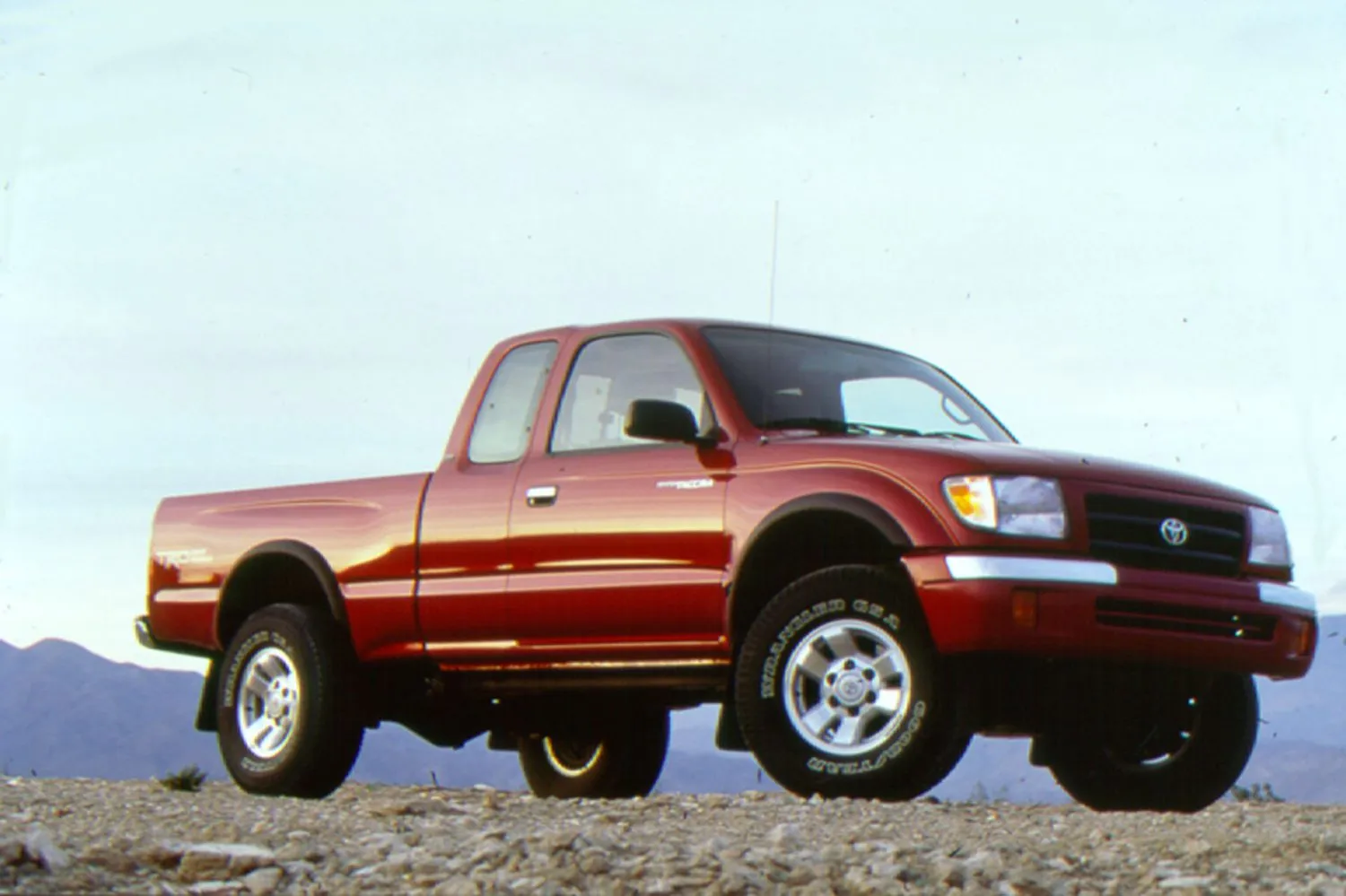
5. Toyota Tacoma 1995–2004: Strong Capability Overshadowed by Severe Frame Rust
The 1995–2004 Toyota Tacoma developed a long-lasting reputation for durability, yet it was also marked by one of the most significant rust-related issues in modern truck history. Widespread frame corrosion affected thousands of owners and ultimately led to a major recall.
The severity of the problem pushed Toyota to offer buybacks and overhaul its manufacturing processes to prevent similar failures in later generations. Despite these concerns, the Tacoma from this era remained popular for its rugged capability, strong resale value, and dependable performance.
This generation offered three engines. The base 2.4-liter four-cylinder, found on two-wheel drive models, produced 142 horsepower and 160 pound-feet of torque. A 2.7-liter four-cylinder, used in Four Wheel Drive models and two-wheel drive PreRunners, increased output to 150 horsepower and 177 pound-feet of torque.
Higher trims, such as the Double Cab and optional Xtracab, could be equipped with a 3.4-liter V6 delivering 190 horsepower and 220 pound-feet of torque. Buyers could choose between a five-speed manual or a four-speed automatic transmission.
The Tacoma’s towing capability ranged from 3,500 pounds on four-cylinder models to 5,000 pounds with the V6, making it a practical choice for work and recreation.
Safety equipment included standard antilock brakes with Electronic Brakeforce Distribution. Traction control was included with V6 models, and stability control was available as an option.
In government crash testing, the 2004 Tacoma received three stars for driver frontal impact protection and four stars for passenger protection. Side impact scores were less favorable, with three stars and a noted risk of pelvic injury. The Insurance Institute for Highway Safety rated the truck Acceptable in frontal offset testing.
Driving the Tacoma was straightforward thanks to its compact proportions and strong engines. The V6 provided confident towing and off-road performance, while the four-cylinder engines offered adequate power for daily use.
Handling was competent on pavement, though ride comfort could diminish with the TRD off-road package. Inside, the cabin design was simple and utilitarian, featuring durable materials, intuitive controls, and reasonably comfortable seating, though larger drivers might find space somewhat limited.
Also Read: 5 Cars That Last with Minimal Maintenance vs 5 Needy Machines
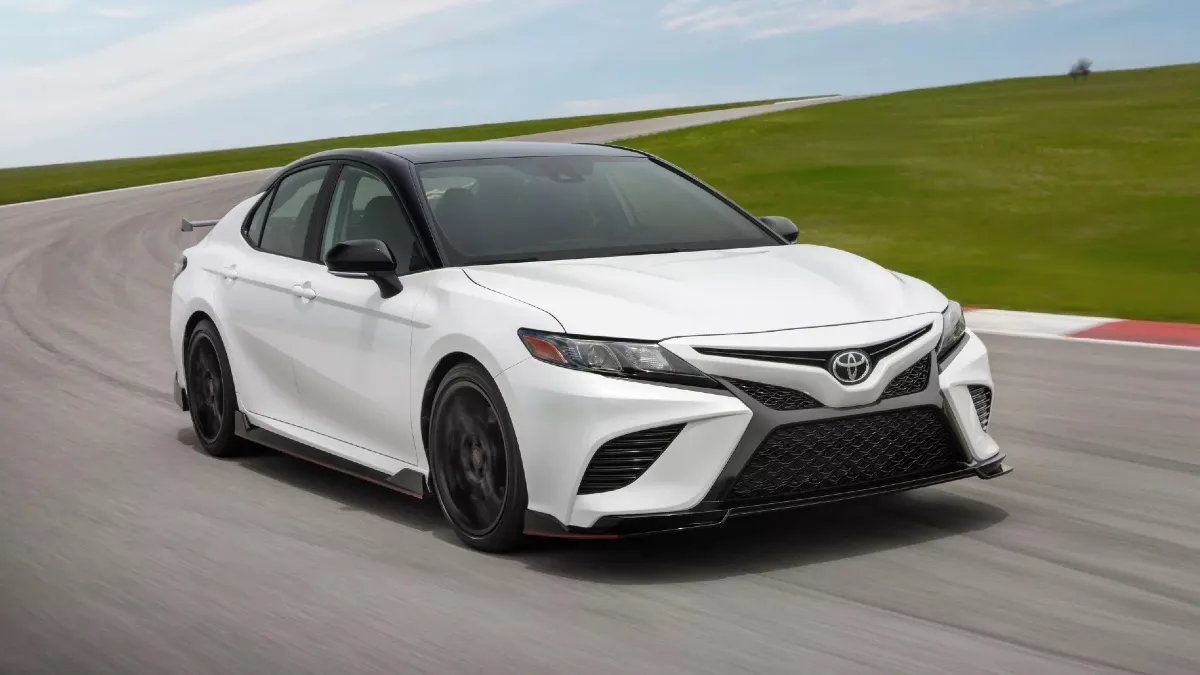
6. 2023 Toyota Camry: Modern Reliability with Exceptional Rust Protection
The 2023 Toyota Camry continues its long-standing reputation for durability with engineering that prioritizes rust resistance. Toyota uses galvanized steel panels along with high-grade anti-corrosion coatings across the body and undercarriage, allowing the Camry to withstand years of exposure to road salt, moisture, and harsh weather conditions.
Strategic sealing around wheel wells, door sills, and underbody seams helps prevent trapped moisture, which is one of the most common causes of rust in other vehicles. Toyota also applies an electrodeposition coating that reaches deep into structural areas, providing a comprehensive layer of rust protection that outperforms traditional spray methods.
This attention to detail has contributed to the Camry’s strong longevity in snow-prone regions, supported further by a five-year corrosion warranty and the option of extended coverage.
The driving experience in the 2023 Camry SE is shaped by a four-cylinder engine tuned for fuel efficiency rather than performance. Acceleration to sixty miles per hour takes 8.2 seconds, and while the engine can feel sluggish from a stop, the eight-speed transmission responds quickly and helps maintain smooth progress.
A sport-oriented suspension on the SE trim improves handling and stability without compromising everyday comfort, and the brakes are easy to modulate in both city and highway driving.
Comfort is a standout strength thanks to supportive seating, a smooth ride, and an effective climate control system that cools the cabin quickly, even in extreme heat. The cabin does allow more engine, wind, and road noise than some competitors, but the interior remains practical and user-friendly.
Wide openings and generous space make it easy to enter and exit the vehicle, and both front and rear passengers benefit from a roomy layout with clear visibility. The infotainment system is straightforward, offering Apple CarPlay, Android Auto, Amazon Alexa, and available navigation displayed on seven or nine-inch touchscreens. Multiple USB ports and an optional wireless charger support everyday convenience.
Cargo capacity measures 15.1 cubic feet with a wide trunk opening and low liftover height, and folding rear seats expand usable space. Additional cabin storage compartments provide accessible spots for small items.
Fuel economy is excellent at 32 miles per gallon combined for the four-cylinder SE, with real-world results often exceeding the official estimate. The Camry remains a strong value, offering dependability, practicality, and long-term protection that appeal to a wide range of drivers.
7. 2023 Honda CR-V: Practical Sophistication with Strong Long-Term Durability
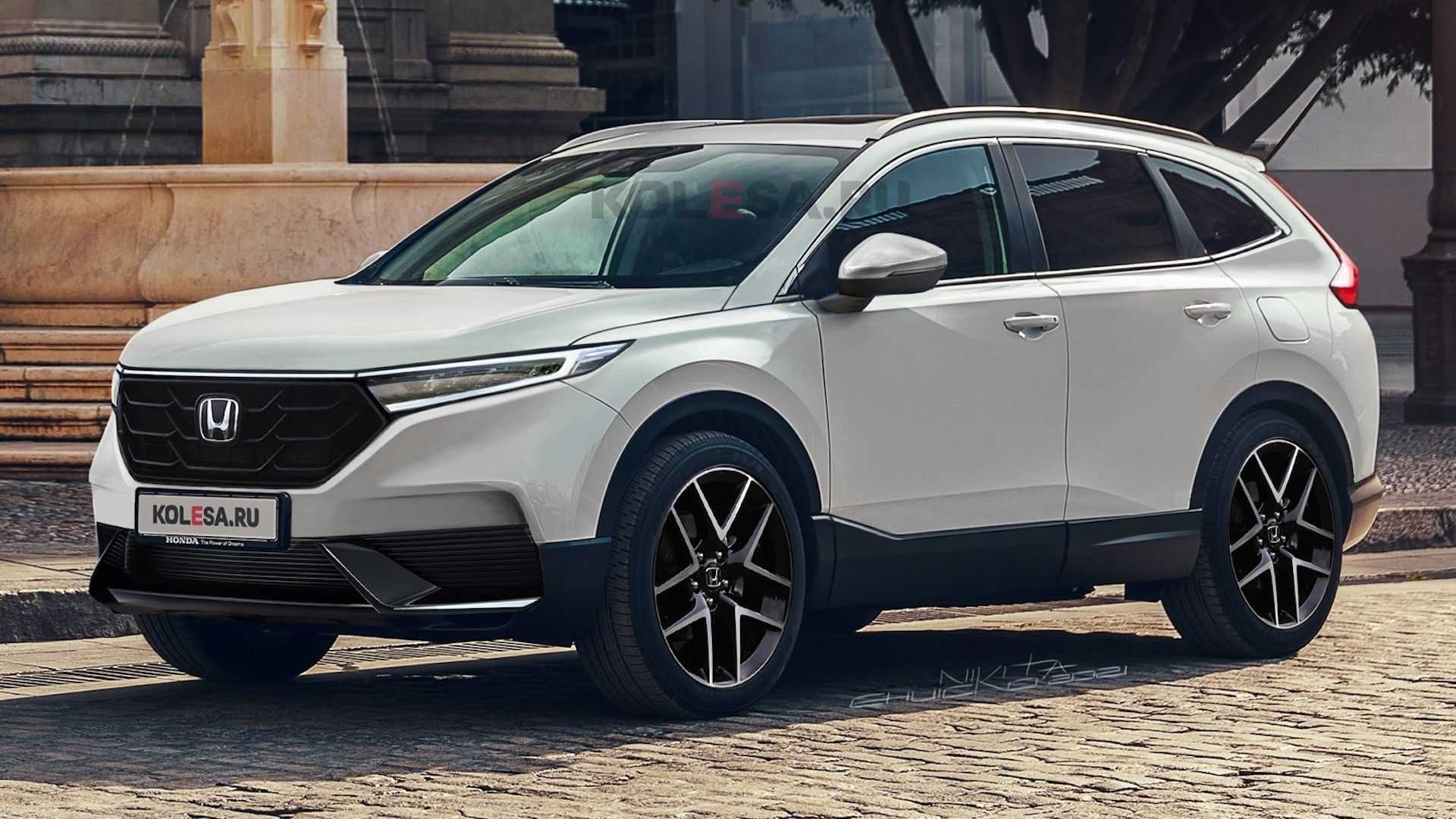
The 2023 Honda CR-V delivers a blend of efficiency, capability, and corrosion resistance that supports long-lasting ownership, especially in regions where winter road salt is a concern. Honda uses galvanized steel body panels along with layered underbody coatings to protect frame rails, suspension mounts, and other structural areas.
Seam sealants are applied strategically to prevent moisture from entering joints and weld points. Plastic fender liners and splash guards help defend against salt spray and debris.
Owners in cold northern climates consistently report that the CR-V maintains its structural integrity well after years of use. Key components such as brake lines and the rear subframe benefit from protective design choices, and the vehicle is backed by a 5-year corrosion warranty.
The driving experience is composed and predictable. While it is not tuned for performance, the hybrid model reaches 60 mph in 8.0 seconds, and the standard 1.5-liter engine performs similarly for its class.
Steering feels responsive, and braking performance is smooth and confidence-inspiring. The hybrid powertrain remains refined during slow city driving but can sound strained on steep inclines. The suspension offers a soft, settled ride that smooths out imperfections without excessive body movement.
Inside, the CR-V emphasizes comfort and accessibility. Both rows have generous space, and the large windows create a sense of openness while supporting good outward visibility. Seat height and wide door openings make entry and exit simple for adults.
The front seats provide enough adjustment to accommodate various driving positions, and the rear seatbacks recline for added comfort. Road noise is well controlled, though the hybrid system can sound coarse under heavy load.
Technology features include a standard 7-inch touchscreen and an optional 9-inch unit, both using a responsive and straightforward interface. Wireless Apple CarPlay and Android Auto are included across the lineup.
Higher trims offer navigation and voice recognition, though the latter is less advanced than some rivals. Driver assistance features such as adaptive cruise control and lane-centering steering operate smoothly and come standard.
Cargo capacity stands at 39.3 cubic feet, offering generous space for a small SUV without any reduction in hybrid models. Interior storage is more limited than the previous generation, but installing child seats is easy thanks to wide openings and accessible anchors.
Fuel economy ranges from 30 mpg combined on gas models to up to 40 mpg on the hybrid, though real-world results vary. Pricing is slightly higher than many competitors, but the CR-V’s construction quality and durability justify the cost.
8. 2023 Subaru Outback: Rugged Versatility with Advanced Rust Protection
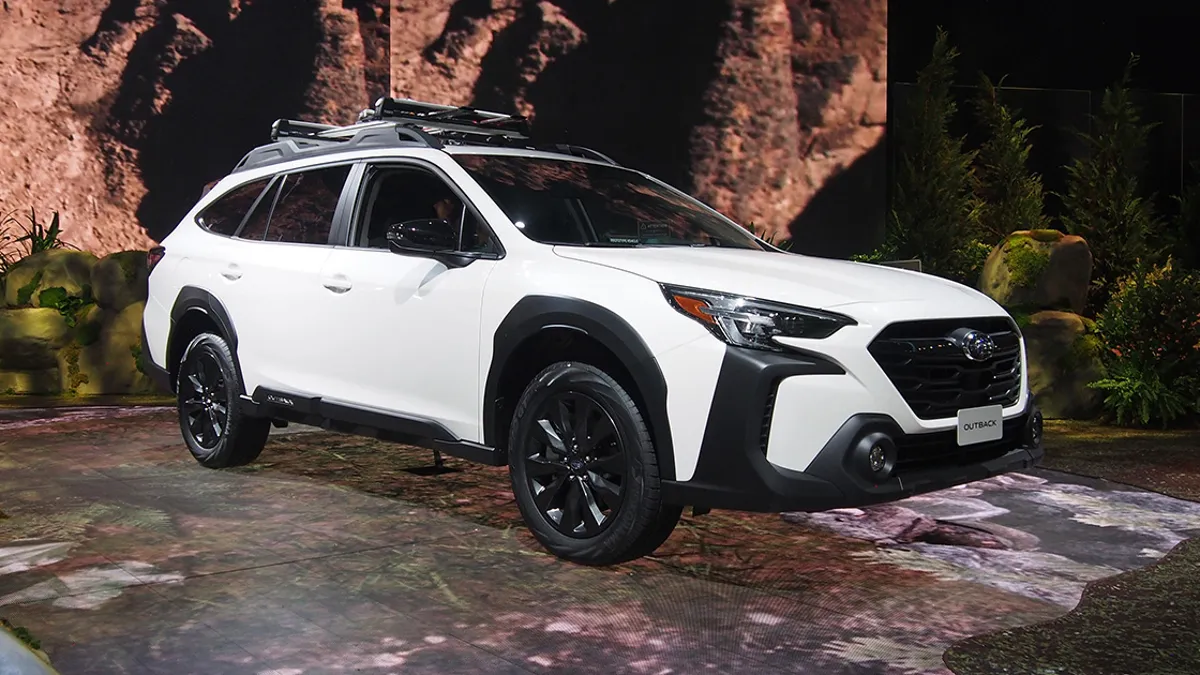
The 2023 Subaru Outback is a midsize crossover designed for adventure, combining off-road capability with strong corrosion resistance. Subaru builds the Outback with a fully galvanized steel body and a factory-applied undercoating to protect the frame, suspension components, and underbody from road salt, slush, and debris.
Weld-seam sealers and heavy-duty rust-proofing in high-risk areas such as wheel wells and rocker panels further enhance its durability. Rubberized splash guards help prevent damage from gravel, sand, and salt, while the raised ride height provides extra clearance to minimize undercarriage exposure.
Brake and fuel lines are also coated to reduce the risk of corrosion-related failures. These measures, along with Subaru’s symmetrical all-wheel-drive system and reinforced frame, allow the Outback to maintain structural reliability through harsh winters. A five-year unlimited-mileage corrosion warranty provides added peace of mind.
Driving the Outback is unhurried, with the base four-cylinder engine reaching 60 mph in 8.8 seconds. While acceleration is modest, the eight-speed transmission shifts promptly to maintain traffic pace. The turbocharged engine is a better option for drivers seeking more power.
The Outback offers 8.7 inches of ground clearance and standard all-wheel drive, making it capable on roads and trails that challenge many competitors. Handling is composed, though body roll is noticeable in corners, and steering provides good feedback. Braking is reliable and easy to modulate.
The cabin emphasizes comfort and space. Front seats are supportive and well-cushioned, while rear passengers benefit from generous headroom and legroom. Large windows enhance visibility and create an open, airy atmosphere.
Climate controls are effective, though many settings are routed through a touchscreen that can be slow and distracting. Technology includes an 11.6-inch infotainment screen, smartphone integration via Apple CarPlay and Android Auto, multiple USB ports, and functional stereo options.
Subaru’s driver-assistance systems, including adaptive cruise control and lane-keeping assist, perform well, though alert sounds can become intrusive.
Cargo space is slightly limited compared to traditional SUVs, but the low, flat floor and accessible roof rails enhance practicality. Storage compartments are adequate, and child-seat installation is straightforward.
Fuel economy is rated at 28 mpg combined with the base engine, which is competitive despite the Outback’s non-turbo baseline. Pricing offers strong value for a capable, rust-resistant, adventure-ready vehicle, though warranties and materials quality remain average for the segment.
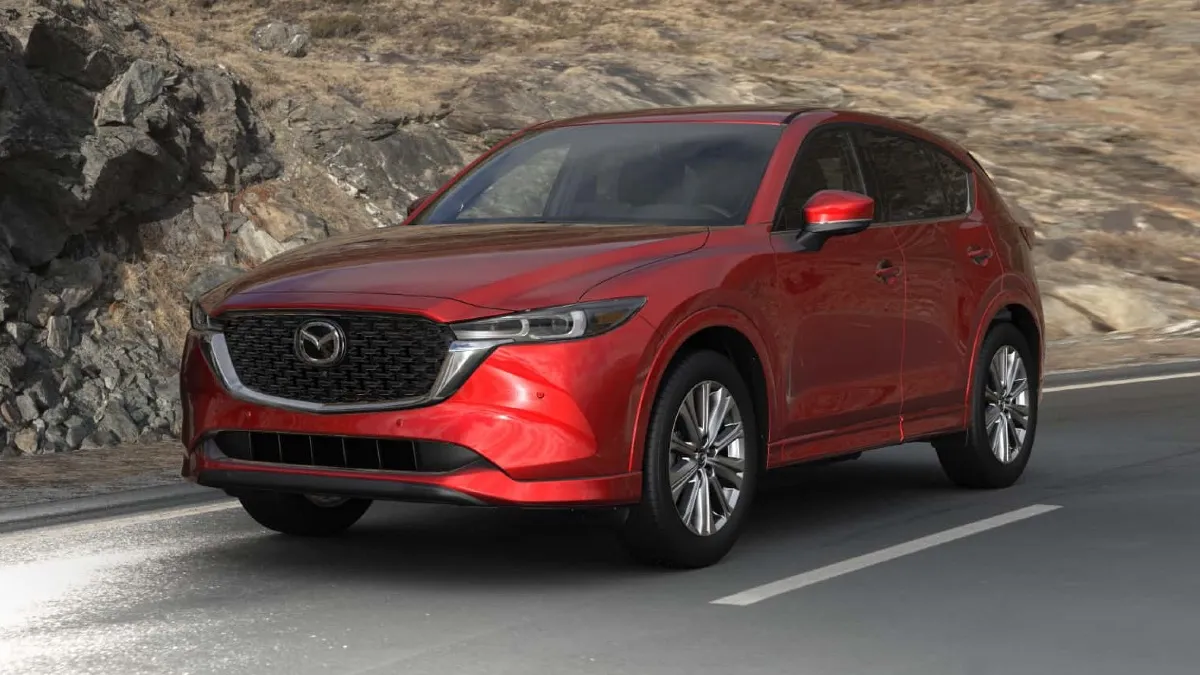
9. 2023 Mazda CX-5: Stylish Performance with Advanced Rust Protection
The 2023 Mazda CX-5 is a compact SUV that balances durability, style, and corrosion resistance. Mazda has reinforced the vehicle with a fully galvanized high-tensile steel body, extensive joint and seam sealing, and a multi-layer coating process.
This includes an electrodeposition primer, anti-chip coatings on vulnerable areas, and wax-based cavity treatments. Brake and fuel lines are coated to resist salt exposure, while extended wheel well liners reduce splash-back from winter roads.
Tight manufacturing tolerances further limit moisture intrusion, helping the CX-5 maintain structural integrity even in regions with heavy snow or road salt. Mazda supports this durability with a five-year unlimited-mileage rust-through warranty, and long-term ownership surveys rank it highly for corrosion resistance.
Performance is competent, though the base engine requires planning for overtaking and highway acceleration. The 0-60 mph sprint is 8.7 seconds with the four-cylinder engine, while the optional turbocharged engine reduces that time to 6.6 seconds.
Handling is where the CX-5 excels, with sharp, communicative steering and confident cornering that surpasses most rivals in the segment. The ride quality is firm but controlled, with minimal float over bumps, and highway noise remains muted.
The cabin is driver-focused, with all controls within easy reach. Front occupants enjoy generous space and supportive seating, while rear passengers benefit from reclining seatbacks, though the middle seat and legroom are tighter. Visibility is enhanced by tall windows and an elevated driving position, and the backup camera provides a clear view.
Infotainment is delivered via a bright 10.25-inch display with an optional navigation system and head-up display. Mazda’s voice recognition handles common functions effectively, though some driver-assist features, like the blind-spot monitor, can be overly sensitive. Storage space is slightly smaller than some competitors, but cabin organization is well thought out, and child-seat anchors are easy to access.
Fuel economy for an AWD CX-5 with the base engine is estimated at 26 mpg combined, with real-world performance slightly higher. Pricing remains competitive, offering high-quality materials and a near-premium feel without reaching the cost of top-tier rivals.
The CX-5 delivers a refined combination of style, performance, practicality, and advanced rust protection, making it a strong choice for buyers seeking long-term durability and driving enjoyment.
10. 2023 Volvo XC90: Luxury SUV with Exceptional Rust Protection
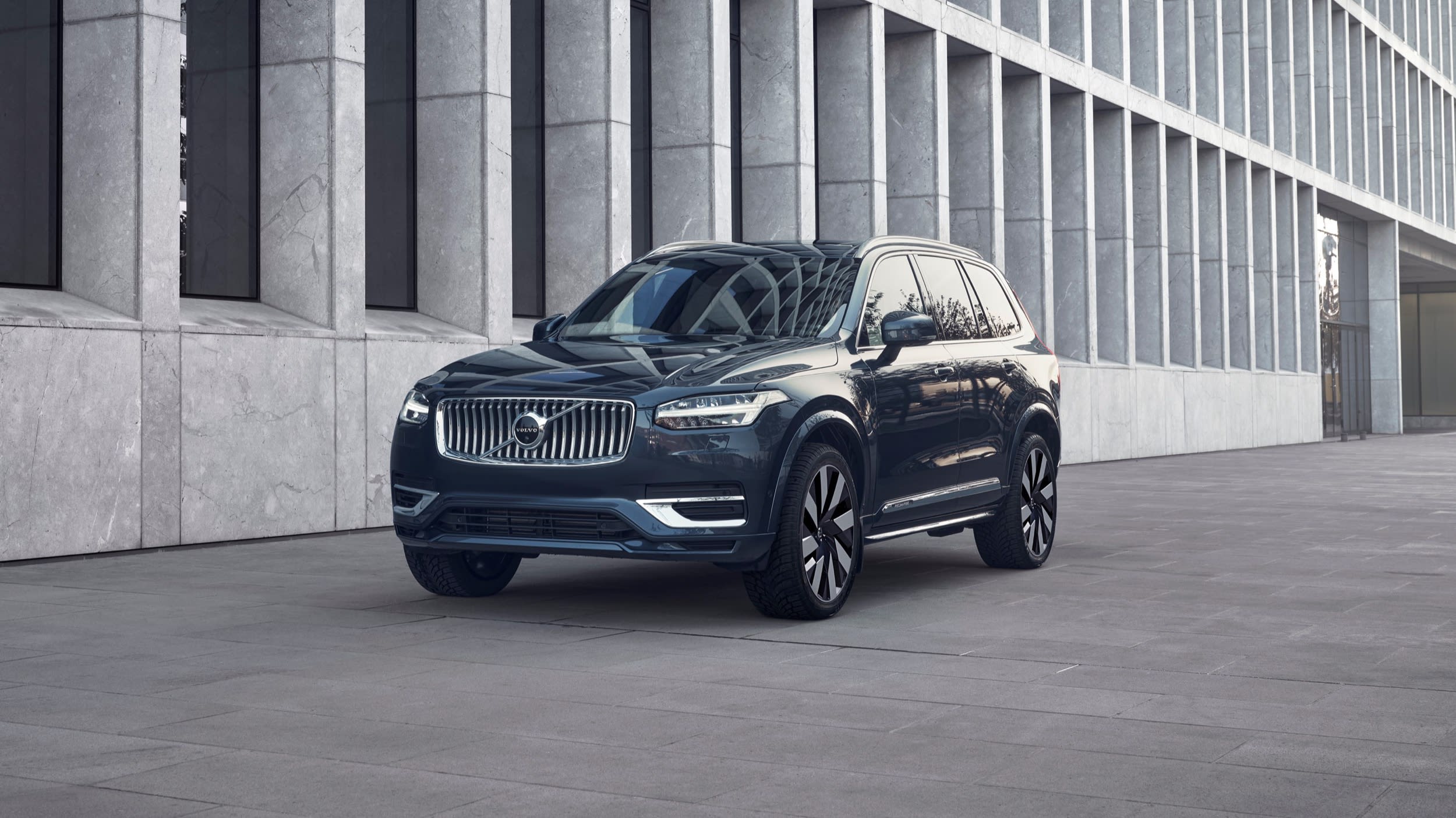
The 2023 Volvo XC90 is a luxury SUV engineered with safety, durability, and corrosion resistance in mind. Volvo employs high-quality galvanized steel for the body panels and frame, supplemented by extensive anti-corrosion treatments, including e-coat dipping, cavity wax applications, and seam sealing at all structural junctions.
Fully enclosed wheel arches, plastic cladding on lower panels, and protective coatings on brake lines and underbody components further reduce vulnerability to rust. The multi-layer paint system offers UV and salt resistance, making it highly effective even in extreme climates.
Volvo reinforces confidence in the XC90’s longevity with a 12-year unlimited-mileage corrosion warranty, emphasizing rust protection as a core component of its luxury engineering philosophy.
Driving the XC90 is refined and controlled, particularly in the Recharge T8 plug-in hybrid model. It accelerates from 0 to 60 mph in 5.4 seconds, providing strong off-the-line performance for a three-row SUV.
Braking is smooth and predictable, although low-grip all-season tires slightly extend stopping distances. Handling is composed, with the all-wheel-drive system and well-tuned suspension ensuring stability over most road surfaces, including twisty or scenic back roads.
Inside, the XC90 offers a spacious cabin with excellent visibility. Front seats are supportive, while the third row is best suited for small children. Air suspension options allow the ride height to adjust for easier entry and cargo loading. Interior comfort is high, with minimal noise intrusion, though the wool seats in our test model felt firm compared with leather alternatives.
The infotainment system is comprehensive, featuring Google integration, Apple CarPlay, and an optional Bowers & Wilkins audio system. Voice recognition and navigation are reliable, though some settings require menu navigation rather than physical controls. Driver-assistance features, including adaptive cruise control and lane-keeping assist, perform well and enhance safety.
Cargo space is generous, particularly with second- and third-row seats folded, though the high floor can complicate loading. Small-item storage is limited, and child-seat installation is easier in the second row than in the third. Fuel economy for the Recharge PHEV allows up to 32 miles on battery power, with combined gas-electric operation delivering around 28 mpg.
The XC90 offers premium materials, advanced safety, and strong corrosion resistance, making it a high-value choice for buyers seeking long-term reliability and luxury in a three-row SUV.
Rust may be invisible at first glance, but its long-term effects can dramatically impact a vehicle’s safety, performance, and value. Choosing a car with strong factory rust protection is one of the smartest decisions a driver can make, particularly for those in areas with snow, ice, or salty coastal air.
The ten vehicles featured in this guide, from practical compacts like the Toyota Corolla to rugged crossovers like the Subaru Outback and luxury SUVs like the Volvo XC90, demonstrate that corrosion resistance can coexist with comfort, technology, and driving enjoyment.
These models incorporate advanced galvanization, multi-layer coatings, seam sealing, and protective treatments for underbody components, brake lines, and wheel wells, minimizing the risk of rust over many years.
Investing in a vehicle with proven factory rust protection ensures not only a longer-lasting car but also peace of mind, reliability, and the confidence that your vehicle will continue to perform safely and efficiently for many years.
Also Read: 5 Cars With Stellar Brakes vs 5 With Long Stopping Distances
