
Sunroofs have become one of the most sought-after features in modern sedans, adding light, ventilation, and an upscale feel without the cost of a full panoramic roof.
But as many car owners learn the hard way, not all sunroofs are created equal. A well-designed system relies on precision seals, well-angled drainage channels, and long-term resistance to warping or clogging.
When automakers cut corners, drivers may face stains on their headliner, water pooling in footwells, mysterious mold smells, or even electrical issues.
For US buyers especially those in rainy coastal states or snowbelt regions where meltwater often overwhelms weakened seals sunroof durability matters.
Below we break down five sedans known for long-lasting, tight-sealing sunroofs followed by five models that have accumulated repeated complaints and costly repair histories.
While maintenance always plays a role, design quality and drainage engineering make certain cars far more resilient than others.
Sedans With Sunroofs That Stay Sealed
If you love the open-air feeling a sunroof brings but hate the idea of leaks, rattles, or wind noise, you’re not alone. Sunroofs are a popular feature in modern sedans, they let in extra light, fresh air, and a sense of freedom. But too often, drivers discover the hard way that not all sunroofs are engineered equally.
Some sedans deliver the experience you want without the headaches you don’t. This list breaks down the models with sunroofs that remain reliably sealed, even after years of use. Whether you’re shopping new or used, here are the sedans that let you enjoy the sky without worrying about the weather.
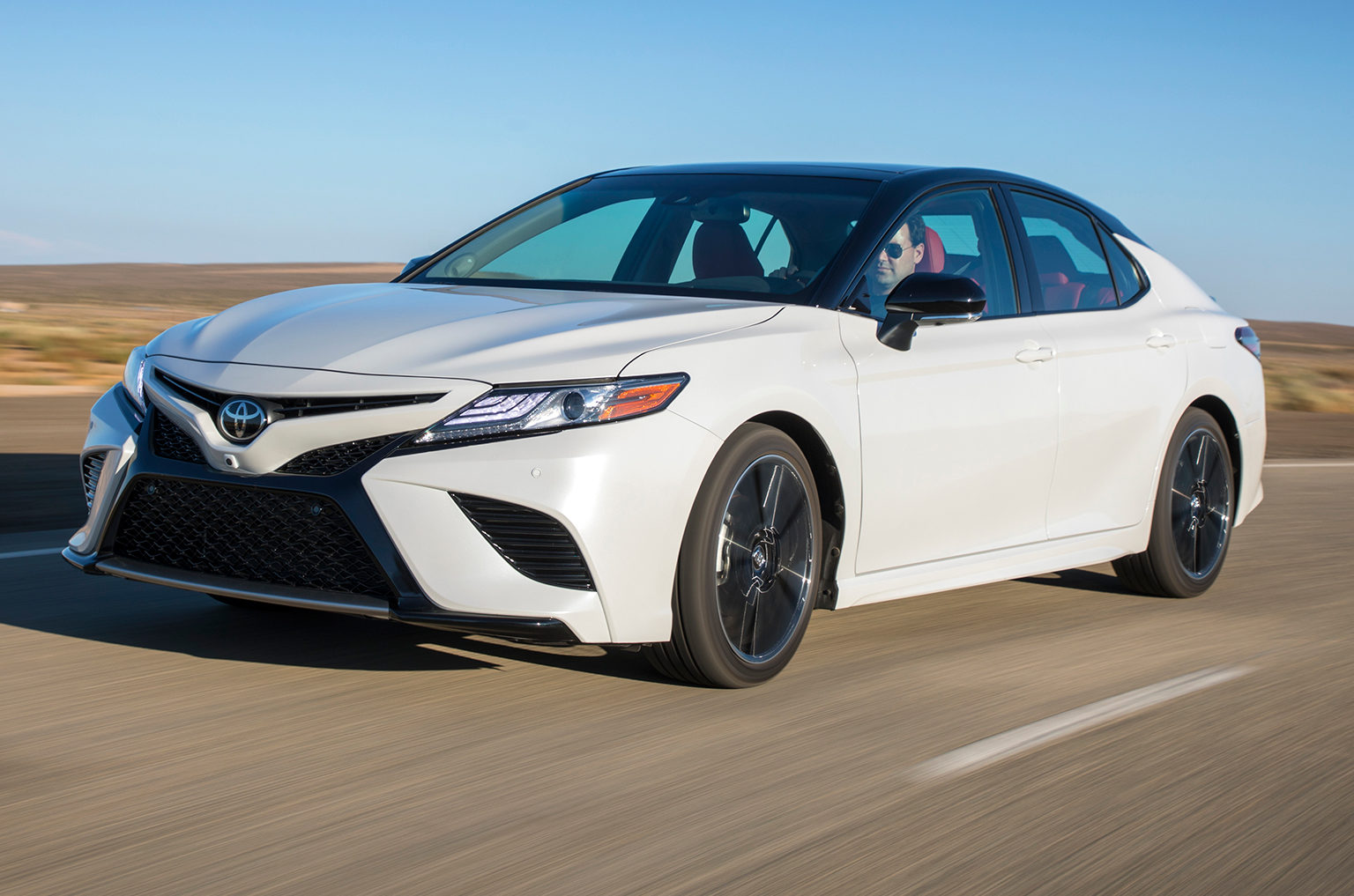
1. Toyota Camry (2018–Present)
Toyota’s modern Camry lineup has gained a quiet reputation for leak-free longevity. Its sunroof assembly is supported by a reinforced frame and thick perimeter seals that rarely warp even after years of UV exposure.
Unlike some competitors, Toyota keeps the drainage channel layout simple four well-sized tubes that run vertically with minimal bends, reducing the risk of clogs.
Owners across humid regions like Florida and the Carolinas report excellent long-term sealing, even after hurricanes and seasonal downpours.
Camry sunroofs also resist wind noise, a good sign that the surrounding rubber remains evenly compressed. For shoppers who want a sedan with near-bulletproof weather resistance, the Camry is one of the safest bets.
The Toyota Camry stands as the quintessential midsize family sedan. While it has grown over multiple generations, the redesigned 2018 model maintains exterior dimensions that are largely unchanged from its predecessor, which is perfectly adequate, given its already roomy footprint.
Where the 2018 Camry really makes an impression is in its styling, which represents a bold departure from the familiar, conservative design of past models.
From a distance, the difference is immediately noticeable. The previously uninspiring look of the Camry has been replaced by a lower, sleeker profile. This sleeker stance does not compromise headroom or visibility, as the seats, hood, and side glass have all been proportionally adjusted. In fact, interior space appears to have improved.
A significant factor behind this refinement is the stiffer platform paired with a double-wishbone rear suspension, a key upgrade that sets this Camry apart from models produced over the past three decades.
Earlier Camrys used a rear strut suspension, chosen primarily for cost savings, but struts are bulky and infringe on both back-seat and trunk space. The more advanced suspension system, previously implemented in the Toyota Prius, has a proven positive impact on ride comfort, handling, road noise, and even steering feel.
The 2018 Camry offers three powertrain options, all either new or significantly updated. The base 2.5-liter four-cylinder engine produces 203 horsepower, while the optional 3.5-liter V6 delivers a robust 301 hp.
Both engines are paired with a new eight-speed automatic transmission that enhances fuel efficiency. Additionally, the Camry Hybrid joins the lineup as a fuel-efficient alternative.
Safety features are comprehensive, including 10 standard airbags and a rearview camera. The standout safety addition is Toyota Safety Sense-P, which equips even the base Camry with traffic-adaptive cruise control, automatic emergency braking for imminent collisions, lane departure warning and mitigation, and auto-dimming LED headlights.
Where the Camry falters slightly is its Entune infotainment system and smartphone integration, which lag behind many competitors in terms of ease of use.
Despite this, the 2018 Camry’s improvements in styling, safety, and handling make it one of the best midsize sedans available. For anyone in the market for a reliable, well-rounded family sedan in 2018, the Camry is a top choice.
Also Read: 5 Cars That Stay Popular for Years vs 5 That Fade Quickly
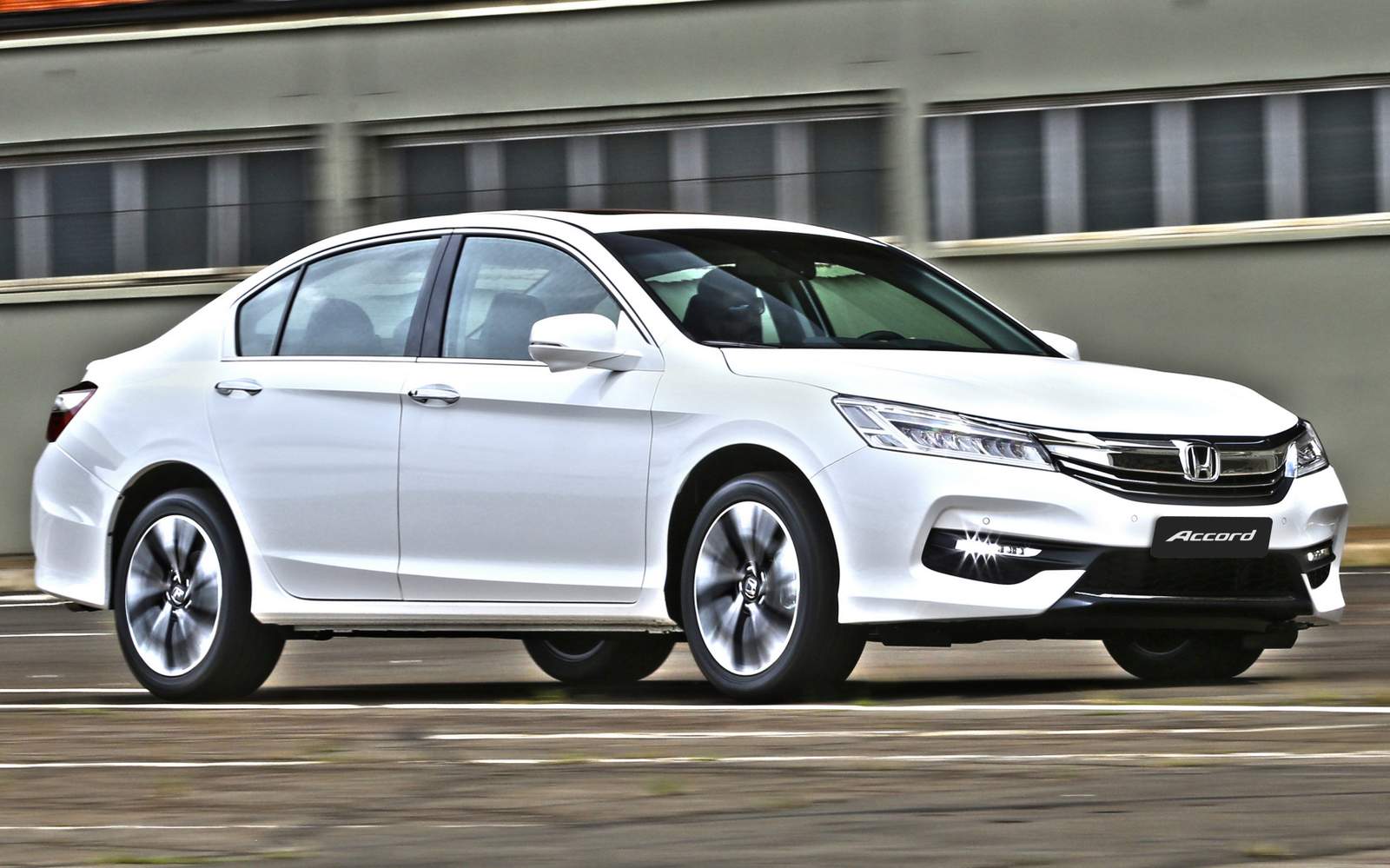
2. Honda Accord (2016–2022)
Honda’s 10th-generation Accord has one of the most reliable sunroof systems in the midsize segment.
Instead of maximizing glass area, Honda prioritized structural stiffness, which helps maintain even pressure on the sunroof mounting points. This prevents flexing one of the biggest sources of stray leaks on older sedans.
Drainage tubes on the Accord are robust and well secured, avoiding the dislodging issues that some brands face after a few years.
DIY inspections show minimal debris buildup, likely because Honda’s outer trim channels water away from the sunroof before it even reaches the drains. For commuters who rack up highway miles and park outdoors, the Accord’s sunroof stands out for its durability.
The Honda Accord is once again making headlines with its 2016 refresh, and for good reason. As one of America’s best-selling vehicles, any update to this midsize sedan attracts attention.
Other midsize sedans also excel in 2016. The Mazda 6 offers sporty handling, brisk acceleration, and stylish design, while the Ford Fusion shares many of these strengths.
The Hyundai Sonata focuses on value and practicality, and the Volkswagen Passat and Toyota Camry both provide spacious interiors and fuel-efficient powertrains. Yet, the Accord’s ability to excel in nearly every category earns it a top spot on any midsize sedan shopping list.
All 2016 Accords are front-wheel drive, with most models equipped with a 2.4-liter four-cylinder engine producing 185 horsepower and 181 pound-feet of torque.
Sport trims feature a less restrictive dual exhaust, boosting output slightly to 189 hp and 182 lb-ft. LX, Sport, and EX sedans (and LX-S and EX coupes) without the Honda Sensing package come standard with a six-speed manual transmission, while a CVT is optional and standard on the remainder of the lineup.
The EX-L V6 coupe is offered with a six-speed manual, dropping fuel economy to 22 mpg combined (18/28). With its combination of efficiency, performance, and versatility, the 2016 Honda Accord continues to impress as one of the class leaders in the midsize segment.
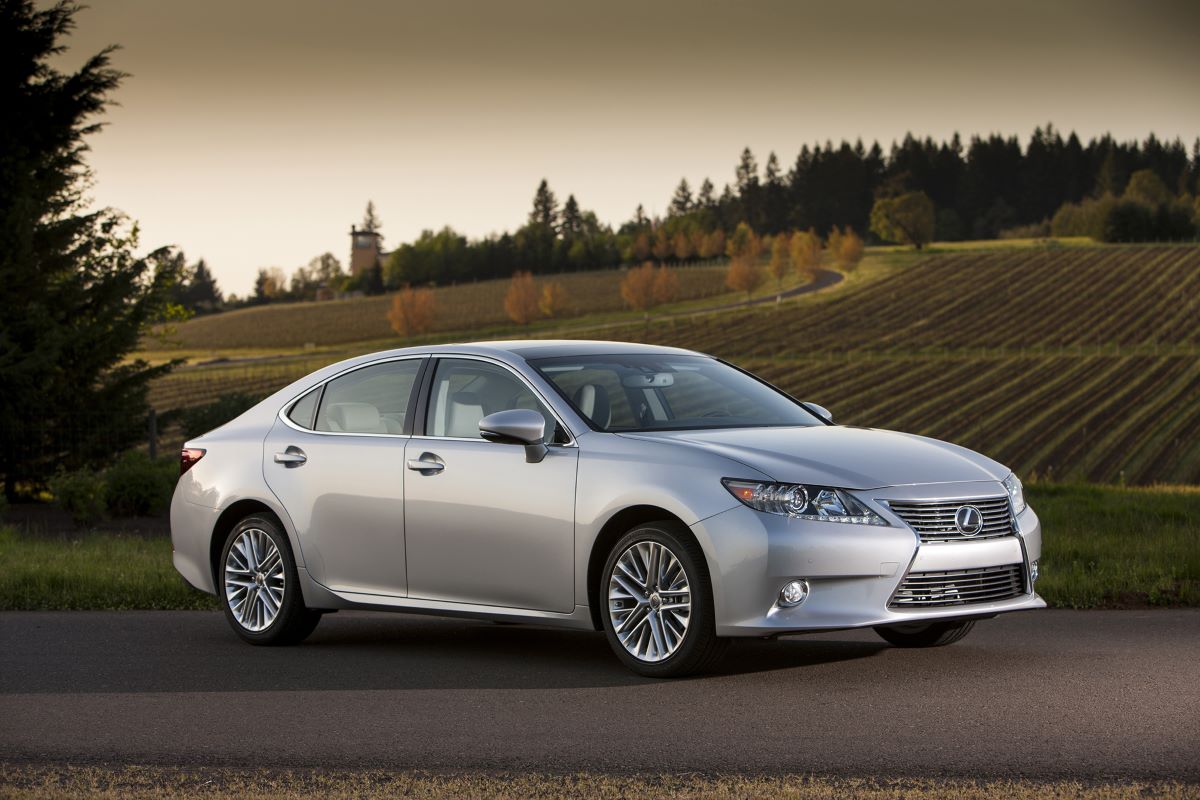
3. Lexus ES (2013–Present)
Luxury sedans often struggle with large glass panels, but the Lexus ES is a rare exception. Lexus uses high-grade rubber compounds around the sunroof, which hold their shape even after a decade of heat cycles.
In states like Texas and Arizona, where many seals bake into brittleness, the ES holds up significantly better than German competitors.
The ES also benefits from Lexus’ reputation for tightly engineered body structures.
Little body flex means the sunroof assembly isn’t constantly shifting relative to the roof frame an overlooked cause of micro-gaps and eventual leaks. Owners frequently praise the ES for staying bone-dry no matter the season.
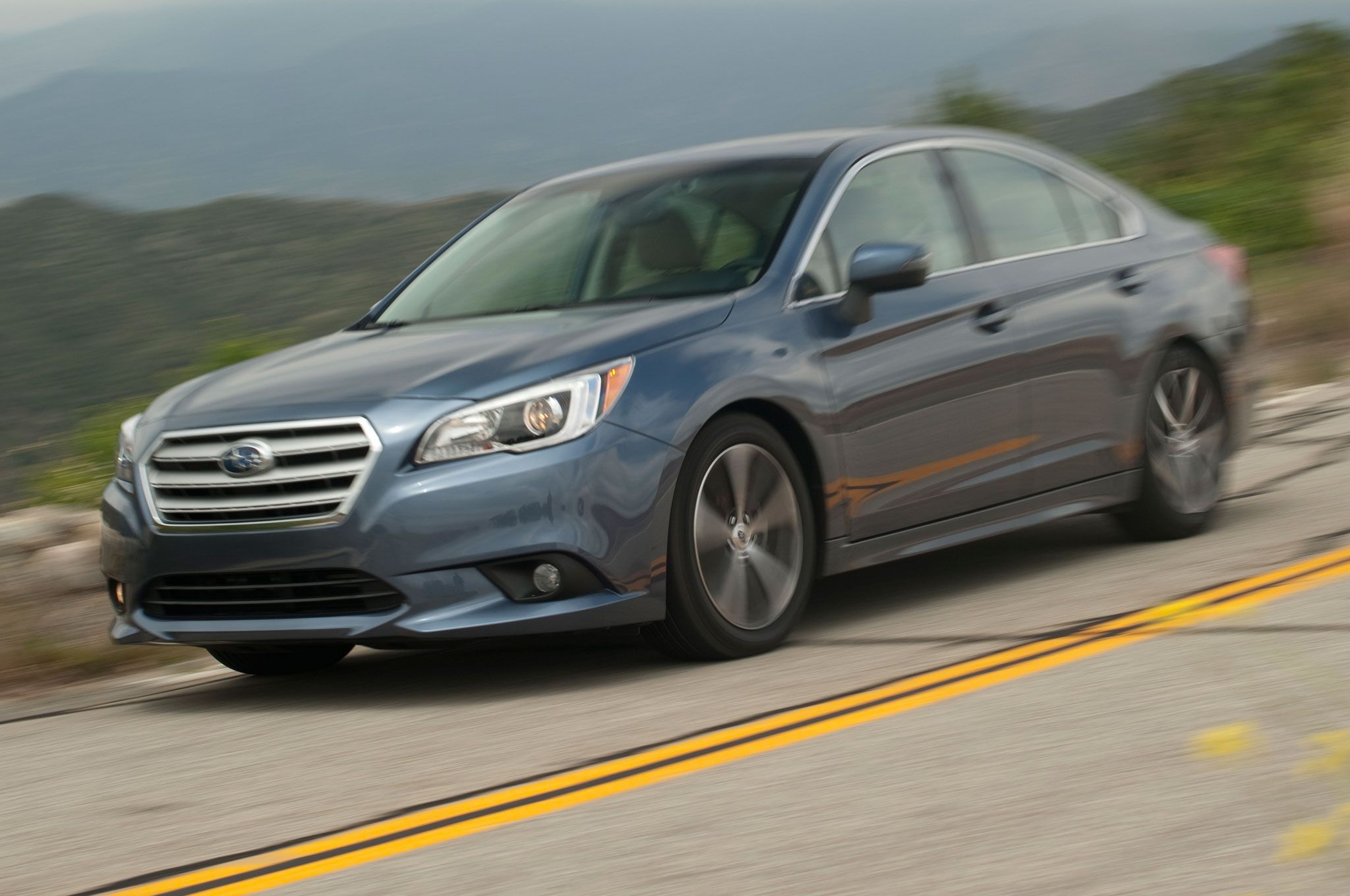
4. Subaru Legacy (2015–2024)
Subaru’s sunroof reliability is often overshadowed by chatter about AWD toughness, but the Legacy’s roof system is genuinely solid.
Subaru tends to over-engineer weatherproofing because its core markets include snow-heavy northern states where thaw-refreeze cycles can destroy weak seals.
Legacy owners rarely report sunroof water intrusion, and the roofline’s slight curvature directs runoff toward the intended drainage tracks.
Subaru also minimizes exposed seal length, reducing the number of joints where leaks can occur. For families in wet climates like the Pacific Northwest, the Legacy is a dependable choice.
Although the 2015 Subaru Legacy retains a similar exterior and interior feel to last year’s model, updates beneath the surface have led to increased passenger and cargo space.
Inside, the cabin features upgraded materials and finishes, yet Subaru’s minimalist design philosophy continues with a straightforward dash and center stack. This layout is intuitive and easy to use, though some buyers may find it a bit too sparse.
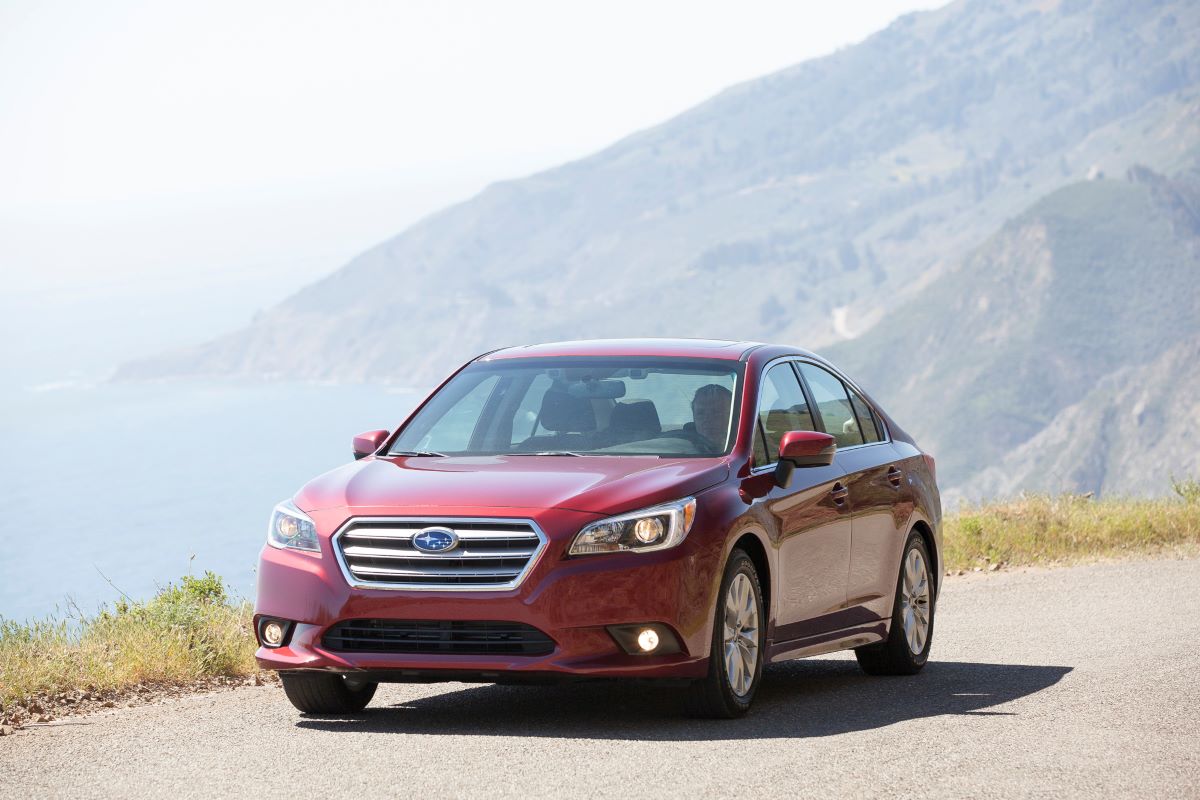
Although the removal of a six-speed manual option for the four-cylinder may disappoint some enthusiasts, the standard continuously variable transmission (CVT) performs well, maximizing the performance of both engines.
These enhancements make the 2015 Legacy a more well-rounded midsize sedan that doesn’t need to rely solely on its all-wheel-drive system to stand out.
The 2015 Legacy comes with two engine options: a 2.5-liter four-cylinder and a 3.6-liter six-cylinder. The base 2.5-liter horizontally opposed four produces 175 horsepower and 174 pound-feet of torque, while the six-cylinder generates 256 hp and 247 lb-ft of torque. Both engines are paired exclusively with a CVT featuring steering-wheel-mounted paddle shifters.
During Edmunds track testing, the Legacy 2.5i Premium accelerated from zero to 60 mph in 9.4 seconds, which is modest compared with rivals that achieve the same sprint in under eight seconds.
Fuel economy is strong for the class: the four-cylinder Legacy earns 30 mpg combined (26 city/36 highway), a notable result considering all-wheel drive typically reduces efficiency slightly. The six-cylinder variant improves to 23 mpg combined (20 city/28 highway), a gain over the previous year, though still trailing several competitors in the segment.
5. Hyundai Sonata (2020–Present)
Hyundai made major quality strides in the latest Sonata generation, particularly in sealing components. The sunroof uses a multi-lip rubber gasket that keeps water out even as the rubber ages.
Independent mechanics note that the Sonata’s drainage tubes are unusually wide for a midsize sedan, helping them resist clogging from pollen, leaves, and dust major issues in suburban and rural US regions.
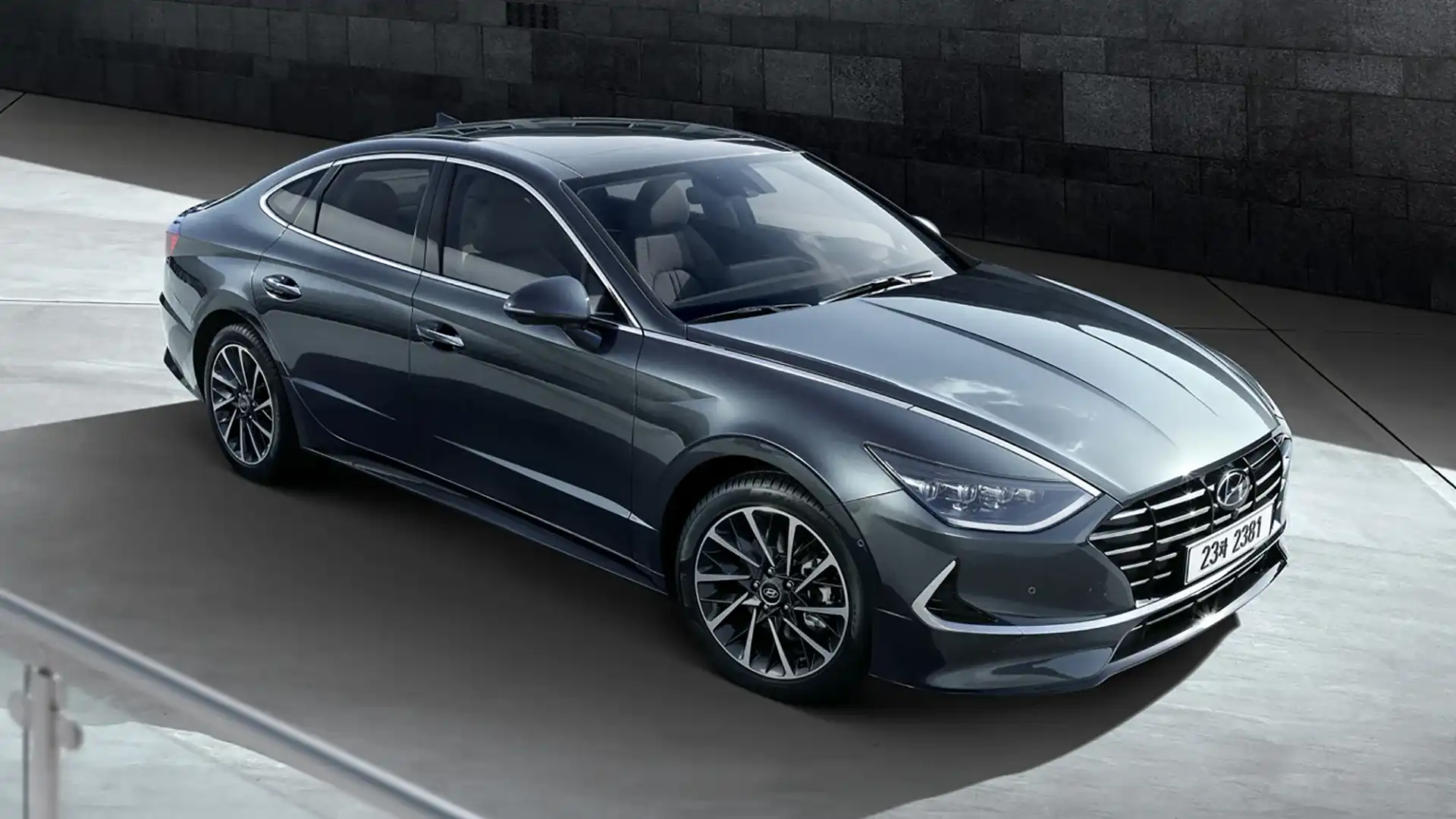
Sonata owners also appreciate that Hyundai reinforced the sunroof track assembly with more metal bracing than previous models, which prevents rattling and seal distortion. This attention to detail translates into an impressively leak-free experience.
Also Read: 5 Used Luxury Sedans That Won’t Bankrupt You vs 5 That Will
Sedans With Sunroofs That Drip After Rain
A sunroof can turn any drive into a more enjoyable experience, until it rains. For some sedan owners, that dreamy skylight becomes a literal leak in their plans. Even well-maintained cars can suffer from clogged drains, shrinking seals, or design flaws that turn a sprinkle into a steady drip.
In this guide, we’re spotlighting sedans known to struggle when the weather turns wet. From annoying drips to full-blown puddles, these are the models that demand extra caution, and maybe a towel or two, when storm clouds gather.
1. Nissan Altima (2013–2020)
The Altima’s sunroof issues are well-documented on owner forums and service bulletins. The most common problem is water dripping from the map light area a sign that the front drainage tubes clog or disconnect.
The routing involves multiple bends, making debris buildup hard to avoid. The surrounding seals also lose elasticity faster than average, especially in hot states.
Even minor warping can allow water to creep under the frame and overwhelm the drains. While not every Altima leaks, the pattern is strong enough that buyers should inspect carefully before purchasing a used model.
The 2017 Nissan Altima remains largely unchanged from the previous model year, though halfway through 2017, Nissan adjusted the trim lineup by dropping the base and 3.5 SR trims.
In the competitive midsize sedan segment, features that were once considered luxury, like adaptive cruise control, are increasingly expected by shoppers. Every new model or refresh raises the bar, and the Altima faces stiff competition from the likes of Mazda, Honda, and Kia.
It’s been four years since the Altima received a full redesign, and while its interior and technology interface once felt fresh, updates from competitors have left the Nissan slightly behind.
The 2017 model carries over the previous minor updates, including refreshed grille and headlight and taillight designs, as well as added safety features like forward collision warning, automatic emergency braking, and adaptive cruise control.
The engine lineup remains unchanged, which is a positive as the Altima continues to deliver some of the highest fuel economy figures in its class. Even with an interior that feels a bit dated, the front seats remain exceptionally comfortable, a design that debuted back in 2013.
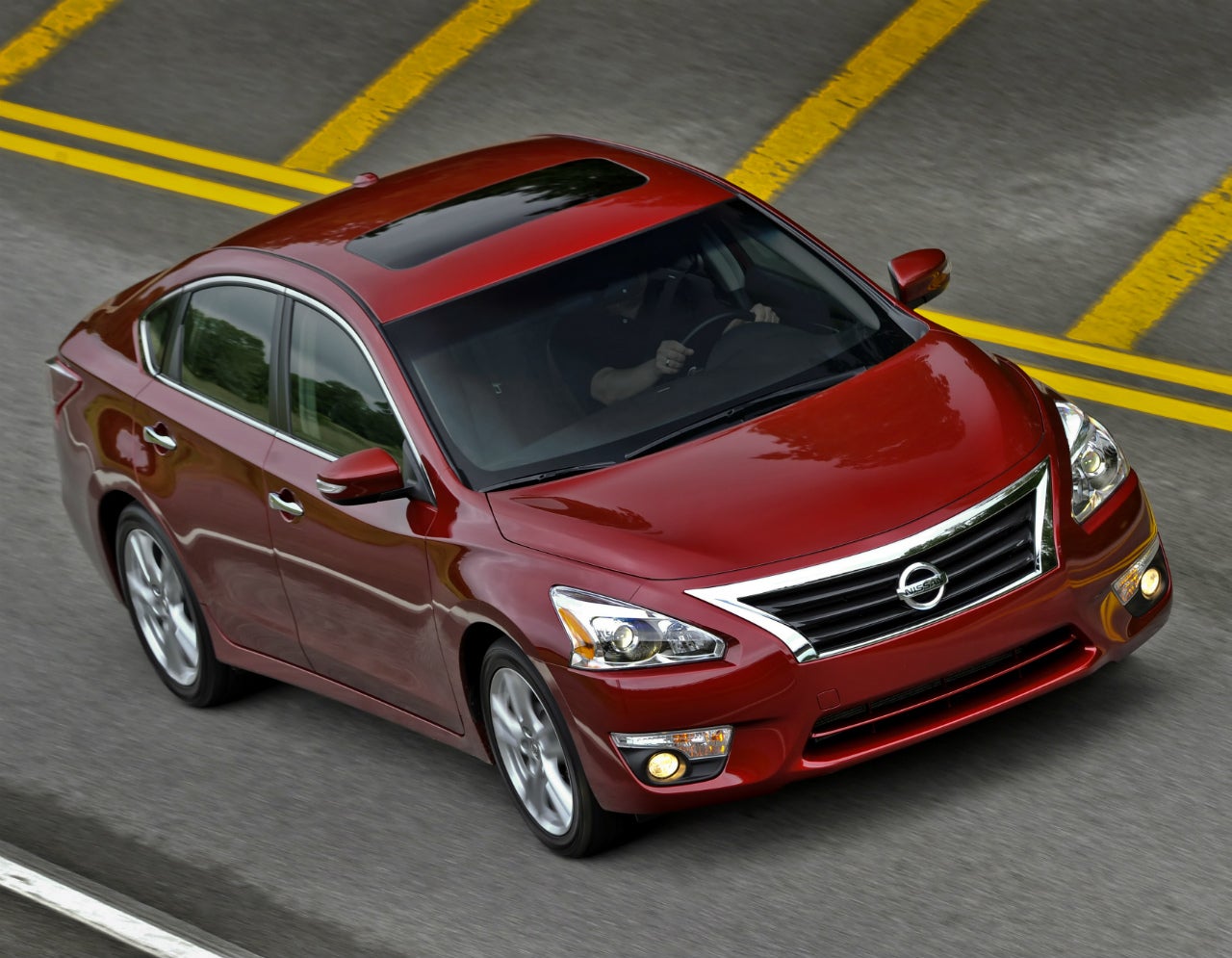
Standard safety features include antilock brakes, stability and traction control, front-side airbags, and full-length side curtain airbags.
A rearview camera is standard on 2.5 S trims and higher, while SV and SL trims add blind-spot monitoring and rear cross-traffic alert. Forward collision warning with automatic emergency braking is limited to SL trims. Optional NissanConnect Services offer automatic collision notification, emergency assistance, and stolen-vehicle tracking.
In government crash testing, the Altima earned a five-star overall rating, with five stars for front- and side-impact protection and four stars for rollover.
The Altima continues Nissan’s strong tradition with continuously variable transmissions (CVTs). The CVT is more responsive than many competitors, and the simulated stepped gears reduce some of the engine drone.
However, the 2.5-liter model can feel noisy when accelerating onto the highway, and drivers may need to press the pedal hard to reach confident passing speeds.
Handling was once a standout for the Altima, but recent redesigns in rival sedans have lessened that advantage. The car remains predictable and composed on winding roads, though ride quality over rough surfaces is slightly less refined.
A bright spot is the front seats, which are among the most comfortable in the class for long drives. Rear passengers have adequate headroom and legroom, with a raised cushion for better forward visibility. Although sound insulation improved with last year’s update, road and engine noise remain noticeable.
Trunk space measures 15.4 cubic feet, average for the segment, but the Altima benefits from a wide, low opening. The cabin offers ample storage for personal items, rounding out a practical but somewhat dated midsize sedan.
2. Volkswagen Passat (2012–2019)
VW’s large panoramic-style sunroof on the US-market Passat introduced more complexity than some drivers expected.
The European-style drainage design doesn’t always hold up well in places with heavy tree debris or pollen, such as Georgia or Pennsylvania. When the drains clog, water often overflows into the headliner and drips into the footwells.
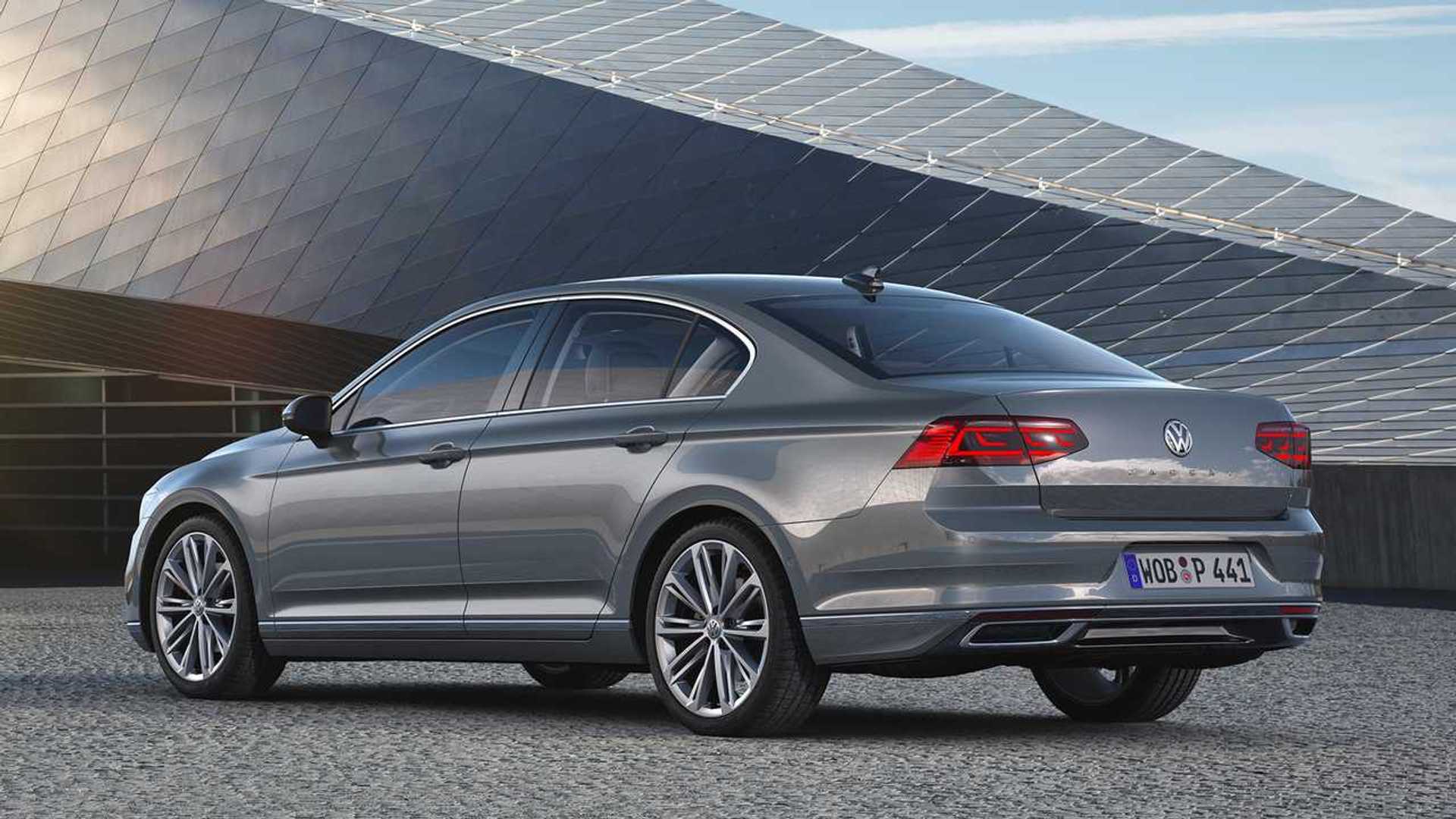
The Passat also suffers from brittle plastic drain connectors that can crack over time, causing water to leak behind interior trim panels. Repair costs can escalate quickly, making the Passat one of the riskier sedans for long-term sunroof reliability.
3. Ford Fusion (2013–2020)
The Fusion has a loyal following, but its sunroof is one of the car’s weakest components. Many owners report leaks after just a few years, commonly around the A-pillar area.
The drainage tubes can detach from their grommets, leading to water channels dumping directly inside the cabin instead of outside.
Additionally, the Fusion’s body can flex slightly during sharp turns or on uneven pavement, placing stress on the sunroof seals.
Over time, this may create tiny gaps that worsen during storms. Used Fusion buyers should test the sunroof thoroughly with a hose before purchase.
The 2018 Ford Fusion stands out in the midsize sedan segment largely thanks to its refined interior and comprehensive available safety features. Options like adaptive cruise control, automated parking, and forward collision mitigation make the Fusion appealing to safety-conscious buyers, while the intuitive Sync 3 infotainment system caters to tech-savvy drivers.
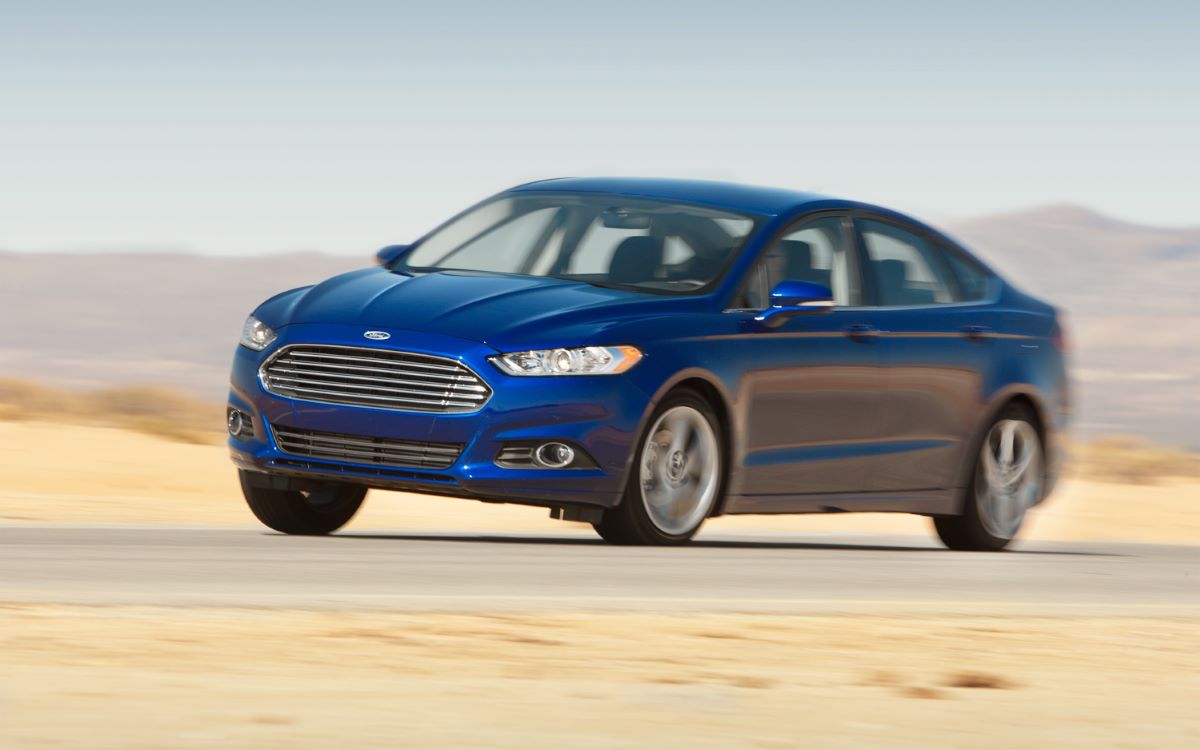
While the Fusion has some minor shortcomings, most relate to the base 2.5-liter engine, which lacks punch. Fortunately, three available engine upgrades provide stronger performance. Even though the exterior design of the 2018 Fusion resembles previous models, continual updates to performance, technology, and features ensure it remains competitive in the class.
The Fusion may no longer be the dynamic standout it once was, but it still offers enjoyable handling and respectable braking performance. Acceleration is not class-leading, but the driving experience remains engaging.
The ride is smooth, highway noise is minimal, and the front seats are particularly comfortable for long trips. Minor comfort issues are generally easy to overlook.
The cabin is spacious and user-friendly, with an adjustable driving position and ample room for most passengers. Taller rear-seat passengers may find the sloping roofline a bit restrictive.
The Fusion offers a generous trunk and plenty of cabin storage, making it practical for everyday use or family road trips.
Sync 3, along with Apple CarPlay and Android Auto support, makes the Fusion tech-friendly and approachable. Connecting devices, executing voice commands, and navigating are straightforward and intuitive.
The 1.5-liter engine offers a modest boost over the standard 2.5-liter and slightly better fuel economy, while the 2.0-liter engine provides more power and can be paired with all-wheel drive. The optional Technology package with Sync 3 is also worth considering for access to Ford’s latest user-friendly tech features.
4. BMW 3 Series (2012–2018)
BMW’s sunroofs deliver smooth operation, but reliability is inconsistent. A major problem involves the drains: BMW used narrow tubing that clogs easily, and cleaning it is more difficult than on mainstream sedans.
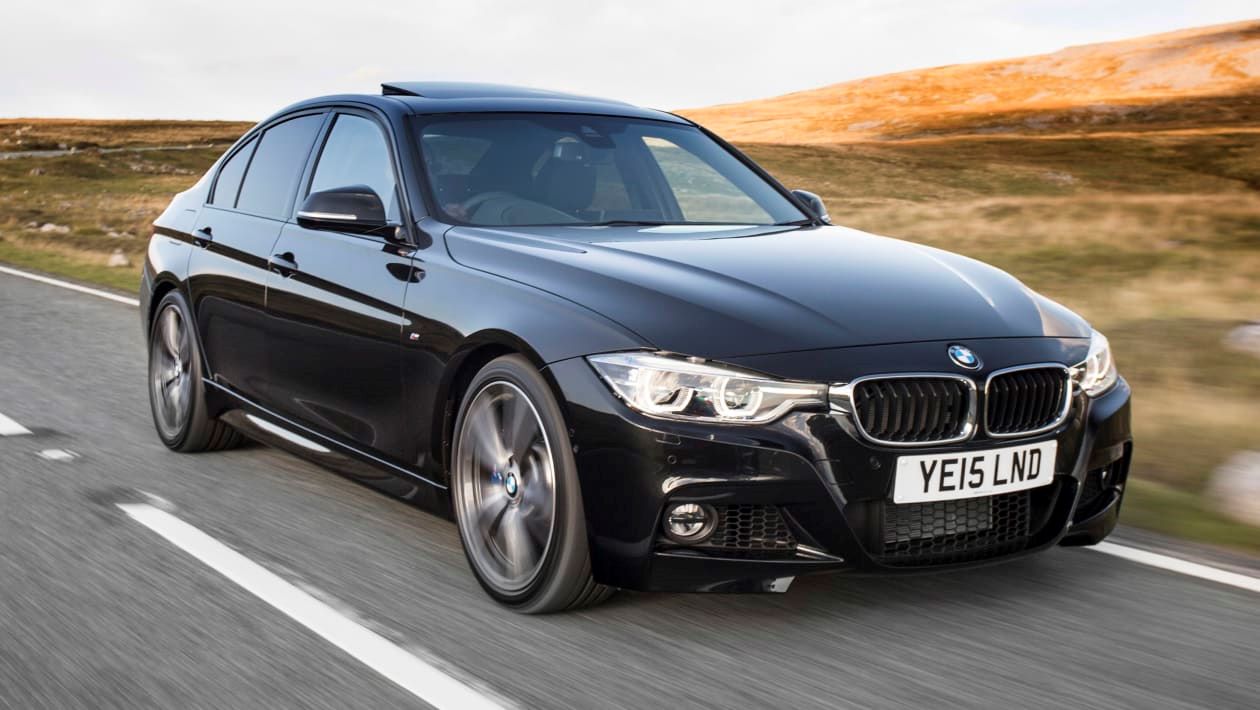
When water backs up, it often leaks into the rear passenger area. Another issue is the sunroof cassette frame, which can warp slightly as the car ages especially in harsher winter states where temperature swings are extreme.
Luxury repair costs add insult to injury. For buyers hoping for a trouble-free roof, older 3 Series models pose a real risk.
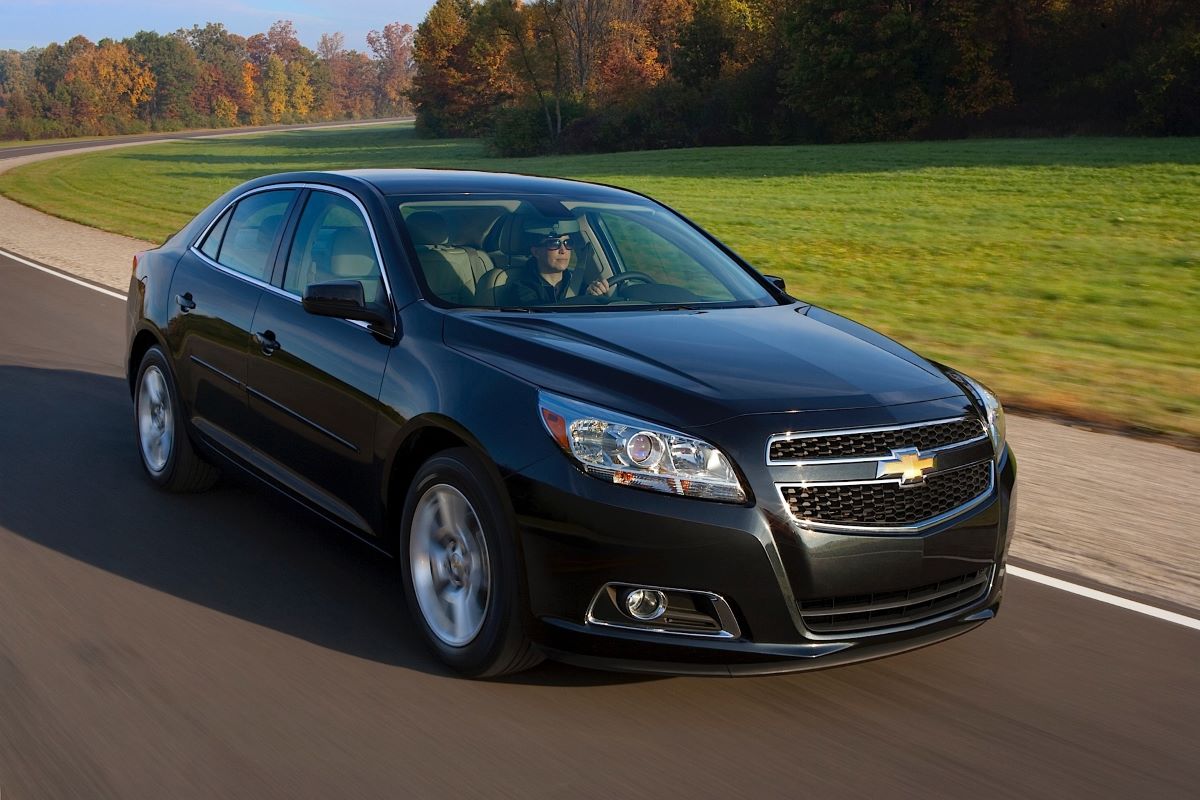
5. Chevrolet Malibu (2013–2018)
The Malibu rounds out the list due to a pattern of leaks around the front headliner. The seals tend to shrink over time, likely due to a softer rubber compound that degrades under heat.
Water then bypasses the weakened edges and floods the drainage system faster than it can handle. Another frequent issue is clogged drains caused by the Malibu’s shallow roof channels that don’t direct debris away effectively.
Many owners don’t notice the clog until moisture reaches the floorboard or causes an electrical fault. While the Malibu is otherwise a decent used sedan, its sunroof isn’t one of its strong points.
Choosing a sedan with a sunroof isn’t just about enjoying a breeze it’s about long-term durability.
In wet or humid US climates, a leaking sunroof can become an expensive headache involving mold remediation, electrical repairs, or replacing entire headliner sections.
Vehicles like the Camry, Accord, and Lexus ES show that reliable sealing is possible when automakers use high-quality materials and straightforward drainage engineering.
Meanwhile, models such as the Altima, Passat, and Fusion demonstrate how poorly routed drains, low-grade seals, or over-complicated roof designs can lead to chronic leaks.
Whether buying new or used, shoppers should always test sunroof drainage with a quick water pour and inspect for stains or odors inside the cabin.
