
Gas struts those compressed-charged cylinders that hold up a crossover’s hood or liftgate are one of those components you never think about until they fail at the worst possible moment.
For many US drivers, especially those who rely on their SUV or crossover for family hauling, grocery loading, or weekend projects, a failing hood or liftgate strut is more than an annoyance.
It can turn a routine oil check into a forehead bruise or make loading cargo frustrating and unsafe. While gas struts are relatively inexpensive to replace, their longevity varies dramatically from model to model.
Some crossovers use premium components, corrosion-resistant coatings, and proper sealing that help struts last upward of a decade.
Others cut corners in supplier quality or use undersized struts that weaken early, particularly in climates with harsh winters or high humidity.
Below is a breakdown of five crossovers known for strong, long-lasting hood and liftgate gas struts, and five that develop early sagging, loss of pressure, or sudden collapse an increasingly common complaint as crossovers age.
This list is based on real-world owner experiences, long-term durability reports, and trends seen in vehicles operating in the US climate spectrum.
Crossovers With Gas Struts That Last
When it comes to crossovers, convenience and reliability go hand in hand. One often-overlooked feature that can make a big difference in daily life is the liftgate, hood, or trunk struts, the gas-filled shocks that hold doors open effortlessly.
While many vehicles skimp on quality, some crossovers come equipped with gas struts designed to last for years without sagging or failing. In this article, we’ll explore
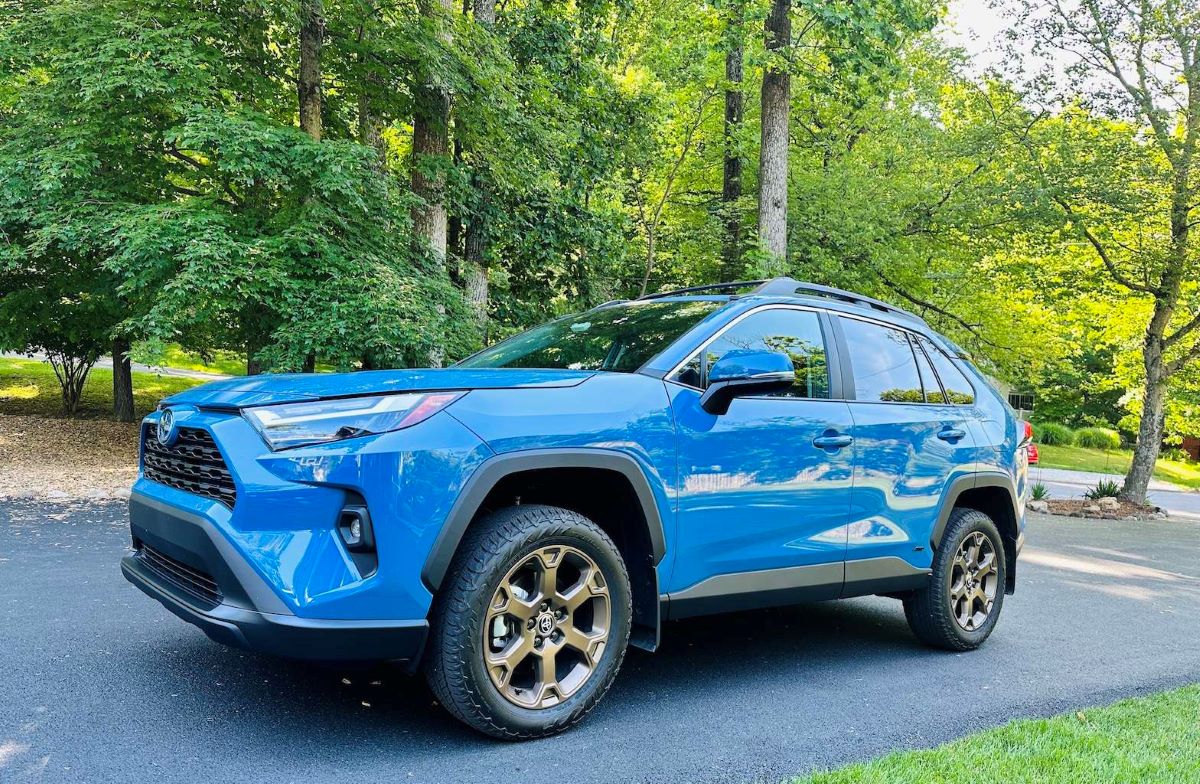
1. Toyota RAV4
Toyota has a strong reputation for component durability, and the RAV4 follows that tradition. Owners frequently report that the hood and liftgate struts last well beyond 100,000 miles, even in regions with harsh winters like Minnesota or upstate New York.
Toyota tends to source struts from high-quality Japanese suppliers with better internal seals and corrosion-resistant rods.
The liftgate struts on the RAV4 are also sized generously, meaning they don’t operate at the absolute limit of their pressure capacity, which helps them last longer.
For families who use the liftgate dozens of times per week, the RAV4 stands out as a crossover where the hardware simply holds up.
At the entry level, the LE trim caters to those seeking an economical option, while the well-appointed Limited and TRD Off-Road trims pack in features designed for two very different kinds of drivers. Every RAV4 comes equipped with a 2.5-liter four-cylinder engine and an eight-speed automatic transmission.
Front-wheel drive is standard, but all-wheel drive is available on the LE, XLE, XLE Premium, and Limited trims, and comes standard on the Adventure and TRD Off-Road models. Its bold, square-jawed exterior draws inspiration from the Toyota 4Runner SUV and Tacoma pickup, yet the RAV4’s car-based construction ensures a smoother ride than either truck.
Inside, passengers enjoy spacious accommodations and durable materials, though buyers who prioritize modern conveniences such as power-adjustable seats, push-button start, and blind-spot monitoring will likely want to skip the base LE.
Toyota equips all trims with its suite of standard driver-assistance technologies, leaving little reason to step up to a higher trim, unless ventilated seats are a must-have.
Powering the 2021 RAV4 is a 203-hp 2.5-liter four-cylinder engine coupled with an eight-speed automatic transmission. Front-wheel drive is standard, and all-wheel-drive systems vary by trim. The Adventure trim we tested features an all-wheel-drive system capable of disconnecting the rear axle to improve fuel efficiency.
On the track, the 2021 RAV4 outpaced its predecessors, achieving a 0-60 mph time of 8.0 seconds compared to 8.3 seconds for the 2018 model. The four-cylinder engine can become loud under hard acceleration, and the automatic transmission occasionally hesitated during downshifts.
The RAV4 Hybrid, tested separately, was even quicker, recording 0-60 mph in 7.4 seconds. On the road, the RAV4 feels stable and solid at highway speeds and handles twisty sections competently, though it doesn’t inspire the same level of confidence as our segment favorite, the Mazda CX-5.
2. Subaru Forester
The Subaru Forester’s gas struts are another example of robust engineering. Subaru uses struts with thick piston rods that resist pitting from road salt one of the leading causes of gas leakage.
Owners in snowy states routinely praise the Forester’s liftgate for maintaining full extension even after a decade of use.
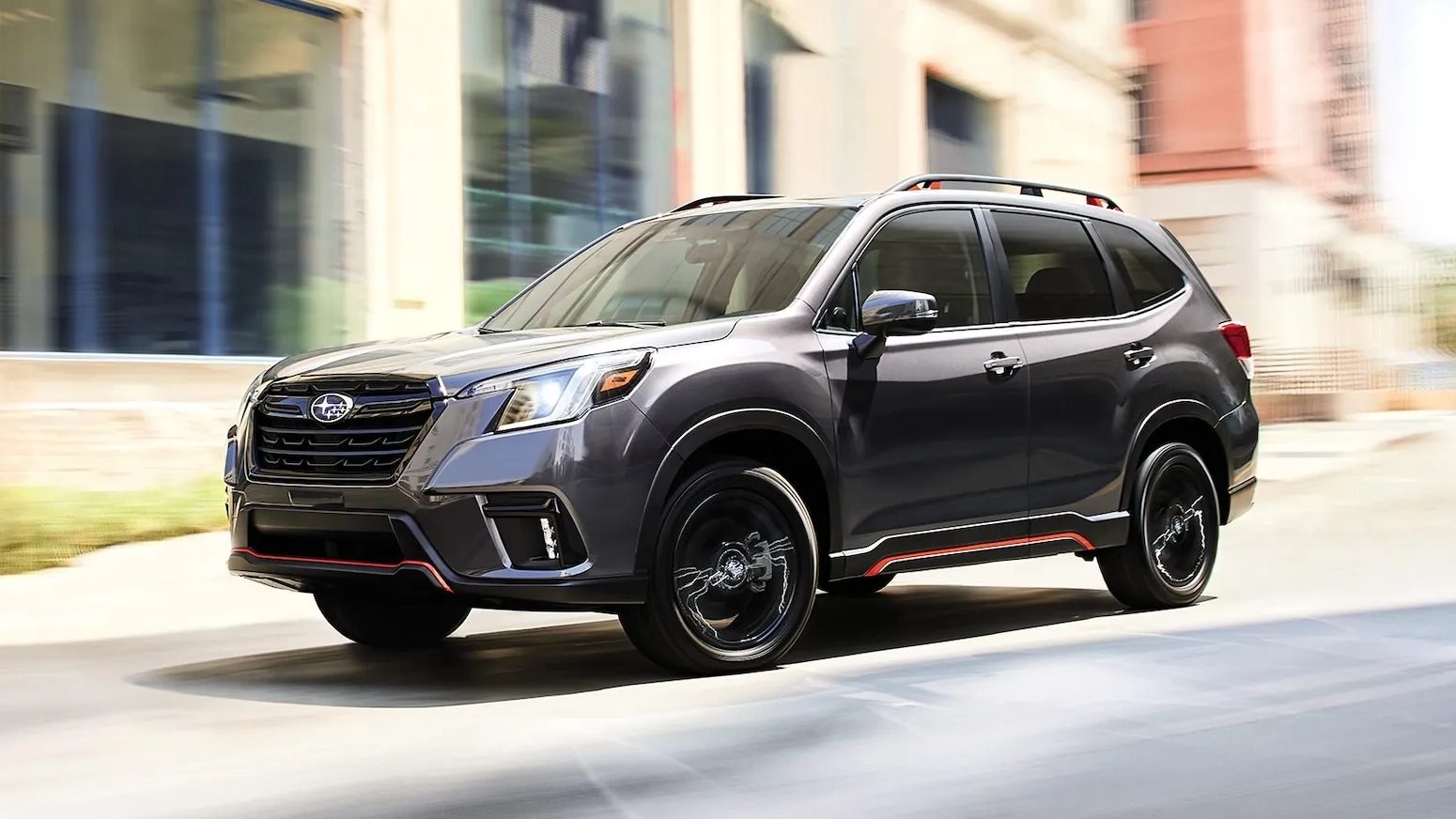
Subaru’s decision to pair the liftgate with relatively lightweight sheet metal also reduces strain, further prolonging strut life. Whether you’re loading hiking gear in Colorado or groceries in Vermont, the Forester’s supports rarely cause surprises.
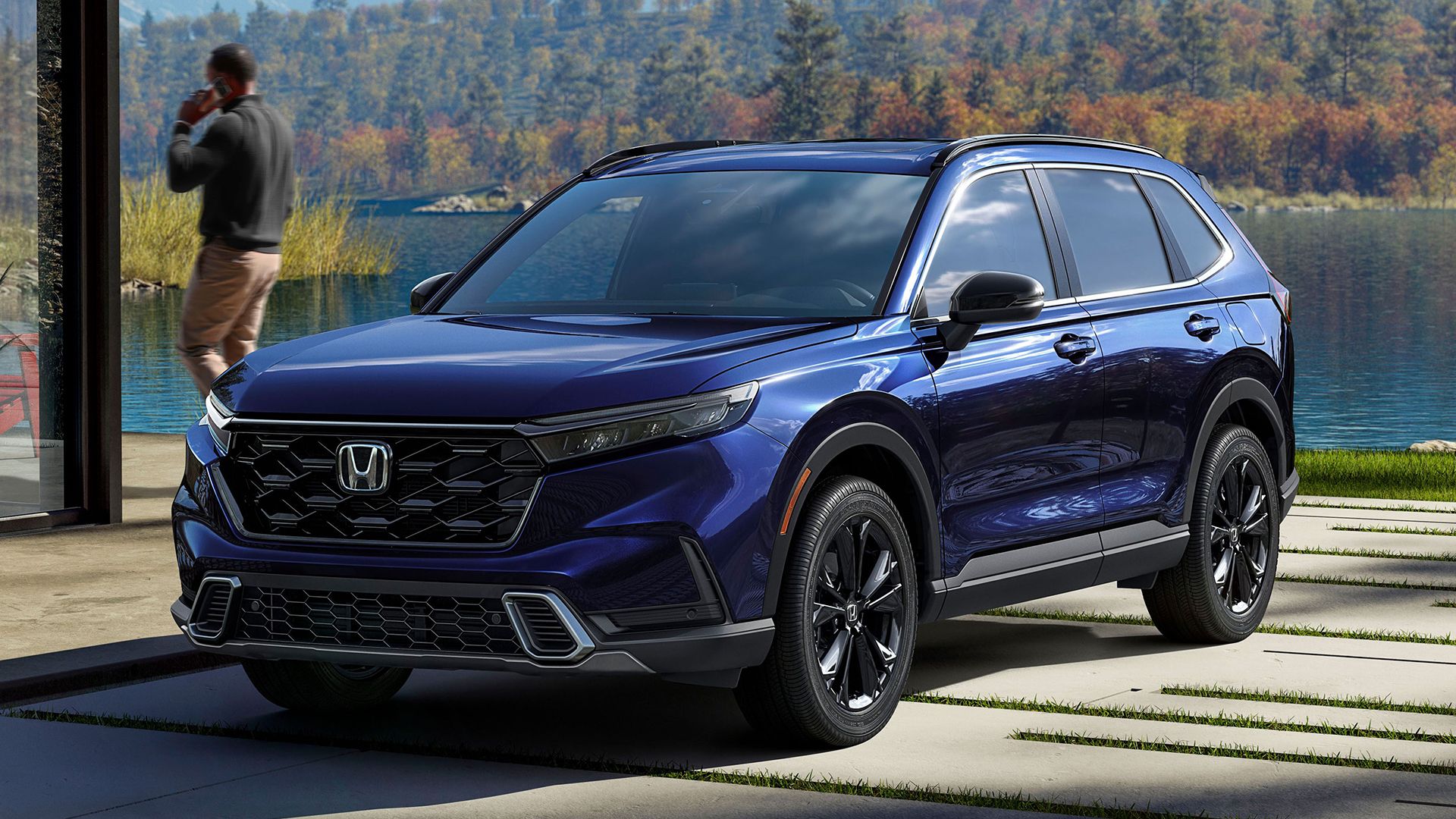
3. Honda CR-V
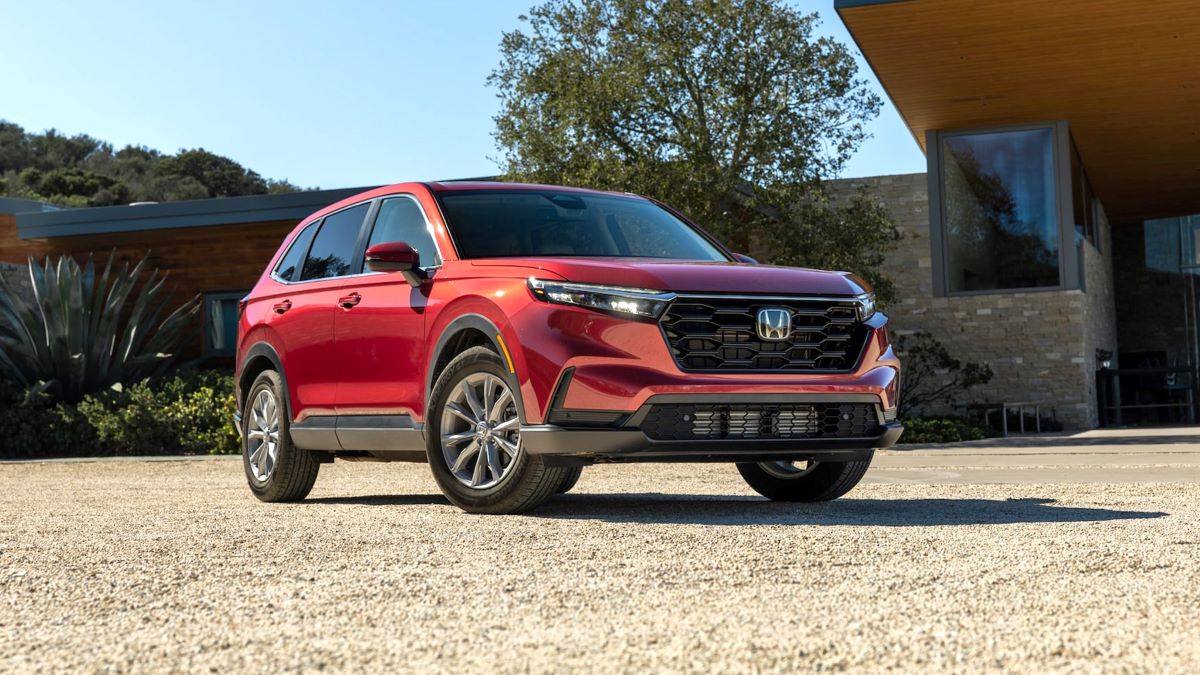
The Honda CR-V is one of the most consistent performers when it comes to long-lasting small parts, and its gas struts are no exception.
Honda uses well-sealed pistons that hold pressure for years, and it shows in long-term reliability surveys.
Hood struts on older CR-Vs from the early 2010s are still functioning today without needing replacement something rarely seen in other crossovers of the same age.
For owners who perform their own maintenance or routinely open the hood, the CR-V provides peace of mind that the struts won’t suddenly give up during a DIY oil change.
In many ways, the 2021 Honda CR-V represents the quintessential small SUV. It strikes a balance between spaciousness and manageability, providing plenty of room without feeling overly large, delivering a comfortable ride without being too soft or bouncy, and offering exceptional utility thanks to generous cargo capacity.
Driving is easy, and all-wheel drive is available for those who need extra traction. The CR-V’s enduring appeal comes from its ability to handle these everyday tasks just a little better than most competitors in its class.
The CR-V competes in one of the most competitive segments, with nearly every mainstream automaker offering a crossover SUV of similar size and price. Notable alternatives include the upscale Mazda CX-5, the well-equipped Nissan Rogue, and the rugged Subaru Forester.
When the current-generation Honda CR-V debuted in 2017, it impressed our team so much that we added one to our long-term test fleet.
Our coverage over the years highlights the CR-V’s comfort, reliability, and performance over extended use. While we tested a 2017 model, the 2021 version belongs to the same generation, meaning much of our prior analysis still applies.
The CR-V’s turbocharged engine provides brisk acceleration compared to other small SUVs with base engines. In our testing, the all-wheel-drive CR-V achieved 0–60 mph in 8.2 seconds.
While not thrilling, this performance is more than sufficient for daily commuting. Honda’s continuously variable automatic transmission, which often draws criticism for awkward power delivery, performs well here, offering reasonably natural response in most driving situations.
Steering and handling are among the CR-V’s strengths, instilling confidence when navigating turns. The steering feels precise and well-connected, while body motions remain controlled, a trait that passengers will appreciate.
The ride quality is quiet and smooth, with only minor wind, tire, or engine noise noticeable under acceleration. Even with larger wheels and shorter tire sidewalls in Touring trims, the CR-V maintains comfort over rough surfaces.
Front seats are well-cushioned for long drives, and rear seats provide decent comfort along with a small amount of recline. The automatic climate control system, while generally effective, sometimes struggles to maintain the exact temperature, though rear vents help ensure backseat passengers receive adequate airflow.
The CR-V’s interior design prioritizes accessibility and space. Wide door openings make entry and exit easy, while the driver’s seat and tilt-and-telescoping steering wheel offer ample adjustability. Overall interior dimensions are generous for the class, with rear-seat space ranking among the best in small SUVs, comfortably accommodating four adults.
A minor drawback is the control setup. Physical buttons are intuitive, but some on-screen controls are small and tricky to operate while driving. Additionally, digital gauges for temperature and fuel can be difficult to read in bright sunlight.
Safety features are plentiful, with all CR-Vs including lane-keeping assist, lane-departure warning, adaptive cruise control, and forward-collision warning with automatic braking. While collision alerts can occasionally be triggered unnecessarily in heavy traffic, the systems are generally helpful.
Storage capacity is a standout feature of the CR-V. It offers 39.2 cubic feet behind the rear seats, expanding to 75.8 cubic feet when the seats are folded. Small-item storage is excellent, including a configurable deep center console with a sliding tray that doubles as a cover for valuables.
Rear seats are also equipped with accessible car-seat anchors, and the large rear passenger area allows car seats to fit without adjusting the front seats.
Outboard rear seats have tether anchors on the seatback, while the center seat anchor is roof-mounted, which can slightly obstruct rear visibility. The only limitation is the 1,500-pound maximum towing capacity, lower than some competitors that can tow up to 3,500 pounds.
Build quality is excellent, with smooth interior panels, well-fitted trim inserts, and quality leather in higher trims. All trims now come with the turbocharged engine, boosting overall value.
Honda backs the CR-V with a three-year/36,000-mile limited warranty and a five-year/60,000-mile powertrain warranty, both typical for the class, and includes roadside assistance for the duration of the limited warranty.
There’s no wrong choice when it comes to trim, so selection largely depends on budget and desired features. For most buyers, the mid-tier EX strikes the best balance, adding desirable features such as blind-spot monitoring while keeping the price reasonable.
4. Lexus RX
Luxury crossovers often use higher-quality gas struts, but the Lexus RX is one of the best. The struts are calibrated to lift a heavier, more insulated liftgate without overworking themselves, and Lexus typically uses premium NSK or KYB components known for long-term airtight sealing.
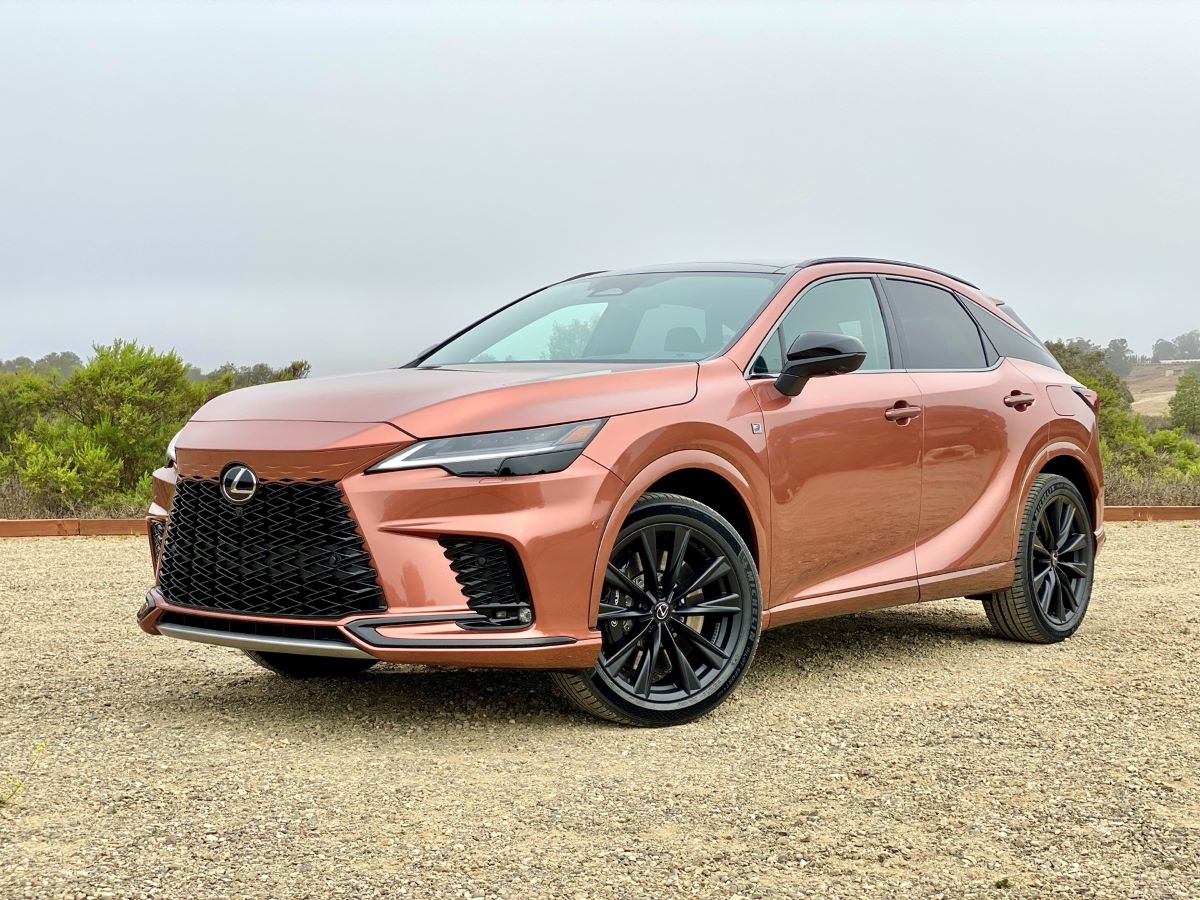
RX owners frequently report 12–15 years of reliable operation before seeing any sag. The hood struts also remain firm even in extreme heat, such as in states like Arizona or Nevada, where cheaper struts tend to fail prematurely due to seal expansion and contraction.
5. Mazda CX-5
Mazda combines relatively lightweight body panels with well-matched struts, helping the CX-5 maintain a smooth and solid liftgate action for years.
The gas struts also receive a corrosion-resistant treatment that performs well in coastal climates, where salt in the air destroys lesser components.
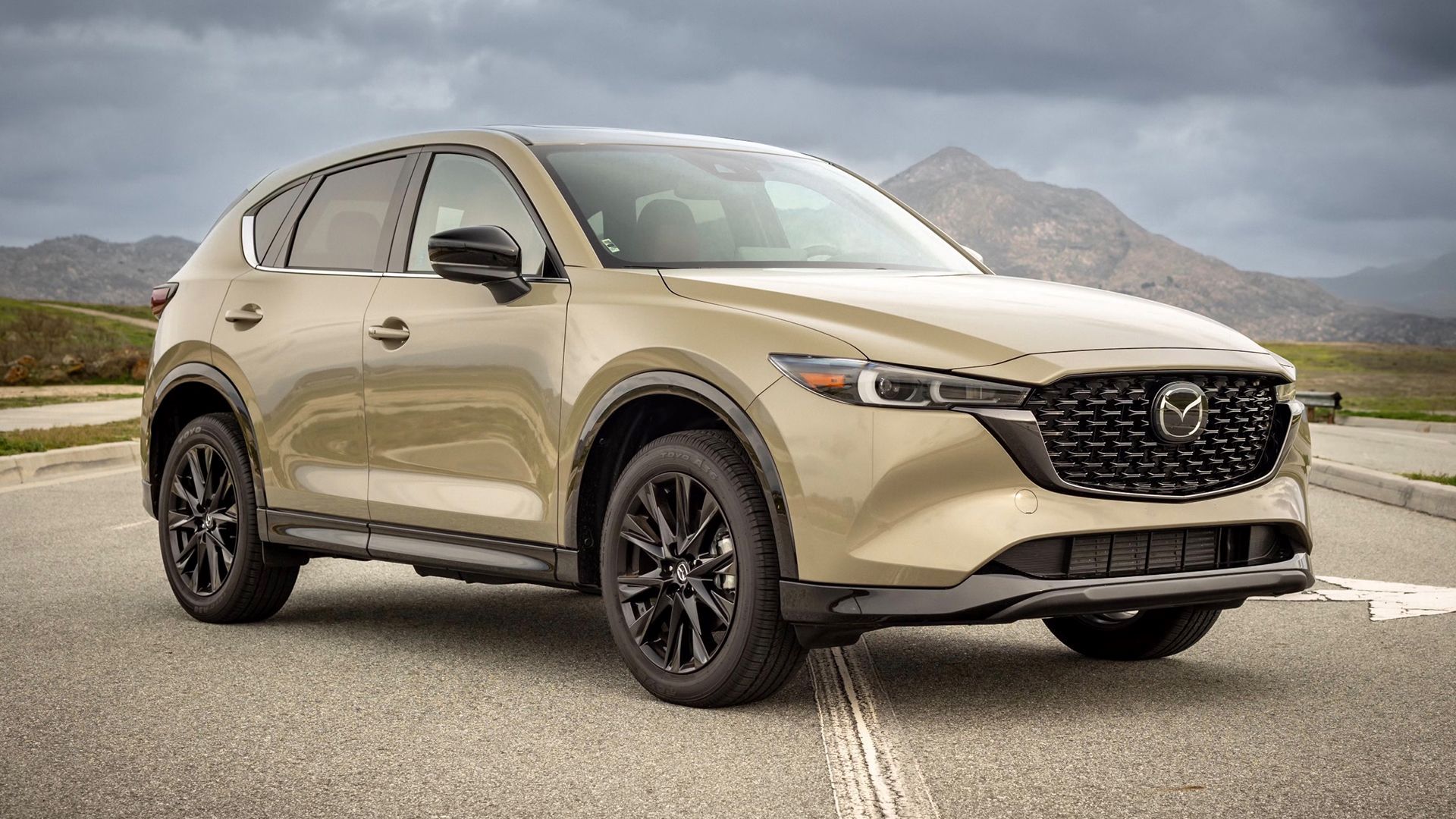
Owners appreciate that the CX-5’s struts don’t lose pressure slowly over time; instead, they remain strong and predictable well into high mileage. This durability complements the CX-5’s reputation as a reliable, driver-focused crossover.
Crossovers With Struts That Collapse Early
Not all crossovers are created equal when it comes to durability, and one small but frustrating flaw can quickly ruin the convenience factor: gas struts that collapse too early.
Whether it’s the liftgate, hood, or trunk, weak or worn-out struts can make opening and holding doors a struggle, creating a constant annoyance for owners. In this article, we’ll highlight crossovers whose struts tend to fail prematurely, helping you spot potential pitfalls before they become costly headaches.
1. Jeep Cherokee (2014–2022)
While popular for its off-road features, the fifth-generation Jeep Cherokee has a well-documented issue with liftgate struts weakening prematurely.
Many owners report sagging within five years, even in mild climates. The internal seals degrade faster than expected, causing slow pressure loss.
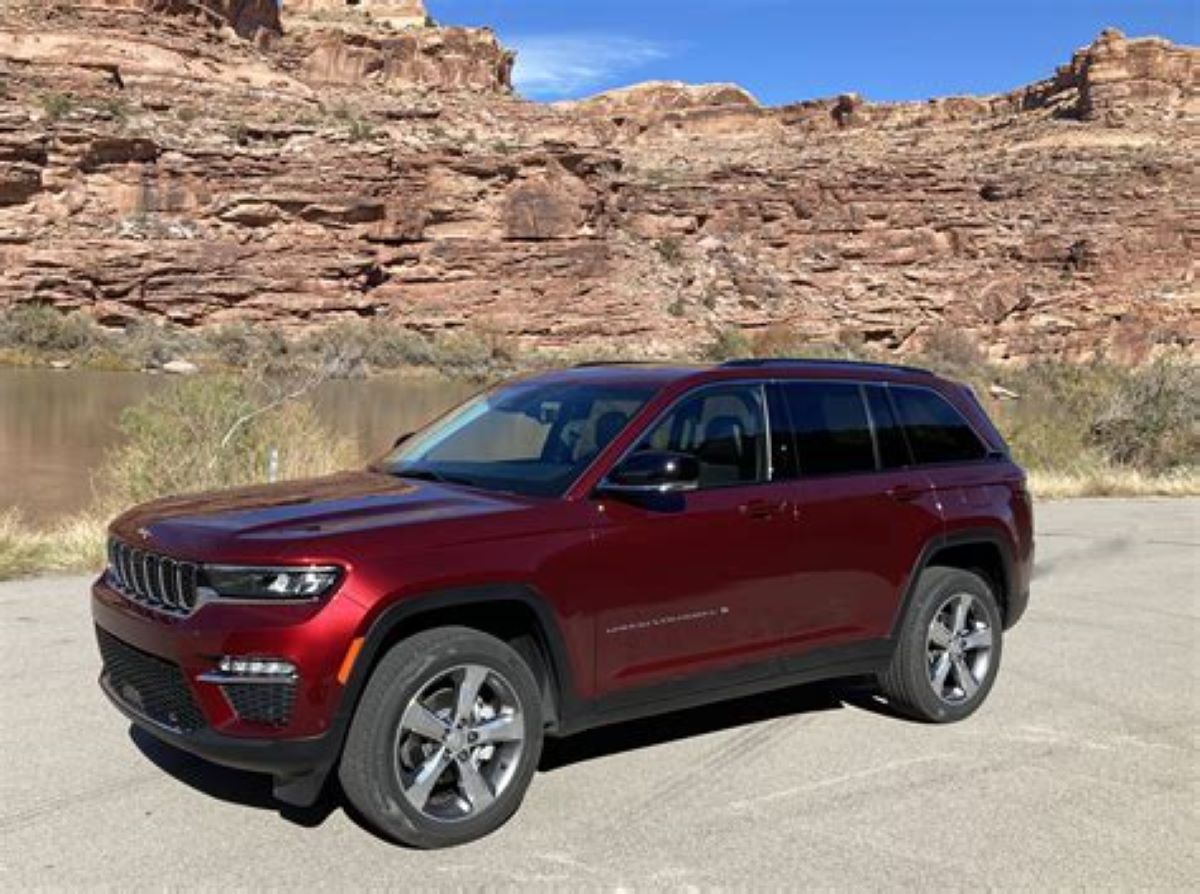
In colder states, the problem becomes more noticeable, with liftgates refusing to stay fully open when temperatures drop below freezing. Jeep did revise the strut supplier for later models, but early failures remain common, especially on vehicles with power liftgates.
2. Ford Escape (2013–2019)
The third-generation Escape suffers from lightweight struts that simply don’t hold up over time. Ford prioritized cost-saving on several small components during these years, and the gas struts are one of the clear casualties.
Hood struts can lose their ability to hold pressure after only 60,000–80,000 miles. Some owners have experienced the hood dropping quickly instead of slowly, which can be dangerous when working under the vehicle.
The liftgate struts aren’t much better, especially in humid southern states where corrosion accelerates wear.
After years of relying on the same fundamental platform, Ford’s compact crossover has finally undergone a significant redesign. Based on our experience with the 2013 Ford Escape, it appears the wait was worthwhile. The new Escape now ranks among the top choices in a segment already crowded with strong competitors.
The 2013 Escape draws some of its heritage from international markets, as it is built on the Ford Kuga platform, a European compact crossover that itself shares underpinnings with the Ford Focus.
This lineage has endowed the Escape with sculpted styling and a responsive, athletic chassis. Compared with the outgoing model, the 2013 Escape features a wheelbase that is 2.8 inches longer and a width increase of 1.3 inches.
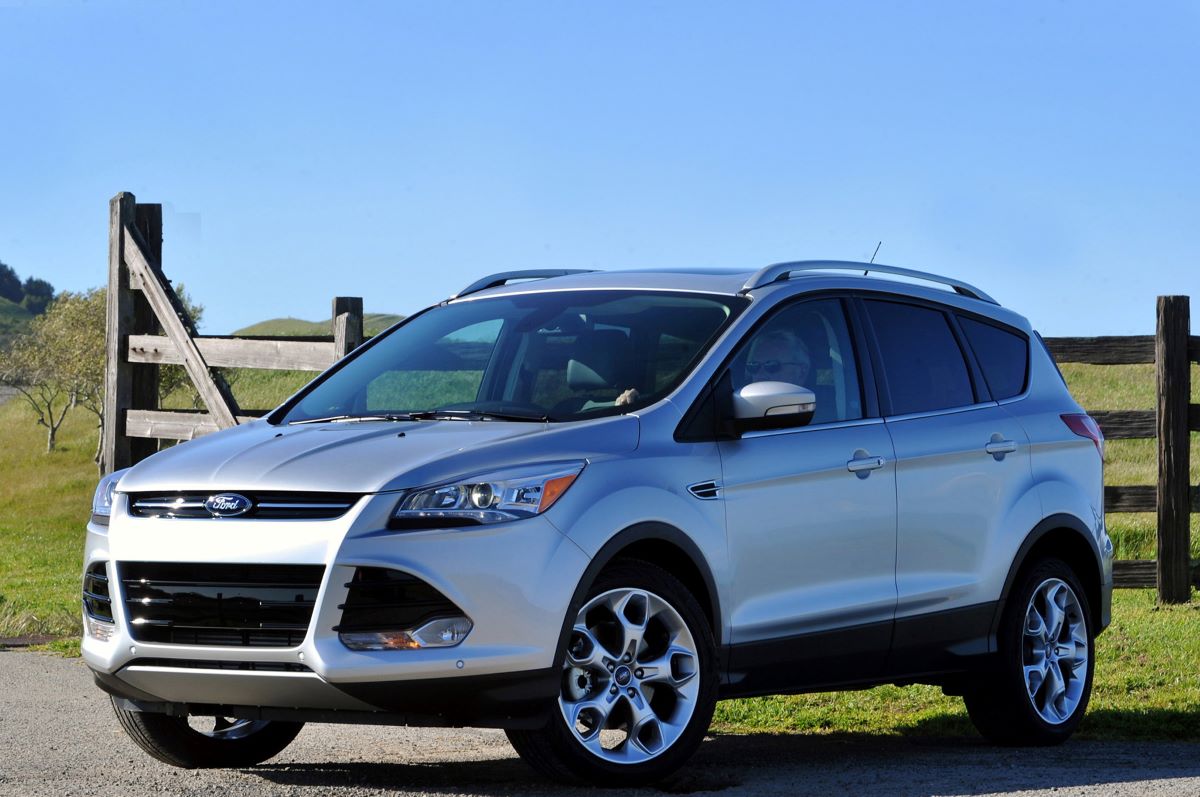
These changes translate to more interior space, while a height reduction of 1.6 inches gives the crossover a sleeker exterior profile. Additional interior improvements include upgraded materials, a second-row seat that folds down more easily, a hands-free power liftgate, and the addition of Ford’s MyFord Touch infotainment system.
The Escape offers three four-cylinder engine options, all paired with a six-speed automatic transmission. The base model retains the 168-hp 2.5-liter engine from the previous generation.
The mid-level choice is a new turbocharged 1.6-liter four-cylinder, producing 178 hp and delivering an EPA-estimated 33 mpg on the highway. For drivers seeking stronger acceleration, the 240-hp turbocharged four-cylinder, effectively replacing the V6 from the old Escape, is available. Notably, Ford no longer offers a hybrid variant of the Escape.
In nearly every respect, the 2013 Escape outshines its predecessor. Its engine variety surpasses that of rivals like the Honda CR-V and Mazda CX-5, while interior quality is superior to that of competitors such as the Kia Sportage and Subaru Forester.
The primary drawback may be price: equipping an Escape with all available options can make it one of the priciest vehicles in its class. For those willing to pay for its features, however, the 2013 Ford Escape is a strong choice in the small crossover segment.
The 2.5-liter four-cylinder engine with 168 hp and 167 lb-ft of torque is standard and only available on the S trim. The SE and SEL trims come with a turbocharged 1.6-liter inline-4 producing 178 hp and 184 lb-ft. An optional turbocharged 2.0-liter inline-4, standard on the Titanium trim, generates 240 hp and 270 lb-ft of torque.
All engines are mated to a six-speed automatic transmission. While the S trim comes exclusively with front-wheel drive, the other trims offer a choice of front- or all-wheel drive. Properly equipped, a 2.0-liter turbo Escape can tow up to 3,500 pounds.
Fuel economy estimates are as follows: the 2.5-liter engine rates 22 mpg city, 31 mpg highway, and 25 mpg combined. The 1.6 EcoBoost with front-wheel drive achieves 23/33 mpg, while the 2.0 EcoBoost with front-wheel drive earns 22/30/25 mpg. All-wheel-drive versions generally see a reduction of 1–2 mpg.
3. Chevrolet Equinox (2010–2017)
The second-generation Equinox is known for early strut failures particularly on the liftgate. Many Equinox owners have reported collapse or “slow droop” within 4–6 years.
The issue tends to be worse in colder climates, where the seals contract and allow pressure to escape.
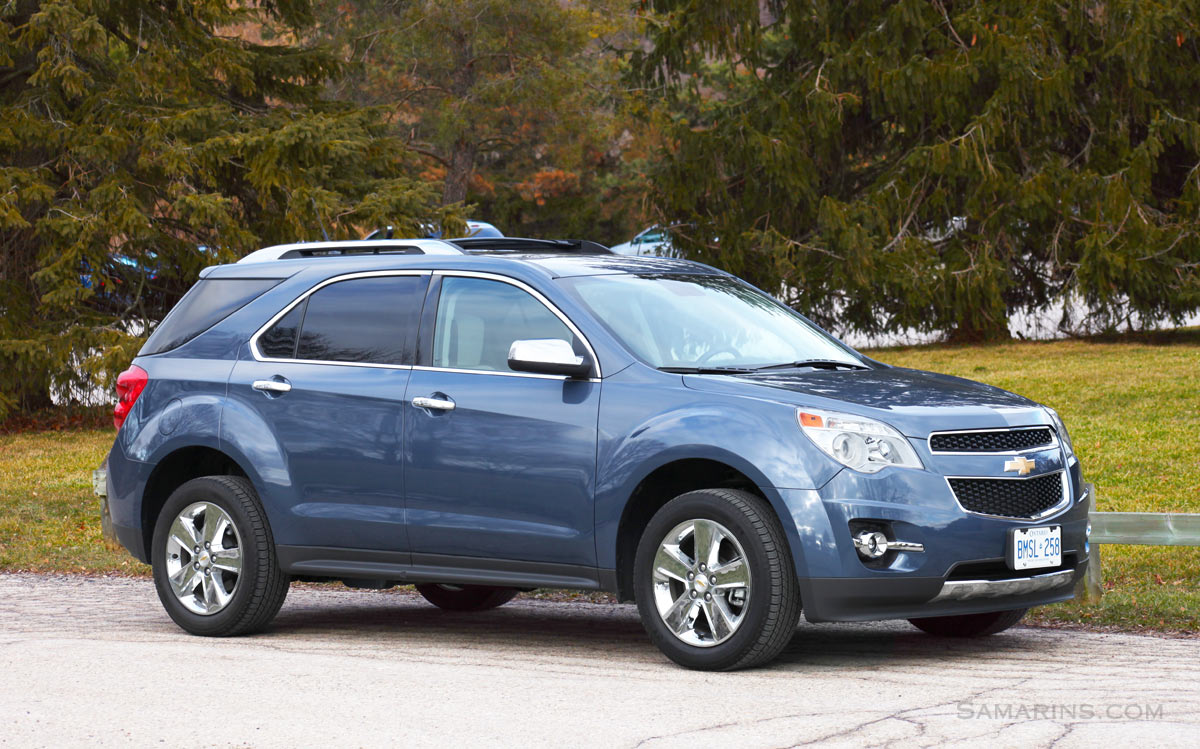
GM did upgrade the struts later in the generation, but earlier models continue to show high failure rates.
Additionally, the Equinox is heavier in the rear than some competitors, and the struts appear undersized for the liftgate weight, causing premature fatigue.
4. Nissan Rogue (2008–2015)
Strut longevity was not a strong point of the first-generation Nissan Rogue. Hood struts in particular are known to lose pressure early, and the piston rods tend to corrode quickly in northern US states.
Rogue liftgate struts often show symptoms such as partial lift, reduced hold tension, or sudden collapse sometimes in under 70,000 miles.
The issue stems from both weak sealing and thin rod construction, which compromises durability over time. Second-generation Rogues improved slightly, but early models consistently underperform.
It may not reach the notoriety of names like Moon Unit Zappa or Apple Martin, but the 2008 Nissan Rogue is still a name that might raise eyebrows.
While its larger sibling, the Murano, takes its name from the famed glass-making island near Venice, the Rogue draws inspiration, at best, from a rather uninspiring X-Men character. At worst, its name evokes a wild animal living outside the herd or a plant considered undesirable and inferior. One wonders if Nissan’s marketing team keeps a dictionary handy.
Despite the naming misstep, the engineers behind the Rogue delivered a small SUV that impresses. While it may resemble a Murano spun through a hot cycle in the dryer, under the sheetmetal it is closely related to the compact Sentra sedan.
Surprisingly, the Rogue manages to be better looking, ride more smoothly, and offer greater utility than its modest platform mate. It retains the Sentra’s somewhat vague electric steering, but pairs it with an all-independent, long-travel suspension that absorbs road imperfections with ease.
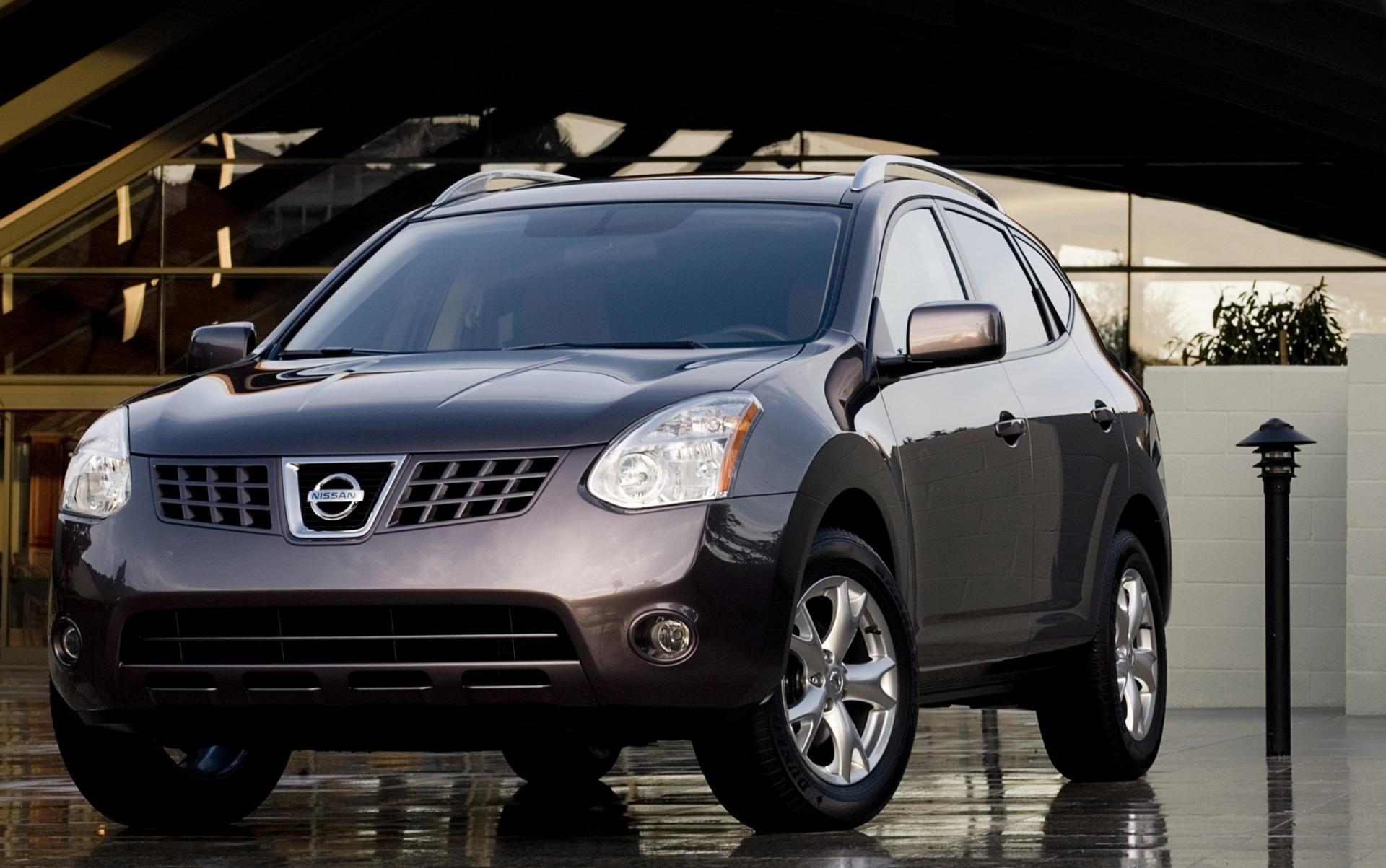
The Rogue remains stable at higher speeds and strikes a good balance between city and highway manners. If your priority is a compact crossover that handles like a car, the Rogue fits the bill.
The Rogue is powered by a torquey 170-hp four-cylinder engine that provides smooth, competent acceleration in line with other vehicles in the segment. However, it is mated to a continuously variable transmission (CVT).
While Nissan has successfully implemented CVTs in V6-powered vehicles like the Altima, this setup feels less appropriate here. On the freeway, the CVT can behave like it’s made of rubber bands, constantly fluctuating revs whenever the driver adjusts the throttle, which can become frustrating. This type of transmission may simply not suit a smaller engine.
All 2008 Rogues are equipped with a 2.5-liter four-cylinder engine producing 170 hp and 175 lb-ft of torque. A continuously variable transmission (CVT) comes standard, with buyers able to choose between front- or all-wheel drive.
In testing, a Rogue SL AWD accelerated from 0 to 60 mph in 9.2 seconds, which is comparable to other four-cylinder-powered compact crossovers. Fuel economy is rated at 21 mpg city and 26 mpg highway for all-wheel-drive models, while front-wheel-drive versions achieve 22/27 mpg, again aligning with similarly powered competitors.
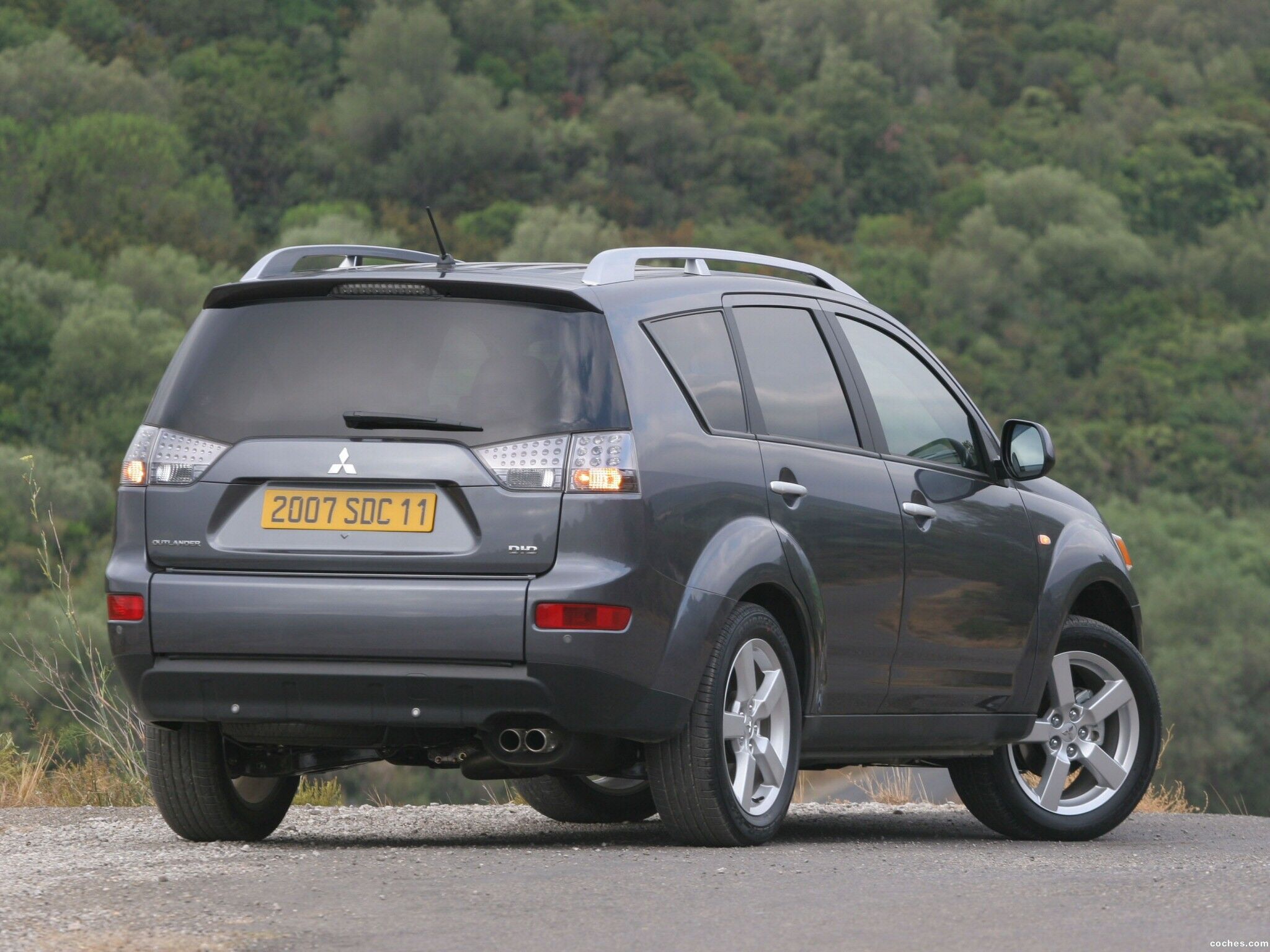
5. Mitsubishi Outlander (2007–2013)
This generation of Outlander is mechanically solid, but the gas struts are a major weak point. Their seals age poorly, especially in hot climates where the internal gas expands and contracts dramatically.
As a result, Outlander struts often fail years earlier than competing crossovers. Some owners report needing replacements twice over the life of the vehicle.
Even light liftgate usage doesn’t fully prevent the issue, indicating that the struts themselves simply lack the long-term durability found in their Japanese rivals.
Gas struts may seem like a small detail in a crossover’s overall design, but their reliability makes a big difference in everyday convenience and safety.
In the US where varying climates, salted roads, and frequent liftgate use put extra strain on these components some models clearly handle the challenge better than others.
Crossovers like the Toyota RAV4, Subaru Forester, Honda CR-V, Lexus RX, and Mazda CX-5 show that with proper component selection and supplier quality, gas struts can last the entire life of the vehicle.
Meanwhile, models like the Jeep Cherokee, Ford Escape, Chevrolet Equinox, Nissan Rogue, and Mitsubishi Outlander highlight the pitfalls of cost-cutting or using undersized struts.
When shopping for a used crossover or evaluating your current one knowing which models tend to keep their liftgates and hoods firmly supported can save you time, frustration, and potentially a painful reminder of how important these small components really are.
