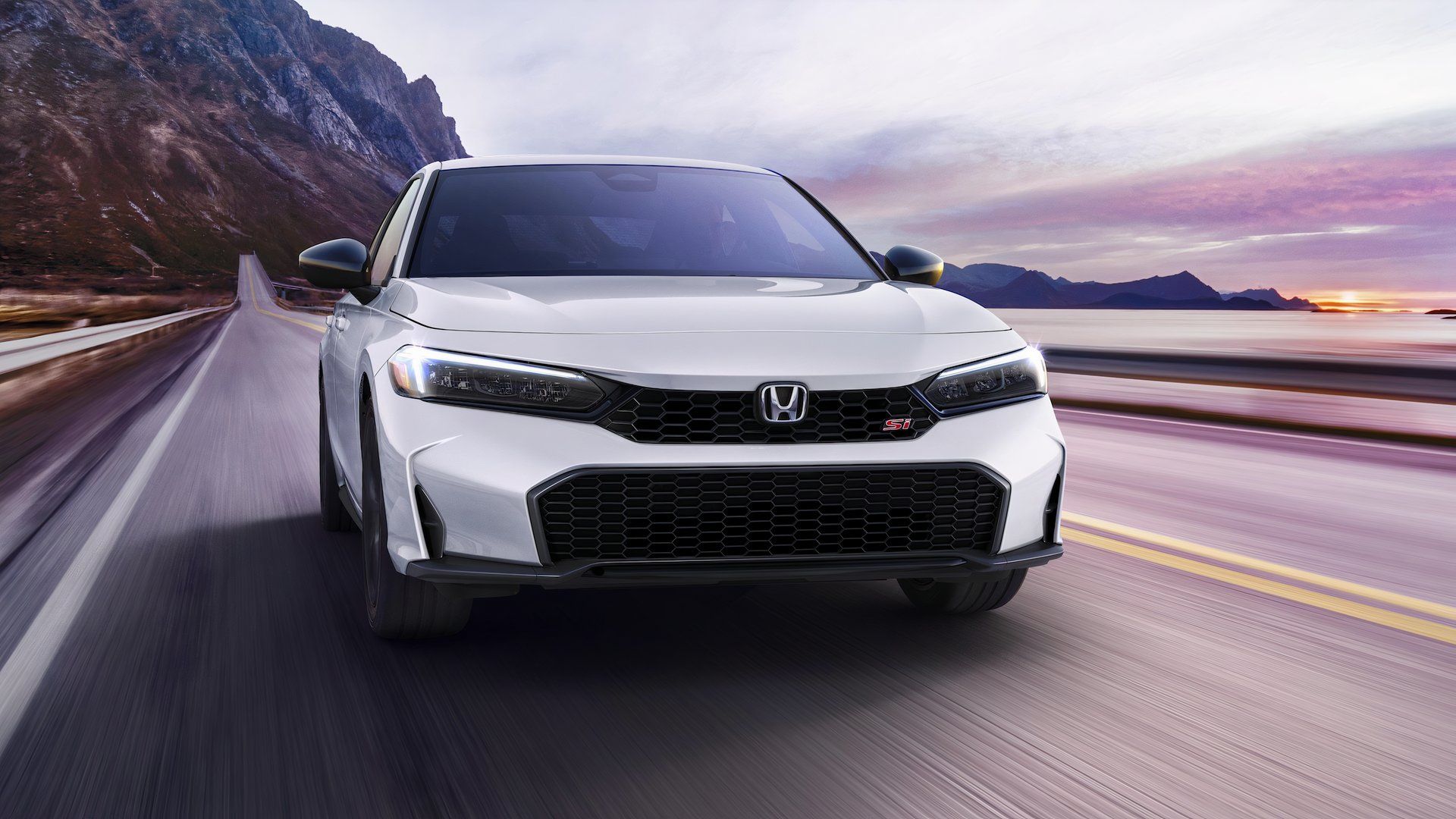
City driving comes with its own unique set of challenges. Narrow streets, tight parking spots, heavy traffic, and constant stops and starts demand vehicles that are nimble, responsive, and easy to maneuver. For many urban dwellers, a compact car is the ideal solution.
These cars offer the convenience of easy parking without sacrificing fuel efficiency or practicality.
However, not all compact cars are created equal. Some handle city life with grace, fitting into tight spots like a puzzle piece, while others, despite their small footprint, feel cramped, unwieldy, or uncomfortable.
In this article, we break down six compact cars that are excellent for city parking and six that tend to disappoint in urban environments.
Compact Cars Perfect for City Parking
In the urban jungle, finding the perfect parking spot can feel like winning the lottery, especially when you’re driving a vehicle that’s built to squeeze into tight spaces with ease. Compact cars are the unsung heroes of city living, offering maneuverability, efficiency, and just enough room for your daily needs.
In this article, we’ll highlight some of the best compact cars designed for easy city parking, from smartly engineered hatchbacks to cleverly compact sedans that won’t leave you circling the block. Whether you’re navigating narrow streets or snagging that last parallel spot, these cars make urban driving a breeze.
1. Honda Fit
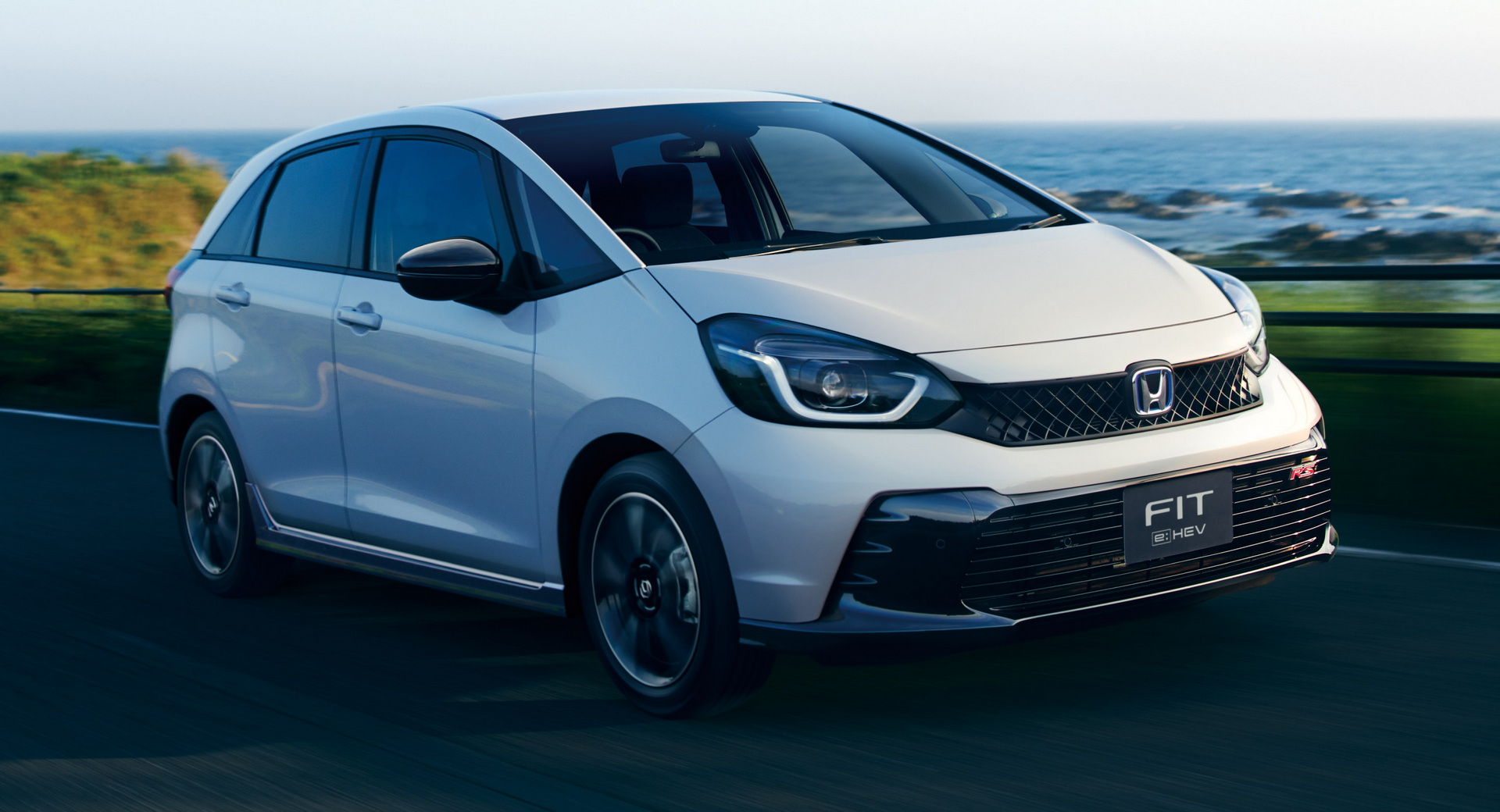
The Honda Fit has long been a favorite among urban drivers for its clever design and compact dimensions.
Despite its small exterior, the Fit offers a surprisingly spacious interior thanks to Honda’s “Magic Seat” system, which allows the rear seats to fold flat in multiple configurations.
Maneuvering in tight city streets is effortless, and its tight turning radius makes parallel parking almost stress-free. Additionally, the Fit’s reputation for reliability and low cost of ownership makes it a practical choice for daily urban commuting.
The 2020 Honda Fit could easily be mistaken for a magical clown car, thanks to its remarkable capacity to carry far more cargo than its compact dimensions would suggest. This subcompact hatchback from Honda also offers more passenger space than most would expect, with its versatile, multi-configurable rear seat truly driving its impressive practicality.
While this generation of the Fit lacks the spirited driving dynamics of earlier versions, it compensates with an efficient engine and a smooth ride.
Naturally, the hatchback’s somewhat noisy engine and average interior materials reflect its budget-friendly price point. Nevertheless, the 2020 Fit stands out as one of the most practical and versatile small cars currently available.
Most people shopping for a Fit want an economical way to get around while still enjoying modern features. The base model falls short in this regard, which is why we suggest upgrading to the Sport trim.
It remains budget-friendly but adds desirable upgrades such as a 7.0-inch touchscreen with Apple CarPlay and Android Auto, along with more stylish exterior touches.
A manual transmission is standard, and we appreciate the added driver engagement, but the optional continuously variable automatic transmission (CVT) is worth considering for its superior fuel economy.
Plus, choosing the CVT package unlocks the Honda Sensing suite, which includes adaptive cruise control, automated emergency braking, and lane-keeping assist.
Fit buyers need only decide between the six-speed manual transmission and the CVT, though opting for the CVT reduces horsepower to 128. Regardless of transmission, the engine can sound buzzy at higher revs.
While the manual offers better control and helps the driver extract more power, the CVT dulls the engine’s responsiveness and isn’t as engaging to drive. Ride quality, however, is where the Fit truly shines. It handles road imperfections with surprising composure, particularly the base LX model equipped with larger tires.
Unfortunately, a smooth ride doesn’t always translate to strong handling. The Fit’s soft suspension limits its dynamic abilities, resulting in noticeable body roll through turns and steering that lacks any real feedback or precision, something the previous generation handled better.
Also Read: 5 Cars That Stay Popular for Years vs 5 That Fade Quickly
2. Mini Cooper
The Mini Cooper is the quintessential city car. Its compact size and responsive steering make it agile in stop-and-go traffic, while parking in crowded downtown areas feels intuitive rather than intimidating.
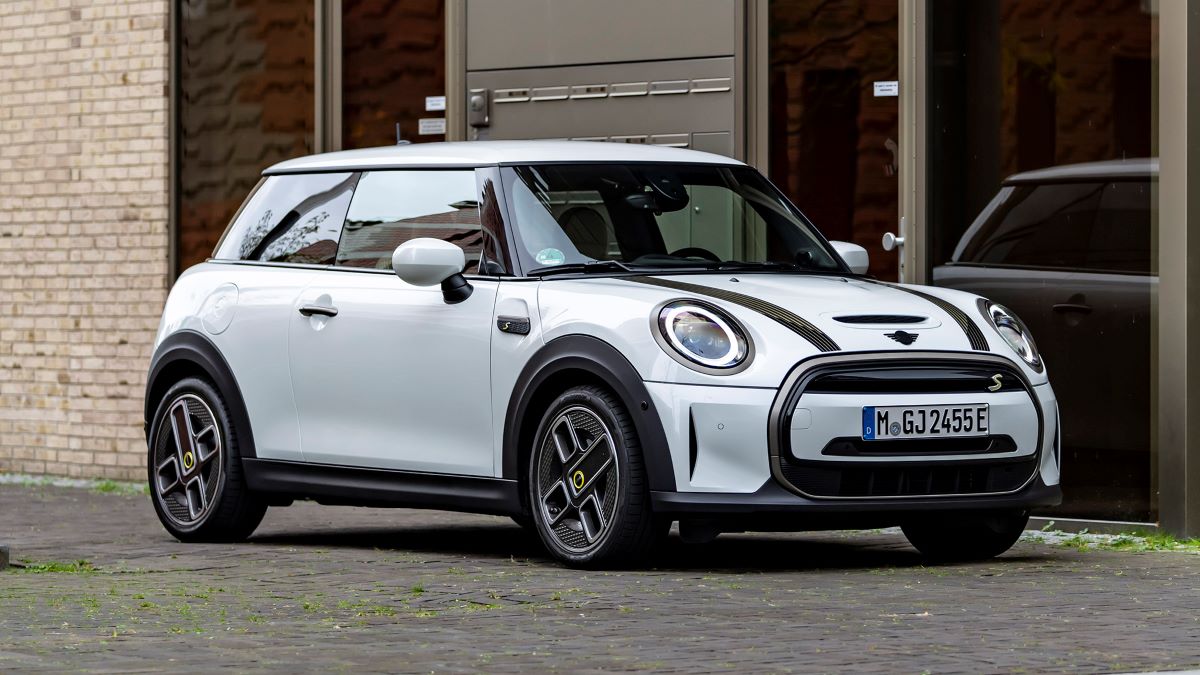
The Mini’s European-inspired design also ensures excellent visibility for the driver, which is a key factor when threading through narrow streets.
Though the interior is snug, it balances sporty appeal with functional comfort, making it perfect for urban dwellers who want style without compromise.
3. Toyota Yaris
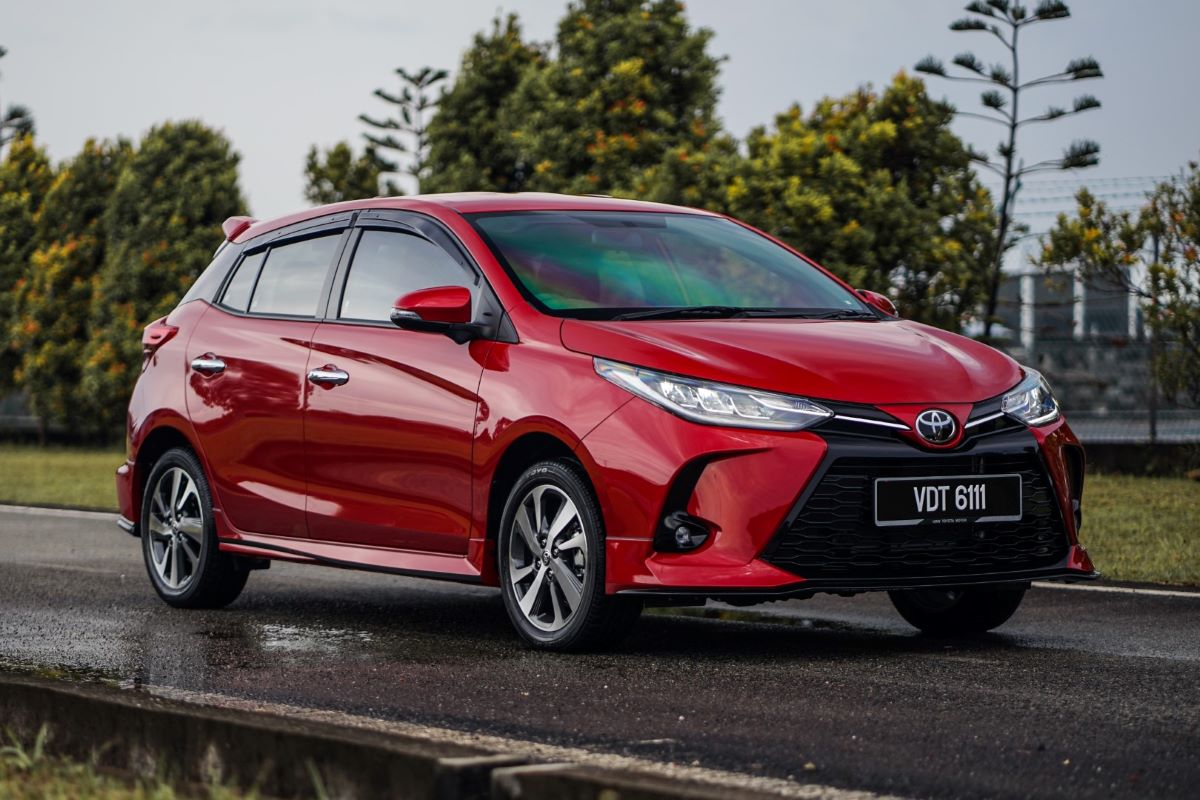
Toyota’s Yaris has earned a strong reputation for being both efficient and easy to handle. Its compact proportions make it ideal for city parking, while the steering is light and precise, helping drivers make sharp turns without stress.
The Yaris also benefits from Toyota’s longstanding reputation for reliability, meaning owners can focus on navigating city life rather than worrying about frequent repairs. With decent fuel economy and a comfortable cabin, it’s a practical urban companion.
The 2020 Toyota Yaris delivers more than one might expect from an affordably priced vehicle. Offered in both sedan and hatchback forms, this subcompact car impresses with excellent fuel economy that can help reduce long-term costs.
Its suspension is tuned for a more engaging driving experience, and while it may not win any drag races, the Yaris feels capable and composed during everyday use.
However, it does fall short in terms of driver-assistance features when compared to some rivals. Even so, the overall package remains highly appealing for those seeking a small, budget-friendly vehicle.
The base L sedan equipped with the manual transmission offers sufficient standard features to meet the needs of most buyers.
Those who prefer an automatic transmission can opt for the L trim with a six-speed automatic for an additional $1100. The manual-equipped L features 15-inch steel wheels and essential exterior amenities like daytime running lights and power-adjustable side mirrors
All 2020 Yaris models are powered by a 1.5-liter four-cylinder engine paired with front-wheel drive. This engine produces 106 horsepower and 103 lb-ft of torque.
In testing, a Yaris XLE sedan accelerated from zero to 60 mph in a modest 9.6 seconds. That’s slower than a manual-equipped Honda Fit, which achieved the run in 8.2 seconds, but it beats the Nissan Versa, which managed 10.4 seconds.
Despite the numbers, the Yaris doesn’t feel sluggish in daily use and delivers a pleasant driving experience. The suspension strikes a balance between sportiness and comfort, offering responsive handling while remaining smooth enough for longer commutes.
4. Hyundai Kona
Though technically a subcompact SUV, the Hyundai Kona’s small footprint makes it surprisingly easy to park in tight spaces.
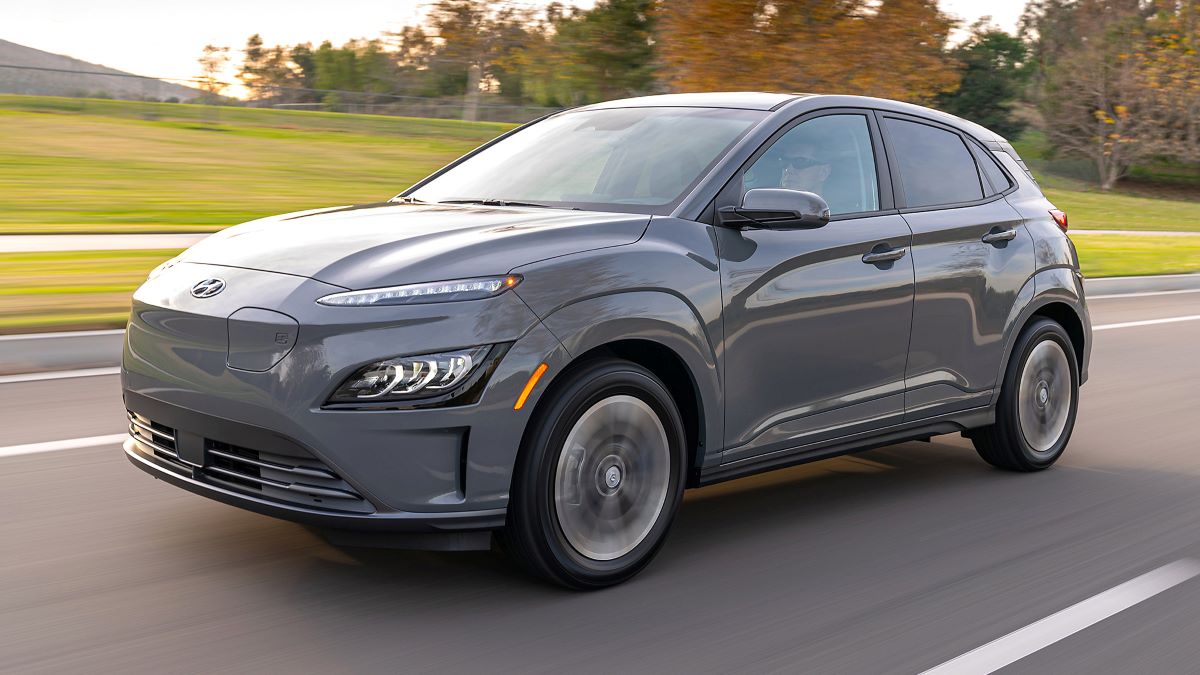
Its elevated seating position offers excellent visibility in congested city streets, while tight dimensions make parallel parking manageable.
The Kona also brings modern features like backup cameras, parking sensors, and available driver-assist technologies, which can be invaluable when maneuvering in crowded urban environments.
5. Chevrolet Spark
The Chevrolet Spark is designed with city driving in mind. At just over 143 inches long, it’s one of the shortest vehicles on the market, which makes it a breeze to park.
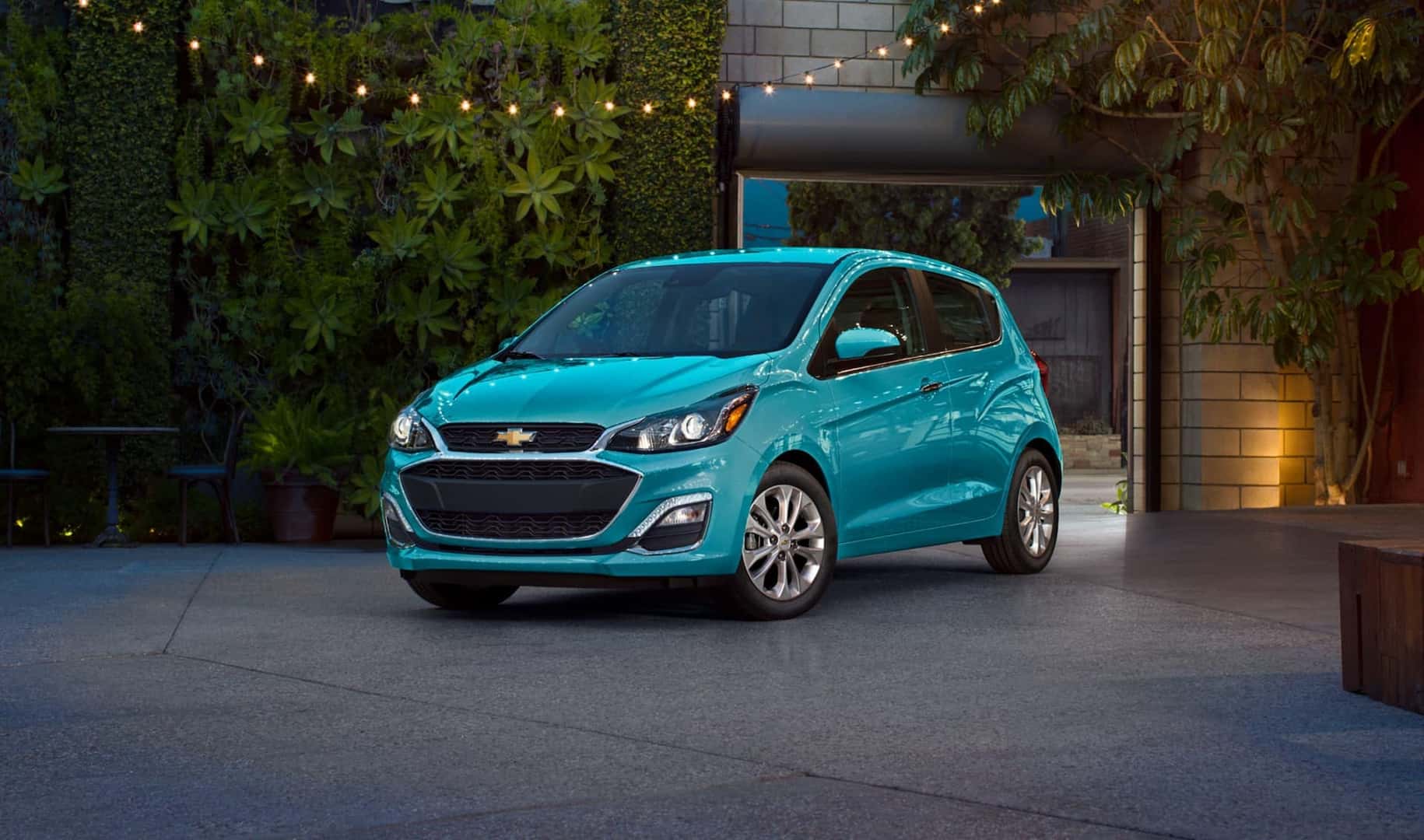
Its small size does not come at the expense of technology, as recent models include Apple CarPlay, Android Auto, and available advanced safety features.
The Spark’s modest price and low running costs make it an accessible choice for young urban professionals or anyone looking for a practical, stress-free city car.
These days, it feels like every new vehicle is growing in size, except for tiny city cars like the Chevy Spark. Consider this: the current BMW 3 Series is actually larger than the early 5 Series models, and with buyers increasingly favoring crossovers and SUVs, automakers are responding by building even bigger models to stay competitive.
But not everyone wants a behemoth on wheels, some drivers still need something compact, lightweight, and easy to parallel park. That’s where the Chevrolet Spark shines.
Its 1.4-liter naturally aspirated engine produces just 98 horsepower and 94 lb-ft of torque, falling short of the 100 mark in both categories. However, in this subcompact that’s designed for city streets and fuel efficiency, that modest output is more than enough.
It’s hard not to look at slightly larger rivals that offer superior performance and wonder if the Spark is past its prime. So, is this little hatchback a forgotten relic or does it still have a place on today’s roads? Let’s take a closer look.
Although the Chevy Spark doesn’t boast big power or torque figures, its low curb weight and short wheelbase help it excel at what it’s designed for. Steering is feather-light at lower speeds, let’s face it, that’s where this car spends most of its time, but it becomes nicely weighted as speed increases, offering impressive feedback and confidence on the freeway.
Braking performance is equally strong, with responsive pedal feel and sufficient stopping power given the Spark’s size. When it comes to ride quality, the suspension delivers acceptable comfort, but the tiny tires and short wheelbase mean mid-corner bumps can upset the balance.
Though, it’s a smooth, nimble companion in urban environments. On highways, however, the engine drones noticeably at higher revs.
That’s more a result of thin, lightly insulated door panels and interior materials than an overly noisy engine itself, but it’s definitely worth pointing out. For those who anticipate frequent highway use, a test drive is recommended to see if the cabin noise is tolerable. After all, this car is best suited for city travel rather than long-haul cruising.
6. Mazda MX-5 Miata
While typically considered a sports car rather than a conventional compact, the Mazda MX-5 Miata deserves mention for urban maneuverability.
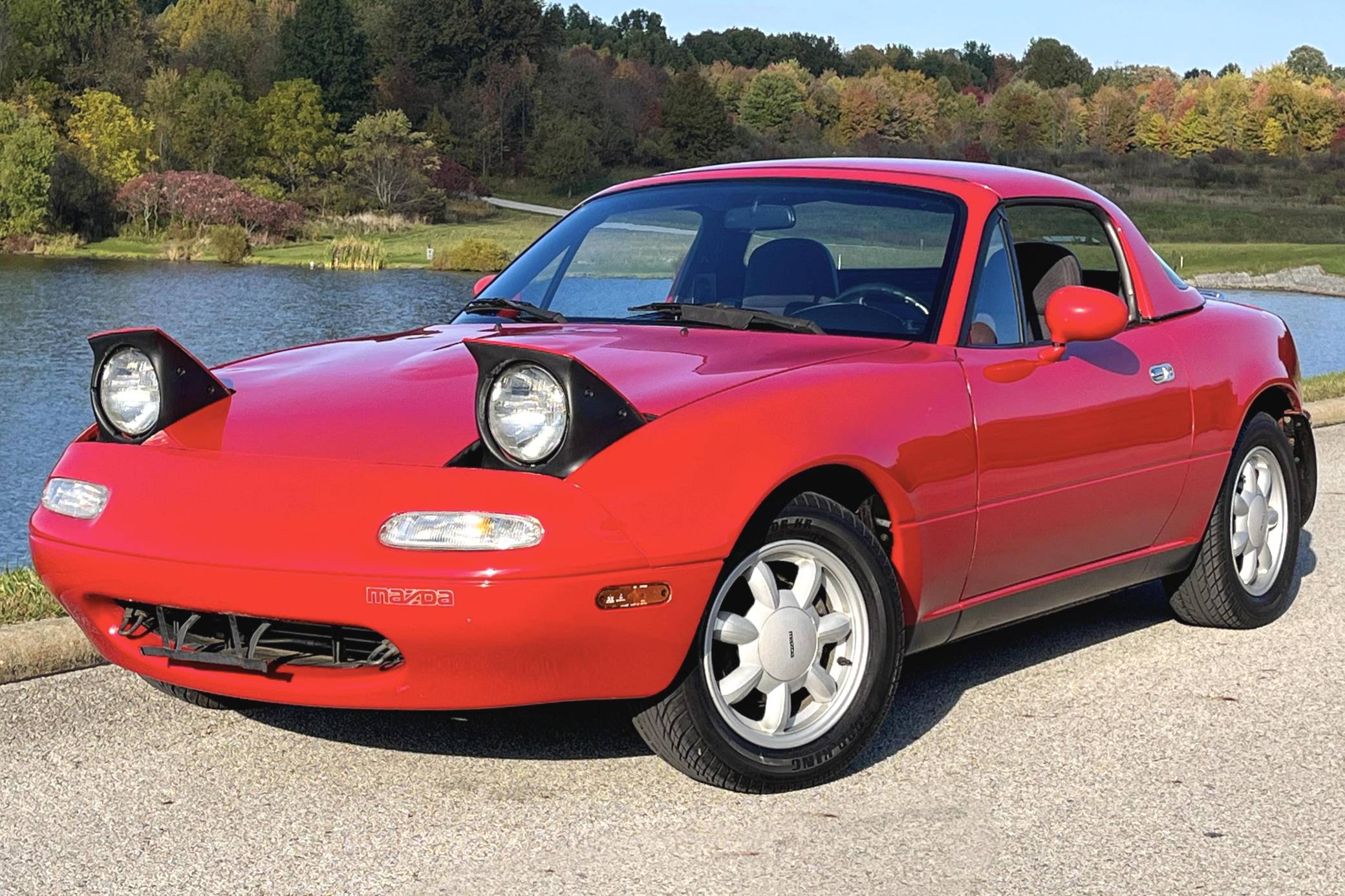
Its compact dimensions, light steering, and excellent visibility make it surprisingly easy to park and navigate through narrow city streets.
Though storage space is limited, drivers who prioritize fun and agility in urban traffic will find the Miata a joy to live with day-to-day.
Also Read: 8 Underrated SUVs That Are Better Than Popular Models
Compact Cars That Feel Cramped and Clumsy in the City
Compact cars are supposed to be the ideal solution for city driving, nimble, easy to park, and designed with tight spaces in mind. But not all small vehicles hit the mark. Some compact cars end up feeling cramped, awkward to maneuver, or surprisingly difficult to live with in an urban environment.
From uninspiring visibility to frustrating interior layouts, these models prove that being small doesn’t automatically mean being city-friendly. In this article, we’ll explore compact cars that fall short in city driving, helping you avoid vehicles that are too tight or too clumsy for the everyday urban grind.
1. Nissan Versa
Despite being a compact sedan, the Nissan Versa often feels larger than it is due to its long wheelbase and relatively sluggish steering.
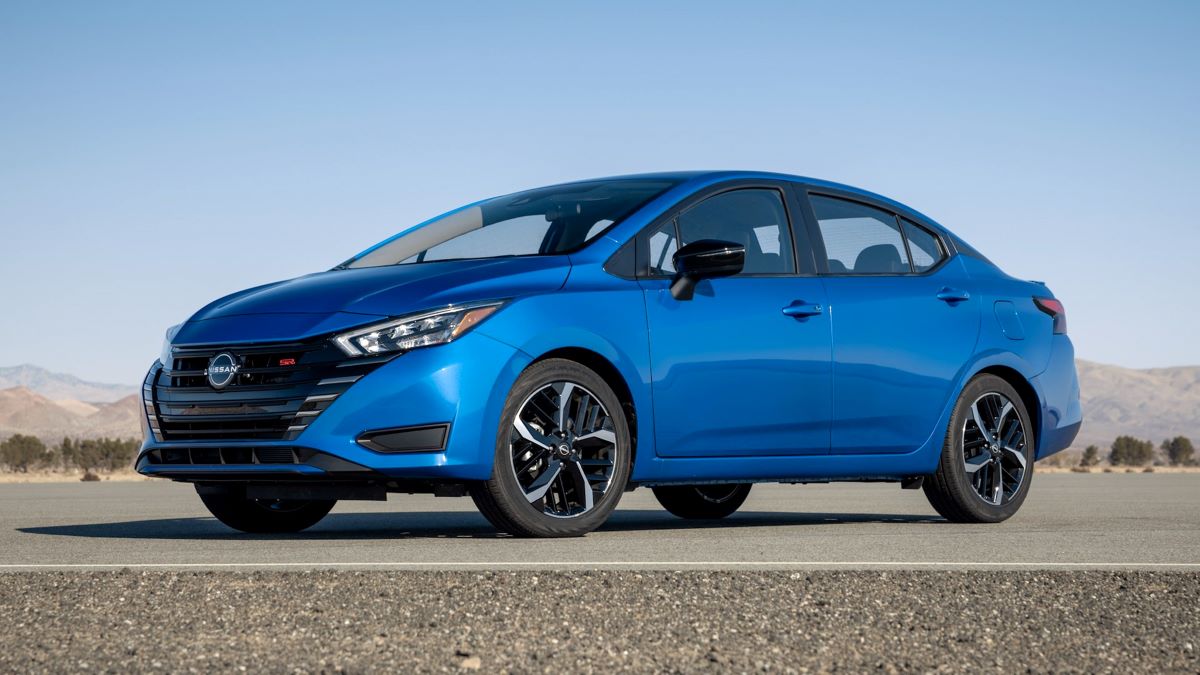
Tight corners and parallel parking can feel awkward, especially for drivers accustomed to smaller urban cars. The interior, though functional, lacks the clever space-saving design seen in rivals like the Honda Fit, making it feel cramped despite its nominally small size.
Nissan has done an impressive job transforming the Versa into an economy car you won’t be embarrassed to drive. Stylish looks and a strong array of modern tech features make the Versa a solid value in its class.
While it doesn’t feature a fully independent rear suspension, Nissan’s most affordable sedan still delivers a surprisingly smooth ride, effectively absorbing rough patches and sharp bumps.
However, don’t expect much in the way of excitement behind the wheel. The 122-hp 1.6-liter I-4 barely feels strong enough to motivate the Versa, and the lethargic CVT doesn’t improve matters.
Even though the current model offers better body control and sharper steering than the last generation, the Versa’s overall driving personality reveals a complete lack of sporting ambition.
Inside, the Versa has seen a notable upgrade. Though hard plastics are still widespread, the interior manages to look attractive and contemporary. The orange accents and contrast stitching add a welcome touch of flair. The front seats are comfortable and supportive, with decent bolstering.
Rear passengers will notice a decrease in headroom compared to the previous model, but the space remains suitable for adults and doesn’t feel overly tight.
Affordable transportation no longer has to feel like a compromise. The Versa demonstrates that you can enjoy a comfortable daily commute with up-to-date infotainment and safety features without spending a fortune. Just remember: while the Versa shines as a practical commuter, it’s not meant to be a sporty compact.
The Versa’s 1.6-liter I-4 produces 122 hp and 114 lb-ft of torque. A five-speed manual transmission comes standard on the base S trim, with a CVT automatic available as an option. The SV and SR trims are exclusively offered with the CVT.
2. Ford Fiesta
The Ford Fiesta has sporty appeal, but in city driving, it can feel less composed. The rear seats are tight, and visibility is somewhat limited due to thick pillars, which can make parking stressful.
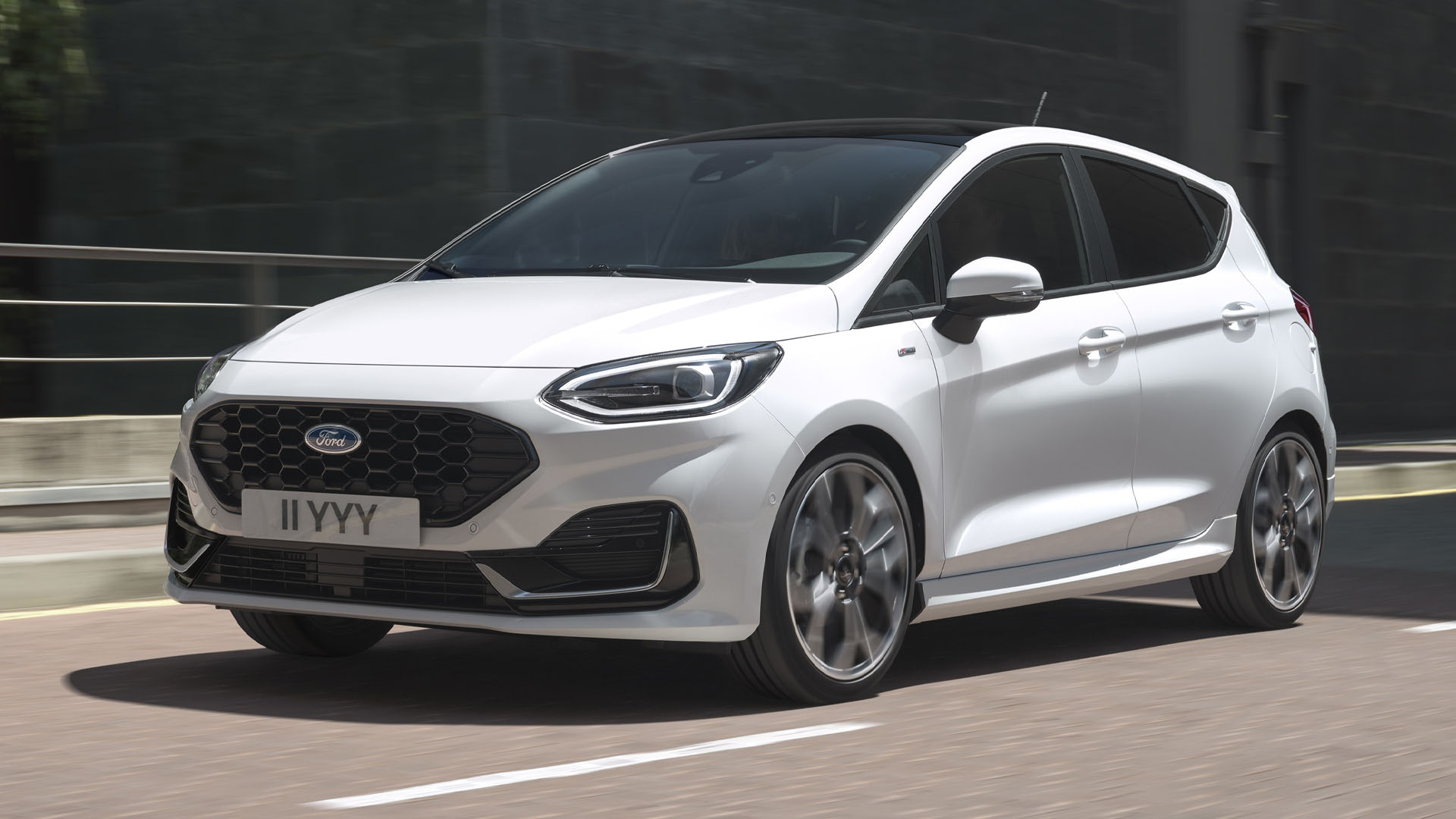
While nimble on open roads, the Fiesta’s handling quirks and slightly stiff suspension make it less comfortable in stop-and-go traffic or tight urban spaces.
3. Kia Rio
The Kia Rio is an entry-level compact that struggles in tight urban situations. Steering is light but lacks precision, which can make maneuvering in tight spots feel clumsy.
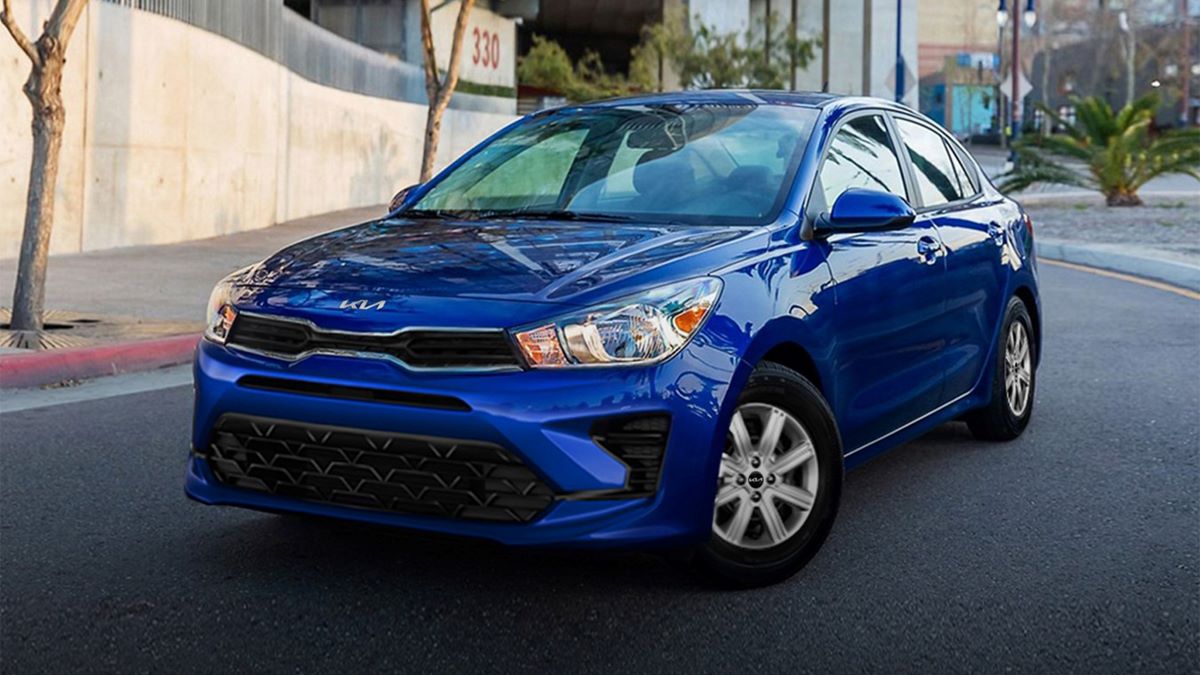
Additionally, the interior design doesn’t maximize space, so passengers in the rear can feel boxed in. While it’s economical, the Rio doesn’t offer the same urban ease of parking as competitors like the Toyota Yaris or Honda Fit.
4. Volkswagen Golf
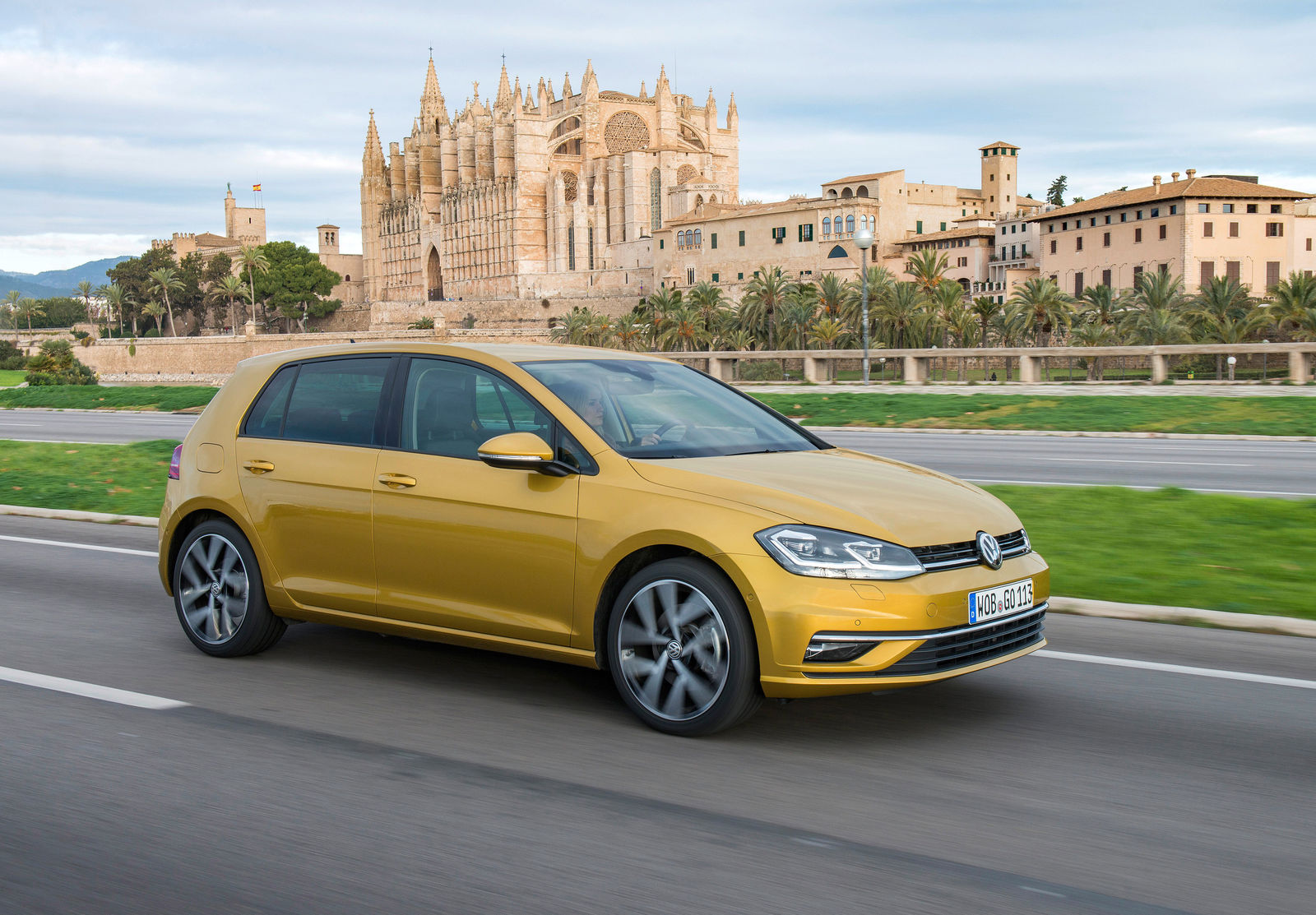
The Volkswagen Golf is a well-regarded compact on the road but isn’t always the most city-friendly. Its relatively wide stance can make squeezing into tight spots tricky, and while the interior is high-quality, the cabin can feel tight for taller passengers.
The Golf’s steering, while responsive, doesn’t always translate to effortless low-speed maneuverability, which is a drawback in dense urban areas.
Advanced safety features that were once optional, such as frontal-collision warning and blind-spot monitoring, are now standard across the board. However, the most significant update for the 2020 model year is the reduction of what was once the industry’s leading bumper-to-bumper warranty.
Previously offering six years or 72,000 miles of coverage, it has now been shortened to four years or 50,000 miles. To help offset this change, all 2020 Volkswagen models come with two years of complimentary scheduled maintenance.
With an all-new Golf expected to arrive within the next year, the current seventh-generation GTI is nearing the end of its lifecycle. The eighth-generation GTI is scheduled to make its debut at the Geneva auto show in March.
There’s strong value throughout the lineup, but the base S trim stands out for its affordability. While the higher-tier SE and Autobahn models add features such as leather upholstery and automatic climate control, the GTI S offers such a compelling mix of performance and features that it’s hard to justify spending more.
Under the hood, the GTI packs a turbocharged 228-hp four-cylinder engine that ranks among the best in the segment. It may not be the most powerful engine on paper, but it responds instantly and accelerates with satisfying urgency.
The manual transmission models feature an easy-to-operate clutch, making shifting effortless, while the optional dual-clutch automatic remains one of the finest non-manual gearboxes available. Driving the GTI is a joy. It’s nimble and agile, with exceptional cornering ability.
More importantly, the GTI handles with precision and consistency, reacting intuitively to your steering and throttle inputs, almost as if the car anticipates them. The braking system is equally impressive, offering firm and responsive stopping power on the street and confidence-inspiring performance on the track.
5. Subaru Impreza
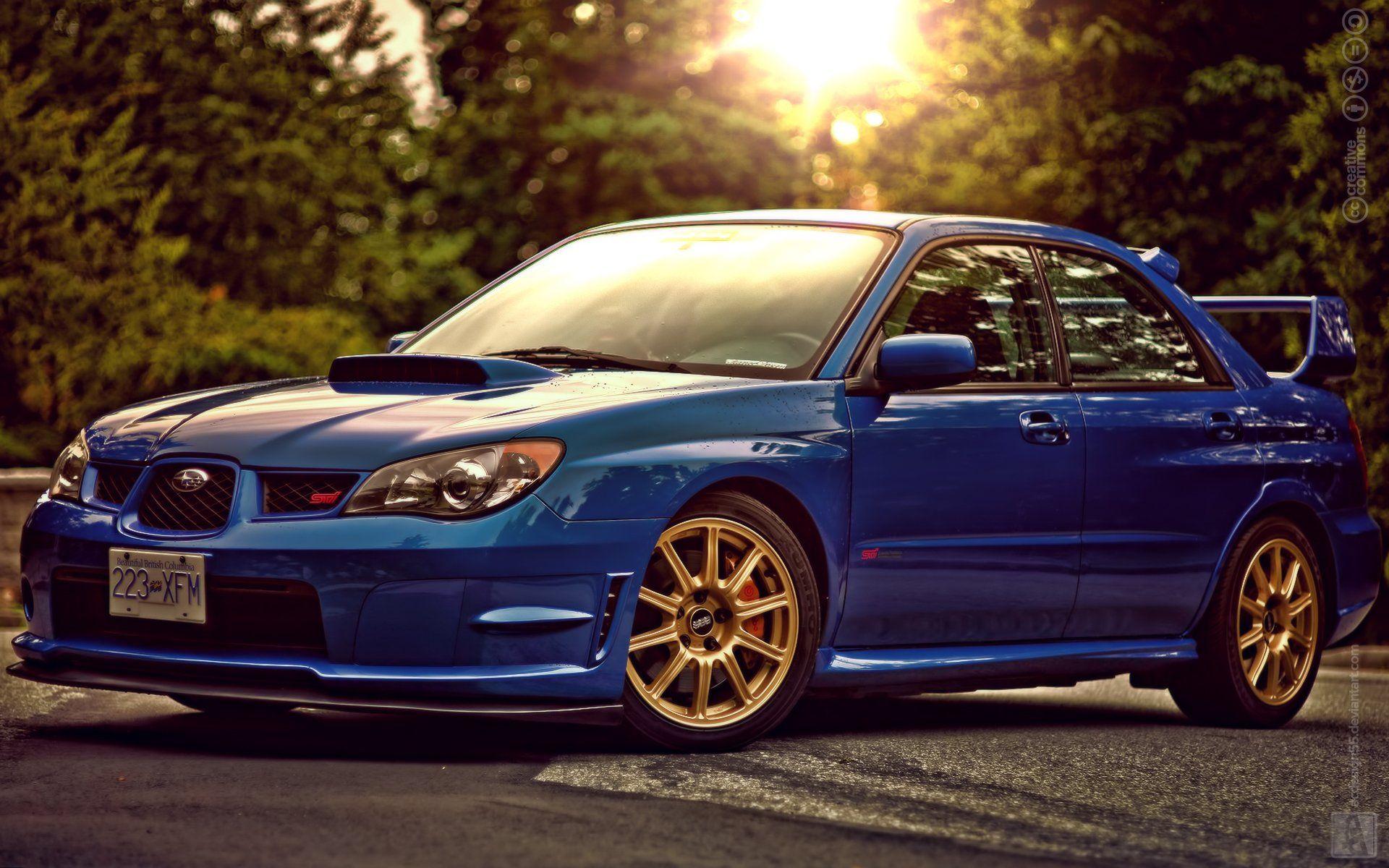
The Subaru Impreza’s all-wheel-drive system is fantastic for traction but adds weight and a slightly larger turning radius than typical compacts.
This can make city parking a little more challenging, especially when compared to smaller front-wheel-drive rivals. Additionally, the cabin feels less cozy and more utilitarian, which contributes to the perception of a cramped, clumsy urban experience.
The Subaru Impreza is offered in two body styles: sedan and hatchback. Both versions come equipped with standard all-wheel drive, making the Impreza an attractive option for those living in colder climates who need extra traction during winter months.
Another notable feature is the availability of a manual transmission. While most automakers are phasing out manual gearboxes, Subaru deserves credit for continuing to offer one for drivers who value the tactile engagement of a clutch and stick shift.
Despite these appealing features, the Impreza falls short in other areas. Competitors like the Honda Civic, Kia Forte, Hyundai Elantra, and Mazda 3 deliver more refined interiors and superior powertrain options.
The 2021 Impreza comes in both sedan and four-door hatchback formats. Each body style is available in four trims: base, Premium, Sport, and Limited, and they share many features across the lineup.
Unlike the more basic base model, the Premium trim adds comfort-enhancing features like heated front seats and Subaru’s EyeSight suite of advanced driver safety technologies.
Those looking for the best tech features should also consider the Sport or Limited trims, which come with an upgraded 8-inch infotainment system.
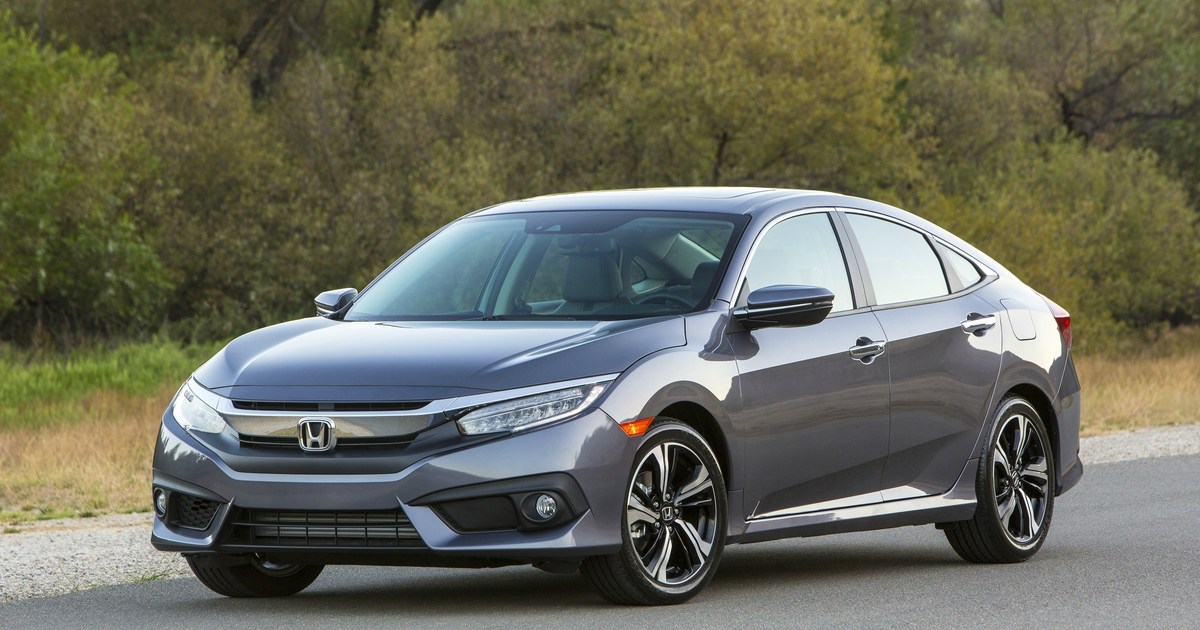
6. Honda Civic (Base Sedan)
While the Honda Civic is an iconic compact car in many respects, the base sedan model can feel unwieldy in dense city traffic. Its longer body makes tight turns and parallel parking more difficult than with smaller hatchbacks.
Visibility can also be limited by the sloping roofline, particularly when backing into a curbside spot. Drivers who prioritize urban maneuverability may find the Civic less ideal compared to more nimble city-focused cars.
City driving demands practicality, agility, and comfort in a compact package. The six cars that shine Honda Fit, Mini Cooper, Toyota Yaris, Hyundai Kona, Chevrolet Spark, and Mazda MX-5 Miata offer a mix of maneuverability, clever design, and driver-friendly features that make urban parking a breeze.
Conversely, models like the Nissan Versa, Ford Fiesta, Kia Rio, Volkswagen Golf, Subaru Impreza, and base Honda Civic highlight that not all compact cars are inherently city-friendly.
For U.S. drivers navigating bustling streets and tight parking garages, selecting a compact car that genuinely performs in the city can save time, reduce stress, and make daily commuting a smoother experience.
Whether you prioritize interior space, visibility, or maneuverability, understanding the nuances between city-perfect and city-challenged compacts ensures that you make a choice that fits your urban lifestyle.