Owning a car in the United States comes with more than just the initial purchase price. For many drivers, especially those holding onto vehicles well past the 100,000-mile mark, the true cost of ownership is dictated by maintenance, reliability, and repair expenses.
Some vehicles remain remarkably affordable to maintain even as they age, while others, once past their warranty, can become financial burdens with frequent, costly repairs.
Understanding which cars are inexpensive to keep long-term versus those that can drain your wallet is essential for buyers who plan to hold onto their vehicles past the 150,000-mile milestone.
Here’s a detailed look at five vehicles that are cheap to maintain and five that become expensive once the warranty expires.
Cars Cheap to Keep Past 150K Miles
Reaching 150,000 miles on a car is a milestone that many drivers approach with a mix of pride and apprehension. At this point, maintenance costs can start to climb, and reliability becomes a top concern. But not all vehicles are created equal, some cars continue to run smoothly and remain inexpensive to maintain well past this mark.
From efficient sedans to rugged SUVs, certain models have earned reputations for longevity, requiring fewer costly repairs even as the odometer climbs. In this article, we’ll highlight the cars that are not only capable of reaching 150,000 miles but do so while keeping ownership costs surprisingly low, helping you get the most value out of your long-term investment.
1. Toyota Camry
The Toyota Camry is often praised for its legendary reliability. Models from the 2010s and early 2020s are known to routinely surpass 200,000 miles with minimal major repairs.
Key factors that contribute to low ownership costs include a robust four-cylinder engine, widely available parts, and a straightforward design that makes routine maintenance inexpensive.
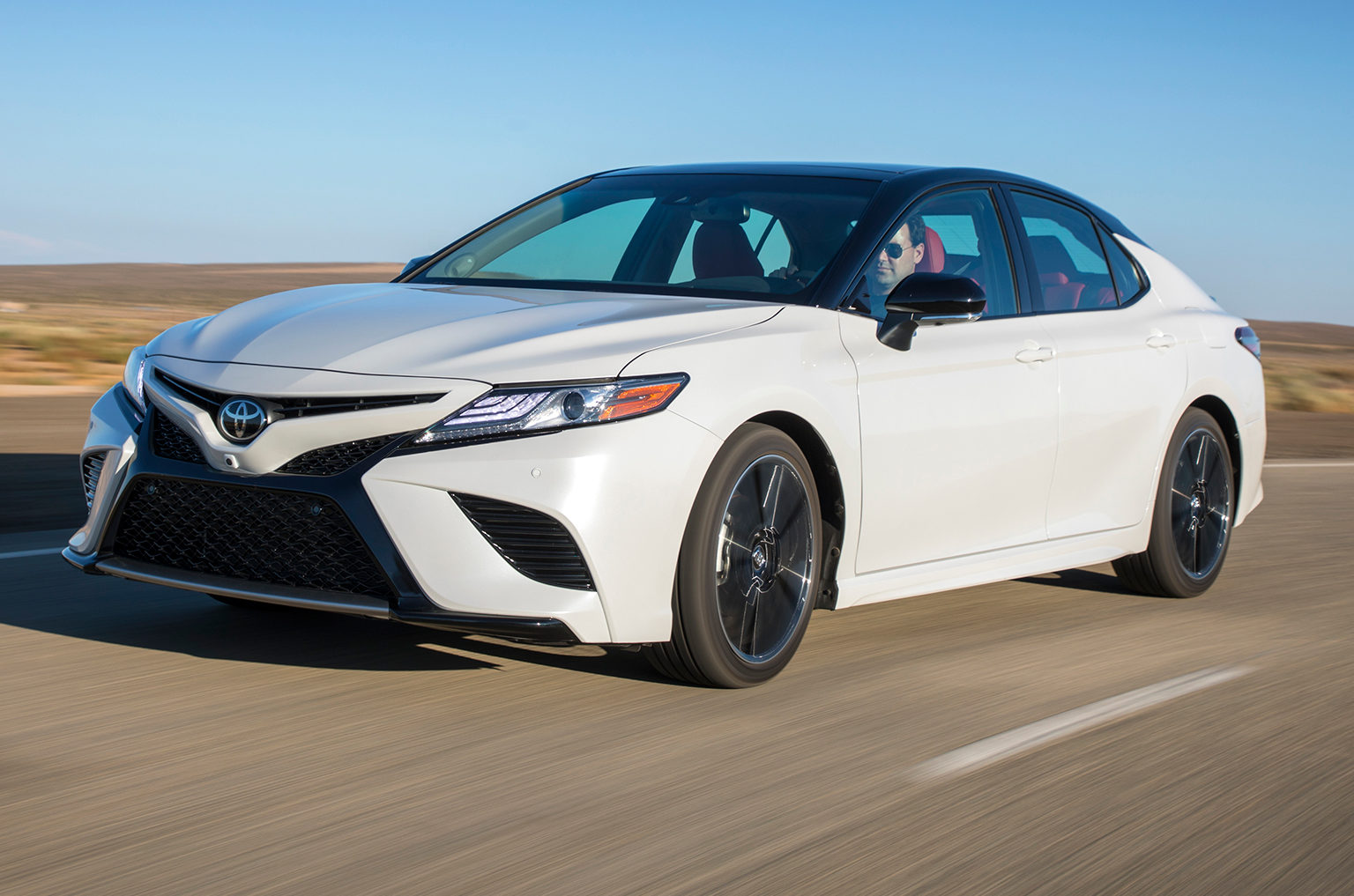
While brake pads and tires will need replacement over time, owners rarely face catastrophic engine or transmission failures. Regular oil changes, timing belt checks (on older models), and keeping up with minor repairs are usually the only investments needed.
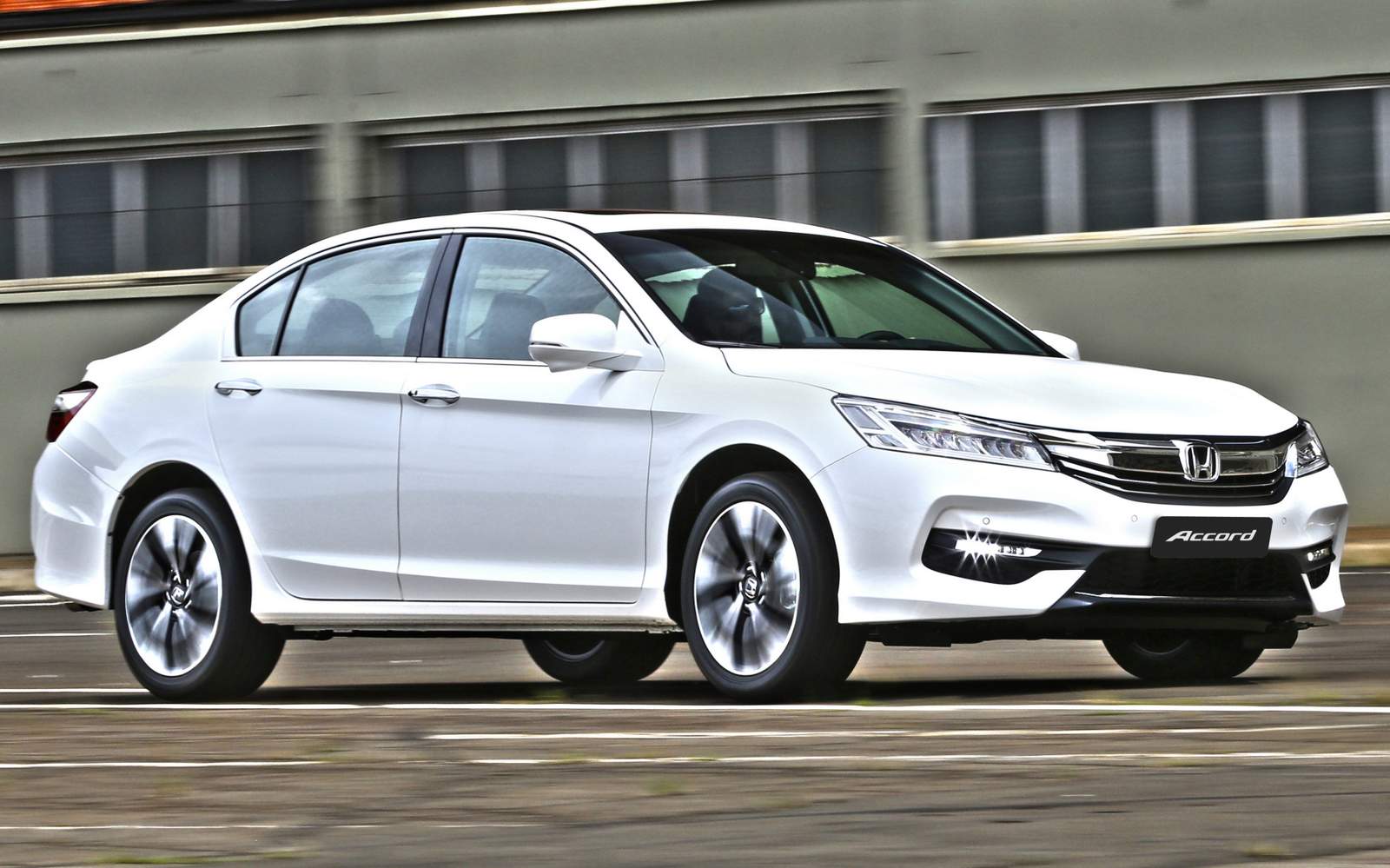
2. Honda Accord
Much like the Camry, the Honda Accord enjoys a stellar reputation for longevity. Accords from the 2010s are especially durable, with both four-cylinder and V6 engines holding up well past 150,000 miles.
The Accord benefits from a simple drivetrain design, which keeps repair costs manageable. Transmission issues are relatively rare, and the availability of aftermarket parts keeps prices competitive.
Owners also find that Accord interiors age well, reducing the need for costly cabin refurbishments over time.
With consistent maintenance, a Honda Accord can remain a reliable and cheap vehicle to operate long after the warranty has expired.
The Accord continues to lead its class with driver-friendly handling and upscale features. Its engaging driving dynamics, paired with multiple powertrain options, lean toward sporty performance.
Hallmarks like composed handling, a roomy interior, and reasonable pricing remain intact, and after all these years, the Accord still commands admiration. It isn’t just among the best family cars of 2019, it’s one of the best cars overall.
After a full redesign for the 2018 model year, the 2019 Accord sees minimal changes. The top-of-the-line Touring model now offers only the higher-output 2.0-liter turbocharged four-cylinder and the hybrid powertrain. All models experience a slight price increase, while the rest of the lineup remains largely unchanged.
For enthusiasts, Honda continues to offer a six-speed manual transmission on select engines, keeping the driving experience engaging. The Accord Sport is the trim of choice for manual lovers.
We prefer the turbocharged 2.0-liter inline-four, which draws inspiration from the Civic Type R, but the 1.5-liter turbo in the Sport 1.5T still delivers plenty of fun for $27,075. The Sport trim doesn’t allow additional options, keeping the package simple.
The lineup begins with a 192-hp turbocharged 1.5-liter inline-four, but the standout is the 252-hp turbocharged 2.0-liter inline-four, which pairs with either a six-speed manual or a 10-speed automatic that shifts almost seamlessly.
Both engines operate smoothly, though the 2.0-liter provides a thrilling rush capable of spinning the front tires in first gear. There’s also a hybrid model, combining a four-cylinder engine with two electric motors.
The Accord’s chassis is well-tuned, allowing confident cornering with minimal body roll. Steering is light for a car in this class, though a touch more road feedback would be welcome.
3. Toyota Corolla
For buyers looking for small-car efficiency without high maintenance bills, the Toyota Corolla is a top choice.
Known for its simple, reliable powertrains and minimal electronic complexity, the Corolla is one of the most cost-effective cars to maintain long-term.
Parts are inexpensive and widely available, and the vehicle rarely suffers from serious mechanical problems. Routine services such as brake work, suspension repairs, and minor engine maintenance are generally affordable.
Even older models from the late 2000s can reach high mileage with proper care, making the Corolla an ideal candidate for a budget-conscious long-term owner.
The Toyota Corolla has long been the go-to choice for buyers seeking an affordable, reliable, and practical compact car, and the 2026 model largely upholds that reputation. Available as either a sedan or a hatchback, both versions offer generous front-seat room and ample cargo capacity.
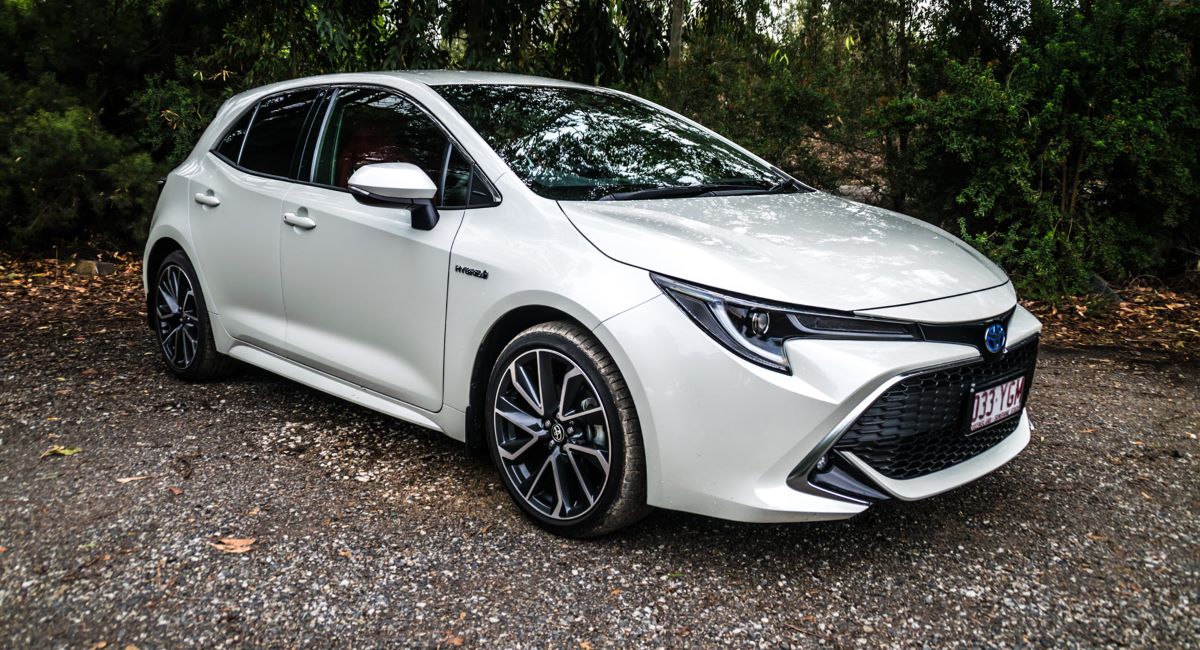
The Corolla’s infotainment system is refreshingly simple to operate by today’s standards, and every trim comes well-equipped with standard safety features such as blind-spot monitoring, adaptive cruise control, and automatic high-beam headlights.
Starting at $22,725, the Corolla is Toyota’s most budget-friendly model, sitting below the Prius hatchback, Camry sedan, and the Corolla Cross SUV.
During a week behind the wheel of a Corolla sedan around Washington, D.C., the 169-horsepower four-cylinder engine proved adequate, if not thrilling, while delivering impressive fuel economy of 38.5 mpg. For drivers seeking even greater efficiency, the Corolla Hybrid offers a separate, more economical option.
On the road, the Corolla handled rough surfaces with a comfortable, composed ride and neutral handling characteristics. Where it fell short was the interior design and passenger space.
The cabin’s appearance feels somewhat dated, and rear-seat accommodations range from a bit tight in the sedan to decidedly cramped in the hatchback, making long trips less appealing for back-seat passengers.
Also Read: 8 Trucks That Collectors Are Paying Top Dollar For
4. Lexus RX
The Lexus RX, Toyota’s luxury SUV, combines comfort with exceptional reliability. While luxury vehicles are often associated with higher repair costs, the RX is a notable exception due to its Toyota-based engineering.
The V6 engines are known to endure high mileage with proper maintenance, and transmission failures are uncommon.
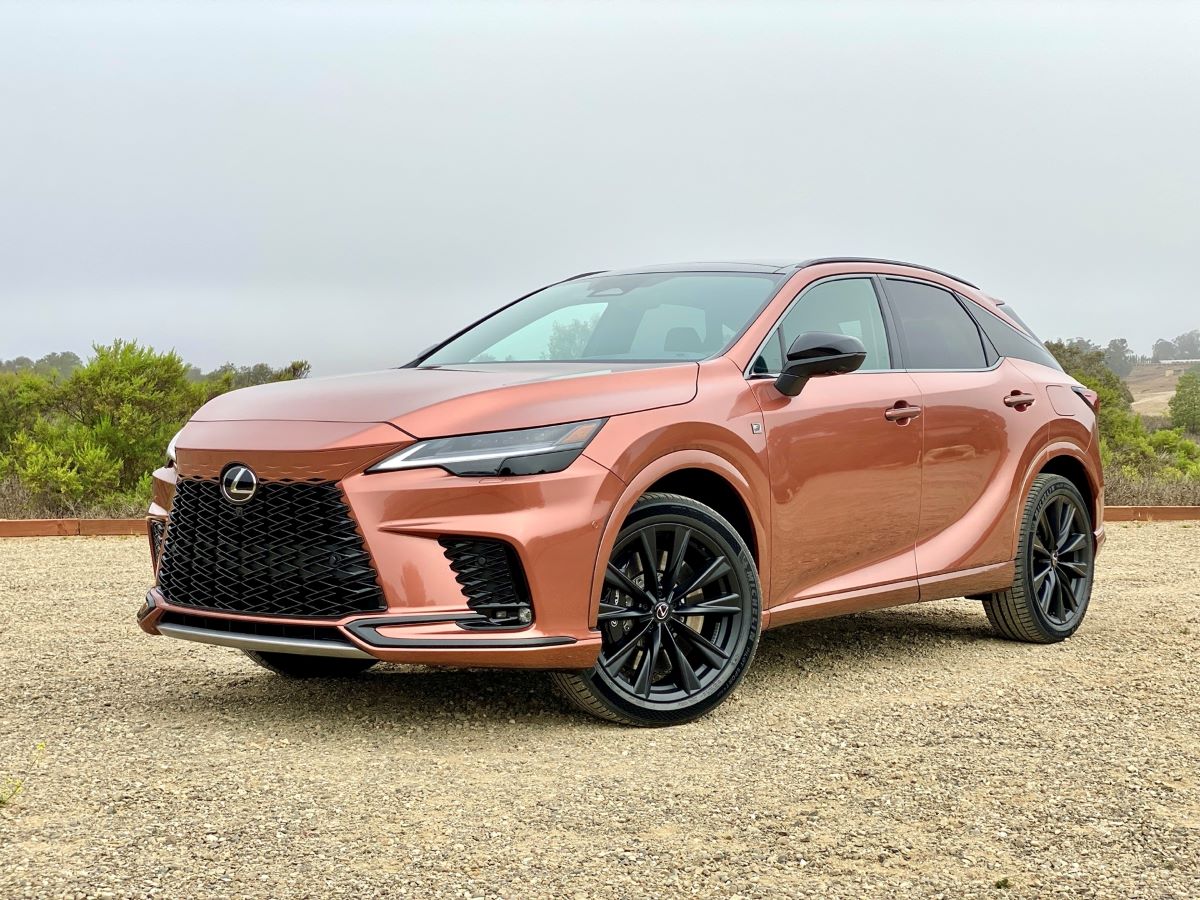
Parts are slightly more expensive than mainstream Toyotas but are far more affordable than other luxury SUVs like BMW or Mercedes-Benz.
For families seeking a long-lasting SUV with low maintenance costs, the RX proves to be a smart choice beyond the 150,000-mile mark.
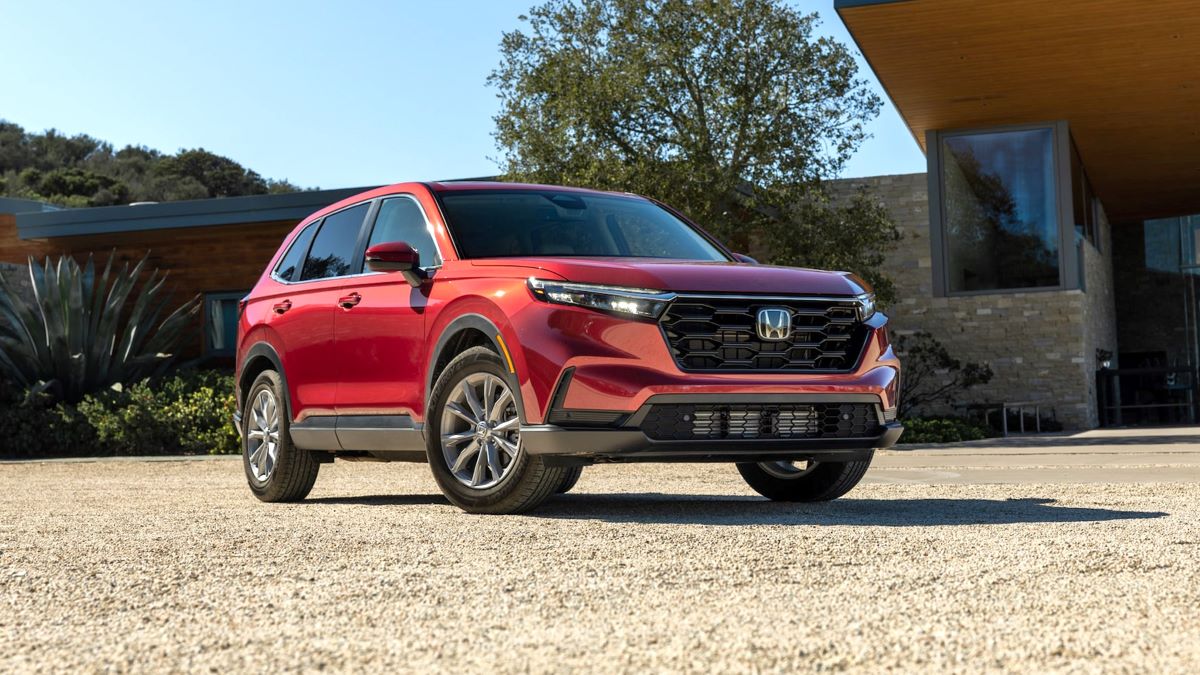
5. Honda CR-V
Compact SUVs can become expensive to maintain over time, but the Honda CR-V is an exception. With its proven four-cylinder engine, dependable transmission, and straightforward design, the CR-V keeps repair costs low well past the warranty period.
Suspension components are durable, and the vehicle rarely experiences major engine issues. Its resale value remains high even after significant mileage, making it an attractive option for long-term ownership.
Regular maintenance such as oil changes, brake service, and occasional fluid replacements is all that’s needed to keep this SUV running efficiently.
Redesigned for 2023, the Honda CR-V continues its reign as a segment leader, with the 2022 model seeing only a single update: standard all-wheel drive now comes with the CR-V Limited.
Otherwise, the SUV retains its class-leading versatility and, unfortunately, its relatively small infotainment screen. In the competitive compact SUV segment, the CR-V squares off against rivals like the Toyota RAV4, Subaru Forester, and Nissan Rogue.
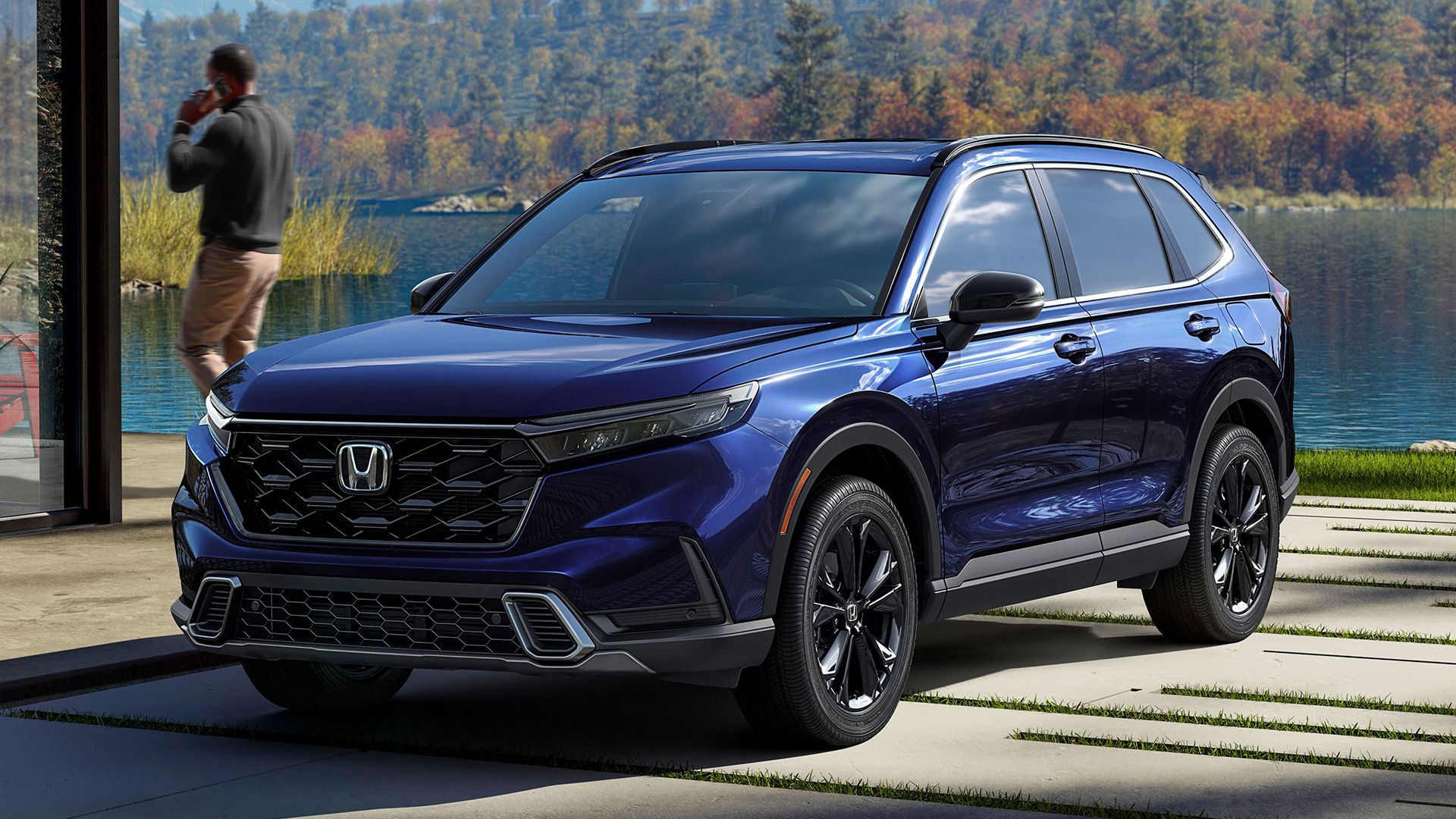
The CR-V handles with poise and is relatively quick for a family-focused compact SUV. Fuel efficiency is solid, placing it in the top half of its class.
Small conveniences, like levers in the cargo area to fold down the rear seats and rear doors that open nearly 90 degrees, add to its user-friendly design. These features aren’t found together on competitors such as the Toyota RAV4.
Where the RAV4 takes the lead, however, is in cabin modernity. The CR-V’s 7.0-inch touchscreen sits lower on the dash than the screens in newer Hondas, giving the interior a slightly dated feel.
Except for the hybrid variant, all CR-Vs share the same powertrain: a 1.5-liter turbocharged inline-four producing 190 hp and 179 lb-ft of torque. Front-wheel drive comes standard, while all-wheel drive is available across all trims.
This engine is paired exclusively with a continuously variable transmission (CVT). During testing, an AWD CR-V Touring accelerated to 60 mph in 7.8 seconds. Fuel economy ranges from 27-28 mpg city and 32-34 mpg highway, with FWD versions holding a slight edge over their AWD counterparts.
Cars That Get Pricey After Warranty
Buying a new car often comes with peace of mind, thanks to comprehensive warranties that cover major repairs for the first few years. But once that coverage expires, some vehicles can become surprisingly expensive to maintain.
From complex electronics to specialized parts, certain cars quickly turn routine upkeep into a wallet-busting endeavor. In this article, we’ll explore the models that tend to get pricey once the warranty runs out, helping you make a more informed choice before you commit to a long-term ownership.
1. BMW 5 Series
BMW vehicles are known for performance and luxury, but those benefits come with a long-term price tag. The 5 Series, particularly models from the mid-2010s, can become expensive once the factory warranty expires.
Common issues include complex electrical systems, high-pressure fuel pump failures, and costly suspension components.
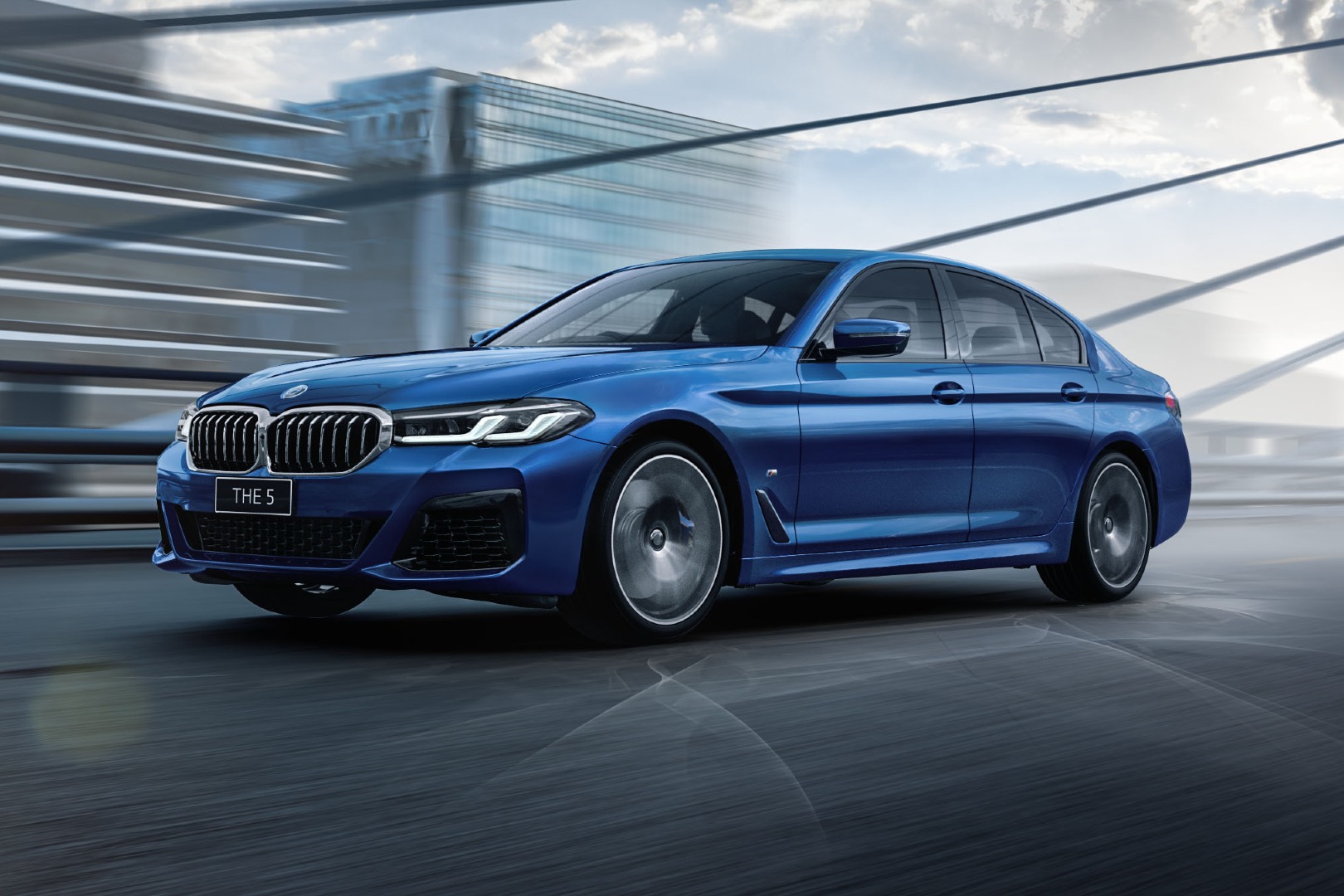
Replacement parts are expensive, and labor costs at independent shops can still be high due to the intricate design of BMW engines and electronics.
Owners frequently report bills in the thousands for what would be minor repairs on Japanese vehicles, making it a car that demands serious budgeting after warranty.
While some competitors have worked diligently to rival BMW’s 5-Series in performance and handling, BMW has shifted its focus toward a more luxury-oriented approach with its mid-size sedan.
Once revered as a driver’s car, the 5-Series now leans toward boulevard cruising, offering a posh interior, generous passenger and cargo space, and a lineup of engines that are both powerful and efficient.
When BMW introduced the M550i performance model in 2018, hopes were high that the Ultimate Driving Machine was returning to its roots, but even this variant delivers a blend of mixed dynamic traits.
Although the twin-turbo V-8 M550i is tempting, the midrange 540i with its smooth inline-six represents the better value and our top recommendation.
Because the 540i’s price can climb quickly with optional packages, we’d keep things simple and opt for the Convenience package, which includes heated seats, satellite radio, passive keyless entry, and a power-operated trunk lid.
The 530i’s turbocharged four-cylinder and the 540i’s inline-six deliver smooth, powerful, and efficient performance. Both engines are paired with an eight-speed automatic transmission that shifts intuitively and makes excellent use of the available power.
The 540i’s six-cylinder is not only potent but also produces a satisfying exhaust note. The 530e plug-in hybrid combines a 2.0-liter turbo-four and an electric motor to make 248 hp; in testing, an AWD 530e accelerated from 0-60 mph in 6.1 seconds while achieving its advertised fuel efficiency. We haven’t yet tested the 540d diesel variant with its 261-hp 3.0-liter inline-six.
Also Read: 10 Models Where The Base Engine Outlasts The Optional Upgrade
2. Audi Q5
The Audi Q5 offers a premium driving experience, but maintaining it past the warranty can be financially taxing.
Known issues include turbocharger failures, electronic malfunctions, and sophisticated all-wheel-drive components that require specialized servicing.
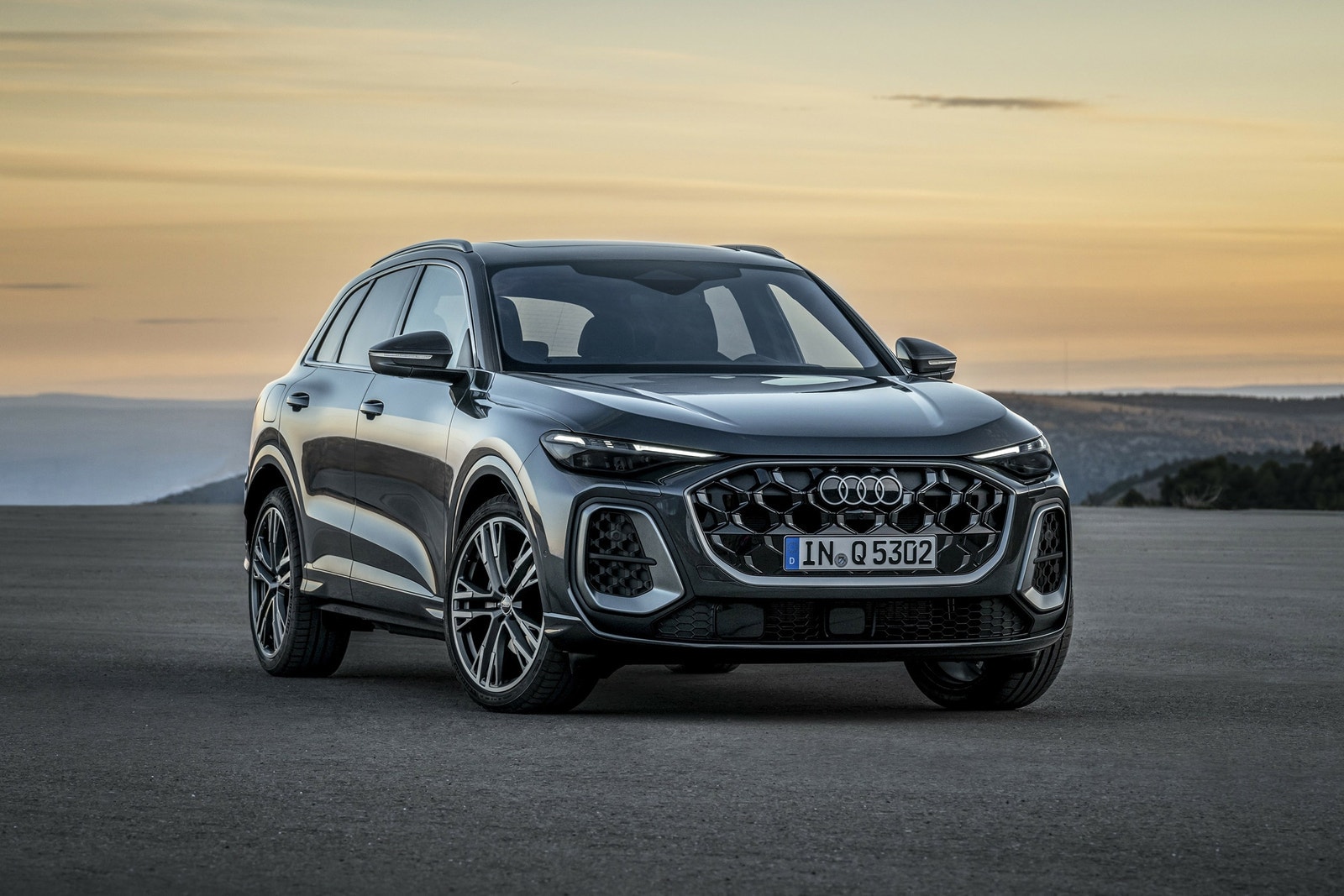
While the interior is luxurious, repairs to electronics, infotainment systems, and adaptive suspensions are expensive.
Unlike mainstream vehicles, Q5 parts are costly, and not all independent mechanics can handle the intricate engineering, forcing many owners to rely on dealer service.
Technically, the 2025 Audi Q5 is actually a “2025.5” model. That’s because the previous-generation design remained available into early summer as a ’25 model until this new version arrived.
If you want to see how the old Q5 stacks up, check out our 2024 review. As Audi’s most popular model, the Q5’s redesign was approached with care, retaining the familiar, understated styling and tech-forward interior ethos of its predecessor while becoming roomier, better equipped, more powerful, and more engaging to drive than ever before.
Every Q5 now features a significantly more powerful base engine paired with an updated seven-speed dual-clutch automatic transmission. On top of that, there are many more standard features and updated infotainment screens.
These enhancements help the Q5 remain competitive with its top-tier compact luxury SUV rivals, including the Genesis GV70, BMW X3, Mercedes-Benz GLC, Lexus NX, and Volvo XC60. Having driven all of these vehicles, the new Q5 more than holds its own, though it carries a higher price than its predecessor and is only marginally more spacious inside.
For this review, I drove a fully loaded Q5 Prestige ($63,290 as tested, including destination) and the sportier, but significantly more expensive, new SQ5 ($74,740) back-to-back over hundreds of miles on Colorado roads.
3. Land Rover Range Rover
Land Rover Range Rovers are famous for their off-road capability and luxury appointments, but the trade-off is reliability.
After the warranty period, maintenance and repair costs can skyrocket. Common problems include air suspension failures, electrical gremlins, and engine cooling system issues.
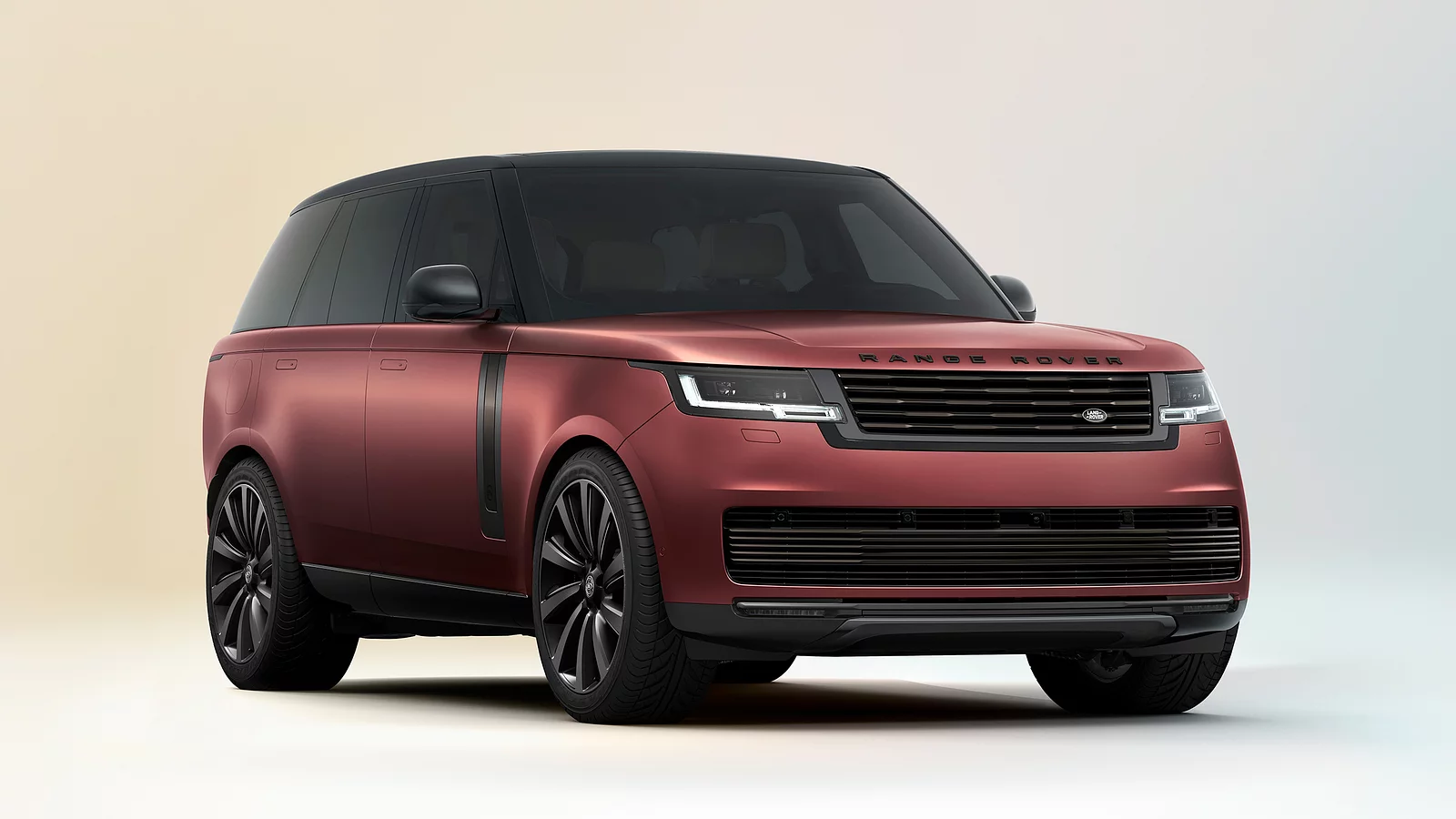
Parts are premium-priced, and repairs often involve significant labor due to the complexity of the design. Owners should expect multiple expensive repairs over the lifetime of the vehicle, making it a challenging choice for long-term ownership.
4. Volkswagen Passat
The Volkswagen Passat delivers a European driving experience at an affordable initial price, but long-term ownership can be costly.
After the warranty expires, drivers may encounter turbocharger issues, DSG transmission repairs, and problems with the electrical system.
Parts are more expensive than comparable Japanese sedans, and labor-intensive repairs often require specialized tools or dealership visits. While the Passat offers comfort and driving dynamics, it’s not a cheap car to maintain after 150,000 miles.
When Volkswagen revealed the 2020 Passat, it aimed to modernize the midsize sedan without straying from the formula that made it popular among U.S. families.
As expected, the refreshed model shared its underpinnings and the PQ46 platform with its predecessor. However, the updated version came with a revised look that tried to deliver a higher perceived quality. Volkswagen continued producing this midsize sedan for the North American market in Chattanooga, Tennessee.
At the front, the 2020 Volkswagen Passat came with a fresh, bolder grille sporting horizontal chrome slats that stretched into the LED headlights, creating a visual link across the entire fascia.
At the same time, the hood received sharper creases, which made the vehicle look more dynamic. Below, the lower bumper received larger air intakes and a sculpted central section for a sportier, more planted appearance. With its wide stance and clean surfacing, the Passat projected understated confidence rather than flashiness.
From the side, the redesigned body of the 2020 Volkswagen Passat featured a pronounced creased line that stretched from the front fender to the taillights.
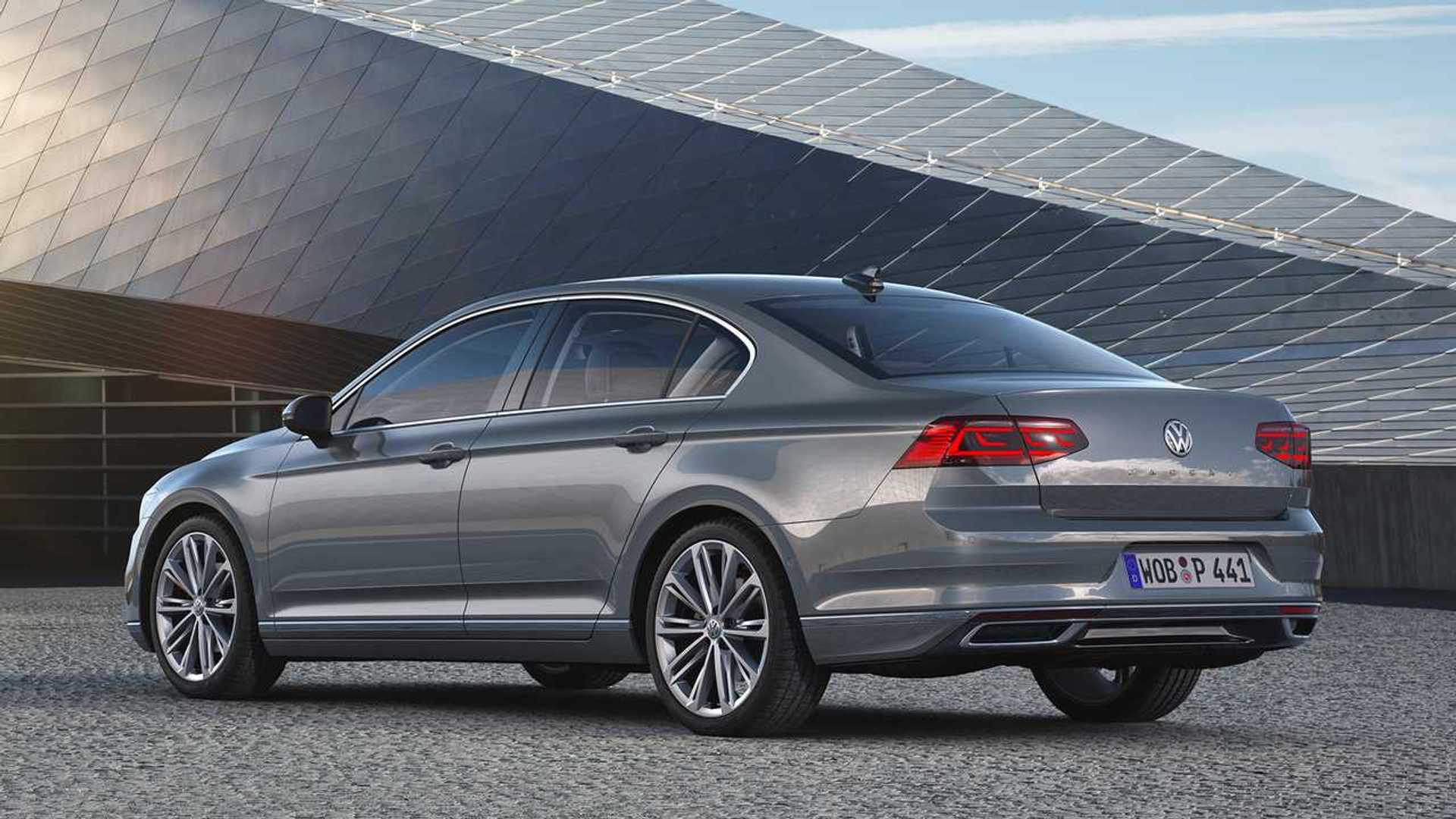
The arched roofline hinted at the generous headroom inside the vehicle and ended in a slightly sloped-down deck. Depending on the grade, customers could get the car with 17-, 18-, or 19-inch alloy wheels.
At the rear, the 2020 Volkswagen Passat gained a new LED taillight design with a thin connecting strip that spanned the trunk lid, highlighting the vehicle’s width.
Another significant visual detail of the refreshed version was the “Passat” nameplate in chrome letters across the trunk. At the same time, the automaker added a redesigned bumper featuring a cleaner design with integrated reflectors that improved the car’s overall look.
Inside, the cabin of the 2020 Volkswagen Passat came with a redesigned dashboard that sported a continuous air-vent motif carried over from higher-end models.
The infotainment system sat beneath a single pane of glass for a more modern, seamless appearance. In addition, the automaker improved the quality of the materials across the range. Interior space remained one of the car’s greatest strengths, offering plenty of headroom and legroom for those seated in the back.
The Passat’s front seats could be equipped with heating and power adjustments with memory, while rear-seat heating and dual-zone Climatronic automatic climate control were available on higher trims.
Like its predecessor, the 2020 Passat featured a split-folding bench seat that could expand the trunk space. Comfort-oriented details such as a heated steering wheel, auto-dimming mirrors, and remote start.
Under the hood, the 2020 Volkswagen Passat continued with the same two-liter turbocharged inline-four engine from its non-facelifted sibling, albeit retuned for slightly higher torque.
Power was sent to the front wheels via a six-speed Tiptronic automatic transmission. While not a performance machine, the sedan maintained Volkswagen’s signature steering precision and composure, offering a composed, confidence-inspiring ride on highways and city streets alike.
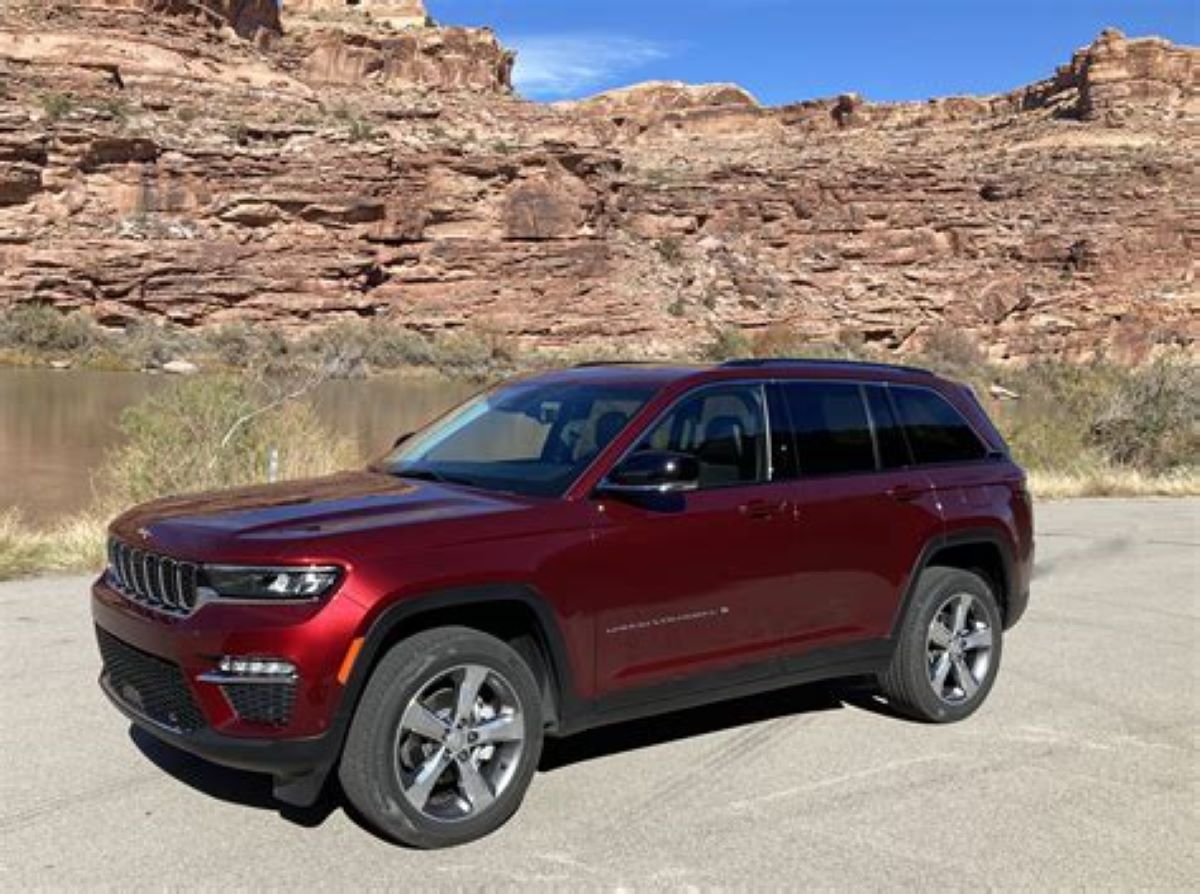
5. Jeep Grand Cherokee
The Jeep Grand Cherokee appeals to those seeking a capable SUV, but durability concerns make it pricey beyond warranty.
Engine issues, air suspension failures, and electrical malfunctions are common among high-mileage models.
Labor costs are higher for SUVs of this size, and replacement components especially for the limited and Overland trims can be extremely expensive.
Unlike the Honda CR-V or Toyota RAV4, the Grand Cherokee’s long-term ownership requires careful budgeting and readiness for unexpected major repairs.
For buyers planning to drive their vehicles past 150,000 miles, choosing wisely is crucial. Japanese sedans and SUVs like the Toyota Camry, Honda Accord, and CR-V consistently prove to be low-cost, reliable vehicles even after crossing the high-mileage threshold.
On the other hand, many European luxury and performance vehicles, while appealing at purchase, often lead to high repair bills once warranty coverage ends. Budget-conscious buyers should weigh repair costs alongside initial pricing to avoid financial surprises.
Routine maintenance, including oil changes, brake service, tire replacement, and periodic inspections, plays a significant role in prolonging a vehicle’s lifespan.
Understanding which vehicles maintain affordability in the long term allows buyers to enjoy years of worry-free driving while avoiding models that demand excessive post-warranty spending.