When car buyers think about resale value, most immediately consider city traffic patterns, commuter mileage, and trendy features. However, rural drivers face a different set of priorities.
Gravel roads, winter weather, long stretches between service centers, and the need for durable, versatile vehicles can significantly influence a vehicle’s long-term value.
Cars that thrive in rural environments are often practical, rugged, and low-maintenance, which makes them highly desirable on the used market in these areas.
On the other hand, some models are designed with urban lifestyles in mind compact, stylish, tech-laden, and highly maneuverable. These vehicles may shine in city settings but tend to depreciate faster in rural markets where their strengths are less appreciated.
Below, we explore six new models that maintain excellent resale value in rural areas and contrast them with six urban-only favorites that may not hold their value outside the city limits.
New Models With Excellent Resale in Rural Areas
In rural parts of the country, a vehicle isn’t just transportation, it’s a lifeline. Whether you’re navigating muddy farm roads, towing equipment, or simply covering long distances between towns, your ride needs to be durable, capable, and, if you ever decide to sell it, worth every penny you invested.
That’s where resale value comes in. While some cars lose their worth the moment they leave the dealership, a select few models hold their value especially well in rural markets, where dependability and practicality are prized above flashy tech or city-friendly size.
In this guide, we take a closer look at the new models that continue to turn heads, and retain their price tags, long after they’ve left the lot in America’s heartland.
1. Toyota Tacoma
The Toyota Tacoma has long been a favorite among rural drivers. Its reputation for reliability, off-road capability, and durability makes it a staple for farm owners, contractors, and outdoor enthusiasts.
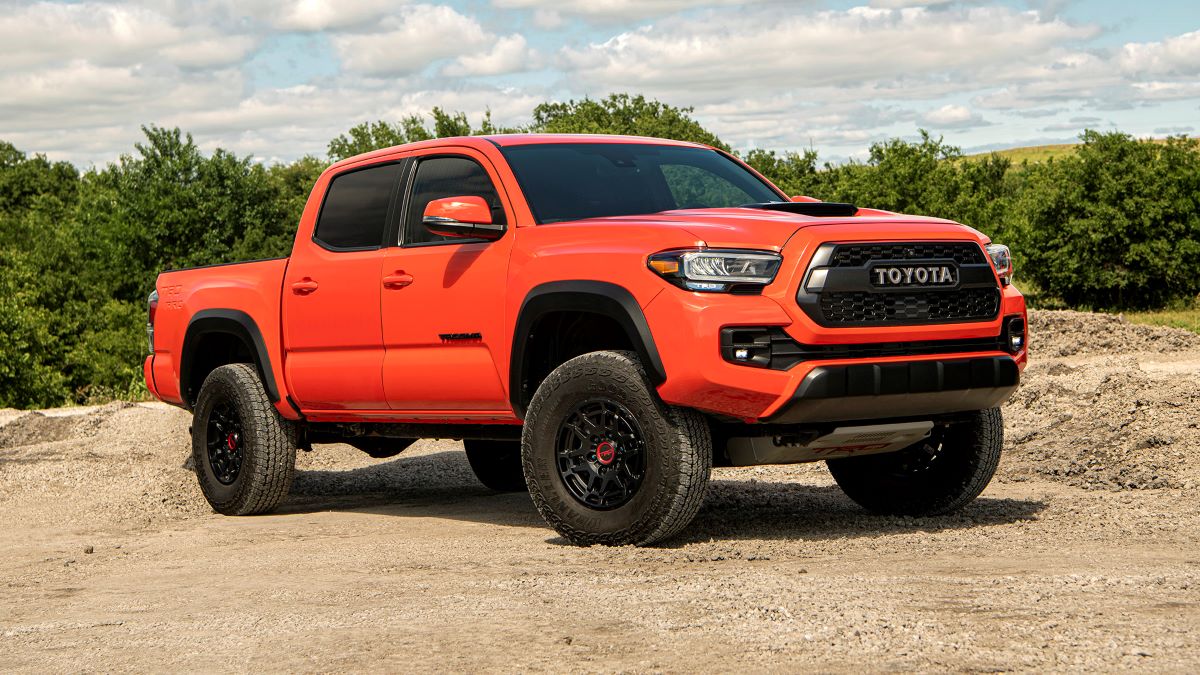
Tacomas maintain high resale value because buyers in rural areas value their ability to handle rough terrain and heavy loads without frequent repairs. Even older models often command strong prices, as the combination of Toyota reliability and rugged utility is unmatched.
2. Subaru Outback
Subaru’s all-wheel-drive system and excellent ground clearance make the Outback a natural choice for rural environments, particularly in regions with snow or unpaved roads.
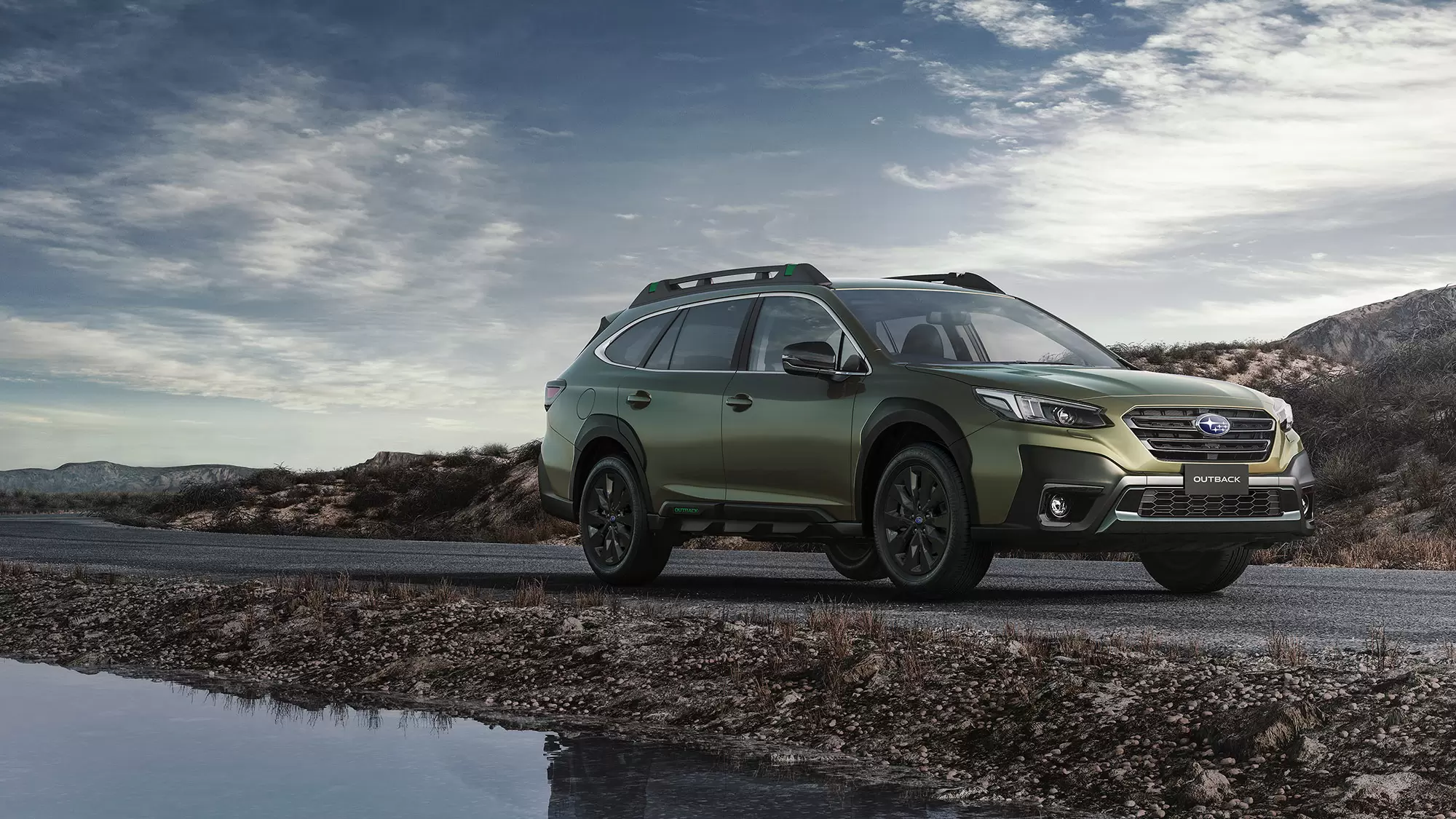
Its resale value remains high due to its versatility: it serves as a daily driver, a family car, and an outdoor adventure vehicle all in one. Subarus also have a devoted fanbase, and demand for used Outbacks remains strong in rural markets.
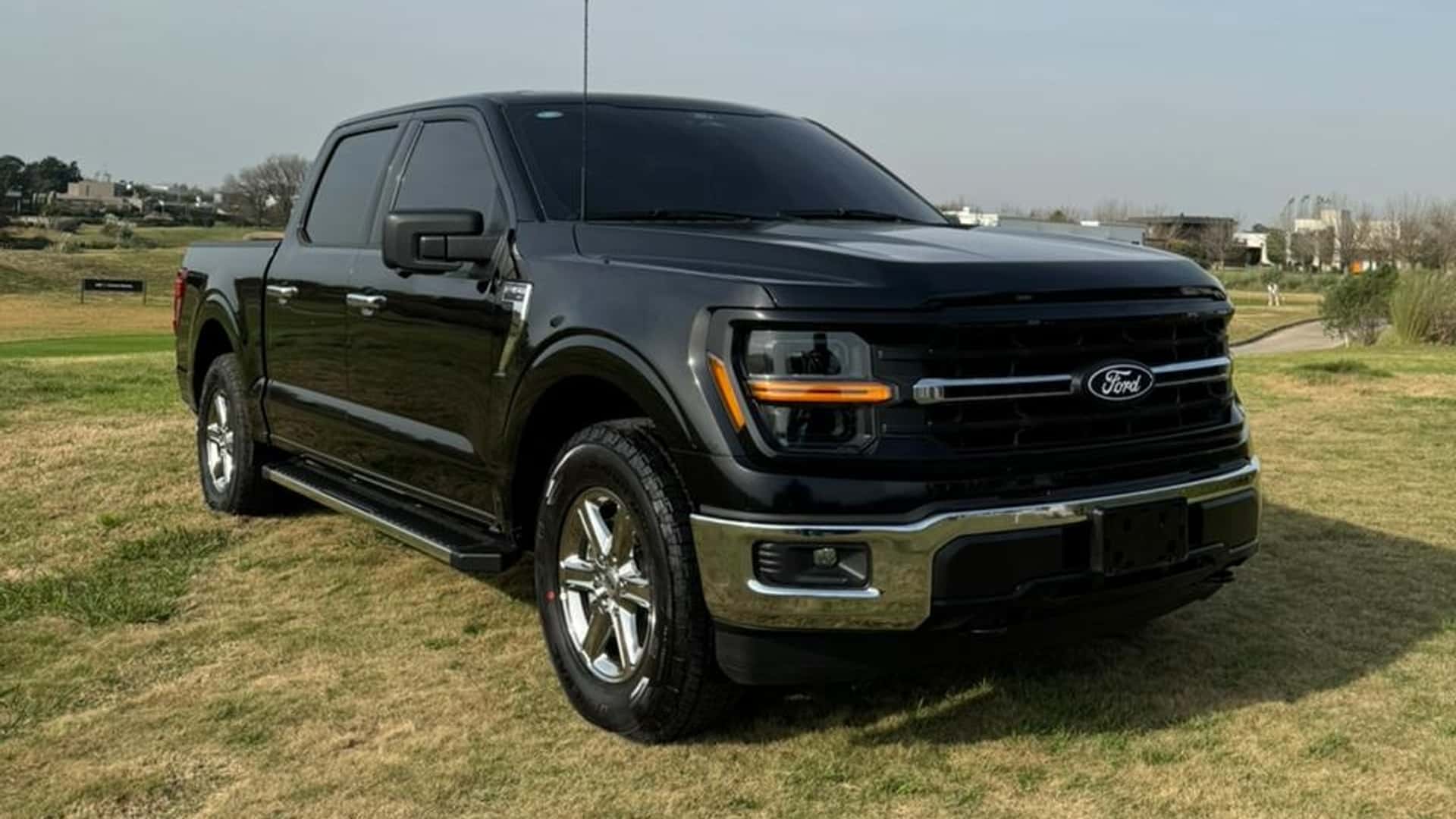
3. Ford F-150
The Ford F-150 is America’s best-selling truck for a reason. Beyond its capability for towing and hauling, it’s incredibly durable and widely serviceable, which makes it attractive to rural buyers who may rely on it for work purposes.
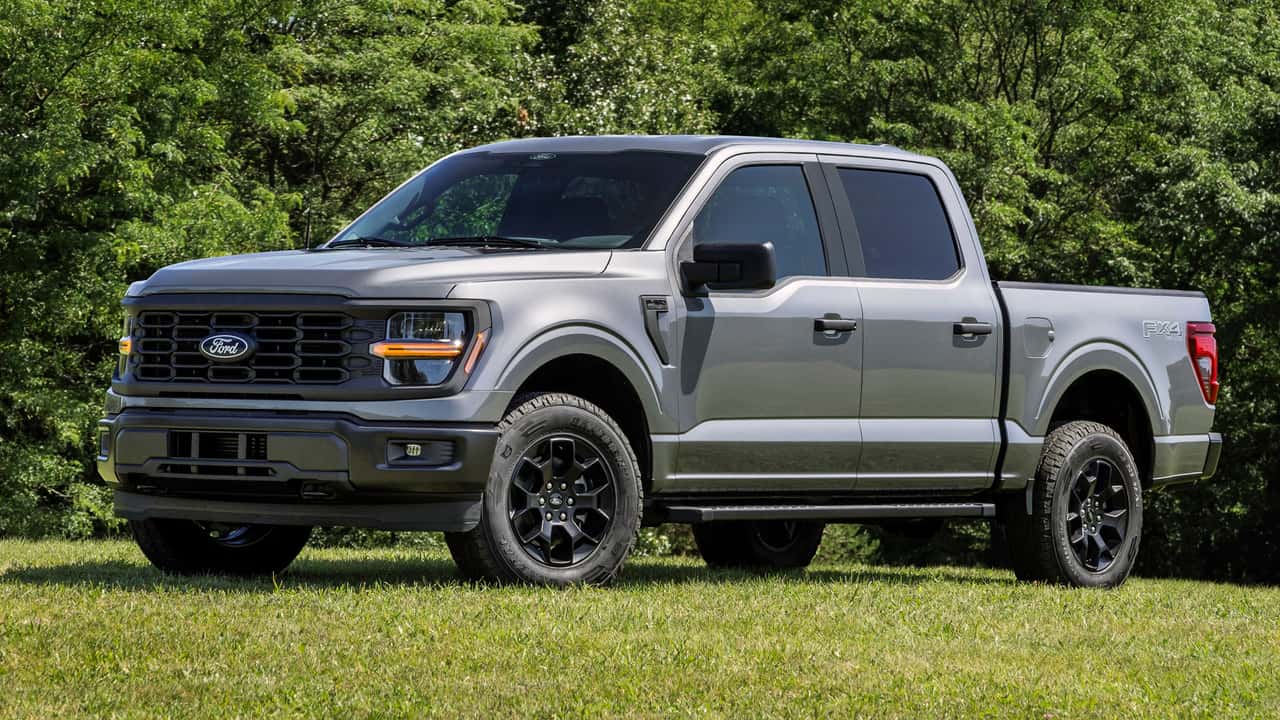
Resale value remains robust because these trucks rarely go out of style, and there is consistent demand for used pickups in farming and construction communities.
Offering a version for just about any truck buyer, it’s no surprise that the Ford F-150 holds the title of best-selling vehicle in the U.S. This full-size pickup sits above the smaller Maverick and Ranger in Ford’s lineup and comes in enough configurations to appeal to nearly everyone.
Whether you’re looking for a basic workhorse, a near-luxury model with leather, advanced tech, and plenty of chrome, or something in between, the F-150 has a trim to suit your needs. Additionally, Ford offers the all-electric F-150 Lightning and the heavy-duty Super Duty series, both of which are reviewed separately.
The Ford F-150 features one of the most versatile lineups of any vehicle on the market. From the stripped-down XL trim to the luxurious King Ranch and the rugged, off-road-focused Raptor, there truly seems to be an F-150 for every type of truck buyer. If that doesn’t suffice, there are virtually endless options to tailor your truck to your specific needs.
This is especially true for towing, as the F-150 is capable of pulling up to 13,500 pounds when properly equipped. Features like trailer backup assist, an integrated trailer brake controller, and extended blind-spot warning make handling even large trailers much easier.
Competition in the full-size pickup segment is fierce, and many rivals have the class-leading F-150 in their sights. The Ram 1500 is an appealing alternative thanks to its smooth ride and refined interior, while the Toyota Tundra offers smooth power delivery and intuitive controls. The GMC Sierra and Chevrolet Silverado also compete in this space, though neither distinguishes itself in a significant way.
Back in 2021, we added the Ford F-150 PowerBoost Hybrid to our long-term fleet. During that period, we took it on multiple camping trips and various road excursions, and naturally used it to move countless boxes.
The hybrid powertrain drew almost no complaints regarding performance, as the combination of the electric motors and the turbocharged V6 proved more than adequate.
Throughout our testing, the F-150 impressed us with its ride quality and quiet cabin, even though the XLT trim we had wasn’t particularly luxurious inside. The only notable downside was fuel economy, which rarely reached the EPA estimates.
Also Read: 5 City-Proof Compacts and 5 That Hate Stop-and-Go
4. Jeep Wrangler
Wranglers are built for off-road adventure, making them perfect for rural landscapes. Their rugged construction, removable tops, and strong aftermarket support contribute to excellent resale value.
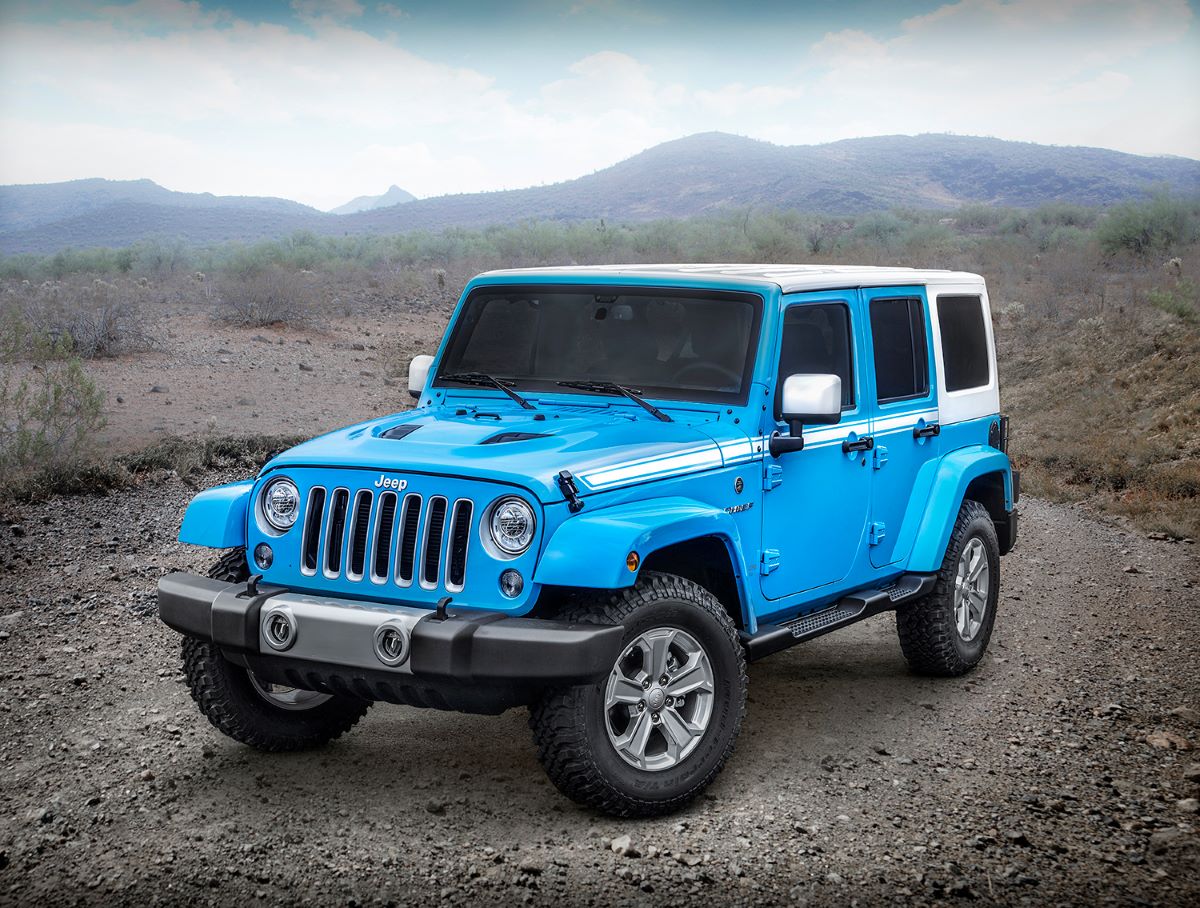
Even older Wranglers are often sought after by buyers who want a vehicle that can handle trails, mud, and snow without frequent maintenance issues.
5. Toyota 4Runner
Similar to the Tacoma, the Toyota 4Runner combines off-road prowess with reliability, making it ideal for rural buyers who need a vehicle that can traverse dirt roads, tow small trailers, and survive harsh conditions.
Its boxy, utilitarian design may not appeal to urban trendsetters, but in rural areas, it’s highly valued, and resale prices reflect that.
It’s the all-new Toyota 4Runner, an unmistakably old-school off-roader that’s been brought into the modern era with a completely new design. That means a brand-new platform, updated engine options, refreshed technology, and redesigned styling, all elements that 4Runner enthusiasts will be glad to hear about.
Was that sarcasm? Maybe just a touch. We don’t expect diehard fans to erupt in a Star Wars–level frenzy over these changes, but it’s likely that some will take a little time to embrace the necessary updates.
The 4Runner now rides on Toyota’s TNGA-F platform, shared with body-on-frame vehicles such as the current Land Cruiser, Lexus GX, and Tacoma pickup. In fact, there’s a substantial amount of “Taco” in this new 4Runner, from the powertrain to the suspension and other components, essentially making it the SUV equivalent of a Tacoma.
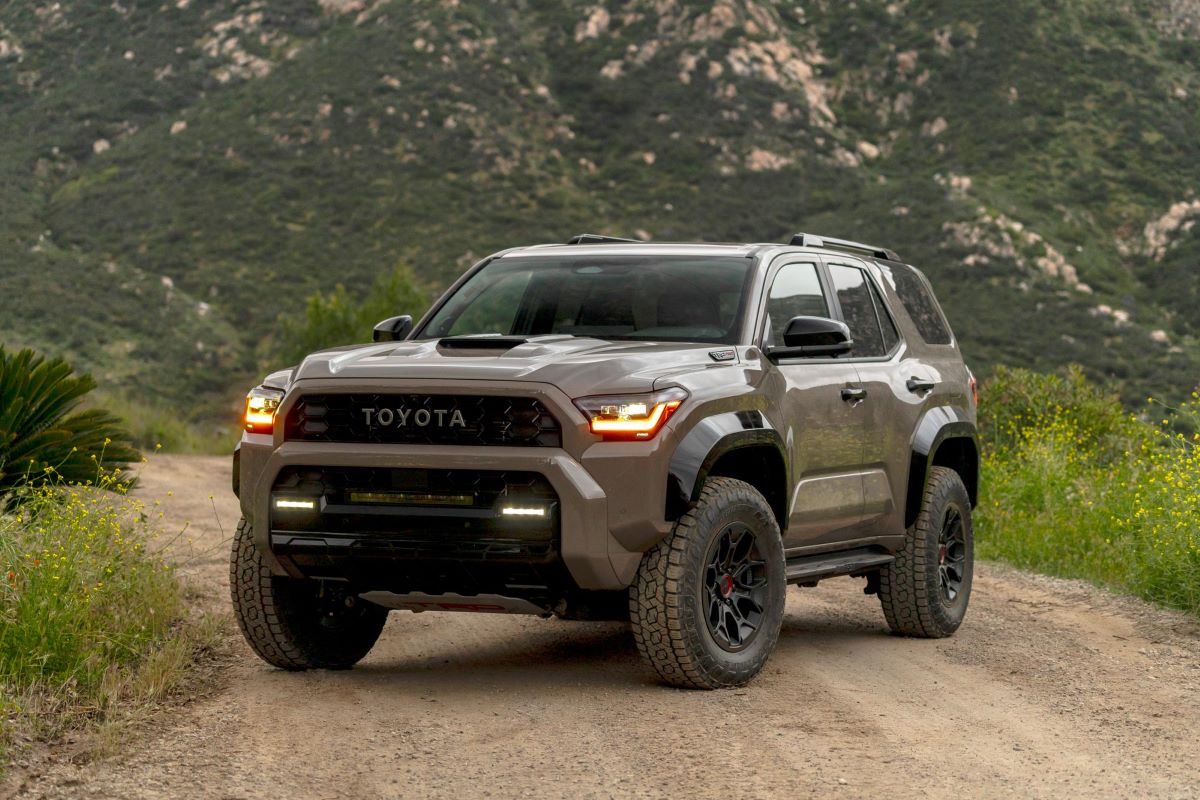
For engines, the adventure-focused 4Runner is equipped with a turbocharged 2.4-liter four-cylinder “i-Force” engine, producing 278 hp and 317 lb-ft of torque. Depending on the configuration, power is sent to either the rear wheels or all four wheels via an eight-speed automatic transmission.
The other option is the i-Force Max, a hybrid version that uses the same engine but boosts output to 326 hp and 465 lb-ft of torque. All 4Runners equipped with this grade are four-wheel drive. This hybrid option is designed to achieve 23 mpg, slightly better than the 21–22 mpg of the non-hybrid version.
While it’s ambitious to hit that figure in real-world conditions, it still represents a significant improvement over the dismal fuel economy of the old V6. Most of the nine trim levels allow buyers to choose between the two powertrains, though some trims are limited to only one option.
6. Honda Ridgeline
Though less rugged than the Tacoma or F-150, the Honda Ridgeline is a versatile midsize pickup that excels in rural settings for its combination of car-like comfort, reliable performance, and practical cargo solutions.
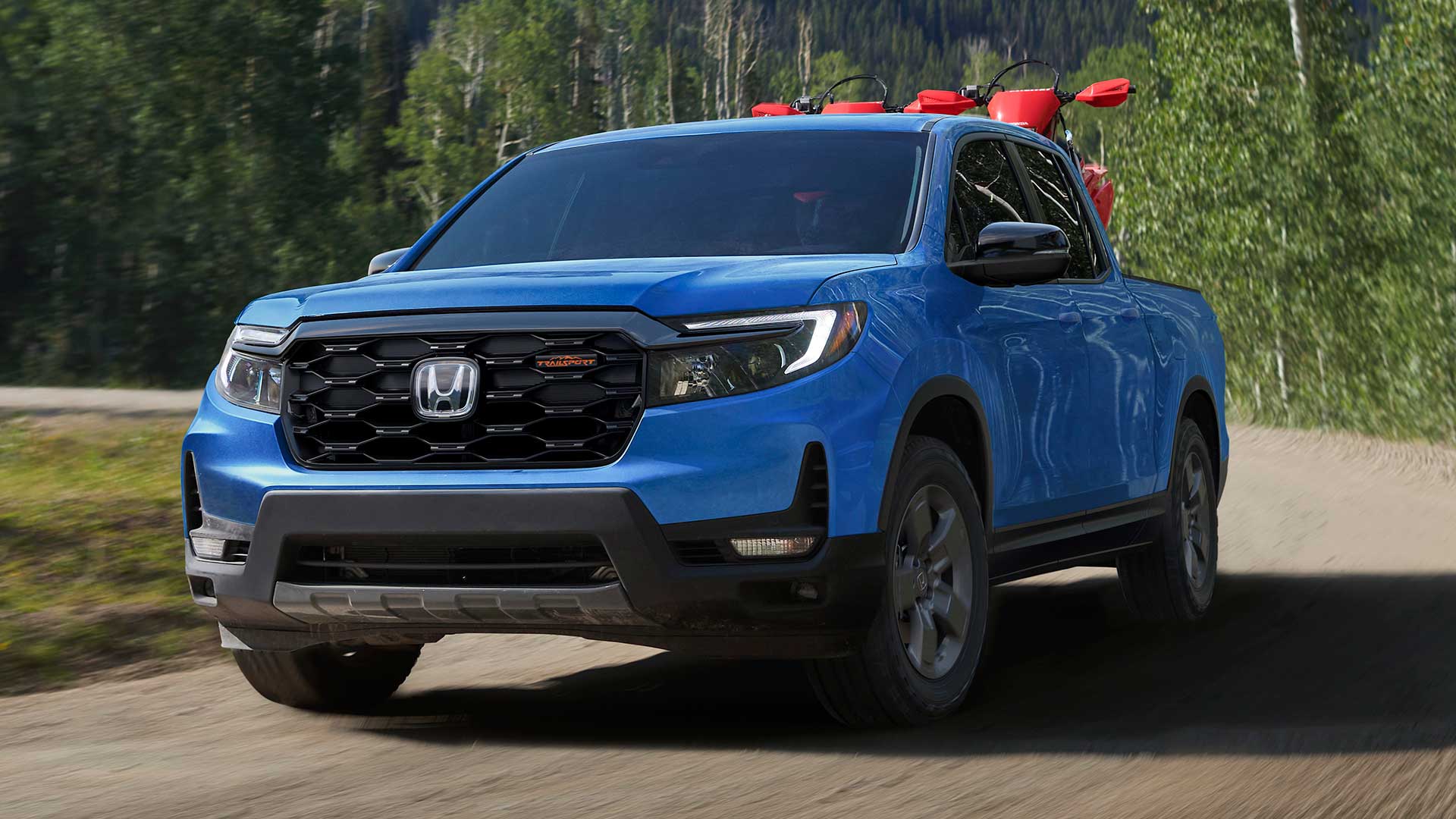
Buyers looking for a low-maintenance truck with solid reliability ratings make the Ridgeline a sought-after option in rural resale markets.
The Ridgeline comes with a single powertrain: a 280-hp 3.5-liter V-6 producing 262 pound-feet of torque, paired with a nine-speed automatic transmission and standard all-wheel drive. The engine feels smooth and responsive underfoot, particularly when you demand strong acceleration.
In many ways, the Ridgeline is an unconventional pickup, and it surprises pleasantly from behind the wheel. On the road, it behaves as composed as a family-oriented crossover, and its handling is highly competent.
Its coil-sprung independent rear suspension delivers a carlike ride that you won’t find on competitors using leaf-sprung, solid-axle setups, including models from Chevy, GMC, Jeep, and Ford. Body roll in corners is minimal, and minor bumps are hardly noticeable.
The electrically assisted steering provides a suitably direct feel. Even the TrailSport variant, equipped with its chunkier General Grabber tires, remains quiet on the road, and those all-terrain tires had little negative impact on skidpad numbers while actually improving braking performance compared with previous Ridgelines we tested.
Also Read: 10 Used Sports Cars Under $20,000 That Won’t Explode Your Budget
Urban-Only Darlings
In the concrete jungle, size, agility, and style matter more than raw power or towing capacity. Urban-only darlings are the cars that thrive in tight city streets, cramped parking spots, and stop-and-go traffic, all while turning heads with their design and clever features.
These are the vehicles built for metropolitan life, offering easy maneuverability, fuel efficiency, and surprisingly practical interiors for their compact footprints. From zippy hatchbacks to stylish subcompacts, this guide highlights the urban favorites that make city living a little easier, and a lot more fun.
1. Mini Cooper
The Mini Cooper is a stylish and fun city car, perfect for tight parking spaces and city streets. However, in rural areas, its low ground clearance, limited cargo space, and harsh ride on uneven roads make it less practical.
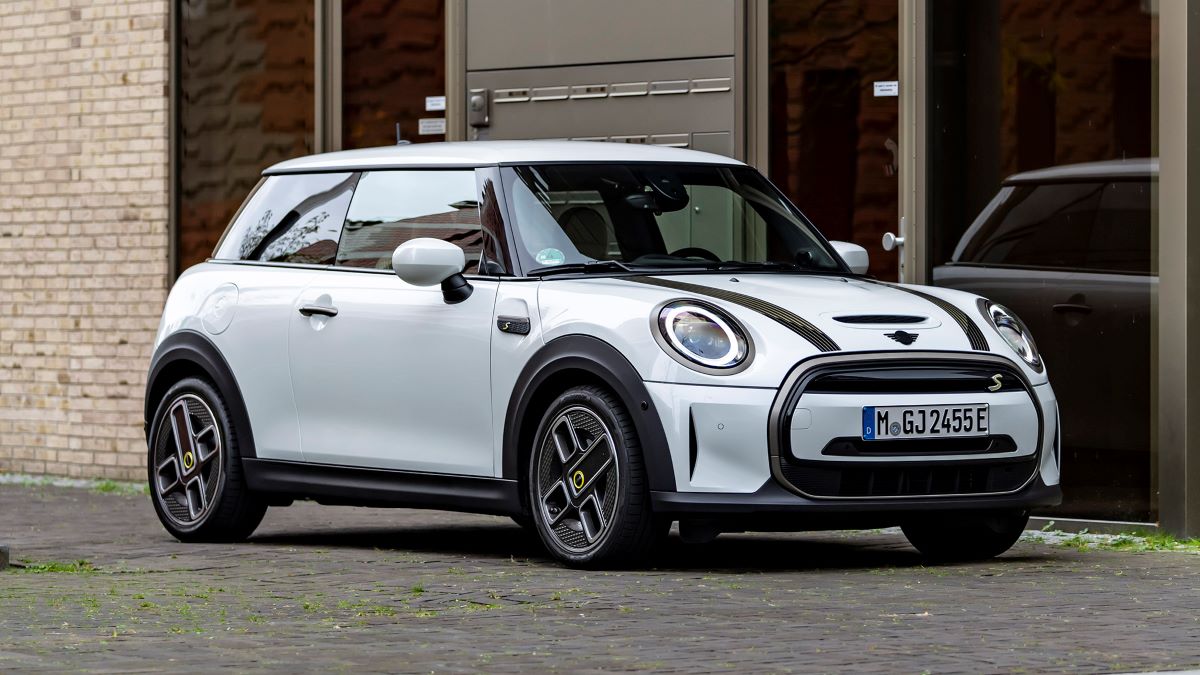
While it may retain value in urban centers, its appeal drops outside cities, leading to steeper depreciation.
The 2026 Mini Cooper may evoke the 1960s with its retro exterior, but beneath its vintage styling lies a fully modern vehicle. Completely redesigned for 2025, the new Mini features a sleek, minimalist cabin with a circular infotainment screen, snug front seats, and a wide array of advanced driver-assistance features (some standard, many optional).
Its turbocharged four-cylinder engine delivers between 161 and 228 horsepower depending on trim, making it zippy and engaging to drive, while precise steering and firm body control give the sensation of riding on rails. Buyers can choose from two- and four-door hatchbacks (Hardtops) or a two-door convertible.
I spent a week behind the wheel of the two-door John Cooper Works Hardtop, starting at $38,900, and thoroughly enjoyed its scrappy personality on winding back roads.
However, the Mini’s charm began to fade when driving with a purpose rather than purely for fun, a sentiment echoed in our first drive review of the John Cooper Works Convertible.
The suspension is firm, producing a busy ride on uneven surfaces. The trunk is small, fitting only a few grocery bags, and the rear seat is cramped, unsuitable for adults and even some children.
Since the Mini Cooper was fully redesigned last year, 2026 updates are minimal. The John Cooper Works Styling package is now available for Cooper S models, adding a JCW body kit, exclusive wheel designs, and adaptive suspension to this midrange trim.
Mini also introduced smartphone-as-a-key functionality for Hardtop models, enabling drivers to lock or unlock the car via an app.
2. Fiat 500
The Fiat 500 is compact, efficient, and fashionable traits that urban dwellers love.
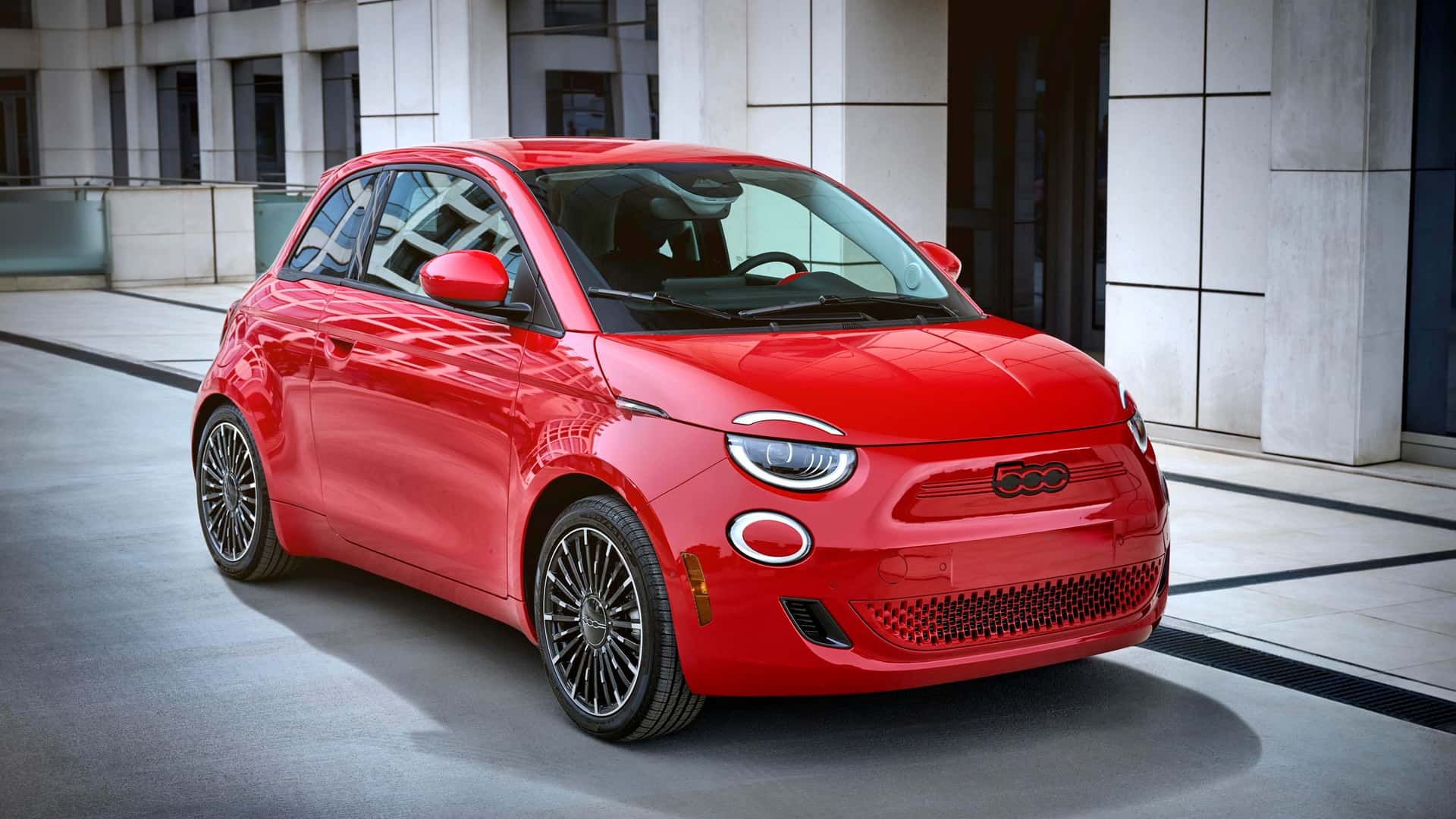
But for rural buyers, it offers little utility, limited interior space, and a fragile suspension that struggles with gravel or pothole-laden roads. Resale value outside metropolitan areas is weak, as demand is limited.
3. BMW i3
The BMW i3 is an electric city car designed for short commutes.
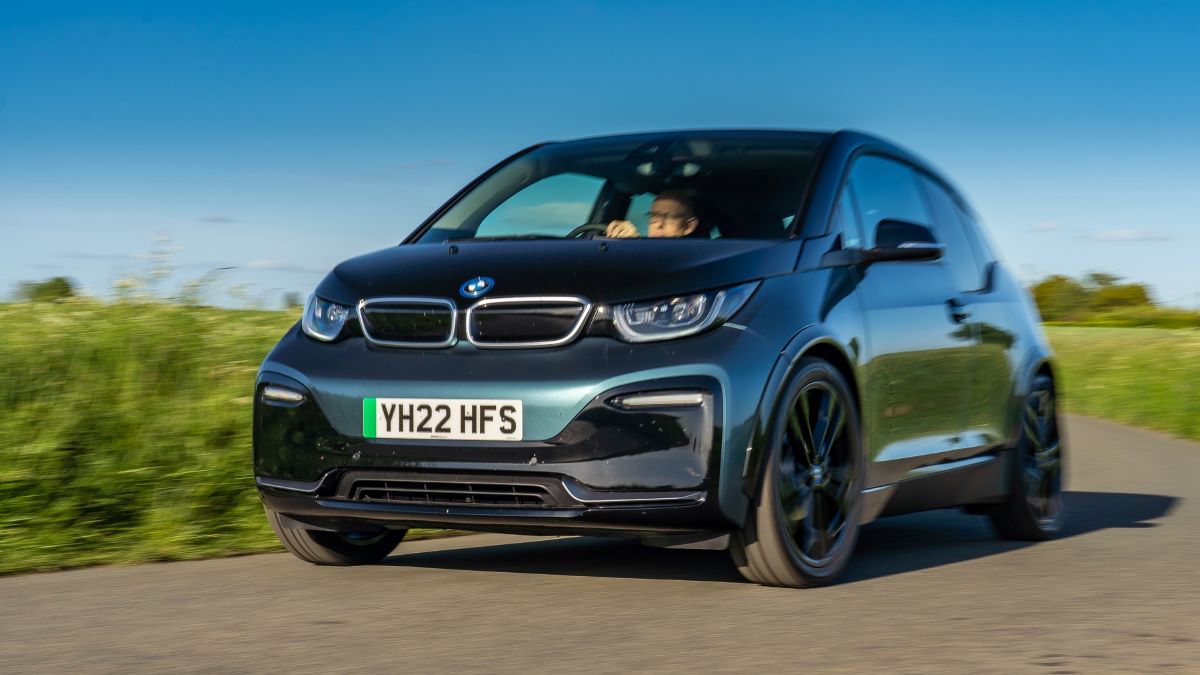
Its small size and futuristic design make it a hit in tech-savvy urban markets, but rural buyers often find its limited range, charging infrastructure requirements, and ride height problematic. As a result, its resale value tends to drop significantly outside city centers.
The BMW i3 remains one of the most complete, cleverest, and thoughtfully engineered electric cars available. Yet, it has been on sale largely unchanged since 2014. Sure, there was a facelift in 2018, and the faster i3S model was introduced, but beyond those updates, very little changed. And honestly, it didn’t need to.
Well, it would have been nice if BMW had invested more in smoothing out the stilted dynamics. The i3 has always delivered a somewhat brittle driving experience, stiffer and more jittery than it really should be. We forgave it, though, because it excelled in nearly every other area, demonstrating remarkable intelligence and innovation.
Let’s move on before you start asking more questions. The i3 is built around a carbon monocoque, which was a huge investment at the time for BMW and also formed the backbone of the i8 supercar.
Early versions included a range extender engine to supplement the battery, but this was phased out after 2018 in favor of a larger battery, initially 33.2 kWh, now 42.2 kWh.
While that isn’t huge by modern standards, it delivers a range of 177–193 miles and pairs that with lively performance. The regular 170-hp i3 hits 62 mph in 7.3 seconds, while the faster 184-hp i3S does it in 6.9 seconds.
The i3S upgrade is as much cosmetic as it is dynamic. It features a black roof swatch, redesigned bumpers, a sports suspension 10 mm lower, a 40 mm wider track, 20 mm-wider 20-inch wheels, and black arches, resulting in a pretty striking look.
Of course not. Well, maybe if you had access to a frozen lake, since the car does have the necessary ingredients: a rear motor and rear-wheel drive. But the more important aspect is weight.
The i3 is relatively quick, always efficient, and achieves decent range on a compact battery largely because it doesn’t weigh much. Thanks to its carbon construction, it comes in at just 1,270 kg, about a third of a tonne lighter than a smaller Honda e, for instance.
4. Honda Fit
While the Honda Fit is praised for its clever interior packaging and fuel efficiency, its appeal is largely urban-centric.
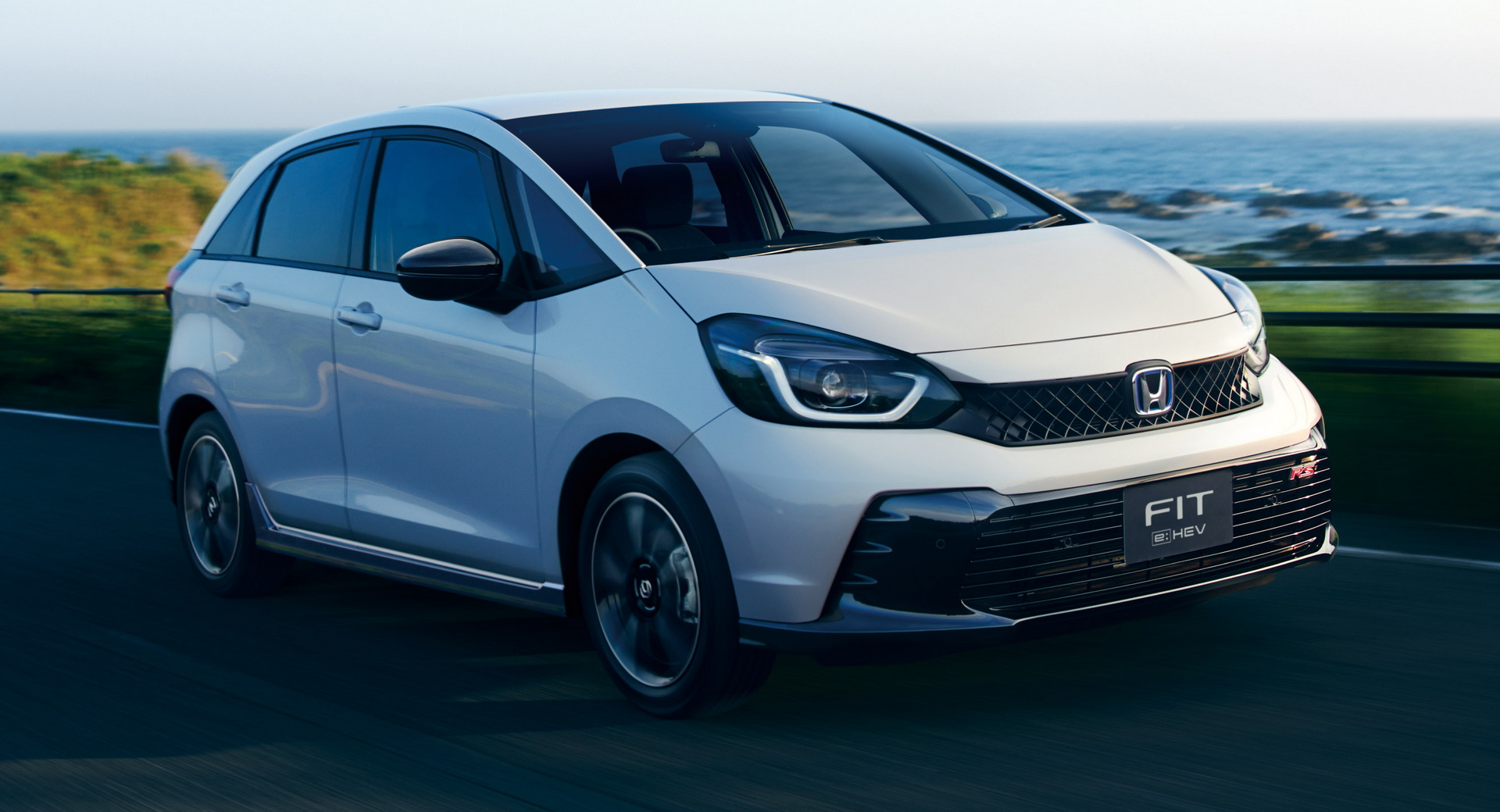
Rural buyers often prefer vehicles with higher ground clearance and cargo capacity. Consequently, the Fit depreciates faster in small towns and farming communities, where practicality outweighs clever design.
5. Chevrolet Bolt EV
The Chevrolet Bolt EV is an affordable electric vehicle with a range suited for city driving.
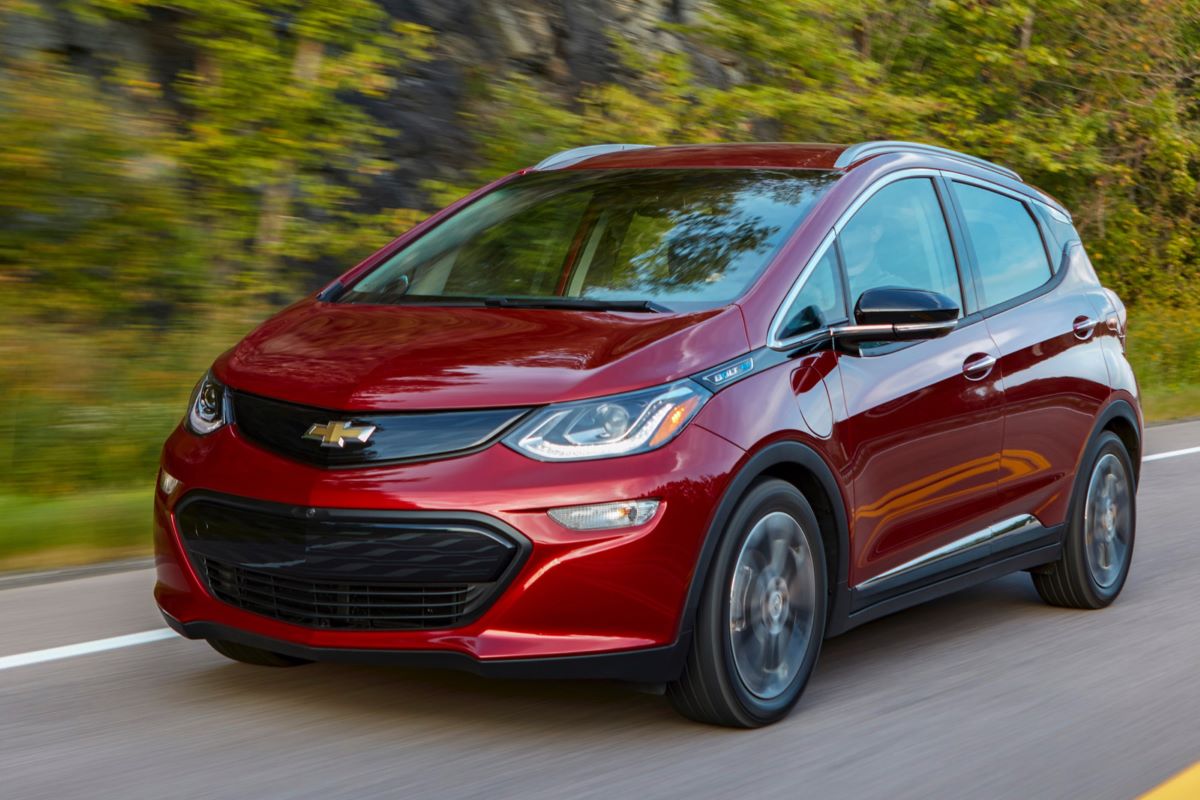
In rural areas, however, its resale value suffers due to limited charging infrastructure and range anxiety, particularly in regions where long drives between towns are common. Urban markets continue to support Bolt values, but rural depreciation is notably higher.
GM has resumed production of the refreshed Chevrolet Bolt, with the first units being built as the LT trim with the Comfort Package, starting at $29,990. U.S. dealerships are expected to receive the initial deliveries in January, followed shortly by Canada. GM noted that the Chevy Bolt will be produced for a limited time, though no further details were provided.
The cancellation of the EV tax credit prompted automakers to offer more affordable electric vehicles that could remain attractive to buyers without incentives.
GM was among them, not only because it already offered one of the most affordable EVs on the market, the Chevrolet Equinox EV, but also because the company decided to give the Bolt a second life at an even more competitive price.
The resurrection of the Chevy Bolt was announced soon after the original model was discontinued in 2023. Many assumed GM would develop an all-new model, but two years later, it introduced a mildly refreshed version of the Bolt EUV, now called simply the Bolt. While exterior design changes were minimal, significant upgrades were made under the skin.
For the first time, the new Chevy Bolt includes proper EV technology, with up to 150 kW of DC fast charging and a NACS charge port. This drastically reduces charging time, allowing a 10%-80% charge in just 26 minutes.
Power has also been increased to 210 horsepower, up from the previous 201 horsepower. The Bolt is now equipped with a 65-kWh LFP battery, delivering an EPA-estimated range of up to 255 miles (410 km).
The standout addition is bidirectional charging, a surprising feature for such a compact EV. The Chevy Bolt supports Vehicle-to-Home (V2H) functionality, providing up to 9.6 kW to power a home when connected to a compatible GM Energy V2H charger. This makes it the most affordable EV capable of powering a house during emergencies.
GM Authority confirmed that Chevrolet has already begun volume production of the updated Bolt at its Fairfax Assembly plant in Kansas. A Chevrolet spokesperson also stated that the first units are scheduled to arrive at U.S. dealerships as early as January 2026, with Canadian deliveries following shortly thereafter.
The most affordable variant is the Bolt 1LT, priced at $28,995 including destination charges, though initial deliveries will start with the LT trim. The LT comes with the Comfort Package and starts at $29,990. Pricing for the sportier RS trim has been confirmed at $32,995, while the RS with the Tech Package and Sunroof is listed at $35,685.
6. Toyota Yaris
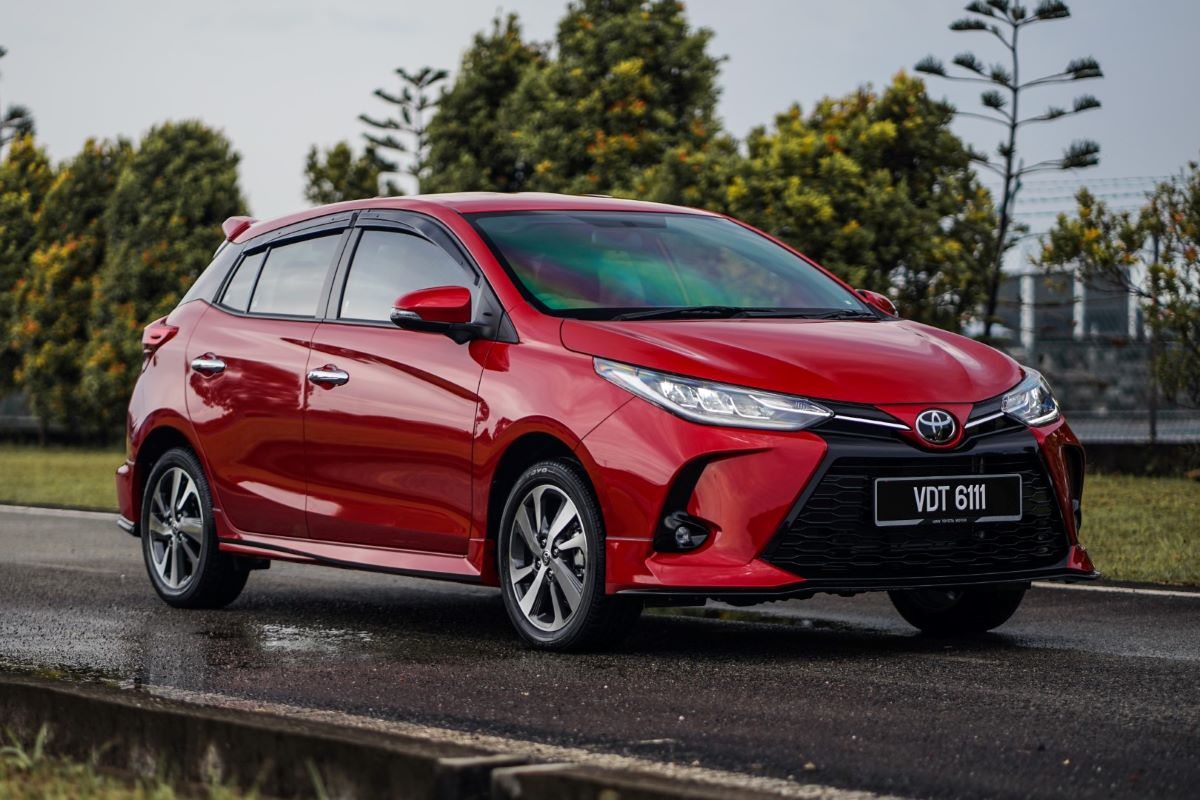
The Toyota Yaris is another compact city car that thrives on urban efficiency. Its small footprint and fuel economy appeal to commuters, but its limited power and low ride height make it less suitable for rural environments.
Consequently, resale value in these markets lags behind more versatile, rugged vehicles.
Choosing a vehicle is as much about lifestyle as it is about brand or model prestige. For rural buyers, vehicles like the Toyota Tacoma, Subaru Outback, Ford F-150, Jeep Wrangler, Toyota 4Runner, and Honda Ridgeline combine durability, versatility, and reliability ensuring strong resale value even after years of hard use.
Urban buyers, meanwhile, may gravitate toward the Mini Cooper, Fiat 500, BMW i3, Honda Fit, Chevrolet Bolt EV, or Toyota Yaris for their compact dimensions, efficiency, and tech-forward designs, though these vehicles are less likely to hold value outside city limits.
Ultimately, understanding the market you drive in and what future buyers will value is key to making a smart purchase. Whether you’re navigating backcountry trails or city streets, the right choice today can make a world of difference in your car’s long-term resale value.