
When it comes to driving safely in the U.S., headlights are more than a convenience they’re a critical safety feature.
From navigating dimly lit rural roads in the Midwest to handling rainy night commutes in the Pacific Northwest, quality headlights can mean the difference between a smooth drive and a near-miss accident.
Yet, despite modern advancements in automotive lighting technology, not all vehicles are created equal when it comes to factory-installed headlights.
Some models come with stock lighting that rivals aftermarket upgrades, while others leave drivers squinting down the road or relying on pricey retrofits.
This guide breaks down six vehicles that shine literally right off the lot, and six that might leave you reaching for brighter bulbs sooner than expected.
Vehicles With Stellar Stock Headlights
When it comes to driving at night or in poor weather, a car’s headlights can make all the difference between seeing clearly and squinting through darkness. Some vehicles come equipped with stock headlights that are surprisingly bright, evenly cast, and intelligently designed, making night driving safer and less stressful right from the dealership.
From adaptive beams to sharp cutoff patterns, these vehicles prove that you don’t always need aftermarket upgrades to illuminate the road ahead. In this guide, we highlight the cars and trucks that come with truly stellar stock headlights, giving drivers confidence when the sun goes down.
1. Audi A6 (2023-Present)
Audi has long been a leader in automotive lighting, and the A6 continues that trend with its standard Matrix LED headlights.
These lights intelligently adapt to traffic conditions, dimming in sections to prevent blinding oncoming drivers while keeping the road ahead perfectly illuminated.
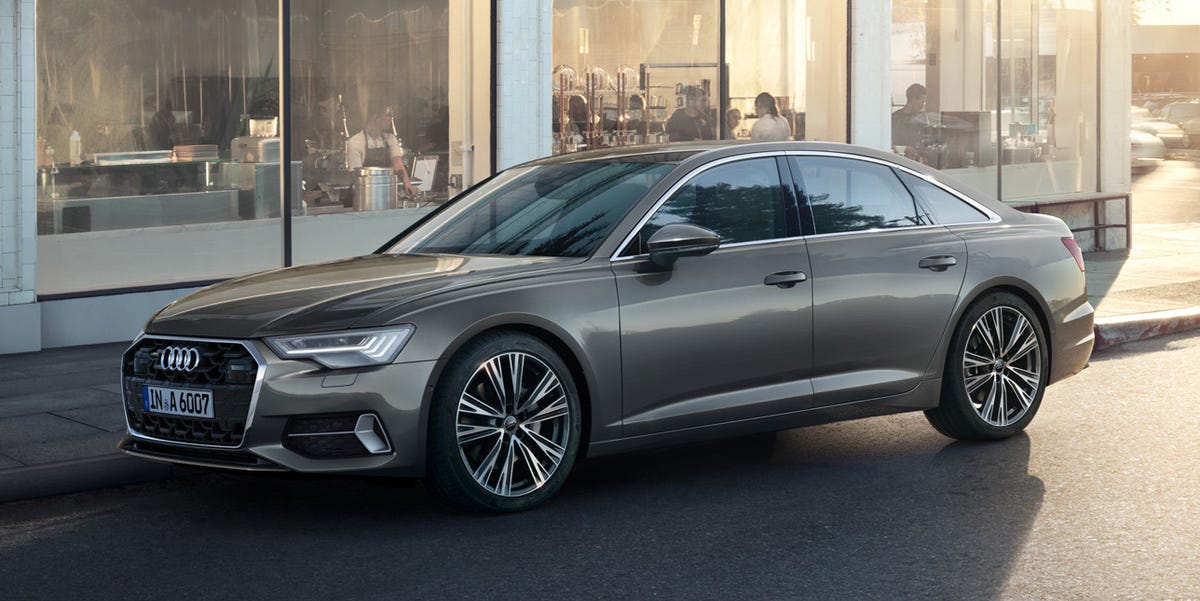
In the U.S., where nighttime highway speeds often exceed 65 mph, this advanced adaptive technology is not just a luxury it’s a serious safety booster.
The crisp, wide beam pattern gives excellent peripheral illumination, making suburban and rural night driving less stressful.
Audi’s mid-size luxury sedan carries over virtually unchanged for 2023, with styling, powertrain, and chassis tuning all remaining the same as last year.
For the base Premium models, the Convenience package now includes adaptive cruise control, while the top-tier Prestige trim gains a standard remote parking feature. Additionally, buyers can now opt for a black suede headliner on the Prestige.
We recommend the mid-range Premium Plus 55 trim, which comes standard with its turbocharged V-6 engine. Beyond the smooth, potent engine, this trim includes an array of features that luxury buyers will appreciate, such as a Bang & Olufsen audio system, a wireless smartphone charging pad, adaptive cruise control, lane-keeping assist, and a 360-degree exterior-camera system.
Adding the Executive package further enhances comfort and convenience, bringing a power trunk lid, multi-color ambient interior lighting, four-zone automatic climate control, heated rear seats, and ventilated front seats.
The A6 offers two capable powertrains: a 261-hp turbocharged 2.0-liter four-cylinder and a 335-hp turbocharged 3.0-liter V-6. Both are equipped with hybrid technology using a 12- or 48-volt starter/alternator that powers the stop-start system and other auxiliary functions.
A seven-speed automatic transmission and Quattro all-wheel drive come standard. The V-6 delivers robust acceleration for highway merging and passing, reaching zero to 60 mph in just 4.8 seconds during our testing. Even with this performance, however, it falls slightly short of rivals like the BMW 540i xDrive and Mercedes-Benz E450 4Matic.
2. Subaru Outback (2022-Present)
Subaru’s focus on all-weather safety extends to its standard LED headlights, which provide excellent clarity even in fog or heavy rain.
The Outback’s headlights are particularly notable for their balanced brightness they’re strong enough to reveal obstacles on poorly lit country roads but not so harsh that they blind other drivers.
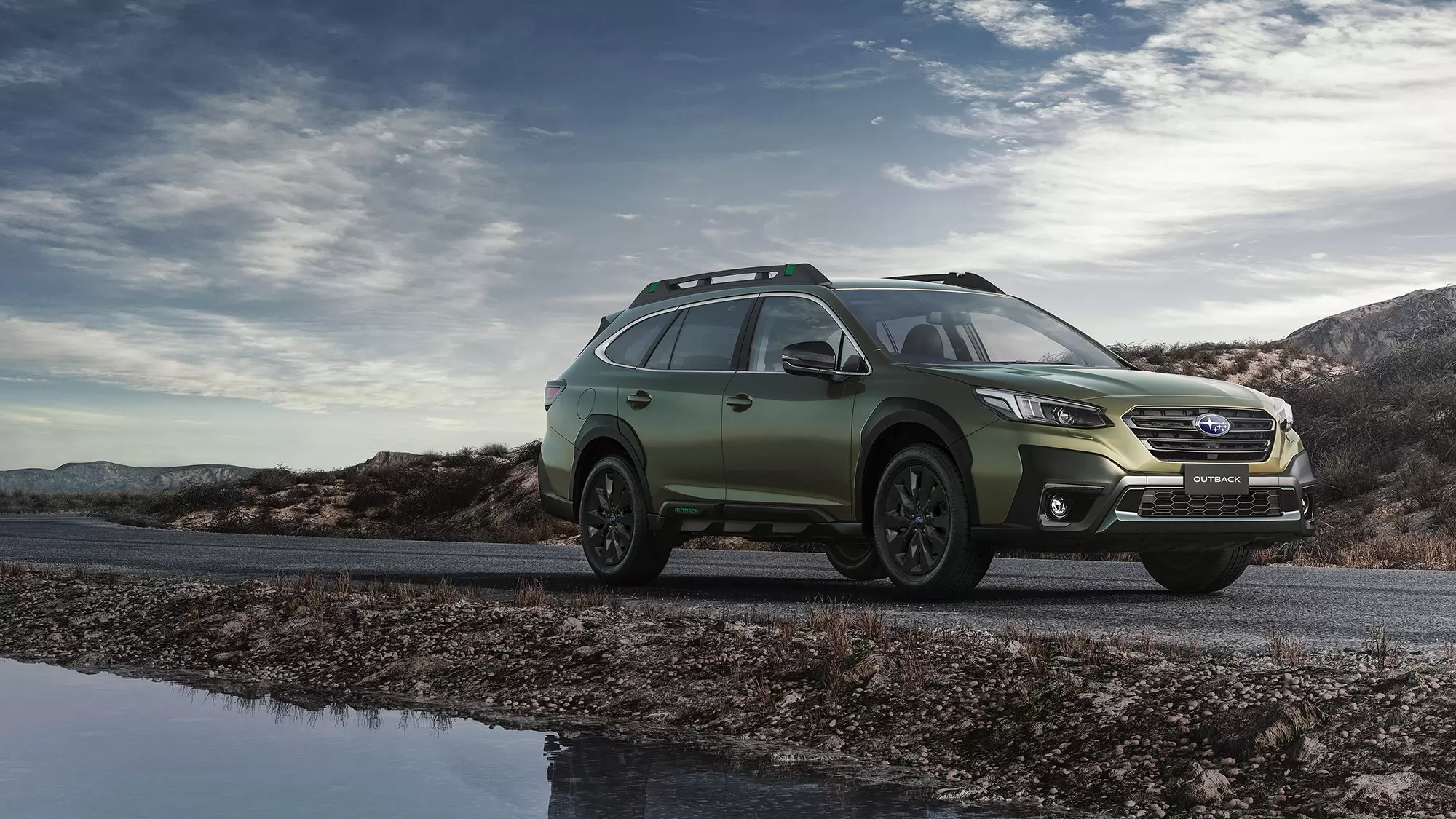
With the U.S. market’s affinity for crossovers and SUVs, having headlights that perform well in off-road or rural conditions is a practical advantage.
Also Read: 10 Aftermarket Parts That Extend Life Instead Of Reducing It
3. Tesla Model 3 (2021-Present)
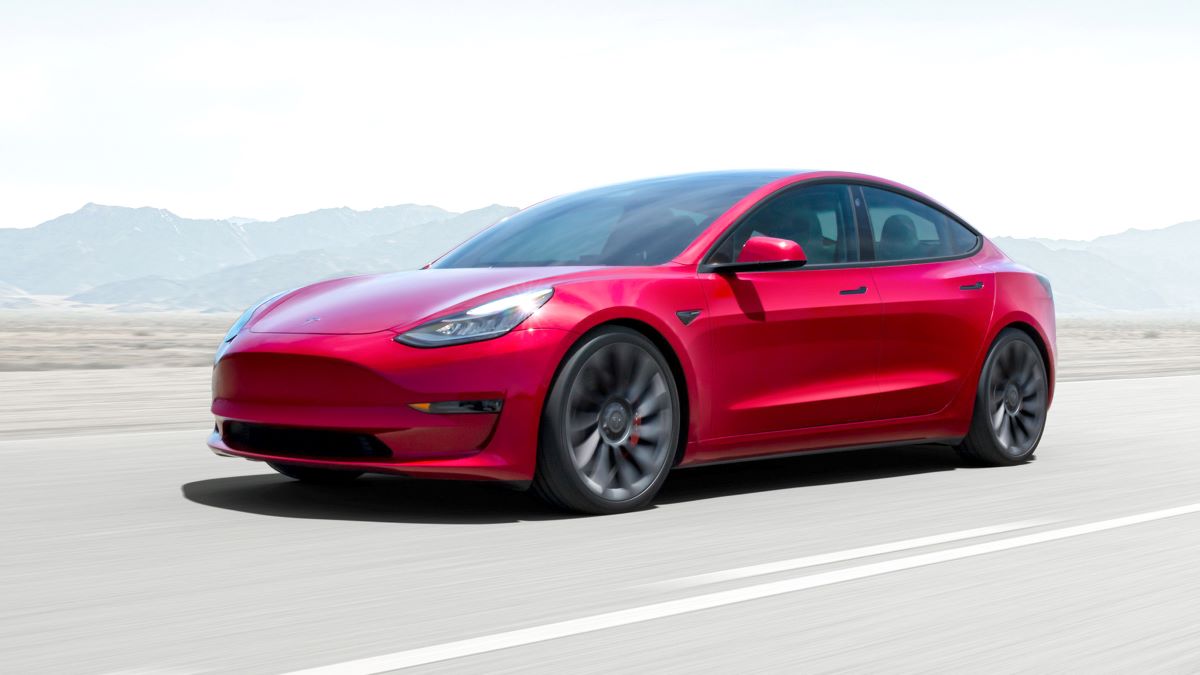
Tesla’s all-electric sedan lineup is famous for innovation, and its headlights are no exception. The Model 3’s full-LED system delivers a bright, consistent light that reaches far down the road, while the auto high-beam feature ensures optimal illumination without manual adjustment.
For U.S. drivers frequently commuting in urban and suburban environments with variable lighting, the adaptive system adds convenience and safety. Moreover, Tesla’s headlights complement its forward-looking driver-assistance systems, enhancing both visibility and predictive safety measures.
The 2022 Tesla Model 3 remains the smallest and most budget-friendly vehicle in Tesla’s all-electric lineup. After receiving a series of updates in 2021, including a refreshed interior, improved driving range, and additional standard equipment, Tesla has opted to keep changes minimal for the 2022 model year.
While there are a few minor enhancements, like a faster processor for the infotainment system, the Model 3 continues to deliver on its standout strengths: impressive range, brisk performance, and a roomy, comfortable cabin.
Even with competition heating up, Tesla’s early dominance gives the Model 3 a notable edge. Alternatives like the Ford Mustang Mach-E offer sporty handling and ample cargo space, while the new BMW i4 delivers a fully-fledged luxury sport sedan experience under an EV badge.
Nevertheless, the Model 3 remains one of the most compelling electric sedans available. Despite some frustrations, such as its occasionally overstated range and complex tech interface, it’s still a top contender worth serious consideration if you’re shopping for an EV.
4. Volvo XC90 (2022-Present)
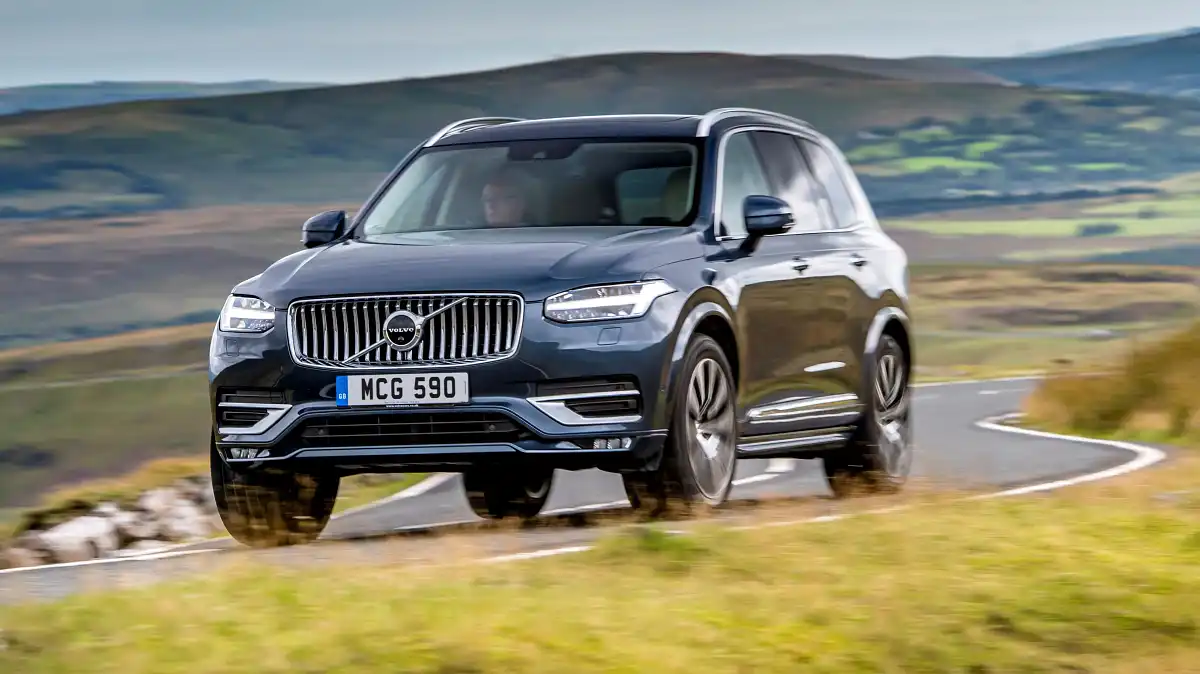
Volvo has made its “Thor’s Hammer” LED headlights iconic. In addition to sharp styling, these lights offer excellent range and uniformity.
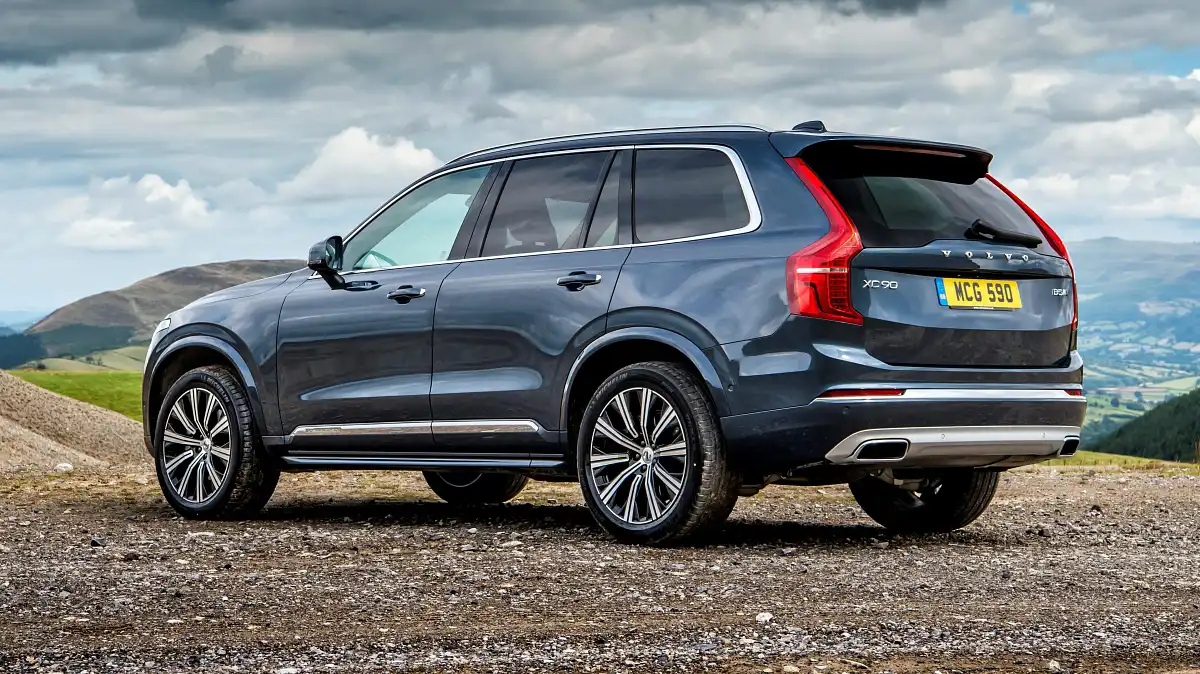
For families in the U.S., particularly those who drive in suburban neighborhoods or on interstate highways at night, the XC90 provides confidence-inspiring illumination.
Adaptive LED technology ensures the beam pattern responds to steering input, making turns and curves much safer.
5. Ford F-150 (2023-Present)
The Ford F-150 remains America’s best-selling pickup for a reason, and its lighting is a standout feature. Standard LED headlights on newer trims provide wide, powerful beams that illuminate work sites, backroads, and highways alike.
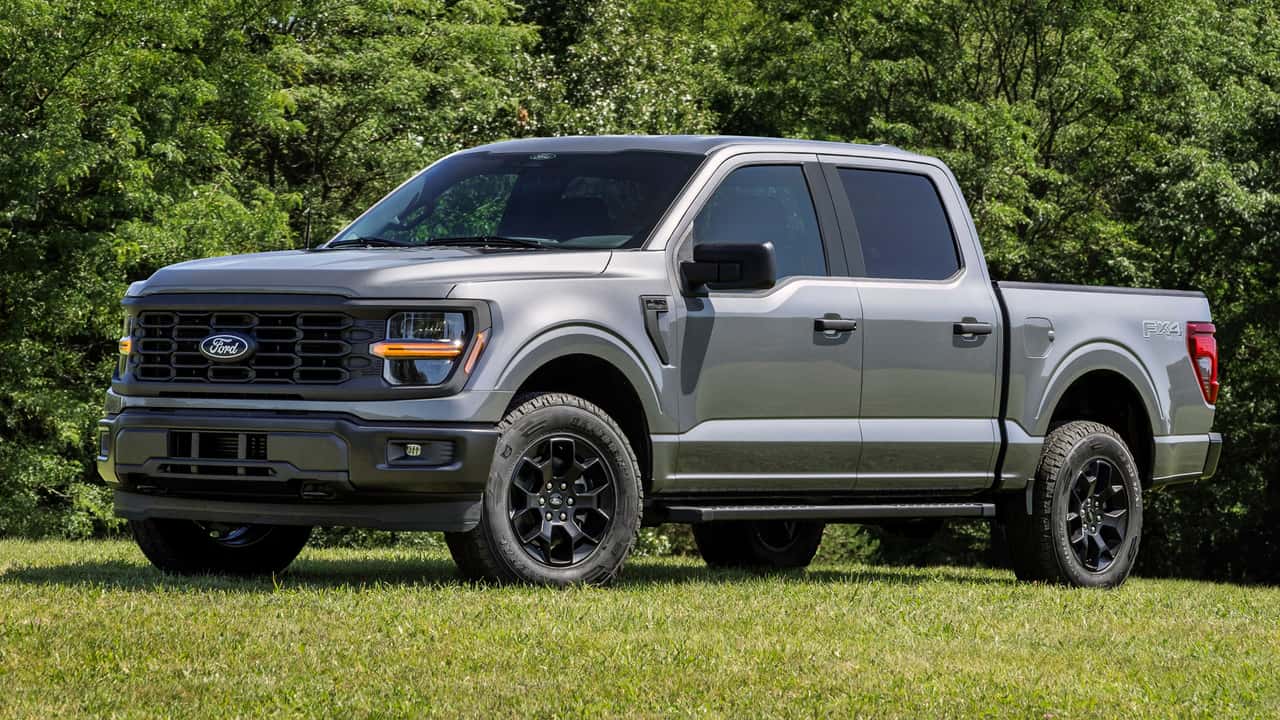
Given the popularity of trucks for both utility and recreational purposes, having stock headlights that perform in rural, off-road, or poorly lit construction environments is a huge advantage.
With an option for nearly every type of truck buyer, it’s no surprise the Ford F-150 holds the title of America’s best-selling vehicle. Positioned above the compact Maverick and mid-size Ranger in Ford’s lineup, the F-150 offers a wide variety of configurations to suit almost any need.
Whether you’re looking for a basic work truck, a premium pickup decked out with leather upholstery, advanced tech, and chrome accents, or something in between, the F-150 lineup has it all covered. It’s also worth noting that the all-electric F-150 Lightning and the heavy-duty Super Duty models are available, though they’re assessed separately.
The Ford F-150 offers one of the most varied lineups in the automotive world. From the no-frills XL to the high-end King Ranch and the rugged Raptor designed for off-road thrills, there’s a model for every kind of truck shopper. Beyond these trim levels, there’s a nearly endless list of customization options, especially if towing is a priority.
Properly equipped, the F-150 can tow up to 13,500 pounds. Features like trailer backup assist, an integrated trailer brake controller, and extended blind-spot monitoring help make towing easier and safer.
Competition in the full-size pickup segment is fierce, and several rivals have their sights set on the F-150’s crown. The Ram 1500 stands out for its plush ride and upscale interior, while the Toyota Tundra offers smooth performance and intuitive controls.
Meanwhile, the GMC Sierra and Chevrolet Silverado remain popular but don’t do much to rise above the pack. If you’re in the market for a full-size truck, the Ford F-150 should be at the top of your list. Don’t forget to check out our Expert Rating for a deeper dive into its standout features.
In 2021, we welcomed a Ford F-150 PowerBoost Hybrid into our long-term test fleet. Over the course of its stay, it was put through multiple camping trips, lengthy road journeys, and plenty of heavy lifting, including hauling who knows how many boxes.
The hybrid setup earned near-universal praise for its power delivery, thanks to the combination of electric motors and a robust turbocharged V6. In everyday use, the F-150 continued to impress with its smooth ride and quiet cabin, even though our XLT trim wasn’t overly luxurious inside.
Also Read: 11 Cars That Keep Interior Trim Quality Intact
6. Mercedes-Benz E-Class (2023-Present)
Luxury sedans often come with advanced lighting as a default, and the E-Class exemplifies this. Its Multibeam LED headlights provide extremely precise illumination, automatically adjusting to traffic and environmental conditions.
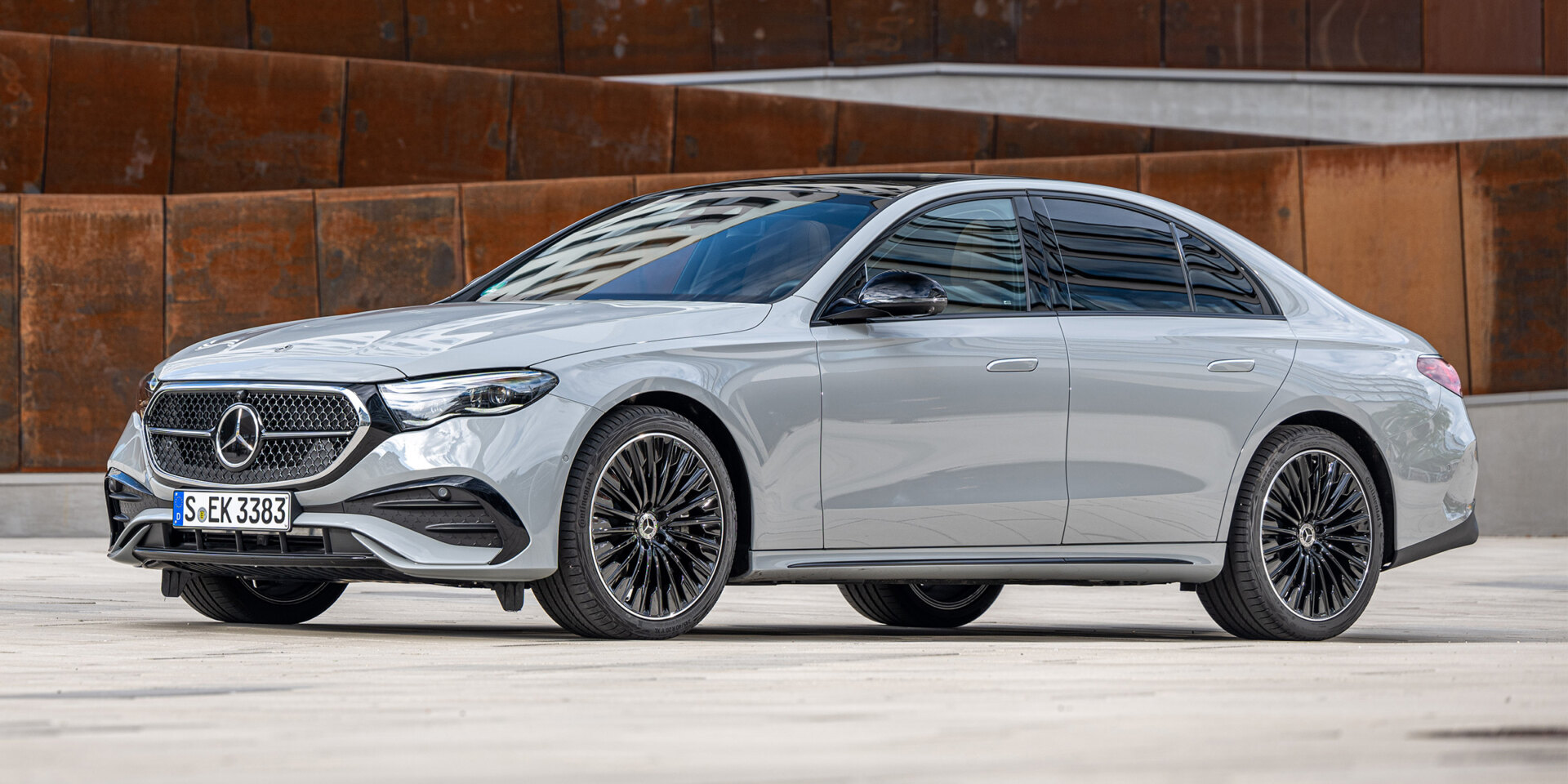
On U.S. highways where long stretches of dark roads are common, these headlights are not only convenient but a critical safety feature. They maintain optimal brightness and pattern clarity without requiring aftermarket upgrades.
Vehicles That Often Need Headlight Upgrades
Not all factory headlights are created equal. Some vehicles, even new ones, come with dim, uneven, or poorly aimed beams that can make night driving a challenge and increase the risk of accidents. For owners of these models, upgrading the headlights isn’t just about style, it’s about safety.
From subpar halogen setups to limited beam coverage, these cars and trucks frequently benefit from aftermarket lighting solutions to improve visibility, reduce glare, and make nighttime driving far less stressful. In this guide, we explore the vehicles that often need headlight upgrades and what drivers should know before hitting the road at night.
1. Toyota Corolla (2019-Present)
While the Corolla is celebrated for reliability and efficiency, its stock headlights particularly the base halogen setups often leave much to be desired.
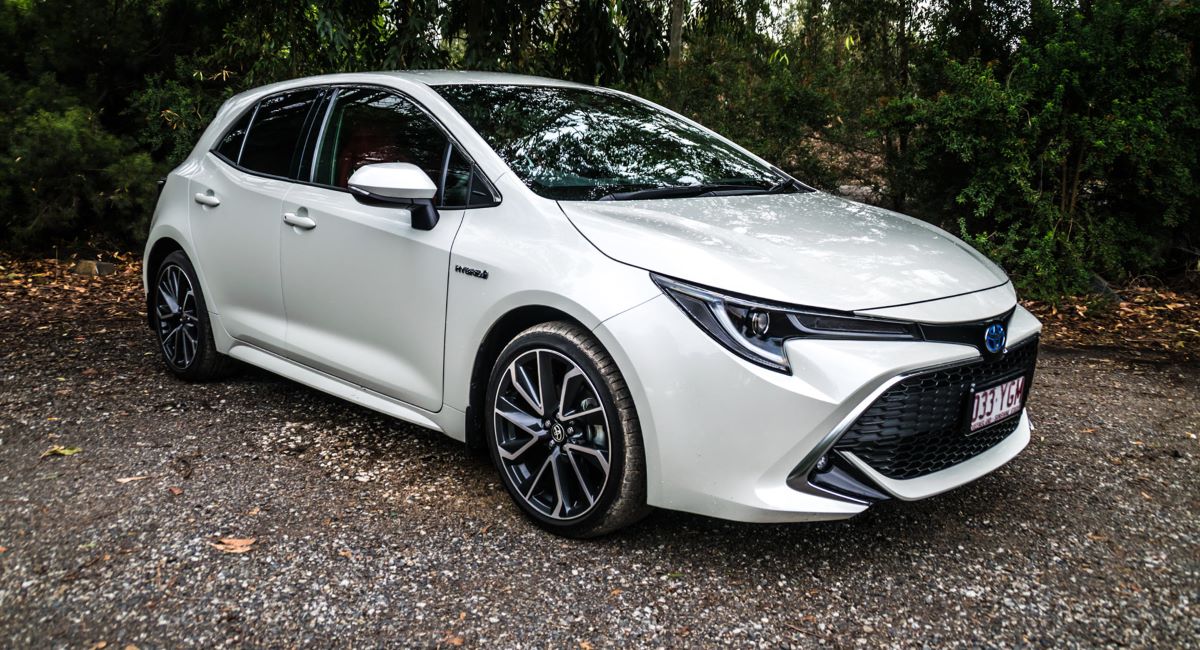
Many U.S. drivers report dim light output that makes night driving stressful, especially on highways or in poorly lit rural areas. Upgrading to LED or high-performance halogen bulbs is a common modification for improved safety and visibility.
2. Honda Civic (2016-2021)
The Civic is another U.S. favorite, but older models, especially in the base trims, are notorious for weak halogen headlights. The beam is narrow and doesn’t reach far enough to comfortably drive at high speeds at night.
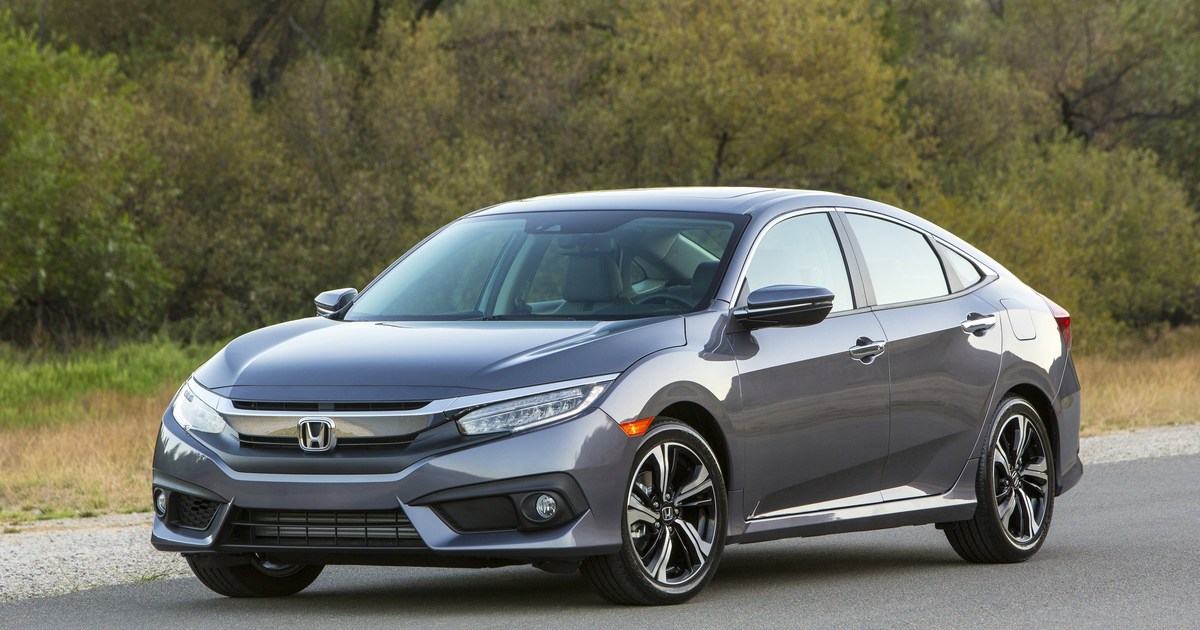
Many owners opt for aftermarket LED kits to improve road coverage, particularly for commuting in suburban or semi-rural areas where street lighting is minimal.
Since the Honda Civic first arrived in the United States in 1973, more than ten million Americans have relied on this compact car for dependable and fuel-efficient transportation. While the Civic’s core purpose has never been particularly flashy, its enduring popularity is built on its reputation as a trustworthy machine that simply does the job.
So it came as no surprise that our 2016 Honda Civic Touring sedan from the tenth generation continued that legacy, covering 40,000 miles with virtually no issues during its stay with us.
Powered by a turbocharged 1.5-liter inline-four engine paired with a continuously variable automatic transmission (CVT), it returned an impressive average fuel economy of 35 mpg.
While low ownership costs are a major plus, they alone don’t make a car desirable. The Civic’s appeal has always extended beyond its practicality; historically, it’s offered responsive powertrains and an engaging driving experience. Though that spark dimmed in recent generations, it’s back in a big way with this model.
Built on Honda’s front-wheel-drive platform shared with the current Accord and CR-V, the tenth-generation Civic marks a welcome return to a lively character paired with mainstream accessibility.
The turbocharged 1.5-liter engine also delivered strong performance, achieving a 0-to-60-mph sprint in 6.9 seconds, a time that dropped to 6.7 seconds after 40,000 miles, matching the manual-equipped Civic Si sedan.
And while continuously variable transmissions are often criticized for being sluggish or droning, they shine when paired with torquey turbo power.
Coupled with a 35-mpg average and several highway drives surpassing 40 mpg, this powertrain signals Honda’s successful shift into the turbocharged era, even after years of focusing on high-revving, naturally aspirated engines.
3. Jeep Wrangler (2018-Present)
The Wrangler’s stock halogen headlights are sufficient for city driving, but off-road enthusiasts often find them lacking.
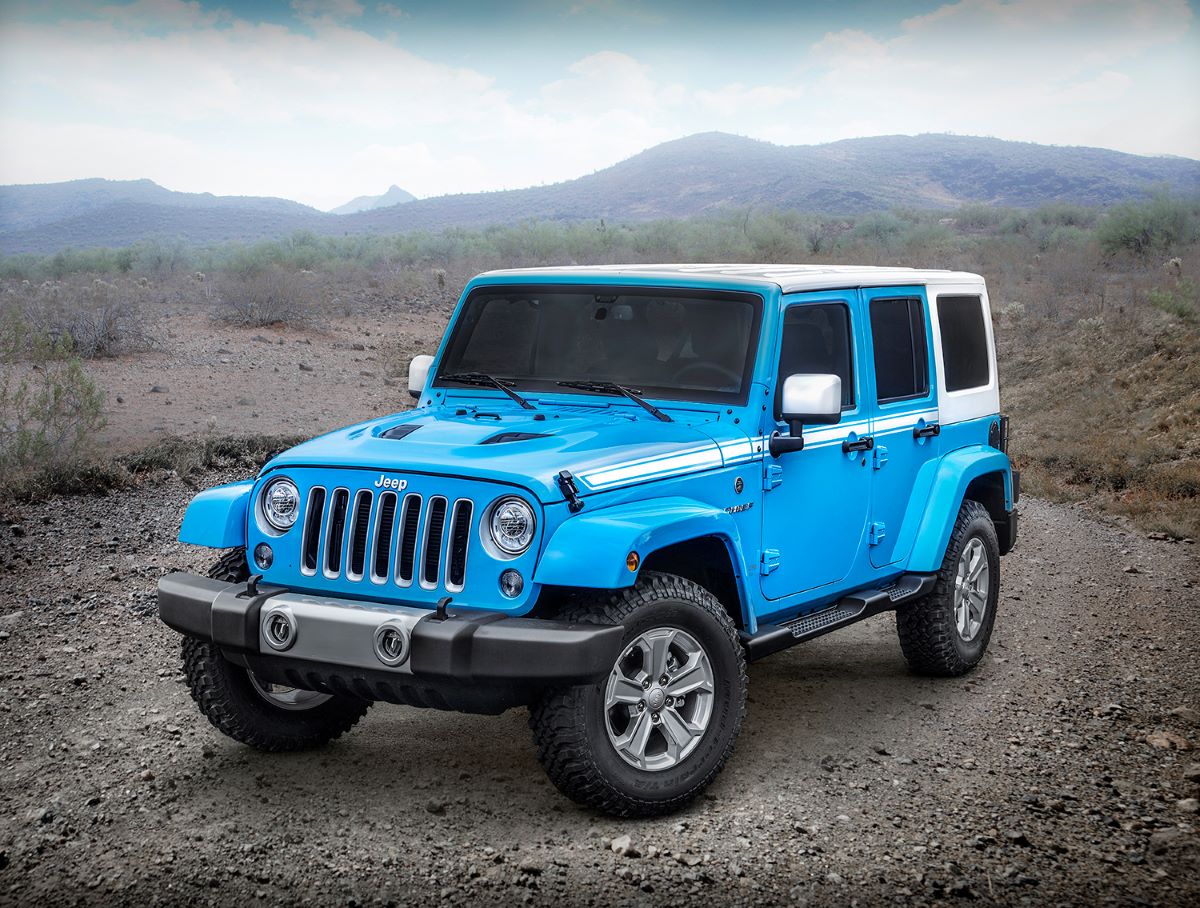
Narrow beams and limited range make nighttime trails more challenging, and heavy rain or fog further reduces effectiveness. Upgrading to LED or HID units is practically standard for serious U.S. off-roaders to ensure safe nighttime adventures.
The familiar 285-hp 3.6-liter V-6 from the previous-generation Wrangler continues to power the new JL, and it can be paired with either a six-speed manual transmission or a smooth-shifting eight-speed automatic.
True to its heritage, every Wrangler comes equipped with off-road capability right out of the box, featuring standard part-time four-wheel drive that’s operated via a lever on the center console.
A turbocharged 2.0-liter four-cylinder engine will join the lineup later in 2018, producing 270 horsepower and utilizing a mild-hybrid system Jeep refers to as eTorque.
The Sport, Sport S, and Sahara trims all include a standard part-time four-wheel-drive setup, while the Sahara can also be outfitted with a full-time all-wheel-drive system, a first for the Wrangler, known as Selec-Trac.
Test track results reveal that the Wrangler JL is a significant improvement over the previous generation in terms of performance, although it still maintains a truck-like feel compared to modern SUVs and pickups.
The four-door model offers a reasonably smooth ride, even over rough terrain, while the shorter two-door version delivers a noticeably stiffer experience. Despite its much-improved on-road mannerisms, the JL can still wander within its lane and demands constant steering corrections to maintain a straight path.
4. Nissan Versa (2020-Present)
As an entry-level compact, the Nissan Versa prioritizes affordability over lighting performance. The stock halogen bulbs produce minimal illumination, with poor coverage at higher speeds.
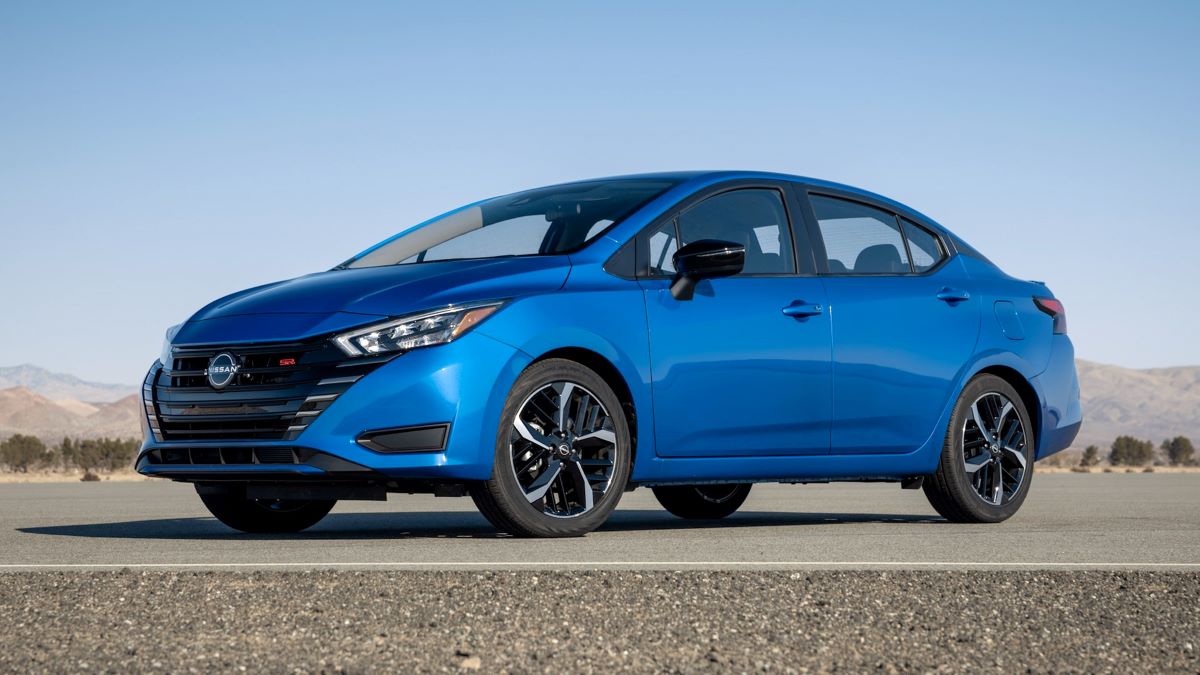
In rural or dimly lit suburban areas, drivers often experience fatigue and reduced reaction time. Upgrading headlights is almost mandatory for those who frequently drive at night or in poorly lit areas.
The 2020 Nissan Versa receives a much-needed complete redesign, transforming it into a standout contender in the value segment. Sporting a more sophisticated exterior and an upgraded interior, the Versa also introduces advanced driver-assistance features like adaptive cruise control and rear automated emergency braking, technology currently absent in any of its competitors.
While its four-cylinder engine is refined but lacking in power, the overall driving experience has improved significantly compared to the previous generation. Although it no longer holds the title of the cheapest new car available in the U.S., the updated Versa now packs the style and substance necessary to rival the top subcompact sedans on the market.
All Versa models are powered by a 122-horsepower four-cylinder engine driving the front wheels. A five-speed manual transmission comes standard on the base model, while a continuously variable automatic transmission (CVT) is optional on the S and standard on the SV and SR trims.
Though acceleration from a stop and highway passing can feel sluggish, the CVT does a commendable job of reducing engine noise by simulating gear shifts.
During our test drive, the Versa delivered a controlled, well-cushioned ride that effectively absorbed road imperfections. It also handled significantly better than its predecessor, offering precise steering response and a reassuring brake pedal feel.
5. Chevrolet Malibu (2016-2021)
Mid-size sedans like the Malibu often compromise headlight performance for cost savings.
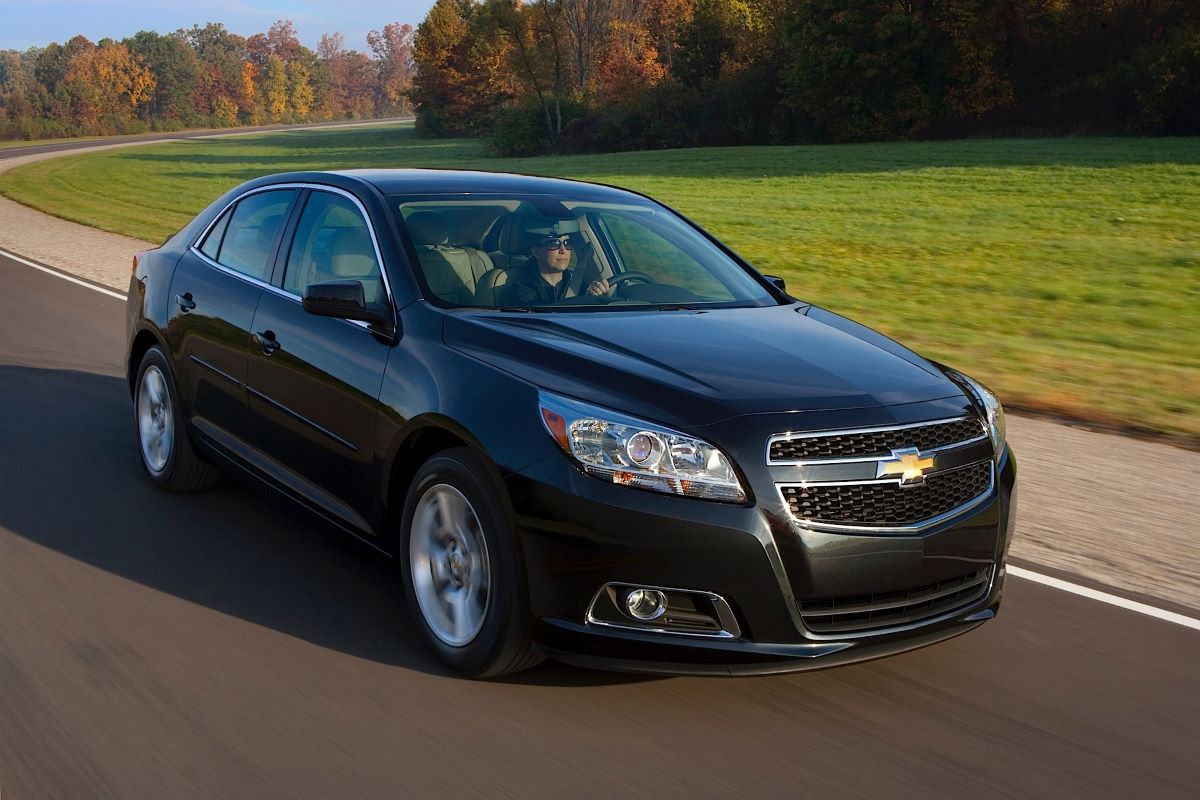
Many older models are equipped with basic halogen projectors that produce uneven light, creating dark spots on the road. U.S. drivers often pair these vehicles with aftermarket LED upgrades to improve visibility, especially on highways and curvy country roads.
The completely redesigned 2016 Chevrolet Malibu is built on an all-new platform and showcases a fresh exterior look, updated powertrains, and a revamped infotainment system.
Positioned below the full-size Impala and above the compact Cruze, the 2016 Chevrolet Malibu is a midsize sedan offered exclusively with front-wheel drive. Alongside the traditional gas-powered model, a hybrid version is also available.
Buyers can choose from three powertrains for the 2016 Chevrolet Malibu: a 1.5-liter turbocharged four-cylinder producing 163 horsepower and 184 lb-ft of torque, a 2.0-liter turbo-four generating 250 hp and 258 lb-ft, and a hybrid setup that combines a 1.8-liter four-cylinder engine with an electric motor for a total output of 182 hp.
The 1.5-liter engine is paired with a six-speed automatic transmission, while the 2.0-liter gets an eight-speed automatic. The hybrid version comes exclusively with a continuously variable transmission (CVT). Fuel economy ratings from the EPA are 27/36 mpg city/highway for the 1.5-liter, 22/32 mpg for the 2.0-liter, and an impressive 47/46 mpg for the hybrid.
The National Highway Traffic Safety Administration (NHTSA) awarded the 2016 Malibu a five-star overall safety rating, the highest possible score.
In Insurance Institute for Highway Safety (IIHS) testing, the Malibu earned a Good rating in all crash tests and achieved a Superior rating for front crash prevention when it avoided a 12-mph collision and reduced impact speed by 24 mph in a 25-mph test, earning it the coveted Top Safety Pick+ award (Good is the IIHS’ top score).
However, the Malibu received a Poor rating in the IIHS’ headlight evaluation. Available advanced safety features include automatic emergency braking, forward collision warning, adaptive cruise control, pedestrian detection, blind-spot monitoring, lane-keeping assist, lane departure warning, lane change alert, following distance indicator, and rear cross-traffic alert.
However, ride comfort has significantly improved, effectively absorbing rough surfaces. That said, interior quality at these trims is underwhelming, with noticeable cheap materials, especially on the dashboard.
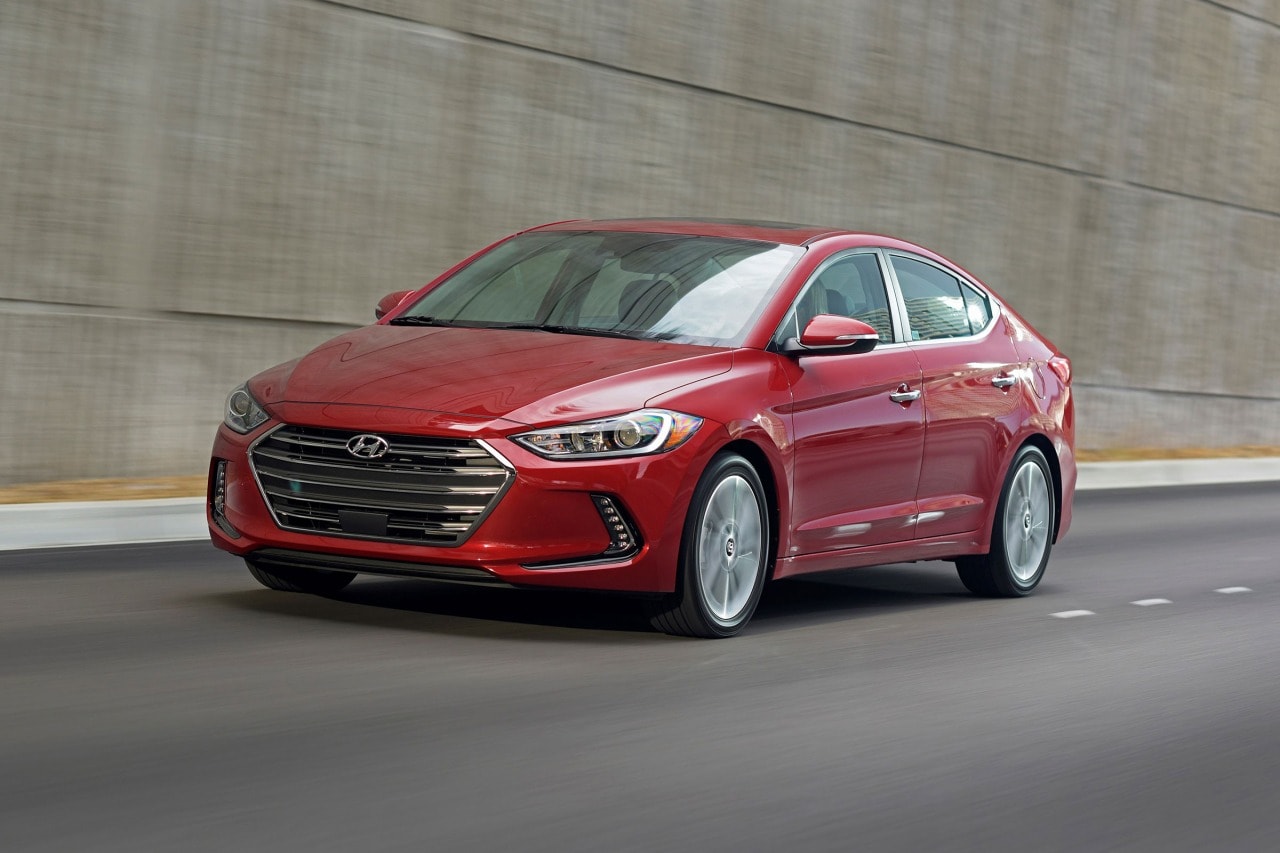
6. Hyundai Elantra (2017-2020)
The Elantra is praised for value and fuel efficiency, but stock halogen headlights on older models are dim and have a very narrow beam. In the U.S., where night driving on highways and rural roads is common, this can create safety concerns.
Many Elantra owners upgrade to aftermarket LEDs or bulbs with higher lumens for better road illumination and night driving confidence.
Whether you prioritize safety, convenience, or long-term cost savings, headlight performance is a key factor in vehicle selection. Luxury sedans, high-end SUVs, and modern electric vehicles often lead the pack with adaptive, bright, and wide-coverage lighting.
On the flip side, popular compact and economy vehicles though excellent in other areas may require immediate upgrades to ensure safe night driving.
For U.S. drivers, understanding which cars excel out of the box and which demand aftermarket investment can improve both safety and driving enjoyment.
In short: if your headlights leave you squinting at the road, it’s not just annoying it’s a sign that your next upgrade could literally light the way.
