
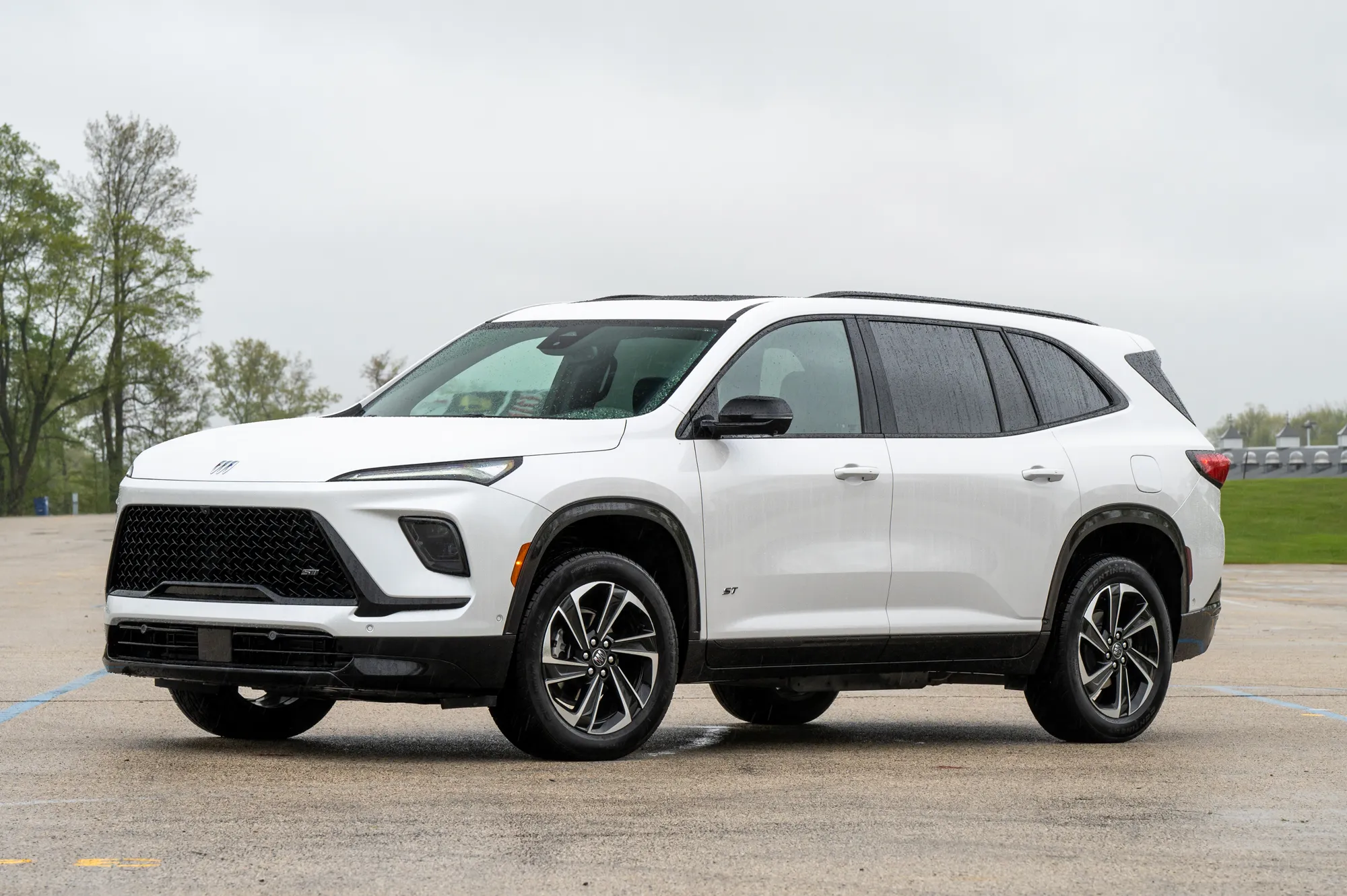
SUVs have become a popular choice for people who want space, style, and road presence, but not every model handles wind equally. Some SUVs feel unsettled when gusts hit from the side, forcing drivers to hold the steering wheel tighter and adjust constantly.
For daily commuters and long-distance travellers alike, this can turn a routine drive into a tense experience. Choosing a car with stable handling during crosswinds is not only about comfort; it is also about safety, especially when carrying passengers or cargo.
Many individuals assume all SUVs behave similarly because of their higher seating position, but aerodynamics, suspension, and tyre width make a big difference. Vehicles with taller bodies and lighter weight may sway more, while those with wider tracks and clever engineering tend to remain steady.
Buyers often overlook this aspect during test drives, which can leave them surprised when real-world conditions show instability. Understanding which models are sensitive to wind and which remain firm can prevent discomfort and unexpected risks.
This page highlights ten SUVs, separating those that struggle in crosswinds from those that stay stable. Every car listed comes with its full name and model, and each section has its own voice and structure to make reading lively and informative.
By the time you finish, you will have clear insights into which SUVs give confidence in blustery conditions and which require extra care.
SUVs That Struggle in Crosswinds
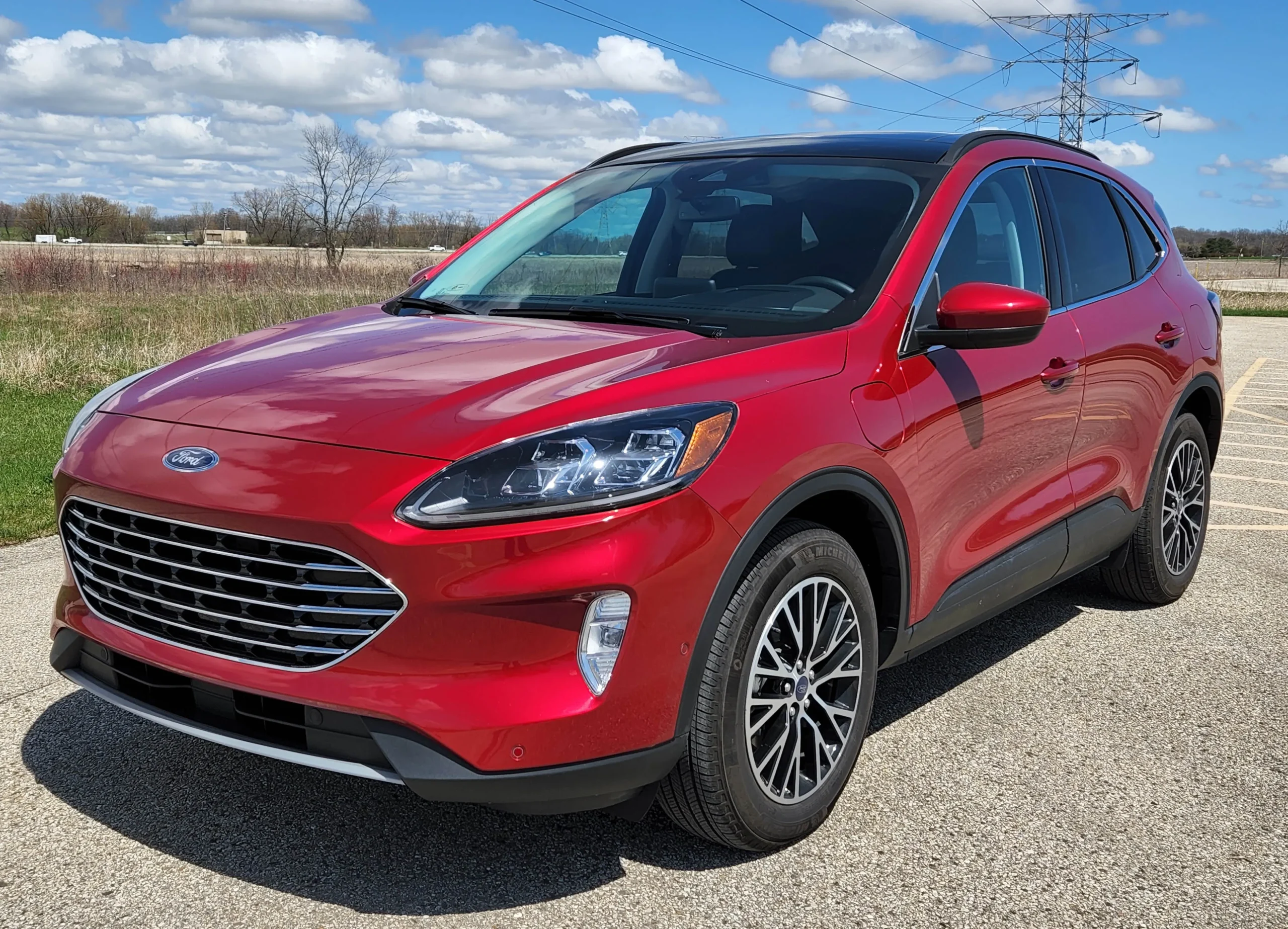
1. Ford Escape Titanium 2021
Ford Escape Titanium 2021 presents itself as a modern SUV with a sleek design, smart technology, and a spacious interior, but its behaviour in strong crosswinds is a matter that many owners talk about. While it scores high for comfort and gadgetry, the tall roofline and comparatively narrow track make it vulnerable to gusty conditions.
On highways or exposed routes, drivers often notice the vehicle nudging slightly when a side wind hits. This requires constant attention to steering, and for those driving long distances, it can become tiring and stressful, particularly if the driver is responsible for passengers or cargo. Even experienced drivers may need to adjust their lane positioning more frequently than with lower or wider SUVs.
Aerodynamics plays a central role in this behaviour. Escape Titanium has been designed with a focus on cabin space and stylish appearance rather than wind resistance. The shape of the roof, the light alloy wheels, and the tyre sidewalls all contribute to its sensitivity.
During gusty conditions, particularly on bridges or open plains, the SUV can feel slightly unsettled, prompting subtle but continuous steering corrections.
While the suspension does a good job absorbing road bumps and irregularities, it offers little resistance against lateral forces from crosswinds, meaning that drivers must remain alert to maintain straight-line stability.
Owners often report that careful attention to tyre pressure can help mitigate some of the effects, and reducing speed during gusty conditions improves confidence. Despite these considerations, Escape Titanium remains attractive for those who prioritise technology, interior comfort, and fuel economy.
Daily city drives, school runs, and short commutes are generally smooth. However, frequent travellers across windy highways should be prepared for some extra steering input. The SUV demonstrates a clear trade-off: style, comfort, and features come at the cost of stability in gusty conditions, yet it remains dependable when handled with awareness and care.
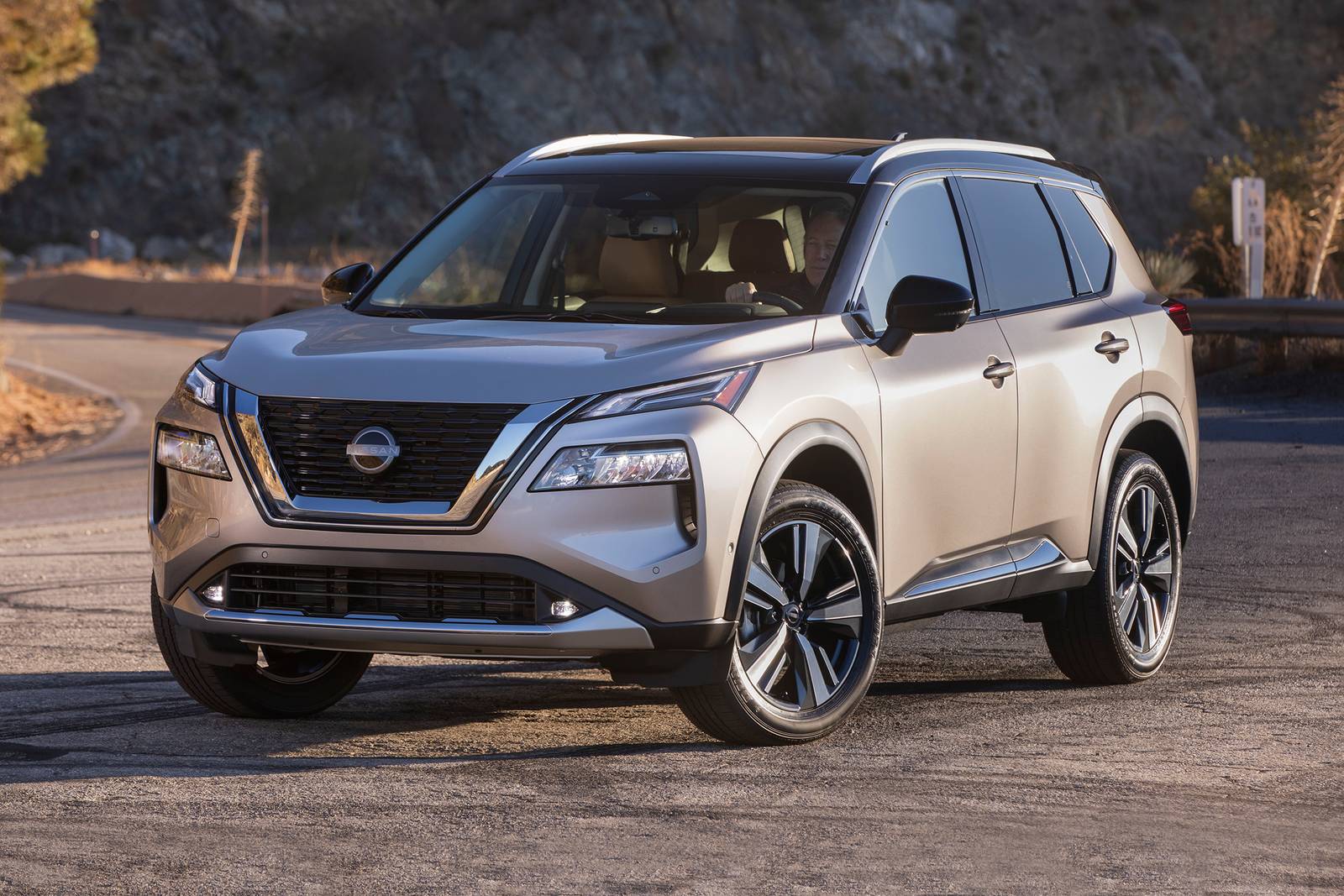
2. Nissan Rogue SL 2022
Nissan Rogue SL 2022 delivers a refined interior, advanced safety features, and user-friendly technology, but its handling in strong crosswinds is something drivers often need to manage carefully. The vehicle’s tall stance and relatively lightweight construction make gusts more noticeable, especially when driving at higher speeds on highways or open roads.
Even with electronic stability control engaged, drivers can feel the car sway slightly, prompting minor but continuous steering corrections to stay centred within the lane. Commuters who frequently cross bridges or drive through exposed stretches of road may find themselves adjusting more often than expected, which can become mentally tiring on longer trips.
Design aspects contribute significantly to this behaviour. Rogue SL’s narrow track width and elevated seating position create a higher centre of gravity, which makes the SUV more susceptible to lateral forces.
Tyres with softer sidewalls, while intended for comfort and a smooth ride, flex under strong wind pressure, reducing steering feedback and adding to the driver’s task of maintaining control. Sudden bursts of wind can result in momentary drift, requiring readiness and focus even during relatively short journeys.
Despite these challenges, the Nissan Rogue SL continues to appeal for daily use. Its quiet cabin, comfortable seating, and touchscreen interface make city and suburban commuting pleasant. Generous cargo space allows for family trips and errands without compromise. Drivers who understand its limits in windy conditions find that adopting moderate speeds and cautious lane changes helps maintain control without risk.
Although crosswinds introduce a factor of caution, the vehicle still performs reliably in most urban and suburban situations. Those prioritising comfort and technology, but aware of its crosswind sensitivity, can enjoy a dependable driving experience with minimal disruption.
Also Read: 5 SUVs That Stay Safe in All Weather vs 5 That Can’t Handle Rain
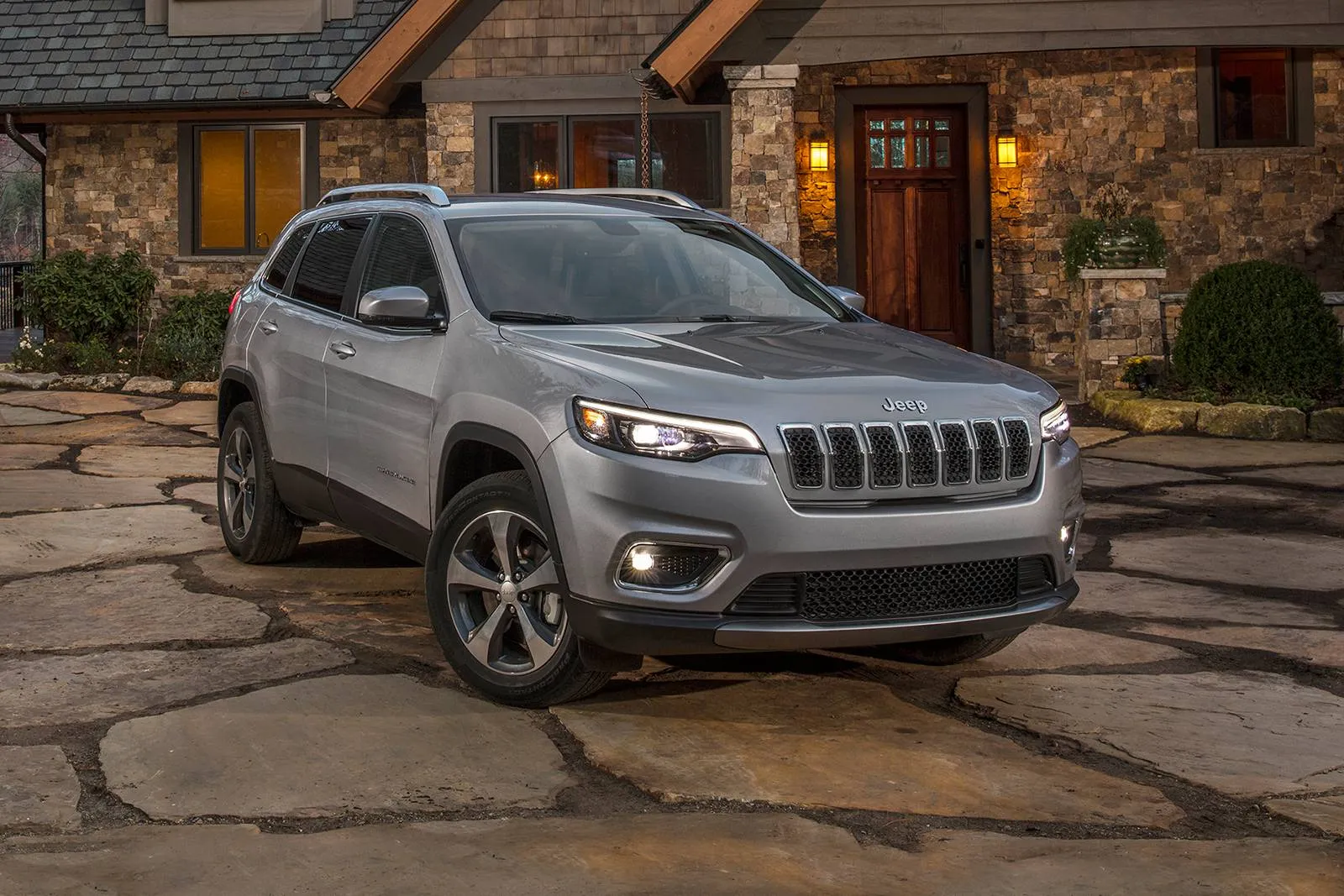
3. Jeep Cherokee Latitude 2020
Jeep Cherokee Latitude 2020 blends rugged styling with light off-road capability, yet its tall, compact body exposes certain vulnerabilities when strong winds hit. Side gusts can cause slight nudges, especially at higher speeds, which may unsettle drivers unfamiliar with this behaviour.
On open highways, bridges, or flat plains, the effect becomes more pronounced, requiring subtle but constant steering corrections to maintain lane discipline. High-speed travel magnifies this sensitivity, making wind-prone areas a potential source of fatigue and extra attention for the driver.
The vehicle’s aerodynamic efficiency was not the primary design focus. Its squared-off roofline, upright stance, and higher centre of gravity create a larger surface area for lateral wind pressure to act upon. Suspension tuning prioritises comfort and smooth road feel, which, while pleasant over bumps, does not offer resistance against swaying caused by gusts.
Four-wheel-drive capability provides traction for rough roads but does little to stabilise the vehicle when lateral forces come into play on paved roads. Drivers may find themselves overcompensating slightly to maintain a straight path during wind gusts, particularly on exposed stretches.
Despite this behaviour, daily usability remains strong. Jeep Cherokee Latitude offers responsive steering, comfortable seats, and a practical cabin layout, making it suitable for city commuting and weekend adventures.
Families who travel through areas prone to wind must exercise additional caution, but the SUV still provides a reliable, comfortable ride in most conditions. Owners quickly learn how to anticipate gusty effects and adjust speed and steering accordingly, allowing them to enjoy the vehicle’s off-road styling and everyday convenience.
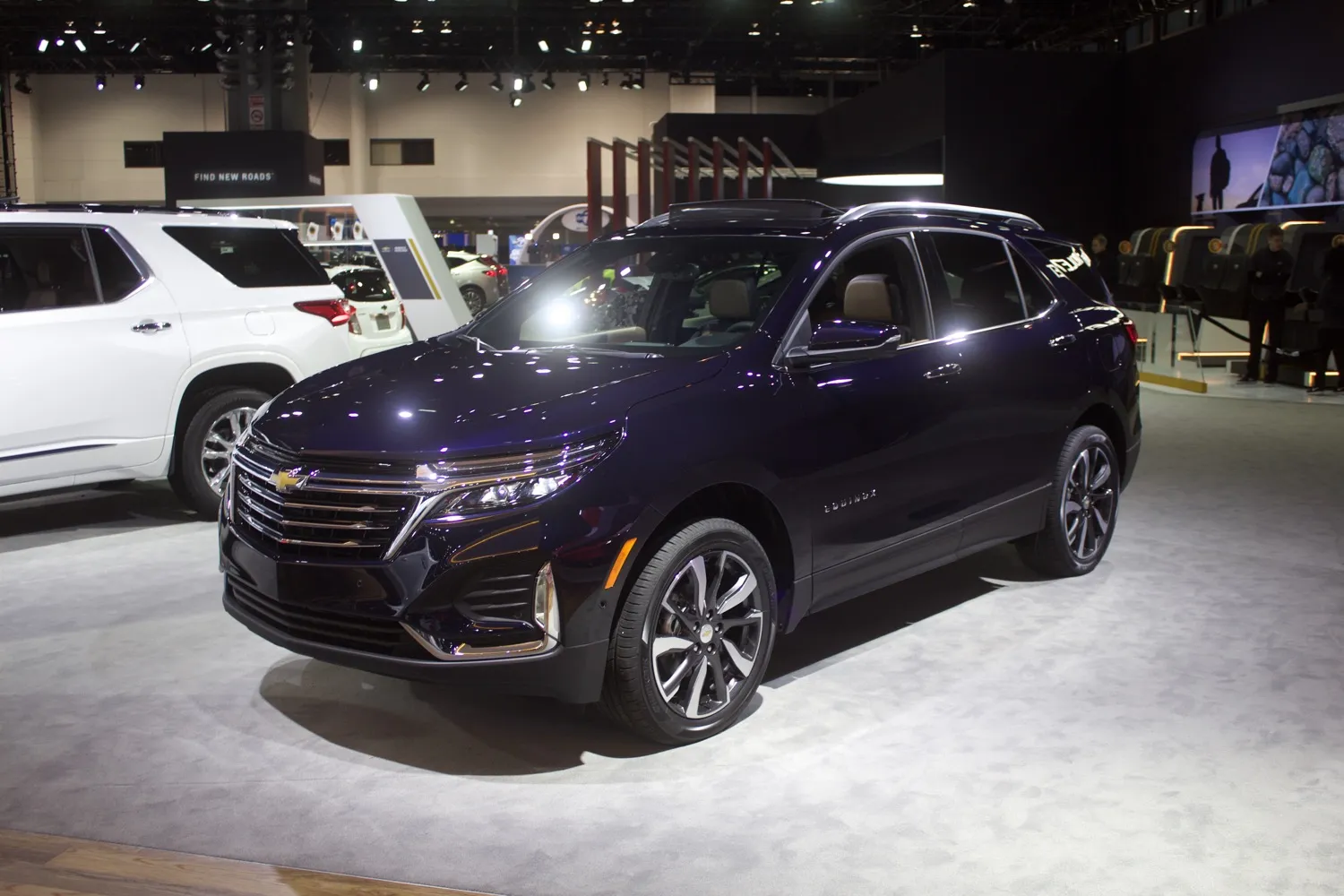
4. Chevrolet Equinox Premier 2021
Chevrolet Equinox Premier 2021 is widely praised for its spacious interior, advanced technology, and smooth ride, but crosswind behaviour can challenge drivers at higher speeds. The SUV’s tall dimensions, smooth side panels, and elevated roofline contribute to wind exposure, resulting in slight lateral sway during gusty conditions.
Drivers going through highways, bridges, or open plains often need to make continuous corrective steering adjustments to maintain lane stability. While minor, this behaviour may increase fatigue during extended drives.
Equinox Premier was designed with comfort and aesthetic appeal as priorities rather than wind resistance. Features such as roof rails, lighter tyres, and side panels enhance style but do little to counteract lateral wind forces.
Suspension tuning absorbs bumps effectively but allows some movement under gusts, meaning the driver must stay alert. Open stretches and coastal highways tend to amplify this effect, requiring focus and careful handling.
Despite these limitations, Equinox Premier delivers a comfortable, enjoyable driving experience for daily commuting and city travel. Advanced infotainment systems, quiet operation, and plush seating enhance general satisfaction.
Awareness of crosswind sensitivity and adopting moderate highway speeds helps maintain control. The SUV demonstrates that prioritising comfort and technology can sometimes affect wind stability, yet careful driving mitigates risk, allowing owners to enjoy the vehicle’s features and reliability.
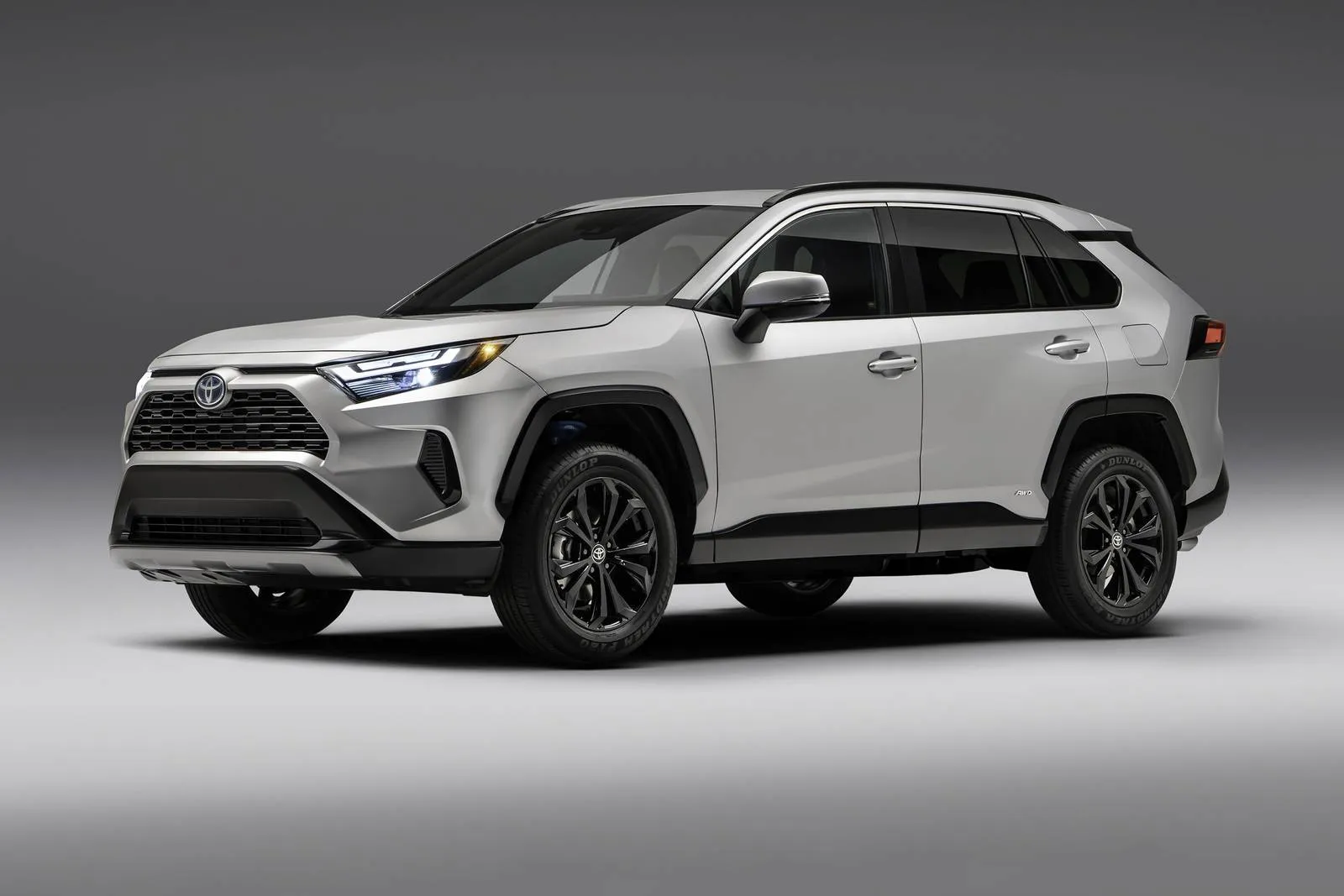
5. Toyota RAV4 XLE 2022
Toyota RAV4 XLE 2022 is renowned for reliability, fuel efficiency, and a practical interior, yet its crosswind handling remains a consideration for frequent highway drivers. Its relatively narrow track, combined with a tall body profile, makes lateral gusts more apparent, particularly on open roads or exposed routes.
Steering adjustments are needed more often than in lower or wider SUVs, which can be tiring during longer journeys. Drivers travelling with passengers or cargo may notice subtle side-to-side nudging when winds strike unexpectedly.
The vehicle’s aerodynamic profile focuses on versatility and cabin space rather than wind resistance. Tyres with soft sidewalls flex under lateral pressure, reducing feedback to the driver and requiring extra attention.
Suspension is tuned for comfort and efficiency, which allows more movement under gusts, adding to steering effort. Highway bridges, plains, and coastal roads often amplify these effects, demanding constant focus to maintain lane stability.
Despite crosswind sensitivity, the RAV4 XLE remains a dependable choice for city and suburban use. Its interior comfort, efficient performance, and reliability make it a strong daily driver. Awareness of wind conditions and adjusting speed appropriately can help drivers manage gust effects, ensuring that journeys remain safe and pleasant.
For those prioritising long highway trips in windy regions, alternative SUVs may provide a steadier ride, but the RAV4 XLE delivers a balanced combination of reliability, comfort, and practicality for everyday use.
SUVs That Remain Stable in Crosswinds
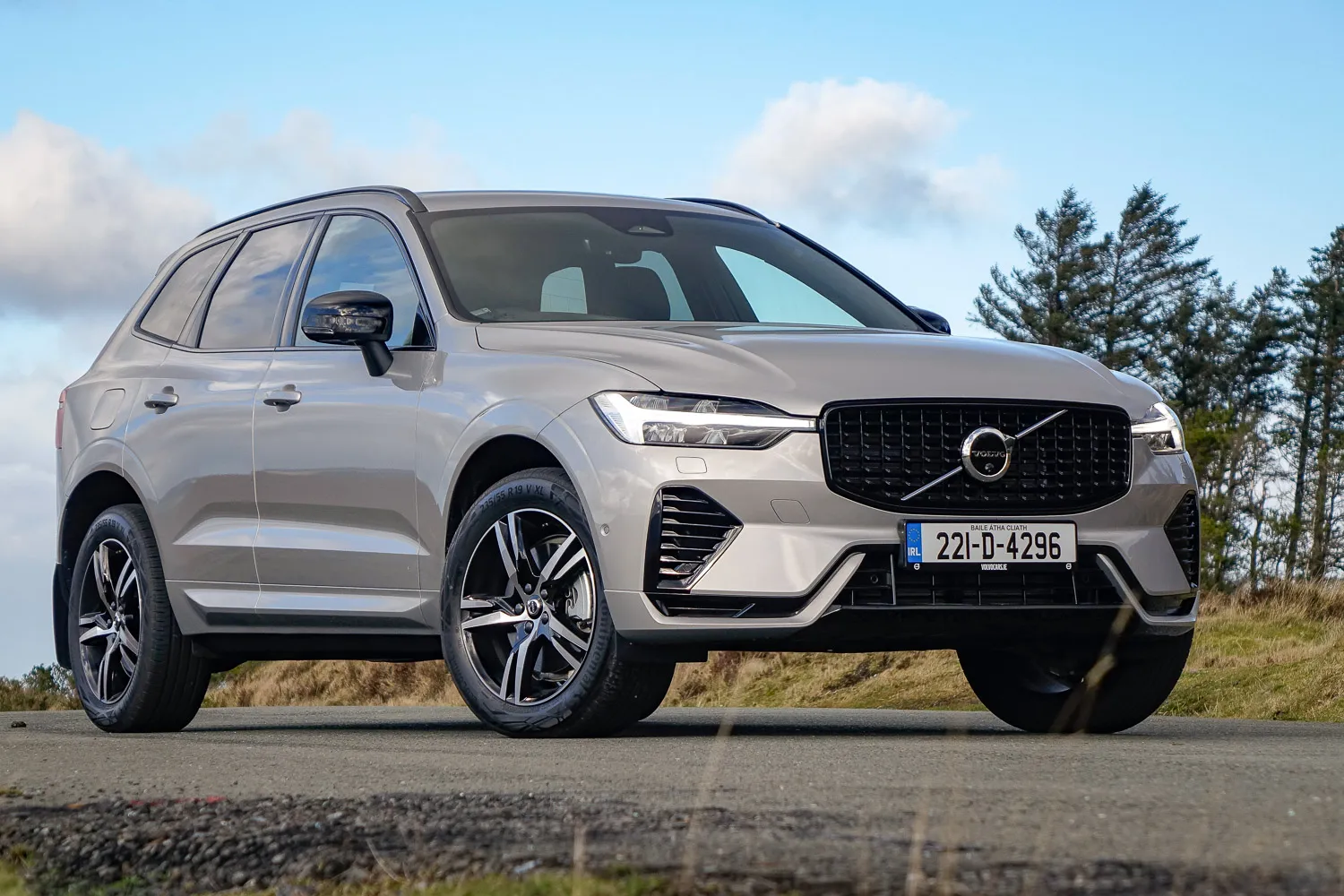
1. Volvo XC60 T6 2022
Volvo XC60 T6 2022 impresses with a calm and stable presence, especially when highways are exposed to strong gusts. Drivers frequently comment on its composed feel, noting minimal steering corrections even when side winds push unexpectedly. Its wide track, balanced body proportions, and aerodynamic roofline give a sense of planted confidence.
Suspension design enhances this stability by absorbing minor bumps without compromising comfort, making long drives across bridges, plains, or coastal roads much less tiring. Passengers also benefit from reduced motion from lateral gusts, which contributes to a relaxed journey.
Engineering choices are key to the XC60’s performance. The vehicle’s weight is distributed carefully, keeping the centre of gravity lower than many other SUVs, which naturally resists the influence of lateral winds. Precise steering responds smoothly, allowing the driver to make small adjustments without overcorrecting.
Tyres with firmer sidewalls maintain solid contact with the road, supporting predictable tracking. Even in scenarios where gusts arrive suddenly, the SUV feels composed, and drivers often report feeling more secure than in other vehicles within the same class.
Owners who frequently travel long distances or carry family appreciate the combination of physical stability and adaptive safety features. Lane-keeping assistance, alert systems, and advanced traction control complement the vehicle’s innate handling, ensuring that deviations are detected and corrected promptly. This synergy between mechanical engineering and technology allows XC60 T6 drivers to focus on traffic and navigation, instead of resisting wind forces.
For those who spend time on highways, whether commuting or travelling for leisure, the XC60 offers reassurance and confidence. Its spacious interior, advanced infotainment, and quiet cabin make it suitable for families and solo travellers alike.
The model demonstrates that stability and comfort can coexist, providing a driving experience that reduces fatigue, enhances control, and delivers peace of mind even in challenging wind conditions.
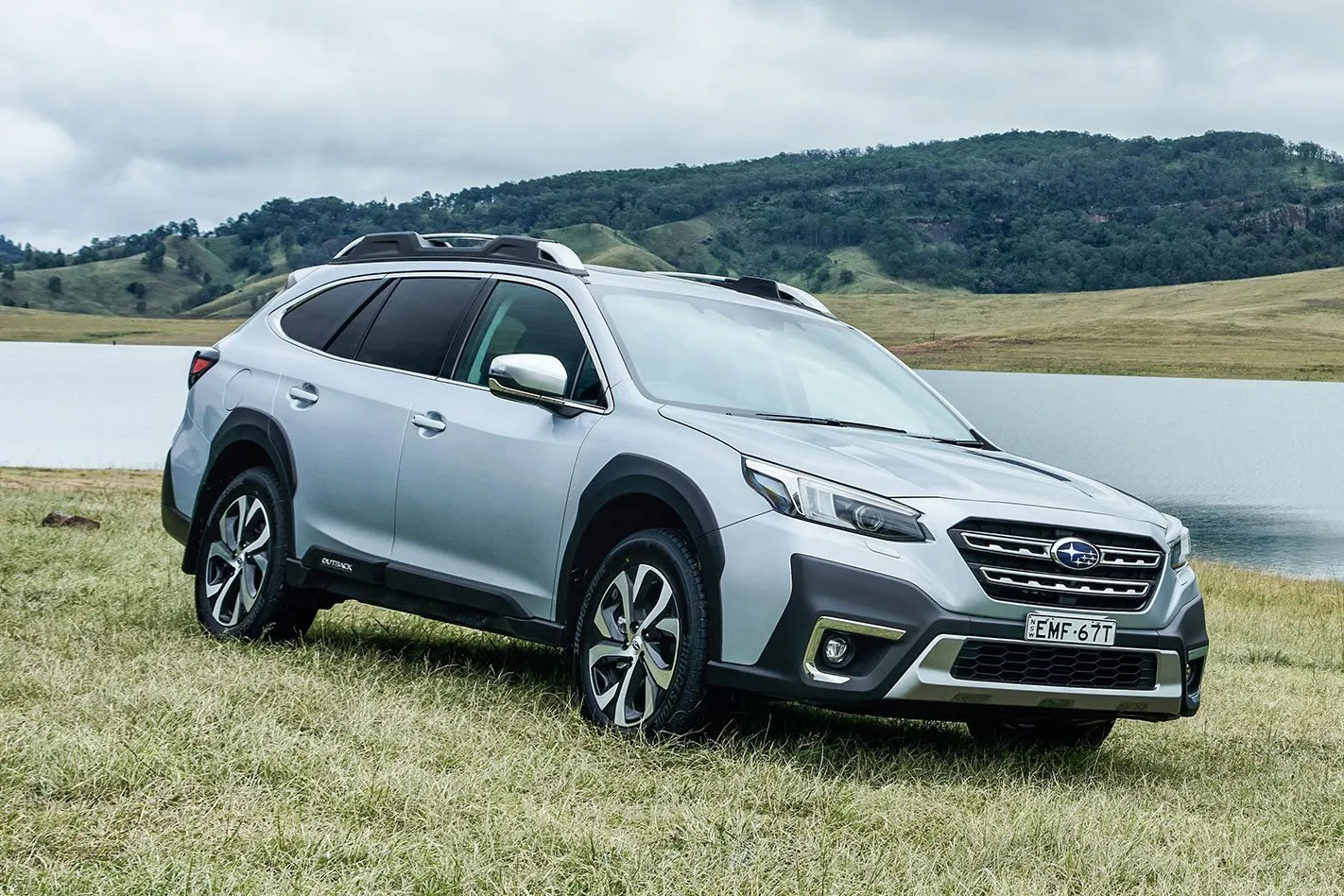
2. Subaru Outback Touring 2021
Subaru Outback Touring 2021 demonstrates remarkable composure under gusty conditions, impressing drivers who spend long hours on highways. Its stability starts with a wider track and solid suspension, which absorbs lateral forces effectively. The aerodynamic roofline reduces wind pressure, allowing steering to remain precise without requiring constant corrections.
On open roads, exposed plains, or coastal bridges, drivers report that the SUV maintains a smooth trajectory, allowing them to focus on traffic and navigation rather than constantly compensating for gusts. The vehicle’s engineering supports its resilient handling.
Subaru’s all-wheel-drive system distributes forces evenly across all wheels, preventing sudden moves during wind gusts. Tyres with firmer sidewalls enhance road contact, keeping lateral movements minimal.
This combination allows long-distance trips to be less tiring, as drivers do not need to fight the steering wheel continuously. Passengers notice less cabin sway, which improves comfort during extended journeys.
Advanced driver-assistance systems further reinforce Outback Touring’s stability. Lane keep assist, adaptive cruise control, and traction management work in harmony with physical handling, giving drivers an extra layer of control.
These technologies detect minor deviations early and subtly adjust the vehicle’s behaviour, reducing the need for constant intervention. Drivers and families value this reliability, particularly when crossing windy highways or areas where gusts are unpredictable.
Interior comfort complements the SUV’s handling. A quiet cabin, ergonomic seating, and ample cargo space make the vehicle suitable for long family trips. Owners highlight the sense of security offered by predictable handling, especially when compared with other SUVs in its class that may sway noticeably in crosswinds.
Outback Touring balances stability, comfort, and technology, delivering confidence to drivers who prioritise safe and composed travel over pure performance.
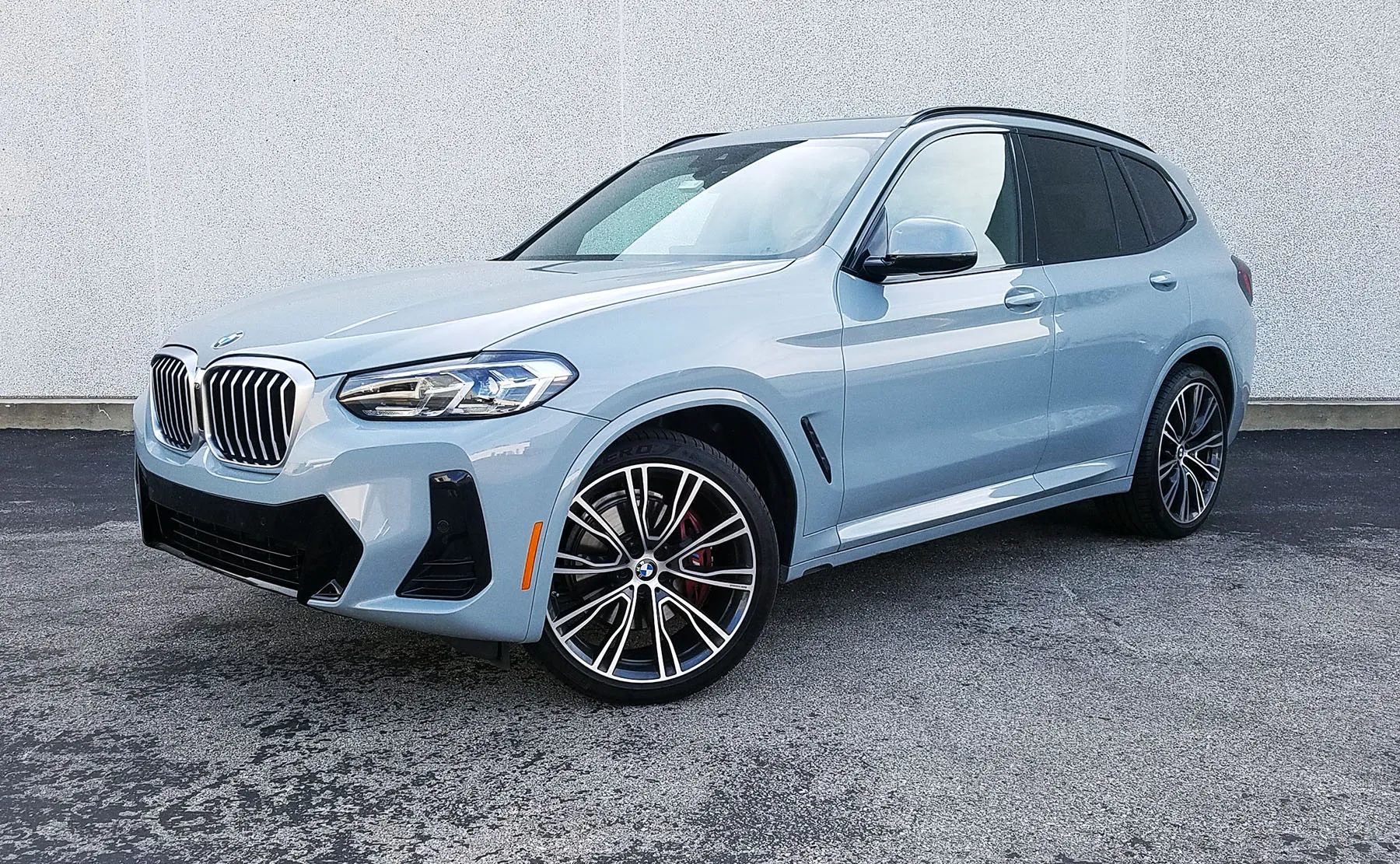
3. BMW X3 xDrive30i 2022
BMW X3 xDrive30i 2022 blends sporty performance with stability in crosswinds, offering drivers a reassuring experience on highways and exposed roads. Its aerodynamic profile, low centre of gravity, and well-balanced chassis allow the SUV to remain planted, even in strong side gusts.
Drivers report that steering remains precise, and minor disturbances are absorbed smoothly by the suspension, without transmitting excessive movement to the cabin. This makes long trips more comfortable and less tiring, especially when combined with the responsive handling BMW is known for.
Engineering choices enhance X3’s composure. Weight distribution is optimised, keeping the centre of gravity low and reducing the sway effect. Wider tyres with firm sidewalls maintain traction during lateral pressure, while the all-wheel-drive system distributes forces consistently to all wheels, preventing sudden movements.
Drivers going through bridges, open plains, or coastal highways often comment on the vehicle’s planted feel, noting that it remains more stable than many competitors in similar conditions. Daily usability merges comfort with performance.
Adaptive dampers and electronic stability assist complement the chassis, enhancing the vehicle’s ability to respond to sudden gusts while maintaining cabin comfort. Drivers feel in control without constant correction, making it ideal for long highway journeys or urban driving in areas where the wind may unexpectedly increase.
Inside, X3 offers luxury finishes, intuitive infotainment, and spacious seating. Owners highlight that even with passengers or cargo, the vehicle retains its composed behaviour. This combination of physical stability, technology, and driver confidence positions the BMW X3 xDrive30i as a strong contender for those seeking a sporty yet secure SUV that excels under windy conditions.
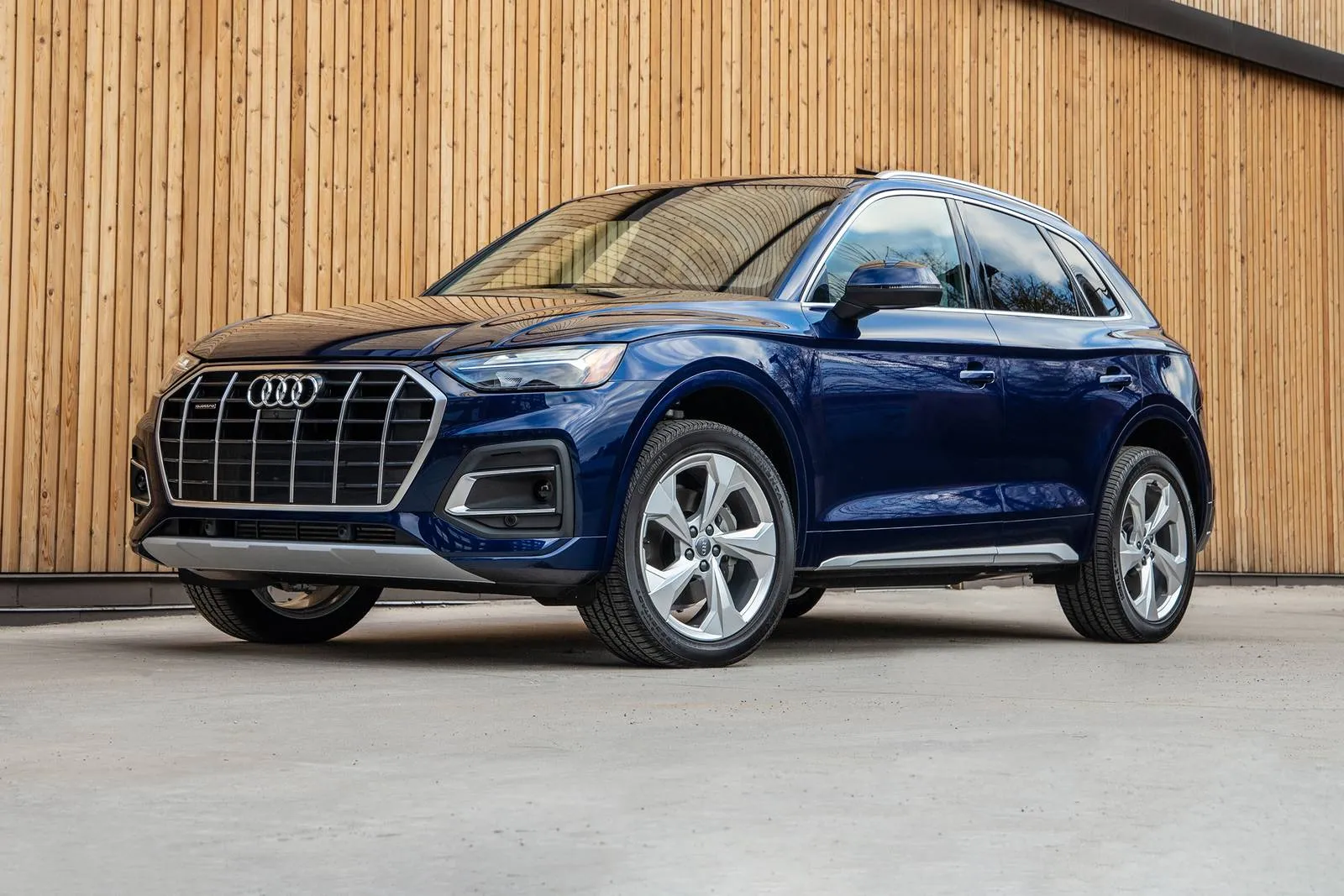
4. Audi Q5 2021
Audi Q5 2021 maintains composure even in challenging crosswind conditions, impressing drivers who prioritise comfort and safety. Its aerodynamic silhouette, wide track, and suspension tuning reduce the impact of lateral gusts, allowing the SUV to remain stable without requiring constant correction.
On highways, bridges, or exposed plains, steering remains neutral, and the vehicle’s predictable behaviour contributes to reduced driver fatigue. Stability is further enhanced by Audi’s engineering solutions.
Quattro all-wheel drive distributes torque evenly, ensuring that wheels maintain traction under lateral forces. Tyres with firm sidewalls complement the suspension, which absorbs disturbances without excessive movement.
Owners report that sudden gusts, even at highway speeds, do not require steering input, giving them confidence on long trips. The interior contributes to a relaxed driving experience. A quiet cabin, comfortable seating, and advanced climate control allow passengers to enjoy travel without noticing minor exterior disruptions.
Q5 also includes driver-assistance systems such as lane guidance, stability control, and adaptive cruise control. These technologies provide additional layers of support, maintaining course and alerting drivers if any correction is necessary.
Families and commuters alike value Q5 for its combination of comfort and confidence. Even on windy days, the SUV remains composed, reducing stress and enhancing the whole driving experience. Its stability, coupled with luxury interior features and advanced systems, ensures a safe and enjoyable journey across highways and exposed routes, making it a standout choice in its class.
Also Read: 6 SUVs With Straight-Tracking Highways Manners vs 6 That Wander
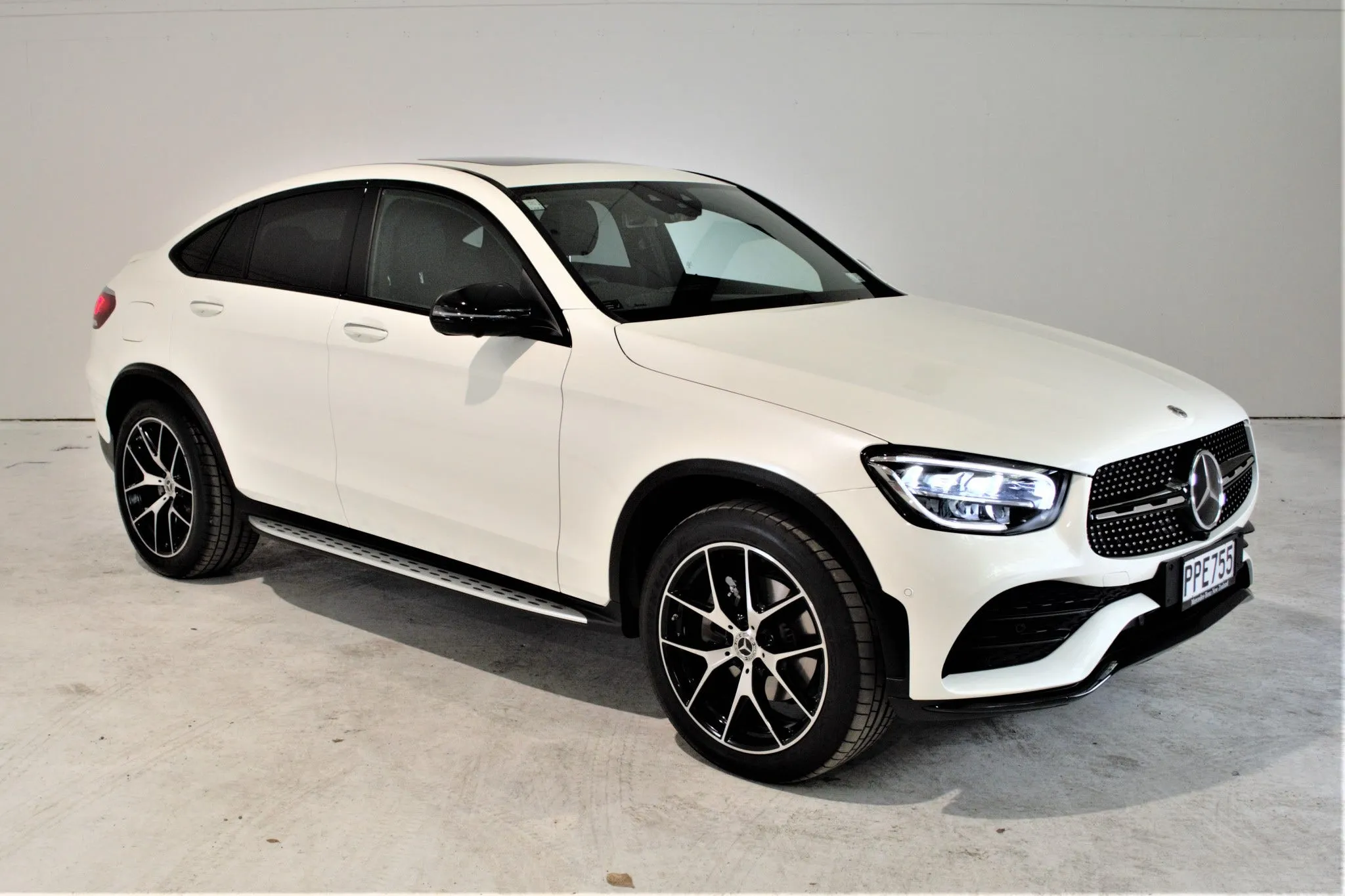
5. Mercedes-Benz GLC 300 2022
Mercedes-Benz GLC 300 2022 delivers a stable and confident ride, even when gusty winds hit from the side. Its broad track, aerodynamic silhouette, and precision steering help maintain control effortlessly. Suspension tuning balances firmness with comfort, keeping the vehicle level while absorbing minor disturbances, which is particularly valuable during long highway trips or when driving through open plains and bridges.
Drivers report minimal fatigue, as the SUV requires fewer corrections even in strong crosswind conditions. Crosswind resistance is strengthened by careful weight distribution and tyre selection. GLC 300 features wide tyres with stiff sidewalls, which resist lateral pressure effectively.
The all-wheel-drive system maintains traction across varying surfaces, ensuring stability even when gusts are sudden or persistent. Highway travel becomes more relaxing, as drivers do not have to fight the steering wheel or constantly anticipate side wind influence.
Technology enhances the vehicle’s natural stability. Adaptive driver aids, lane departure alerts, and brake optimisation work alongside the physical handling, giving a sense of reassurance. The SUV remains composed and secure, whether carrying family, commuting to work, or travelling long distances.
Owners appreciate the smooth combination of luxury, comfort, and predictable handling, which sets GLC 300 apart from other vehicles that might sway or react unpredictably under similar conditions. Passengers enjoy a calm and quiet cabin, while drivers retain precise control over the vehicle.
Families, professionals, and highway travellers can rely on GLC 300 for composed performance in wind-prone areas, demonstrating that stability, safety, and comfort can coexist in a luxury SUV without compromise.
Choosing the right SUV is not just about looks, technology, or cabin space; it also involves understanding how each vehicle responds to real-world driving conditions. Crosswinds are one of those factors that can turn an otherwise smooth drive into a tiring and demanding experience.
As we have seen, SUVs such as the Ford Escape Titanium 2021, the Nissan Rogue SL 2022, the Jeep Cherokee Latitude 2020, the Chevrolet Equinox Premier 2021, and the Toyota RAV4 XLE 2022 require extra attention when gusts hit.
Drivers must anticipate subtle nudges, make steering adjustments, and moderate their speed to maintain control. While these models excel in comfort, style, or technology, wind sensitivity remains a consideration for frequent highway or coastal travellers.
Vehicles like Volvo XC60 T6 2022, Subaru Outback Touring 2021, BMW X3 xDrive30i 2022, Audi Q5 2021, and Mercedes-Benz GLC 300 2022 showcase composure in challenging conditions. Their wider tracks, aerodynamic designs, firmer suspension, and advanced driver aids provide predictable handling, reducing fatigue and increasing confidence during long trips.
Understanding crosswind performance helps drivers make informed choices, balancing comfort, safety, and convenience. Whether prioritising stability for family journeys or enjoying technology-rich cabins without compromise, selecting the right SUV ensures safer, more relaxed, and enjoyable driving experiences for any road adventure.
