
The used car market presents a fascinating paradox for buyers going through today’s automotive world. While depreciation makes previously expensive vehicles more accessible, not all used cars age gracefully in terms of their perceived modernity and relevance.
Some vehicles manage to transcend their production years, offering features, designs, and technologies that remain contemporary even as newer models arrive on showroom floors.
Others, despite being only a few years old, can feel like relics from a bygone era, their interfaces clunky, their styling awkward, and their features outdated compared to current standards.
This examination of ten vehicles five that defy their age and five that surrender to it reveals important lessons about automotive design, technology integration, and the true meaning of value in the used car market.
Whether you’re a practical buyer seeking reliable transportation or an enthusiast wanting something special without new-car pricing, understanding these distinctions will guide you toward smarter purchasing decisions.
5 Used Cars That Feel Modern
These exceptionally designed vehicles feature timeless styling elements and advanced technology interfaces that maintain contemporary appeal and user-friendly operation years after their initial production dates, defying the rapid obsolescence typical of automotive design trends.
Their thoughtful engineering includes intuitive infotainment systems and clean interior aesthetics that resist the visual aging typically associated with flashy design gimmicks and overly complex button layouts from their era.
From responsive touchscreen displays that remain functional to driver assistance features that still feel cutting-edge, these remarkable vehicles continue impressing occupants without revealing their actual model years through dated styling cues or clunky technology implementations.
1. 2016-2019 Tesla Model 3
The Tesla Model 3 represents perhaps the ultimate example of a used car that defies its age, maintaining a strikingly modern feel even years after production.
This vehicle’s timeless appeal stems from its minimalist design philosophy and over-the-air update capability that continuously refreshes the driving experience.
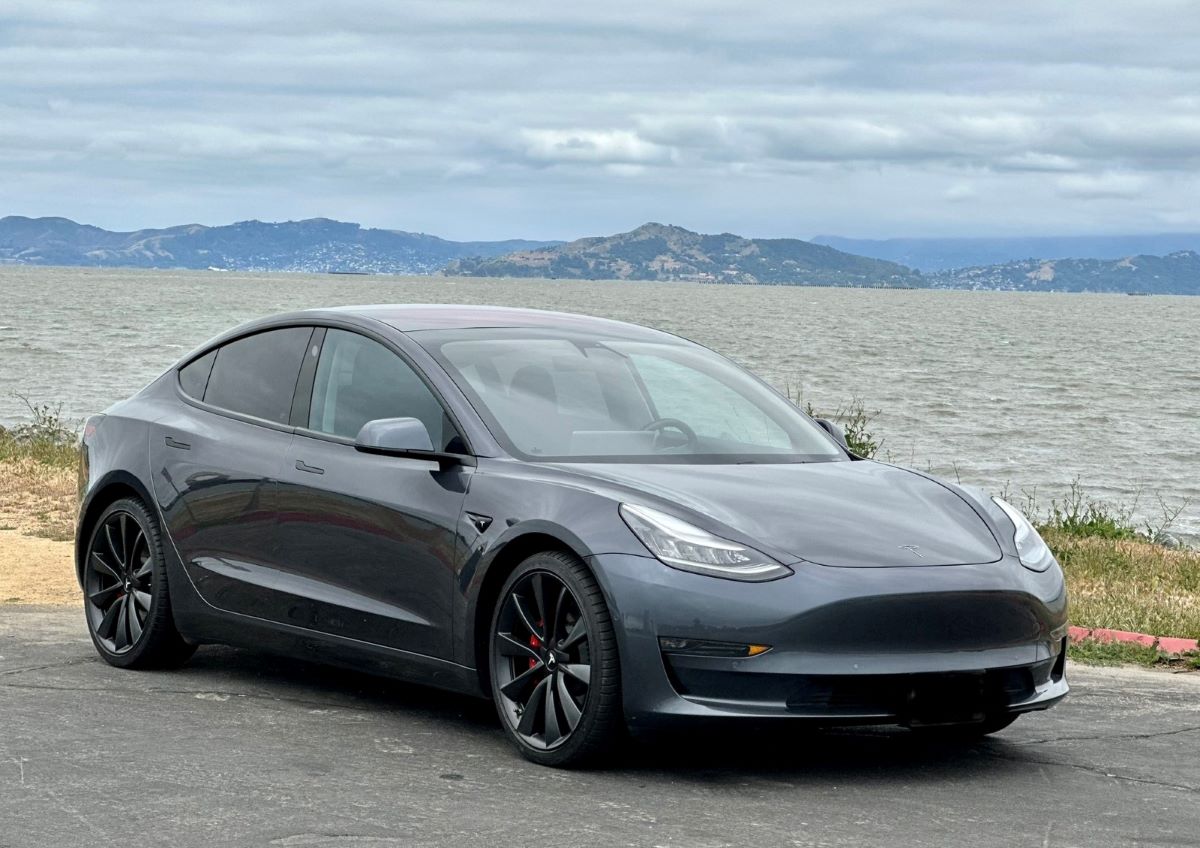
The exterior design remains contemporary thanks to its clean lines and aerodynamic efficiency that prioritized function over fleeting design trends.
The flush door handles, absence of traditional grilles, and smooth body surfaces create a look that hasn’t dated because it never chased temporary styling fads.
Even 2016 models parked alongside brand-new vehicles don’t immediately reveal their age a testament to thoughtful, forward-looking design. Inside, the Model 3’s cabin feels remarkably current due to its extreme minimalism centered around the 15-inch touchscreen.
While some criticized this approach initially, it has proven prescient as the automotive industry increasingly moves toward screen-dominated interiors.
The absence of physical buttons means there’s nothing to look outdated, and Tesla’s frequent software updates continually refresh the interface, adding new features and improving existing ones.
A 2017 Model 3 today might have completely different functionality than when it left the factory, thanks to over-the-air updates that add everything from new games to enhanced Autopilot capabilities.
Perhaps most importantly, Tesla’s Supercharger network and the company’s continued investment in the ownership experience mean these used cars don’t feel abandoned by their manufacturer.
Owners of older Model 3s receive the same software attention and charging infrastructure access as new vehicle buyers, creating unusual continuity in the ownership experience that traditional manufacturers rarely match.
2. 2015-2018 Mazda MX-5 Miata (ND Generation)
The fourth-generation Mazda MX-5 Miata showcases how timeless design principles and driving purity can create a used car that feels perpetually modern.
Launched in 2015, this lightweight roadster prioritized the fundamentals of engaging driving over technological gimmickry, resulting in a vehicle that ages gracefully.
The Kodo design language Mazda employed gives the ND Miata sculpted, flowing lines that avoid the overwrought aggression plaguing many contemporary sports cars.
The long hood, short deck proportions, and taut surfaces create a classic sports car silhouette that doesn’t scream any particular era. Whether in soft-top or RF (retractable fastback) configuration, the Miata’s shape remains elegant and purposeful.
The LED headlights, even in early examples, provide a modern lighting signature that hasn’t been superseded by later trends. Inside, the driver-focused cockpit emphasizes simplicity and quality over gadget proliferation.
The straightforward gauge cluster, perfectly positioned shifter, and intuitive control layout create an environment that prioritizes driving engagement.

While the infotainment system isn’t cutting-edge, Mazda’s approach of mounting the screen atop the dashboard rather than integrating it into the center stack gives it an aftermarket-add-on appearance that somehow works, feeling intentional rather than dated.
The system is refreshingly simple to operate, with physical controls for essential functions an approach that has aged better than complicated touch interfaces in other vehicles.
The driving experience itself ensures perpetual modernity. The lightweight chassis, beautifully balanced suspension, and communicative steering deliver engagement that most modern cars sacrifice in pursuit of comfort and isolation.
The manual transmission still available throughout the production run offers precise, short throws that remind drivers why enthusiasts prefer three pedals. Even the less powerful base engine provides sufficient performance when the car weighs barely 2,300 pounds.
Safety technology in later models includes blind-spot monitoring, rear cross-traffic alert, and adaptive headlights features that remain relevant today.
The Miata’s continued production with only evolutionary changes validates the original design’s excellence, meaning used examples don’t feel dramatically different from new ones, just more affordable.
3. 2017-2020 Volvo XC60
Volvo’s second-generation XC60 demonstrates how Scandinavian design philosophy and thoughtful technology integration create a luxury crossover that feels contemporary regardless of model year.
Built on Volvo’s Scalable Product Architecture (SPA) platform, these vehicles offer a modern experience that rivals current luxury offerings.
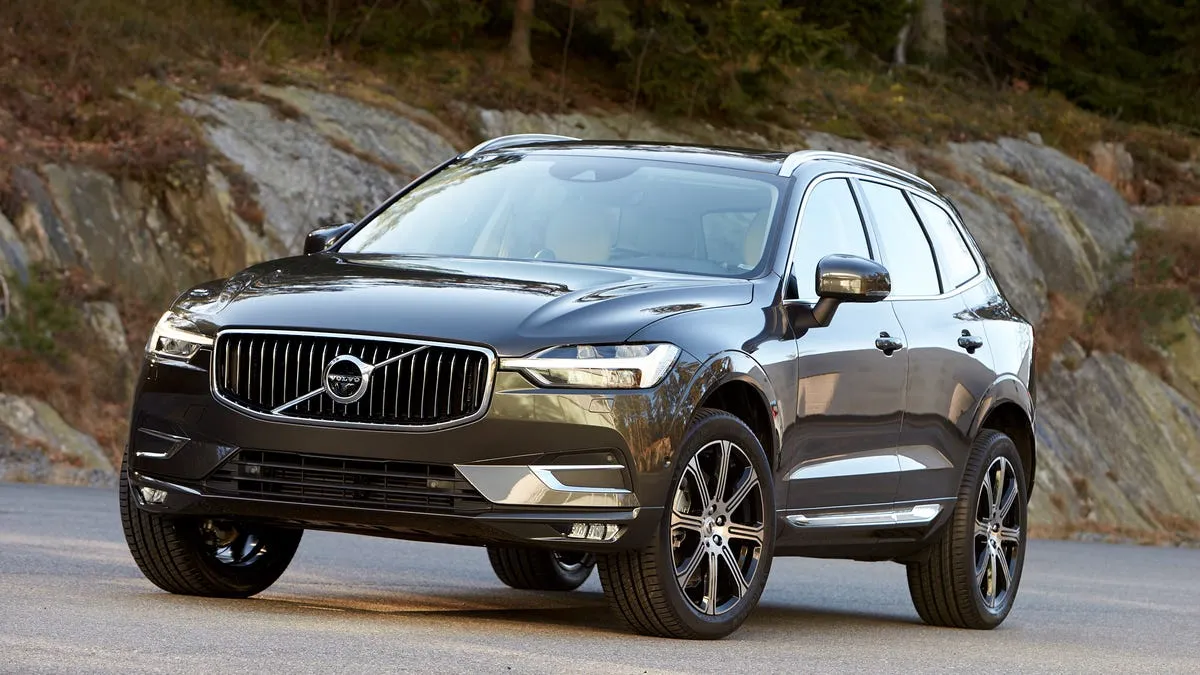
The exterior design captures Volvo’s refined aesthetic perfectly, with Thor’s hammer LED headlights, a concave grille, and flowing lines that emphasize elegance over aggression.
This restrained approach means the XC60 doesn’t chase trends that quickly date vehicles. The proportions remain balanced, and the design details like the vertical taillights and chrome accents feel sophisticated rather than excessive. Even 2017 models maintain visual currency alongside newer luxury crossovers.
Inside, the XC60’s cabin showcases why Volvo’s interior design is frequently praised. The Sensus infotainment system, centered on a portrait-oriented touchscreen, pioneered the vertical tablet aesthetic now common in luxury vehicles.
The interface, while occasionally criticized for burying some functions, remains logical and responsive. The digital instrument cluster provides customizable information displays that don’t feel outdated, and the available Bowers & Wilkins audio system delivers sound quality that remains reference-grade.
The powertrain options, including turbocharged, supercharged, and plug-in hybrid variants, provide modern efficiency and performance.
The T8 plug-in hybrid particularly feels current, offering meaningful electric-only range and combined output exceeding 400 horsepower.
The smooth eight-speed automatic transmission and available air suspension ensure refined driving dynamics that don’t betray the vehicle’s age.
4. 2016-2019 Porsche 718 Cayman/Boxster
The 718-generation Porsche Cayman and Boxster represent mid-engine sports cars that maintain their modern appeal through exceptional engineering, timeless design, and build quality that doesn’t deteriorate.
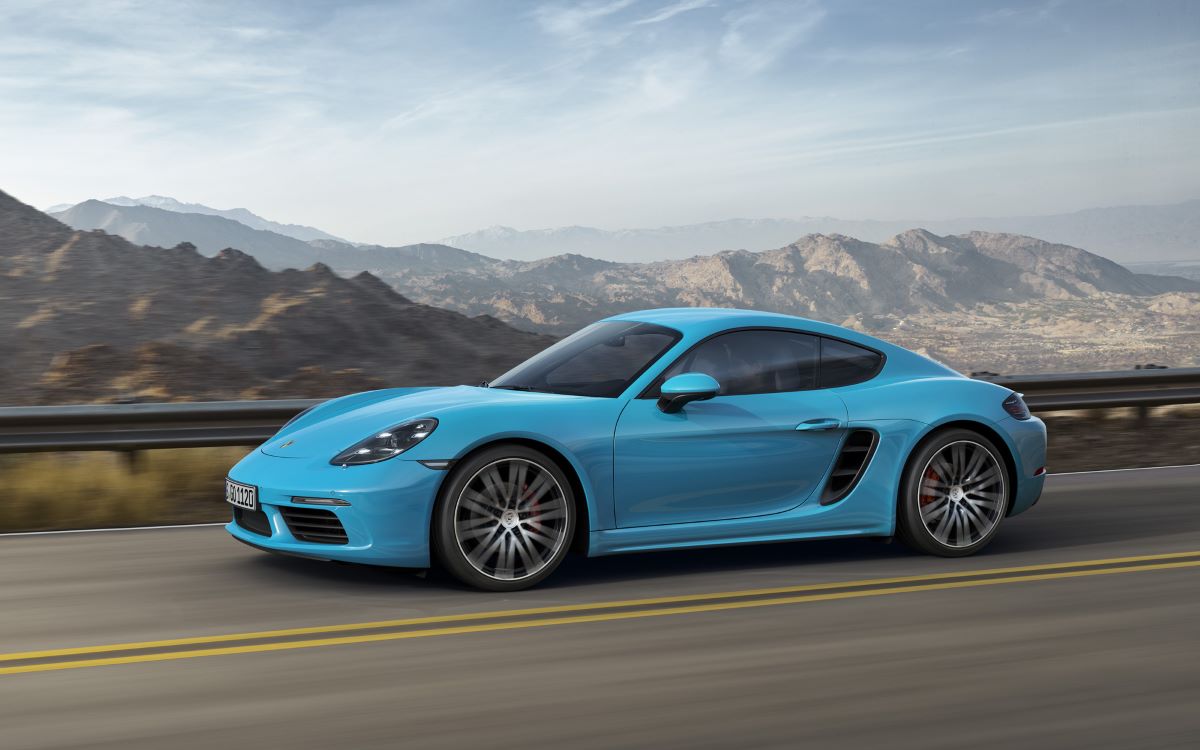
These vehicles offer a driving experience that remains compelling against contemporary competitors. Porsche’s evolutionary design approach means the 718 maintains the classic proportions and surfaces that have defined these models for decades.
The wider front track, reshaped headlights, and more aggressive front fascia differentiate the 718 from predecessors without resorting to overwrought styling.
The clean surfaces and functional aerodynamics create a purposeful appearance that ages gracefully. Optional LED headlights with four-point daytime running lights provide a modern lighting signature, while the sculpted rear haunches emphasize the mid-engine layout.
The interior showcases Porsche’s commitment to driver focus and material quality. The dashboard design, while evolutionary, incorporates modern elements including an available touchscreen infotainment system with Apple CarPlay and Android Auto features that maintain connectivity relevance.
The optional Sport Chrono package adds a central-mounted analog stopwatch that serves as both functional tool and stylish detail. Material quality throughout the cabin remains exceptional, with available leather, Alcantara, and carbon fiber trim pieces that maintain their appearance indefinitely with basic care.
Build quality represents a significant advantage. Porsches are engineered for longevity, with robust mechanicals and interiors that withstand use without developing rattles or wear.
The attention to detail in assembly means these cars feel tight and precise even with significant mileage, maintaining the new-car experience longer than most competitors.
Also Read: 8 Cars That Are Surprisingly Quick After a Simple Tune
5. 2018-2020 Honda Accord (10th Generation)
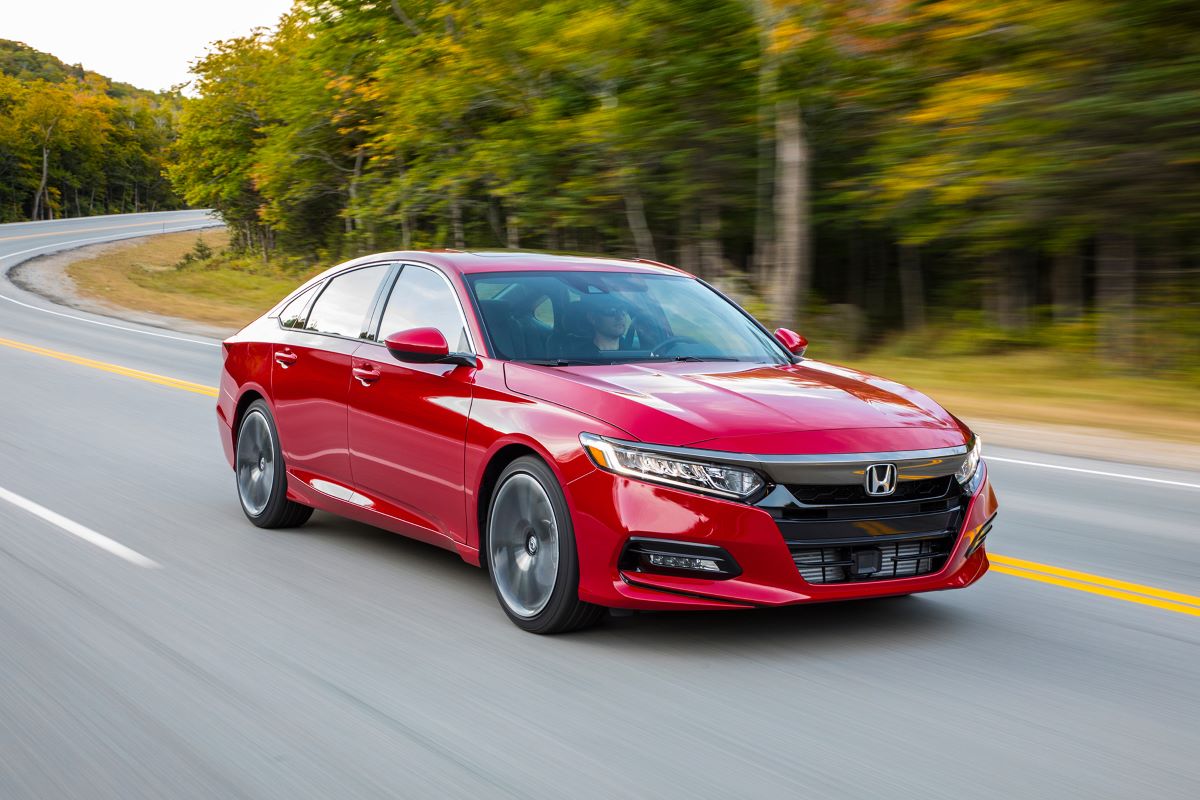
Honda’s tenth-generation Accord proves that mainstream sedans can feel modern and desirable in the used market when executed with thoughtful design and strong fundamentals.
This Accord represents a high point for the nameplate, offering style, technology, and driving dynamics that remain competitive. The exterior design marks a departure from conservative predecessors, featuring a coupe-like roofline, bold character lines, and an aggressive front fascia that give the Accord genuine road presence.
The proportions are athletic, with a long hood and short rear deck creating a rear-wheel-drive appearance despite front-wheel architecture.
LED headlights are standard across the range, providing a premium lighting signature, while the fastback-inspired profile gives the sedan a contemporary silhouette that hasn’t dated. The design manages to be distinctive without being polarizing, ensuring long-term visual appeal.
Inside, Honda made significant quality improvements that raise the Accord beyond typical family sedan expectations. The dashboard design features clean lines, attractive materials, and logical control placement.
The available digital instrument cluster and head-up display add premium touches, while the touchscreen infotainment system includes Apple CarPlay and Android Auto.
Physical volume knobs returned after customer feedback, showing Honda’s responsiveness to user needs an approach that has aged well as the industry recognizes the value of physical controls for frequently adjusted functions.
Material quality throughout the cabin impresses, with available leather upholstery, genuine trim materials, and solid switchgear that maintain their appearance and operation over time.
The seats provide excellent support and comfort, and rear-seat space remains generous despite the sporty roofline. The attention to detail in noise suppression creates a quiet cabin that rivals luxury competitors.
5 Used Cars That Feel Dated
These disappointing vehicles suffer from trend-chasing design elements and outdated technology interfaces that immediately reveal their age through awkward ergonomics and clunky operating systems that frustrate modern users accustomed to smartphone-like responsiveness.
Their problematic approach includes small resistive touchscreens and confusing menu structures that cannot match contemporary user experience expectations, creating frustration during basic operations like navigation, input, or audio source selection.
Despite being only a few years old, these vehicles feel ancient through their slow processors, pixelated displays, and excessive physical buttons that seem primitive compared to current automotive interfaces.
1. 2014-2017 Infiniti Q50
The Infiniti Q50 represents a cautionary tale in automotive design, feeling dated almost immediately upon release and becoming more obsolete with each passing year.
Despite replacing the well-regarded G37, the Q50 struggles with awkward styling, frustrating technology, and an identity crisis that has only become more apparent over time.
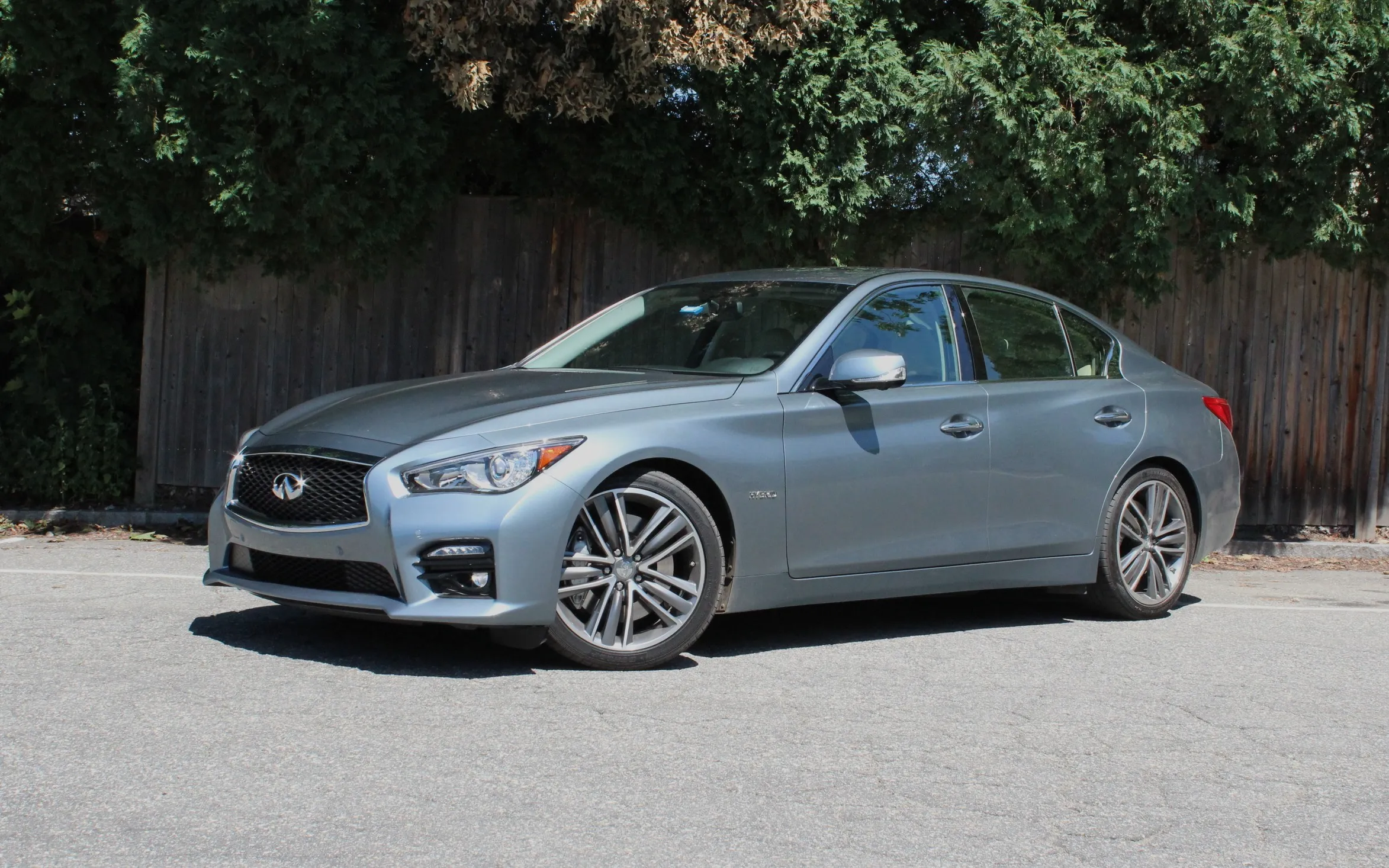
The exterior design attempted boldness but achieved confusion instead. The aggressive front fascia with gaping lower grille openings looks overwrought, while the greenhouse proportions feel heavy and cramped compared to the elegant G37.
The character lines seem to fight each other rather than creating a cohesive theme, and the shape lacks the athletic grace expected from a sports sedan.
Details like the oversized headlights and busy rear lighting design feel particularly dated, representing styling trends that quickly fell out of favor. The car sits awkwardly on its wheels, with proportions that never quite look right from any angle.
Inside, the dual-screen infotainment system that Infiniti promoted as cutting-edge instead proved disastrous. The lower touchscreen handles climate controls and various vehicle settings, but the interface is laggy, counterintuitive, and frustratingly unresponsive.
The upper screen displays navigation and audio information but cannot be touched, requiring operation through the lower screen or steering wheel controls an implementation that feels like a prototype rushed to production.
The screens themselves have poor resolution by modern standards, and the graphics look dated compared to contemporary systems. This technology centerpiece ages more poorly than simpler systems in competing vehicles.
The powertrain options include various versions of Infiniti’s VQ V6 engine, which sounds coarse and lacks the refinement of competing turbo engines.
Fuel efficiency lags behind turbocharged four-cylinder alternatives, and the seven-speed automatic transmission often feels confused about which gear to select.
The available hybrid model added complexity without meaningful efficiency improvements, and the Red Sport 400 variant, while quicker, couldn’t overcome the fundamental shortcomings of the platform.
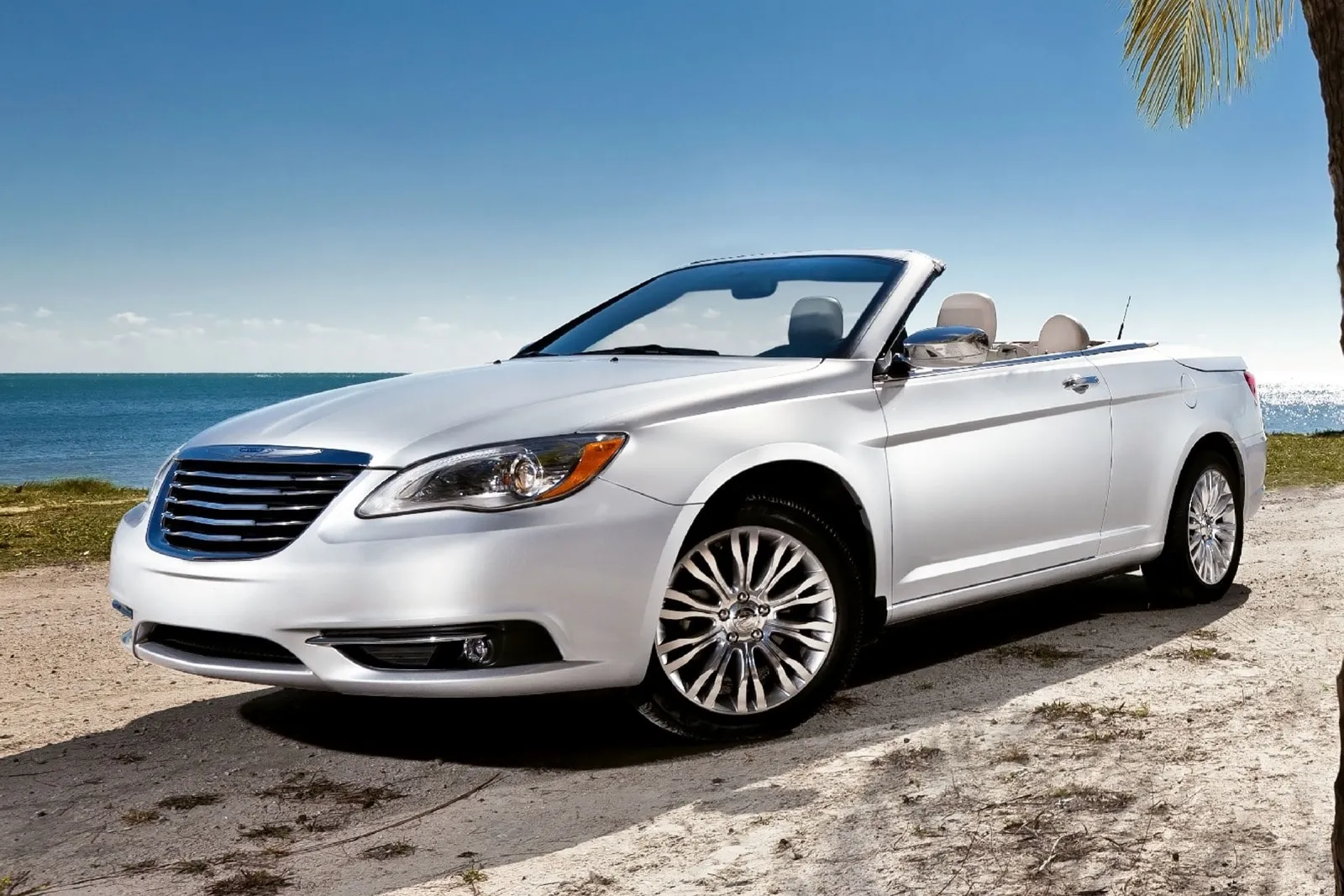
2. 2015-2018 Chrysler 200
The second-generation Chrysler 200 arrived with significant fanfare as proof that American manufacturers could compete with mainstream family sedans from Honda and Toyota.
Instead, it proved so fundamentally flawed that production ceased after just four model years, and these vehicles now feel like artifacts from a failed experiment.
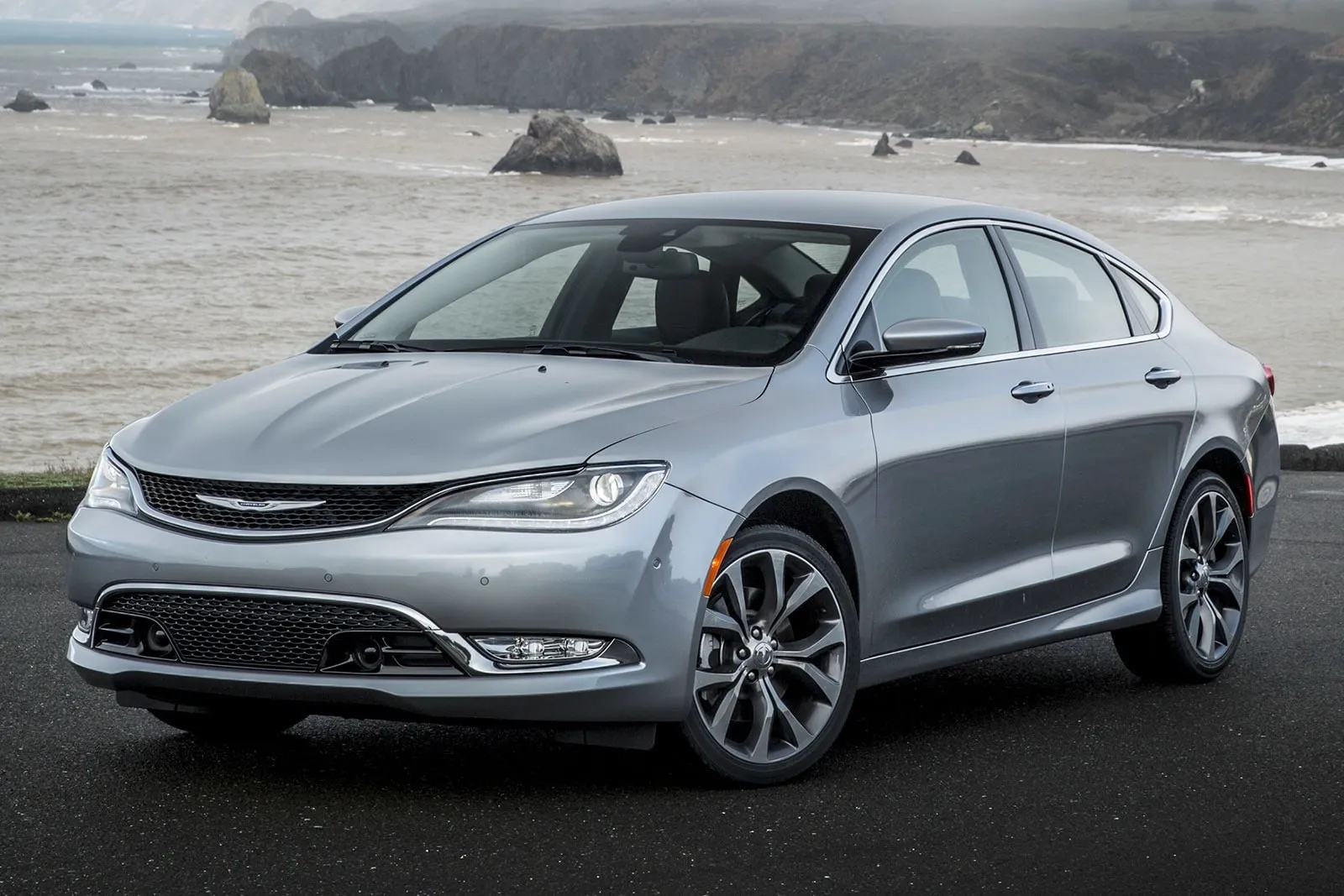
The exterior styling attempted sophistication through heavily applied chrome and complex surfacing, but the result feels contrived rather than elegant.
The front fascia features a prominent grille that tries too hard to mimic luxury brands, while the roofline slopes dramatically in a coupe-like fashion that compromises rear headroom without achieving genuine style.
The proportions feel off, with a stubby rear end and heavy visual weight that makes the car look smaller than it is. Details like the wraparound taillights and chrome accent pieces quickly dated, and panel gaps that were inconsistent when new have only worsened over time.
Inside, the 200’s cabin initially impressed with its Uconnect infotainment system one of the few bright spots. However, the surrounding materials and build quality tell a different story.
Hard plastics dominate surfaces, the available leather feels thin and cheap, and switchgear operates with unsatisfying action that often develops looseness over time.
The rotary shift dial for the nine-speed automatic transmission was meant to seem premium, but it feels awkward in operation and has proven reliability concerns.
The dashboard design, while cleaner than previous Chrysler efforts, lacks the thoughtful ergonomics of Japanese competitors. The driving experience exposes fundamental engineering compromises.
The base four-cylinder engine struggles to move the heavy sedan with adequate authority, while the available Pentastar V6, though more powerful, suffers from coarse refinement and mediocre fuel economy.
The widely criticized nine-speed automatic transmission delivers jerky shifts, hunts constantly for appropriate gears, and has suffered numerous reliability issues.
The steering feels overboosted and numb, while the suspension never strikes an acceptable balance between comfort and control, floaty on highways yet harsh over broken pavement.
Build quality issues plague these vehicles, with owners reporting electrical problems, transmission failures, suspension noises, and interior components that break or malfunction.
The cost of ownership becomes problematic as repairs mount, and the poor reliability reputation has cratered resale values. What seemed like a value proposition when new has become a cautionary tale about choosing the cheapest option.
3. 2013-2017 Nissan Altima
The fifth-generation Nissan Altima represents what happens when a manufacturer prioritizes cost-cutting and rental fleet sales over creating a compelling product.
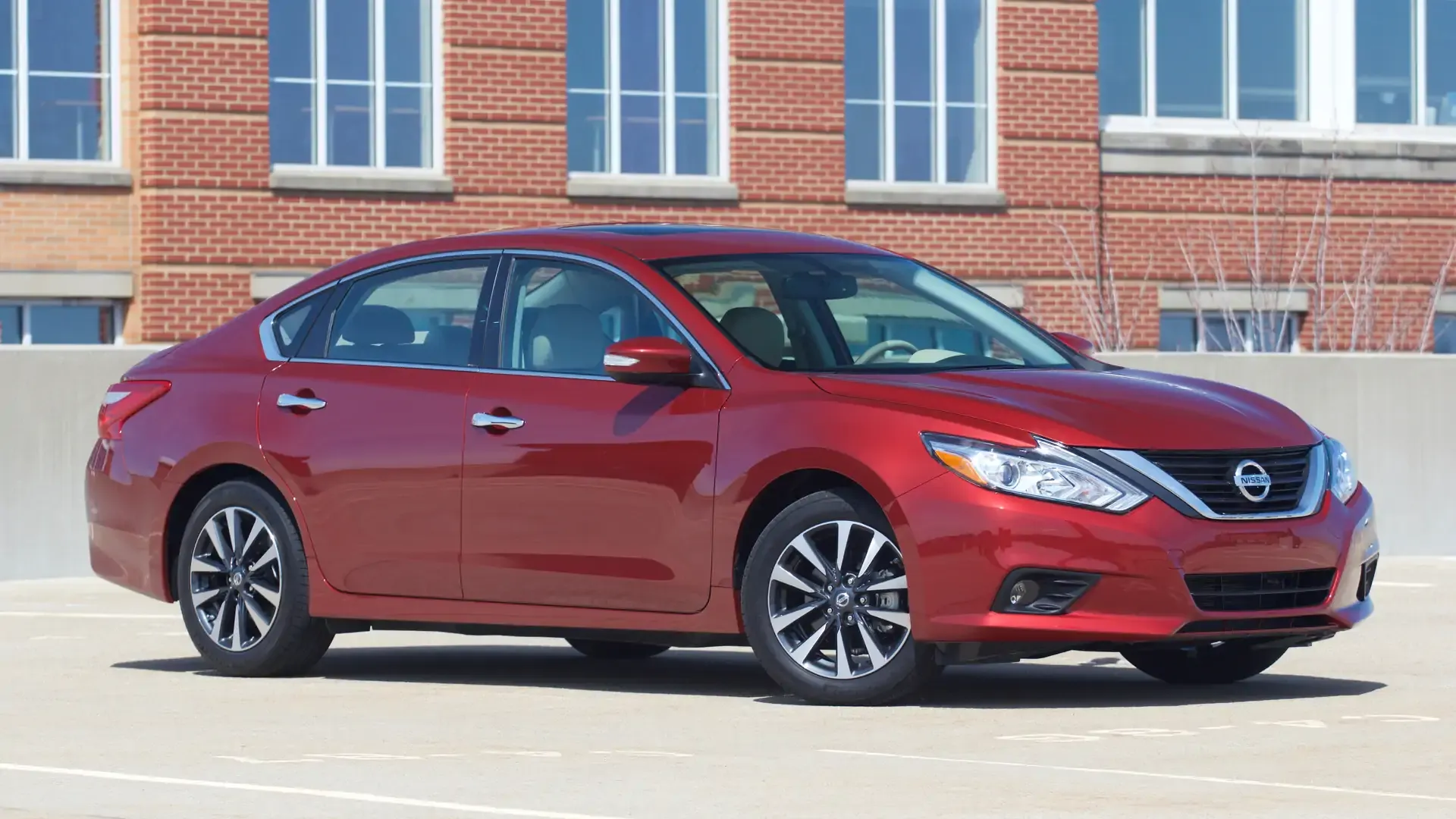
These vehicles feel outdated not just in comparison to current standards but even against their contemporary competitors when new. The exterior design is aggressively bland, with anonymous proportions and styling that could belong to almost any manufacturer.
The large trapezoidal grille dominates the front fascia without adding character, while the body sides feature stamped character lines that look like afterthoughts rather than intentional design elements.
The shape has sedan-by-committee mediocrity, lacking any distinctive details that might age into character. The headlights and taillights are functionally adequate but aesthetically forgettable, and optional equipment like alloy wheels does little to improve the forgettable appearance.
Inside, the Altima’s cabin immediately announces its budget priorities. Hard plastics cover nearly every surface, the available “leather” upholstery feels like vinyl, and switchgear operates with unsatisfying clicks and plasticky resistance. The dashboard design is generic and functional without being attractive or ergonomic.
The infotainment system in equipped models features a small, low-resolution screen with frustratingly slow response times and dated graphics.
The interface logic seems designed to maximize menu diving, and integration with modern smartphones feels tacked on rather than properly implemented.
The driving experience centers around maximizing fuel economy and minimizing production costs rather than delivering engagement or refinement.
The base four-cylinder engine provides adequate power but sounds coarse when worked hard and lacks the smooth character of competitors’ engines.
The CVT transmission, which Nissan employs across its lineup, drones unpleasantly under acceleration and has developed a poor reliability reputation with numerous failures reported.
The steering is light to the point of vagueness, and the suspension tuning prioritizes a soft, floaty ride that removes any connection between driver and road.
Technology features that were optional on higher trims, like navigation, blind-spot monitoring, or automatic emergency braking function adequately but lack the polish and refinement of better implementations.
The backup camera provides grainy imagery, and the suite of driver assistance features feels like it was developed with minimal investment.
4. 2014-2018 Jeep Cherokee (KL)
The fifth-generation Jeep Cherokee attempted to move the nameplate upmarket with unconventional styling and increased refinement, but the result was a vehicle that feels dated almost immediately and suffers from reliability issues that compound the aging process.
The exterior design proved immediately controversial with split headlight design that many found awkward or unattractive. The upper LED running lights sit where headlights typically belong, while the actual projector headlights are positioned lower on the fascia a design choice that creates a squinting, confused expression.
The proportions feel unusual, with a high beltline, small windows, and a stubby rear end that lacks the commanding presence expected from a Jeep. The seven-slot grille attempts to maintain brand identity but feels grafted onto a shape that doesn’t naturally accommodate it.
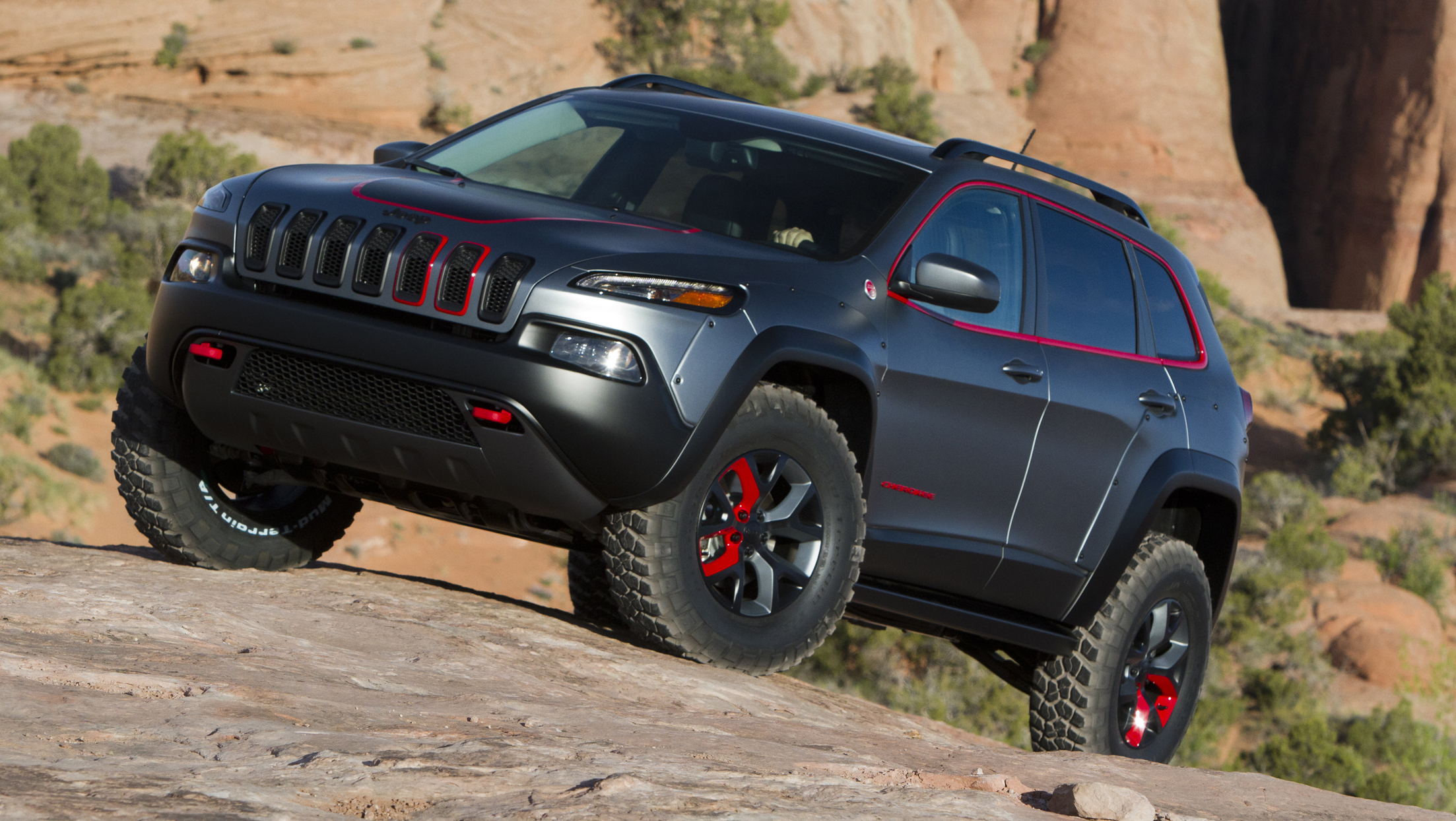
This polarizing design has aged poorly, representing a styling experiment that the market rejected and that looks increasingly odd as time passes. Build quality issues plague these vehicles extensively.
Owners report transmission problems, electrical gremlins, suspension noises, dashboard rattles, and various component failures. The cost of ownership escalates quickly as repairs mount, and the poor reliability reputation has destroyed resale values.
What seemed like a competitive entry in the compact SUV market when new has become a cautionary tale about prioritizing style over substance and rushing products to market before they’re properly developed.
Technology features that were current in 2014, like the Uconnect system, available navigation, and basic safety equipment, have aged into obsolescence more quickly than competitors’ offerings.
The screens are small by current standards, the resolution is poor, and functionality lags behind expectations. Safety technology was limited in early models, with comprehensive suites only becoming available in later production years, meaning many used examples lack features now considered standard.
5. 2015-2019 Acura TLX
The Acura TLX represents Honda’s luxury division at its most confused, creating a vehicle that felt like a half-measure when new and has aged into irrelevance.
Combining elements from the outgoing TSX and TL models without capturing the best qualities of either, the TLX exemplifies how corporate compromise produces mediocrity.
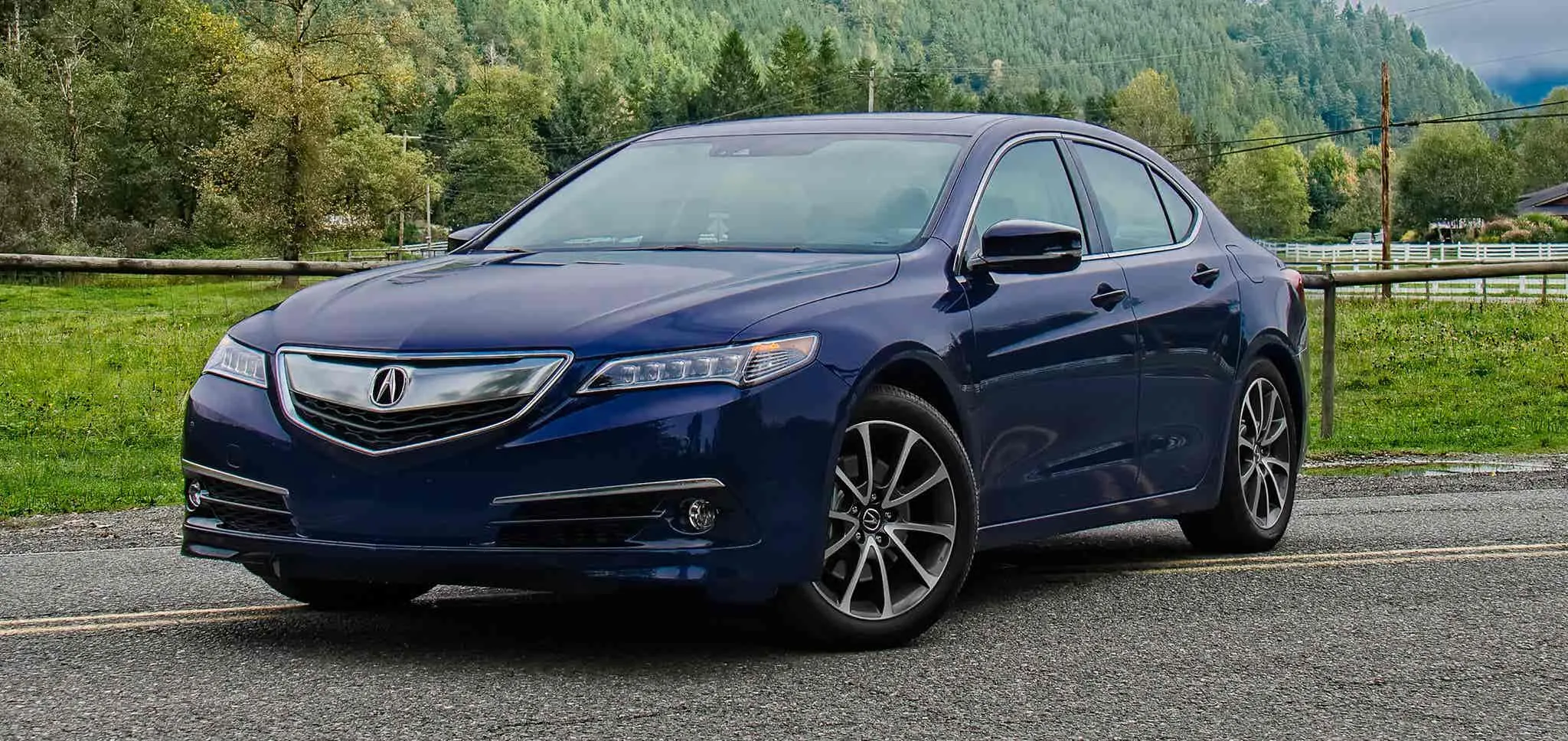
The exterior design attempts aggression through Acura’s “beak” front fascia a controversial design element that divided opinions when introduced and has aged poorly as Acura itself abandoned the approach in later vehicles.
The shield grille with metallic finish looks busy and overdone, while excessive character lines along the body create visual confusion rather than sophistication.
The proportions feel awkward, with a front-heavy appearance and a greenhouse that seems too small for the body. The attempt to create a sleek, coupe-like profile compromises interior space without achieving genuine style.
Details like the jeweled LED headlights were meant to distinguish Acura products but instead date the vehicle to a specific era of questionable design choices.
Inside, the dual-screen infotainment system represents perhaps the TLX’s most dated element. The upper screen displays navigation and main functions but cannot be touched, while the lower screen is touch-sensitive but handles secondary functions.
This implementation requires complicated interactions using a combination of touchscreen, physical buttons, and a trackpad-like interface that frustrate rather than simplify.
The resolution on both screens is poor by modern standards, the graphics look dated, and the system responds slowly to inputs. Competitors’ single-screen solutions from the same era have aged better simply by being less complicated.
Technology features that seemed adequate in 2015 now feel primitive. The AcuraWatch safety suite, while comprehensive on paper, functions with less refinement than contemporary systems from German or Japanese competitors.
The adaptive cruise control can be jerky, lane-keeping assist feels tentative, and the integration lacks polish. The navigation system requires expensive updates, and the awkward interface means many owners simply use their smartphones instead.
Also Read: 10 Cars With Factory Roof Rails That Actually Help
