
There’s an unspoken truth among car owners that rarely makes it into glossy brochures or dealership pitches: some vehicles are masters of disguise when it comes to hiding dirt, while others seem to attract and showcase every dust particle, water spot, and muddy splash like a badge of shame.
This phenomenon isn’t just about color, though that certainly plays a crucial role; it’s a complex interplay of paint finish, body panel design, surface texture, and even the shape of the vehicle itself.
For those who live in rainy climates, go through dusty rural roads, or don’t have the time or inclination to wash their car every week, choosing a vehicle that maintains a reasonably clean appearance between washes can be a game-changer.
These cars demand dedication, frequent detailing, and an acceptance that perfection is an elusive goal. Understanding which vehicles fall into each category can significantly impact your ownership experience, influencing everything from your weekly schedule to your stress levels. Let’s explore both ends of this spectrum in detail.
7 Cars That Look Clean Even When Dirty
These exceptionally forgiving vehicles feature matte paint finishes and textured body cladding that naturally disguise dust accumulation and minor dirt buildup, maintaining presentable appearances between washing cycles without constant detailing efforts.
Their thoughtful design includes darker color palettes and strategic body line placement that resist the visual impact typically associated with water spots, pollen layers, and road grime settling on horizontal surfaces.
From winter salt spray that challenges paint clarity to the constant dust exposure of gravel roads, these remarkable vehicles continue looking respectable without revealing weeks of neglect through obvious contamination patterns or swirl mark visibility.
1. Jeep Wrangler (Dark Colors)
The Jeep Wrangler, particularly in darker shades like black, granite crystal, or sting-gray, stands as the undisputed champion of disguising dirt and grime.
This isn’t accidental, the Wrangler’s entire design philosophy centers on off-road capability and rugged utility, which naturally leads to styling choices that work in favor of concealing environmental damage.
The matte or semi-matte texture available on many Wrangler trim levels actively works against showing dirt because it lacks the reflective surface that makes imperfections so visible on glossy finishes.
The Wrangler’s body design features numerous breaks, angles, and textured surfaces rather than smooth, uninterrupted panels. The fender flares, often made from textured plastic, never show dirt regardless of conditions.
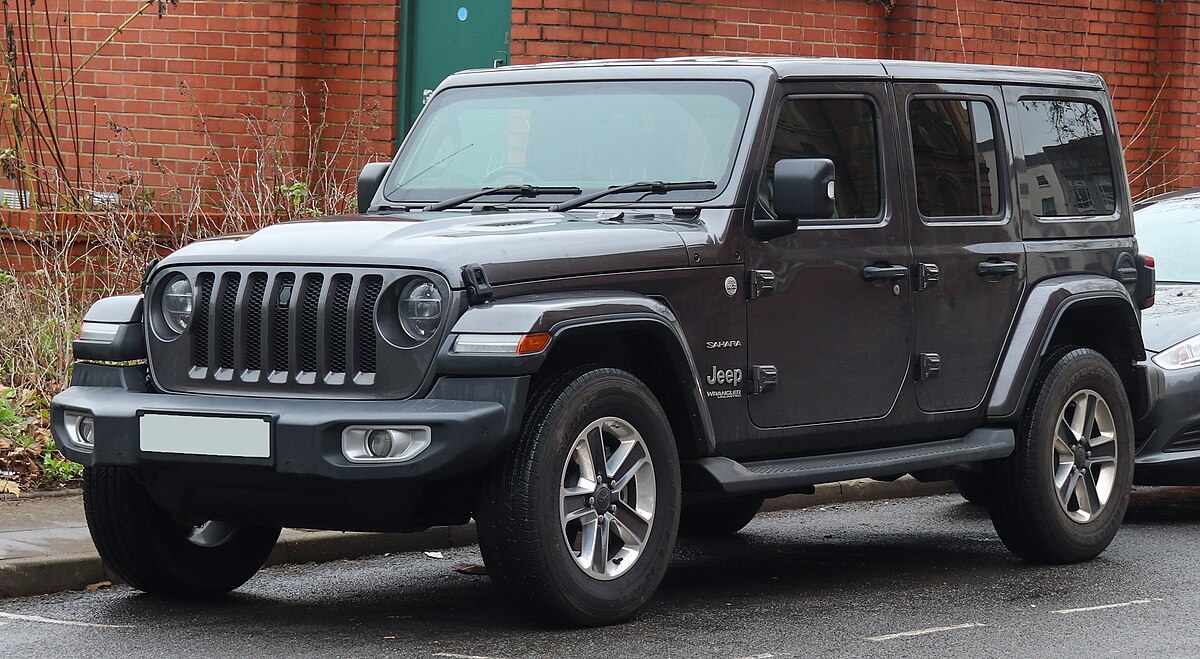
The flat, nearly vertical hood and windshield mean that water and dirt don’t streak as dramatically as they would on more aerodynamically shaped vehicles.
Even though the removable doors and top contribute to the vehicle’s forgiving appearance, there’s simply less surface area for dirt to accumulate visibly.
From a practical standpoint, Wrangler owners often embrace the dirt as part of the lifestyle. The removable carpet and drain plugs in the floor, along with easily cleanable interior surfaces, mean that matching the exterior’s tolerance for dirt exists inside too.
Whether you’ve spent the weekend on muddy trails or simply haven’t washed your vehicle in a month, the Wrangler maintains its characteristic rugged charm without screaming “neglected.”
2. Subaru Outback (Green or Gray Shades)
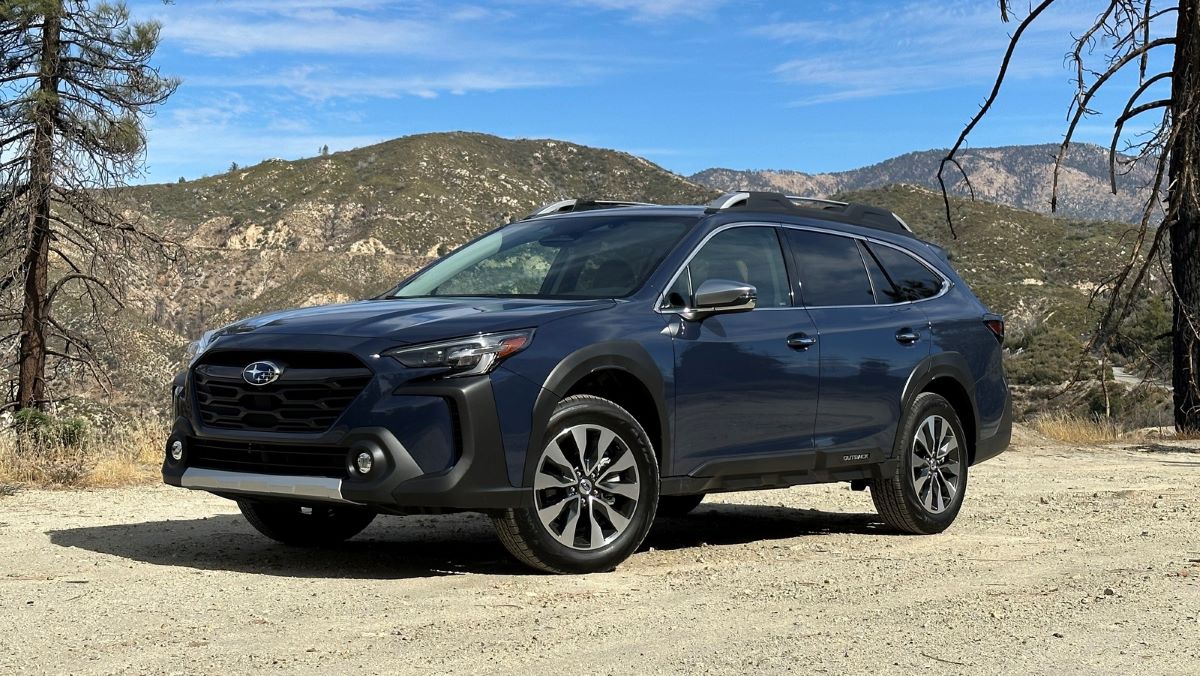
The Subaru Outback has earned its reputation as the vehicle of choice for outdoor enthusiasts, and its ability to hide dirt certainly contributes to that status.
Particularly in colors like wilderness green, magnetite gray, or the various dark blue options Subaru offers, the Outback manages to look presentable even after extended periods between washes.
The secret lies partially in Subaru’s paint formulations, which often incorporate subtle metallic flakes that create visual depth and help break up the appearance of dust and light dirt.
The Outback’s raised ride height and black plastic cladding along the lower portions of the vehicle serve a dual purpose: protecting the paint from rock chips while also hiding the area where road spray and mud accumulate most heavily.
This cladding extends high enough on the vehicle that the dirty “splash zone” is essentially invisible unless you’re examining the car closely.
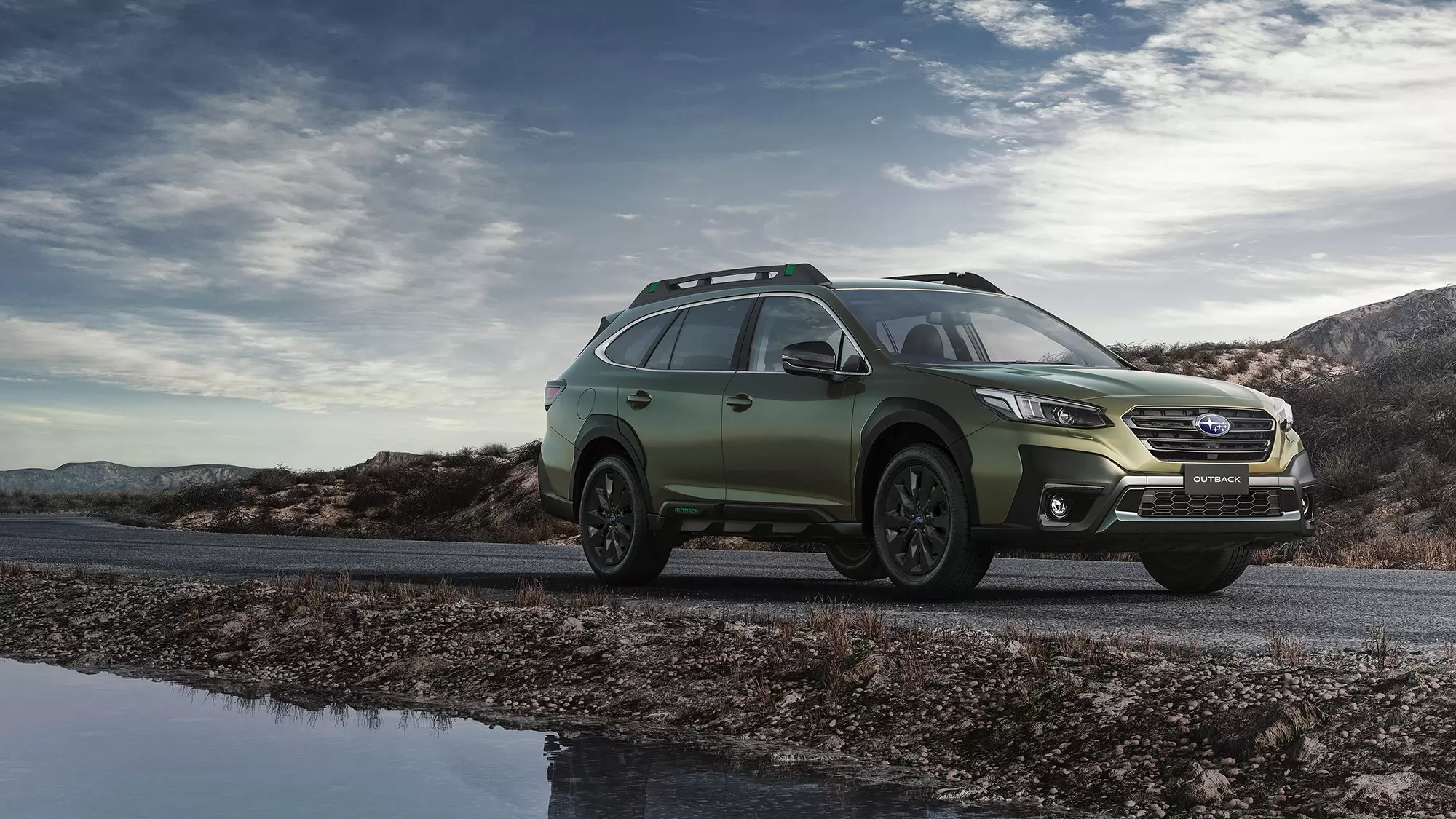
The wheel wells, similarly surrounded by protective black plastic, never look clean even when washed, so they never look particularly dirty either they maintain a consistent appearance that doesn’t draw attention.
The Outback’s typical ownership demographic also influences perception. These vehicles are commonly seen at trailheads, ski resorts, and campgrounds environments where cleanliness is neither expected nor particularly valued.
Water spots on the windows blend into the dark trim, and dusty mirrors simply look like they belong. For dog owners, campers, mountain bikers, and anyone who regularly loads gear, the Outback’s tolerance for imperfection makes it a stress-free ownership experience that doesn’t require constant cleaning to maintain social acceptability.
3. Toyota 4Runner (Midnight Black or Magnetic Gray)
The Toyota 4Runner represents old-school SUV design that prioritizes function and durability over contemporary styling flourishes, and this traditional approach pays dividends when it comes to hiding dirt.
In darker colors, particularly Toyota’s midnight black metallic or magnetic gray metallic, the 4Runner can go weeks without washing while still looking reasonably presentable.
The 4Runner’s design incorporates substantial amounts of black plastic trim on the bumpers, fender flares, side steps, and rocker panels.
This high-contrast approach means that the dirtiest parts of the vehicle the lower third where road spray concentrates essentially disappears into black-on-black uniformity.
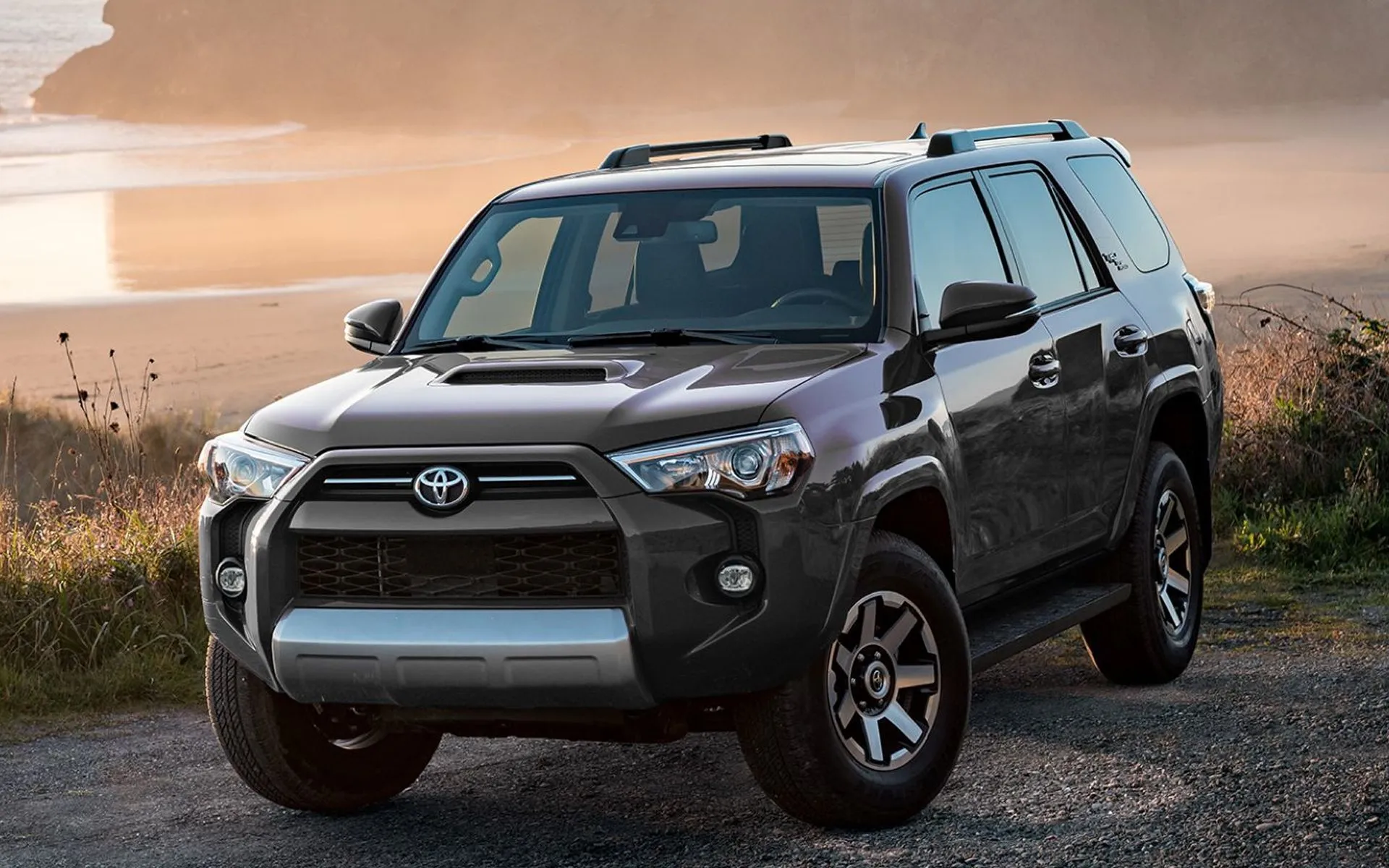
Even on lighter-colored 4Runners, this black trim hides significant grime. The squared-off wheel arches and chunky proportions create shadows that further obscure dirt, especially in normal viewing conditions where you’re not examining the vehicle under harsh direct lighting.
The 4Runner’s cultural positioning as an adventure vehicle also affects how its cleanliness is perceived. Similar to the Wrangler, a 4Runner caked in mud from mountain roads or dusty from desert exploration looks purposeful rather than neglected.
For buyers who want genuine off-road capability, towing capacity, and legendary Toyota reliability without the burden of constant detailing, the 4Runner in a forgiving dark color represents an ideal choice that looks appropriate whether freshly detailed or between washes.
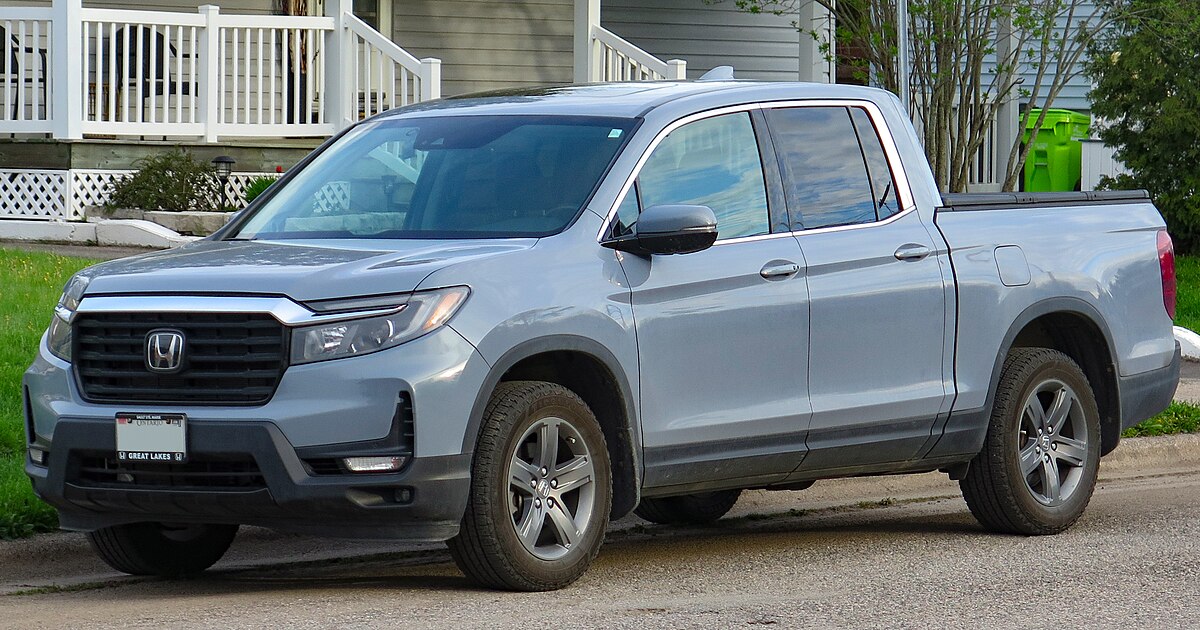
4. Honda Ridgeline (Dark-Tinted Colors)
The Honda Ridgeline occupies a unique space in the pickup truck market, and its design includes several features that help it hide dirt effectively, particularly in darker shades like crystal black pearl, modern steel metallic, or obsidian blue pearl.
Unlike traditional body-on-frame trucks, the Ridgeline’s unibody construction allows for smoother integration between the cab and bed, with fewer seams and gaps where dirt becomes trapped and visible.
The subtle body-colored bumpers and integrated design elements create visual continuity that doesn’t emphasize dirty sections the way chrome-heavy traditional trucks might.
The Ridgeline’s composite truck bed, a signature feature, maintains its dark appearance regardless of use. Unlike painted metal beds that show scratches, scrapes, and dirt accumulation, the Ridgeline’s bed looks consistently used but functional.
This extends the dirt-hiding principle to the cargo area, meaning you can actually use your truck for hauling without the guilt of damaging pristine surfaces.
The dual-action tailgate and in-bed trunk further contribute to the practical nature of the design, and these features maintain their appearance even with regular use.
The Ridgeline appeals to buyers who want truck utility without traditional truck compromises, and this practical mindset extends to maintenance expectations.
For suburban families, weekend warriors, and practical-minded truck buyers, the Ridgeline offers genuine utility with surprisingly forgiving aesthetics that don’t punish you for actually using your vehicle as intended.
Also Read: 10 Cars With Factory Roof Rails That Actually Help
5. Mazda CX-5 (Machine Gray or Polymetal Gray)
Mazda’s recent design philosophy emphasizes what they call “Kodo” design language, featuring flowing lines and sophisticated proportions, but their gray color options particularly machine gray metallic and the newer polymetal gray metallic prove remarkably forgiving when it comes to hiding dirt.
These specific shades occupy a middle ground between light and dark that seems to absorb minor imperfections while maintaining visual interest.
The multiple layers of metallic flakes in Mazda’s premium paint create depth and complexity that helps disguise dust and light grime.
The CX-5’s design incorporates subtle character lines and surface tension rather than stark creases, meaning dirt doesn’t accumulate in obvious linear patterns.
The hood flows smoothly into the windshield with gradual curves rather than sharp angles, so water and dirt don’t create dramatic streak patterns.
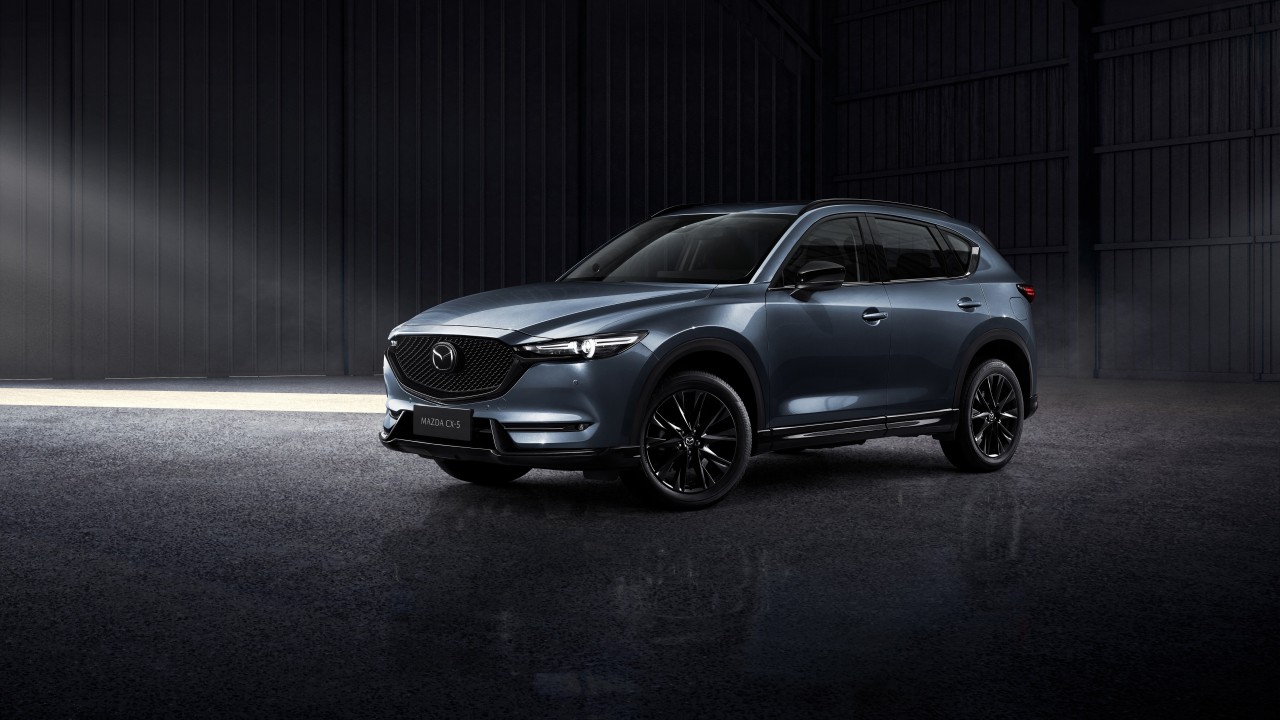
The black lower trim, though less extensive than on more rugged vehicles like the Outback, still conceals the areas most prone to road spray.
The dark-tinted windows and black roof (on models equipped with it) create additional visual breaks that prevent the eye from focusing on slightly dusty paint surfaces.
For suburban families, young professionals, and design-conscious buyers who don’t want cleaning obligations to dominate their vehicle ownership experience, the CX-5 in these specific gray tones offers a sweet spot between aesthetic appeal and practical forgiveness.
6. Ford F-150 (Agate Black or Antimatter Blue)
The Ford F-150, America’s best-selling vehicle for decades, benefits from design choices that help it maintain appearance even under working conditions appropriate for a truck that many buyers actually use for hauling and towing.
In darker colors like agate black or antimatter blue, the F-150’s large surface areas paradoxically work in its favor because the dark paint provides uniform coverage where dirt becomes less contrasting.
The aluminum body panels used since 2015 also seem to shed some types of dirt more easily than traditional steel, though this remains debated among owners.
The F-150’s design incorporates black plastic elements on the bumpers, wheel arches, and rocker panels, particularly on work-focused trims like the XL and XLT. These elements create a dirty-work zone where inevitable splashes and spray become invisible.
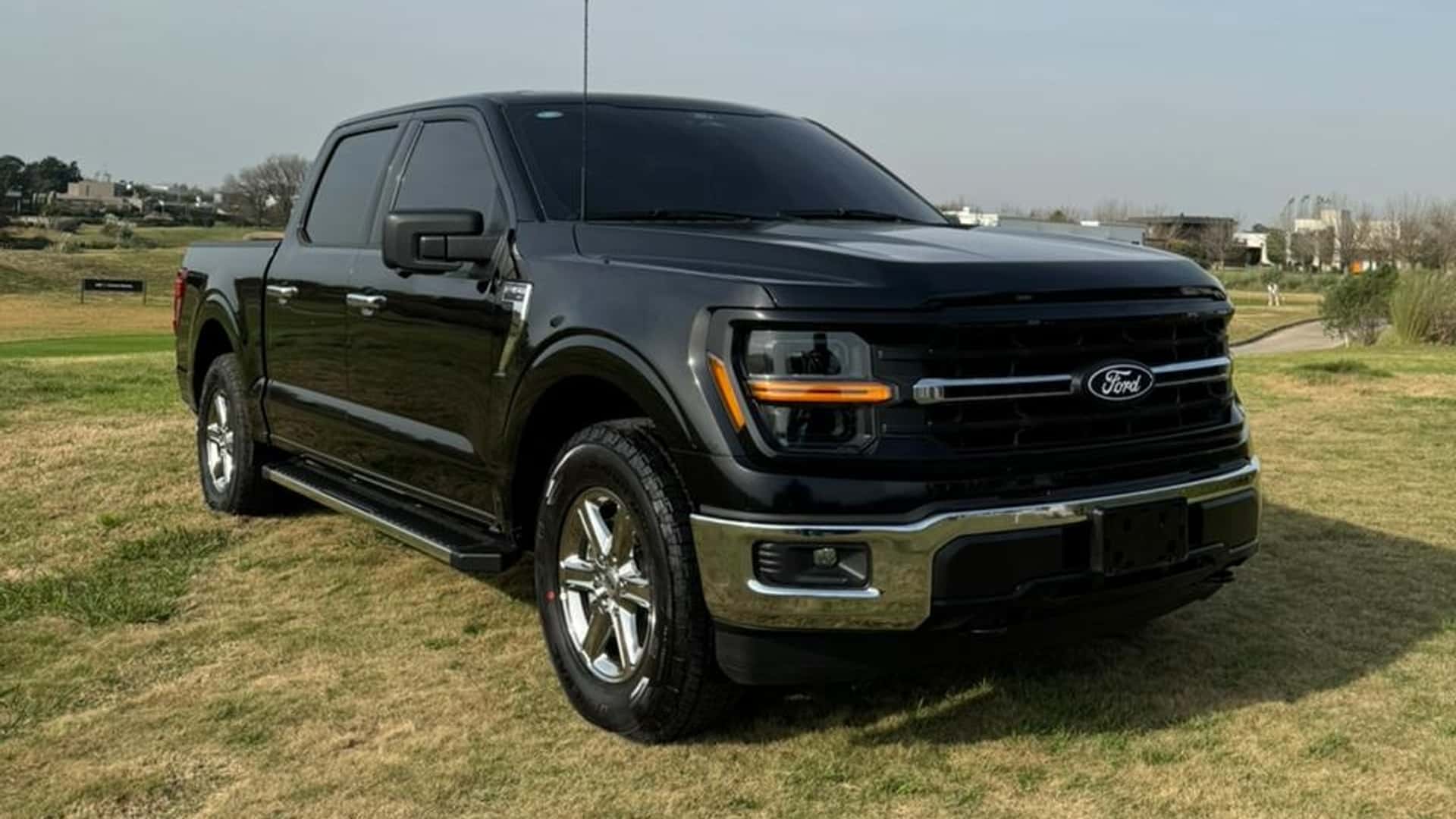
The higher ride height of the F-150, especially on four-wheel-drive models, means the dirtiest sections sit well below typical sight lines.
The textured spray-in bedliner (on equipped models) and black plastic bed rail caps ensure the cargo area always looks functional rather than neglected, even after hauling construction materials or landscaping supplies.
For contractors, outdoor enthusiasts, families with active lifestyles, and anyone who needs real truck functionality, the F-150 in forgiving dark colors delivers capability without constant cleaning commitment.
7. Nissan Frontier (Gun Metallic or Magnetic Black)
The Nissan Frontier, particularly since its recent redesign, offers rugged truck styling that naturally hides dirt and maintains a workmanlike appearance even between washes.
In darker shades like gun metallic or magnetic black, the Frontier’s angular design and textured surfaces work together to mask the environmental toll of daily driving.
The Frontier appeals to buyers seeking affordable truck utility without pretension, and this straightforward approach extends to maintenance expectations that don’t require showroom condition at all times.
The Frontier’s design incorporates substantial black plastic elements on the bumpers and wheel arches, particularly on off-road-focused trims like the Pro-4X. These elements create continuity with the darkest, dirtiest portions of the vehicle, essentially making road spray invisible.
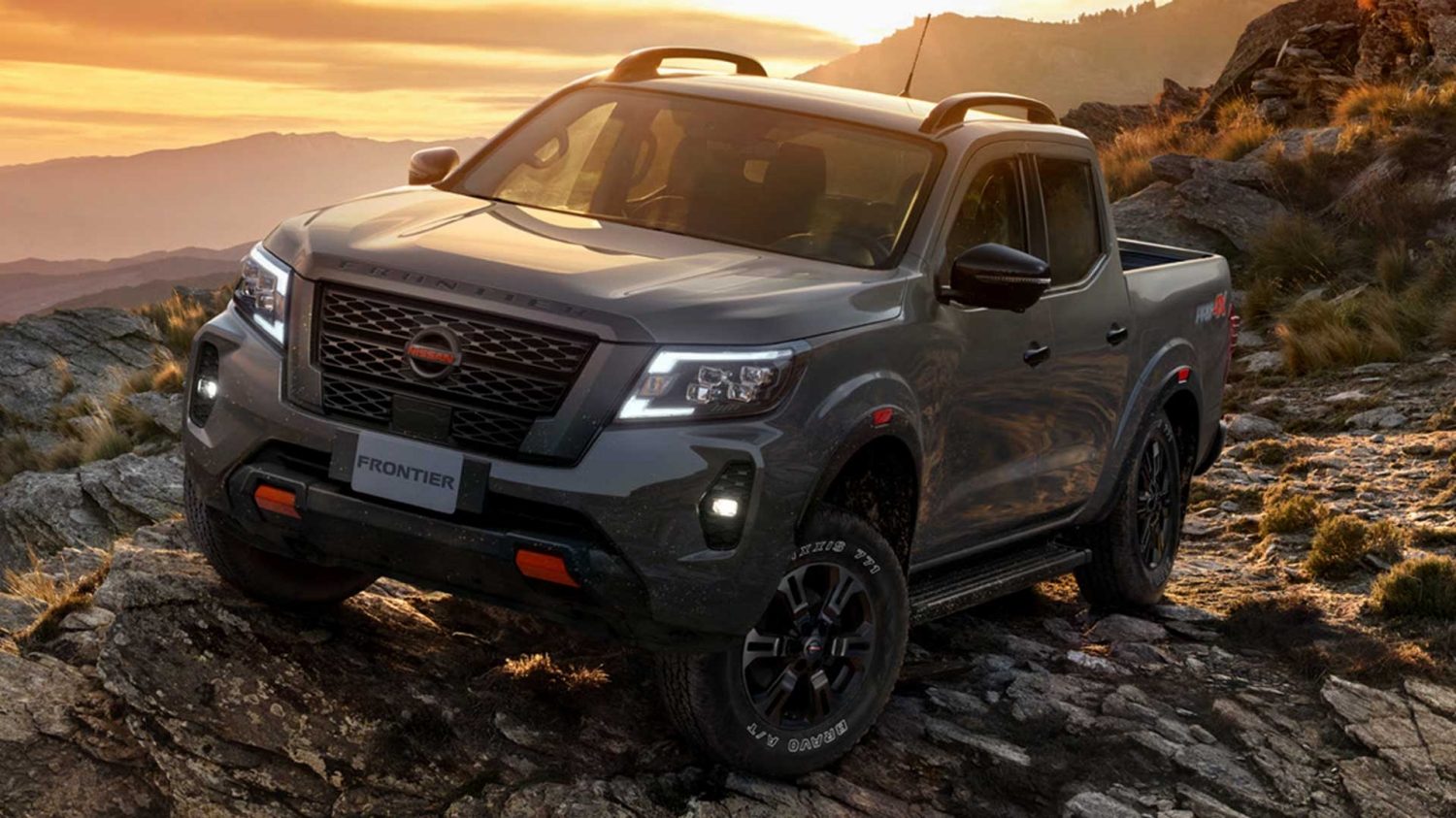
The textured plastic side steps and rocker panel guards on equipped models add another layer of dirt concealment, protecting paint while hiding accumulated grime.
The spray-in bedliner standard on many trims ensures the cargo area always looks ready for work rather than requiring protection. The Frontier’s market positioning as a value-focused, capability-oriented truck means buyers typically prioritize function over form.
For budget-conscious buyers, practical-minded truck users, and anyone who wants reliable utility without maintenance anxiety, the Frontier in darker colors delivers exactly what’s needed: capability that doesn’t demand constant aesthetic attention.
7 Cars That Show Every Speck
These frustrating vehicles suffer from glossy black paint and expansive horizontal surfaces that immediately reveal every fingerprint, water spot, and dust particle within hours of professional detailing, creating constant maintenance demands for appearance conscious owners.
Their problematic design includes piano black trim pieces and large glass areas that cannot hide contamination buildup, making vehicles appear neglected after just days of normal driving exposure to environmental elements.
Despite frequent washing efforts and premium detailing products, these surfaces develop visible swirl marks, water spotting, and dust accumulation that undermine the vehicle’s premium appearance and create obsessive cleaning routines.
1. Tesla Model 3 (Pearl White Multi-Coat)
Tesla’s pearl white multi-coat, the company’s signature no-cost color option, might be one of the most unforgiving finishes in modern automotive production.
The multi-stage pearl paint creates a luminous, almost glowing appearance when clean, but this same characteristic makes even the slightest contamination immediately visible.
The Model 3’s smooth, aerodynamically optimized body panels designed to minimize drag for maximum range provide uninterrupted expanses of glossy paint where every water spot, dust particle, and bird dropping becomes a focal point.
The Model 3’s design emphasizes minimalism and simplicity, which translates to large, smooth surface areas across the hood, doors, and rear hatch. These surfaces act like canvases that display every environmental interaction in high definition.
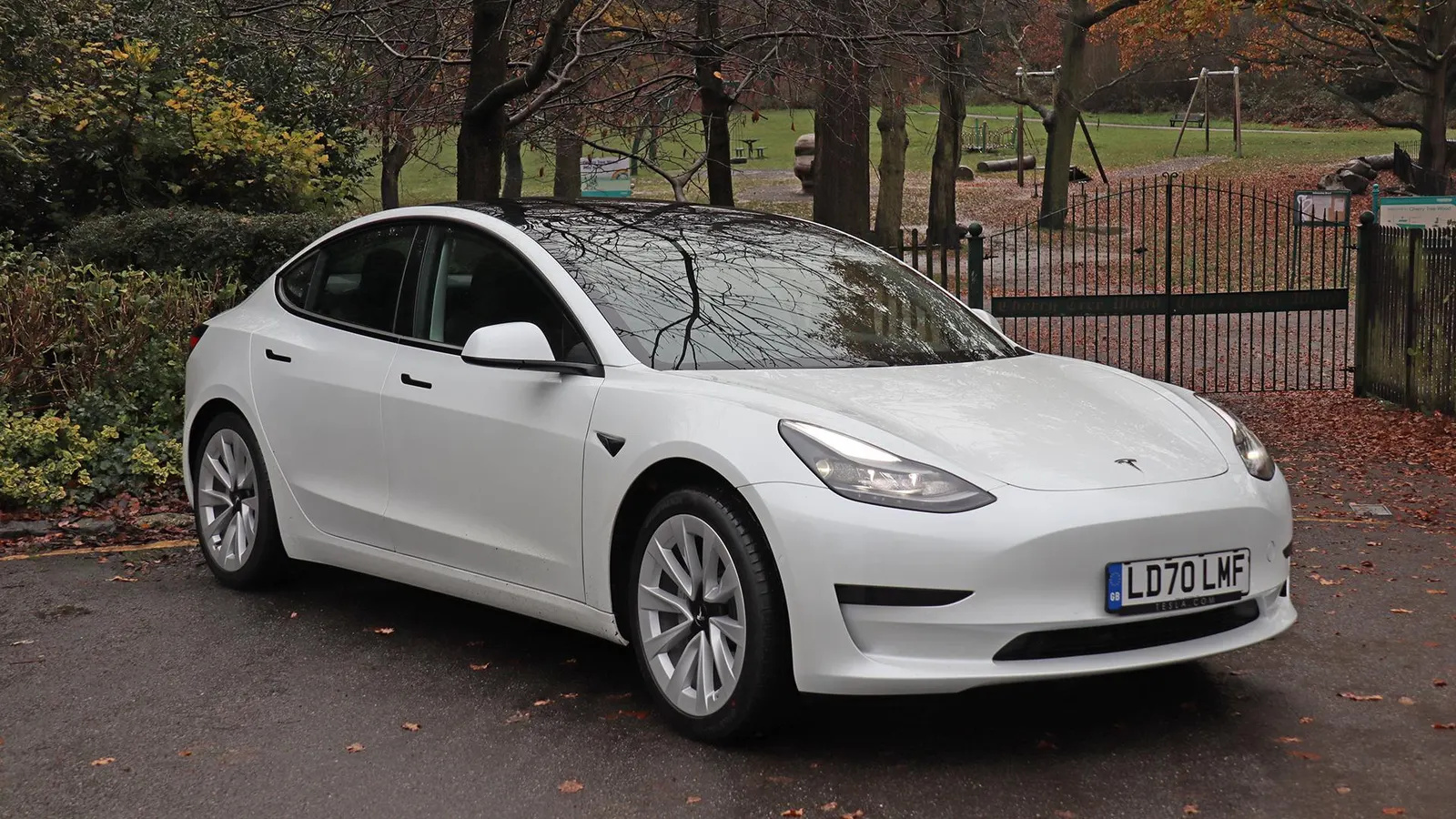
The white color particularly shows brake dust accumulation on the wheels, which becomes immediately visible against both the white paint and the bright silver or dark-colored wheel finishes Tesla offers.
The flush door handles, while aerodynamically advantageous, show finger marks and hand oils every time you enter the vehicle, creating dirty contact points that stand out dramatically against pure white.
The Model 3’s popularity in urban environments means these vehicles are often parked on streets where they’re exposed to tree sap, bird droppings, urban pollution, and other contaminants.
For the image-conscious buyer attracted to Tesla’s tech-forward brand, a dirty Model 3 undermines the premium positioning, making this beautiful color choice a high-maintenance relationship.
2. BMW 3 Series (Alpine White or Jet Black)
BMW’s premium positioning demands aesthetic perfection, and both their Alpine white and jet black paint options classic BMW colors prove utterly unforgiving to anything less than showroom condition.
The 3 Series, with its sophisticated kidney grille, sculpted hood, and flowing character lines, features complex surfacing designed to catch light and create visual drama. These same design elements catch dirt and make it equally dramatic.
The glossy finish BMW applies creates a mirror-like surface when clean, but this reflectivity works against you when contaminated, highlighting every imperfection.
On Alpine white 3 Series models, road grime creates immediately visible gray and brown patterns, particularly along the lower doors and rear bumper. The black accents grilles, window trim, mirror caps show dust and pollen as a contrasting film.
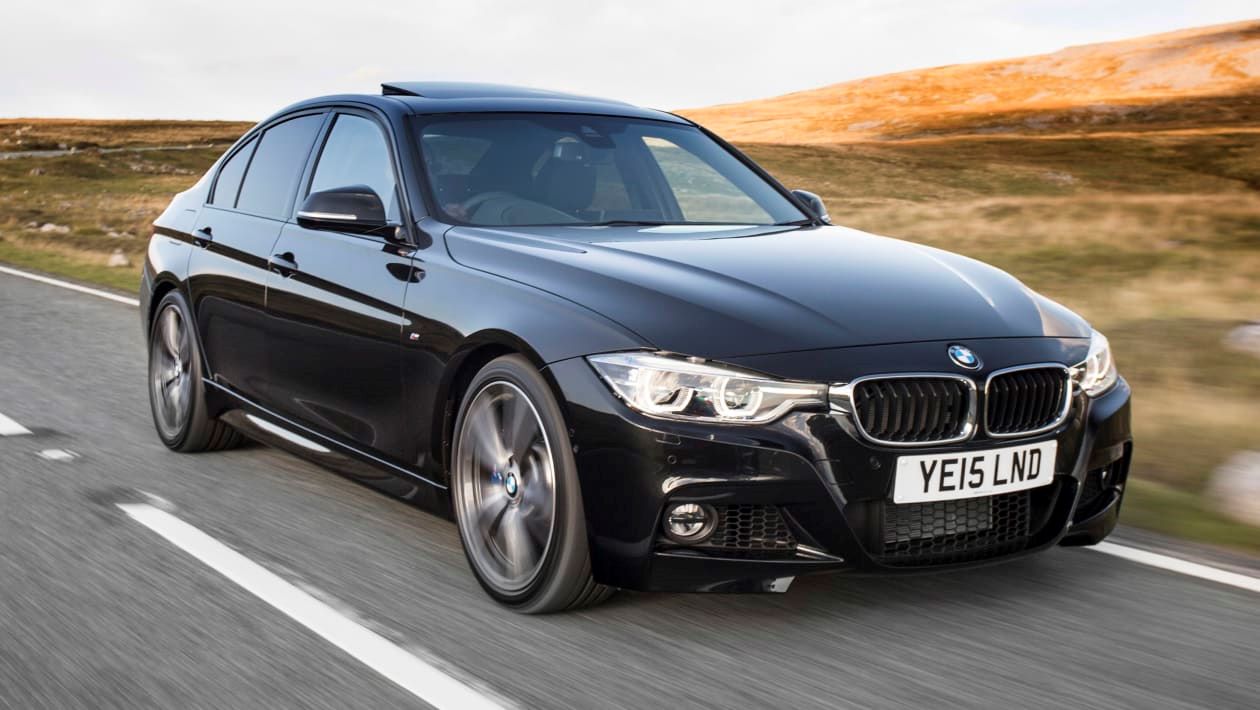
The brake dust from BMW’s powerful braking systems creates a constant battle, coating the wheels in dark residue that stands out dramatically against white paint.
Even the aerodynamic design, which routes air smoothly over the body, channels dirt and water into specific patterns along the flanks and rear that become signature dirty spots requiring attention.
BMW ownership attracts buyers who value driving dynamics, luxury, and brand prestige. These owners often park in office lots alongside colleagues’ vehicles, and appearance becomes part of professional image.
For the truly dedicated, these colors showcase BMW’s sophisticated design beautifully, but for casual owners, they transform vehicle ownership into an endless cleaning obligation.
3. Porsche 911 (Carrara White or GT Silver)
Porsche’s paint quality ranks among the finest in the automotive world, with thick, lustrous finishes that showcase the 911’s iconic curves beautifully when clean.
However, this same paint quality makes dirt equally visible, particularly on lighter colors like Carrara white metallic or GT silver metallic.
Bugs meet their end on this surface in spectacular fashion, and removing them without damaging the paint requires careful attention and proper products.
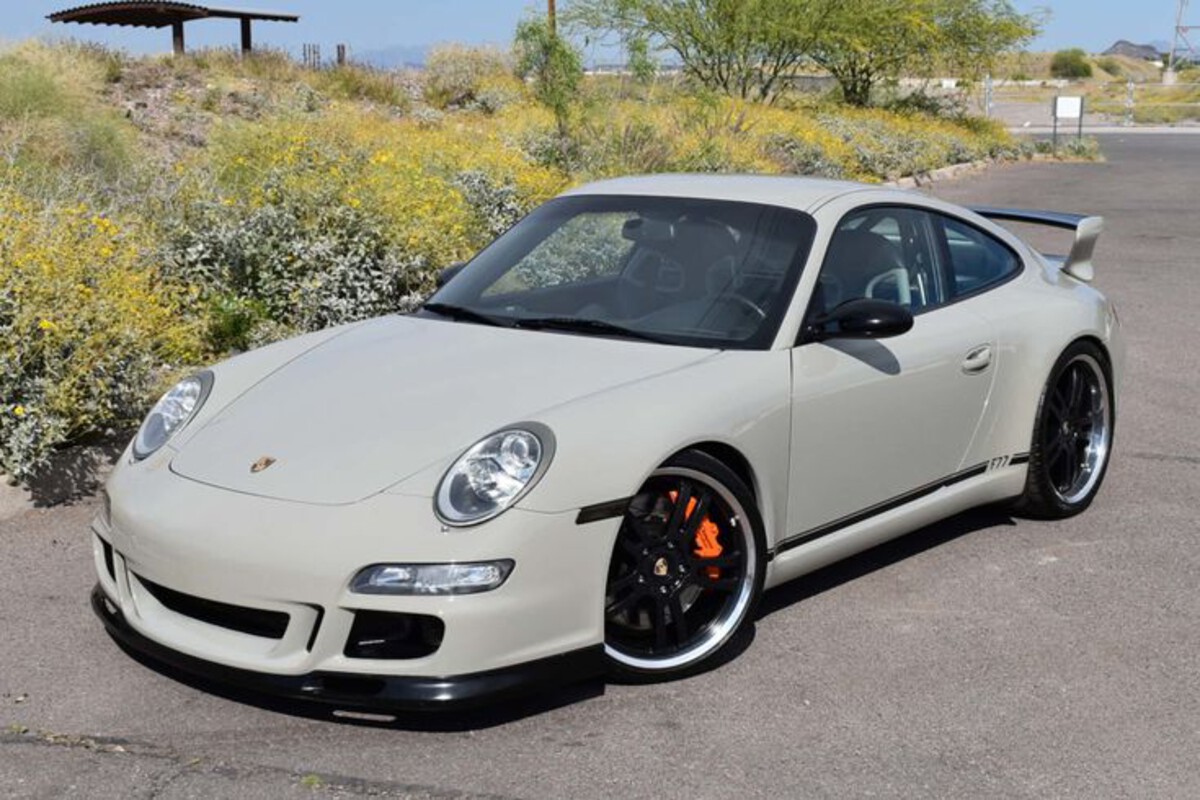
The curved fenders, celebrated for their aesthetic appeal, create shapes that hold dust and water in visible patterns. After rain, water pools in specific locations and dries into prominent spots that mark the surface like a topographical map.
Porsche ownership represents automotive passion, and the 911 specifically commands respect as an engineering icon. Owners typically invest significant resources in maintenance, performance, and aesthetics.
For collectors and enthusiasts, this attention is part of the ownership experience, but for those seeking to drive their 911 as a daily driver, these unforgiving colors create constant aesthetic anxiety.
4. Mercedes-Benz S-Class (Polar White or Obsidian Black)
The Mercedes-Benz S-Class represents the pinnacle of luxury sedans, with design and materials that communicate wealth, status, and taste.
In polar white or obsidian black Mercedes’ premium paint options the S-Class demands perfection in appearance to support its luxury positioning.
The car’s design philosophy emphasizes smooth, flowing surfaces with minimal visual disruption, creating what Mercedes calls “sensual purity.”
On polar white models, the contrast between the bright paint and chrome creates additional opportunities for dirt to become visible, particularly where the two surfaces meet.
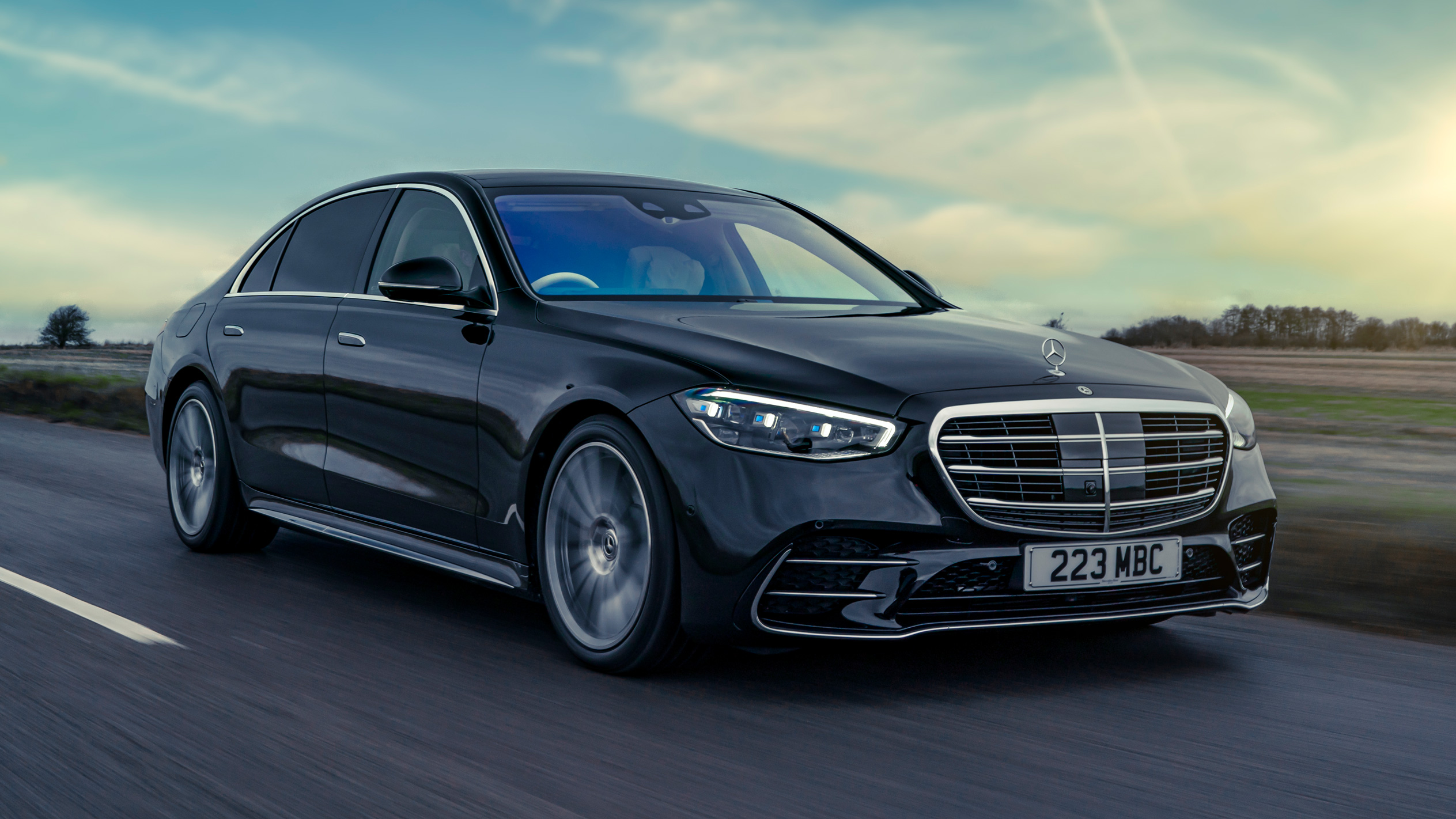
The sloping roofline and curved rear window channel water into specific patterns that dry into visible streaks. The large glass surfaces, including the panoramic sunroof available on most models, show streaks and spots that are visible both from outside and from within the cabin.
The S-Class’s typical ownership scenario includes valet parking at upscale venues, arriving at business meetings, and maintaining social status within affluent communities.
A dirty S-Class sends unintended messages about financial status or personal standards. Many S-Class owners employ regular detailing services rather than washing vehicles themselves, understanding that maintaining appropriate appearance is part of owning this level of luxury.
The car demands garage storage to protect from elements, ceramic coatings or regular waxing for protection, and professional detailing to maintain a showroom appearance.
For owners who can accommodate these demands, the S-Class in these colors showcases automotive luxury at its finest, but the commitment required makes these colors suitable only for the truly dedicated or those with resources to delegate the responsibility.
5. Lexus ES (Eminent White Pearl or Caviar)
Lexus built its reputation on reliability, quality, and attention to detail, and their paint quality exemplifies these values with thick, lustrous finishes that rival far more expensive brands.
However, this quality makes dirt equally visible, particularly on extreme colors like eminent white pearl or caviar (their premium black).
The ES, designed as Lexus’s accessible luxury sedan, features the brand’s signature spindle grille and flowing design language with expansive smooth surfaces that showcase the paint quality and unfortunately, any dirt that mars it. Eminent white pearl incorporates multiple layers of pearl pigments that create an almost ethereal glow in proper lighting.
This sophisticated finish results from a complex painting process, and the same characteristics that create beauty when clean make contamination immediately visible. The white shows road grime as gray patterns, particularly along the rocker panels and lower doors.
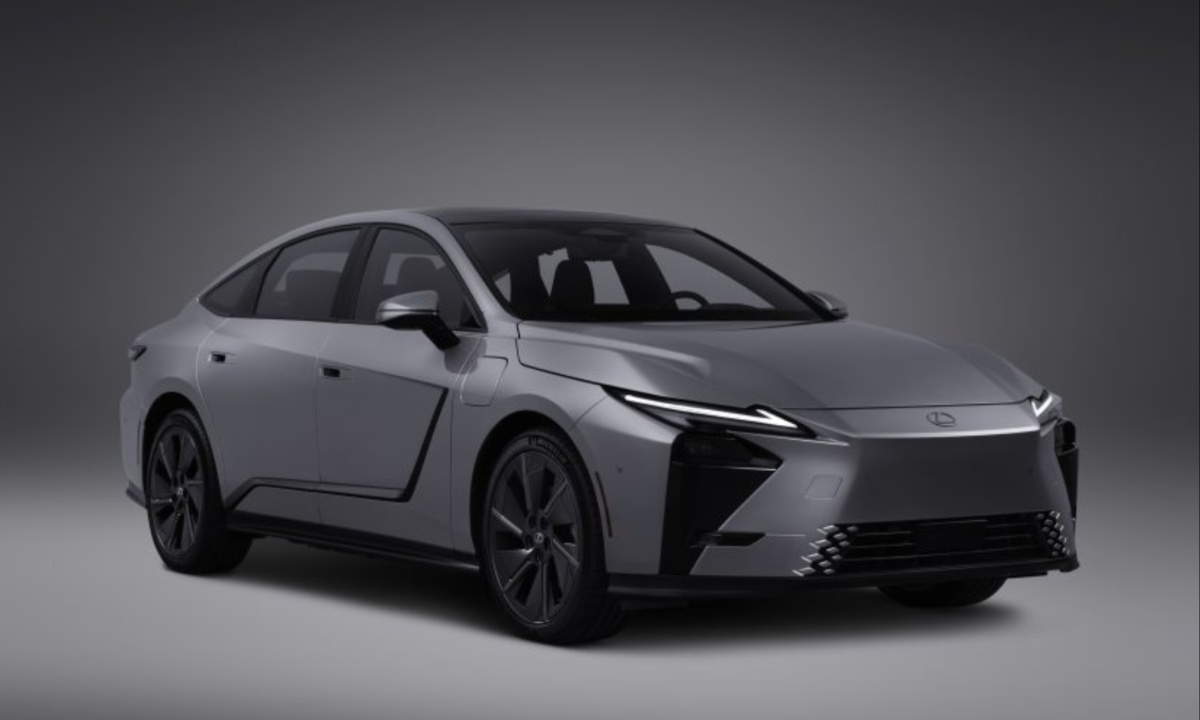
The large spindle grille, finished in chrome or gray depending on the trim level, attracts dust and shows water spots, creating a focal point that’s either striking or dirty with little middle ground.
The chrome trim around windows and doors shows fingerprints and water spots that stand out against the white paint. Lexus buyers typically prioritize quality, reliability, and comfort over driving dynamics, and they expect their vehicles to maintain appropriate appearance as part of the luxury experience.
For buyers willing to maintain them, these colors showcase Lexus’s paint quality beautifully, but they’re unsuitable for anyone expecting low-maintenance luxury.
6. Audi A4 (Glacier White or Brilliant Black)
Audi’s quattro-branded vehicles emphasize sophisticated design, advanced technology, and understated luxury, with paint quality that supports this premium positioning.
The A4, Audi’s volume luxury sedan, in glacier white metallic or brilliant black proves beautifully unforgiving to environmental contamination.
Audi’s design language features sharp character lines, sculpted surfaces, and the signature Singleframe grille all elements that create visual drama when clean but equally highlight when dirty.
Glacier white metallic incorporates subtle metallic flakes that create depth and sophistication in proper lighting. The A4’s sculpted hood features a prominent character line running down the center, and dirt accumulates along this line, creating a visible stripe of grime.
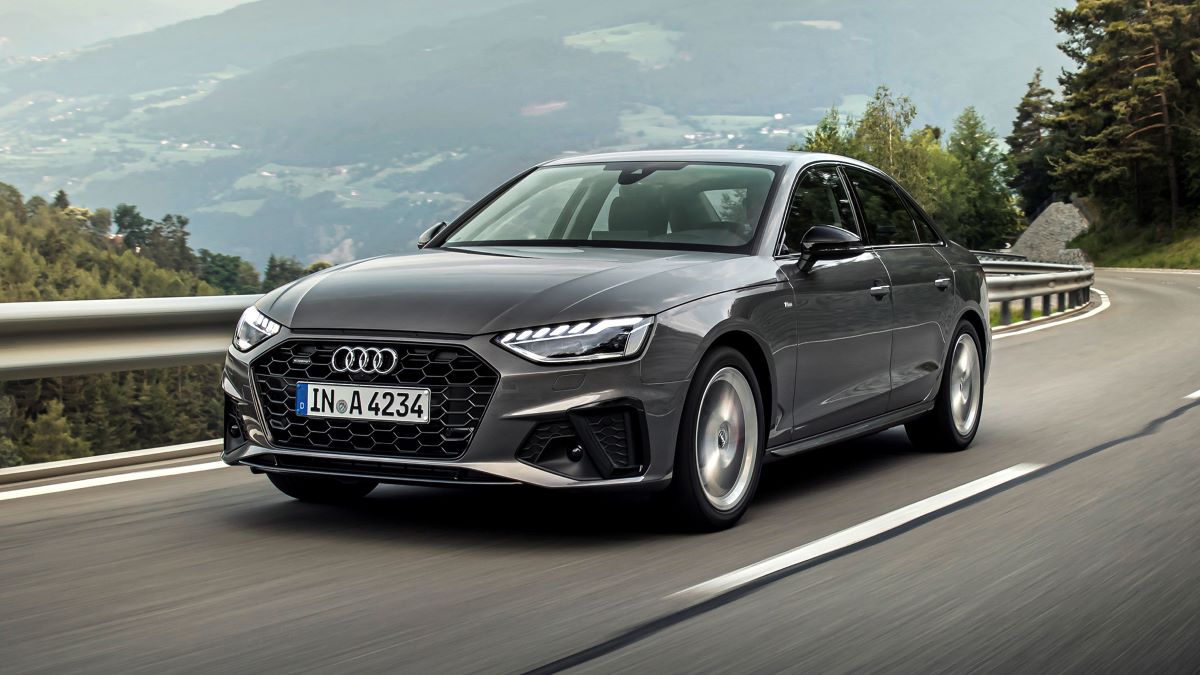
The Singleframe grille, whether finished in chrome or black, depending on the package, shows water spots and dust against the white paint.
The lower air intakes and front bumper elements catch bugs and road debris, creating dark spots on white surfaces. The wheels, often featuring Audi’s sophisticated multi-spoke designs, show brake dust that contrasts dramatically with white paint.
Audi’s typical buyer profile includes professionals, technology enthusiasts, and design-conscious individuals who appreciate understated luxury over flashy displays.
For the committed owner, these colors showcase Audi’s design sophistication beautifully, but they require dedication that may not suit everyone’s lifestyle or priorities.
7. Volkswagen Golf R (Pure White or Deep Black Pearl)
The Golf R represents Volkswagen’s performance flagship in their iconic hatchback, combining everyday usability with serious performance credentials.
In pure white or deep black pearl VW’s premium paint options the Golf R’s design showcases these colors beautifully when clean but proves frustratingly unforgiving to dirt.
The Golf R’s design balances subtlety with performance cues, featuring the R-specific front bumper, side skirts, and rear diffuser that add visual interest but also create additional surfaces that show contamination.
Pure white on the Golf R highlights every aspect of the performance-oriented design when clean, but shows dirt with equal clarity. The front bumper’s large lower intakes catch bugs and road debris, creating dark spots on white surfaces.
The side skirts, positioned low to the ground, accumulate road spray and create a dirty tidemark that contrasts with cleaner upper surfaces.
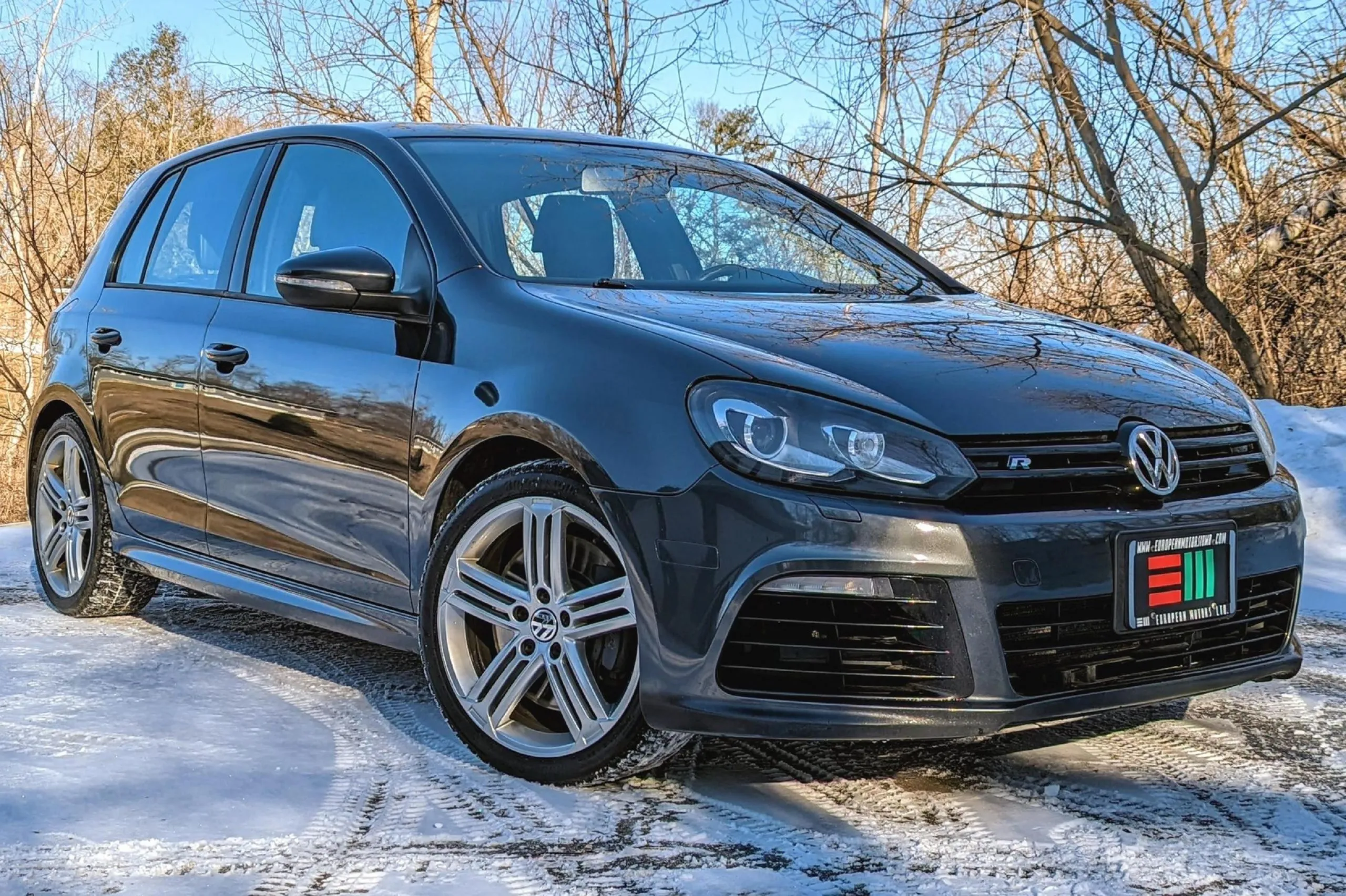
The rear diffuser and exhaust tips show heat staining and soot deposits that are particularly visible against white paint. The standard 18- or 19-inch wheels feature intricate designs that showcase brake dust in every spoke and crevice.
Golf R buyers typically represent driving enthusiasts who appreciate the car’s combination of practicality and performance. These are often younger buyers or families who need hatchback utility but want serious performance capability.
The car’s sporting nature means it’s often driven spiritedly, exposed to track days, mountain road adventures, and enthusiastic driving that generates dirt.
For the truly committed enthusiast, these colors showcase the Golf R’s sophisticated design, but they may not suit buyers seeking practicality above all.
Also Read: 5 Used Cars That Feel Modern vs. 5 That Feel Dated
