

The door slam test remains one of the automotive world’s most visceral and immediate assessments of vehicle quality. This simple yet revealing evaluation requires no sophisticated equipment just close a car door and listen.
The resulting sound tells you volumes about what lies beneath the sheet metal. A premium sedan rewards you with a deep, satisfying thunk that resonates with solidity, suggesting dense insulation, reinforced door structures, and precisely engineered tolerances.
Budget sedans, conversely, often produce a tinny, hollow clang that echoes cheapness, revealing thin metal panels, minimal sound deadening, and cost-cutting compromises throughout the construction.
Meanwhile, budget-conscious brands often sacrifice these refinements to hit aggressive price points, leaving buyers with doors that sound and feel insubstantial.
The door slam test effectively separates automotive categories, distinguishing vehicles built to exacting standards from those constructed to minimum specifications.
6 Sedans That Pass the Door Slam Test
These exceptionally constructed vehicles feature precision-engineered body panels and robust door sealing systems that produce satisfying solid thuds when closed, immediately conveying quality craftsmanship and structural integrity through auditory feedback that reassures discerning buyers.
Their thoughtful engineering includes reinforced door frames and perfectly aligned striker plates that resist the hollow tinny sounds typically associated with cost-reduced construction and thin stamped metal panels lacking proper damping materials.
From the precise door gaps that maintain consistent alignment to the substantial latching mechanisms that engage with mechanical authority, these remarkable sedans continue impressing occupants without the cheap rattling or multiple-attempt closures found in lesser constructions.
1. Mercedes-Benz E-Class
The Mercedes-Benz E-Class represents the gold standard in midsize luxury sedan construction and consistently earns top marks in the door slam test. When you close an E-Class door, the resulting sound communicates an unambiguous quality a substantial, muted thud that suggests bank vault engineering rather than automotive assembly.
This impressive acoustic signature stems from Mercedes’ commitment to using premium materials throughout the door structure, including multiple layers of sound-deadening insulation, reinforced steel framework, and precision-machined seals that create an almost airtight cabin environment.
The E-Class achieves this remarkable door feel through meticulous engineering that extends far beyond superficial touches. Mercedes engineers design these doors with multiple acoustic barriers, including specialized foam insulations and vibration-dampening materials strategically positioned within the door cavity.
The door seals themselves represent precision components, manufactured to tolerances measured in fractions of millimeters to ensure consistent compression and superior noise isolation.
The hinges utilize hardened steel construction with dampers that control closing speed, preventing both slamming and weak closures that might compromise the premium impression.
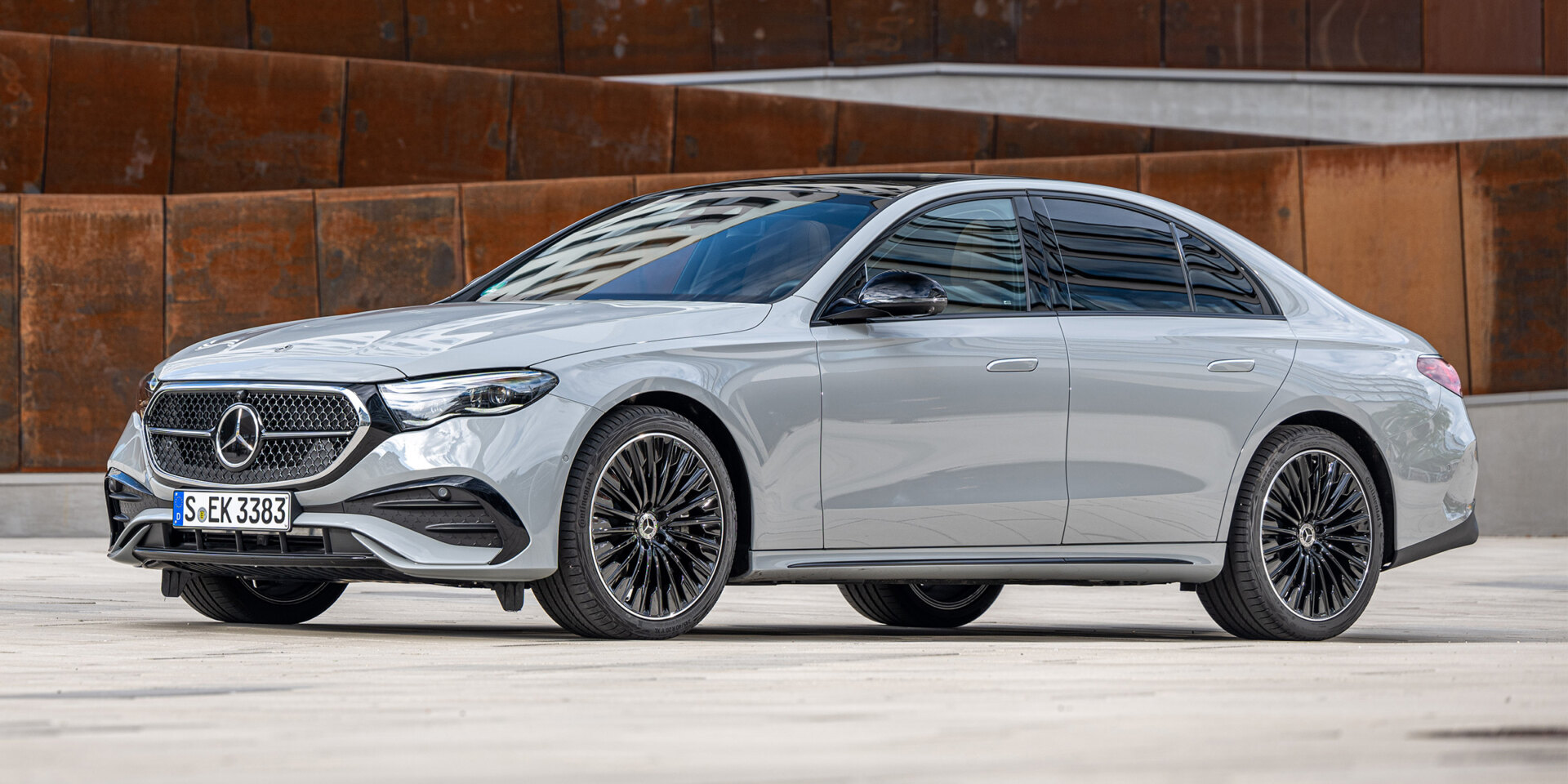
Beyond the auditory experience, the E-Class door embodies substantiality you can feel. The doors themselves weigh considerably more than those on mainstream sedans, incorporating additional structural reinforcements that enhance both safety and perceived quality.
This mass contributes to the satisfying closing action and the sense that you’re entering a meticulously crafted environment rather than simply getting into a car.
The interior door panels continue this quality narrative with soft-touch materials, precisely fitted trim pieces, and controls that operate with jewel-like precision.
This commitment to quality resonates with buyers seeking vehicles that deliver substance alongside style, making the E-Class a perennial favorite among executives and luxury car enthusiasts who appreciate understated excellence.
2. BMW 5 Series
The BMW 5 Series approaches the door slam test with characteristic Bavarian precision, delivering a closing experience that feels engineered with Formula One-level attention to detail.
Close a 5 Series door and you encounter resistance that feels calibrated, controlled, and confidence-inspiring. The resulting acoustic signature sits somewhere between the E-Class’s vault-like thud and a slightly sportier, tighter sound that reflects BMW’s performance-oriented philosophy.
This distinction matters to enthusiasts who want their luxury sedan to hint at dynamic capabilities even during mundane actions like entering the vehicle.
BMW achieves this distinctive door character through sophisticated engineering that balances multiple objectives simultaneously. The doors incorporate aluminum in their construction, reducing weight while maintaining structural rigidity essential for both crash protection and acoustic refinement.
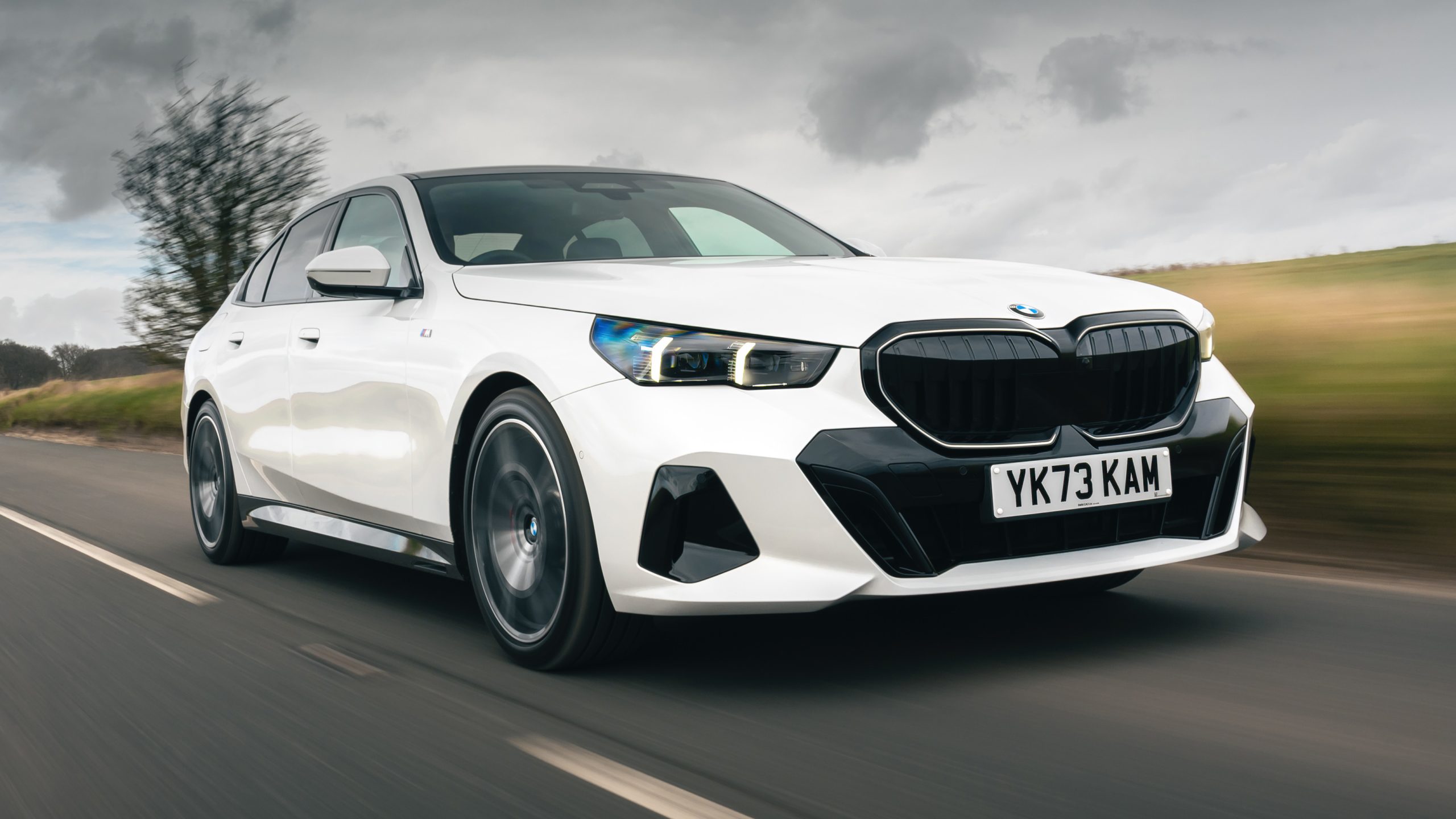
This material choice demonstrates BMW’s commitment to performance even door construction must serve the ultimate driving machine philosophy.
The weight savings from aluminum components contribute to the 5 Series’ impressive handling dynamics, while specialized damping materials ensure the doors don’t produce the tinny sounds often associated with lighter-weight construction.
The closing mechanism itself reflects BMW’s engineering obsession, featuring hydraulic dampers that control the final motion with remarkable precision.
These dampers prevent the door from either slamming violently or closing with insufficient authority, instead guiding it through a satisfying arc that culminates in a solid click as the latch engages.
The seals compress evenly around the entire door perimeter, creating both visual symmetry and functional weather protection that keeps the cabin isolated from external noise and elements.
Interior examination reveals BMW’s attention extends throughout the door assembly. The armrests feature premium leather or sustainable synthetic alternatives, depending on trim selection.
The 5 Series door slam test success demonstrates how BMW balances weight reduction for performance with the substantial feel expected in luxury sedan applications.
3. Audi A6
The Audi A6 brings Ingolstadt’s meticulous engineering philosophy to the door slam test, achieving results that exemplify German thoroughness.
Closing an A6 door produces a confidence-inspiring thunk that falls between Mercedes’ ultra-refined approach and BMW’s sportier character, creating what many consider the perfect balance of substantiality and precision.
This middle-ground positioning reflects Audi’s philosophy of offering sophisticated luxury without the sometimes austere character of its German rivals.
Audi’s door engineering showcases the brand’s expertise in aluminum construction, a technology area where Audi has invested heavily for decades.
The A6 utilizes Audi Space Frame technology, incorporating aluminum extensively throughout the structure including the doors. This material choice delivers multiple benefits: reduced weight improves fuel efficiency and handling dynamics, while strategic reinforcements maintain the structural integrity necessary for both safety and acoustic quality.
The aluminum doors resist the tinny resonance that often plagues lightweight construction through sophisticated internal bracing and carefully tuned damping materials.
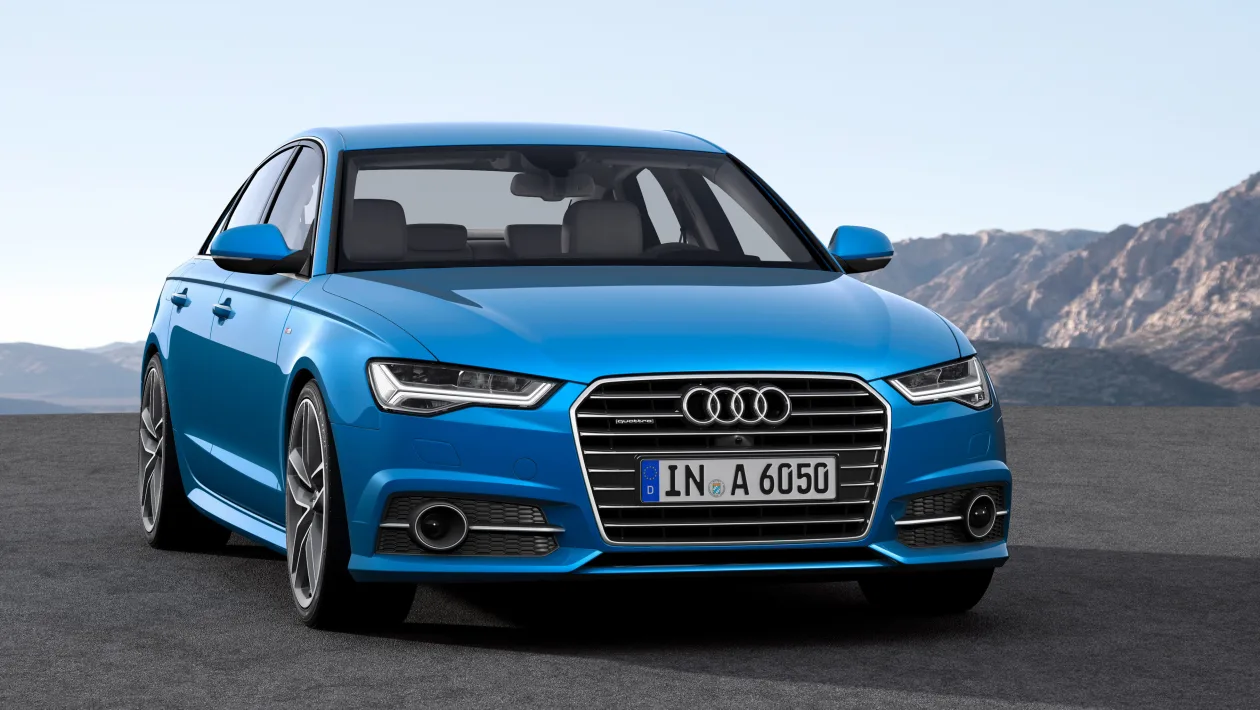
The closing experience itself demonstrates Audi’s attention to detail. Gas struts within the door cavity control movement through the final inches of travel, ensuring consistent closing effort regardless of whether you push gently or more forcefully.
This engineering eliminates the common problem of doors that close too easily in some conditions and require excessive force in others. The latching mechanism engages with a precise click that suggests quality without the sometimes excessive weight found in some competitors’ designs.
The quattro badging on door sills reminds occupants of Audi’s all-wheel-drive expertise while serving as quality markers that demonstrate attention to branding details.
Storage solutions within the doors feature proper attention to usability, with bottle holders sized appropriately and map pockets that actually accommodate modern smartphone dimensions.
4. Lexus ES
The Lexus ES approaches the door slam test with Japanese perfectionism, achieving results that prioritize refinement above all else. Toyota’s luxury division has built its reputation on delivering Mercedes-level quality at more accessible price points, and nowhere is this philosophy more evident than in the ES’s door construction and closing character.
Shut an ES door and you experience a supremely dampened, almost hushed thunk that suggests exceptional sound insulation and meticulous assembly quality. The acoustic signature differs from German competitors in its emphasis on absolute quiet rather than sporty precision.
Lexus achieves this remarkable refinement through obsessive attention to sound deadening throughout the door assembly. Multiple layers of acoustic materials line the door cavity, creating barriers against external noise intrusion that rivals luxury sedans costing significantly more.
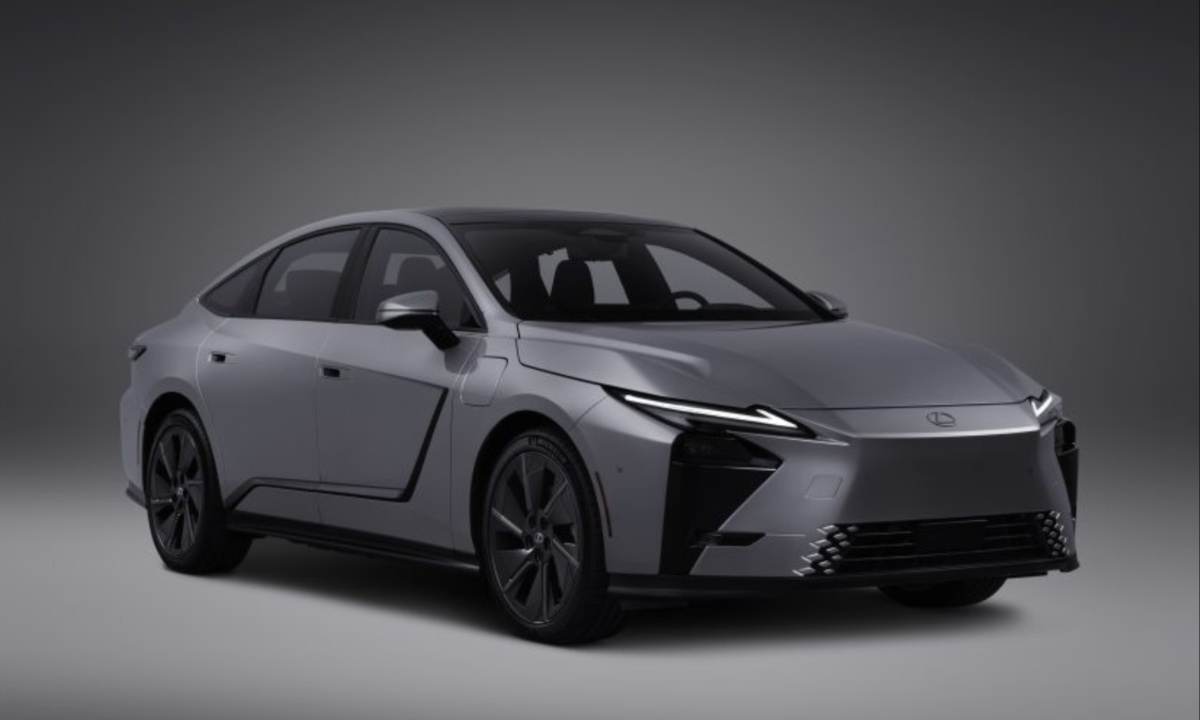
The door seals utilize multi-lip designs that compress progressively as the door closes, creating exceptional weather sealing while contributing to the refined closing feel.
These seals also incorporate specialized materials that remain pliable across wide temperature ranges, ensuring consistent performance whether you’re closing the door in Minnesota winter or Arizona summer conditions.
Controls operate with satisfying precision, and the memory seat buttons integrate cleanly into door panel designs rather than appearing as afterthoughts. The ES proves that Japanese luxury can match or exceed German standards in door construction quality.
Also Read: 10 Cars With Bluetooth That Never Drops Calls
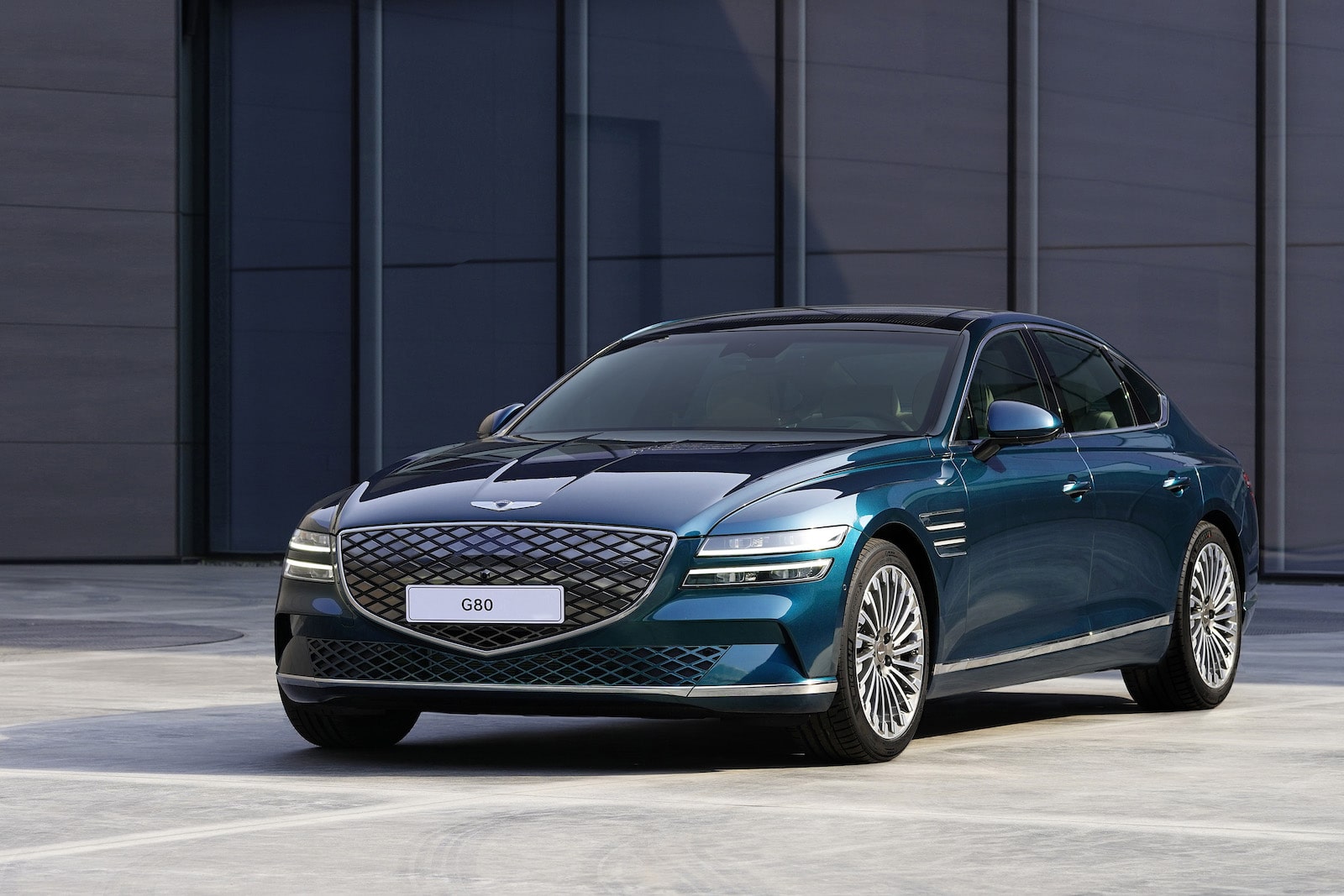
5. Genesis G80
The Genesis G80 has quickly established itself as a legitimate luxury sedan contender, and its performance in the door slam test validates this positioning.
Close a G80 door and you immediately recognize that Genesis has studied the German luxury playbook carefully, delivering a closing experience that rivals established premium brands.
The sound produced sits squarely in luxury sedan territory a solid, dampened thud that communicates quality without the sometimes excessive weight found in more ostentatious designs.
Genesis achieves this impressive result through comprehensive engineering that extends throughout the door assembly. The doors incorporate extensive sound-deadening materials including specialized foam insulations and vibration-dampening layers that suppress unwanted resonances.
The door seals utilize sophisticated multi-stage compression designs borrowed from premium German engineering principles, creating exceptional weather protection and noise isolation.
Hydraulic dampers control closing speed through the final motion, ensuring consistent effort and preventing both excessive slamming and insufficiently firm closures.
Door pull handles incorporate soft-touch materials and ergonomic shaping that feels properly designed rather than cost-engineered. Genesis demonstrates that Korean automotive engineering has reached world-class luxury standards.
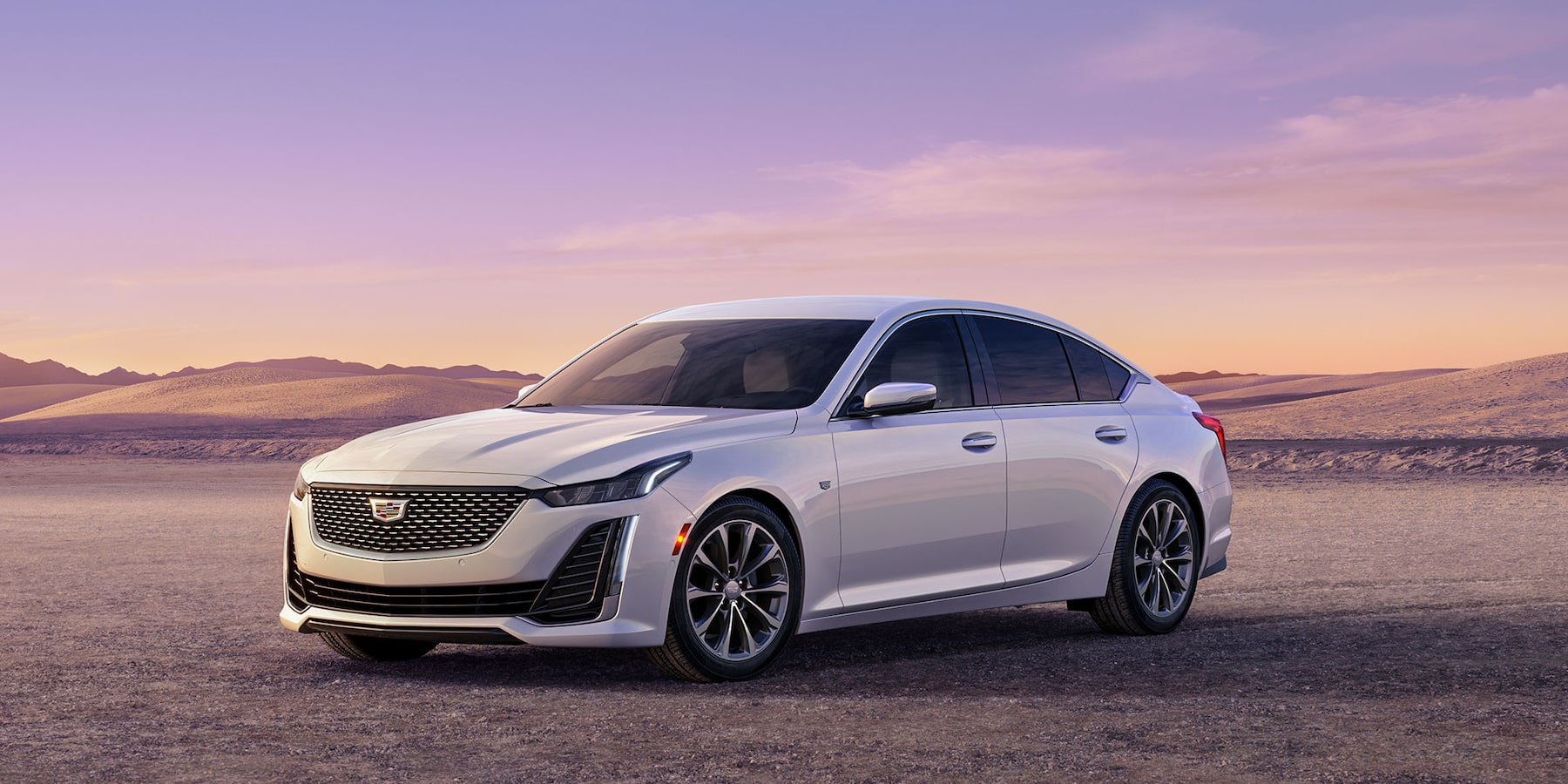
6. Cadillac CT5
The Cadillac CT5 brings American luxury sedan tradition into modern context, and its door slam test performance proves that Detroit can compete with European luxury standards when properly focused.
Close a CT5 door and you encounter a distinctly substantial feel that reflects Cadillac’s commitment to rebuilding its reputation as a legitimate luxury brand.
The acoustic signature delivers a confident thud that suggests solid engineering and premium materials throughout the construction.
Cadillac achieves this impressive door character through comprehensive engineering improvements that have transformed the brand’s quality reputation.
The CT5 doors incorporate multiple acoustic barriers including specialized insulating materials and structural reinforcements that enhance both sound deadening and crash protection.
The door seals feature sophisticated designs that create effective barriers against wind noise and weather intrusion, addressing historical Cadillac weaknesses in these areas.
The closing mechanism utilizes dampers that control movement through the final inches of travel, ensuring consistent effort regardless of environmental conditions.
Interior door treatments showcase Cadillac’s understanding of modern luxury expectations. Available semi-aniline leather door panels feature contrast stitching and precisely fitted trim pieces that compete with German luxury standards.
Window switches operate with precision that suggests quality control measures that match European standards. The CT5 door slam test performance validates Cadillac’s resurgence as a credible luxury brand worthy of consideration alongside established premium competitors.
6 Sedans That Don’t Pass the Door Slam Test
These disappointing sedans suffer from thin body panels and inadequate sound deadening that produce hollow, tinny noises when doors close, immediately revealing cost-cutting measures and creating negative first impressions that undermine brand premium positioning claims.
Their problematic construction includes misaligned door strikers and flexible sheet metal that cannot achieve the satisfying thunk expected from quality vehicles, instead delivering embarrassing metallic clangs suggesting fragile construction.
Despite modern technology features and attractive exterior styling, these vehicles feel cheap through their flimsy door closures, loose-fitting panels, and rattling trim pieces that require multiple closing attempts for proper latching.
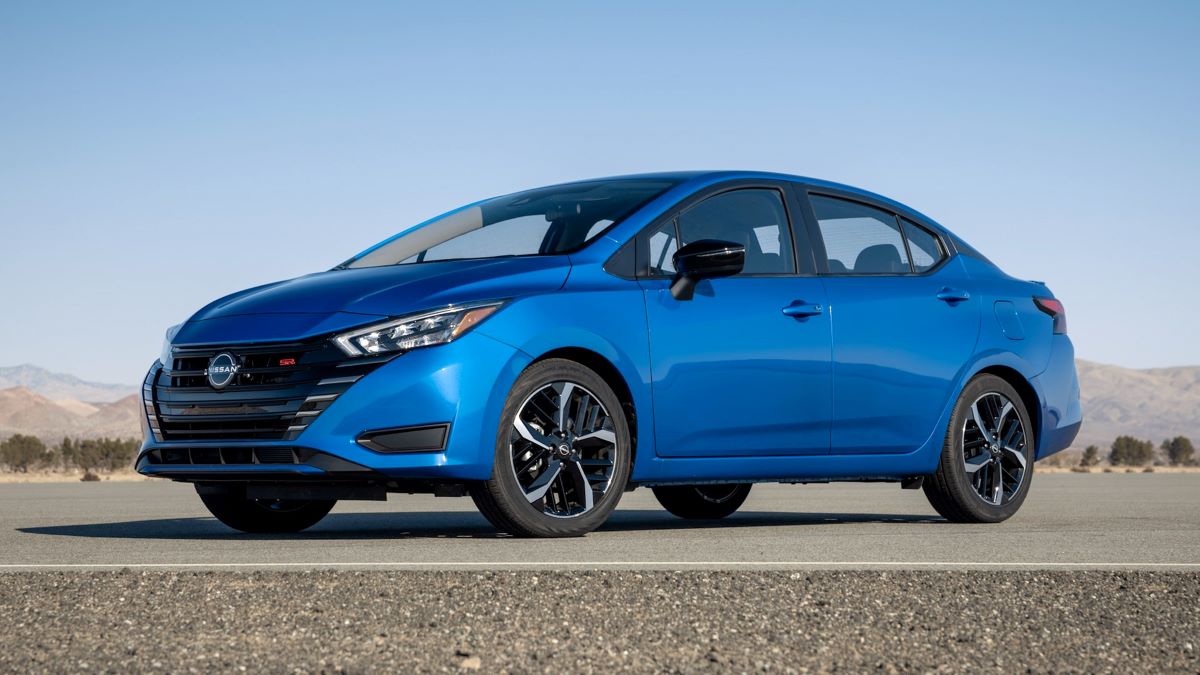
1. Nissan Versa
The Nissan Versa holds the distinction of being America’s most affordable sedan, and nowhere is this budget positioning more evident than in the door slam test.
Close a Versa door and you immediately recognize the compromises necessary to achieve its remarkably low price point. The resulting sound is distinctly tinny and hollow, echoing in a way that suggests minimal sound deadening and thin metal construction.
This acoustic signature communicates “economy car” before you’ve even settled into the driver’s seat, setting expectations for an experience focused on basic transportation rather than refinement.
Nissan achieves the Versa’s aggressive pricing partly through simplified door construction that eliminates many refinements found in more expensive vehicles. The doors utilize relatively thin steel stampings without the reinforcing structures that contribute mass and rigidity in premium sedans.
Sound-deadening materials exist in minimal quantities, providing only basic noise attenuation rather than the comprehensive acoustic isolation expected in higher-price segments.
The door seals function adequately for weather protection but lack the sophisticated multi-lip designs that create superior noise isolation in luxury vehicles.
Interior door appointments continue the economy theme with hard plastics dominating surfaces and minimal attempts at creating visual interest.
Storage solutions within the doors appear as afterthoughts, with shallow pockets that barely accommodate modern smartphone dimensions. The Versa serves buyers prioritizing affordability above all else, and the door slam test immediately communicates this positioning.
2. Mitsubishi Mirage
The Mitsubishi Mirage represents the absolute budget end of the automotive spectrum, and its door slam test performance validates concerns about build quality throughout the vehicle.
Closing a Mirage door produces arguably the least satisfying sound in the automotive world a distinctly tinny clang that resonates with hollowness, suggesting the door cavity contains almost nothing beyond empty air.
This acoustic signature communicates “cheap” in the most literal sense, immediately setting expectations for a vehicle built to absolute minimum standards.
Mitsubishi achieves the Mirage’s remarkably low pricing through aggressive cost-cutting that extends to every component, including door construction.
The doors utilize extremely thin metal stampings that flex noticeably when you push against them, lacking the structural rigidity found even in mainstream vehicles.

Sound-deadening materials appear to exist only in token quantities if at all, providing virtually no acoustic isolation from external noise.
The door seals function at basic levels but utilize simple designs that allow significant wind noise intrusion even at moderate speeds.
The impression suggests doors designed purely around meeting minimum functional requirements rather than providing any degree of refinement.
There are essentially no storage solutions within the doors beyond token indentations in the plastic panels. The Mirage serves buyers with absolutely minimal budgets, but the door slam test reveals the significant quality penalties that come with extreme cost optimization.
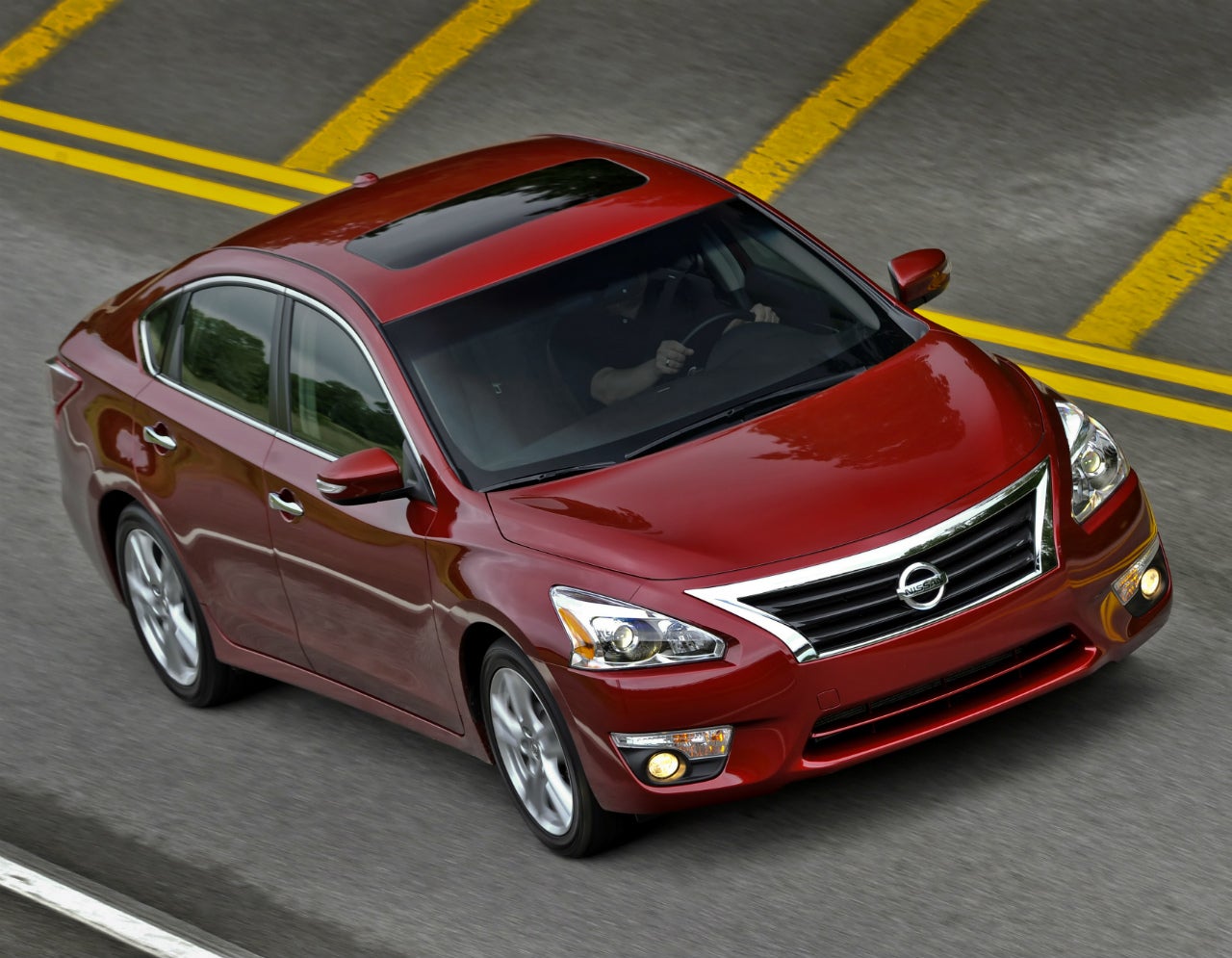
3. Nissan Altima
The Nissan Altima occupies the mainstream midsize sedan segment but fails to deliver the door slam test quality one might reasonably expect from a vehicle at this price point.
Closing an Altima door produces a disappointingly hollow sound that suggests cost-cutting has reached components that significantly affect quality perception.
The acoustic signature lacks the satisfying thud found in well-engineered competitors, instead producing a somewhat tinny resonance that hints at thin materials and minimal sound deadening.
This quality shortfall seems particularly notable given that the Altima competes against vehicles like the Honda Accord and Toyota Camry, both of which deliver more refined door closing experiences.
Nissan’s door engineering in the Altima reflects an apparent philosophy prioritizing cost control over quality refinement. The doors utilize adequate steel construction but lack the reinforcing structures or damping materials that contribute to a premium closing feel.
Sound-deadening materials exist but appear insufficient for proper acoustic isolation, allowing external noise to intrude more than expected in this segment.
The door seals function adequately for basic weather protection, but don’t create the comprehensive barrier found in better-executed competitors.
The construction suggests Nissan engineered these doors to minimum acceptable standards rather than targeting segment leadership. Interior door treatments reflect similar cost optimization with materials and assembly that fall short of segment expectations.
Storage solutions exist within the doors but feel like afterthoughts rather than carefully considered design elements. The Altima’s door slam test performance highlights quality gaps that help explain why this once-popular sedan has lost ground to more carefully engineered competitors.
4. Kia Rio (discontinued but recently available)
The Kia Rio served as the Korean manufacturer’s entry-level offering before discontinuation, and its door slam test performance accurately reflected its budget positioning.
Closing a Rio door produced a distinctly economy-car sound characterized by hollowness and minimal acoustic damping. The resulting impression communicated “inexpensive” immediately, setting expectations for a vehicle built to aggressive cost targets rather than quality standards.
While the Rio offered decent reliability and competitive features for its price point, the door closing experience revealed the compromises necessary to achieve that affordability.
Kia engineered the Rio doors with clear cost constraints limiting material selection and construction sophistication. The doors utilized relatively thin steel stampings without substantial internal reinforcement, resulting in structures that lacked the rigidity found in more expensive vehicles.

Sound-deadening materials existed in minimal quantities, providing only basic noise attenuation rather than comprehensive acoustic isolation.
The door seals functioned adequately for weather protection using simple single-lip designs that couldn’t match the noise isolation achieved by more sophisticated multi-stage seals found in premium applications.
Interior door treatments matched the economy exterior with hard plastics dominating and minimal attempts at creating visual or tactile interest.
The door pull handles utilized exposed plastic with shaping prioritizing manufacturing economy over ergonomic comfort. Window switches functioned adequately but operated with less precision than found in mainstream competitors.
Storage solutions within the doors appeared minimal, with shallow pockets barely accommodating modern smartphone dimensions.
While the Rio served budget-conscious buyers reasonably well in most respects, the door slam test immediately communicated its positioning at the affordable end of the automotive spectrum.
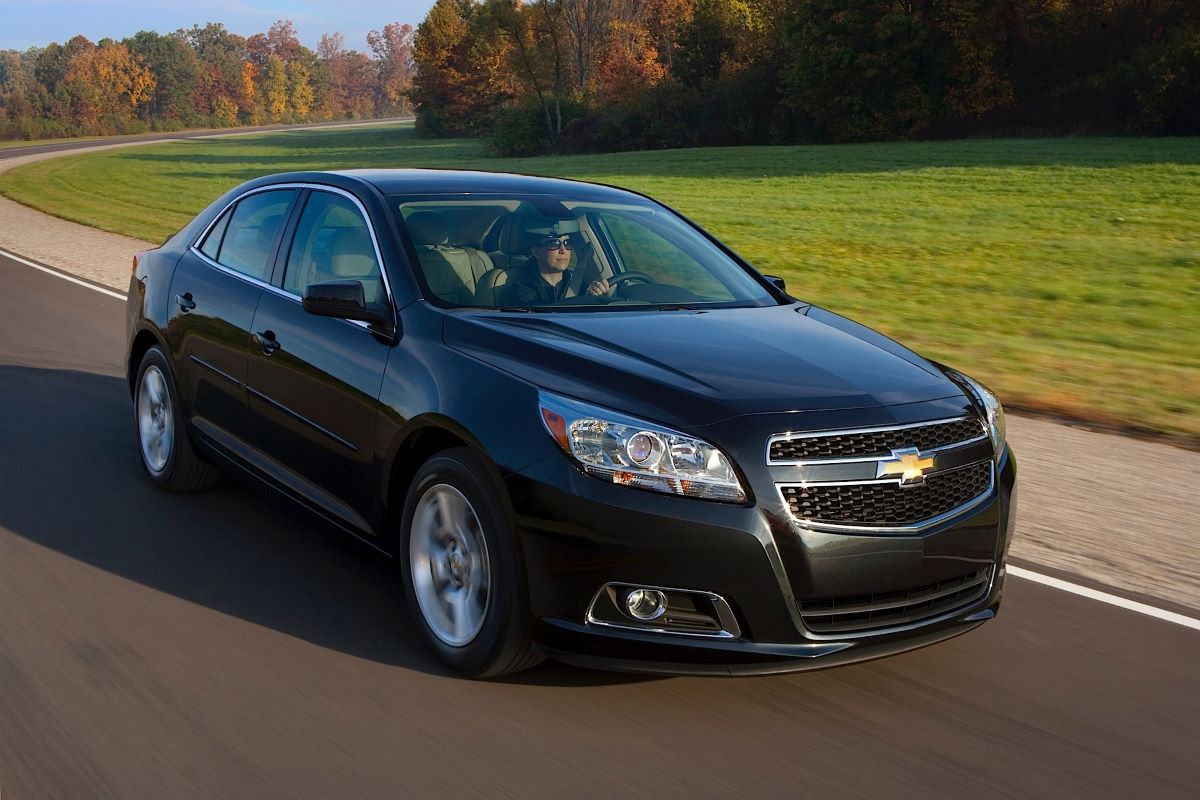
5. Chevrolet Malibu
The Chevrolet Malibu represents a disappointing entry in the mainstream midsize sedan segment, particularly evident in its door slam test performance.
Closing a Malibu door produces a sound quality that falls short of reasonable expectations for a vehicle at this price point and in this competitive segment.
The acoustic signature exhibits a somewhat hollow, underdamped character that suggests cost-cutting has reached components significantly affecting quality perception.
Given that the Malibu competes against excellent offerings like the Honda Accord, Mazda6, and Toyota Camry, this quality shortfall seems particularly notable and concerning.
General Motors’ door engineering in the Malibu reflects cost optimization that undermines the vehicle’s otherwise competitive attributes.
The doors utilize adequate steel construction but lack the reinforcing structures or strategic damping materials that contribute to a refined closing feel in segment leaders.
Sound-deadening materials exist but prove insufficient for proper acoustic isolation, allowing road noise and wind noise to intrude more than expected in well-executed midsize sedans.
The door seals function adequately for weather protection, but don’t create the comprehensive barriers found in competitors, delivering superior noise isolation.
Interior door treatments reflect similar cost optimization, with materials and assembly falling short of segment standards. The door panels utilize hard plastics across most surfaces with limited soft-touch areas, even where occupants frequently make contact.
Door pull handles function adequately but feel unrefined compared to competitors’ offerings, lacking ergonomic shaping or premium surface treatments.
Window switches operate functionally but without the precise tactile feedback found in better-executed vehicles. Storage solutions within the doors appear as afterthoughts rather than carefully considered design elements, providing genuine utility.
The Malibu’s door slam test performance highlights quality shortfalls that help explain the model’s declining sales and approaching discontinuation.
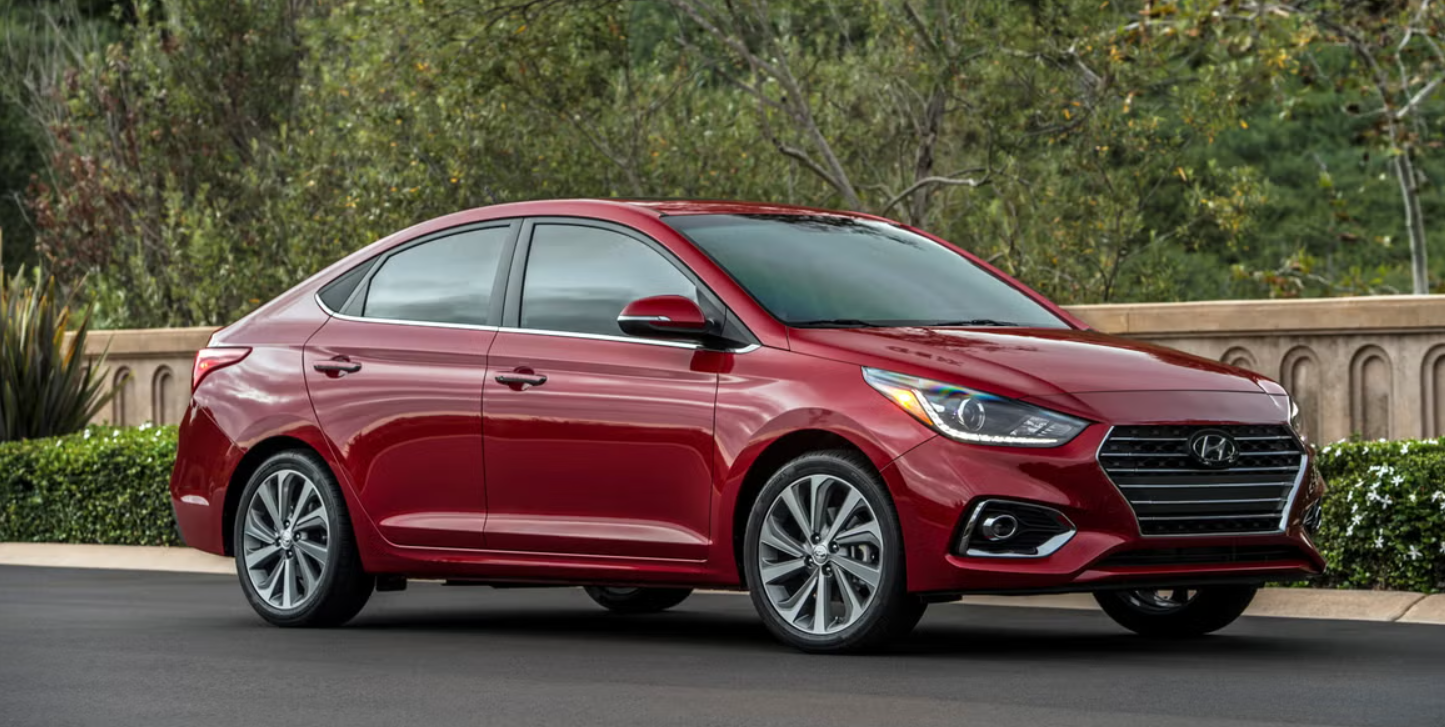
6. Hyundai Accent (discontinued but recently available)
The Hyundai Accent served as the Korean manufacturer’s subcompact entry until recent discontinuation, and its door slam test performance accurately reflected its economy positioning.
Closing an Accent door produced a distinctly budget-car acoustic signature characterized by hollowness and minimal sound damping.
The resulting impression immediately communicated “inexpensive,” setting expectations for basic transportation rather than refinement.
While Hyundai had significantly improved the Accent’s quality compared to earlier generations, the door closing experience still revealed the fundamental compromises inherent in achieving aggressive price points.
Hyundai engineered the Accent doors within clear cost constraints that limited material selection and construction sophistication. The doors utilized relatively thin steel stampings without substantial internal reinforcement or strategic bracing, resulting in structures lacking the rigidity found in mainstream or premium vehicles.
Sound-deadening materials existed in minimal quantities, providing only basic acoustic treatment rather than comprehensive noise isolation.
The door seals functioned adequately for weather protection using relatively simple designs that couldn’t match the sophisticated multi-lip configurations found in more expensive applications.
Interior door treatments matched the economy positioning with hard plastics dominating surfaces and limited attempts at visual or tactile enhancement.
The door pull handles utilized exposed plastic with shaping prioritizing manufacturing economy over ergonomic comfort or premium feel.
Window switches functioned adequately but operated with less precision and a cheaper feel than found in mainstream competitors. Storage solutions within the doors appeared minimal and poorly integrated, with shallow pockets barely accommodating modern devices.
While the Accent served budget-conscious buyers reasonably well, the door slam test immediately communicated its positioning at the affordable end of the market, revealing compromises that separated it from more refined competitors even within the economy segment.
Also Read: 9 Cars That Stay Cool Parked in the Sun
