For many people, commuting has become a daily ritual that defines the rhythm of their lives. Sitting in traffic, navigating crowded highways, and enduring long stretches of time behind the wheel can have a profound impact on both mental and physical health.
The car you choose for your commute plays a significant role in shaping this experience. A vehicle can either be a sanctuary of calm, providing comfort, convenience, and a sense of control, or it can be a source of constant irritation, amplifying the fatigue and tension that naturally accumulate during a long drive.
While it is easy to overlook, factors such as seating design, suspension, noise insulation, and even the interface of the dashboard can dramatically influence how a commuter feels by the end of the journey.
Not all cars are created equal when it comes to long-distance comfort. Some vehicles are designed with ergonomics, smooth handling, and thoughtful amenities that reduce stress, allowing drivers to arrive at their destination feeling alert and composed.
Others, even if they appear sleek or powerful on paper, may have harsh rides, cramped interiors, or controls that require constant adjustment, turning a daily commute into an exhausting ordeal. Understanding the difference between these experiences is crucial for anyone who spends more than an hour each day on the road.
The right car can transform time in the driver’s seat from a mundane necessity into an opportunity for relaxation or focus, whereas the wrong car can compound anxiety and fatigue.
Selecting the ideal commuter car involves looking beyond just horsepower or style. Safety features, adaptive technologies, cabin quietness, and seating comfort all contribute to whether a car reduces stress or wears you out. Additionally, factors such as fuel efficiency, visibility, and storage can affect the quality of the commute.
For example, a car that makes merging effortless, provides a smooth ride over uneven roads, and keeps the cabin quiet can significantly improve mental well-being, even during peak traffic hours.
Conversely, a car that transmits every bump, requires constant corrections on winding roads, or lacks intuitive controls can create a cumulative strain on both the body and mind.
In this article, we will examine ten vehicles commonly considered in the context of long commutes. Five of these are recognized for their ability to reduce stress and make extended driving enjoyable, while five have earned reputations for being physically and mentally draining over time.
Each vehicle will be analyzed based on its features, comfort, and impact on the commuter experience. By understanding what differentiates a calming commute from a grueling one, readers can make more informed decisions that align with their daily driving needs and personal comfort preferences.
This discussion aims to provide a detailed, practical perspective for anyone navigating the challenges of long-distance daily travel.
5 Long-Commute Cars That Reduce Stress
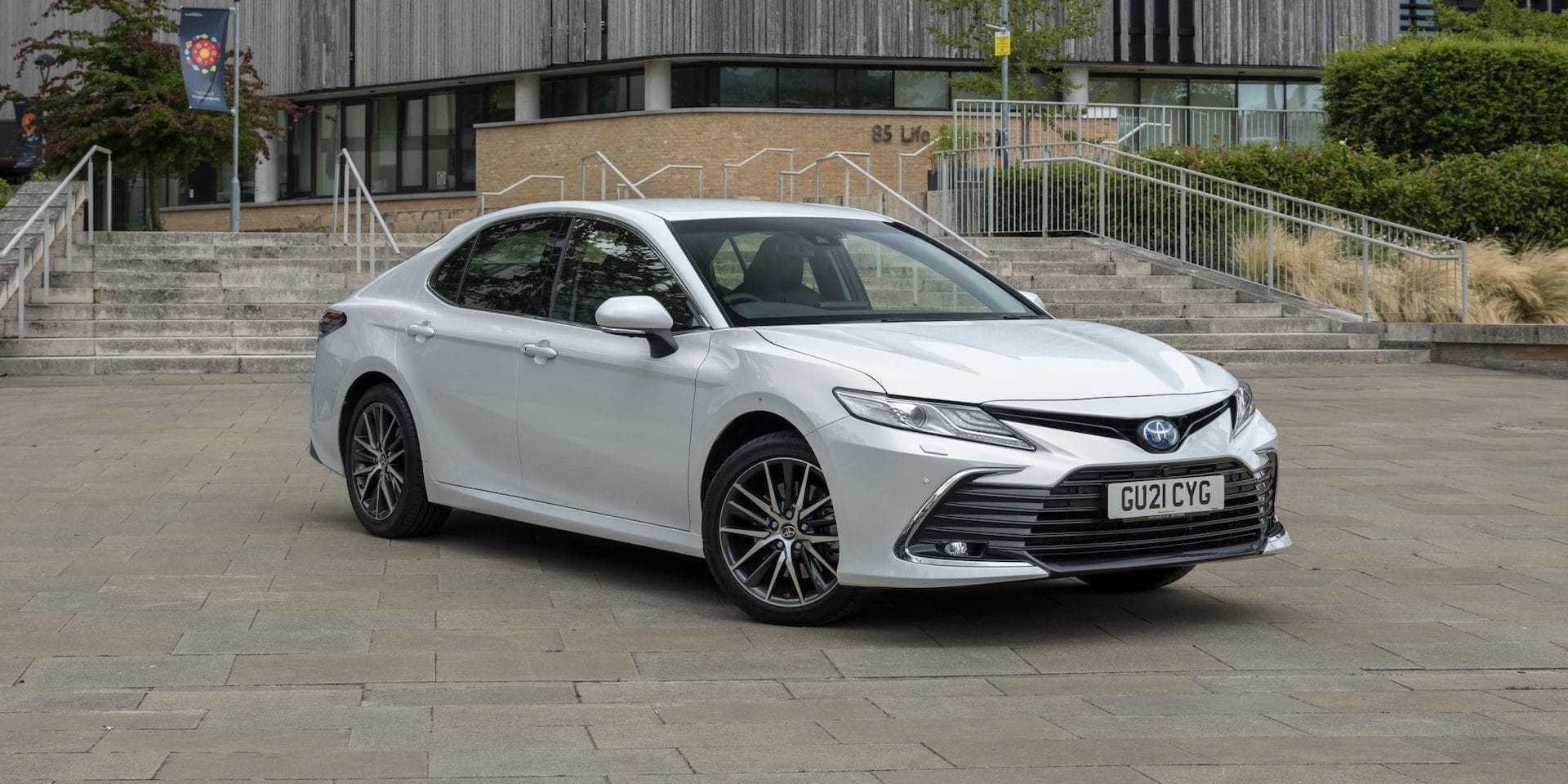
1. Toyota Camry
The Toyota Camry has long been recognized for its balance of comfort, reliability, and smooth handling, making it an excellent choice for commuters who spend significant time behind the wheel. The seats are ergonomically designed with thoughtful cushioning and lumbar support, providing consistent comfort even during lengthy drives.
Unlike some cars that feel stiff or unyielding, the Camry’s interior absorbs the subtle vibrations and shocks from the road, allowing the driver to remain physically relaxed.
This is particularly important for daily commuters navigating potholes, speed bumps, or rough pavement, as it reduces strain on the lower back and legs, areas commonly affected by long periods of sitting.
Moreover, the cabin space is generous enough for taller drivers and passengers, ensuring a feeling of openness that alleviates the sense of confinement typical in many midsize sedans.
Another significant stress-reducing feature of the Camry is its quiet cabin. Toyota has invested in soundproofing and refined engine design to minimize intrusion from outside noise. This allows occupants to enjoy music, podcasts, or a peaceful environment without competing with wind, road, or engine sounds.
In addition, the Camry’s suspension system is tuned to provide a balance between stability and comfort. Sharp turns, highway undulations, and minor road imperfections are absorbed efficiently, giving the driver a sense of control without feeling every jolt or bump.
The vehicle’s smooth handling fosters confidence in navigating both congested city streets and long stretches of highway, reducing the mental load that often contributes to commuting stress.
Safety and driver assistance features further enhance the Camry’s ability to reduce tension. Lane departure warning, adaptive cruise control, and forward collision alerts allow drivers to navigate traffic with a degree of reassurance that reduces cognitive strain.
Knowing the car has reliable safety measures enables the driver to focus on the drive itself without constant worry about sudden hazards. Reliability is another crucial factor; Toyota’s reputation for mechanical dependability means fewer breakdowns, unexpected repairs, or stressful maintenance interruptions. For daily commuters, this peace of mind translates into a less taxing and more predictable driving routine.
Finally, the interior technology and convenience features of the Camry contribute to a holistic stress-reducing experience. The infotainment system is intuitive, with large, easily readable displays and accessible controls.
Climate control allows drivers to maintain an optimal environment for concentration and comfort, and the optional premium audio provides high-quality sound for music or calls.
Storage solutions, cupholders, and thoughtful interior layout ensure that items remain organized, preventing clutter and distraction. When all these elements are combined, the Toyota Camry offers a commuting experience that prioritizes mental and physical comfort, allowing drivers to arrive at work or home feeling more composed and less fatigued.
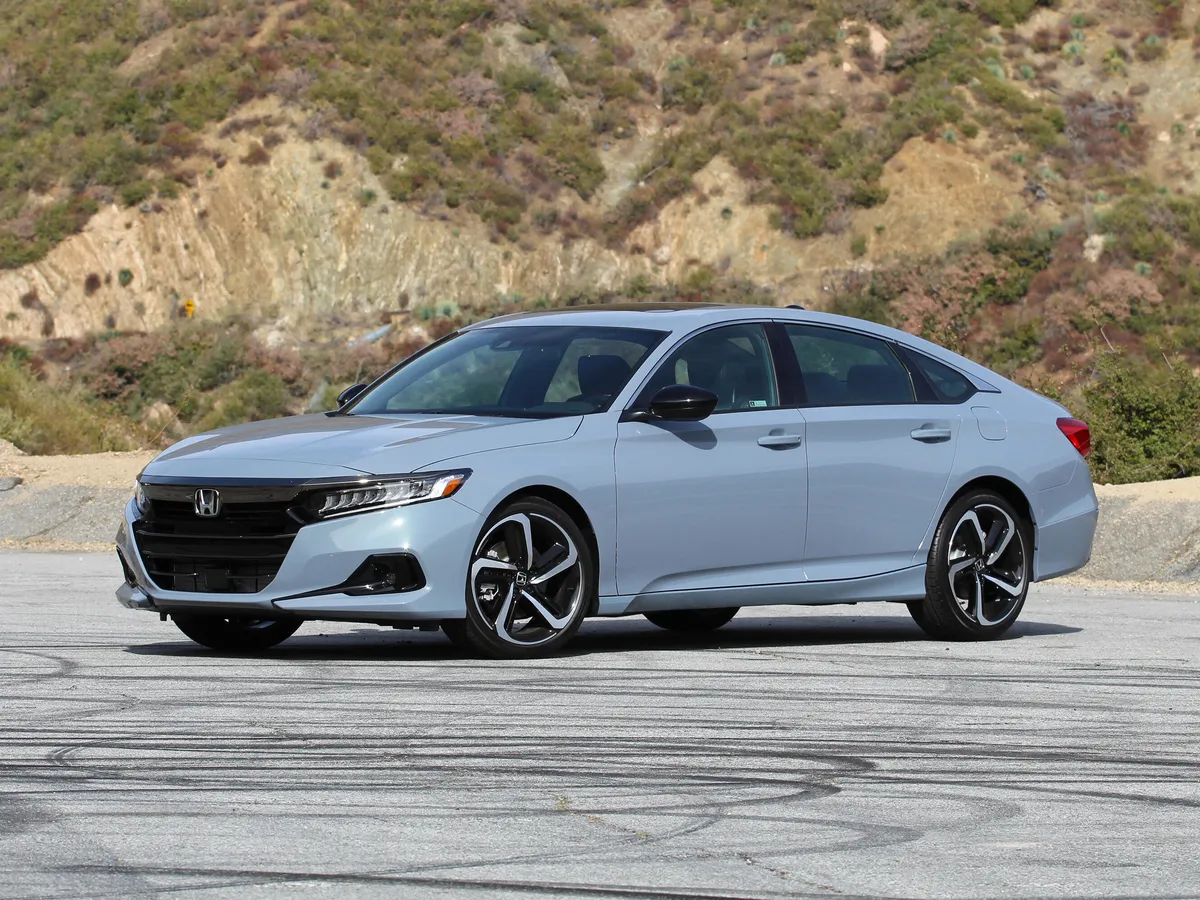
2. Honda Accord
The Honda Accord is another midsize sedan celebrated for its ability to make long commutes more comfortable and less mentally taxing. The cabin is spacious, offering generous legroom, headroom, and shoulder space for both driver and passengers. This reduces the feeling of confinement that can quickly lead to fatigue on long drives.
The seats are ergonomically designed to provide support without feeling overly firm, allowing the driver to maintain a natural posture for extended periods.
Unlike cars that require constant shifting or adjustment to remain comfortable, the Accord’s interior design accommodates a wide range of body types, ensuring consistent comfort regardless of the driver’s height or build.
Noise reduction is a strong point for the Accord, with a cabin that effectively blocks road, tire, and wind noise. This quieter environment reduces mental strain, as the driver is not constantly battling distractions or elevated stress from external sounds.
The ride quality is smooth and refined, with a suspension system that absorbs minor bumps and imperfections gracefully.
Unlike sportier vehicles that transmit every nuance of the road to the driver, the Accord maintains a serene and composed ride, which is particularly beneficial for those who face congested traffic during peak commuting hours. These qualities combine to create a sense of calm that is rare in many everyday vehicles.
Technology in the Accord further enhances the low-stress driving experience. Adaptive cruise control, lane keeping assist, and blind spot monitoring systems offer subtle guidance, enabling the driver to focus on driving without becoming overwhelmed by traffic conditions.
The layout of controls is intuitive, allowing easy access to climate, audio, and navigation systems without requiring distraction or guesswork.
This integration of supportive technology reduces cognitive load and allows drivers to remain attentive without feeling exhausted by constant interaction with the vehicle. Reliability is another advantage, with Honda’s reputation for long-lasting engines and components providing a sense of assurance during daily commutes.
Comfort is reinforced by thoughtful interior design and convenience features. Cupholders, storage compartments, and user-friendly interfaces keep the cabin organized, preventing clutter that could distract or irritate the driver.
Climate control ensures that the temperature remains comfortable for all occupants, even during extreme weather conditions, while seat positioning and support contribute to long-term physical comfort.
Combined with smooth handling, quiet operation, and responsive safety features, the Honda Accord represents a complete package for long-distance commuters seeking a stress-free driving experience.
It is a vehicle where every aspect is tuned to reduce tension, fatigue, and frustration, making daily driving a more pleasant and manageable task.
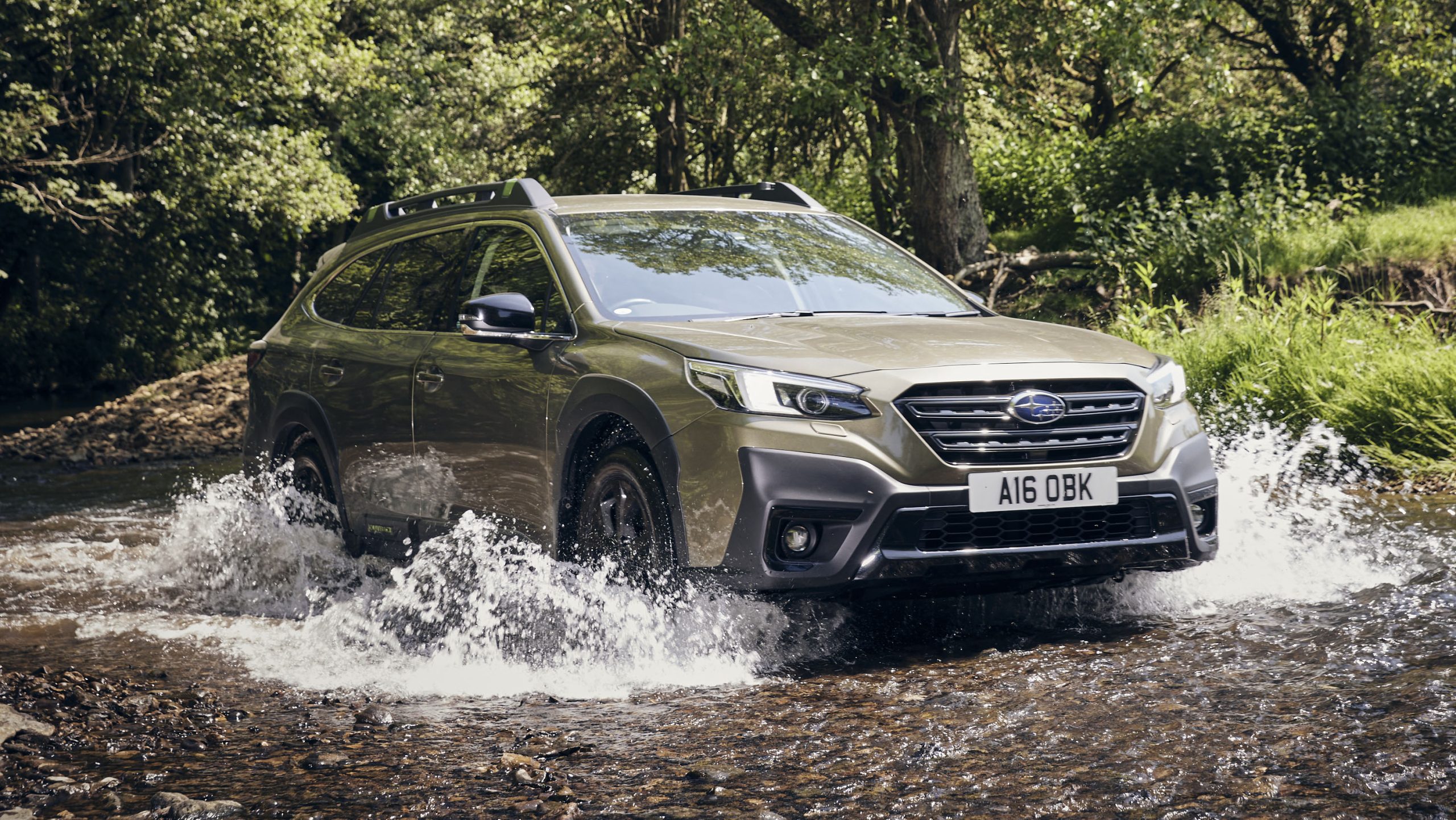
3. Subaru Outback
The Subaru Outback is a crossover SUV designed to offer comfort and stability over varied terrain, making it an excellent choice for commuters who experience mixed driving conditions. Its elevated seating position provides a commanding view of the road, giving drivers confidence and reducing anxiety during traffic or on highways.
The seats are spacious, supportive, and adjustable, accommodating drivers of different sizes and ensuring comfort even during extended periods behind the wheel
The cabin is quiet and insulated, keeping engine, road, and wind noise to a minimum, which allows for a more relaxed mental state during long journeys. The combination of ergonomic seating, cabin comfort, and visibility reduces both physical strain and mental fatigue.
The Outback’s suspension system is designed to handle a wide range of road conditions smoothly. Whether on uneven suburban streets or bumpy rural roads, the car maintains composure without transmitting harsh shocks to the driver or passengers.
Technology and safety systems in the Outback are supportive without being intrusive. Features such as adaptive cruise control, pre-collision braking, and lane centering provide reassurance, allowing the driver to navigate longer distances with less mental strain.
The dashboard is straightforward, controls are easily accessible, and the infotainment system is responsive, reducing frustration from fumbling with complicated interfaces. Thoughtful storage compartments and organized cabin design prevent clutter, which can otherwise increase stress during daily commutes.
Finally, the Outback’s versatility contributes indirectly to stress reduction. Its cargo capacity allows drivers to transport personal or work items without crowding the cabin, while climate control and seat heating options provide comfort regardless of weather conditions.
The combination of supportive seating, smooth ride quality, intuitive technology, and predictable handling makes the Subaru Outback a reliable choice for commuters seeking a calming and manageable driving experience. Long commutes feel less exhausting, and drivers arrive at their destinations both physically and mentally more prepared for the day ahead.
4. Lexus ES
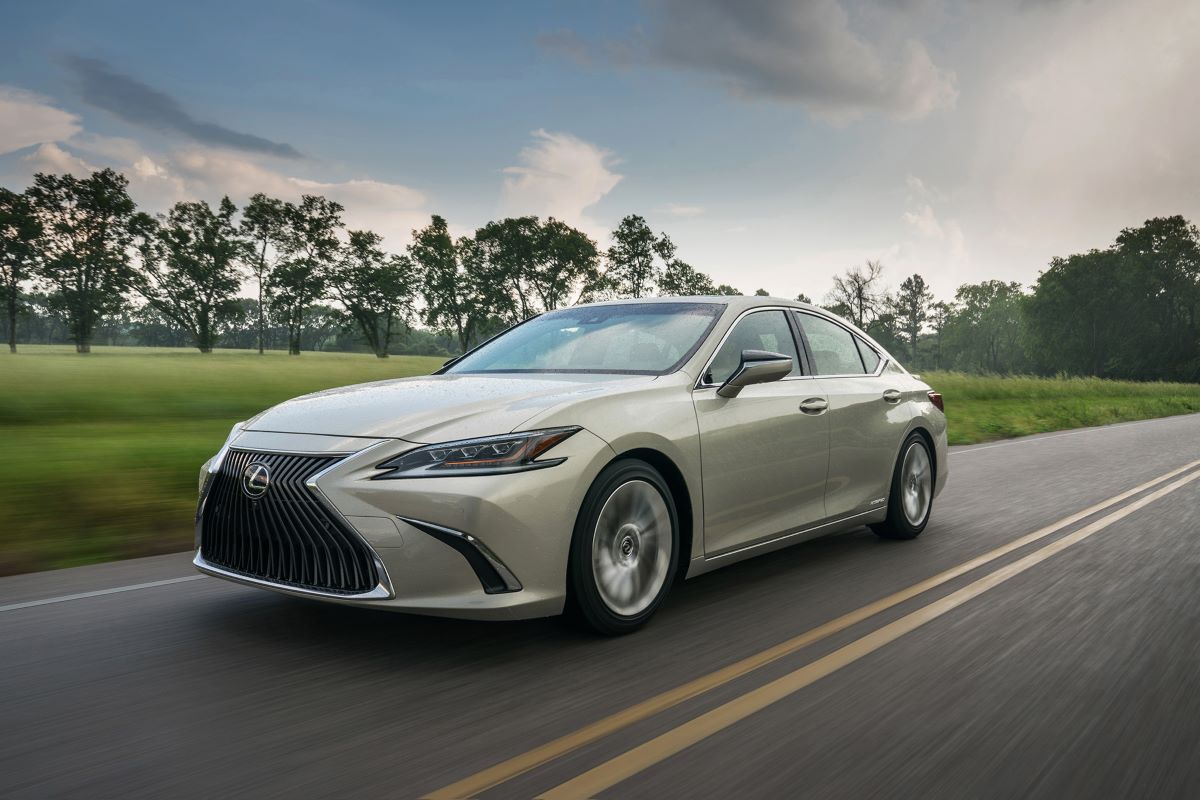
The Lexus ES is a luxury sedan designed for comfort, refinement, and stress-free driving. Its plush, well-cushioned seats provide excellent lumbar support, allowing the driver to maintain a relaxed posture during long commutes.
The suspension is tuned for smoothness rather than sportiness, absorbing road imperfections and delivering a sensation of floating over the asphalt.
Cabin noise is exceptionally low, thanks to sound-deadening materials and careful engineering. Drivers experience minimal intrusion from wind or road sounds, enabling them to focus on the drive, enjoy music, or simply relax.
The intuitive layout of controls ensures that navigation, audio, and climate systems can be adjusted easily without distraction, enhancing the stress-free environment.
Safety features in the Lexus ES contribute significantly to reducing driver tension. Lane departure alerts, adaptive cruise control, and pre-collision assistance offer subtle guidance, allowing the driver to feel supported without being micromanaged. Visibility is excellent, with a design that provides a clear view of surroundings and reduces blind spots.
These qualities allow for greater confidence in congested traffic or during long highway stretches. The predictability and stability of the ES encourage a calm mindset, which is particularly beneficial for commuters who face high-stress urban or suburban routes.
Luxury elements further improve the commuting experience. Climate-controlled seats, precise temperature management, and a high-quality audio system create a comfortable and enjoyable environment. The interior is spacious, minimizing the feeling of confinement, while storage and convenience features keep items organized and accessible.
Drivers are less likely to experience physical fatigue or mental irritation during extended drives. The combination of refinement, ergonomics, and technology ensures that each aspect of the commute feels effortless and controlled.
Finally, the Lexus ES excels in smooth, composed performance. Acceleration is linear and predictable, steering is responsive yet comfortable, and handling is balanced for stability rather than aggressive maneuvering.
Reliability and build quality reinforce peace of mind, as the driver can focus on the road without worrying about unexpected mechanical issues.
The result is a vehicle that consistently reduces commuting stress, making even long hours behind the wheel feel manageable and restorative. The ES demonstrates that luxury, comfort, and thoughtful engineering can transform a routine commute into a less taxing and even enjoyable experience.
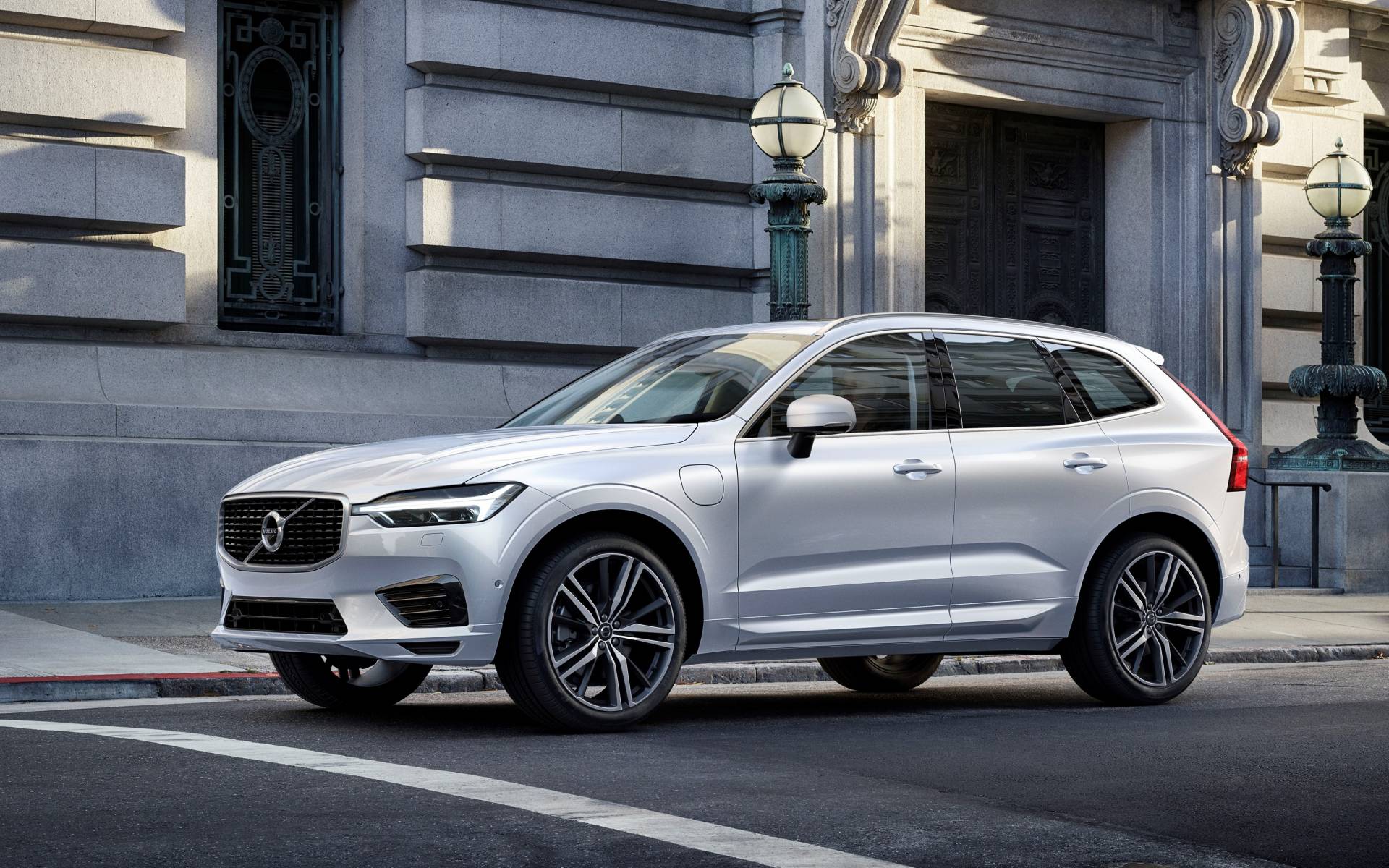
5. Volvo XC60
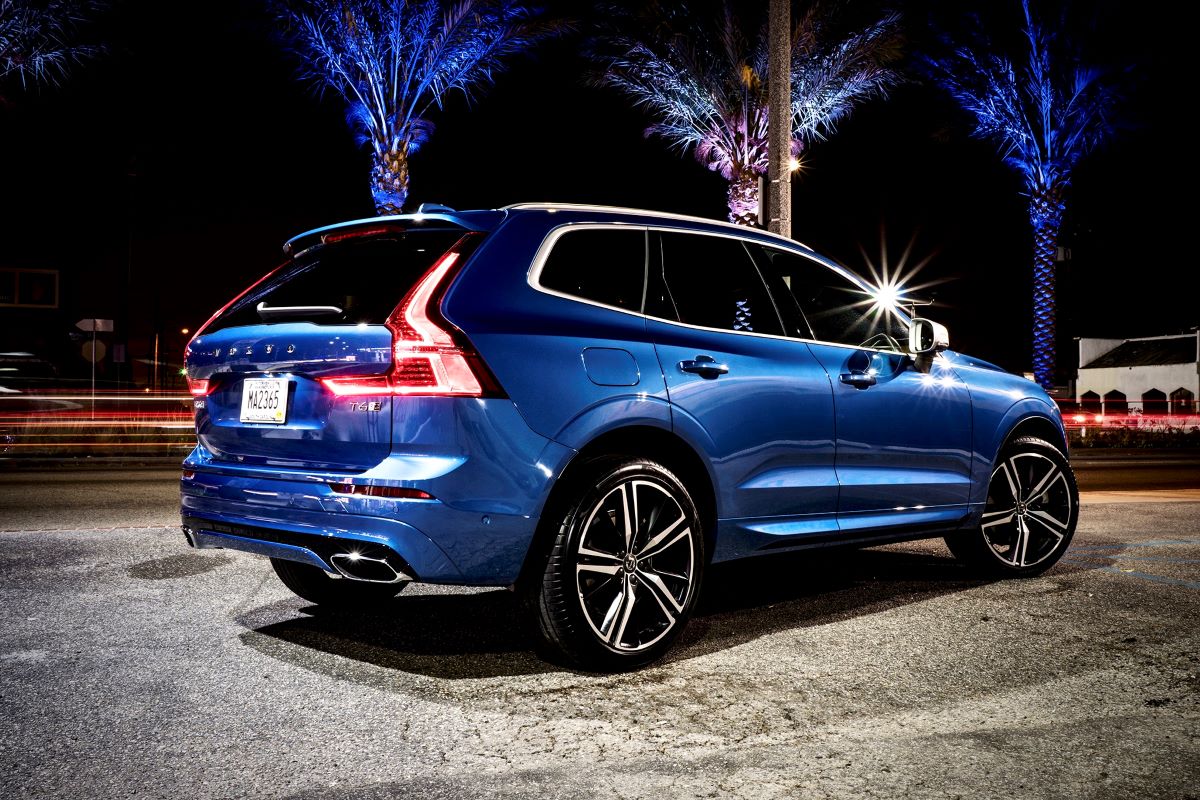
The Volvo XC60 is a midsize SUV that emphasizes comfort, safety, and predictable performance, all essential for a low-stress commuting experience. Its ergonomically designed seats provide extensive adjustability, excellent lumbar support, and cushioning that accommodates extended driving periods.
Drivers can easily find positions that reduce strain on the lower back, hips, and shoulders. The suspension is engineered to deliver a smooth and controlled ride, absorbing bumps and uneven surfaces without transmitting harsh vibrations into the cabin.
Noise insulation is highly effective, creating a quiet interior that minimizes distractions and mental fatigue. The design fosters a sense of calm and control during daily commutes.
The XC60’s interior is thoughtfully organized for both convenience and comfort. Infotainment systems are intuitive and easy to use, storage compartments are strategically placed, and the cabin layout reduces clutter and distractions.
Climate control options, seat heating, and adjustable airflow ensure that drivers maintain comfort regardless of external conditions. Visibility is excellent, allowing the driver to maintain awareness of surrounding vehicles, pedestrians, and traffic signals, which reduces the cognitive effort needed for safe commuting.
Finally, the XC60 combines reliability, smooth performance, and practicality. Its predictable acceleration, composed handling, and fuel efficiency contribute to an uninterrupted, relaxed driving experience. The SUV’s versatility allows commuters to transport work-related items or personal belongings without compromising interior comfort.
By blending ergonomic design, supportive technology, and safety-oriented engineering, the Volvo XC60 creates a commuting environment that minimizes fatigue and tension, ensuring that drivers arrive at their destination feeling alert, comfortable, and mentally refreshed.
5 Long-Commute Cars That Wear You Out
1. Fiat 500
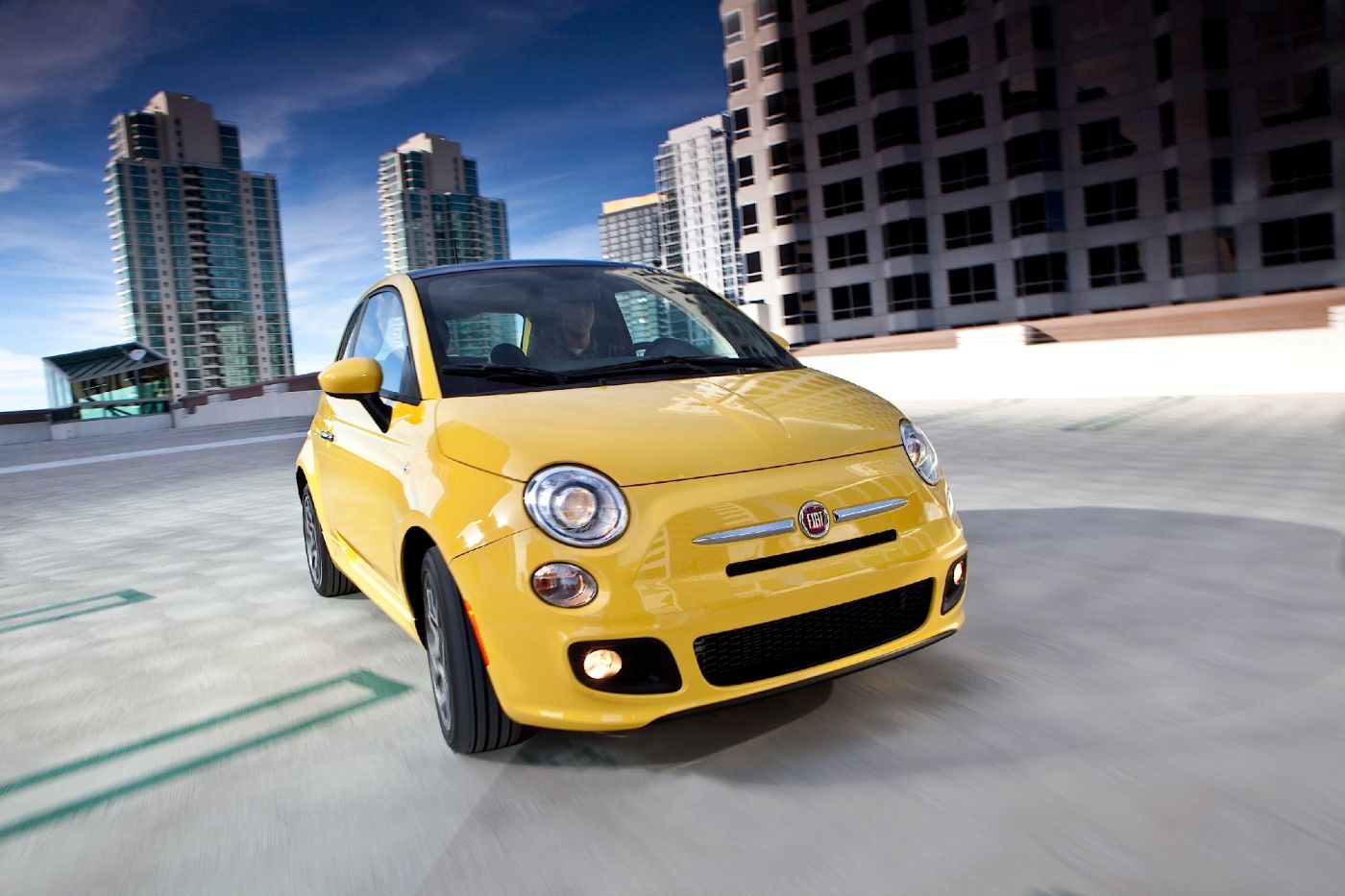
The Fiat 500 is a compact city car that may appear charming and stylish, but it can quickly become tiring for long commutes. Its small interior means limited legroom, headroom, and shoulder space, which can lead to discomfort over extended periods.
Drivers with longer legs or taller passengers may feel cramped, forcing them to sit in awkward positions that strain the lower back, neck, and shoulders.
The seats, while visually appealing, often lack substantial cushioning and support, which increases fatigue on longer drives. Over time, this can cause tension in muscles that aren’t used to prolonged sitting in constrained spaces.
Noise and road feedback further contribute to commuter fatigue in the Fiat 500. Because of its compact build, road imperfections are transmitted more directly to the cabin, and the suspension is tuned for short, urban trips rather than long-distance comfort.
Drivers feel every bump, dip, and crack in the road, which can increase physical discomfort and mental stress. Additionally, wind and tire noise are more noticeable at highway speeds due to the lightweight body and minimal soundproofing.
These factors combine to create a driving environment that demands constant attention and adjustment, making extended commutes more exhausting than relaxing.
Finally, storage and convenience limitations can indirectly contribute to fatigue. The compact interior restricts the placement of personal items, drinks, and devices, requiring drivers to reach awkwardly or compromise comfort to keep essentials accessible.
Climate control and ergonomics are minimal, meaning adjustments are often needed to maintain a tolerable temperature or seating position.
These constant small efforts may seem minor individually, but cumulatively they increase stress and exhaustion over the course of a long commute. While the Fiat 500 excels in city maneuverability and style, it is not built for lengthy daily drives, and drivers are likely to feel worn out after extended periods behind the wheel.

2. Mini Cooper
The Mini Cooper is well-known for its sporty handling and iconic design, but long commutes can become mentally and physically draining. Its compact dimensions make for a tight interior that can limit comfort, especially for taller or larger drivers.
Seating is firm, designed more for short bursts of driving than sustained support, which can contribute to soreness in the back and thighs during long drives. The cabin’s snug feel may also create a sense of confinement over extended commutes, adding to mental fatigue in addition to physical discomfort.
Noise levels in the Mini Cooper cabin can also add to commuter fatigue. The engine, tire, and road noise are more pronounced than in larger sedans or SUVs, especially at highway speeds. Wind noise through the compact frame can further reduce the sense of tranquility during longer drives.
Unlike more insulated vehicles, the Mini does not provide a serene environment where the driver can relax, focus on navigation, or enjoy music without interference. This auditory intrusion increases cognitive load and makes long commutes less mentally restorative.
Finally, storage, ergonomics, and convenience features are limited in the Mini Cooper. The small cabin means minimal storage compartments, fewer cupholders, and less space for personal items or work essentials. Climate control and infotainment interfaces may require frequent adjustments due to the tight layout.
Each of these factors demands constant minor interactions from the driver, cumulatively adding to physical and mental fatigue. While the Mini Cooper excels in urban agility and driving excitement, its compact dimensions, firm seats, higher noise levels, and limited amenities make it a vehicle that can quickly wear out drivers on extended daily commutes.
3. Mazda MX-5 Miata
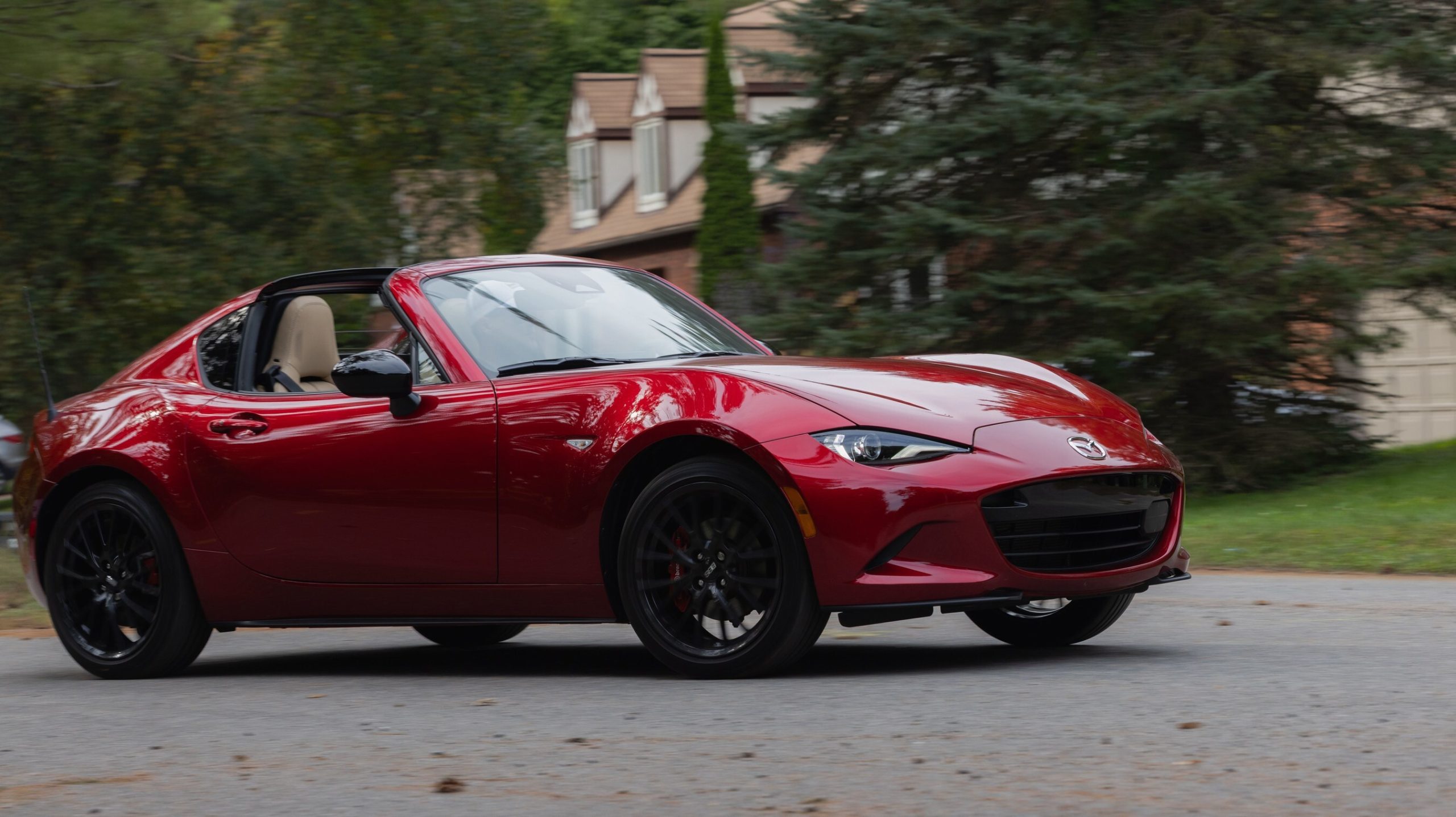
The Mazda MX-5 Miata is a lightweight sports car celebrated for its fun handling and open-top design, but it is far from ideal for long-distance commuting. Its compact size and low seating position create a constrained driving posture that can cause strain on the knees, hips, and lower back.
Over the course of a long commute, the body is forced into a position that is better suited for short drives, leading to soreness and stiffness.
The seats are designed for sporty support rather than comfort, making it difficult to maintain a relaxed posture over long hours. Drivers may find themselves shifting frequently to alleviate discomfort, which increases mental and physical fatigue.
Cabin noise is another factor contributing to fatigue in the MX-5 Miata. Road and wind noise are highly noticeable, particularly in models with soft tops. Even with the top up, the lightweight body provides limited insulation, leaving the driver exposed to a constant stream of sounds that require attention or create annoyance.
Unlike larger sedans or SUVs designed for serenity, the Miata’s auditory environment is never quiet, which can increase stress levels during long drives.
Storage and convenience are minimal in the MX-5, further increasing commuter strain. There is very little cargo space, and interior compartments are limited, meaning essentials may need to be rearranged or stored awkwardly.
Climate control is basic, and the compact layout offers minimal ergonomic flexibility. Each of these factors adds small but cumulative stresses, making the Miata a car that is fun for short trips but mentally and physically draining for lengthy daily commutes.
4. Chevrolet Spark
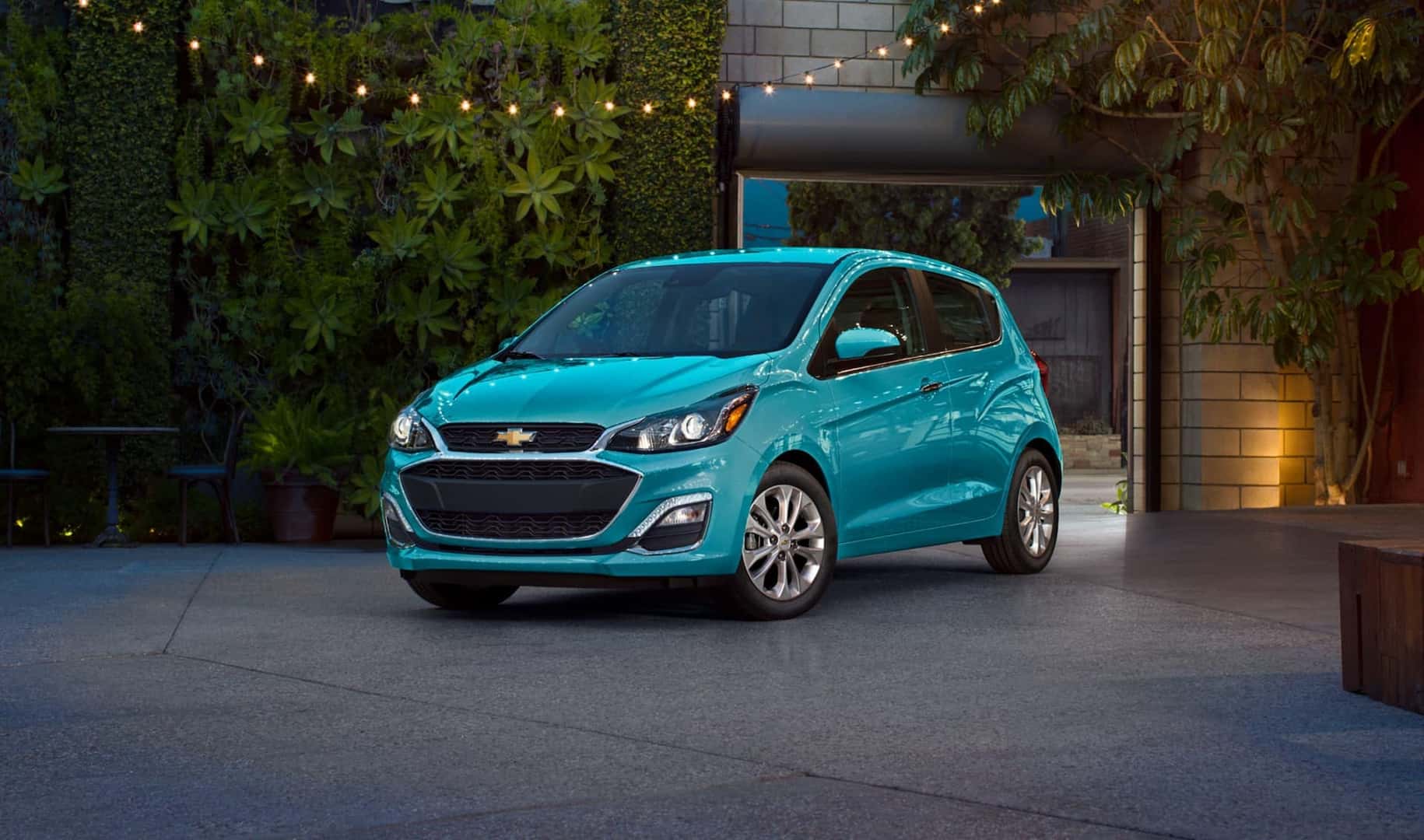
The Chevrolet Spark is a subcompact car that excels in city environments but struggles with long-distance comfort. Its small interior means cramped seating and limited legroom, especially for taller drivers.
The seats provide minimal support and cushioning, which can quickly lead to discomfort and soreness during long drives. The low seating position and lack of adjustable lumbar support force the body into positions that increase strain on the back and hips, leading to cumulative fatigue over the course of a daily commute.
Storage and convenience are minimal in the Spark, which indirectly increases commuter fatigue. Interior space is limited, and cupholders or compartments may not accommodate personal items easily. Climate control is basic, requiring frequent adjustments to maintain comfort.
The combination of cramped seating, minimal cushioning, road feedback, noise, and limited convenience makes the Chevrolet Spark suitable for short urban trips but exhausting for long-distance daily commuting.
5. Smart Fortwo
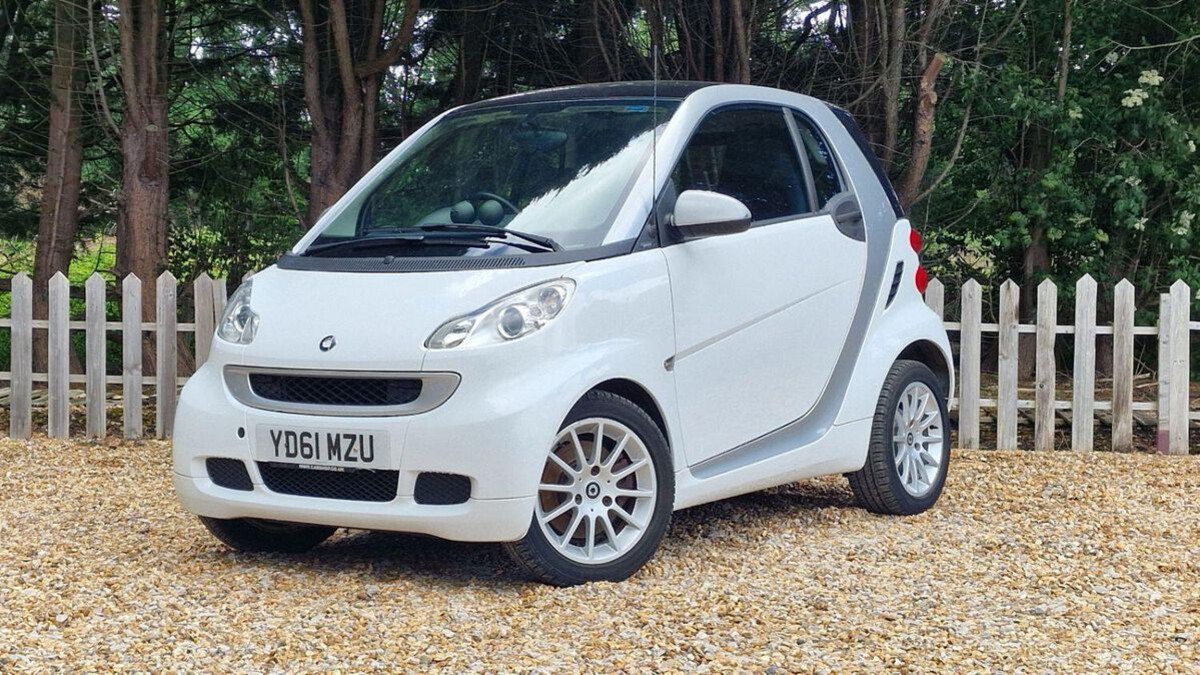
The Smart Fortwo is an ultra-compact city car designed primarily for parking convenience, not long-distance comfort. Its tiny interior restricts legroom, headroom, and shoulder space, creating an inherently cramped driving environment. Drivers often experience discomfort in the lower back, hips, and legs after even moderate periods behind the wheel.
The seats are firm and minimally supportive, which, combined with limited adjustability, can quickly result in muscle tension and soreness. While convenient in urban environments, the Fortwo is not ergonomically suited for extended driving.
Finally, the lack of storage, basic climate control, and minimal interior convenience features add to the car’s fatigue-inducing characteristics. Drivers must carefully manage their personal items, adjust their seating frequently, and contend with limited cupholders or compartments.
The cumulative effect of cramped space, hard seats, road feedback, noise, and minimal amenities makes the Smart Fortwo a practical city car but an exhausting vehicle for long-distance commuting. Extended drives leave the driver mentally taxed and physically uncomfortable, highlighting the limitations of ultra-compact cars for daily commutes.