For car enthusiasts and DIYers, a vehicle that allows for easy maintenance provides both convenience and independence. Features like DIY-friendly oil filters and drain plugs are particularly valuable because they make essential maintenance quick, reduce trips to the mechanic, and save money over the vehicle’s lifespan.
The following list highlights ten cars designed with accessibility and simplicity in mind, making them ideal for hands-on drivers. These vehicles range from rugged off-roaders such as the 2025 Jeep Wrangler to reliable sedans like the Toyota Corolla and Honda Accord.
Each model combines repair-friendly designs with strong performance, user-friendly layouts, and thoughtful engineering. Whether you are looking for a compact sports car, a durable pickup, or a full-size sedan, these cars stand out for ease of service, affordable replacement parts, and practicality for owners who enjoy performing their own maintenance.
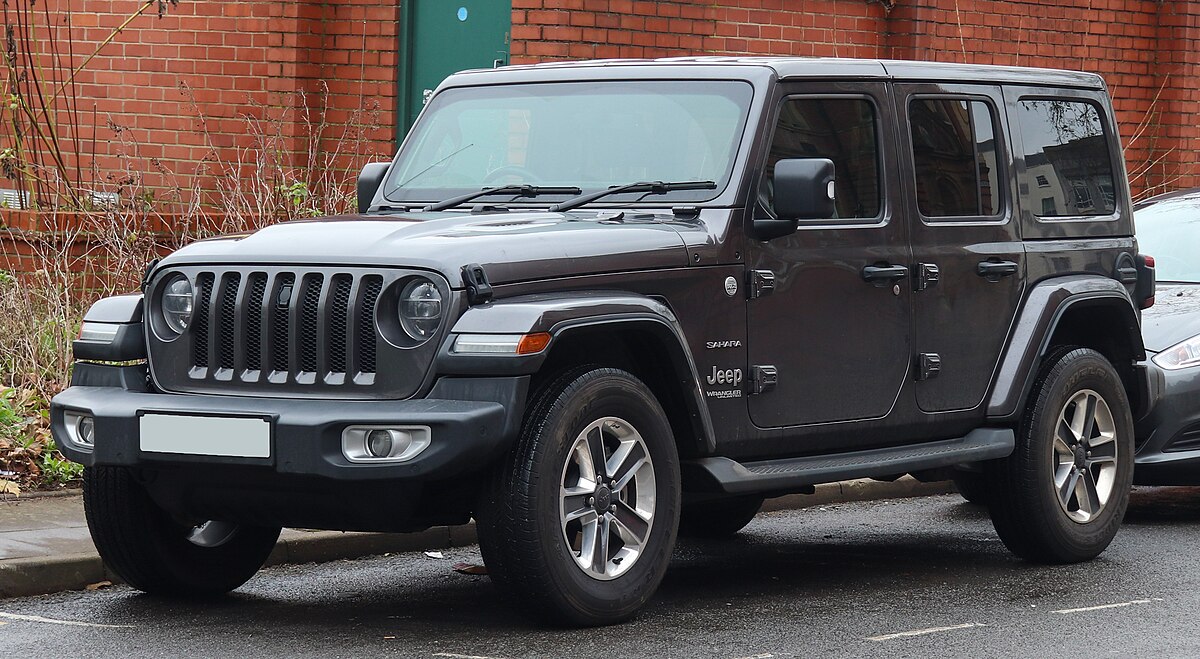
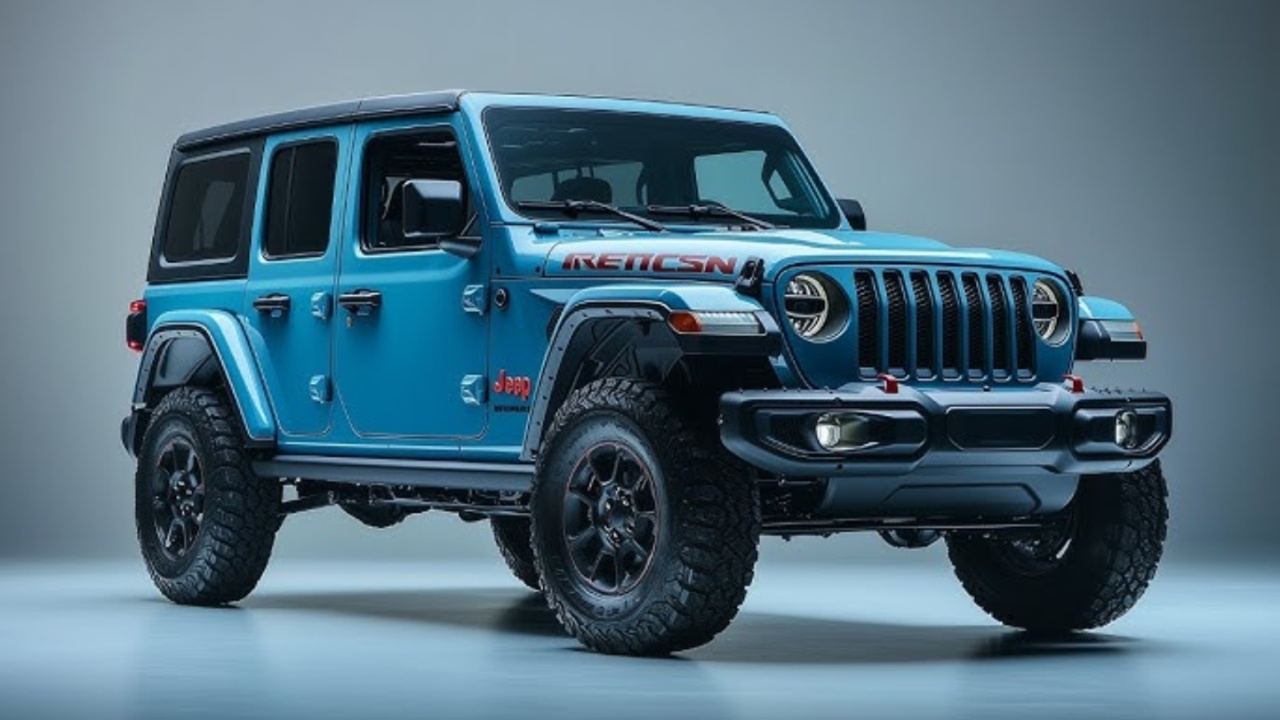
1. 2025 Jeep Wrangler: Repairability, Performance, and Everyday Usability
The Jeep Wrangler is widely recognized as one of the easiest vehicles to repair due to its straightforward construction and accessible components. Its timeless exterior paired with a modern engine appeals to both traditional enthusiasts and drivers seeking contemporary capability.
Parts are affordable and easy to source from Jeep stores or repair shops. Even for owners without mechanical experience, annual maintenance typically costs around $200.
While repairs can become expensive in rare cases, Jeep components are known for their durability, which keeps major issues infrequent. This makes the Wrangler a highly practical choice for hands-on drivers who enjoy vehicle customization and upkeep.
The 2025 Jeep Wrangler retains its strong reputation for outstanding off-road performance and broad customization options. Key strengths include exceptional trail capability, a plug-in hybrid option, and removable doors and roof panels that create a unique open-air experience.
Although the 2025 model year introduces no major updates, the current generation continues to hold its appeal due to thoughtful improvements introduced since 2018. With multiple body styles and several powertrains, including a hybrid setup, the Wrangler offers something for nearly every adventure-oriented driver.
The vehicle excels off-road, particularly in trims like the Rubicon, which can be equipped with 37-inch tires, stronger axles, and advanced shocks for demanding terrain. Thoughtful design choices, such as a low hood and accessible interior controls, improve visibility and usability on trails.
On paved roads, the driving experience is less refined. Steering feels vague at highway speeds, acceleration from the V6 engine is modest, and braking distances are long. Driver-assistance features such as blind-spot warning and adaptive cruise control perform well but are optional on many trims.
Comfort is one of the Wrangler’s weaker points. The front seats are firm, wind noise is significant, and the upright cabin can feel narrow. Entry may be difficult for shorter drivers due to the high step-in height, although the driving position is commanding and controls are intuitive.
The infotainment system is a highlight, offering a large, responsive touchscreen with wireless Apple CarPlay and Android Auto. Cargo space is useful because of the boxy shape, yet competitors like the Ford Bronco provide more room.
Fuel economy ranges from 17 to 21 mpg, depending on configuration, which is comparable to other off-road-oriented SUVs. The Wrangler continues to stand out with its heritage, distinctive character, and loyal enthusiast community.
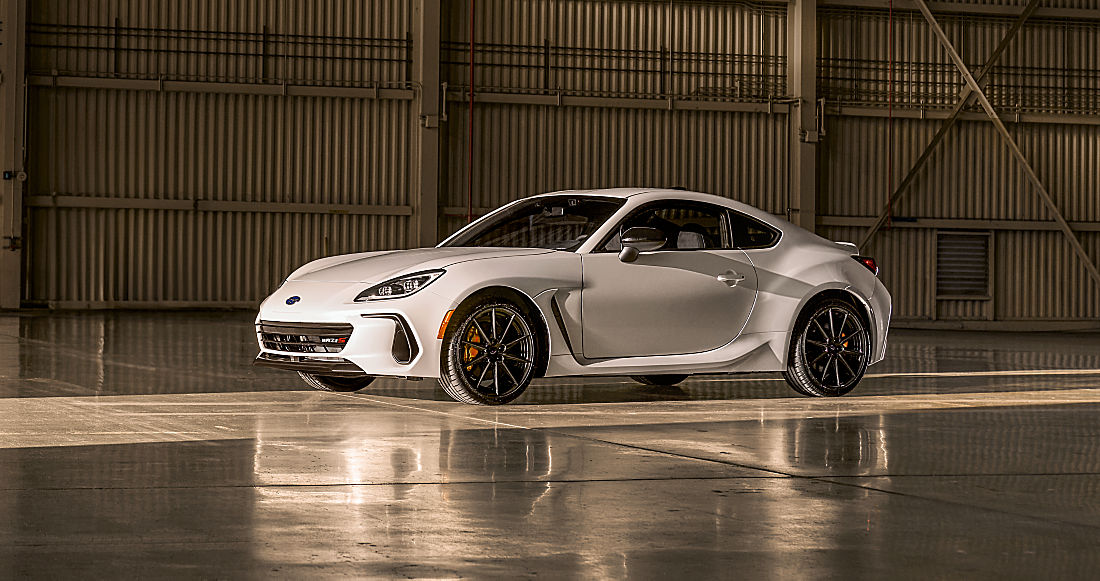
2. 2025 Subaru BRZ: Repairability, Driving Dynamics, and Everyday Practicality
The Subaru BRZ is highly regarded among automotive enthusiasts for its ease of repair and accessible parts market. Since its debut in 2011, it has attracted attention for its sleek, European-inspired design and budget-friendly pricing.
Thanks to a strong supply of components and a body structure that is simple to modify, owners rarely struggle to find affordable replacement parts. The BRZ’s motor complements its charm with smooth, reliable performance, making it an appealing platform for modifications, track use, or everyday enjoyment.
The 2025 Subaru BRZ remains a purist-oriented sports car focused on lightweight construction, rear-wheel drive, and an engaging driving experience. Built in collaboration with Toyota, it shares much of its engineering with the GR86.
Its 228-horsepower flat-four engine may appear modest, yet the car’s low weight ensures spirited acceleration and responsive handling. The 2025 updates are minimal, adding a standard Sport mode for improved throttle response and upgrading interior materials on the Limited trim.
Driving costs reflect its performance focus. Based on typical driving conditions in North Dakota, the BRZ Premium averages around 211 dollars per month for fuel, noticeably higher than the average compact car. Even so, the BRZ remains attractive for its balance of cost, performance, and versatility.
The BRZ excels in handling. Its quick and precise steering, well-tuned suspension, and balanced chassis offer exceptional control on winding roads or track environments. It can deliver playful oversteer or stable cornering with ease.
Braking performance is strong, especially with high-performance tires, and the manual transmission enhances driver engagement with crisp, accurate shifts. The automatic transmission is slower yet practical in heavy traffic.
Comfort is acceptable for a small sports coupe. The ride is firm but compliant, and front seats provide supportive bolstering. Noise levels inside the cabin are high due to tire, road, and engine sounds. The interior is simple and driver-focused with good visibility, though getting in and out can be challenging due to the low ride height. Rear seats serve better as extra storage than for passengers.
Technology includes standard Apple CarPlay, Android Auto, and useful safety features, though the audio system lacks strength. Storage space is limited but flexible, thanks to folding rear seats that can accommodate larger items like extra wheels.
The Subaru BRZ continues to offer strong value with solid build quality, reasonable pricing, and standard warranty coverage, making it a leading choice for drivers seeking an accessible, engaging sports car.
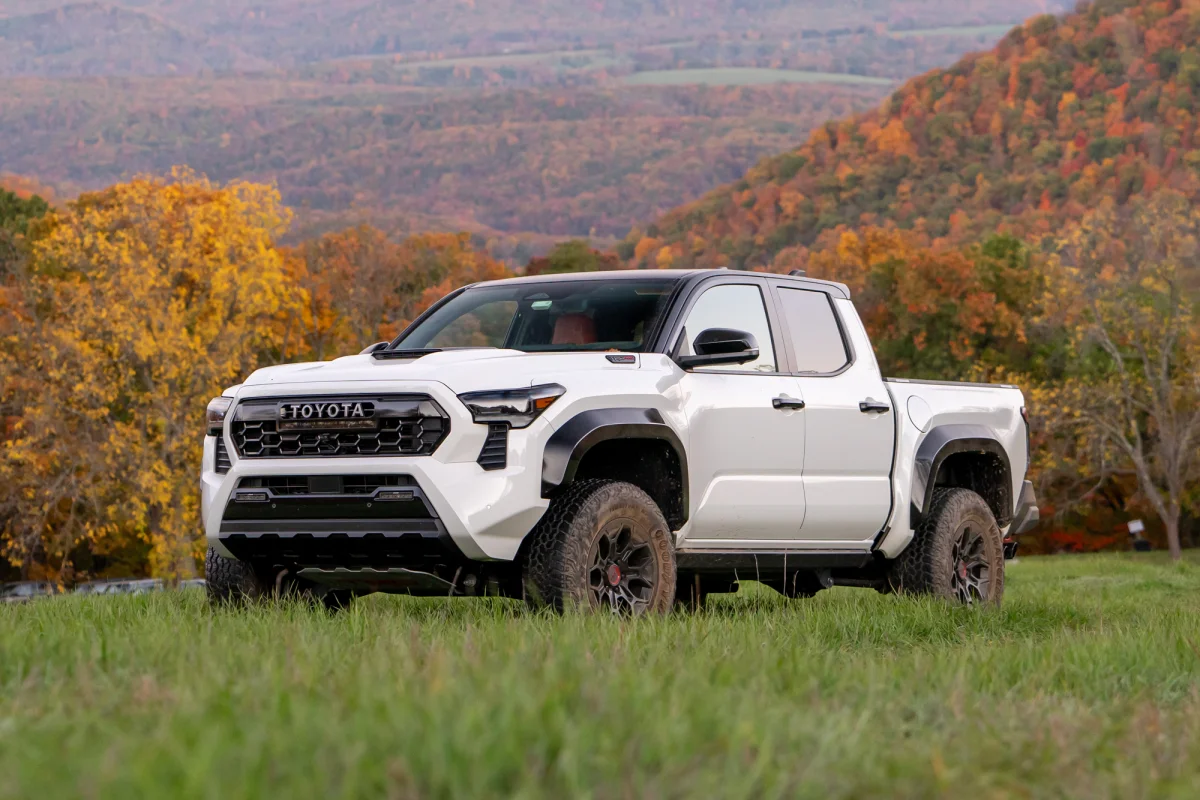
3. 2025 Toyota Tacoma: Repair Ease, Capability, and Modern Innovation
The Toyota Tacoma has long been celebrated for its compact design, strong performance, and reputation for being one of the easiest trucks to repair. Engineered with user convenience in mind, it features a straightforward layout and widely available parts.
Its tough styling, dependable engine options, and advanced safety systems contribute to its appeal among both longtime fans and new buyers. For many drivers, the Tacoma offers a satisfying mix of excitement, durability, and practicality.
As the best-selling small pickup truck in the United States for over twenty years, the Tacoma continues to outsell rivals like the Nissan Frontier and Ford Ranger. The fourth-generation Tacoma debuted in 2024 with significant updates, including new technology and the transition from a traditional V6 engine to a four-cylinder hybrid powertrain.
This modernization has expanded the truck’s performance capabilities, though some worry it may drift from the simple reliability that helped define the model. Pricing ranges widely, starting with the basic SR trim and extending to the off-road-ready TRD Pro, which can exceed sixty-eight thousand dollars with options.
One of Tacoma’s greatest strengths is its versatility. It is offered in two configurations, the two-passenger XtraCab and the five-passenger Double Cab, with bed lengths of either five or six feet. This variety sets it apart from many competitors that offer fewer combinations.
The TRD Pro trim highlights Toyota’s off-road heritage with Fox shocks, 33-inch Goodyear all-terrain tires, reinforced skid plates, and IsoDynamic front seats designed to absorb harsh impacts. Power comes from a turbocharged 2.4-liter engine in several tunes, while the hybrid version produces 326 horsepower and 465 pound-feet of torque. Hybrid fuel economy averages 23 mpg combined.
Driving performance varies slightly by trim, though all models benefit from smooth shifting, responsive braking, and light, accurate steering. Standard driver assistance features include adaptive cruise control, lane departure alert, and automatic emergency braking.
Comfort levels depend on configuration. Front seats are broad and supportive, while rear seats in the Double Cab can feel tight. Higher trims offer improved ride quality thanks to upgraded suspension systems.
Technology is a major highlight, especially the optional 14-inch touchscreen with wireless smartphone integration. Storage solutions are thoughtfully incorporated throughout the cabin. The Tacoma’s towing capacity reaches 6,500 pounds, and payload capacity tops out at 1,710 pounds, making it well-suited for both work and recreation.
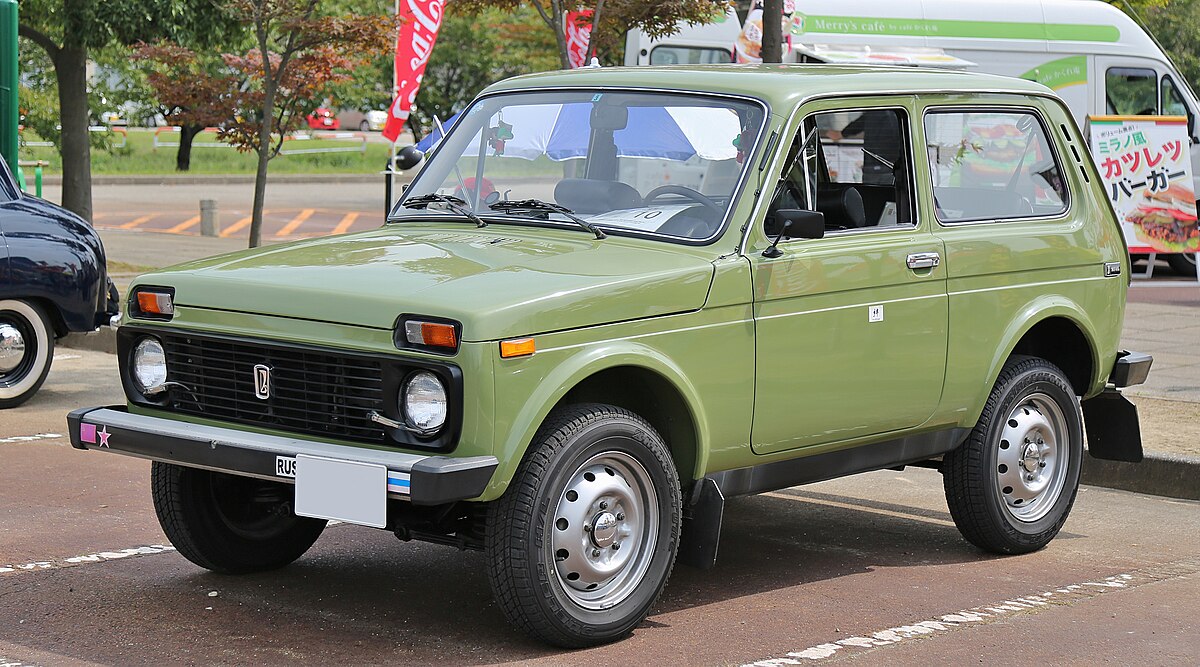
4. Lada Niva: A Classic Off-Roader That Still Delivers
The Lada Niva has remained a constant presence since 1977, and its enduring design continues to be one of its greatest strengths. The straightforward mechanical layout allows owners to handle many repairs themselves, and replacement parts are inexpensive and easy to find.
This simplicity has helped the Niva gain a strong following among drivers who prefer vehicles they can maintain without relying heavily on professional mechanics.
As prices for capable off-road SUVs rise in Europe, many buyers have begun searching for more affordable choices in other regions. The Lada Niva Travel, a modernized version of the original, is one of the most appealing options.
It combines a rugged platform with basic SUV features and begins at about 1300000 roubles, which is roughly 9700 US dollars. Buyers can choose from several trims and colors, and the compact dimensions help the vehicle move confidently across uneven terrain. The primary weakness is the 1.7-liter petrol engine with 80 PS, which is reliable but lacks strong acceleration and high-speed capability.
The classic Niva remains available in certain markets through independent importers. A base example in the United Kingdom costs around 19595 pounds, equal to about 24400 US dollars. The exterior design reflects its origins with round headlights, thin pillars that give excellent visibility, and sturdy bumpers.
Inside, the cabin blends older controls with modern features such as electric windows and heated seats on higher trims. Safety equipment is extremely limited, and buyers need to install their own infotainment system if they want one.
Driving the Niva on paved roads highlights several compromises. The 1.7-liter engine meets Euro 5 standards but performs best at modest speeds; the driving position is cramped with limited adjustment, and fuel economy averages about 30 mpg. In spite of these drawbacks, the Niva feels manageable in town because of its narrow body and clear outward visibility.
The vehicle shows its true capability once it leaves the pavement. Permanent Four Wheel Drive, locking differentials, a light body, and generous ground clearance give it impressive confidence on difficult trails. Thin body panels can be repaired easily, and the compact size helps it move through tight spaces.
The Niva is unsuitable for long highway commutes, yet it excels as a dependable off-road companion or a distinctive daily driver for short trips. With production scheduled to end soon, interested buyers should act quickly if they want to own this enduring automotive icon.
5. Chevrolet Silverado: Strong Towing, Smooth Power, and User-Friendly Design
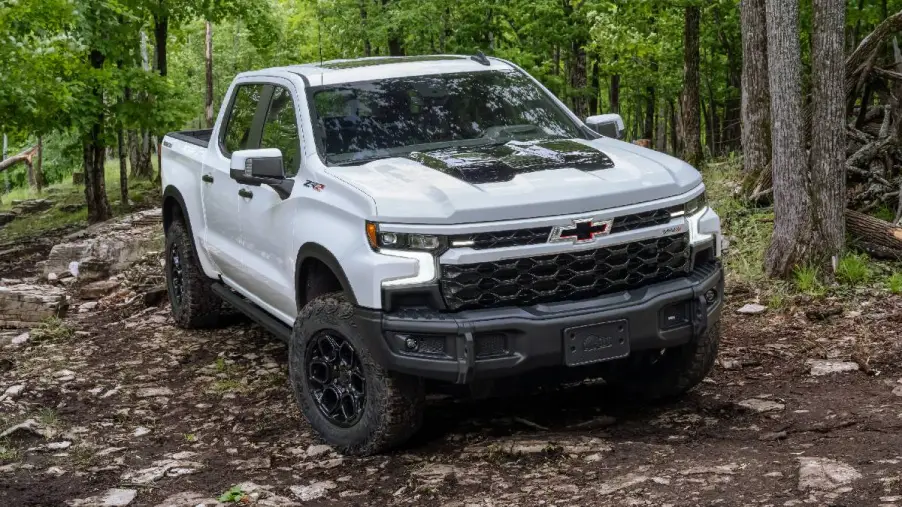
The Chevrolet Silverado 1500 is considered one of the more approachable full-size trucks for owners who like to handle basic repairs themselves. Its simple, accessible layout allows users to address common issues without unnecessary difficulty. Despite its large size, the Silverado feels easier to manage than expected.
Light steering effort helps the truck feel nimble, and body roll is kept in check during turns. This steering also limits feedback, but braking performance is strong and predictable. Ride quality is smooth in most conditions, which gives the truck a composed character on daily roads.
Chevrolet offers four engines that suit different needs. The lineup includes a 310-horsepower turbocharged 2.7-liter four-cylinder, a refined 305-horsepower diesel, and two V8 engines that produce 355 or 420 horsepower.
The base turbo four provides enough strength for everyday driving, and its eight-speed automatic transmission shifts smoothly. The diesel engine is notable for its quiet operation. The V8 options deliver confident acceleration and are better choices for drivers who plan to tow larger loads.
The Silverado excels in towing capacity. It can tow up to 13300 pounds when equipped with the diesel engine or the 6.2-liter V8 in combination with the Max Trailering package. Without this package, the maximum capacity stays below 10000 pounds.
The 2.7-liter engine supports between 8900 and 9500 pounds, while the 5.3-liter V8 increases that capability to between 9200 and 11300 pounds, depending on configuration. The 6.2-liter V8, available only with Four Wheel Drive, ranges from 8800 to 9200 pounds and reaches 13200 pounds when configured for maximum towing.
On the road, a Silverado with the 5.3-liter V8 reaches 60 mph in about seven seconds. Handling remains secure, although the ride can be slightly busier than what Ford and Ram offer.
The high hood limits forward visibility, and the parking camera quality is not ideal. Cabin comfort is strong in the crew cab, especially in the rear seat, where legroom is generous. Controls are easy to use, and available heated and ventilated seats enhance comfort.
Technology is a major advantage. The optional 13.4-inch touchscreen responds quickly and supports wireless Apple CarPlay and Android Auto. Storage space is plentiful, though rivals provide smarter organization. Fuel economy varies by engine, with the diesel offering up to 25 mpg combined.
Also Read: 10 Cars With Factory Roof Rails That Actually Help
6. Toyota Corolla: Reliable Design, Practical Driving, and Strong Efficiency
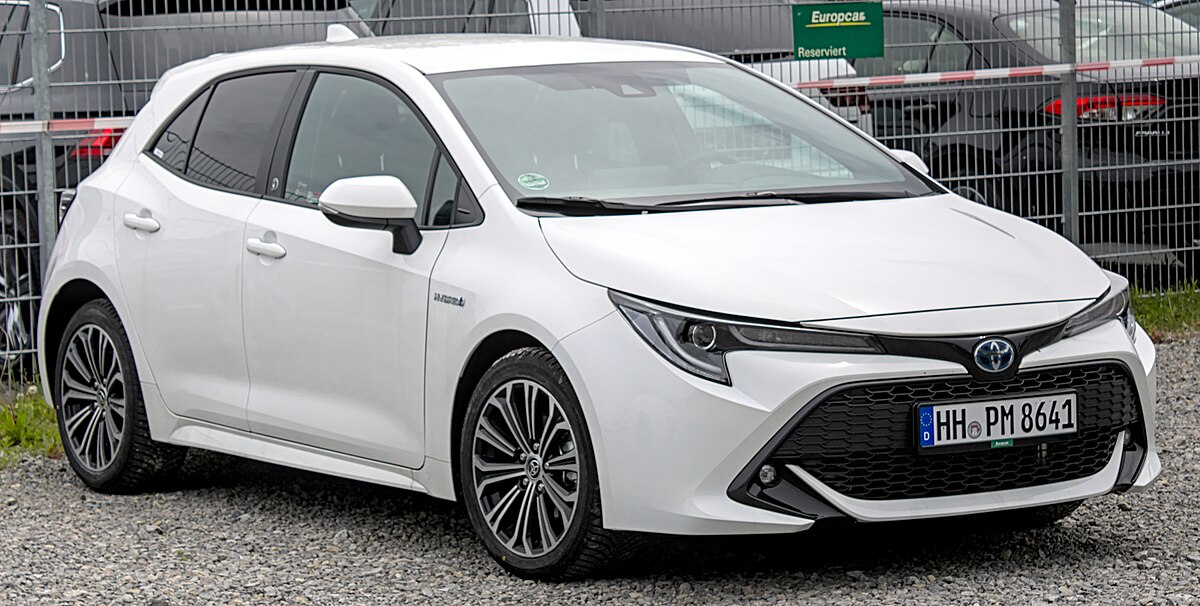
The Toyota Corolla remains one of the easiest cars to work on thanks to its long-standing design consistency and simple mechanical layout. While newer technology can introduce small challenges during repairs, the structure of the vehicle keeps it friendly for owners who prefer basic maintenance.
Its strong reputation for reliability has supported its position as one of the world’s best-selling cars. The average annual maintenance cost of about $677 reflects its dependable nature. Common issues include wheel bearing replacements, starter repairs, and occasional brake system or exhaust problems. These concerns are manageable due to the wide availability of affordable replacement parts.
Driving performance is modest. A Corolla XSE reaches 60 mph in 8.8 seconds, which means highway merging often requires a firm press of the accelerator. Braking is controlled and predictable, making daily stops smooth. Although the XSE trim aims to be sporty, handling leans more toward comfort.
The car leans noticeably in turns, and grip levels are limited, but everyday driving remains pleasant. The CVT operates quietly, and ride quality stays smooth on most surfaces. Advanced driver aids work well, especially the lane-keeping assistance system, which holds the vehicle in its lane without feeling aggressive. The blind spot system could benefit from an audible alert instead of a visual one.
Cabin comfort varies by seating position. Front seats offer enough support for daily use, and rear legroom is generous. Headroom becomes tight for taller rear passengers due to the tapered roof. Installing child seats is easy thanks to clearly marked anchors.
The interior layout is simple, functional, and free of unnecessary complexity, with sensible button placement. Road noise is the main drawback, becoming noticeable at highway speeds. The engine also sounds strained under heavy acceleration.
Technology features include an 8-inch or optional 10.5-inch touchscreen. Both screens appear modern but react slowly at times. Several useful connected features require monthly subscriptions. Cargo capacity sits at 13.1 cubic feet, which is slightly below key rivals, and the rear seats do not fold flat. Storage for personal items is adequate but not exceptional.
Value remains a strong point. The cabin feels well-built, and Toyota includes two years of free maintenance. Fuel economy stands out, with the tested XSE achieving an EPA rating of 34 mpg combined and an impressive 40.2 mpg in real-world driving. The Corolla Hybrid provides even better efficiency for buyers focused on maximum mileage.
7. Honda Accord: Efficient Design and Reliable Performance
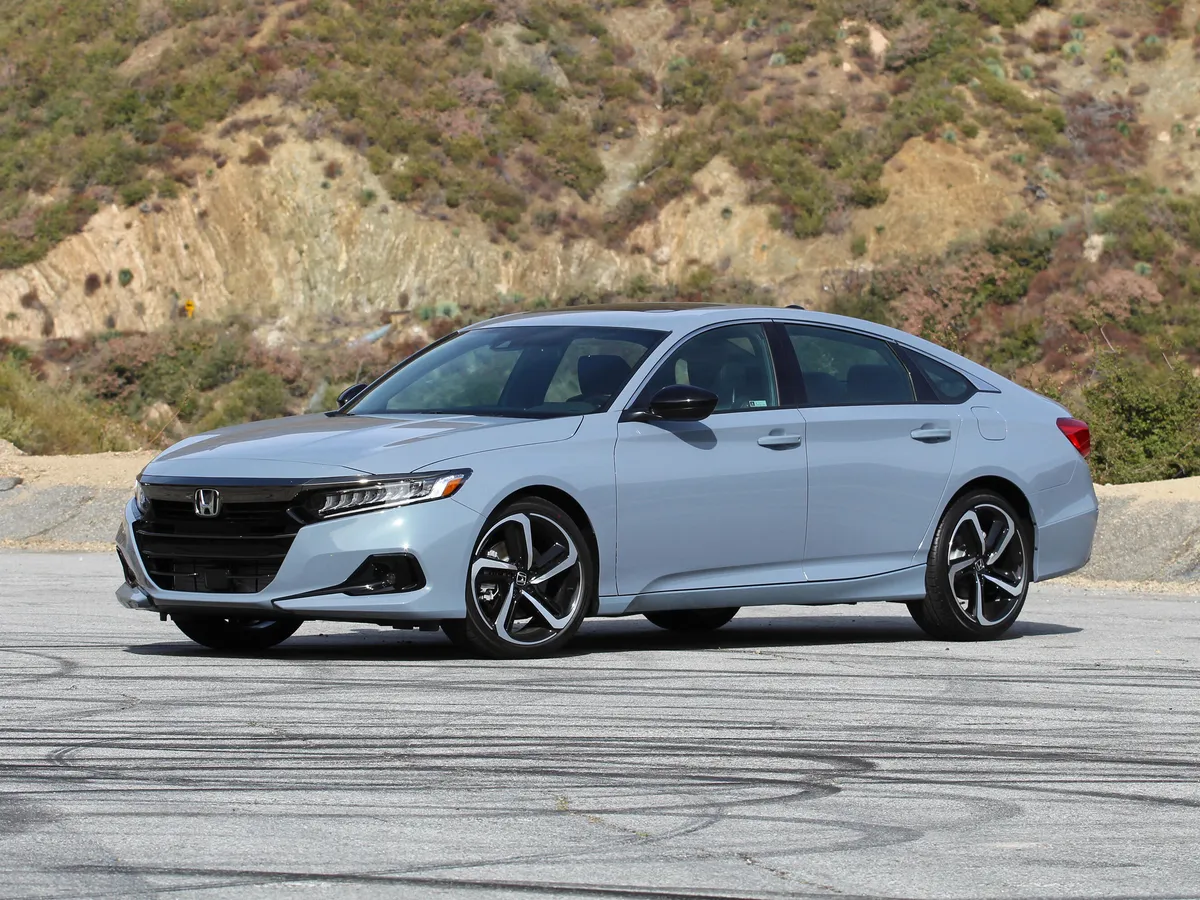
The Honda Accord is recognized as one of the easiest mid-size sedans to maintain due to its user-friendly design and extensive network of service centers. This widespread availability of parts ensures repairs are straightforward and affordable, making it a top choice for drivers who prefer convenience and low maintenance costs.
The Accord’s components are designed for accessibility, allowing both professional mechanics and knowledgeable owners to handle repairs with minimal difficulty.
The 2025 Accord builds on the 2023 redesign, offering a more advanced architecture, refined gas and hybrid powertrains, and improved technology. Updates for this year include the new SE trim replacing the EX trim with black exterior accents, standard rear-seat air conditioning vents, USB-C ports, and heated front seats on all hybrid models.
A Qi-compatible 15W wireless phone charger is now standard across hybrid trims. These updates enhance comfort and usability without altering the fundamental driving experience.
Performance remains smooth, with the 1.5-liter turbocharged inline-four producing 192 horsepower and 192 lb-ft of torque, paired with a CVT. Fuel economy for this configuration is 29 mpg city and 37 mpg highway. The hybrid powertrain combines a 2.0-liter four-cylinder engine with dual electric motors to produce 204 horsepower and 247 lb-ft of torque.
Fuel efficiency is impressive, with the EX-L hybrid rated at 51 mpg city and 44 mpg highway, while Sport and Touring hybrids achieve 46 mpg city and 41 mpg highway. The hybrid model accelerates from 0 to 60 mph in just 6.6 seconds, making it quicker than many non-hybrid competitors in its class.
Driving dynamics emphasize comfort and composure. Steering feel is light, and braking is strong and predictable. Handling is neutral, though wind and road noise can be noticeable.
Ride quality is particularly good with smaller wheels, offering smooth daily driving. Inside, the cabin features a modern layout with a functional infotainment system. Lower trims use simpler materials, while hybrid trims provide a more premium feel. Safety features are comprehensive across all models.
The Honda Accord blends practicality, efficiency, and performance. Its accessible design, strong reliability, and low-cost maintenance make it a compelling choice for mid-size sedan buyers seeking a balance of comfort, technology, and fuel economy.
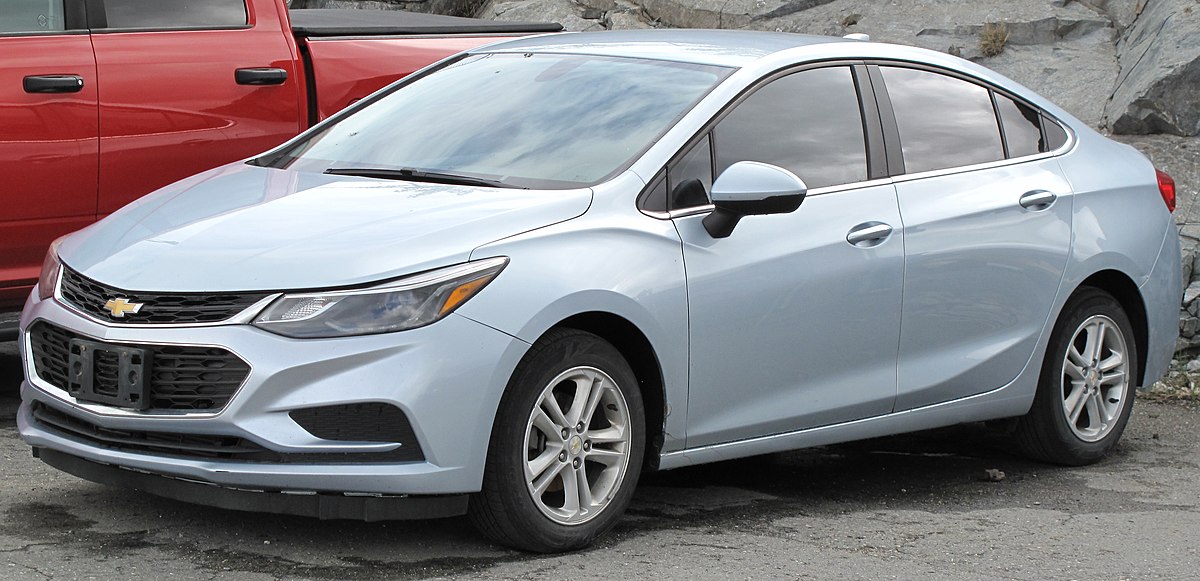
8. Chevrolet Cruze: Accessible Design and Balanced Functionality
The Chevrolet Cruze is designed to be one of the easiest modern cars to work on. Its well-organized layout and accessible components allow owners and mechanics to perform maintenance tasks efficiently. The Cruze balances practicality with functionality, providing a vehicle that is simple to repair while remaining stylish and user-friendly.
Starting at an MSRP of $17,995, the Cruze features a front-wheel-drive layout powered by a 1.4-liter turbocharged inline-four engine producing 153 horsepower and 177 lb-ft of torque.
This engine pairs with a six-speed automatic transmission and delivers a fuel economy of 28 mpg city, 38 mpg highway, and 32 mpg combined. With a 13.7-gallon tank, the Cruze offers a driving range of roughly 384 miles in the city and over 520 miles on the highway.
Driving dynamics are balanced, though acceleration from a standstill is sluggish, reaching 0 to 60 mph in 9.6 seconds. Braking is responsive, with a stop from 60 mph requiring only 110 feet. Steering is light but reactive, providing precise handling, while body roll is minimal, enhancing driver confidence.
The Cruze’s suspension, with MacPherson struts at the front and a compound crank setup at the rear, contributes to a smooth ride. Larger 18-inch wheels offer sporty handling but slightly reduce comfort over bumps, while lower trims provide a more compliant ride.
Inside, the cabin is spacious for a compact sedan. Front seats accommodate taller drivers, though wider passengers may find the seatbacks narrow. Rear seating provides enough legroom for four adults, though the sloped roof reduces headroom.
Controls are intuitive, with clear gauges and easy-to-reach buttons. Visibility is good, aided by tall windows, a low hood, and narrow rear pillars, complemented by a standard backup camera and optional parking sensors.
The Cruze also offers practical storage, including a flat cargo floor, fold-down rear seats, door cubbies, and cupholders. Technology is modern and easy to use, featuring the Chevrolet Infotainment 3 system, Apple CarPlay, Android Auto, and optional wireless charging. Safety features include lane departure warning, lane keeping assist, and blind-spot monitoring, particularly in higher trims.
The Chevrolet Cruze provides a practical and accessible experience, with easy maintenance, balanced handling, and user-friendly technology, making it an attractive choice for buyers seeking simplicity and efficiency in a compact sedan.
9. Hyundai Genesis Coupe: Powerful and Accessible Design
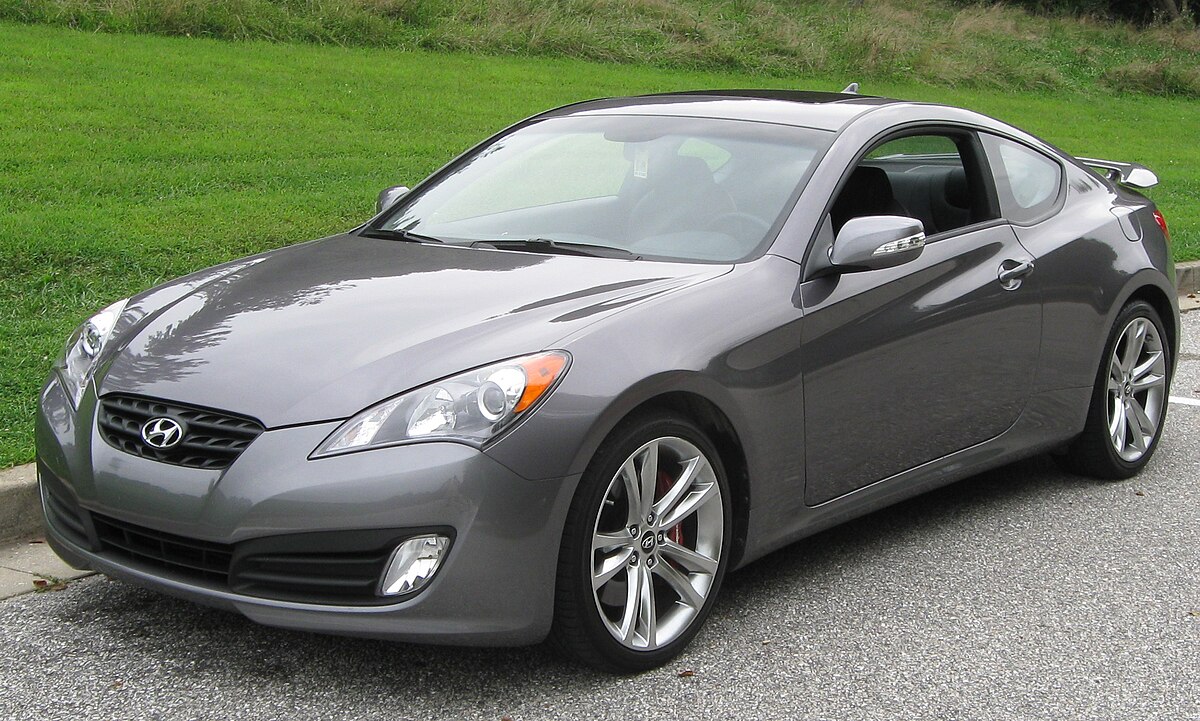
The Hyundai Genesis Coupe is designed to be one of the easiest cars to work on, thanks to its thoughtful layout and accessible components. The car’s design prioritizes visibility and accessibility, making maintenance and repairs straightforward for owners.
Ample space in the engine bay and well-positioned systems allow both enthusiasts and mechanics to work efficiently. Modern technologies are seamlessly integrated, enhancing functionality without complicating serviceability.
The 2013 Hyundai Genesis Coupe 2.0T is particularly notable for its upgraded engine. The 2.0-liter four-cylinder unit received a twin-scroll turbocharger and a larger, more efficient intercooler, boosting performance and fuel efficiency.
Compared to the original 2010 model, which produced 210 horsepower and 223 lb-ft of torque, the 2013 version delivers 274 horsepower and 275 lb-ft of torque. This substantial increase in power translates to significant performance improvements.
The 2013 model accelerates from 0 to 60 mph in 5.7 seconds and completes the quarter mile in 14.2 seconds at 98.4 mph, outperforming the 2010 version, which required 6.8 seconds and 15.3 seconds at 90.9 mph.
Handling is also improved, with the newer model completing the figure-eight course in 25.5 seconds at 0.69 g and 0.97 g of lateral grip, compared with 26.8 seconds, 0.65 g, and 0.91 g for the earlier model.
Despite these gains, the turbocharged engine introduces challenges. Turbo lag can be noticeable, with uneven power delivery when out of boost, making smooth cornering and acceleration trickier. Freeway passing is easier due to added torque, but abrupt turbo engagement can feel aggressive.
The driveline safety management system has been improved, offering better stability and traction control, though it can feel intrusive during spirited driving. Hyundai allows these systems to be fully disabled, giving drivers the freedom to explore performance limits safely.
The Hyundai Genesis Coupe combines strong performance with an accessible, user-friendly design. Its upgraded engine and balanced handling make it an exciting choice for enthusiasts, while its ease of maintenance ensures practicality for owners. The car blends modern functionality with performance-oriented engineering, appealing to both casual drivers and automotive enthusiasts.
10. Ford Crown Victoria: Durable and User-Friendly Full-Size Sedan
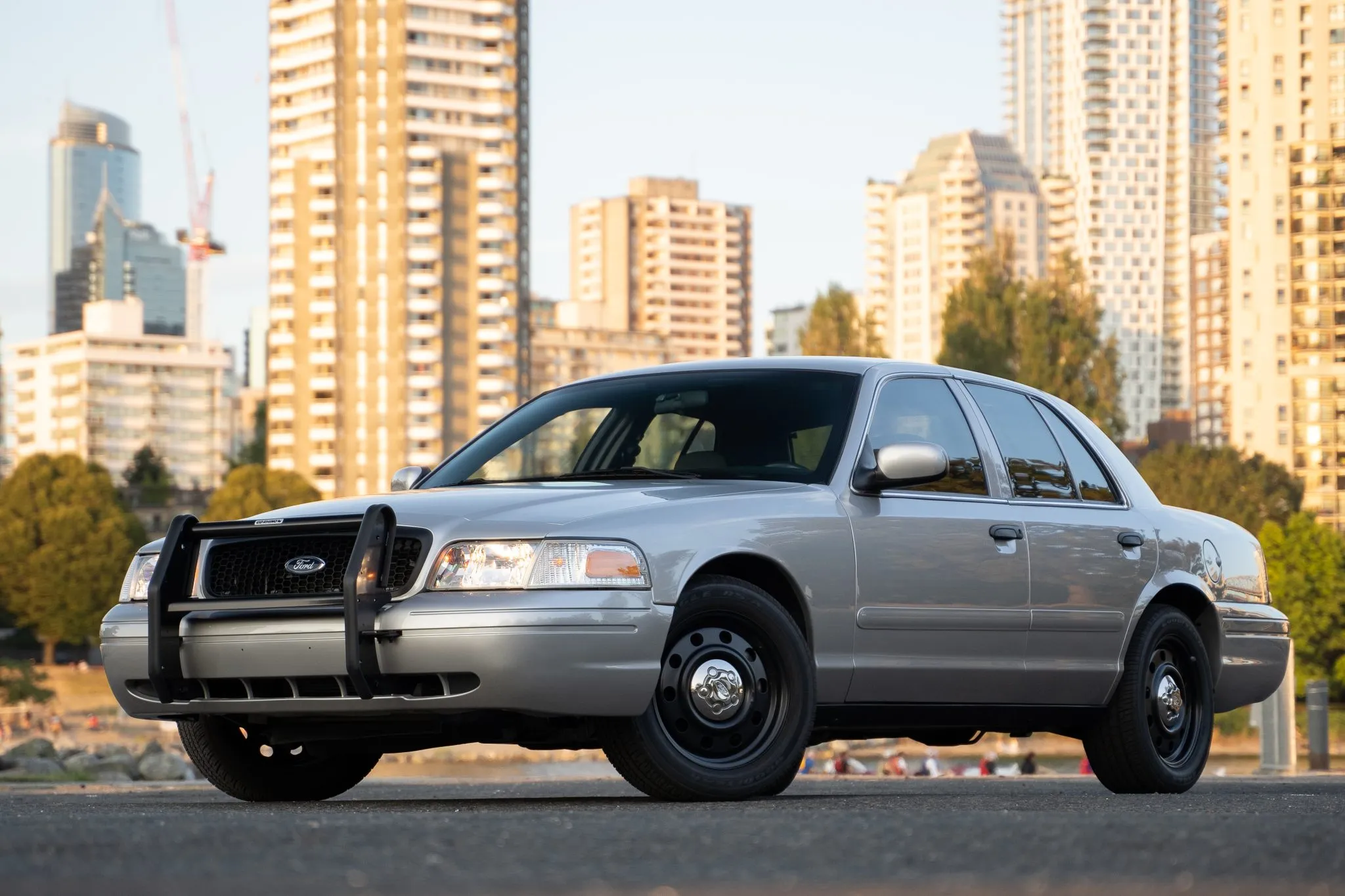
The Ford Crown Victoria stands out for its simplicity and ease of maintenance, a trait that distinguishes it from many other full-size sedans of its era. Historically, Ford vehicles, particularly those used as taxis or police cars, were often challenging to repair.
With the Crown Victoria, Ford prioritized accessibility, ensuring that routine maintenance and part replacements are straightforward, making it one of the easiest vehicles to work on.
Built on the Panther platform for 33 years, the Crown Victoria became an iconic choice for law enforcement and fleet use across North America. Its rear-wheel-drive layout, combined with a 4.6-liter V8 engine producing 224 horsepower and 272 lb-ft of torque, allows the two-ton vehicle to feel reasonably agile.
Models equipped with the Premium Sport Handling and Performance Package deliver slightly higher output at 239 hp and 287 lb-ft of torque, thanks to upgraded exhaust systems, torque converters, and shorter rear-axle gearing. The four-speed automatic transmission is standard throughout the lineup.
Safety features on the Crown Victoria include four-wheel antilock disc brakes with electronic brakeforce distribution. Traction control and power-adjustable pedals are optional, while front seat-mounted side airbags are available on LX models.
When equipped with side airbags, the Crown Victoria achieved five-star ratings in NHTSA frontal and side-impact crash tests and earned a “Good” rating in IIHS frontal-offset testing.
Driving the Crown Victoria emphasizes comfort and solid acceleration rather than sporty handling. While its ride quality is forgiving, the vehicle’s substantial weight and older platform limit nimbleness. Steering is adequate for daily driving, and the car performs well as a family cruiser, though competitors like the Chrysler 300C or Toyota Avalon feel more refined and responsive.
The interior of the Crown Victoria is spacious and practical. A column-mounted shifter and standard front bench seat allow seating for six, though the Premium Sport Handling package reduces front seating to two bucket seats, lowering capacity to five.
Interior materials and design are basic but functional, offering comfort for extended drives. The trunk provides 21 cubic feet of cargo space, ample for luggage or groceries, reinforcing the Crown Victoria’s reputation as a reliable, durable, and user-friendly full-size sedan that remains a nostalgic favorite among enthusiasts and fleet operators alike.
Owning a car that is simple to maintain can transform the driving experience by turning routine tasks into manageable and satisfying projects. The ten vehicles highlighted, from the adventurous Jeep Wrangler and Subaru BRZ to dependable trucks like the Chevrolet Silverado and Toyota Tacoma, offer simplicity, durability, and accessibility.
With user-friendly oil filters, drain plugs, and components placed for easy access, these cars allow drivers to perform maintenance efficiently and confidently. Beyond convenience, they provide strong performance, practical features, and thoughtful design that support everyday driving.
For those who value independence, lower maintenance costs, and a hands-on approach to car care, these ten vehicles demonstrate that maintaining a car can be straightforward, cost-effective, and even enjoyable.
Also Read: 5 Cars Cheap To Keep Past 150k Vs 5 That Get Pricey After Warranty