The ride-share industry has grown rapidly over the past decade, changing the way people think about transportation. For drivers who rely on ride-share platforms like Uber or Lyft, the choice of vehicle can significantly influence earnings, rider satisfaction, and long-term costs.
Used cars are a popular option for many drivers because they are more affordable than new models while still offering reliability and comfort. However, not all used cars are created equal when it comes to ride-share driving.
Factors such as fuel efficiency, maintenance costs, interior space, comfort, and reliability all play a critical role in determining whether a car will benefit or harm a driver’s experience and ratings. Selecting the right used car is not just about upfront cost but also about the total experience for both the driver and the passenger.
Cars that are spacious, quiet, and easy to maintain can make long shifts much more manageable and contribute to higher passenger ratings, while poorly suited vehicles can lead to complaints, lower ratings, and even increased expenses over time.
Understanding which cars are best suited for ride-share work and which ones could negatively affect the experience is essential for anyone considering this line of work. This article examines five used cars that are generally excellent choices for ride-share drivers, followed by five used cars that could potentially hurt ratings and satisfaction.
The goal is to provide practical guidance for drivers looking to maximize their efficiency, comfort, and passenger approval without relying on new purchases or costly upgrades.
5 Used Cars That Are Great for Ride-Share
Toyota Camry
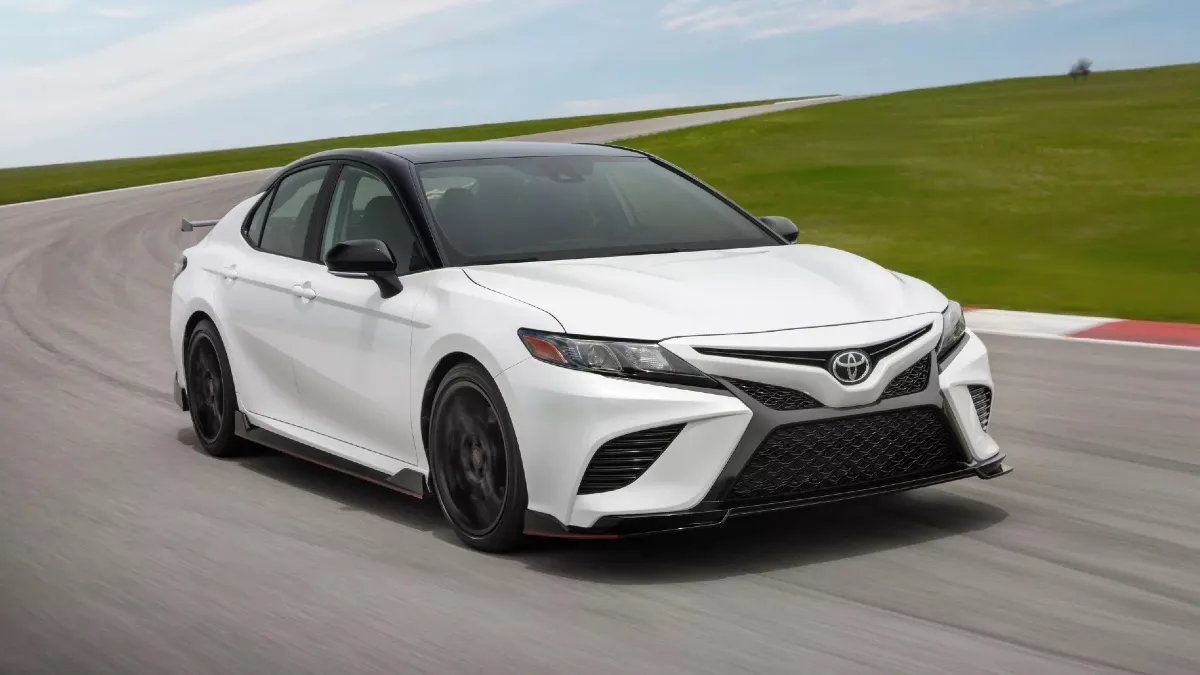
The Toyota Camry is widely regarded as one of the most reliable and practical sedans for ride-share drivers, particularly those who are looking for a vehicle that balances affordability, comfort, and longevity.
Its reputation for long-term durability ensures that drivers can rely on it to handle the demands of daily ride-share work without frequent mechanical interruptions.
Many used Camry models from the last decade are known to surpass 200,000 miles with regular maintenance, which reduces the stress and cost associated with unexpected repairs. The cabin is designed to be quiet and comfortable, which is essential when passengers spend significant time inside the car.
A smooth ride and responsive handling also contribute to a more pleasant experience for both drivers and passengers, minimizing complaints and improving ratings. Moreover, Camry’s fuel efficiency, often exceeding 30 miles per gallon on the highway, allows drivers to save significantly on gas, which is particularly valuable during long workdays.
With its solid resale value and widespread availability, the Camry stands out as an excellent choice for those entering the ride-share industry without wanting to compromise on quality or comfort.
Another advantage of the Camry is its safety features, which are crucial in earning trust from passengers. Many used Camry models come with multiple airbags, stability control, and anti-lock braking systems, providing drivers and passengers with peace of mind during city and highway driving.
Its predictable handling and smooth braking contribute to a secure driving experience, which often translates into higher passenger ratings.
Toyota’s reputation for engineering vehicles with long-lasting reliability means that ride-share drivers can confidently invest in a used Camry, knowing that it is likely to require fewer unexpected repairs compared with some other mid-size sedans.
In addition, the Camry’s design balances comfort with efficiency, offering a pleasant ride while maintaining excellent fuel economy and low maintenance requirements. This combination of safety, reliability, and comfort ensures that drivers can focus on service quality rather than worrying about mechanical issues or passenger complaints.
The Camry’s resale value is another key advantage for ride-share drivers considering long-term ownership. Because the model is so popular and widely respected, used Camrys retain their value well, which allows drivers to recover a significant portion of their investment when upgrading or changing vehicles.
This strong resale value also reflects the general reliability and durability of the model, reinforcing its status as a practical and cost-effective choice for daily ride-share operations. In addition, the Camry is easy to find across multiple model years and trim levels, which makes it accessible for drivers with varying budgets.
Whether a driver prioritizes a lower purchase price, higher fuel efficiency, or additional comfort features, there is likely a Camry that meets those needs. Its combination of comfort, affordability, reliability, and passenger-friendly features consistently makes it one of the top choices for drivers aiming to maximize ratings and income in the ride-share industry.
Honda Accord
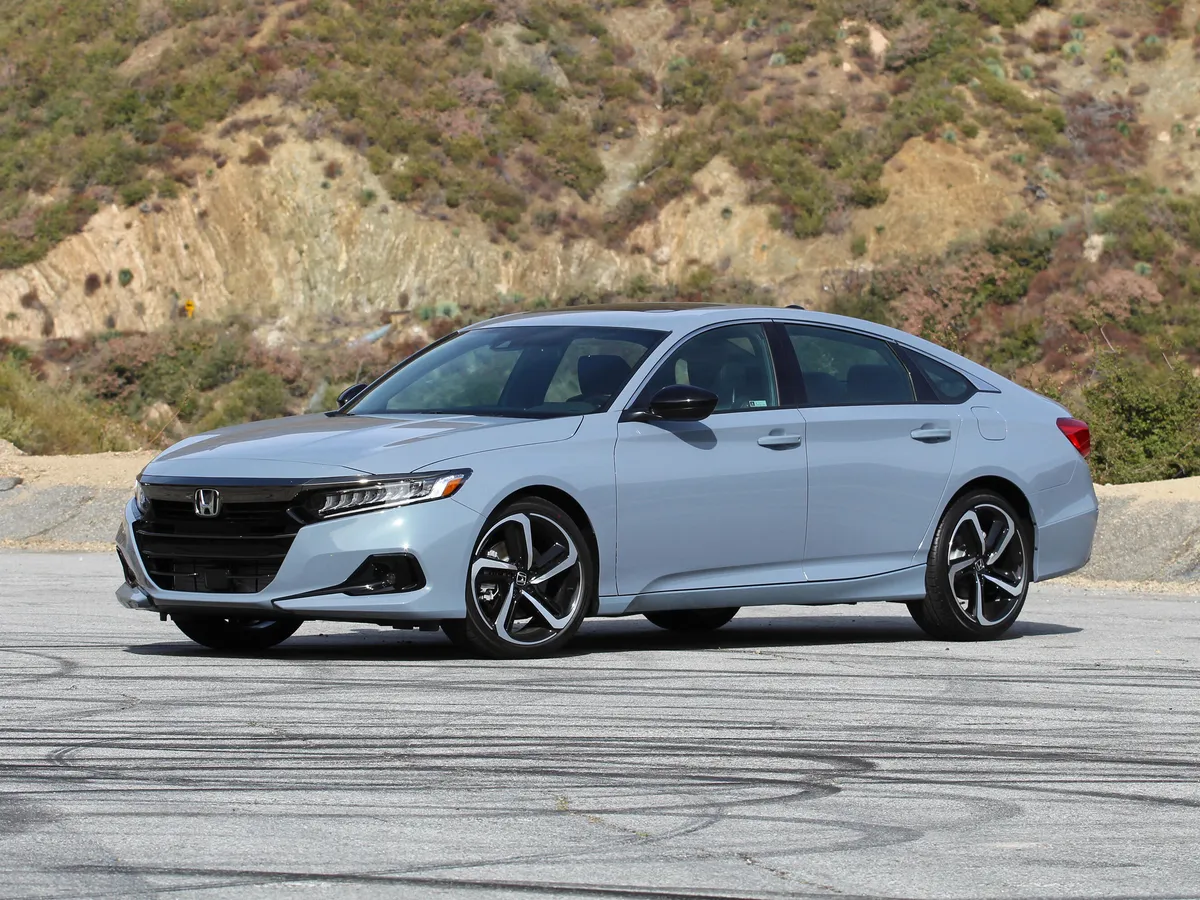
The Honda Accord is a trusted and highly recommended vehicle for ride-share drivers due to its combination of comfort, reliability, and performance. Like the Camry, it offers a quiet and smooth ride, which passengers appreciate during both short trips and longer journeys.
The seating arrangement is spacious, comfortably accommodating three adults in the back, which is particularly important in ride-share services where passenger comfort directly impacts ratings.
Honda Accords are known for their longevity, with many vehicles reaching 200,000 miles or more when properly maintained.
Fuel efficiency is competitive, and hybrid models provide an option for drivers looking to further reduce operational costs. Safety ratings are consistently high across model years, contributing to both driver and passenger confidence.
For these reasons, the Accord has become a go-to option for ride-share drivers who want a dependable, comfortable, and efficient vehicle for daily work.
Another key factor in the Accord’s suitability for ride-share is its balance between fuel efficiency and driving dynamics. The car provides a smooth ride in city traffic and on highways while maintaining competitive fuel economy.
Hybrid models offer even greater efficiency, which can translate to significant savings for drivers who spend long hours on the road. Reliability is a hallmark of the Accord, with many drivers reporting minimal mechanical issues over hundreds of thousands of miles.
This predictability in performance reduces stress and ensures that drivers can focus on providing excellent service rather than worrying about unexpected breakdowns. Passenger comfort, smooth handling, and dependable performance make the Honda Accord a standout choice for ride-share drivers looking for a used car that excels across multiple key criteria.
Toyota Prius
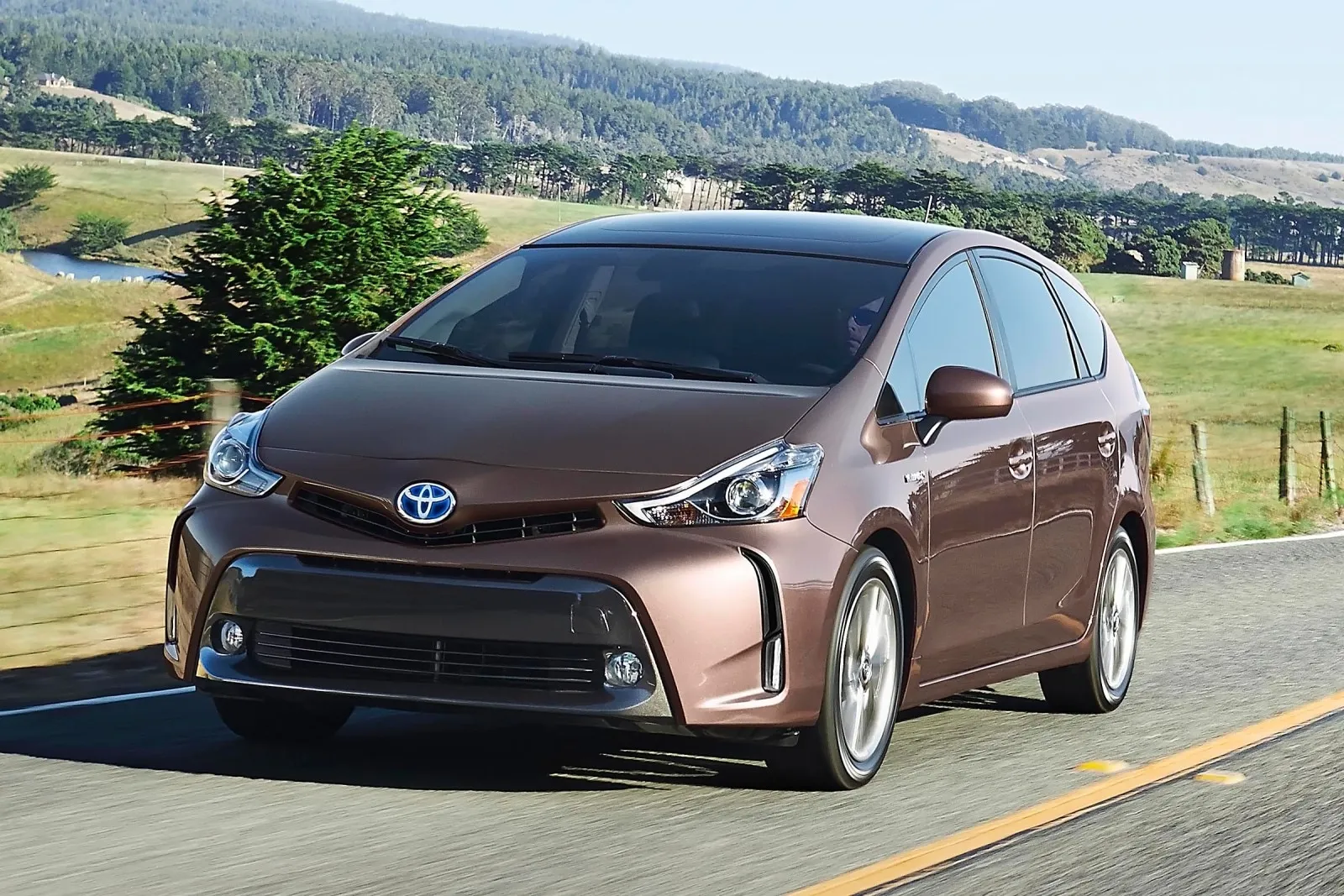
The Toyota Prius stands out as a vehicle that prioritizes fuel efficiency, a crucial consideration for ride-share drivers who spend significant time on the road. Its hybrid powertrain allows drivers to achieve exceptional gas mileage, often exceeding 50 miles per gallon, reducing fuel costs and increasing profitability.
While the interior may feel slightly smaller than larger sedans like the Camry or Accord, the cabin remains practical and comfortable for most passengers. The Prius provides a quiet and smooth ride, thanks to its electric motor, which is particularly noticeable in stop-and-go traffic or city driving.
Its reputation for reliability, long-lasting battery life, and low maintenance requirements makes it a smart choice for drivers who want a vehicle that can endure years of consistent use without frequent repairs.
The cabin of the Prius is designed to optimize passenger comfort and convenience. Seats are ergonomically shaped to provide support for longer rides, and the rear seat space accommodates adult passengers with reasonable comfort. Climate control systems are effective, ensuring a pleasant environment regardless of weather conditions.
The hatchback design adds versatility, allowing drivers to transport luggage, groceries, or small equipment with ease. Technology features such as touchscreen interfaces, backup cameras, and Bluetooth connectivity are available in many used models, enhancing the experience for both driver and passenger.
Predictable maintenance, readily available parts, and minimal mechanical issues contribute to the Prius’s appeal as a low-cost, high-reliability option for ride-share drivers.
The Toyota Prius also offers a strong balance between functionality and technology. Many models come equipped with navigation systems, infotainment controls, and smartphone integration, which passengers often appreciate.
The car’s hatchback configuration provides additional flexibility for carrying larger items, a useful feature for airport pickups or shopping runs.
With a strong reputation for long-term durability and predictable maintenance needs, the Prius allows drivers to focus on service quality rather than unexpected mechanical issues. Its efficiency, comfort, and versatility make it one of the most reliable used cars for ride-share drivers seeking both high passenger satisfaction and cost-effective operations.
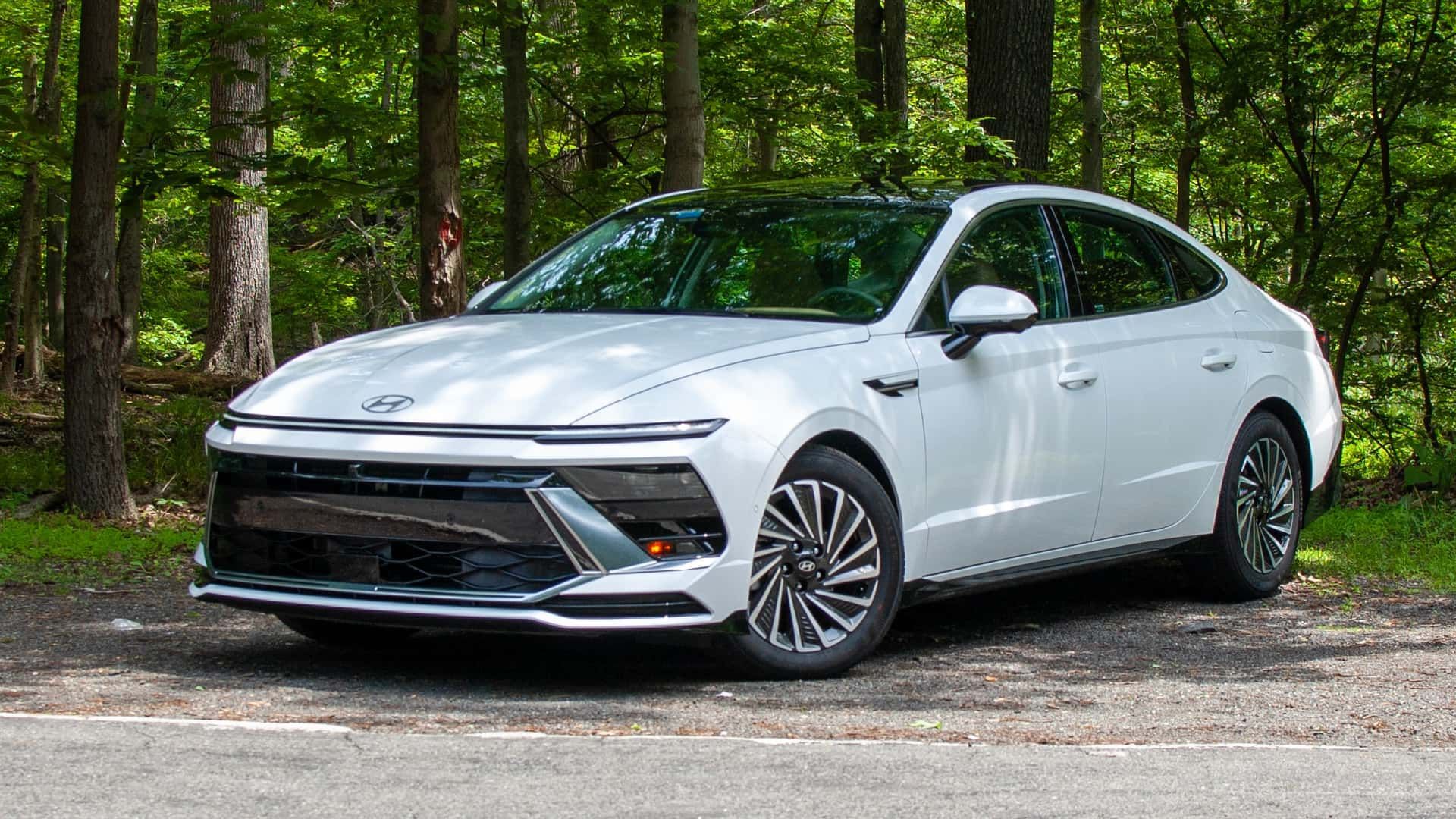
Hyundai Sonata
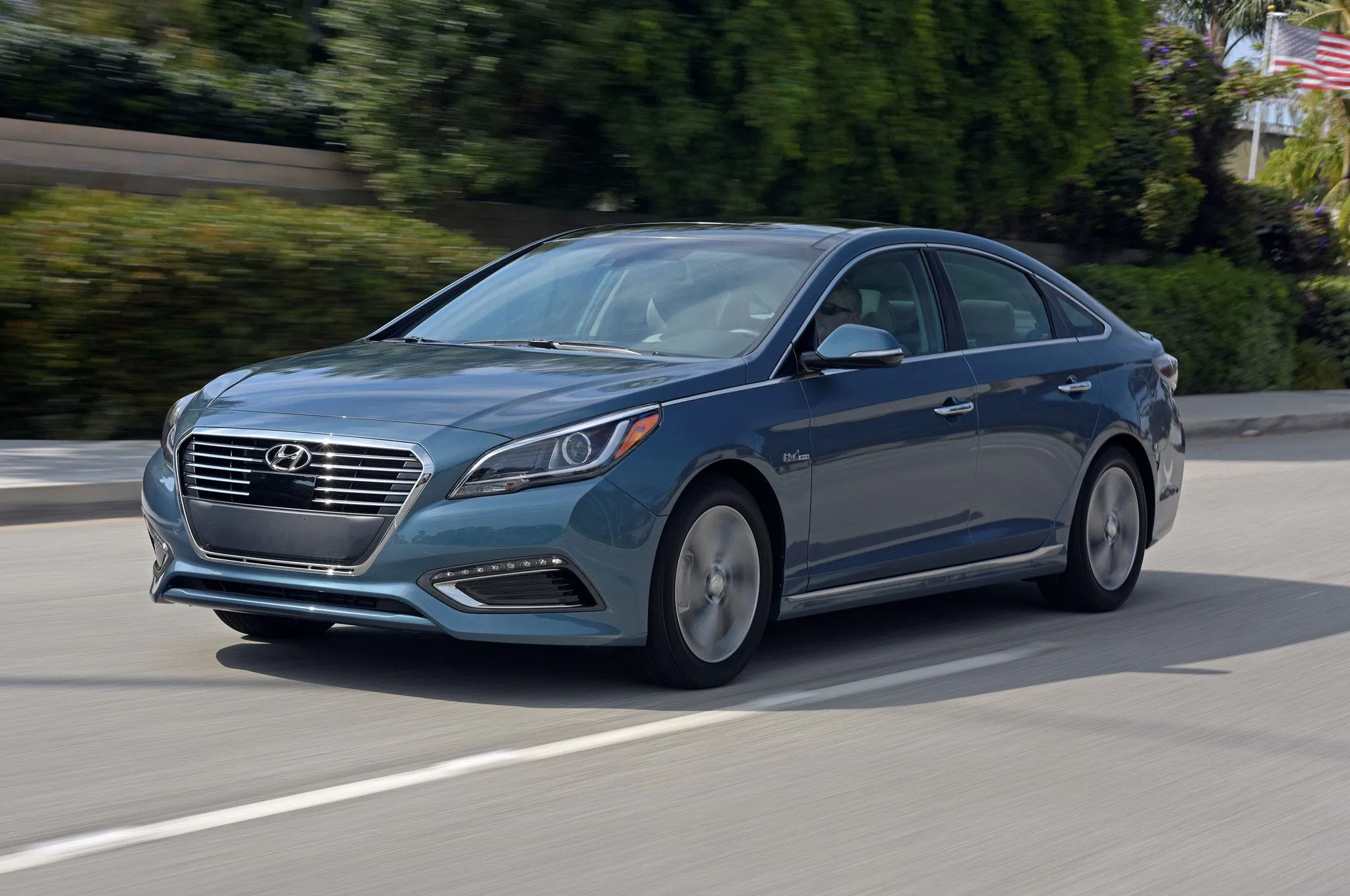
The Hyundai Sonata is a versatile and reliable sedan that combines comfort, value, and modern design, making it an excellent choice for ride-share drivers. Its cabin is spacious enough to seat three adults comfortably in the rear, and the trunk provides adequate storage for luggage or shopping bags.
Many recently used Sonatas feature advanced technology such as infotainment systems, backup cameras, Bluetooth connectivity, and touchscreen controls, all of which enhance passenger satisfaction. The ride quality is smooth and quiet, allowing passengers to converse easily or relax during their trips.
Reliability has improved in recent years, and proper maintenance ensures that the Sonata can serve as a dependable vehicle for years of ride-share driving. Fuel efficiency is competitive for its class, and the combination of comfort, technology, and affordability makes it a practical choice for drivers who want a dependable and passenger-friendly vehicle.
The Sonata also excels in driving performance and fuel efficiency. Its engines provide adequate power for both city driving and highway cruising, while the ride remains smooth and responsive. Fuel efficiency is competitive, which helps drivers minimize operating costs, especially for longer shifts or frequent trips.
Reliability is solid, and regular maintenance is straightforward, ensuring that drivers spend less time in the shop and more time generating income. Its combination of comfort, efficiency, and practicality makes it a well-rounded choice for ride-share work, appealing to both drivers and passengers.
From a long-term perspective, the Hyundai Sonata is a smart investment for ride-share drivers. Used models retain value reasonably well and are widely available, offering flexibility for drivers with different budgets.
Its modern design, comfort, and technological features allow drivers to provide a positive passenger experience, improving ratings and encouraging repeat business. For those seeking a balance between cost, efficiency, and passenger comfort, the Sonata consistently delivers a dependable and satisfying ride-share solution.
Subaru Outback
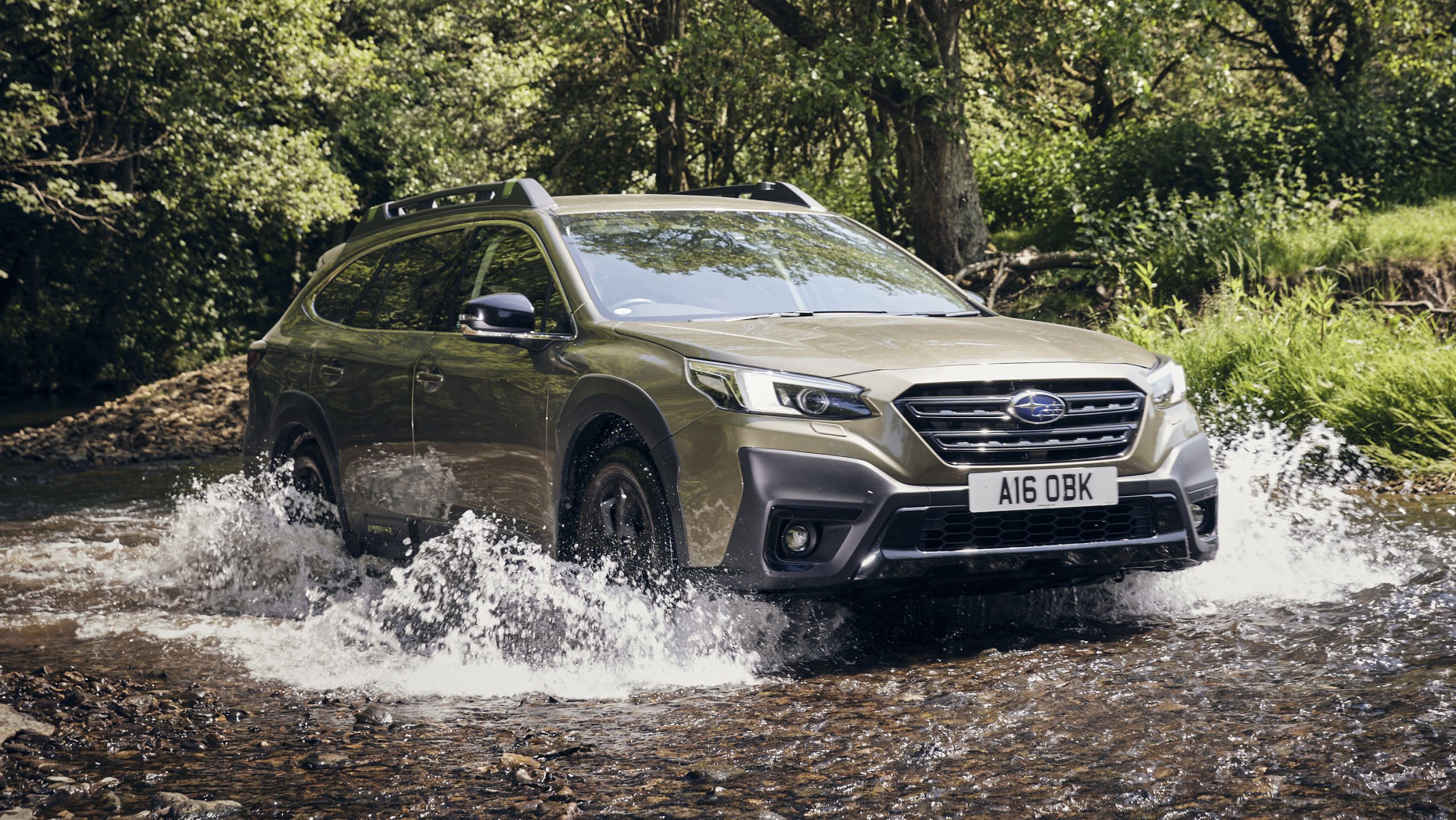
The Subaru Outback is ideal for ride-share drivers who encounter varied weather conditions, rough roads, or passengers requiring extra space. Its all-wheel-drive system provides excellent traction in rain, snow, or light off-road situations, which adds a layer of safety and confidence for both drivers and passengers.
The cabin is spacious, offering ample rear-seat legroom and headroom, and the cargo area is large enough to handle luggage, groceries, or sports equipment. Subaru’s reputation for durability ensures that used Outbacks remain reliable with proper maintenance, and the elevated seating position provides drivers with improved visibility, which passengers often appreciate.
While fuel efficiency is moderate compared with sedans or hybrid vehicles, it is reasonable given the vehicle’s versatility and capability.
The interior of the Outback is designed for practicality and passenger comfort. Seats are supportive for long journeys, and durable materials resist wear and tear from frequent use. Climate control systems perform well, maintaining passenger comfort regardless of weather conditions.
Technology features, such as infotainment systems, touchscreen displays, and connectivity options, enhance convenience and entertainment for riders. Safety ratings are typically high, and features like all-wheel drive, stability control, and multiple airbags provide additional reassurance.
The cargo space can accommodate larger items without compromising passenger space, making the Outback suitable for airport trips, shopping runs, or weekend getaways.
From a long-term perspective, the Subaru Outback is a reliable investment for ride-share drivers seeking a balance of comfort, capability, and passenger satisfaction. Its strong build quality, spacious interior, and safety features make it suitable for extended shifts and frequent passenger use.
Combined with practical cargo capacity, all-weather capabilities, and comfortable driving dynamics, the Outback remains a standout option for drivers who prioritize versatility and passenger comfort in a used vehicle.
5 Used Cars That Can Hurt Ride-Share Ratings
Ford Fiesta
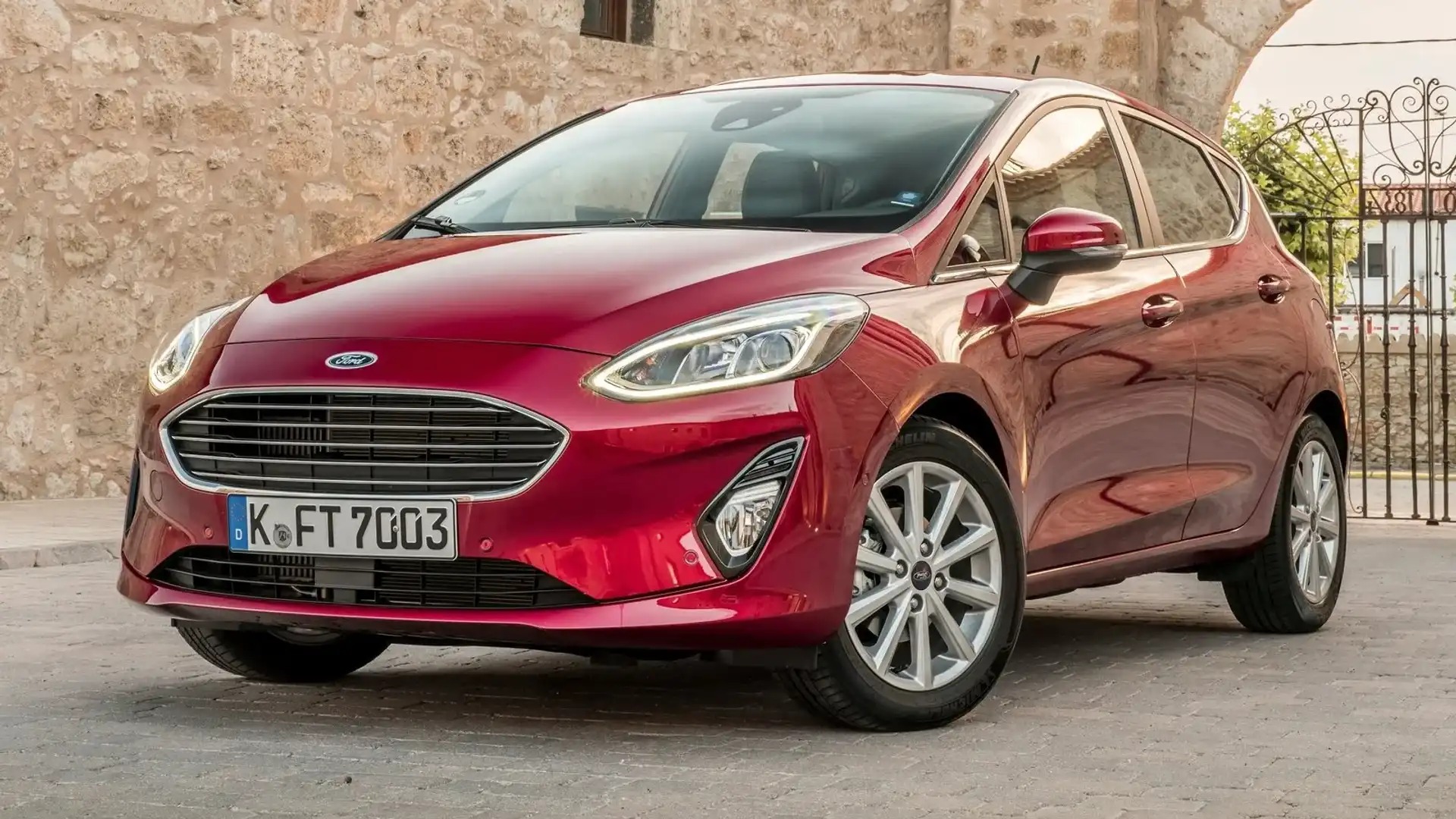
The Ford Fiesta, while small and relatively affordable, often proves to be a less-than-ideal choice for ride-share drivers, primarily due to its limited interior space and lower comfort levels. Rear-seat passengers frequently find legroom insufficient, particularly on longer trips, which can lead to lower satisfaction and reduced ratings.
The trunk space is small, restricting the ability to transport luggage, groceries, or other sizable items that are common in ride-share scenarios. While the Fiesta has nimble handling and is easy to park in crowded urban areas, the trade-offs in passenger comfort are often significant.
Additionally, certain model years have been criticized for inconsistent reliability, with issues reported in transmission systems, electrical components, and suspension. These problems can create downtime for drivers, reduce income, and lead to negative passenger experiences if breakdowns occur mid-ride.
Beyond its cramped cabin, the Fiesta’s seating and materials often feel less premium compared with larger sedans or crossovers, which can affect passenger perception of the ride quality.
Ride-share passengers frequently expect a comfortable, quiet environment, and the Fiesta’s compact design can feel noisy and constrained, especially if three passengers are seated in the back.
The climate control system, while functional, is sometimes inadequate for evenly heating or cooling the smaller space, leaving passengers uncomfortable in extreme temperatures.
The driving experience, though agile in city traffic, can feel less stable at highway speeds, which might leave passengers uneasy. Drivers often report that the Fiesta’s smaller engine options struggle under heavy loads, which can further contribute to slower acceleration and less enjoyable rides, especially when carrying multiple passengers or luggage.
Finally, the Ford Fiesta’s resale value is modest, reflecting both its smaller size and perceived limitations. Used models can depreciate quickly, which may make upgrading or replacing the vehicle more challenging for drivers looking to maintain a reliable and passenger-friendly fleet.
While the Fiesta may appeal to new drivers with a very tight budget, the experience for passengers often suffers, leading to lower ratings and fewer repeat rides.
For drivers prioritizing long-term satisfaction, reliability, and passenger comfort, the Ford Fiesta tends to fall short compared with mid-size sedans or hybrid vehicles that offer more space, safety, and amenities.
Chevrolet Spark
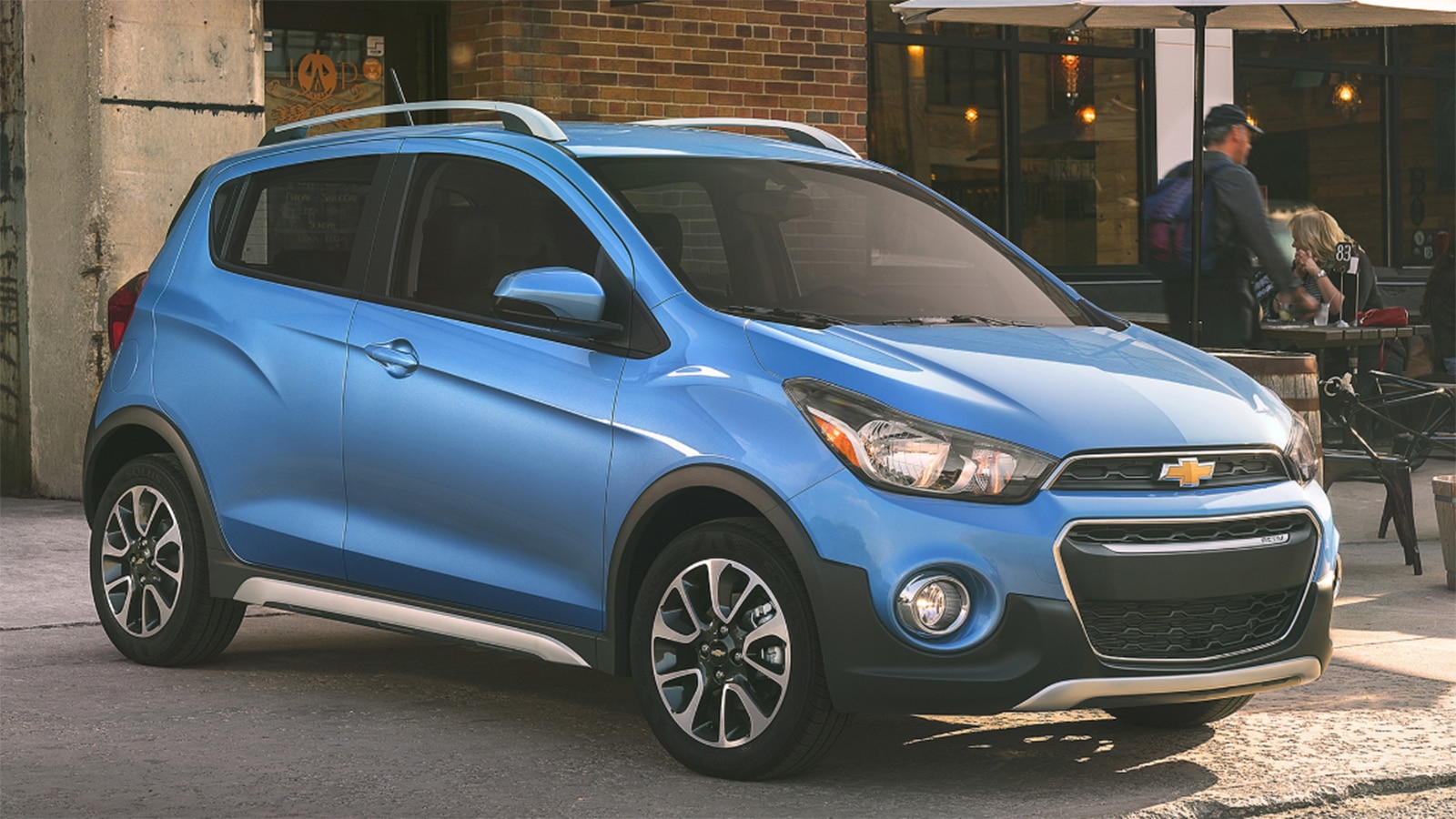
The Chevrolet Spark is another compact vehicle that can negatively impact ride-share ratings, largely due to its extremely small size and minimal interior comfort. While it is highly maneuverable and affordable to purchase, the Spark offers limited rear-seat space, which makes it uncomfortable for adult passengers, especially during longer trips.
Its cargo area is minimal, limiting the ability to transport luggage, shopping, or other items commonly required in ride-share scenarios.
The ride can feel bumpy over uneven surfaces, as the suspension is tuned more for urban efficiency than passenger comfort. Additionally, certain Spark models have been associated with reliability concerns, particularly in older units, which can lead to frequent maintenance issues and potential service interruptions for ride-share drivers.
Passenger perception of comfort in the Spark is often a major issue. The small cabin can feel cramped, and with three adults in the back, the seating becomes tight and uncomfortable. Noise levels are also higher than in mid-size sedans, making conversations or calls difficult during rides.
The climate control system is limited and may struggle to maintain even temperatures, which can further impact passenger comfort. While the Spark is efficient for city driving and easy to park, the trade-off is a noticeable reduction in ride quality and stability, which may influence passenger ratings.
Drivers must also manage a smaller engine output, which can feel underpowered, particularly when carrying heavier loads or navigating steep inclines.
Finally, resale value for the Chevrolet Spark is modest, which may pose a challenge for drivers looking to upgrade or replace the car in the future. While it may be appealing for drivers with a tight budget due to low upfront cost and excellent fuel efficiency, the passenger experience is frequently compromised.
Limited space, reduced comfort, and minimal safety features all contribute to lower ratings, making the Spark a vehicle that can hurt ride-share performance despite its affordability. Drivers who prioritize passenger satisfaction, repeat business, and long-term reliability are likely to find this car unsuitable for maintaining consistent high ratings.
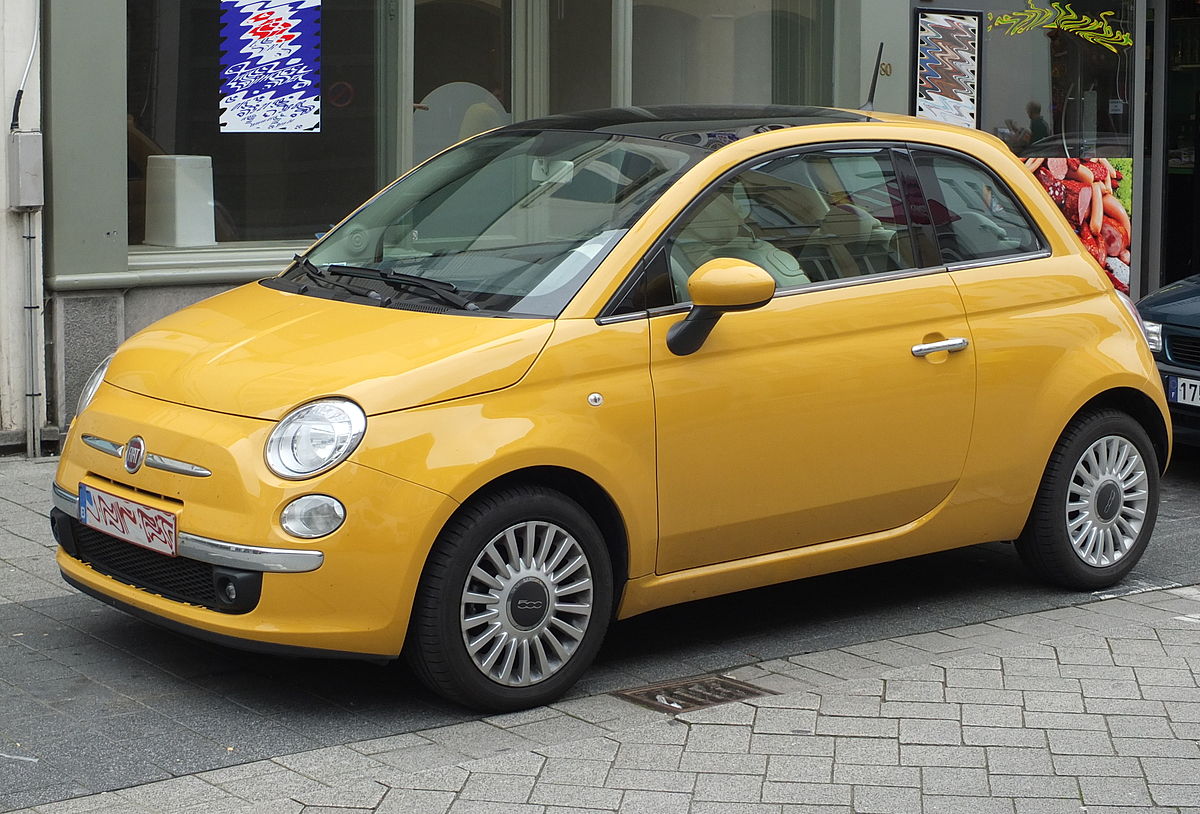
Fiat 500
The Fiat 500 is a stylish subcompact car that can be appealing visually, but it often falls short in the context of ride-share driving. Its small size, limited rear-seat space, and minimal trunk capacity make it impractical for passengers who need room for luggage, bags, or even just comfortable seating.
Ride quality is frequently described as firm and bouncy, and road noise can be intrusive, creating a less pleasant environment for passengers.
While the Fiat 500 is fun to drive and highly maneuverable in city traffic, the trade-offs in comfort, utility, and passenger perception can outweigh these benefits. Reliability concerns in older models, particularly regarding the transmission and electrical systems, can create additional stress for drivers and increase the risk of negative passenger experiences.
Safety is another consideration that can negatively impact passenger ratings in the Fiat 500. Older models may lack modern driver-assistance features such as blind-spot monitoring or lane-keeping assist, and the smaller size of the car could be perceived as less protective in the event of an accident.
Ride-share passengers are increasingly aware of vehicle safety, and the absence of these features can affect their confidence and satisfaction. Maintenance costs for some Fiat 500 models can also be higher than expected, particularly for electrical or engine-related repairs, adding another layer of concern for drivers who rely on consistent vehicle performance.
From a long-term perspective, the Fiat 500’s depreciation is steep, which limits its value as a used car investment for ride-share drivers. While the initial purchase price may be low, the combination of reduced passenger comfort, limited storage, and potential reliability issues makes it less suitable for consistently high-quality service.
Drivers who prioritize ratings, passenger satisfaction, and operational efficiency are likely to find the Fiat 500 problematic as a ride-share vehicle, as it struggles to meet the standards expected by passengers on comfort, space, and reliability.
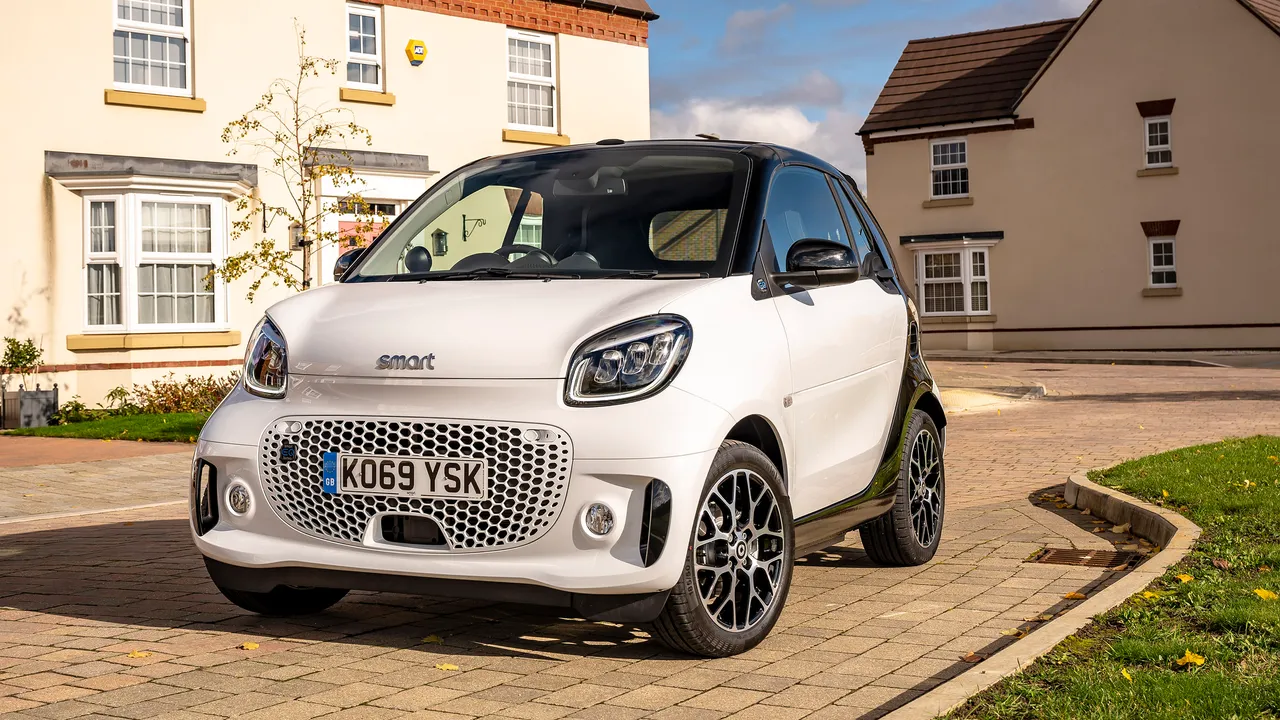
Smart Fortwo
The Smart Fortwo is one of the smallest vehicles on the market, and while it offers excellent maneuverability and low operating costs, it is generally unsuitable for ride-share purposes. The two-seat configuration immediately limits the number of passengers, and even the single passenger experience can feel cramped.
Storage space is minimal, making it nearly impossible to transport luggage, groceries, or other items commonly required in ride-share operations.
The suspension is firm, which can result in a rougher ride on uneven roads. Additionally, certain models have been known to suffer from mechanical and electrical issues, increasing maintenance demands and the risk of service interruptions for drivers.
Safety features are another factor that impacts passenger perception. Although the car has standard airbags and basic safety systems, its tiny size may lead passengers to feel less secure, especially when traveling on highways or in traffic-heavy conditions.
Modern ride-share passengers increasingly expect additional safety features such as lane-keeping assistance, collision warning, or stability control, which may be limited in older Smart Fortwo models.
Maintenance, while generally not expensive, can be more frequent than in more robust vehicles, especially for transmissions or electrical components, which can create unwanted downtime for drivers.
The Smart Fortwo is more suitable as a second city car than a ride-share vehicle. Its severe limitations in passenger comfort, storage, and utility outweigh its benefits for drivers attempting to provide a high-quality ride-share experience.
Passengers frequently notice the lack of space, the firmness of the ride, and the limited safety features, all of which can contribute to lower ratings and fewer repeat customers. Drivers who rely on positive reviews and consistent service are likely to find the Smart Fortwo unsuited for professional ride-share work.
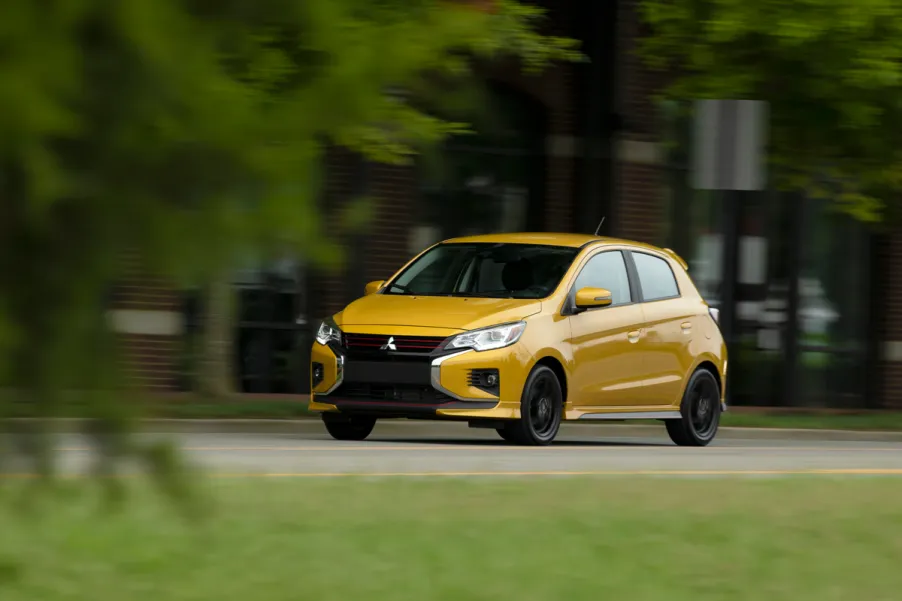
Mitsubishi Mirage
The Mitsubishi Mirage is an entry-level subcompact car that is highly economical but often fails to meet passenger expectations for comfort, space, and quality. Rear-seat space is cramped, making it uncomfortable for multiple passengers, and the trunk is small, limiting cargo capacity.
Ride quality is stiff, and road noise can be intrusive, which reduces the passenger experience. While the Mirage is inexpensive to purchase and has low fuel costs, these advantages are frequently overshadowed by passenger dissatisfaction and reduced ratings.
Certain model years have been criticized for weak engine performance and less reliable transmissions, which can add stress for ride-share drivers who rely on consistent operation.
Safety is another consideration that can reduce the Mirage’s suitability for ride-share use. Many older models lack advanced safety features, and crash-test ratings are lower than those of larger, more robust vehicles. Ride-share passengers are increasingly aware of these aspects, and the perception of reduced protection can affect ratings.
Maintenance is generally straightforward, but frequent small repairs or engine strain under heavier loads can become problematic for drivers who need reliable service for daily trips.
From a long-term perspective, the Mitsubishi Mirage’s low resale value reflects its limitations in comfort, space, and perceived quality. While affordable upfront, it is not an ideal investment for ride-share drivers who need to maintain high passenger satisfaction and consistent performance.
Limited comfort, small cargo capacity, and reduced safety features all contribute to negative passenger experiences, making the Mirage a vehicle that can hinder ratings and earnings in the ride-share industry.