One of the most important aspects of vehicle design, often overlooked by many drivers, is visibility. How clearly a driver can see the road, pedestrians, and other vehicles can make a substantial difference in safety, comfort, and confidence while driving.
Cars with excellent visibility allow drivers to make quick decisions, navigate traffic with ease, and feel less stressed during long drives or busy urban commutes. On the other hand, vehicles with large blind spots can be challenging to maneuver, increase the risk of accidents, and make drivers overly reliant on mirrors, cameras, or parking sensors.
Visibility is not solely determined by the height of the vehicle or the size of the windows. Factors such as pillar placement, mirror design, windshield slope, and even dashboard height play crucial roles in determining how much of the road and surroundings a driver can actually see.
Some vehicles are specifically designed to maximize the field of view, providing clear sightlines in almost every direction. These cars often have thin A-pillars, well-angled side windows, and rear windows that allow for minimal obstruction. They reduce the stress of driving, especially in situations like city traffic, parking in tight spaces, or merging onto highways.
On the contrary, certain modern designs prioritize aesthetics, aerodynamics, or safety regulations that can inadvertently compromise visibility. Tall dashboards, wide pillars, and sloping rooflines can all create hidden areas around the car, leaving drivers unaware of smaller vehicles, pedestrians, or obstacles.
Understanding which cars offer the best visibility and which ones present blind spots can influence purchasing decisions, especially for families, new drivers, or anyone who spends significant time behind the wheel. Beyond safety, visibility impacts confidence, fatigue, and even driving enjoyment.
A car that constantly requires the driver to adjust mirrors or strain to see around obstacles can create unnecessary tension and reduce the driving experience. Identifying vehicles with superior visibility can provide peace of mind and reduce reliance on technology like rearview cameras or sensors, though these tools still serve as valuable supplements.
This article will present a comparison between five vehicles known for stress-free visibility and five vehicles that are commonly criticized for large blind spots. By analyzing their designs, mirror placement, pillar structure, and sightlines, readers will gain insight into how vehicle architecture influences daily driving safety and convenience.
The discussion is based on observed design principles, reported driver experiences, and general automotive knowledge. With this understanding, drivers can make more informed choices and appreciate the subtle differences that affect their field of vision behind the wheel.
Vehicles with Stress-Free Visibility
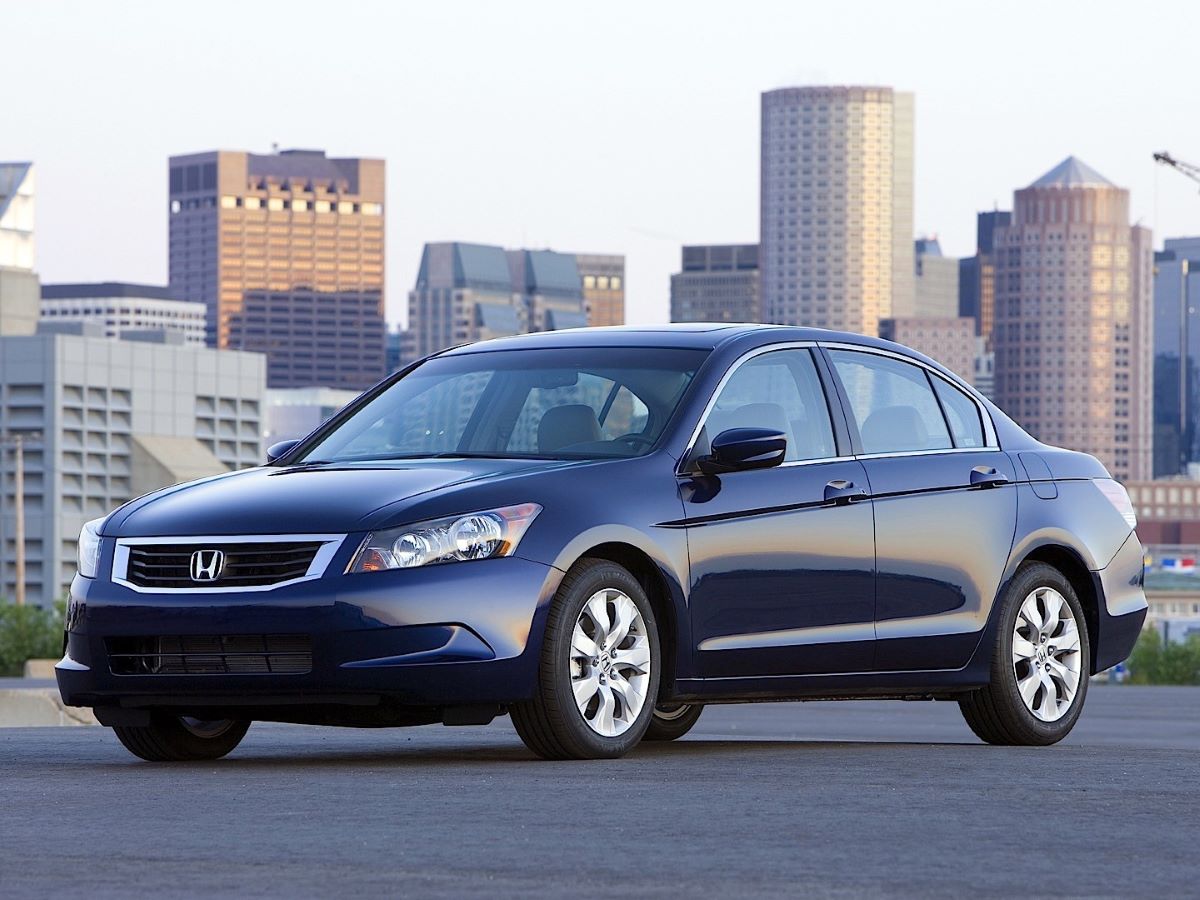
1. Honda Accord
The Honda Accord has consistently been recognized for its superior sightlines and thoughtful driver-centric design, making it one of the most comfortable sedans for stress-free visibility. Its A-pillars are remarkably thin, which allows drivers to see approaching traffic at intersections and during tight turns without significant obstruction.
This is particularly beneficial in urban environments, where pedestrians and cyclists can appear suddenly. The wide windshield and elevated seating position provide a commanding view of the road, enabling drivers to anticipate potential hazards before they become dangerous.
In addition to its design, the Accord’s exterior mirrors are positioned to complement the natural sightlines, reducing the need for excessive head movements and allowing drivers to maintain focus on the road ahead.
Inside the cabin, the Accord emphasizes low dashboard lines, which prevent the driver’s view from being blocked and make it easier to judge the front corners of the vehicle. This design element is especially useful when navigating crowded parking lots or performing parallel parking maneuvers.
The side windows extend low enough that the driver can see curbs and obstacles clearly without leaning forward. The combination of large mirrors, thin pillars, and expansive windows ensures that the Accord’s driver can maintain situational awareness with minimal effort, reducing both physical strain and cognitive load while driving.
The rear-quarter windows of the Accord also play a crucial role in enhancing visibility. Positioned between the rear doors and C-pillars, these small windows significantly reduce blind zones when changing lanes or reversing.
While modern technology such as backup cameras and blind-spot monitoring is integrated into the vehicle, many drivers report that the car’s naturally wide sightlines provide confidence even without relying heavily on electronic aids.
The thoughtful integration of these windows demonstrates Honda’s focus on safety, ensuring that the driver has clear views in virtually every direction.
The Honda Accord’s visibility-focused design reduces driver fatigue and enhances comfort during long drives. Drivers frequently report feeling confident in congested urban settings, highways, and rural roads alike because they can easily monitor surrounding vehicles, pedestrians, and obstacles.
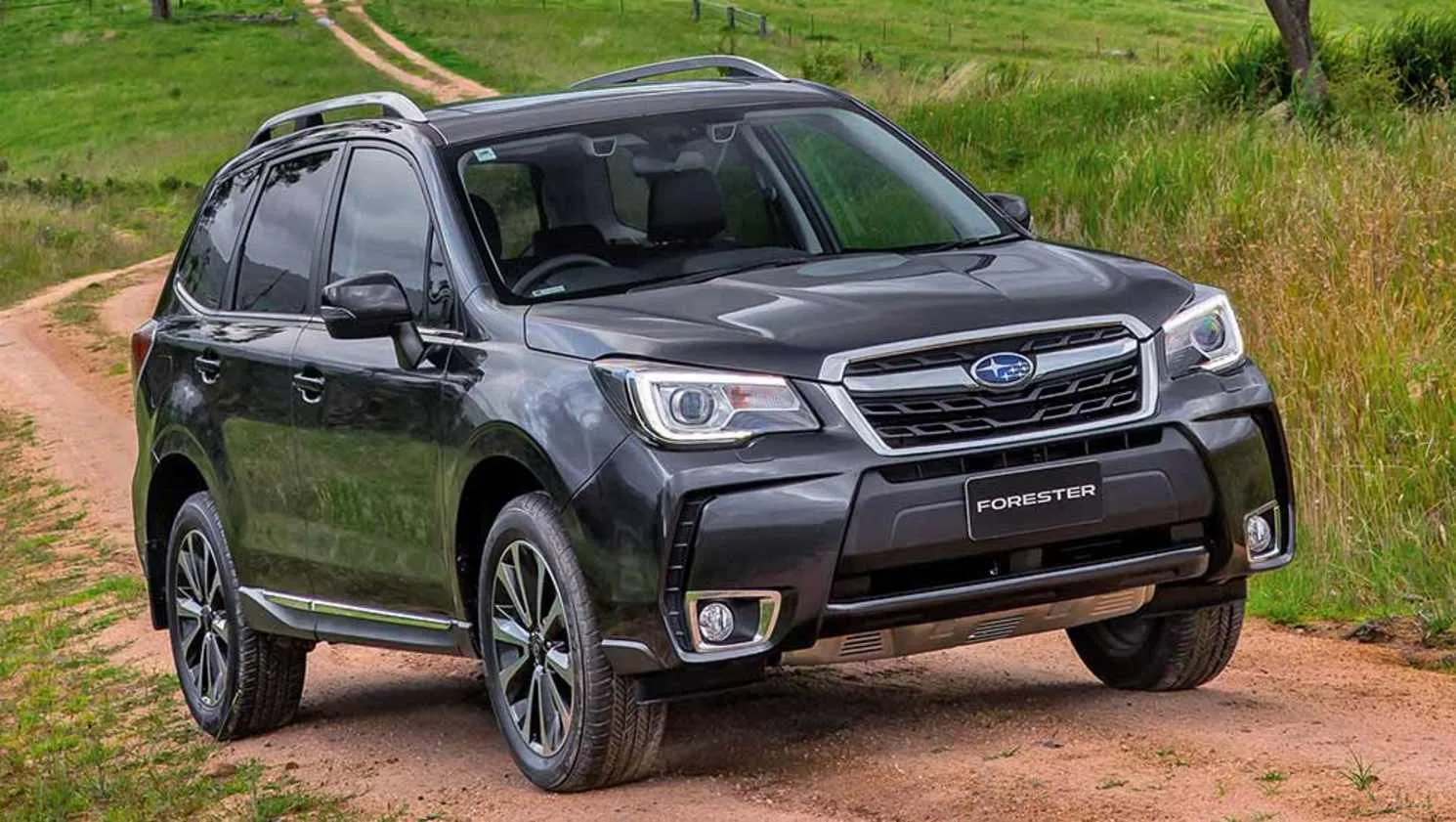
2. Subaru Forester
The Subaru Forester is widely regarded for its unparalleled visibility among compact SUVs, making it an ideal choice for drivers who value a clear field of view.
The Forester’s tall cabin and elevated seating position allow drivers to see over most cars and trucks on the road, offering a perspective that is particularly helpful during highway driving or in dense traffic.
Its large side and rear windows contribute to a sense of openness, reducing blind zones and allowing for better detection of pedestrians, cyclists, or smaller vehicles. The A-pillars are narrow, enhancing forward visibility during turns and intersections, which is especially important for city driving or navigating complex road layouts.
Inside, the Forester’s cabin is designed with a low dashboard and unobtrusive controls, giving drivers a clear line of sight to the front road while still providing easy access to instrumentation.
Side mirrors are thoughtfully angled and proportioned to extend the field of vision without requiring excessive head movement, making lane changes more predictable and safer.
In combination with the large windows, these features allow the driver to maintain awareness of surrounding traffic with minimal effort, which is particularly beneficial for long-distance travel where fatigue can become a factor.
The rear-quarter windows of the Forester are another feature that enhances safety. They fill the space between the rear doors and the D-pillars, reducing blind spots when merging into traffic or monitoring vehicles approaching from behind.
Drivers often report feeling confident during backing maneuvers and parking, as the combination of rear window size and side window placement makes it easier to judge distances accurately.
The Forester’s visibility benefits extend to complex driving conditions, such as narrow streets, winding roads, or off-road trails, where clear sightlines help the driver navigate obstacles safely.
Additionally, Subaru has designed the Forester with long-term comfort and safety in mind. The combination of elevated seating, panoramic windows, and well-positioned mirrors minimizes the strain on the driver’s neck and shoulders, even during extended periods on the road.
Drivers appreciate that the vehicle’s design reduces the need for constant mirror adjustments or electronic assistance, creating a natural driving experience that promotes attentiveness and confidence. These attributes make the Forester a top choice for anyone seeking a stress-free, visibility-oriented SUV that excels in both city and suburban driving scenarios.
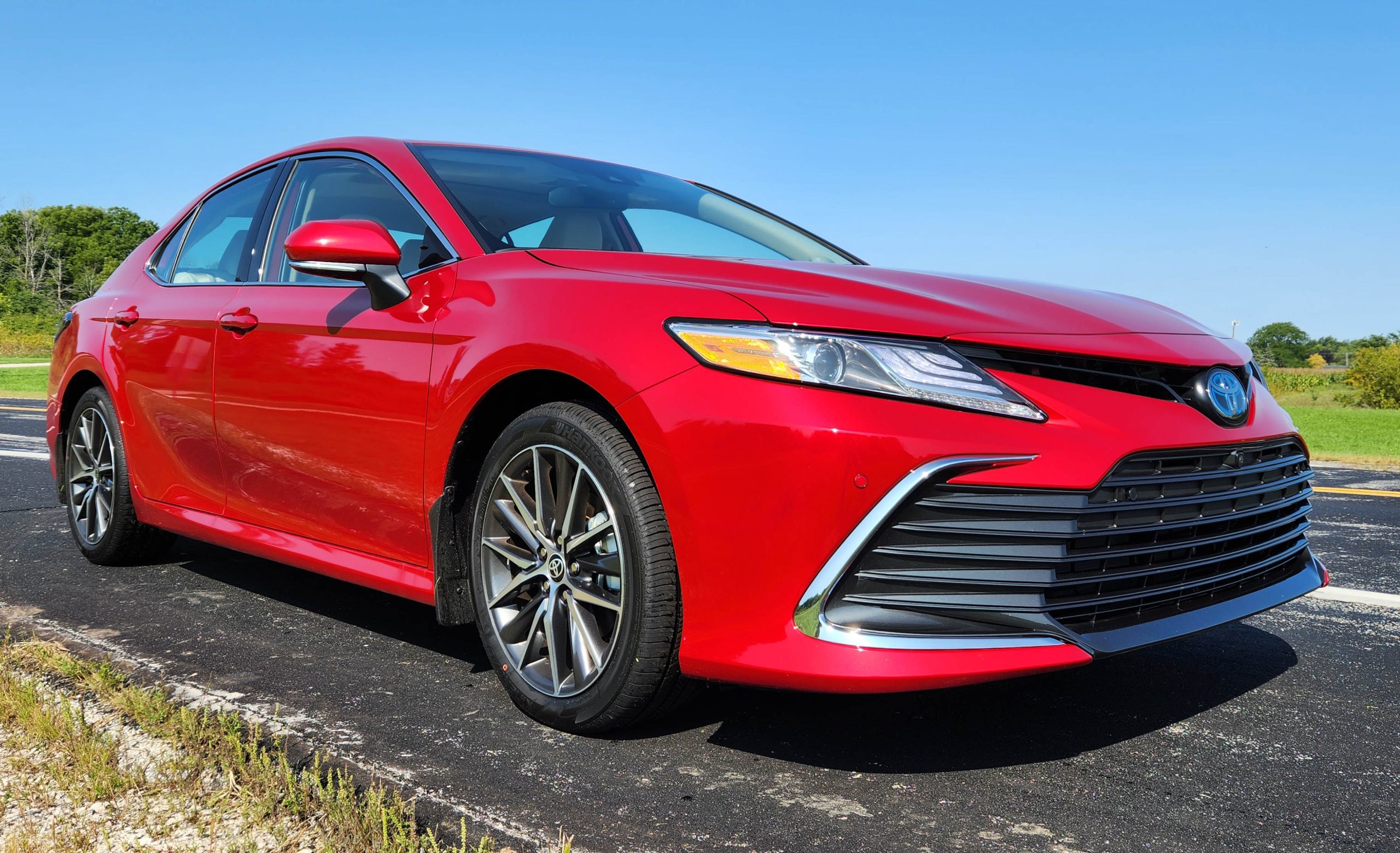
3. Toyota Camry
The Toyota Camry has earned a reputation as a sedan that combines style, comfort, and excellent visibility. Its moderate height, well-proportioned windows, and thin A-pillars allow drivers to see traffic at intersections and pedestrian crossings clearly, reducing the likelihood of accidents.
The rearview mirrors are thoughtfully placed to optimize coverage of adjacent lanes, while the rear window provides a wide field of vision for reversing and monitoring traffic. This combination of design elements ensures that drivers can maintain awareness of their surroundings without straining or relying excessively on electronic aids.
Inside the Camry, the low dashboard line enhances front visibility, particularly when approaching curbs, speed bumps, or tight corners.
The dashboard does not obstruct the driver’s line of sight, allowing for better judgment of the car’s footprint. Side windows are large and extend sufficiently low to give a clear view of curbs, pedestrians, and other obstacles.
The placement and size of the mirrors complement these windows, offering excellent lateral coverage for lane changes or overtaking maneuvers. Together, these features create a cabin environment that feels open and provides maximum situational awareness.
The Camry’s rear-quarter windows contribute significantly to reducing blind spots. Positioned strategically between the rear doors and C-pillars, these windows allow drivers to see approaching vehicles or pedestrians that would otherwise be hidden.
This is especially valuable in urban environments or during highway lane changes, where quick reactions are critical. Even when relying on the included backup camera or blind-spot monitoring, many drivers feel that the natural visibility of the Camry gives them an added sense of security, reducing anxiety during driving.
Beyond safety, the Camry’s visibility contributes to driver comfort and reduced fatigue. Drivers spend less time adjusting mirrors or craning to see around pillars, allowing for a more relaxed posture over long trips.
The combination of large windows, low dashboard, and well-positioned mirrors encourages a confident and attentive driving style. For daily commuting or extended drives, this makes the Camry a reliable and comfortable option, demonstrating how thoughtful vehicle design enhances both safety and the driving experience.
4. Volvo XC90
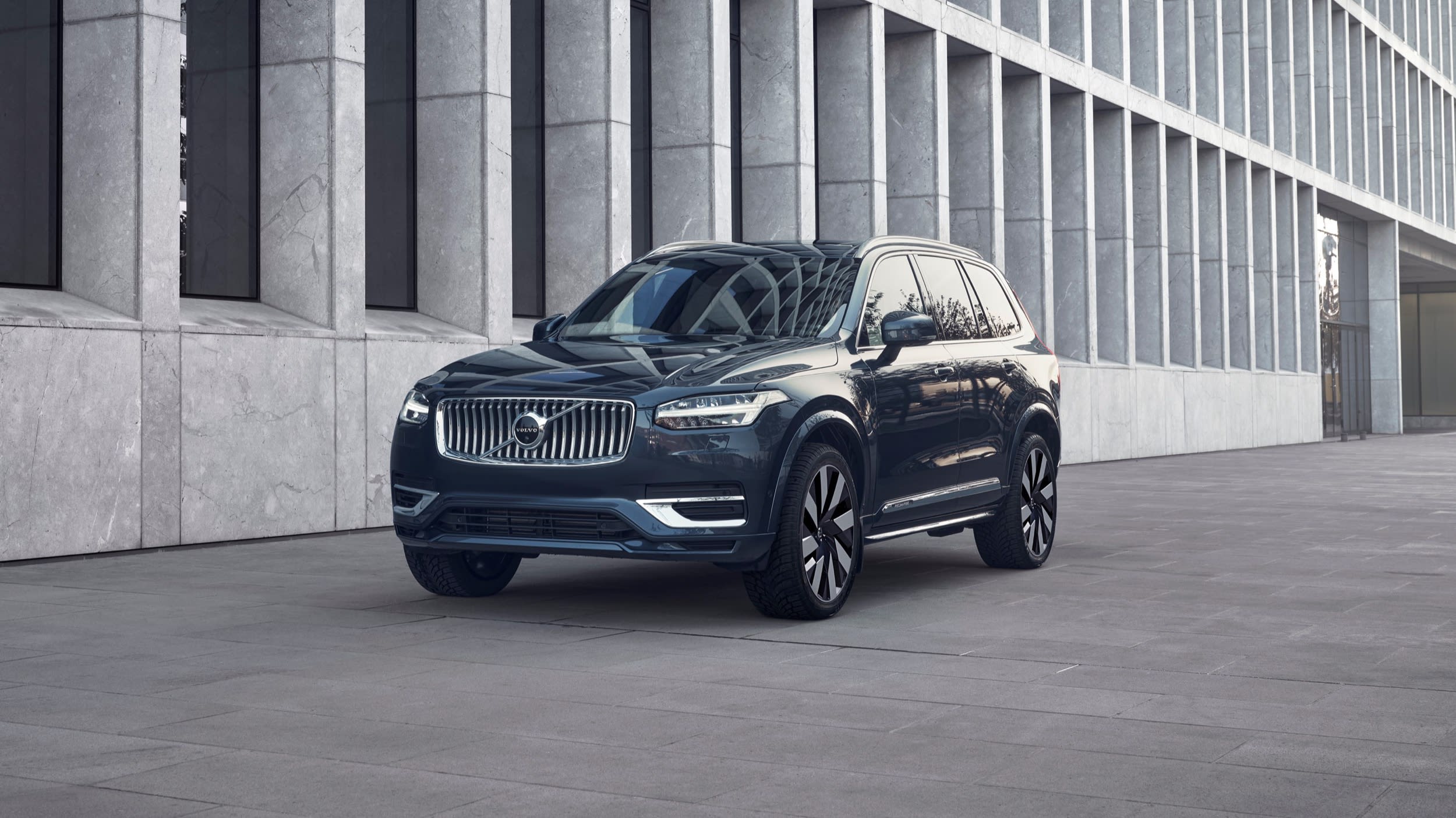
The Volvo XC90 is a luxury SUV that pairs premium features with exceptional visibility, making it ideal for families and drivers who prioritize safety. Its elevated seating position provides an expansive view of the road ahead, while the front A-pillars are engineered to minimize obstruction, allowing for clear visibility when approaching intersections.
The wide side mirrors and large rear windows further enhance sightlines, giving drivers confidence during lane changes, reversing, and highway merging. Even in challenging weather conditions, the XC90’s design ensures that visibility remains unobstructed and reliable.
The interior of the XC90 is designed with a low-profile dashboard and thoughtfully placed instrument panels, maintaining a clear view of the road. The combination of tall seating and extensive window glass allows drivers to see pedestrians, cyclists, and smaller vehicles more effectively than in many other SUVs of similar size.
The mirrors are large and angled precisely to reduce blind zones, providing comprehensive coverage without requiring the driver to turn excessively. These design choices make the XC90 both safe and comfortable for daily commuting, long-distance driving, and urban navigation.
Rear-quarter windows are incorporated into the XC90 to address blind spots commonly found in larger SUVs. These windows fill the gap created by wide D-pillars and rooflines, allowing drivers to monitor surrounding traffic more effectively.
Even when reversing or parallel parking, the driver has a clearer perspective of obstacles and nearby vehicles. This thoughtful design reduces dependence on backup cameras or sensors, making visibility more natural and intuitive while promoting safer driving habits.
The XC90 also emphasizes long-term comfort and reduced driver fatigue. Its high seating position, combined with clear sightlines and a spacious cabin, allows drivers to maintain awareness with minimal strain on the neck and shoulders.
The design of the XC90 demonstrates that luxury and safety can coexist with practicality, offering a driving experience that is both confident and reassuring. For drivers who spend considerable time behind the wheel, this SUV stands out as a model that delivers both comfort and excellent visibility.
5. Mazda CX-5
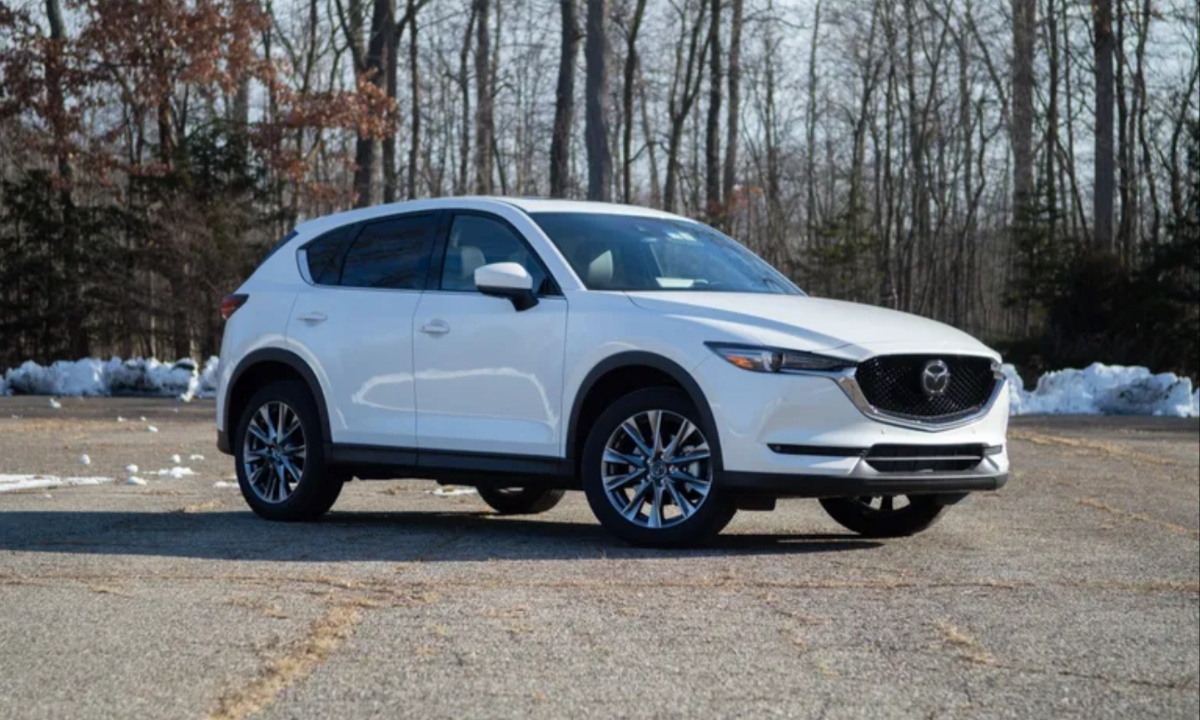
The Mazda CX-5 is celebrated for its driver-focused design, which emphasizes visibility without compromising style or aerodynamics. Its moderately elevated seating position allows drivers to see the road clearly ahead, while thin A-pillars and well-placed mirrors reduce obstructions when turning or merging.
The side windows are wide, and the rear window offers a solid view of what lies behind, which makes navigating tight spaces, parking lots, and busy streets easier and safer. These design elements work together to create a vehicle that feels open and easy to maneuver, even in urban conditions.
Inside the cabin, the CX-5’s low dashboard improves forward visibility, making it easier to judge distances and approach obstacles accurately. The side mirrors are positioned to minimize blind spots, while the generously sized rear and side windows allow for natural monitoring of surrounding traffic.
Drivers often report feeling confident when changing lanes or reversing, as the combination of mirrors, windows, and rear-quarter glass ensures that potential hazards are visible without requiring constant head movement.
The rear-quarter windows play a vital role in further reducing blind spots. These small yet strategically placed windows fill the area between the rear doors and C-pillars, allowing drivers to see vehicles, bicycles, or pedestrians that might otherwise be hidden.
In combination with the mirrors and open cabin design, these features create a driving environment where visibility feels intuitive and natural. Many drivers note that these elements reduce reliance on technology such as sensors or cameras, though these systems remain useful backups.
Driver comfort and reduced fatigue are additional benefits of the CX-5’s visibility-oriented design. With clear sightlines, minimal blind zones, and easy-to-read mirrors, the vehicle allows for extended driving without unnecessary strain on the neck or shoulders.
This results in a more relaxed and enjoyable driving experience, whether navigating congested city streets, suburban roads, or open highways. The CX-5 exemplifies how careful engineering and thoughtful design can enhance both safety and driver satisfaction, making it an ideal choice for those who prioritize visibility.
Vehicles with Significant Blind Spots
1. Jeep Wrangler
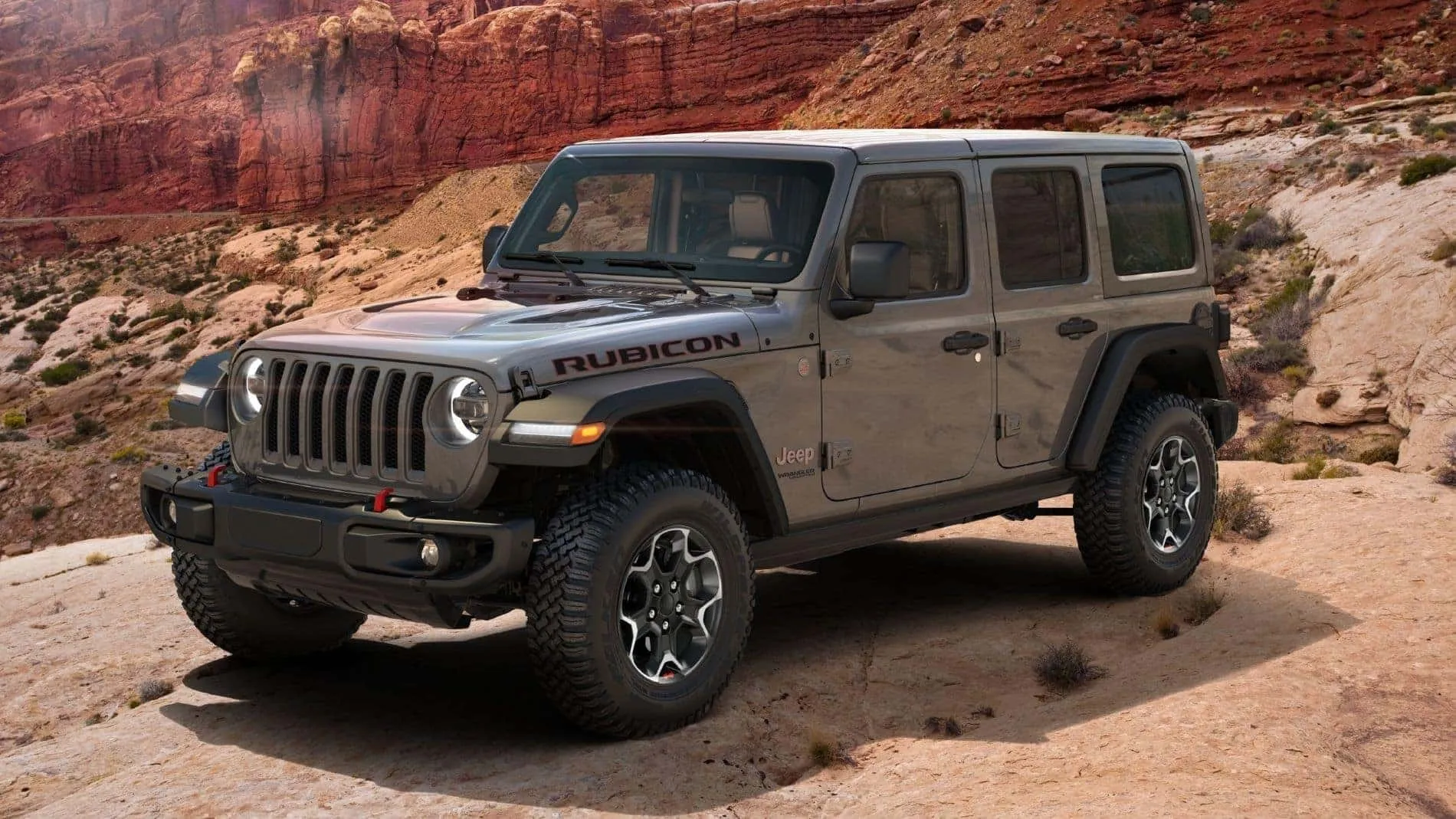
The Jeep Wrangler is an iconic off-road vehicle, but its rugged design often comes at the cost of visibility. Its thick A-pillars, especially in older or classic models, can block a driver’s view when approaching intersections or making sharp turns.
While the upright windshield and boxy design help provide forward visibility, the wide pillars and sloping side mirrors create significant blind zones along the front corners.
Drivers must frequently lean or adjust their seating position to see pedestrians, cyclists, or smaller vehicles that might be partially obscured. This limitation can be particularly challenging in urban environments where quick reactions are essential.
Inside the Wrangler, the dashboard is higher than in many sedans, further limiting the view of the front corners. This design makes maneuvering in tight spaces, such as parking lots or narrow streets, more difficult than in vehicles with lower dashboards.
While the Wrangler offers large side mirrors, they cannot fully compensate for the wide A-pillars or the rear visibility issues caused by small, upright rear windows. The combination of pillar thickness, mirror placement, and compact rear visibility can create stressful driving situations, particularly for drivers unfamiliar with the vehicle’s layout.
The rear of the Wrangler presents additional challenges. The rear window is relatively small, and the design of the tailgate often obstructs sightlines when reversing. Blind spots are further exacerbated when the hardtop or removable roof is in place, which limits the vertical line of sight.
Even with backup cameras, drivers must rely heavily on careful head movements and mirror adjustments to safely navigate reversing and parking maneuvers. This design characteristic demonstrates a trade-off between the Wrangler’s rugged off-road capabilities and everyday driving convenience.
The Jeep Wrangler’s blind spots can increase driver fatigue and stress. Continuous reliance on mirrors and frequent head-turning can be physically demanding, especially on long trips or during congested urban driving.
Drivers may experience reduced confidence when merging onto highways or maneuvering through tight traffic because critical portions of the road remain obscured. While the Wrangler’s adventurous design is ideal for off-road enthusiasts, it is less forgiving in city environments or for drivers who prioritize effortless, stress-free visibility.
2. Chevrolet Camaro
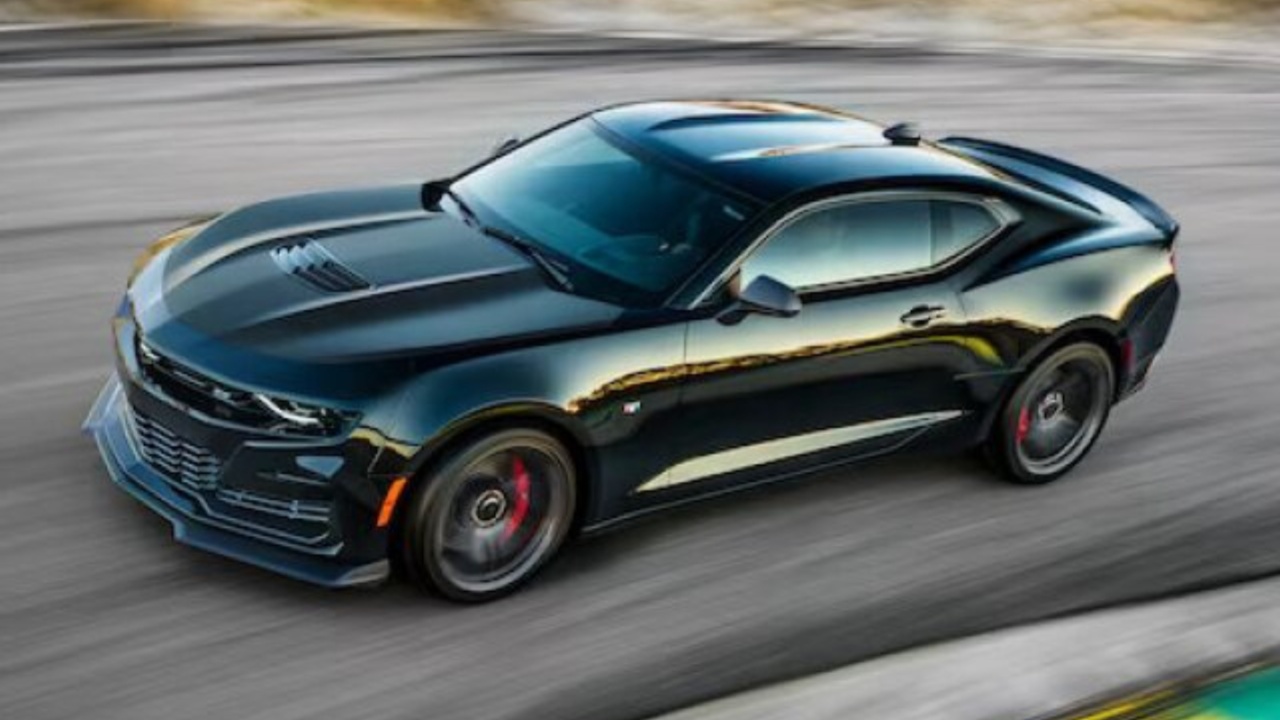
The Chevrolet Camaro is a sports car designed with aggressive styling, but its design compromises visibility in several key ways. Its low seating position and steeply sloped roofline create significant blind spots along the sides and rear of the vehicle.
Drivers often struggle to see vehicles approaching from the rear quarter panels, making lane changes or merging onto highways more challenging. The thick C-pillars block part of the rear side window, forcing drivers to rely heavily on side mirrors and backup cameras to maintain situational awareness.
Inside the Camaro, the low dashboard provides good forward visibility, but the steeply raked windshield combined with thick A-pillars reduces sightlines at intersections and curves. This makes it difficult to detect smaller vehicles, pedestrians, or cyclists approaching from the side.
Side mirrors are positioned to partially offset these blind spots, but the mirrors cannot fully compensate for the obstructed rear view created by the sloping roof and wide C-pillars. Drivers often report needing to perform exaggerated head movements to check blind zones, which can increase fatigue during long drives or traffic-heavy commutes.
The rear visibility of the Camaro is particularly limited due to the sloping roofline and small rear window. When reversing or parking, the driver must rely extensively on cameras and sensors to judge distance and avoid obstacles.
The combination of a narrow rear glass area and thick structural pillars creates a visual tunnel effect, making it difficult to perceive vehicles or pedestrians approaching from behind at certain angles. Even with modern technology, this design challenge persists, forcing drivers to remain constantly alert and cautious.
These visibility issues can lead to increased stress and decreased driving confidence. Sports cars like the Camaro are often driven in urban traffic, parking structures, or busy highways, where blind spots pose real safety concerns.
Drivers must frequently adjust mirrors, turn their heads, and rely on supplementary technologies to compensate for the obstructed lines of sight. While the Camaro excels in performance and aesthetics, it demonstrates the trade-off between sleek design and practical, stress-free visibility.
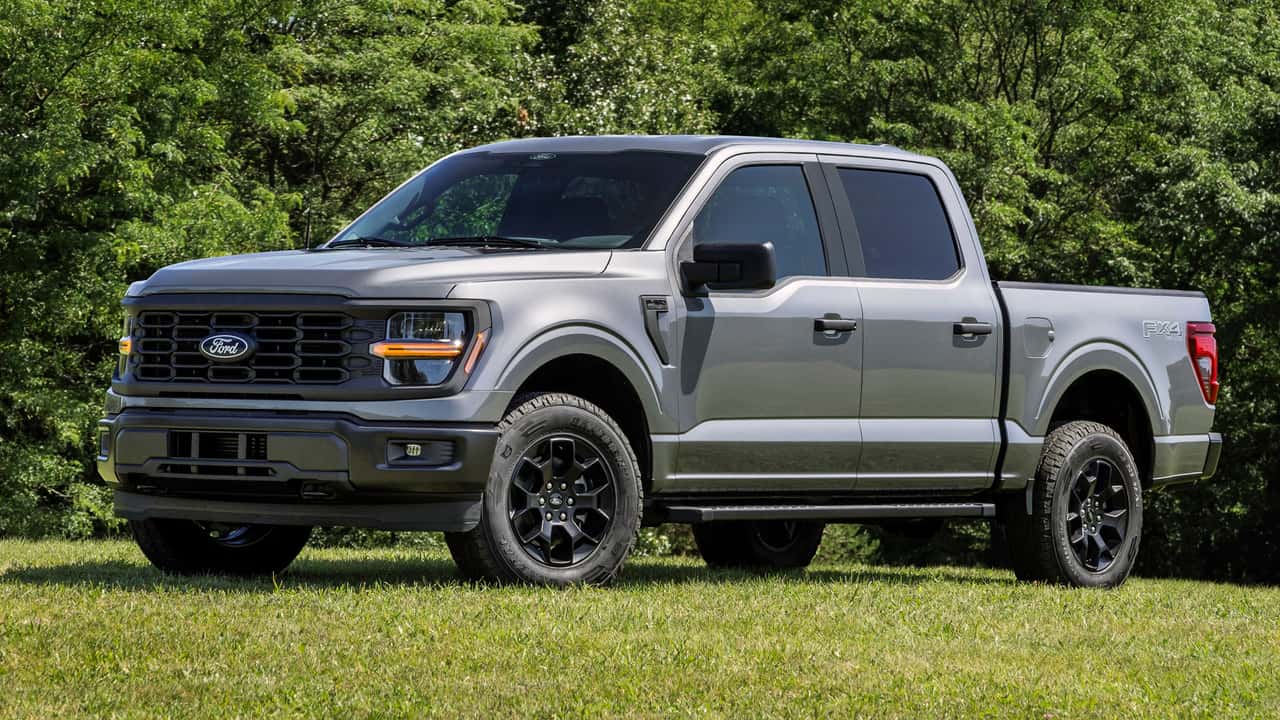
3. Ford F-150 (Crew Cab)
The Ford F-150, particularly in the crew cab configuration, is a popular pickup truck, but its design can create large blind spots. The vehicle’s extended size, tall profile, and thick rear pillars make it challenging to see vehicles approaching from behind or alongside the rear corners.
While the elevated seating position offers a commanding view of the road ahead, the C-pillars and D-pillars create visual obstructions that are difficult to mitigate, even with oversized side mirrors. This is particularly concerning when changing lanes or backing out of parking spaces in urban or crowded environments.
Rearward visibility is especially affected in the crew cab design. The rear window is smaller relative to the size of the truck, and the thick C-pillars obscure vision to the sides.
Drivers must rely heavily on rearview cameras and parking sensors when reversing or maneuvering in tight spaces. Even with these aids, the visual obstruction caused by the truck’s design can make drivers feel less confident in crowded areas or when parallel parking.
The Ford F-150’s blind spots contribute to mental and physical strain, particularly for drivers who spend extended periods behind the wheel.
Constantly compensating for obstructed views increases fatigue and can reduce reaction times, especially in high-traffic situations. While the truck excels in capability, utility, and comfort for long-distance driving or work purposes, it is less ideal for drivers seeking effortless, stress-free visibility in urban or residential environments.
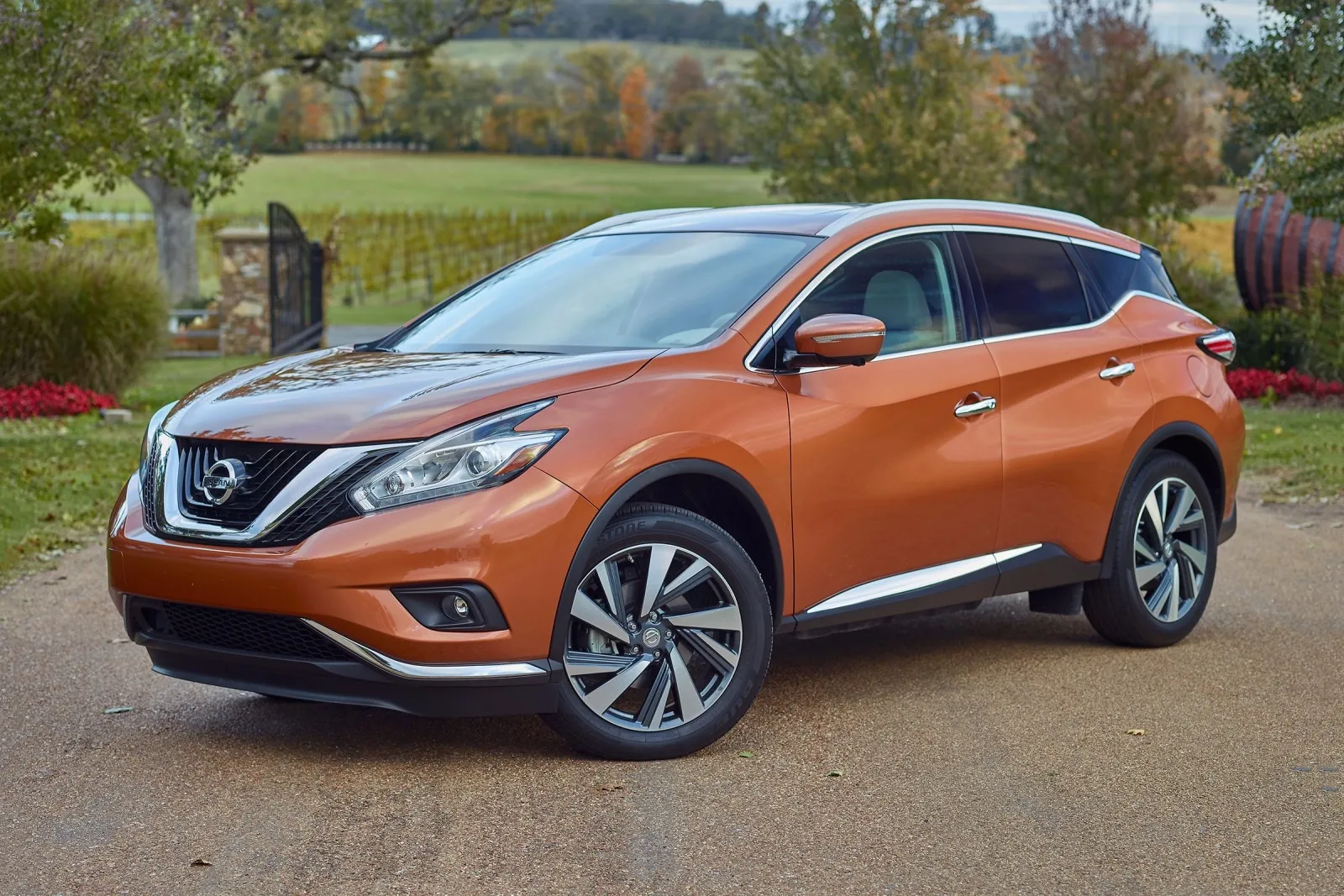
4. Nissan Murano
The Nissan Murano is a midsize crossover SUV with a stylish design, but its aesthetic choices impact driver visibility. The thick C-pillars and sharply sloping roofline significantly reduce rearward visibility, creating blind spots along the rear quarter panels.
Drivers often struggle to see approaching vehicles when changing lanes or merging, particularly at highway speeds. The rear window is smaller than in many competitors, which further compounds the issue. Drivers must rely on mirrors and backup cameras to compensate, but these cannot fully replace a clear line of sight.
Rear-quarter visibility is a primary concern for the Murano. The sloping roof and small rear glass area create blind zones where smaller vehicles or objects may go unnoticed.
Backup cameras and parking sensors are helpful, but drivers still face difficulty judging distance accurately, particularly when reversing at angles or into tight spaces. The vehicle’s design prioritizes aesthetic flow and aerodynamic styling, which inadvertently compromises stress-free visibility.
The impact on driver comfort and confidence is significant. Drivers must constantly adjust mirrors, frequently check blind spots, and rely on technology to compensate for obstructed sightlines.
This can increase cognitive load and physical strain, especially in urban traffic or during longer commutes. While the Murano offers comfort, style, and a smooth ride, it highlights how design choices intended to enhance appearance and aerodynamics can result in substantial blind spots that reduce driver awareness and confidence.
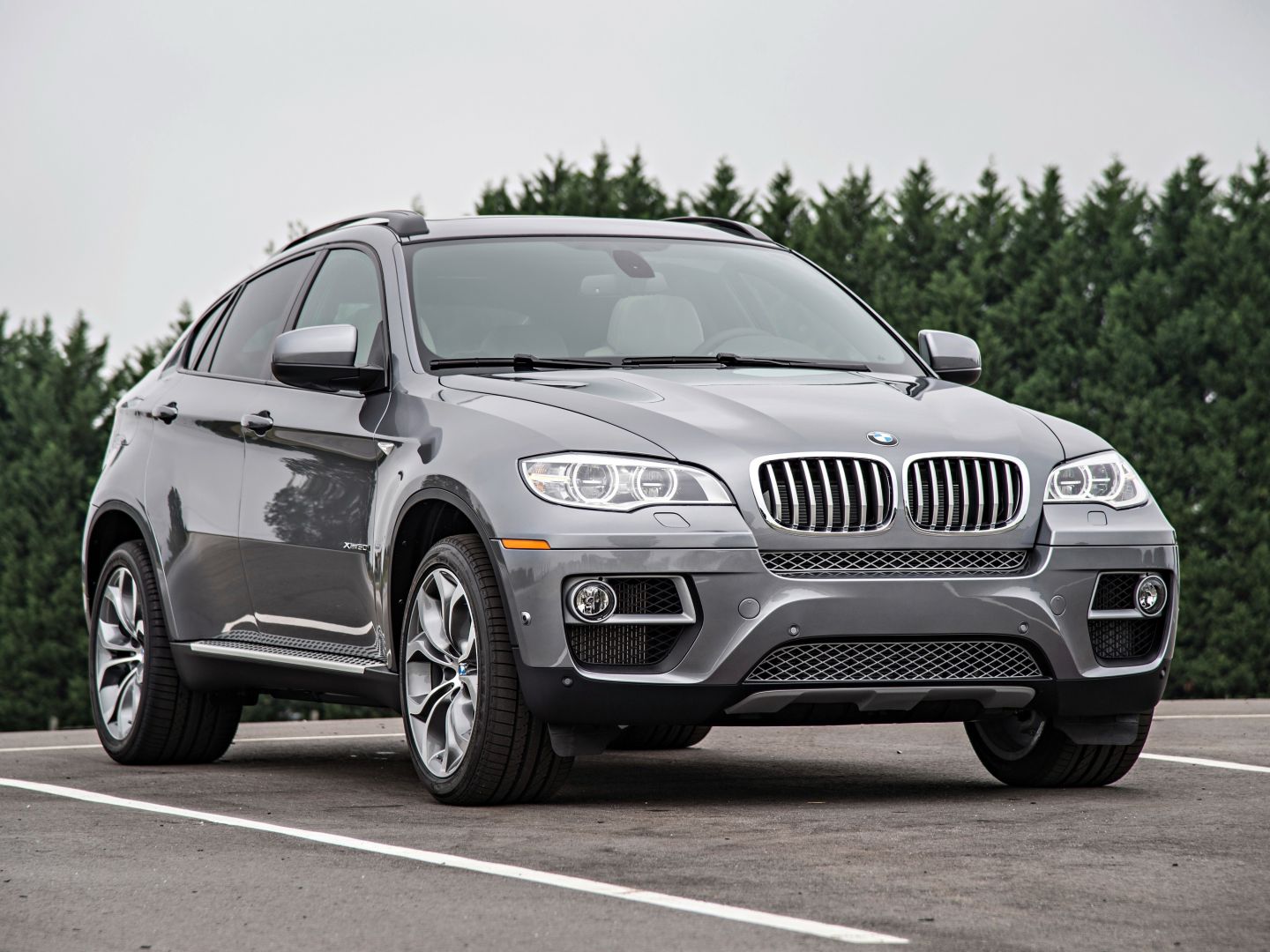
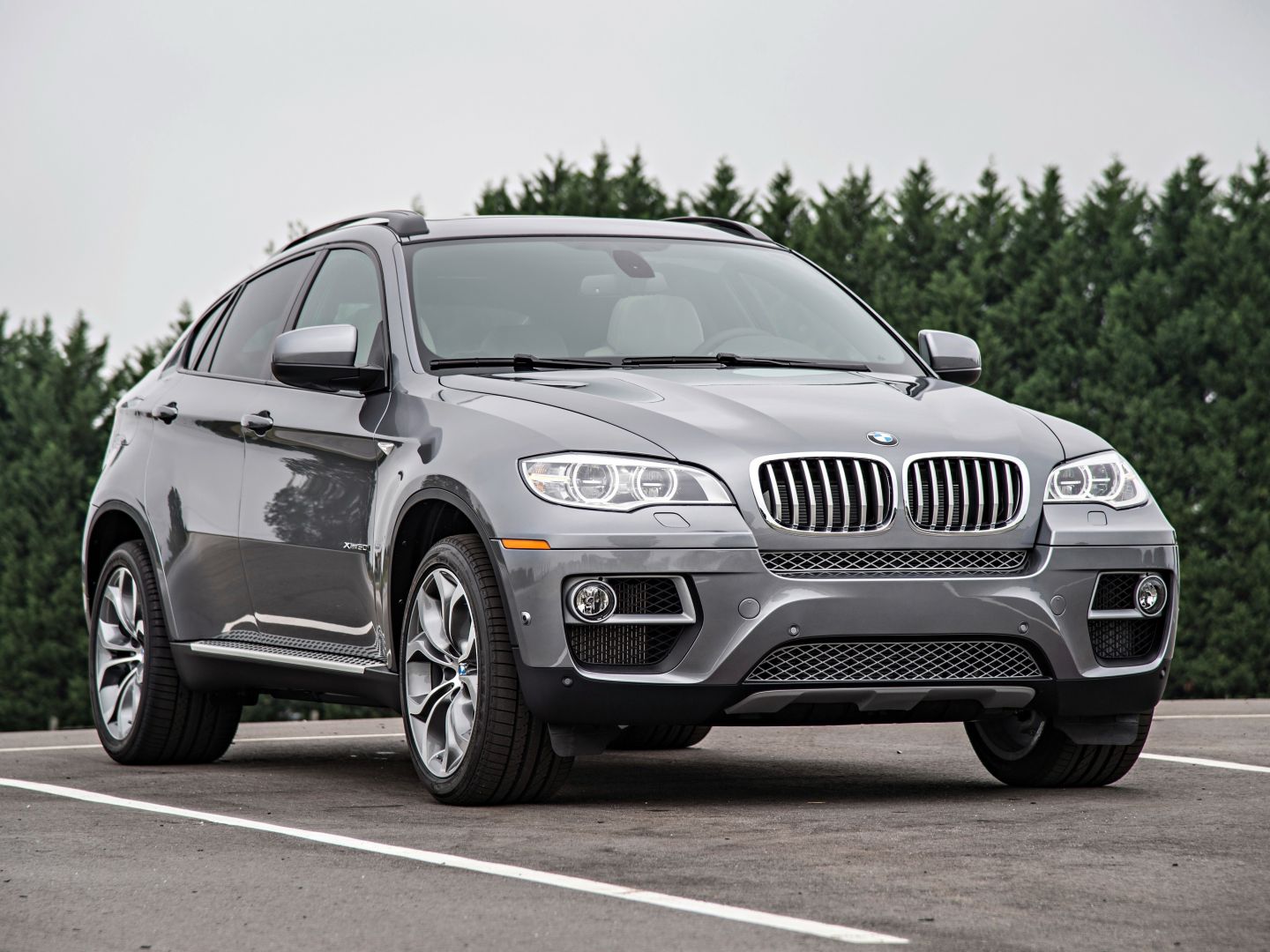
5. BMW X6
The BMW X6 is a luxury SUV with a coupe-like profile, but its dramatic design creates serious visibility challenges. The sloping roofline, thick C-pillars, and relatively small rear window make rearward visibility limited, particularly when reversing or monitoring vehicles approaching from behind.
While the high seating position provides good forward visibility, the design of the rear and side areas leaves significant blind zones that require careful compensation using mirrors or cameras. The vehicle’s wide body further complicates spatial awareness in tight spaces, adding to driver stress.
Rearward visibility is particularly compromised in the X6. The small rear window and steeply sloped roofline reduce the driver’s ability to see obstacles directly behind the vehicle.
Blind spots along the rear quarter panels make lane changes risky without constant use of mirrors, cameras, and sensors. The design emphasizes aesthetics and sporty styling, but these choices come at the expense of functional, stress-free visibility for daily driving.
These visibility limitations can significantly impact driver comfort and confidence. Drivers must remain vigilant and constantly adjust their line of sight, increasing both mental and physical strain.
While the BMW X6 delivers performance, luxury, and style, its design compromises make it challenging for those who prioritize safe, easy-to-manage visibility during routine driving or parking maneuvers.
This illustrates how certain modern SUV designs sacrifice practicality for aesthetic appeal, creating large blind spots that demand compensatory attention from the driver.