When the summer sun beats down on a parked car, the temperature inside can skyrocket. Depending on the vehicle’s make, model, and design, some cars can manage the heat better than others.
A car left in the sun for hours can become a scorching oven with interior temperatures easily rising to over 120°F (49°C), making it uncomfortable and sometimes even unsafe to get inside.
On the other hand, certain vehicles are engineered to withstand the sun’s intense rays better, staying cooler despite extended exposure. Factors such as window tinting, the materials used in the interior, and even the color of the car can significantly affect how much heat is retained.
The way a car’s cabin reacts to sunlight is an important consideration for many drivers, especially in regions where the summer heat can be relentless. While most cars will heat up to some degree, there are differences in how quickly and intensely this happens.
Some cars feature innovative cooling technologies, like specialized sunshades, heat-resistant materials, and even sophisticated climate control systems that can keep the interior temperature lower.
Others, however, are less adept at managing the heat and become uncomfortably hot. This can make a difference in how pleasant the driving experience is, not to mention the effect on leather seats, electronics, and the general comfort of the car.
For many drivers, understanding which cars handle the sun better is essential for making an informed decision. Whether you’re picking out your next vehicle or just curious about the science behind your car’s response to the sun, it helps to know which cars stay cool and which ones trap the heat.
In this article, we will look at five cars that are more adept at staying cool when parked in the sun, as well as five models that tend to heat up quickly and dramatically.
By examining the features and designs that contribute to this difference, we’ll gain a better understanding of how manufacturers address the challenges posed by intense sunlight.
5 Cars That Stay Cool When Parked in the Sun
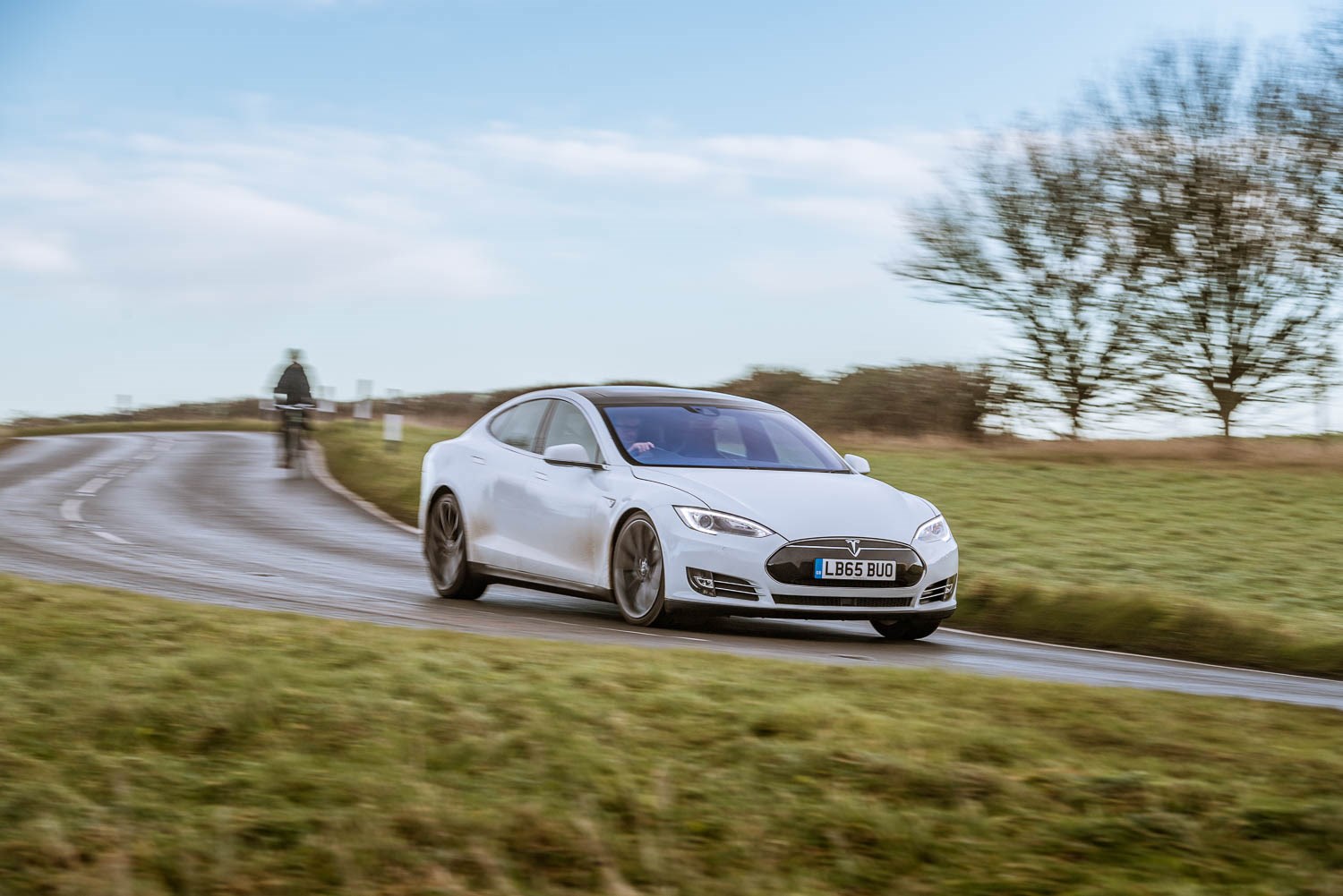
1. Tesla Model S
The Tesla Model S is widely recognized for its combination of electric efficiency and advanced engineering, but one of its lesser-known advantages is its ability to maintain a cooler cabin when parked under direct sunlight.
A key factor is the large panoramic glass roof, which, unlike traditional glass, is treated with multiple layers of reflective and UV-blocking coatings.
These coatings are specifically designed to reduce the amount of heat that penetrates the cabin, reflecting a significant portion of the sun’s rays away from the interior.
For drivers who often leave their cars in sunny environments, this makes a substantial difference in comfort. The panoramic roof also allows natural light to enter the vehicle without the usual associated heat, providing a bright and open cabin without turning it into an oven.
Another factor that contributes to the Tesla Model S’s coolness is its electric-powered climate control system. Traditional cars rely on an engine-driven compressor to power the air conditioning, meaning that cooling often stops when the car is turned off.
Tesla, however, can run its AC system on electric power independently of the engine, allowing the cabin to remain cooler even when the car is parked.
This system can also be activated remotely using the Tesla app, meaning drivers can start the car’s air conditioning before entering, ensuring that the cabin is a comfortable temperature immediately. This pre-conditioning capability is particularly useful on hot summer days and sets the Model S apart from many conventional vehicles.
Interior materials also play a crucial role in heat management, and Tesla has made deliberate choices in this regard. The leather and synthetic materials used in the seats and dashboards are treated to resist heat absorption, meaning they remain cooler to the touch even after hours of sun exposure.
The trim is often designed with lighter tones and reflective surfaces, which help prevent excessive heat accumulation. These thoughtful material choices reduce the discomfort of entering a vehicle that has been sitting under the sun and also contribute to the longevity of interior components that might otherwise warp, fade, or crack under prolonged heat exposure.
Finally, the software in the Tesla Model S enhances the vehicle’s ability to manage heat. In addition to Cabin Overheat Protection, the system can automatically circulate air and limit interior temperature to a safer range when the vehicle is parked.
This is particularly important for safety reasons, as extreme interior heat can pose risks to children, pets, and sensitive electronics. By combining smart software, electric climate control, heat-resistant materials, and innovative glazing, the Model S demonstrates how a modern car can stay significantly cooler than many of its traditional counterparts, making it one of the most sun-resistant sedans on the market.
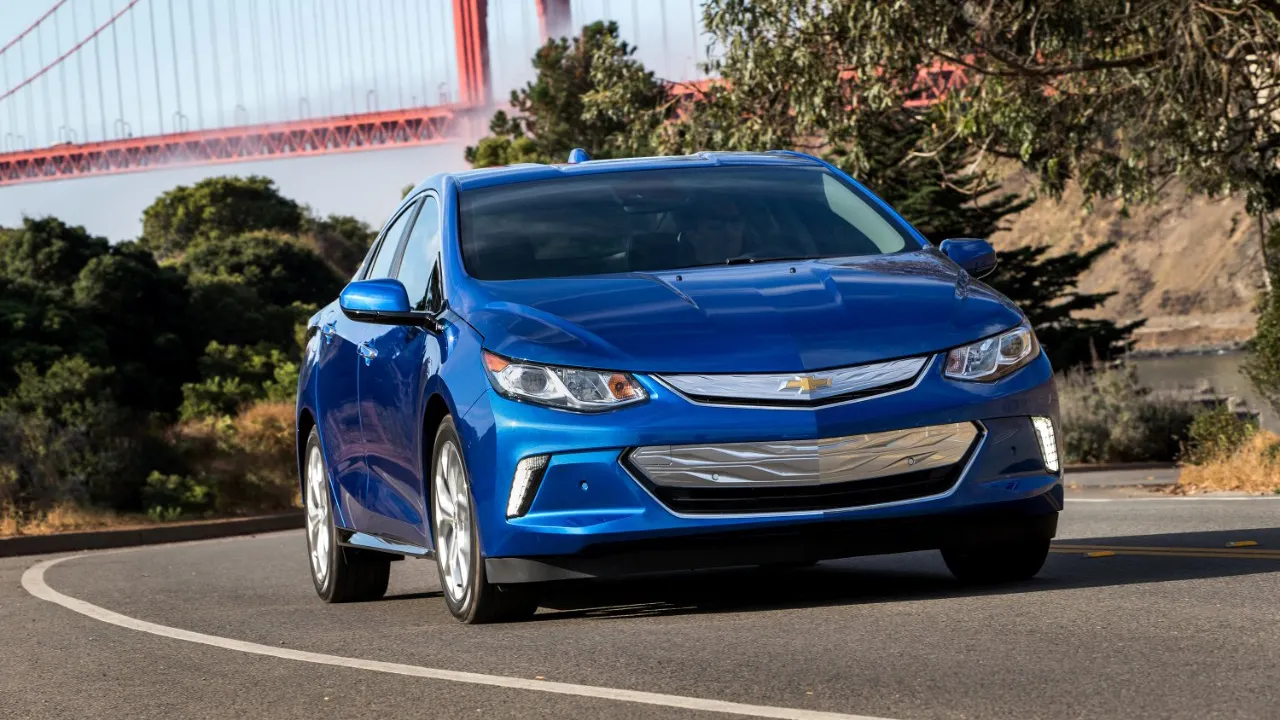
2. Chevrolet Volt
The Chevrolet Volt, as a plug-in hybrid, benefits from several design features that help keep the cabin cooler when exposed to sunlight. One of the main reasons the Volt performs well in this regard is its use of tinted windows and reflective materials that prevent UV rays from heating the interior.
While the Volt doesn’t have a panoramic glass roof like the Model S, its windows are treated with a UV-blocking film, which can reduce interior temperatures by several degrees.
This makes a noticeable difference when entering the vehicle after it has been parked in direct sun for extended periods, particularly in hotter climates where heat buildup can become unbearable.
The hybrid powertrain of the Volt also contributes indirectly to its ability to stay cooler. Unlike conventional vehicles, the Volt’s air conditioning system is electrically powered and can operate even when the engine is off. This allows for remote pre-conditioning, so drivers can activate the cooling system before stepping into the car.
In addition to comfort, this feature also reduces stress on the vehicle’s interior materials, which might otherwise be damaged by prolonged heat. The Volt’s energy-efficient design allows for this functionality without significant energy consumption, making it a practical solution for drivers who frequently leave their vehicles in the sun.
The interior materials of the Volt are carefully chosen for heat resistance and durability. The seats, dashboards, and trim are constructed with materials that reflect rather than absorb heat, which reduces hot spots within the cabin.
For instance, cloth seat options are less prone to retaining heat compared to traditional leather, making them more comfortable for short-term exposure to sunlight.
The dashboard and console surfaces also employ finishes designed to reduce heat absorption, ensuring that touching them does not result in the uncomfortable sensation of burning under hot sunlight. This combination of thoughtful interior design and material choice is part of what makes the Volt a standout for sun resistance.
Lastly, the compact dimensions of the Chevrolet Volt aid in heat management. Smaller cabins generally heat up less intensely and can cool down more quickly compared to larger vehicles. In combination with reflective windows, electrically powered climate control, and heat-resistant materials, the Volt offers a balanced approach to sun protection.
This makes it especially appealing for urban commuters or drivers in regions where cars are frequently left parked under high temperatures, providing a level of comfort that many conventional sedans struggle to achieve.
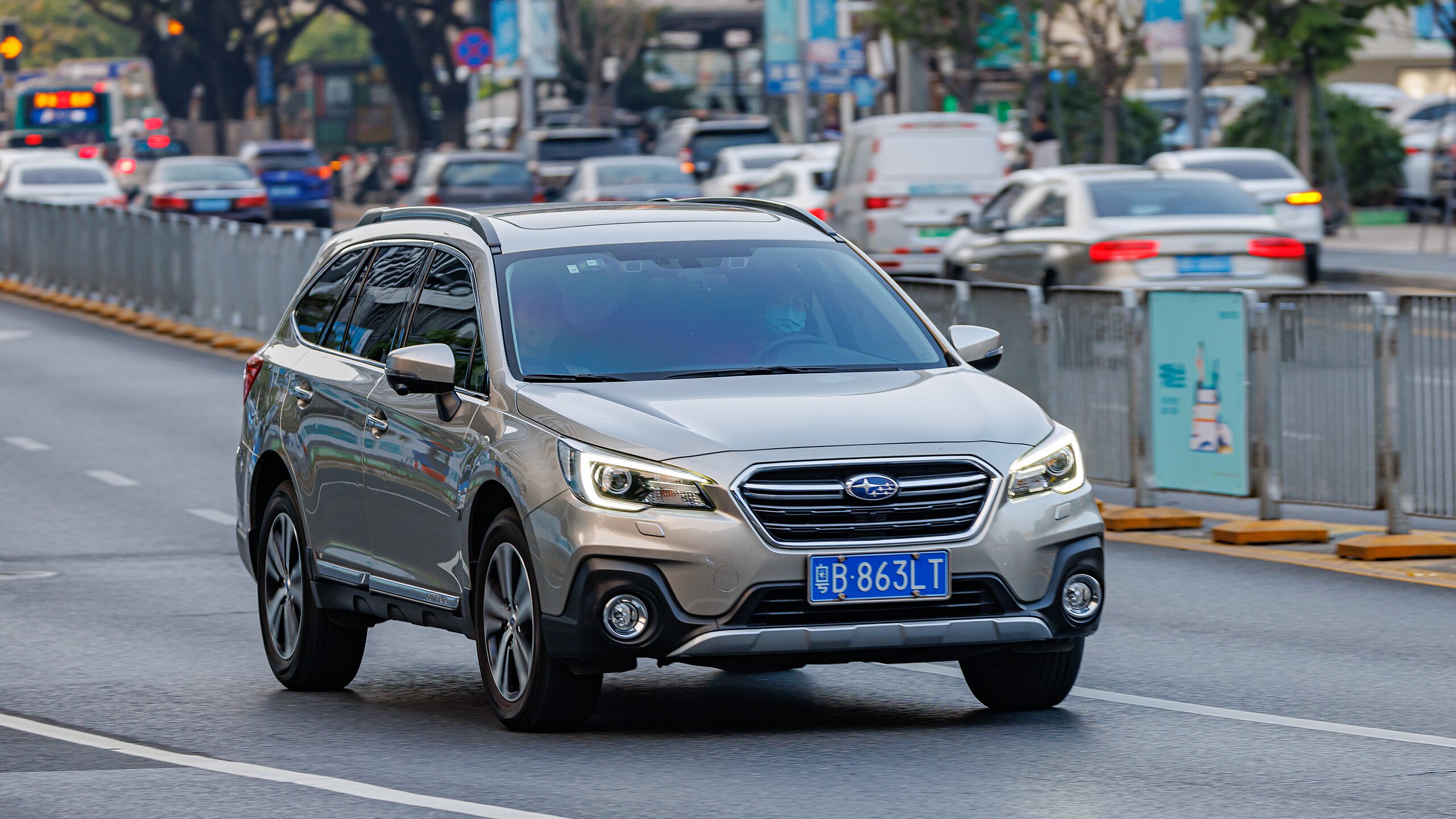
3. Subaru Outback
The Subaru Outback is primarily known for its ruggedness and versatility, but it also excels in maintaining a cooler interior under the sun’s rays. One of the key factors is the vehicle’s UV-blocking windows, which are designed to filter out a significant portion of sunlight.
This reduces heat transfer into the cabin and limits the amount of harmful UV exposure inside the car. Unlike some SUVs that have large, unprotected glass surfaces, the Outback’s windows work in tandem with its roof design to minimize direct sunlight penetration.
The roofline itself is slightly elevated and contoured, which creates additional shading and prevents heat from being trapped as quickly within the cabin.
Another reason the Outback stays cooler is its efficient air conditioning system. Subaru has designed this system to operate effectively even when the vehicle is not running at full power, allowing it to maintain a comfortable temperature while parked. This ensures that the car is less likely to overheat when left in the sun.
In addition, Subaru’s climate control system uses intelligent airflow management to direct cooler air to areas that typically heat up faster, such as the dashboard and front seats, which makes a significant difference in perceived comfort when entering the vehicle.
The interior of the Outback also includes materials that resist heat absorption. Cloth seat options are widely available and designed to remain relatively cool, even after prolonged sun exposure. The dashboard and trim surfaces incorporate finishes that reduce heat retention and reflect sunlight rather than trapping it.
These elements are combined with Subaru’s attention to insulation and cabin design, which help ensure that heat does not accumulate excessively during periods of high external temperature. By carefully balancing materials and ventilation, the Outback avoids many of the common issues that make other SUVs feel unbearably hot when parked.
Finally, some Outback models offer solar-powered ventilators that assist in keeping the cabin cool even when the engine is off. This innovative feature circulates air within the cabin, allowing heat to escape naturally while preventing hot air pockets from forming.
It is particularly useful during long periods of parking in direct sunlight, ensuring that the interior remains comfortable without draining the battery or fuel.
The combination of reflective glass, smart climate control, heat-resistant materials, and supplemental ventilation makes the Subaru Outback a reliable choice for drivers looking to avoid excessive heat buildup inside their vehicle.
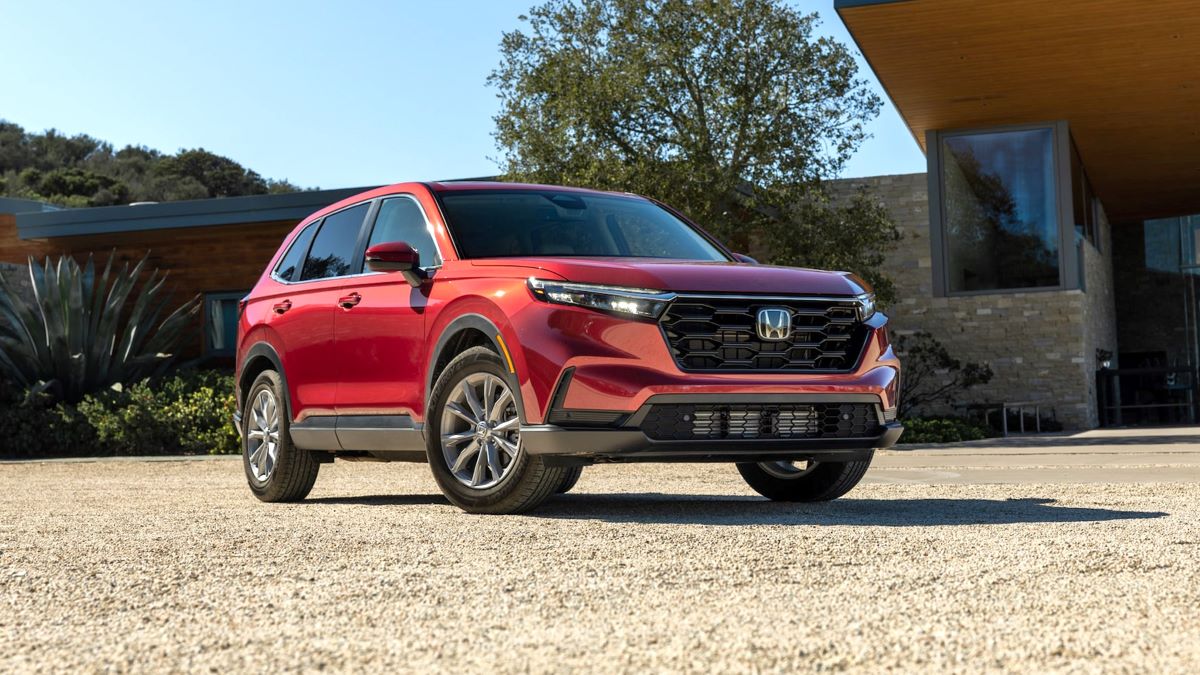
4. Honda CR-V
The Honda CR-V is another SUV that manages heat exceptionally well, due to a combination of smart design and practical materials. The CR-V’s windows are equipped with advanced tinting that blocks a substantial amount of ultraviolet and infrared radiation, limiting how much heat can enter the cabin.
This allows the interior to remain cooler compared to vehicles with standard glass. Additionally, the car’s exterior design, including the roof and window angles, is optimized to reduce direct sunlight penetration, which helps to maintain a more stable internal temperature.
This is particularly advantageous for families or commuters who leave their cars in sunny parking lots for extended periods. Honda’s climate control system plays a central role in maintaining interior comfort.
The air conditioning can operate efficiently without relying solely on the engine, enabling remote activation to pre-cool the cabin before entry. This ensures that drivers and passengers can enjoy a comfortable environment immediately, even on the hottest days.
Moreover, the system is designed to distribute air evenly throughout the cabin, minimizing hot spots and ensuring that both the front and rear seats benefit from cooling. This attention to airflow management enhances the cooling efficiency of the CR-V.
Material selection within the CR-V also contributes to its sun-resistance performance. The seats, dashboards, and interior trims are made from surfaces that resist heat retention, reducing the intensity of the sun’s impact on the cabin environment.
Cloth upholstery is commonly preferred for those seeking comfort during hot weather, as it absorbs less heat than leather. Even components such as the steering wheel and center console are designed to remain cooler under sunlight, providing a more pleasant tactile experience for occupants.
Finally, the Honda CR-V includes convenient features such as remote start, allowing users to begin cooling the cabin before entering the car. This is particularly useful for families with children or pets, where entering a hot vehicle can pose safety concerns.
When combined with the window tinting, efficient climate control, and heat-resistant interior materials, the CR-V becomes an exceptionally effective vehicle for avoiding the uncomfortable conditions that plague many cars left under direct sun exposure. This makes it a practical choice for everyday driving in warm or sunny climates.
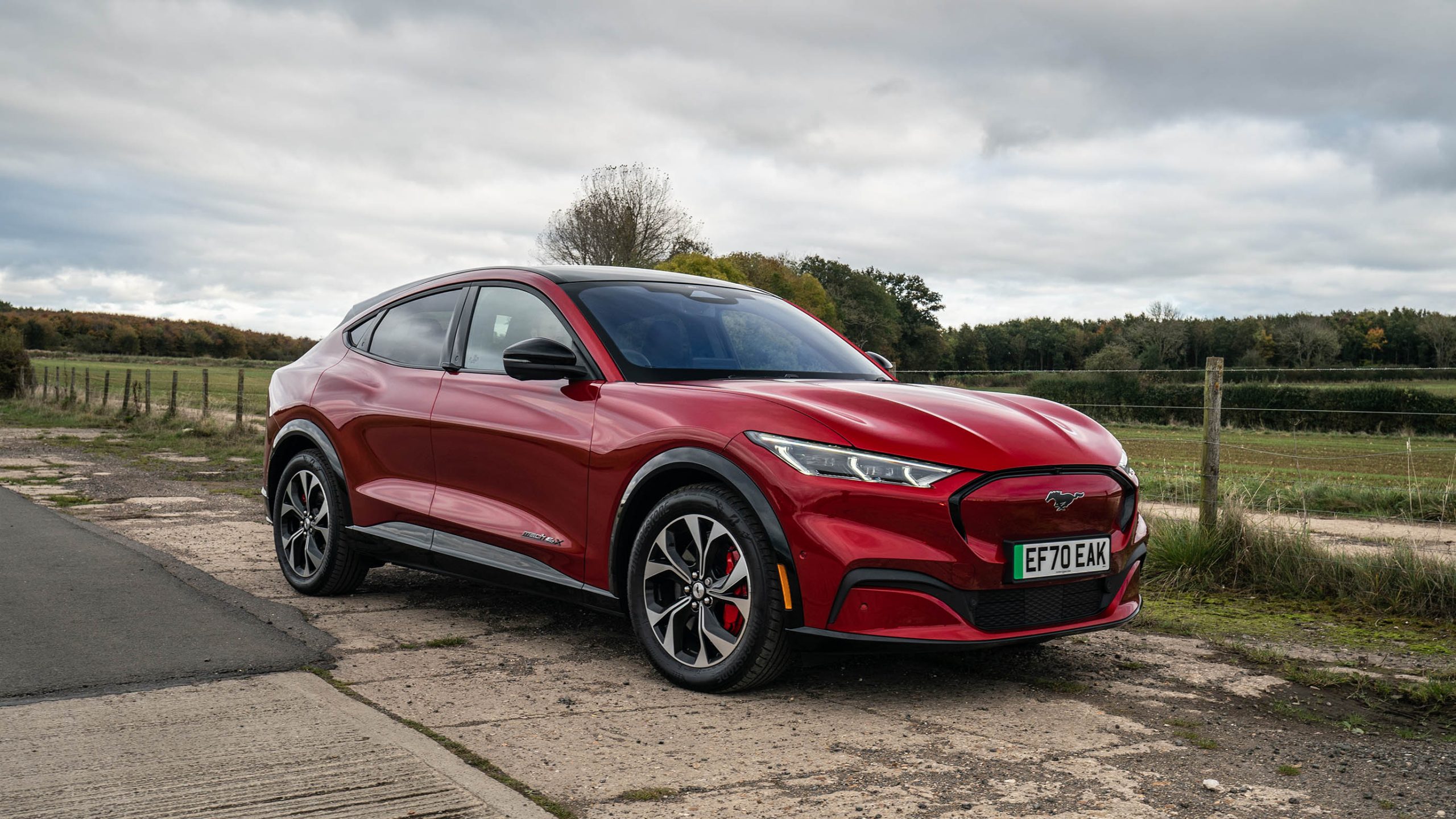
5. Ford Mustang Mach-E
The Ford Mustang Mach-E, an electric SUV, balances performance with thoughtful heat management features that keep the cabin cooler under the sun. The vehicle uses high-tech tinted windows and reflective coatings that minimize the penetration of sunlight into the cabin.
These measures help reduce the amount of heat absorbed by the interior surfaces, keeping the vehicle more comfortable for occupants. Additionally, the Mach-E features a panoramic glass roof equipped with a UV-blocking film, which allows natural light in without generating excessive heat.
This ensures that the cabin remains bright while preventing the car from becoming uncomfortably hot during extended periods in the sun.
The Mach-E also benefits from its electric climate control system. Unlike conventional vehicles, the system can operate independently of the engine, allowing remote pre-conditioning and efficient temperature management even when the car is turned off.
Drivers can cool the cabin before entering the car, a feature that is especially useful during high summer temperatures. The air conditioning system is engineered to distribute cool air evenly across the cabin, preventing hotspots and providing consistent comfort for both driver and passengers.
Interior materials in the Mach-E have been specifically selected for heat resistance. Leather and synthetic seating options are treated to minimize heat absorption, while the dashboard and trim are designed to reflect rather than retain sunlight.
These choices help prevent the discomfort often associated with hot leather or sun-baked plastics. The vehicle also uses high-quality insulation to prevent heat from penetrating the cabin from the roof and floor, further enhancing the cooling effect.
Finally, the Mach-E’s design integrates advanced software and ventilation features that actively manage the cabin temperature. Sensors detect when the interior is reaching excessive temperatures and activate cooling systems as needed, helping to maintain a safe and comfortable environment for occupants.
This combination of solar-reflective surfaces, electric climate control, heat-resistant interior materials, and smart ventilation systems ensures that the Ford Mustang Mach-E remains one of the more comfortable and sun-resistant electric vehicles on the market, providing drivers with a pleasant and safe experience even under intense sunlight.
5 Cars That Become Ovens When Parked in the Sun
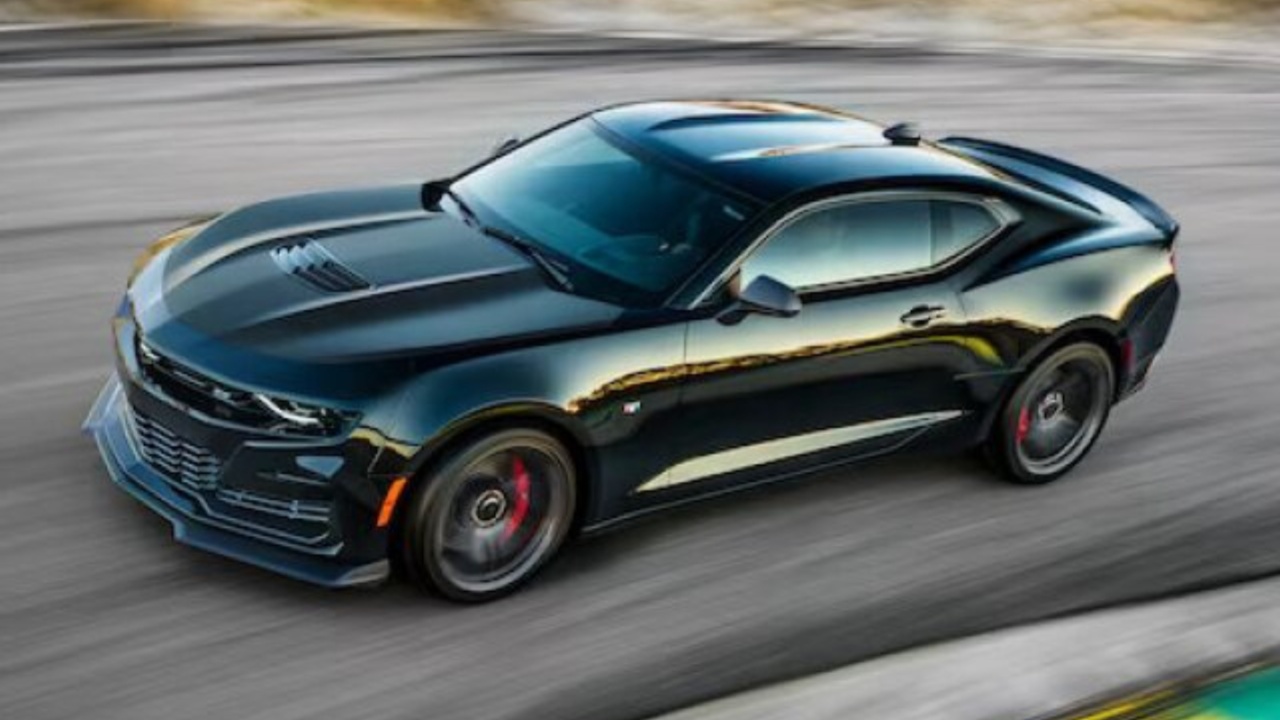
1. Chevrolet Camaro
The Chevrolet Camaro is celebrated for its aggressive styling and powerful engine, but these features contribute to its cabin heating rapidly under the sun. The Camaro has a large windshield and expansive side windows, which allow sunlight to penetrate deeply into the cabin.
While visually striking, this design traps heat effectively, creating a greenhouse effect. The sunlight enters freely, and because the glass lacks the advanced reflective coatings found in some modern vehicles, the interior absorbs the sun’s energy rather than deflecting it.
On extremely hot days, temperatures inside the Camaro can rise to levels that are uncomfortable, even unsafe, for drivers and passengers.
In addition to the glass, the Camaro’s interior materials exacerbate the problem. Leather seats, while luxurious, absorb and retain heat, often becoming painfully hot to sit on after a few hours of sun exposure.
The dashboard, center console, and door panels, composed of synthetic materials, also trap heat, making the cabin feel much hotter than the outside temperature.
Even the steering wheel can reach temperatures that make it uncomfortable to touch. Without immediate cooling, entering the vehicle can feel like stepping into a small oven, causing discomfort and sometimes even minor burns if contact with the leather is prolonged.
Finally, while the Camaro’s sporty styling appeals to many enthusiasts, the design choices prioritize aesthetics and performance over sun comfort. Dark interior colors are common, further intensifying heat retention, and the low roofline means that the sun shines almost directly on the occupants’ heads.
Even using aftermarket solutions like sunshades only partially mitigates the extreme temperature buildup. For anyone living in a warm or sunny climate, the Chevrolet Camaro is notorious for heating up quickly, making it a vehicle that is fun to drive but uncomfortable to leave under prolonged sun exposure.
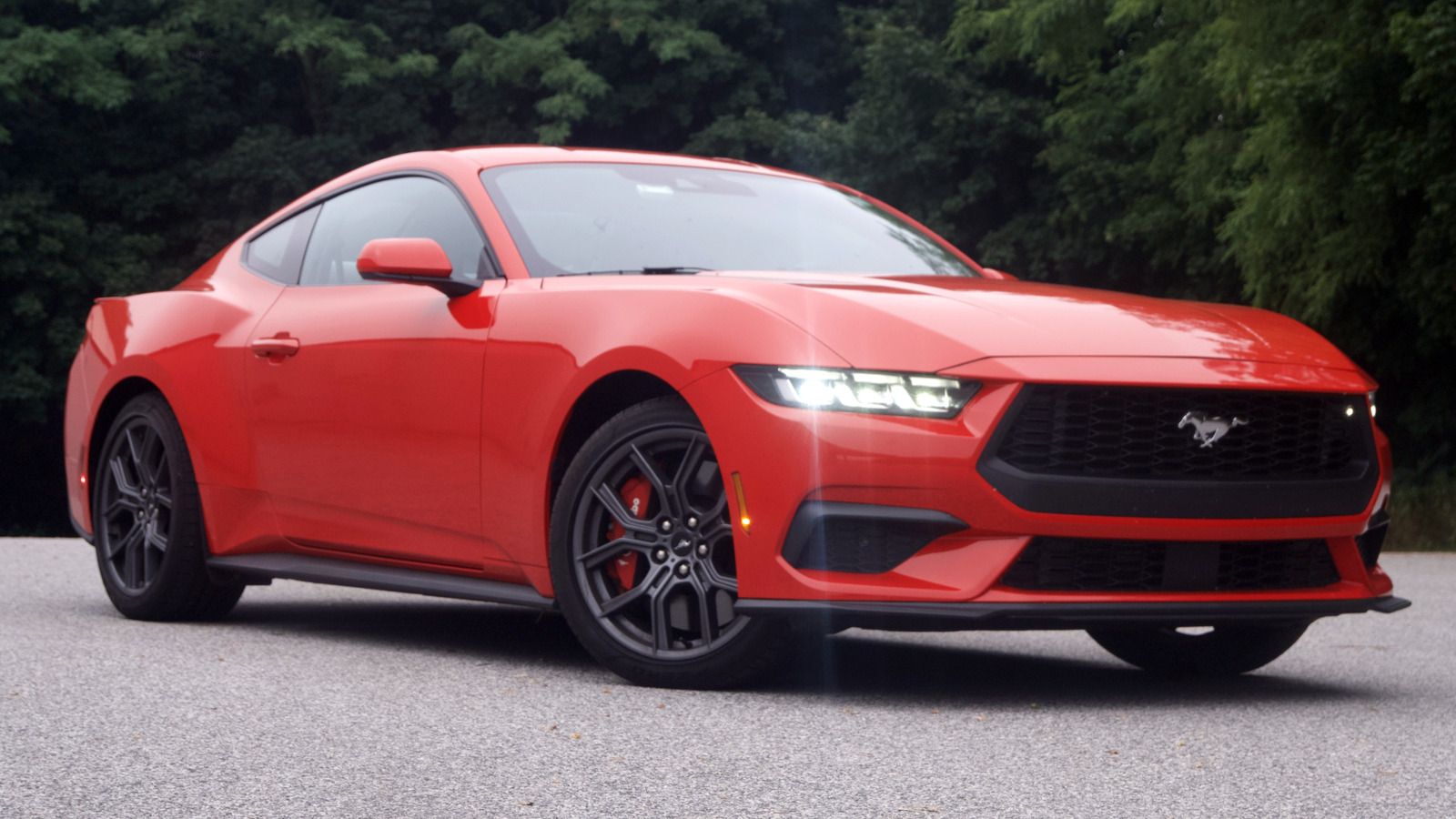
2. Ford Mustang (GT models)
The Ford Mustang GT is iconic for its performance and muscle-car appearance, but its cabin design struggles in hot, sunny conditions. The car features a broad windshield and large side windows with minimal factory-level UV protection, which allows sunlight to flood the cabin.
This exposure creates rapid heat accumulation inside the vehicle, particularly in the leather-clad GT models. The combination of direct sunlight and heat-absorbing materials can result in cabin temperatures far exceeding outside temperatures within a short period of time.
Leather seats in the Mustang GT contribute significantly to the discomfort. While visually appealing and supportive for driving, leather naturally absorbs heat and becomes very hot to the touch, making it difficult to sit in the car without first cooling it down.
The dashboard and console surfaces are typically dark, further trapping heat. On especially sunny days, the interior surfaces can become uncomfortably hot even when the car has been parked for less than an hour. Small details, like a leather-wrapped steering wheel, also heat up quickly, making initial contact almost unbearable.
Lastly, Mustang owners often opt for darker paint colors, such as black, deep blue, or red, which absorb additional heat from the sun. Dark exterior colors compound the problem by heating up the body of the car, which in turn radiates heat into the interior.
Despite its impressive performance capabilities, the Mustang GT demonstrates that high-powered muscle cars often sacrifice sun comfort for aesthetics and speed. For anyone planning to leave the car parked outdoors, the Mustang GT can become extremely hot, earning its reputation as a true “oven” under direct sunlight.
3. Jeep Wrangler
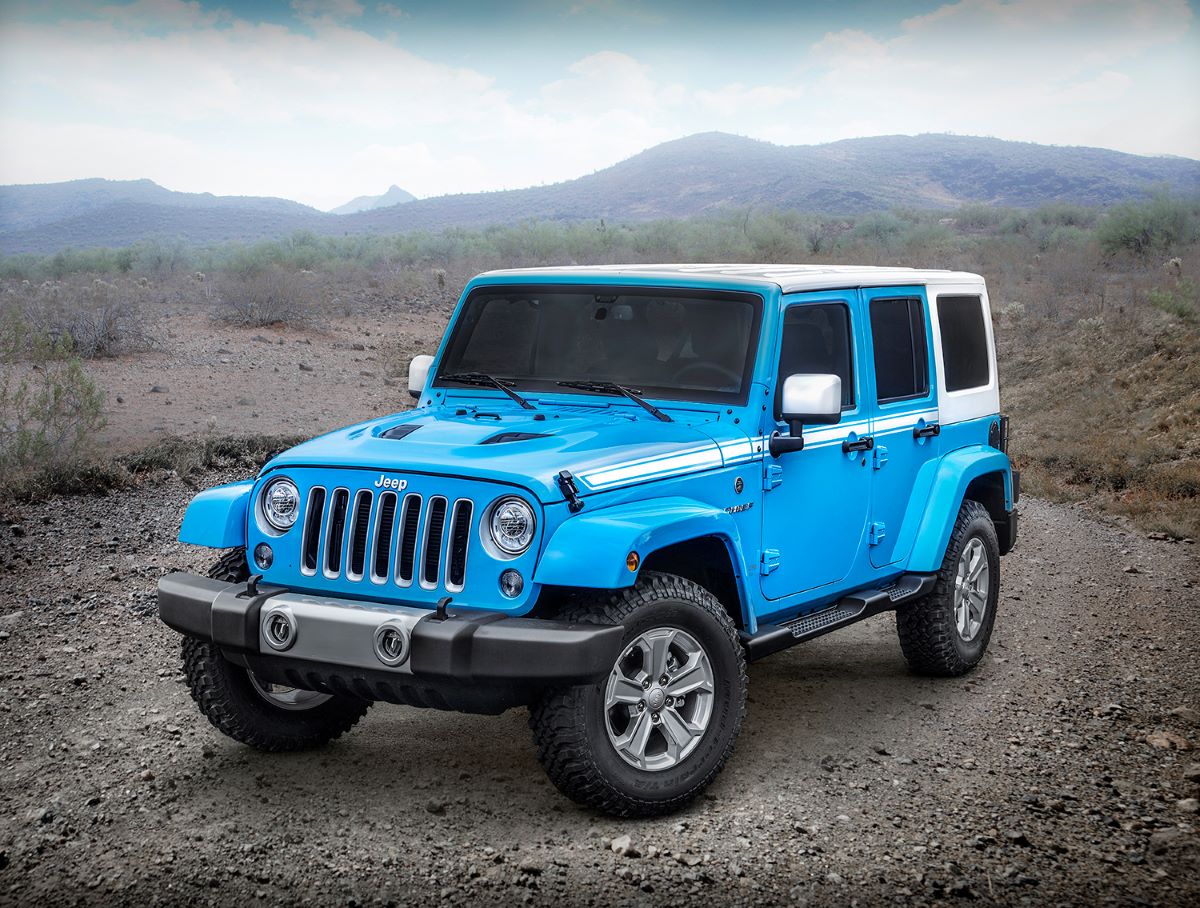
The Jeep Wrangler is renowned for off-road capability and rugged styling, but these same features make it prone to excessive cabin heat when parked in the sun.
The Wrangler has upright windows, large flat surfaces, and removable hardtops that often lack high-end insulation or UV-blocking glass. These design elements make the interior highly susceptible to solar heating, turning the cabin into a very uncomfortable space after only a short exposure to sunlight.
Air circulation in the Wrangler is limited by its boxy design. Unlike sedans or SUVs with aerodynamically designed cabins that can shed heat more effectively, the Wrangler’s cabin tends to trap hot air.
When parked under intense sunlight, the heat inside the car rises quickly and lingers, making it difficult for the interior to cool down naturally without running the AC at full power. Owners often find themselves needing sunshades or pre-cooling measures to avoid extreme discomfort.
The removable tops and open-air design, which are hallmarks of the Wrangler’s versatility, paradoxically make heat management worse when the vehicle is fully enclosed. Soft tops provide minimal insulation, while hardtops can act like a greenhouse if left in the sun.
Additionally, the dark colors that many Wranglers come in absorb heat, increasing the temperature inside even more. For these reasons, while the Jeep Wrangler is perfect for adventure, it is notorious for turning into an interior oven when parked under direct sun for any extended period.
4. BMW 5 Series (older models)
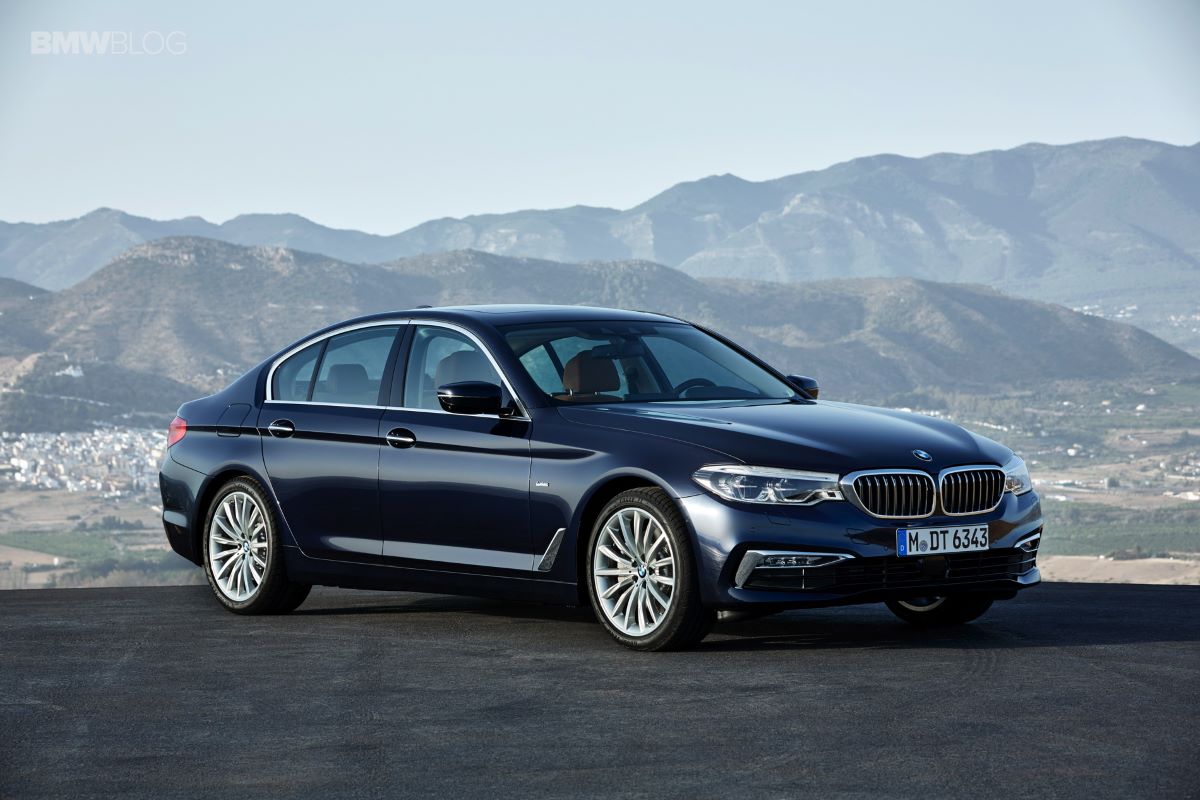
Older BMW 5 Series models, while luxurious and refined, often struggle with sun-related cabin heat. These sedans feature large glass surfaces and minimal factory heat-blocking technology compared to newer models.
The windshield, side windows, and sunroof allow a substantial amount of sunlight into the cabin, leading to rapid heat accumulation. On hot days, temperatures inside the car can soar well above the ambient temperature, making the luxurious interior uncomfortable almost immediately after parking.
Another factor is the car’s lower ride height and compact cabin design relative to the glass surface area. Limited ventilation points in the interior mean that heat becomes trapped inside, with little natural airflow to help reduce temperatures when the car is stationary.
Entering the vehicle after it has been left in the sun requires time for the AC system to bring the cabin to a comfortable temperature, causing initial discomfort for drivers and passengers.
Finally, older 5 Series models often lack modern pre-conditioning features available in newer vehicles. Unlike electric or hybrid cars, the AC system cannot be remotely activated when the engine is off, meaning the interior will continue to rise in temperature until the car is started.
Combined with high-absorption materials, minimal sun-reflective coatings, and a dark color palette often used in BMW sedans, older 5 Series models frequently become uncomfortably hot when parked under direct sunlight, making them a classic example of a “sun oven” sedan.
5. Toyota Prius
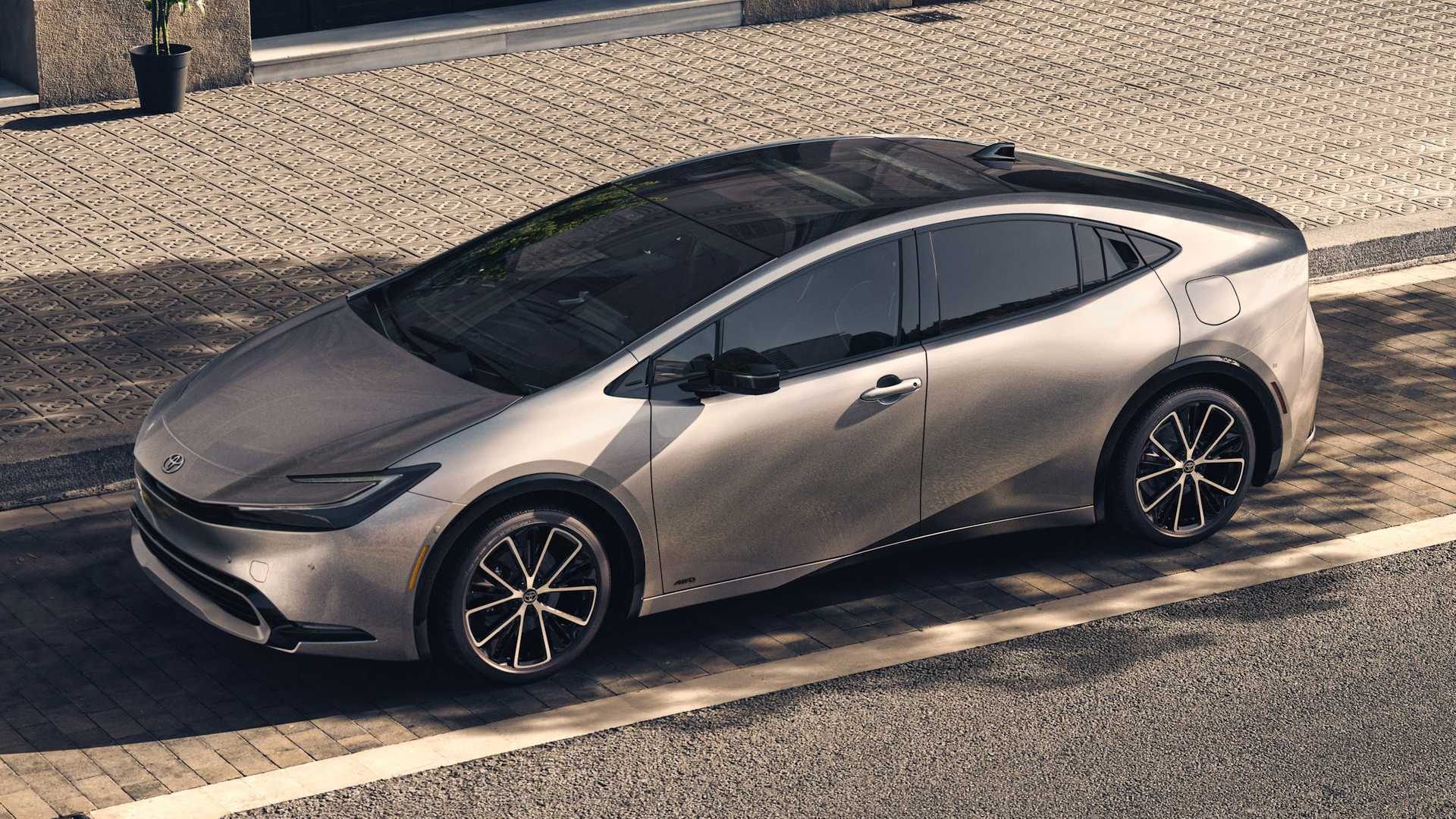
The early generations of the Toyota Prius were designed with fuel efficiency in mind, not cabin heat management, which makes them particularly susceptible to overheating under the sun. The hatchback design, with large rear windows and a steeply angled windshield, creates a greenhouse effect that allows sunlight to heat the interior quickly.
Without advanced UV-blocking technology in the windows, the interior temperature can rise dramatically, often feeling several degrees hotter than outside.
Limited interior ventilation in these early Prius models also contributes to heat buildup. The cabin layout does not facilitate airflow when the car is parked, so heat tends to concentrate near the seats and dashboard.
Even small fans or vents cannot prevent the accumulation of hot air, making the cabin temperature rise quickly. In addition, these models typically have dark interior trims, which further exacerbate heat retention and make surfaces hot to the touch.
Finally, early Prius models lack modern remote pre-conditioning capabilities that would allow the cabin to be cooled before entry. This means that the driver and passengers are often subjected to the full intensity of accumulated heat when opening the doors.
While the Prius excels in fuel efficiency and eco-friendliness, its interior comfort in sunny conditions is compromised, making it one of the vehicles that can feel most like an oven when parked outdoors.