Choosing a three-row SUV can be a challenge, especially for families who need space for adults and children alike. Not all SUVs deliver true comfort in the third row, and the difference can dramatically affect passenger experience on long drives.
Some SUVs prioritize luxury, power, and versatility, offering real third-row space that accommodates adults without compromise. Others, while excellent for families with young children, design the rear-most seats primarily for kids, limiting legroom and comfort for grown passengers.
Understanding these distinctions is crucial when balancing passenger comfort, cargo capacity, and family usability.
This guide highlights five SUVs with real third-row space, capable of seating adults comfortably, including the 2025 BMW X7, Dodge Durango, Land Rover Discovery, Toyota Sequoia, and Mercedes-Benz GLS.
It also covers five models best suited for children or occasional adult use, like the Hyundai Palisade, Chevrolet Traverse, Ford Explorer, GMC Acadia, and Honda Pilot. By comparing seating, legroom, accessibility, and cabin features, this list helps buyers identify which SUVs deliver true third-row practicality and which are designed with children in mind.
5 SUVs With Real Third-Row Space
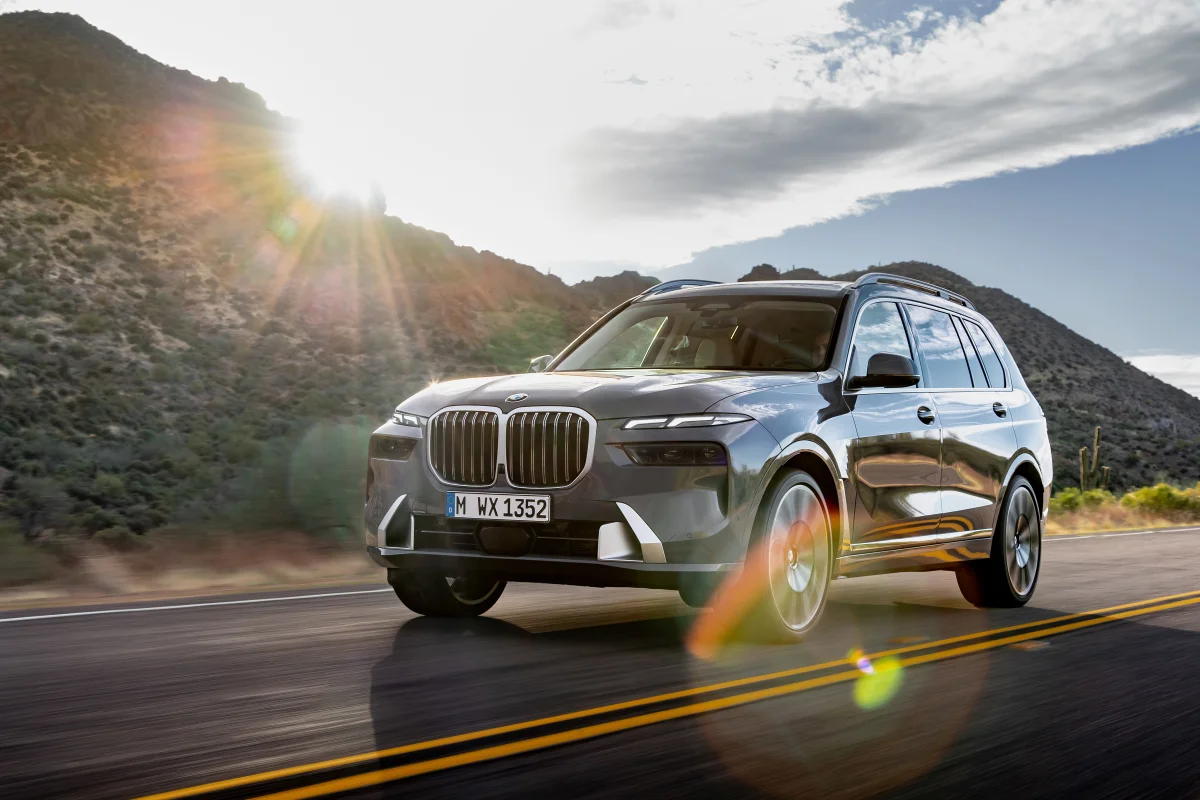
1. 2025 BMW X7: Performance, Comfort, and Luxury in a Three-Row SUV
The 2025 BMW X7 stands out in the luxury three-row SUV segment with seating for up to seven passengers and an interior score of 8.5 out of 10. The first two rows offer generous space and excellent support, making the X7 well-suited for long-distance travel and daily commuting.
The third row provides 33.3 inches of legroom and can be equipped with heated seats, although it remains more compact than the front two rows. The cargo room is limited to only 12.8 cubic feet available when all seats are in use, which is below average for a vehicle of this size.
Performance is a highlight of the X7. The xDrive40i model uses a refined inline six-cylinder engine that accelerates from zero to sixty miles per hour in 5.1 seconds. This is quicker than some larger V8-powered competitors such as the Cadillac Escalade.
Despite its size, the X7 manages corners with confidence and delivers smooth, easy driving in everyday conditions. The transmission shifts quickly and stays unobtrusive, contributing to a premium driving feel.
Comfort is supported by advanced suspension technology, including the optional Dynamic Handling package that scans the road ahead to prepare the dampers for bumps. In Comfort mode, the ride can feel slightly floaty, but switching to Sport mode improves body control while maintaining a pleasant ride quality.
BMW seats are widely regarded as some of the best in the luxury class and make it simple to achieve an ideal driving position. Cabin noise is minimal except for the refined sound of the engine during hard acceleration. The climate system is less impressive because the vents are small and the automatic temperature setting is not always precise.
Interior access is simple thanks to large doors and generous space in the first two rows. The third row feels tighter, but it can work with some cooperation from second row passengers. Screen-based controls are a notable drawback because many important features are buried in menus.
The adaptive cruise control following distance cannot be easily changed from the steering wheel, which reduces convenience. Technology features include wireless Apple CarPlay and Android Auto, USB-C ports in all rows, and an optional Bowers and Wilkins audio system.
Cargo flexibility improves significantly with the second and third rows folded, and fuel economy is competitive at 22 miles per gallon combined. Premium materials, appealing paint options, and reasonable pricing help the 2025 X7 deliver strong value in the luxury SUV market.
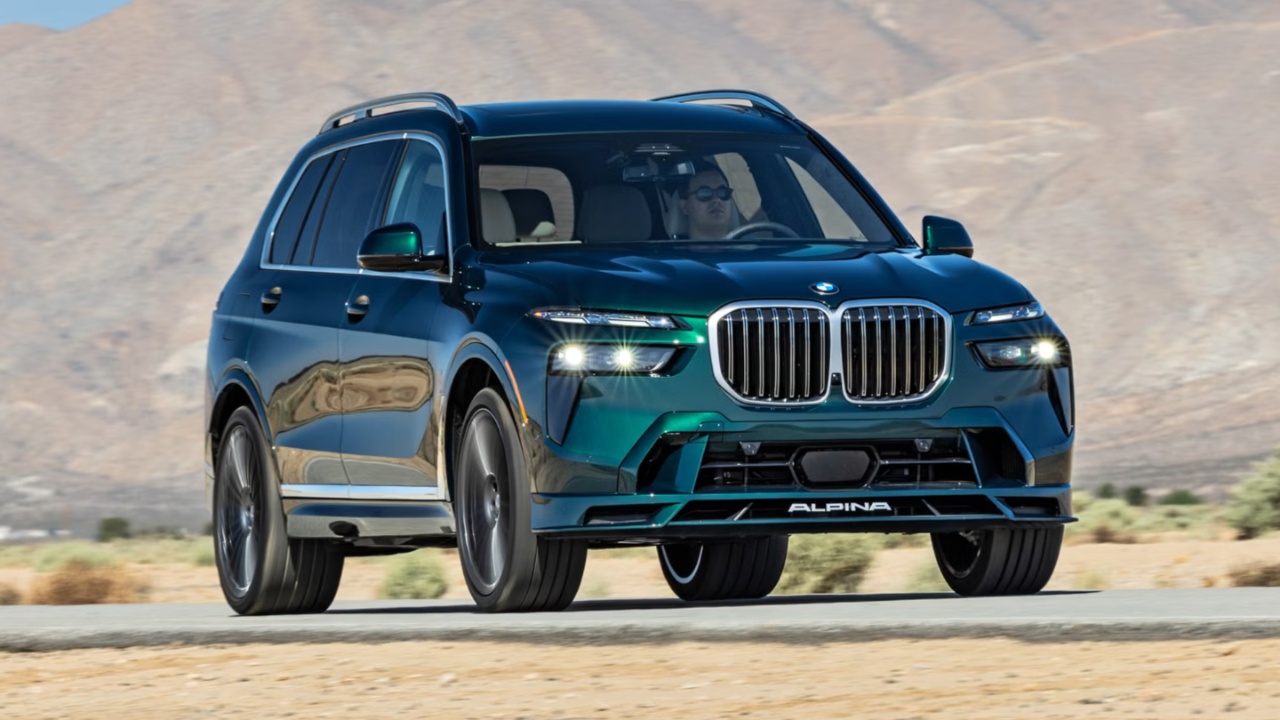
2. 2025 Dodge Durango: Power Focused Family SUV With Space and Practical Strength
The 2025 Dodge Durango continues to appeal to buyers who want strong performance and generous space in a three-row midsize SUV. With an interior score of 7.5 out of 10, it offers seating for six or seven people, depending on configuration. The first two rows are roomy and comfortable, and the third row provides 33.5 inches of legroom, which is acceptable for adults of average height. Cargo space is mixed.
There are 17.2 cubic feet behind the third row, which trails class leaders, but folding the seats opens up an impressive 85.1 cubic feet. Standard features such as tri-zone climate control, heated front seats, and a heated steering wheel create a pleasant cabin environment.
Driving performance varies widely depending on the engine. The V6 can feel strained in a vehicle of this size, especially with passengers on board. The optional V8 engines deliver much stronger acceleration and help the Durango feel more capable. Handling is heavy and truck-like, with slow steering and modest grip around corners.
Ride comfort is decent, but the Durango drives like the large vehicle it is. Its long life cycle is noticeable. Visibility is good because the design predates modern camera requirements, yet the technology feels dated. The rearview camera is grainy, and advanced driver aids are limited and often expensive to add.
The cabin offers simple controls and a straightforward design. The wide center console makes the front seating area feel narrow, but headroom is generous. Access to all rows is easy, and child seats fit well in the second row.
The climate system distributes air effectively to every seating position. Uconnect 5 continues to be responsive and easy to navigate, although the graphics and the 10.1-inch display look plain by modern standards. There are adequate USB ports, but newer competitors provide more comprehensive device support.
Storage capability remains a strong point. The Durango provides abundant small-item storage and impressive towing strength. The standard tow rating is 6,200 pounds, and the maximum rating reaches 8,700 pounds, which surpasses most rivals.
Fuel economy is modest. The V6 delivers 20 miles per gallon combined, while the V8 models drop to 16 miles per gallon. Value depends on buyer priorities. The interior feels dated and lacks upscale materials, but the V8 power and towing ability offer unique advantages in this segment.
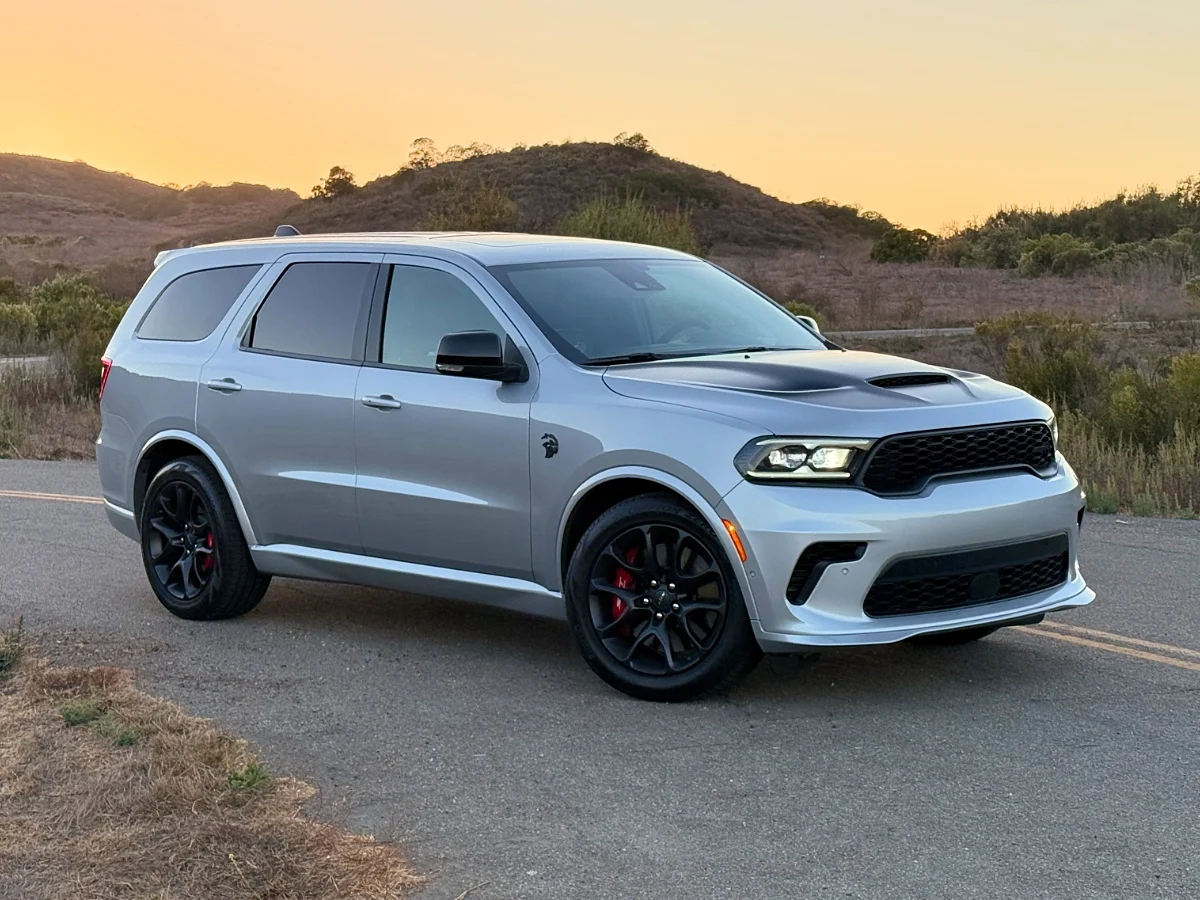
3. 2025 Land Rover Discovery: Capable Luxury SUV With Strong Comfort and Off-Road Strength
The 2025 Land Rover Discovery stands out as a luxury midsize SUV designed for drivers who want refinement along with genuine off-road capability. It offers seating for up to seven people and earns an interior score of 8.2 out of 10.
The first two rows provide abundant headroom and legroom, while the third row supplies 33.5 inches of legroom, making it usable for adults. Interior quality is high, with leather upholstery, heated front seats, automatic climate control, and power second row seats included as standard equipment. The driver enjoys 18-way power adjustability with memory settings in base models.
Performance is competent rather than exciting. The turbocharged six-cylinder engine delivered a zero-to-sixty time of 6.7 seconds during testing, which trails quicker rivals such as the Audi Q7. Low-speed acceleration lacks urgency, but midrange power is smooth and makes highway merging easy. Handling feels heavy, and the high center of gravity leads to noticeable lean during sharp turns.
The air suspension provides a comfortable ride, although it can feel slightly floaty on certain surfaces. Visibility is mostly good due to large windows, but sizable rear headrests require frequent use of the standard 360-degree camera system. Off-road strength is a key advantage, with as much as 11.2 inches of ground clearance, multiple traction modes, and an available two-speed transfer case.
Comfort is strong in the first two rows thanks to well-shaped seat cushions and a quiet cabin. Climate control performance is effective, but cabin ergonomics create frustrations. The haptic climate panel is distracting, the armrest closes abruptly, the upper glove box is difficult to open, and there is no quick release for sliding the second row forward. The high driving position may feel bus-like to some drivers.
Technology features include a powerful Meridian audio system, standard Apple CarPlay and Android Auto, and plentiful USB charging ports. Cargo space is limited behind the third row and remains below average even with seats folded. Small item storage is more generous with large door pockets and a deep center bin.
Towing capacity is excellent at up to 8,200 pounds. Fuel economy averages 19 miles per gallon combined, which matches class norms. The Discovery offers high-quality materials and extensive standard features, making it a competitive luxury SUV with strong all-terrain capabilities.
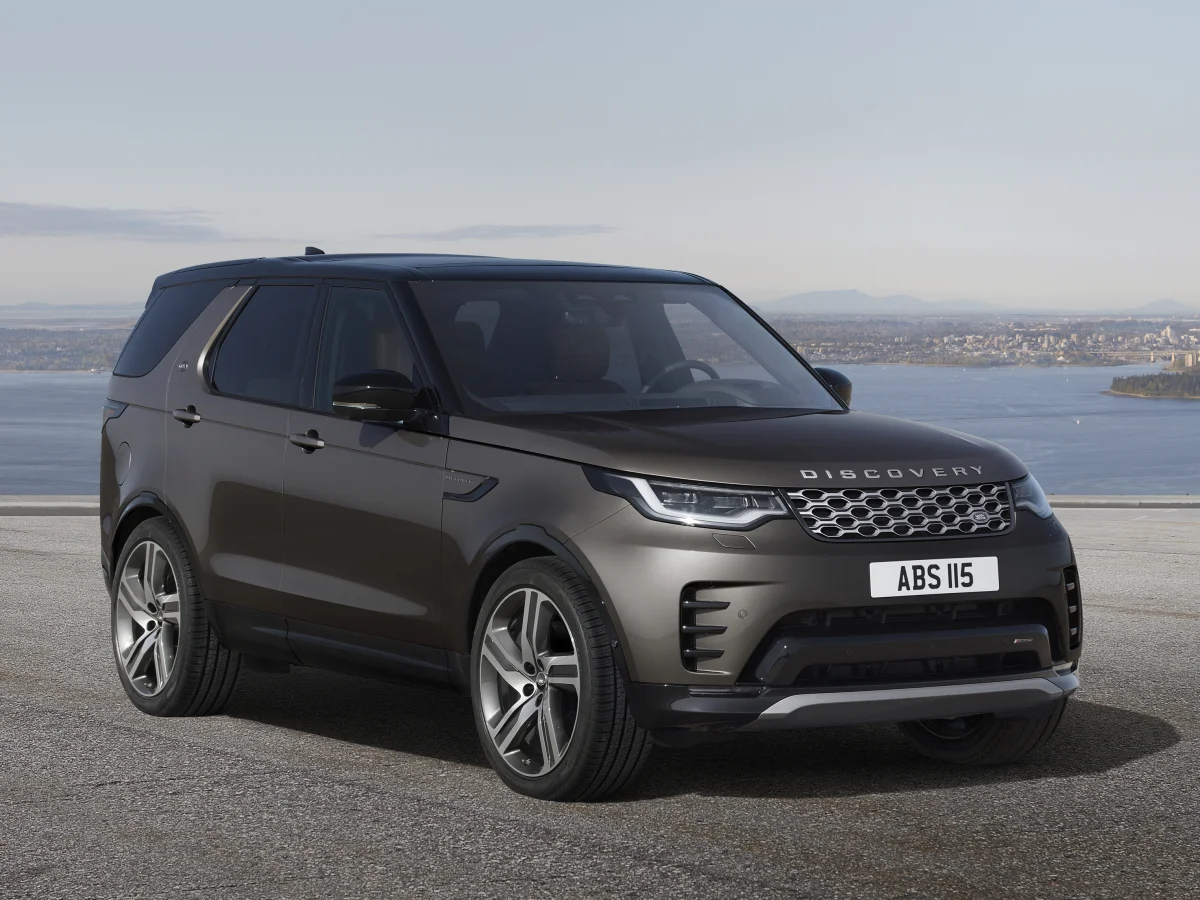
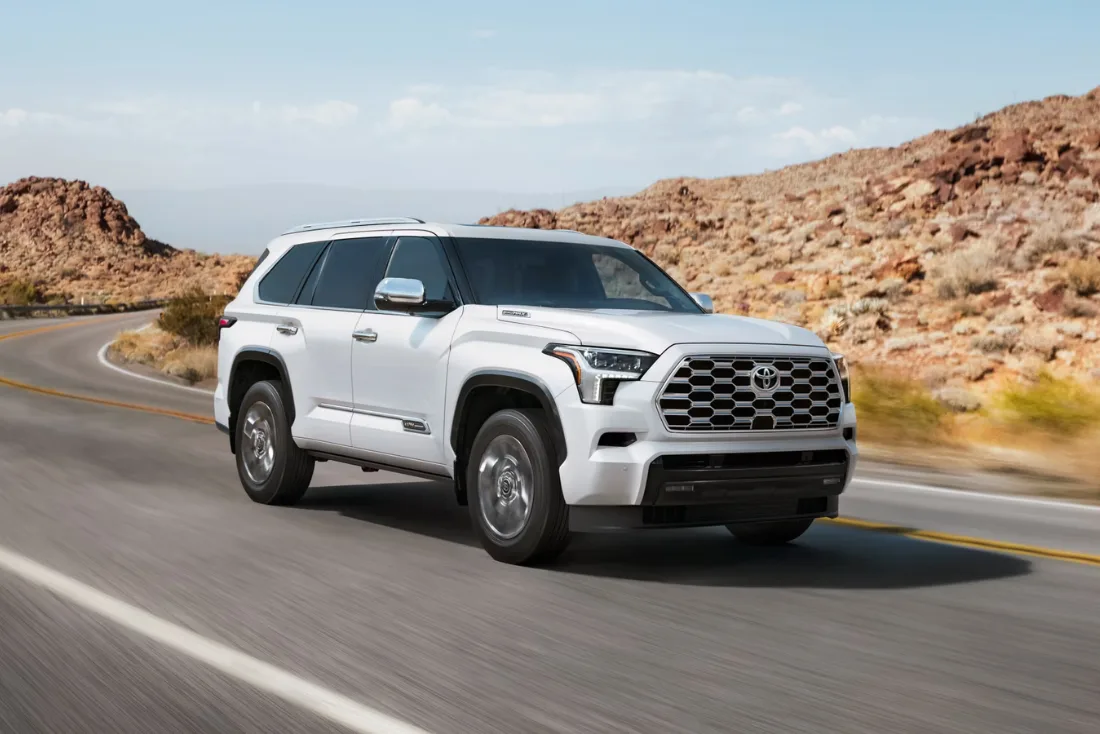
4. 2025 Toyota Sequoia: Strong Power and Towing Muscle With Noticeable Tradeoffs
The 2025 Toyota Sequoia earns an interior score of 6.1 out of 10 and offers seating for seven or eight passengers. Cabin space is generous, with excellent first row legroom and a comfortable driving position. The second row is roomy but less plush, while the third row provides 33.7 inches of legroom, making it suitable for adults on short trips and children on longer rides.
Heated front seats come standard, and available upgrades include ventilated first and second row seats and a power-folding third row. Cargo capacity is limited to 11.5 to 22.3 cubic feet with all seats in use, depending on the position of the sliding third row.
Performance is a standout area. The turbocharged V6 hybrid engine delivers quick acceleration, reaching sixty miles per hour in six seconds during testing. Braking is confident despite the TRD Pro model’s all-terrain tires.
The solid rear axle helps with towing and off-road strength, but leads to a firmer, busier ride around town, especially for passengers in the back. Visibility is acceptable for a large SUV, and thoughtful camera controls make low-speed maneuvering easier. Driver assistance features function well, with responsive adaptive cruise control and effective lane-keeping assistance.
Comfort varies by row. The front seats offer strong support and effective heating and ventilation. Rear seat cushions sit low, which raises knee height and reduces long-distance comfort.
Cabin noise is more noticeable than in rival SUVs, as road noise, powertrain sound, and even the ventilated seat fans can intrude at times. Access is one of Sequoia’s strengths thanks to wide door openings, well-placed step rails, and convenient grab handles.
Technology is functional but unimpressive. The 14-inch touchscreen looks modern, but testers experienced navigation and Apple CarPlay connectivity issues. Sound quality from the audio system is clean but not exceptional. USB availability is adequate, though not class-leading.
Cargo practicality is hindered by a third row that does not fold flat because of the hybrid battery. Storage pockets and trays are also smaller than expected. Towing capacity is a major advantage at up to 9,520 pounds.
Fuel economy is estimated at 20 miles per gallon combined, and testing confirmed this figure. Warranty coverage is typical, with extended protection for hybrid components. The Sequoia emphasizes power, towing, and distinctive style more than luxury or interior usability.
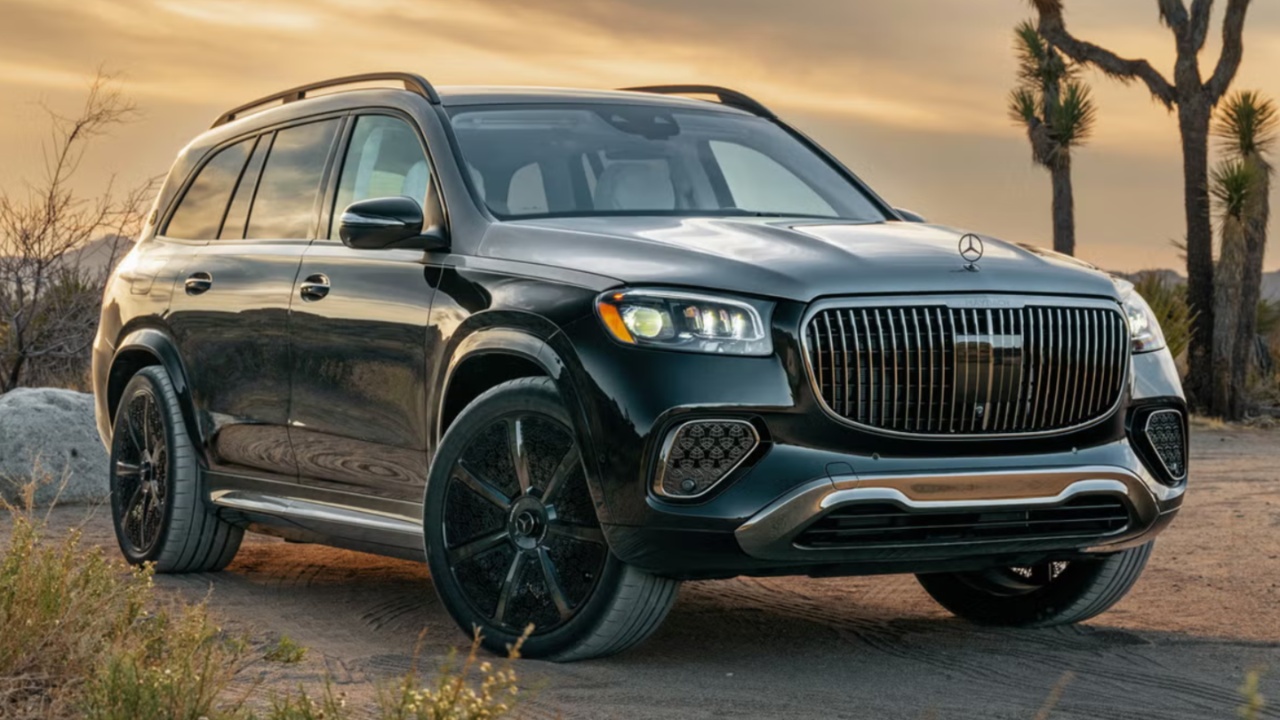
5. 2025 Mercedes-Benz GLS: Luxury, Space, and Smooth Power in a Flagship SUV
The 2025 Mercedes-Benz GLS stands out as one of the most refined and upscale full-size luxury SUVs on the market, earning an interior score of 8.3 out of 10. It seats up to seven passengers and delivers generous room in all three rows, including 34.6 inches of third-row legroom, making it suitable even for taller adults.
The cabin features high-end materials, modern design, and a long list of standard comforts such as quad-zone climate control, heated and ventilated front seats with memory, a power-folding third row, and a hands-free liftgate.
Performance is strong even in the base GLS 450. During testing, it accelerated from zero to sixty miles per hour in 5.8 seconds, outperforming several rivals. Around town, power delivery is smooth, braking is confident, and handling feels secure. Steering feedback is minimal, yet the light steering effort makes the SUV easy to maneuver.
Ride quality is excellent with the optional E-Active Body Control suspension, which absorbs bumps without the floaty feel common in larger SUVs. Even with the available 21-inch wheels, the ride remained composed and quiet.
Comfort levels are high. The seats offer extensive adjustability and support for long trips, while cabin insulation reduces most wind and road noise. Visibility is strong thanks to large windows, and third-row access is surprisingly easy.
The primary drawback lies in Mercedes’ abundance of interior controls; small labeling and a busy layout require some acclimation, and seat adjustments spread between the door and infotainment system can feel unintuitive.
Technology is a highlight. The infotainment interface is one of the best in the segment, featuring a standout navigation system with augmented reality overlays and clear guidance in both the instrument cluster and head-up display. USB-C ports serve all rows, and a wireless charger is standard. Advanced driver aids perform exceptionally well, especially the adaptive cruise control that handles stop-and-go traffic smoothly.
Cargo space reaches 84.7 cubic feet with the rear rows folded, though capacity drops to 17.4 cubic feet with all seats upright. Small-item storage is abundant, and the GLS can tow up to 7,700 pounds when equipped properly. Fuel economy is solid at an estimated 21 miles per gallon combined. While pricing climbs quickly with options, the GLS delivers top-tier craftsmanship and refinement for buyers seeking a true luxury flagship.
Also Read: 5 Cars With Comfy Ride Height vs. 5 That Feel Too Low
5 For Kids Only
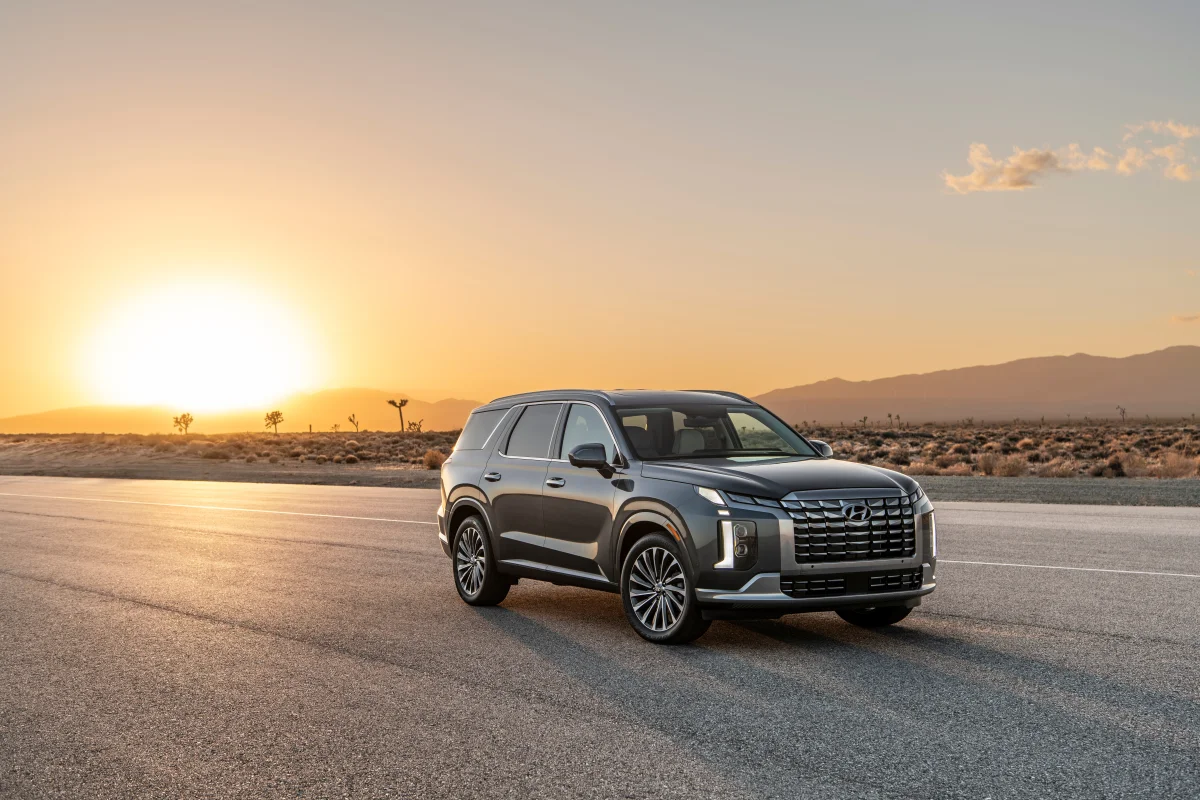
1. 2025 Hyundai Palisade: More Space, Better Flexibility and Strong Family Features
The Hyundai Palisade has been a long-time favorite among families, offering comfort, practicality, and solid value starting around $40,000. For 2025, Hyundai redesigned the Palisade with a more modern look inside and out while expanding passenger space and improving seating flexibility.
All three rows now slide forward and back, which helps balance passenger comfort with cargo needs and gives the cabin a more adaptable layout than most rivals.
The Palisade remains especially strong in family usability. Shoppers can choose between a second-row bench or captain’s chairs, and the center-row seats still offer a convenient slide and tilt function for third-row access, even when a LATCH-installed car seat is in place.
Hyundai includes two full LATCH systems in the second row, along with multiple top tethers in the third row. With a class-leading 42.4 inches of second-row legroom, the Palisade provides excellent space for rear-facing and forward-facing car seats without reducing comfort for front-row occupants.
Car seat installation is typically easy, although the Calligraphy trim is not recommended because its power-controlled second-row seats can move forward unexpectedly while occupied.
The third row remains the tightest section of the cabin at about 31.4 inches of legroom. It is best suited for children and workable for adults on shorter trips. Additional space can be created by adjusting the second row, although doing so reduces comfort for those passengers. The Palisade’s size places natural limits on third-row room, which is why it feels smaller compared to the generous second row.
Newer versions of the Palisade have addressed these constraints. A 2.5-inch increase in length and a 2.7-inch wheelbase stretch provide added passenger and cargo room. Available features such as power-recline, power-folding third-row seats, and USB-C ports add convenience and comfort. Second-row captain’s chairs with one-touch tilt and slide also improve access to the rear, even when car seats are installed.
The 2025 Palisade continues to stand out as a family-focused three-row SUV with thoughtful design updates and a cabin that prioritizes comfort and usability.
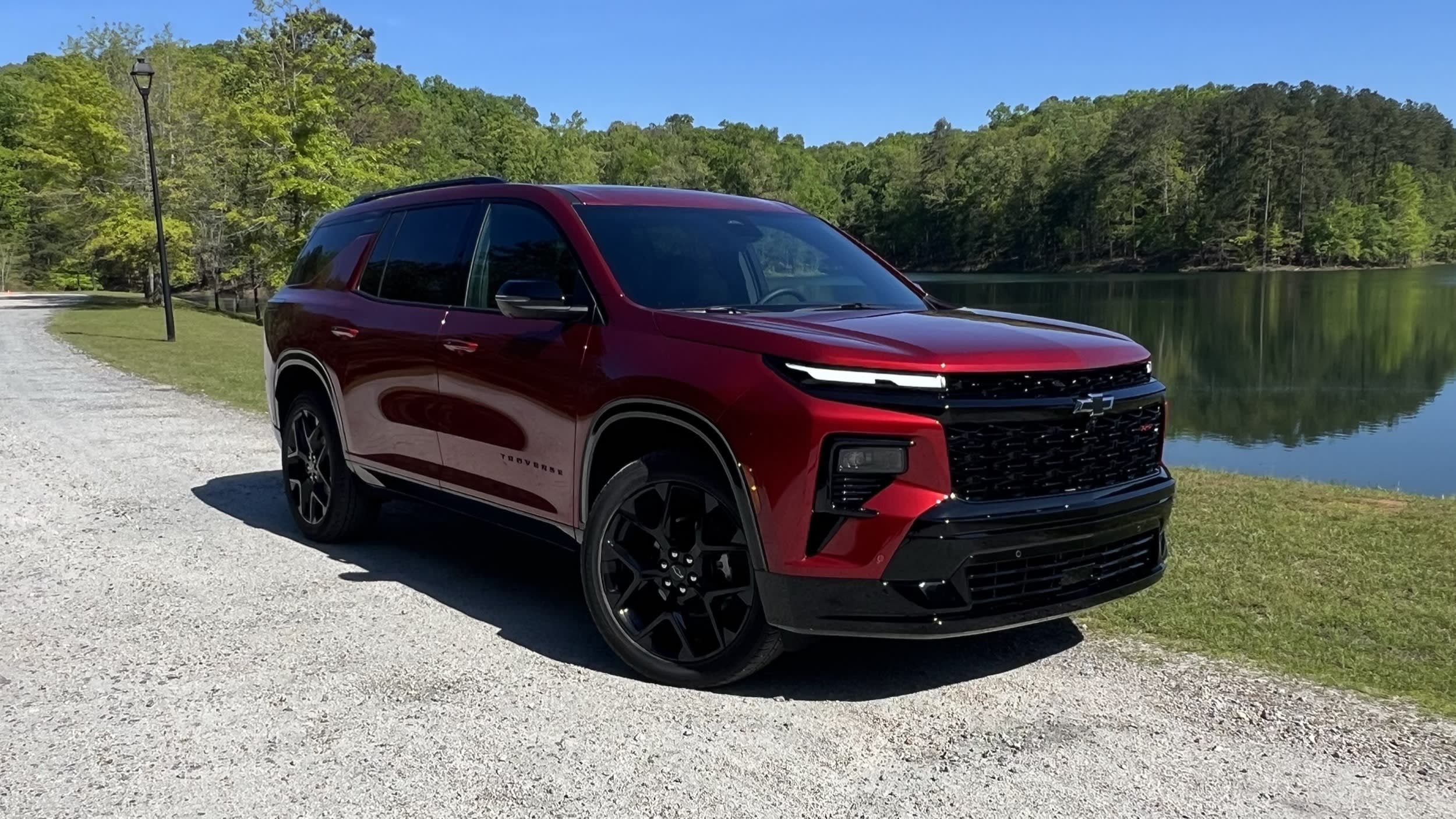
2. 2025 Chevrolet Traverse: Spacious Mid-Size SUV With Family-Friendly Seating
The 2025 Chevrolet Traverse blends the space of a minivan with the styling of a modern SUV, making it a strong option for families. It seats up to eight passengers and offers flexible configurations, including a second-row bench or captain’s chairs.
The second-row seats slide and tilt even when a LATCH-installed car seat is in place, making access to the third row easier. Two full LATCH systems in the center row and three upper tethers in the third row add versatility for child seats.
Second-row legroom is generous at 39 inches, which is excellent for passengers but can limit third-row space. Third-row legroom is not large, and taller passengers may feel cramped on long trips.
Adjusting the second-row seats forward increases space for third-row passengers but reduces comfort for those in the center row. Some models offer reclining third-row seats, but legroom remains dependent on the positioning of the second row.
The Traverse works well for families needing three across in the second row and emphasizes practicality with flexible seating and safety features. Its interior space and adjustability make it a solid choice for those balancing adult comfort in the second row with usability of the third row for children or shorter trips.
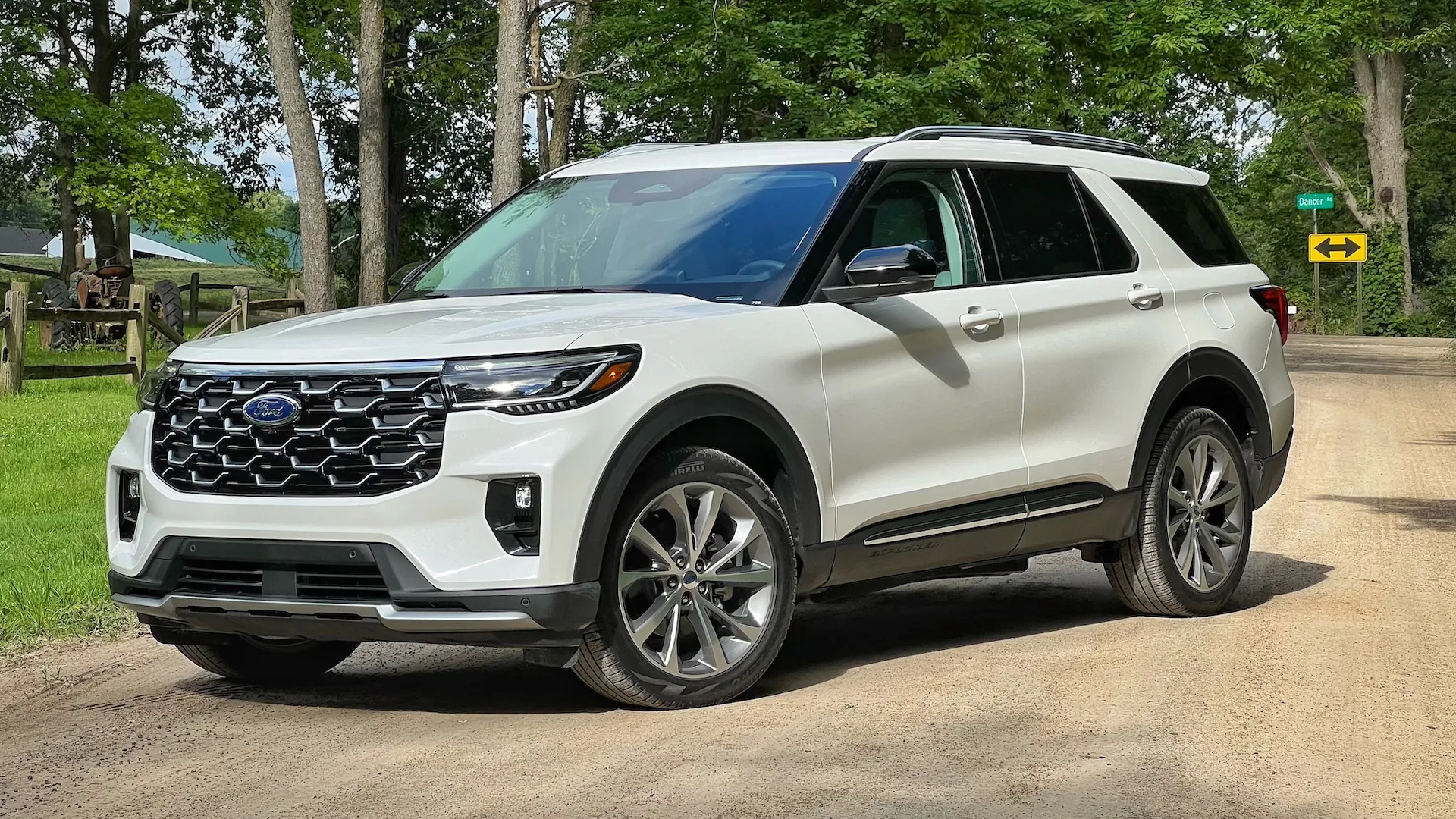
3. 2025 Ford Explorer: Versatile Mid-Size SUV With Family-Friendly Features
The 2025 Ford Explorer builds on its legacy as one of the original three-row SUVs, combining a modern exterior, updated technology, and practical interior features. While the cabin size and seating configurations remain largely unchanged, the Explorer continues to offer strong family usability.
The second row provides 39 inches of legroom, enough to accommodate three slim car seats across a bench. Second-row seats can slide and tilt for easy access to the third row, and this function works even with a forward-facing car seat installed.
Child safety is well addressed with two full LATCH systems in the second row, either in the captain’s chairs or outboard bench seats, and two LATCH systems in the third row.
However, the anchors can be tricky to reach, and the middle second-row seat on bench models lacks anchors or tethers. Rear-facing car seats fit behind the passenger seat, though taller drivers or front passengers may reduce the available space. Forward-facing car seats fit comfortably.
Third-row space remains the Explorer’s main limitation. With 32.2 inches of legroom, it is most suitable for children or occasional adult use. The design prioritizes versatility and cargo flexibility rather than passenger comfort. The third-row seat is mounted low with a high cabin floor, which provides good headroom but pushes knees upward and reduces thigh support.
This configuration allows the seat to fold flat, creating a large cargo area when needed, but it compromises comfort for taller passengers. Compared to full-size SUVs like the Ford Expedition, the Explorer’s third row feels tighter despite similar legroom measurements.
The 2025 Explorer remains a strong choice for families seeking a mid-size SUV that balances flexible seating, car-seat compatibility, and cargo versatility, even if the rear-most passengers are best suited for shorter trips or children.
4. 2024 GMC Acadia: Family-Friendly SUV With Improved Space and Car Seat Compatibility
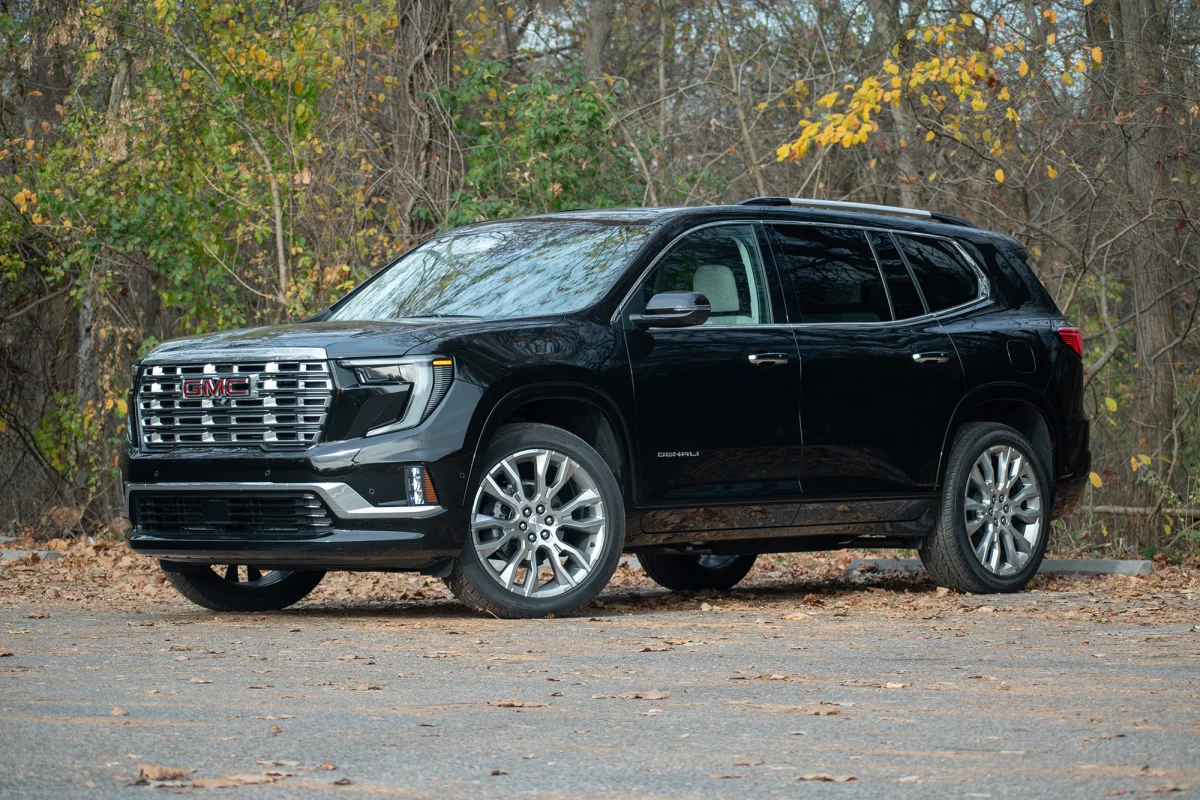
The 2024 GMC Acadia received a significant redesign, adding 10 inches to its length to create more room for third-row passengers and improve car seat installation. The Acadia now emphasizes family usability with captain’s chairs as the only second-row option, providing two complete LATCH systems with easy-to-access anchors.
Rear-facing child seats fit in the second row without requiring the front seats to move, and legroom measures an impressive 39.7 inches, among the most generous in three-row SUVs.
Despite the improvements, the third row can feel cramped. Third-row space is influenced by several factors, including older model designs, the trade-off between cargo space and passenger room, and the presence of large adults or child seats in the second row.
Earlier generations had particularly tight third-row legroom, while newer models like the 2025 Acadia provide 32.14 inches of third-row space, making it more comfortable for short trips, though adults may still feel constrained on longer journeys.
The Acadia’s layout prioritizes versatility and cargo capacity, meaning that with all three rows in use, the available cargo area is limited. Adjusting the second-row seats forward can improve third-row legroom, but this reduces comfort for center-row passengers. For families needing more extended third-row comfort or extra cargo, larger SUVs like the Ford Explorer may be a better option.
The 2024 GMC Acadia balances a spacious second row, modern family-friendly features, and improved third-row accessibility, making it a practical choice for families with young children or shorter adults.
5. 2025 Honda Pilot: Family-Friendly SUV With Flexible Seating and Car Seat Compatibility
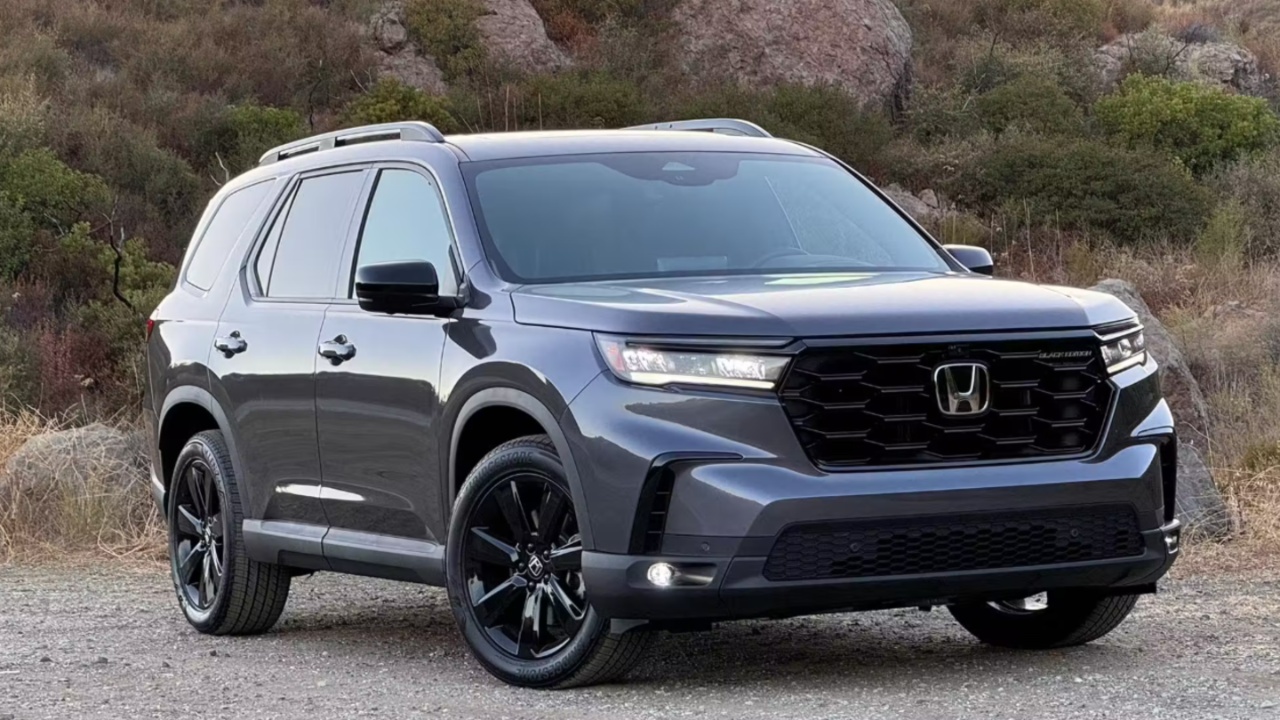
The 2025 Honda Pilot remains a top choice for families, offering flexible seating and generous interior space. Top trims feature a removable middle seat in the second row, allowing buyers to switch between bench seating or captain’s chairs as needed.
The second row provides 40.5 inches of legroom, making it one of the most spacious among three-row SUVs. Installing rear-facing or forward-facing car seats is straightforward, and second-row seats slide and tilt forward at the push of a button, even with LATCH-installed car seats, providing easy access to the third row.
The Pilot has two complete LATCH systems in the second-row outboard seats. The third row includes one lower anchor on the passenger side and three top tethers, accommodating child seats but with some limitations. Despite easy access, third-row legroom measures 32.5 inches, which is less than several competitors.
Seats are positioned low to the ground, and the middle seat can be narrow, making it less comfortable for adults or bulky car seats. Installing two car seats side-by-side in the third row can be challenging, particularly in the middle position.
Cargo space is limited when the third row is in use, though underfloor storage helps maximize utility. The Pilot balances generous second-row space and family-friendly features with a third row suited primarily for children or shorter trips for adults.
Its flexible seating, high-quality second-row legroom, and easy access make it a practical choice for families seeking a three-row SUV that accommodates car seats and passengers efficiently.
When shopping for a three-row SUV, the choice between adult-friendly third rows and child-focused rear seats is essential. SUVs like the BMW X7, Mercedes-Benz GLS, and Land Rover Discovery provide ample legroom, comfort, and luxury that allow adults to ride in the third row without compromise. These vehicles balance performance, technology, and spacious interiors for long trips and daily commutes alike.
On the other hand, models such as the Hyundai Palisade, Honda Pilot, and Chevrolet Traverse prioritize family usability, flexible seating, and easy car seat installation, but third-row space remains best suited for children or short journeys.
Knowing which SUVs fall into each category ensures buyers make informed decisions based on their specific needs, whether accommodating tall adults, growing children, or both, making family travel safer and more comfortable.
Also Read: 10 Cars With DIY-Friendly Oil Filters and Drain Plugs