
Winter’s first snowfall transforms familiar roads into challenging terrain that demands respect and the right vehicle. Whether you’re heading to a mountain cabin for a cozy weekend or simply going through your daily commute through freshly fallen snow, your car choice can make the difference between an adventure you’ll cherish and a nightmare you’ll want to forget.
The crisp air, pristine white world, and promise of winter fun await, but only if you’re properly equipped to handle what Mother Nature throws your way.
Not all vehicles are created equal when it comes to snow performance. Some cars inspire confidence with their superior traction systems, generous ground clearance, and winter-ready engineering.
Others leave drivers white-knuckling the steering wheel, struggling for grip, and questioning every decision that led them to attempt the journey.
From advanced all-wheel-drive systems to weight distribution and tire contact patches, multiple factors determine whether a vehicle excels or fails in snowy conditions.
This comprehensive guide examines fourteen vehicles across the spectrum seven that will have you eagerly anticipating your first snow trip and seven that will make you dread every flake that falls.
We’ll explore what makes certain cars winter warriors while others become snow-bound liabilities, helping you make informed decisions for your next vehicle purchase or winter journey planning.
7 Perfect Cars for First Snow Trips
These exceptionally capable vehicles feature intelligent all-wheel-drive systems and adequate ground clearance that inspire confidence during winter weather adventures, providing predictable handling and reassuring traction on snow-covered mountain roads without requiring advanced driving techniques.
Their thoughtful engineering includes sophisticated stability control systems and heated features that resist the anxiety typically associated with rear-wheel-drive vehicles struggling on slippery inclines or low-clearance sedans scraping through unplowed parking areas.
From icy morning departures requiring reliable cold starts to steep snow-packed resort access roads testing grip limits, these remarkable vehicles continue delivering stress-free winter mobility without the white-knuckle moments or stranded scenarios found in ill-equipped alternatives.
1. Subaru Outback
The Subaru Outback has earned its reputation as one of the most reliable winter vehicles through decades of proven performance. Its legendary Symmetrical All-Wheel Drive system comes standard on every model, constantly monitoring traction and distributing power to wheels with the most grip.
Unlike part-time systems found in many crossovers, Subaru’s AWD is always active, providing seamless power delivery before you even realize you need it.
The Outback’s 8.7 inches of ground clearance ensures you won’t get hung up on snow accumulation, while the longer wheelbase provides stability that inspires confidence on slippery highways.
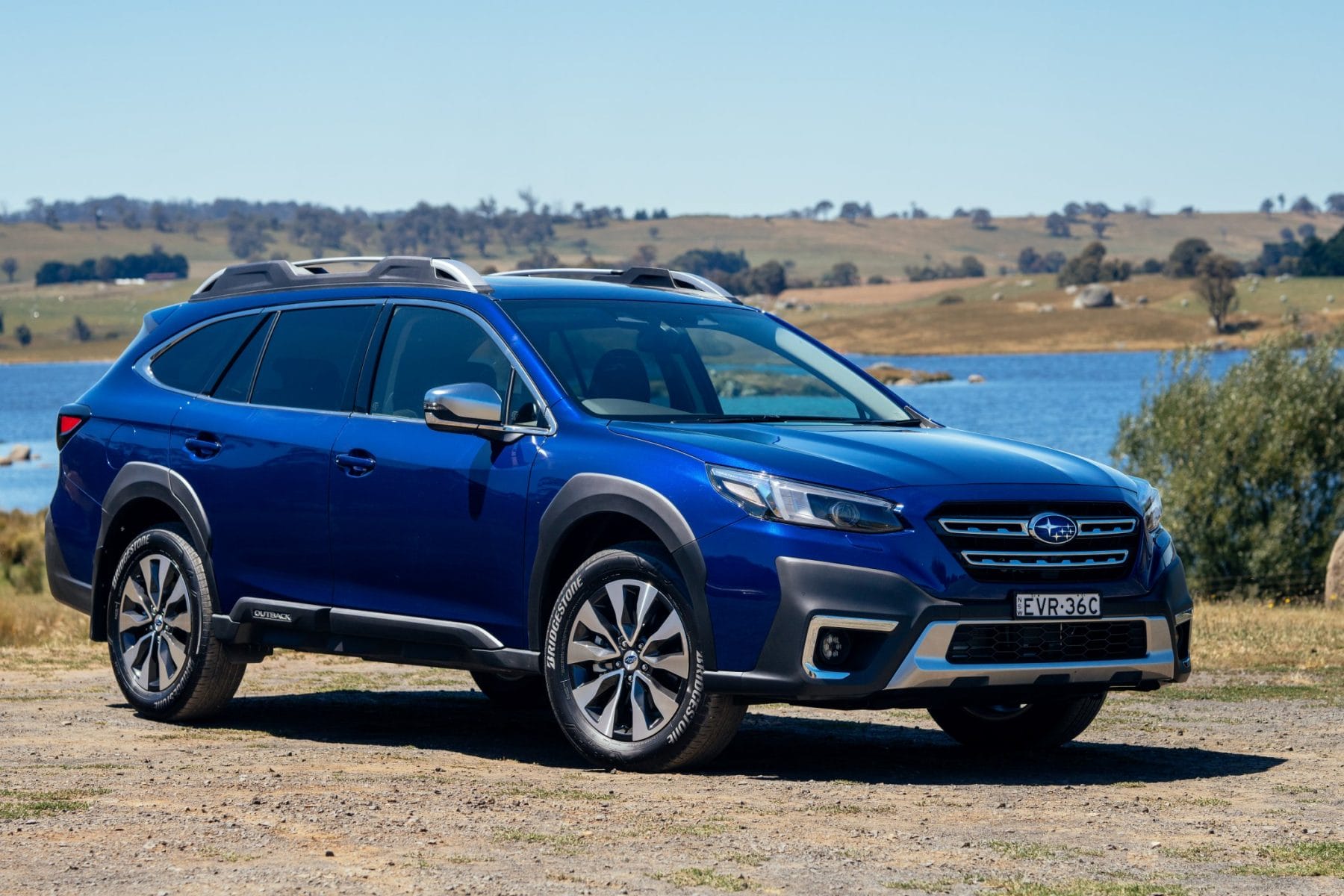
The horizontally-opposed boxer engine sits low in the chassis, creating a lower center of gravity that reduces body roll and improves handling when roads become treacherous.
This engineering marvel means the Outback feels planted and predictable even when conditions deteriorate. The EyeSight driver assistance system adds another layer of winter safety, with adaptive cruise control that maintains safe following distances and pre-collision braking that can prevent accidents when visibility drops.
The Outback’s reputation for reliability means you’re less likely to be stranded, and its resale value remains strong in snow-belt regions where owners understand its worth.
Whether tackling unplowed mountain roads or going through the snow-covered urban streets, the Outback delivers peace of mind that transforms winter driving from stressful to enjoyable.
2. Jeep Wrangler
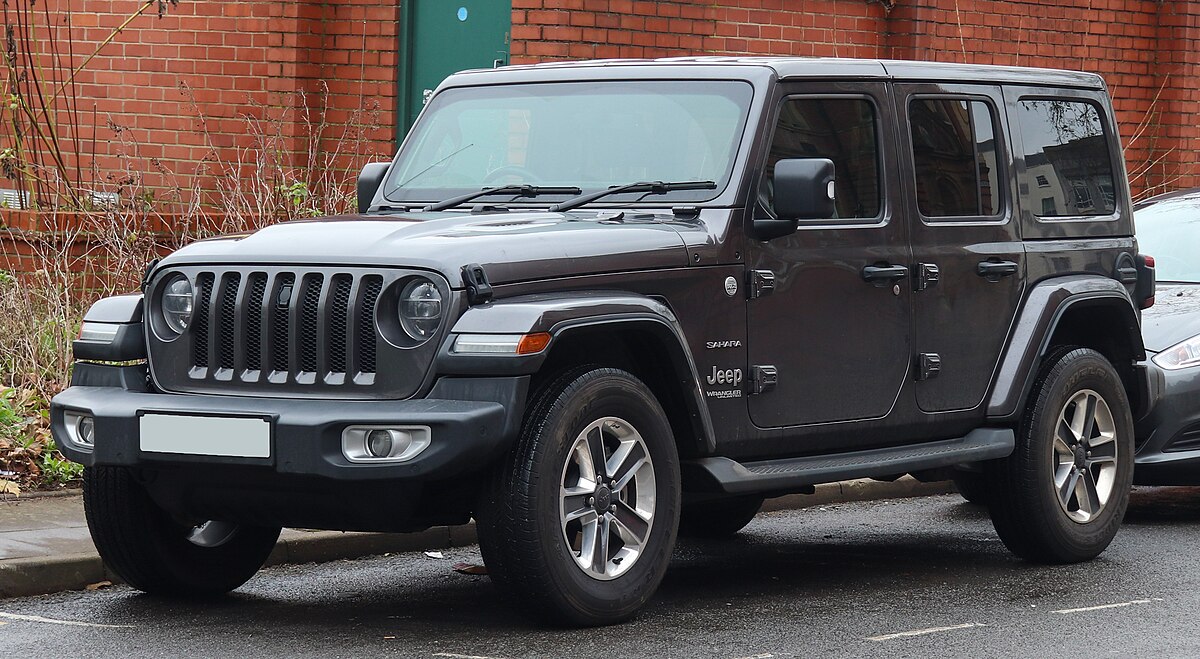
Few vehicles match the Jeep Wrangler’s capability when snow depth exceeds what conventional vehicles can handle. With ground clearance reaching up to 10.8 inches and available 33-inch all-terrain tires, the Wrangler transforms deep snow from an obstacle into an adventure.
Its body-on-frame construction and solid axles provide durability and articulation that unibody crossovers simply cannot match. The Wrangler’s 4WD system offers multiple modes, including 4WD Low for maximum torque in deep snow or steep inclines.
Electronic locking differentials ensure power reaches wheels with traction, while disconnecting sway bars (on Rubicon models) allow unprecedented wheel articulation over uneven, snow-covered terrain.
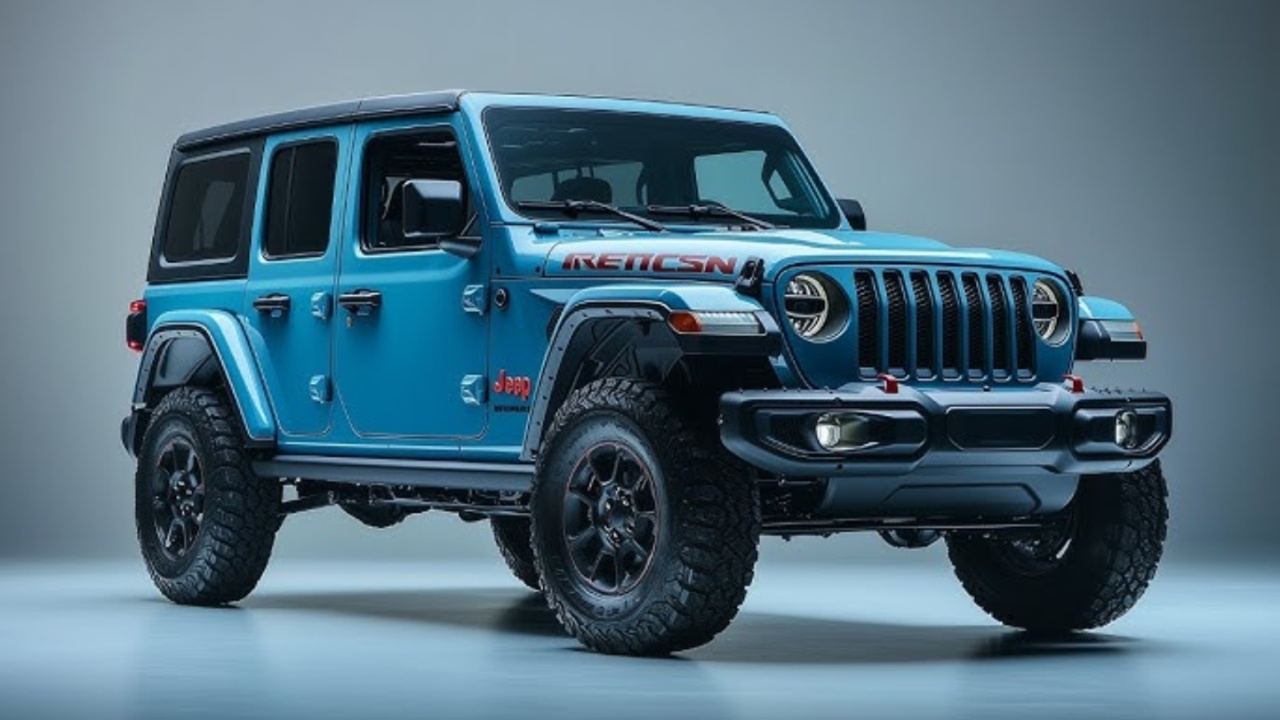
This combination makes the Wrangler virtually unstoppable in winter conditions that would strand lesser vehicles. Modern Wranglers balance legendary capability with improved comfort.
Heated seats, upgraded infotainment systems, and better sound insulation make long winter drives more pleasant than previous generations.
The passionate Wrangler community means extensive aftermarket support for winter-specific modifications like heated grips, auxiliary lighting, and upgraded recovery gear.
While fuel economy won’t win awards, the Wrangler’s ability to conquer any winter condition makes it perfect for those who refuse to let snow dictate their travel plans.
3. Audi Q5
The Audi Q5 proves you don’t have to sacrifice luxury for winter capability. Audi’s legendary Quattro all-wheel-drive system, refined through decades of rally racing and winter testing, provides some of the most sophisticated traction management available.
The system can shift power between wheels in milliseconds, maintaining grip before drivers even perceive slippage. The Q5’s 8.2 inches of ground clearance handles moderate snow accumulation while maintaining the refined ride quality luxury buyers expect.
The turbocharged engine options provide ample power for confident highway merging and passing, even when roads are slick. Audi’s adaptive suspension adjusts damping rates to maintain stability when road surfaces become unpredictable, while optional air suspension allows raising the vehicle for additional clearance when needed.
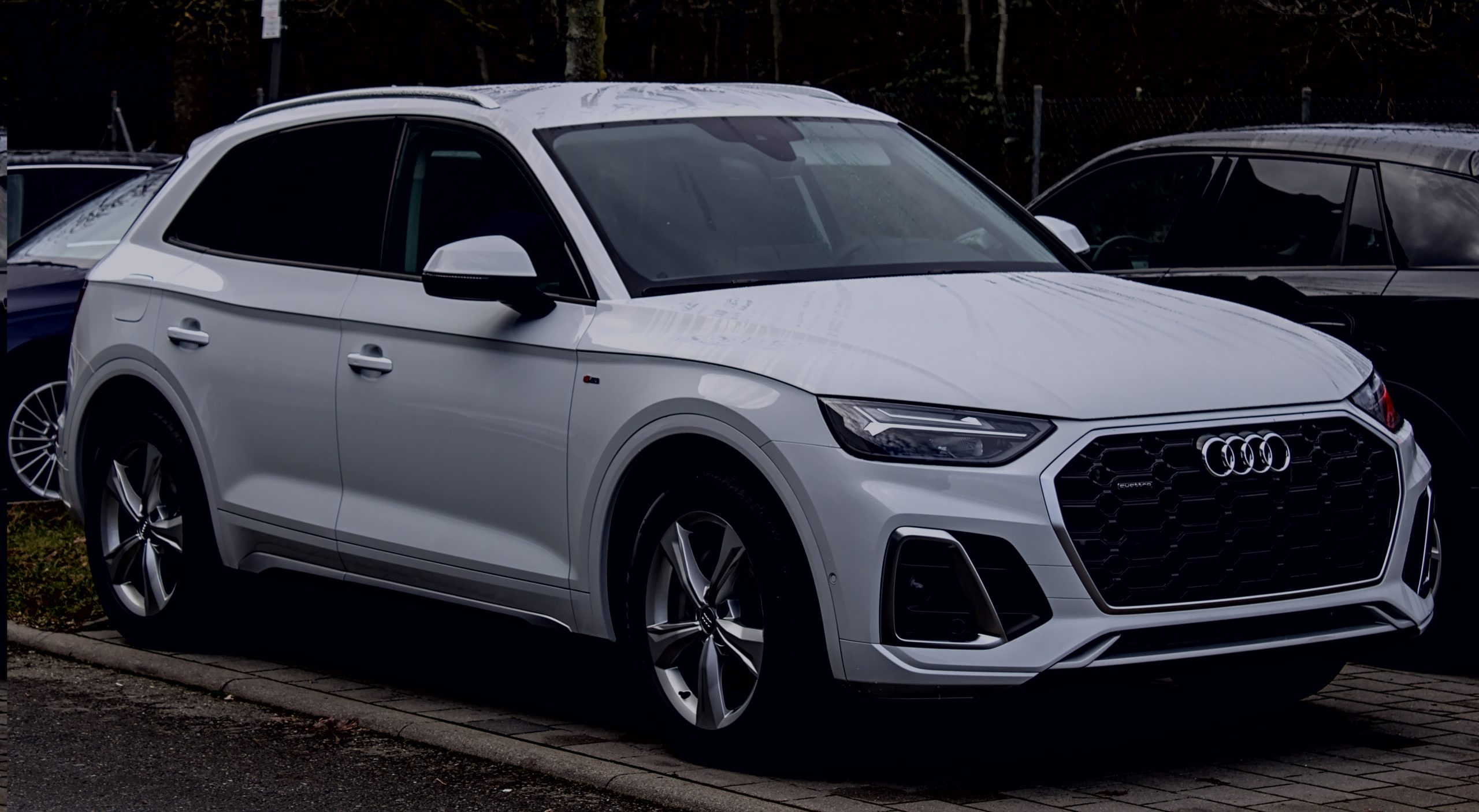
Inside, the Q5 pampers occupants with standard heated front seats, available heated rear seats, and a heated steering wheel that makes cold mornings bearable.
The advanced climate control system quickly warms the cabin, while the panoramic sunroof floods the interior with natural light, welcome during short winter days.
The Virtual Cockpit digital instrument cluster displays navigation information directly in the driver’s sightline, minimizing distractions when road conditions demand full attention.
Advanced safety systems include adaptive cruise control with traffic jam assist, which maintains speed and following distance on winter highways, reducing driver fatigue during long snow trips.
The Q5’s refined interior insulation keeps road noise minimal, making conversation easy even when winter tires are humming. While the Q5 commands a premium price, its combination of winter capability, luxury, and German engineering makes it ideal for those who want winter confidence without compromising comfort.
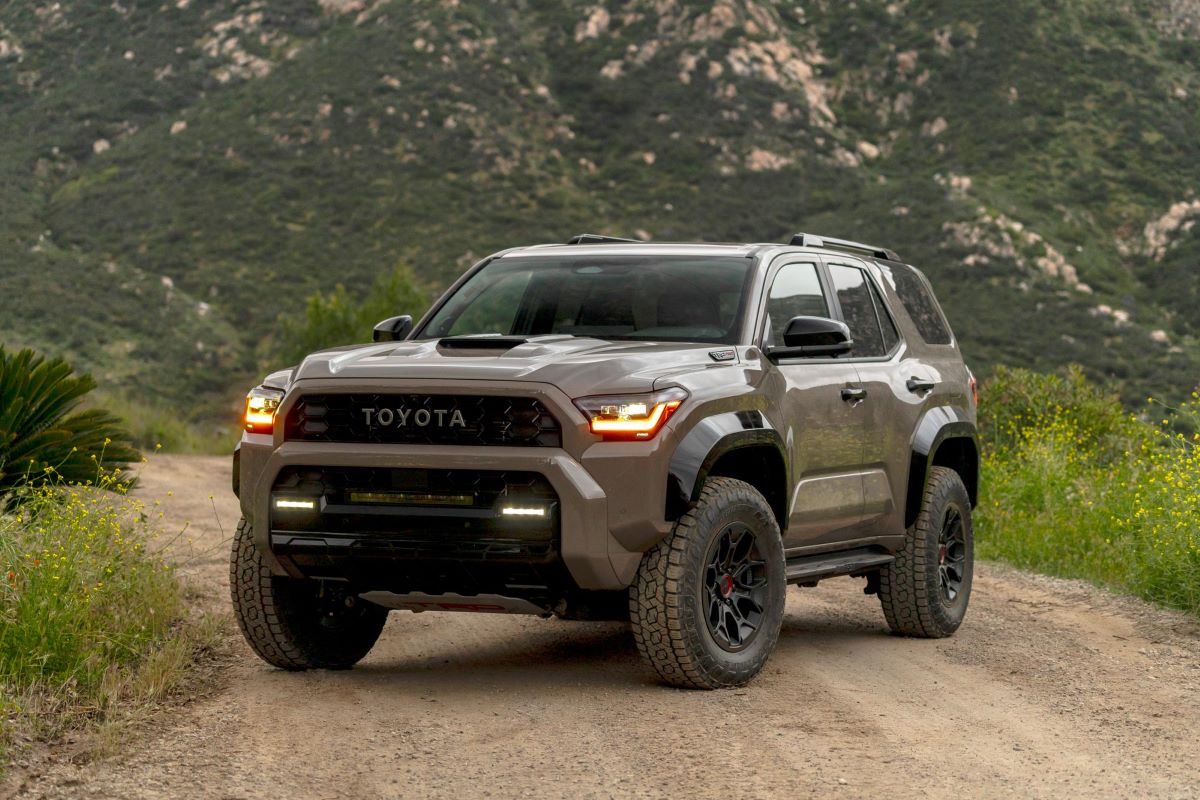
4. Toyota 4Runner
The Toyota 4Runner represents old-school capability with bulletproof reliability. Its body-on-frame construction and truck-based platform provide the strength and durability that unibody crossovers lack.
With 9.6 inches of ground clearance and available full-time 4WD with locking rear differential, the 4Runner tackles deep snow with confidence that comes from decades of proven performance.
The naturally aspirated V6 engine delivers predictable power delivery crucial when traction is limited and throttle modulation means the difference between moving forward and spinning wheels.
The five-speed automatic transmission might seem outdated compared to modern eight and ten-speed units, but its simplicity means fewer potential failure points and more reliable operation in extreme cold.
Toyota’s reputation for reliability translates to peace of mind when venturing into remote winter locations where help isn’t readily available.
The strong aftermarket support means easy upgrades for serious winter use lift kits, aggressive snow tires, auxiliary lighting, and recovery gear integrate seamlessly.
The 4Runner’s exceptional resale value reflects its reputation for lasting hundreds of thousands of miles with minimal issues. For those prioritizing dependability and capability over modern conveniences, the 4Runner delivers winter performance you can count on year after year.
Also Read: 10 Cars With Factory Roof Rails That Actually Help
5. BMW X3 xDrive
BMW’s X3 xDrive demonstrates that winter capability and driving dynamics aren’t mutually exclusive. The intelligent xDrive all-wheel-drive system primarily sends power to the rear wheels for engaging dynamics, but can shift up to 100% forward when conditions demand.
This rear-biased approach maintains BMW’s sporting character while providing winter security. The turbocharged engines from efficient four-cylinders to powerful inline-sixes deliver smooth, responsive power that makes winter driving feel less like survival and more like spirited touring.
The eight-speed automatic transmission shifts seamlessly, keeping engines in optimal power bands whether accelerating from stoplights on icy streets or maintaining highway speeds through blizzards. BMW’s engineering ensures power delivery remains refined and predictable even when traction is limited.
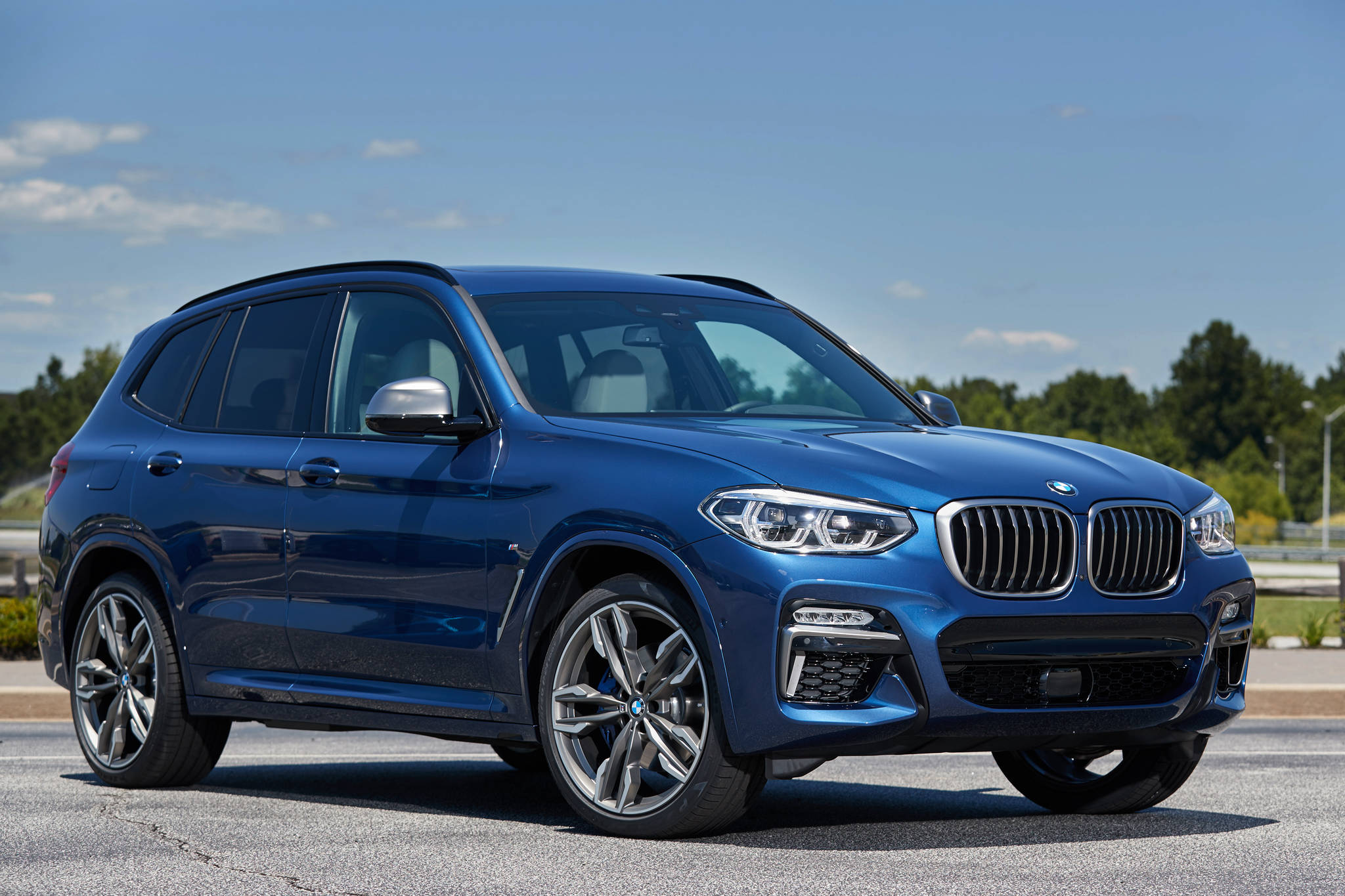
The X3’s sophisticated chassis tuning provides handling precision rare in the crossover segment. Responsive steering communicates road conditions clearly, helping drivers make better decisions when surfaces are slippery.
The optional adaptive M suspension continuously adjusts damping for optimal stability without sacrificing ride comfort. At 8.0 inches, ground clearance handles typical snow accumulation while maintaining the low center of gravity that enables the X3’s confident handling.
Inside, BMW’s attention to detail shines through high-quality materials, excellent seat comfort, and an intuitive infotainment system. Heated seats, a heated steering wheel, and efficient climate control make cold mornings pleasant.
The Harman Kardon sound system provides concert-quality audio for long winter drives. While the X3 costs more than mainstream competitors, its blend of winter capability and BMW’s driver-focused engineering creates an engaging experience that makes winter commutes and road trips genuinely enjoyable rather than merely tolerable.
6. Ford Bronco
Ford’s revived Bronco brings genuine off-road capability to winter adventures with style that turns heads. Purpose-built for challenging terrain, the Bronco offers multiple 4WD systems, with the advanced Sasquatch Package adding locking differentials, 35-inch tires, and impressive ground clearance that handles deep snow with ease.
The independent front suspension provides a comfortable ride on highways, while the solid rear axle ensures durability on challenging winter trails.
The Bronco’s G.O.A.T. (Goes Over Any Terrain) modes include dedicated settings for snow and ice, optimizing throttle response, transmission shift points, and traction control for maximum grip in winter conditions.
The Trail Control system acts like off-road cruise control, maintaining steady speeds through deep snow while the driver focuses solely on steering. This technology democratizes winter off-roading, making challenging terrain accessible to drivers of varying skill levels.
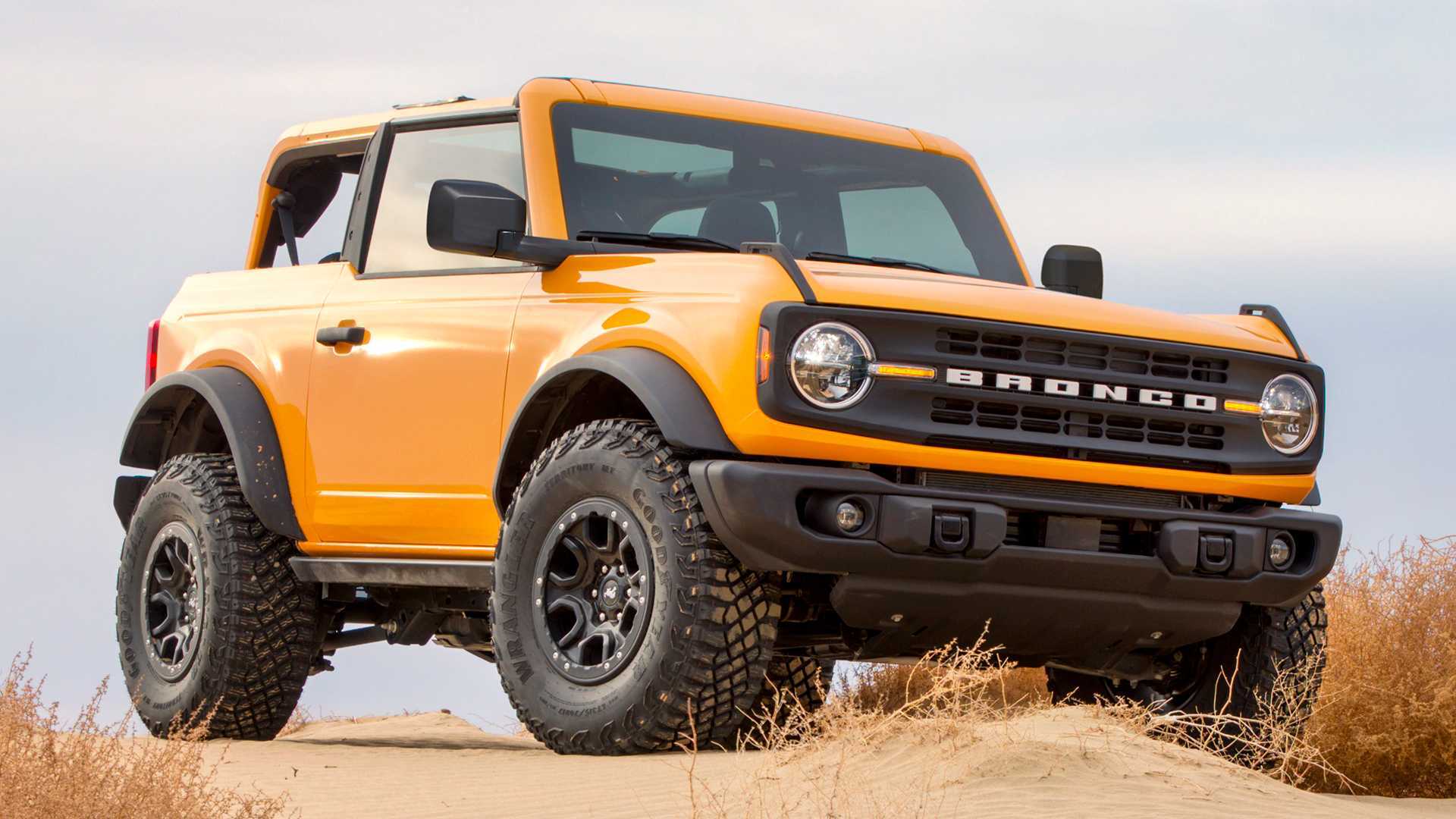
The boxy design maximizes interior space while providing excellent outward visibility, crucial when snow obscures road markers and boundaries.
Removable roof panels let occupants experience the winter world directly, though the fully enclosed hard top provides warmth and quiet for daily driving.
The wash-out interior handles wet, snowy gear without worry, with drain plugs allowing easy cleanup after messy adventures. The passionate Bronco community shares trail recommendations, winter driving tips, and modification suggestions, creating camaraderie rare in automotive circles.
Extensive dealer and aftermarket accessory support means customizing for specific winter needs is straightforward. While the Bronco’s retro-modern styling might not appeal to everyone, its genuine capability and fun-to-drive character make winter trips something to anticipate rather than endure. For those seeking adventure when snow falls, the Bronco delivers capability with personality.
7. Volvo XC90
Few manufacturers understand winter driving like Volvo, and the XC90 embodies decades of Swedish engineering experience. The sophisticated all-wheel-drive system continuously monitors road conditions, distributing power proactively rather than reactively.
This predictive approach means the XC90 maintains traction before slippage occurs, providing confidence-inspiring stability in challenging conditions.
The available air suspension automatically adjusts ride height, raising the vehicle for additional ground clearance when snow accumulates while lowering it for easier entry and improved aerodynamics on clear highways.
The suspension also adjusts damping rates in real-time, maintaining composure whether going through the rutted snow-covered roads or cruising smooth interstates. Combined with 9.4 inches of maximum ground clearance, the XC90 handles winter conditions with Scandinavian composure.
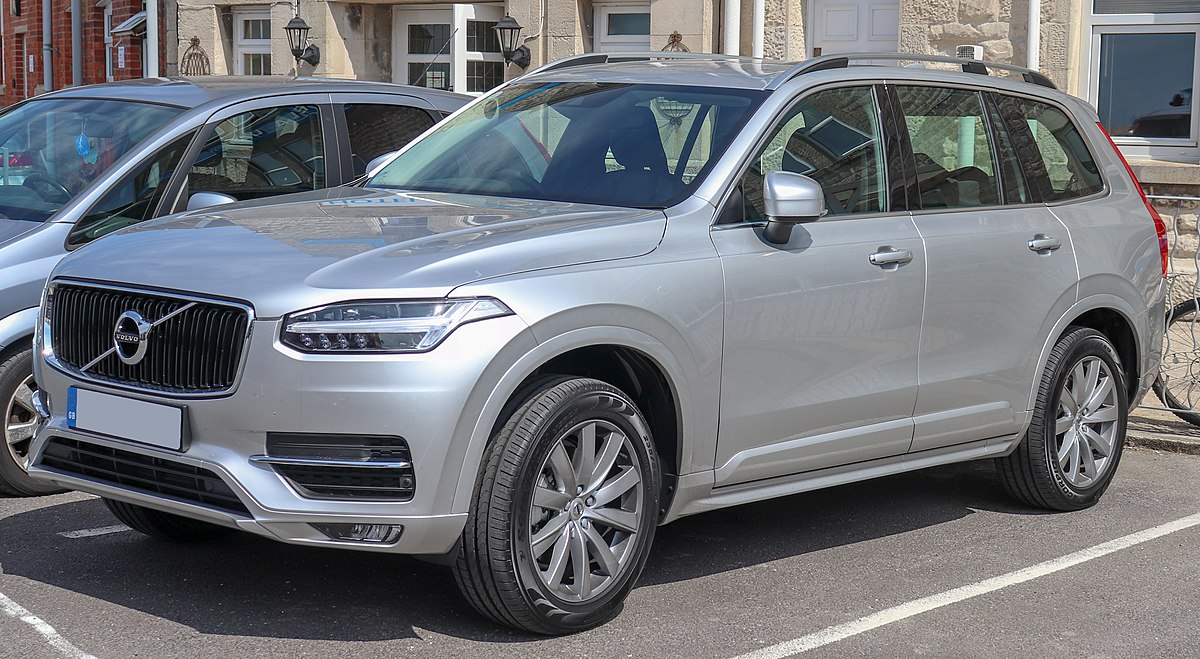
Inside, Volvo’s reputation for safety and comfort reaches its zenith. The three-row seating accommodates entire families for winter getaways, with second-row captain’s chairs available for additional luxury.
Heated seats throughout, a heated steering wheel, and heated windshield wipers demonstrate Volvo’s understanding of winter’s challenges.
The crystal gearshift adds elegance, while the Bowers & Wilkins audio system transforms the cabin into a concert hall for long winter drives.
Volvo’s comprehensive safety technology includes Pilot Assist semi-autonomous driving that reduces fatigue on long winter highways, and City Safety collision avoidance that functions even in darkness and poor weather.
The XC90’s refined powertrains from efficient plug-in hybrid to smooth turbocharged six-cylinder, provide ample power without sacrificing efficiency.
For families seeking ultimate winter safety, comfort, and capability wrapped in elegant Scandinavian design, the XC90 represents winter driving perfection, making snowy road trips something the whole family can enjoy.
7 Cars You’ll Dread in Snow
These anxiety-inducing vehicles suffer from rear-wheel-drive layouts and insufficient ground clearance that create terrifying experiences during first snowfalls, forcing timid driving and constant worry about becoming stranded in conditions other vehicles go through the effortlessly.
Their problematic design includes aggressive performance tires and inadequate traction control systems that cannot prevent helpless wheel spinning on slight inclines, leading to embarrassing roadside stops and expensive towing bills.
Despite impressive dry-weather capabilities and summer performance credentials, these vehicles become liabilities when temperatures drop through their inability to climb snow-covered driveways, tendency toward uncontrollable sliding, and low front air dams that plow snow rather than gliding over it.
1. Ford Mustang
The iconic Ford Mustang delivers thrilling performance on dry pavement but becomes a liability when snow falls. Rear-wheel drive with abundant power creates a combination particularly challenging in winter conditions.
The 5.0-liter V8 produces over 450 horsepower delivered exclusively to the rear wheels exciting on racetracks but anxiety-inducing on snow-covered roads where even gentle throttle application can break traction.
The Mustang’s long hood and poor weight distribution place minimal weight over the drive wheels, reducing available traction when you need it most.
The limited ground clearance just 5.5 inches means even moderate snow accumulation scrapes the undercarriage, potentially becoming stuck before tires lose traction.
The wide performance tires optimize dry grip but provide minimal purchase on snow and ice, essentially serving as expensive skis rather than functional traction devices.
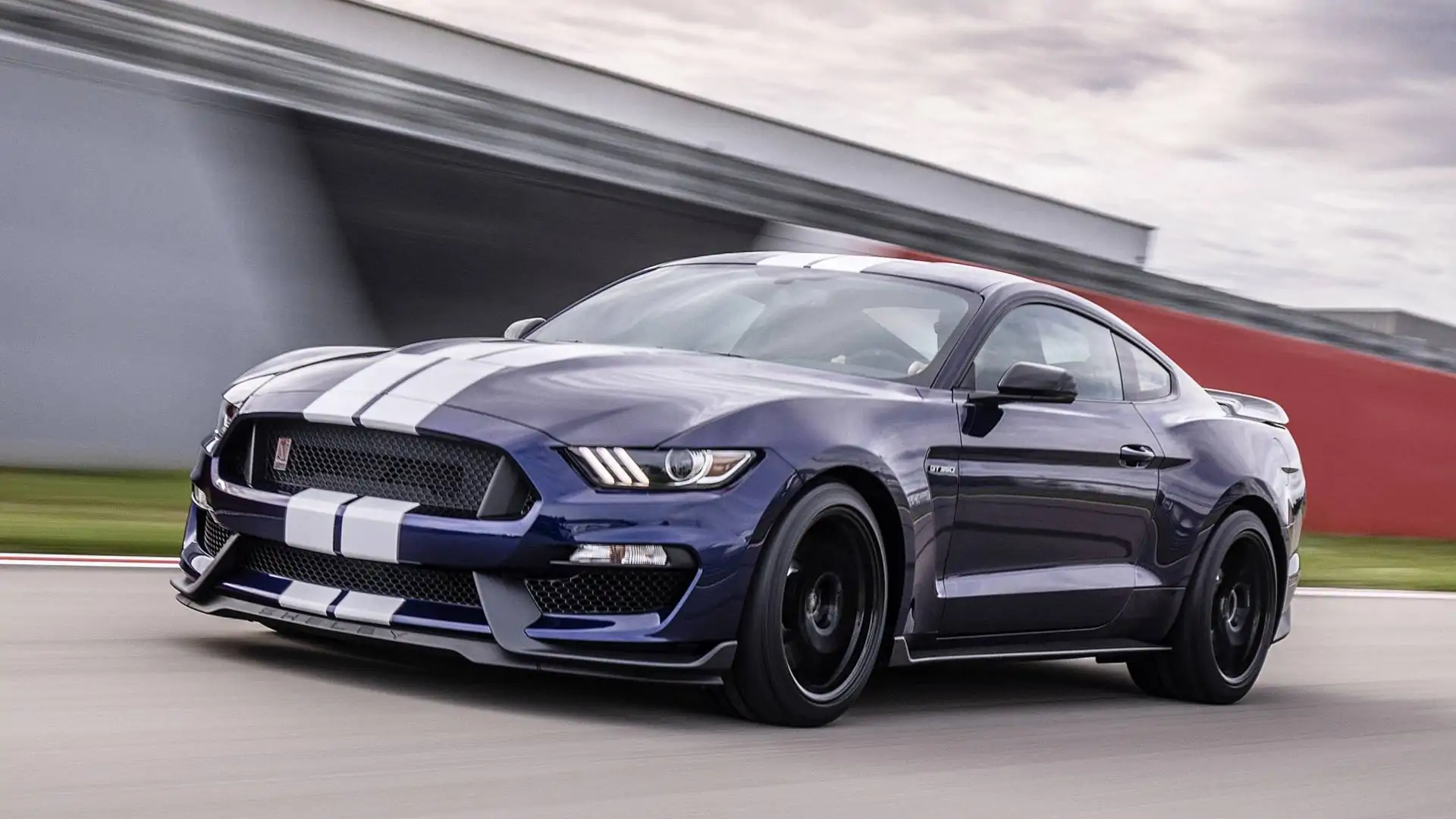
The low seating position and sloping roofline dramatically reduce visibility when snow accumulates, making it difficult to judge road boundaries and obstacles.
The stiff sports suspension transmits every irregularity directly to occupants, making snow-rutted roads punishing. The limited trunk space barely accommodates emergency winter supplies, much less luggage for a winter trip.
While dedicated winter tires improve snow performance marginally, they cannot overcome fundamental design limitations. The Mustang’s electronic stability control works overtime trying to manage the chassis dynamics, but physics ultimately wins.
Attempting winter trips in a Mustang transforms driving from enjoyable to white-knuckle terror, with every slight incline, turn, and stop requiring maximum attention and careful inputs.
Unless you have another vehicle option, planning winter trips around your Mustang means frequently staying home or taking significant risks. The Mustang reminds us that specialized performance machines excel in their element but struggle dramatically outside it.
2. Mazda MX-5 Miata
The Mazda MX-5 Miata represents pure driving joy on twisty summer roads but becomes a winter nightmare. Weighing barely 2,300 pounds, the Miata lacks the mass needed for traction on slippery surfaces.
Rear-wheel drive with minimal weight over drive wheels creates a perfect formula for getting stuck or sliding uncontrollably when snow appears.
The Miata’s microscopic 4.6 inches of ground clearance means even light snow accumulation stops forward progress. The low-slung sports car scrapes over snow that crossovers barely notice, frequently becoming high-centered when attempting to go through the unplowed parking lots or driveways.
The small contact patch of the narrow performance tires further reduces available traction, making acceleration, turning, and braking all exercise in careful balance rather than confident control.
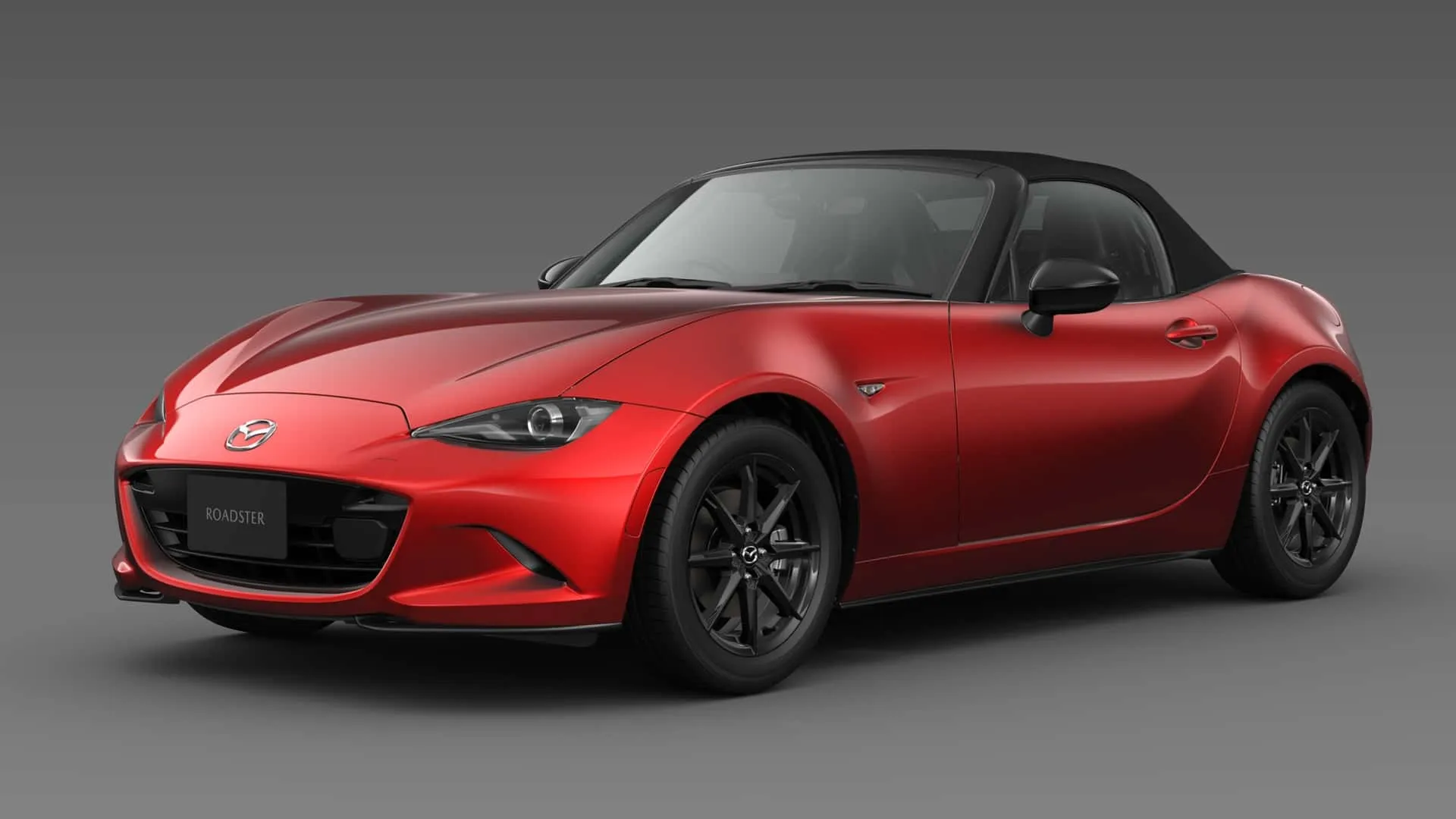
The compact two-seater offers virtually no cargo space, barely accommodating a small gym bag let alone winter emergency supplies, luggage, or skiing equipment. The convertible top, while fun in summer, provides minimal insulation against winter cold.
Even with the heater running at maximum, cabin temperatures struggle to reach comfortable levels when outside temperatures plummet. Wind noise at highway speeds makes conversation difficult and long trips exhausting.
The Miata’s value proposition rests entirely on warm-weather driving enjoyment. Attempting winter trips exposes every limitation of the lightweight sports car formula.
Snow-covered roads transform the engaging rear-drive dynamics into terrifying slides. Even with winter tires an expensive proposition requiring dedicated wheels since the Miata’s summer performance tires are worthless in cold weather, fundamental design constraints remain.
The Miata is garaged during winter months, not attempting snow trips where virtually any other vehicle would be safer, more capable, and less stressful.
3. Dodge Challenger
The Dodge Challenger embodies American muscle with aggressive styling and powerful engines, but winter conditions expose significant weaknesses.
Rear-wheel drive with engines producing up to 797 horsepower creates an intimidating power-to-traction ratio on snow. Even base V6 models struggle, with abundant power overwhelming traction before drivers realize what’s happening.
Weighing over 4,400 pounds in Hellcat configurations, the Challenger’s mass works against it in winter. While weight can aid traction, the Challenger’s weight distribution places insufficient load over rear drive wheels.
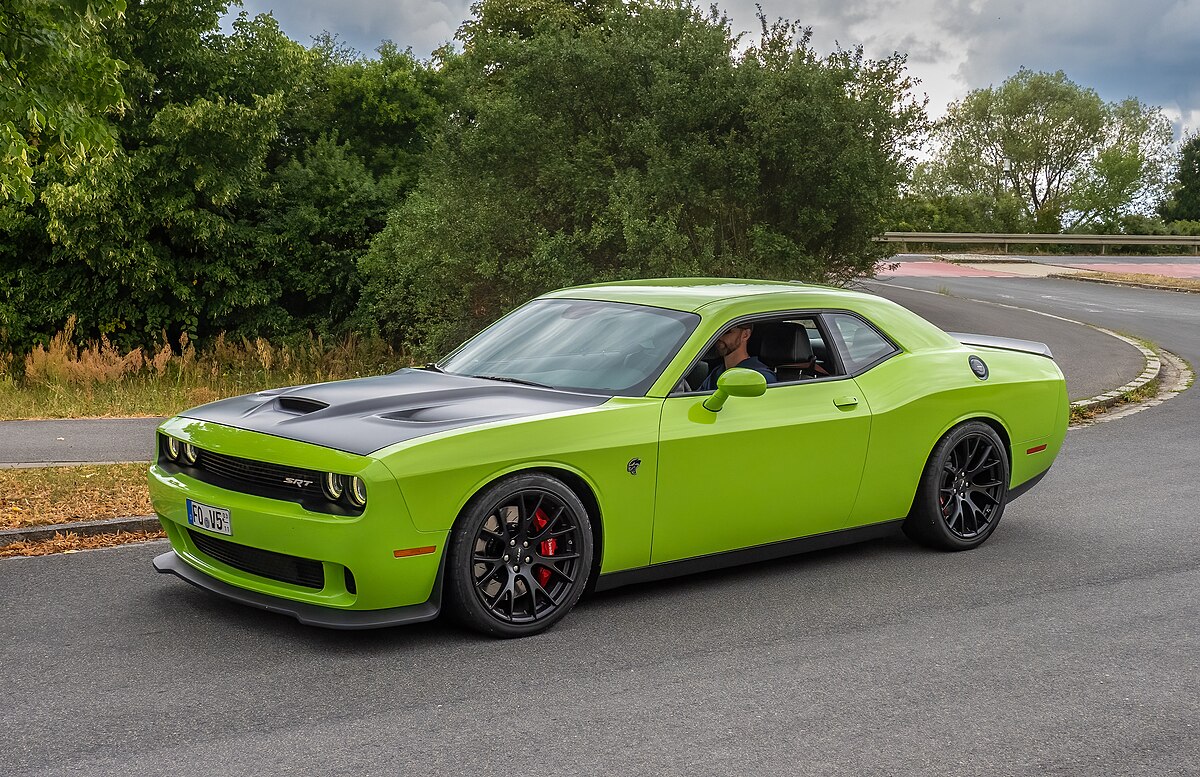
The long hood and heavy front end create understeer in turns while the light rear end promotes oversteer during acceleration a combination requiring expert car control skills when roads are slippery.
Most drivers lack such skills, making the Challenger’s winter behavior unpredictable and intimidating. The Challenger’s substantial size makes maneuvering in tight winter parking lots challenging, while visibility limitations from thick pillars and small windows complicate going through when snow reduces sight lines.
The powerful engines encourage spirited driving that’s inappropriate and dangerous in winter conditions, particularly for less experienced drivers who overestimate their abilities.
While the spacious interior accommodates winter gear and the comfortable seats make long trips bearable when actually moving, getting stuck repeatedly or sliding uncontrollably ruins any trip. The Challenger proves that brute power without appropriate traction systems makes winter driving miserable.
4. Chevrolet Camaro
The Chevrolet Camaro delivers supercar-level performance at relatively accessible prices, but winter reveals how specialization creates vulnerabilities.
Rear-wheel drive with engines producing up to 650 horsepower in ZL1 trim overwhelms available traction almost instantly when roads are snow-covered.
Even restrained throttle application in base turbocharged four-cylinder models can break traction, making simple tasks like starting from stoplights anxiety-inducing events.
Visibility represents the Camaro’s most notorious weakness regardless of weather, but snow magnifies this problem dramatically. The gun-slit windows, thick pillars, and high beltline create massive blind spots in all directions.
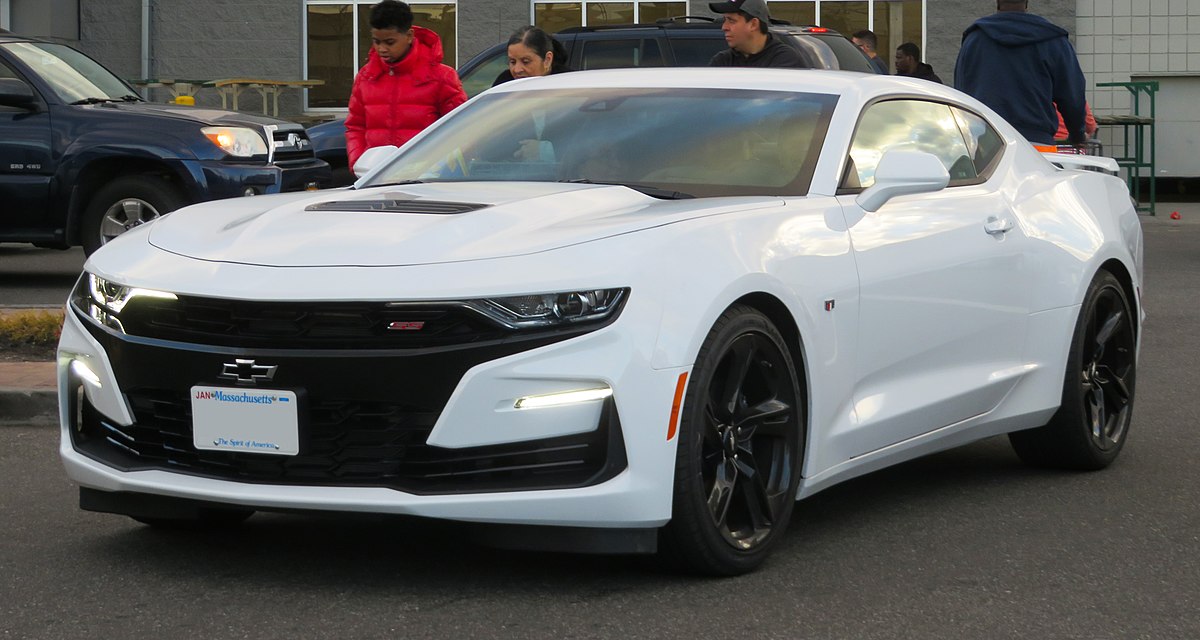
When snow obscures lane markers and road boundaries, the Camaro’s claustrophobic greenhouse makes judging position nearly impossible. Parking becomes guesswork, and going through the tight spaces risks collision with obstacles invisible from the driver’s seat.
The stiff sports suspension, perfect for canyon carving, transmits every imperfection through the chassis. Snow-rutted roads become exhausting punishment rather than engaging driving.
The limited trunk space barely accommodates weekend luggage, much less winter emergency gear. While available winter tires improve traction marginally, they cannot overcome the fundamental mismatch between sports car design and winter requirements.
The Camaro makes drivers dread winter weather, transforming necessary trips into stressful ordeals best avoided. For anyone facing regular winter conditions, the Camaro represents a poor vehicle choice that guarantees seasonal misery.
5. Porsche 911 (Base Rear-Wheel Drive)
The Porsche 911 represents engineering excellence and driving precision, but base rear-wheel-drive models become frighteningly difficult in winter conditions.
The rear-engine layout places the engine behind the rear axle, creating unique physics that experienced drivers can exploit for incredible traction under acceleration.
However, this same design creates snap oversteer and unpredictable handling when traction is compromised by snow. The 911’s balanced handling in dry conditions becomes treacherous on snow where momentum and weight transfer happen abruptly.
Lifting off the throttle mid-corner can cause the heavy rear engine to overwhelm available traction, sending the tail swinging outward in snap oversteer that surprises even skilled drivers.
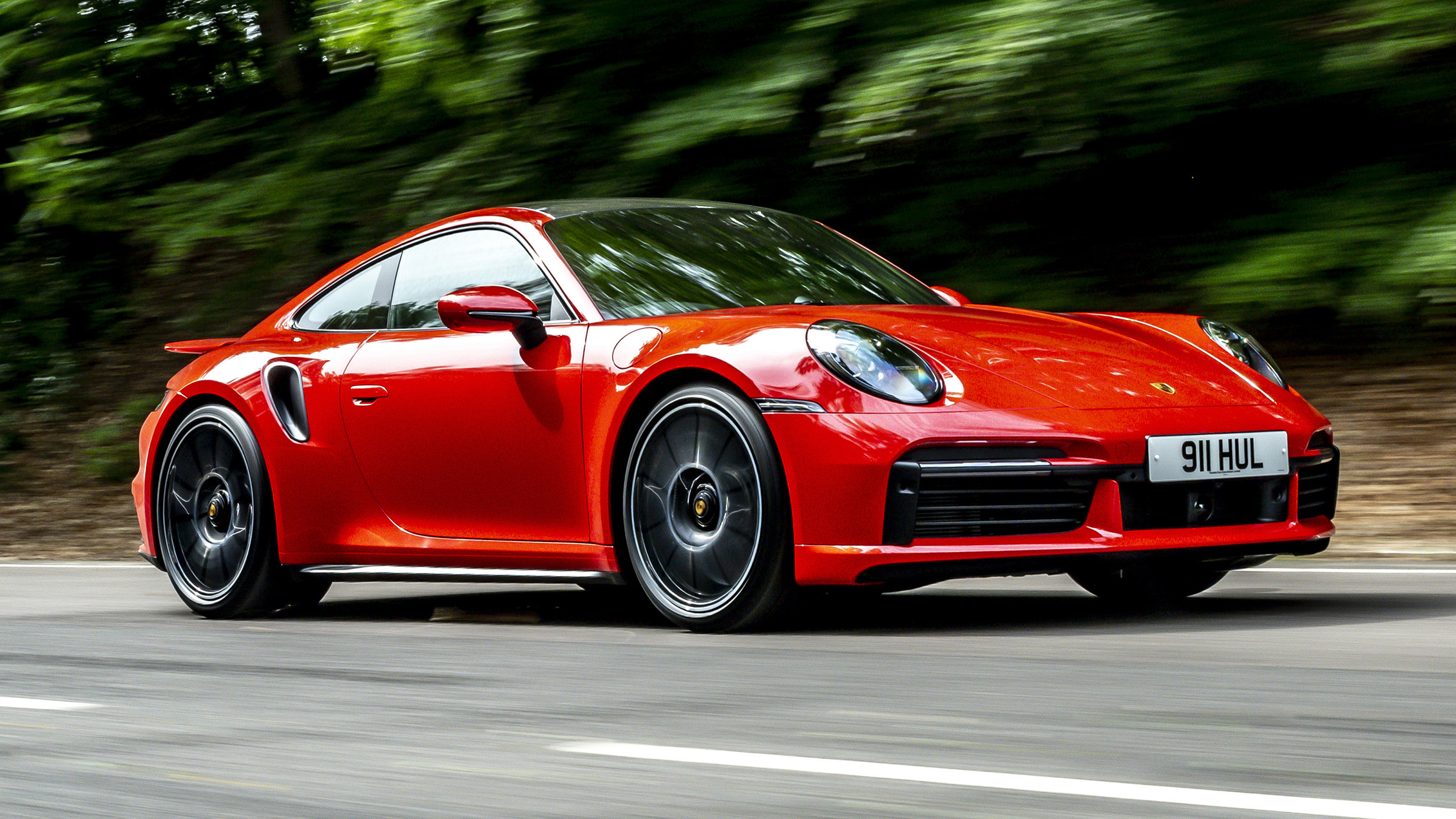
Managing this behavior requires experience, smooth inputs, and constant vigilance exhausting during short drives and nearly impossible to maintain during long winter trips.
The expensive sports tires wear quickly and become dangerous projectiles when road debris punctures them a frequent occurrence with winter’s potholes and debris. Swapping to dedicated winter wheels and tires represents significant expense.
The 911’s $100,000+ price point raises stakes when sliding into ditches or other vehicles becomes likely. While all-wheel-drive 911 variants manage winter competently, base rear-drive models transform winter driving from enjoyable to terrifying, making every snow day a day to stay home.
6. Nissan 370Z
The Nissan 370Z delivers affordable sports car thrills but becomes a winter nightmare. Rear-wheel drive with a 332-horsepower V6 overwhelms traction easily on snow-covered roads.
The mechanical limited-slip differential, excellent for track days, sends power to whichever wheel spins fastest often both simultaneously in snow, creating spectacular but useless tire smoke while the car sits motionless.
The extremely low 5.2-inch ground clearance means the 370Z gets stuck on snow accumulation that barely qualifies as a dusting. The aggressive front air dam scrapes constantly, frequently digging into snow and stopping forward progress.
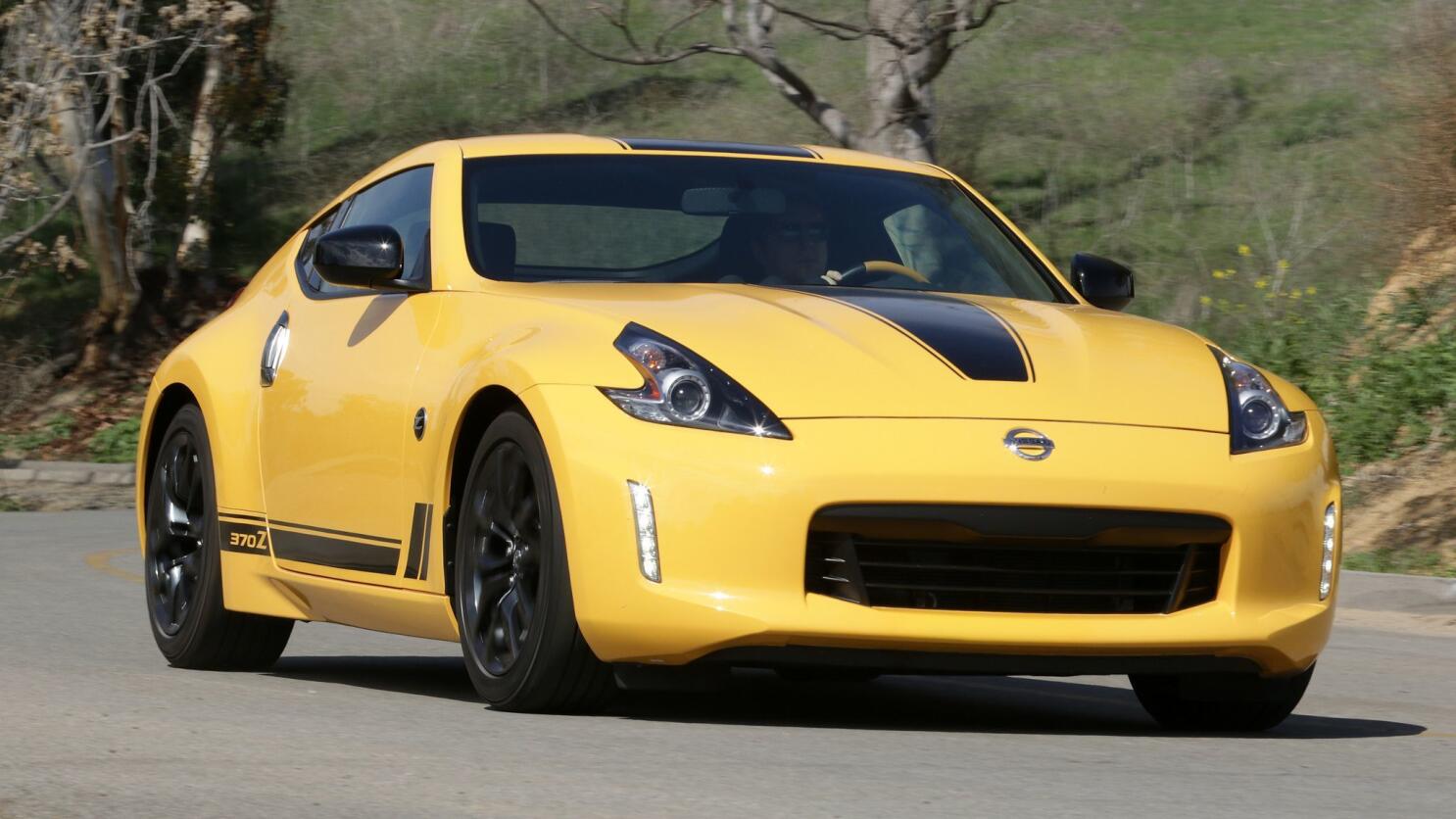
The long nose and poor weight distribution over the rear drive wheels create minimal traction for acceleration. Even downhill momentum doesn’t guarantee continued motion when driving through unplowed areas.
The aging platform lacks modern driver assistance technology found in newer vehicles. No adaptive cruise control, no automatic emergency braking, no lane-keeping assist systems that reduce fatigue and improve safety during long winter highway drives.
The 370Z’s focused sports car mission means it excels at one thing weekend canyon drives and struggles at everything else, especially winter competence. Anyone attempting winter trips in a 370Z will quickly regret the decision, finding themselves stuck, sliding, or simply terrified during what should be enjoyable journeys.
7. Tesla Model 3 Rear-Wheel Drive
The Tesla Model 3 brings impressive technology and electric efficiency, but the base rear-wheel-drive model reveals how even advanced traction control cannot overcome fundamental design limitations.
Electric motors provide instant torque beneficial for acceleration but problematic in snow where instant power delivery overwhelms traction before tires can grip.
The base Model 3 produces 283 horsepower delivered entirely to the rear wheels through a single-speed transmission that lacks the gear reduction options of conventional transmissions for low-speed traction.
While Tesla’s sophisticated traction control modulates power thousands of times per second, physics still limits what rear-wheel drive can achieve on snow.
The relatively even weight distribution better than front-engine rear-drive competitors helps somewhat, but without power going to front wheels, the Model 3 RWD struggles on inclines and during acceleration from stops.
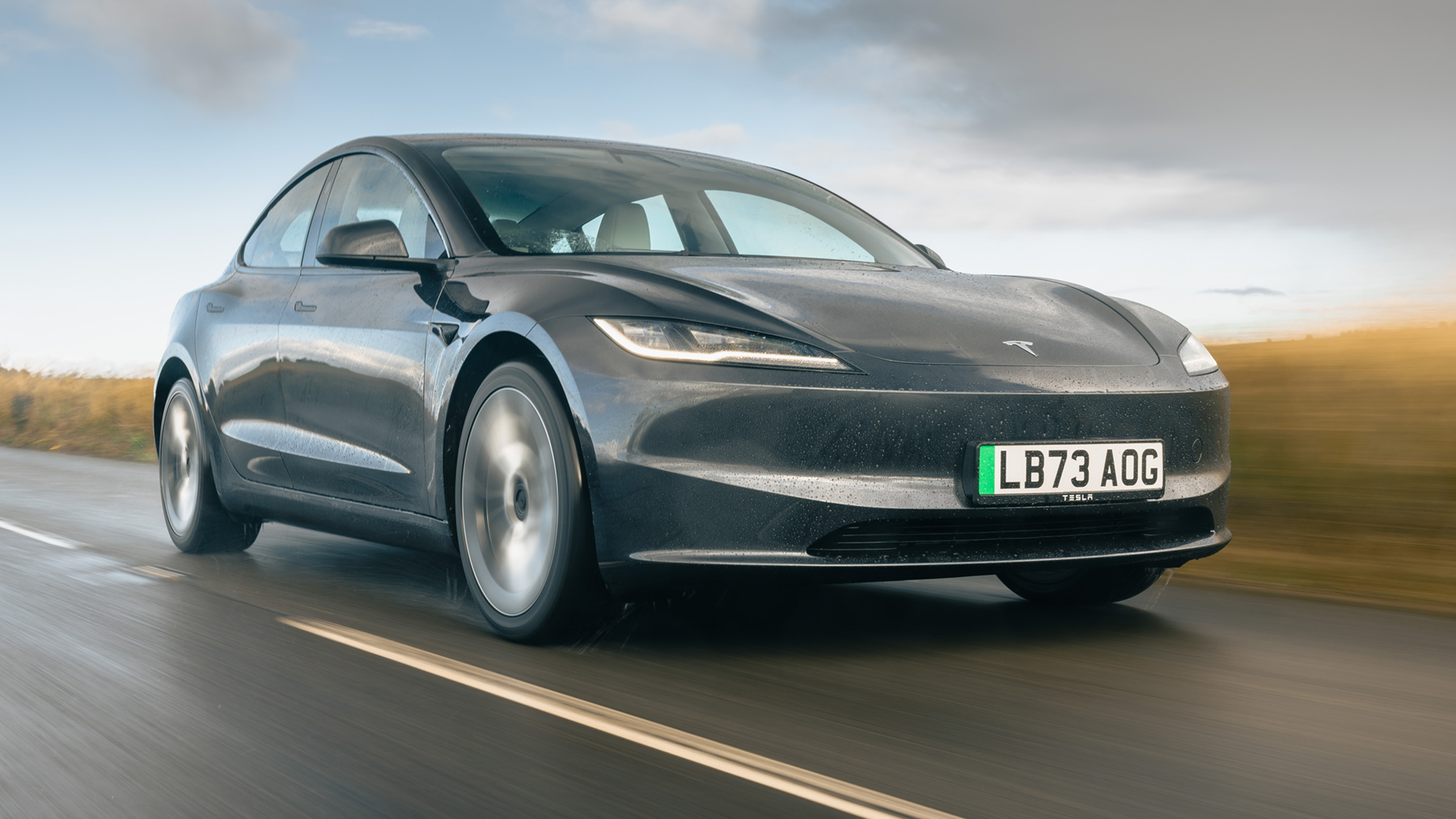
The instant torque makes throttle modulation challenging for drivers accustomed to gradual combustion engine power delivery. Range anxiety intensifies during winter as battery efficiency drops dramatically in cold temperatures often 30-40% reduction versus summer range.
Heat uses battery power directly, forcing choices between comfort and reaching destinations. Finding available chargers during winter storms when everyone seeks electricity adds uncertainty to trip planning.
While dual-motor all-wheel-drive Model 3 variants handle winter competently, the base rear-drive model reminds us that even cutting-edge technology cannot overcome fundamental physical constraints.
Anyone planning regular winter trips should opt for all-wheel-drive variants or different vehicles entirely, as the base Model 3’s winter limitations create unnecessary stress and potential danger.
Also Read: 8 Cars That Are Surprisingly Quick After a Simple Tune
