
Rain transforms the riding experience entirely, separating machines that inspire confidence from those that demand constant vigilance.
When dark clouds roll in and the first drops hit the asphalt, every motorcyclist faces a fundamental question: will my bike remain composed and predictable, or will it betray me when I need traction most?
This isn’t merely about rider skill or tire choice though both certainly matter but about how specific motorcycles are engineered to handle the unique challenges of wet-weather riding.
The difference between a bike that feels planted in rain and one that slips early often comes down to a complex interplay of factors. Weight distribution, suspension geometry, electronic intervention systems, and even the engine’s power delivery characteristics all contribute to how a motorcycle behaves when the roads turn slick.
Bikes with linear, predictable power delivery, sophisticated traction control systems, and balanced chassis dynamics inspire confidence when visibility drops and grip becomes precious. These machines telegraph their intentions clearly, giving riders ample feedback about available traction before reaching the limit.
Conversely, certain motorcycles often high-performance machines optimized for dry-weather track use or aggressive street riding can feel nervous and unpredictable when water enters the equation.
Aggressive throttle response, rear-biased weight distribution, or suspension setups tuned for maximum dry grip can make these bikes feel like they’re dancing on eggshells in the wet.
The rear tire might step out unexpectedly under acceleration, or the front might tuck without warning during braking, leaving riders constantly second-guessing their inputs.
Understanding which motorcycles excel in wet conditions and which demand extra respect isn’t about disparaging certain machines it’s about matching the right tool to the conditions at hand.
A bike that feels sketchy in the rain might be absolutely sublime on a dry mountain road, while a confidence-inspiring wet-weather companion might feel slightly numb when conditions are perfect.
This guide explores ten motorcycles across the spectrum, examining five that remain planted when the heavens open and five that require a more delicate touch when roads glisten with moisture.
5 Bikes That Feel Planted in Rain
These exceptionally engineered vehicles feature advanced traction management systems and well-balanced weight distribution that maintain confident grip during wet weather driving, providing reassuring stability and predictable handling on rain-soaked roads without requiring cautious speed reductions.
Their thoughtful engineering includes sophisticated stability control algorithms and optimized suspension geometry that resist the hydroplaning tendencies and rear-end breakaway typically associated with rear-biased weight distribution or overly aggressive throttle mapping.
From sudden downpours creating standing water on highway lanes to oil-slicked intersections after the first rainfall, these remarkable vehicles continue tracking straight without the nervous steering corrections or traction control interventions found in less composed alternatives.
1. BMW R1250GS Adventure
The BMW R1250GS Adventure stands as the gold standard for wet-weather confidence, a motorcycle that seems almost indifferent to changing road conditions.
At the heart of this composure lies BMW’s sophisticated electronic suite, particularly the Rain riding mode that seamlessly integrates traction control, ABS, and throttle mapping to create a safety net that’s both comprehensive and unobtrusive.
When you twist the throttle in wet conditions, the 1254cc boxer engine delivers its 136 horsepower with remarkable linearity there are no sudden surges or aggressive power spikes that could overwhelm available grip.
The GS’s chassis geometry plays an equally critical role in its wet-weather prowess. The 21-inch front wheel provides exceptional stability and feedback, essentially giving the front tire a larger contact patch that helps it track straight through standing water and maintain composure over painted lines and metal surfaces.
The bike’s substantial 268-kilogram dry weight, which some criticize in parking lots, becomes a significant advantage in the rain. This mass creates momentum that helps smooth out rider inputs and prevents the bike from being unsettled by surface irregularities or sudden traction changes.
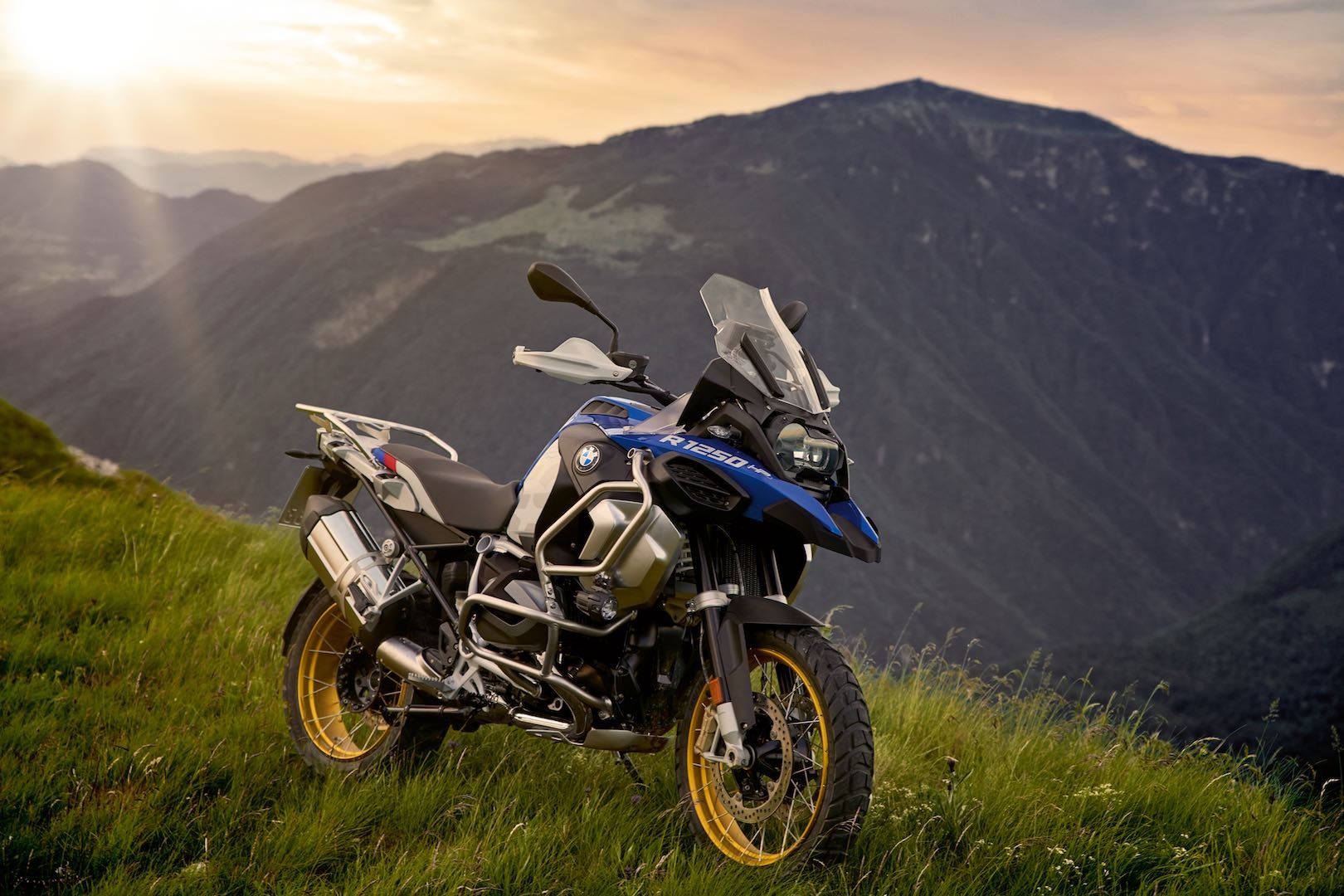
Perhaps most importantly, the R1250GS Adventure’s suspension delivers exceptional feedback. The front Telelever system, while unconventional, provides consistent information about available grip levels, allowing riders to sense when traction is approaching its limits.
This telegraphic quality is invaluable in wet conditions, where the margin between safe cornering and a slide is considerably narrower. The bike never surprises you, it communicates clearly and constantly about what’s happening at the contact patches.
BMW’s attention to braking performance further enhances wet-weather confidence. The integrated braking system links front and rear brakes intelligently, while the ABS calibration specifically accounts for reduced grip scenarios.
When you need to scrub speed urgently on a rain-slicked surface, the brakes work progressively and predictably, allowing maximum deceleration without inducing panic or instability.
Combined with the upright riding position that provides excellent visibility and weight distribution flexibility, the R1250GS Adventure transforms rainy rides from anxiety-inducing challenges into manageable, even enjoyable experiences.
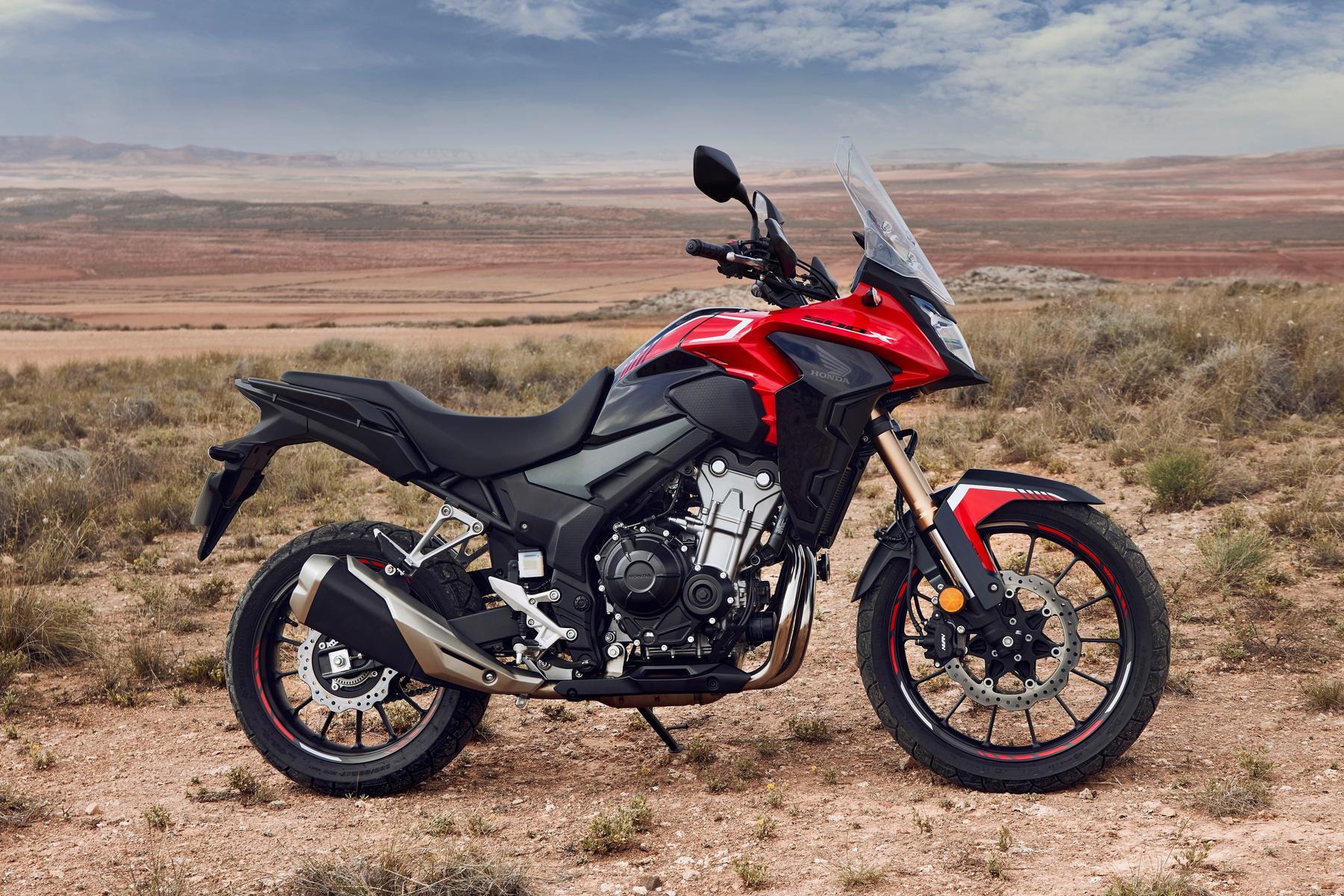
2. Honda CB500X
The Honda CB500X proves that sophisticated electronics aren’t mandatory for exceptional wet-weather behavior—sometimes, thoughtful engineering fundamentals are all you need.
This middleweight adventure-touring machine builds confidence through approachability and predictability rather than technological intervention.
Its 471cc parallel-twin engine produces a modest 47 horsepower, but this power is delivered with such smoothness and linearity that it’s nearly impossible to overwhelm the rear tire inadvertently, even on surfaces with severely compromised grip.
The CB500X’s weight distribution represents a masterclass in balance. At just 196 kilograms wet, the bike feels light and manageable, yet it carries its mass in a centralized, low-slung manner that creates inherent stability.
The 19-inch front wheel strikes an ideal compromise between the agility of a 17-inch sportbike wheel and the straight-line stability of larger adventure bike hoops.
This diameter choice pays particular dividends in wet conditions, where the front tire can track confidently through puddles and maintain composure over slippery road paint and tar snakes.
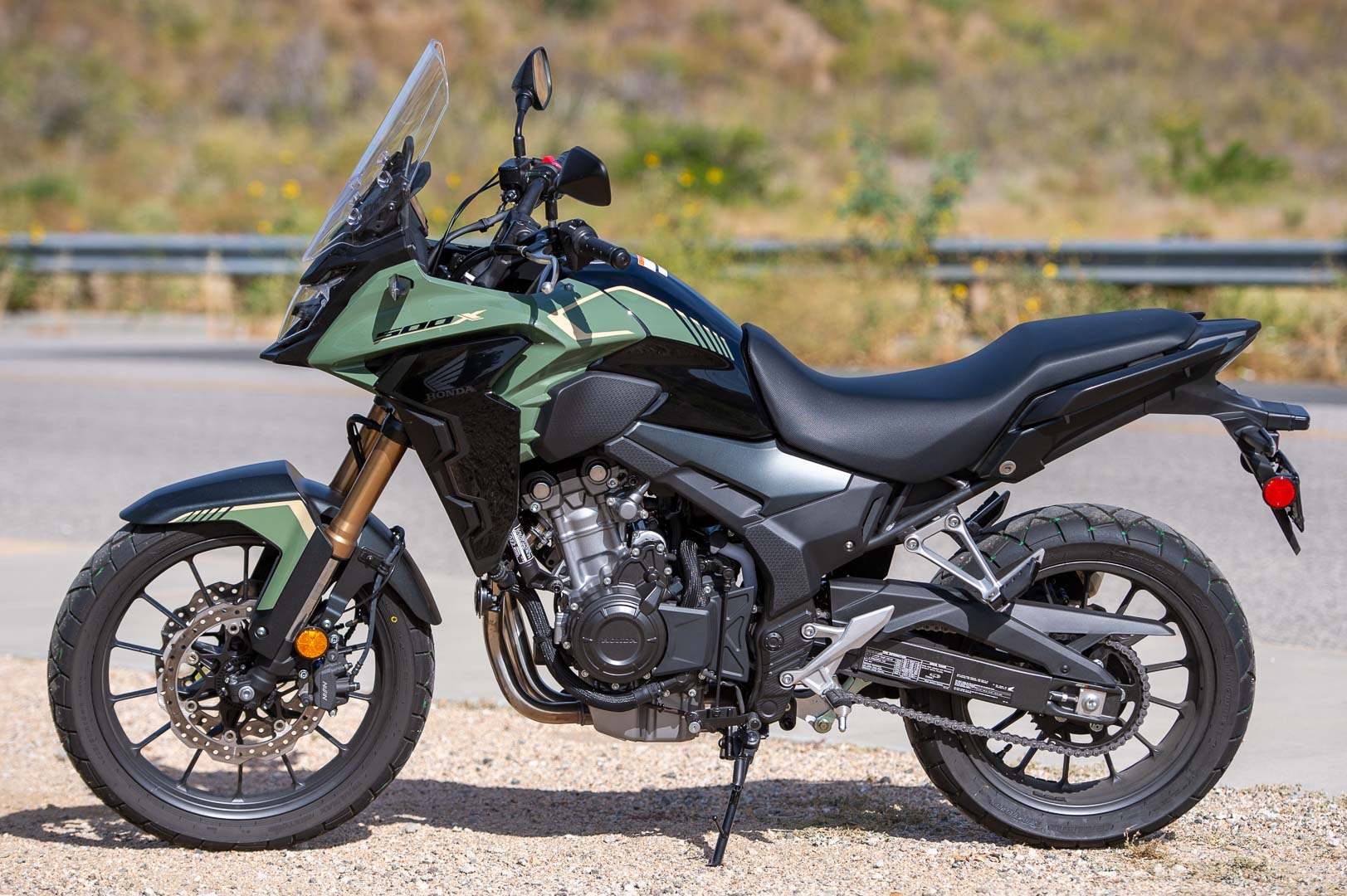
Honda’s legendary build quality shines through in the CB500X’s suspension performance. While the components aren’t exotic conventional telescopic forks up front and a Pro-Link monoshock rear they’re superbly damped and offer excellent feedback characteristics.
In wet conditions, this feedback is crucial, as it allows riders to sense load transfer during braking and acceleration, helping them modulate inputs appropriately.
The suspension compresses and extends progressively, without sudden movements that might upset chassis balance on low-grip surfaces.
Combined with the bike’s forgiving ergonomics upright seating that allows natural body positioning for weight transfer the CB500X creates an environment where even less experienced riders can maintain confidence when weather deteriorates. It’s not flashy or technologically impressive, but it’s supremely competent where it matters most.
3. Yamaha Tracer 9 GT
The Yamaha Tracer 9 GT demonstrates how modern sport-touring motorcycles can deliver thrilling performance without sacrificing wet-weather composure.
Yamaha equipped this machine with a comprehensive electronics package including multiple riding modes, traction control with adjustable intervention levels, and lean-sensitive ABS.
In Rain mode, the 890cc CP3 triple-cylinder engine’s 117 horsepower is reined in through throttle mapping that smooths response and reduces peak output, creating a powerband that’s usable and predictable even when grip levels plummet.
The Tracer’s chassis borrows heavily from Yamaha’s acclaimed MT-09 naked bike but adds crucial refinements for stability. The wheelbase is slightly longer, promoting straight-line composure, while the full fairing and touring windscreen create aerodynamic stability that helps the bike track straight through crosswinds and heavy rain.
The suspension fully adjustable KYB units front and rear can be tailored for rider preference, but even in stock form delivers excellent wet-weather feedback.
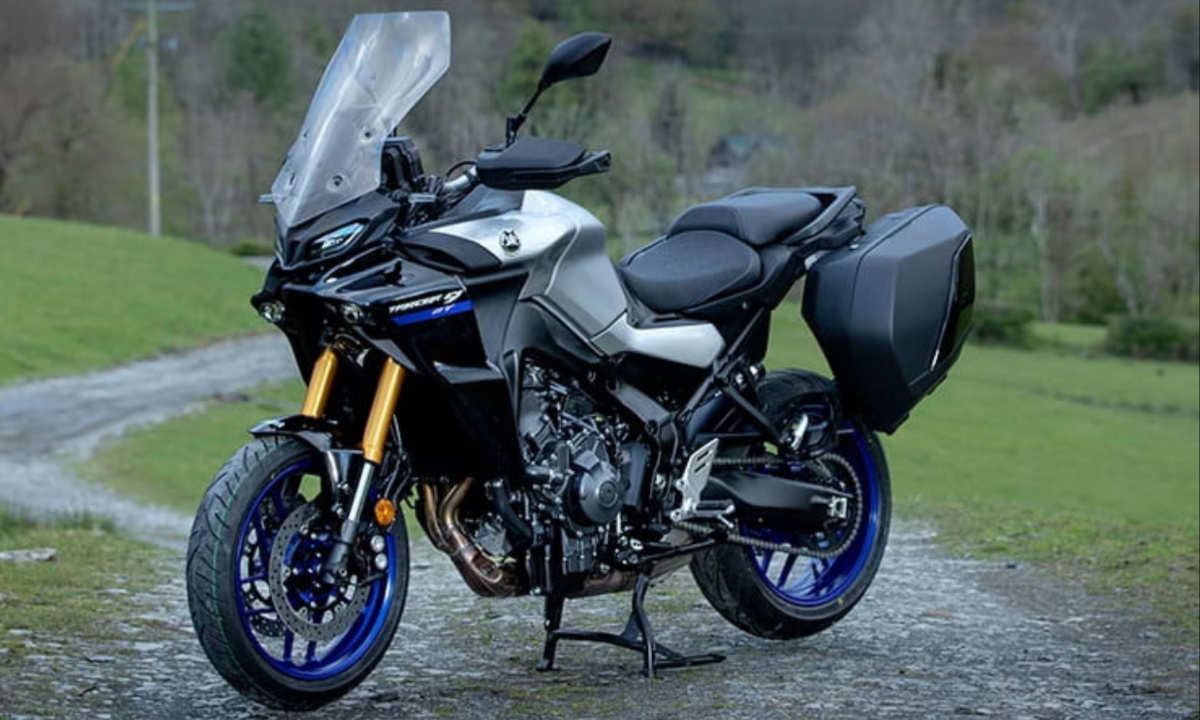
The front forks communicate clearly about available grip, while the rear shock maintains composure under acceleration without excessive squat that might unsettle the chassis. Weight distribution on the Tracer 9 GT favors slightly forward bias, which proves advantageous in wet conditions.
This distribution helps load the front tire during steady-state cornering, increasing available grip for directional changes. Meanwhile, the bike’s 210-kilogram curb weight creates sufficient momentum to smooth rider inputs without becoming unwieldy.
The system intervenes progressively rather than intrusively, maintaining stability without killing momentum unnecessarily. For riders who regularly commute or tour regardless of weather conditions, the Tracer 9 GT represents an ideal compromise between performance and all-weather capability.
4. Suzuki V-Strom 650XT
The Suzuki V-Strom 650XT has earned a devoted following among all-weather riders, and its wet-weather composure is a primary reason why. This adventure-touring machine prioritizes reliability and predictability over cutting-edge performance, a philosophy that pays enormous dividends when roads turn treacherous.
The 645cc V-twin engine produces 71 horsepower through a powerband characterized by midrange punch rather than top-end fury.
This delivery style means power arrives smoothly and progressively, giving riders ample opportunity to modulate throttle inputs without sudden traction-breaking surges.
Suzuki equipped the V-Strom 650XT with traction control that’s calibrated conservatively for real-world conditions rather than track performance.
The system intervenes early enough to prevent slides rather than waiting until traction is fully broken, creating a safety net that inspires confidence without feeling intrusive.
Combined with ABS that’s specifically tuned for adventure riding meaning it allows some wheel slip for off-road use but prevents lock-ups on pavement the bike’s electronic suite feels perfectly matched to its mission.
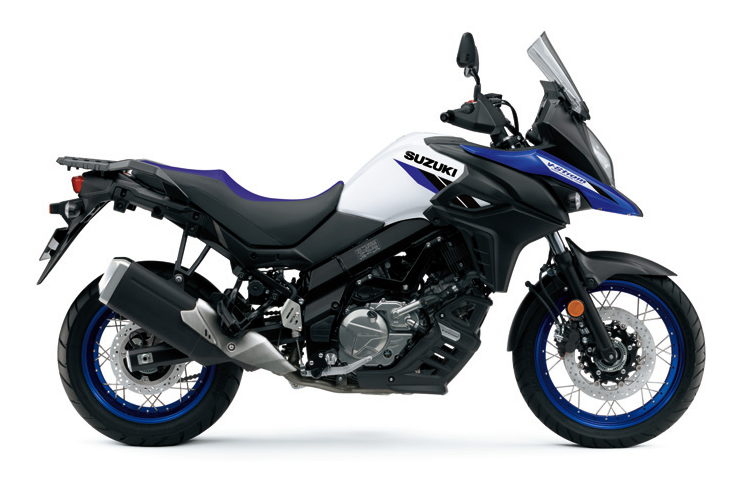
The chassis geometry contributes significantly to wet-weather confidence. The relatively relaxed steering angle and substantial trail create inherent stability, particularly at highway speeds where crosswinds and passing trucks can otherwise upset balance.
The 19-inch front wheel tracks confidently through standing water and over slippery surfaces, while the bike’s 216-kilogram wet weight provides enough heft to resist being blown around without feeling ponderous in tight situations.
The upright seating position allows natural weight shifting for traction management, while also providing excellent visibility in reduced-visibility conditions.
Perhaps the V-Strom’s greatest wet-weather asset is its accessibility. The seat height and weight distribution make the bike easy to manage at slow speeds and while maneuvering through traffic, situations where wet roads can be particularly treacherous.
The bike’s predictability means riders can focus on traffic and road conditions rather than constantly managing the motorcycle’s behavior. For riders seeking reliable transportation that doesn’t require perfect weather, the V-Strom 650XT represents exceptional value and capability.
Also Read: 5 Car Models With Friendly Key Fobs vs. 5 Fussy Clickers
5. Kawasaki Ninja 1000SX
The Kawasaki Ninja 1000SX stands somewhat apart from the other bikes in this category, as it’s fundamentally a sport-touring machine with performance credentials.
Yet it manages to combine 140 horsepower from its 1043cc inline-four engine with exceptional wet-weather manners, proving that power and composure aren’t mutually exclusive.
Kawasaki achieved this balance through comprehensive electronics including KIBS (Kawasaki Intelligent anti-lock Brake System), KTRC (Kawasaki TRaction Control), and multiple power modes that dramatically alter throttle response and power delivery.
In Rain mode, the Ninja 1000SX transforms from aggressive sport machine to confidence-inspiring tourer. The engine’s character changes completely, with throttle response smoothed and power delivery linearized to eliminate the abrupt transitions that can break traction.
The traction control system becomes more intervention-happy, cutting power at the first hint of rear-wheel slip. While some riders might find this intrusive on dry roads, in wet conditions it creates a safety net that allows spirited riding without constant anxiety about losing the rear end.
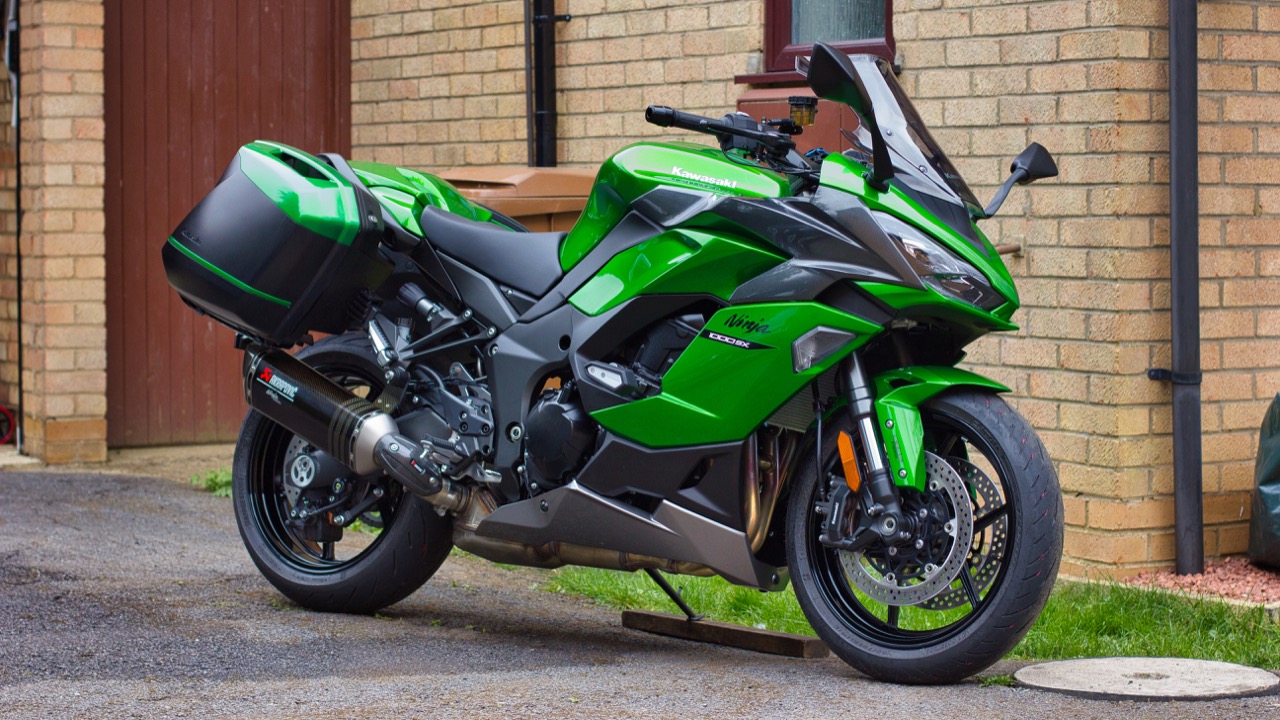
The bike’s chassis strikes an impressive balance between sport-focused handling and stability. The fully adjustable suspension Showa separate function forks and a horizontally mounted Uni-Trak rear shock can be dialed in for rider preference, but the stock settings work exceptionally well in varied conditions.
This means riders can brake aggressively when needed without the vague, mushy feel some ABS systems produce. The bike also features cornering ABS functionality that accounts for lean angle, allowing hard braking even while cornering on wet roads.
For sport-touring riders who refuse to let weather interfere with their riding plans, the Ninja 1000SX delivers performance and confidence in equal measure.
5 Bikes That Slip Early in Rain
These nerve-wracking vehicles suffer from inadequate traction control systems and poor weight balance that create alarming slip angles during even moderate rain conditions, forcing defensive driving and constant vigilance about throttle application that undermines normal traffic flow participation.
Their problematic engineering includes performance-oriented tire compounds and aggressive power delivery that cannot maintain grip on wet pavement, leading to unexpected tail-end slides and frightening traction loss during routine acceleration from stoplights.
Despite advanced performance credentials and impressive dry-weather capabilities, these vehicles become hazardous when conditions deteriorate through their tendency toward sudden breakaway, ineffective stability systems that intervene too late, and rear tires overwhelming available traction with minimal throttle input.
1. Ducati Panigale V4
The Ducati Panigale V4 represents the pinnacle of superbike engineering, a track-focused missile that produces 214 horsepower from its 1103cc V4 engine.
On dry pavement, it’s transcendent but when rain arrives, this thoroughbred requires significantly more respect and skill to manage safely.
The fundamental challenge stems from the bike’s mission: it’s optimized for maximum dry-weather performance, which means every aspect of its design prioritizes ultimate grip and speed over wet-weather composure and safety margins.
The Panigale’s power delivery, while sophisticated thanks to ride-by-wire throttle and multiple power modes, remains aggressive even in its most subdued settings.
The engine produces massive torque throughout the rev range, and even slight throttle movements can overwhelm a wet rear tire’s available grip.
The bike’s sharp throttle response, designed to provide instantaneous track-day acceleration, becomes a liability on slick roads where progressive, gentle power application is paramount.
Even with traction control set to maximum intervention, the system must work overtime to manage power delivery, and skilled riders can feel it cutting power frequently in wet conditions.
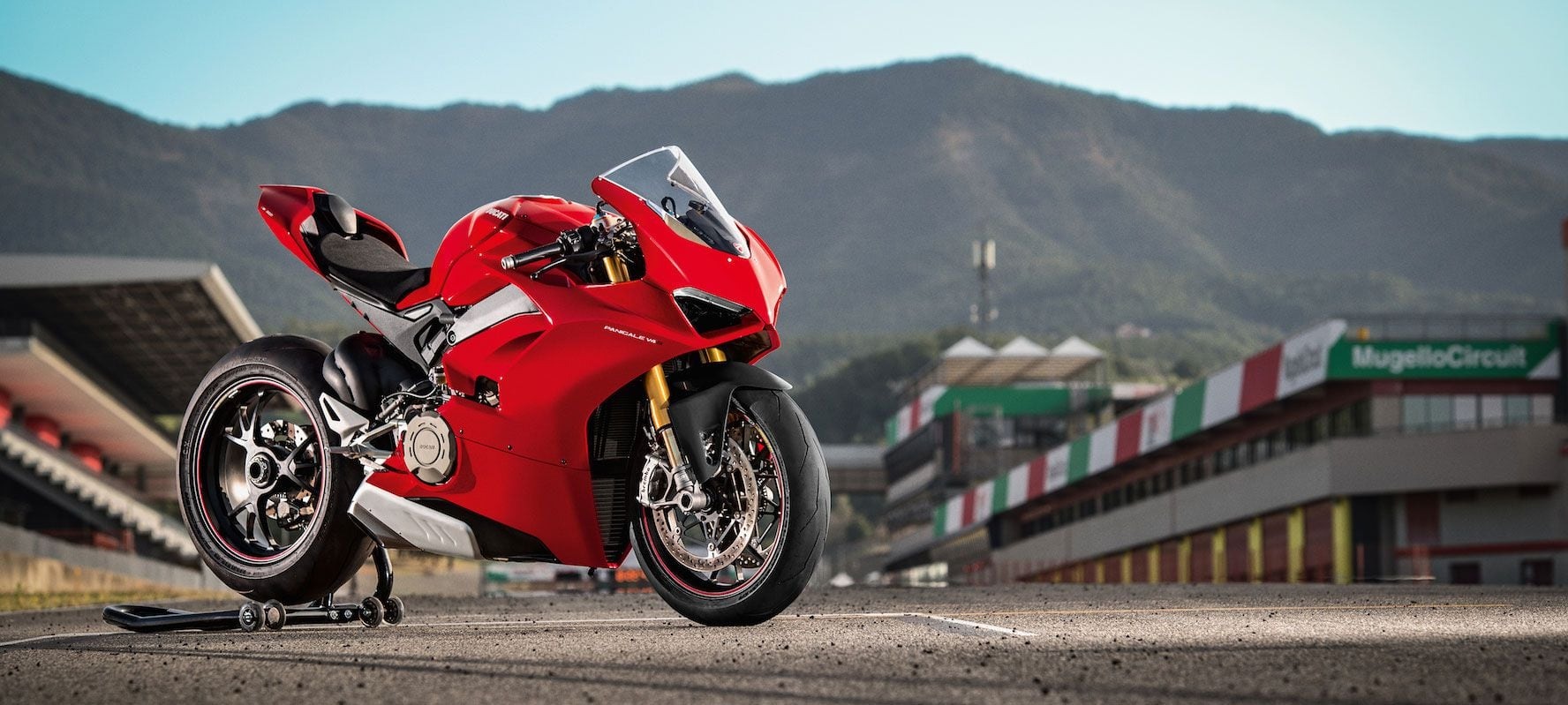
The chassis geometry further complicates wet-weather riding. The Panigale uses a steep rake angle and minimal trail to achieve razor-sharp steering response characteristics that make it incredible through fast, flowing corners on dry tracks but create nervousness on wet streets.
The bike wants to change direction instantly, which means it’s easily unsettled by mid-corner surface irregularities, painted lines, or standing water.
The Pirelli Diablo Supercorsa SP tires, standard equipment on many Panigale V4 models, are designed primarily for track use and warm-weather performance.
In cold, wet conditions, they struggle to reach operating temperature, leaving riders with compromised grip. The combination of aggressive geometry, track-focused suspension, and performance-oriented tires creates a machine that demands absolute attention and delicate inputs when roads are wet.
2. KTM 1290 Super Duke R
The KTM 1290 Super Duke R proudly wears its “Beast” nickname, and nowhere is this more apparent than in wet conditions. This naked superbike produces 180 horsepower from its 1301cc V-twin engine, delivered with an urgency and aggression that’s thrilling on dry roads but can be genuinely intimidating when surfaces are slick.
The V-twin’s torque characteristics massive grunt available from low in the rev range means the rear tire is constantly under enormous stress, and available grip on wet pavement can be exceeded with alarming ease.
KTM equips the Super Duke R with comprehensive electronics including multiple riding modes, traction control, and cornering ABS, but the bike’s fundamental character remains aggressive even with intervention systems working.
The Rain mode helps by reducing power output and smoothing throttle response, yet the underlying engine character brutal, immediate torque delivery remains present.
The traction control system intervenes frequently in wet conditions, but the nature of the V-twin’s power pulse means it’s constantly managing traction rather than simply monitoring it.
Riders can feel the system cutting power abruptly, which can itself become unsettling when trying to maintain smooth lines through corners.
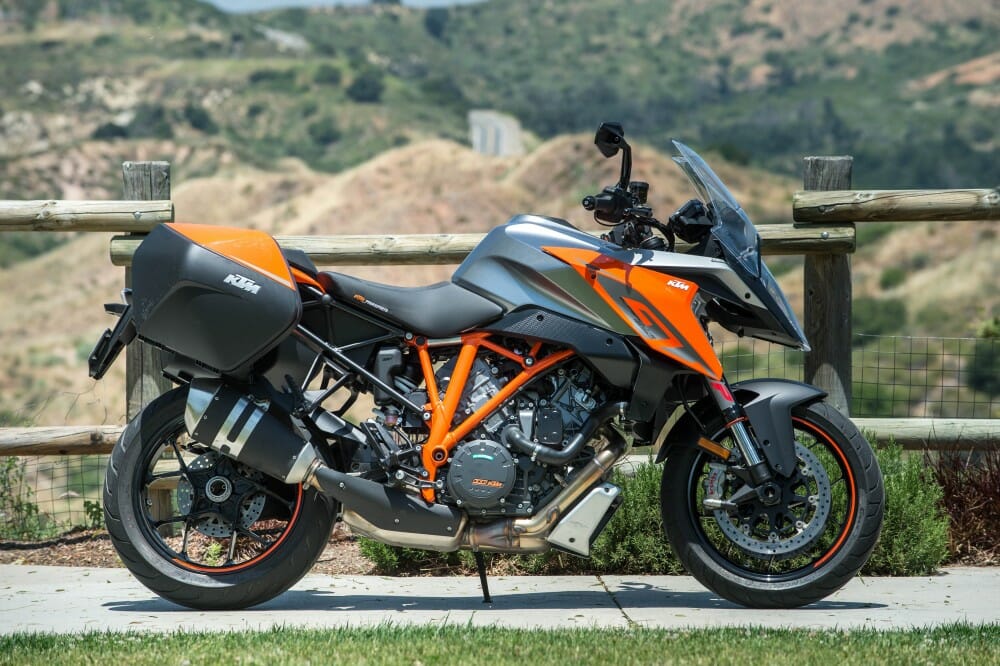
The Super Duke R’s chassis is optimized for naked bike agility rather than stability. The short wheelbase and aggressive geometry create lightning-quick steering response, but this comes at the expense of straight-line composure.
In wet conditions, this means the bike feels nervous and twitchy, requiring constant micro-corrections to maintain the desired line. The relatively light weight 189 kilograms dry compounds this feeling, as there’s less mass to provide momentum and smooth out rider inputs.
Combined with the bike’s aggressive power delivery and nervous chassis behavior, the 1290 Super Duke R becomes a machine that demands expert throttle control and constant vigilance when roads turn slick.
3. Aprilia RSV4 Factory
The Aprilia RSV4 Factory represents Italian superbike engineering at its finest, with a competition-derived 217-horsepower V4 engine and a chassis honed through years of World Superbike racing success.
This pedigree makes it extraordinary on dry racetracks but considerably more challenging on wet public roads. The RSV4’s entire design philosophy centers on extracting maximum performance from optimal conditions, which means wet-weather riding requires significant compromise and skill.
The narrow 65-degree V4 engine produces its prodigious power with a top-end emphasis that can catch riders off-guard in wet conditions.
While Aprilia’s sophisticated ride-by-wire system offers multiple maps and traction control intervention levels, the engine’s fundamental character building power aggressively above 8,000 rpm remains.
In wet conditions, managing this powerband requires precise throttle control and rev-range awareness. The traction control system is highly sophisticated, utilizing IMU data to account for lean angle and slide management, but it’s calibrated for racers who understand how to exploit grip limits rather than for cautious street riding in compromised conditions.
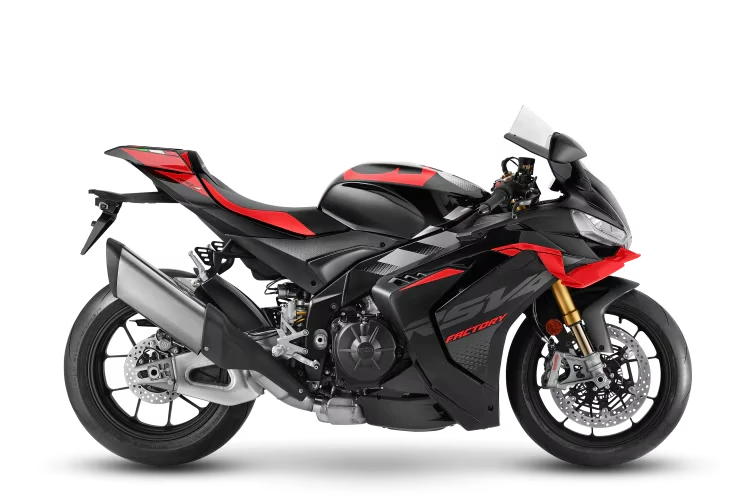
The chassis geometry prioritizes corner-speed over stability, with aggressive rake and minimal trail creating ultra-sharp steering. On wet roads, this translates to a front end that feels nervous and requires constant attention.
The bike doesn’t want to hold a line naturally; it wants to be actively ridden, continuously adjusted, and precisely managed. The weight distribution is relatively rear-biased to help with acceleration on grippy surfaces, but in the wet this means the front tire is comparatively lightly loaded, reducing available grip for braking and direction changes.
The Pirelli Diablo Supercorsa V3 tires compound these issues they’re designed for warm-weather performance and struggle to generate adequate grip when cold and wet.
For riders who encounter unexpected rain during spirited riding, the RSV4 Factory transforms from a precision instrument into a machine requiring significant respect and reduced speeds.
4. Triumph Daytona Moto2 765
The Triumph Daytona Moto2 765 emerged from Triumph’s involvement in the Moto2 racing series, and its track DNA is unmistakable.
This limited-edition supersport produces 130 horsepower from its 765cc triple-cylinder engine, with chassis and suspension components lifted directly from racing applications.
While this creates an extraordinary experience on dry canyon roads and racetracks, wet conditions reveal the compromises inherent in such focused engineering.
The triple-cylinder engine delivers power with an immediacy that borders on violent. The throttle response is razor-sharp, and the powerband builds aggressively through the midrange before screaming toward redline.
Triumph offers riding modes that adjust throttle response and traction control intervention, but even the most conservative settings feel energetic in wet conditions.
The relatively light flywheel effect, designed to allow rapid throttle blips and quick revving for track use, means less mechanical damping of drivetrain inputs which translates to less forgiveness when throttle control isn’t perfectly smooth on slick surfaces.
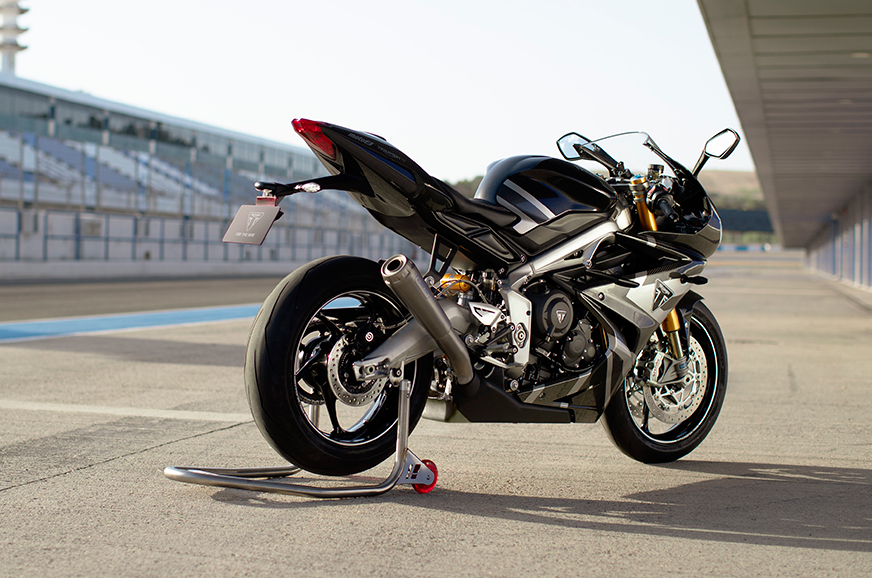
The Daytona’s chassis represents uncompromised supersport geometry. The steep rake angle and short wheelbase create phenomenal agility in dry conditions, but in the wet, this same geometry produces a front end that feels darty and unsettled.
The bike wants to fall into corners rapidly, which is thrilling when grip is abundant but nerve-wracking when traction is limited. The aggressive riding position low clip-ons and rearset footpegs locks riders into a forward-leaning posture that makes weight transfer more difficult and reduces visibility in heavy rain.
Triumph equipped the Daytona Moto2 765 with top-shelf Öhlins NIX30 forks and TTX36 rear shock, both fully adjustable and absolutely capable in their intended environment.
In cold, wet conditions, they harden and provide limited feedback, leaving riders uncertain about available grip levels. The Daytona Moto2 765 is a spectacular machine for its intended purpose, but wet weather riding is emphatically not that purpose.
5. MV Agusta Brutale 1000 RR
The MV Agusta Brutale 1000 RR stands as one of the most powerful naked bikes ever produced, with its 998cc inline-four engine generating an astonishing 208 horsepower.
This exotic Italian machine is artwork in motion on dry roads, but when rain arrives, its extreme performance capabilities and aggressive tuning create a challenging riding experience that demands expert skill and constant attention.
The inline-four engine’s power delivery is ferocious across the entire rev range. MV Agusta’s Motor & Vehicle Integrated Control System (MVICS) offers extensive electronic intervention including eight-level traction control and four riding modes, but even in Rain mode with maximum traction control intervention, the sheer quantity of available power overwhelms wet-surface grip easily.
The engine spins freely and builds revs rapidly, and throttle response remains aggressive even with electronic smoothing. The powerband doesn’t build progressively it arrives in a rush, and managing this on slick surfaces requires exceptional throttle discipline.
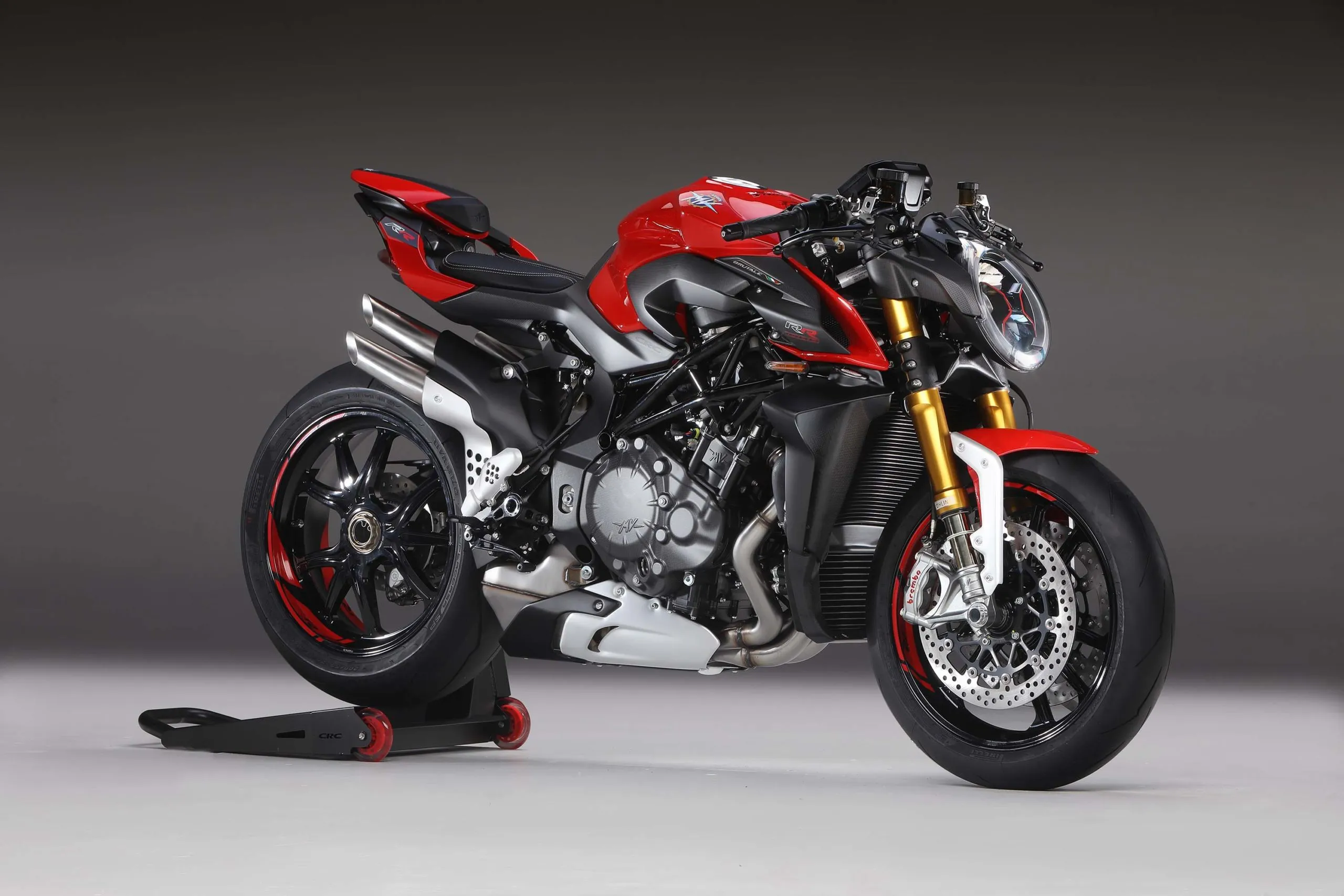
The Brutale’s chassis geometry prioritizes naked bike agility, with a compact wheelbase and aggressive steering angle creating instantaneous direction changes.
In wet conditions, this same nimbleness becomes nervousness. The bike doesn’t settle into corners naturally; it requires constant rider input to maintain lines, and it responds dramatically to mid-corner irregularities like painted lines or pavement transitions.
The relatively light weight 186 kilograms dry exacerbates this feeling, as there’s insufficient mass to provide stability and momentum through challenging conditions.
The Öhlins suspension components are superbly capable but tuned for aggressive riding on high-grip surfaces. The NIX30 forks and TTXR rear shock use relatively stiff spring rates and firm damping settings that work brilliantly when pushing hard on dry pavement but feel harsh when grip is compromised.
The radical styling, while visually stunning, creates turbulent airflow that buffets the rider. Combined with the explosive power delivery, nervous chassis behavior, and firm suspension, the Brutale 1000 RR becomes a machine that transforms wet-weather riding into a white-knuckle experience best avoided by all but the most skilled and confident riders.
Also Read: 6 Cars You Can Trust on Late-Night Drives vs. 6 You Can’t
