
Modern vehicles increasingly come equipped with Lane Departure Warning (LDW) and Lane Keeping Assist (LKA) systems designed to enhance driver safety by preventing unintentional lane drift.
These advanced driver assistance systems (ADAS) use cameras and sensors to monitor road markings and alert drivers when their vehicle begins to stray from its lane without signaling.
However, not all implementations are created equal. While some manufacturers have perfected the balance between safety and user experience, creating systems that feel like a helpful co-pilot, others have developed overly aggressive systems that constantly nag, beep, and intrude on the driving experience.
The difference between a well-executed lane assistance system and an irritating one often comes down to calibration, sensitivity settings, and the system’s ability to understand context.
This article examines six vehicles praised for their balanced, helpful lane assistance systems and six that have earned reputations for being overly aggressive and annoying, exploring what separates thoughtful engineering from intrusive technology.
6 Cars with Helpful Lane Alerts
These exceptionally calibrated vehicles feature intelligent lane-keeping systems and gentle steering corrections that provide subtle assistance during genuine drift situations without intrusive warnings, enhancing safety through intuitive feedback that drivers appreciate rather than disable immediately.
Their thoughtful engineering includes sensitive intervention thresholds and progressive alert escalation that resist the false-positive activations and aggressive nanny behavior typically associated with overly conservative safety programming designed for worst-case liability scenarios.
From legitimate distraction moments requiring gentle course correction to intentional lane positioning avoiding potholes, these remarkable systems continue providing genuinely helpful assistance without the constant beeping or steering wheel vibrations that train drivers to ignore important warnings.
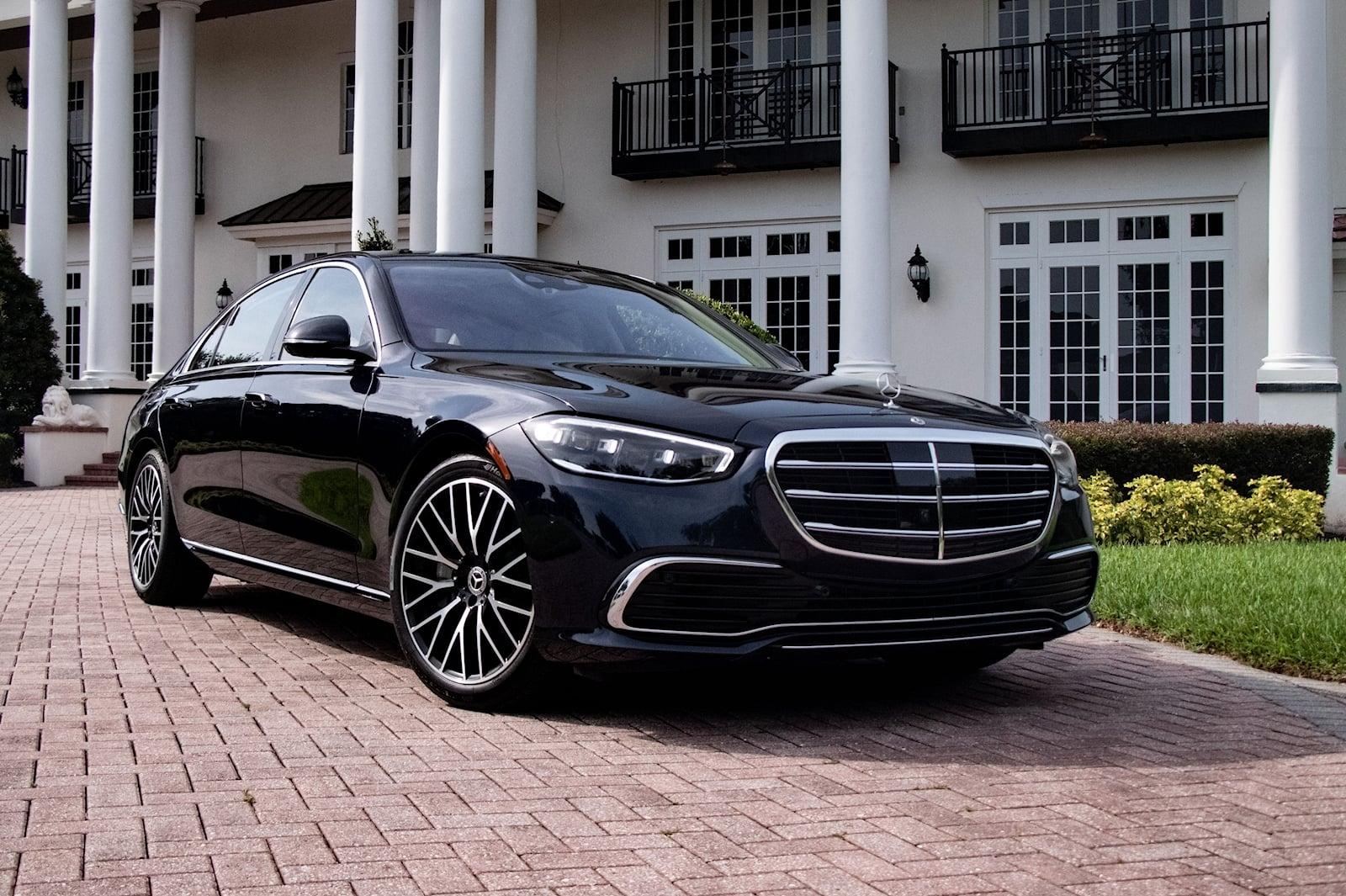
1. Mercedes-Benz S-Class
The Mercedes-Benz S-Class represents the pinnacle of sophisticated lane assistance technology, offering a system that feels less like a safety nag and more like an experienced driving instructor.
The Active Lane Keeping Assist system in the S-Class uses a combination of camera sensors and radar to monitor the vehicle’s position with exceptional accuracy, but what truly sets it apart is its graduated response system and contextual awareness.
Rather than immediately sounding alarms or jerking the steering wheel, the S-Class begins with subtle steering wheel vibrations that mimic the sensation of driving over rumble strips a familiar tactile feedback that drivers instinctively understand.
This haptic warning is incredibly effective without being startling or annoying. If the driver doesn’t respond, the system then provides gentle steering corrections that feel natural and can be easily overridden with minimal steering input. The intervention is smooth and proportional, never fighting against the driver’s intentions.
What makes the Mercedes system particularly intelligent is its ability to read driving situations. On well-marked highways, it provides confident assistance, but it smartly reduces sensitivity on poorly marked urban streets or construction zones where lane markings might be confusing or absent.
The system also recognizes when a driver is actively steering and adjusts its intervention accordingly, understanding the difference between intentional maneuvering and inattentive drift.
Perhaps most importantly, the Mercedes system is smart enough to know when not to intervene. It won’t activate unnecessary warnings during intentional lane changes even if you forget to signal momentarily, and it recognizes situations where lane keeping might not be appropriate, such as going around obstacles or in parking situations.
2. BMW 5 Series
BMW’s approach to lane departure warning in the 5 Series demonstrates how German engineering can create systems that are both technically sophisticated and remarkably user-friendly.
The Lane Departure Warning and Lane Keeping Assistant systems work in harmony to provide protection without pestering, using BMW’s signature attention to detail in calibration and feedback mechanisms. The BMW system excels in its communication with the driver.
The primary warning method is a gentle steering wheel vibration that’s noticeable but not jarring, accompanied by a clear visual indicator on the instrument cluster that shows exactly which lane marking the car is approaching. This multi-sensory approach ensures the warning is noticed without being overwhelming.
The visual feedback is particularly well-designed, using simple, intuitive graphics that don’t require the driver to take their eyes off the road for more than a split second. What sets the 5 Series apart is its progressive intervention strategy. The system offers three distinct levels of assistance that drivers can select based on their preferences and driving conditions.
The “warning only” mode provides alerts without any steering intervention, perfect for drivers who want to maintain complete control. The “warning and gentle assist” mode adds subtle steering corrections, while the most active mode provides more assertive lane centering.
This flexibility means the system can adapt to different drivers and situations rather than imposing a one-size-fits-all approach. BMW has also paid careful attention to the system’s learning capabilities and environmental awareness.
When paired with the optional Driving Assistant Professional package, the lane keeping system works in concert with adaptive cruise control and steering assistance to enable extended hands-on semi-autonomous driving on highways. The transition between different assistance modes is smooth and predictable, never catching the driver off guard.
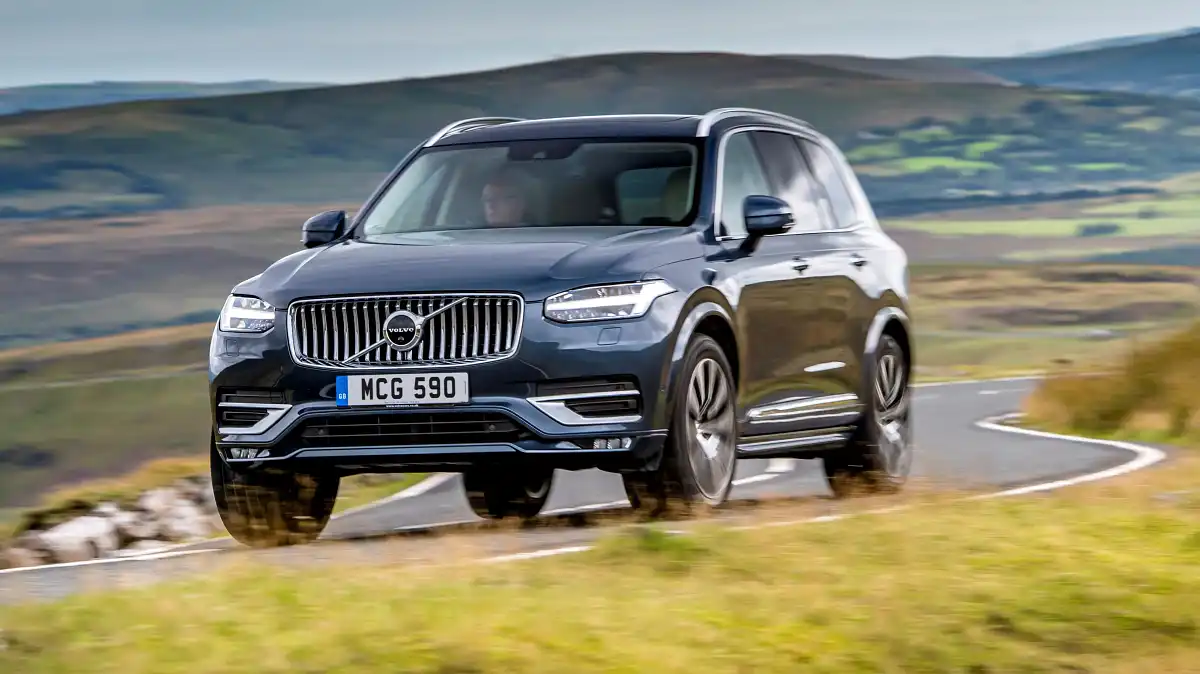
3. Volvo XC90
Volvo has built its reputation on safety innovation, and the XC90’s Lane Keeping Aid demonstrates that safety features don’t have to be annoying to be effective.
True to Volvo’s philosophy of protecting occupants without compromising the driving experience, the XC90’s system strikes an admirable balance between vigilance and user-friendliness.
The Lane Keeping Aid in the XC90 uses a nuanced approach to intervention that reflects Volvo’s extensive research into driver behavior and safety outcomes.
The system begins with visual warnings displayed in the instrument cluster, showing the vehicle’s position relative to lane markings with clear, easy-to-understand graphics.
If the drift continues, the system provides gentle steering input to guide the vehicle back toward the center of the lane. These corrections are smooth and natural-feeling, designed to alert and assist rather than startle or overcorrect.
One of the XC90’s standout features is its Road Edge Detection capability, which extends protection beyond standard lane markings. This feature is particularly valuable on rural roads, highways without clear shoulder markings, or in construction zones.
If the system detects the vehicle is about to leave the road entirely potentially a more dangerous situation than simple lane drift it provides more assertive intervention. This tiered approach ensures that the system’s response is proportional to the actual risk level.
Volvo has also implemented intelligent sensitivity adjustments based on speed and road conditions. At highway speeds, where lane departure is potentially more dangerous, the system is more attentive.
Drivers can easily adjust settings, temporarily disable the system, or choose between warning-only and active intervention modes. Volvo has also thoughtfully included a “pause” function that temporarily disables the system for situations like going through construction zones or making complex maneuvers, with automatic re-engagement after a set period.
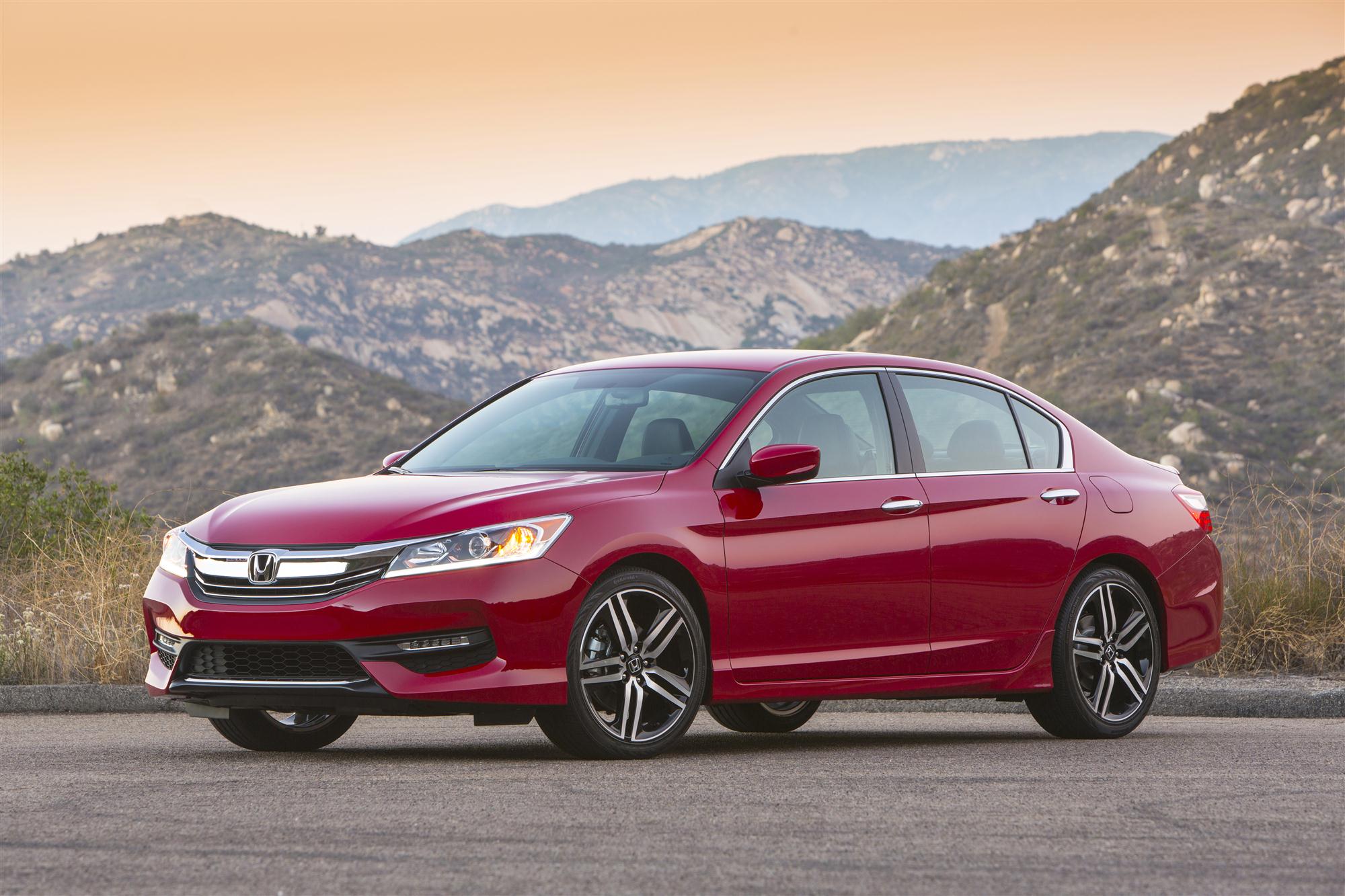
4. Honda Accord
The Honda Accord proves that highly effective and user-friendly lane assistance technology doesn’t require a luxury price tag. Honda’s Lane Keeping Assist System (LKAS), standard on most Accord trim levels, delivers performance that rivals systems found in vehicles costing tens of thousands of dollars more, demonstrating the democratization of advanced safety technology.
Honda’s implementation focuses on clarity and predictability. The LKAS provides clear visual indicators on the multi-information display showing when the system is active and how confident it is in its lane tracking.
When the vehicle begins to drift without the turn signal activated, the system first displays a prominent visual warning, then provides gentle steering torque to guide the vehicle back toward center.
The steering intervention is notably smooth and easily overridden, never creating the sensation that the car is fighting against the driver. What makes the Accord’s system particularly praiseworthy is its reliability across various driving conditions.
The camera system is well-positioned and effectively processes lane marking information even in challenging situations like sharp curves, varying pavement colors, or less-than-perfect lane markings.
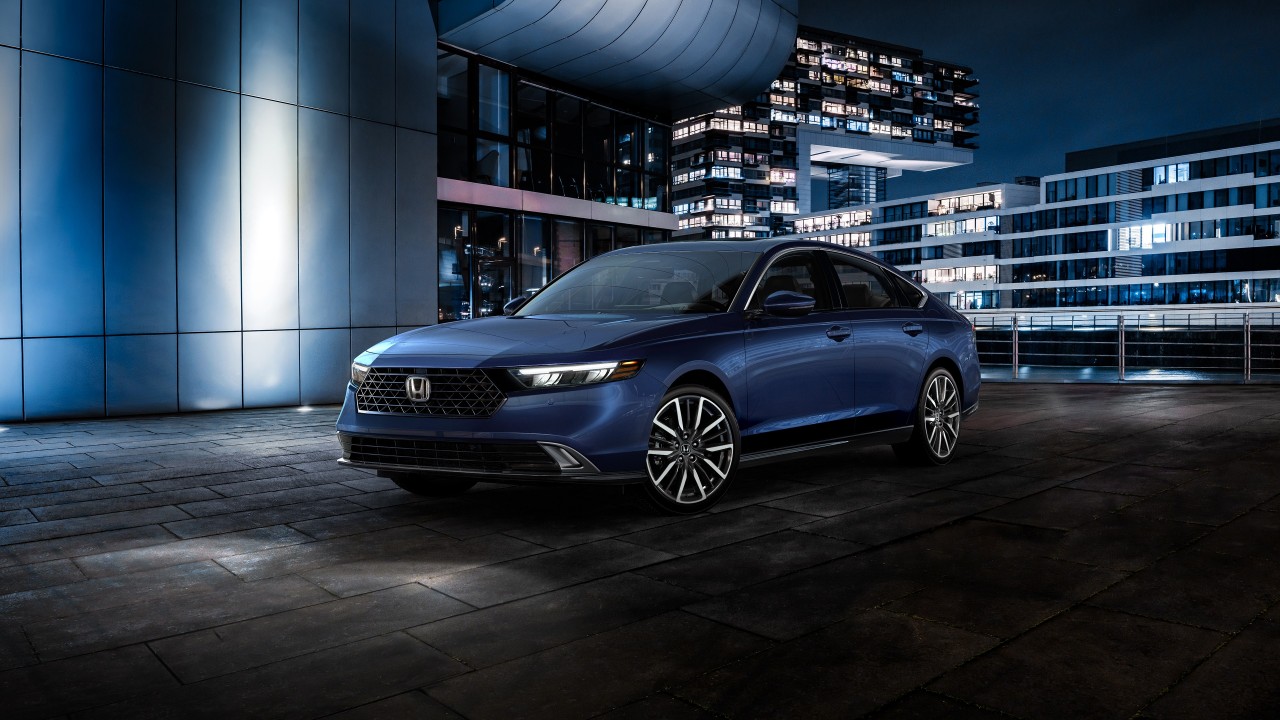
When the system cannot confidently track lanes, such as in construction zones or on unmarked roads, it clearly communicates this to the driver. It gracefully disengages rather than providing erratic or unreliable assistance.
The Accord also excels in system responsiveness and the natural feel of its interventions. Many drivers report that after an initial adjustment period, they barely notice that the LKAS is active because its corrections feel natural and intuitive.
Honda has made the system easy to use and customize. Controls are logically placed on the steering wheel, allowing drivers to quickly enable or disable LKAS without having to go through complex menus.
The system remembers driver preferences between trips, and the visual feedback is clear enough to understand at a glance without being distracting.
Also Read: 6 Cars You Can Trust on Late-Night Drives vs. 6 You Can’t
5. Mazda CX-5
Mazda’s approach to lane assistance in the CX-5 reflects the company’s “Jinba Ittai” philosophy the idea of car and driver working in perfect harmony.
The Lane Keep Assist System and Lane Departure Warning in the CX-5 are designed to support rather than supplant the driving experience, making them particularly appealing to drivers who enjoy being engaged and in control.
The Mazda system is notable for its restraint and subtlety. Unlike systems that aggressively center the vehicle in the lane, Mazda’s approach provides gentle guidance that works with driver inputs rather than overriding them.
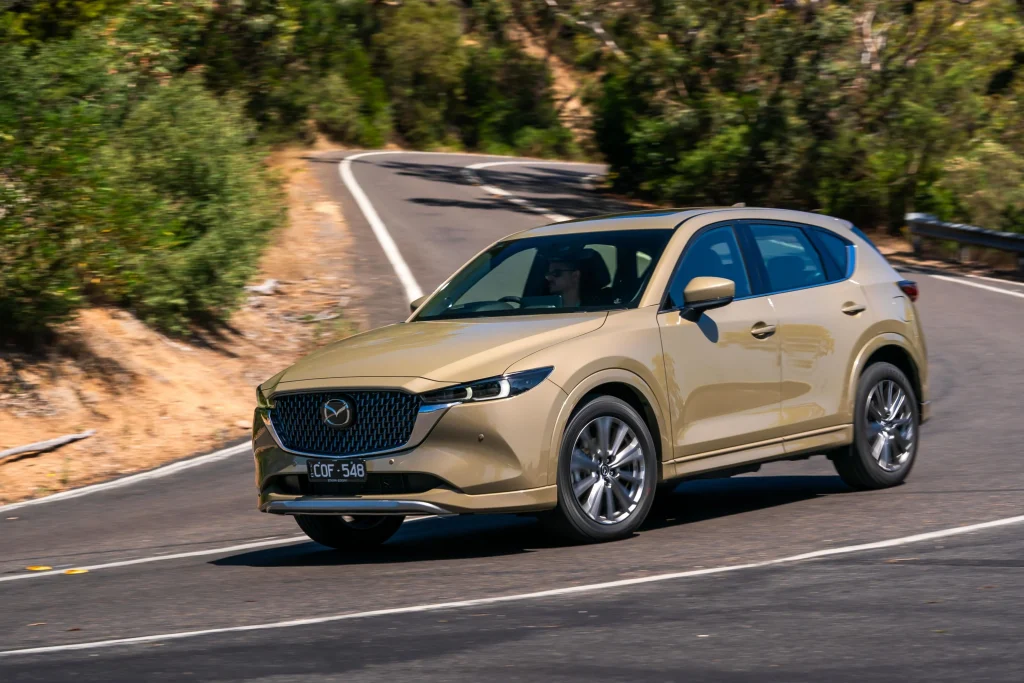
The steering interventions are light enough to feel more like suggestions than commands, respecting the driver’s agency while still providing meaningful safety benefits. This philosophy means the system enhances confidence without creating dependency or reducing driver engagement.
Mazda has also implemented excellent visual communication in the CX-5. The Active Driving Display head-up projection shows lane marking detection and departure warnings in the driver’s natural line of sight, eliminating the need to glance down at the instrument cluster.
Mazda has also carefully calibrated the system’s sensitivity to minimize false alerts. The CX-5’s lane assistance is less likely to activate on tight curves, temporary pavement markings, or in situations where lane keeping might not be appropriate. This careful tuning means drivers are more likely to trust and continue using the system rather than disabling it out of frustration.
6. Subaru Outback
Subaru’s EyeSight system, featured in the Outback, has earned widespread praise for delivering effective safety technology with a practical, no-nonsense approach.
The Lane Departure and Sway Warning system exemplifies this philosophy, providing solid protection without unnecessary complexity or annoyance.
The Outback’s system uses Subaru’s proven dual-camera setup mounted near the rearview mirror, which provides excellent depth perception and reliable lane marking detection.
This hardware foundation enables the system to function effectively in a wide range of conditions, from bright sunlight to nighttime driving, and across various road types and weather conditions.
The reliability of detection is crucial because inconsistent performance is one of the primary sources of driver frustration with lane assistance systems.
Subaru’s implementation includes both Lane Departure Warning, which alerts the driver to unintended lane drift, and Lane Keep Assist, which provides active steering intervention.
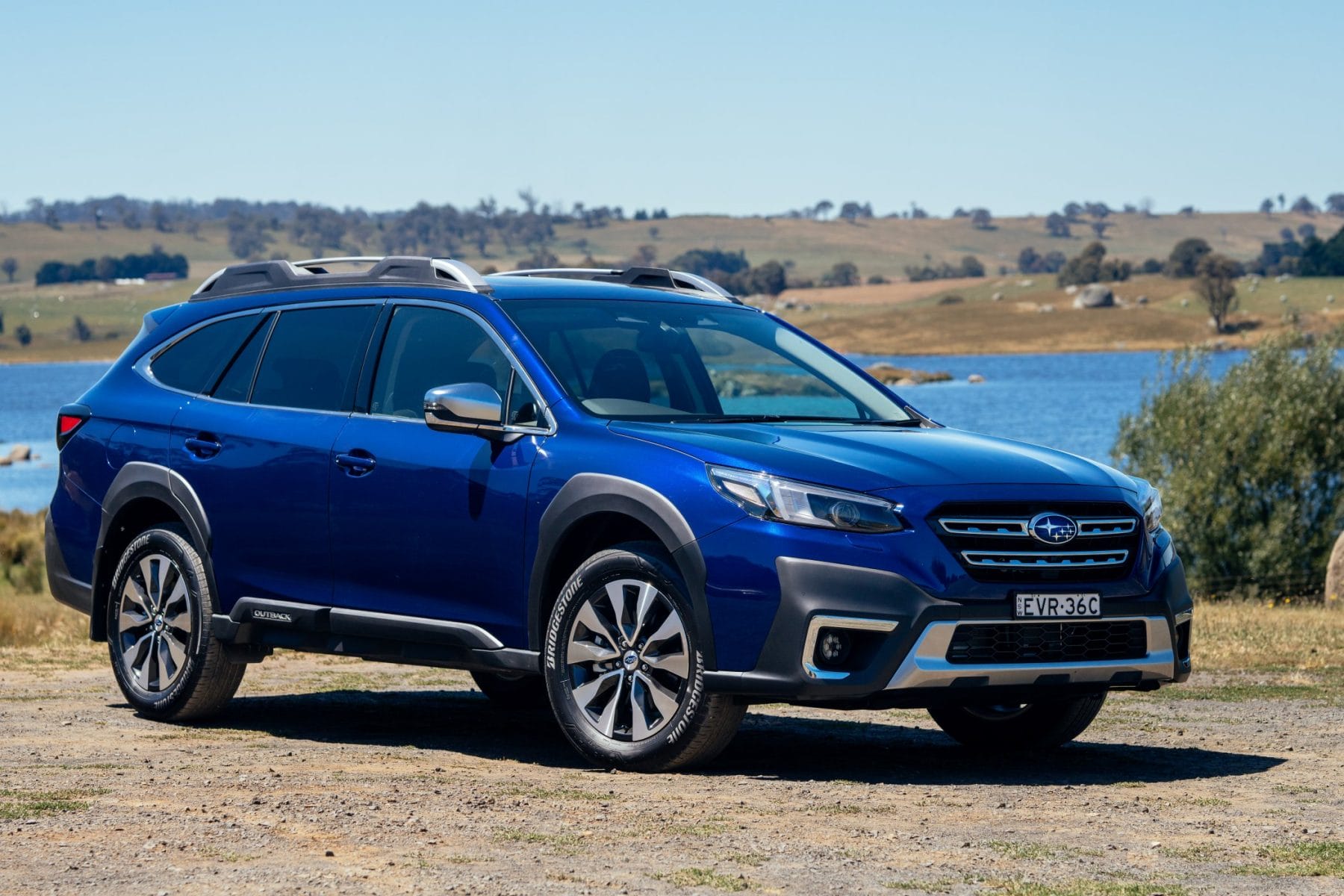
Drivers can choose to use just the warning function or enable the full assist feature, providing flexibility based on personal preference.
The warnings themselves are well-designed: a combination of visual alerts, audible beeps (that are noticeable but not harsh), and gentle steering wheel vibration. This multi-modal approach ensures the warning is noticed without being startling.
The Lane Keep Assist function in the Outback provides smooth, natural-feeling steering corrections that guide the vehicle back toward the lane center.
The Outback’s system also includes Lane Sway Warning, which alerts drivers if the vehicle is swaying within the lane a potential sign of drowsiness, adding an extra layer of safety beyond simple lane departure detection.
6 Cars That Nag and Beep
These infuriating vehicles suffer from hypersensitive lane departure systems and aggressive alert programming that create constant false warnings during normal driving, forcing immediate system deactivation through their inability to distinguish genuine drift from intentional lane positioning or poor road marking conditions.
Their problematic calibration includes hair-trigger intervention thresholds and jarring steering corrections that cannot accommodate real-world driving scenarios like avoiding potholes, going through the construction zones, or making slight position adjustments within the lane.
Despite legitimate safety intentions and advanced sensor technology, these systems torture drivers through their relentless beeping at every slight wheel movement, violent steering interventions fighting driver input, and complete inability to function properly on faded lane markings.
1. Nissan Rogue
The Nissan Rogue’s Intelligent Lane Intervention system has garnered significant criticism for being overly aggressive and intrusive, representing a cautionary tale in how safety technology can backfire when implemented without sufficient attention to user experience.
Many Rogue owners report that the lane assistance system feels less like a helpful aide and more like an overbearing back-seat driver constantly second-guessing their driving decisions.
This lack of contextual awareness means the system cannot distinguish between dangerous drift and intentional, safe lane position adjustments that any competent driver makes hundreds of times during a typical drive.
The warning method itself contributes to driver frustration. The Rogue employs loud, insistent beeping that many users describe as jarring and stressful.
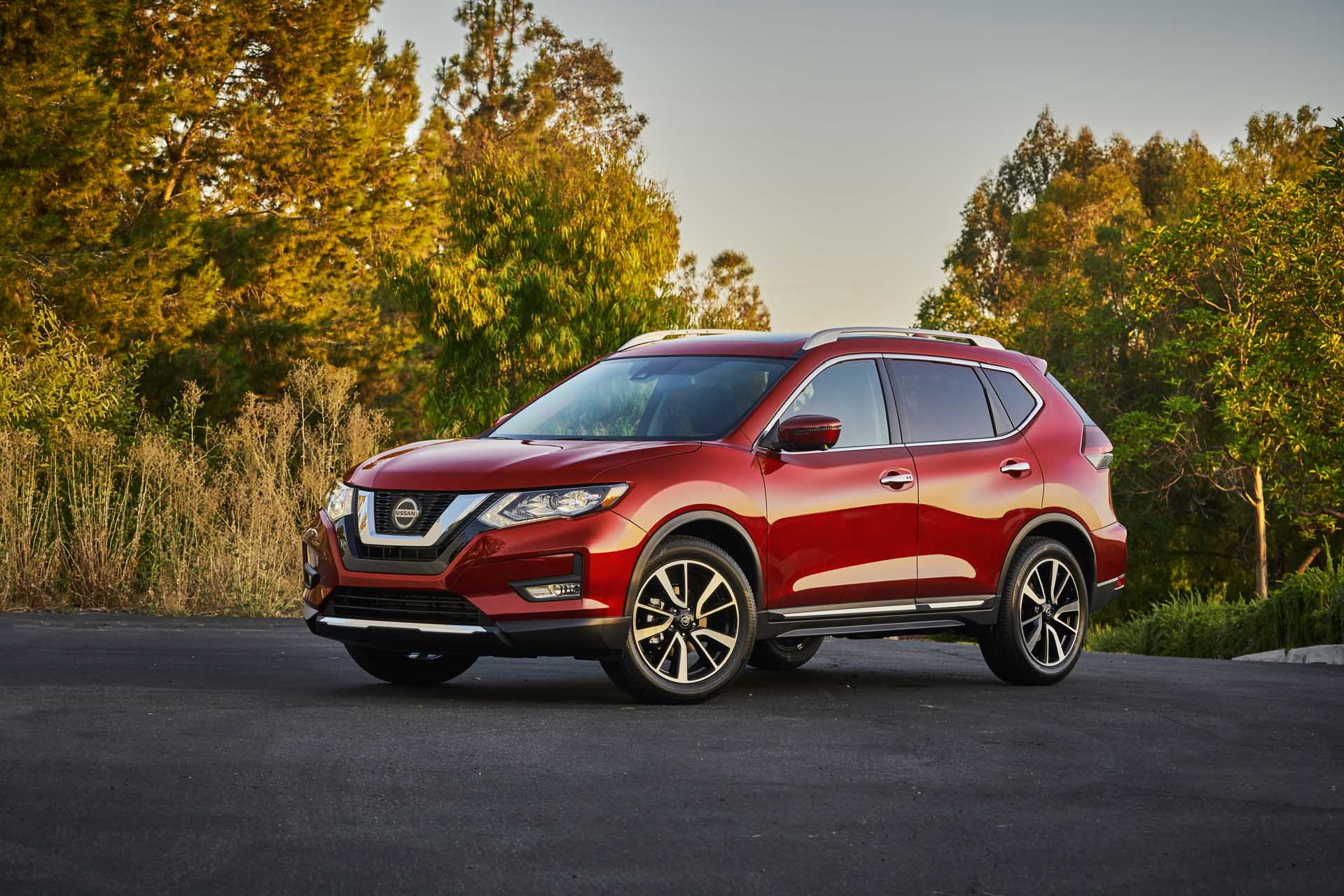
Rather than using subtle haptic feedback or progressive warnings, the system goes from zero to full alarm, creating an unnecessarily anxious driving environment.
These sudden audible alerts can be startling enough to cause overreaction, which ironically introduces a safety risk rather than mitigating one.
The beeping is particularly problematic in stop-and-go traffic or urban driving, where frequent lane position adjustments are normal and necessary.
This means drivers who find the system intolerable must manually disable it at the start of every single drive, a tedious process that many find unacceptable. This design decision suggests a lack of trust in driver judgment and a prioritization of liability concerns over user experience.
2. Toyota Camry (Earlier Models)
Toyota’s Lane Departure Alert with Steering Assist in earlier Camry models (particularly 2018-2020 model years) demonstrates how even a generally reliable automaker can stumble in the implementation of advanced driver assistance systems.
While Toyota’s safety intentions are commendable, the execution resulted in a system that many drivers found more irritating than helpful, leading to widespread disabling of the feature.
The Camry’s system suffers from calibration issues that result in excessive false alerts. The system is overly eager to warn about lane departure even when the vehicle is safely within lane boundaries, particularly on roads with slightly worn markings, varying pavement conditions, or in areas where lane markings are temporarily disrupted.
The frequency of these false positives trains drivers to ignore or distrust the system, which defeats the entire purpose of having lane assistance in the first place.
The warning method in these Camry models is particularly problematic. The system uses loud, persistent beeping that becomes grating during extended drives.
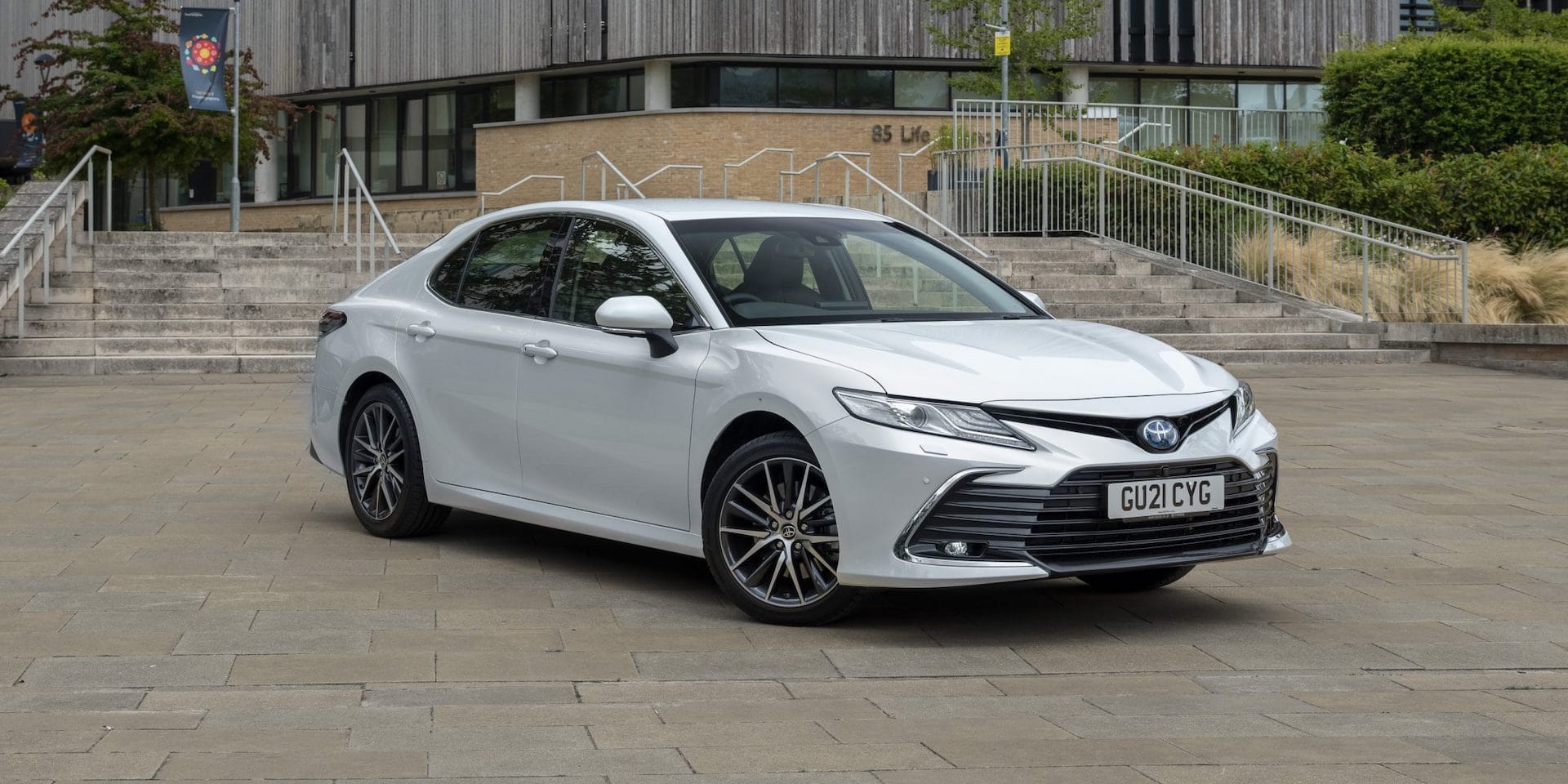
Unlike more sophisticated systems that use progressive warnings or gentle haptic feedback, the Camry goes immediately to an audible alarm.
On a long highway drive with imperfect lane markings, this can result in near-constant beeping an experience multiple owners have described as making them want to disable the system permanently or even avoid driving the car on certain routes.
For drivers who have determined the system doesn’t work well for their driving patterns or typical routes, this means manually disabling it every single time they start the car. The button to disable the system is also somewhat hidden, requiring drivers to remember its location and take their attention off the road briefly during the start of every drive.
3. Hyundai Kona
The Hyundai Kona’s Lane Keeping Assist system has developed a reputation for unpredictability and oversensitivity, creating a driving experience that many owners find frustrating and distracting.
While Hyundai has made significant strides in vehicle quality and technology in recent years, the Kona’s lane assistance implementation reveals that there’s still work to be done in calibrating these systems for real-world usability.
A primary complaint about the Kona’s system is its inconsistent behavior. The system seems to have difficulty maintaining appropriate sensitivity across different driving conditions.
On some roads, it remains completely silent and inactive even when genuine lane drift occurs. On others particularly roads with bright, freshly painted lane markings it becomes hyperactive, constantly alerting and intervening even when the vehicle is clearly and safely within the lane.
This unpredictability means drivers cannot develop a reliable understanding of when the system will intervene, creating a constant low-level anxiety about unexpected alerts or corrections.
The Kona’s steering interventions are another source of frustration. When the system does activate, it often provides corrections that feel too aggressive for the situation.
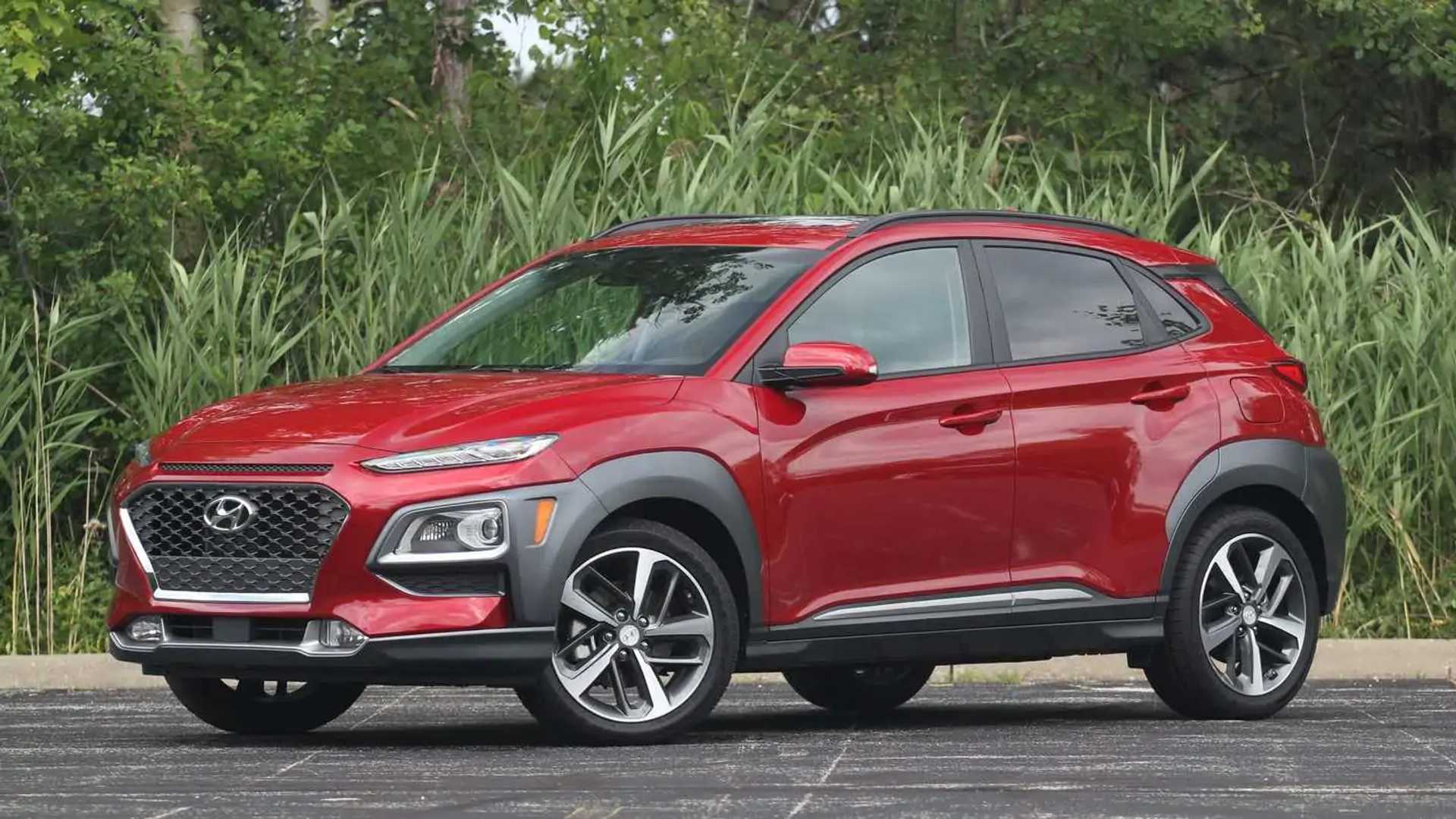
Rather than gentle nudges back toward lane center, the system sometimes makes more forceful steering inputs that can feel like someone suddenly grabbing the wheel.
This is particularly problematic in situations that don’t actually require intervention, where the aggressive correction itself becomes the primary distraction and concern.
The audible warnings in the Kona are described by many owners as unnecessarily harsh and startling. The beeping tone is loud and attention-grabbing to the point of being unpleasant, especially for passengers.
More problematically, the visual indicators showing whether the system is active or inactive are not always clearly visible, leading to situations where drivers aren’t certain whether they’ve successfully disabled the feature.
This lack of clear communication extends to the system’s operational feedback it’s often unclear whether an alert is about the left or right lane marking, requiring drivers to process the warning and determine the issue rather than receiving instantly clear information.
4. Chevrolet Equinox
The Chevrolet Equinox’s Lane Keep Assist with Lane Departure Warning has earned a reputation among owners as one of the more annoying implementations of this safety technology, with numerous complaints about its intrusive nature and poor calibration.
The system exemplifies how well-meaning safety features can become sources of frustration when the execution doesn’t match the ambition.
The Equinox’s system is characterized by its persistence in alerting for situations that don’t warrant intervention. Owners frequently report that the system activates warnings when the vehicle is clearly and safely within the lane boundaries, particularly on roads with slightly irregular lane markings or when there are shadows across the pavement.
This oversensitivity means the system cries wolf so frequently that drivers learn to ignore its warnings, severely undermining its safety value. The steering corrections provided by the Equinox’s Lane Keep Assist are often described as feeling artificial and disconnected.
Rather than smoothly guiding the vehicle, the system can make corrections that feel like distinct, separate inputs creating a sensation that something else is momentarily controlling the vehicle rather than a seamless integration between driver and machine.
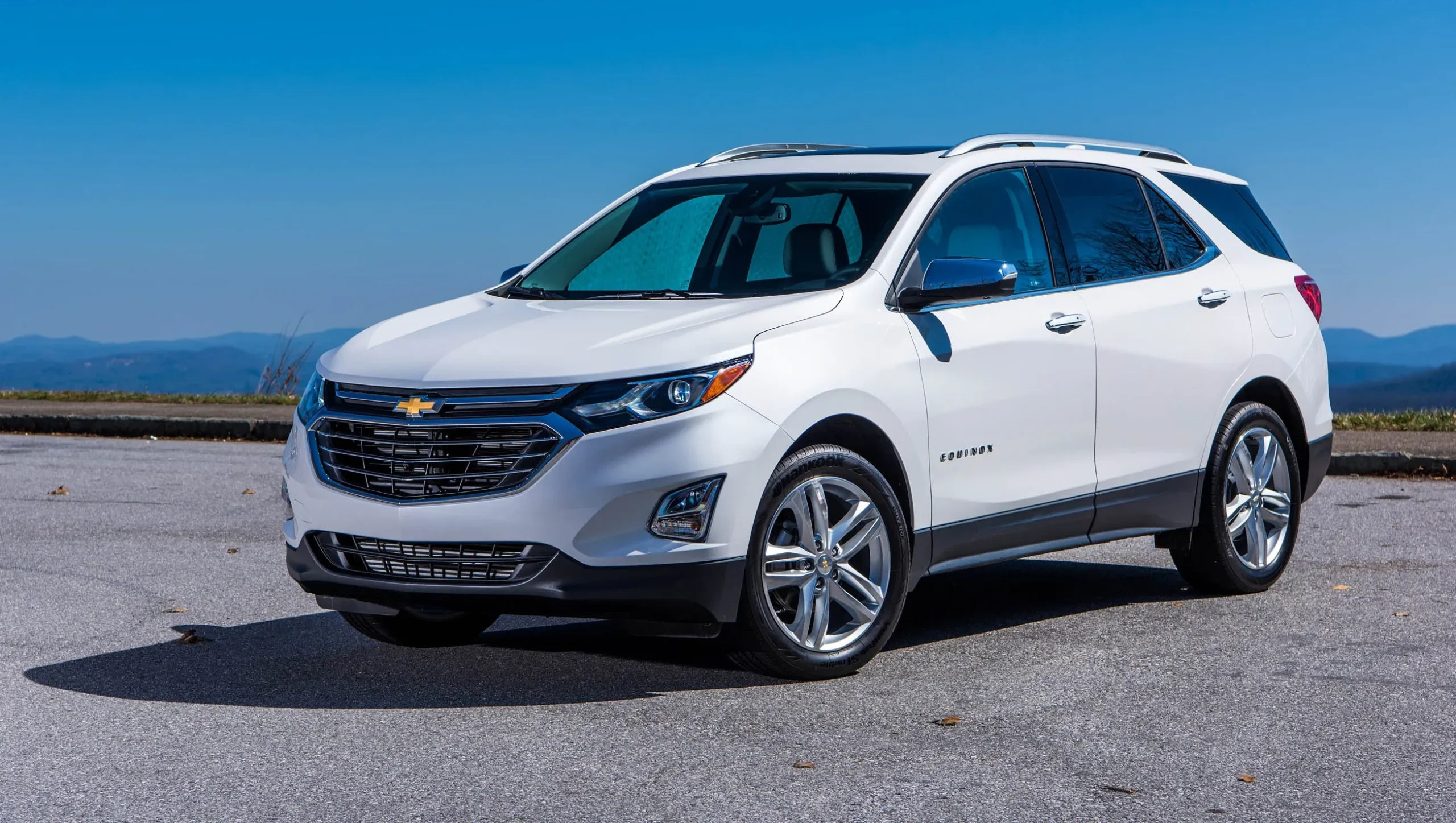
This mechanical feel is disconcerting and prevents drivers from developing trust in the system. When corrections happen frequently due to the system’s oversensitivity, the cumulative effect is a driving experience that feels like constantly fighting against the vehicle.
One particularly frustrating aspect of the Equinox’s system is how it behaves in construction zones or areas with temporary lane markings.
Rather than recognizing the ambiguous situation and gracefully disengaging, the system often becomes confused, sometimes trying to follow old markings while alerting about the new ones, or vice versa.
For drivers whose regular routes include areas where the system performs poorly, this means starting every drive with the immediate task of disabling the feature.
Some owners have reported developing such a strong annoyance with this process that it negatively affects their perception of the vehicle.
5. Ford Escape (2020-2021)
The Ford Escape’s Lane-Keeping System in the 2020 and 2021 model years faced significant criticism for aggressive behavior and poor calibration, leading to a notably high rate of system disablement by frustrated owners.
Ford’s implementation during these years shows how rapidly introduced technology can miss the mark on user experience when not sufficiently refined before release.
The Escape’s system is notorious for what many owners describe as “ping-ponging” behavior within the lane. Rather than smoothly maintaining lane position, the system tends to wait until the vehicle approaches a lane marking, then applies a correction that moves the car toward the opposite marking, where the process repeats.
This back-and-forth movement is not only annoying but can be nauseating for passengers and creates the unsettling impression that the vehicle doesn’t have stable control.
The effect is particularly pronounced on highways during extended drives, where the constant minor corrections compound into a significant quality-of-life issue.
The steering interventions themselves are often described as too aggressive and too late. The system doesn’t provide gentle, proactive guidance; instead, it waits until the vehicle is notably drifting toward a lane boundary, then makes a more forceful correction than feels natural or comfortable.
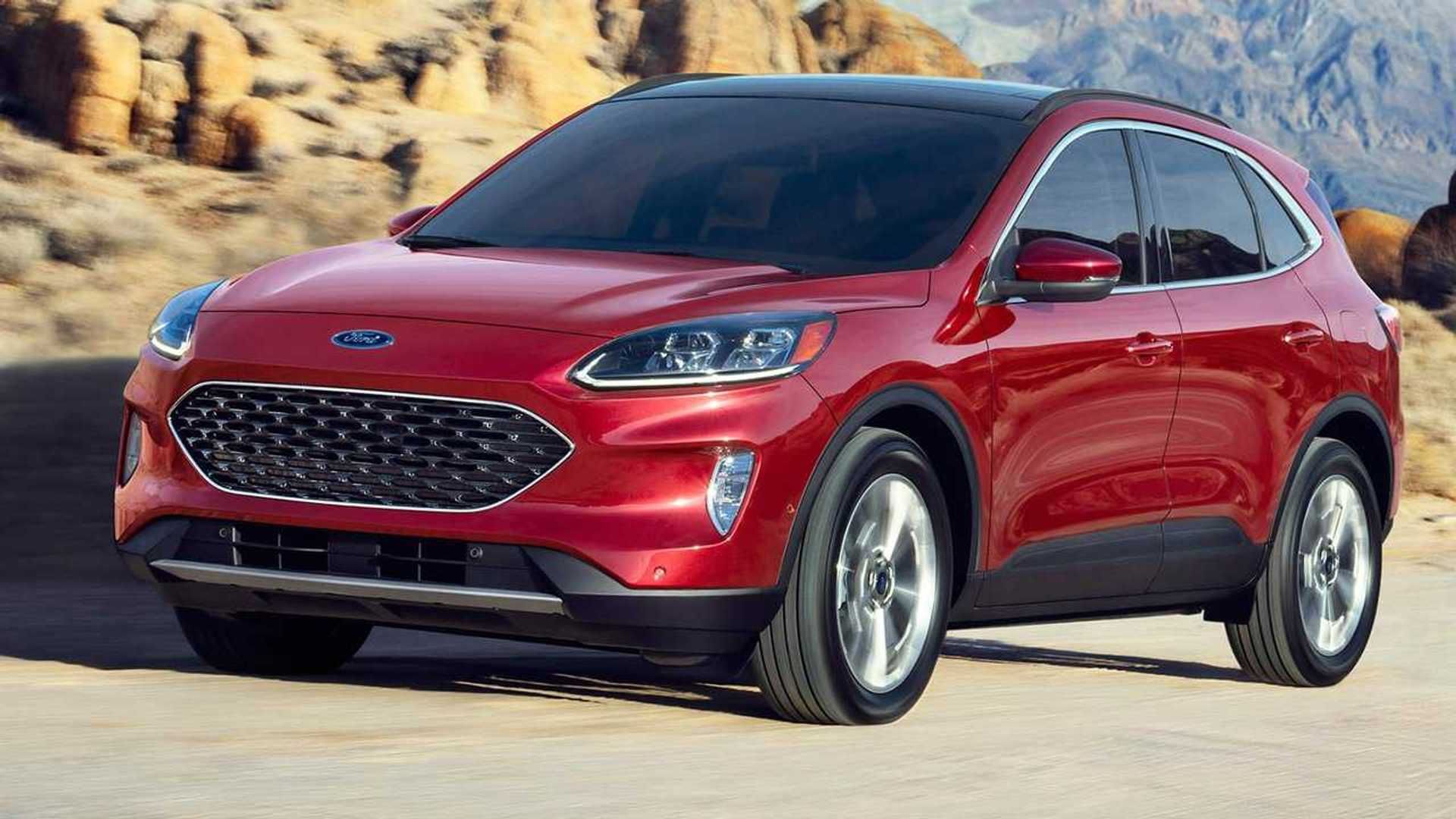
These late, aggressive corrections can be startling and feel unsafe, especially when they occur at highway speeds. The sensation that the vehicle is suddenly taking over steering control creates stress and distraction rather than confidence and relaxation.
Ford’s warning methods in the Escape compound the issues with the steering assistance. The visual and audible warnings are not well-integrated or progressive.
Instead of a gentle escalation from subtle to more noticeable alerts, the system tends to jump to attention-demanding warnings that can be startling.
Rather than recognizing its uncertainty and disengaging or reducing sensitivity, the system often continues to provide interventions and alerts based on unreliable information. This results in corrections that don’t align with where the driver understands the lane to be, creating dangerous confusion.
6. Volkswagen Tiguan
The Volkswagen Tiguan’s Lane Assist system represents another example of lane-keeping technology that many owners find overly sensitive and intrusive, detracting from what is otherwise a capable and comfortable compact SUV.
VW’s implementation demonstrates how even manufacturers with strong engineering pedigrees can struggle to calibrate driver assistance systems for real-world satisfaction.
The Tiguan’s Lane Assist is characterized by extreme sensitivity to any movement away from perfect lane centering. The system activates warnings and provides steering corrections for minor, completely normal lane position adjustments that drivers make constantly during typical driving.
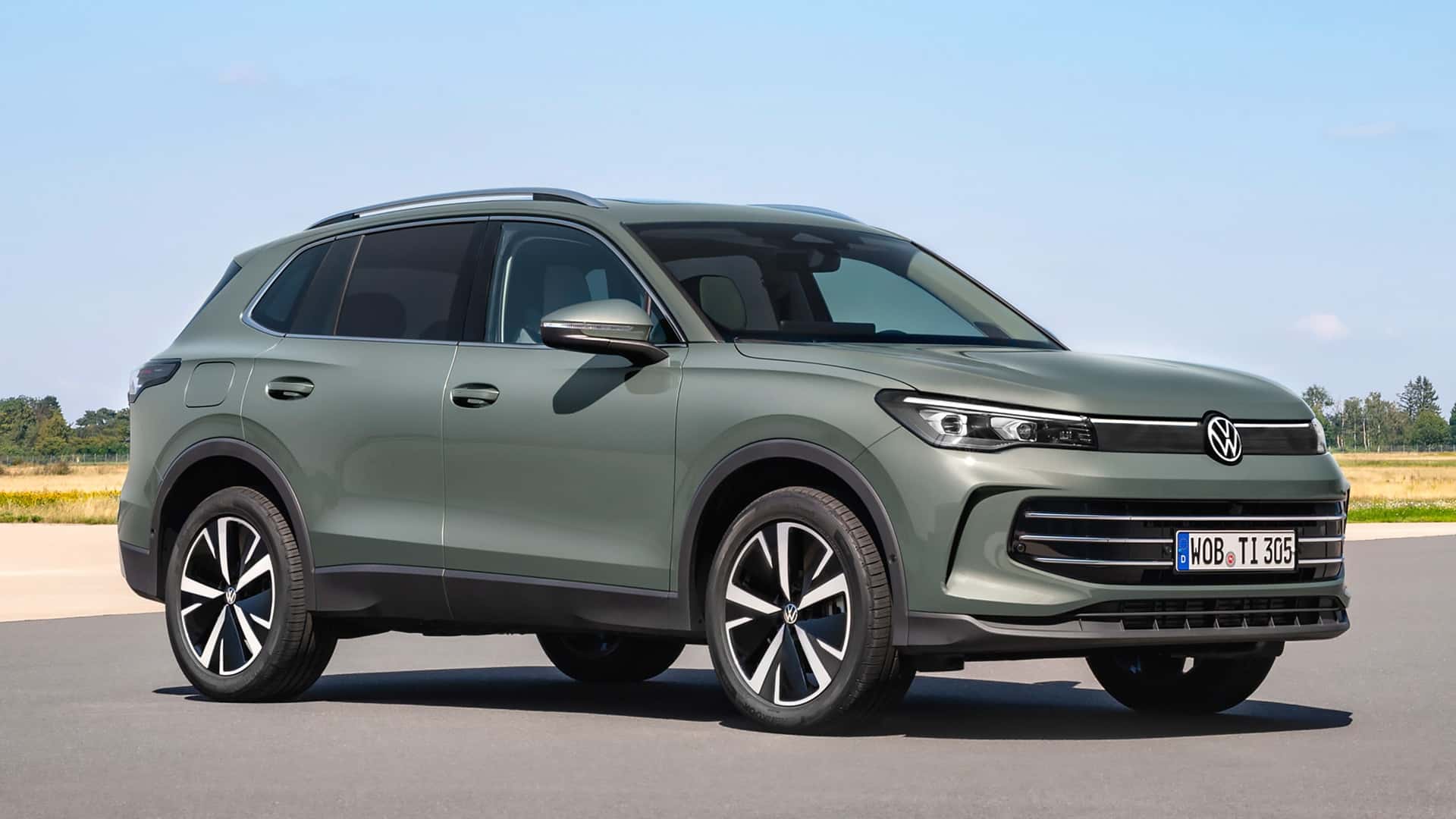
Whether moving slightly to create space from a large truck in an adjacent lane, going around a pothole, or simply maintaining natural variance in lane position, the Tiguan’s system treats these normal behaviors as errors requiring correction.
This lack of nuance in understanding driver behavior creates constant interruptions to the driving flow. The system’s performance in less-than-ideal conditions is particularly problematic.
In rain, at night, or on roads with faded markings, the Tiguan’s Lane Assist becomes erratic and unreliable. Rather than gracefully degrading or clearly indicating reduced functionality, the system continues to provide interventions and alerts with equal confidence, even when its information is suspect.
This results in corrections that don’t align with actual lane position, creating confusion and requiring drivers to consciously override the system while simultaneously trying to go through challenging conditions.
Also Read: 5 Rides That Feel Planted in Rain vs. 5 That Slip Early
