
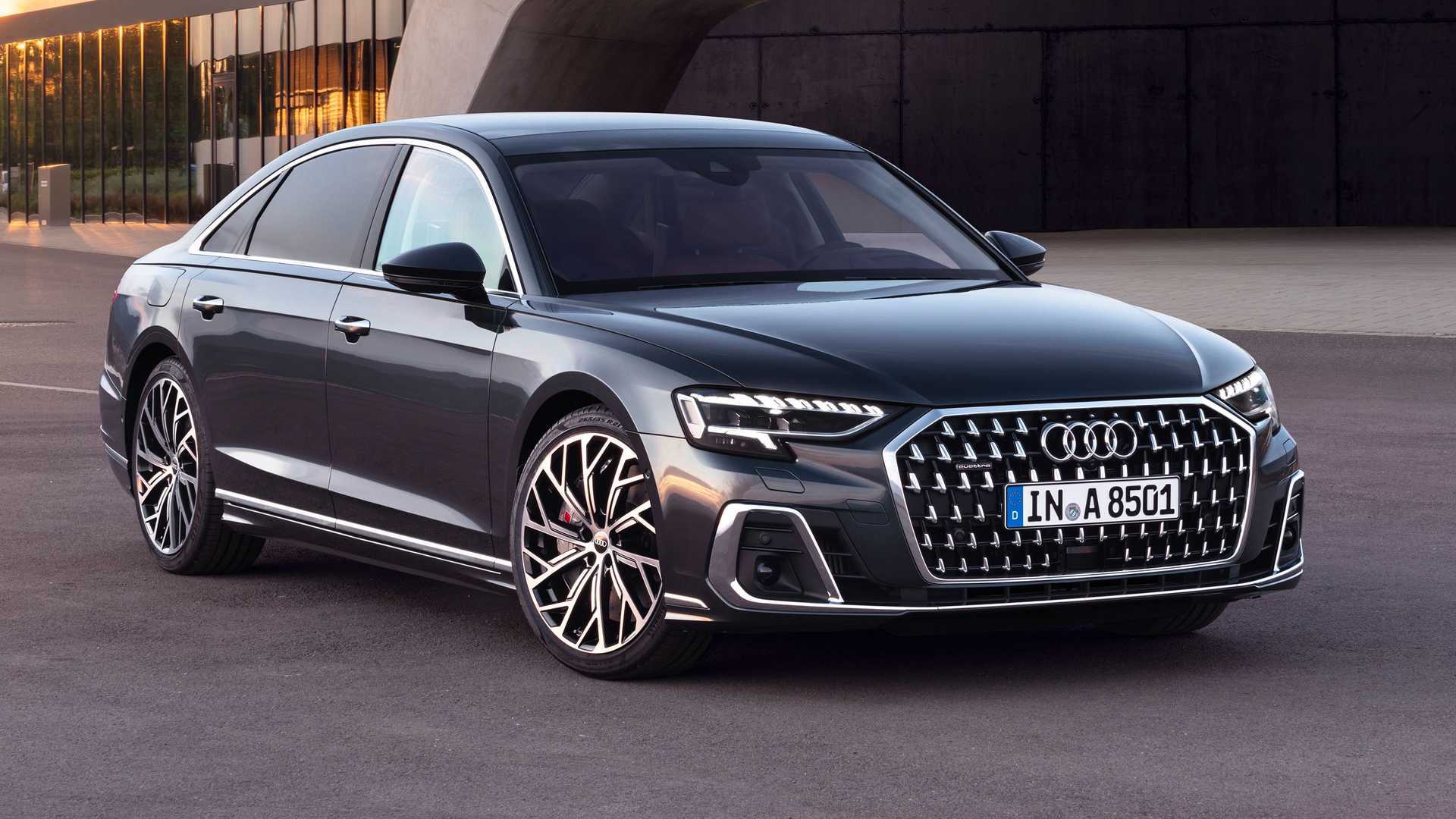
The cabin lighting of a vehicle plays a far more significant role than most drivers initially realize. It’s not merely about aesthetics or creating ambiance; interior illumination fundamentally affects safety, comfort, functionality, and the driving experience.
As automotive technology advances, manufacturers face a crucial decision: should they design cabins flooded with bright, clear light, or opt for softer, dimmer environments that create a different mood entirely?
This debate has intensified in recent years as LED technology, ambient lighting systems, and customizable cabin environments have become standard features in many vehicles.
Some manufacturers champion brilliantly lit interiors that make every control visible and create an upscale, modern atmosphere. Others argue that subdued lighting reduces eye strain, minimizes distractions, and creates a more relaxing driving environment, particularly during nighttime journeys.
The choice between bright and dim cabin lighting involves complex considerations spanning human factors engineering, safety regulations, brand identity, and consumer preferences.
Bright interiors offer excellent visibility of controls and enhance perceived quality, while dimmer cabins can reduce glare, preserve night vision, and create a more intimate atmosphere.
This article examines six vehicles known for their bright interior lighting and contrasts them with six models featuring notably dim cabins, exploring the philosophy, benefits, and potential drawbacks of each approach to help you understand which lighting strategy might best suit your driving needs and preferences.
6 Cars with Bright Inside Lights
These exceptionally illuminated vehicles feature powerful LED dome lights and strategically positioned reading lamps that provide genuine visibility for nighttime tasks, eliminating the frustrating darkness typically associated with inadequate factory lighting that renders simple activities nearly impossible.
Their thoughtful engineering includes multiple light zones and adjustable brightness controls that resist the shadowy blind spots and insufficient intensity found in cost-reduced lighting packages using weak incandescent bulbs positioned poorly.
From searching through glovebox documents requiring clear visibility to helping children locate dropped items in rear footwells, these remarkable interiors continue providing functional illumination without the flashlight supplementation or smartphone light reliance found in dimly equipped alternatives.
1. Mercedes-Benz S-Class
The Mercedes-Benz S-Class represents the pinnacle of automotive luxury, and its interior lighting system exemplifies the brand’s commitment to creating a first-class cabin experience.
The S-Class features an extensively configurable ambient lighting system with 64 different colors and multiple lighting zones throughout the cabin.
What sets this vehicle apart is not just the variety of colors available, but the intensity and coverage of the illumination. The cabin can be flooded with bright, clear light that makes every surface visible, from the meticulously crafted dashboard to the hand-stitched leather seats in the rear.
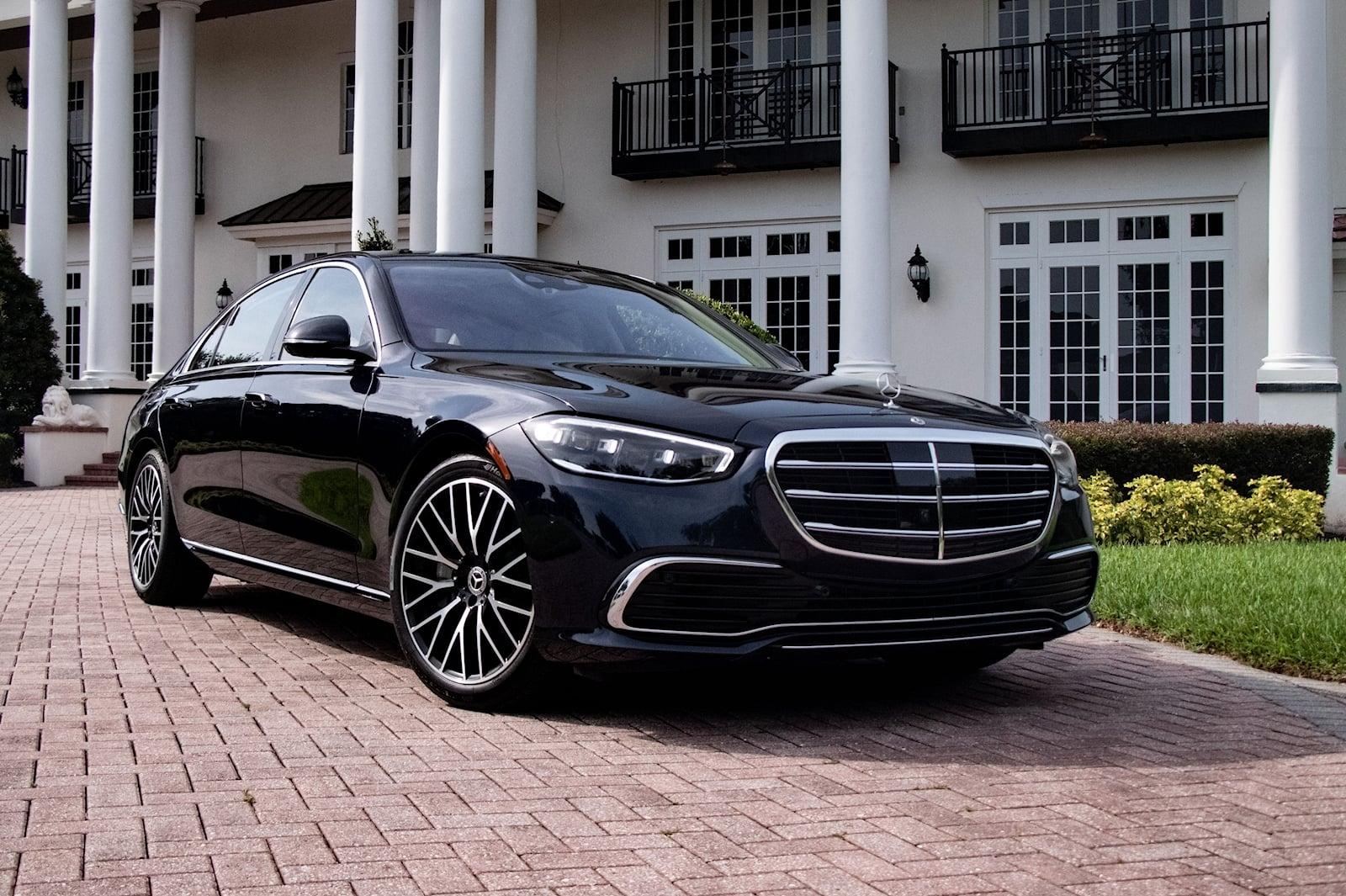
The lighting integrates seamlessly with various vehicle functions, pulsing gently with the massage seats, changing color based on driving modes, and even providing visual warnings by shifting to red during emergency braking situations.
The overhead reading lights are particularly powerful, providing excellent illumination for passengers who need to work or read during journeys.
Mercedes engineers this brightness with purpose. The clear visibility helps reinforce the perception of quality craftsmanship, allowing occupants to fully appreciate the premium materials and attention to detail.
Every switch, button, and control is clearly illuminated, reducing fumbling in low-light conditions. The bright cabin also creates a sense of spaciousness, making the interior feel even more expansive than its already generous dimensions suggest.
For luxury buyers, this brilliant illumination communicates sophistication and technological advancement, transforming the cabin into a showcase of automotive excellence where no detail goes unnoticed.
2. BMW 7 Series
BMW’s flagship sedan takes a distinctly modern approach to interior lighting, emphasizing brightness and clarity that align with the brand’s technology-forward image.
The 7 Series features an ambient lighting system called BMW Ambient Air, which not only illuminates the cabin but also integrates with the climate control system to create a multi-sensory experience.
The lighting can be set to remarkably high brightness levels, creating an almost daylight-like environment inside the vehicle. The dashboard, door panels, and center console are bathed in adjustable illumination that makes the cabin feel contemporary and sophisticated.
BMW specifically designs this bright lighting to complement their increasingly digital interiors, where multiple screens and displays benefit from surrounding illumination that reduces perceived screen glare.
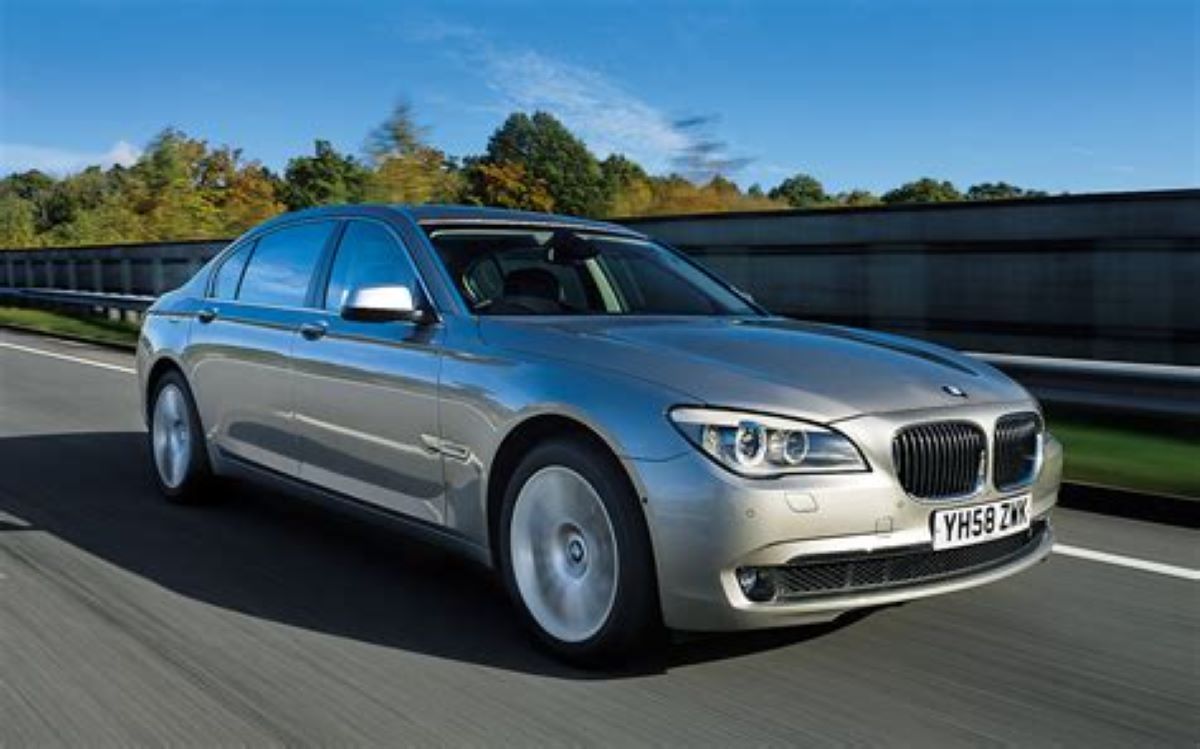
The bright cabin lighting helps drivers quickly locate controls on the multifunction steering wheel and center console, which is particularly valuable given BMW’s complex iDrive system with its numerous functions and settings.
This emphasis on brightness serves BMW’s brand positioning as a technology leader. The well-lit cabin showcases the precision engineering and high-quality materials used throughout, from the crystal gear selector to the leather-wrapped surfaces.
Passengers can easily read documents, use their devices, or simply enjoy the view of the luxurious interior. The brightness can be adjusted to suit preferences, but at maximum settings, the 7 Series creates an environment that feels vibrant, energizing, and thoroughly modern a rolling showcase of illuminated luxury that makes nighttime driving feel less isolating and more connected to the technological world.
3. Audi A8
Audi has long been recognized for its leadership in automotive lighting technology, and the A8 flagship extends this expertise to the interior cabin with spectacular results.
The A8’s interior lighting system features contour and ambient lighting with over 30 colors to choose from, but what distinguishes it is the sheer intensity and precision of the illumination available.
Audi’s engineers have created lighting zones that can be independently controlled, allowing for bright, focused illumination exactly where occupants need it.
The lighting strips that run along the dashboard, doors, and even the footwells can be set to deliver powerful, clear light that transforms the cabin atmosphere.
The overhead lighting provides excellent reading capability, while the precisely engineered light guides ensure even distribution throughout the cabin without creating hotspots or shadows.
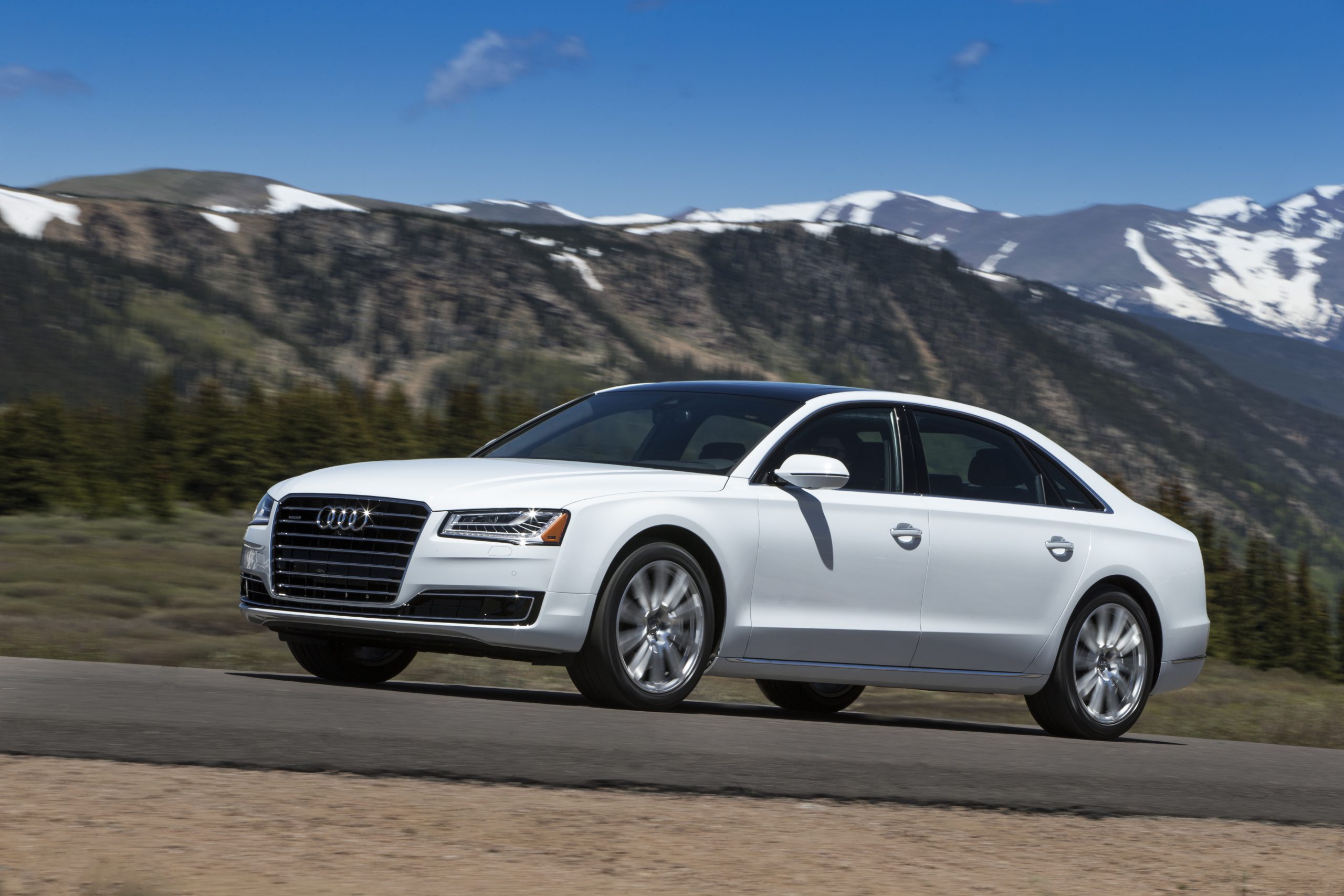
This attention to lighting uniformity means that when set to high brightness, the entire A8 cabin enjoys consistent, balanced illumination.
Audi’s design philosophy emphasizes creating what they call a “home on wheels,” and bright, welcoming lighting plays a crucial role in achieving this goal.
The well-lit interior helps passengers feel more alert during long journeys and makes the cabin feel secure and comfortable even in complete darkness outside. The lighting integrates with the MMI infotainment system, allowing for easy customization through touchscreen controls.
For Audi, bright interior lighting represents more than mere illumination it’s a statement about technological sophistication, attention to detail, and the belief that a luxury vehicle’s interior should be as impressive at night as it is during the day, with every premium surface and cutting-edge feature fully visible and appreciated.
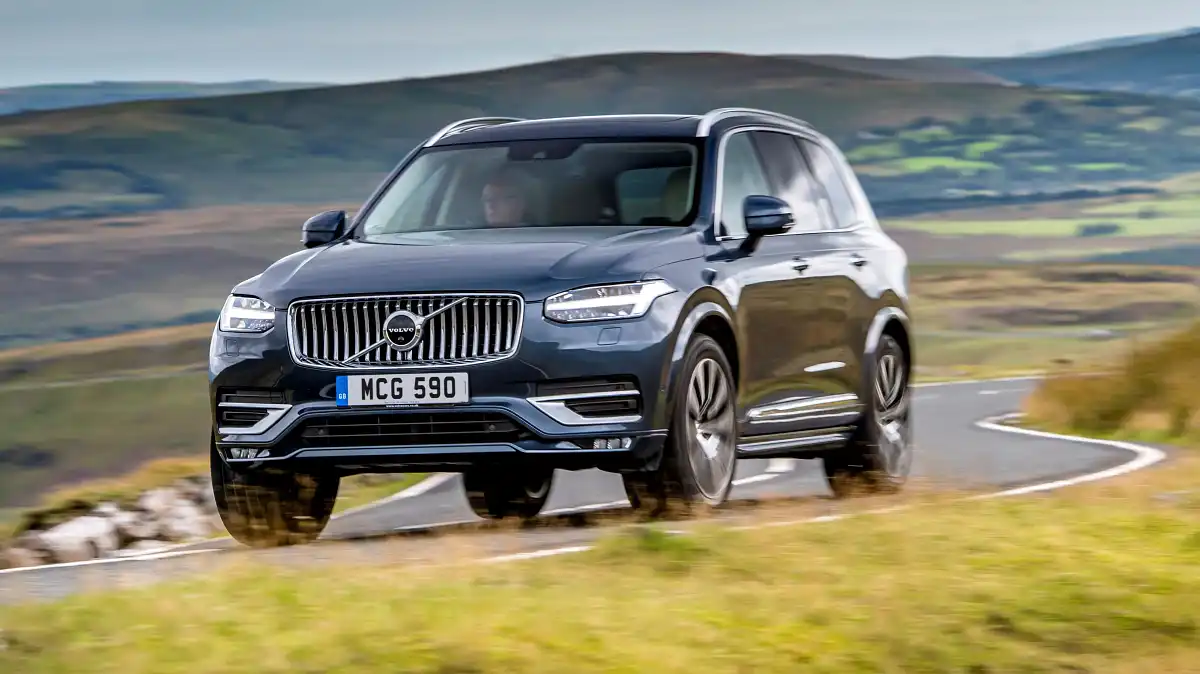
4. Volvo XC90
Volvo’s approach to bright interior lighting in the XC90 reflects the brand’s Scandinavian heritage and focus on wellbeing. The Swedish automaker incorporates what they describe as a “calm, confidence-inspiring” lighting system that emphasizes clarity and functionality without unnecessary drama.
The XC90’s cabin can be brightly illuminated with a clean, neutral light quality that resembles natural daylight a design choice rooted in Scandinavia’s long, dark winters where quality indoor lighting becomes essential for mental and physical health.
The overhead lights provide powerful, focused beams perfect for reading or other tasks, while the ambient lighting system offers surprisingly intense illumination when desired.
Volvo engineers the lighting temperature carefully, avoiding the harsh blue-white tones common in some vehicles and instead opting for warmer whites that create brightness without eye strain.
The illuminated controls, buttons, and the crystal gear selector are all clearly visible, reinforcing Volvo’s commitment to safety through excellent visibility of all vehicle functions.
This bright interior serves multiple purposes in Volvo’s design philosophy. It helps parents see children clearly in rear seats, makes it easier for drivers to locate items that might have fallen, and contributes to an sense of security and spaciousness.
The lighting system can adapt based on time of day and ambient conditions, but when set to maximum brightness, the XC90’s cabin becomes a thoroughly welcoming, well-lit sanctuary.
Volvo believes that good lighting contributes to occupant alertness and reduces fatigue during long drives, making bright cabin illumination not just a luxury feature but a safety consideration perfectly aligned with the brand’s core values.
Also Read: 6 Cars With Helpful Lane Alerts vs 6 That Nag And Beep
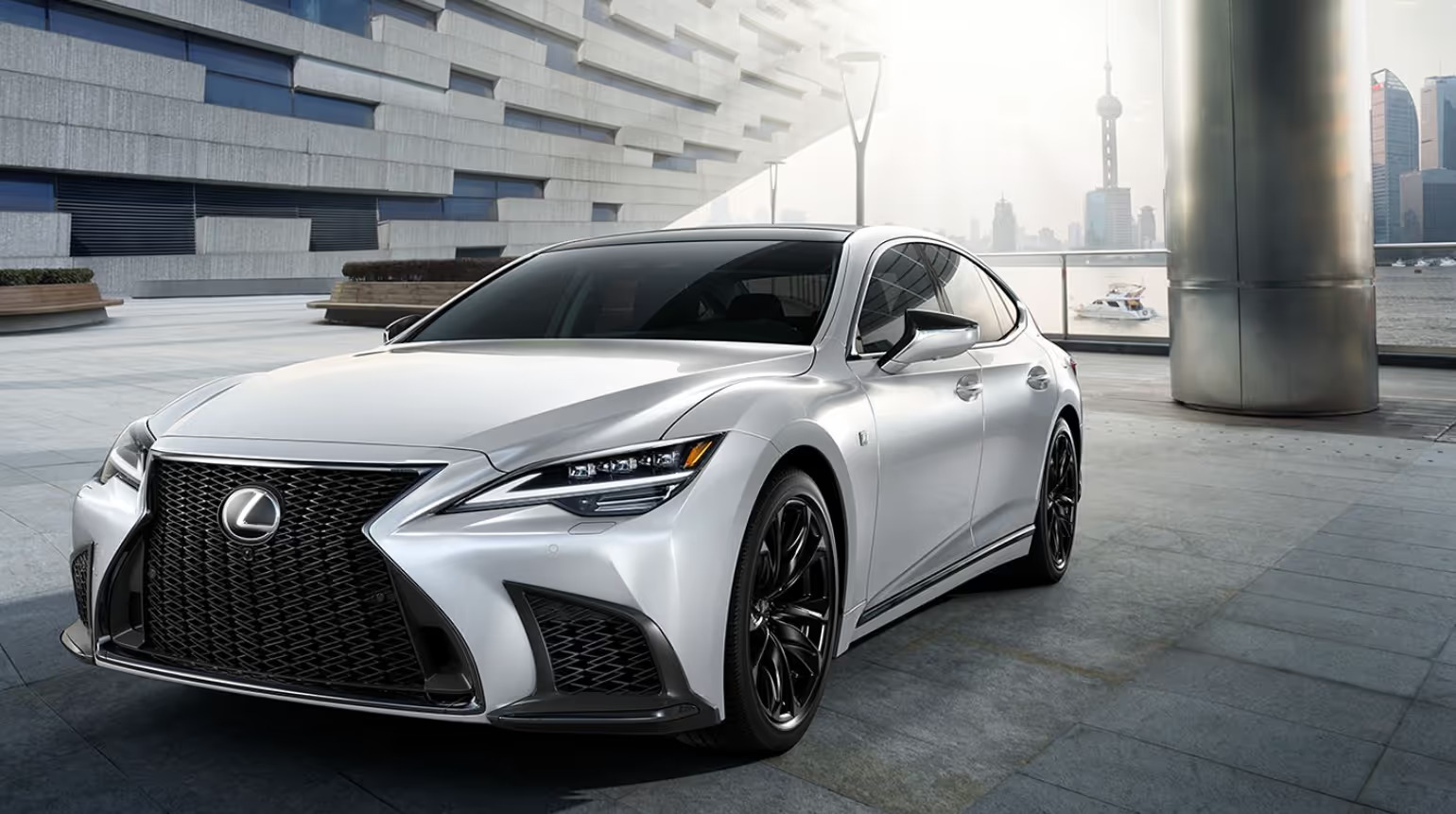
5. Lexus LS
Lexus brings its concept of “omotenashi,” the Japanese art of wholehearted hospitality, to the LS cabin lighting design, creating an environment that can be brilliantly illuminated to showcase the vehicle’s craftsmanship and attention to detail.
The LS features a sophisticated ambient lighting system with multiple zones and intensity levels, capable of creating a bright, welcoming atmosphere that immediately communicates luxury and careful attention to occupant comfort.
The lighting in the LS is engineered to highlight the premium materials used throughout the cabin the hand-pleated door panels, the laser-cut wooden trim, the carefully selected leather surfaces.
When set to higher brightness levels, every element of the interior becomes visible, allowing occupants to fully appreciate the artisan-level craftsmanship that Lexus invests in its flagship sedan.
The overhead lighting provides excellent task illumination, while the ambient system creates an enveloping brightness that makes the cabin feel spacious and airy.
Lexus designers consider lighting an integral part of the sensory experience they call “Lexus Enveloping Tones.” The bright cabin works in harmony with the exceptional quietness of the LS interior, the comfortable seats, and the smooth ride quality to create a holistic environment focused on occupant wellbeing.
The lighting can transition through different scenes, including some remarkably bright settings that adapt to driving conditions and time of day.
For Lexus, bright interior lighting represents respect for passengers, ensuring they can comfortably read, work, or simply appreciate the beautiful interior that surrounds them, all while experiencing the thoughtful hospitality that defines the Lexus brand philosophy.
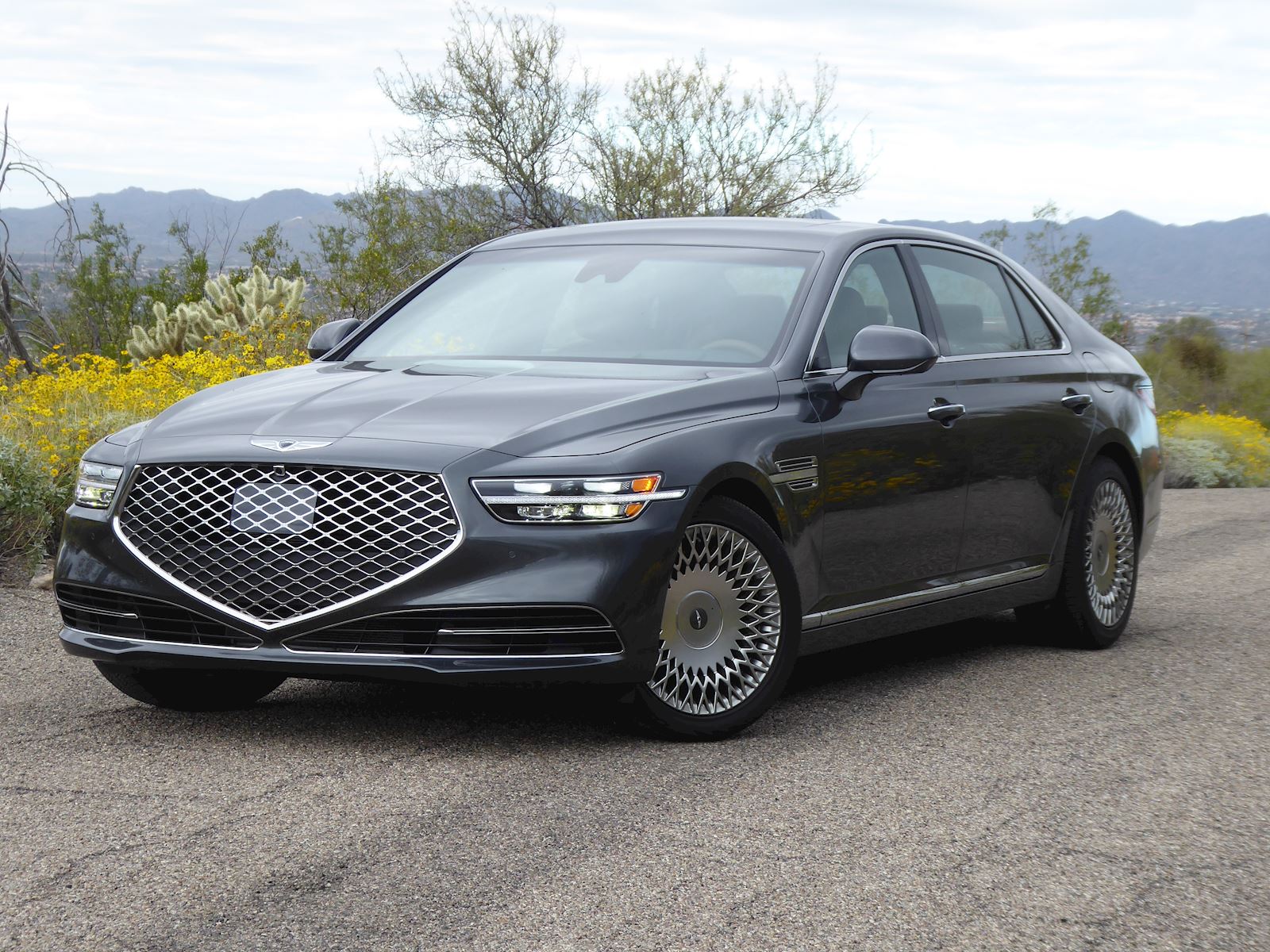
6. Genesis G90
Genesis, the luxury division of Hyundai, has made sophisticated interior lighting a signature feature of the G90, using brightness and ambiance to compete with more established luxury brands.
The G90’s cabin lighting system is remarkably comprehensive, featuring what Genesis calls “Mood Lighting” with multiple colors and zones, capable of creating intensely bright interior illumination that rivals vehicles costing significantly more.
The dashboard, door panels, center console, and even the cup holders can be bathed in bright, customizable light that transforms the cabin’s atmosphere.
Genesis uses this lighting strategically to showcase the G90’s impressive interior quality the quilted Nappa leather, the real metal trim, the beautifully designed air vents and controls.
When set to maximum brightness, the cabin becomes a showcase of value and luxury, helping justify Genesis’s positioning as a serious alternative to German luxury brands.
The overhead reading lights are particularly powerful, providing excellent illumination for rear-seat passengers who might need to work during chauffeur-driven journeys.
The lighting system integrates with the vehicle’s various driving modes, adjusting intensity and color to complement the selected setting. For Genesis, bright interior lighting serves an important strategic purpose it helps a relatively new luxury brand demonstrate its commitment to premium experiences and attention to detail.
The well-lit cabin ensures that the G90’s impressive build quality and thoughtful features don’t go unnoticed, even during nighttime driving.
This approach reflects Genesis’s understanding that in the luxury market, perception matters enormously, and a brilliantly illuminated cabin helps create immediate, positive impressions that rival vehicles from brands with decades more heritage.
6 Cars with Dim Cabins
These frustratingly dark vehicles suffer from inadequate interior lighting and poorly positioned dome lights that create shadowy cabins where simple nighttime tasks become nearly impossible without supplemental flashlights or smartphone illumination for basic visibility.
Their problematic design includes weak bulb wattage and insufficient light fixtures that cannot provide the brightness needed for reading maps, finding dropped items, or organizing belongings after dark driving.
Despite modern technology features and premium trim levels, these interiors torture occupants through their cave-like darkness during evening hours, barely visible cupholders requiring tactile searching, and reading lights too dim for actual reading without eyestrain.
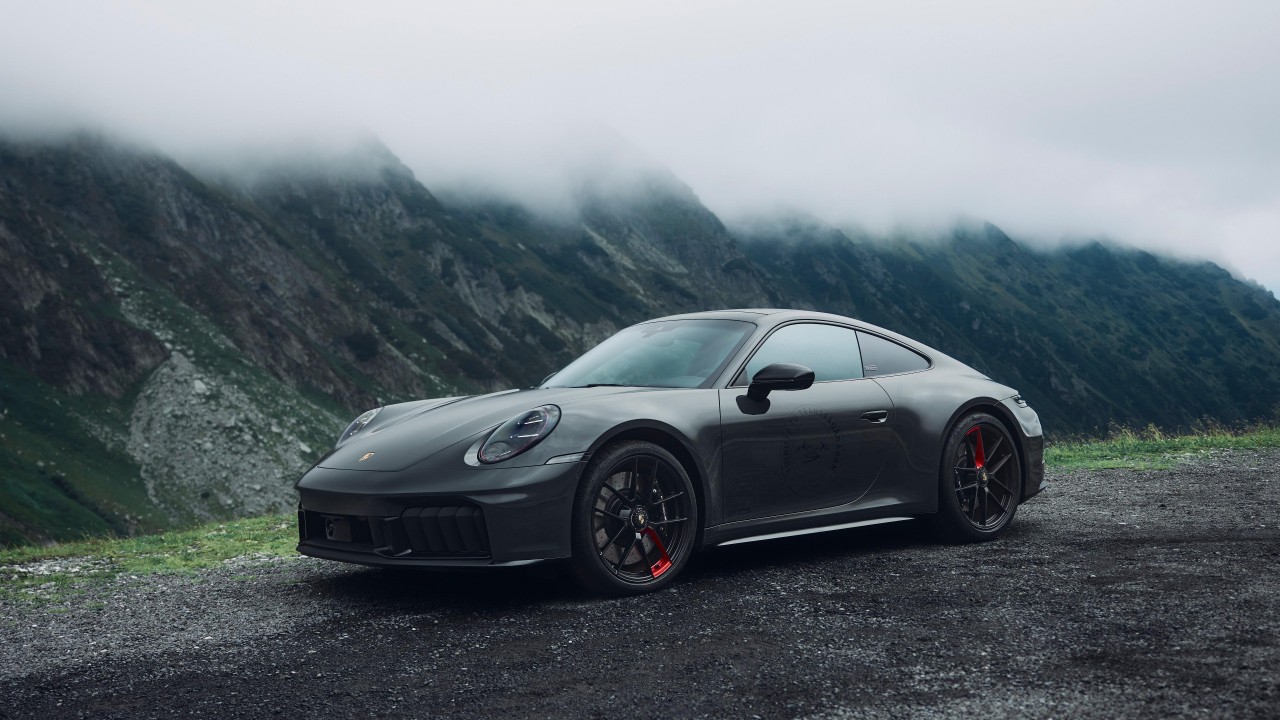
1. Porsche 911
The Porsche 911 takes a decidedly minimalist approach to interior lighting, reflecting the brand’s driver-focused philosophy and sports car heritage.
The cabin lighting is deliberately subdued, avoiding bright illumination that might distract from the driving experience or compromise night vision during spirited driving.
Porsche engineers understand that serious drivers particularly those who enjoy challenging roads at night need to preserve their visual adaptation to darkness for safety and performance.
The 911’s interior features carefully positioned, low-intensity lights that provide just enough illumination to locate essential controls without flooding the cabin with brightness.
The instrument cluster is traditionally analog (or analog-styled in newer models) with subtle backlighting that remains easily readable without creating glare on the windshield.
The center console buttons and switches are discreetly illuminated, and any ambient lighting offered in modern 911s can be set to very low intensity or turned off completely.
This dim cabin approach serves multiple purposes in Porsche’s design philosophy. It minimizes reflections on the windshield during night driving, which is crucial when driving at speed on dark roads where visibility matters enormously.
The subdued lighting also creates a more intimate, focused atmosphere that helps drivers concentrate on the road ahead rather than the surroundings inside the vehicle.
There’s a psychological element as well the darker cabin reinforces the 911’s identity as a serious performance machine rather than a luxury cruiser.
Porsche owners who truly appreciate the brand’s heritage often prefer this understated lighting approach, viewing bright cabin illumination as unnecessary and potentially detrimental to the pure driving experience.
The dim interior becomes part of the 911’s character, separating it from more comfort-oriented vehicles and emphasizing its role as a driver’s tool first and foremost a philosophy that has defined Porsche for generations.
2. Mazda MX-5 Miata
The Mazda MX-5 Miata, beloved for its back-to-basics driving purity, features an intentionally dim cabin that supports the car’s philosophy of eliminating unnecessary distractions.
As a lightweight sports car focused on delivering an authentic, engaging driving experience, the Miata eschews elaborate lighting systems in favor of simple, functional illumination that serves essential purposes without adding complexity or weight.
The interior lighting is minimal, basic overhead lights providing modest illumination when entering and exiting the vehicle, while the instrument cluster features straightforward backlighting that’s easily readable but not aggressively bright.
There’s virtually no ambient lighting to speak of, no colored LED strips, no elaborate lighting scenes. This absence of bright interior lighting is entirely deliberate, aligning with Mazda’s “Jinba Ittai” philosophy of horse and rider as one.
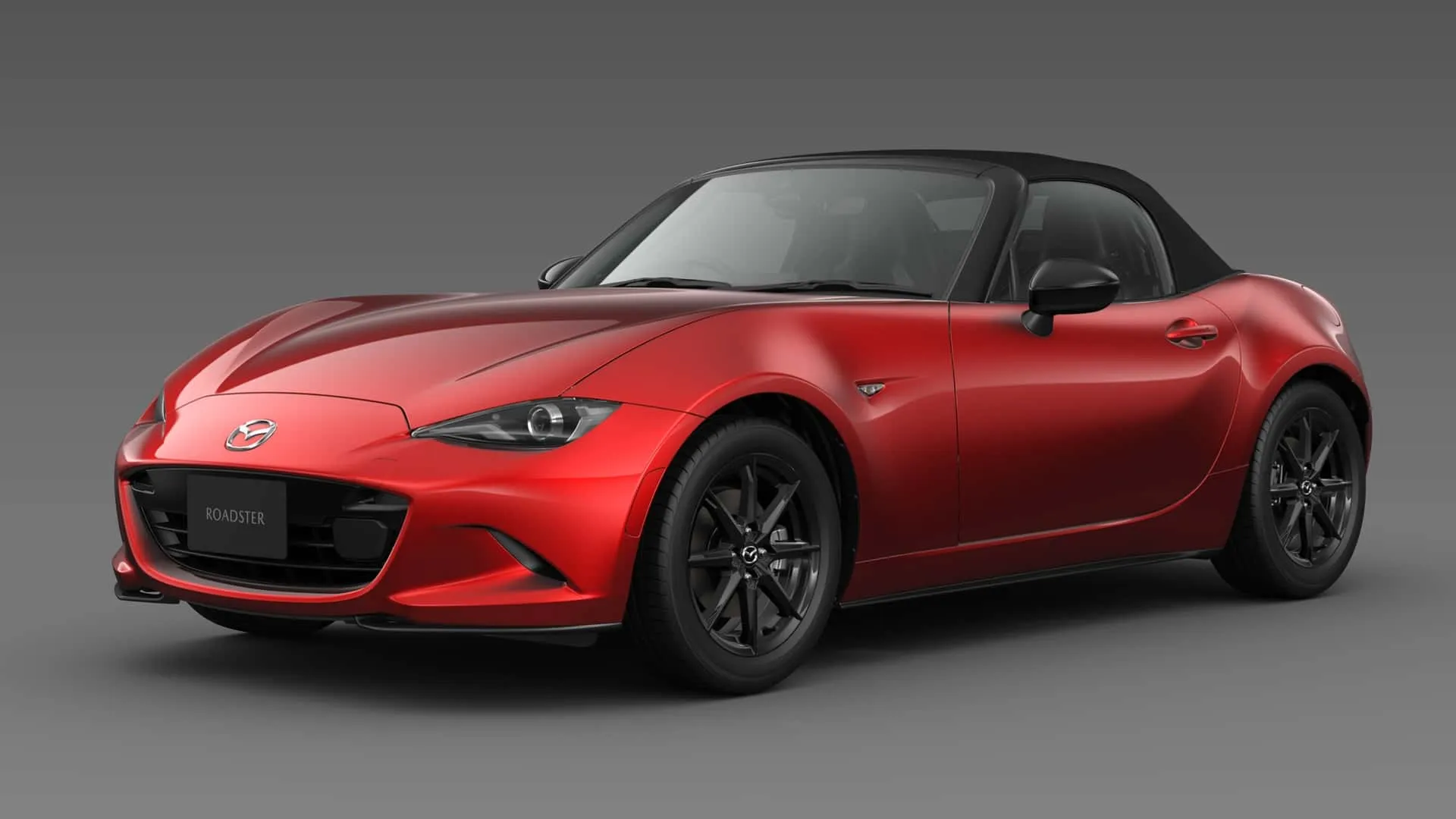
The dim cabin serves the driving experience in several ways. Without bright interior lights, drivers maintain better night vision, which is particularly important in a small roadster where visibility and awareness of surroundings are crucial safety factors.
The darkness inside the cabin creates a more immersive connection between driver and environment on a moonlit night with the top down, you experience the darkness of the road, the stars above, and the illumination from your headlights carving through the night without interior lighting competing for your attention.
This minimalist approach also keeps the Miata lightweight and affordable, allowing Mazda to focus resources on the driving dynamics that make the car special.
Enthusiasts appreciate that the dim cabin reflects honest priorities this is a car about the joy of driving, not about showcasing luxury or technology.
The subdued lighting becomes part of the Miata’s charm, a reminder that sometimes less truly is more, and that the best driving experiences come from simplicity and focus rather than elaborate features that distract from the pure pleasure of the drive itself.
3. Toyota 4Runner
The Toyota 4Runner maintains a relatively dim cabin that reflects its utilitarian, adventure-focused character. As a body-on-frame SUV designed for serious off-road capability and rugged reliability, the 4Runner prioritizes function over luxury ambiance.
The interior lighting is straightforward and modest, providing adequate illumination without the elaborate ambient systems found in more luxury-oriented vehicles.
The overhead lights offer basic white illumination sufficient for practical tasks like loading gear or checking maps, while the dashboard and controls feature simple, unfussy backlighting.
There’s minimal decorative lighting no colorful LED strips highlighting door panels or dashboards, no customizable mood lighting zones.
This restrained approach to interior illumination suits the 4Runner’s character as a serious tool for outdoor enthusiasts who value capability over comfort.
The dim cabin actually serves practical purposes for the 4Runner’s intended use cases. Off-road driving at night requires excellent night vision to spot obstacles, trail markers, and terrain features, and a brightly lit cabin would significantly compromise this ability.

Hunters, campers, and overlanders often appreciate subdued interior lighting that doesn’t disturb wildlife or attract insects when doors are opened.
The lack of bright interior lights also means less power draw on the electrical system a consideration when camping with doors open or running accessories.
There’s also an element of honest design philosophy at work. Toyota doesn’t pretend the 4Runner is a luxury vehicle competing with premium SUVs.
It’s a capable, durable tool designed for people who prioritize adventure over amenities. The dim cabin reinforces this identity, suggesting that this vehicle is for serious outdoor use rather than urban posturing.
For 4Runner enthusiasts, the modest interior lighting is entirely appropriate they’re more concerned with ground clearance and four-wheel-drive capability than ambient lighting colors, and the unpretentious cabin perfectly matches the vehicle’s straightforward, adventure-ready character.
4. Jeep Wrangler
The Jeep Wrangler’s dim cabin lighting aligns perfectly with its heritage as an iconic off-road vehicle descended from military Jeeps. The interior illumination is deliberately minimal, functional, and unpretentious much like the Wrangler itself.
There’s no sophisticated ambient lighting system, no elaborate LED installations creating moods or showcasing trim materials. Instead, the Wrangler offers basic overhead lights and simple instrument backlighting that provide necessary visibility without unnecessary frills.
This minimalist lighting approach serves several purposes. Practically, dim interior lighting helps preserve night vision during off-road adventures when drivers need to see trail conditions, obstacles, and terrain features outside the vehicle.
Bright cabin lights would create reflections on the large, upright windshield and compromise the driver’s ability to see what’s ahead on challenging trails.
The subdued lighting also contributes to the Wrangler’s no-nonsense character this is a vehicle designed to be hosed out after muddy adventures, not a showcase for luxury lighting technology.

The Wrangler’s dim cabin also reflects its unique position in the automotive market as one of the few remaining vehicles that prioritizes capability and character over comfort and convenience.
The modest lighting reminds occupants that this isn’t a typical SUV, it’s a purpose-built off-road machine that happens to be street legal. Many Wrangler owners appreciate this authenticity, viewing the absence of elaborate interior lighting as evidence of honest priorities.
For Jeep enthusiasts, the dim cabin is part of the Wrangler’s charm and heritage. It connects modern Wranglers to their military and early civilian predecessors, which had minimal interior lighting out of necessity.
Whether removing the doors for open-air driving or heading down a difficult trail at dusk, Wrangler owners don’t miss bright interior illumination they’re focused on the adventure outside, not the ambiance inside.
The understated cabin lighting supports the Wrangler’s identity as an authentic, capable tool for exploration rather than a fashion statement or luxury vehicle.
5. Subaru Crosstrek
The Subaru Crosstrek features notably modest interior lighting that reflects the brand’s practical, outdoors-oriented philosophy and its focus on value.
While not as spartan as some off-road-focused vehicles, the Crosstrek’s cabin illumination is decidedly understated compared to many modern vehicles.
The ambient lighting is minimal, with basic overhead illumination and straightforward instrument panel backlighting that prioritizes function over atmosphere.
This restrained approach to interior lighting aligns with Subaru’s brand identity as a manufacturer of sensible, capable vehicles for active lifestyles rather than luxury or style statements.
The Crosstrek’s dim cabin helps keep costs reasonable while directing resources toward the all-wheel-drive system, safety features, and ground clearance that define the vehicle’s appeal. Subaru buyers typically prioritize capability, reliability, and value over luxury features like elaborate ambient lighting systems.
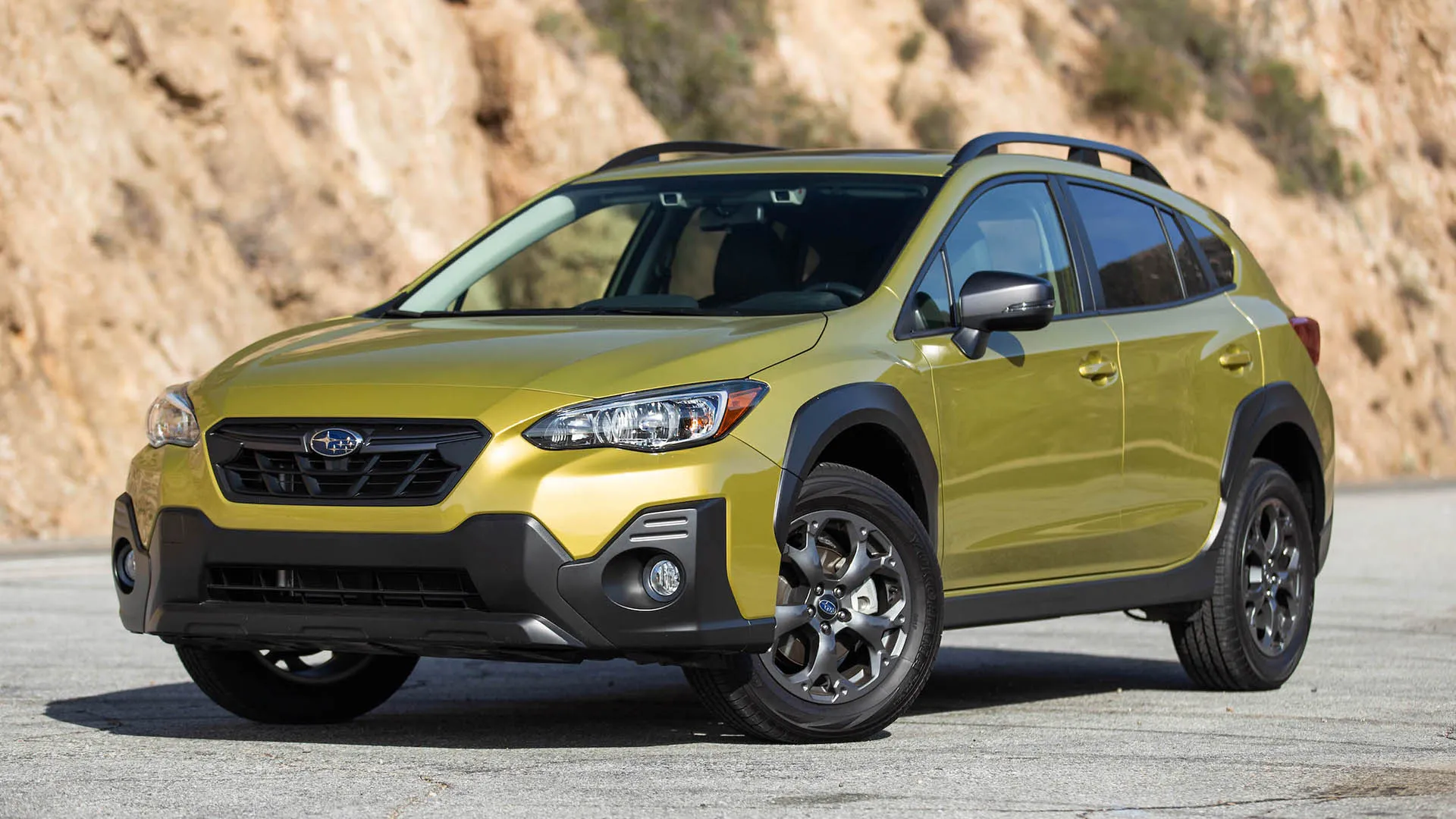
The subdued interior lighting also serves practical purposes for the Crosstrek’s target demographic. Outdoor enthusiasts heading to trailheads before dawn appreciate that dim interior lights don’t compromise their night vision when going through the dark forest roads.
The modest lighting doesn’t attract insects when doors are opened at campsites or trailheads. Additionally, the simple lighting system means fewer components to can potentially malfunction important for a vehicle that might be taken far from service centers.
There’s an authenticity to the Crosstrek’s dim cabin that resonates with Subaru’s customer base. These are buyers who value substance over style, who’d rather invest in a more capable vehicle than more colorful interior lighting.
The understated cabin creates an honest, unpretentious environment that feels appropriate for a vehicle designed to facilitate adventures rather than showcase luxury.
For Crosstrek owners loading mountain bikes, kayaks, or camping gear, elaborate interior lighting would seem out of place the dim, functional cabin perfectly matches the vehicle’s character as an affordable, capable companion for active lifestyles rather than a statement of status or luxury.
6. Honda Civic (Base Models)
The Honda Civic in its base and mid-level trim configurations, features relatively dim interior lighting that reflects Honda’s traditional emphasis on practical value and driving dynamics over luxury amenities.
While higher trim levels have incorporated more ambient lighting in recent generations, the core Civic experience involves a straightforward, modestly lit cabin that prioritizes essential functions without elaborate lighting theatrics.
The basic overhead lights provide adequate illumination for entering, exiting, and locating items, while the instrument cluster and controls feature simple backlighting that’s clear and functional without being particularly bright or dramatic.
There’s minimal decorative lighting no colorful LED accent strips, no customizable ambient zones creating moods. This restrained approach to interior illumination reflects Honda’s engineering philosophy of focusing resources on mechanical excellence, reliability, and features that directly impact the driving experience.

The dim cabin serves Honda’s positioning of the Civic as a sensible, efficient, well-engineered vehicle that delivers exceptional value. By not investing heavily in elaborate lighting systems, Honda keeps costs manageable while directing engineering efforts toward the efficient engines, refined transmissions, and well-tuned suspensions that have made the Civic a perennial bestseller.
The modest interior lighting contributes to the Civic’s reputation for reliability, fewer complex systems mean fewer potential failure points.
For many Civic buyers particularly younger drivers, students, and budget-conscious consumers bright ambient lighting isn’t a priority.
They’re more concerned with fuel efficiency, reliability, and driving enjoyment. The dim cabin creates a focused environment that emphasizes the driving experience rather than interior theatrics. Honda understands its Civic customer base values substance over style, and the understated interior lighting reflects this priority.
The modest illumination becomes part of the Civic’s honest character this is a vehicle that delivers what matters most without pretense or unnecessary embellishment, making it one of the most respected and enduring nameplates in automotive history through practical excellence rather than lighting spectacle.
Also Read: 5 Models With Simple Cruise Control vs 5 With Too Many Buttons
