
When shopping for a three-row SUV, families quickly discover that not all third-row seats are created equal. The ability to easily fold and unfold the third row can mean the difference between a pleasant ownership experience and years of frustration every time you need to haul cargo or help passengers climb into the back.
Some automakers have engineered brilliantly intuitive systems featuring one-touch power folding, simple lever mechanisms, and thoughtful design that makes reconfiguring your vehicle’s interior a breeze.
Others, unfortunately, have created needlessly complicated contraptions that require contortionist skills, multiple steps, and sometimes risk pinched fingers or strained backs.
This comparison examines ten popular SUVs five that have mastered the art of third-row convenience and five that leave owners muttering under their breath in parking lots.
The difference often comes down to engineering philosophy: do you design the folding mechanism with real-world use in mind, or do you prioritize other factors like cost savings or packaging constraints? The best systems disappear into the background of daily life, while the worst turn simple tasks into memorable ordeals.
Whether you’re a parent shuttling kids to activities, a weekend warrior hauling gear, or someone who occasionally needs extra seating, understanding these differences before purchase can save you years of aggravation. Let’s explore which SUVs get it right and which ones miss the mark.
5 SUVs with Easy Third-Row Folding
These exceptionally engineered vehicles feature intuitive power-folding mechanisms and well-designed manual releases that allow effortless third-row seat reconfiguration without contorting into cargo areas, providing one-handed operation through thoughtfully positioned buttons and smooth-action hinges.
Their practical engineering includes clearly labeled pull straps and protected finger zones that resist the pinch points and awkward leverage angles typically associated with heavy manual seats requiring multiple hands and significant upper body strength.
From quick cargo space conversions before warehouse store runs to frequent passenger-to-cargo transitions during carpools, these remarkable systems continue operating smoothly without the trapped fingers or strained backs found in poorly designed alternatives.
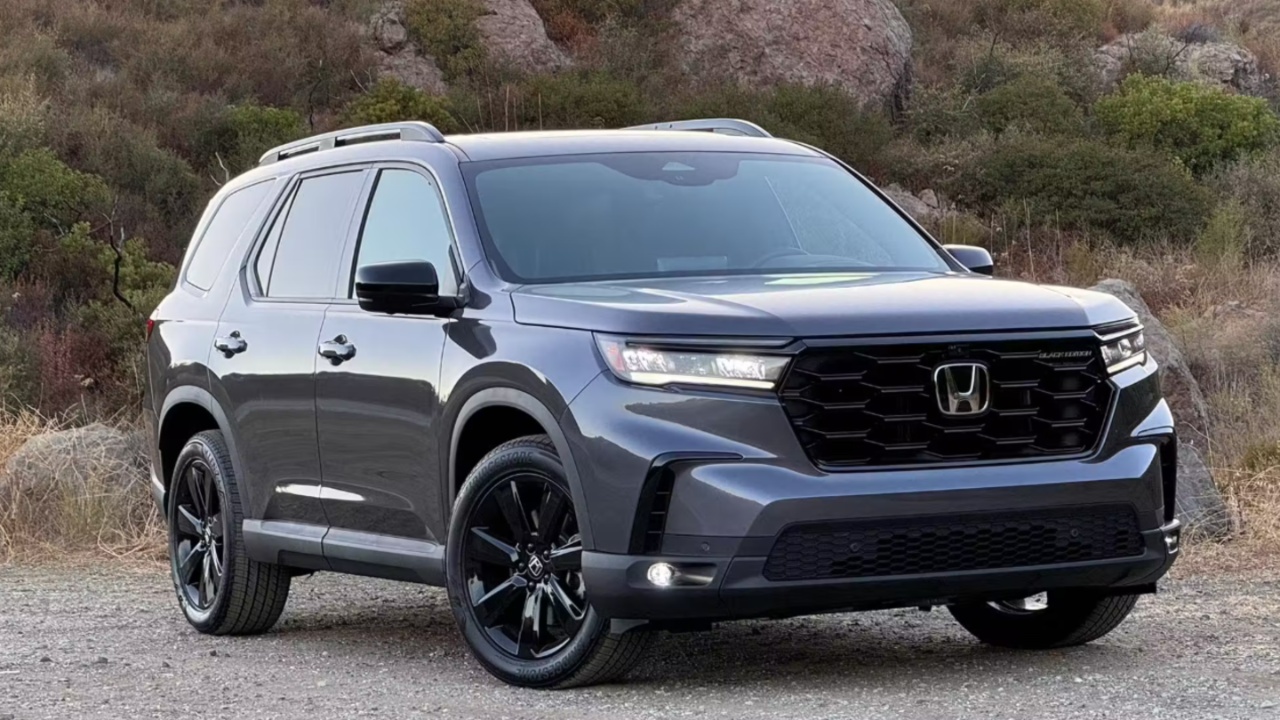
1. Honda Pilot (2023-2025)
The Honda Pilot stands as a masterclass in third-row convenience, offering one of the most user-friendly seating systems in the segment.
Honda engineers clearly spent time observing how real families use their vehicles, resulting in a thoughtfully designed mechanism that makes reconfiguring the cabin almost effortless.
The third-row seats feature a simple one-pull lever system that allows the seatbacks to fold flat in seconds, with no complicated sequences to remember or multiple steps to complete.
What sets the Pilot apart is the Magic Slide second-row seats, which complement the third-row folding brilliantly. When you need to access the third row, the second-row seats slide forward with minimal effort, creating a wide pathway that even adults can go through without gymnastic training.
The seats glide smoothly on their tracks and lock securely in place. For families with car seats in the second row, this design proves invaluable you can still access the third row without removing or disturbing the car seat installation.
The actual folding mechanism itself is remarkably intuitive. Each side of the split third row has a clearly marked release strap positioned exactly where your hand naturally falls.
A simple pull raises the seat bottom and folds the backrest forward in one fluid motion. There’s no wrestling with heavy seat sections or wondering if you’ve completed all the necessary steps.
The seats fold completely flat, creating a level cargo floor that maximizes usable space for groceries, luggage, or sports equipment. Raising the third-row seats back up is equally straightforward.
The seats feature a spring-assisted mechanism that helps lift the seat backs, so you’re not fighting gravity and the weight of the seats.
Everything clicks positively into place, and you can hear and feel when the seats are properly latched. Honda even thoughtfully positioned grab handles and clearly visible instruction labels near the release mechanisms, so first-time users or valets won’t struggle.
The Pilot’s third-row folding system proves that good design doesn’t require expensive power mechanisms or complex engineering. It just requires thinking about how people actually use their vehicles and eliminating unnecessary complications.
Parents loading strollers, athletes hauling gear, or anyone who regularly switches between passenger and cargo modes will appreciate how Honda got this fundamental feature so right.
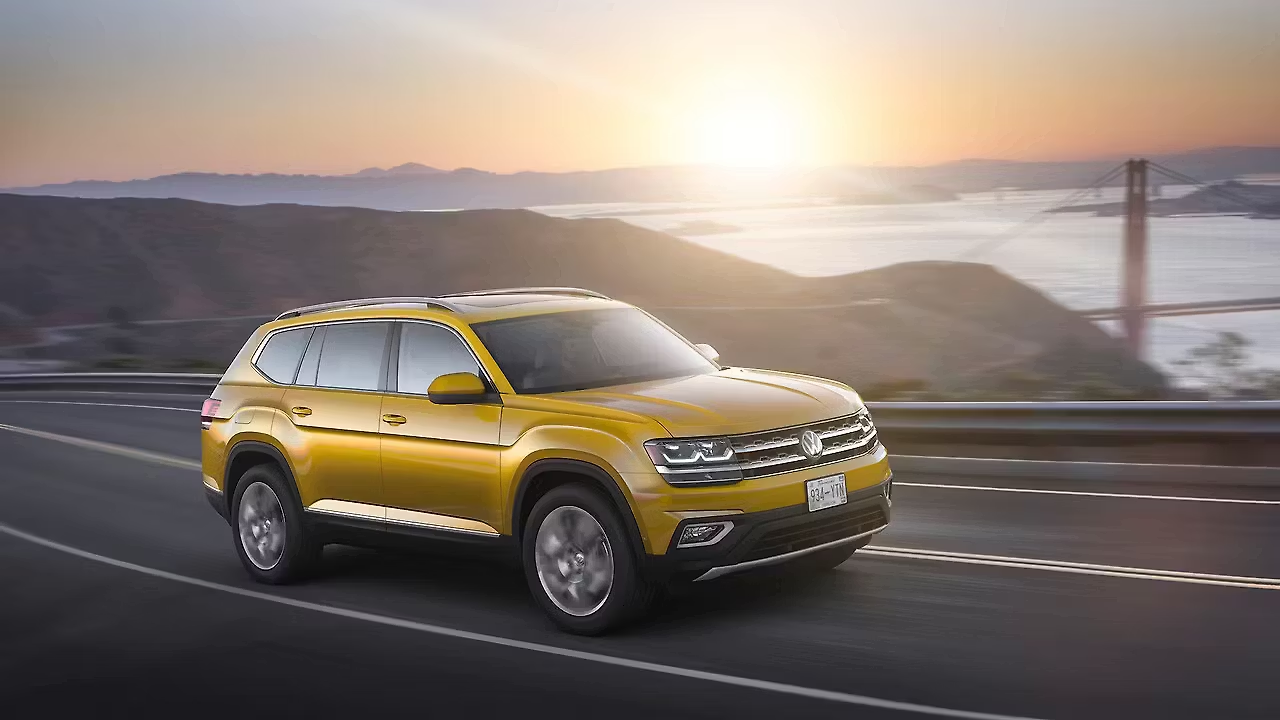
2. Volkswagen Atlas
The Volkswagen Atlas brings German engineering sensibility to the three-row SUV market, and nowhere is this more evident than in its exceptionally well-designed third-row folding system.
VW has created a mechanism that balances simplicity with robustness, resulting in seats that fold and unfold with satisfying precision. The Atlas proves that practical functionality can coexist with solid build quality these seats feel substantial and well-made while remaining remarkably easy to operate.
The third row in the Atlas utilizes a straightforward pull-strap system that’s been refined to near perfection. Located on the upper side of each seat back, the release straps are easy to reach whether you’re standing at the open tailgate or leaning in from the side doors.
The straps themselves are wide, fabric-covered pieces that are comfortable to grip and require only moderate force to activate. Unlike some competitors that require a strong yank or precise pulling angle, the Atlas straps work reliably every time with a natural pulling motion.
What impresses most about the Atlas system is the smooth, controlled motion as the seats fold. The mechanism incorporates dampers that prevent the seats from slamming down forcefully, which not only protects the seats themselves but also prevents pinched fingers a genuine concern with some competitors.
The seats fold impressively flat, creating an expansive cargo area that’s nearly level from the tailgate to the back of the second row. This attention to detail means you can slide luggage and cargo easily without battling uneven surfaces.
The second-row access is equally well-executed. The outboard second-row seats feature a tip-and-slide mechanism that creates generous access to the third row.
The controls are clearly marked, and the seats move smoothly on their tracks. Unlike some vehicles where the second row only slides forward an inch or two, the Atlas provides genuinely useful access space.
The seats also return to their original position with tactile and audible feedback, so you know they’re properly latched for safety. Volkswagen also considered the little details that enhance daily usability.
The third-row area includes thoughtful touches like cup holders, USB charging ports, and adequate headroom even for taller passengers.
When you combine livable third-row accommodations with easy folding access, you create a vehicle that doesn’t feel like it’s punishing you for needing that extra row of seats.
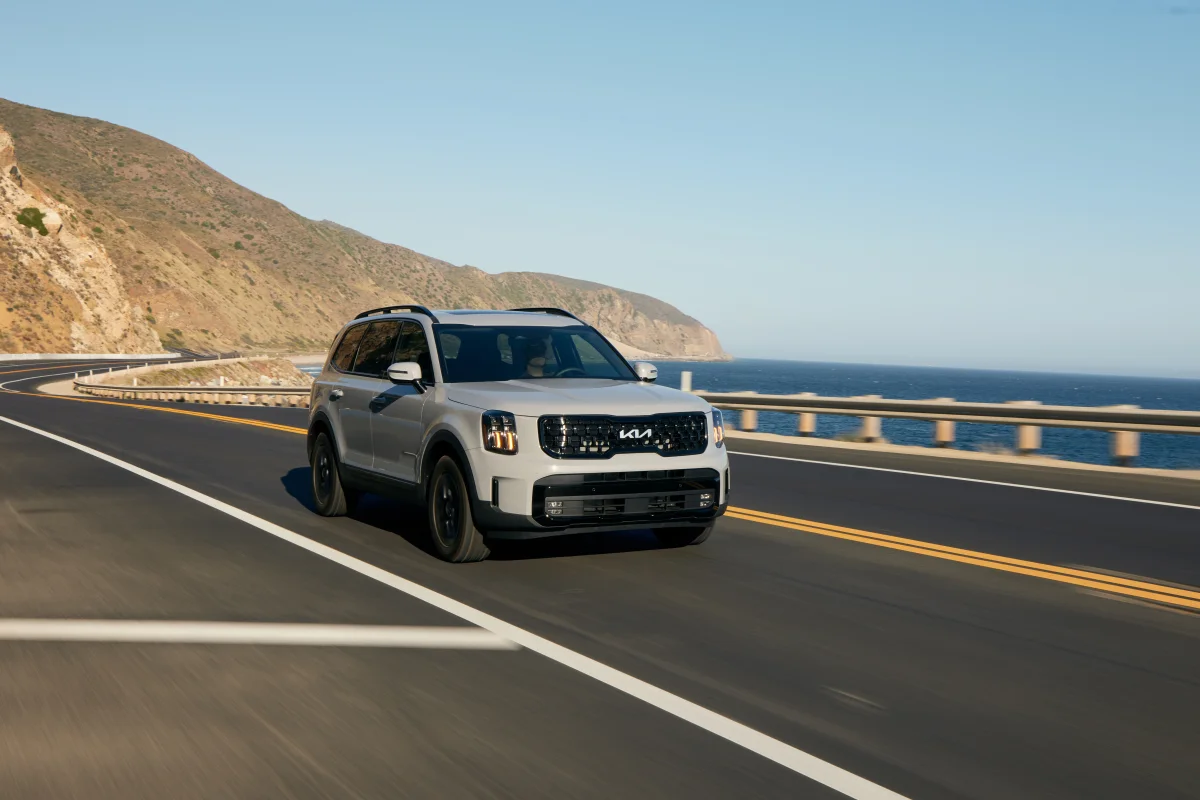
3. Kia Telluride
The Kia Telluride has earned numerous accolades since its introduction, and its intelligent third-row design deserves much of the credit.
Kia understood that a three-row SUV lives or dies on the everyday usability of that third row, and they engineered a solution that makes access and folding remarkably effortless.
The Telluride’s system combines physical simplicity with thoughtful ergonomics, creating an experience that owners genuinely appreciate rather than merely tolerate.
The third-row seats feature a power-folding option on higher trims, which represents the ultimate in convenience. With the press of buttons located in the cargo area, both sides of the third row automatically fold flat in seconds.
This power operation eliminates any physical effort and proves especially valuable when your hands are full of groceries or gear. The motor-driven mechanism operates smoothly and quietly, folding the seats with controlled precision.
Even better, the power folding can be activated remotely on some trims, allowing you to prepare the cargo area before you even reach the vehicle.
For trims without power folding, Kia still delivers an excellent manual system. The release levers are positioned perfectly for access from the cargo area, and they operate with light, consistent pressure.
The manual mechanism benefits from gas struts that assist with both folding and raising the seats, so you’re never wrestling with dead weight. The seats move through their range of motion smoothly, and everything locks securely with positive feedback.
The Telluride’s second-row seat design further enhances third-row access. Whether you choose the bench or captain’s chairs configuration, getting to the third row is straightforward.
The second-row seats feature a one-touch tip-and-slide mechanism that creates a wide entry path. The controls are logically placed and require just a simple button press or lever pull. The seats glide forward smoothly and return to position easily, even with a child seat installed on the other side.
Kia also paid attention to the third-row experience itself, providing adult-friendly space, climate controls, USB ports, and thoughtful amenities.
This comprehensive approach makes the third row both accessible and comfortable, setting the Telluride apart from competitors who treat the back row as an afterthought.
When combined with the vehicle’s strong value proposition and impressive warranty, the Telluride’s third-row convenience becomes part of a larger ownership experience that respects your time and reduces daily frustrations.
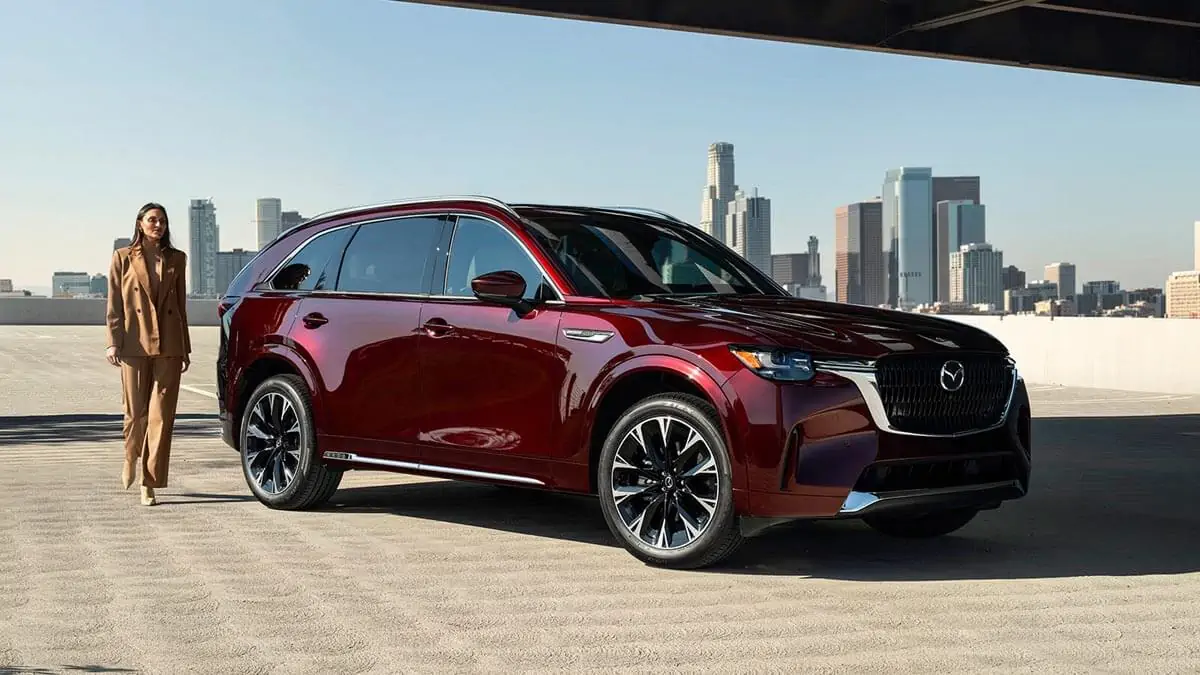
4. Mazda CX-90
The Mazda CX-90 brings the brand’s signature attention to detail and thoughtful engineering to the three-row SUV segment. While Mazda is known for prioritizing driving dynamics and premium materials, it didn’t neglect the practical aspects of three-row functionality.
The CX-90’s third-row folding system reflects Mazda’s philosophy of creating intuitive, human-centered designs that work the way you’d naturally expect them to work.
The third-row seats in the CX-90 feature a remarkably elegant folding mechanism that balances simplicity with refinement. Release levers are positioned on the seat backs themselves, easily accessible from the cargo area.
These levers feature Mazda’s characteristic quality feels they move with smooth, mechanical precision rather than the flimsy, loose action found in some competitors.
A simple pull activates the fold sequence, and the seats lower smoothly into their stowed position with controlled damping that prevents harsh impacts.
What distinguishes the CX-90 is how Mazda integrated the folding mechanism into the interior design without compromising the cabin’s premium atmosphere.
The release mechanisms don’t look or feel like cheap afterthoughts; they’re finished with the same attention to materials and tactile quality as the rest of the interior.
This might seem like a minor detail, but it contributes to an ownership experience that feels cohesive and well-executed throughout. The CX-90’s second-row seats also contribute to easy third-row access.
The outboard second-row seats feature a walk-in function that requires minimal effort to activate. The seats tip forward and slide with smooth, controlled motion, creating adequate space for third-row passengers to enter and exit.
The mechanism operates quietly without rattles or squeaks, maintaining Mazda’s reputation for solid build quality. Mazda also considered the complete use case for the third row.
The seats, while sized for occasional use as is common in this segment, can actually accommodate adults for shorter trips without extreme discomfort.
The folding mechanism creates a nearly flat cargo floor when stowed, maximizing versatility. The attention to detail extends to thoughtful touches like tie-down hooks in the cargo area and seats that lock securely in both the upright and folded positions.
For buyers who appreciate vehicles that demonstrate engineering care in every detail, the CX-90’s third-row system delivers the kind of refined functionality that makes daily ownership more pleasant. It’s proof that even mundane features like seat folding can be executed with precision and thought.
Also Read: 6 Cars You Can Trust on Late-Night Drives vs. 6 You Can’t
5. Hyundai Palisade
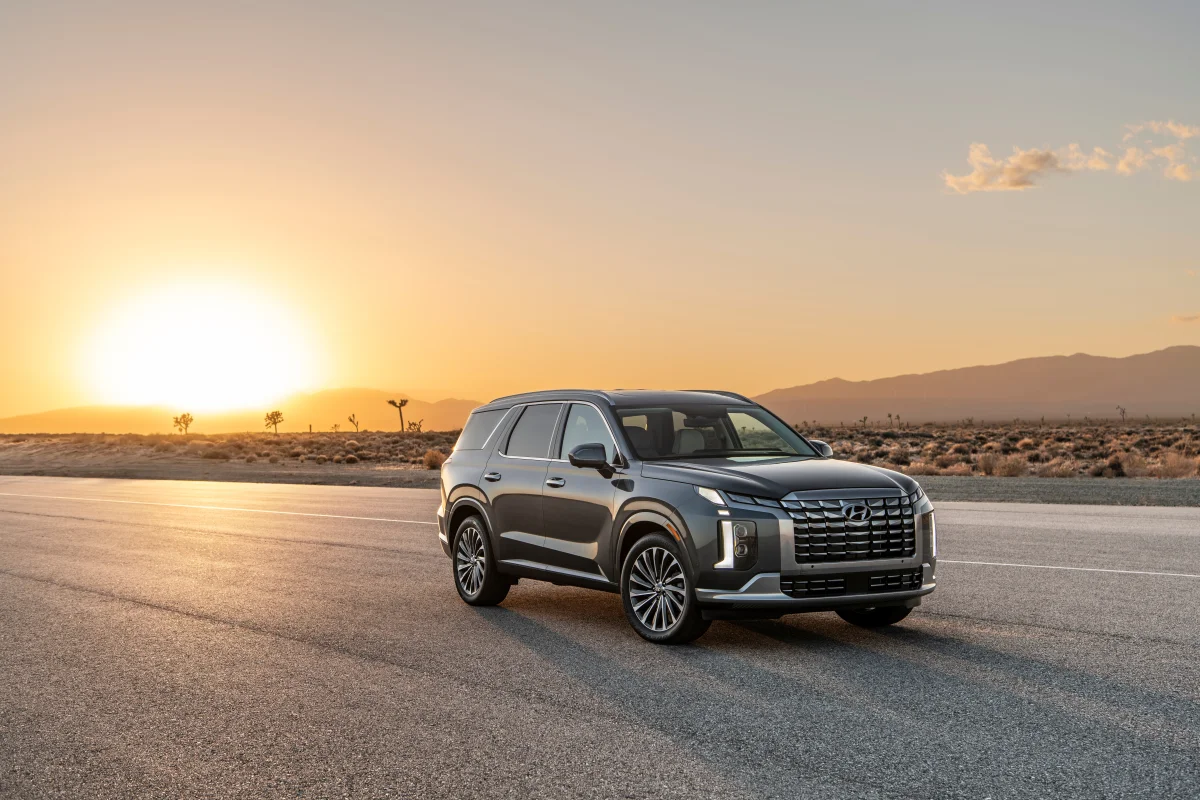
The Hyundai Palisade shares its fundamental architecture with the Kia Telluride, but Hyundai has added its own refinements to create a slightly different take on third-row convenience.
The Palisade delivers exceptional ease of use through a combination of available power-folding functionality and intelligently designed manual controls.
Hyundai recognized that families spending significant money on a three-row SUV shouldn’t have to struggle with basic functionality, and the Palisade’s design reflects that consumer-focused philosophy.
On upper trim levels, the Palisade offers power-folding third-row seats that rank among the best in the segment. Buttons in the cargo area activate motors that automatically fold and unfold the seats with smooth precision.
The system operates surprisingly quickly while maintaining controlled motion fast enough to be genuinely convenient but smooth enough to feel refined.
This power operation eliminates all physical effort and proves especially valuable during inclement weather when you want to minimize time spent loading cargo in rain or snow.
Even on trims with manual folding, the Palisade excels. The release mechanisms are clearly marked and positioned for easy reach from the tailgate.
The seats incorporate assist mechanisms that help support the weight during folding and raising, so the operation requires minimal physical strength. This inclusive design consideration means elderly owners or those with mobility limitations can still manage the seats independently.
The seats fold flat with precision, creating a usable cargo floor that extends all the way to the back of the second row. The second-row seating contributes significantly to the Palisade’s third-row accessibility.
Both the three-passenger bench and the available captain’s chairs feature smooth-operating tip-and-slide mechanisms. The controls are intuitive a simple button press or lever pull initiates the forward sliding motion.
The seats provide generous fore-aft travel, creating ample space for third-row entry and exit. Even with bulky car seats installed, the access remains workable for most situations.
Hyundai enhanced the third-row experience with thoughtful amenities, including dedicated climate controls, USB charging ports, and even heated seats on some trims.
Cup holders, reasonable legroom, and clever storage cubbies make the third row feel like an intentional part of the vehicle rather than an obligatory addition.
The combination of easy access, comfortable seating, and user-friendly folding mechanisms creates a complete package that respects passengers of all ages. The Palisade proves that putting customers first in design decisions creates tangible benefits.
When families don’t dread reconfiguring their vehicle for different needs, the ownership experience improves dramatically. Hyundai’s commitment to convenience throughout the Palisade makes it a standout choice for buyers who prioritize daily usability.
5 Third-Row Finger-Pinchers
These dangerous vehicles suffer from heavy manual third-row seats and exposed pinch points that create legitimate injury risks during folding operations, forcing awkward body positioning and two-person assistance for tasks that should require simple single-motion releases.
Their problematic design includes hard-to-reach release levers and spring-loaded mechanisms that cannot provide safe operation, leading to pinched fingers, scraped knuckles, and back strain from wrestling with poorly balanced seat assemblies.
Despite spacious three-row configurations and versatile seating arrangements, these SUVs torture users through their finger-trapping hinge designs, excessive seat weight requiring genuine strength, and completely inaccessible release mechanisms positioned deep in cargo areas requiring full body insertion.
1. Chevrolet Traverse
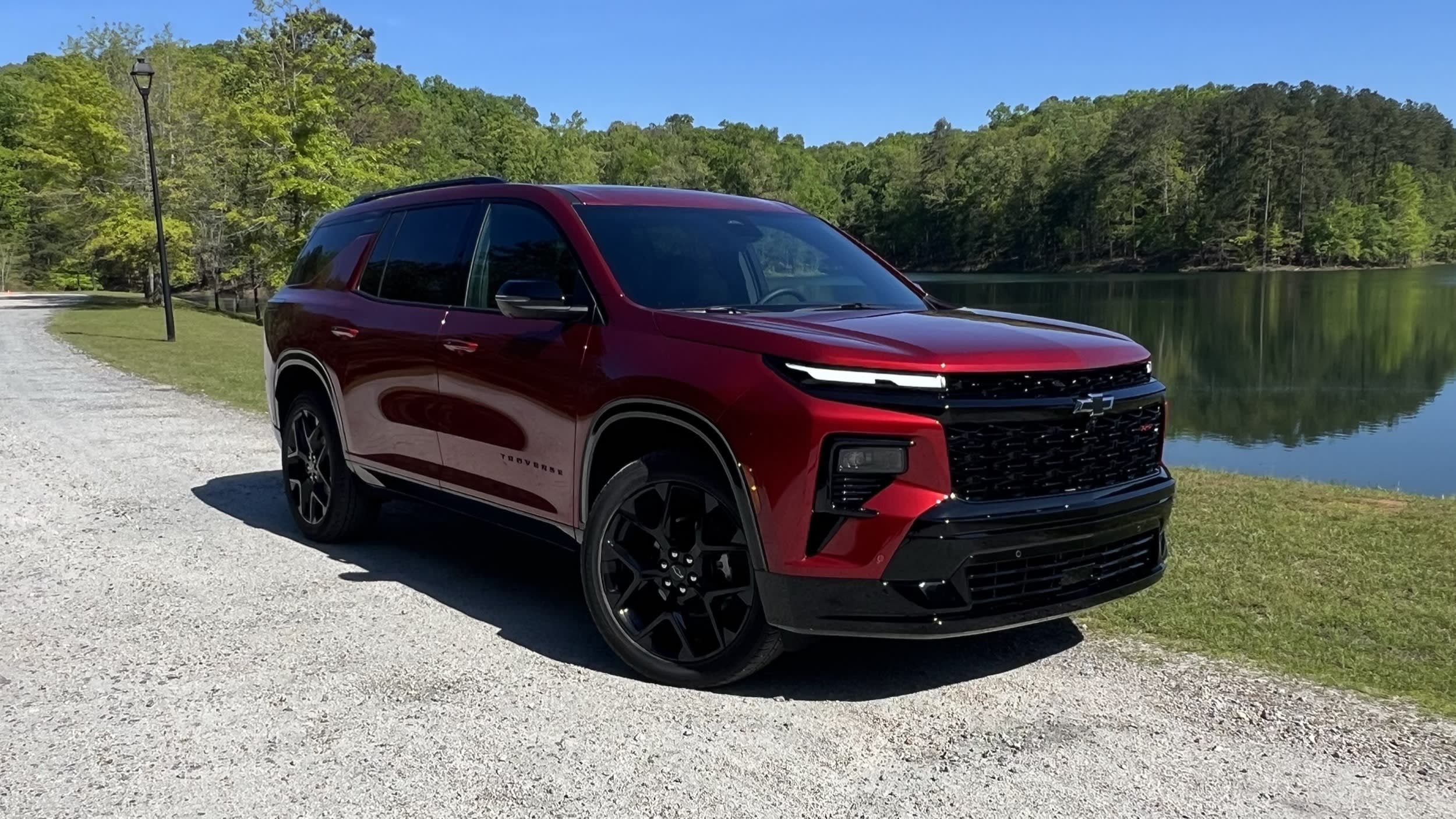
The Chevrolet Traverse offers generous three-row seating and impressive cargo capacity, but its third-row folding mechanism represents a frustrating step backward in ergonomic design.
Many Traverse owners discover too late that the seat-folding system requires awkward contortions, multiple steps, and sometimes results in pinched fingers or bumped heads.
GM’s design here prioritizes packaging and cost over user experience, creating daily frustrations that accumulate over years of ownership. The fundamental problem with the Traverse’s third row is the multi-step folding process that feels unnecessarily complicated.
Unlike competitors with simple pull-strap systems, the Traverse requires you to first pull a release strap to lower the headrests, then manipulate a separate lever to fold the seat bottom, and finally push the backrest forward. This sequence isn’t intuitive, and first-time users often struggle to figure out the correct order.
Even experienced owners report that the system never becomes truly convenient; it just becomes a familiar annoyance. The release mechanisms themselves present ergonomic challenges.
The straps and levers are positioned awkwardly, often requiring you to reach deep into the third-row area or lean in at uncomfortable angles.
For shorter individuals, accessing these controls from the tailgate can prove nearly impossible without climbing partially into the cargo area.
The forces required to activate the releases vary inconsistently; sometimes they operate easily, other times they require considerable strength, especially in cold weather when mechanisms stiffen.
The second-row access compounds the third-row problems. The second-row seats tip and slide forward, but the mechanism feels stiff and requires more force than it should.
The seats don’t always return to their original position smoothly, sometimes requiring manual adjustment to align properly. Combined with the third-row folding frustrations, the Traverse makes you work harder than necessary for basic functionality.
2. Nissan Pathfinder
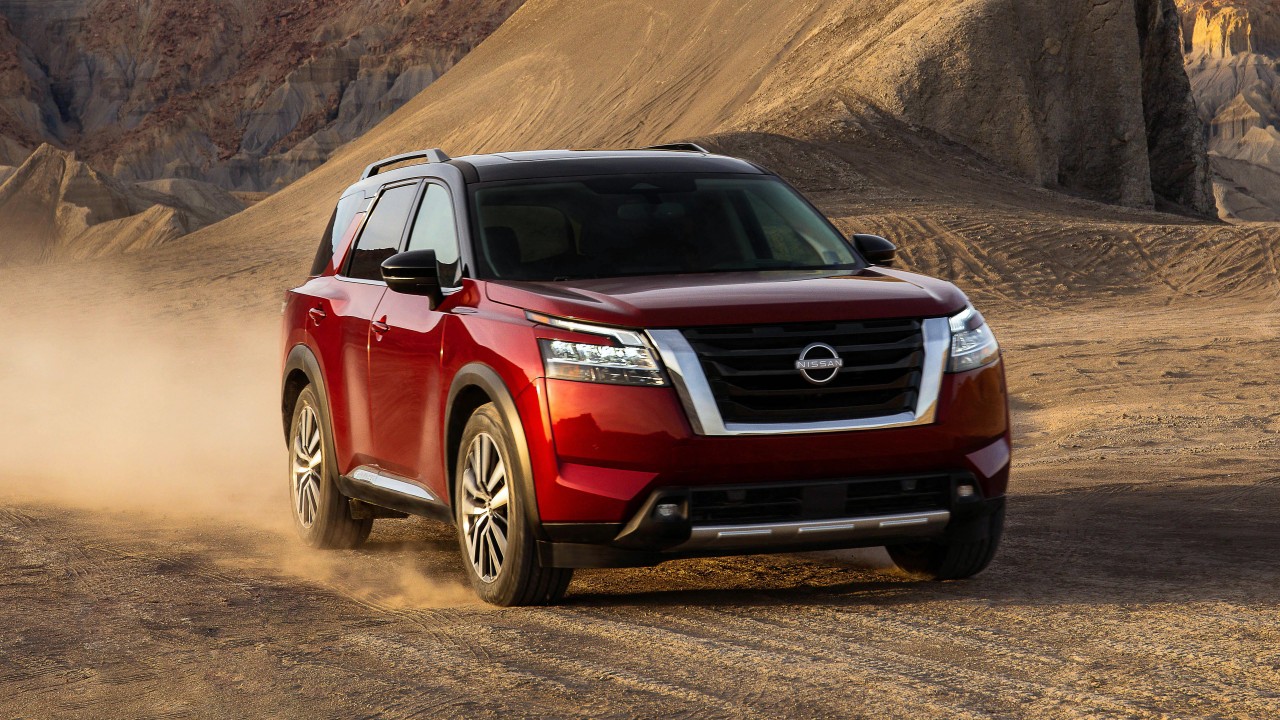
The Nissan Pathfinder underwent a complete redesign for 2022, yet somehow Nissan managed to create a third-row folding system that frustrates owners despite the vehicle’s otherwise improved design.
The Pathfinder’s third row has earned criticism for being difficult to access, awkward to fold, and feeling cheap in execution despite the vehicle’s mid-size price tag. It’s a disappointing oversight in an otherwise competitive package.
The primary complaint about the Pathfinder’s third row centers on the manual folding process that requires more physical effort and coordination than most competitors. The release mechanism involves pulling straps that are positioned inconveniently and require significant force to activate.
Unlike vehicles with well-damped folding mechanisms, the Pathfinder’s seats tend to fall forward with a hard thump, creating both a jarring sound and potential pinch points. The mechanism feels unrefined, almost as if it was designed without anyone actually testing it in real-world conditions.
The folding sequence itself lacks the intuitive simplicity found in better-designed systems. Users report confusion about the correct procedure, with some finding that the seats don’t fold flat on the first attempt and require repositioning.
The seat backs don’t always latch securely in the folded position, occasionally popping back up during driving if not fully secured. This inconsistency creates anxiety you find yourself double-checking that the seats are properly stowed before closing the tailgate.
Build quality concerns further diminish confidence in the system. The folding mechanisms feel plasticky and fragile, with noticeable flex and movement that don’t inspire confidence in long-term durability.
Owners report squeaks and rattles developing in the third-row area after months of use, suggesting the components aren’t as robust as they should be. For a vehicle in this price range, the cheap-feeling third-row execution is disappointing.
3. Jeep Grand Cherokee L
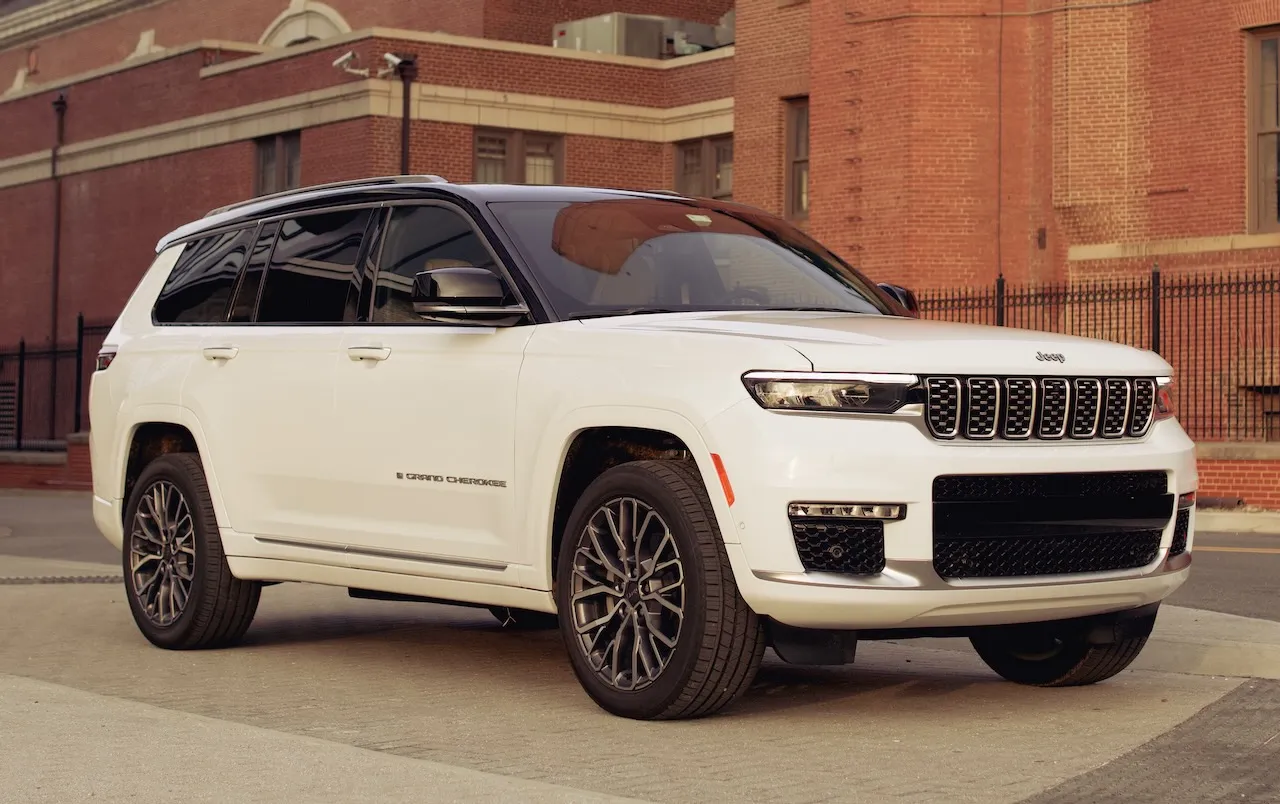
The Jeep Grand Cherokee L extends the popular Grand Cherokee into three-row territory, but the execution of the third-row folding system reveals that Jeep prioritized off-road capability and styling over practical family functionality.
The third row suffers from a folding mechanism that’s awkward to operate, prone to pinching fingers, and generally feels like it was added as an afterthought rather than designed as an integral feature.
The fundamental issue with the Grand Cherokee L’s third row is access both for passengers climbing in and for anyone trying to fold the seats.
The second-row seats feature a tip-and-slide mechanism that provides minimal forward travel, creating a narrow passage to the third row.
The mechanism itself operates stiffly, requiring more force than should be necessary and making you wonder if you’re doing something wrong. The seats don’t glide smoothly; they move in lurching increments that feel mechanical and unrefined.
Once you actually reach the third-row folding controls, the frustration continues. The release levers are positioned awkwardly and require specific pulling angles to activate properly.
They’re located in spots that are difficult to see clearly, meaning you’re often fumbling blindly to find them. The levers themselves feel cheap and flimsy, with excessive play that makes it unclear when you’ve actually engaged the mechanism.
Multiple owners report needing several attempts to successfully initiate the folding sequence. Raising the seats back to the upright position might be even worse than folding them. The seats are heavy, and the mechanism provides minimal assist, meaning you’re lifting significant weight against gravity.
The latching process feels imprecise, and you can’t always tell if the seats are properly secured without physically pushing on them to test. This lack of positive feedback creates doubt every time you restore the third row to passenger use.
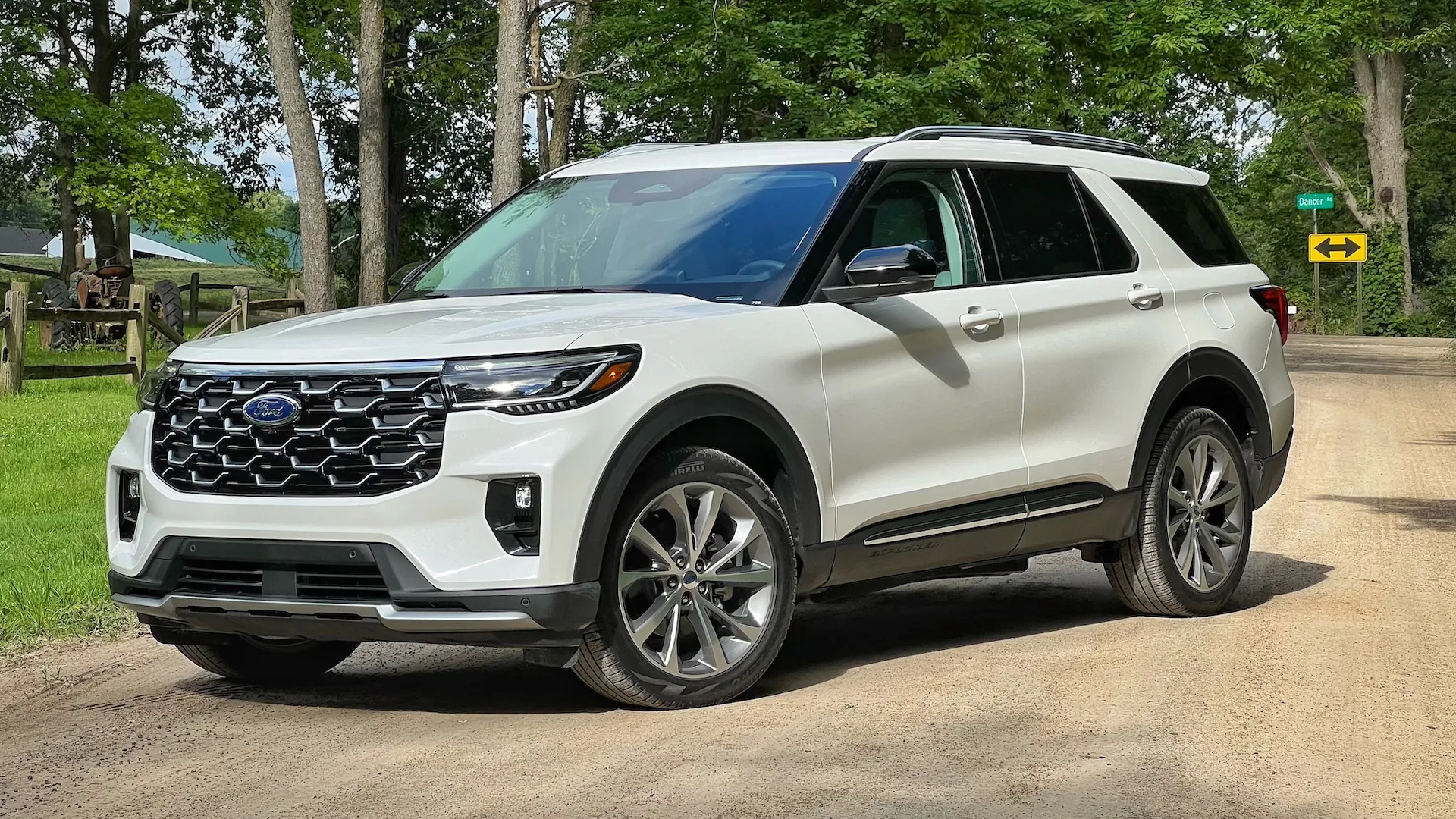
4. Ford Explorer
The Ford Explorer pioneered the modern three-row SUV segment decades ago, but the current generation’s third-row folding system shows that pioneering status doesn’t guarantee continued excellence.
The Explorer’s third row has garnered criticism for being unnecessarily complicated to fold, requiring multiple steps that aren’t intuitive, and featuring mechanisms that feel cheap despite the vehicle’s premium pricing on higher trims.
The Explorer’s third-row folding process requires a specific sequence that many owners find confusing. Rather than a simple pull-strap system, Ford implemented a multi-step procedure involving pressing buttons, pulling releases, and manually guiding the seats through their folding motion.
The instruction labels near the controls are small and difficult to read in typical lighting conditions, so you’re often trying to remember the correct sequence from memory.
First-time users almost universally struggle, and even long-term owners report that the process never becomes as automatic as it should.
The physical mechanisms themselves feel low-quality relative to the Explorer’s price point. Buttons are made from hard, cheap-feeling plastic that flexes under pressure.
Release levers have excessive play and inconsistent operation sometimes they release easily, other times they require significant force with no apparent reason for the variation.
In cold weather, the mechanisms become even stiffer and more difficult to operate, adding frustration during winter months when you might already be dealing with snow gear and adverse conditions.
The second-row access to the third row adds another layer of complication. The second-row seats require multiple inputs to tip and slide forward, and the resulting opening is barely adequate for adult access.
The seats don’t return to their original position automatically, requiring manual adjustment and fiddling to get them properly aligned and latched. Combined with the third-row folding frustrations, the Explorer makes you work too hard for basic functionality that competitors handle effortlessly.
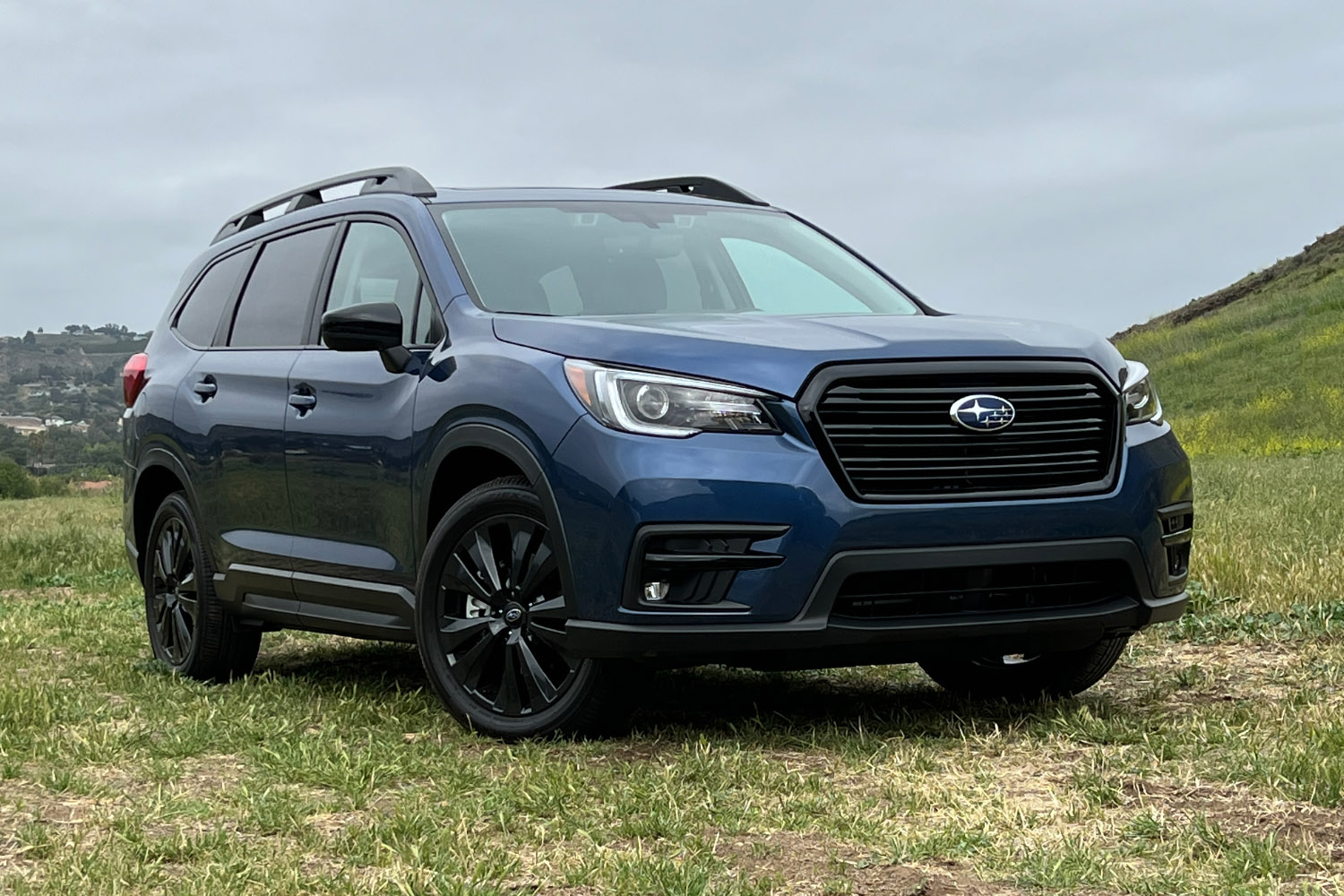
5. Subaru Ascent
The Subaru Ascent represents the brand’s first venture into the three-row SUV segment, and while it offers many appealing Subaru characteristics like standard all-wheel drive and strong safety ratings, the third-row folding mechanism reveals the compromises that come from adapting an existing platform rather than designing a ground-up three-row vehicle.
The Ascent’s third row suffers from awkward folding controls, tight access, and a general sense that this feature was engineered on a tight budget.
The Ascent’s third-row folding mechanism centers on pull-straps positioned on the sides of the seat backs. While this seems straightforward, the execution leaves much to be desired.
The straps are located in awkward positions that are difficult to reach from the cargo area, especially for shorter individuals. You often need to lean far into the vehicle or open the side doors to access the releases comfortably.
The straps themselves are thin and narrow, making them uncomfortable to grip and requiring more force to activate than should be necessary.
Once activated, the folding mechanism operates with all the refinement of a cheap lawn chair. The seats drop forward with a sudden, uncontrolled motion that feels jarring and concerning.
There’s virtually no damping to slow the descent, meaning the seats build momentum and land with a hard thump. This harsh operation not only feels low-quality but also creates legitimate pinch-point hazards.
The sudden motion can catch fingers or hands if you’re not extremely careful about where you’re positioned during the operation. Build quality concerns further diminish the third-row experience.
The mechanisms feel plasticky and insubstantial, with noticeable flex and play that don’t inspire confidence. Owners report squeaks, rattles, and loose-feeling components developing in the third-row area relatively quickly.
For families investing in a three-row SUV expecting years of reliable service, these quality concerns are disappointing and suggest the Ascent’s third row may not age gracefully.
Also Read: 5 Rides That Feel Planted in Rain vs. 5 That Slip Early
