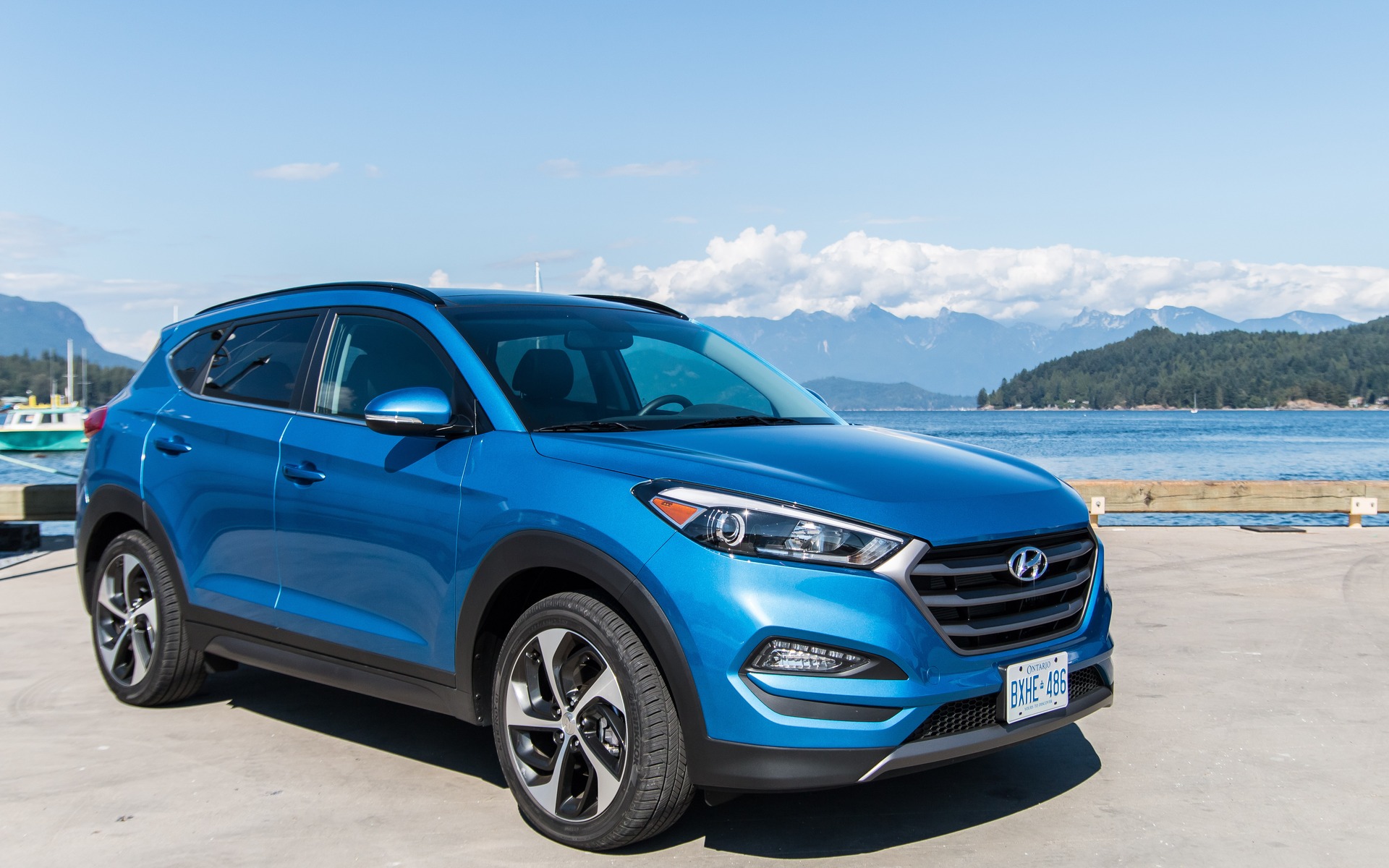
Roof rails are one of those features on cars that often get overlooked, yet they play a crucial role in enhancing a vehicle’s versatility. For people who frequently carry bicycles, kayaks, cargo boxes, or camping gear, the strength and design of roof rails can determine not only the safety of the load but also the overall driving experience.
Roof rails, in essence, provide a framework for attaching external accessories, but not all roof rails are created equal. While some cars come equipped with robust, factory-installed rails that can withstand significant weight and stress, others have rails or mounting points that feel flimsy or insecure under pressure.
The difference can be subtle to the untrained eye, yet it becomes immediately apparent when hauling heavier items over long distances or at highway speeds.
Cars with sturdy roof rails offer peace of mind. They are generally reinforced into the vehicle’s frame or roof structure, often designed to carry higher weight limits safely. These vehicles often come from manufacturers who prioritize utility and outdoor lifestyles, such as SUVs, crossovers, or station wagons.
On the other hand, cars with weak mounts or thin, decorative rails can be risky for heavier cargo. Drivers might find that loads shift or rails bend slightly under weight, creating a potential hazard.
Roof rail strength is influenced by factors such as the type of material used, the design of the mounting points, and how the rails are integrated into the roof. Metal rails with reinforced brackets usually perform better than plastic trims bolted superficially to the roof.
Understanding the difference between sturdy and weak roof rails is important for both safety and convenience. For a person planning a road trip or outdoor adventure, knowing which vehicles can reliably carry a rooftop cargo box or sports equipment without damage can save time, money, and stress.
It also impacts resale value. Cars with proven robust rails maintain their utility appeal, while those with weaker mounts can raise concerns among buyers who need practical transportation for their gear. Even for drivers who rarely use roof rails, strong mounts can provide confidence during unexpected situations, such as temporarily securing a large item on the roof.
In this article, we will examine five cars known for having sturdy roof rails, highlighting why their designs are superior, followed by five vehicles whose roof rail mounts tend to be weaker, pointing out the common shortcomings. By comparing these two groups, we can understand the design differences, materials, and engineering approaches that contribute to roof rail strength.
This comparison can serve as a practical guide for anyone considering a vehicle purchase with utility and cargo capacity in mind, especially for active lifestyles or outdoor recreation. By the end, readers should be able to identify the characteristics of reliable roof rails and be wary of designs that may fail under heavy use.
5 Cars with Sturdy Roof Rails
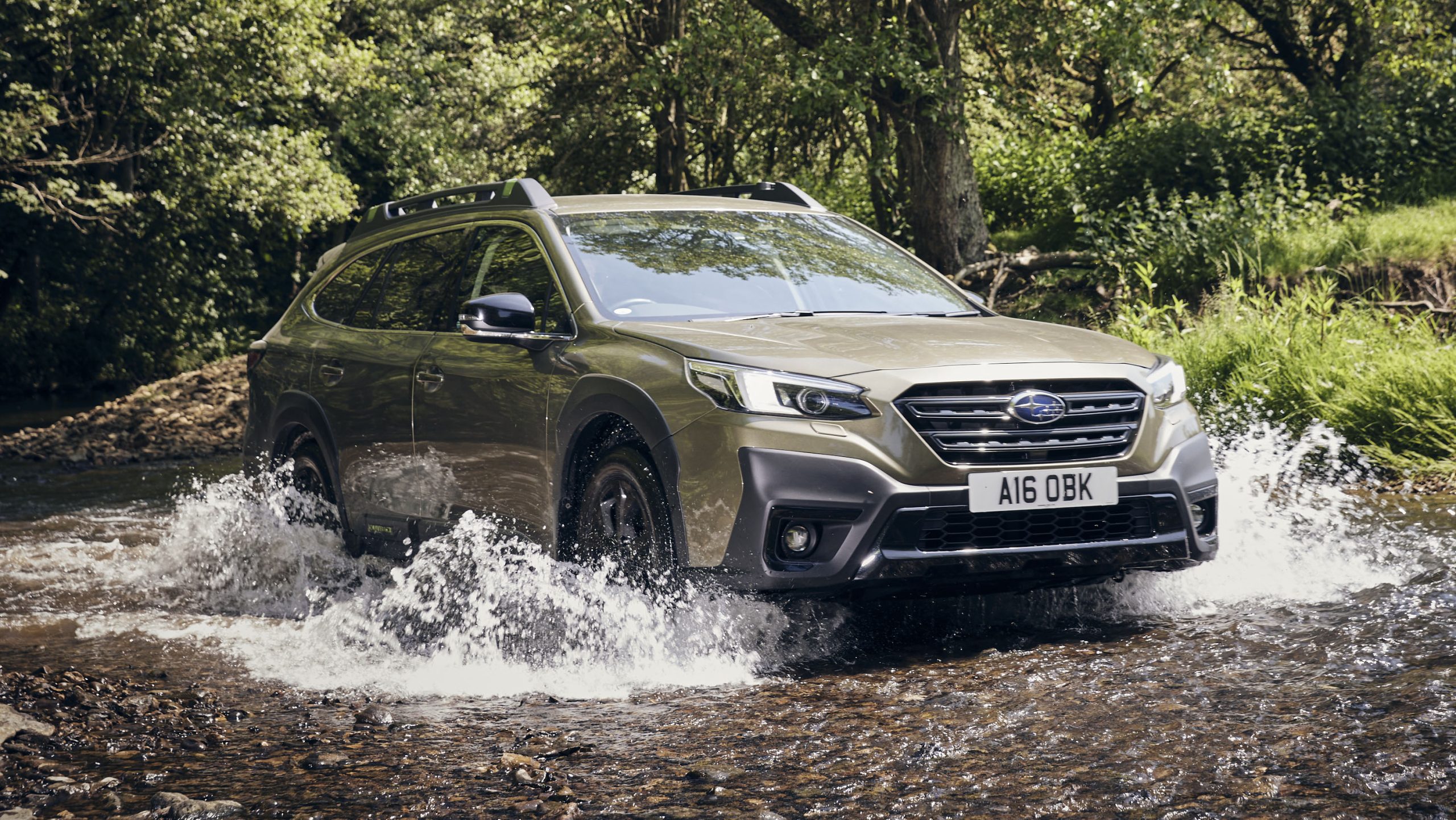
1. Subaru Outback
The Subaru Outback has long been a benchmark for reliability and utility, particularly when it comes to roof rails. Its rails are integrated into the roof structure, which gives them exceptional strength compared to those mounted superficially on other vehicles. The design allows for a variety of attachments, from rooftop cargo boxes to bicycles and kayaks.
Unlike some cars where roof rails can flex or creak under weight, the Outback’s system is rigid, ensuring that even heavy loads do not compromise safety or stability.
This structural integration not only supports heavier loads but also distributes weight evenly across the roof, minimizing potential stress points. For families or outdoor enthusiasts who frequently transport gear, this reliability is invaluable, allowing for a wide range of activities without worrying about the integrity of the rails.
Another advantage of the Outback’s roof rails is their material composition and build quality. Typically crafted from high-strength aluminum or steel, the rails resist bending and corrosion, even after years of exposure to the elements. The brackets that attach the rails to the roof are reinforced, ensuring that weight does not deform the mount points over time.
Furthermore, Subaru’s engineers designed the rails to work seamlessly with crossbars, offering versatile attachment points for various cargo types. Whether transporting skis, kayaks, or camping gear, the roof rails can handle the stress while remaining stable and quiet during transit, reflecting thoughtful engineering that prioritizes long-term durability.
The user experience is also a major consideration. Installing roof accessories on the Outback is intuitive, and the system provides secure anchor points that prevent cargo from sliding or shifting, even during abrupt maneuvers or on rough terrain.
Drivers who frequently travel on highways or rugged trails benefit from the Outback’s stability, as the rails maintain a solid grip on the mounted items.
The noise from wind or vibration is minimal, which is a significant advantage for long-distance travel where both safety and comfort are important. The design also allows for aftermarket accessories, giving drivers flexibility without sacrificing security or performance.
Finally, Subaru emphasizes safety in its roof rail design. The rails are tested under various load conditions and stress simulations to ensure they can withstand the maximum recommended weight safely. This includes testing against wind resistance, roof flex, and dynamic motion to simulate real-world driving scenarios.
For drivers who carry heavy or awkwardly shaped cargo, the Outback offers confidence and peace of mind. The combination of strong materials, thoughtful design, and integrated construction makes the Subaru Outback one of the most reliable vehicles for rooftop cargo in its class, setting a high standard for others to follow.
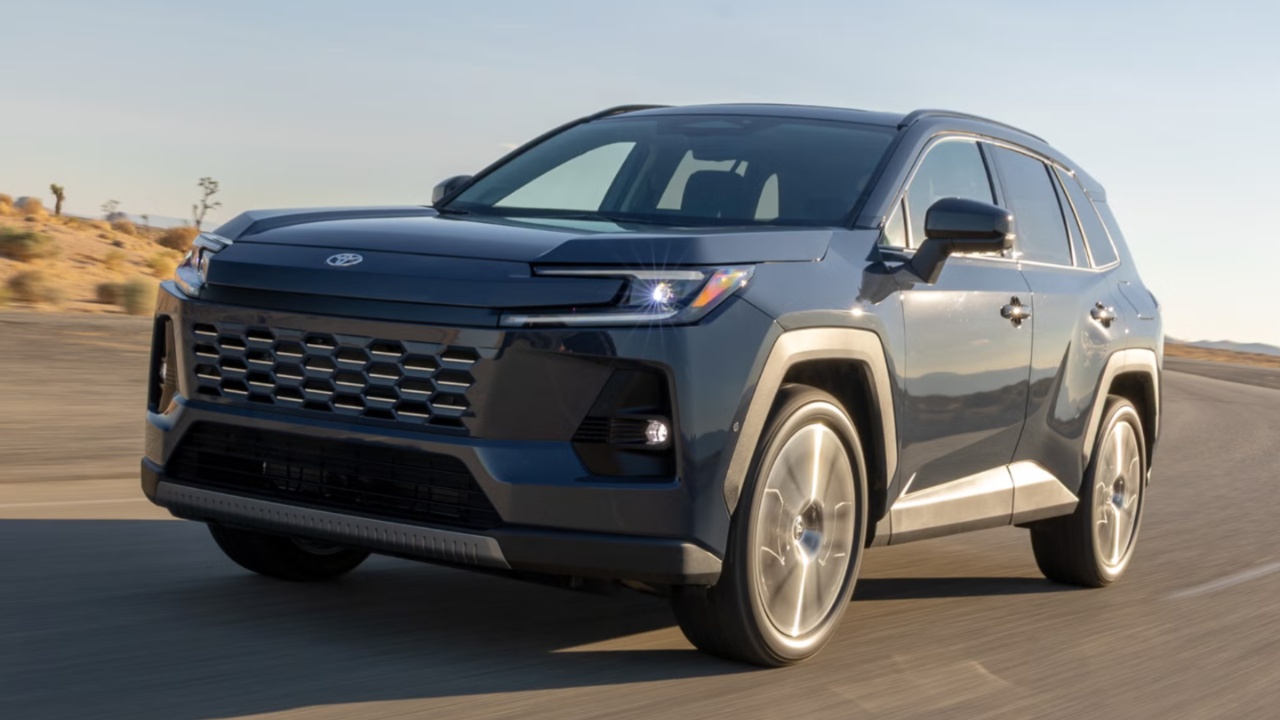
2. Toyota RAV4
The Toyota RAV4 is widely regarded as a versatile SUV, and one of its practical features is a set of strong roof rails designed to endure significant weight. Unlike cosmetic rails that simply sit on the surface of the roof, the RAV4’s rails are bolted into the vehicle’s structural beams, providing a solid foundation for carrying heavy cargo.
This integration is particularly important for drivers who frequently transport outdoor equipment such as kayaks, bicycles, or rooftop tents. When combined with Toyota’s carefully engineered crossbar system, the rails allow for secure attachment, minimal movement, and evenly distributed weight, which reduces the risk of stress damage to the roof over time.
The materials used in the RAV4’s rails also contribute to their strength and durability. High-strength steel and aluminum alloys resist bending, warping, and corrosion, making them reliable even under repeated heavy use. This durability ensures that the rails maintain their integrity over years of outdoor exposure, including rain, snow, and sun.
Additionally, the rails are designed to accommodate adjustable crossbars, which allows drivers to configure the spacing according to the type of cargo being carried. This flexibility enhances both convenience and safety, as loads are properly supported and less likely to shift during transit.
Installing and using accessories on the RAV4’s roof rails is straightforward. The rails are equipped with anchor points that prevent sliding and shifting, even during sharp turns or sudden braking. Crossbars can be easily mounted and locked in place, making it simple to attach large cargo boxes, bicycles, or other gear.
The system is designed to endure vibrations from highways and rough terrain, ensuring that heavy loads remain secure over long trips. For drivers who rely on their vehicle for both everyday errands and weekend adventures, this reliability is invaluable.
Finally, the RAV4’s roof rails are designed with longevity and safety in mind. Toyota conducts rigorous testing to ensure that rails can withstand maximum weight limits without compromising vehicle stability. This includes wind resistance, dynamic stress, and road vibration tests to simulate real-world conditions.
The combination of high-quality materials, secure mounts, and thoughtful engineering ensures that drivers can confidently transport heavy gear. For anyone seeking a dependable SUV with versatile cargo-carrying capabilities, the Toyota RAV4 stands out as a top choice.
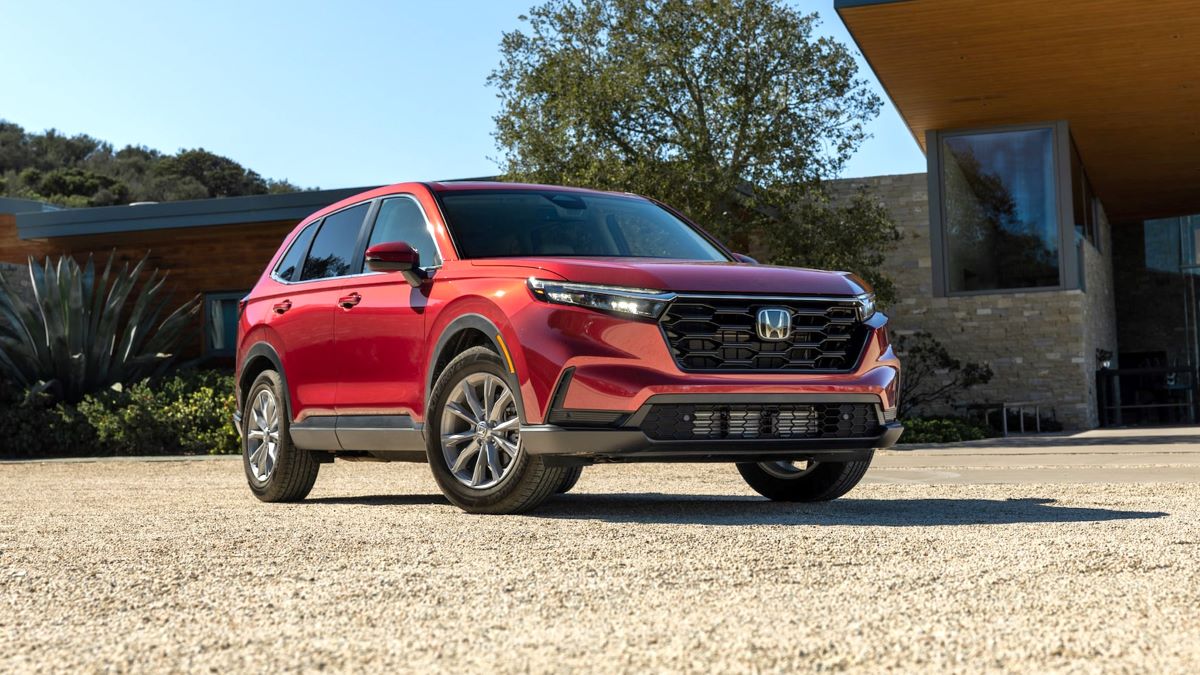
3. Honda CR-V
The Honda CR-V features roof rails that combine practicality with solid construction. Unlike many vehicles that use decorative or minimally reinforced rails, the CR-V’s system is anchored into the roof frame, which provides higher weight capacity and reduces the risk of bending or flexing.
This is particularly beneficial for drivers who frequently carry bicycles, kayaks, or heavy cargo boxes. Even during long trips or on rough roads, the rails remain secure, providing a stable base for mounted equipment and ensuring that safety is not compromised.
Material quality and construction are key to the CR-V’s strong roof rails. Made from high-grade steel and corrosion-resistant alloys, the rails maintain their integrity under repeated use and exposure to weather. They are capable of supporting the weight of multiple cargo items without deformation.
Additionally, the spacing of the rails allows for optimal weight distribution, reducing strain on any single point of the roof. Crossbars are compatible with both factory and aftermarket accessories, increasing versatility and allowing drivers to customize their cargo setup.
This combination of stability and reliability makes the CR-V a practical choice for families, outdoor enthusiasts, or anyone who needs a dependable vehicle for transporting gear.
Safety is also a major consideration. Honda designs its roof rails to exceed standard weight limits and performs extensive testing to ensure that the roof structure can handle maximum recommended loads. The rails are engineered to endure stress from wind, vibration, and dynamic driving conditions.
For drivers seeking confidence when carrying heavy or bulky items, the CR-V’s roof rails offer a dependable solution. The combination of strong construction, thoughtful design, and practical functionality makes the CR-V a standout in the compact SUV segment.
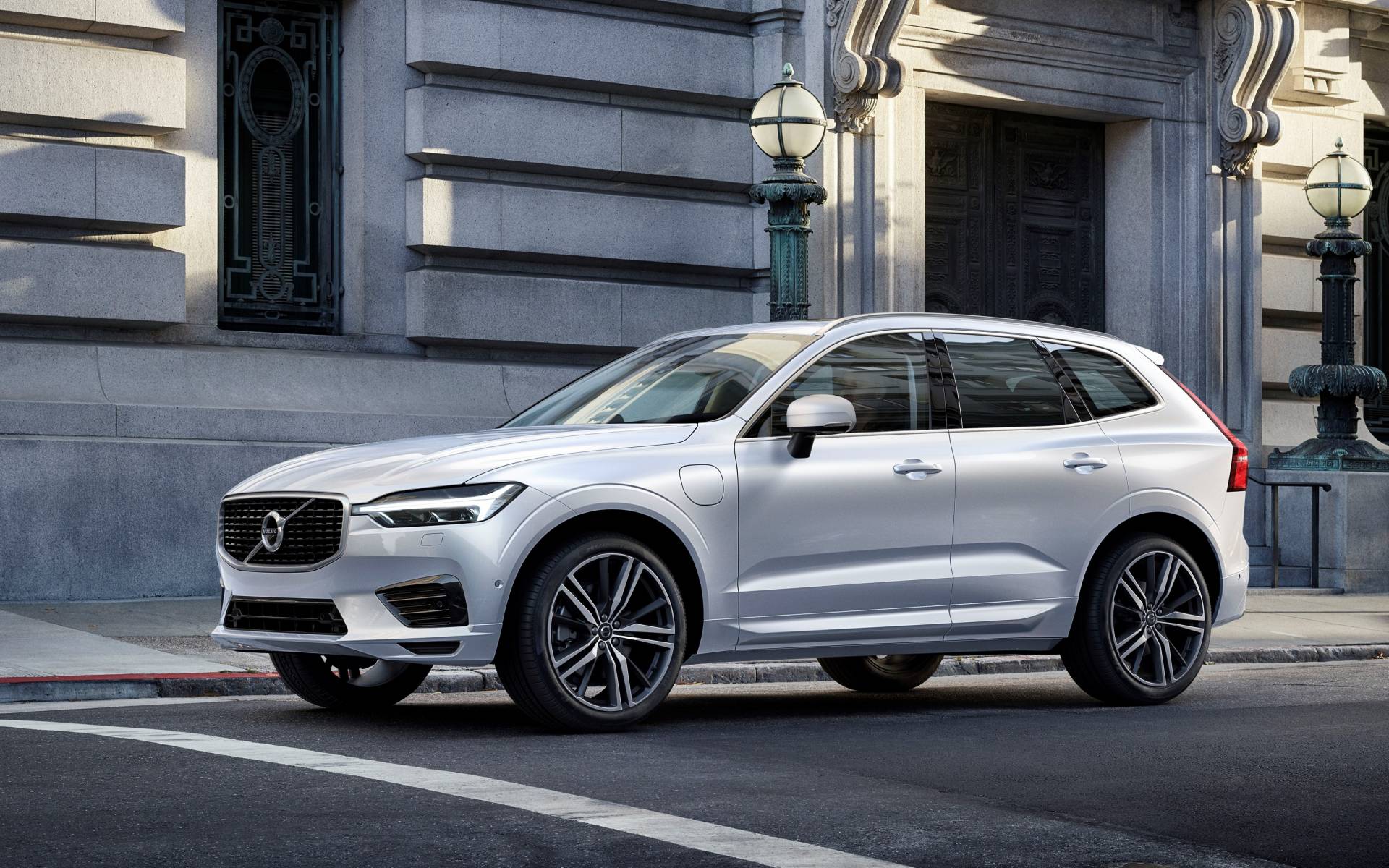
4. Volvo XC60
The Volvo XC60 combines luxury with functionality, and its roof rails are a clear example of that balance. The rails are integrated into the roof frame with reinforced mounts, providing high strength and stability.
This design ensures that even heavy rooftop cargo, such as camping equipment or storage boxes, can be carried without risking damage to the roof. The rails also align seamlessly with the vehicle’s aesthetic, proving that durability and design can coexist. Weight is distributed evenly, reducing stress points and preventing potential roof deformation.
High-quality materials contribute significantly to the XC60’s roof rail strength. Volvo uses reinforced steel and aluminum alloys, which are resistant to bending and corrosion. The rails are coated to provide additional protection against environmental factors such as moisture or road salt.
This ensures long-term durability, making the XC60 an excellent choice for families and outdoor enthusiasts who frequently carry heavy or awkwardly shaped items on the roof. Additionally, the spacing of the rails supports optimal load balance, enhancing both safety and driving comfort.
Finally, safety and testing play a central role in the XC60’s design. Volvo conducts rigorous simulations to ensure that the roof rails can handle maximum recommended loads safely, including stress from wind resistance and dynamic motion.
The system is designed for both everyday use and occasional heavy-duty transport, making it versatile and dependable. For drivers seeking a premium SUV with strong, reliable roof rails, the Volvo XC60 offers a combination of luxury, safety, and practical functionality that few competitors match.
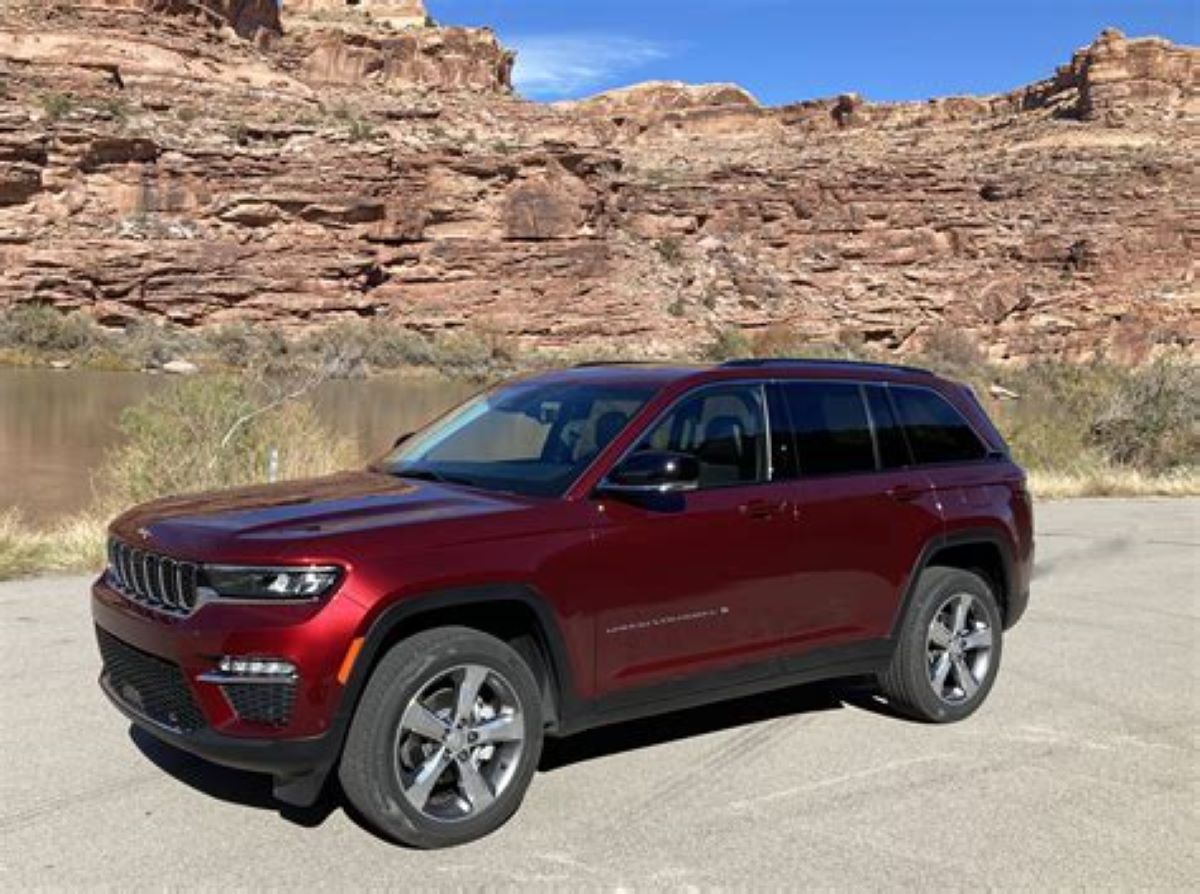
5. Jeep Grand Cherokee
The Jeep Grand Cherokee is built for adventure, and its roof rails reflect its rugged purpose. Anchored securely into the vehicle’s frame, these rails provide exceptional strength for carrying rooftop tents, cargo boxes, bicycles, or other heavy gear.
The robust construction ensures that loads remain stable even during off-road trips or uneven terrain, preventing bending, loosening, or shifting. For outdoor enthusiasts who require dependable cargo transport, the Grand Cherokee’s roof rails are a critical feature that enhances the vehicle’s versatility.
Durable materials are central to the Grand Cherokee’s rail design. Reinforced steel and aluminum alloys provide structural integrity and resistance to environmental wear, ensuring the rails perform reliably over time.
Adjustable crossbars allow for flexible cargo configurations, accommodating a wide range of accessories and equipment. The rails are designed to distribute weight evenly across the roof, reducing the risk of deformation or undue stress on any single point. This design philosophy allows the Grand Cherokee to support substantial loads safely.
Jeep engineers take into account off-road conditions, ensuring that the roof rails can endure vibrations, bumps, and rough terrain without compromising the roof structure. This stability enhances driver confidence, particularly when transporting bulky or delicate items over long distances.
Finally, the Grand Cherokee’s roof rails reflect Jeep’s focus on durability and practical engineering. Safety testing ensures that the rails can handle maximum recommended loads, providing peace of mind for drivers.
Whether used for everyday errands, weekend adventures, or extended road trips, the Grand Cherokee offers a dependable roof rail system that balances strength, functionality, and adaptability. Its combination of robust construction and thoughtful design makes it a standout choice for those who prioritize cargo-carrying capability.
5 Cars with Weak Mounts
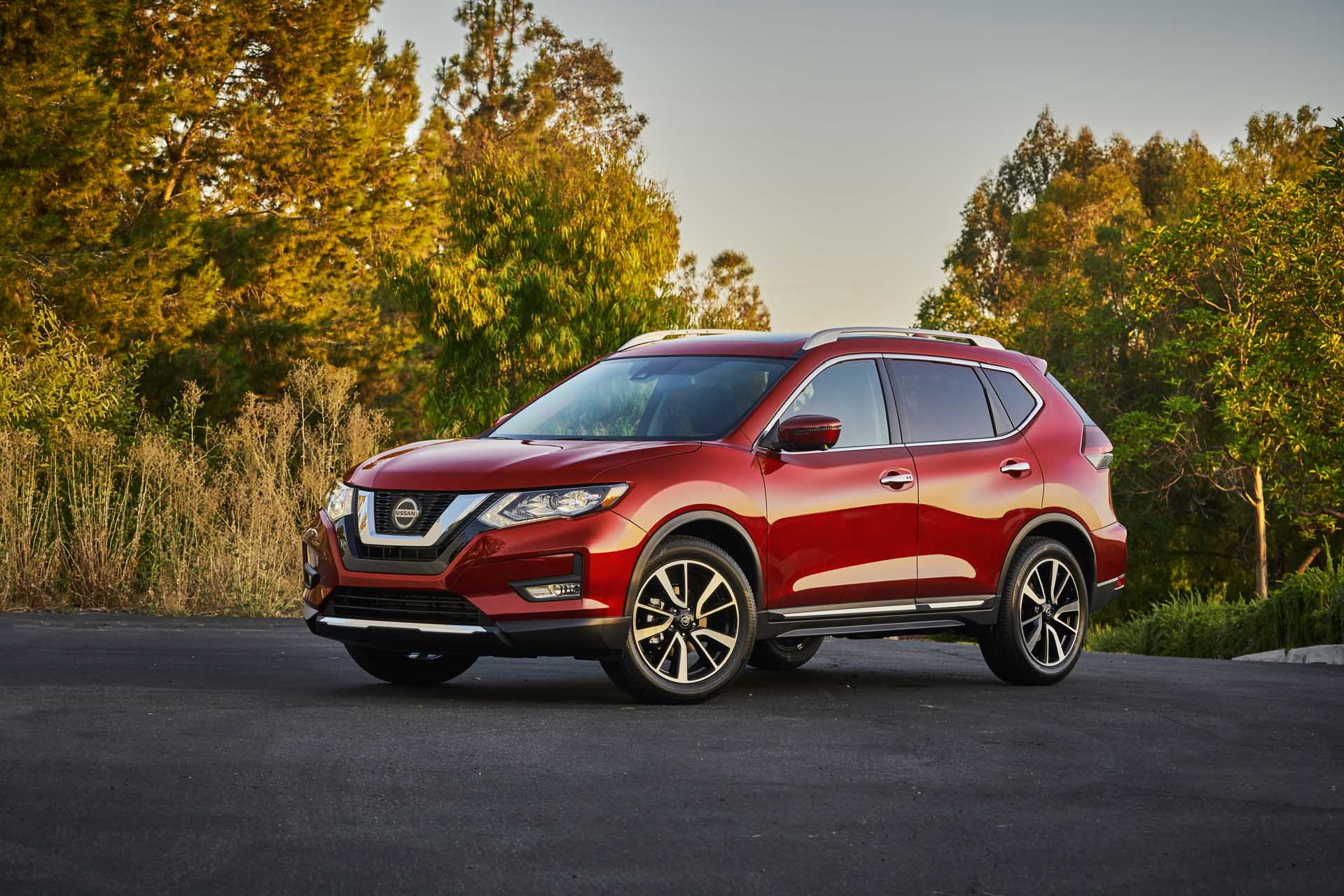
1. Nissan Rogue
The Nissan Rogue is a popular compact SUV, but one of its weaker points lies in the roof rail mounts. Unlike vehicles with fully integrated, reinforced rails, the Rogue’s mounts often rely on plastic clips or superficial attachment points. This can make the rails feel less stable, particularly when carrying heavy loads such as rooftop cargo boxes, bicycles, or kayaks.
Drivers may notice slight flexing or vibration in the rails, which can become more pronounced at higher speeds or when navigating uneven roads. While the Rogue is adequate for light cargo, the rails are not designed for frequent or heavy-duty use.
Material choices contribute to the problem. Many of the Rogue’s roof rails incorporate lightweight plastic or thin aluminum, which reduces production costs but also lowers structural strength. Over time, repeated stress from even moderately heavy cargo can cause the mounts to loosen or warp.
Additionally, the design often lacks robust reinforcement at key points, concentrating stress on a few weaker sections of the roof. This means that rooftop accessories can shift slightly during travel, increasing the risk of damage to both the roof and the cargo itself.
Installation and usability are other areas of concern. Crossbars may not fit as securely on the Rogue as they do on more robust vehicles, and tie-down points are often limited or positioned awkwardly.
Finally, safety testing suggests that the Rogue’s roof rails have lower weight limits than many competitors. The mounts are sufficient for casual or occasional use, but exceeding recommended loads could damage the roof or compromise vehicle stability.
While the Rogue excels in comfort and general SUV utility, drivers who intend to frequently transport heavy rooftop items may find the rail system underwhelming. The combination of thin materials, limited reinforcement, and less reliable attachment points places it in the category of cars with weaker mounts.
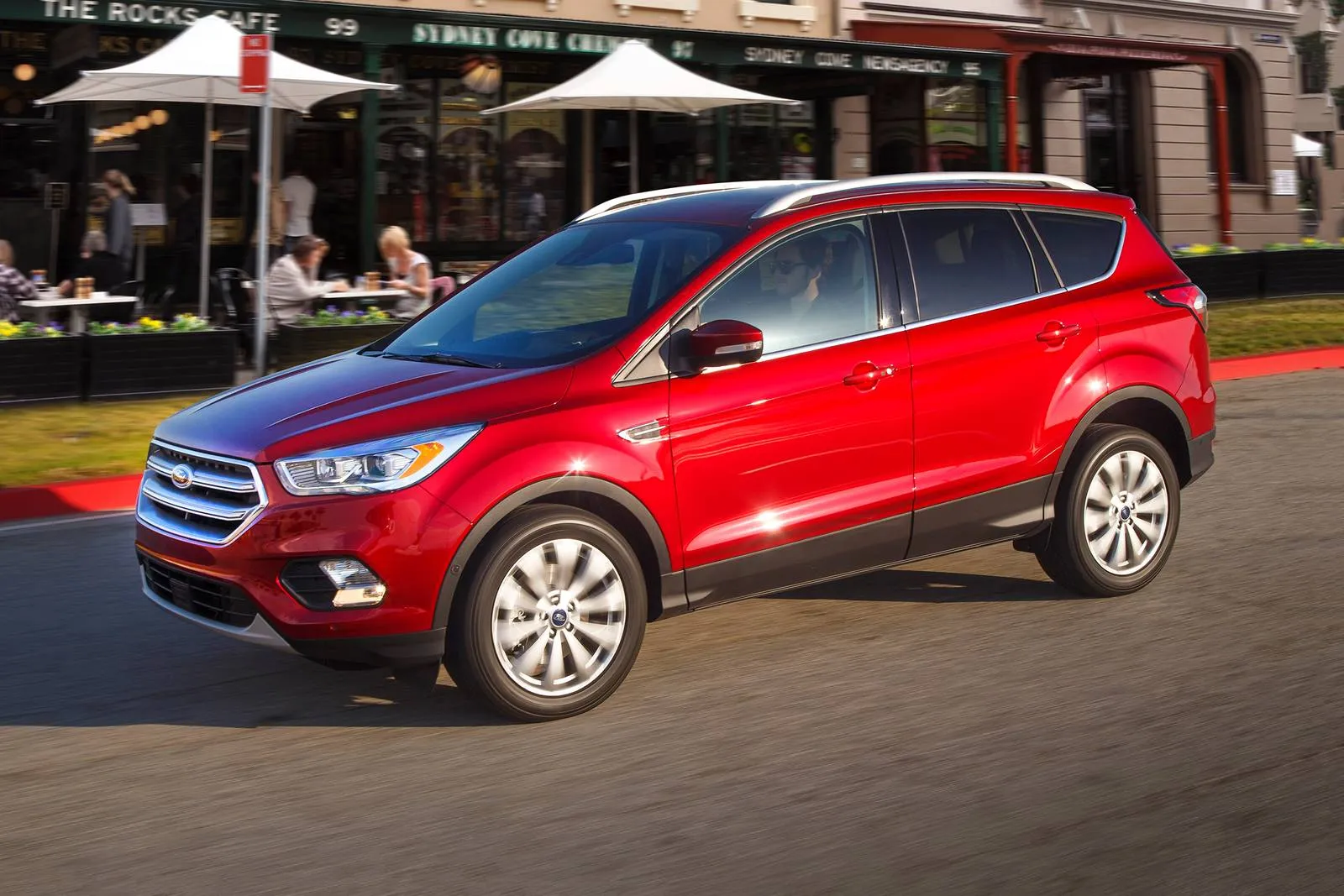
2. Ford Escape
The Ford Escape is a versatile compact SUV, but its roof rails often fall short in terms of durability. The mounts are primarily bolted superficially to the roof rather than integrated into the structural frame. As a result, the rails can flex under load, especially with heavier rooftop items such as cargo boxes or sports equipment.
Drivers carrying significant weight may notice movement or rattling during highway driving, and repeated stress over time can cause the mounts to loosen. While adequate for light-duty use, the Escape’s rails are not designed for rigorous, frequent cargo hauling.
Material selection contributes to the relative weakness. Some Escape models use thin aluminum or a combination of metal and plastic, which provides a lighter appearance but reduces overall stability.
The rails are prone to slight bending if overloaded or used over uneven terrain, and the lack of reinforcement at critical attachment points can concentrate stress in areas that were not designed to carry significant weight. For drivers looking to rely on the roof for heavier gear, this can be a noticeable drawback.
Drivers who use the Escape for adventure trips may find that the system works for small or light loads but does not provide the confidence or stability of stronger mounts. This reduces the vehicle’s versatility for outdoor enthusiasts who carry bikes, kayaks, or larger equipment.
Finally, safety considerations further underscore the weaker design. The Escape’s roof rail mounts are rated for lower weight limits than some competitors, and the attachment points may not distribute weight evenly across the roof.
While they are sufficient for light recreational use, exceeding the recommended load could result in bending, loosening, or potential damage to the roof panel. In contrast to SUVs with reinforced rails, the Escape’s mounts require more caution and careful weight management to avoid problems.
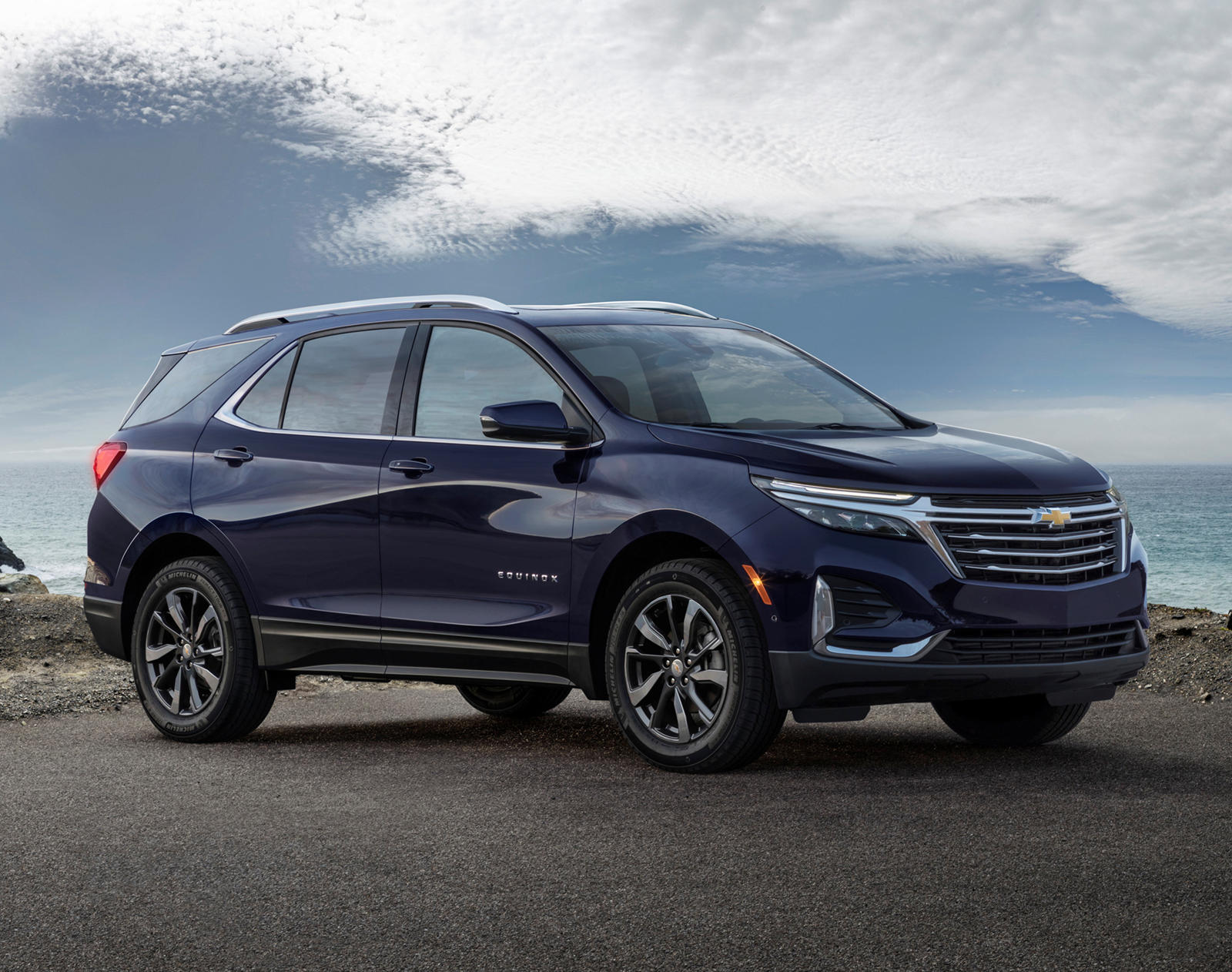
3. Chevrolet Equinox
The Chevrolet Equinox is a mid-size SUV with general versatility, but its roof rail mounts are often criticized for being less sturdy. Unlike reinforced systems found on vehicles designed for heavy-duty cargo, the Equinox’s rails rely on brackets that attach primarily to the surface of the roof panel.
This can result in flexing or wobbling when carrying heavier items, and drivers may notice vibrations during highway driving or rough terrain. While sufficient for occasional light loads, the mounts do not inspire confidence for repeated or heavier use.
Over time, this can lead to loosening or minor bending, making it necessary for drivers to check and tighten mounts frequently. These characteristics mean that heavy cargo, particularly long-term or repeated use, may cause premature wear or potential damage to the roof.
The Equinox also presents usability challenges. Crossbars can be more difficult to install securely, and tie-down points are often limited or awkwardly placed. This increases the likelihood of cargo shifting during travel, especially on bumpy roads or sharp turns.
Drivers transporting bicycles, rooftop boxes, or sports equipment may find that items move slightly despite proper installation, creating noise, stress, and potential damage. The system works for light recreational use but falls short for drivers who require robust, reliable rooftop hauling capability.
Finally, safety considerations reinforce the weakness of the Equinox’s roof rails. The manufacturer sets conservative weight limits, and exceeding them could result in deformation or loosening of the mounts. Even within weight recommendations, the rails may not feel as secure as those in vehicles with fully reinforced systems.
For consumers seeking maximum utility and confidence when carrying rooftop cargo, the Equinox’s rails may be adequate for casual use but are unlikely to satisfy more demanding needs.
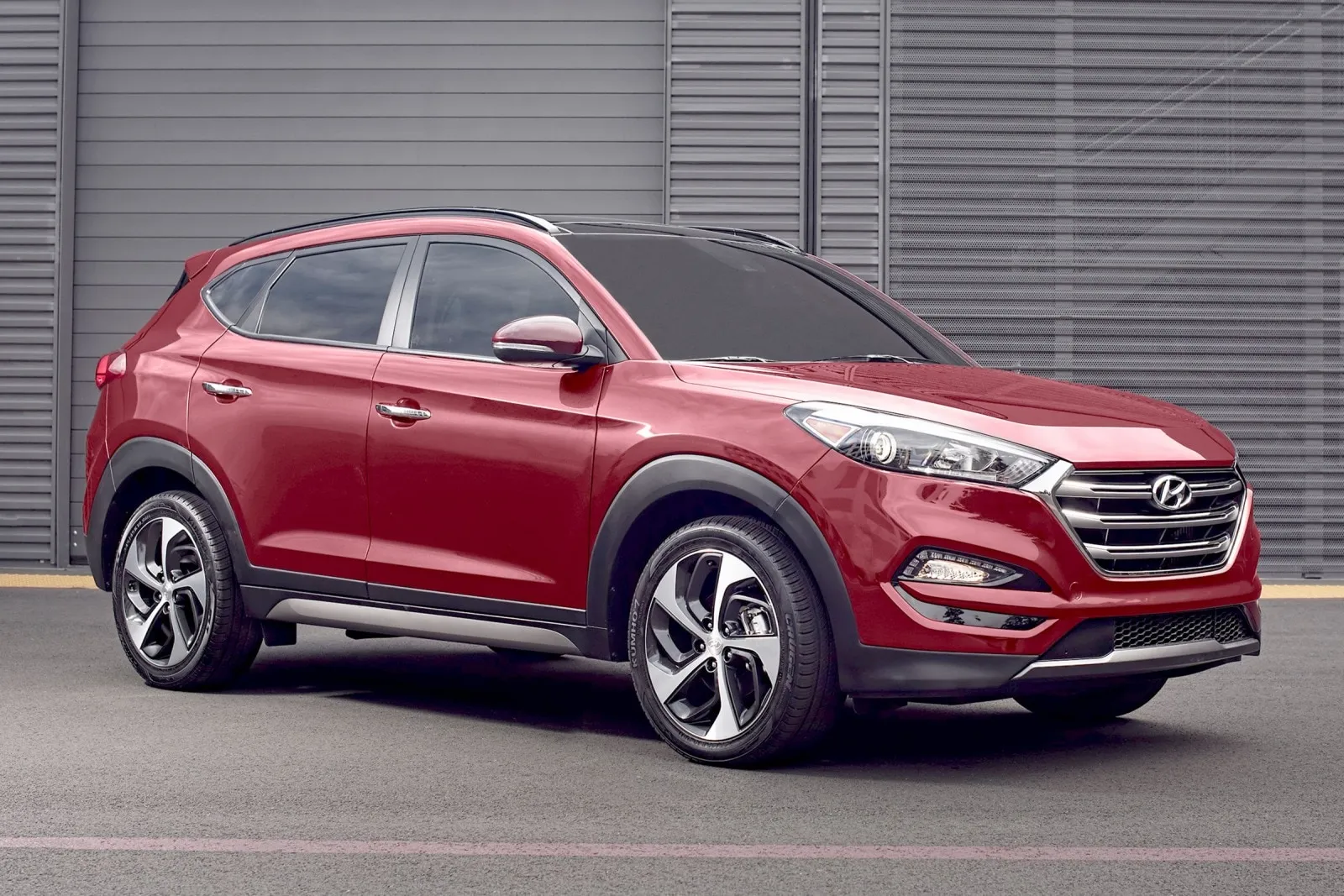
4. Hyundai Tucson
The Hyundai Tucson is a stylish compact SUV, but its roof rail mounts are not known for heavy-duty strength. Many Tucson models use rails that attach primarily via surface-level bolts or thin brackets, making them more susceptible to flexing or vibration when carrying weighty cargo.
Even moderate loads, such as a single rooftop cargo box, can sometimes produce slight movement or rattling. For drivers who frequently transport heavier items, the mounts may feel insufficiently secure, reducing confidence when driving at higher speeds or on uneven roads.
Material selection further limits durability. The rails often incorporate plastic components or thin aluminum, which may appear solid but are prone to bending under repeated stress. The design lacks reinforcement at critical points, which concentrates stress in areas vulnerable to failure.
Over time, repeated use can weaken the mounts or cause minor deformation of the roof panel, particularly if heavier items are transported regularly. These factors contribute to the perception of weaker roof rail performance.
Installation and usability are also affected. Crossbars may not fit as securely or lock as tightly as those in stronger systems, and tie-down points are sometimes limited in flexibility. This means that cargo can shift slightly during transit, creating noise, stress, and possible damage.
Outdoor enthusiasts who carry bicycles, kayaks, or larger gear may find that the Tucson’s roof rails require extra caution and careful load management to avoid issues.
Finally, safety concerns further highlight limitations. The Tucson’s roof rails are rated for lighter loads and are less capable of distributing weight evenly across the roof. While the system functions for casual or occasional use, it does not provide the reassurance of fully reinforced rails found in more rugged SUVs.
Drivers seeking reliability for heavy cargo or frequent outdoor trips may need to look elsewhere, as the Tucson’s roof rails are better suited for light, occasional use rather than repeated heavy hauling.
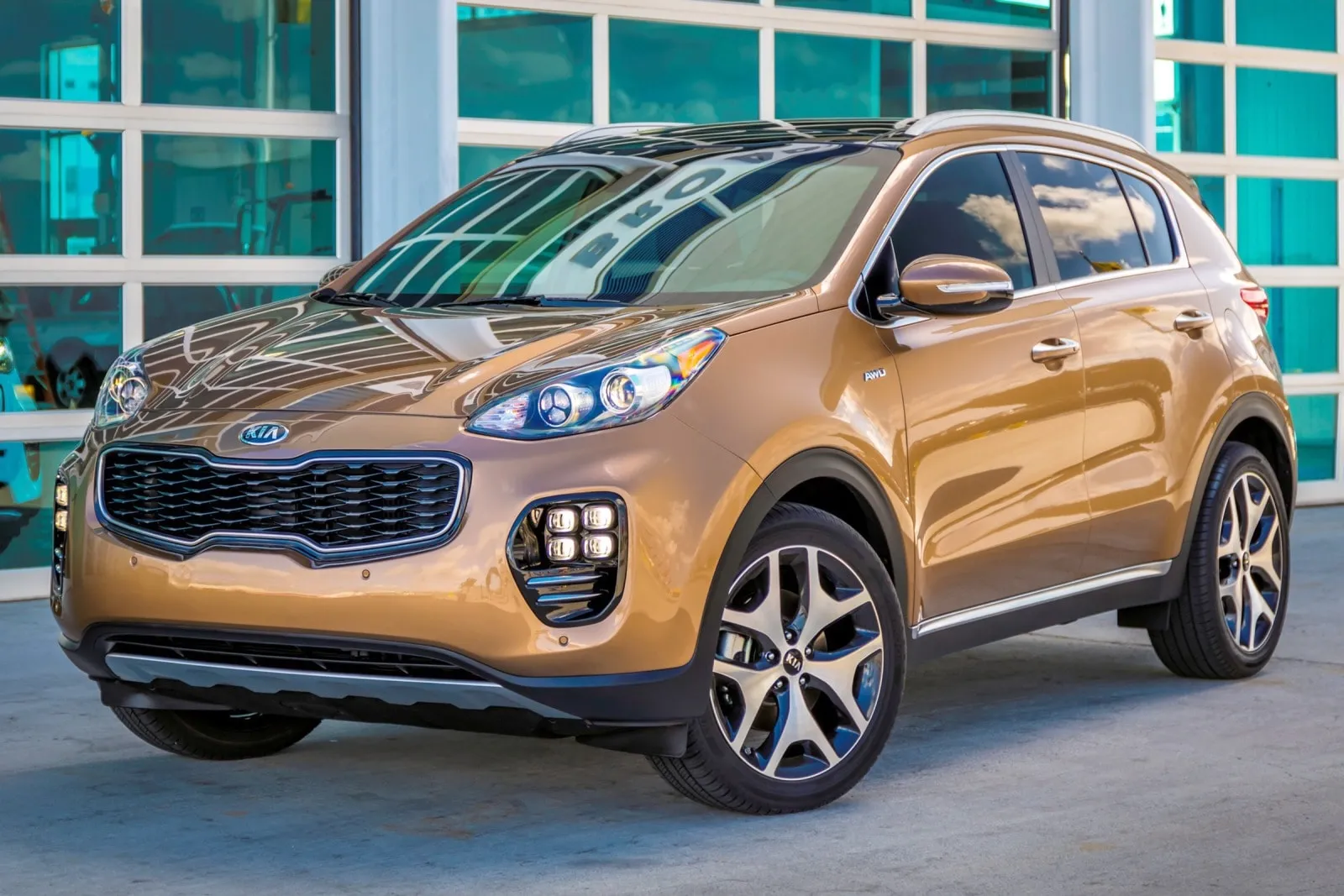
5. Kia Sportage
The Kia Sportage is a popular compact SUV that offers a combination of style and practicality, but its roof rail mounts are relatively weak. Many Sportage models feature rails attached using surface bolts or thin brackets rather than being fully integrated into the roof frame.
This can result in flexing or slight movement under load, particularly when carrying rooftop boxes, bikes, or other heavy gear. Drivers often notice minor vibrations or noise during travel, which can reduce confidence in the system’s stability.
Material and design choices contribute to the limited strength of the Sportage rails. Lightweight aluminum and plastic are often used in construction, which reduces vehicle weight but compromises overall durability.
Stress from cargo weight tends to focus on fewer points, increasing the risk of bending, loosening, or minor damage over time. For drivers who frequently transport bulky equipment, these factors make the rails less reliable than those found on SUVs with fully reinforced designs.
The system’s usability is also impacted. Crossbars may not secure as firmly, and limited tie-down points make it challenging to prevent cargo from shifting. Even careful installation may not eliminate all movement during driving, particularly on uneven roads or during sudden maneuvers.
Drivers relying on the roof for outdoor gear or heavy cargo may need to take extra precautions to secure items properly, which can reduce convenience and overall confidence.
Finally, safety is a concern when using the Sportage roof rails. The manufacturer recommends lighter loads, and exceeding these limits may compromise the mounts or roof structure.
While suitable for occasional use or light cargo, the rails are not designed for repeated heavy-duty use. For drivers seeking maximum reliability and peace of mind when transporting rooftop items, the Sportage’s roof rails are a weaker option compared to more robust vehicles in its class.