Driving in urban and suburban areas comes with its own set of challenges, and one of the most common irritations for car owners is speed bumps. These small, often underestimated road obstacles can cause more than just a minor jolt; they can lead to scraped undercarriages, damaged bumpers, and suspension issues over time.
While the impact of a speed bump may seem trivial, it reveals a great deal about a car’s design, particularly its ground clearance, suspension system, and approach angles.
Ground clearance is the distance between the lowest point of a car’s underbody and the road surface, and it plays a crucial role in determining whether a car glides over a speed bump or scrapes against it. Cars with low ground clearance may offer superior handling and aerodynamics but often struggle with elevated road features.
Conversely, vehicles with higher clearance tend to accommodate irregularities in the road more comfortably, making them less likely to suffer damage from common obstacles. Suspension also plays a vital part in how cars manage speed bumps.
A well-tuned suspension can absorb shocks efficiently, allowing the car to maintain stability while minimizing contact with the ground. Some cars achieve this through adaptive suspension systems that adjust ride height and stiffness automatically, while others rely on simpler mechanical designs that prioritize comfort over performance.
For drivers navigating urban streets daily, understanding which vehicles handle speed bumps better can be essential for maintaining a car’s longevity and avoiding costly repairs. By examining specific cars and their characteristics, it becomes clear that design choices significantly affect real-world drivability.
The discussion that follows categorizes vehicles into those that handle speed bumps smoothly and those that tend to scrape, providing insight into what makes a car suitable or challenging for everyday street conditions.
Five Cars That Don’t Scrape Speed Bumps
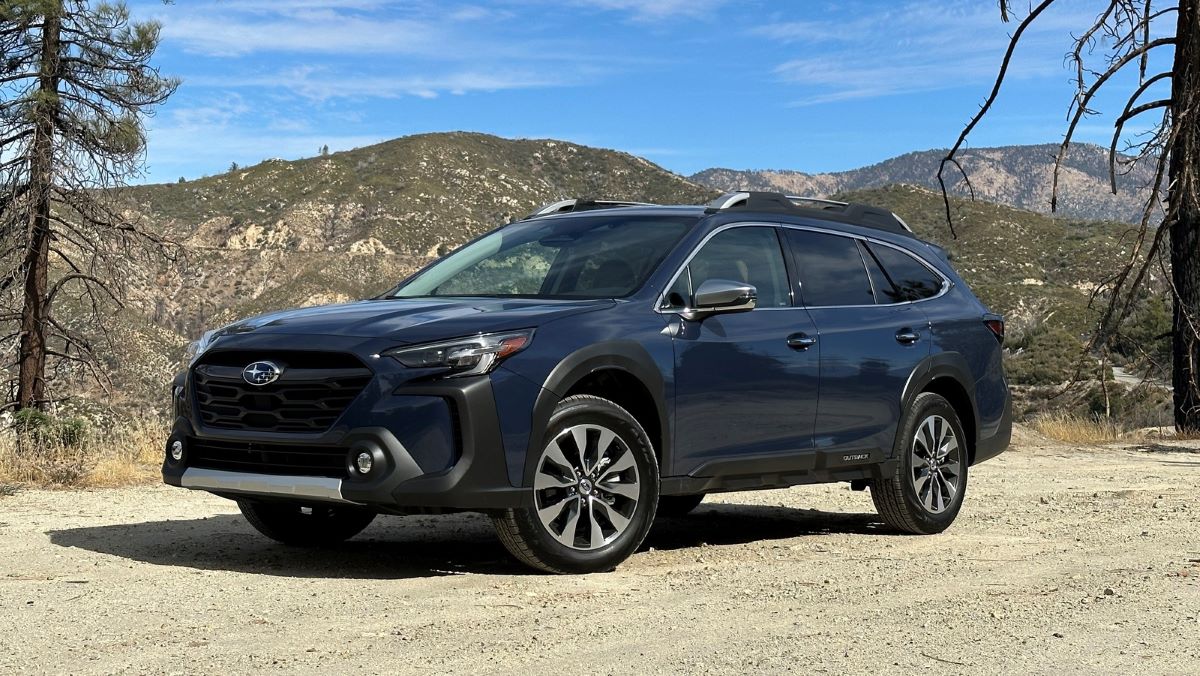
Subaru Outback
The Subaru Outback stands out as a vehicle designed for both urban streets and rugged terrain, giving it a unique advantage when navigating speed bumps. Its ground clearance, typically around 8.7 inches, is higher than most standard sedans, providing ample space between the undercarriage and the road.
This clearance is particularly useful for avoiding damage when encountering poorly designed or sharply angled speed bumps. Beyond height, the Outback’s suspension system is engineered for balance between comfort and stability.
It utilizes a combination of struts, coil springs, and stabilizer bars that allow the wheels to absorb bumps efficiently without transmitting excessive force into the cabin.
Drivers often report that even when carrying a full load of passengers or luggage, the Outback maintains a composed ride over obstacles, minimizing jarring impacts. In addition, the vehicle’s approach and departure angles are moderate, reducing the likelihood that the front bumper or rear end will come into contact with raised surfaces.
The all-wheel-drive system, a standard feature in most Outback models, further enhances its performance by distributing weight evenly across all four wheels. This system allows the vehicle to maintain stability over uneven surfaces and ensures that one wheel does not bear excessive stress when crossing a speed bump.
Practical scenarios, such as navigating school zones or city streets with multiple traffic-calming features, demonstrate the Outback’s reliability. Drivers rarely have to worry about scraping, which not only protects the vehicle from cosmetic damage but also preserves the integrity of critical components like the oil pan or exhaust system.
For people who prioritize safety, longevity, and comfort, the Subaru Outback remains an exceptional choice for avoiding undercarriage issues while maintaining everyday drivability.
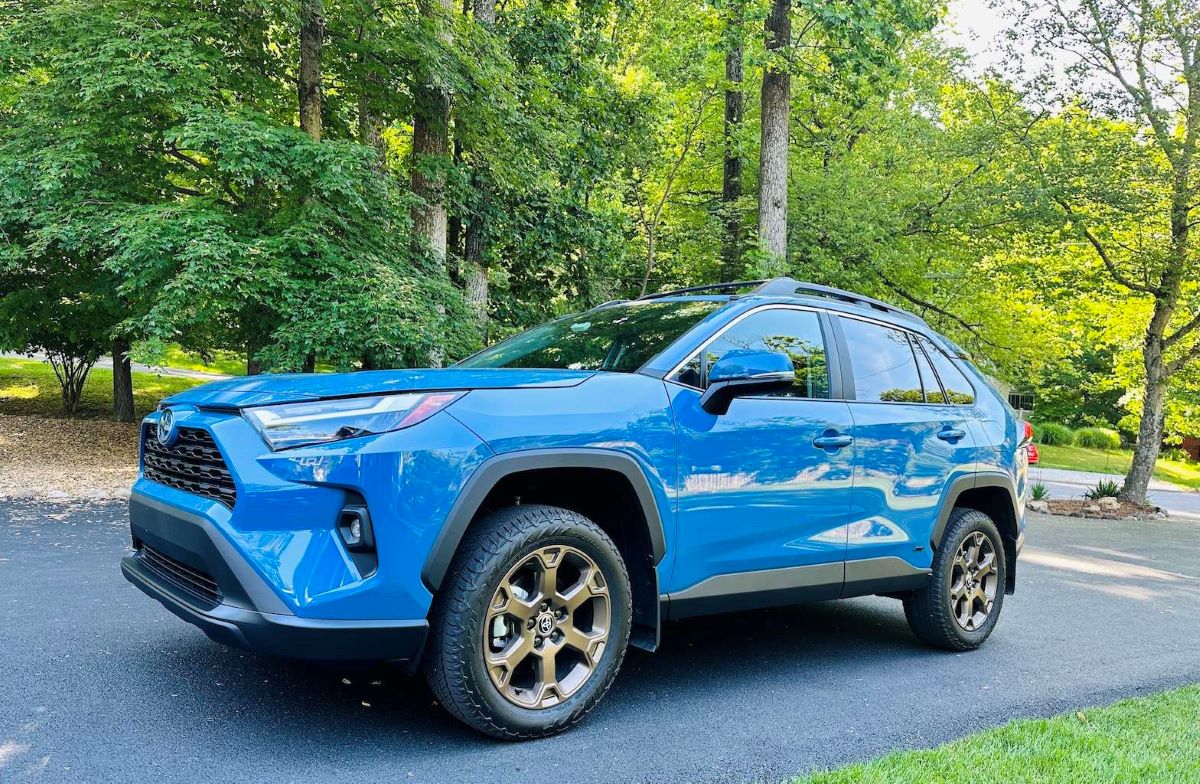
Toyota RAV4
The Toyota RAV4 has long been recognized for its practicality, combining a versatile crossover design with engineering that handles urban road obstacles efficiently.
One of the RAV4’s key advantages is its ground clearance of roughly 8.4 inches, which allows drivers to navigate speed bumps without slowing excessively or angling the vehicle awkwardly.
Its suspension system is tuned to strike a balance between absorbing shocks and maintaining precise handling, providing a smooth ride whether traveling solo or with a full passenger load.
The compact dimensions of the RAV4, paired with its moderate wheelbase, allow drivers to approach speed bumps at angles that minimize the risk of undercarriage contact.
This is particularly useful in urban environments where speed bumps are often unevenly spaced or sharply raised. Modern RAV4 models incorporate advanced traction control and stability management systems that reduce the chances of sudden jolts when encountering speed bumps, especially in wet or slippery conditions.
Additionally, the vehicle’s design considers load distribution, meaning that adding cargo or passengers does not significantly lower the vehicle’s height to the point of scraping. Drivers frequently highlight that even in areas with consecutive speed bumps, the RAV4 maintains composure, comfort, and stability.
For families, commuters, and urban drivers, this combination of clearance, suspension engineering, and vehicle design ensures a reliable and stress-free driving experience. The RAV4 exemplifies how practical engineering choices allow a crossover to handle everyday obstacles with minimal concern for damage.
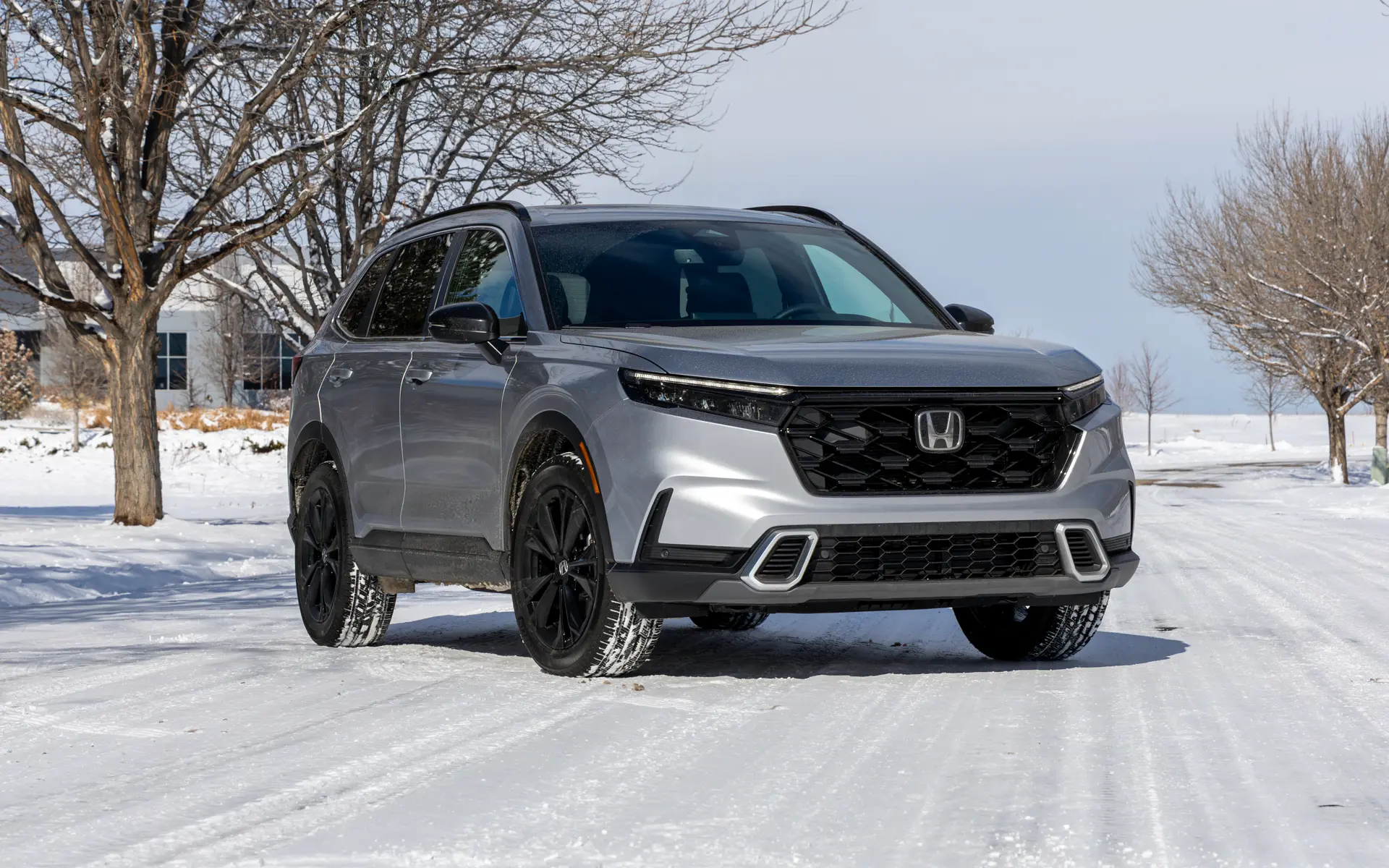
Honda CR-V
The Honda CR-V is widely recognized for its balance of comfort, reliability, and versatility, making it particularly adept at handling urban road obstacles. Its ground clearance, typically around 8.2 inches, provides sufficient distance between the underbody and raised surfaces, reducing the likelihood of scraping when navigating speed bumps.
The CR-V’s suspension is tuned to optimize both comfort and handling, incorporating a combination of strut-based front suspension and multi-link rear suspension.
This setup allows the vehicle to absorb bumps efficiently while maintaining vehicle stability, even during sudden encounters with poorly designed speed bumps.
The design of the front and rear approach angles ensures that the bumpers are less likely to make contact with elevated surfaces, which is a critical factor for drivers in cities where raised obstacles are common. Weight distribution in the CR-V also contributes to its obstacle-handling ability.
Its lightweight yet sturdy frame prevents excessive compression under normal loads, ensuring that the vehicle remains at a height that avoids scraping. Real-world driving experiences highlight the CR-V’s ability to glide over speed bumps without causing discomfort to passengers or risking damage to the undercarriage.
Even with a full load of passengers or cargo, drivers report minimal jarring and confident handling. This combination of clearance, suspension performance, and structural engineering has helped make the CR-V a go-to choice for daily commuters, families, and anyone seeking a practical vehicle that does not compromise on comfort or durability when encountering urban obstacles.
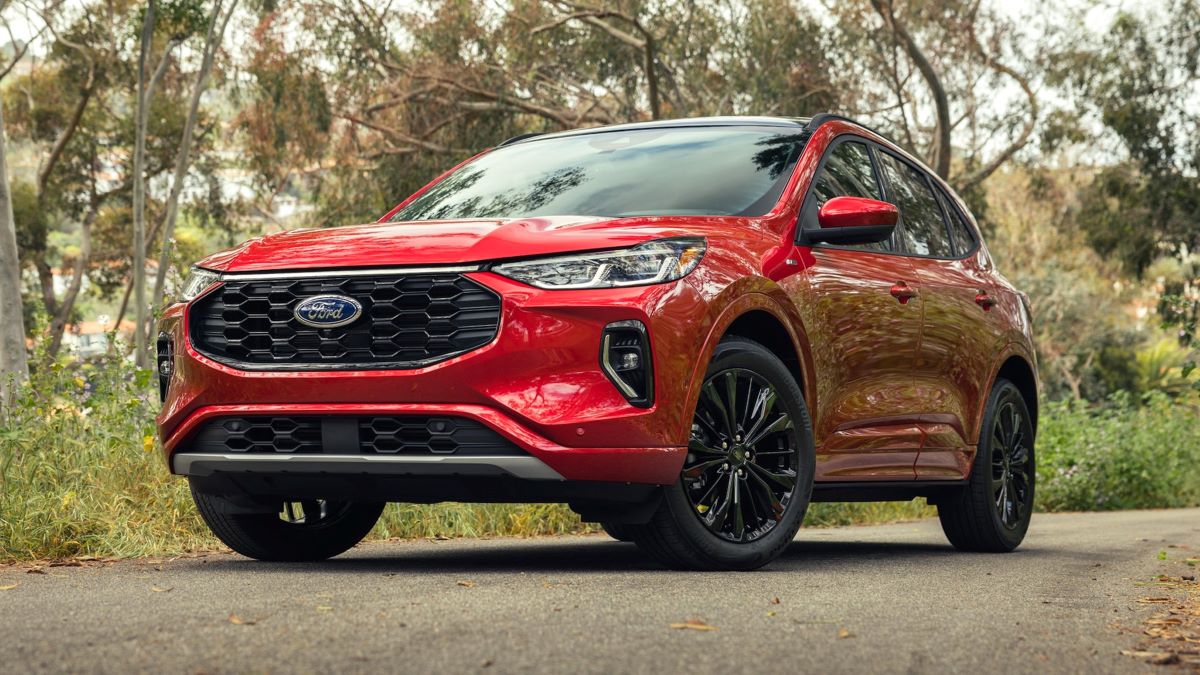
Ford Escape
The Ford Escape is a compact SUV that demonstrates how engineering and thoughtful design allow a vehicle to handle speed bumps with ease. With a ground clearance ranging from 7.8 to 8.0 inches, depending on the model year and trim, the Escape provides enough height to prevent undercarriage contact in most urban driving situations.
Its suspension system is designed for comfort and stability, incorporating MacPherson struts in the front and multi-link suspension in the rear. This combination allows the wheels to absorb vertical shocks from speed bumps while keeping the cabin stable and passengers comfortable.
Modern Escape models offer selectable driving modes that adjust suspension stiffness and responsiveness, further enhancing their ability to navigate obstacles safely.
The vehicle’s front and rear approach angles are also carefully considered to reduce the risk of scraping, particularly when crossing sharply angled or uneven speed bumps.
Drivers frequently report that the Escape maintains composure even under full passenger and cargo loads, ensuring that weight does not significantly reduce clearance.
Urban driving scenarios, such as passing through school zones, commercial areas, or residential neighborhoods with frequent raised obstacles, highlight the vehicle’s resilience and practicality.
The Escape’s combination of engineering design, height, and stability systems makes it a dependable choice for drivers seeking a vehicle capable of handling speed bumps without constant concern for undercarriage damage.
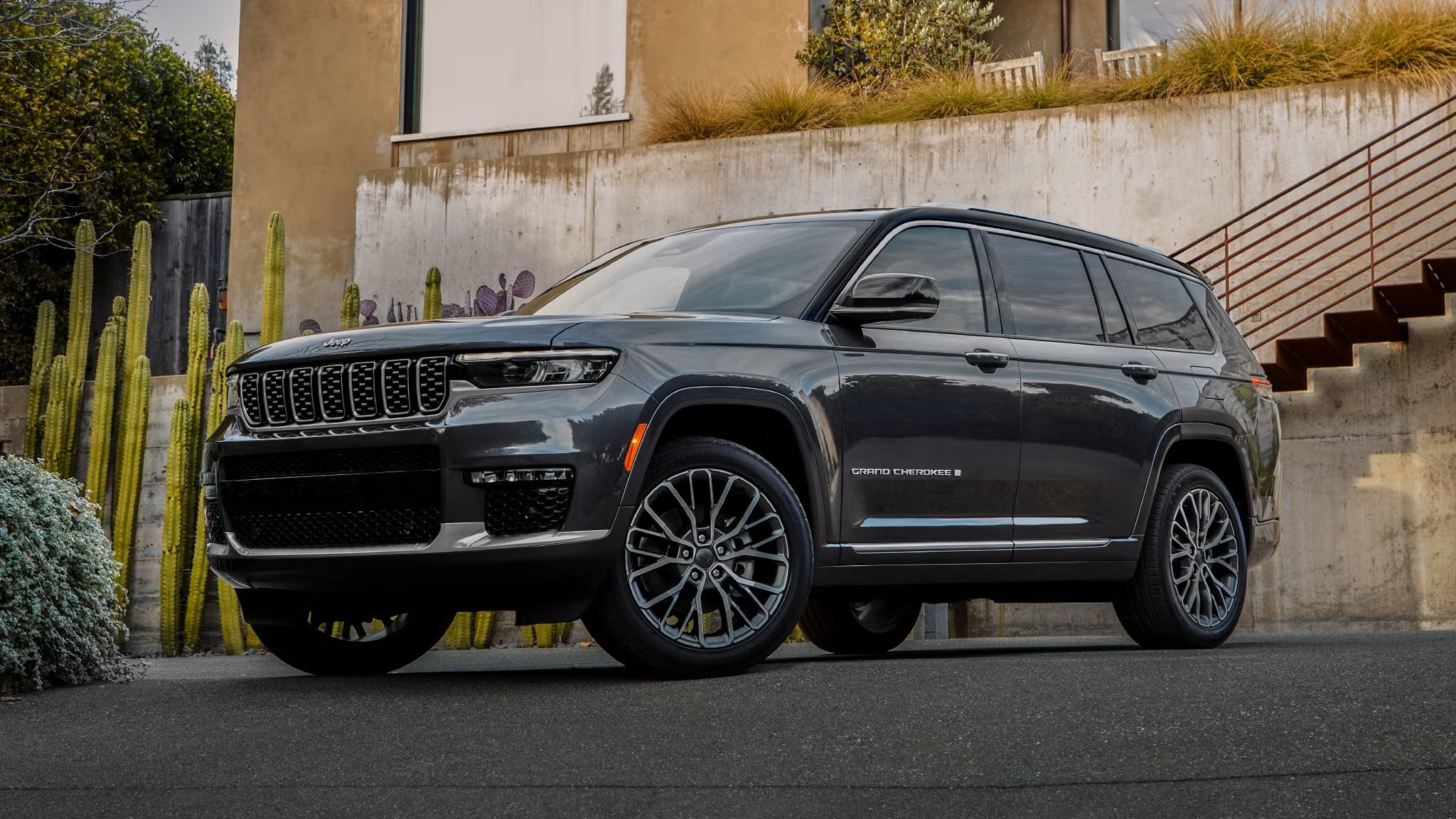
Jeep Cherokee
The Jeep Cherokee is a vehicle designed to excel both on and off the road, making it highly capable when navigating speed bumps and other raised obstacles.
Its ground clearance, typically between 8.7 and 9 inches depending on the trim, allows drivers to traverse speed bumps comfortably without risking contact with the undercarriage or front bumper.
The Cherokee’s suspension system is engineered for versatility, with ample travel to absorb bumps while maintaining vehicle stability. Approach and departure angles are optimized to prevent scraping during both ascent and descent over elevated surfaces.
The robust frame and chassis further protect vital components from damage when crossing speed bumps, even when the vehicle is fully loaded.
The Cherokee also incorporates advanced traction and stability systems, which help distribute forces evenly across the wheels when negotiating obstacles, preventing one side of the vehicle from dropping excessively.
Practical driving experiences demonstrate that the Cherokee remains composed and secure even in urban environments with poorly designed speed bumps, making it a reliable option for daily commuting as well as occasional off-road adventures.
For drivers who prioritize durability, passenger comfort, and obstacle-handling ability, the Jeep Cherokee stands out as one of the most capable vehicles in its class, effortlessly managing challenges that would cause low-profile vehicles to scrape or bottom out.
Five Cars That Do Scrape Speed Bumps
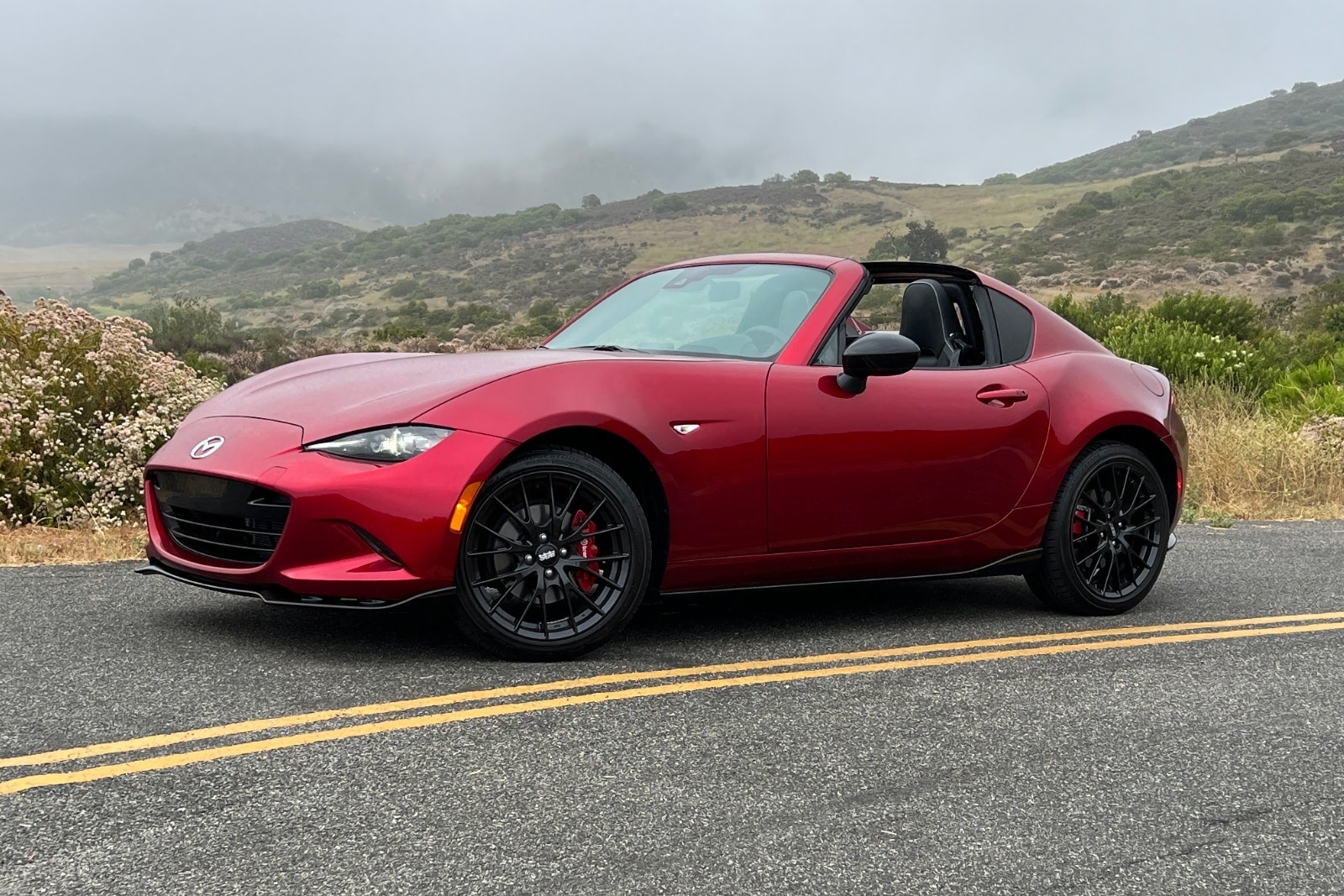
Mazda MX-5 Miata
The Mazda MX-5 Miata is a sports car renowned for its lightweight design, agile handling, and driver-focused performance, but its low-slung profile makes it highly prone to scraping over speed bumps.
With a ground clearance of roughly 4.5 inches, even moderately sized speed bumps pose a challenge, requiring drivers to approach obstacles at a careful angle or slow to a crawl to prevent contact with the undercarriage.
The Miata’s suspension is tuned for precision rather than comfort, providing a firm ride that maximizes road feel and cornering responsiveness but does little to absorb vertical jolts from raised surfaces.
In real-world urban scenarios, drivers must pay close attention to road features, often choosing diagonal approaches or slowing to nearly a walking pace when encountering speed bumps to avoid scraping the front splitter or underbody.
While this design provides exceptional handling and driving enjoyment on open roads and racetracks, it makes city driving with frequent traffic-calming measures more challenging.
The vehicle’s low overhangs further increase the likelihood of contact with elevated surfaces, especially when passengers or cargo are added, which slightly compresses the suspension and reduces clearance even further.
Owning a Miata in urban areas requires careful planning, anticipation of road obstacles, and sometimes unconventional maneuvering to maintain its pristine underbody, highlighting the trade-off between sporty performance and daily practicality.
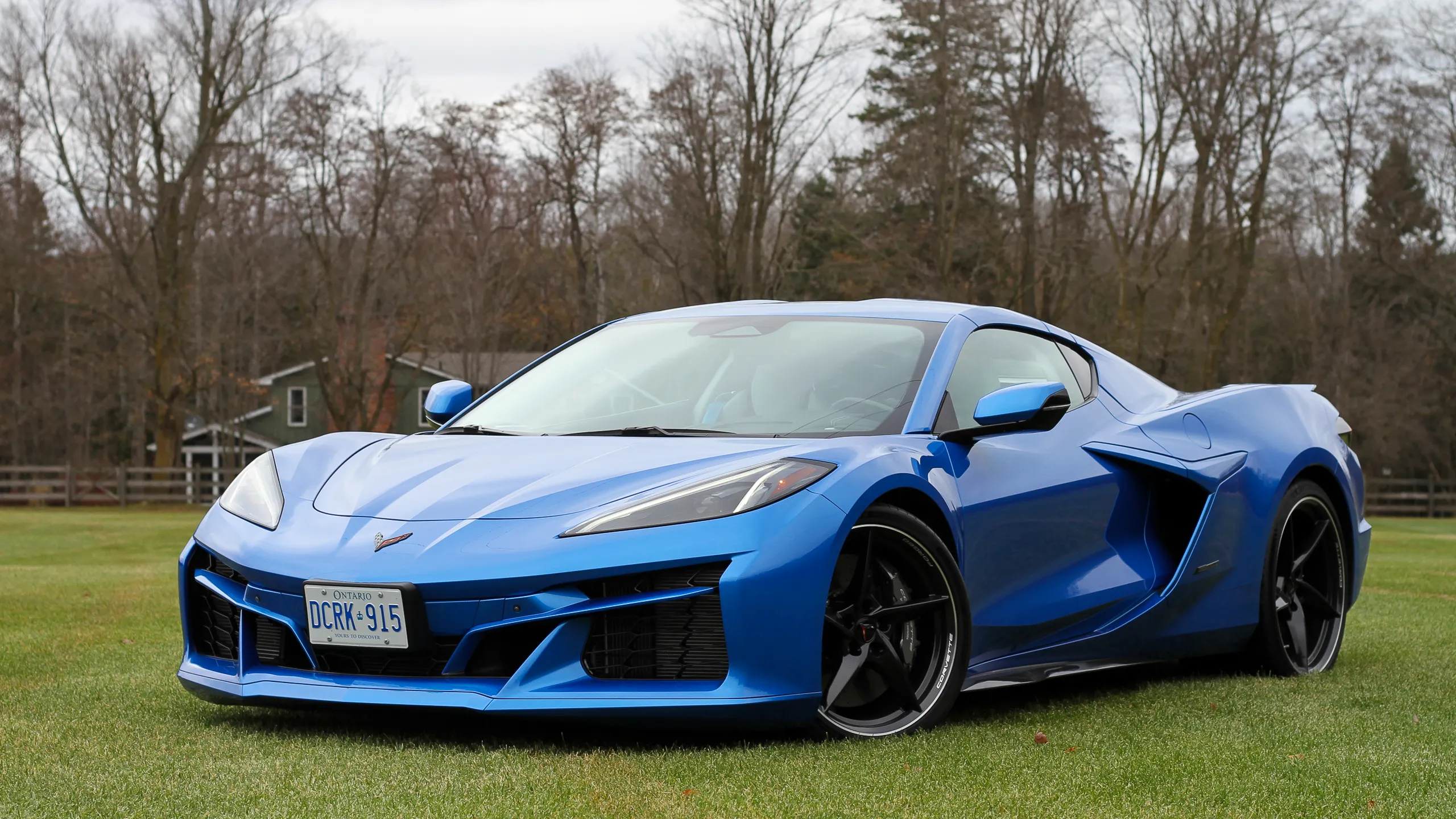
Chevrolet Corvette
The Chevrolet Corvette is designed with speed, performance, and aerodynamics in mind, but these features come at the cost of practicality over common road obstacles.
With a ground clearance of approximately 4.5 inches, the Corvette’s long front and rear overhangs make it extremely prone to scraping when encountering speed bumps, driveway inclines, or uneven road surfaces.
Its suspension system is stiff, optimized for high-speed cornering and stability rather than comfort or obstacle absorption, meaning that even moderate bumps can result in contact between the undercarriage and the ground.
In daily driving conditions, owners must approach speed bumps slowly and often at an angle to avoid damage to the front splitter, side skirts, or exhaust system.
This limitation is particularly noticeable in cities with frequent traffic-calming measures, where standard driving speeds often result in scraping.
While the Corvette delivers exhilarating acceleration, precise handling, and a low center of gravity for performance driving, these benefits highlight a fundamental compromise: the vehicle sacrifices urban practicality for on-road excitement.
Real-world scenarios, such as entering parking garages or navigating residential neighborhoods, demonstrate the constant need for caution, underscoring that owners of performance vehicles like the Corvette must accept daily driving inconveniences in exchange for exceptional performance at higher speeds.
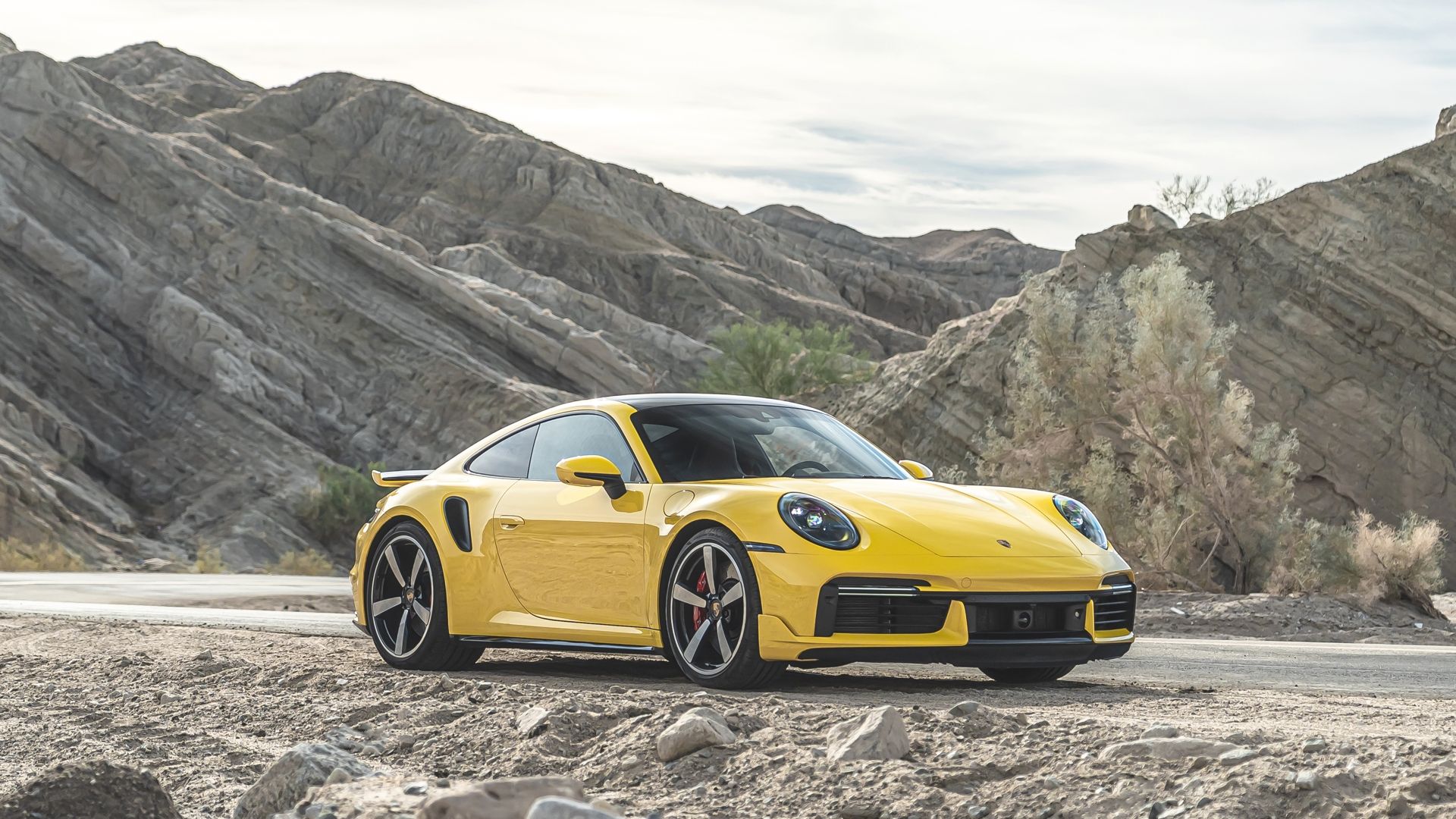
Porsche 911
The Porsche 911 is an iconic sports car known for its engineering, speed, and precision, but its low ride height and aerodynamic design make it prone to scraping over speed bumps. With a ground clearance of around 4.7 inches and front and rear spoilers designed to optimize airflow, even minor road irregularities require careful navigation to avoid damage.
Its suspension system is tuned for high-speed stability and precise cornering rather than absorbing vertical obstacles, resulting in minimal clearance when encountering elevated surfaces.
Drivers in urban areas quickly realize that a standard approach over speed bumps is insufficient; instead, they must reduce speed significantly or approach at an angle to prevent the front bumper or undercarriage from contacting the surface.
The low-profile design and short overhangs increase the risk of scraping on driveways, parking lot entrances, and poorly designed traffic-calming measures. Even routine city driving demands attentiveness, as failure to account for speed bumps can result in cosmetic damage, bent aerodynamic components, or stress to the vehicle’s underbody.
While the Porsche 911 excels on open roads and tracks, delivering unmatched driving dynamics, it demonstrates the classic trade-off between performance-oriented design and everyday usability. Urban driving with such vehicles requires patience, careful maneuvering, and sometimes alternative routes to protect the car’s low-sitting structure.
Nissan 370Z
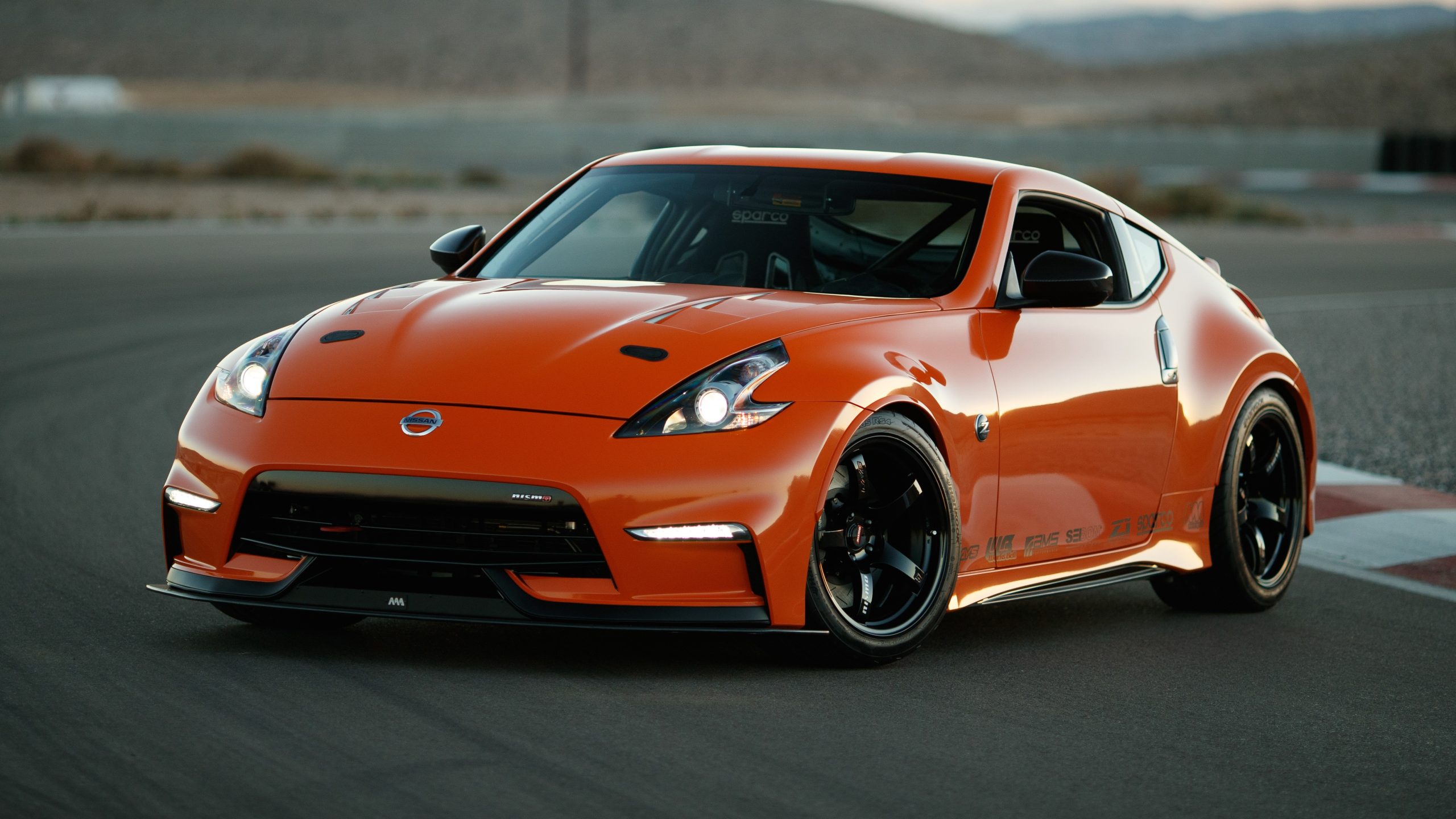
The Nissan 370Z is another sports car that emphasizes performance, handling, and a sleek design, but these traits limit its practicality when negotiating speed bumps. With a ground clearance of around 4.3 inches, the vehicle’s low-slung profile makes even modest urban speed bumps potential hazards.
The suspension is performance-focused, stiff enough to provide excellent road feel and cornering response but lacking the flexibility to absorb vertical obstacles without causing contact between the underbody and the road.
Real-world driving highlights this limitation, as owners often need to approach speed bumps diagonally or reduce speed to a crawl to prevent scraping the front bumper, side skirts, or exhaust components.
Short overhangs and a low nose further exacerbate the risk, making everyday city streets more challenging for drivers who want to maintain the car’s pristine exterior. While the 370Z provides a thrilling driving experience on highways and winding roads, its limitations in urban environments reveal a clear trade-off between style, speed, and usability.
Owners navigating residential areas, parking lots, or streets with frequent traffic-calming features must exercise constant caution, which can be inconvenient for routine commuting. The Nissan 370Z is therefore best suited to drivers who prioritize spirited driving performance over everyday practicality in obstacle-rich environments.
Lotus Elise
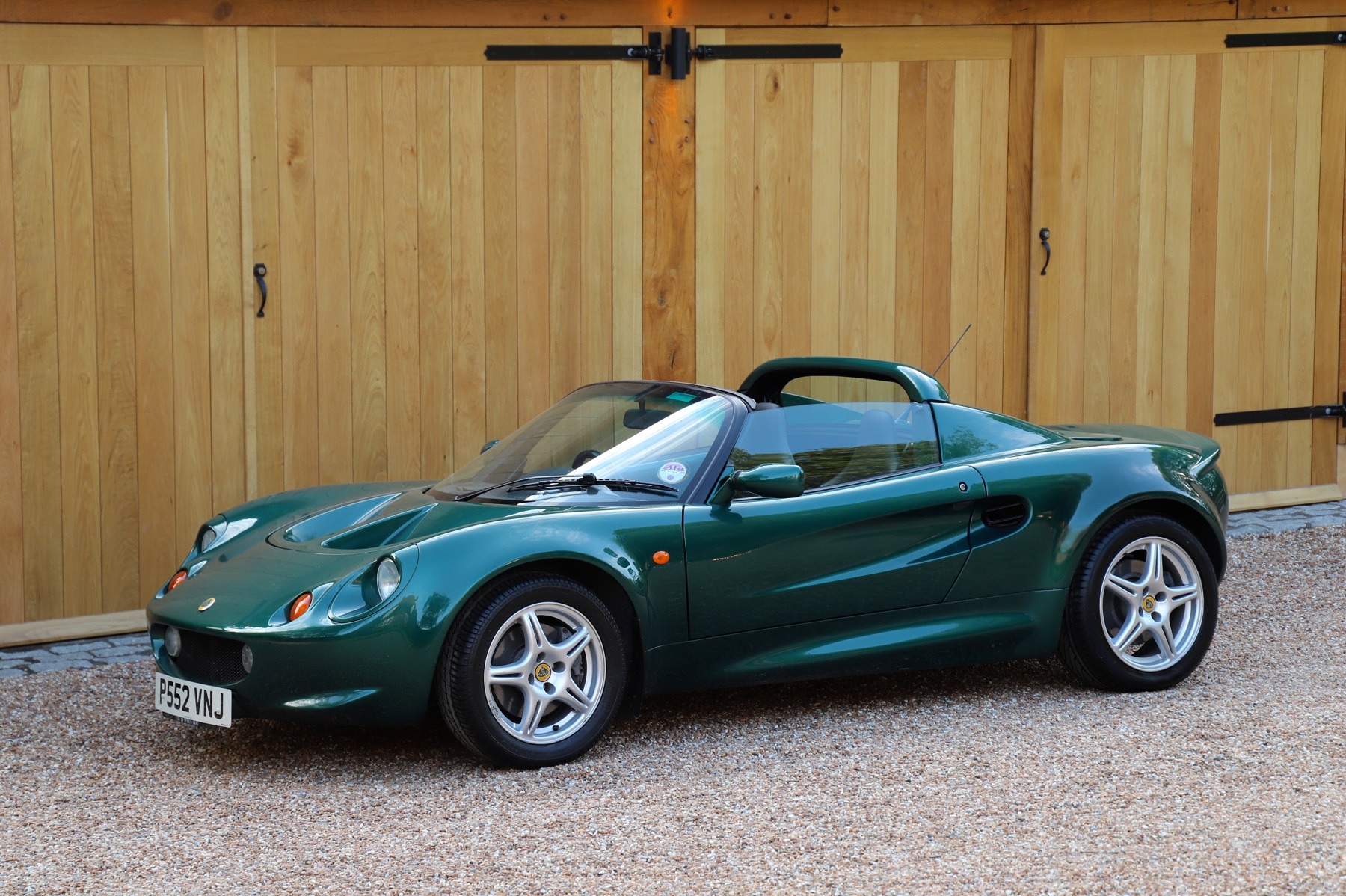
The Lotus Elise represents the extreme end of low-profile sports cars, prioritizing performance, agility, and weight reduction above all else. Its ground clearance is exceptionally low, at approximately 3.5 inches, making it highly susceptible to scraping over even small speed bumps, driveways, and road irregularities.
The suspension is stiff and designed for precise handling on smooth surfaces or racetracks, which leaves little tolerance for vertical obstacles. Approach angles are minimal, and the low-slung front end increases the likelihood of scraping on raised surfaces.
Urban driving with a Lotus Elise requires extreme caution: drivers must slow to near walking speeds and often approach obstacles at an angle to avoid damaging the undercarriage, front splitter, or exhaust system.
Despite its thrilling driving dynamics, lightweight construction, and track-focused performance, the Elise demonstrates a severe limitation for everyday usability in cities and suburbs. Owners must carefully select routes and anticipate raised obstacles, highlighting a pronounced trade-off between high-performance design and urban practicality.
The car excels in environments where speed, handling, and driver engagement are prioritized, but for daily commuting on roads with speed bumps or uneven surfaces, the Lotus Elise demands meticulous attention and patience to prevent costly damage.