
When it comes to driving in the United States, convenience is key, and few features are more overlooked yet surprisingly impactful than the fuel door.
For most drivers, filling up at the gas station is a simple, automatic task. However, some vehicles manage to turn this mundane routine into a frustrating ordeal, with fuel doors that are mechanically stiff, electronically convoluted, or just unintuitive.
These quirks can turn a quick pit stop into a test of patience, especially for commuters and road trippers. On the other hand, many vehicles keep things simple with fuel doors that are intuitive, reliable, and stress-free.
This article explores five cars known for their complicated fuel doors and contrasts them with five alternatives that make refueling effortless.
Cars With the Most Complicated Fuel Doors
Filling up your car should be a simple, mindless task, stop at the pump, open the fuel door, and add gas. But for some vehicles, that seemingly routine chore turns into a small puzzle. Some fuel doors are finicky, requiring multiple steps, unusual handles, or hidden releases that leave drivers scratching their heads.
Others are positioned awkwardly, equipped with confusing locks, or paired with capless systems that aren’t as intuitive as they seem. In this article, we highlight the cars with the most complicated fuel doors, exploring the quirks and design decisions that make refueling a little more challenging than it needs to be.
1. Mercedes-Benz S-Class
The Mercedes-Benz S-Class represents luxury at its finest, but its fuel door system can be a headache. Many models feature electronically controlled doors tied to the central locking system, meaning the car must be fully unlocked before the fuel door will open.
In some cases, sensors may misread the latch’s position, preventing access entirely. For drivers in the US who expect a quick stop at the pump, this combination of electronics and sensors can turn a simple task into a multi-step puzzle.
The 2020 Mercedes-Benz S-Class has long stood as a benchmark for luxury, thanks to its elegant design and impressive performance credentials. Whether you select the spacious sedan, the dignified coupe, or the opulent convertible, these top-tier Benz models are brimming with the latest technology and the finest materials
. The S-Class delivers it all: an interior fit for royalty, performance to satisfy even the most demanding driver, and a commanding road presence that is unmistakably Mercedes.
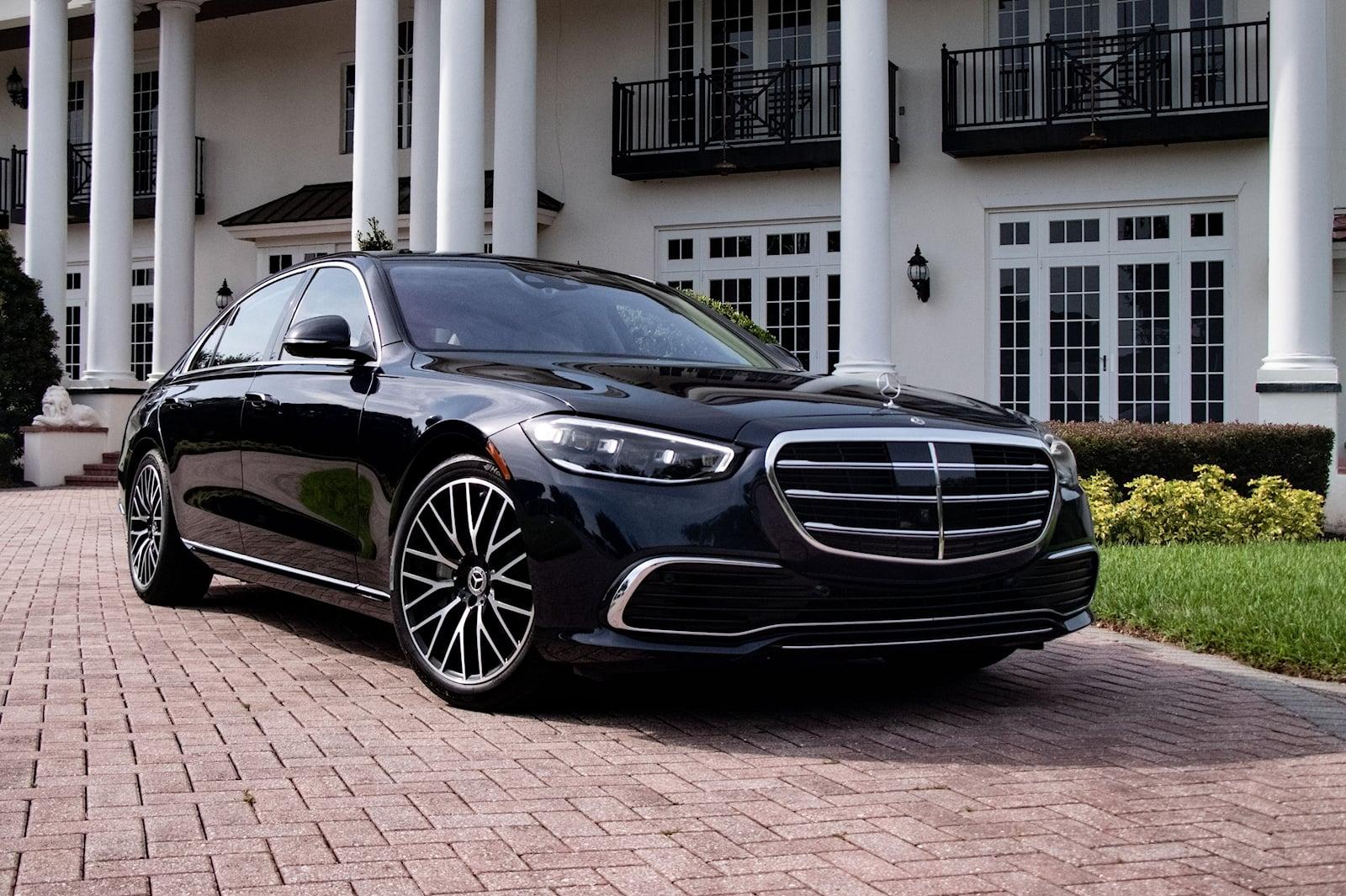
Mercedes-Benz introduces the 560e, an all-new plug-in variant of the 2020 S560 sedan that pairs an electric motor with the twin-turbo V-6 for added efficiency and power, offering a claimed 25-mile all-electric range.
If we were shopping for an S-Class, we would likely opt for a moderately equipped S560. While the S450’s twin-turbo V-6 is smooth and powerful, the V-8 in the S560 is our preference. Selecting the S560 requires careful consideration due to its higher starting price.
The S-Class sedan offers two gasoline powertrains: a 362-hp twin-turbocharged 3.0-liter V-6 in the S450 and a 463-hp twin-turbocharged 4.0-liter V-8 in the S560. Rear-wheel drive is standard, with all-wheel drive available on both engines.
In testing, a rear-wheel-drive 2018 S450 achieved 0–60 mph in 5.3 seconds, while the 2018 S560 managed the sprint in 4.2 seconds. The coupe and cabriolet are available only with the V-8, with the 2018 S560 coupe hitting 0–60 mph in a brisk 4.0 seconds.
Also Read: 8 SUVs That Sell for Top Dollar After 15 Years
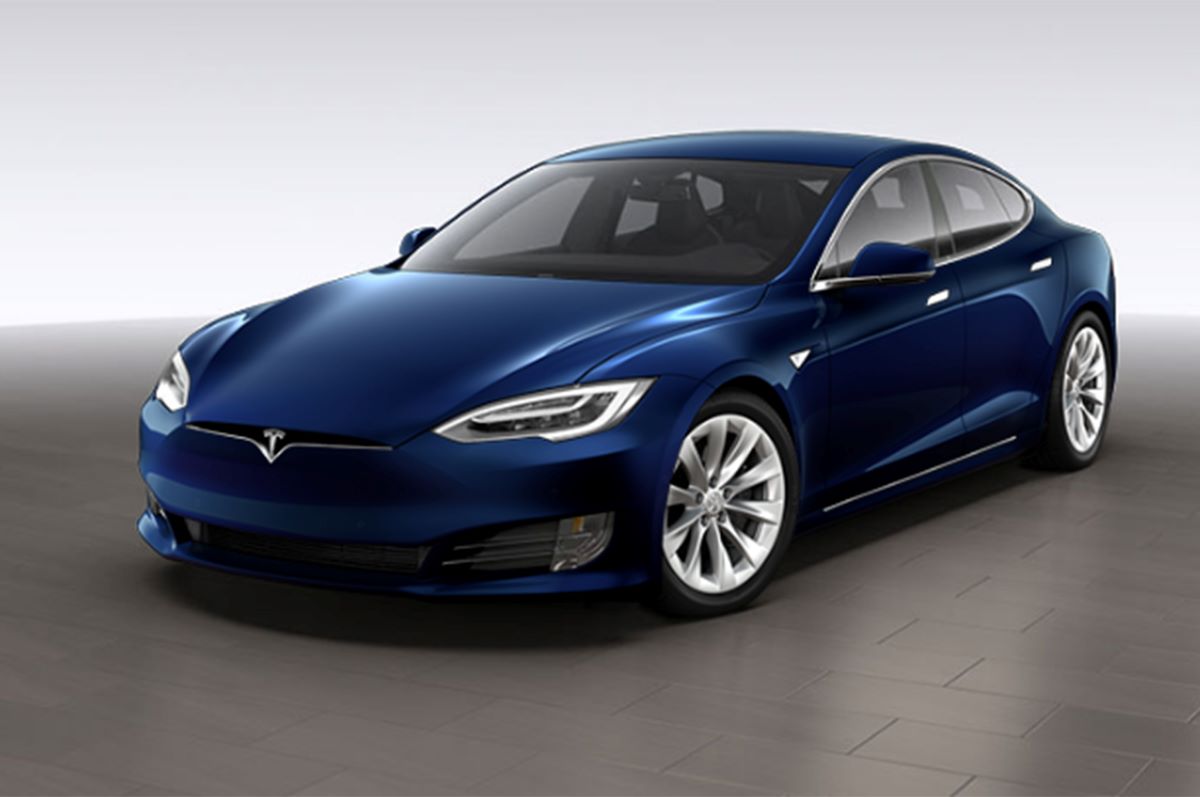
2. Tesla Model S and Model X
Tesla’s electric vehicles replace traditional fuel doors with charging ports, but these ports are not immune to complications.
They rely on electronic sensors and software to open, which can occasionally fail due to glitches or connectivity issues.
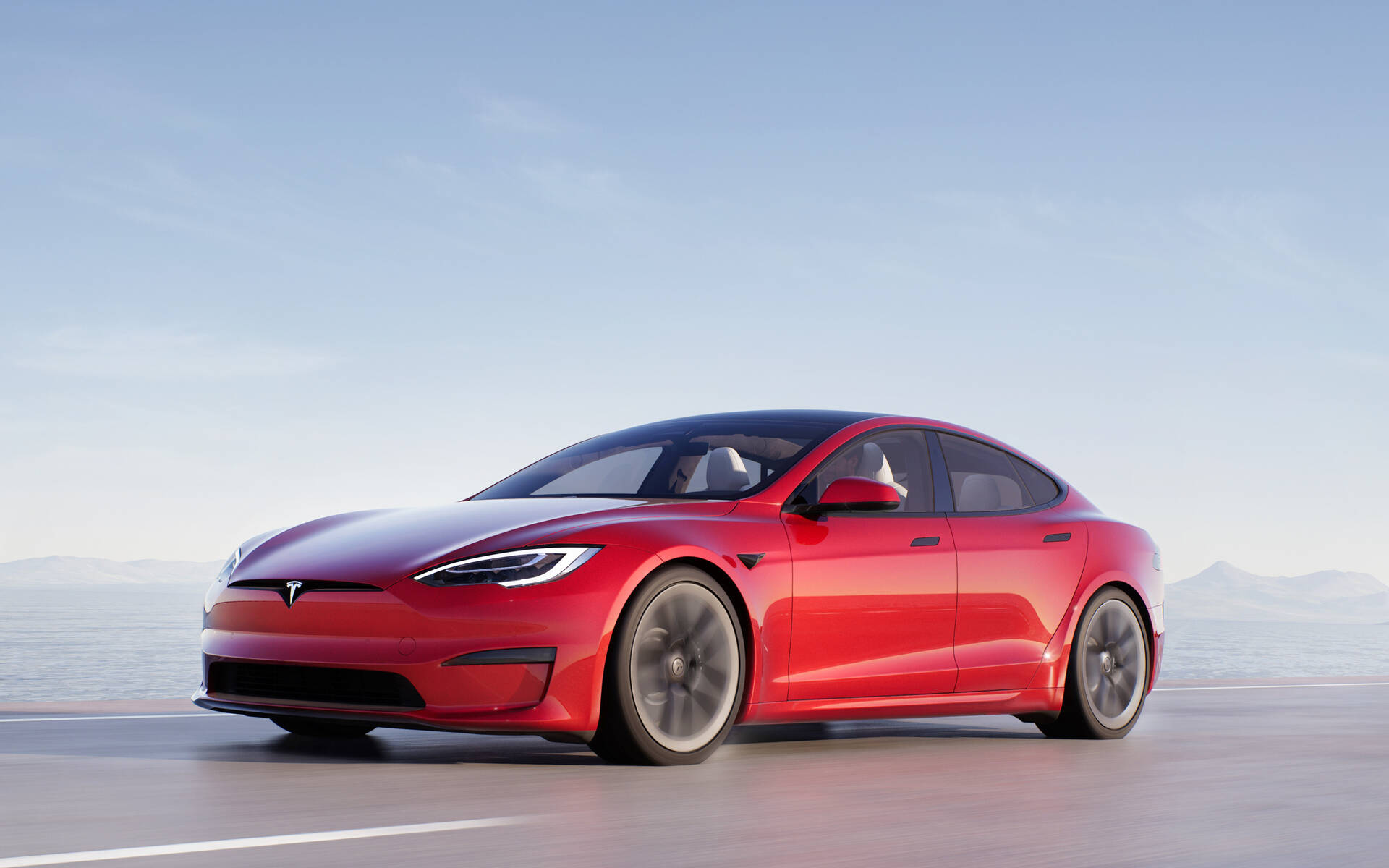
Unlike conventional cars with a simple physical lever, first-time Tesla owners often struggle to locate the correct method to open the port. For US drivers used to rapid refueling, waiting for a charging port to respond can feel unnecessarily complicated.
With an electric motor powering both the front and rear axles, the Tesla Model S delivers full-time all-wheel drive across all versions. Acceleration ranges from impressive to mind-blowing, depending on the model.
While the standard Model S established itself early on as an agile sports sedan, over the years other competitors have surpassed it in ride and handling.
Drivers can select between two steering effort settings, heavy or light, but neither provides significantly more road feedback. The available rectangular, aircraft-style yoke steering wheel can make hand-over-hand maneuvers awkward when parking or navigating tight spaces.
Fortunately, a traditional steering wheel is available at no extra cost, and it’s worth choosing. Despite these quirks, the Model S excels as a daily driver, offering a comfortable ride and a serene highway experience, thanks to the quiet operation of its electric powertrain.
3. BMW 5 Series and 7 Series
BMW’s reputation for performance and design sometimes comes at the cost of practicality. Select 5 Series and 7 Series models have fuel doors that require precise angles or pressure to operate.
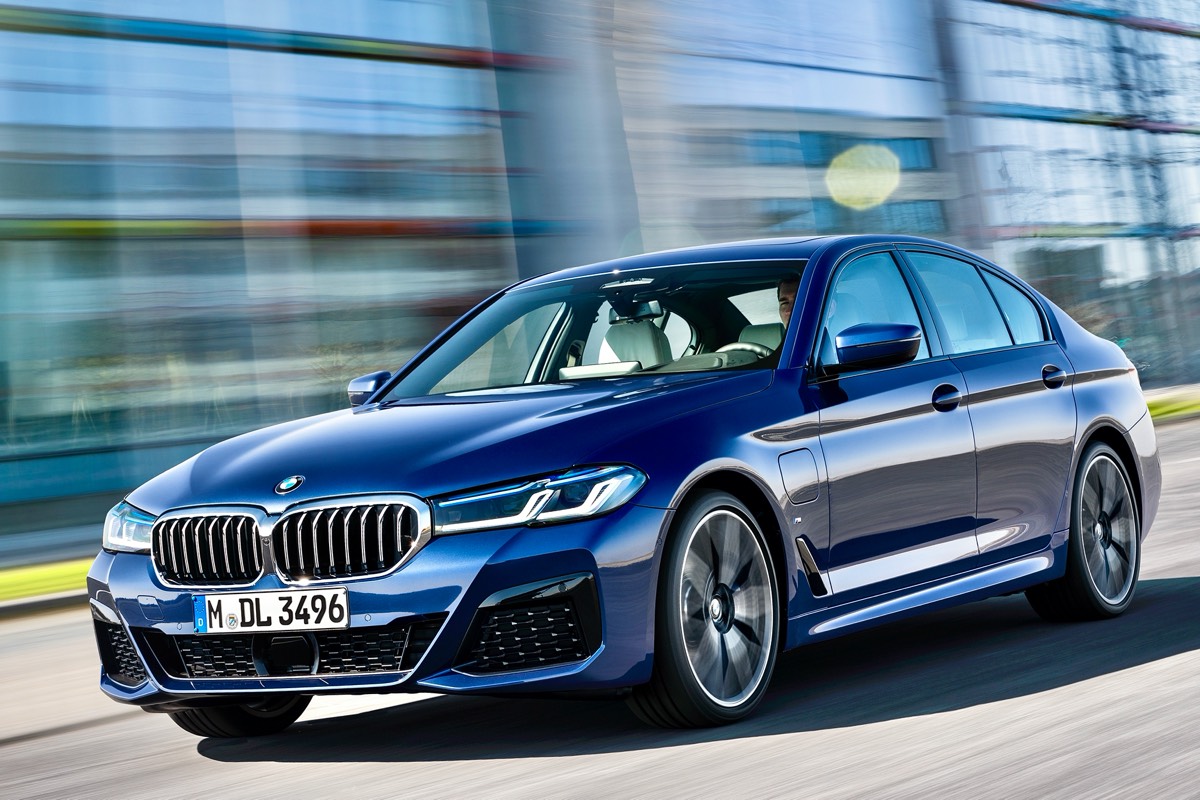
Cold weather can exacerbate these issues, as ice or frost may jam the door. The cap itself may also be tightly tethered, creating extra effort to open and close it properly. For drivers in northern US states, this can turn a routine fuel stop into an exercise in patience.
Midsize luxury sedans occupy a rare niche in the automotive world, offering a balance that few cars can achieve, and the BMW 5 Series excels at hitting that sweet spot. It is spacious enough to accommodate adults comfortably in the rear seats, yet compact enough to remain engaging to drive and efficient.
The four-cylinder 530i achieves an impressive 35 mpg on the highway, while the 375-hp 540i xDrive still manages 33 mpg. Inside, the cabin is sleek and contemporary without sacrificing practicality, and the ride is comfortable enough for all-day journeys.
With several new additions for 2025, the BMW 5 Series now spans the full spectrum of powertrains. Enthusiasts who prefer traditional internal combustion engines can choose between the four-cylinder 530i and the six-cylinder 540i.
4. Jaguar XF and F-Pace
Jaguar vehicles combine elegance with performance, but the fuel door mechanism can be overly delicate. The XF sedan and F-Pace SUV require careful pressure and the correct approach to pop the door open.
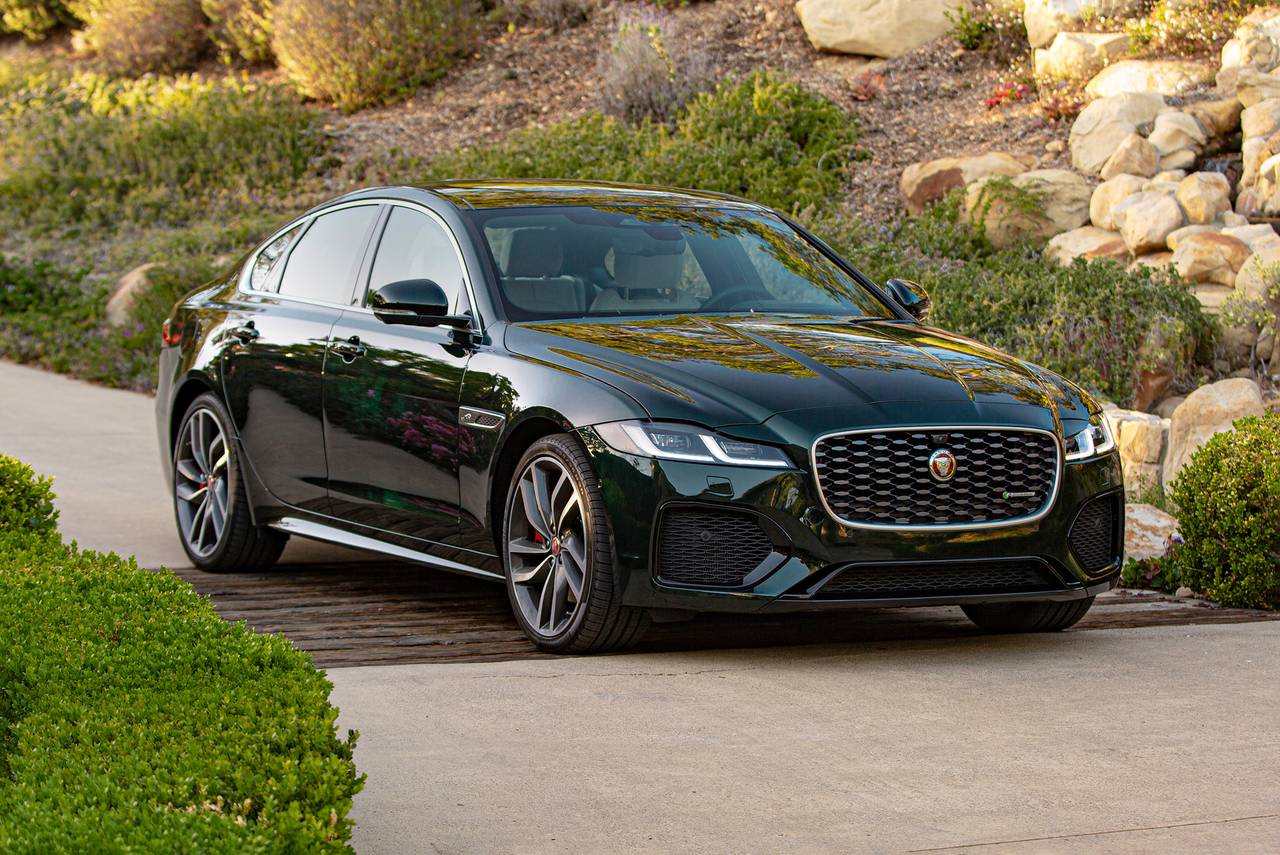
Stiff springs and subtle latches often leave drivers unsure if the fuel cap is properly secured, adding minor but consistent stress. For busy American commuters, this small complication can be an unwelcome inconvenience.
Also Read: 8 Cars That Turn Every Commute Into an Experience
5. Volkswagen Golf GTI
Certain VW Golf GTI models have fuel doors that are unintuitive, requiring both interior lever activation and a precise push on the exterior panel.
The dual-action design can confuse drivers unfamiliar with the system, leading to repeated attempts to open the door.
While innovative, this approach creates a small but persistent frustration for everyday drivers, particularly those stopping for fuel in urban traffic.
There’s a certain nostalgia that comes with the 2025 Volkswagen Golf GTI, yet it still delivers everything you want from a modern performance hatchback. For decades, the GTI has been the benchmark for fun-to-drive hatchbacks, and the 2025 model continues that legacy.
While the manual transmission is no longer offered this year, Volkswagen has brought back real buttons on the steering wheel, a welcome nod to enthusiasts.
Even with “just” 241 horsepower, the 2.0-liter turbo engine proves surprisingly engaging, and those iconic plaid seats remain a standout feature. After spending a week behind the wheel, it’s clear the 2025 Golf GTI remains one of the best sporty hatchbacks on the market.
The 2025 Golf GTI belongs to the compact performance hatchback segment and comes standard with a 2.0L turbo inline-4 engine paired with a 7-speed DSG transmission, powering the front wheels.
Its strengths include the turbocharged engine’s ample power, the return of real buttons on the steering wheel, and a compact yet practical design, while its downsides are the absence of a manual transmission and the continued reliance on haptic buttons and touchscreen controls.
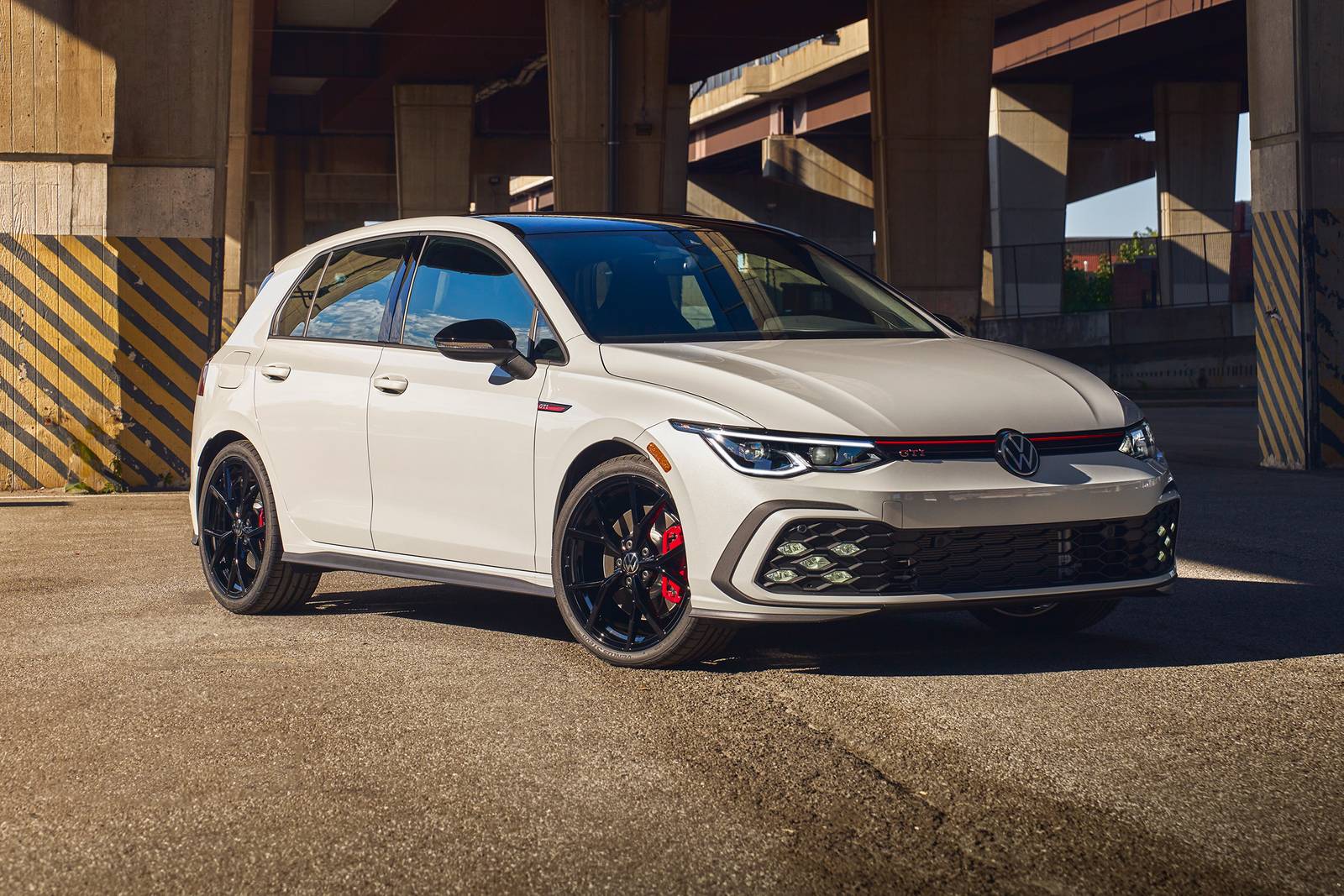
For 2025, the GTI is offered in three trims: S, SE, and Autobahn, starting at $32,445, $37,420, and $40,880, respectively. Our test vehicle included Monster Mats ($190), bringing the total price to $33,860 with shipping.
For a base model under $35,000, it was impressively equipped. This year’s minor refresh brought subtle interior and exterior updates, most notably the loss of the manual transmission, the return of real buttons on the steering wheel, and updated lighting elements inside and out.
These small touches reflect Volkswagen’s commitment to the GTI’s loyal fanbase. With over eight generations behind it, the GTI continues to serve as a strong alternative to traditional sports cars.
Exterior features include LED headlights, daytime running lights, and fog lights, while the upper grille and VW logo are illuminated, adding a modern touch. Inside, a 30-color ambient lighting system allows for dual-color customization throughout the cabin, letting drivers adjust the interior mood at will for a personalized experience.
The Golf GTI balances daily usability with weekend excitement. It handles well, accelerates briskly, and benefits from upgraded suspension compared with last year, offering an engaging yet manageable driving experience.
The 2.0-liter turbo 4-cylinder engine produces 241 hp and 273 lb-ft of torque, and while purists may lament the absence of a manual, the 7-speed DSG automatic shifts extremely quickly, faster than most drivers could with a stick. Torque delivery and transmission responsiveness keep even mundane drives interesting.
The 2025 Volkswagen Golf GTI’s key specifications include a 2.0L turbo 4-cylinder engine, 7-speed dual-clutch automatic transmission, 241 hp, 273 lb-ft of torque, a 0–60 mph time of 5.7 seconds, and a top speed of 130 mph.
Alternatives: Cars With Simple, Intuitive Fuel Doors
Fuel doors might seem like a minor detail, but they can make a big difference in the day-to-day convenience of owning a car. Some vehicles feature fuel doors that are frustratingly complicated, requiring multiple steps or hidden levers, while others keep it simple and intuitive.
In this article, we explore alternatives for drivers who value ease of use, highlighting cars with fuel doors that open effortlessly, lock and unlock logically, and let you refuel without a second thought. Whether you’re tired of fumbling with tricky releases or just want a stress-free pit stop, these vehicles prove that sometimes the simplest designs are the smartest.
Also Read: Top 10 Pickups That Rarely Need Engine Swaps
1. Toyota Camry
The Toyota Camry excels at user-friendly design, and its fuel door is a perfect example. A simple interior lever opens the door quickly, and the cap is a standard twist-on type.
There are no electronic complications or tricky latches, making it ideal for commuters, road-trippers, and families who value straightforward functionality over gimmicks.
It might not be the flashiest choice on the road, but the Toyota Camry Hybrid remains a popular pick thanks to its affordability, spacious interior, and impressive efficiency.
For 2025, the family sedan gets a refreshed exterior and strengthens its reputation for fuel economy by streamlining its previously broad powertrain lineup, which last year included a V-6, a hybrid four-cylinder, and a nonhybrid four-cylinder, down to just two hybrid options.
Both front-wheel-drive and all-wheel-drive configurations are available, and the new hybrid-only Camry produces up to 232 horsepower. While Toyota has not announced one yet, a more powerful plug-in hybrid Camry Prime could make a return this year.
Inside, the cabin has been redesigned with more modern infotainment technology and styling cues inspired by the larger Toyota Crown, yet the Camry Hybrid remains a mid-size sedan intent on competing with rivals such as the Honda Accord and Hyundai Sonata.
Pricing for the Camry starts at $29,895 for the base LE trim and rises to $36,095 for the top XSE, with the SE and XLE trims falling in between. The Camry’s starting price is slightly higher than before due to the new hybrid-only lineup, but the LE is still cheaper than the previous-generation hybrid.
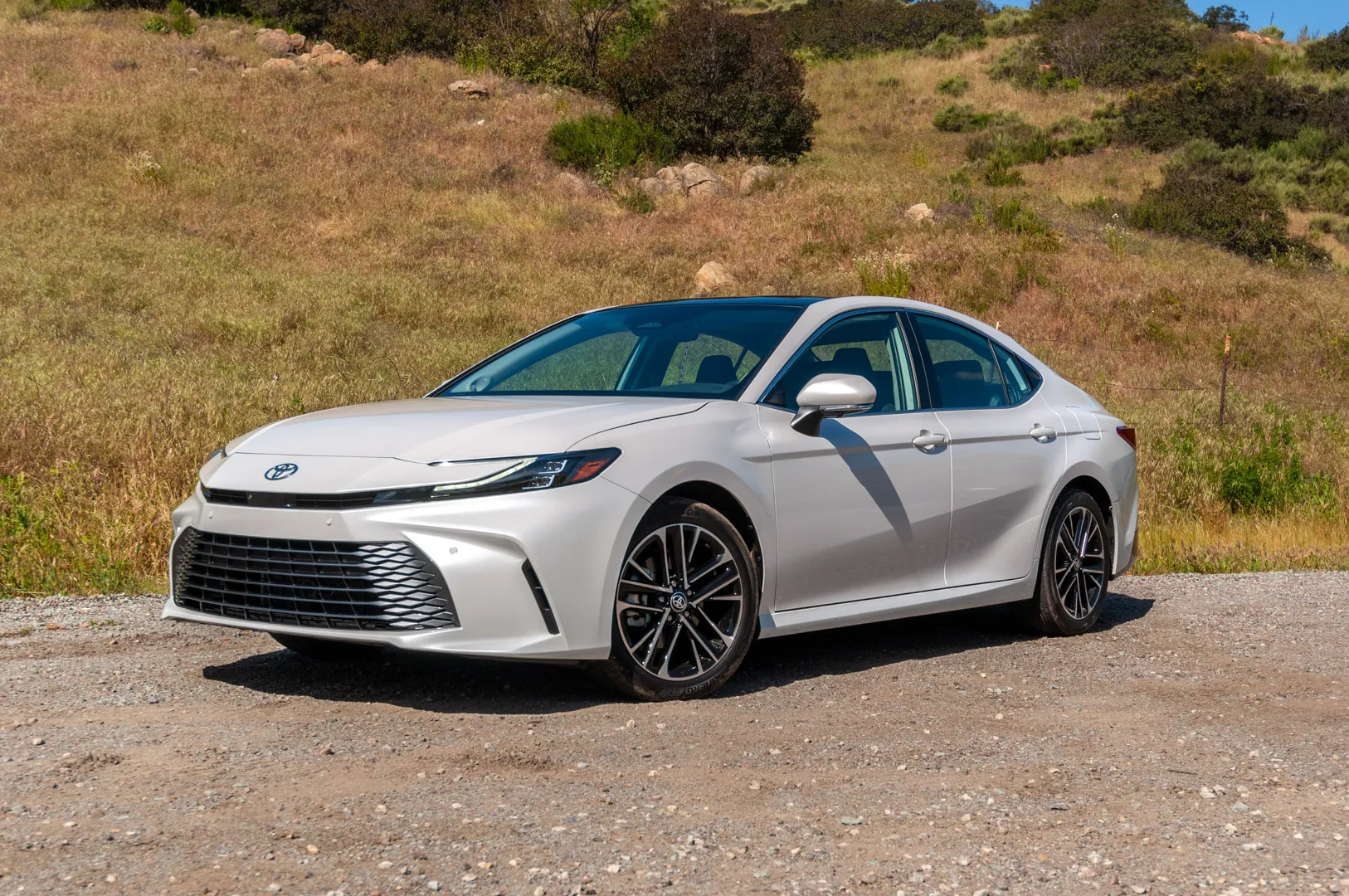
Of the four trims offered at launch, the LE has the highest fuel-economy estimates thanks to smaller wheels, while the slightly sportier SE trim is our recommended pick. The SE features a firmer suspension setup, additional standard features, and many desirable optional extras such as a larger infotainment screen and the more powerful all-wheel-drive powertrain.
The 2025 Camry Hybrid comes with a pair of hybrid powertrains: a front-wheel-drive setup and an all-wheel-drive option. Front-wheel-drive models combine a 2.5-liter four-cylinder engine with two electric motors for a total output of 225 horsepower, while the all-wheel-drive version adds a third motor to drive the rear axle, increasing output to 232 horsepower.
Both setups come standard with a continuously variable automatic transmission and are similar in design to the powertrains found in the Toyota Prius, albeit with a larger 2.5-liter gas engine in place of the Prius’ 2.0-liter four-cylinder.
In our initial test drive, the hybrid system proved responsive around town, thanks to strong assistance from the electric motors. That said, no version of the 2025 Camry will match the old V-6’s acceleration, which will be missed by enthusiasts.
The SE and XSE trims feature sportier suspension tuning, and in our XSE test vehicle, we noticed tighter body control in corners, though the steering continues to feel lacking in feedback.
2. Honda Accord
The Honda Accord mirrors the Camry’s emphasis on convenience. Its fuel door opens easily via a clearly marked lever, and the cap is tethered to prevent loss.
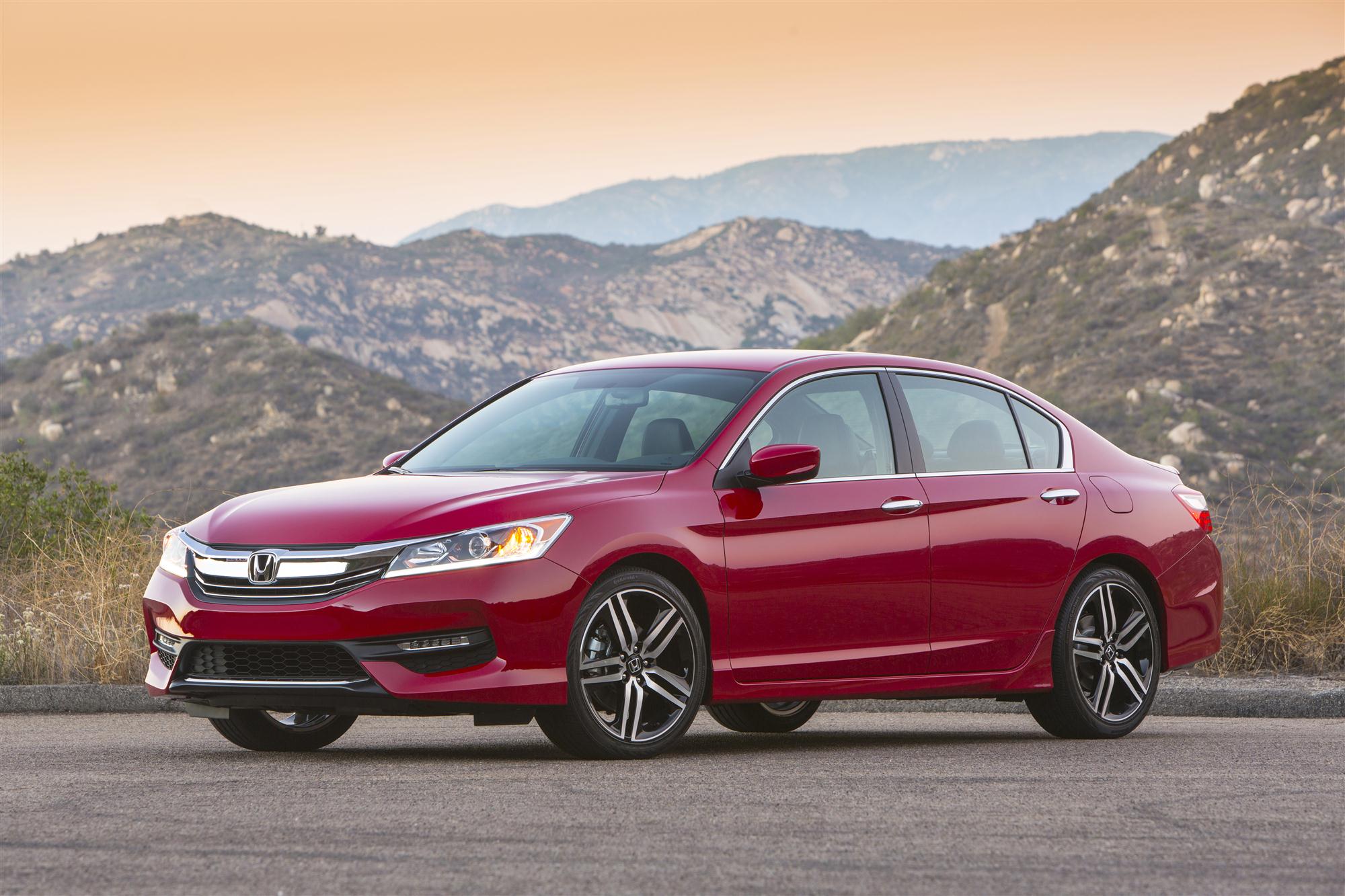
The mechanism is designed for reliability, ensuring smooth operation in all weather conditions. For US drivers, this simplicity translates to a consistently stress-free refueling experience.
3. Ford F-150
America’s best-selling truck, the Ford F-150, combines rugged performance with practicality. The fuel door operates with a robust interior lever, and the cap is a standard twist type.
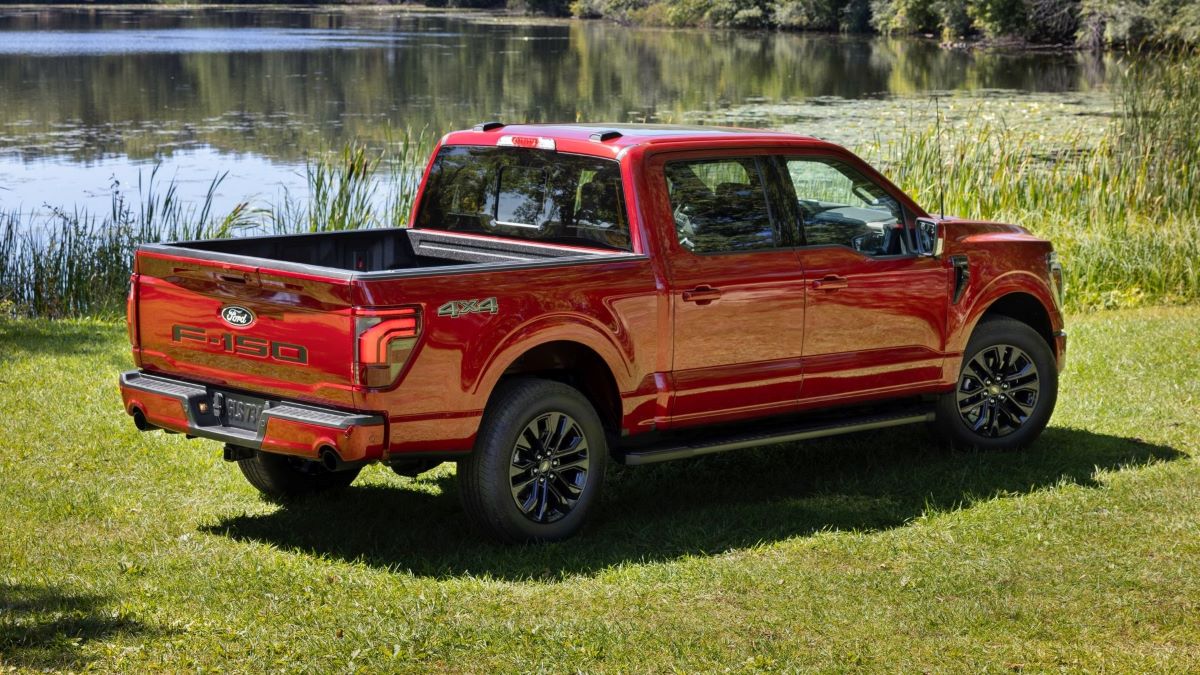
Even in snow, mud, or rain, the system works reliably. For long-haul drivers and contractors, a dependable fuel door is an underrated yet essential feature.
The Ford F-150 offers an impressive range of sophisticated engines, including a 3.0-liter diesel that delivers 440 lb-ft of torque. Most engines are paired with Ford’s 10-speed automatic transmission. Interestingly, the most powerful option isn’t a traditional V-8, but a robust twin-turbo V-6 capable of towing a class-leading 13,200 pounds.
Without the Trailer Tow package, the F-150 can still haul up to 7,000 pounds with either the V-8 or the top-tier V-6. In our testing of a King Ranch model equipped with the 375-hp V-6, the truck performed exceptionally well across all categories, even when compared to competitors’ largest V-8 engines.
While the V-8 F-150 reached 60 mph in a slightly slower 6.3 seconds, its 50-to-70-mph time was nearly identical to the V-6. The V-6’s 10-speed automatic occasionally reacted slowly under hard acceleration, but otherwise operated smoothly.
In terms of ride comfort, the F-150 doesn’t quite match the Ram 1500’s available air-spring suspension. While the ride remains composed on smooth roads, harsh bumps can cause noticeable jittering in the rear.
4. Subaru Outback
The Subaru Outback is designed for versatility and all-weather performance, and its fuel door reflects that practicality. It opens smoothly via an interior lever, and the cap is easy to handle even with gloves or muddy hands.
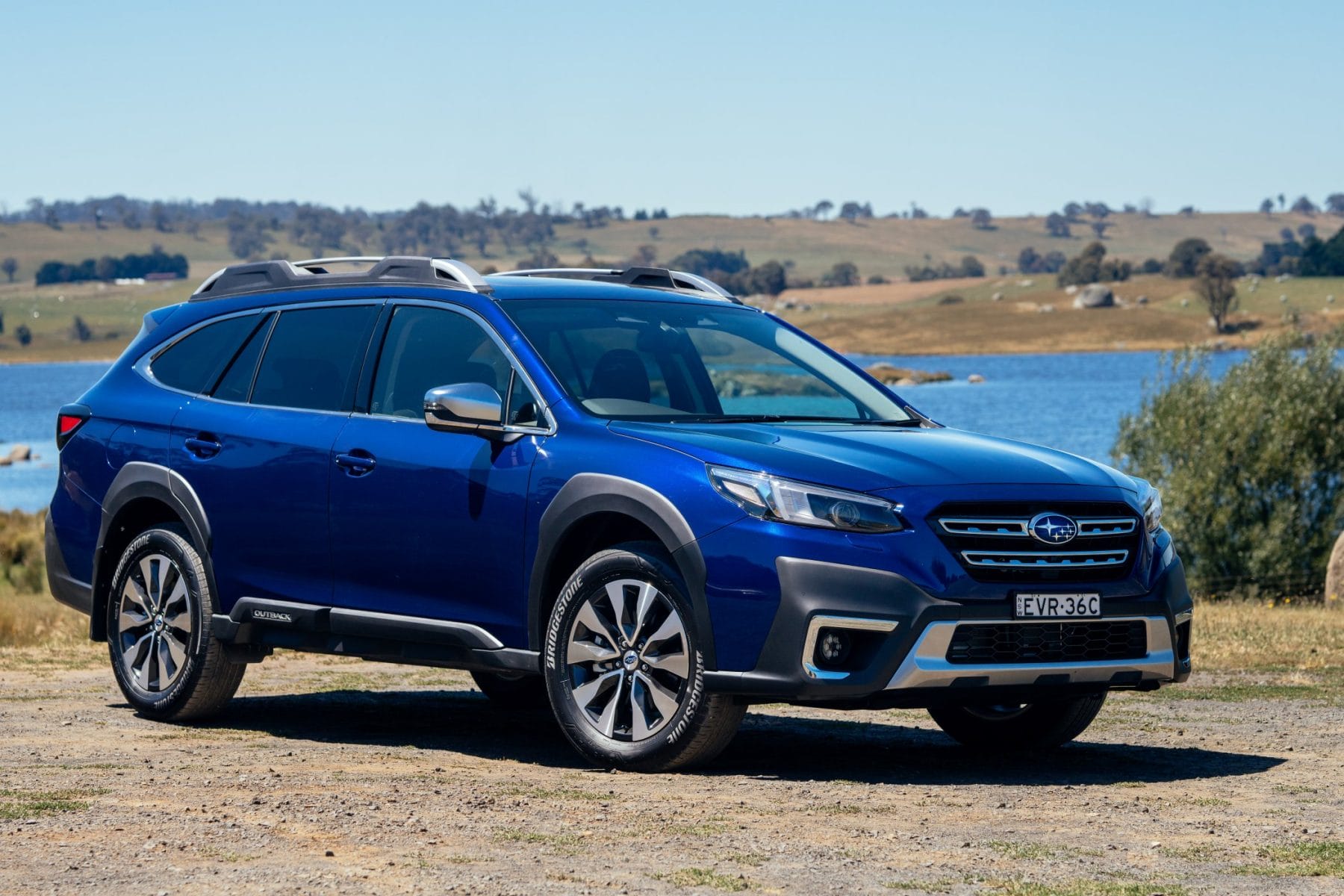
For drivers navigating rural or mountainous areas in the US, a simple fuel door is crucial for hassle-free refueling.
5. Chevrolet Malibu
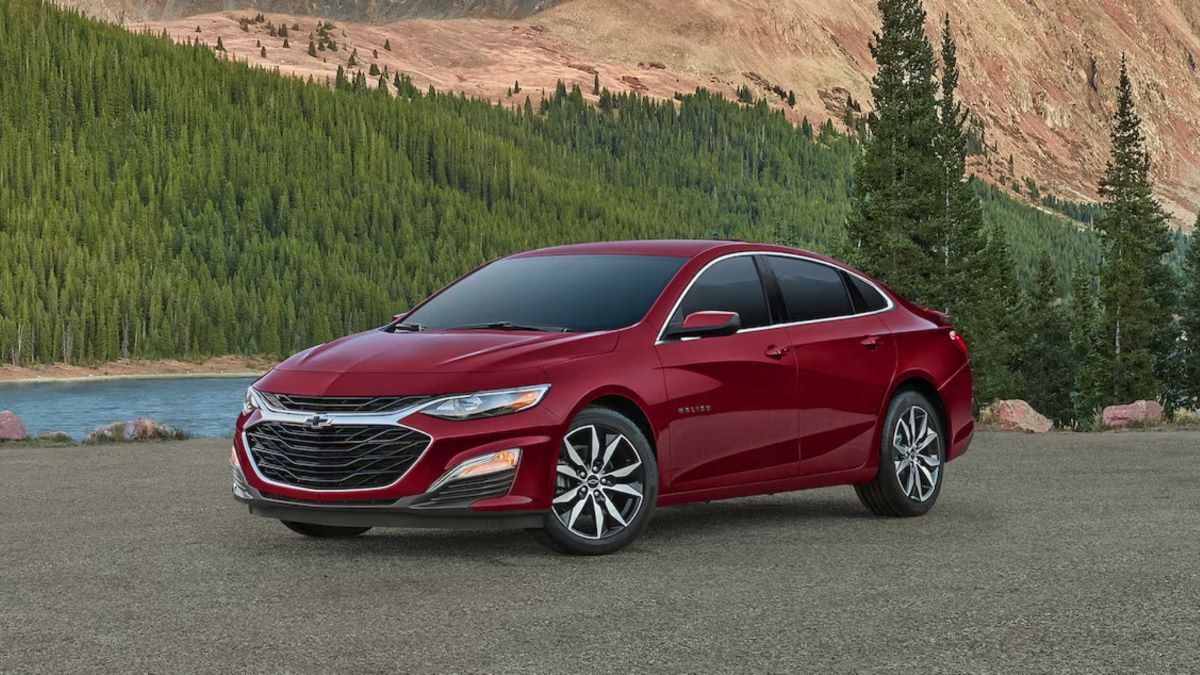
The Chevrolet Malibu emphasizes user-friendly features across the board, and the fuel door is no exception. With a straightforward interior release and a tethered cap, it eliminates guesswork and potential jams.
For American commuters and road-trippers alike, this design ensures a reliable and convenient refueling process.
Fuel doors may seem minor, but they highlight how design choices affect daily driving. Luxury and performance vehicles often include electronic or stylistic innovations, resulting in fuel doors that are unnecessarily complex.
For US drivers who value efficiency and reliability, these “complicated” doors can quickly become a recurring source of frustration.
As the Chevrolet Malibu takes its final bow, it’s worth reflecting on the mid-size family sedan’s 60-year history with a sense of nostalgia. Named after the picturesque seaside town that pairs well with a Beach Boys album, the Malibu enjoyed a respectable run.
For its final 2025 model year, the Malibu continues with a turbocharged 1.5-liter four-cylinder engine paired exclusively with a continuously variable transmission. It isn’t fast by any measure, but it delivers steady and consistent acceleration once up to speed.
Compared with segment rivals like the Toyota Camry, which comes standard with a peppy hybrid powertrain and offers both front- and all-wheel-drive options, the Malibu falls behind.
Competitors such as the Honda Accord and Hyundai Sonata further highlight the Malibu’s shortcomings with more generous standard features, leaving the Chevy feeling slightly under-equipped.
Nevertheless, the Malibu isn’t a poor choice. Comfortable seats, thoughtful ergonomics, and a clean, attractive exterior are among its strengths, and its aggressive pricing may appeal to budget-conscious buyers.
For 2025, Chevrolet made no changes to the Malibu, marking the sunset year for the model. Pricing starts at $26,995 for the base LS trim and rises to $32,695 for the 2LT, with the LT trim recommended for its balance of features and value.
The LT includes 17-inch wheels, dual-zone automatic climate control, remote engine start, heated front seats, a power-adjustable driver’s seat, automated emergency braking, and lane-keeping assist. Blind-spot monitoring and rear cross-traffic alert aren’t standard but can be added for an additional $250.
Unlike many family sedans that offer multiple powertrain options, the Malibu sticks with a single setup: a 163-hp turbocharged 1.5-liter four-cylinder engine driving the front wheels via a CVT. While it won’t be mistaken for a luxury sedan, the Malibu’s ride comfort and overall quality are above average for its class.
We were impressed by the responsive chassis across the Malibu models we tested; the balanced damping was neither too soft nor too stiff, allowing the car to feel composed and even lightly sporty in certain driving scenarios.
In contrast, vehicles like the Toyota Camry, Honda Accord, Ford F-150, Subaru Outback, and Chevrolet Malibu showcase the value of simplicity.
A well-designed, intuitive fuel door may seem trivial, but it contributes to a smoother, stress-free driving experience that commuters, road-trippers, and weekend drivers can all appreciate.
Ultimately, whether purchasing a new car or evaluating a current one, considering fuel door complexity is a small step that can save significant time, stress, and minor repair costs in the long run.
