For many American households, a car’s real test begins not on a highway or in a dealership lot but at home navigating a sloped driveway, clearing a curb cut, fitting into a garage, or maneuvering around tight suburban parking pads.
While automakers obsess over horsepower, screens, and styling, driveway manners remain an underrated quality that directly affects daily livability.
A vehicle that’s too long can force awkward multi-point turns or leave the rear bumper hanging out near the sidewalk, while one that’s too low may scrape on even modest driveways, especially in hilly regions or older neighborhoods.
Below are six cars that excel in home-friendly dimensions and clearance, followed by six models that may be too long or too low for many U.S. homes particularly those with steep inclines, short driveways, or uneven entrances.
Cars With Home-Friendly Driveway Manners
Not every car is created with the home driveway in mind. Some vehicles fit effortlessly into tight garages, narrow driveways, and tricky corners, making everyday parking and maneuvering a stress-free experience. Others can feel like a constant challenge, whether they’re too long, too wide, or sit too low for comfort.
In this article, we highlight cars that excel in home-friendly driveway manners, vehicles that combine size, design, and practicality to make daily life behind the wheel a little easier.
1. Subaru Forester
The Subaru Forester has long been appreciated by suburban U.S. buyers for its perfect balance of compact exterior size and generous interior dimensions.
Its boxy profile isn’t just a styling choice it improves outward visibility when inching up or down tricky driveway slopes.
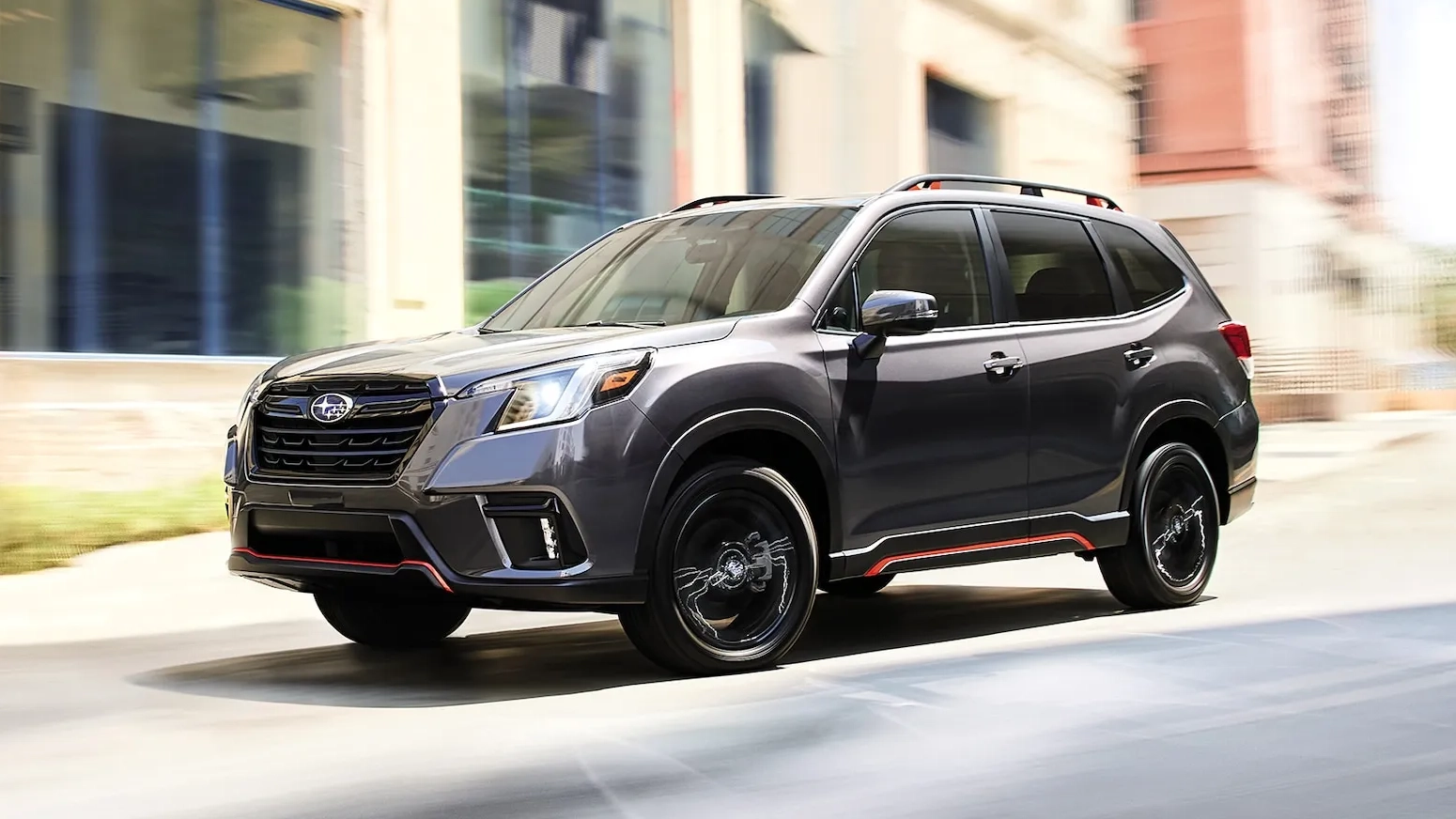
With around 8.7 inches of ground clearance, the Forester handles uneven surfaces or dips at the end of a driveway without scraping the front fascia.
At just under 183 inches long, it fits comfortably in most garages built in the 1980s and later, which tend to max out around 20 feet in depth.
Add its light steering and predictable throttle response, and the Forester feels like it was engineered with everyday home parking in mind.
2. Honda CR-V
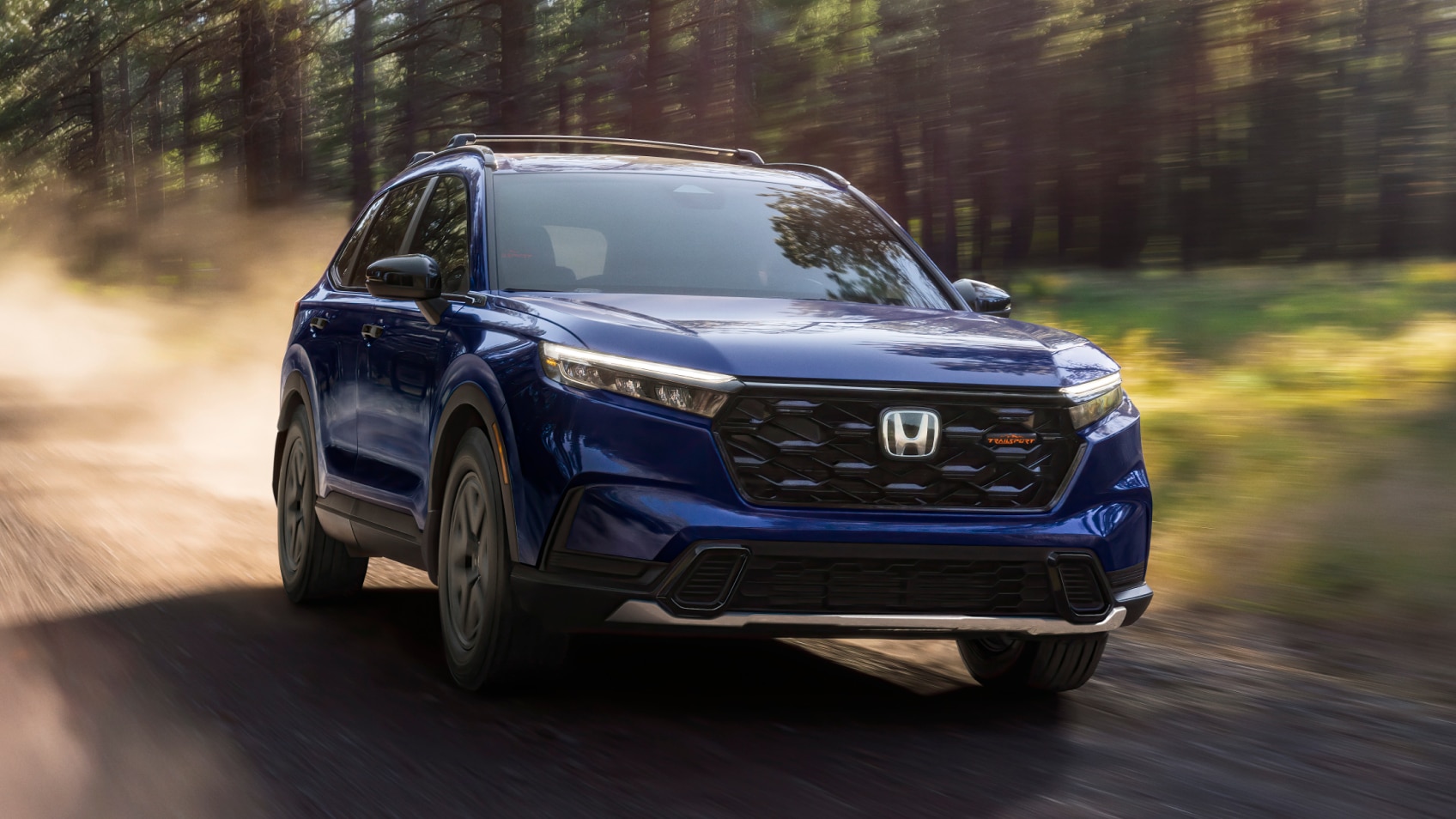
The CR-V’s quiet strength is its ease of maneuverability. Many compact SUVs are growing in length, but Honda has kept the CR-V’s footprint tight enough to avoid awkward overhang issues.
Its approach angle, while not off-road-oriented, is high enough to prevent nose scrape on average suburban driveway inclines.
The CR-V also excels in low-speed smoothness a trait often overlooked. When navigating a crowded driveway shared by multiple household vehicles or kids’ bikes, the CVT transmission makes throttle modulation easy and graceful.
For homes with shorter parking slabs or narrow garage openings, the CR-V rarely feels unwieldy.
The 2019 Honda CR-V stands out as a triple threat in the compact-crossover segment, combining advanced technology, impressive fuel efficiency, and generous cargo space.
Adding contemporary styling and excellent road manners to the mix, the CR-V hits all the marks for what defines a great crossover. Its two fuel-efficient powertrains, including a responsive turbocharged engine, leave few faults to critique, positioning it as a serious contender in a crowded class of capable compact SUVs.
Pricing ranges from $25,570 for the base LX trim to $33,970 for the top-tier Touring, offering a spectrum of features and amenities to suit various budgets. The second-tier EX trim is particularly compelling, delivering upgraded tech and creature comforts without needing additional options.
Front-wheel drive is sufficient for most drivers, though all-wheel drive is available for an extra $1,300. Even without additions, the EX comes well equipped with heated front seats, a 7.0-inch touchscreen with Apple CarPlay and Android Auto, and Honda’s suite of driver-assistance technologies.
On the performance front, Honda’s introduction of a turbocharged engine paired with a highly capable continuously variable automatic transmission (CVT) is a highlight, earning praise for its responsiveness and smooth operation. The base four-cylinder engine is less spirited but still delivers a refined experience.
Towing capacity remains modest at 1,500 pounds, which is low even among compact crossovers. Drivers seeking high-speed thrills might find the CR-V’s acceleration underwhelming, but its composed and compliant ride, enthusiastic steering, and strong brakes make it a joy for daily commutes and long drives alike.
The responsive brake pedal ensures confidence when stopping, complementing the vehicle’s overall balanced handling and comfort.
The 2019 CR-V also faces strong competitors such as the Subaru Forester, Toyota RAV4, and Ford Escape, yet it holds its own thanks to its blend of practicality, technology, and driving refinement, making it a standout choice for families and everyday drivers alike.
Also Read: 10 Best Retro-Styled Modern Cars That Gained Popularity
3. Toyota RAV4
The RAV4 is one of the most home-friendly SUVs in the U.S. not just because of its popularity but because its geometry works well with the average American driveway.
Its wheelbase and front overhang are proportioned to minimize scraping when cresting a driveway lip.
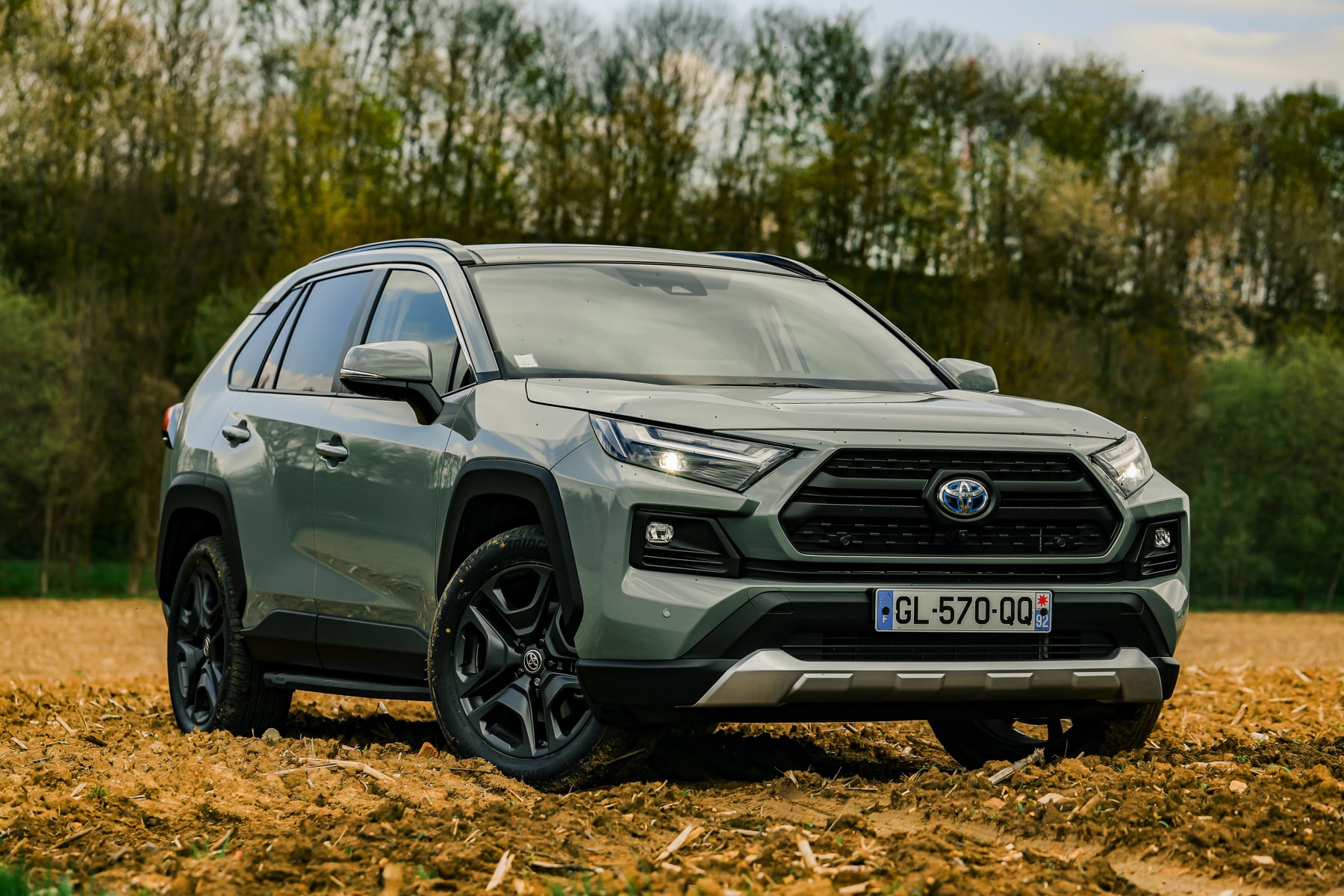
At roughly 180–182 inches long, it avoids the “too big to fit comfortably” syndrome that plagues midsize SUVs, yet its driving position gives excellent commanding visibility when backing into a garage.
Toyota’s suspension tuning also keeps the RAV4 from bottoming out during diagonal entries over uneven concrete slabs something sedan owners understand all too well.
Also Read: 12 Kia Models That Outlive Their Warranty Worries
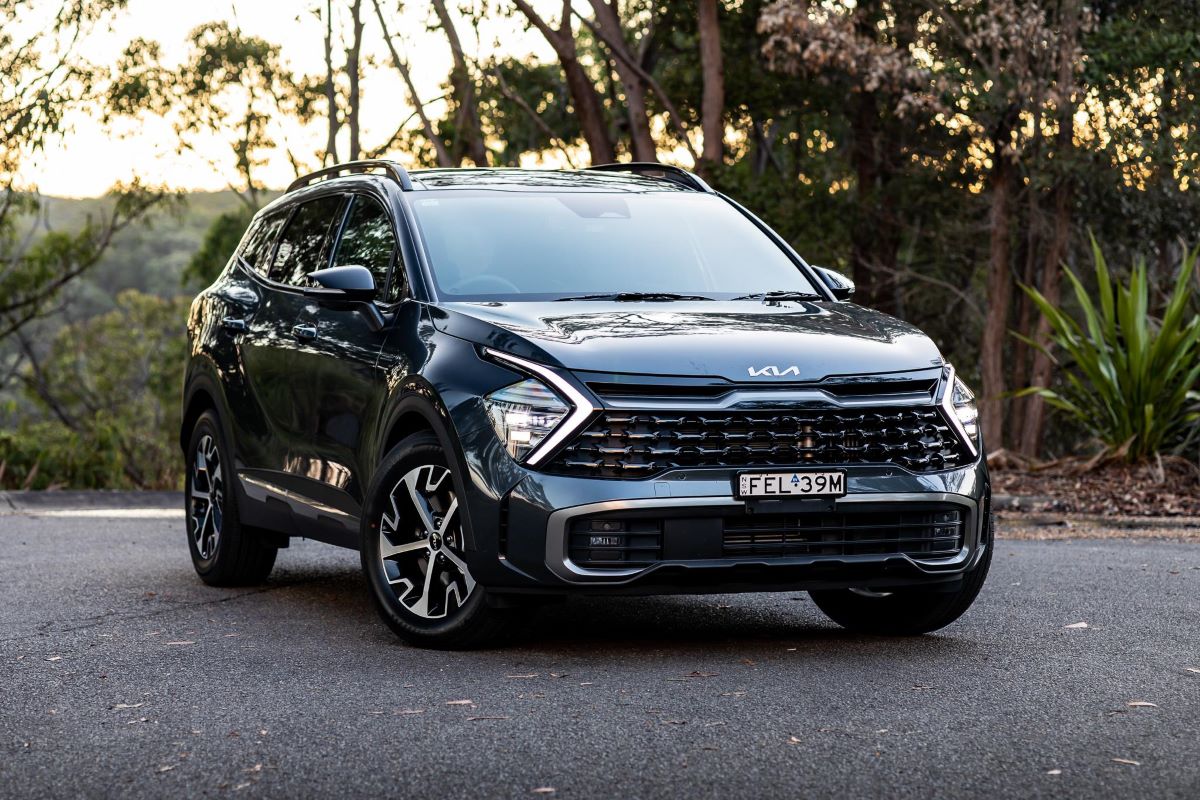
4. Kia Sportage
The latest generation Kia Sportage is one of the longest in the compact class, but Kia managed to keep its overhangs short enough to maintain good driveway behavior.
Its ground clearance especially on X-Line and X-Pro trims is surprisingly generous at around 8.3 inches.
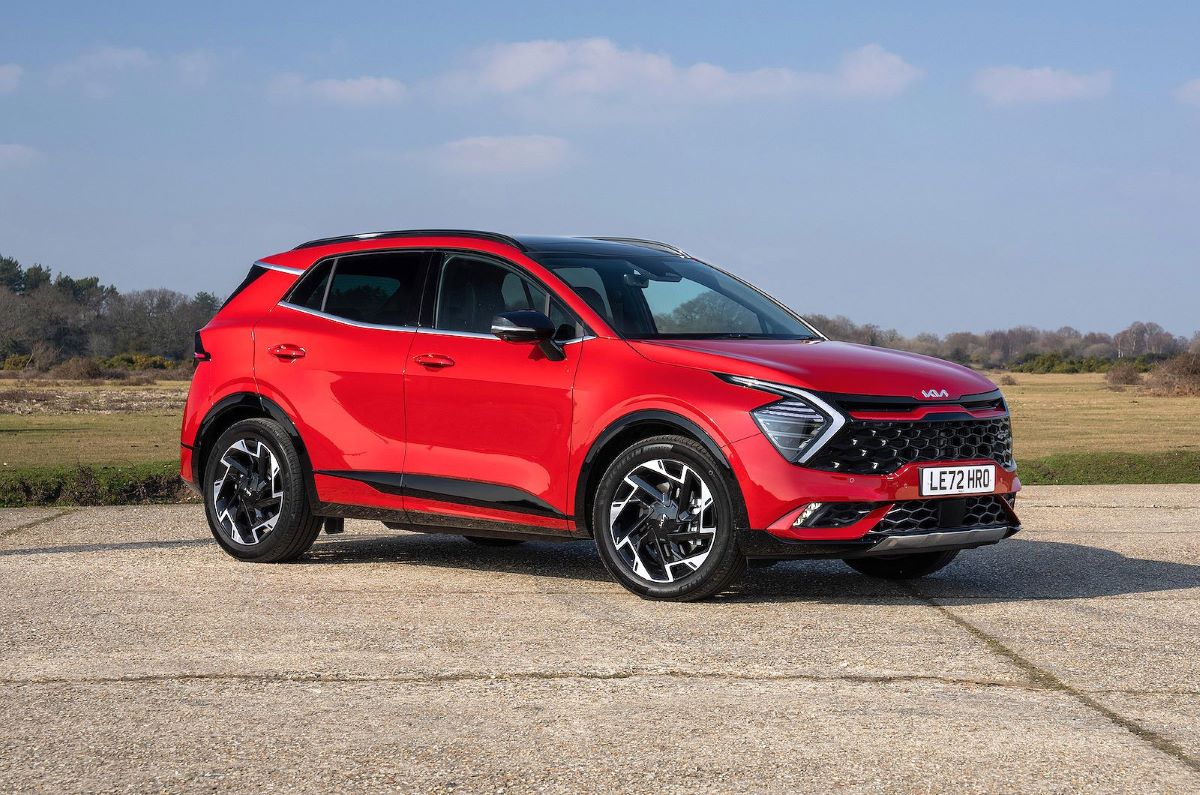
This makes it easy to climb slight driveway ridges without digging the fascia into the pavement. U.S. buyers with older garages appreciate that its 183–187 inch length is still manageable, and the wide-opening doors reduce the chance of door dings when parked in tight home setups.
The steering is light at low speeds, adding to its maneuverability on twisty or narrow driveways.
The driving experience of the Kia Sportage varies depending on the engine choice. Most models come with a 181-hp 2.4-liter four-cylinder, which provides a calm and predictable ride while meeting the needs of most drivers.
For those seeking a livelier experience with quicker acceleration, the 237-hp turbocharged 2.0-liter four-cylinder is the option to pursue, though it is exclusive to the top-tier SX Turbo trim.
While a front-wheel-drive version of the turbocharged Sportage we tested in previous years felt notably quick, our recent evaluation of an all-wheel-drive SX Turbo delivered less thrilling acceleration.
Nevertheless, the six-speed automatic transmission, standard across all models, responds promptly and makes for a smooth driving experience.
In terms of driving enjoyment, the difference between the two engines isn’t dramatic, though the turbocharged variant can transform routine errands into more spirited drives. Regardless of powertrain, all Sportage models boast above-average handling, contributing to a composed and confident ride.
5. Toyota Camry
Though sedans have fallen out of favor, the Toyota Camry remains a driveway-friendly choice thanks to its ground clearance (about 5.7 inches) and well-tuned suspension that prevents excessive nose dive when entering sloped driveways.
Unlike sportier sedans with long front overhangs, the Camry’s geometry is relatively forgiving.
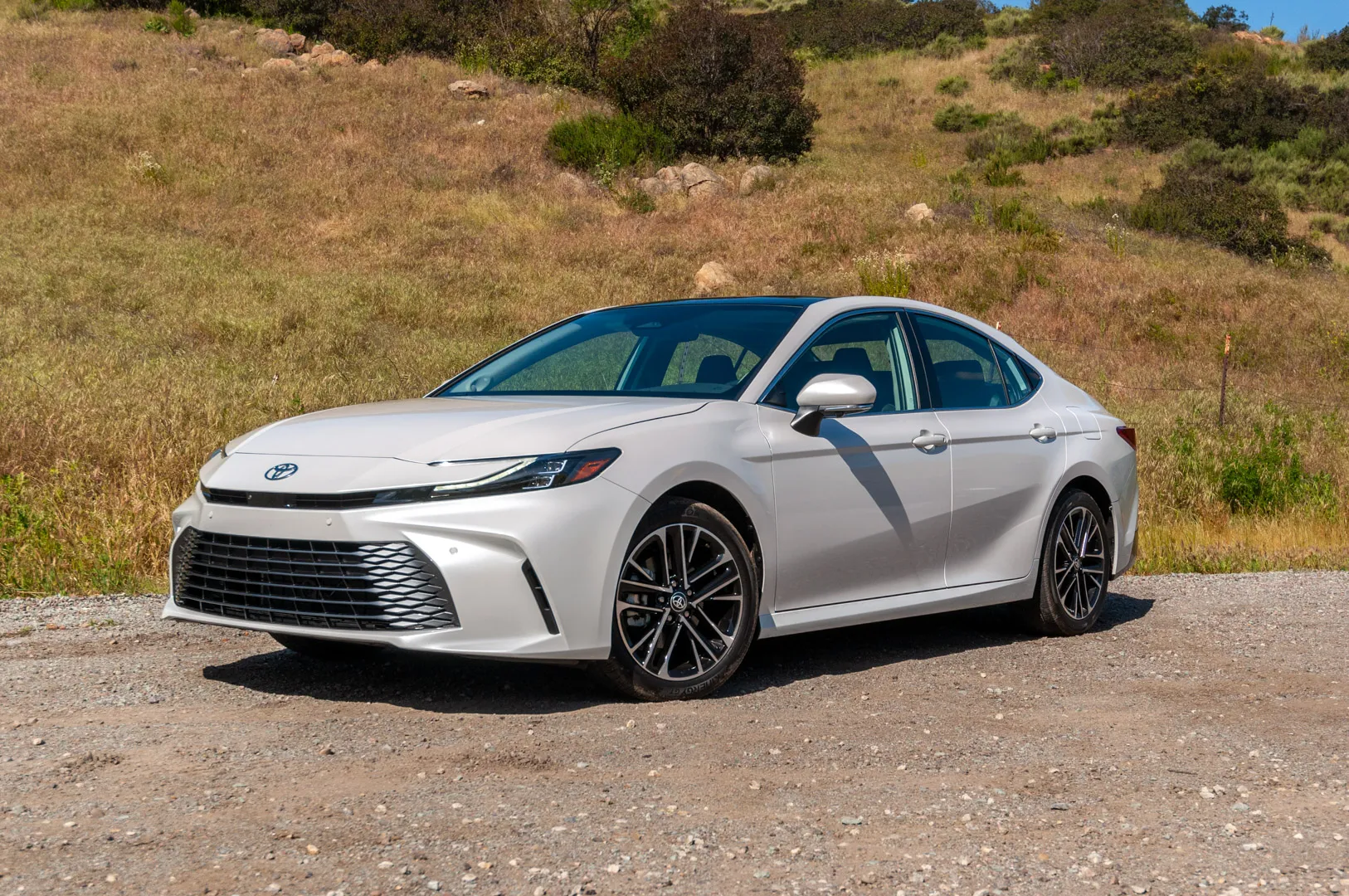
It also has a turning circle that often beats compact SUVs, making it easier to position in narrow garages where large household items like freezers or lawn equipment share space.
Consumers in hilly U.S. regions such as the Bay Area or parts of Pennsylvania routinely report that the Camry navigates their steep driveways with minimal scraping compared to lower-riding rivals.
6. Ford Escape
The Ford Escape may not be the flashiest SUV, but it’s one of the easiest to live with. At around 180 inches long, it fits comfortably in a typical two-car garage without forcing compromises.
Its front bumper design slightly tucked and angled helps it clear curbs and driveway transitions.
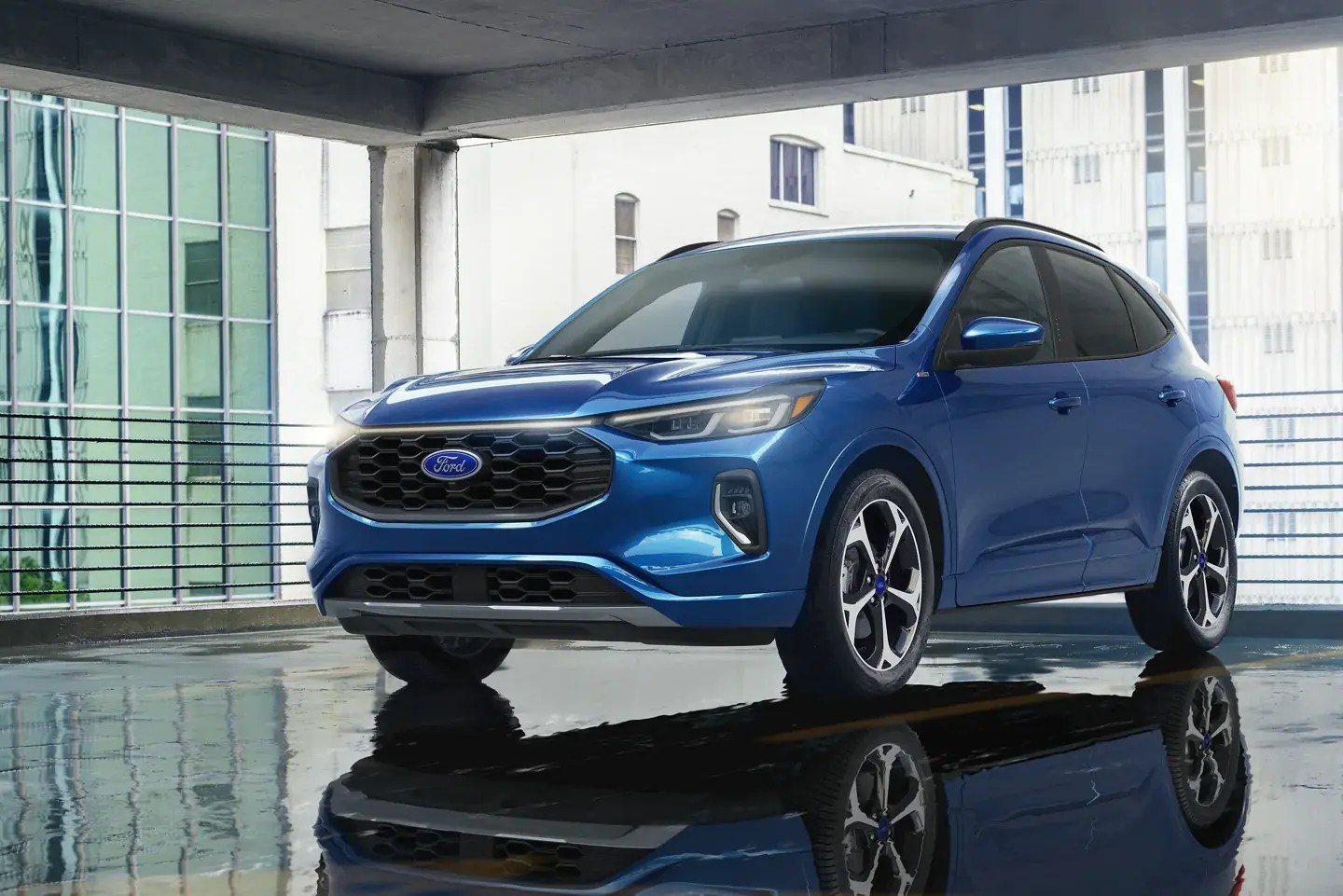
The Escape’s smooth, light steering and its predictable accelerator response make backing in or creeping up a tight driveway surprisingly simple.
For households with shared driveways or tandem parking arrangements, its compact footprint keeps daily shuffling less stressful.
With its mechanically related sibling, the Bronco Sport, handling light off-roading duties, the 2025 Ford Escape is free to focus on the everyday driving tasks most compact SUV buyers face. To that end, it delivers two efficient engine options, a spacious interior, and intuitive infotainment systems, covering the basics well.
However, the Escape falls short in finer details compared with the class leaders. The base turbocharged three-cylinder engine is adequate but lacks refinement, and entry-level interior materials feel inexpensive. Behind the wheel, the Escape offers little excitement, which may suit some buyers but leaves driving enthusiasts wanting more.
Its overly firm suspension further detracts from comfort, making it less ideal for families seeking a smooth ride. Competition in this segment is fierce, with the Honda CR-V and Mazda CX-5 and CX-50 offering more engaging driving dynamics and more upscale interiors.
The 2025 Escape starts at $31,010 and ranges up to $39,005 depending on trim and options. We’d recommend the ST-Line model, which provides access to the more potent 250-hp turbocharged 2.0-liter four-cylinder engine.
Opting for the Select package adds all-wheel drive, while the ST-Line’s design features unique 18- or 19-inch wheels, body-colored lower cladding, a mesh grille, and a rear spoiler.
Inside, it sports an all-black interior with red contrast stitching and a sporty flat-bottomed steering wheel. For a more high-tech experience, the Premium Technology package upgrades the standard 8.0-inch infotainment and gauge displays to 13.2 inches and 12.3 inches, respectively.
The nonhybrid Escape offers two gasoline powertrains. The base 181-hp turbocharged 1.5-liter three-cylinder is available with front- or all-wheel drive and provides adequate acceleration, though it can feel grumbly and unrefined.
The 250-hp turbocharged 2.0-liter four-cylinder, paired with standard all-wheel drive, is the more compelling choice. Both engines are mated to an eight-speed automatic transmission, delivering smooth and predictable shifts for everyday driving.
Cars That Are Too Long or Too Low for Many U.S. Driveways
Many cars look great on the road, but not every design translates well to a typical U.S. driveway. Vehicles that are excessively long, sit low to the ground, or have wide overhangs can make parking, turning, and going through tight spaces a daily headache.
In this section, we focus on cars that may impress at first glance but often struggle when it comes to home-friendly maneuverability, highlighting the challenges they pose for drivers with standard suburban or urban driveways.
1. Chevrolet Suburban
An icon of American excess, the Chevy Suburban is physically too large for many U.S. driveways and nearly all garages built before the mid-2000s.
At well over 225 inches long, it often extends past the end of typical suburban driveway pads, potentially obstructing sidewalks or causing visibility issues for backing out.
Maneuvering this giant into a garage requires a deep, modern garage something many older or mid-century homes simply don’t have.
Its long wheelbase also means the breakover angle is poor, increasing the chances of undercarriage contact on uneven driveway transitions.
The Chevrolet Suburban rides and handles impressively for a full-size SUV, thanks in part to its well-weighted steering with solid feedback and an independent rear suspension introduced with this generation. Braking is robust, bringing the Suburban to a stop confidently and without drama.
Buyers can also opt for adaptive or adjustable air suspension, the latter allowing the SUV to raise or lower itself to optimize fuel economy, ground clearance, or ease of entry.
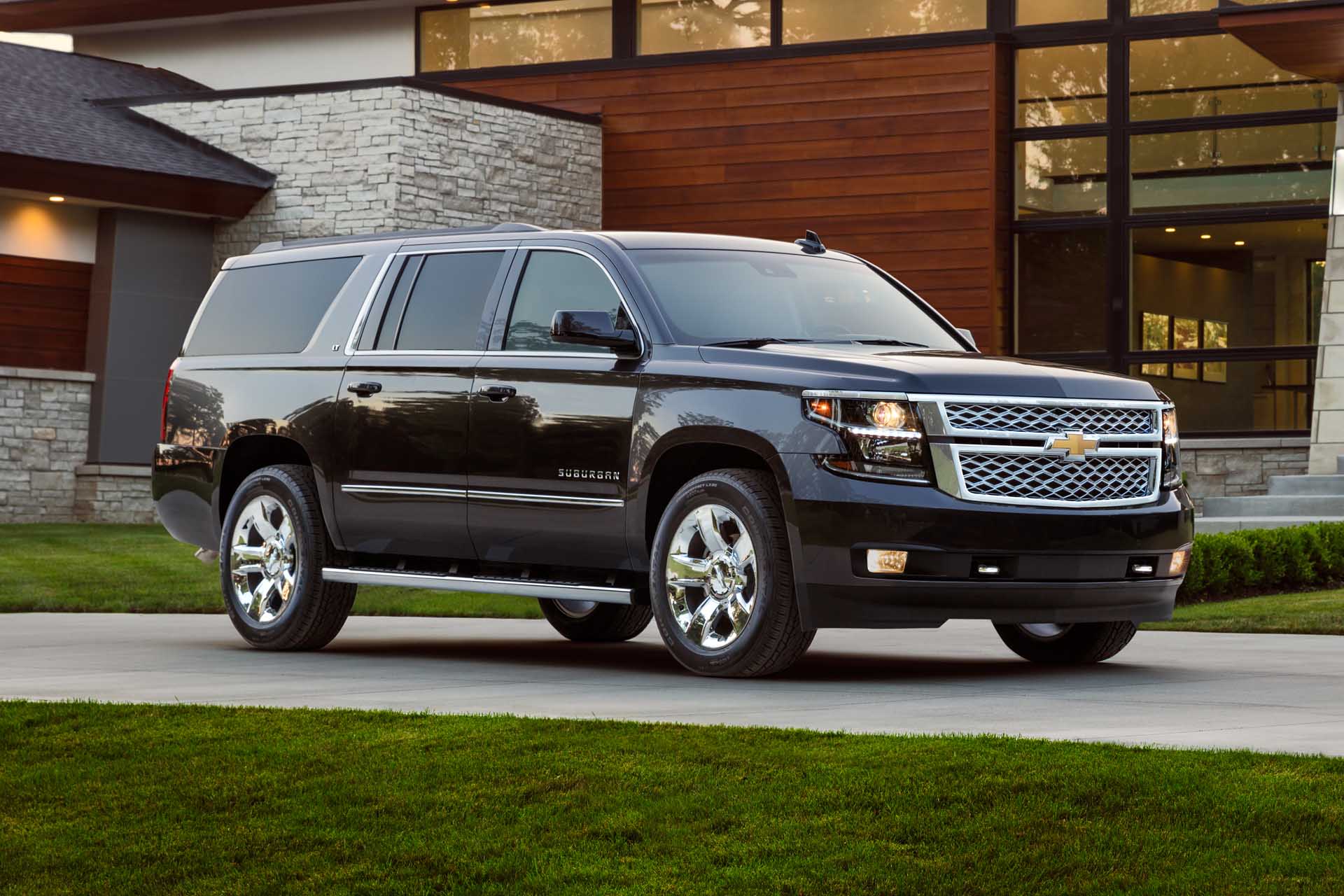
Maneuvering in tight spaces can be challenging, a common trait among large SUVs, and the only other notable drawback is the push-button shifter. To engage Drive or Reverse, you pull the D and R toggles, but to activate Park or Neutral, you must push the P and N buttons, which feels awkward at first.
The Suburban offers three engine choices. The standard 5.3-liter V8 produces 355 horsepower and 383 pound-feet of torque, while the 6.2-liter V8 boosts output to 420 horsepower and 460 pound-feet.
A second-generation 3.0-liter inline-six turbodiesel adds a 10% power increase for 2025, delivering 305 horsepower and a substantial 495 pound-feet of torque. All engines are paired with a 10-speed automatic transmission, and rear-wheel drive is standard, though four-wheel drive is available across the lineup and comes standard on the Z71 trim.
Performance-wise, the base 5.3-liter V8 is responsive and lively, even if it lacks some of the modern tech found in twin-turbo or hybrid six-cylinder competitors. It also offers the highest towing capacity among Suburbans at 8,300 pounds with rear-wheel drive.
The 6.2-liter V8 adds notable punch, delivering brisk acceleration along with an enjoyable engine soundtrack. While the turbodiesel may not be as quick off the line, it impresses with its massive 495 pound-feet of torque and refined smoothness, making it quieter and more composed than previous diesel offerings.
2. Ram 1500 Crew Cab (with 6’4″ bed)
Although wildly popular, the Ram 1500 in its larger configurations is simply too long for many residential setups.
A Crew Cab paired with the longer bed stretches close to 240 inches, making turning around in a narrow driveway difficult and parking inside a standard garage nearly impossible.
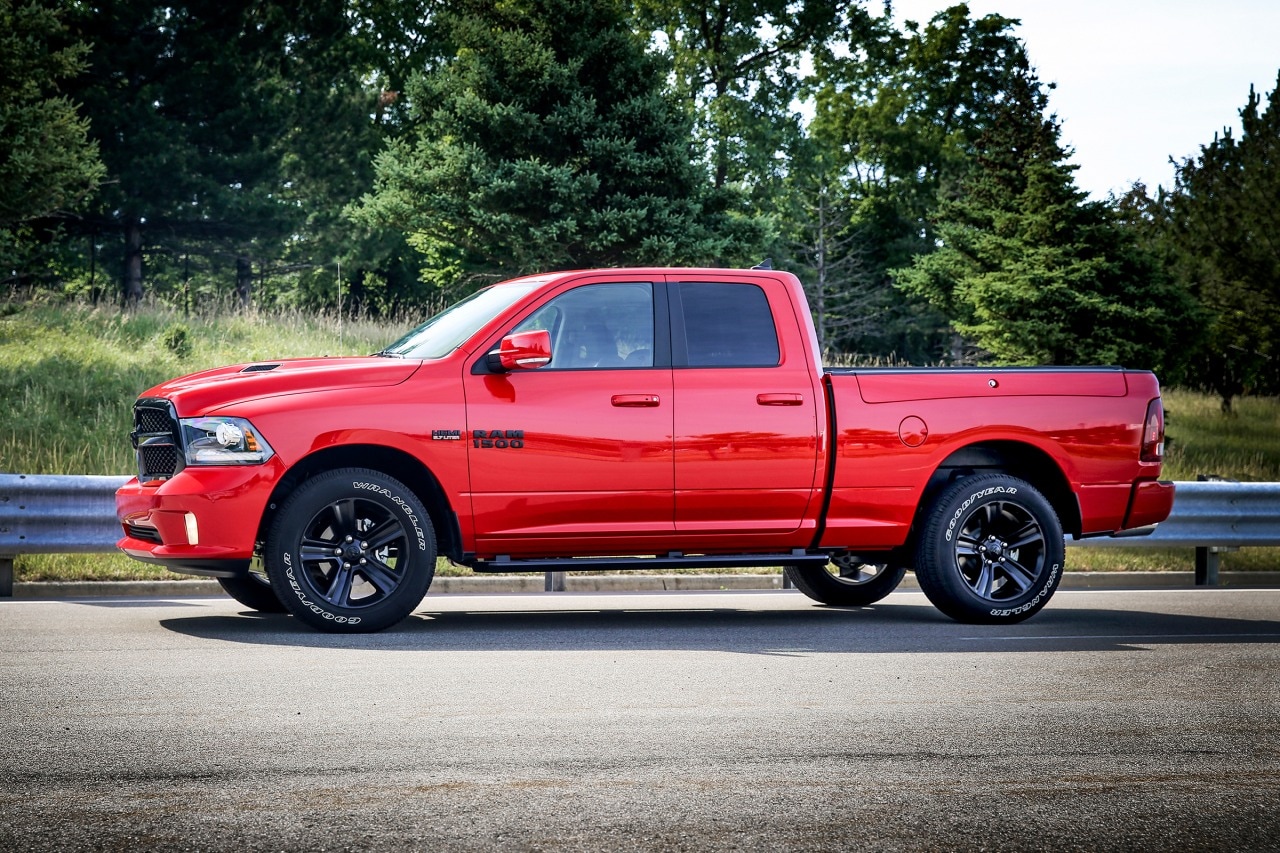
The truck’s low front air dam designed for aerodynamics frequently scrapes on steep driveways, especially those common in mountain and hillside neighborhoods.
For many households, the Ram works fine for street parking but becomes a headache when navigating tight residential slabs.
3. Tesla Model S
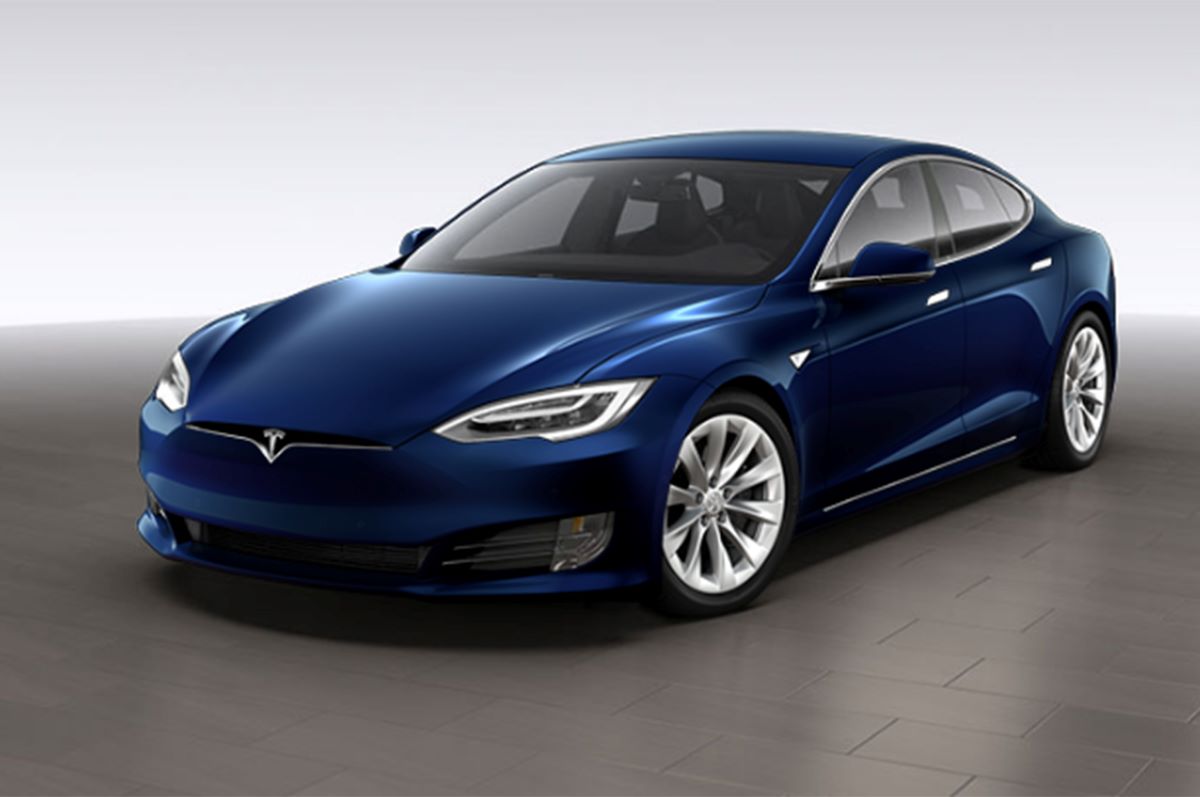
While sleek and luxurious, the Model S is notorious for its low ride height, which can make driveway entries tricky.
Even with adjustable air suspension, owners frequently report scraping issues on steeper driveways or sharply angled entrances to apartment parking pads. Its long wheelbase worsens the problem by reducing clearance at the midpoint.
The Model S fits in most garages length-wise, but drivers need to be cautious when approaching slopes at anything but a diagonal.
The 2022 Tesla Model S remains a cornerstone of the electric vehicle market, and its influence on the growing EV landscape cannot be overstated. Meanwhile, the Plaid variant delivers supercar-level acceleration with its 1,020-hp powertrain while still accommodating four adults comfortably.
Beyond performance, the Model S impresses with functionality, including a spacious rear cargo area and an additional front trunk for extra storage. Although new luxury EV sedans such as the Porsche Taycan and Audi e-tron GT challenge Tesla in performance and comfort, the Model S continues to attract buyers with its superior range and available semi-autonomous driving technology.
For 2022, the Model S sees few changes following a 2021 refresh that introduced a distinctive yoke-style steering wheel and the powerful 1,020-hp Plaid model.
Tesla has announced a significant price increase for the base trim this year. Pricing starts at $106,440 for the base Model S and rises to $137,440 for the Plaid variant. While the Plaid offers extraordinary performance, most buyers will find the base model, with its estimated 412-mile range, provides the best combination of value and capability.
Under the hood, the Model S employs dual electric motors, one for the front axle and one for the rear, providing full-time all-wheel drive regardless of trim. Acceleration across the lineup is thrilling, ranging from outstanding to ferocious.
4. Mercedes-Benz S-Class
The S-Class is one of the longest sedans sold in America, and it rides low for luxury and aerodynamics. Its front overhang is particularly vulnerable, making it extremely driveway-sensitive.
In upscale U.S. suburbs with older driveway designs often steeper due to grading rules the S-Class’s beautiful front fascia becomes a scrape magnet.
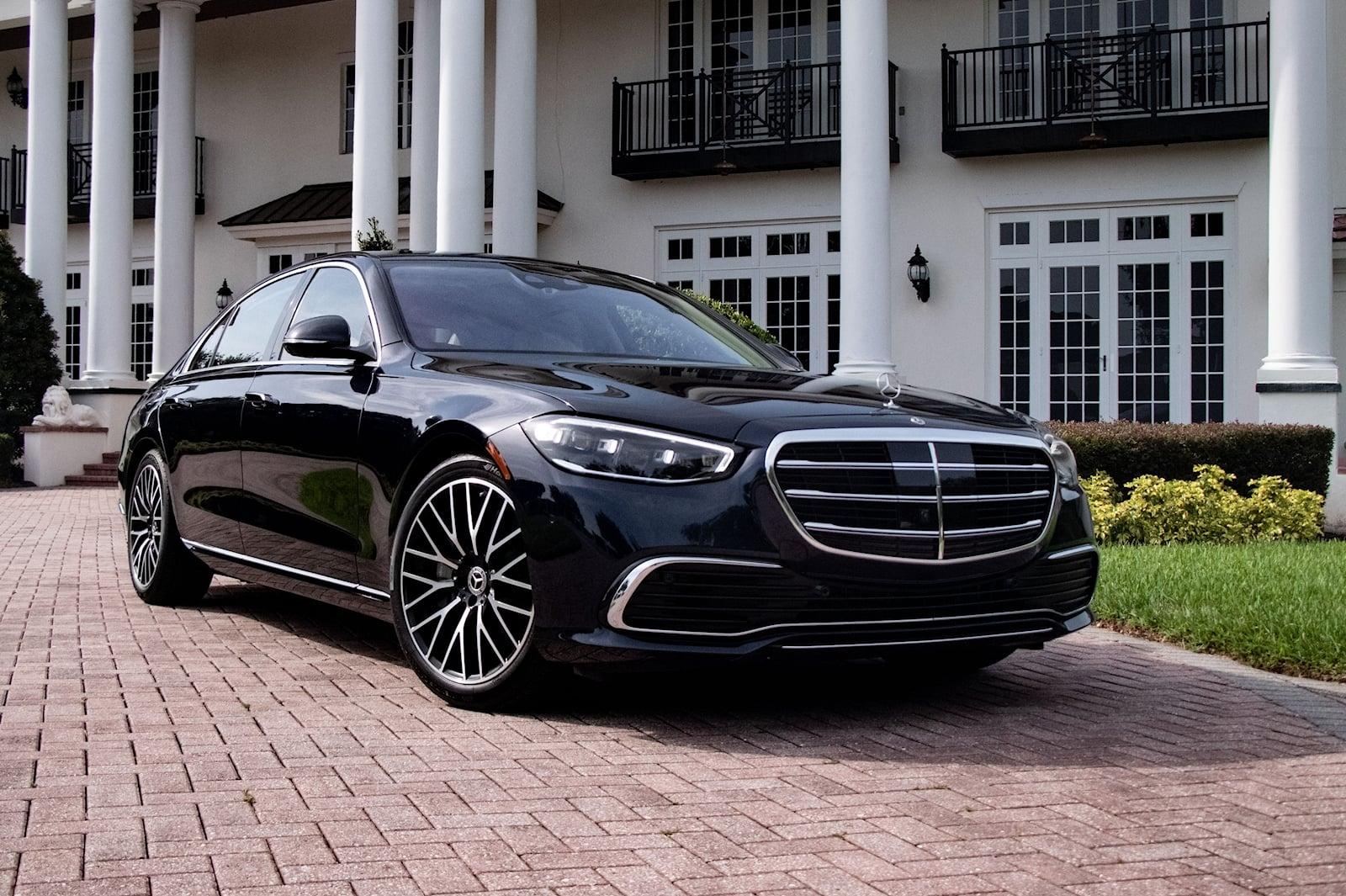
While owners can sometimes rely on available suspension lift systems, they introduce extra steps into everyday usability. And its nearly 210-inch length often consumes an entire garage bay, leaving little space for storage.
5. Ford Expedition MAX
The MAX version of Ford’s full-size SUV stretches beyond what most residential driveways comfortably accommodate.
Families love its cargo room, but its length makes backing into a garage a multi-step process requiring patience and skill.
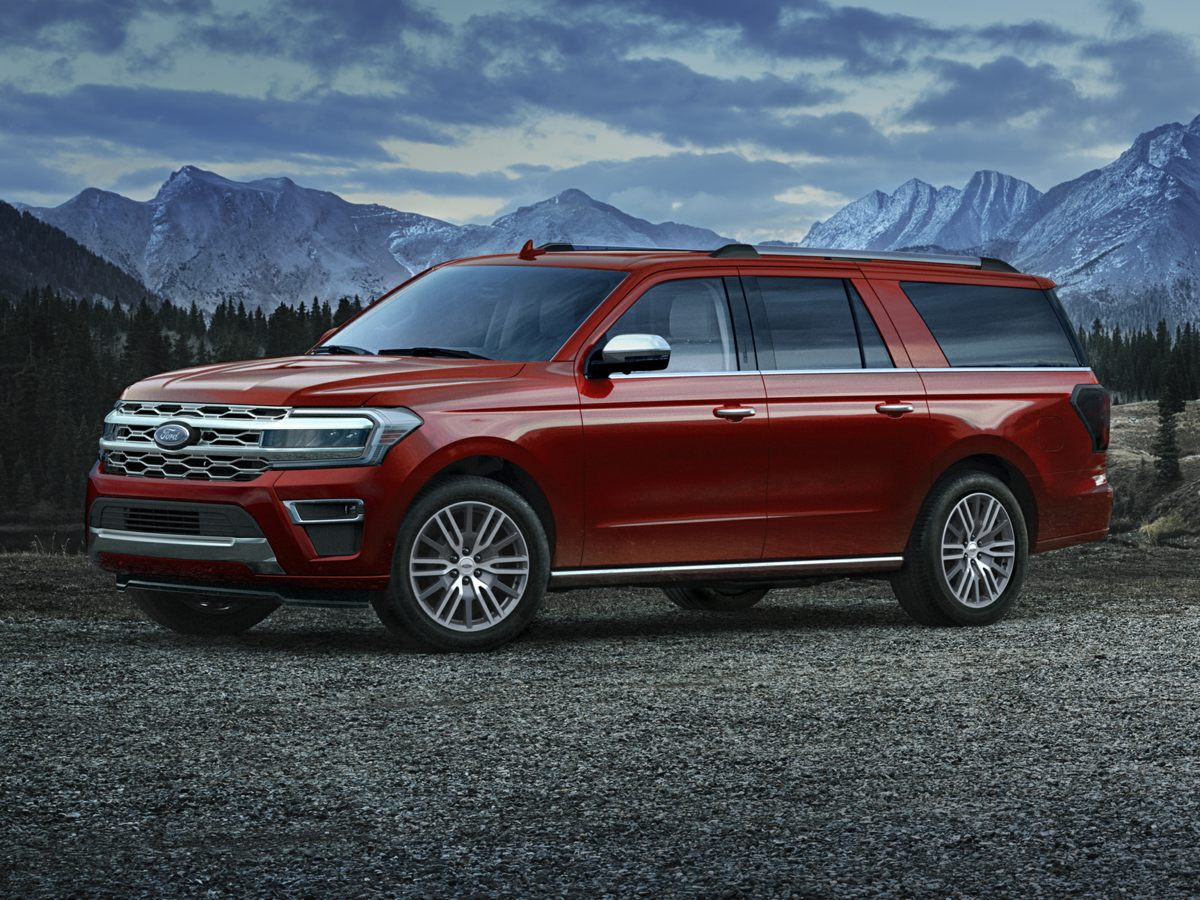
The Expedition MAX’s front bumper, though not as low as some sedans, still struggles with sharply angled driveways because of the vehicle’s long wheelbase.
Turning into narrow or L-shaped driveways common in older neighborhoods can be surprisingly stressful due to its sheer size.
The 2022 Ford Expedition and Expedition Max stand as Ford’s largest and most versatile family SUVs, offering a compelling mix of size, capability, and technology. While not as easy to enter or exit as a minivan, these full-size SUVs feature three rows of seats, a maximum towing capacity of 9,300 pounds, and genuine off-road capability.
Among their peers in the large-SUV segment, the Expeditions deliver one of the smoothest rides and most spacious cabins. However, their driving dynamics lag behind more nimble competitors like the GMC Yukon and Chevrolet’s Tahoe and Suburban.
Under the hood, every 2022 Expedition is powered by a robust twin-turbo V-6, which provides strong performance but falls short in fuel efficiency, particularly at highway speeds.
Pricing for the 2022 Expedition ranges from $55,075 for the base XL trim to $82,900 for the top Platinum model. Our recommendation is the Limited trim on the standard-wheelbase Expedition, which strikes a balance of features, comfort, and performance.
Powering the Expedition is a twin-turbo 3.5-liter V-6 mated to a responsive 10-speed automatic transmission, available in rear- or four-wheel-drive configurations. The standard engine produces 380 horsepower and 470 lb-ft of torque, while Limited models are upgraded to 400 hp and 480 lb-ft.
The Timberline trim and Limited models with the Stealth Performance package boost output to 440 hp and 510 lb-ft. In testing, the Timberline hit 60 mph in 5.1 seconds, outpacing the V-8 Tahoe Z71 by 2.4 seconds, with the Stealth Performance model shaving an additional 0.2 seconds.
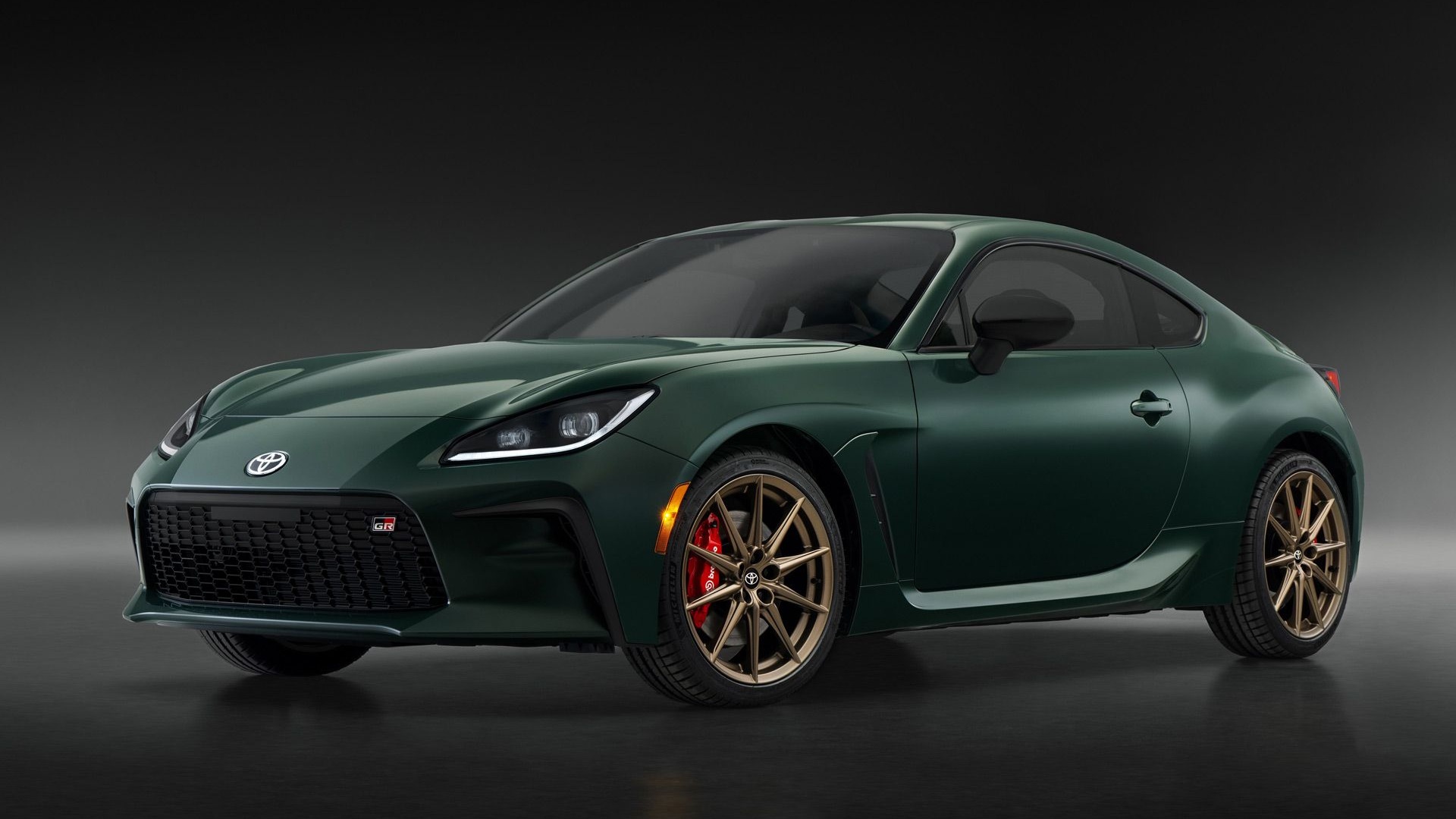
6. Toyota GR86 / Subaru BRZ
Fun, affordable, and great on a racetrack yet not friendly to everyday driveways. Both the GR86 and BRZ sit extremely low, especially at the front, making them prone to scraping on even moderately sloped residential entries.
The long, low coupe nose is attractive but impractical for hills or high curb cuts.
And while they’re easy to park due to compact length, the low roofline and seating position make climbing in and out of the car on inclined driveways uncomfortable. For many U.S. households, these cars require conscious navigation every time.
Driveway friendliness is a hidden factor that becomes painfully obvious only after a buyer brings a new car home.
The American housing landscape varies widely from short, flat suburban pads to steep hillside ramps and not every vehicle is designed with these realities in mind.
Models like the Forester, RAV4, and Camry blend manageable dimensions with good clearance, making daily home parking low-stress.
On the other hand, giants like the Suburban and driveway-sensitive low-riders like the Model S can turn simple daily arrivals into careful operations. For buyers, considering driveway geometry is just as important as test-driving on the street.